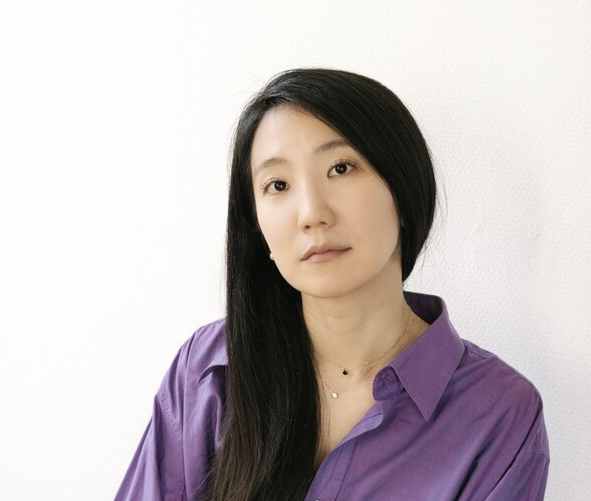
Working across sound, video, installation, performance, and drawing, Yo-E Ryou (b. 1987) traces how embodied knowledge and ecological memory circulate through water. Rooted in hydrofeminist thought, her practice approaches water not only as a conceptual framework but as a lived, elemental condition that reshapes how bodies and environments remember and relate.


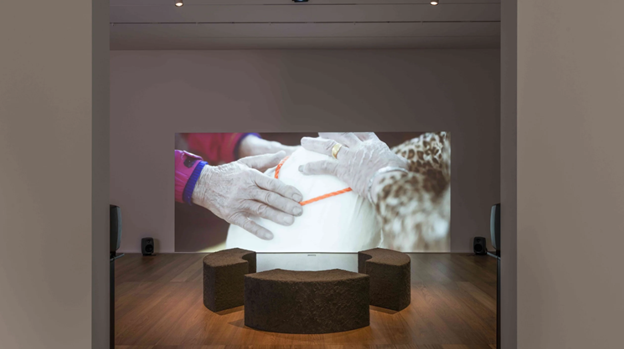
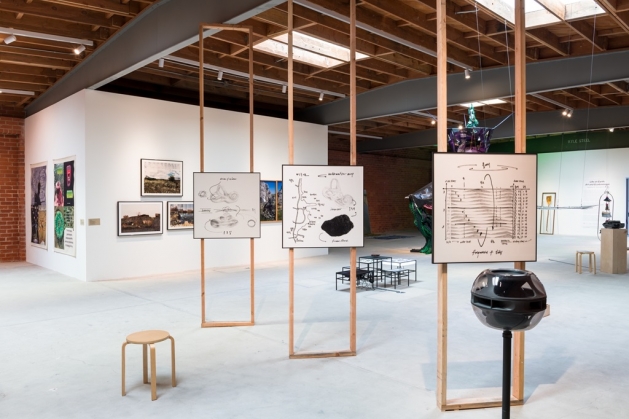
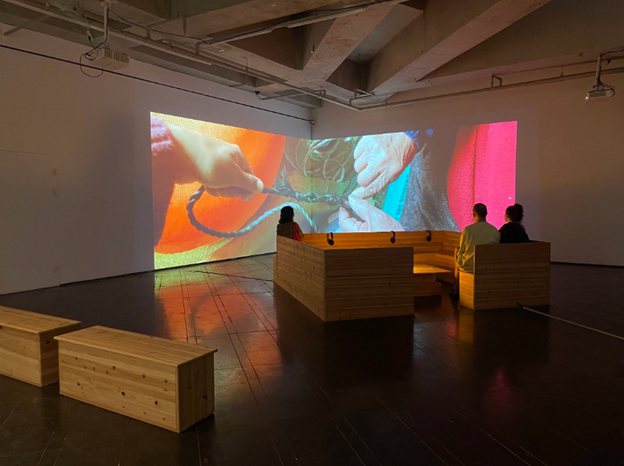
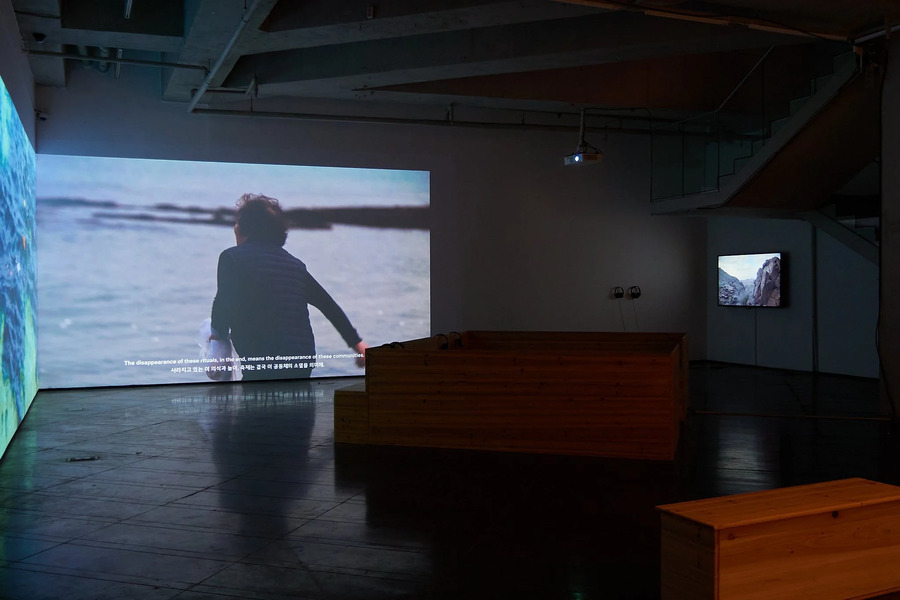
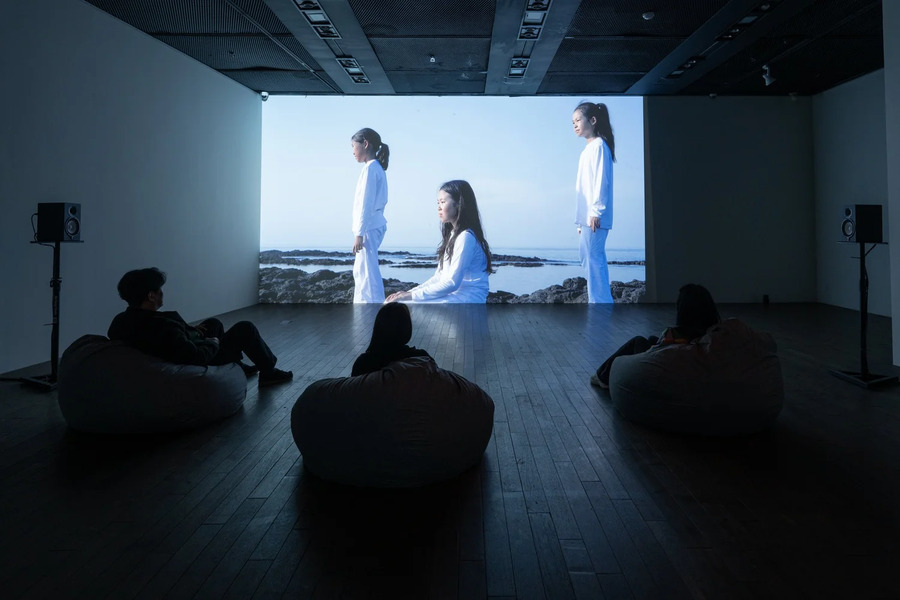
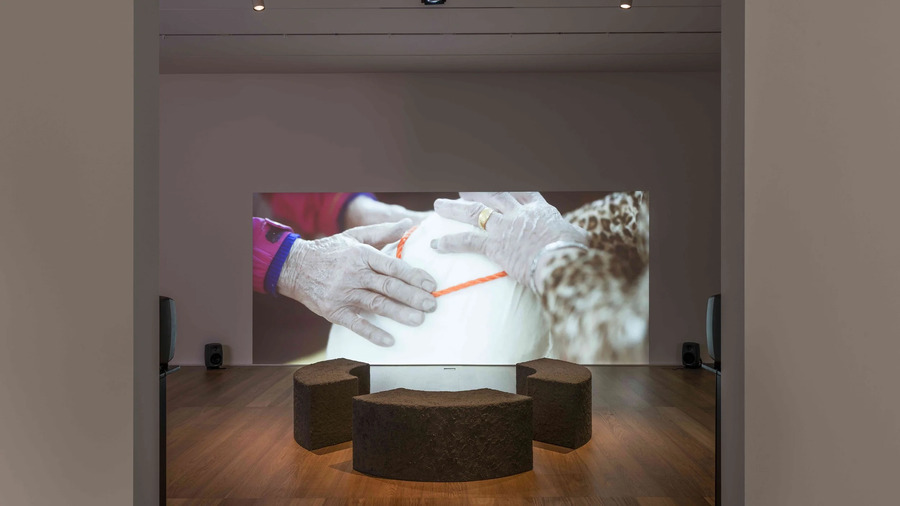
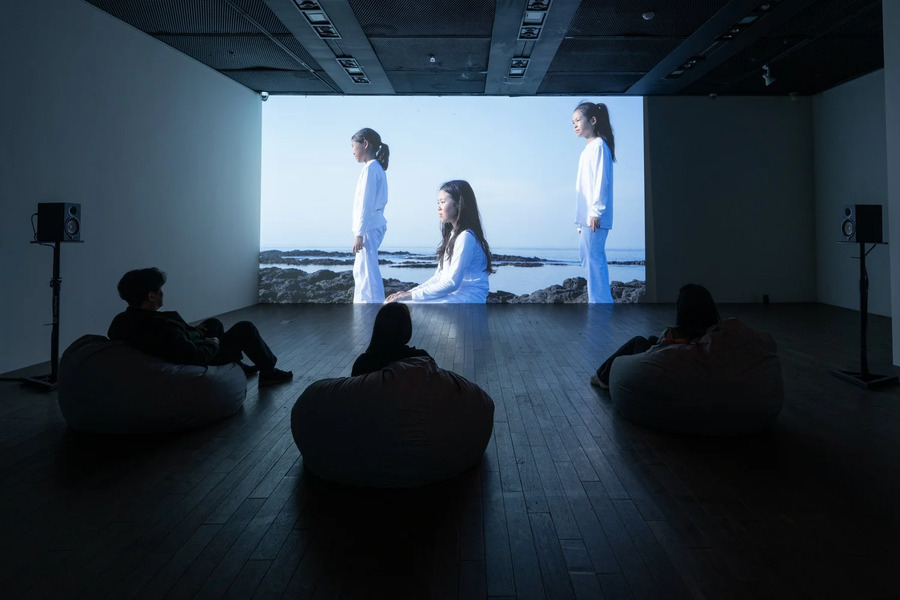
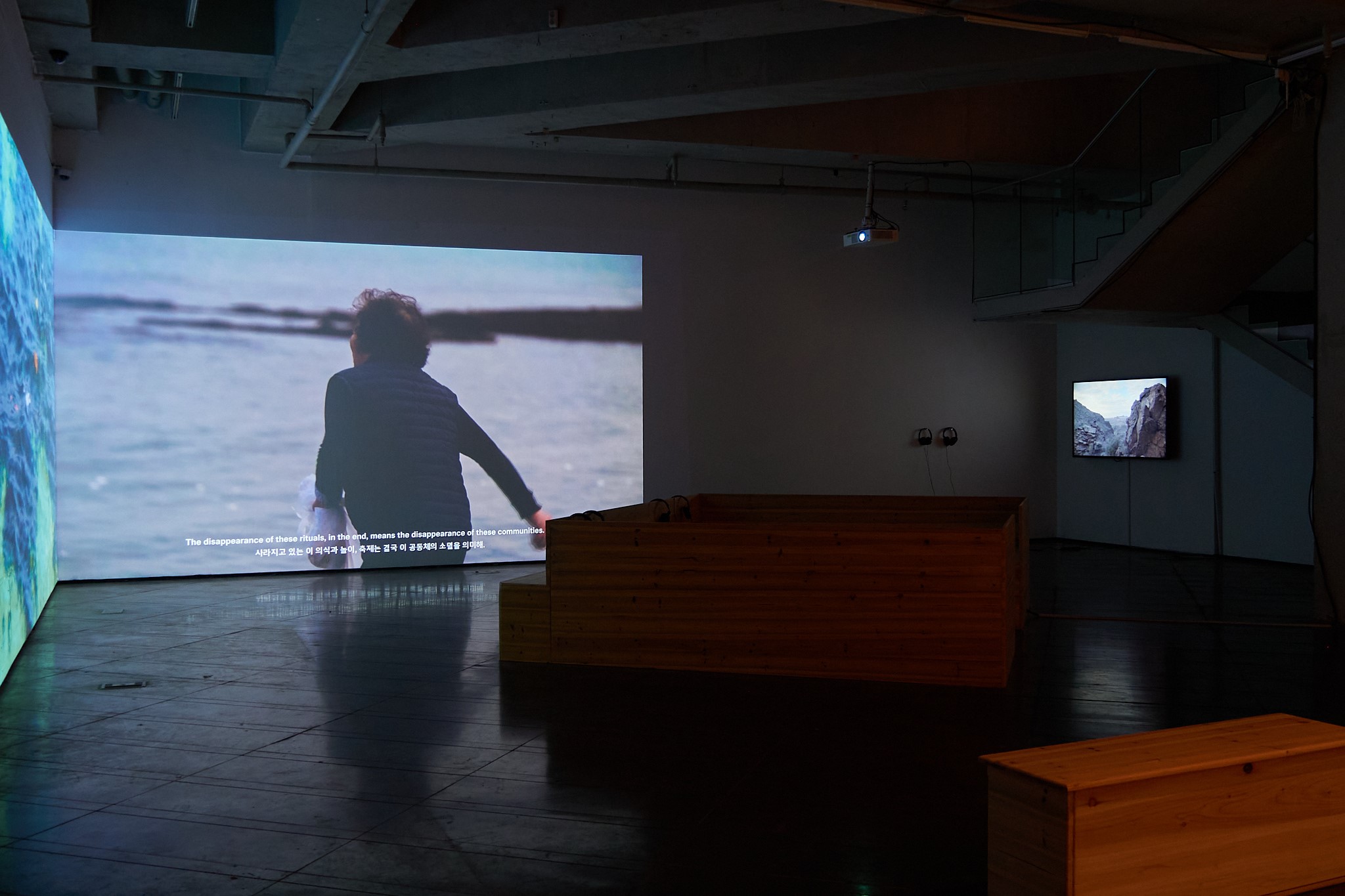
Yo-E Ryou, The Thousand Hands Sutra, 2023, Single-channel video, sound, 5min 30sec. Installation view of 《Why I Swim》 (Alternative Space LOOP, 2023) © Yo-E Ryou

Rather than producing singular narratives or fixed representations, she works with modes of transmission, where sensations move from body to body and take different forms through experience. Based in Jeju island, she runs ‘Unlearning Space,’ an artist-led platform for collaborative research and exchange connecting island-based and translocal practices.


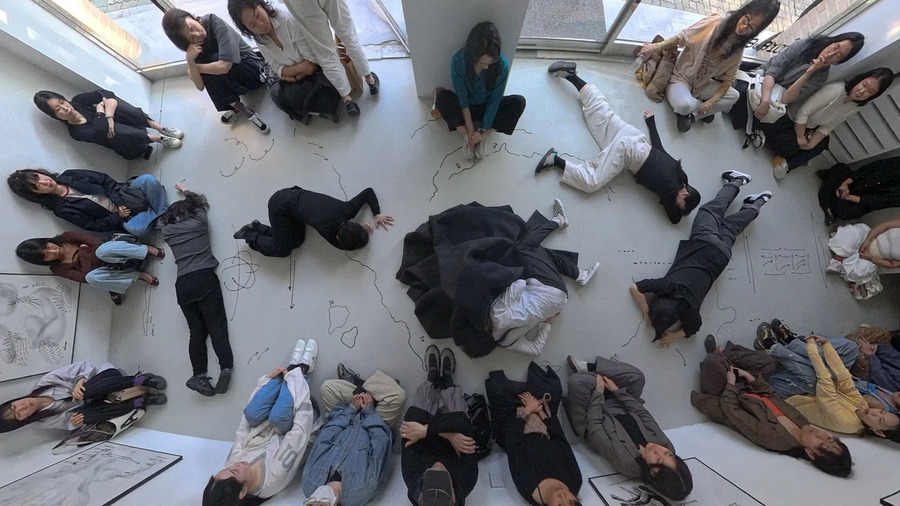
Workshop view of 《Why I Swim》 © Yo-E Ryou

After experiencing a pandemic and burnout in New York, Yo-E relocated to Hado-ri, a small village in Jeju in 2021. In the spring of the following year, she opened Unlearning Space in the house where Ko Ihwa haenyeo (female diver of Jeju Island) lived. She initiated an artistic research and care program under the theme of “water, women, and Jeju” and invited local residents and visitors.
 
Her solo exhibition 《Why I Swim》 (Alternative Space LOOP, 2023) departs from learning how to swim in the sea for the first time in 30 years and delves into the artist’s life experiences with her neighbor haenyeos while running the Unlearning Space.


Yo-E Ryou, Auspicious Practice, 2020, Single-channel video, sound, Dimensions variable, 11min 21sec © Yo-E Ryou

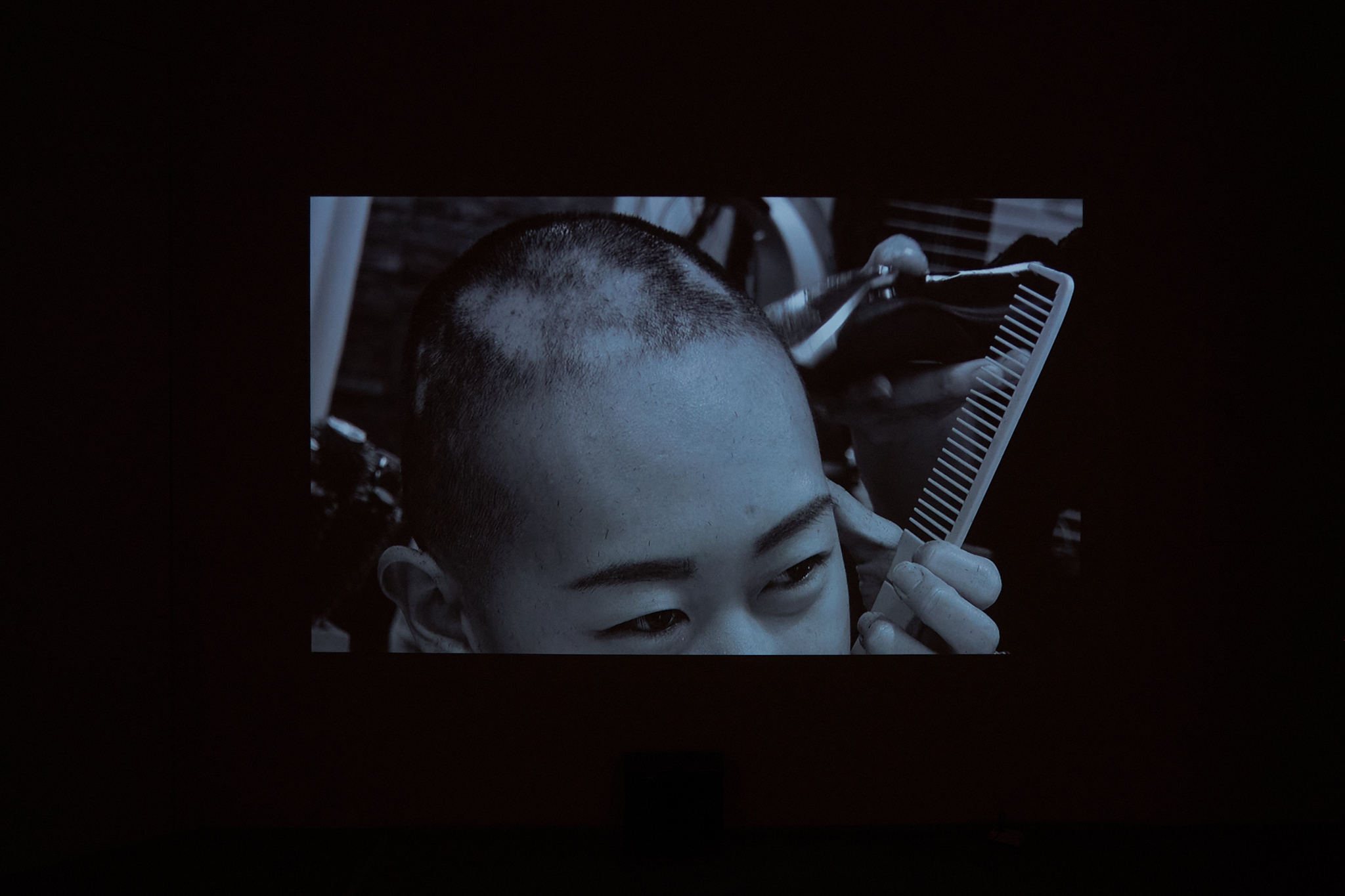
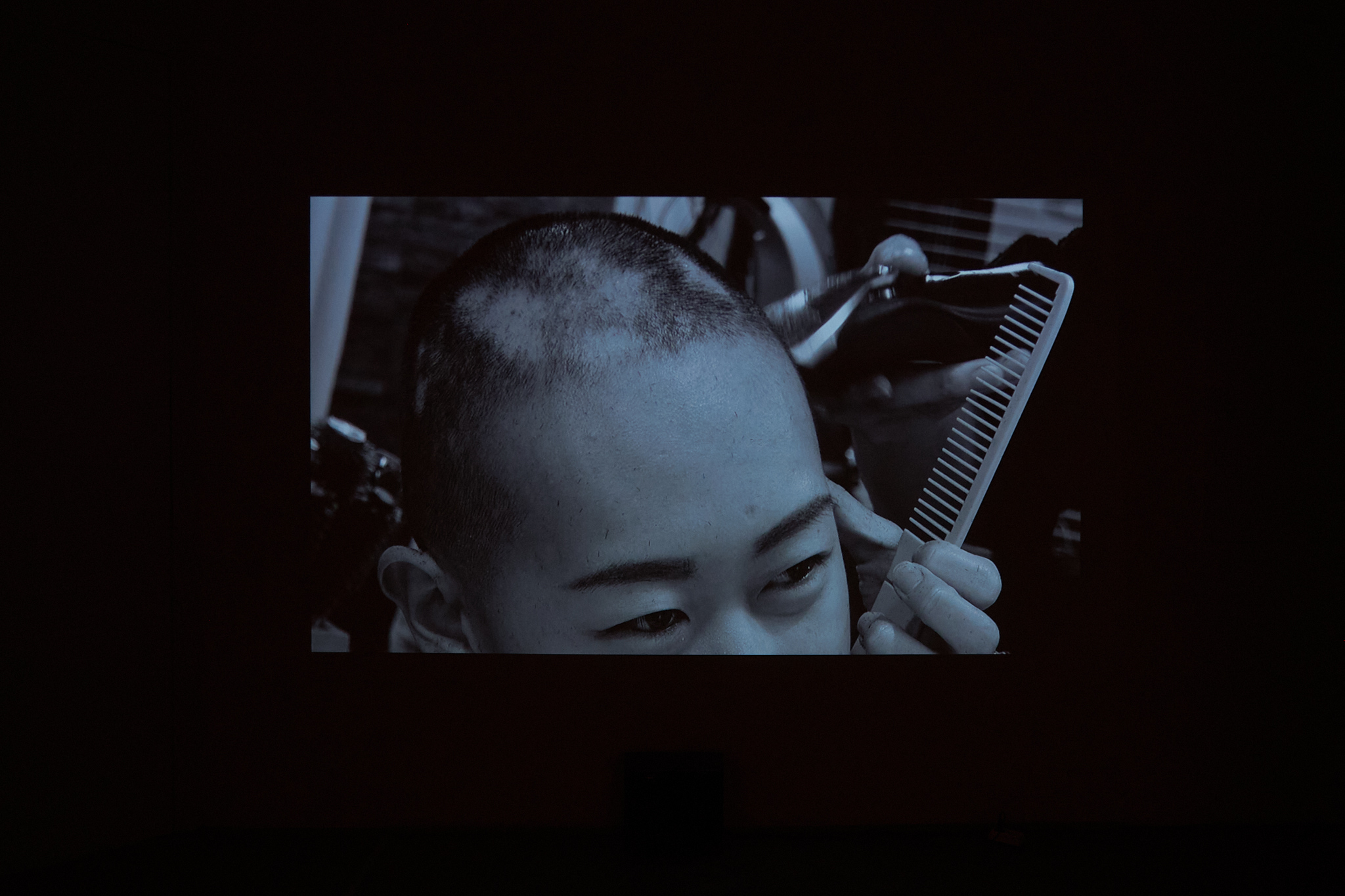
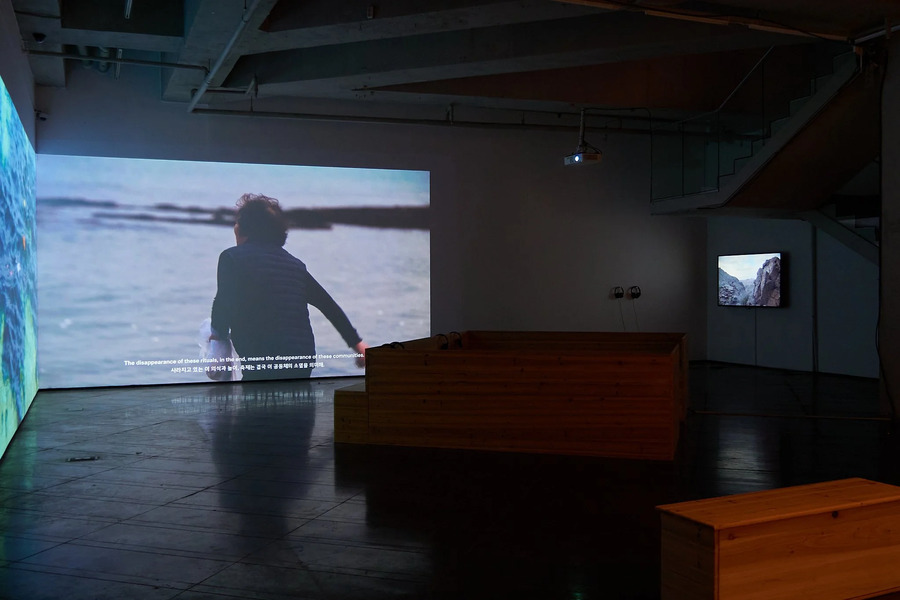
First, the two video works presented in the exhibition, Double Gaze (2018) and Auspicious Practice (2020) are about a woman suffering from a hair loss due to stress-induced autoimmune disease. The woman and the artist ponder the causes of their physical and mental fatigue and lethargy, as well as the fundamental remedies for burnout.
 
With sparse hair due to circular hair loss, the woman tries treatments such as qi therapy, herbal treatment, and scalp massage in various locations around Seoul. She tries out wigs in an effort to conceal her illness and comply with social stereotypes about how women should look. Through this work, the artist questions her identity during the journey to find her place and roots in the family, the society and the culture she belongs to.


Yo-E Ryou, Double Gaze, 2018, Single-channel video, sound, Dimensions variable, 6min 57sec. Installation view of 《Why I Swim》 (Alternative Space LOOP, 2023) © Yo-E Ryou

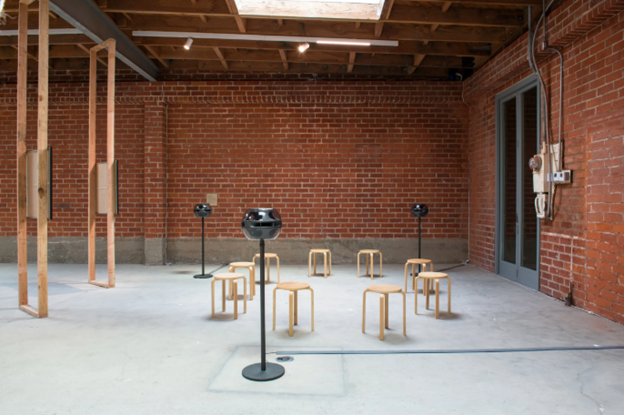
Water Remembers (2023) is a 4-channel sound work about Ko Ihwa, a now deceased haenyeo and activist. The sound of intensifying raindrops, storms, and waves is crescendoing into the mechanical sound of burnout.
 
With the splashing sound of jumping into the water, the neighborhood haenyeos begin to talk about their memories of Ko Ihwa. As they watch a video of one haenyeo, who is well over 80, sings along with the song.
 
Just as a single drop of water gathers to form a river, neighboring haenyeos pass on their lives and memories, creating new connections. Through the sound of water as a medium, the personal narratives of those not preserved in official records are loosely interwoven.


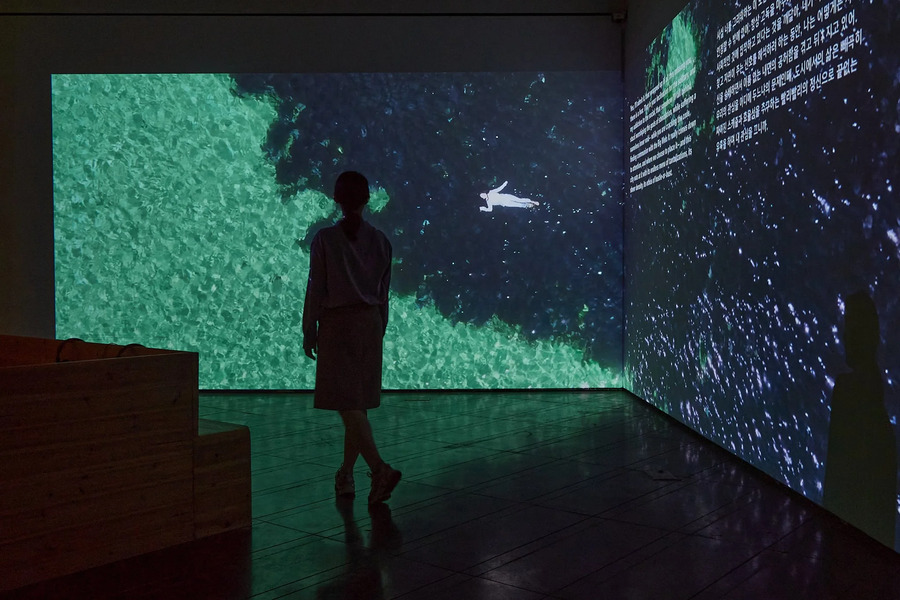
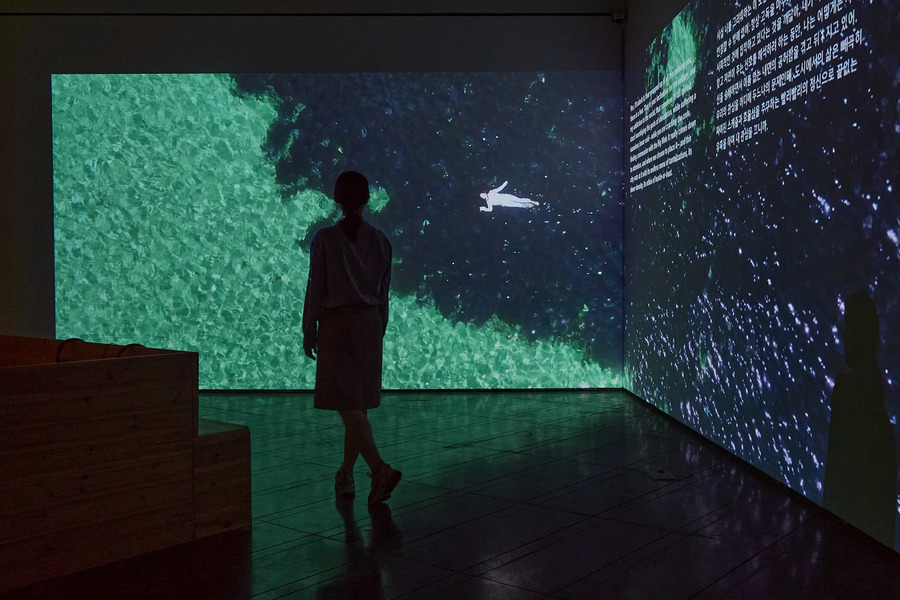
Yo-E Ryou, Why I Swim, 2023, 2-channel video, sound, 34min 36sec. Installation view of 《Why I Swim》 (Alternative Space LOOP, 2023) © Yo-E Ryou

The two-channel video work Why I Swim (2023), which shares its title with the exhibition, is based on the artist’s experience of learning to swim in the sea in Jeju. It takes the form of a letter written to a friend across the ocean. It is a poetic letter about herself, who learned to speak and swim, breaking through her struggles as a teenager with the social pressures and a long silence followed by burnout.
 
Yo-E’s artistic practice is closely connected to her research on hydrofeminism. The Earth and human beings are composed of 70% water, and humans have lived in amniotic fluid from the time of fetal stage. Hydrofeminism sees humans as beings connected to other organisms on Earth through the water rather than as distinct individuals.
 
By interacting with the haenyeos in her neighborhood, the artist explores the special relationship between the haenyeos’ bodies and the bodies of water. She helps with the daily tasks of a woman who lives alone and still works as a haenyeo in her 80s.
 
As the haenyeo teaches Yo-E the indigenous ways of how her body is connected to the sea, the artist begins to break away from the Western education system and customs that she had been pushed to adapt to.


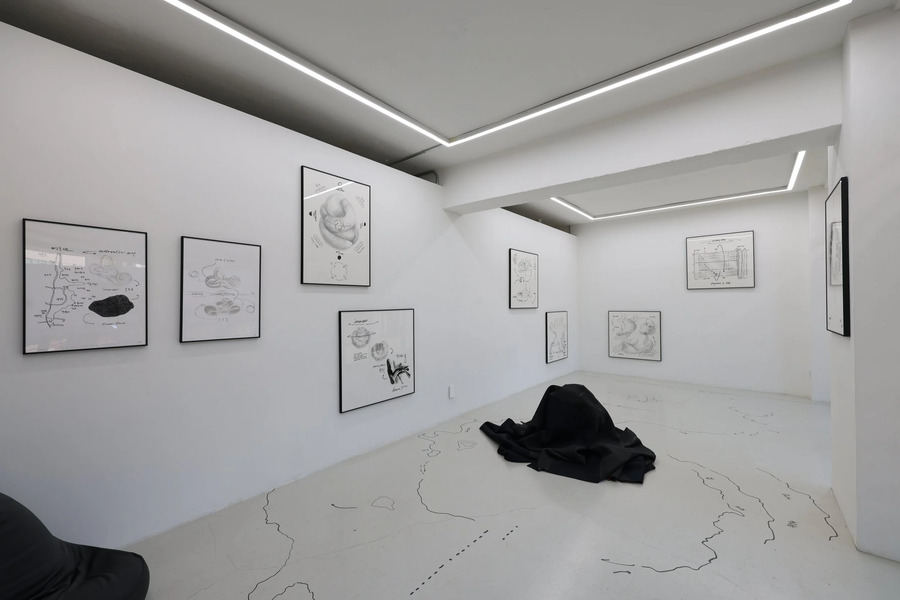
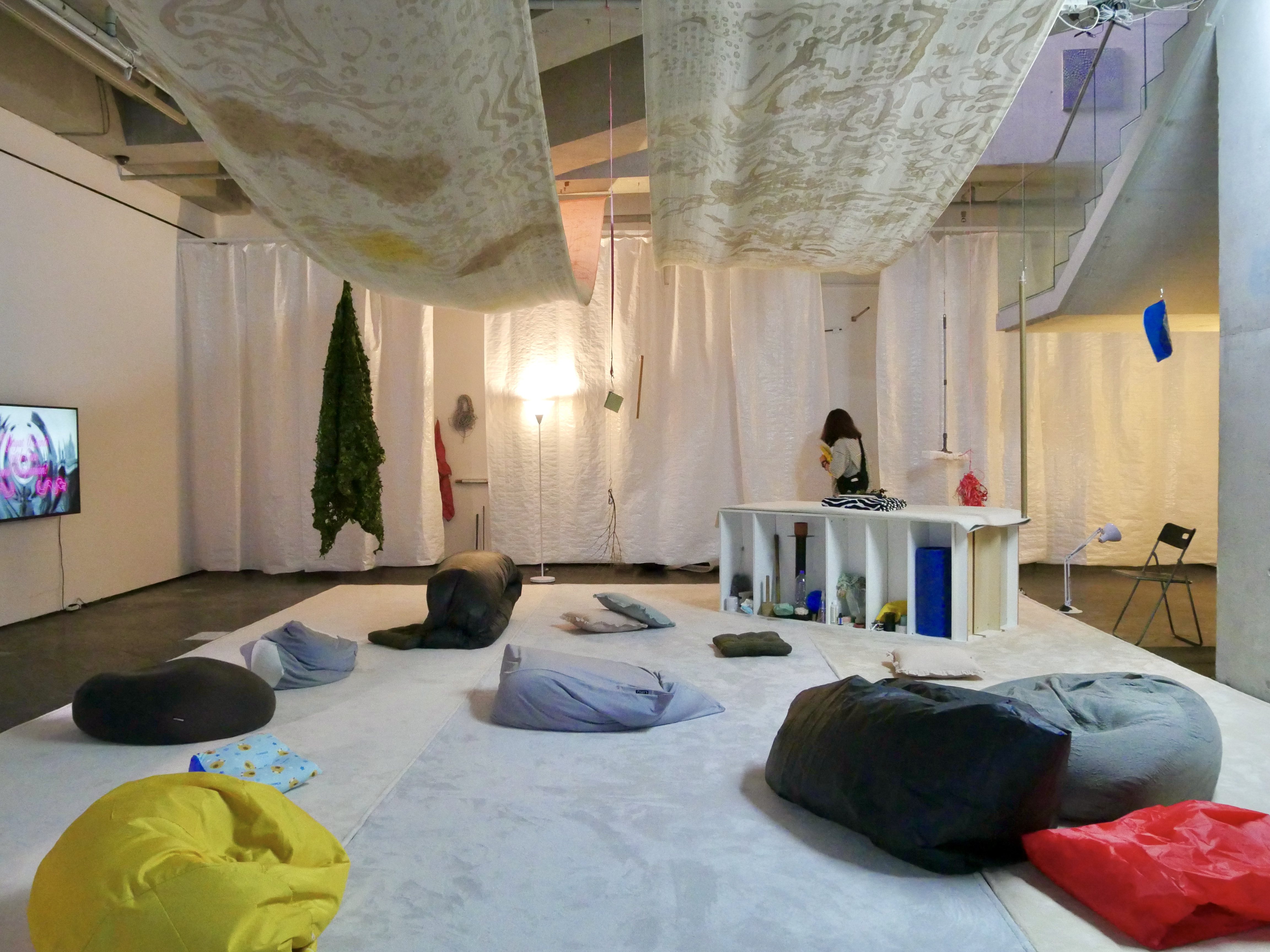
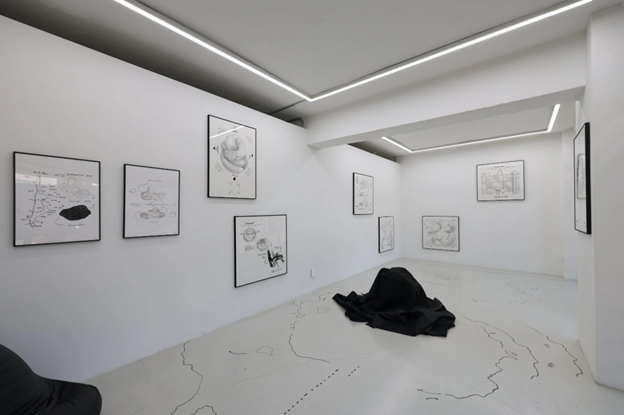
Installation view of 《Breath Pause》 (Forever Gallery, 2025) © Yo-E Ryou

These experiences led the artist to reflect on the body as something that changes and circulates through its relationships with the surrounding environment. The solo exhibition 《Breath Pause》 (2025), held at Forever Gallery, focused on the act of “emptying and filling the breath,” raising questions about bodily sensation and memory, as well as a language of perception transmitted from one body to another.
 
We breathe countless times each day, yet rarely do we attune ourselves to the weight and varying rhythms embedded in each breath. In this exhibition, Yo-E Ryou sought to share—through a multilayered approach encompassing performance, drawing, installation, and reading—the ways of breathing with water and sensing the rhythms inscribed in the body that were learned from Jeju’s haenyeos.
 
The rhythms inscribed in the body through breathing with water extend into a sensory language through which one builds and takes root in the world underwater. Through the research drawing series ‘Water Speaking,’ Body Writing, 04–13 and the installation Current 1–2, the artist invited viewers into a space where the languages of water and breath can be heard, read, and felt.


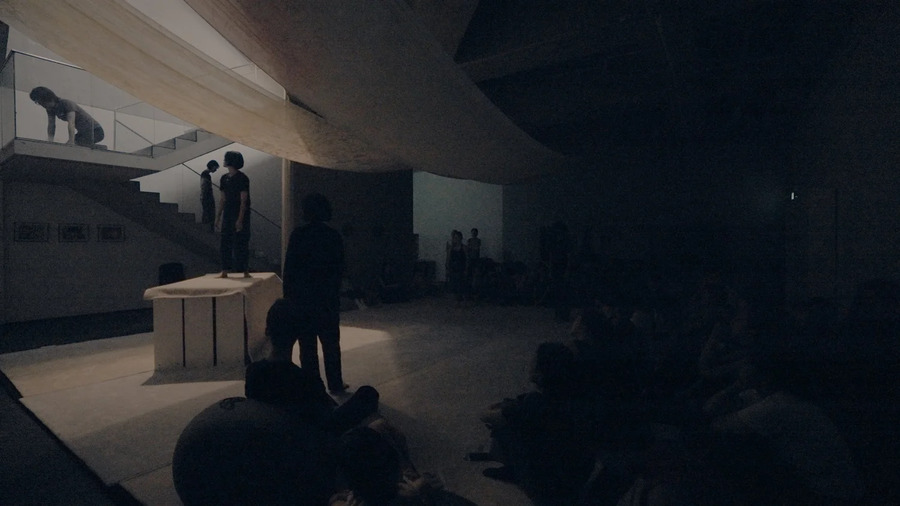
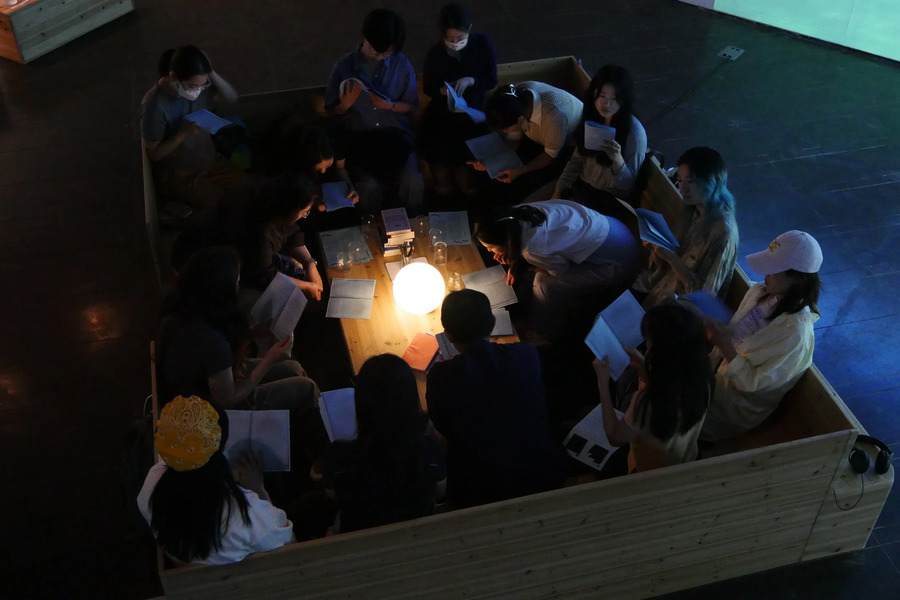
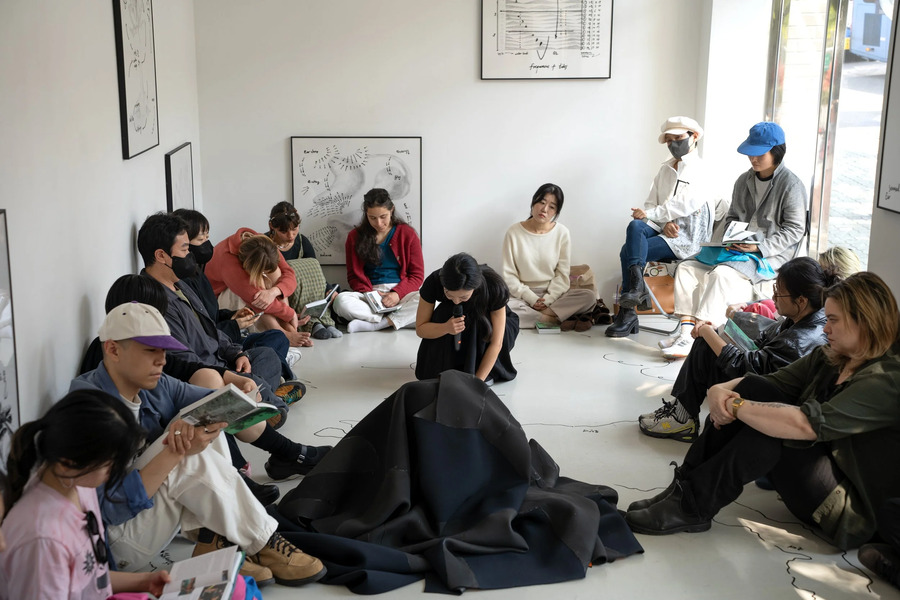
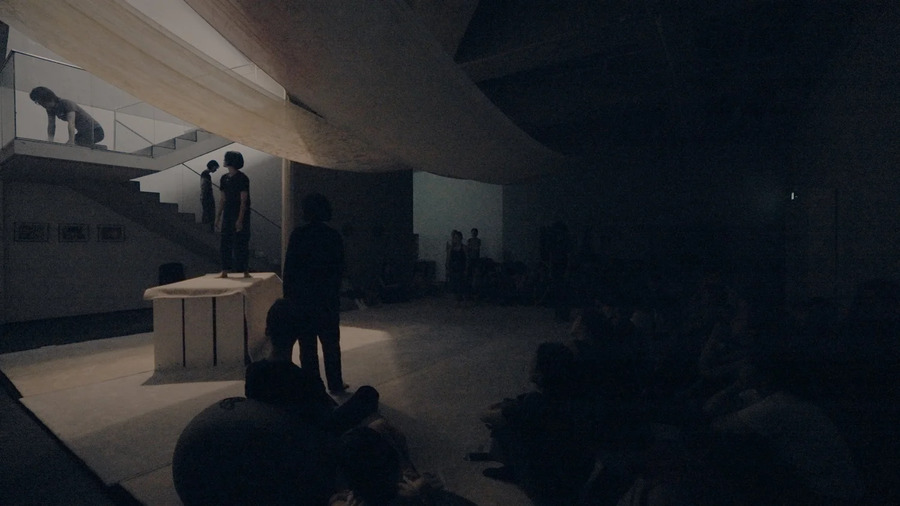
Reading performance view of 《Breath Pause》 © Yo-E Ryou

Meanwhils, the performance work Breath Orchestra, Act 3 traces rhythms of breath and silence where labor and rest blur—dismantling boundaries between endings and beginnings, inside and outside water. Remembering the “breath attuned to each body,” learned from the sea and the Haenyeo divers, the artist weaves oral storytelling, workshop, and performance.
 
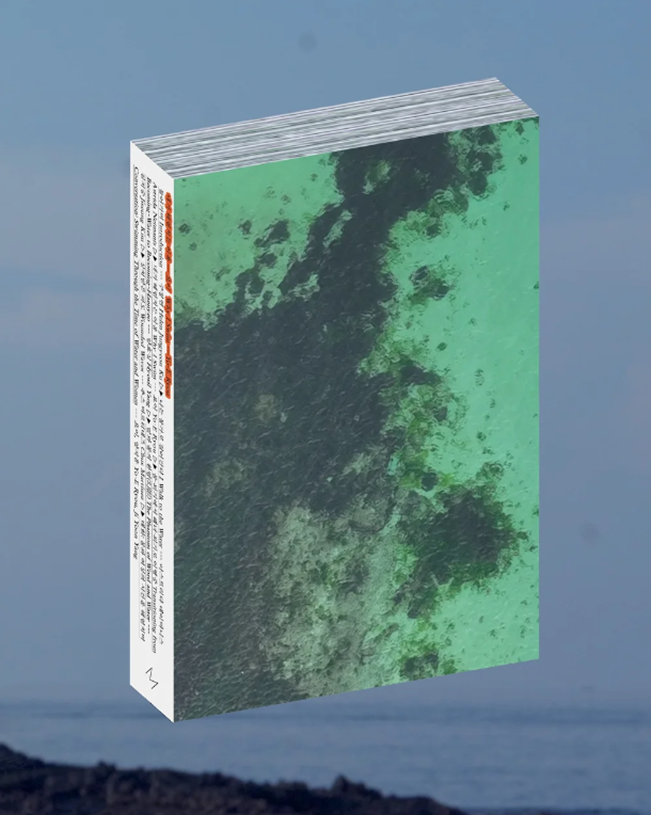
To conclude the exhibition, there was a reading performance from the artist book, Why I Swim, followed by a talk sharing the context of the work. This reading revoices the sensory language learned underwater—an attempt to gently bridge the distance between memory and record, body and word.
 
In this way, through the experience of first learning how to swim after coming to Jeju, Yo-E Ryou has relearned a language that can only be understood through the body, attuning to the sounds heard underwater, and translating the sensation of the body of the “self” and the body of “water” becoming intertwined and connected into another sensory language—art.


Yo-E Ryou, Breath Orchestra Act 3, 2025, Performance view of 《Breath Pause》 © Yo-E Ryou

As discussed earlier, the performance series ‘Breath Orchestra’ (2024–) clearly demonstrates this line of inquiry. The work began with the question of how to capture the sensory impressions gained underwater while practicing muljil (haenyeo diving) alongside neighboring haenyeo.
 
Yo-E Ryou understands the repetition of the haenyeo’s breathing—regulating their breath before diving, the stillness during submersion, the “sumbisori” exhaled upon resurfacing, and the return to steady breathing—not as a mere physiological necessity, but as a language that carries the rhythms of life passed down through generations.


Yo-E Ryou, Breath Orchestra Act 1-2, 2024. Installation view of 《Boundless: Language of the Soul》 (Jeju Gallery, 2024) © Yo-E Ryou

Swimming between island and mainland, and across generational differences between East and West, the artist seeks to connect the languages of the “self” and the “other,” attempting to weave the elusive stories of the underwater world into visual, tactile, and auditory forms.
 
To this end, she reflects on the process by which one language is translated into another, and considers where the language of water originates and where it arrives—much like the relationship between an original and its translation, a source language and a target language.


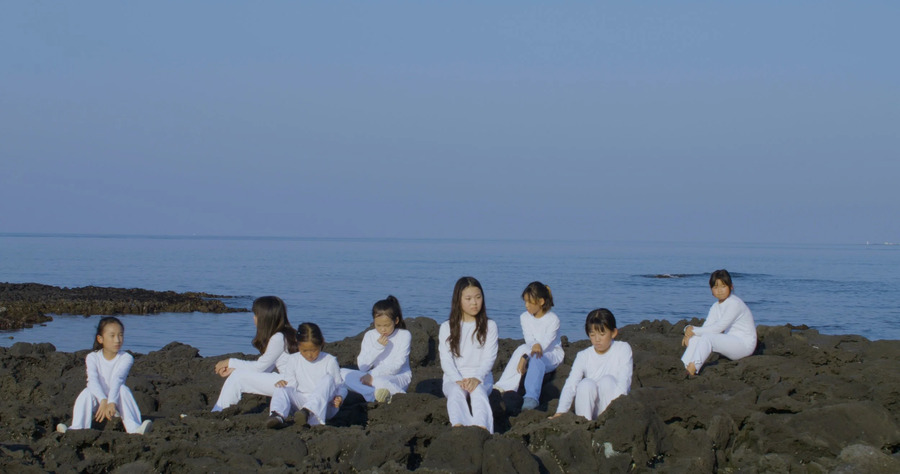
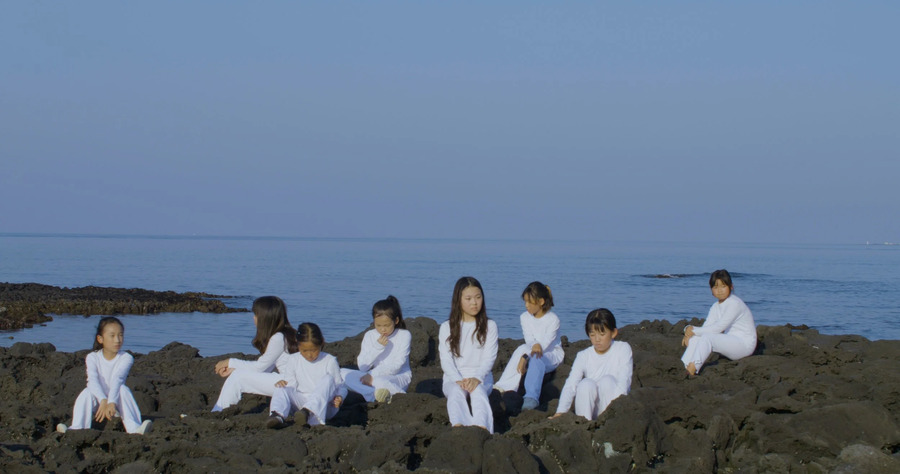
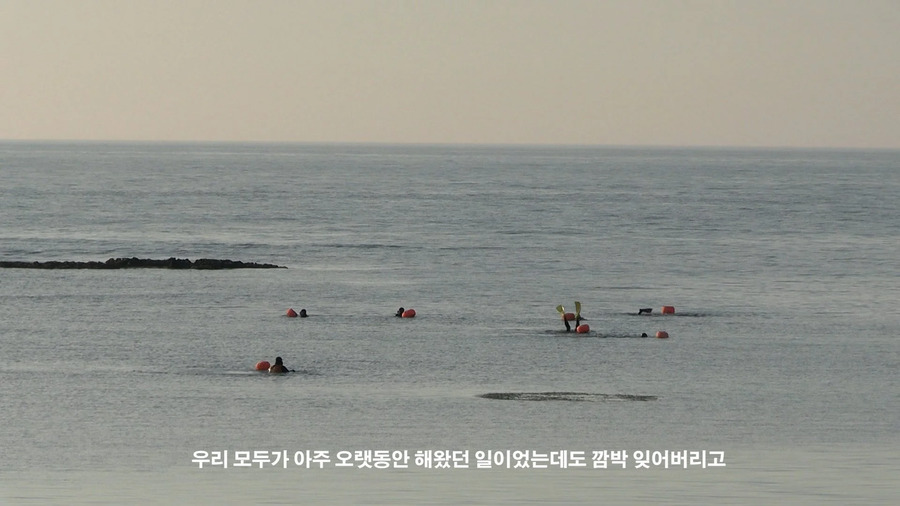
Yo-E Ryou, Breath Orchestra Act 2, 2024, Single-channel video, 5.1 channel sound installation, 10min 10sec. © Yo-E Ryou

Yo-E Ryou formed a “Breath Orchestra” with children around the age of ten—who would head to the sea instead of school—on the shores of Jeju, synchronizing their breathing together. As the children observed and followed the haenyeo diving and breathing techniques she had learned, movements uniquely synchronized within each of their bodies began to emerge.
 
The collective sound of breathing is heard at times in unison and at times individually, immersing the audience in the physical and emotional space of the Jeju sea. It resonates with the surrounding sounds of the ocean—the crash of waves, the wind, and the silence that moves between above and below the water’s surface.


Yo-E Ryou, Breath Orchestra Act 4, 2025. Performance view of 《Touchy-Felly》 (Alternative Space LOOP, 2025) © Yo-E Ryou

The stillness at the moment of holding one’s breath transcends the literal act of diving, symbolizing the very duration of time spent underwater and becoming a space where the boundaries of life converge. Moving between the calm above the surface and the dynamic activity below, the haenyeo’s practice embodies the coexistence of stillness and motion.
 
By capturing this contrast, the work reflects the paradoxical everyday life of haenyeo, where intense activity and profound quiet intersect. Yo-E Ryou seeks to explore the points at which contradictions meet—between life and death, love and destruction, work and play, pain and recovery.
 
Imagining a mode of breathing in harmony with water, the artist expresses a sense of respect and wonder toward the symbiotic relationship between haenyeo and the sea, while also holding a quiet mourning for what is disappearing.


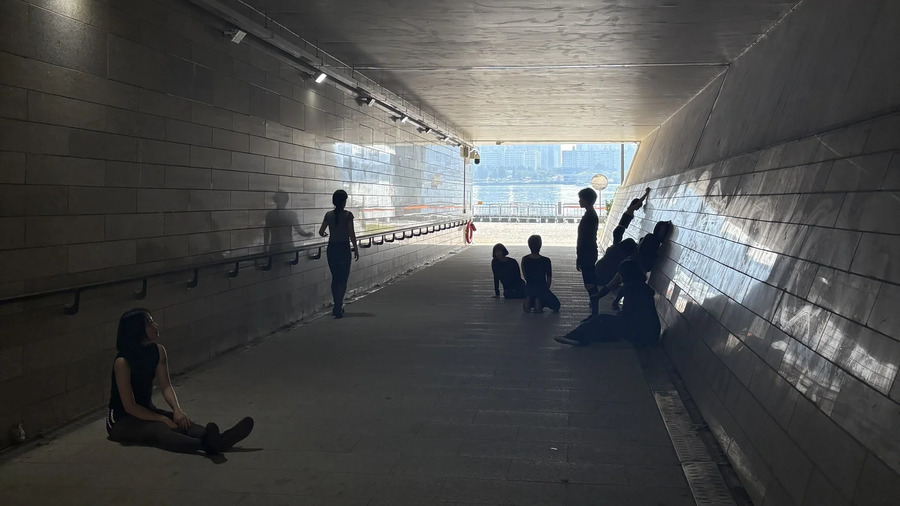
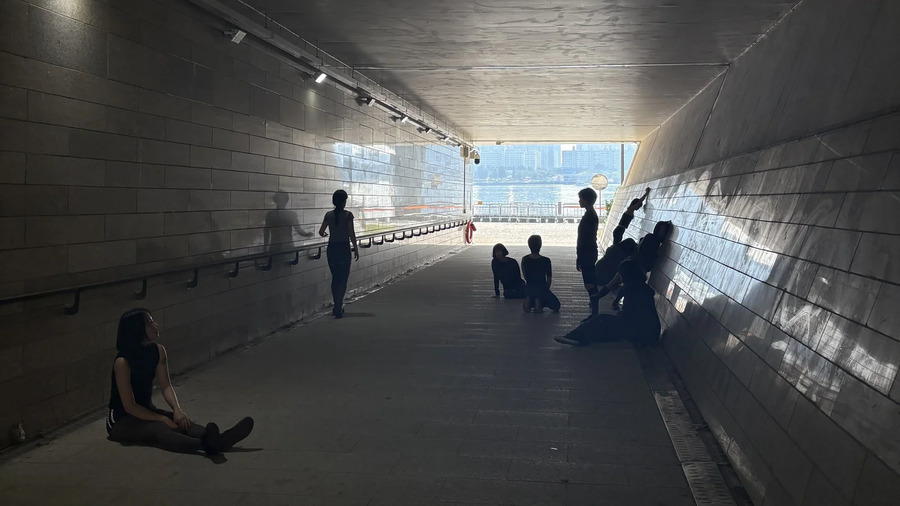
Yo-E Ryou, Breath Orchestra Act 5, 2025. Performance view at Han River Tunnel, Seoul © Yo-E Ryou

By listening, watching, and breathing together, we encounter—anew, or once again—the language of water that sensorially carries the memory of the haenyeo’s world. Through this process, her work shares an immersive mode of communication connected to the breath and rhythms of nature, prompting us to reconsider our own inherent connection to water.
 
Furthermore, ‘Breath Orchestra’ is not only a tribute to the haenyeo, but also an exploration of how tradition and contemporaneity meet, and how individual and collective identities are formed. Through the transmission that flows from one water-soaked body to another, the work reflects on how the wisdom of the past can shape the present and future—attending to emotions that cannot be captured in writing, experiences that resist verbalization, and languages that can only be understood through the body.
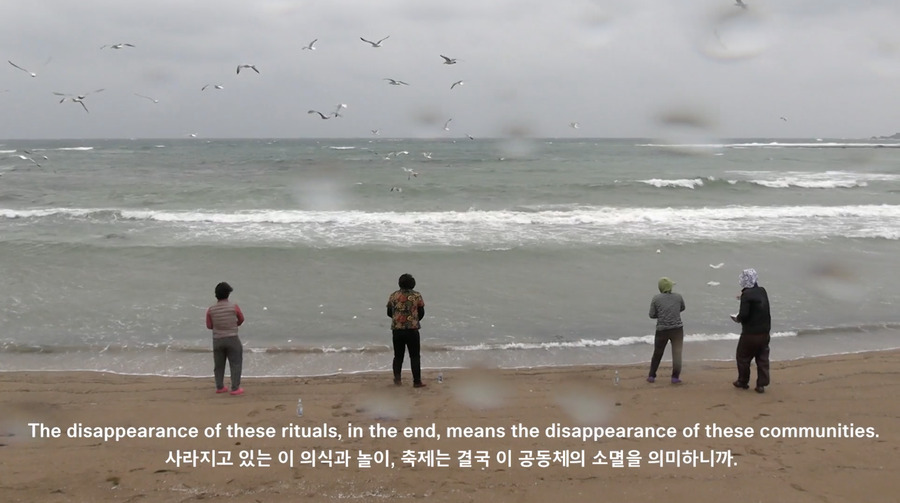

Yo-E Ryou, Ellipses II, 2025, Multimedia installation, Dimenions variable, Installation view of 《The 25th SONGEUN Art Award Exhibition》 (SONGEUN, 2025-2026). Photo: STUDIO JAYBEE © SONGEUN Art and Cultural Foundation and the artist

Meanwhile, as an extension of the ‘Breath Orchestra’ project, the multimedia installation series ‘Ellipses’ (2025–2026) documents—through video, sound, and image—the sensorial traces of the haenyeo community as it gradually disappears at the threshold between sea and land.
 
This work began with things that could not be fully spoken. The process of this work does not form a perfect circle; rather, it unfolds through irregular, elliptical trajectories—marked by countless attempts, hesitations, and unexpected turns at certain points—along with dot-like moments akin to an ellipsis.


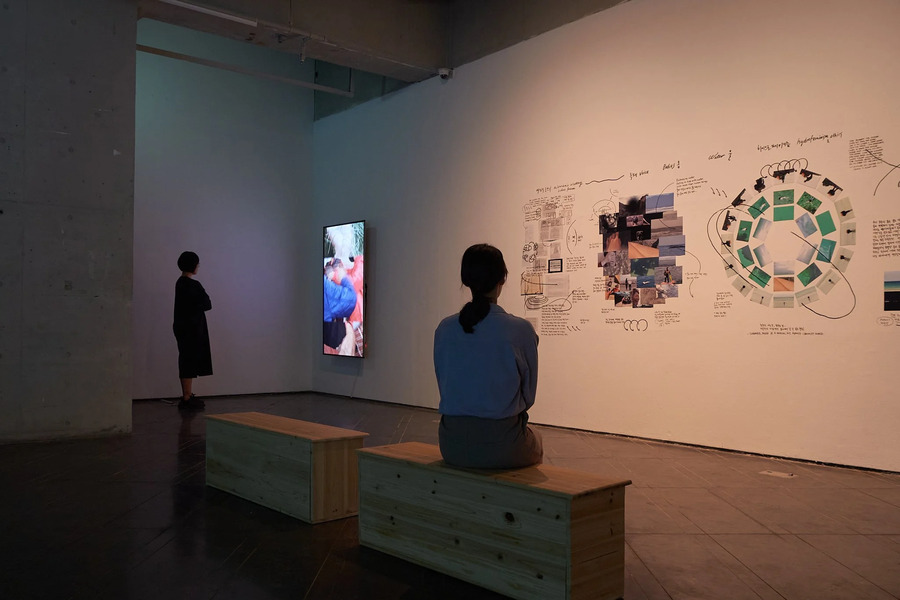
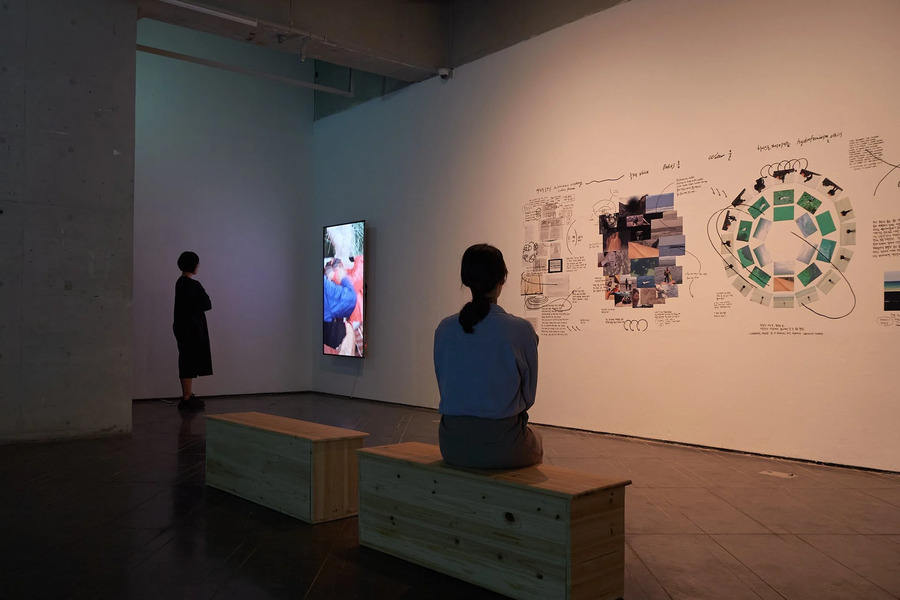
Yo-E Ryou, Watery Studies: WATER, WOMXN, JEJU, artistic research image (2022) © Yo-E Ryou

The circle is often called “nature’s favorite shape." When we form a circle, it is usually to gather—to talk, to argue, or to comfort one another. Yo-E gathered the haenyeo, proposing that they make tewaks—the flotation devices used for swimming or resting on the water—together in the oval, egg-like shape of an ellipse.
 
By creating and handling these tewaks, which function as both extensions of the imperfect body and as companions, the artist revisits and records the bodily memories and sensory languages that cannot be fully articulated in words.


Yo-E Ryou, Watery Studies: WATER, WOMXN, JEJU, artistic research image (2022) © Yo-E Ryou

In this way, grounded in the fundamental interconnectedness of body and water, Yo-E Ryou has reimagined the narratives of water and women through the lens of hydra-feminism, while exploring the fluidity of boundaries within ever-changing and cyclical environments.
 
Her work functions as a sensorial archive that departs from existing structures, articulating new narratives of water and women, and inviting us into a field of relational engagement where sensations and memories across different times and spaces can be connected and shared.

“By listening, watching, and breathing together, we encounter—anew, or once again—the language of water that sensorially carries the memory of the haenyeo’s world. We experience an immersive mode of communication connected to the breath and rhythms of nature, and reflect on our shared connection to water.” (Yo-E Ryou, Artist’s Note)


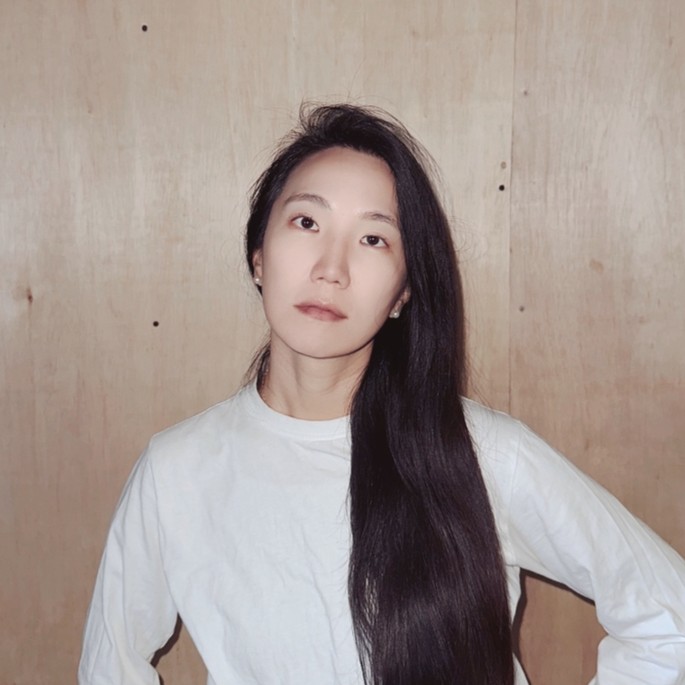
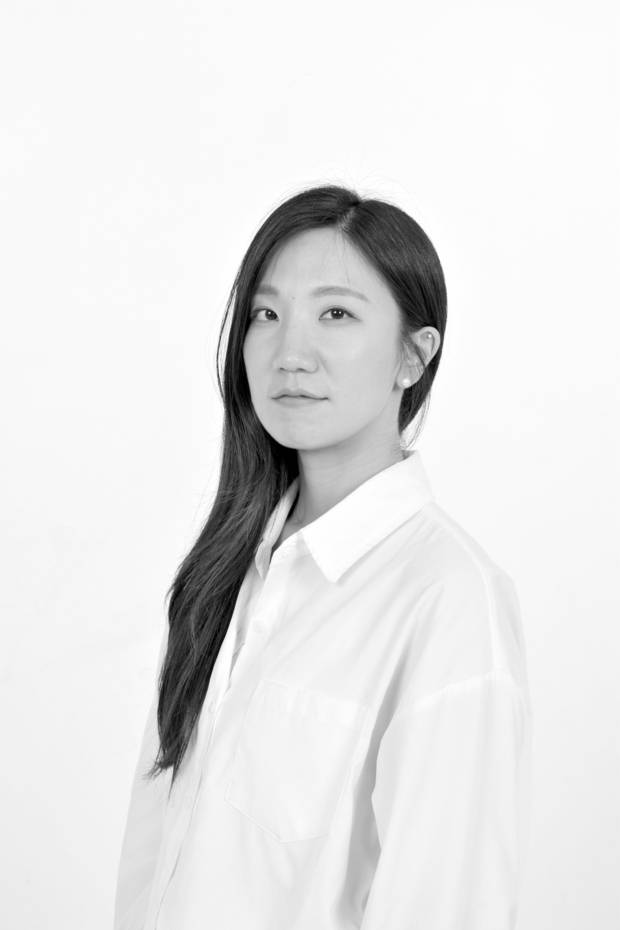
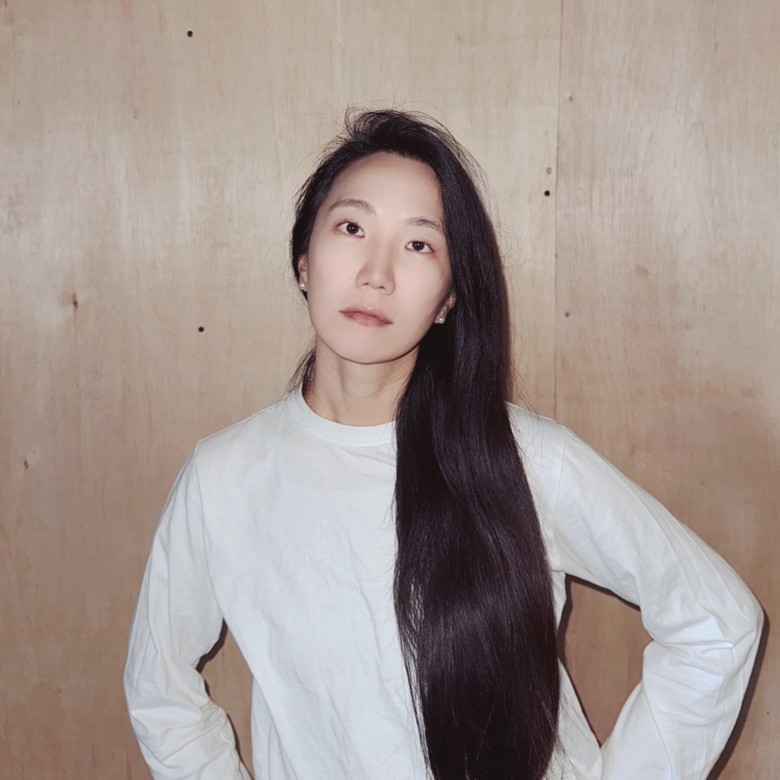
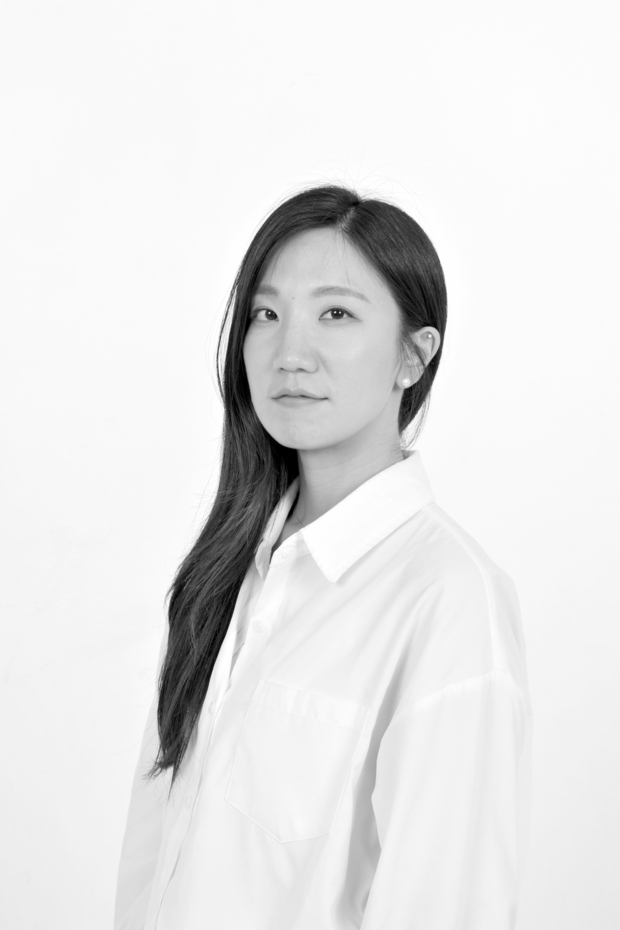
Artist Yo-E Ryou © SONGEUN Art and Cultural Foundation

Yo-E Ryou received her BFA from the Rhode Island School of Design and her MFA from Yale University. Her solo exhibitions include 《Breath Pause》 (Forever Gallery, Seoul, 2025), 《Why I Swim》 (Alternative Space LOOP, Seoul, 2023), and more.

 
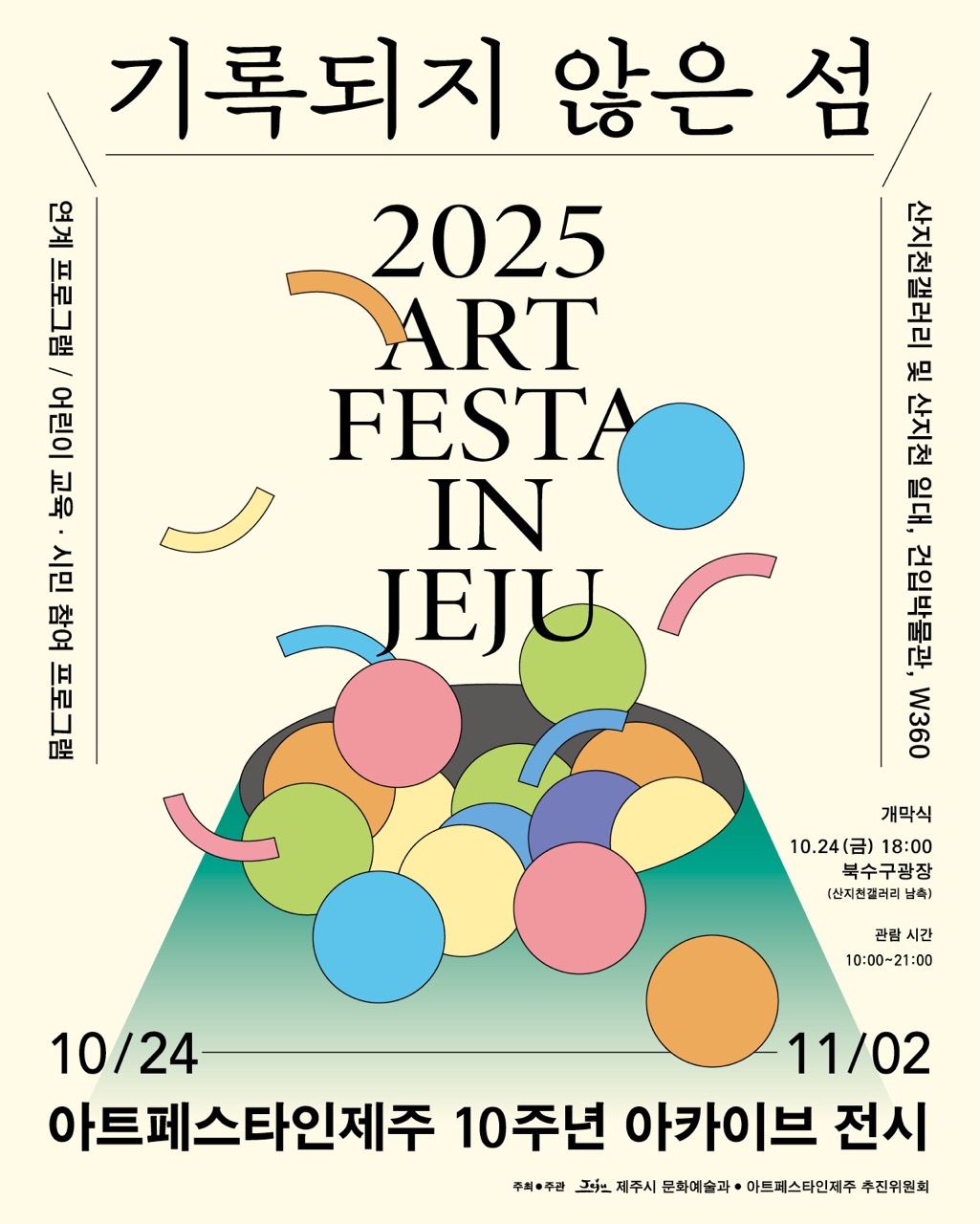
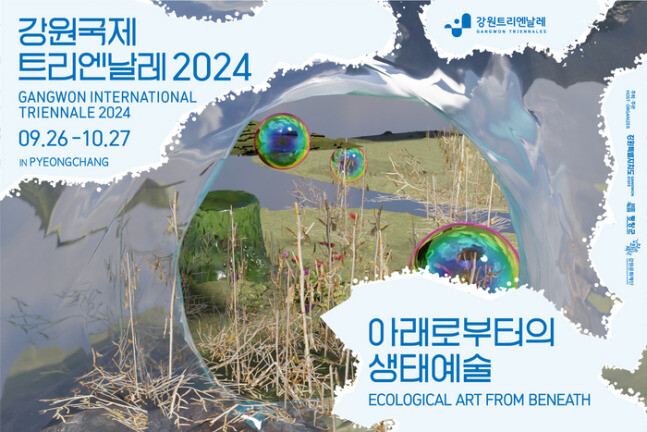
She has also participated in numerous group exhibitions, including 《The 25th SONGEUN Art Award Exhibition》 (SONGEUN, Seoul, 2025-2026), 《Life on Earth: Art and Ecofeminism》 (West, The Hague, NL., 2025), 2025 ArtFesta in Jeju 《Unrecorded Island, Five Breaths》 (Sanjicheon Gallery, Jeju, 2025), 《Touchy-Feely》 (Alternative Space LOOP, Seoul, 2025), and Gangwon International Triennale 2024 《Ecological Art from Beneath: Learning from Ant Tunnels》 (Gangwon-do, 2024).
 
Yo-E Ryou has taught and collaborated with various organizations internationally, including the Metropolitan Museum of Art, Cooper-Hewitt Design Museum, State University of New York, Purchase College (US), London College of Arts (UK), Het Nieuwe Instituut (NL), and Paju Typography Institute (KR). And she is the only Korean artist invited to the main exhibition of the 61st Venice Biennale.

References