


Solo Exhibitions (Brief)
In 2000, Insa Art Space held his first solo exhibition 《Shrine》(2000, Insa Art Space, Seoul, Korea). The exhibition was held through a public contest, and the previously unknown artist officially debuted in the art scene through this exhibition.
He is a young artist who is looking for a clear world of his own, and is beginning to attract attention for the high quality of his work.
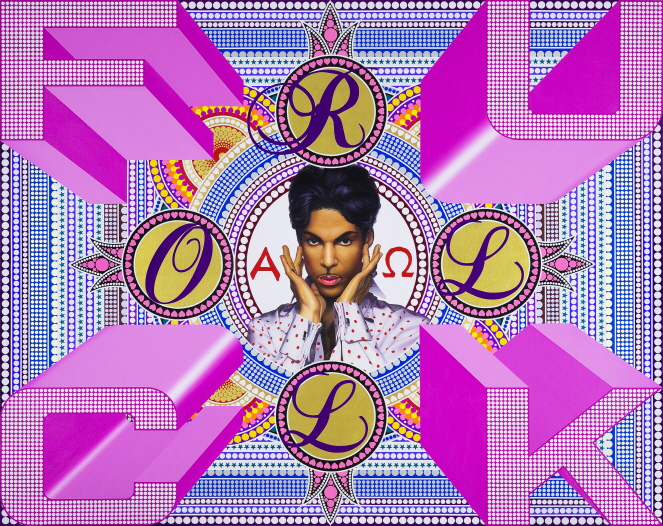
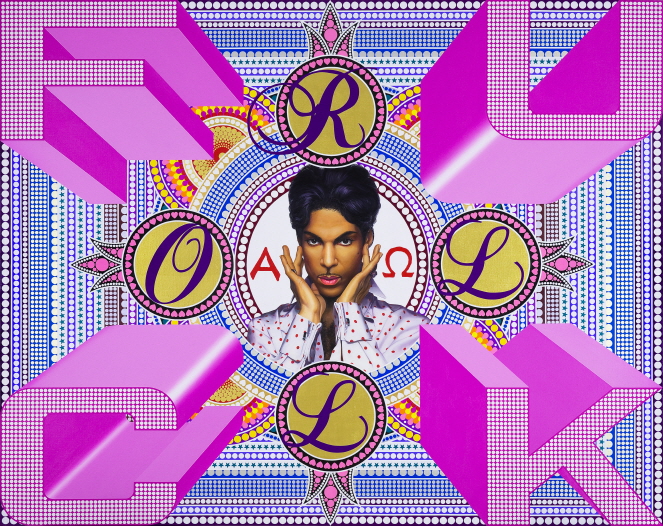
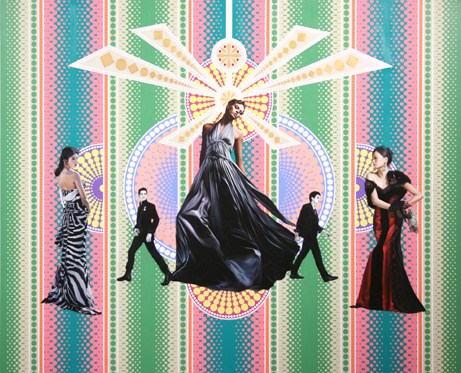
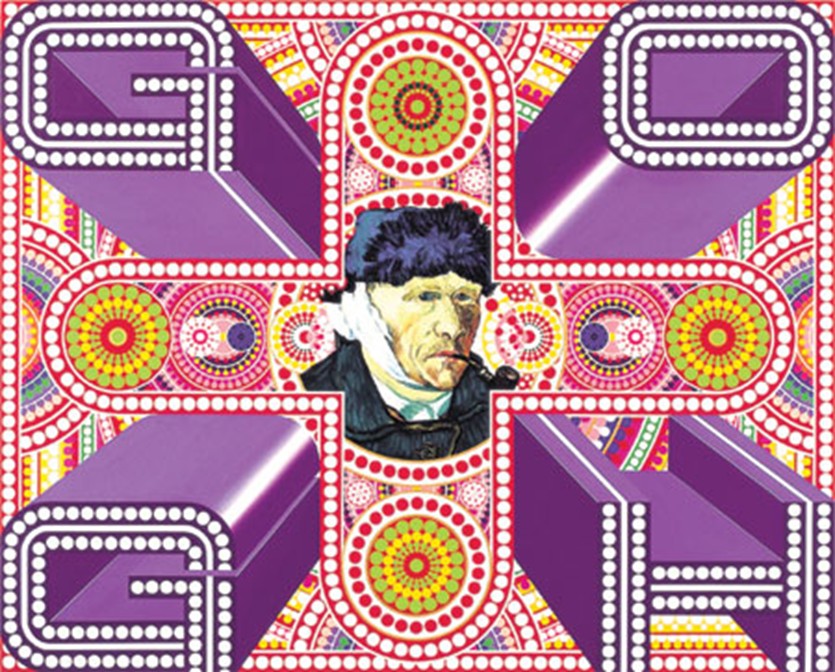
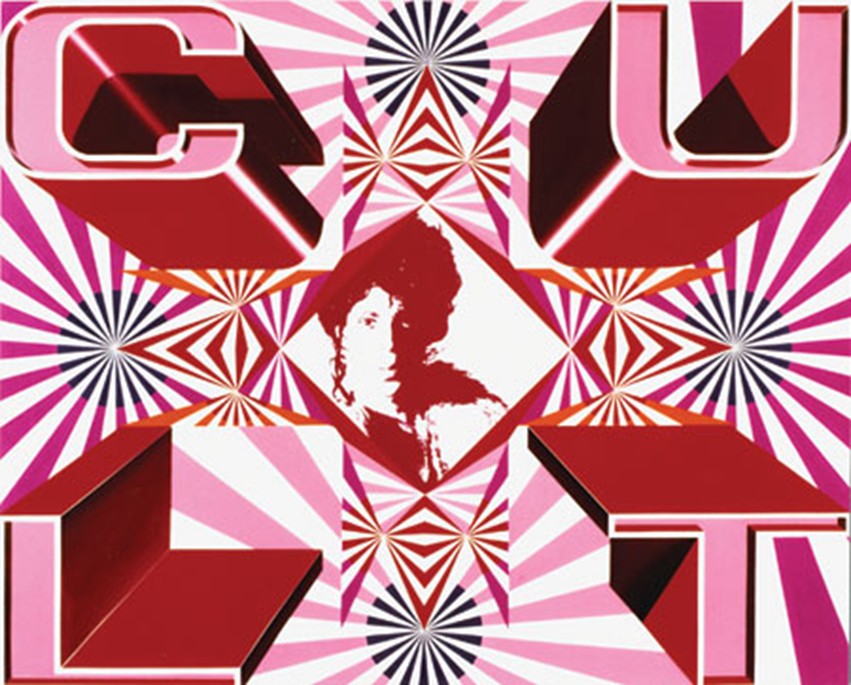
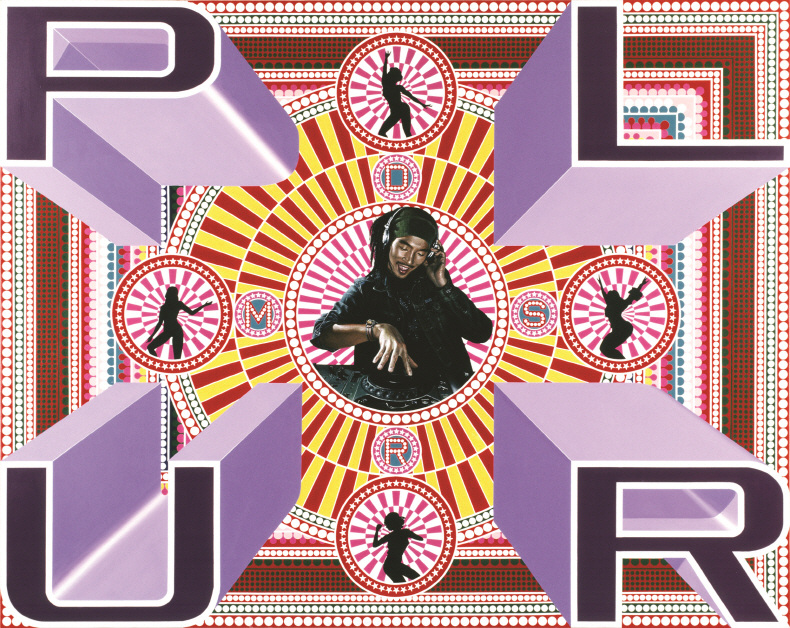
In a solo exhibition held to commemorate the re-opening of the Arko Art Museum in 2005, he presented a new type of series called 《Funkchestra》 (2005, Arko Art Museum, Seoul, Korea).
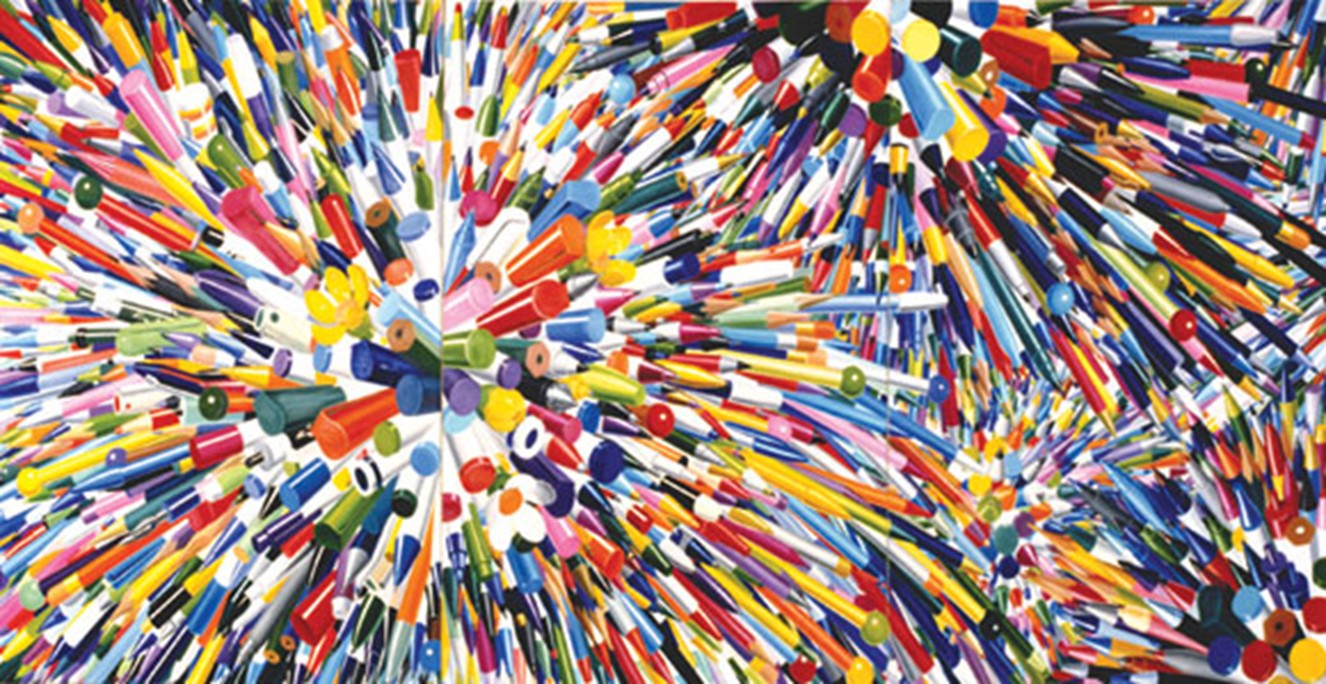
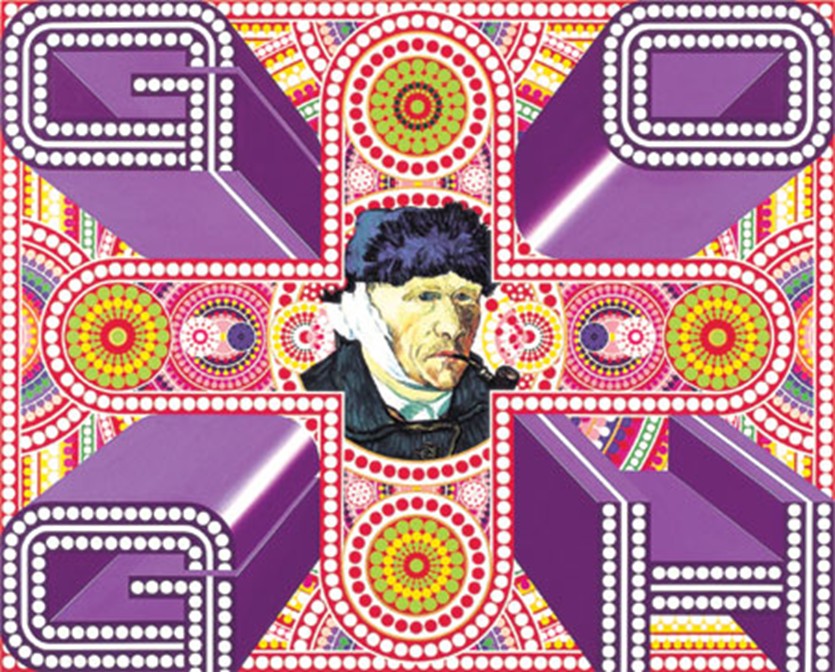
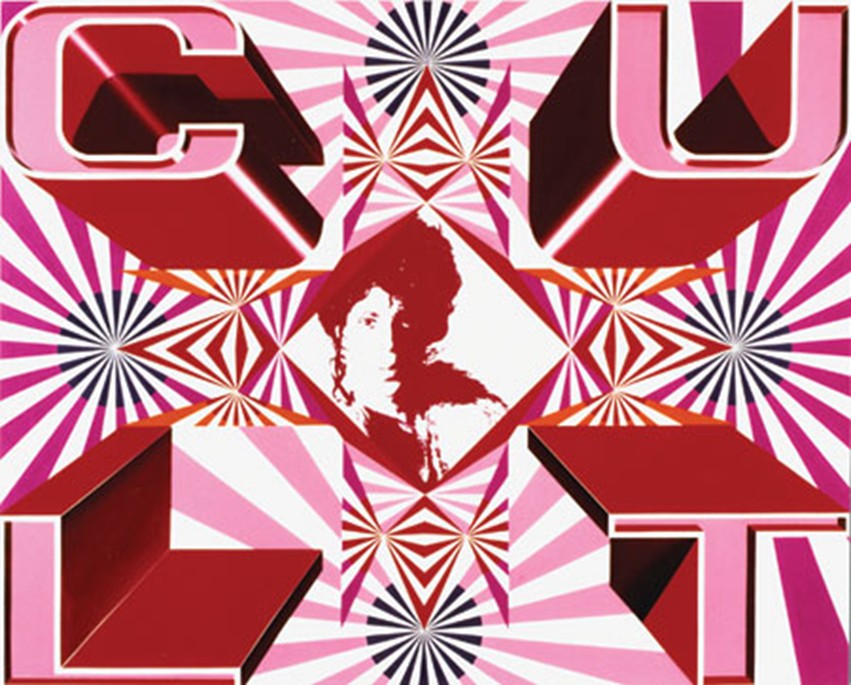
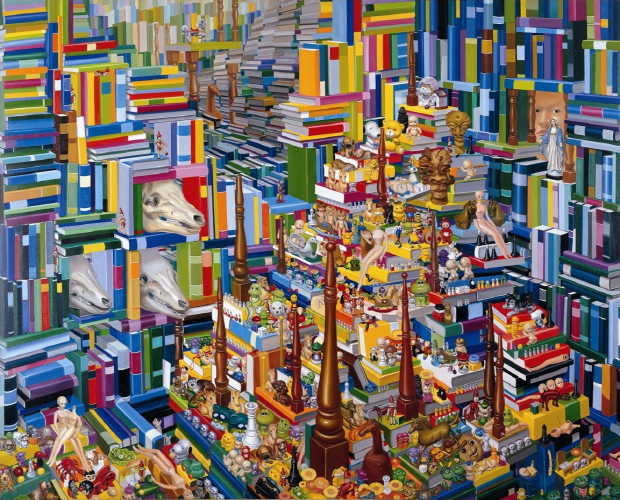
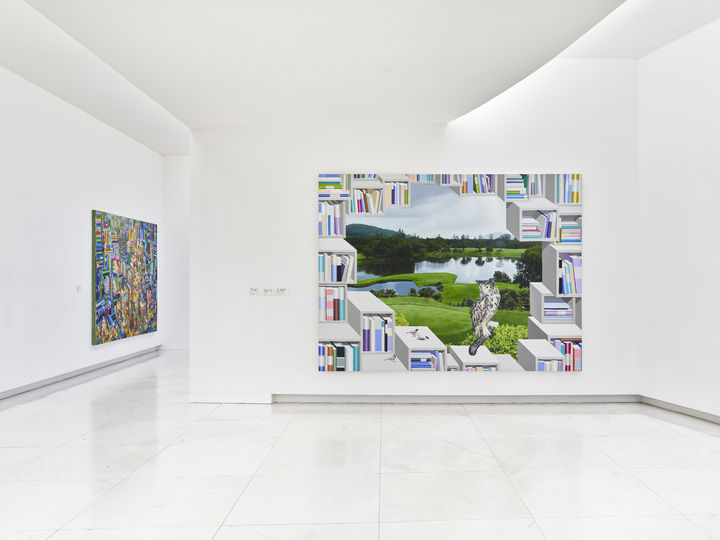
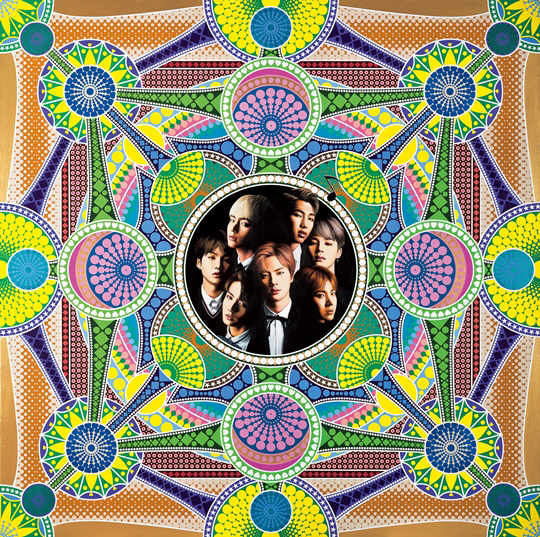
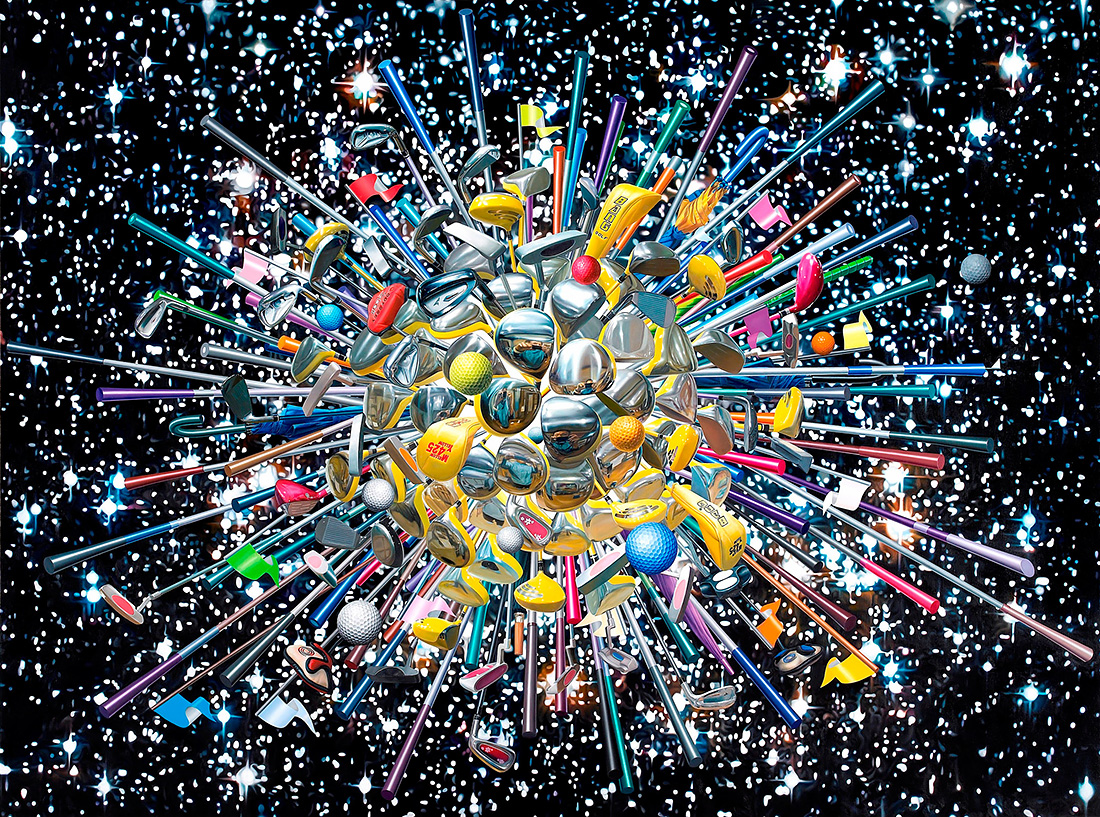
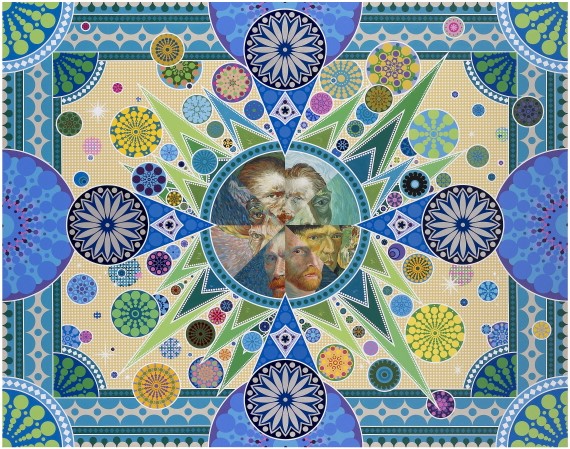
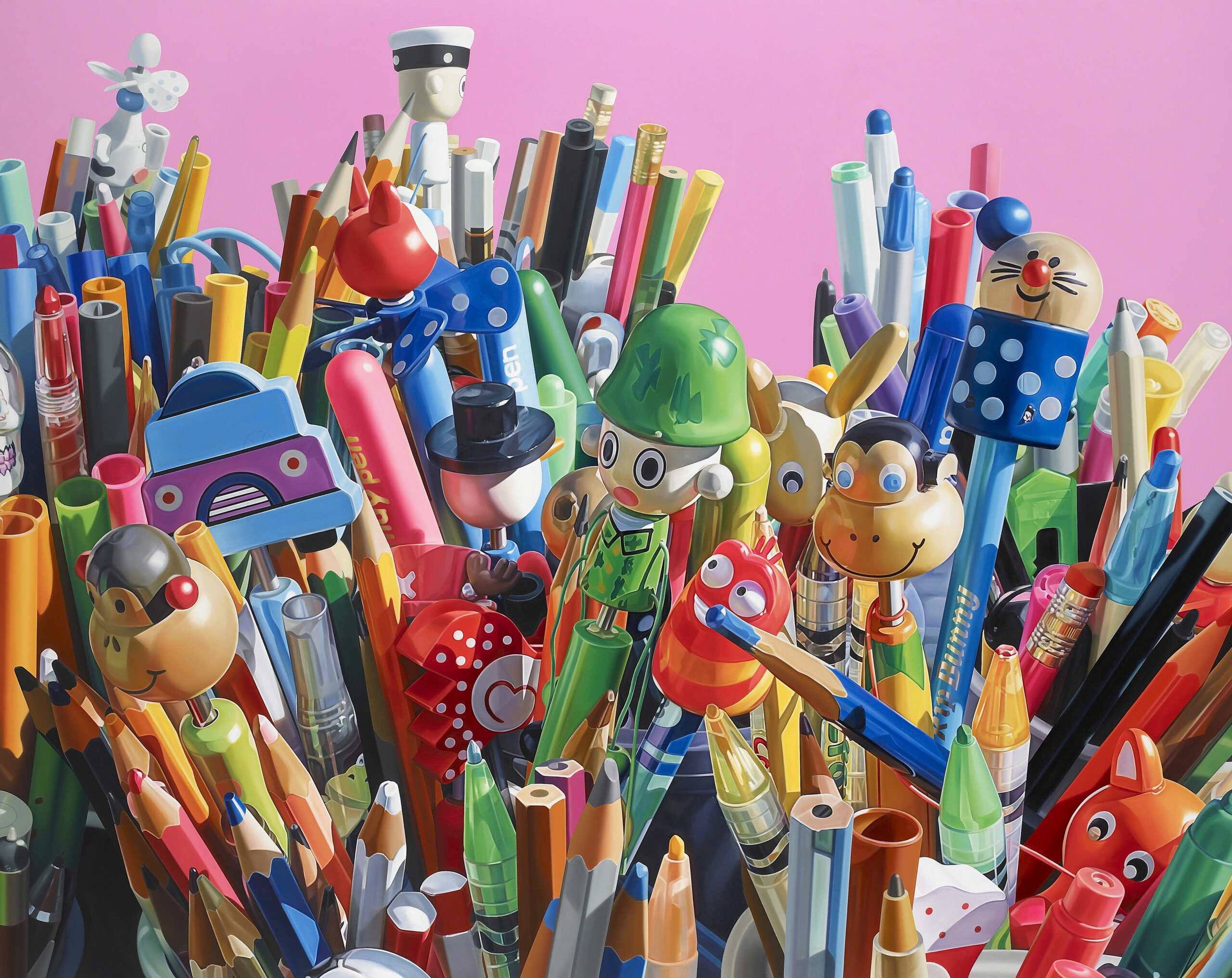
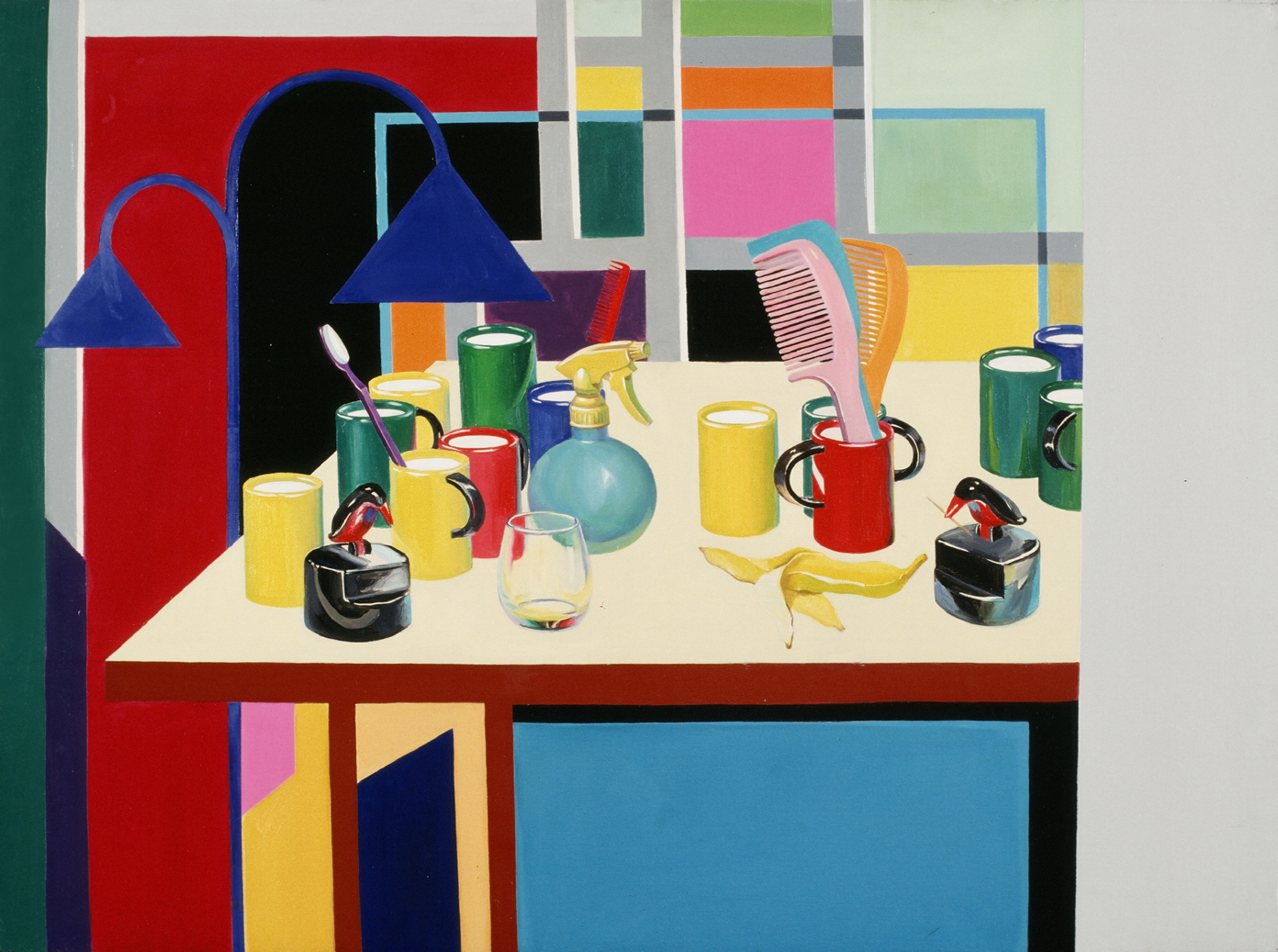
Previously, the theme of everyday objects(books, pencils, pens, etc.) was the theme of the ‘Funkchestra’ series. The vibrations and melody of the sound from the speaker are expressed in color and format, and celebrities, symbols, and texts are combined.
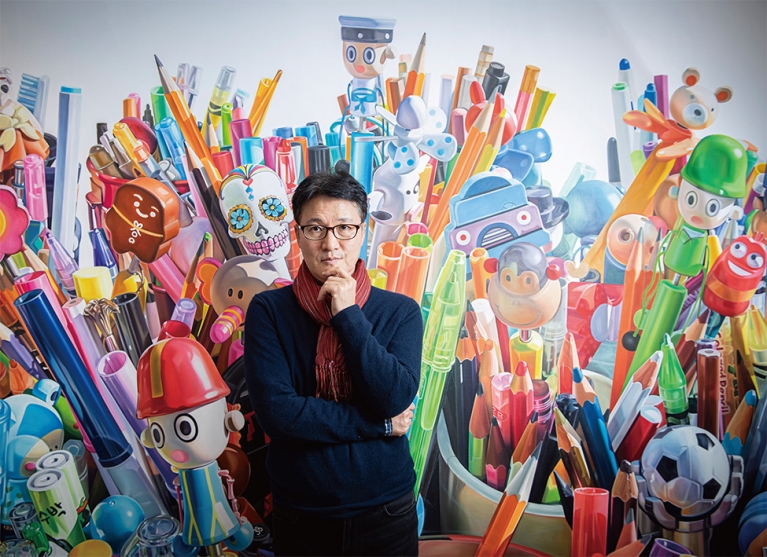
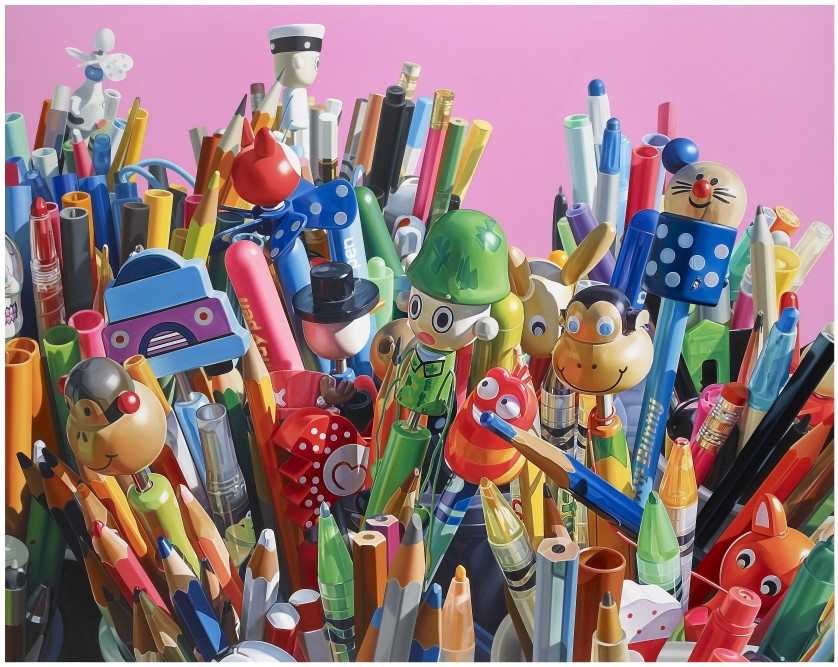
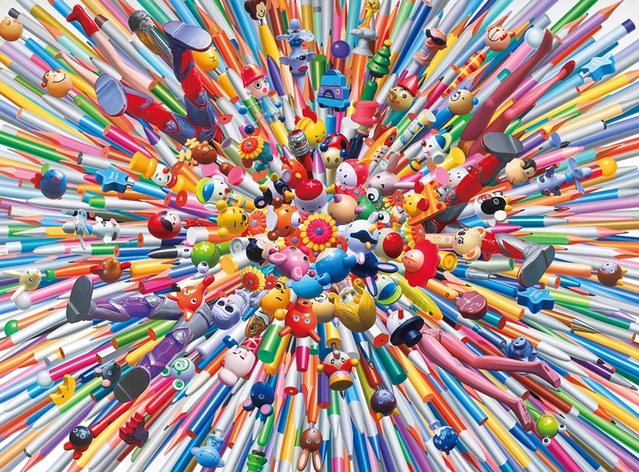
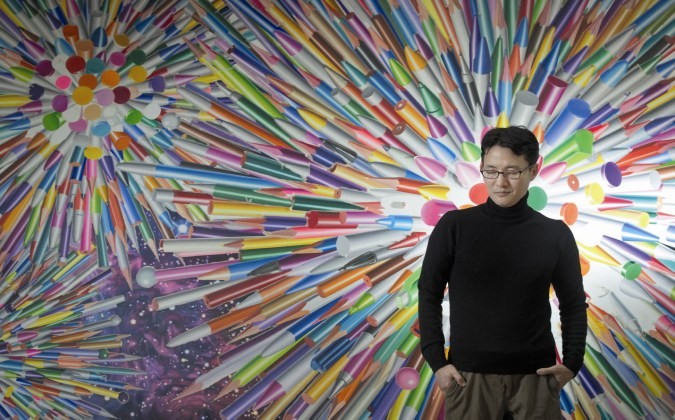
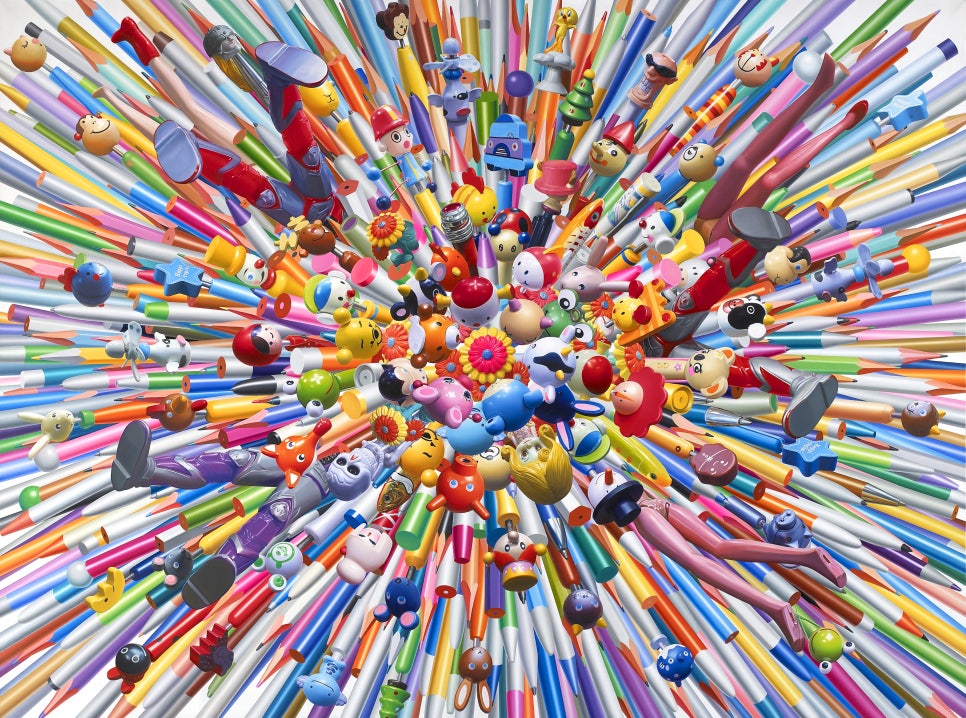
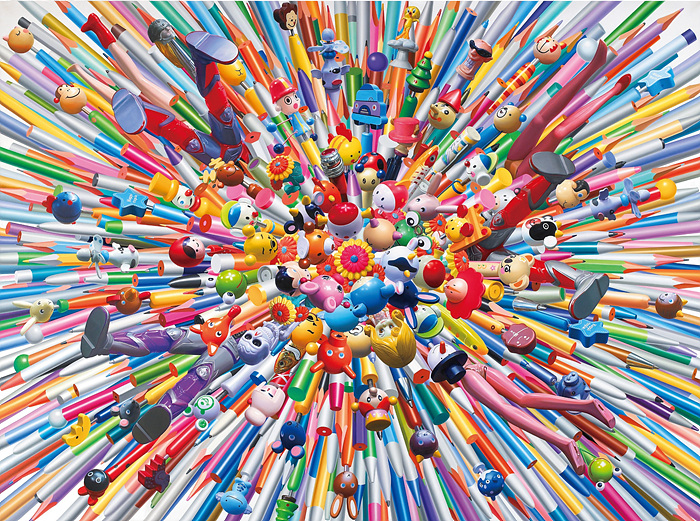
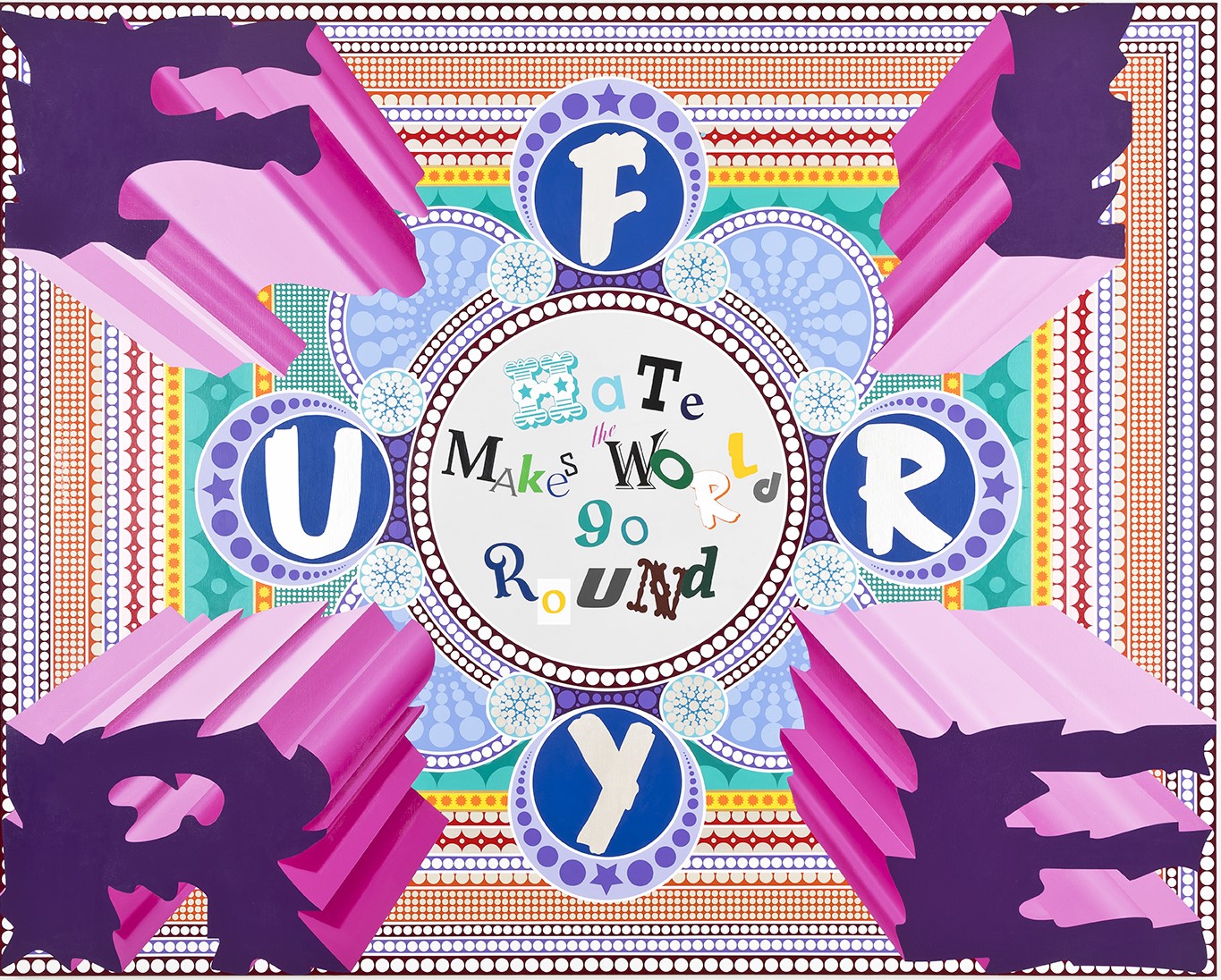
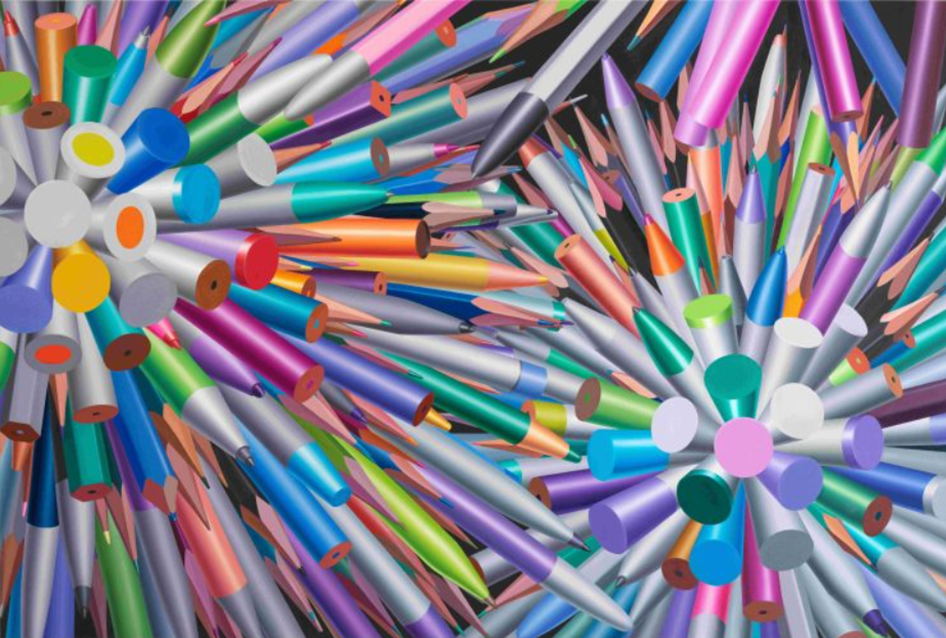
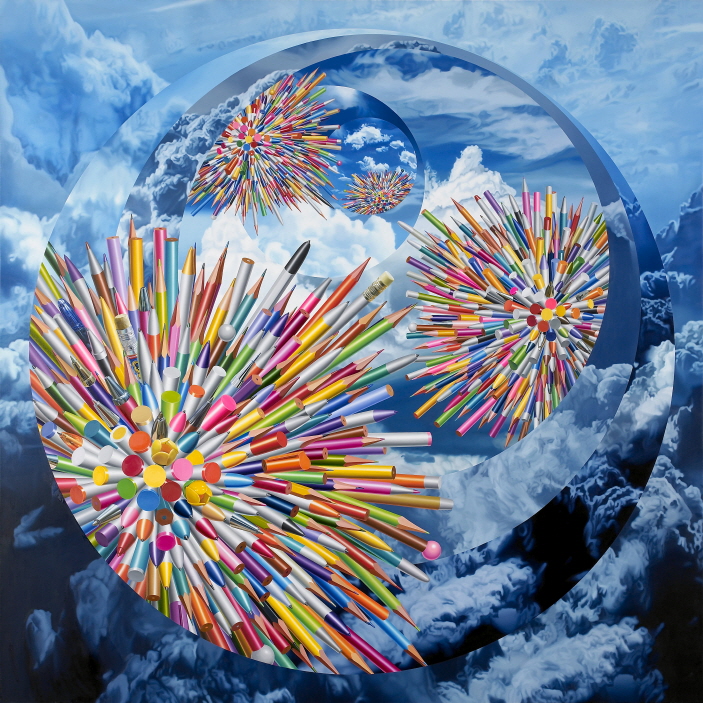
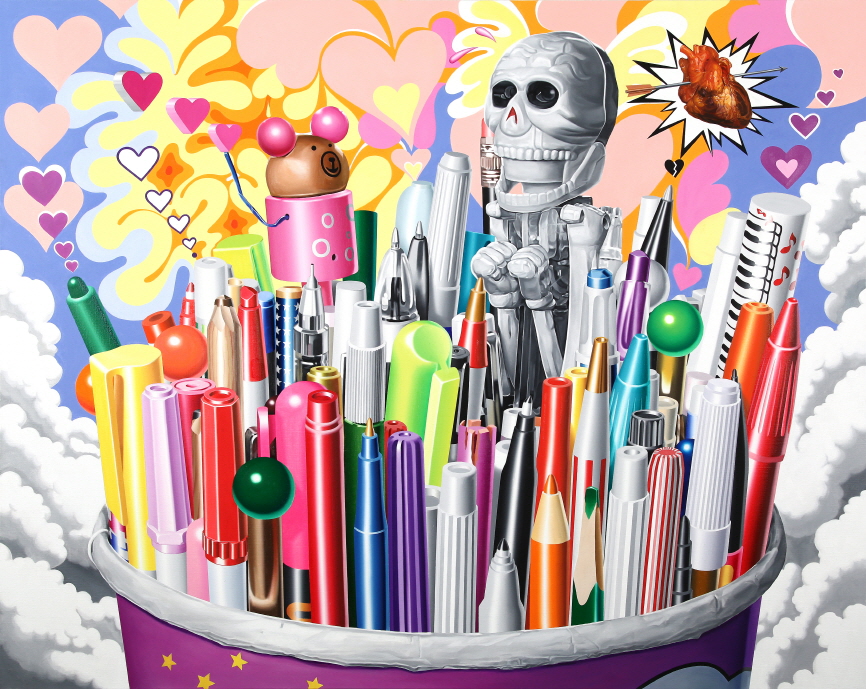
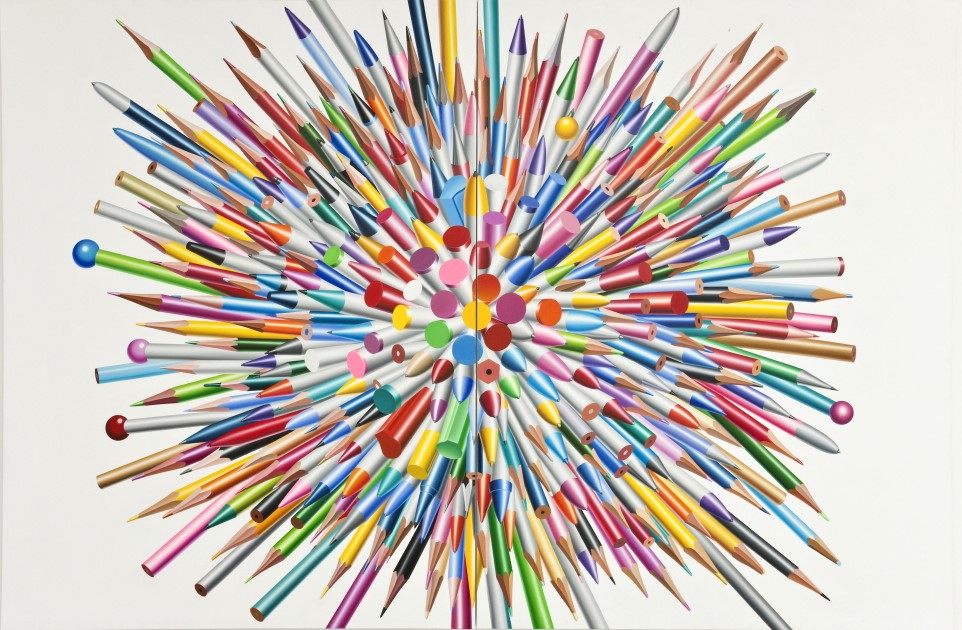
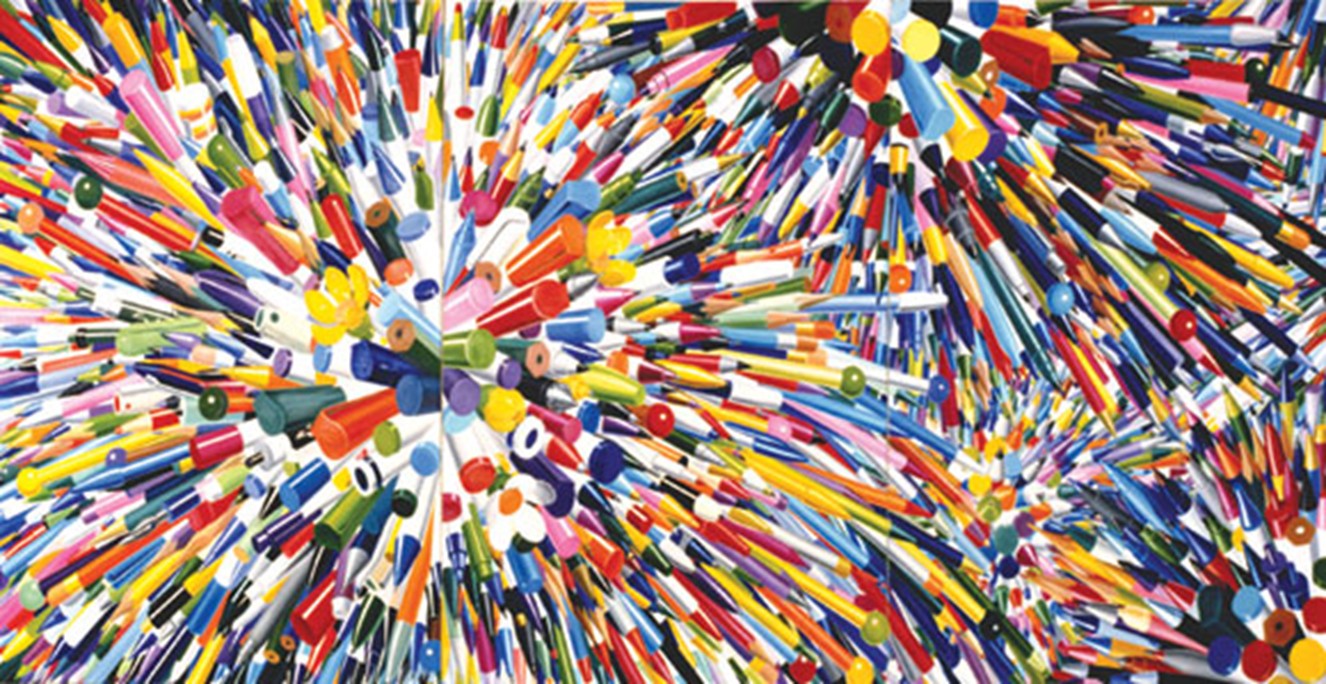
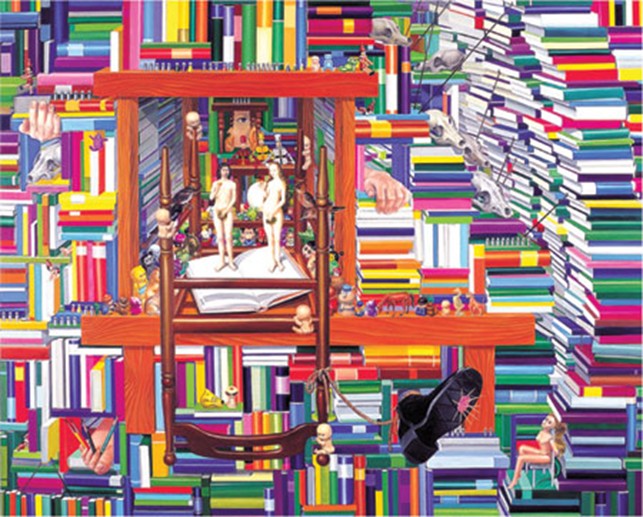
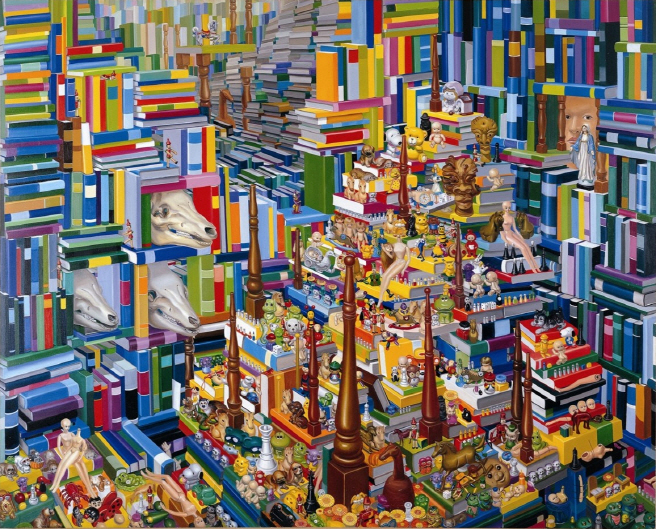
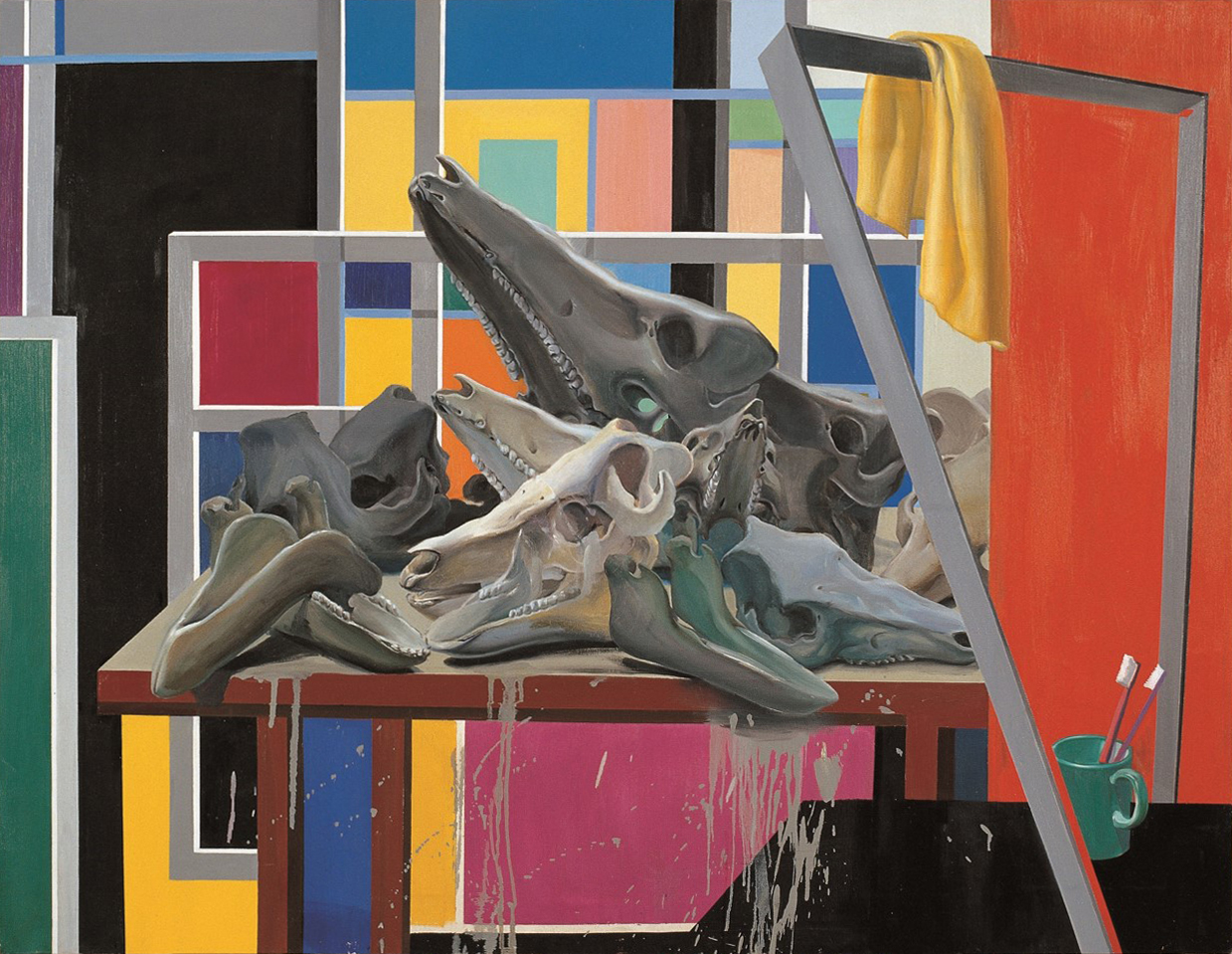
The artist also participated in the residency program at Doosan Gallery New York, where he held 《Pens》(2010, Doosan Gallery, New York, USA). In the current exhibition, he presents two large-scale oil paintings from his Pen series, in which he uses bundle of pens and pencils packed closely together laid out in fantastic colorful fantasy settings. Hong began this particular work titled Pen3 in 2000, and he has been working on it on and off for a decade. This is the first time this piece is being shown in public.
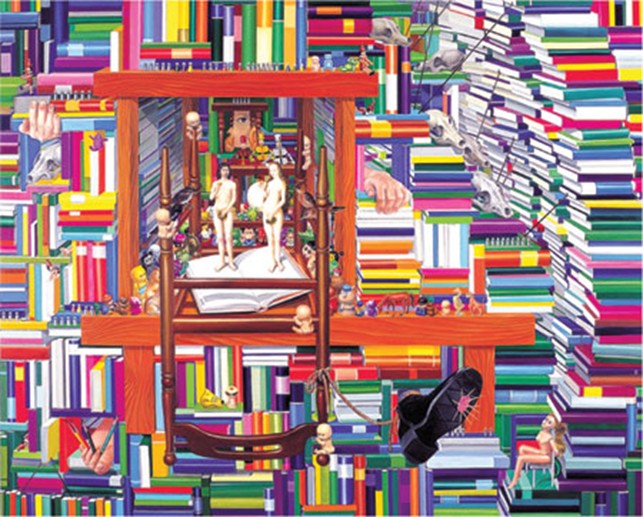
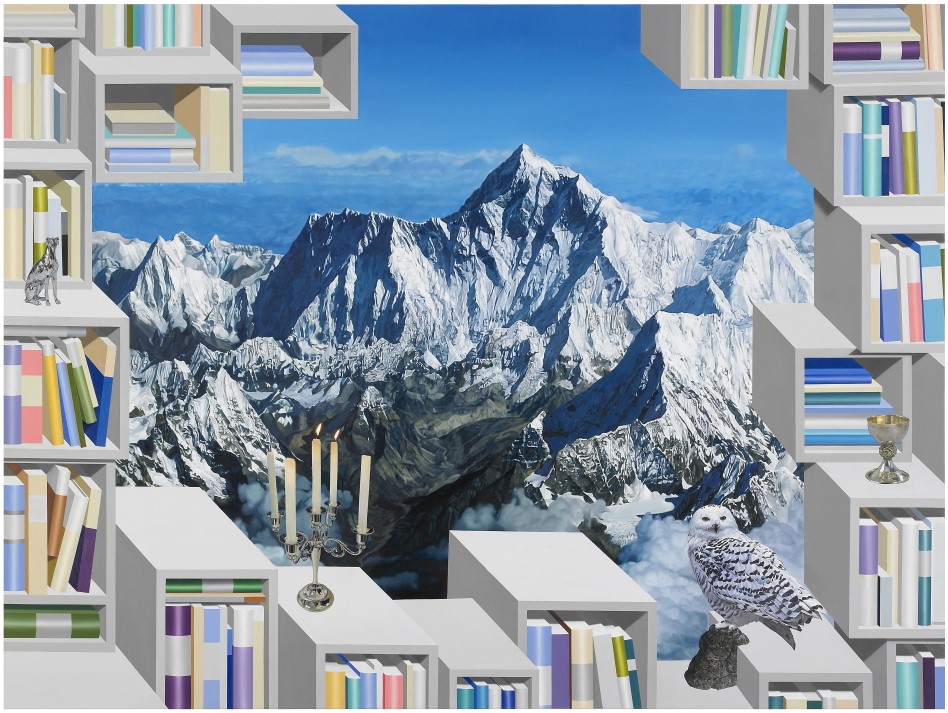
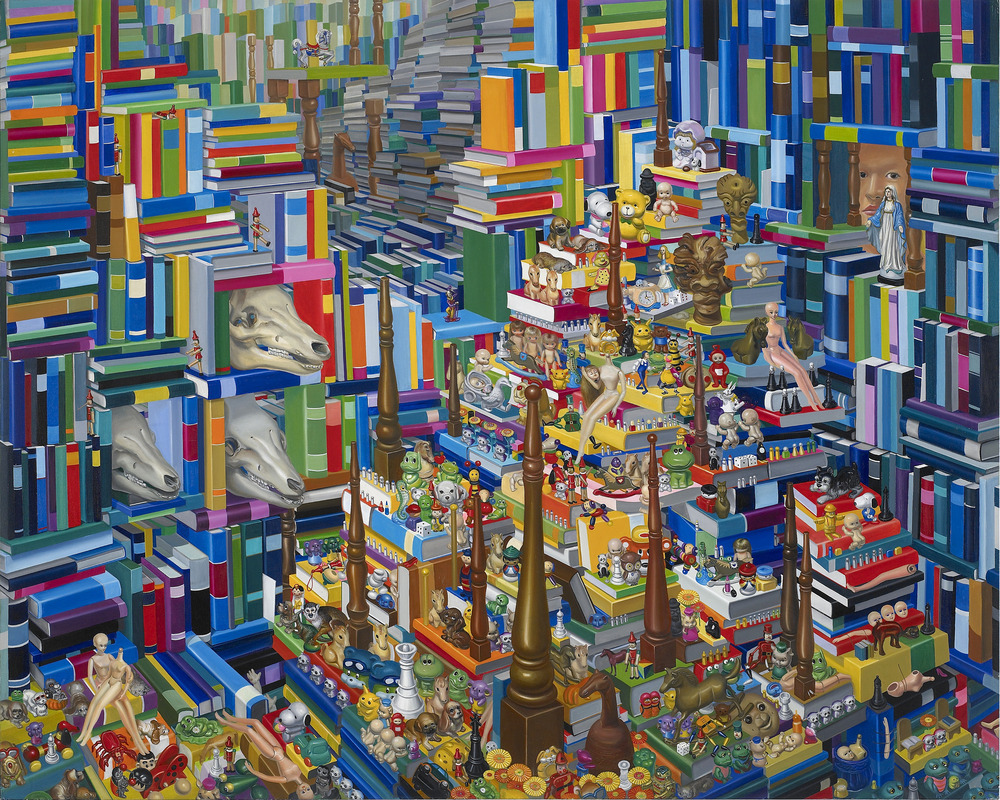
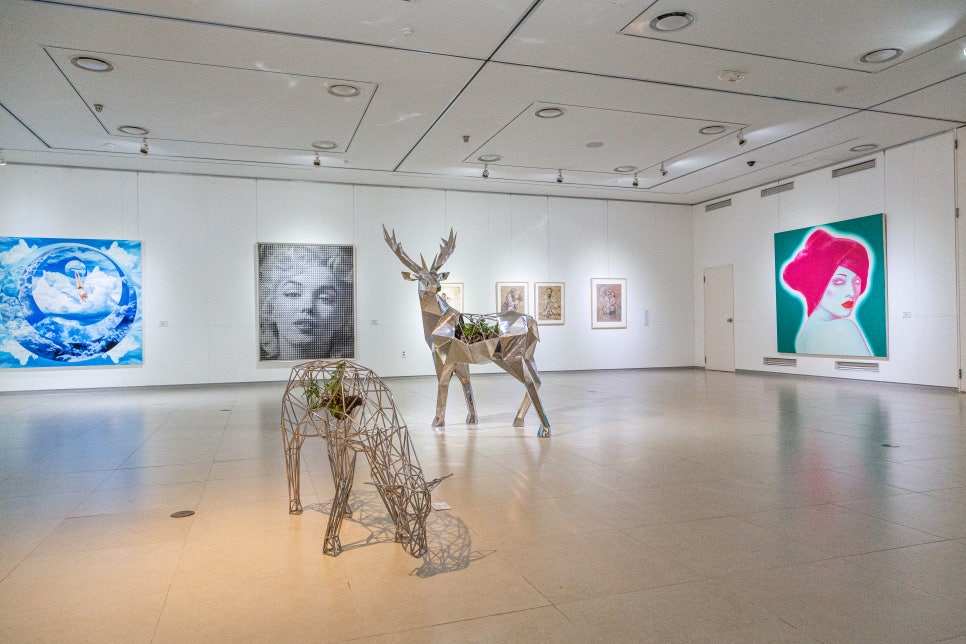
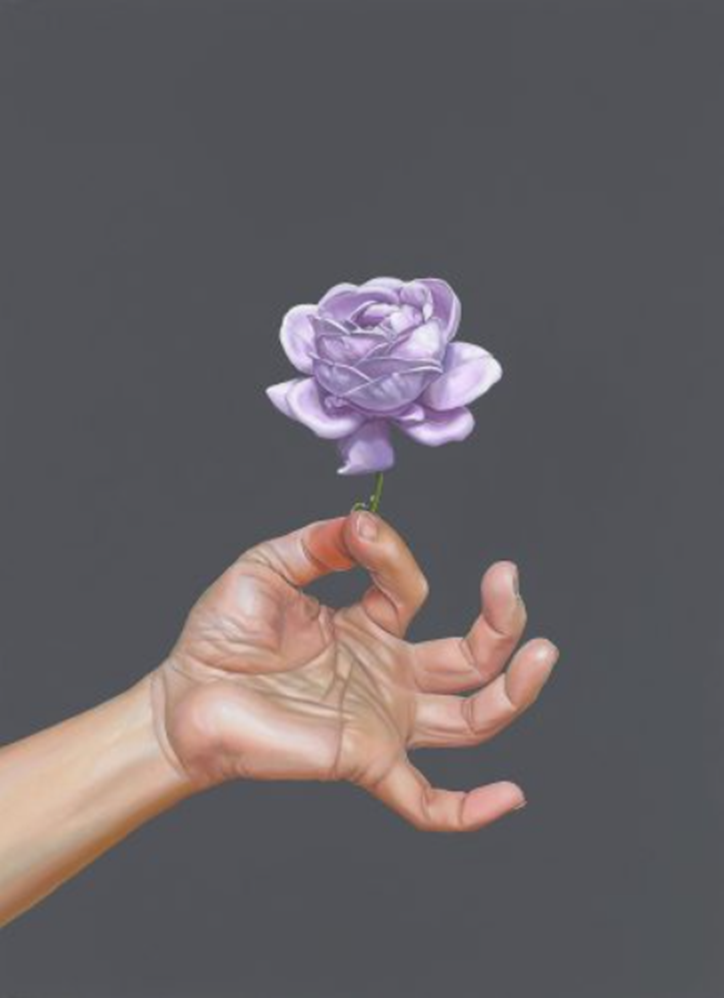
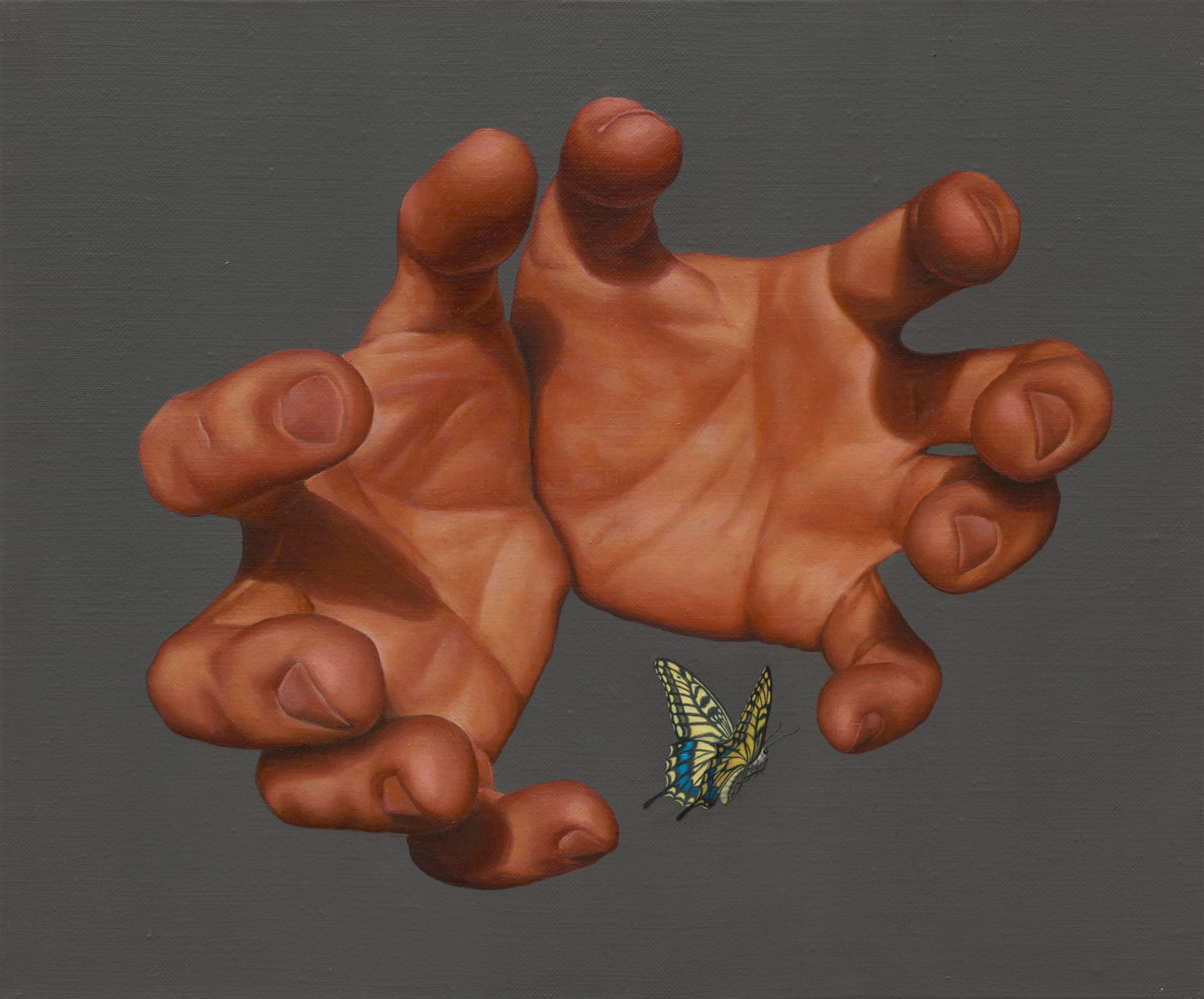
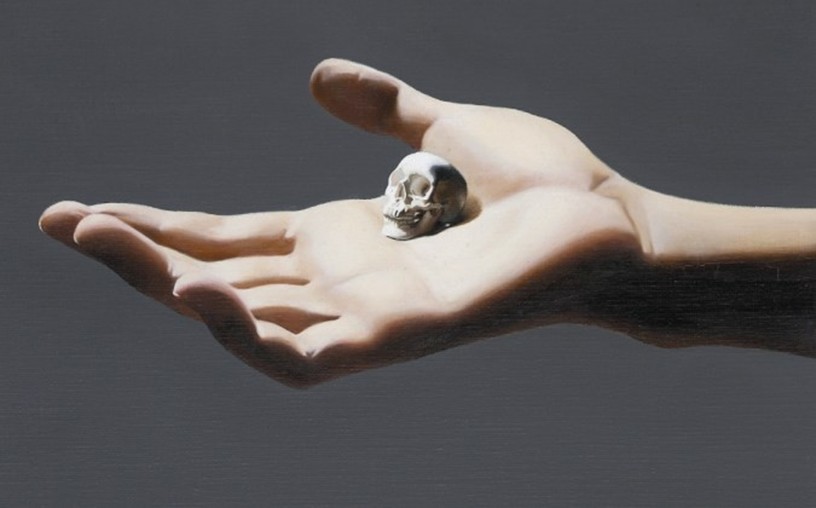
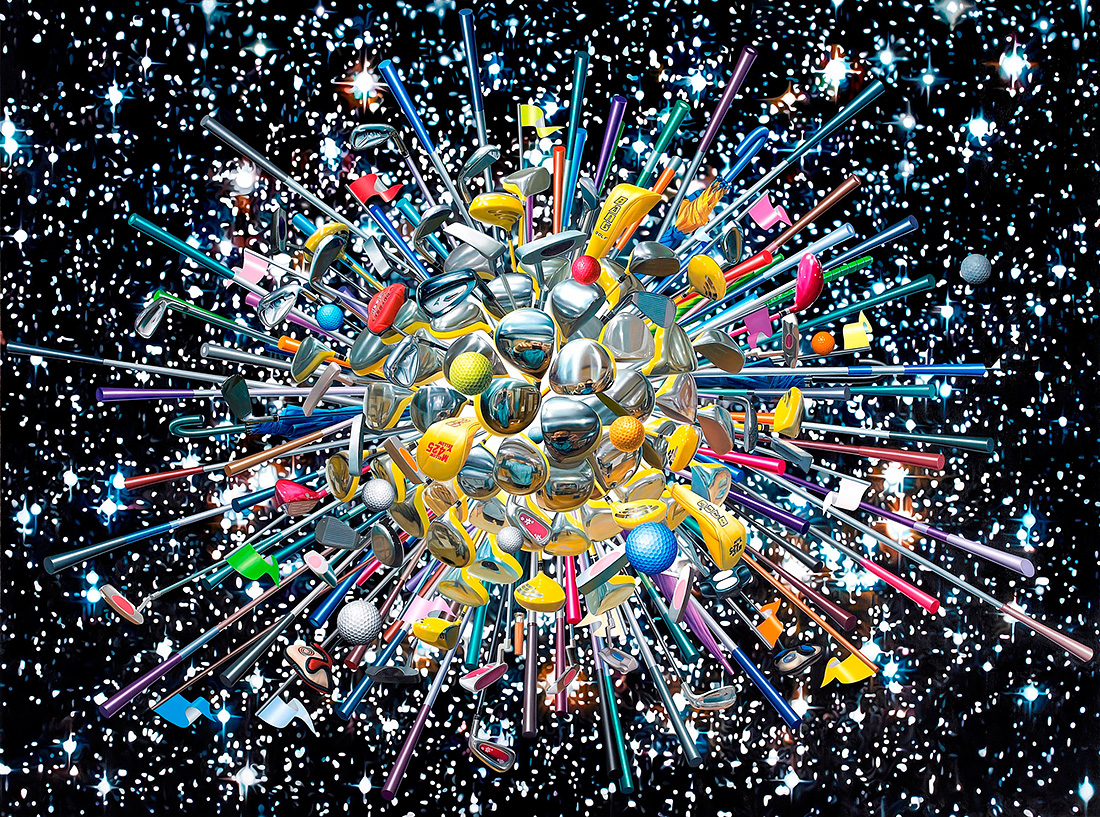
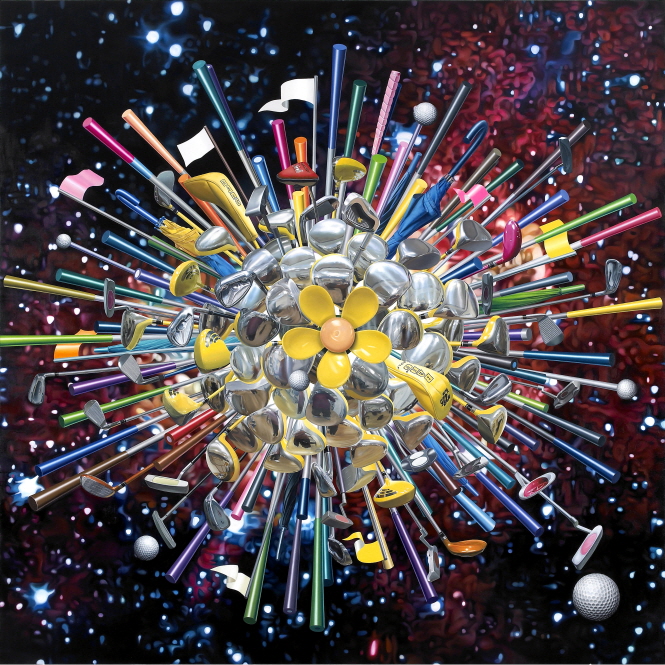
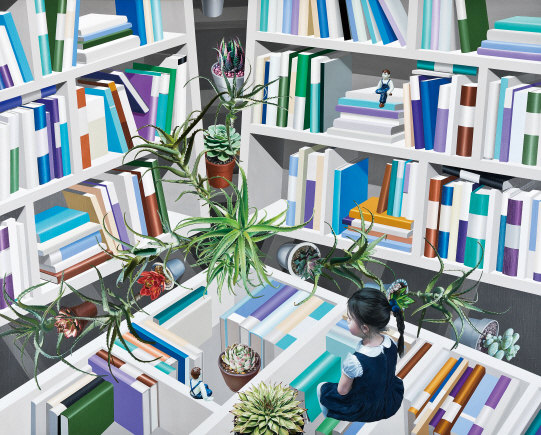
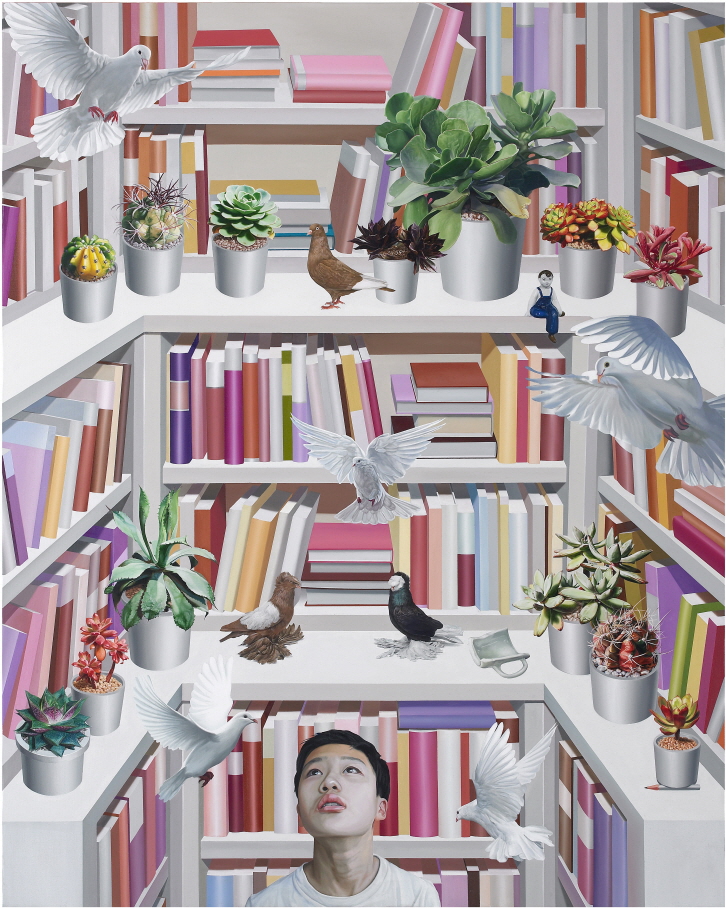
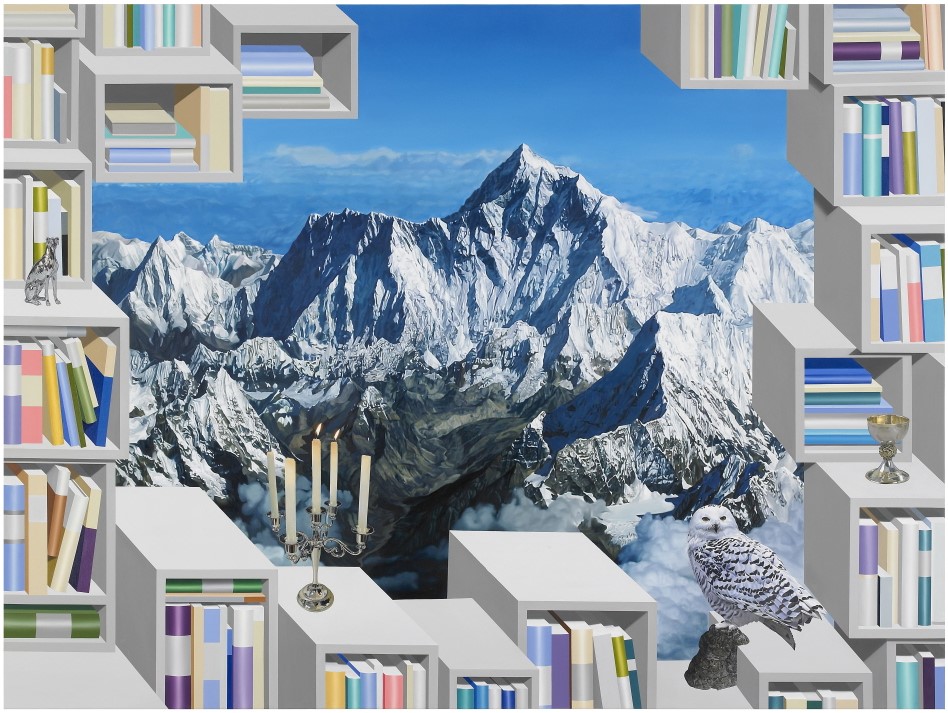
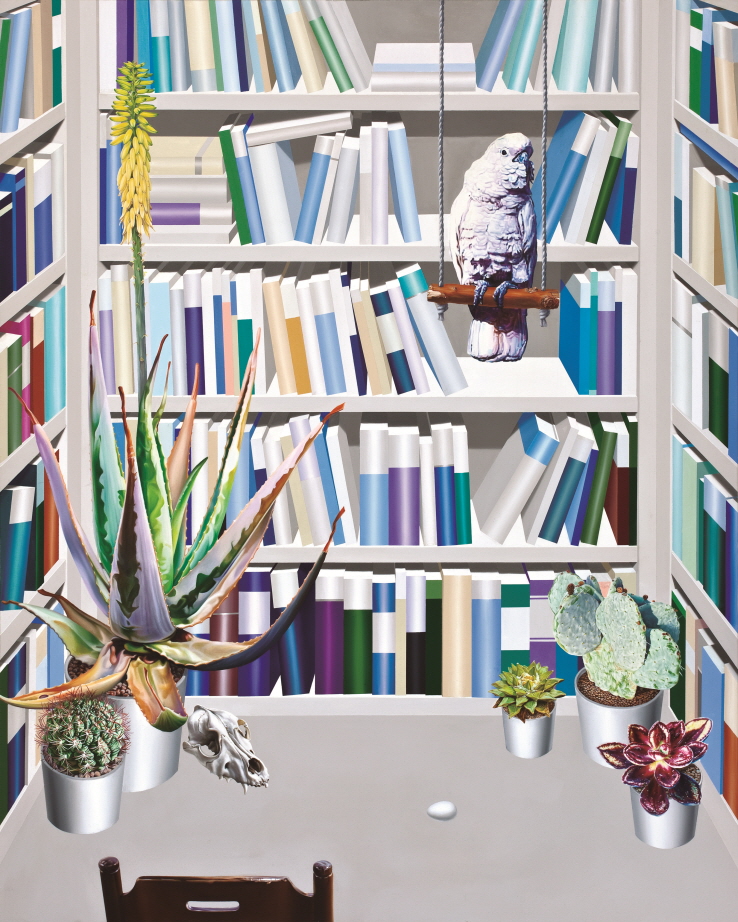
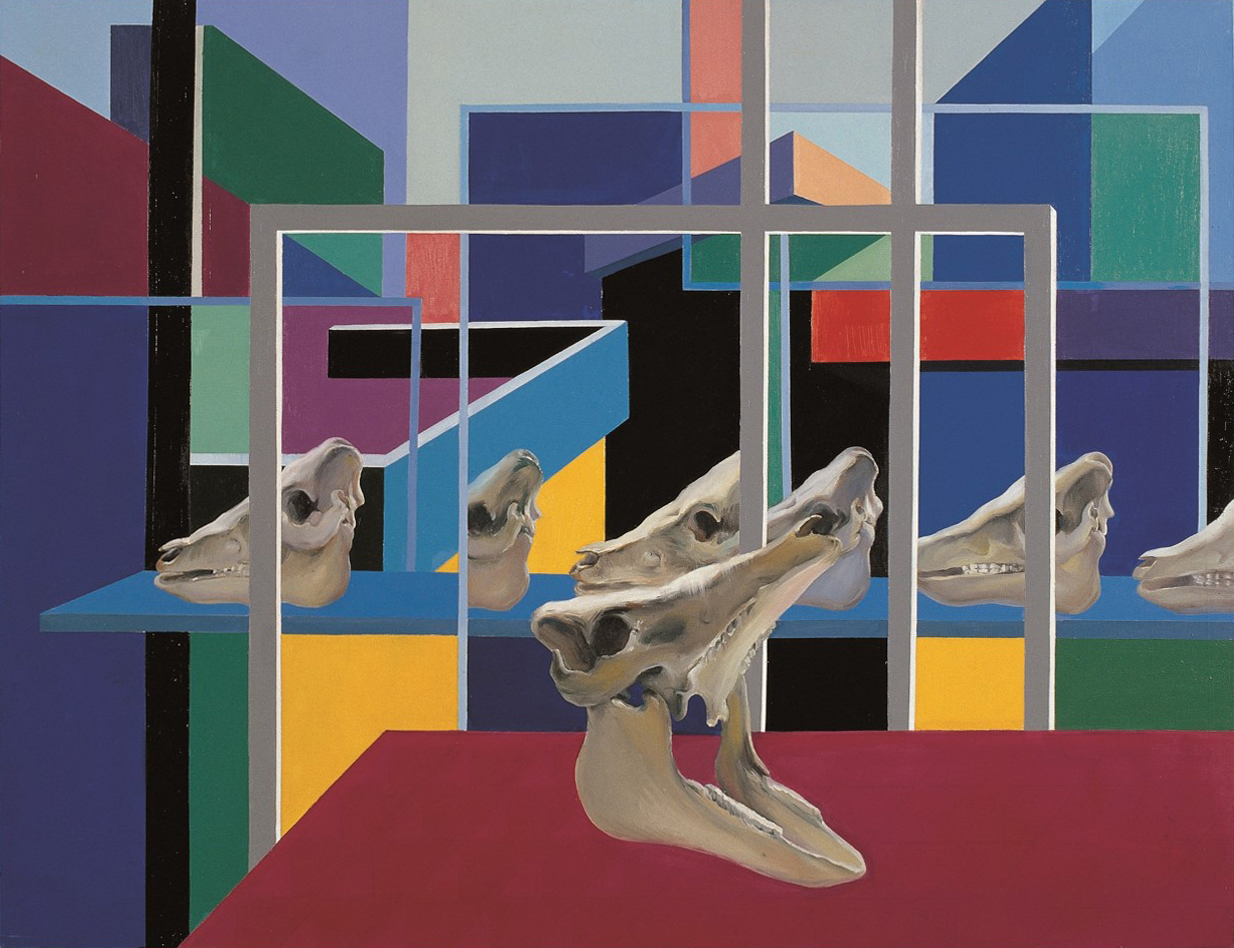
In 2019, the exhibition 《Great Obsession》(2019, Indang Museum, Daegu, Korea) was held. This exhibition was a small retrospective exhibition covering the entire world of Kyoung Tack Hong’s work from the early days of his work to that time. 59 pieces from the artist’s collection, along with the ‘Pen’ ‘Library’ ‘Funkchestra’ and ‘Hand’ series were exhibited.
Group Exhibitions (Brief)
The artist participated in the group exhibition 《In Commemoration of the 15th Anniversary of the Amity between Korea and China Contemporary Art : Wonderland 》(2007, National Museum of Art, Beijing, China), which was held in 2007 to promote Korean contemporary art abroad.
This exhibition was organized by the National Museum of Modern and Contemporary Art, Korea and selected promising artists from Korea at the time. We introduced 41 works of artists who are still active, including Hong Kyoungtack, Gwon Osang, Lee Hyeong-goo, and Choi U-ram.
In the same year, he participated in the exhibition 《Peppermint Candy : Contemporary Art from Korea》 held at the Museum of Contemporary Art in Santiago, Chile. Through this exhibition, the artist’s name became known not only in Asia but also in South America.
In 2012, Doosan Gallery participated in the exhibition to commemorate the reopening. In this exhibition, works by Doosan Residency New York artists from 2009 to 2011 were presented. Representative Korean artists who are actively working at home and abroad were selected and they were able to discuss their world of work in depth.
In addition, 《Korea, Japan Contemporary Art》 (2005, Sejong Center for the Performing Arts, Seoul, Korea), 《Wall Screen Project: Funkchestra in Motion 》 (2013, Leeum Samsung Museum of Art, Seoul, Korea), 《Digi Fun Art: Urban Space》 (2015, Seoul Museum of Art, Seoul, Korea), 《Before the Beginning After the End》 (2016, K Museum of Modern Art, Seoul, Korea), 《A different Similarity》 (2009, Central Istanbul Art Museum, Istanbul, Turkey) etc. Participated in several group exhibitions held at home and abroad.
Awards (Selected)
The artist was awarded the ‘14th LEEINSUNG Art Prize’ in 2013. Hong Kyoungtack as the youngest recipient of the award, the artist is active both at home and abroad, and has been evaluated as an artist with the ability to lead the contemporary art world in Korea. The judges highly appreciated that it opened up a new possibility of post-photo painting with a combination of design and painting, pop art and realism, as well as universality that everyone can sympathize with.
Collections (Selected)
National Museum of Modern and Contemporary Art (Seoul, Korea), Ilmin Museum of Art (Seoul, Korea), Doosan Gallery (Seoul, Korea), Amorepacific (Seoul, Korea) other collections have been.