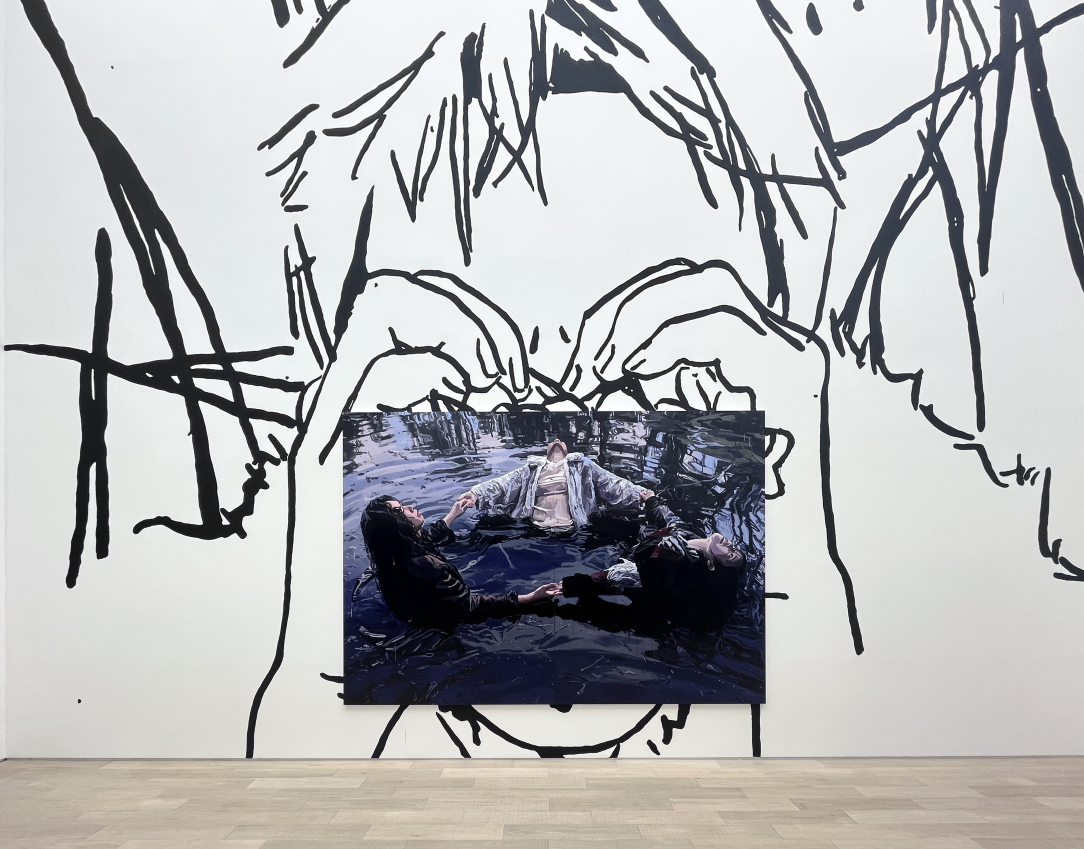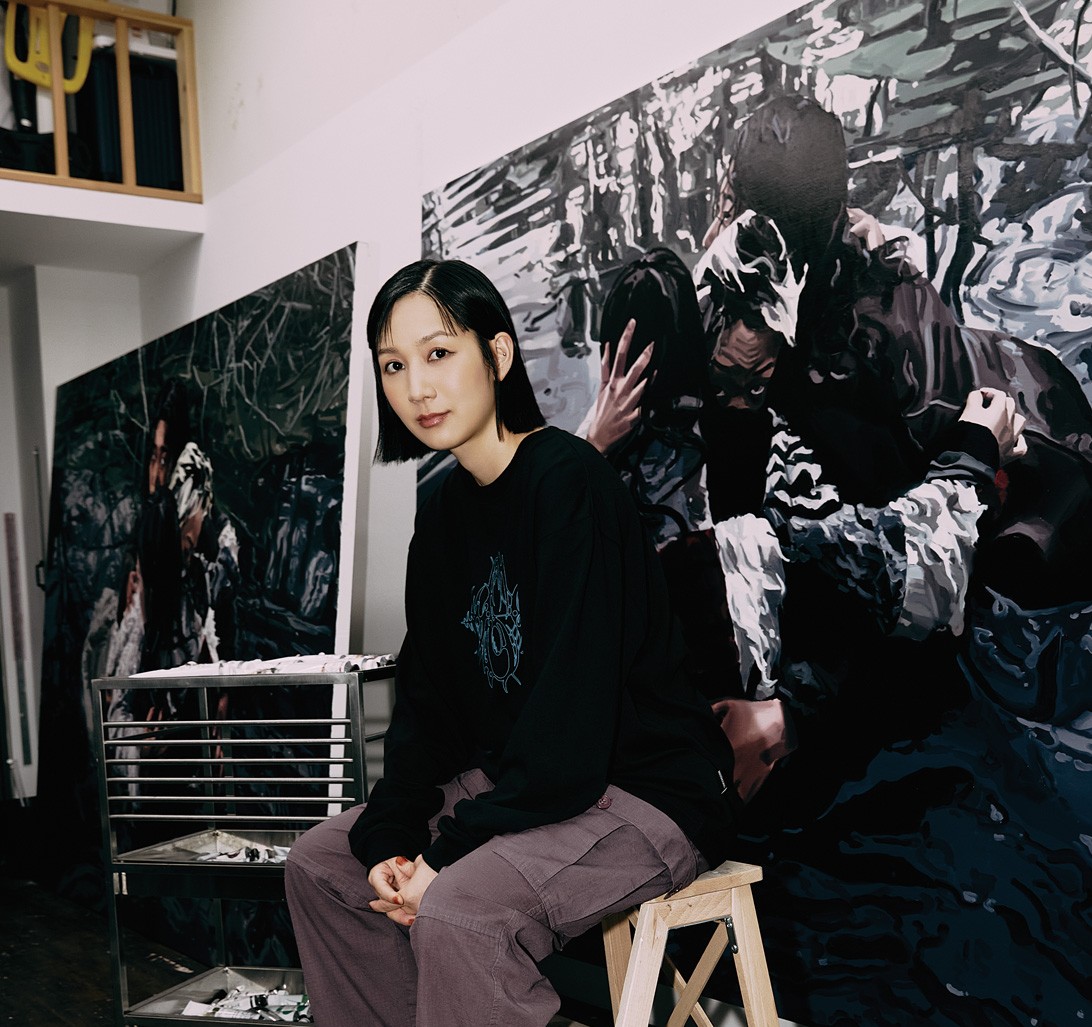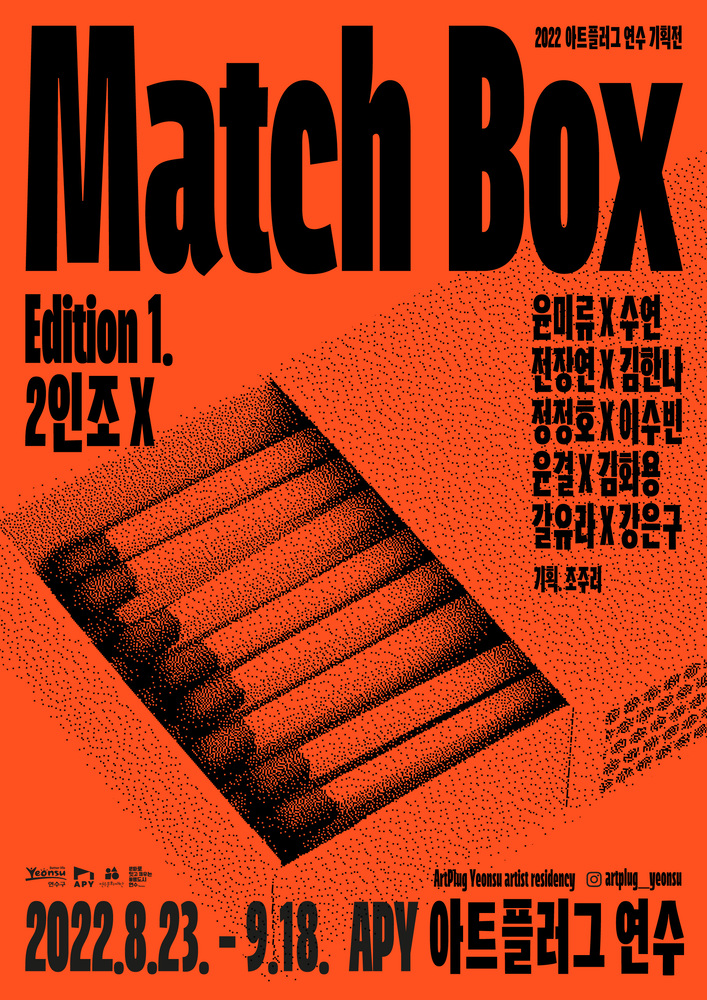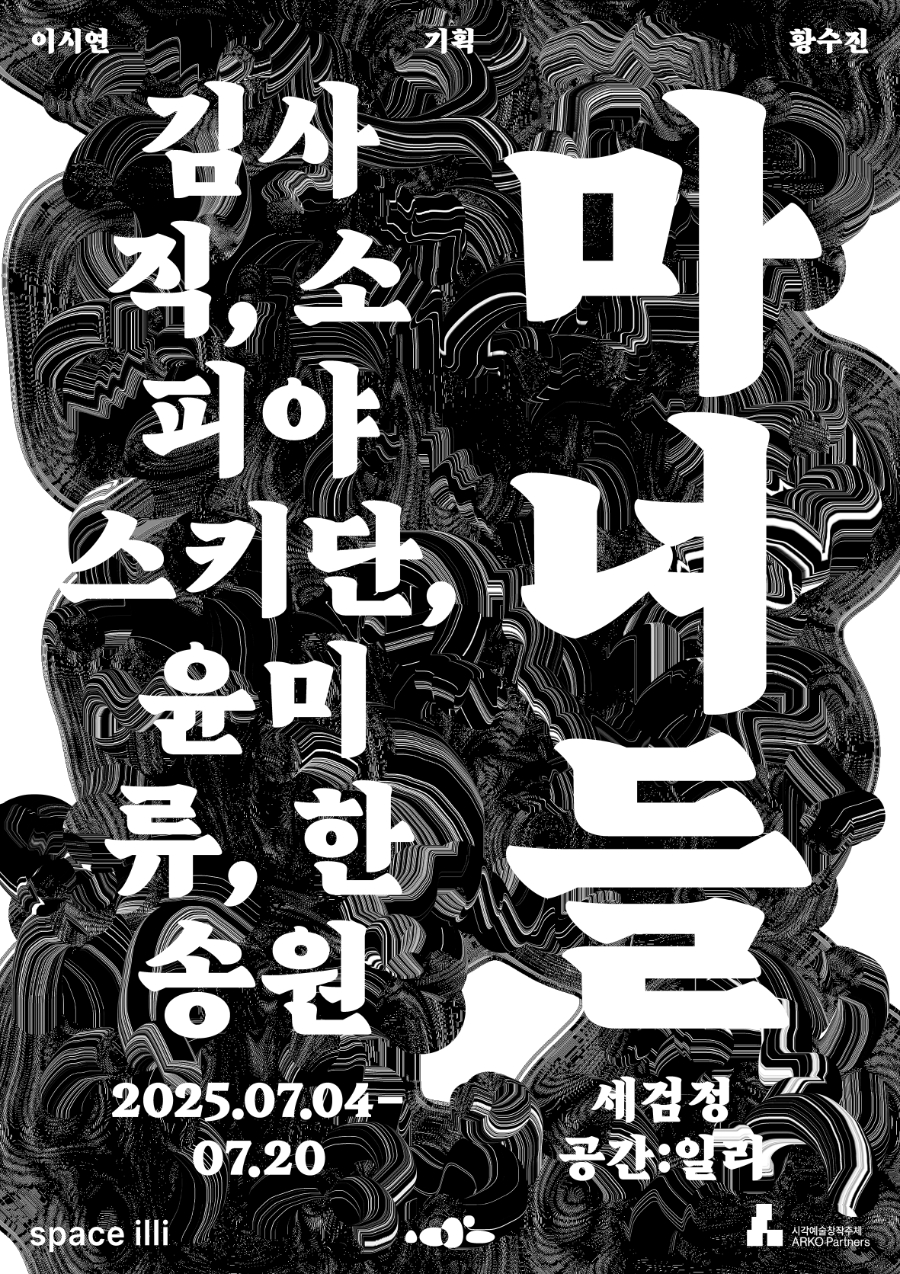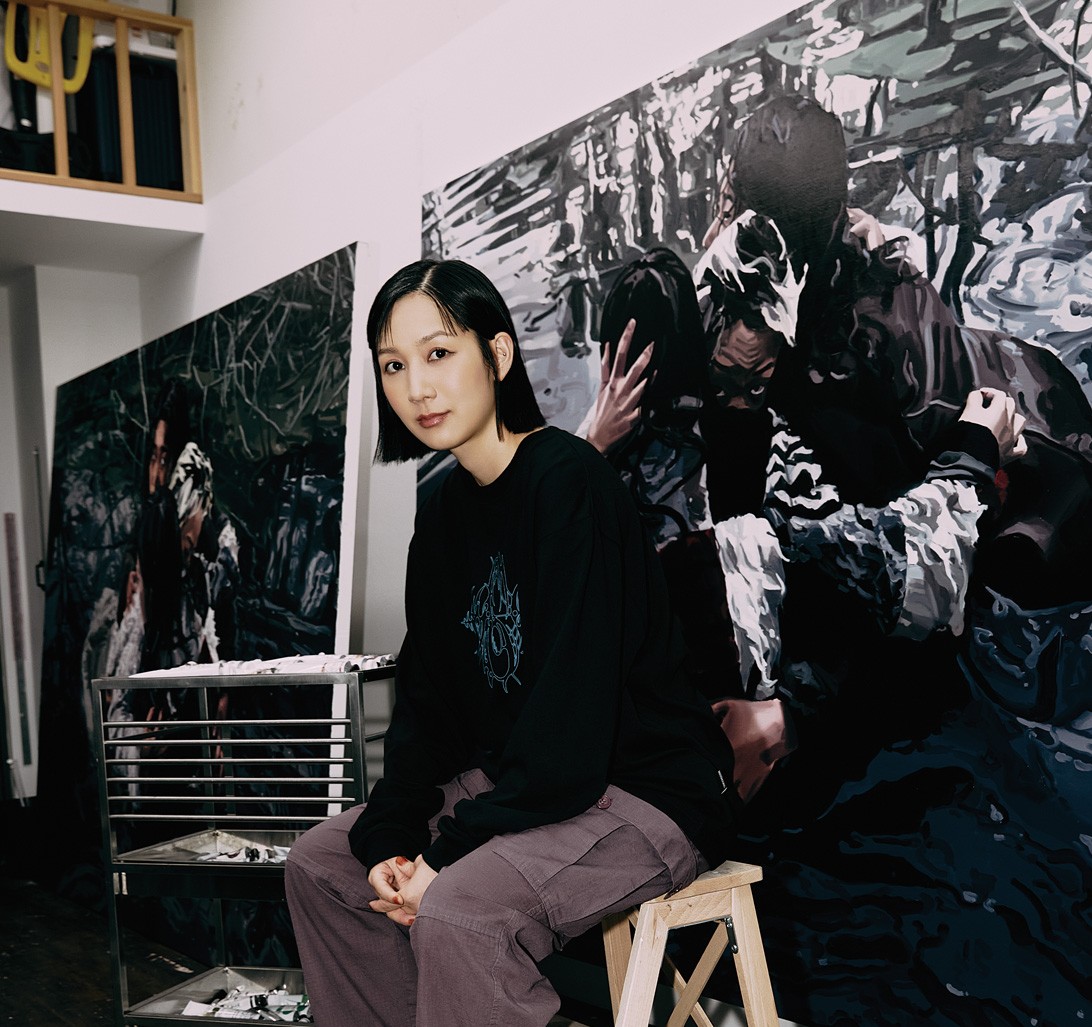


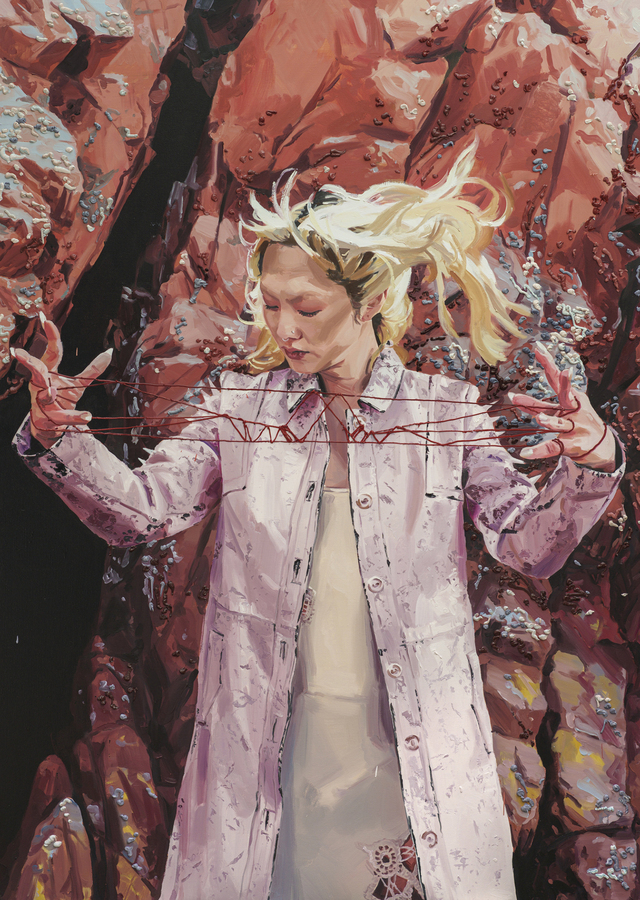
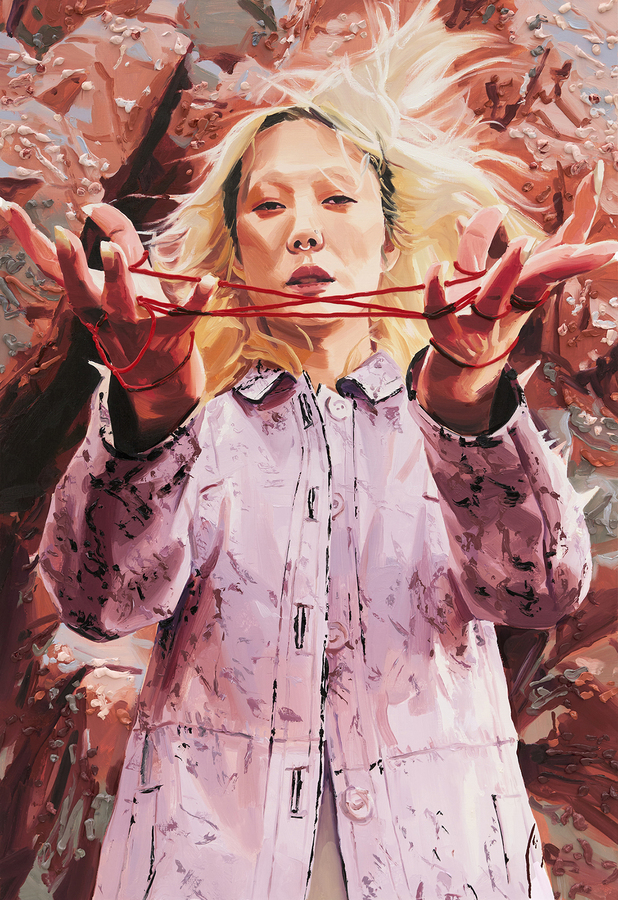
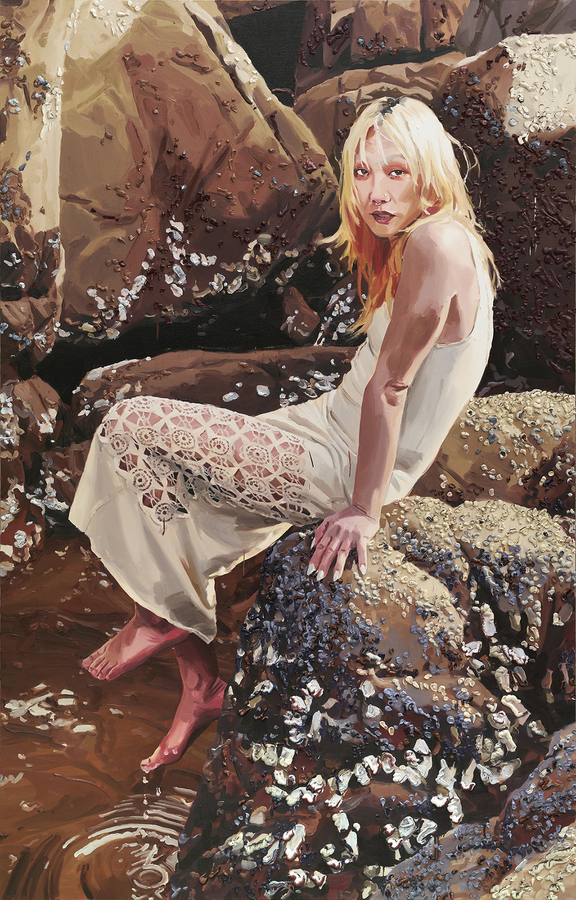
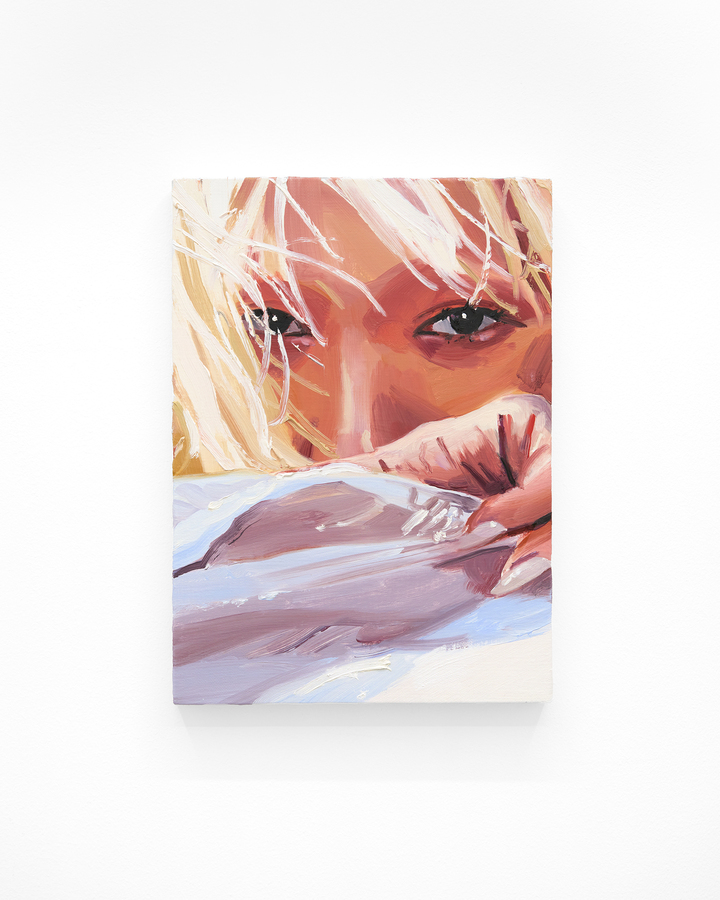
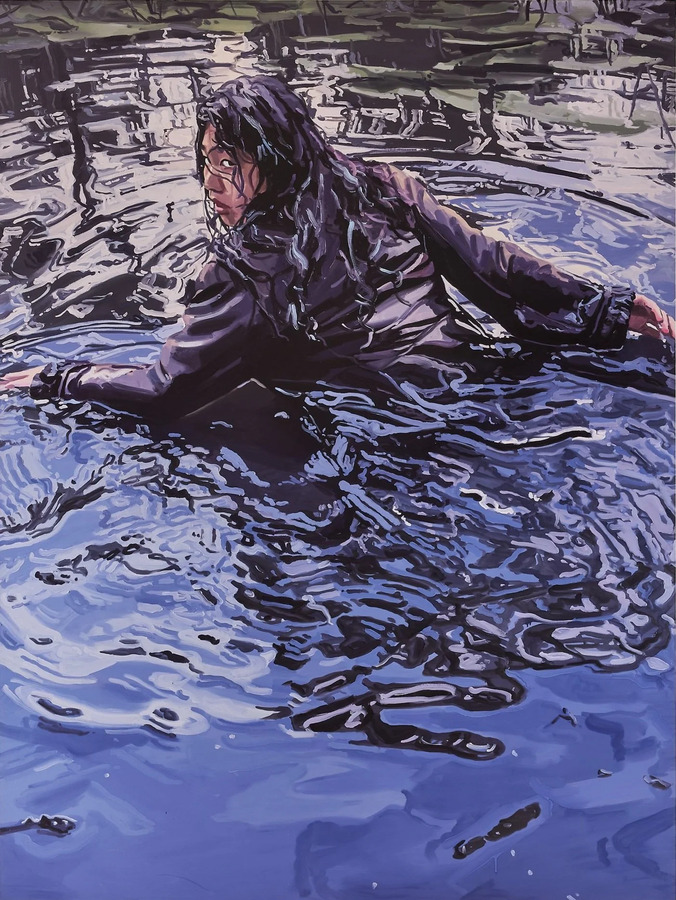
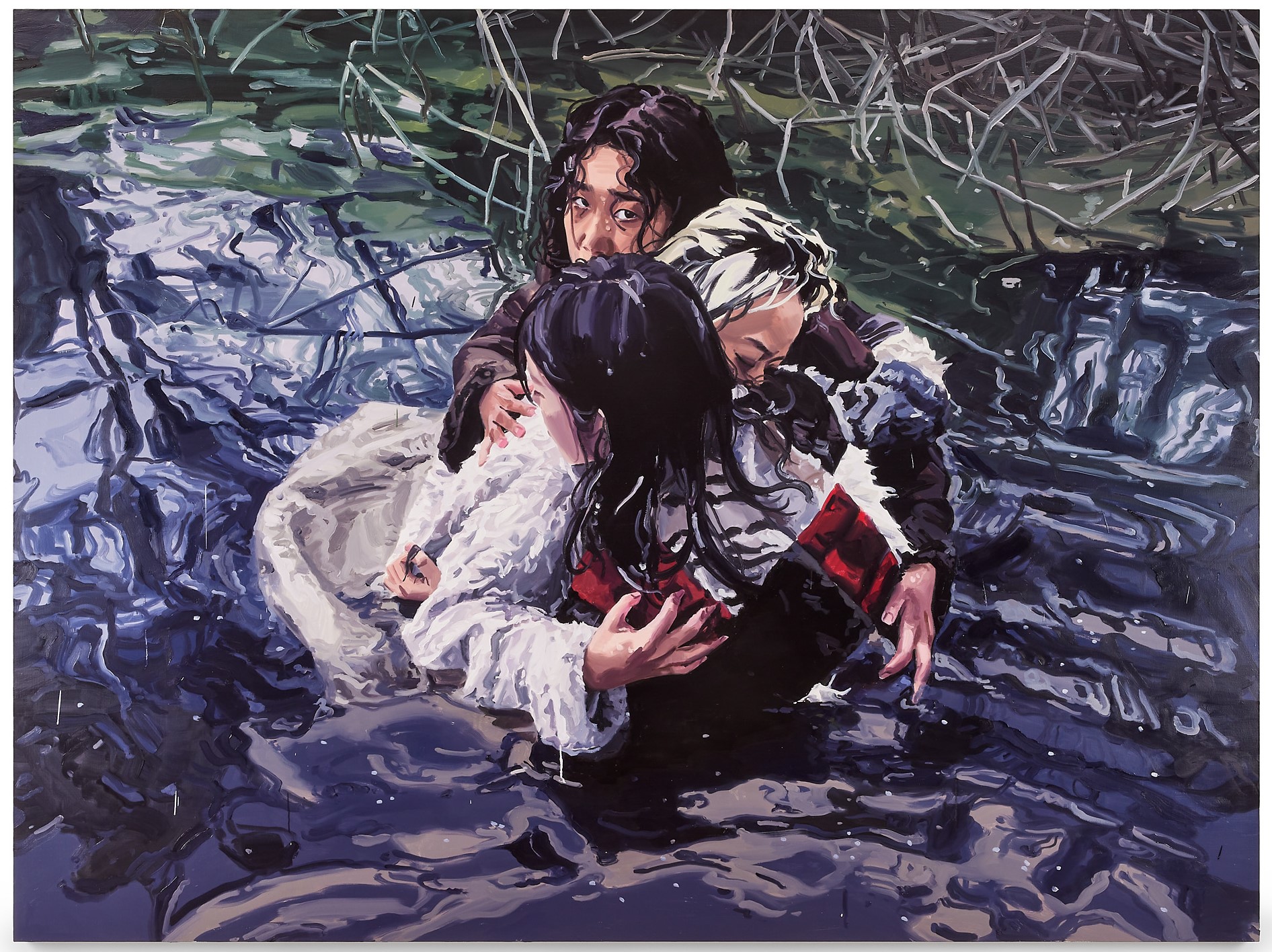
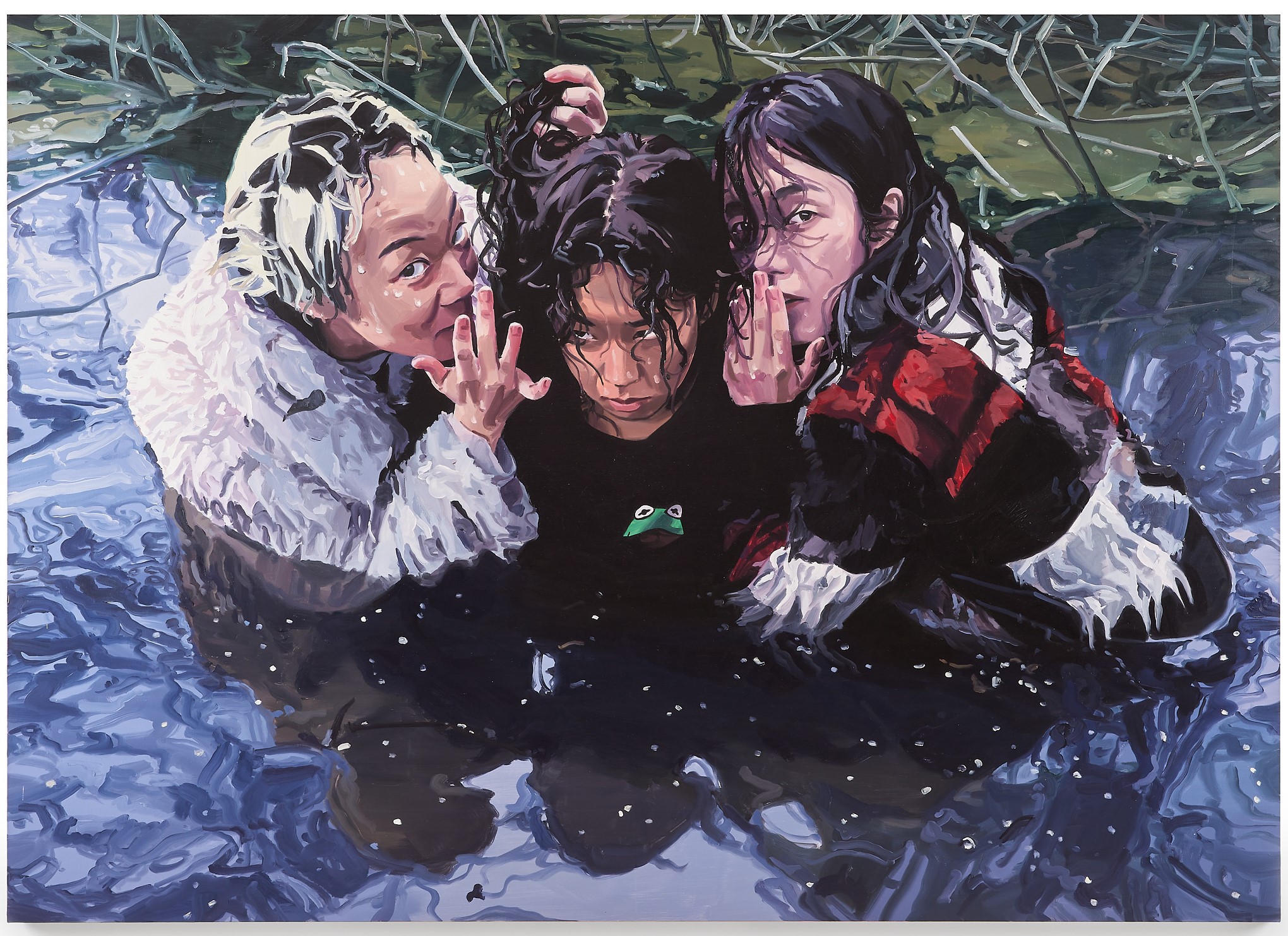
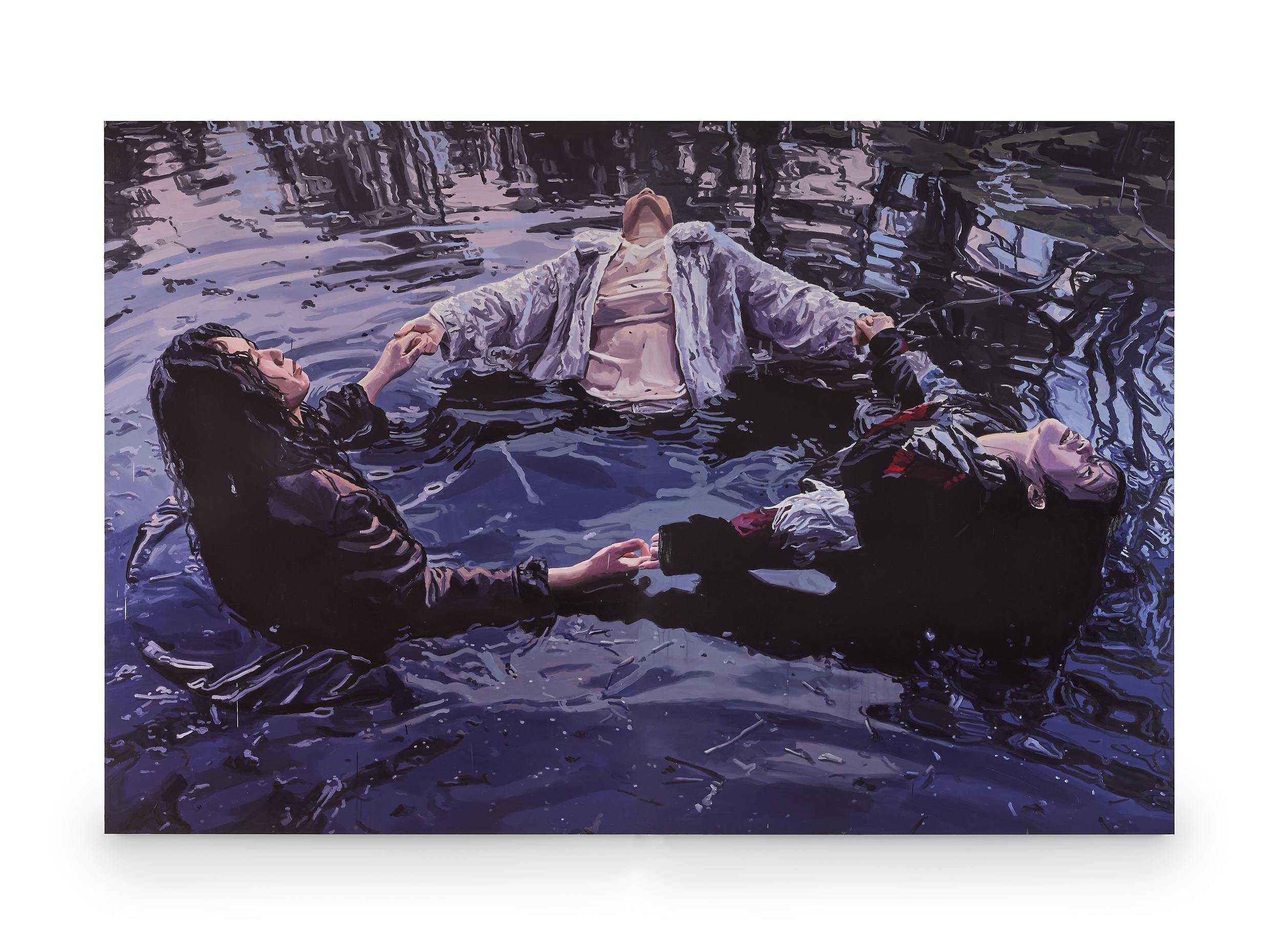
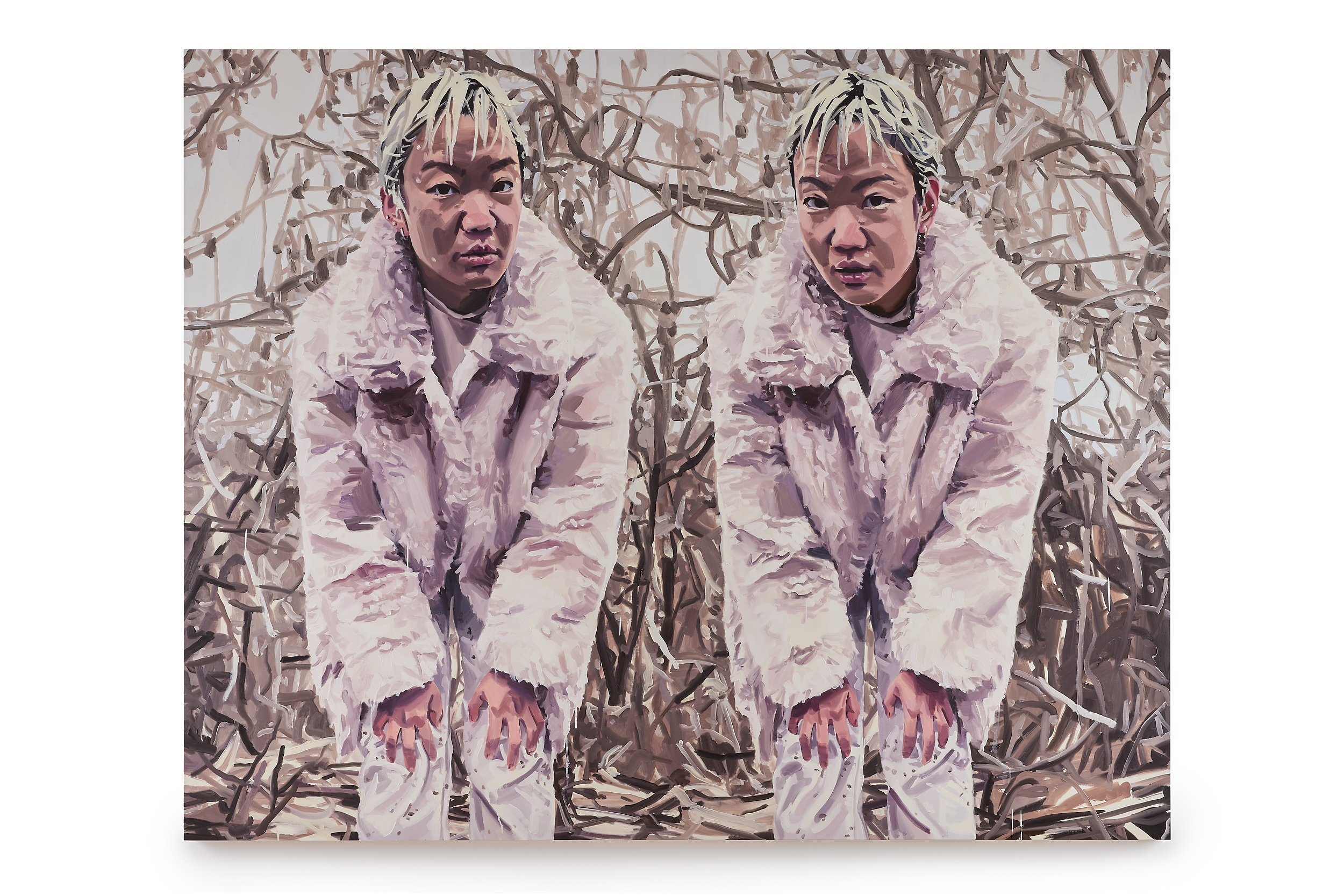
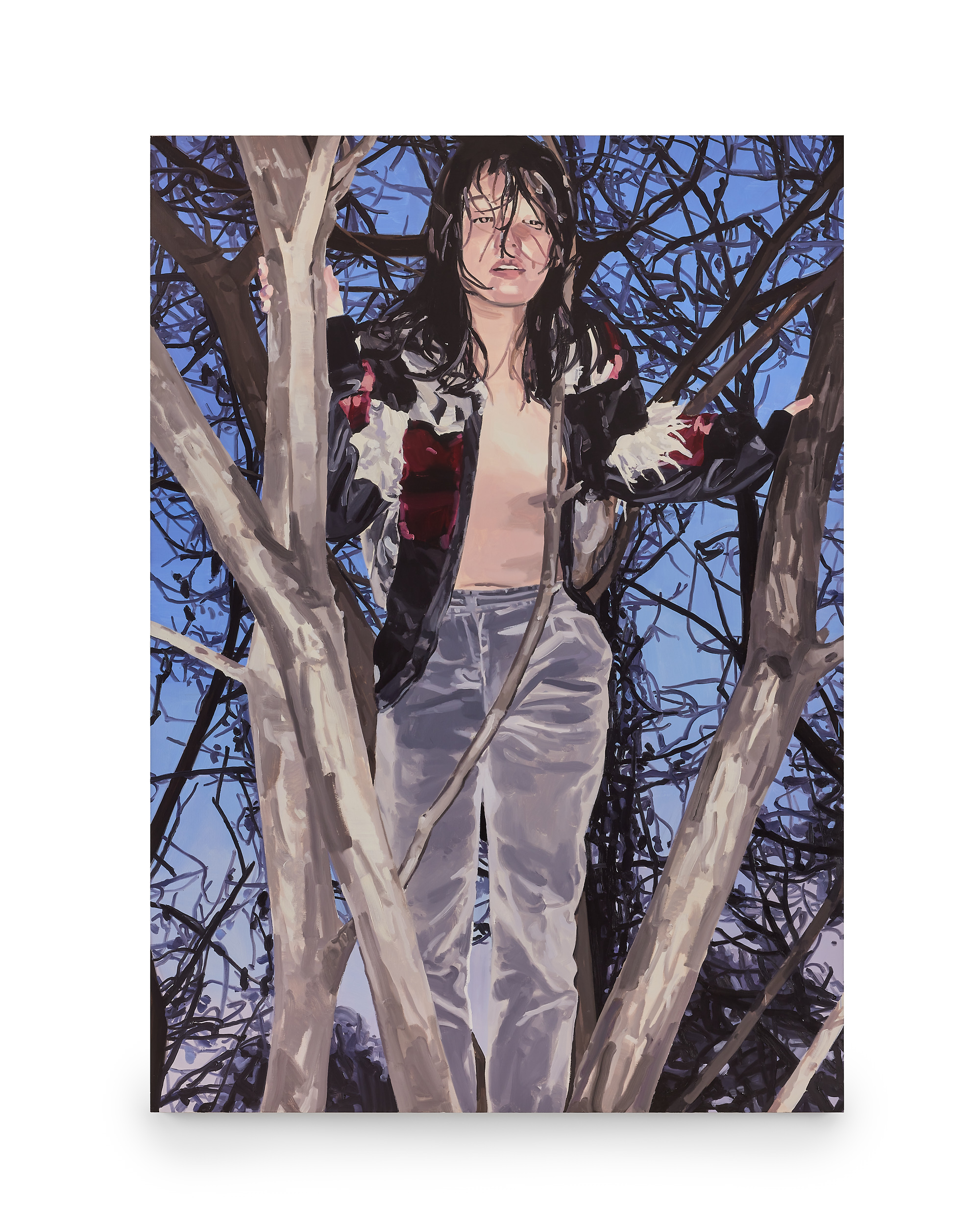
Poster image of 《Match Box Edition 1. Duo X》 © APY

As I joined the curated exhibition program at Art Plug Yeonsu, now in its second year of operation, as an invited curator, my foremost consideration was to conceive an exhibition that could only be realized within the context of an artist residency. At the same time, I sought to actively challenge and move beyond the inherent limitations—or inevitable insularity—of the residency system.

As both a researcher and a curator, I have had the rare opportunity to participate in several residency programs and curatorial projects, and have consistently visited numerous artist residencies each year in the course of artist research and studio visits. In this sense, the project began with a set of concerns and possible resolutions distinct from those of conventional exhibition-making.

The program was conceived in a manner that was deliberately simple and loosely structured, yet driven by a bold idea. It was hoped that the creators affiliated with the residency would take on the role of hosts, inviting new partner artists from outside, and that this process would serve as the driving force, the operative mechanism, and ultimately the outcome of the exhibition 《Match Box Edition 1. Duo X》. Rather than a selection based on competition or comparative evaluation, the intention was to foster a gesture of generous invitation.

Whether this aspiration has been realized remains uncertain. Nevertheless, it was an unusual experience in which the diminishing authorship of the conventional curator seemed to give way to the vitality of arts administration, enabling a more autonomous mode of exhibition-making by the artists themselves. At the same time, the process was imbued with both an optimism and a sense of tension akin to hosting honored guests.

It may also be necessary to offer some clarification regarding the somewhat expansive title of the program and its layered implications. Inserted almost discreetly into a timeline that connects an introductory exhibition presenting the past practices of resident artists with a subsequent exhibition reporting on a year’s creative output, this program became a process through which resident-led curatorial and critical practices, as well as collaborative productions with artists outside the institution, could emerge.

The title “Match Box” was proposed with the hope that such practices might continue for some time—perhaps even on an annual basis. The word “match” carries a multiplicity of meanings: whether the “matchbox” becomes a latent source of ignition filled with combustible potential, a site of competitive tension between rivals, or a harmonious convergence of sensibilities and attitudes is not a fixed determination. Rather, it may be understood as a relative and mutable experience, shaped by each participant within the unfolding process of practice.

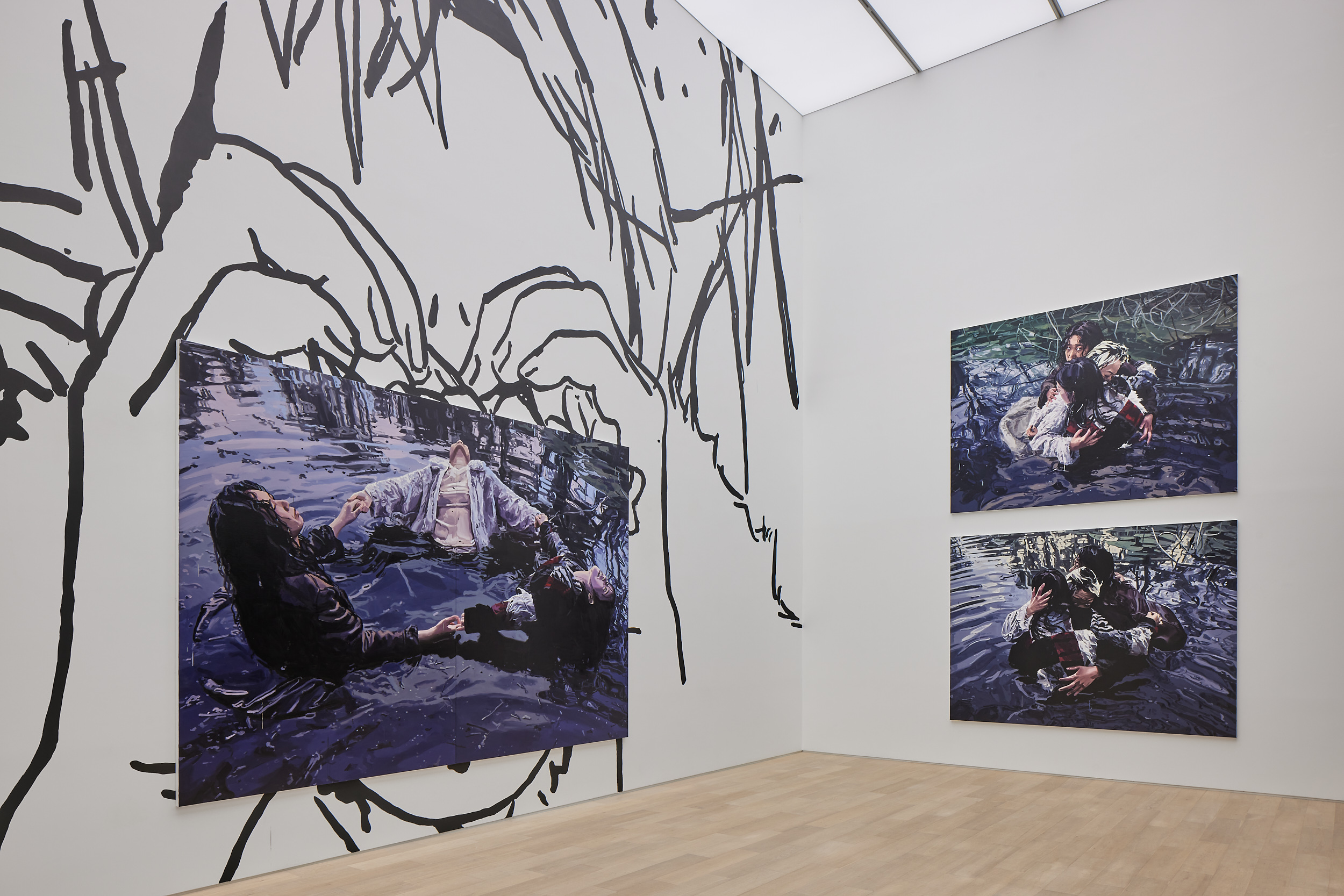
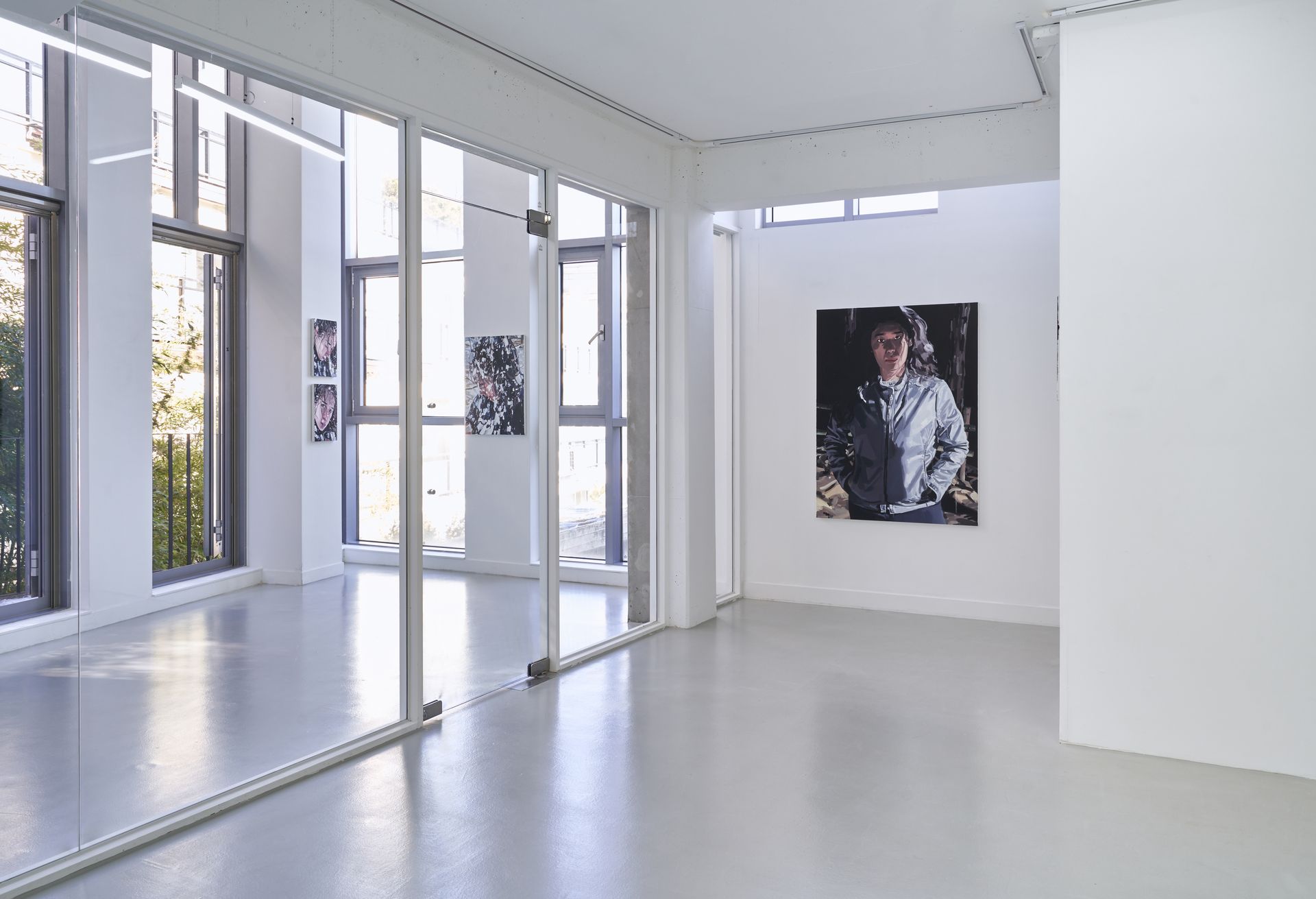
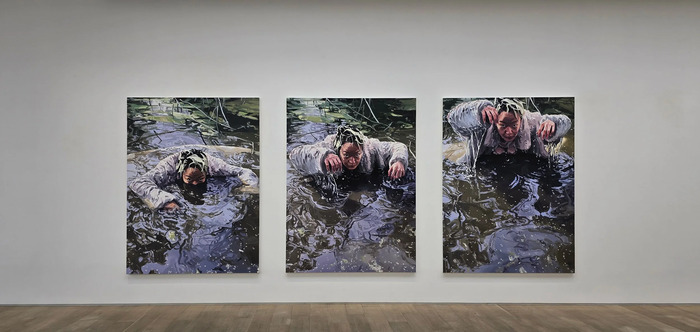
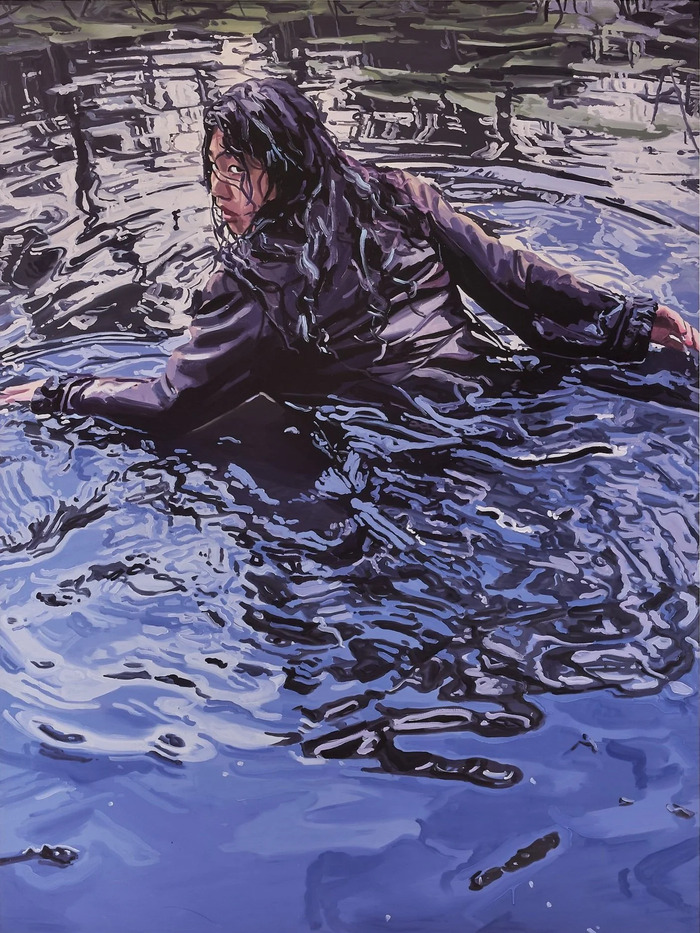
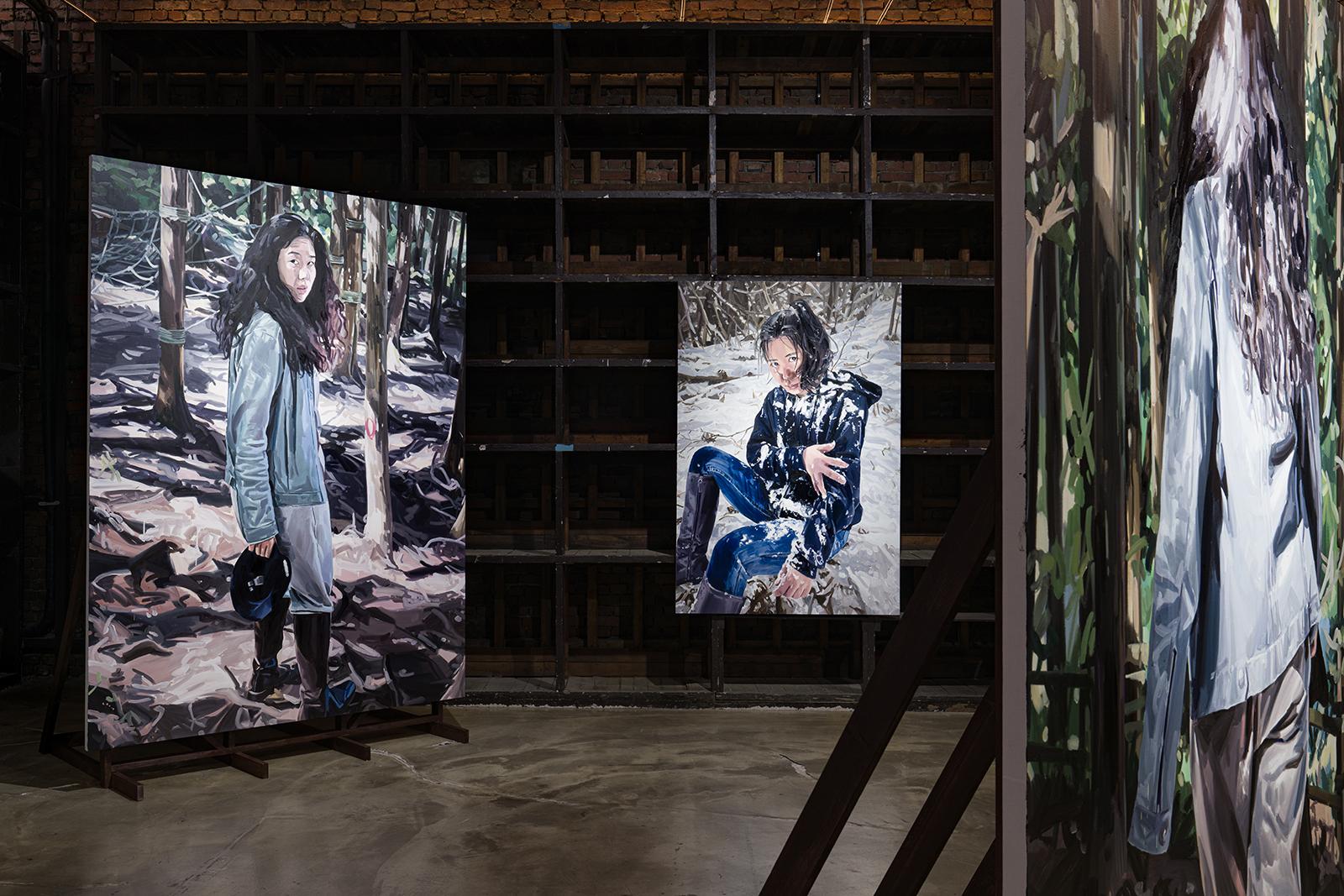
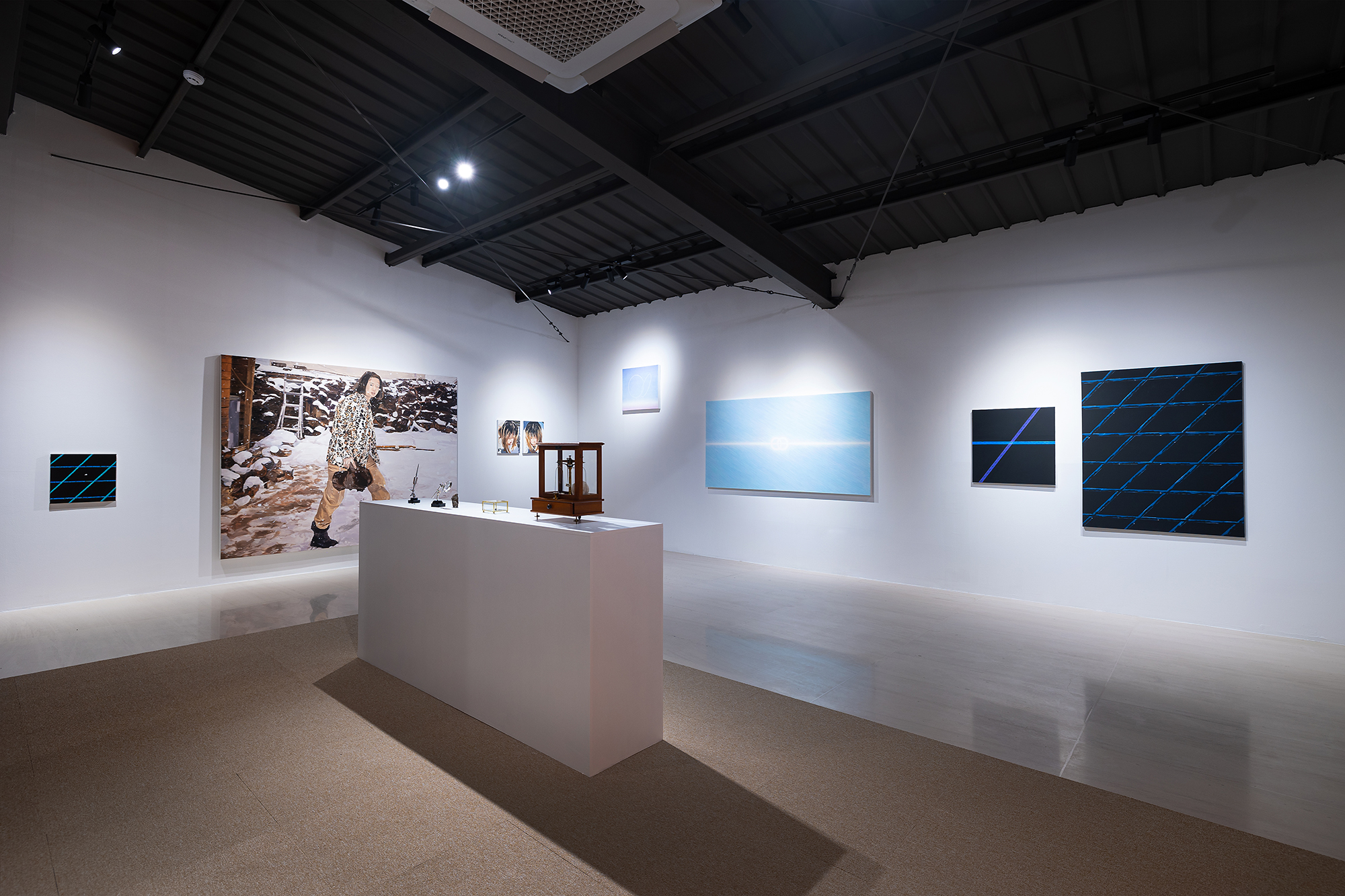
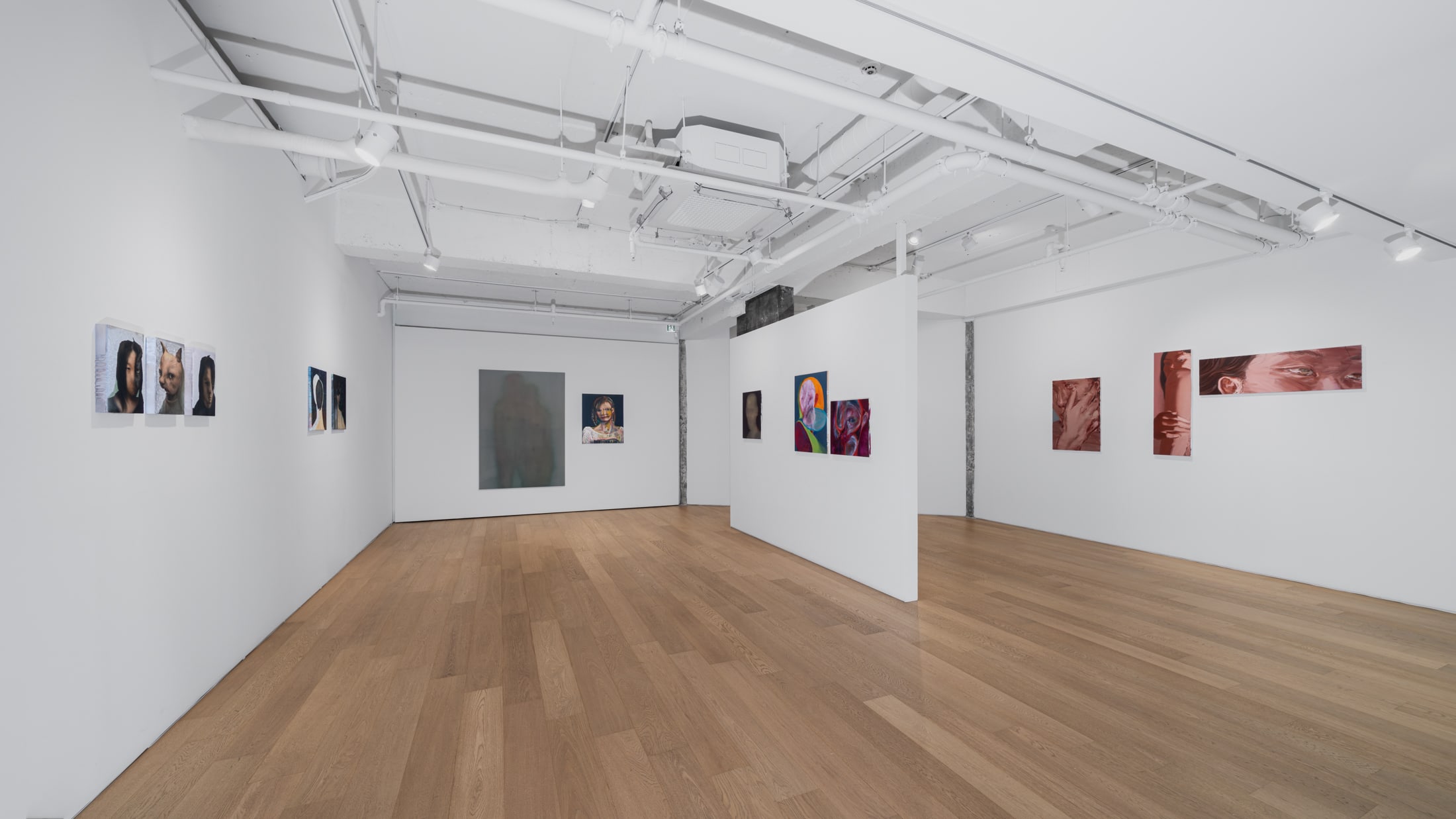
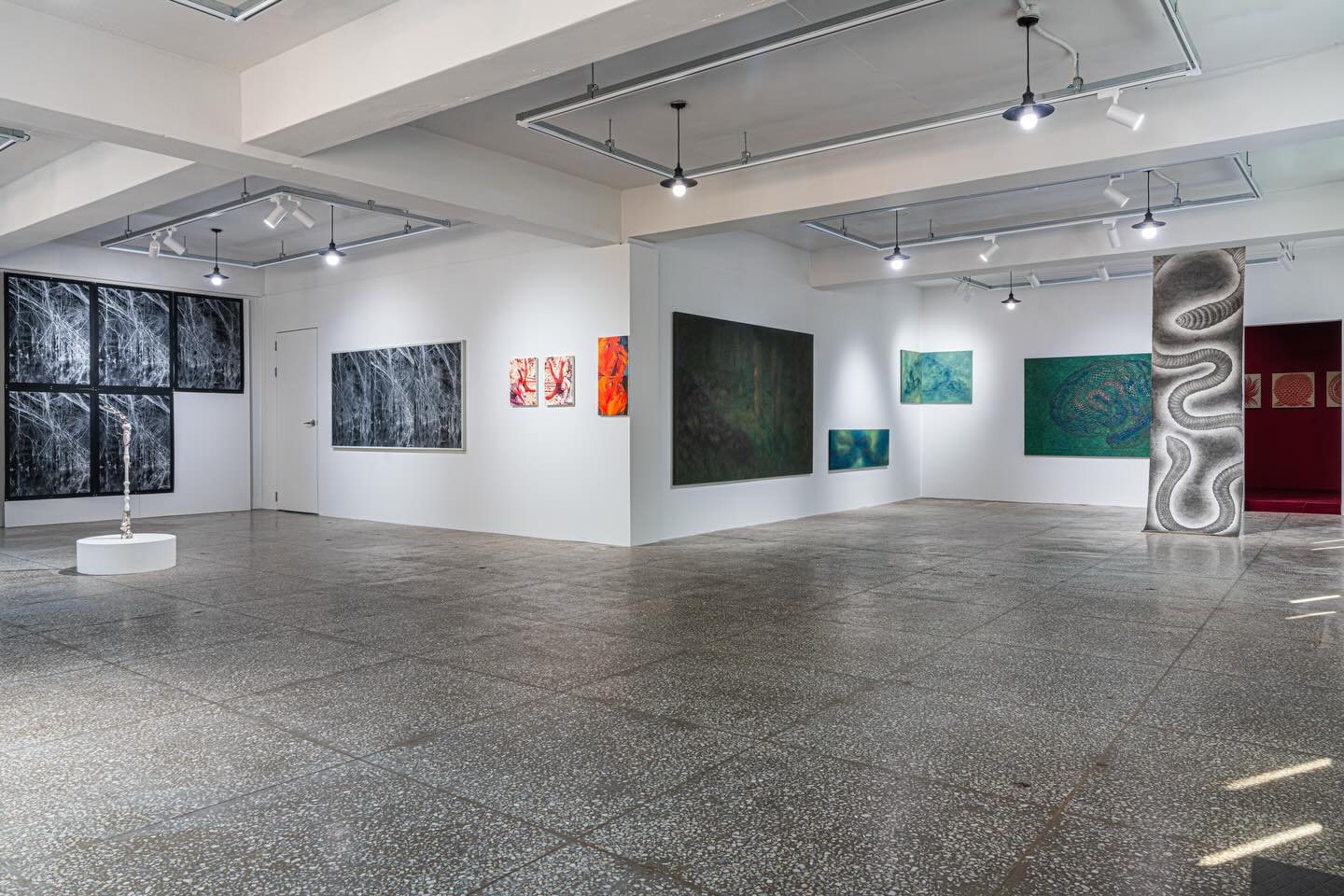
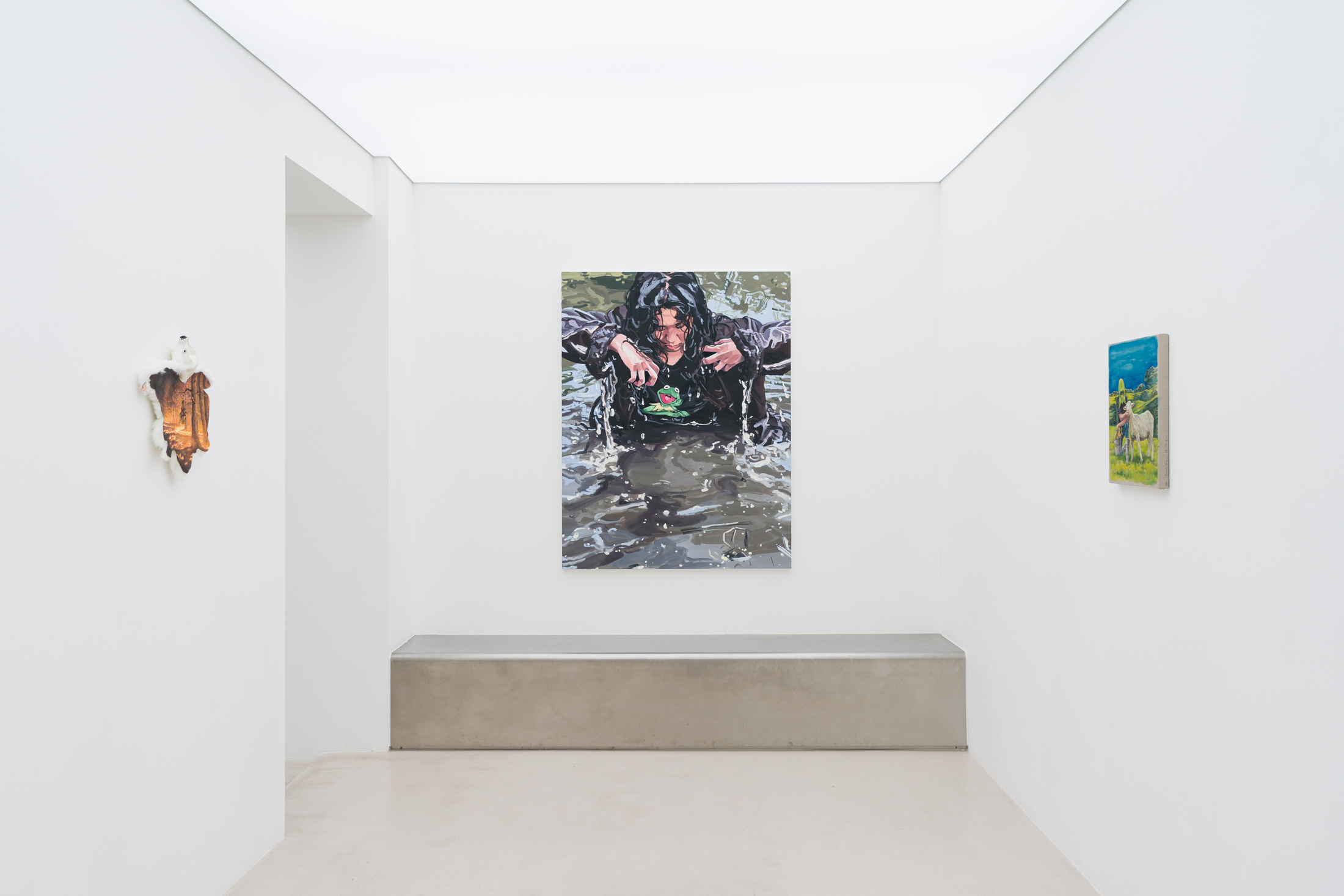
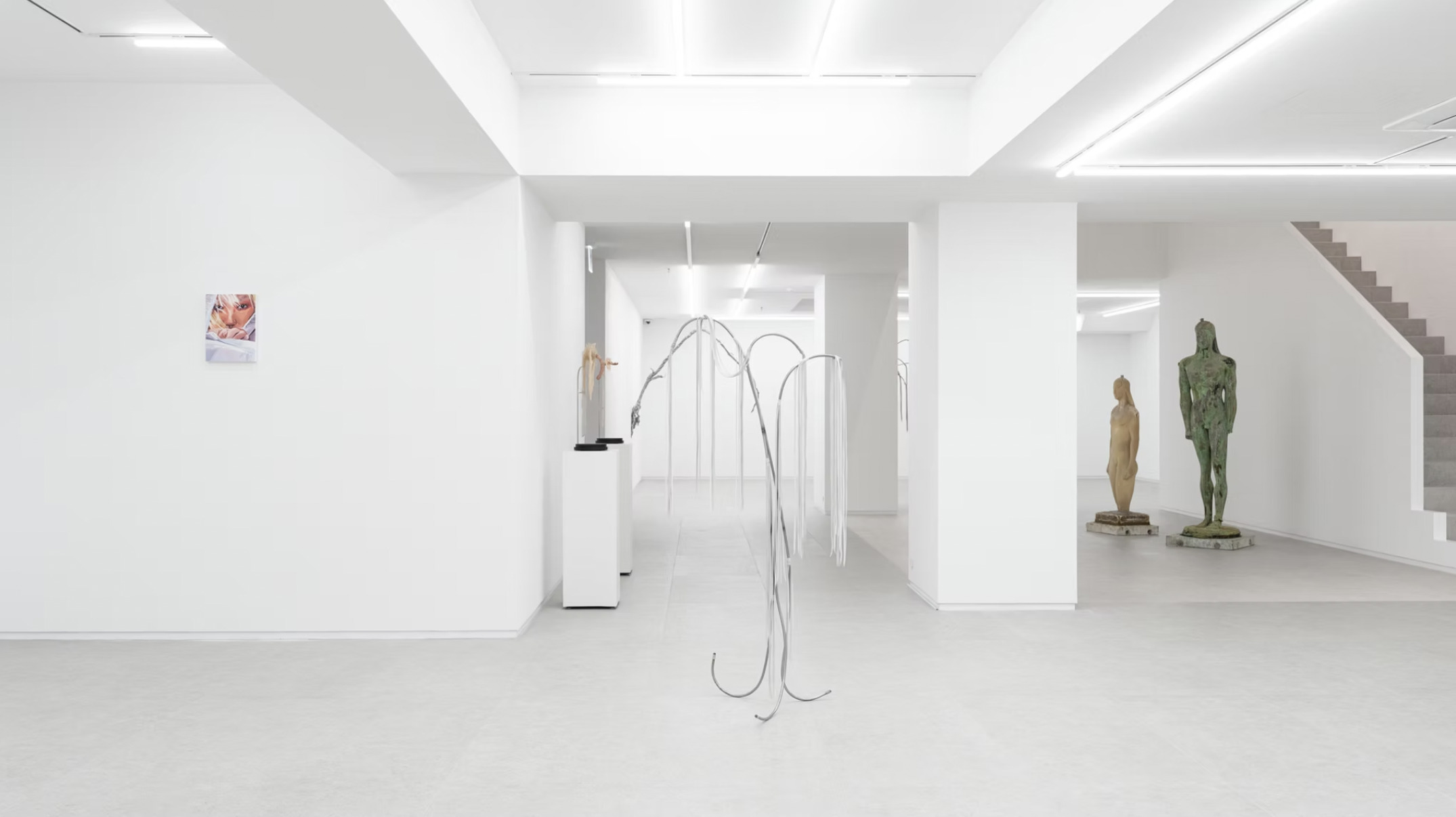
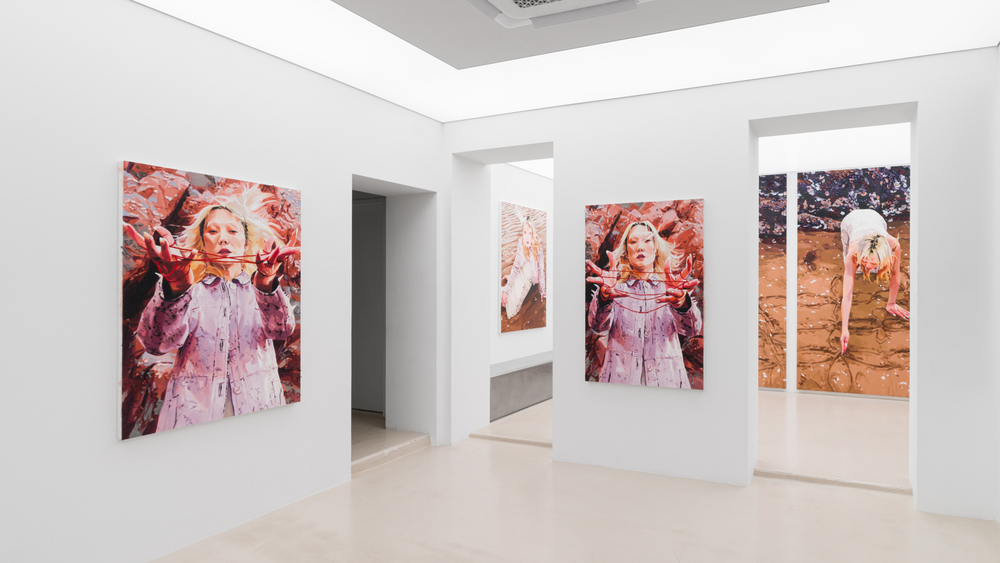
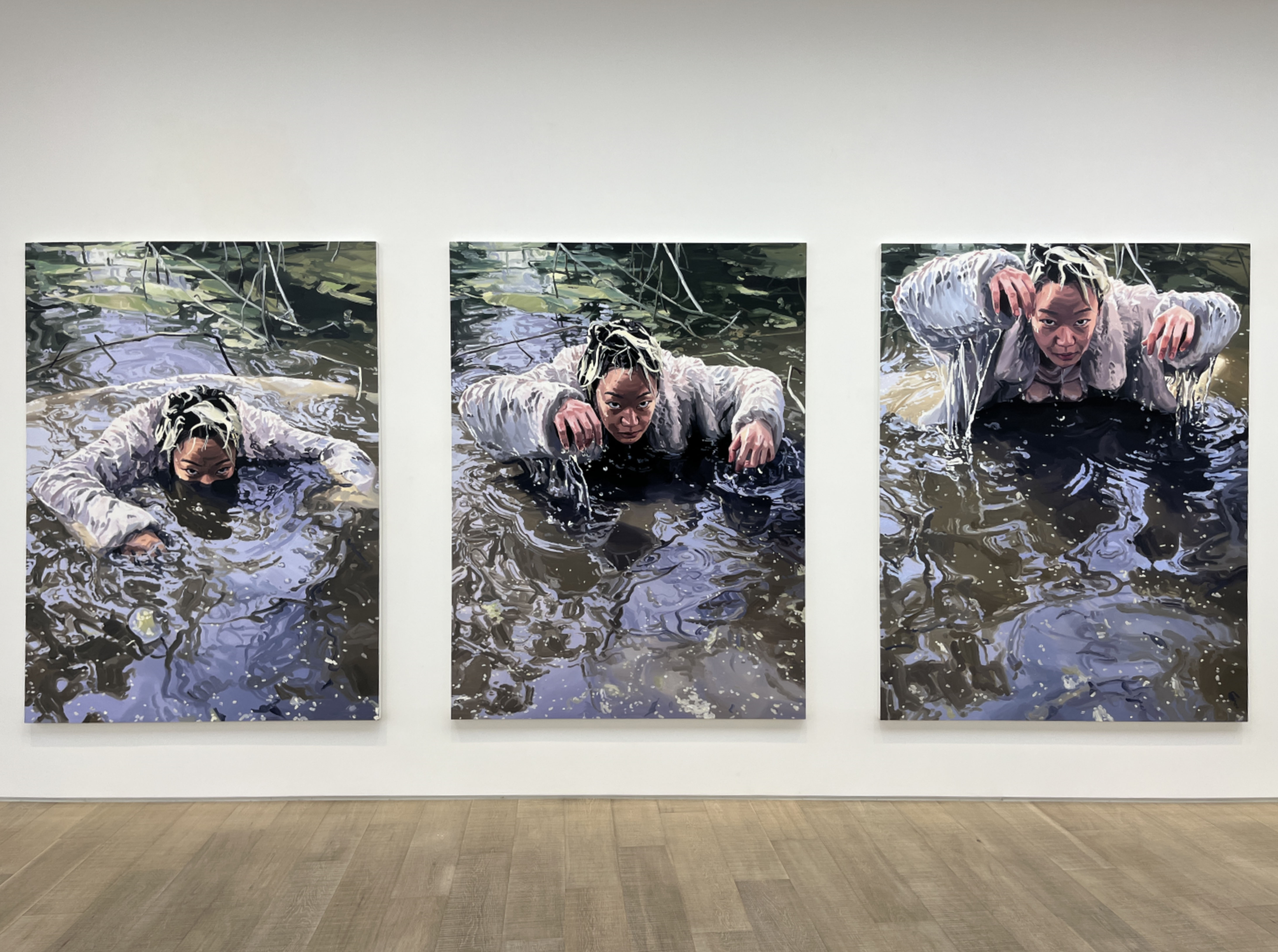
Installation view of 《Match Box Edition 1. Duo X》 © APY

Ultimately, the exhibition came to be structured around five curatorial proposals put forward by five Art Plug artists this year, with five invited artists from outside entering into this framework. The criteria and selection of these invitations were presumed to be variable, depending on how one interprets and engages with the exhibition’s premise. The notion of a “duo” may encompass a former mentor, a present colleague, a future junior, or any number of combinations that traverse these temporal positions.

It may also suggest a new form of mutual support that eludes capture within conventional relational diagrams. For this reason, the various modes of activity that may be generated within different models of “duos” are left deliberately open, with an expectation placed on their very indeterminacy. It is hoped that, beyond the stage of impulsive and temporary collaboration, new forms of learning and unlearning might emerge at the threshold of foundational inquiry—guiding these practices toward more sustained and elevated trajectories.

Through the first edition of “Match Box,” we invite a shared reflection on where the boundaries lie between the solitary world that an artist must defend and the structures that must continually be dismantled. As we await the variable Xs contained within the matchbox, and the future editions that will follow.

References