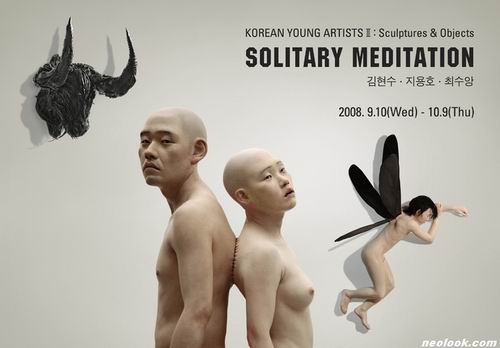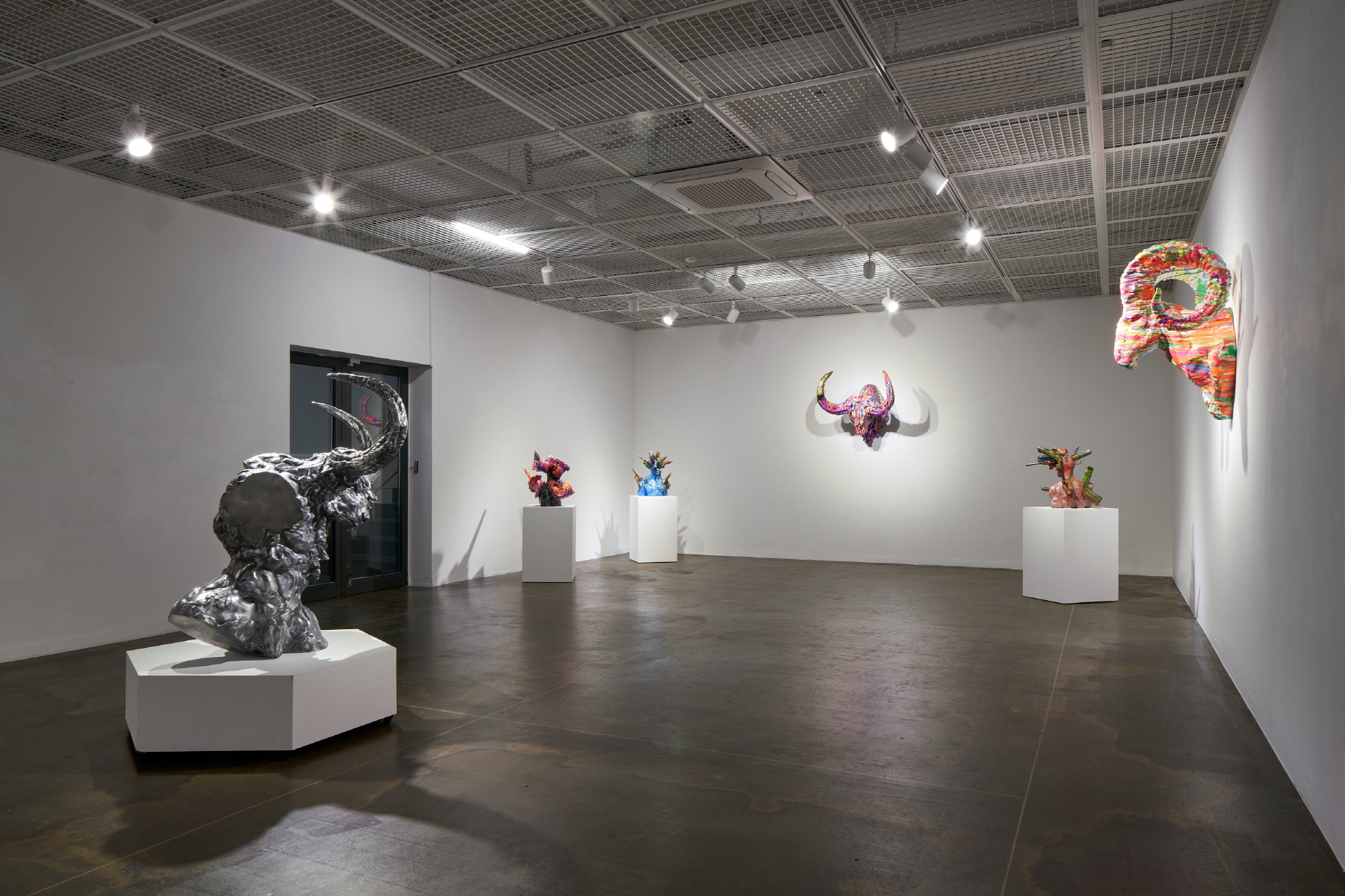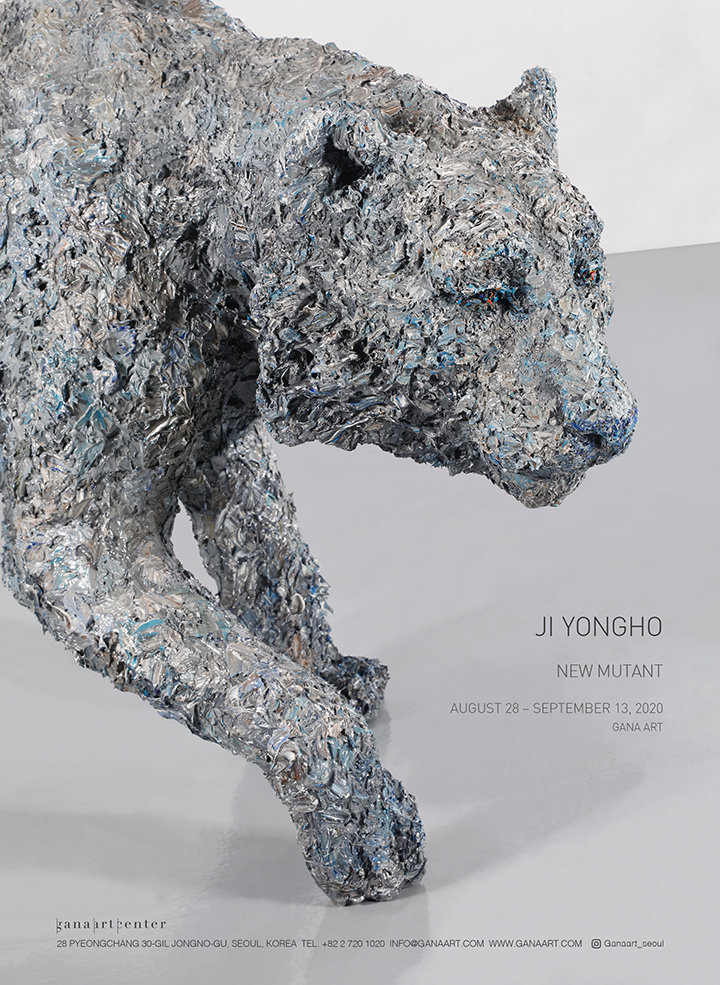


Poster image of 《Solitary Meditation》 © DOOSAN Gallery

Solitary Meditation: Contemporary Sculpture and Portraits of Young Korean Sculptors
 
Recently, new sales records are being set almost daily at major global auctions and art fairs, while emerging countries in Asia such as China and India are becoming central to contemporary art. This clearly demonstrates that a global boom in contemporary art is underway.

These trends in the international art world also reflect the fact that the world has already moved beyond a knowledge- and technology-based society into an era of culture. It is no exaggeration to say that a nation’s wealth and level are now measured by its capacity to produce cultural and artistic output and to establish the infrastructure necessary to support it.
 
In line with this trend, contemporary Korean art has undergone significant development and is no longer confined to a small group of capitalists or the wealthy. Instead, it is becoming a genuine cultural form that can be easily accessed and enjoyed by the general public. In this context, 《Korean Young Artist》—the theme set by Doosan Gallery Seoul for this year—can be considered highly timely, and this third installment presents works in the field of sculpture.
 
The contemporary global art scene today, perhaps more than ever before, has become a competitive arena for diverse issues and artistic practices. As culture and the arts have come to function as a form of national competitiveness, failing to keep pace with this trend can result not only in disadvantage between nations but also in the marginalization of individuals within their own lives.

At such a moment, it is meaningful to briefly examine the developmental trajectory of contemporary sculpture and the key issues of our time, while also exploring the present and future potential of Korean sculptors who are actively working both domestically and internationally.


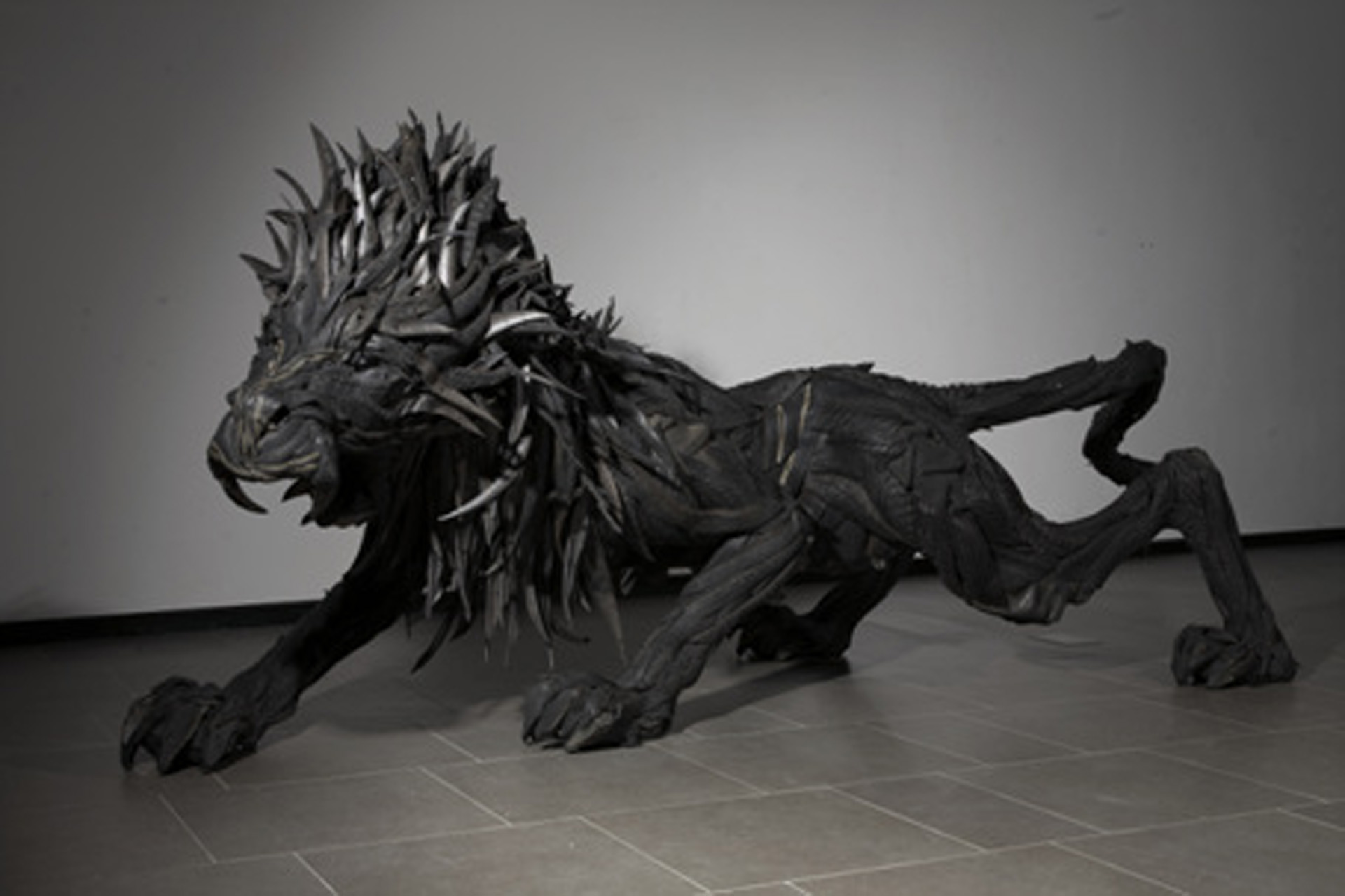
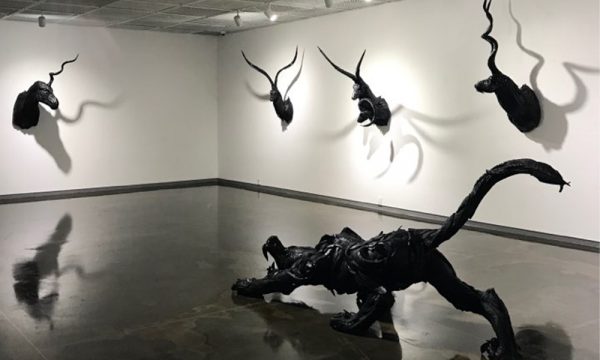
Ji Yongho, Line 4, 2008 © Ji Yongho

The Birth of Contemporary Sculpture
 
Western sculpture originated from the concept of anthropomorphism, in which the human body was regarded as a mimesis of an absolute divine being. Accordingly, sculptors of ancient Greece believed that if they could discover the ideal canon of the human body, they would be able to reproduce the perfect form of the divine in this world.

This belief was revived through Michelangelo during the Renaissance, and later art historians have evaluated that the ideal of Western traditional sculpture was finally realized on earth through Rodin. Marcel Duchamp, recognizing that nothing more could be achieved through representational sculpture, incorporated the objet—as the appropriation of everyday objects—into the realm of art, thereby opening up new possibilities for artistic interpretation.
 
Through Andy Warhol, the objet came to occupy a central position in art history not merely as the “artification of everyday objects,” but as “contemporary sculpture” in its true sense. Consequently, contemporary sculpture has come to face the inevitable condition of acknowledging as its direct ancestors the Brillo boxes that moved vertically from the supermarket to the museum, as well as the urinal relocated from the restroom into the exhibition space.

Emerging from this historical context, contemporary sculpture has since expanded into installation, media art, and conceptual art, leading to a proliferation of diverse artistic forms and discourses reminiscent of a period of competing states. For artists, the very question of whether a truly meaningful work of art is still possible in this era has itself become an aesthetic.

As Arthur Danto has noted, contemporary art has entered an era of “indiscernibility,” in which it is no longer possible to determine whether something is art based solely on its external form. Consequently, contemporary sculpture finds itself in the paradoxical situation of having its identity recognized not by its lineage, but by others.


The Current State of Contemporary Figurative Sculpture
 
Beginning with the Tate Modern in the UK in the late 1991 and followed by Gerhard Richter’s solo exhibition at Anthony d’Offay Gallery in 1992—later culminating in a major retrospective at MoMA in New York in 2002—these events signaled the global resurgence of painting. Since then, painting, in response to the powerful challenge posed by photographers armed with advanced technologies, has reasserted its domain of “representation,” which in turn has stimulated the revival of traditional sculpture on a global scale.

In fact, traditional sculptural practices, which had already reemerged in the late 1980s led by Jeff Koons, were becoming another form of contemporary sculpture alongside the objet initiated by Duchamp. However, they lacked a genuine alternative capable of surpassing the achievements of traditional sculpture.
 
As a result, rather than producing entirely new aesthetics or forms, their primary strategy became one of mixture—through pastiche and hybridization. Jeff Koons’s use of traditional sculptural forms to depict contemporary icons such as Michael Jackson can be understood as a modern transformation of classical sculpture, while Damien Hirst’s works, in which animals are placed in tanks of formaldehyde, represent an extension and amplification of the objet into living organisms.

Ultimately, contemporary sculpture finds itself in a simulacral condition of limitation, where, like Marc Quinn—who created a bust from his own blood—it can no longer pursue the genuinely new, and must instead cry out through its own material conditions.


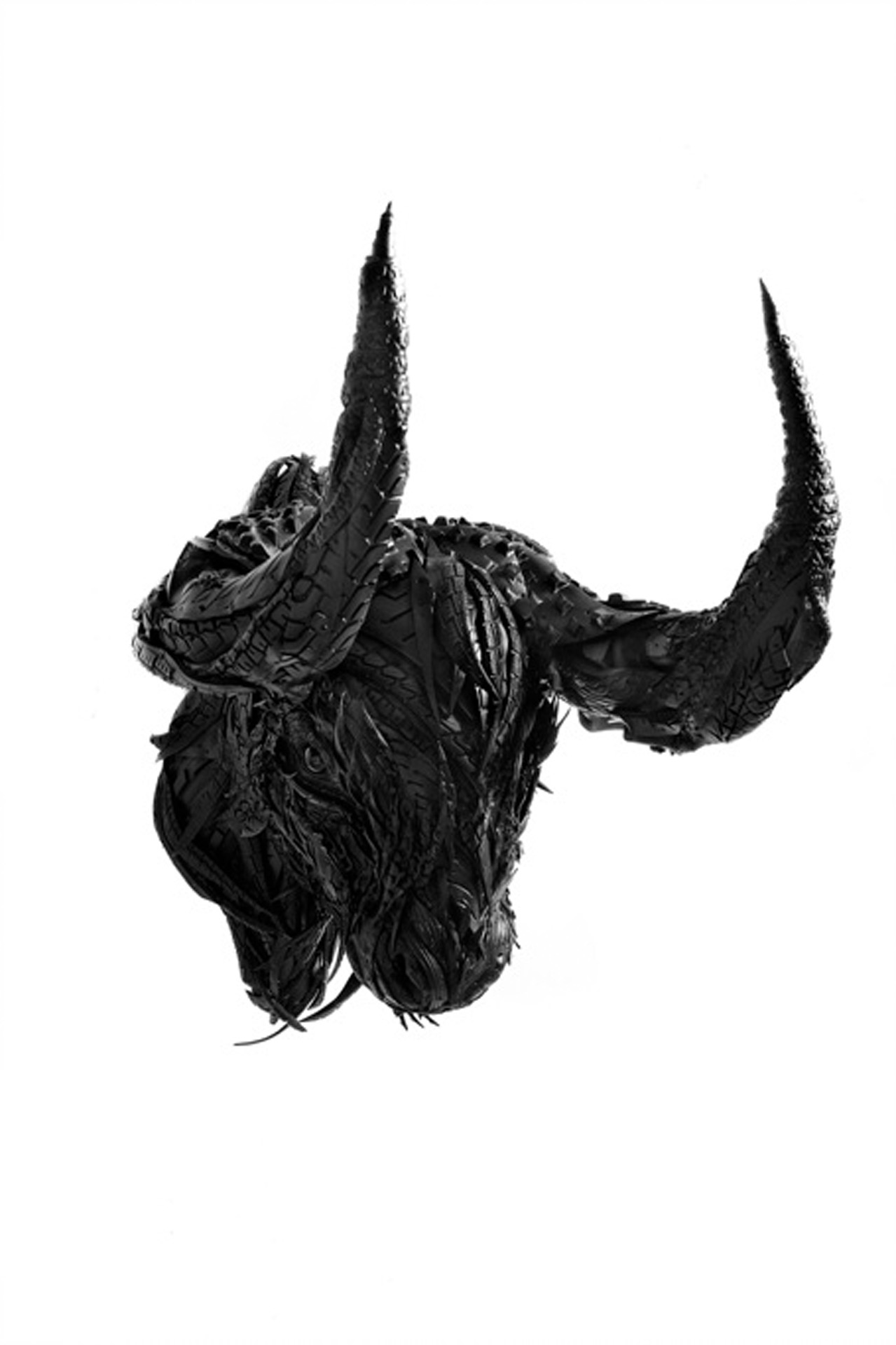
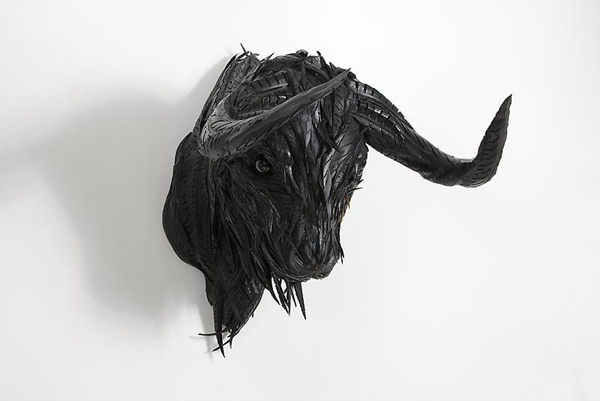
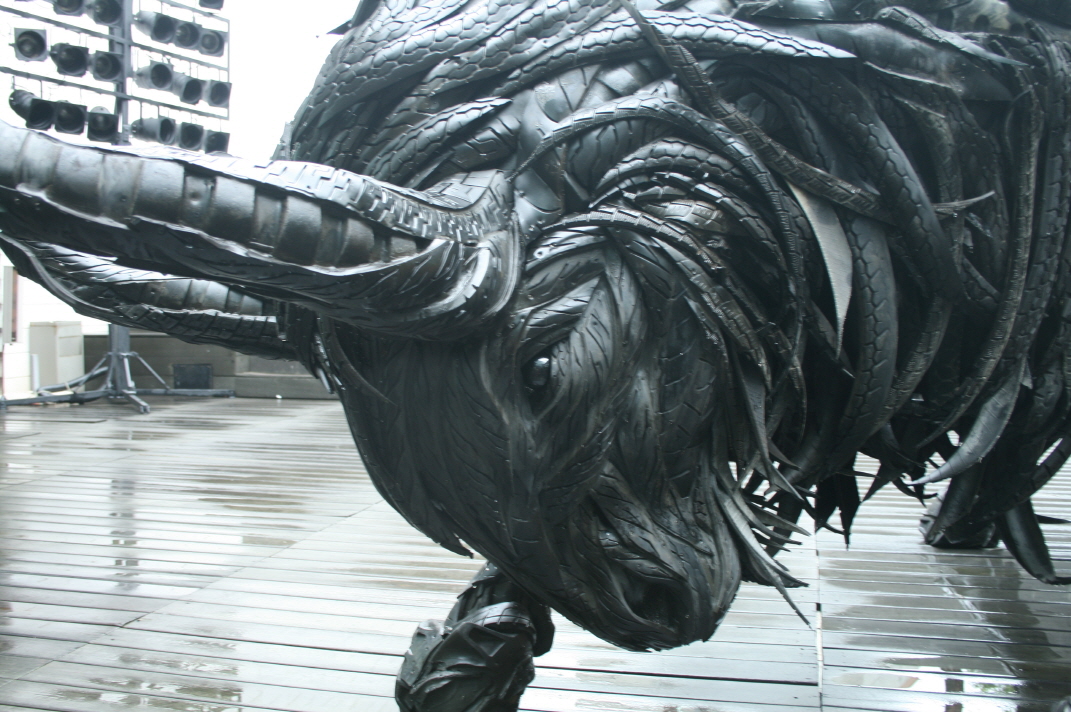
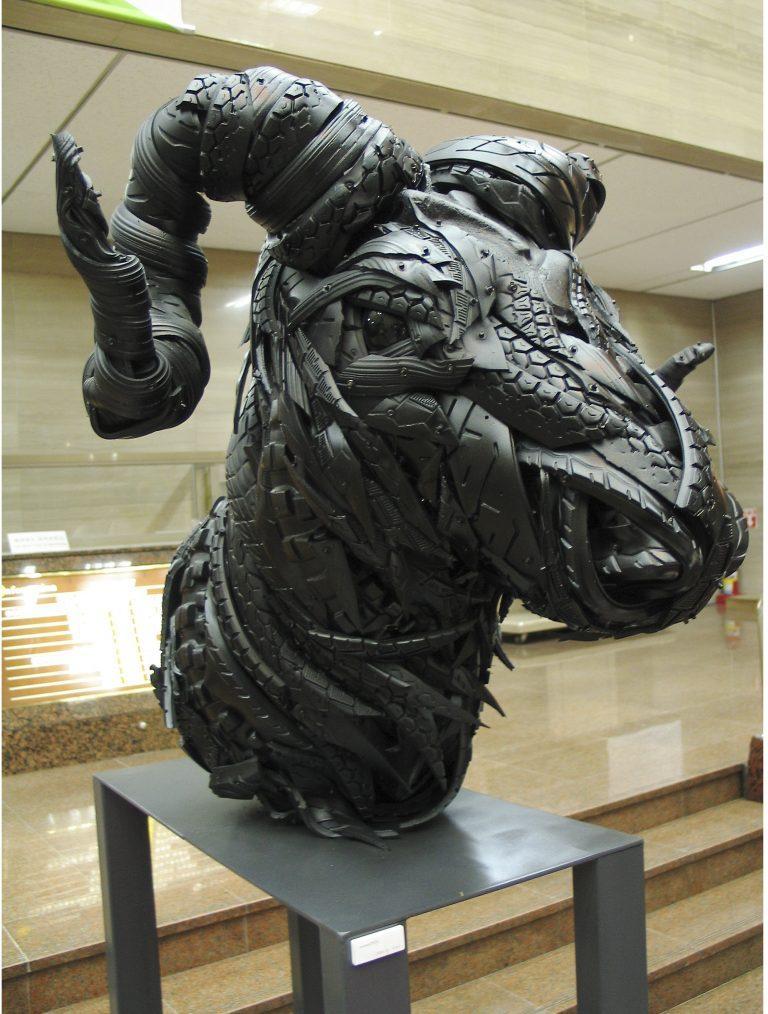
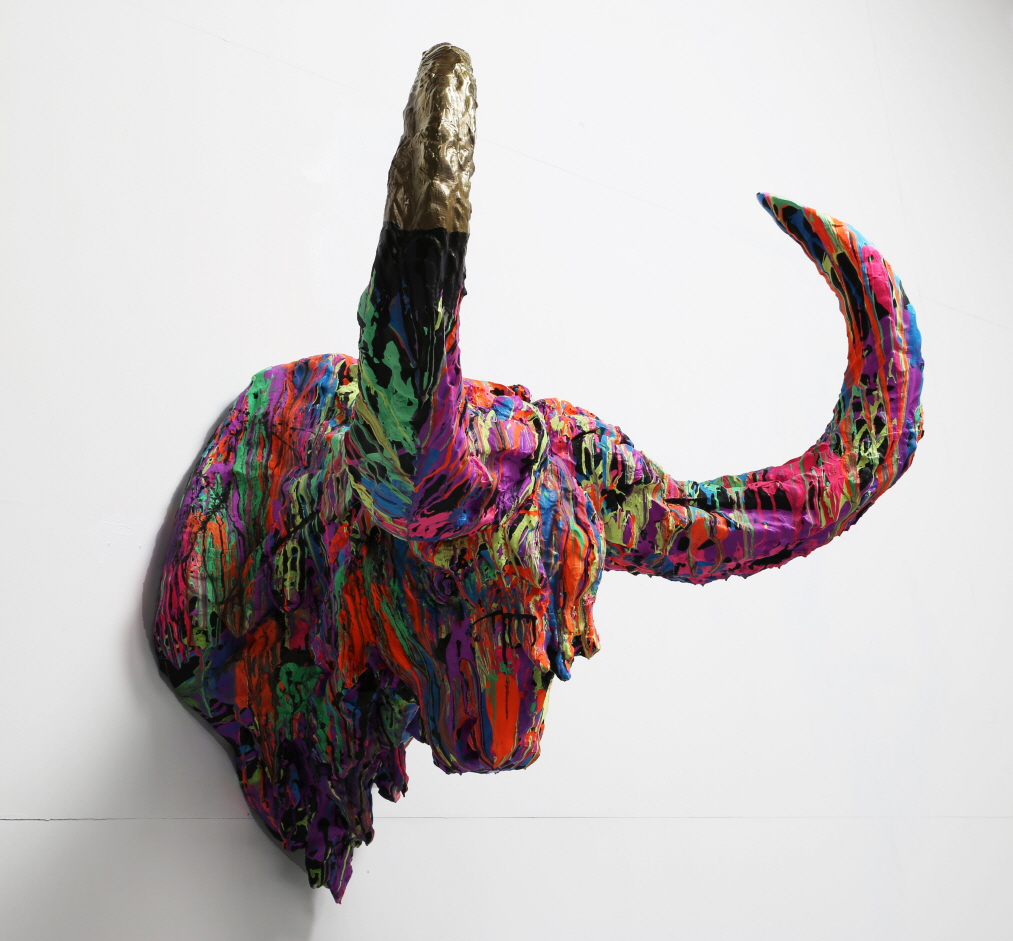
Ji Yongho, Bull Head 3, 2008 © Ji Yongho

The Current State of Contemporary Korean Sculpture
 
The 1980s can be regarded as a crucial period in which discussions on the identity of Korean contemporary art and the emergence of a self-sustaining artistic practice began in earnest. Young artists, represented by groups such as Nanjido and Metabox, resisted the artificial and politically charged art scene of Korean modernism. Through organized and theoretical study, they presented deconstructive installation works and performances, thereby creating a new sensation in Korean contemporary art.

Subsequently, group movements such as Sunday Seoul, Museum, and TARA emerged in line with the global flow of postmodernism, providing Korean contemporary art with an opportunity—albeit limited—to align itself with international artistic trends. Representative artists who emerged from this context include Choi Jeong Hwa, Do Ho Suh, and Lee Bul.
 
Choi Jeong Hwa exemplifies Korean postmodernism, maintaining the distinct characteristics of Korea’s sociocultural landscape while simultaneously demonstrating a comprehensive artistic practice that spans traditional sculptural methods as well as installation and object-based sculpture.
 
Do Ho Suh has gained international recognition for works that overlap universal issues—such as the devastation of war—with the social and political conditions of South Korea, expressed through sculpture and installation. Lee Bul also gained global attention beginning with her “karaoke” project at the Venice Biennale, rooted in Korean identity, and later through her installation at MoMA, where dead fish filled the exhibition space with a pungent odor.
 
Following these artists, figures such as Hyungkoo Lee—who represented Korea at last year’s Venice Biennale—and Gwon Osang, who held a solo exhibition at the Manchester Gallery this year, can be seen as leading sculptors who exemplify the global standing and position of contemporary Korean sculpture today.
 
Hyungkoo Lee’s work is grounded in traditional figurative sculpture while incorporating inventive imagination and interdisciplinary approaches, including anthropology, thereby drawing significant attention. Gwon Osang, on the other hand, challenges the traditional concept of sculpture by introducing the idea of “flattened sculpture,” continuously questioning and re-situating the identity of sculpture in contemporary contexts through ambitious works.
 
A common characteristic shared by these artists is that, while keeping pace with global art trends, they consistently produce works that maintain their own distinct identities. In other words, rather than opposing modernism or postmodernism, or subsuming them within a dialectical framework, they embody a defining feature of contemporary sculpture: the necessity of presenting both a “universality as a global subject” and a rigorous “individual identity” in order to survive.


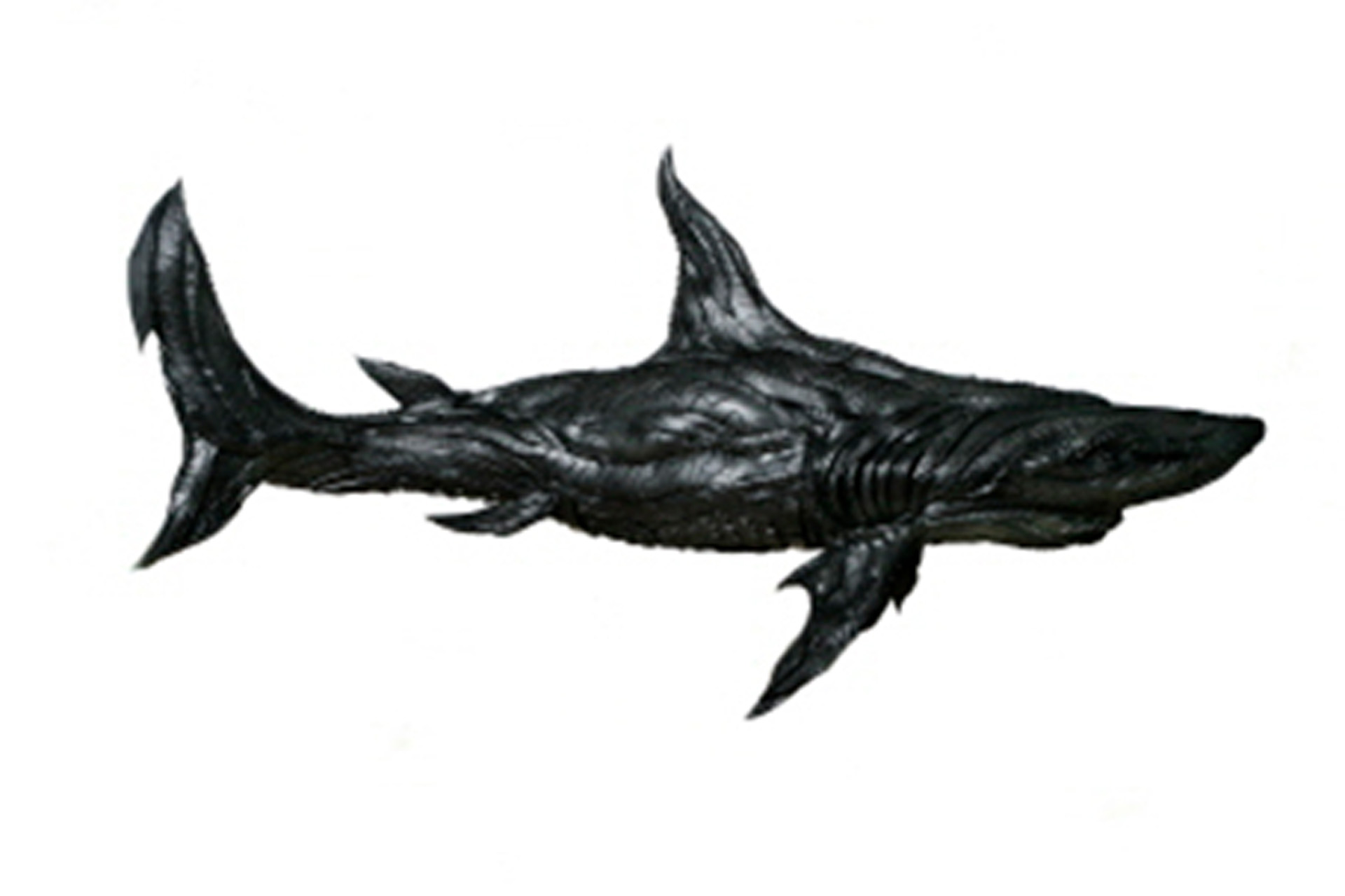
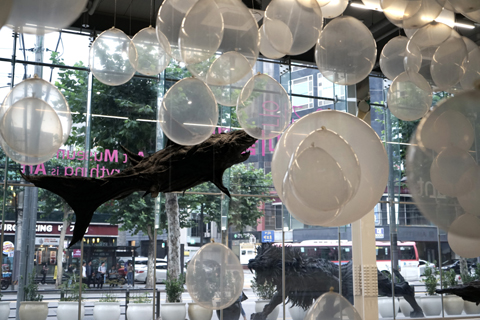
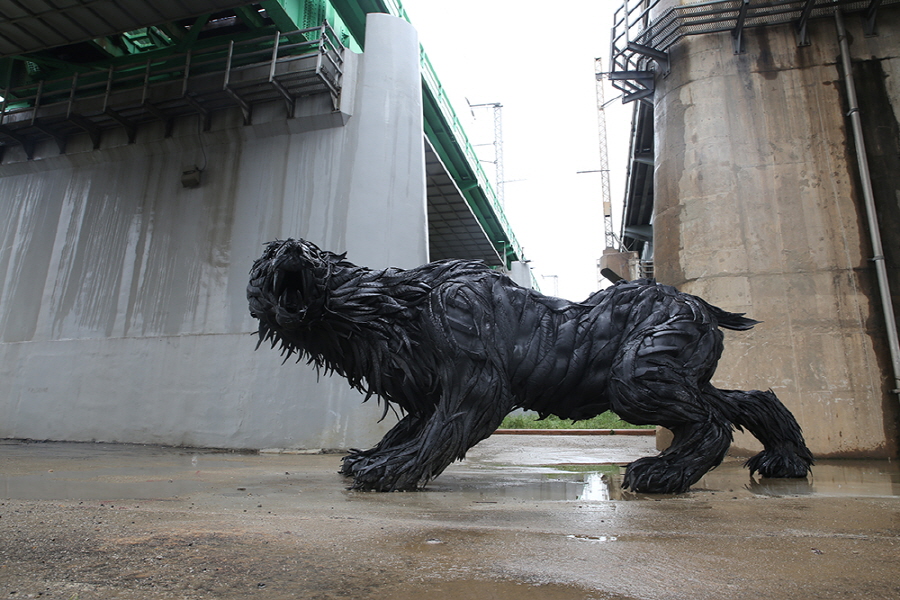
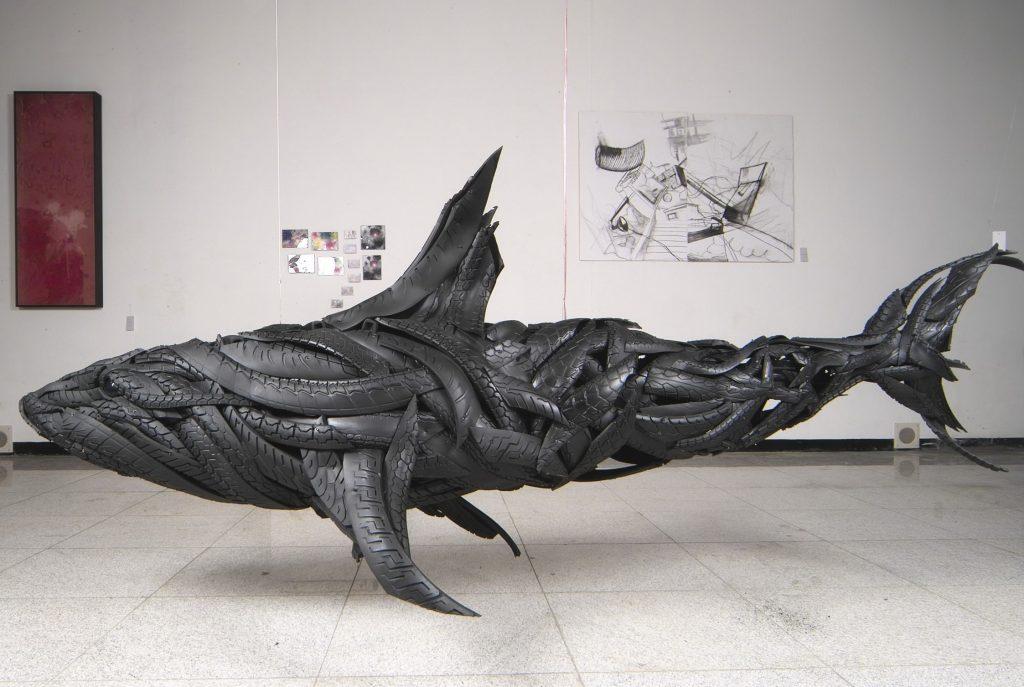
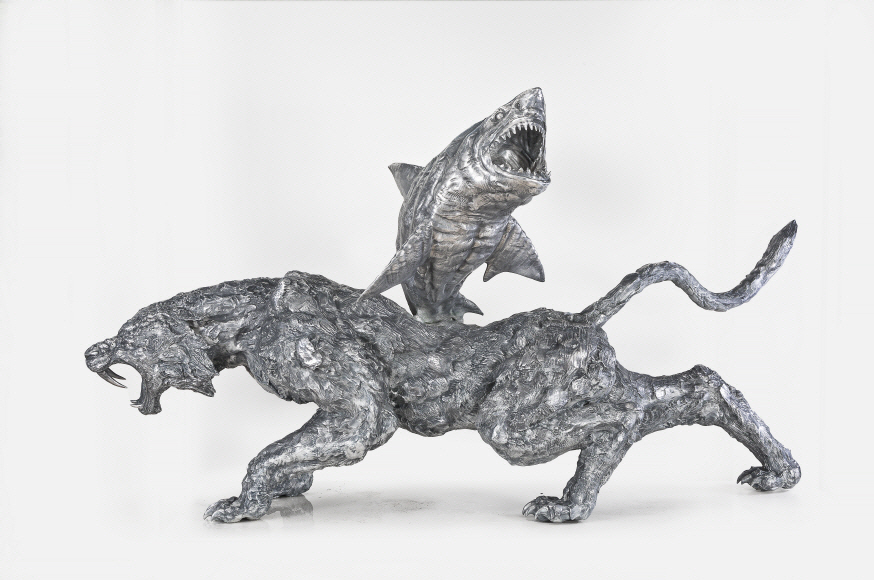
Ji Yongho, Shark 6, 2008 © Ji Yongho

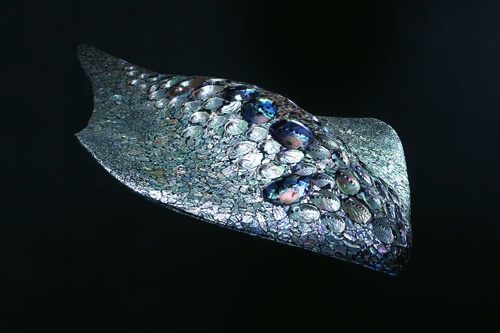
In this context, among the next generation of artists, Kim Hyunsoo, Ji Yongho, and Xooang Choi—selected for this exhibition—can be considered representative figures. While their practices are rooted in the Western tradition of figurative sculpture, they employ newly emerged contemporary materials and address shared concerns of modern life through their own distinctive sculptural approaches.

In this regard, they exemplify key characteristics of contemporary sculpture. Furthermore, they are artists who seriously engage with questions of identity and circumstance within a Korean context.
 
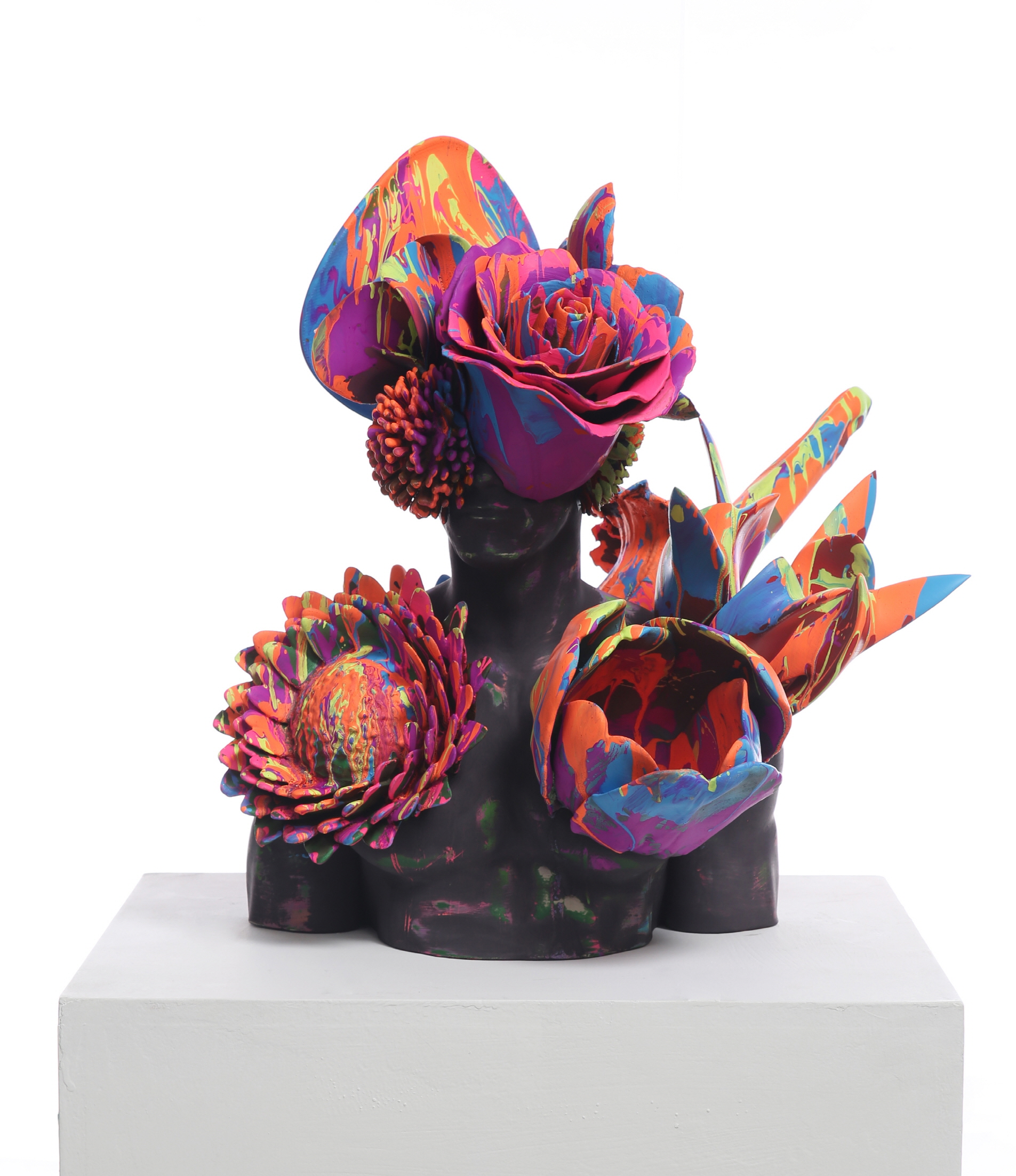
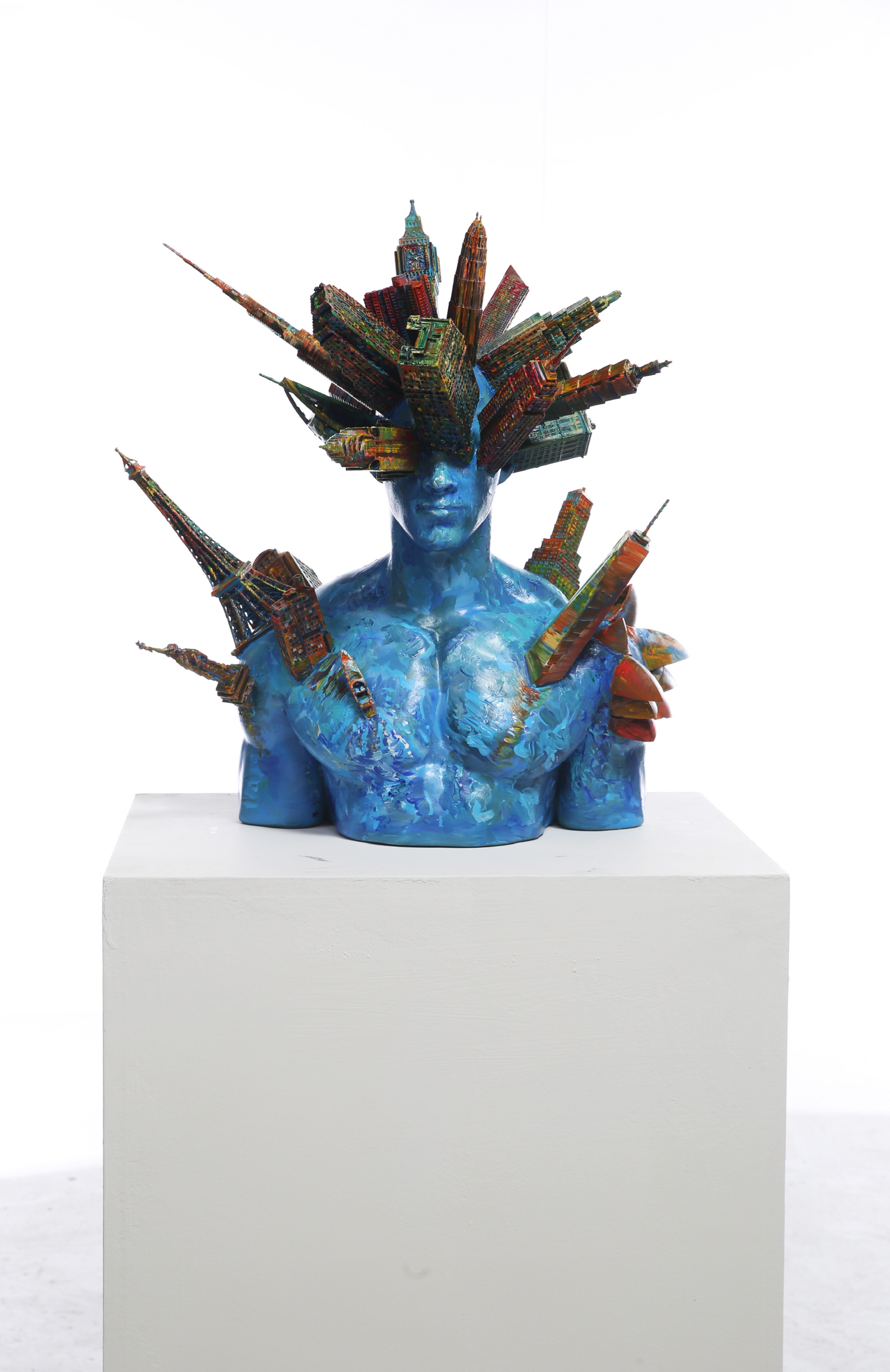
Kim Hyunsoo is an artist who, grounded in meticulous formal construction, creates works that embody the lost self, the solitary portrait of modern individuals, or the inner dreams of the individual. Given his exceptional sculptural precision, he is an artist whose potential is expected to gain increasing recognition.
 
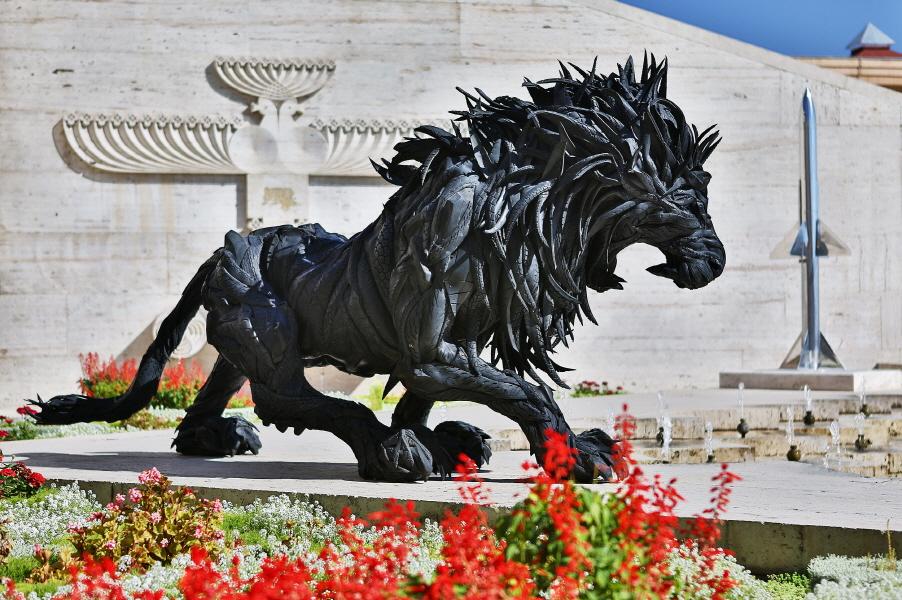
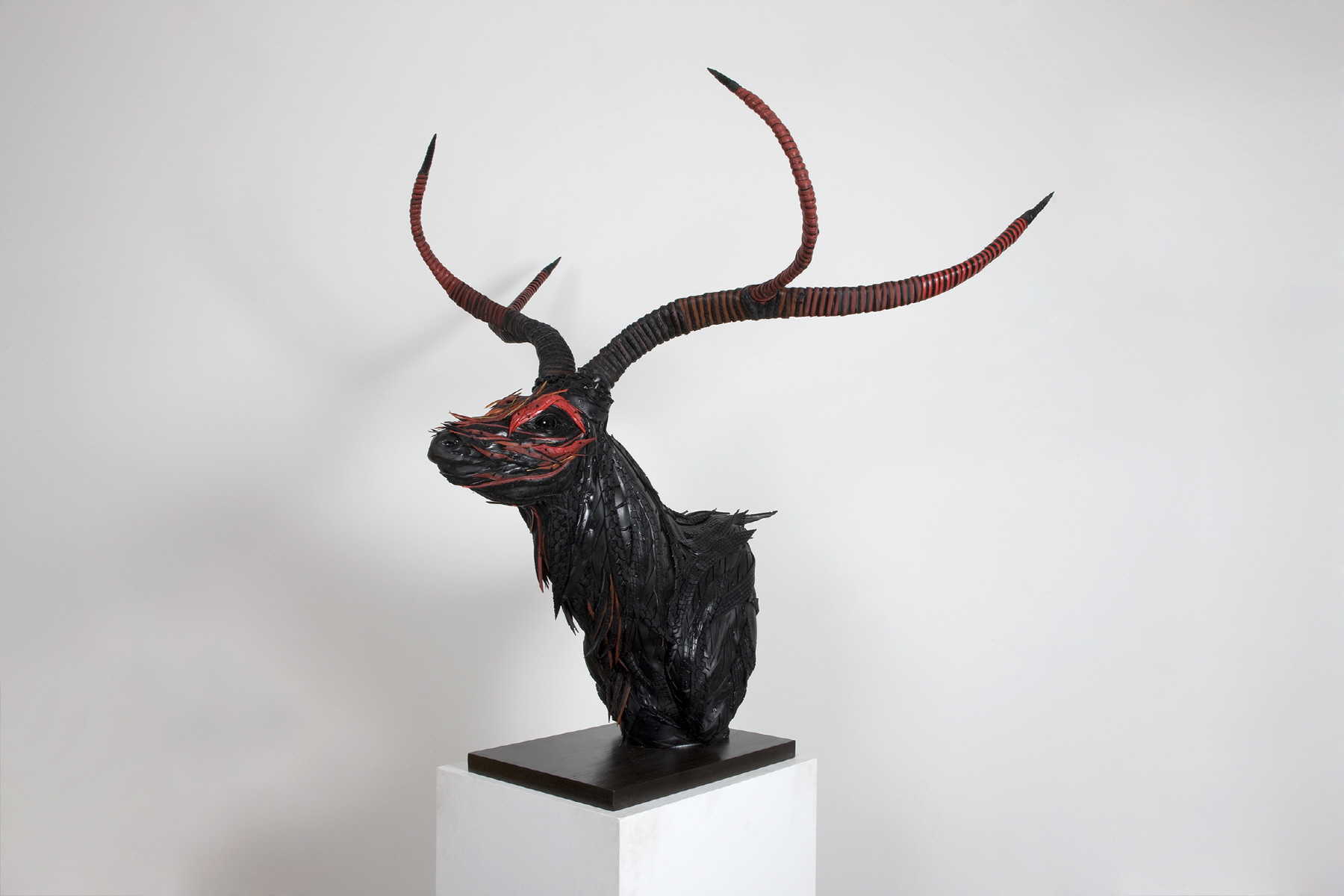
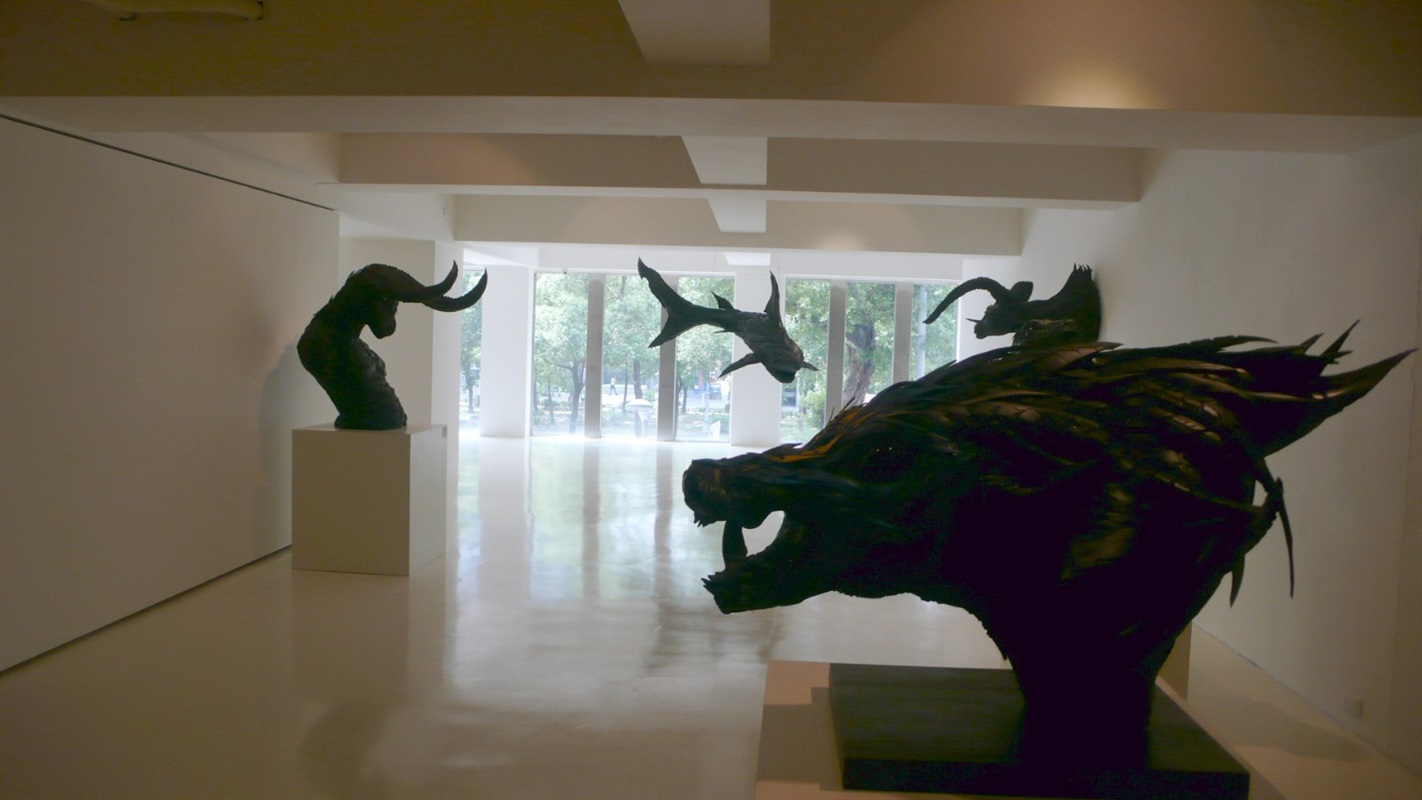
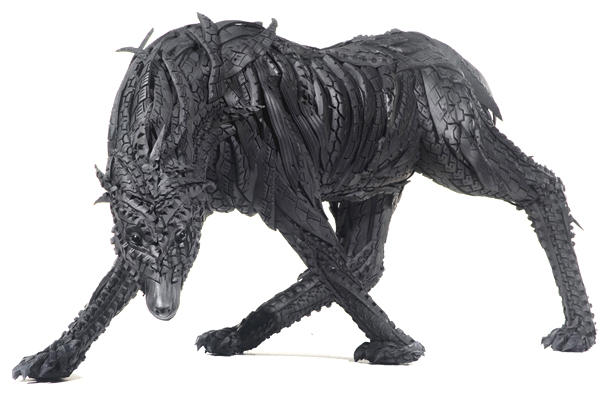
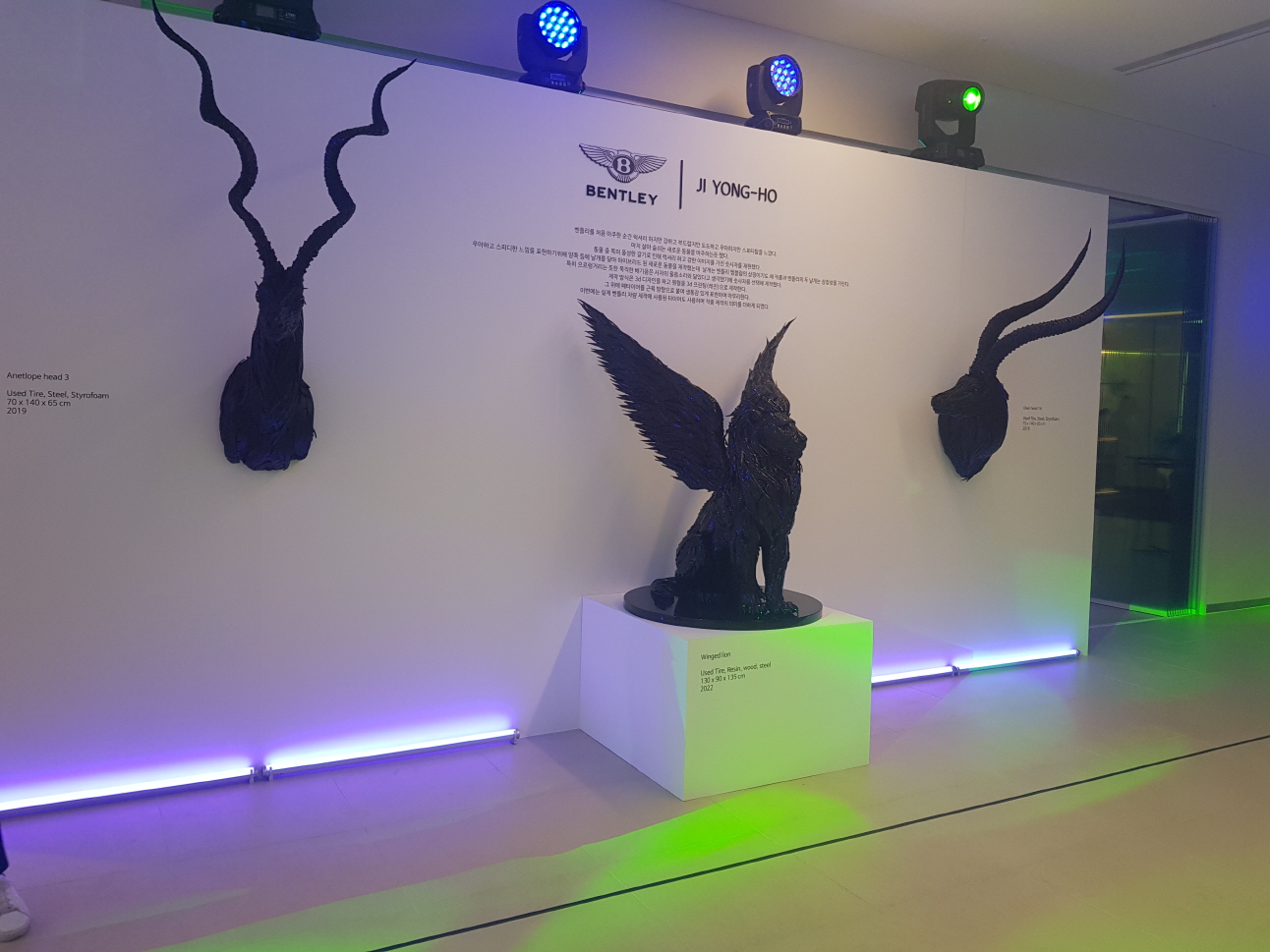
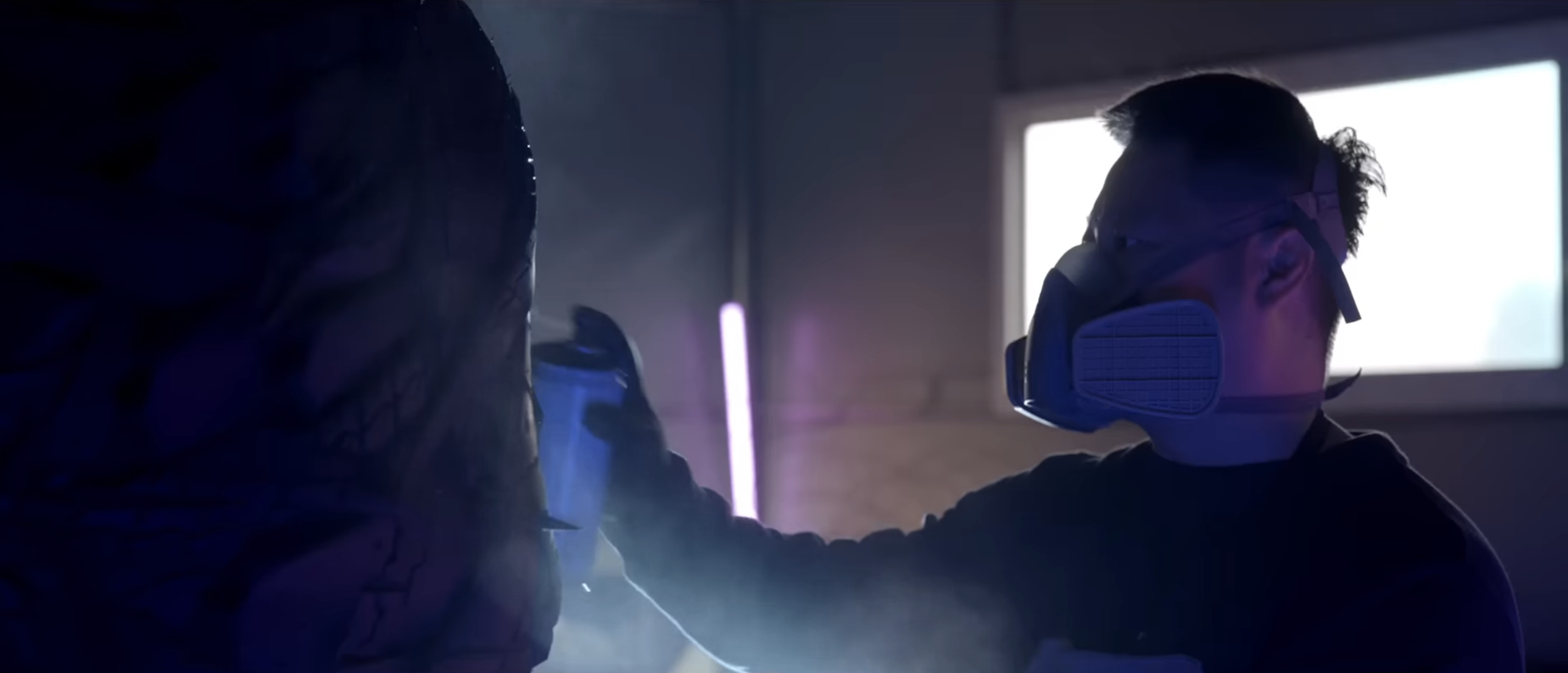
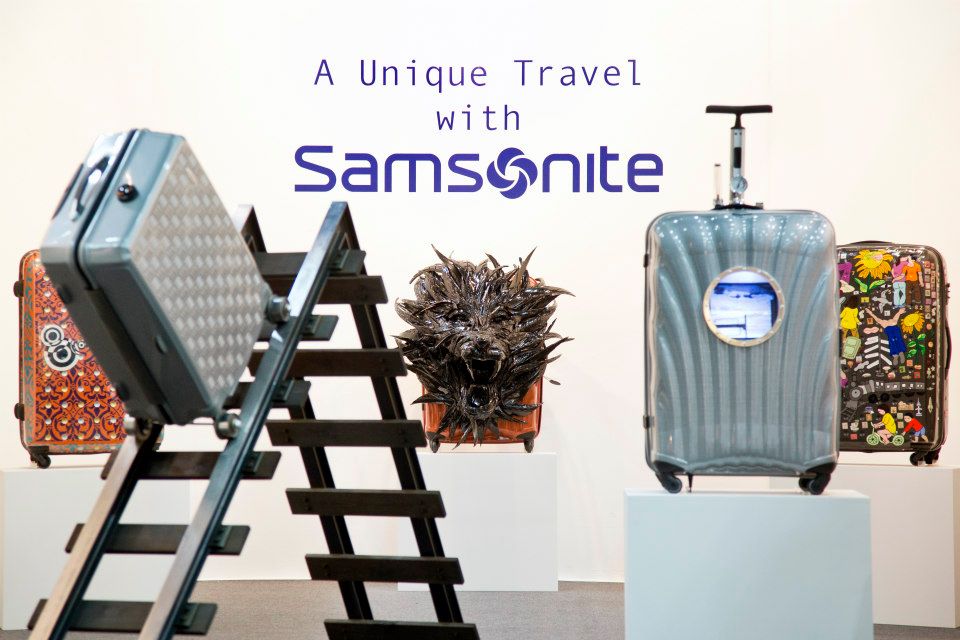
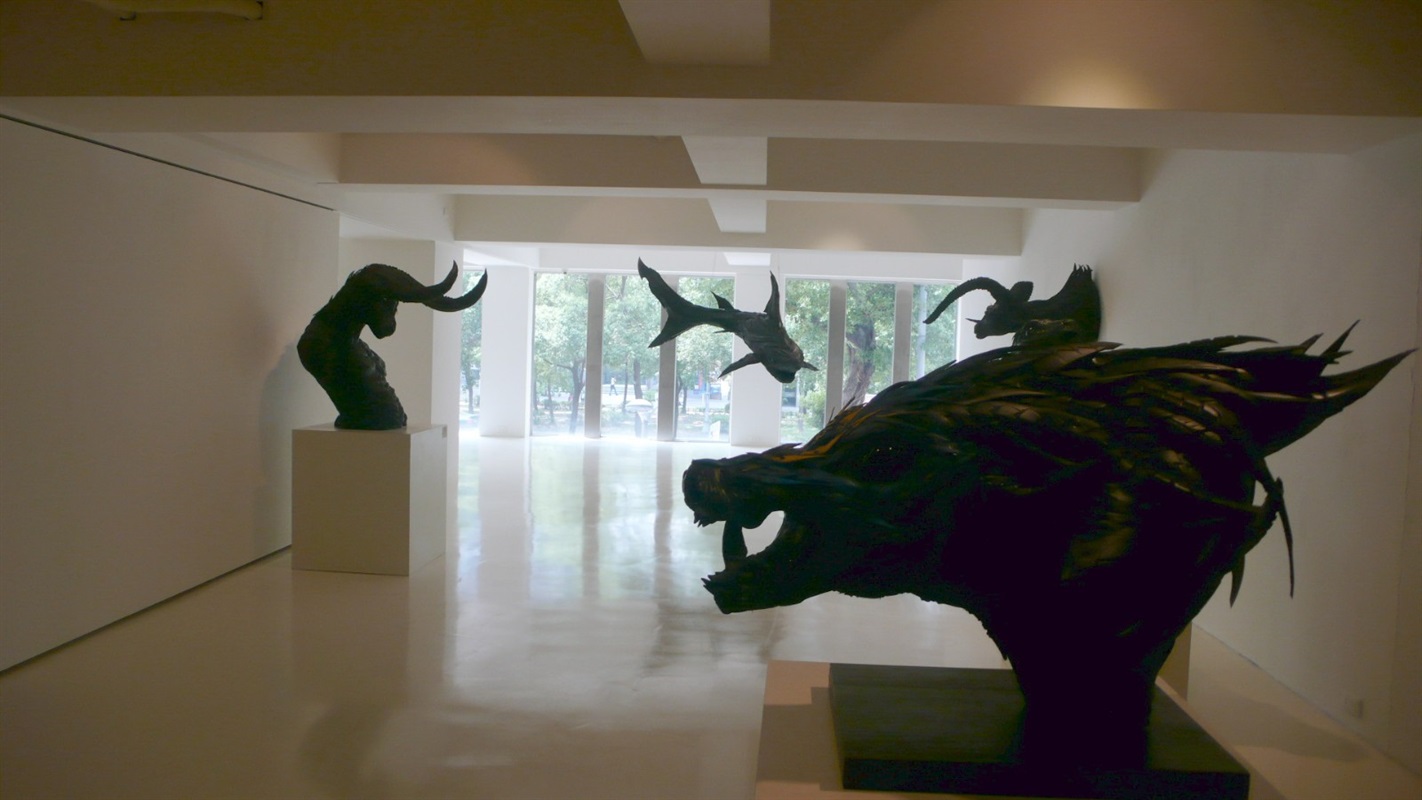
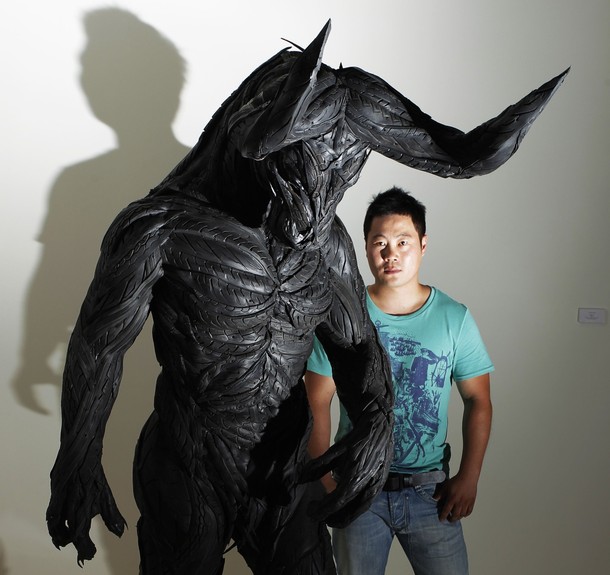
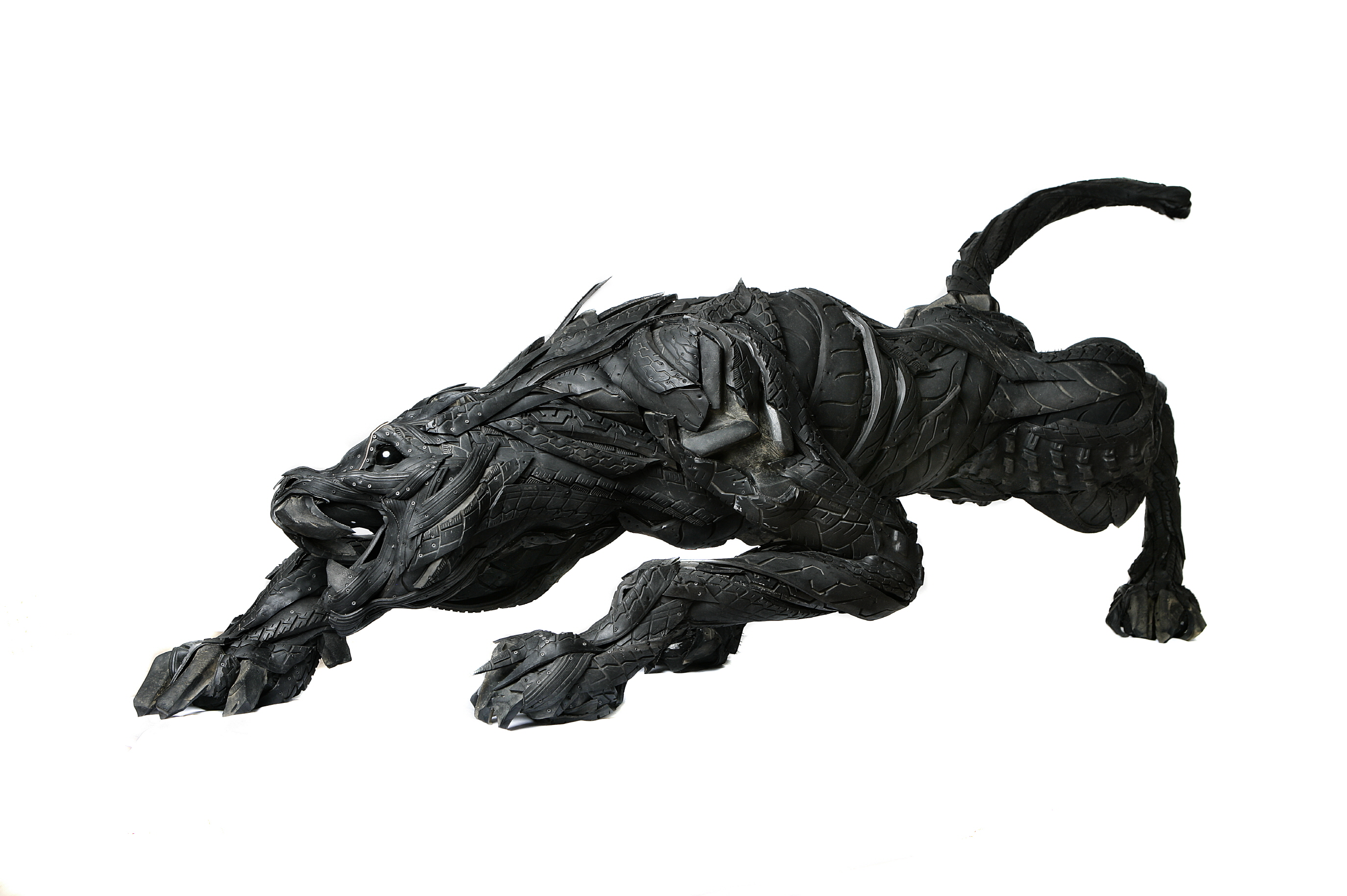
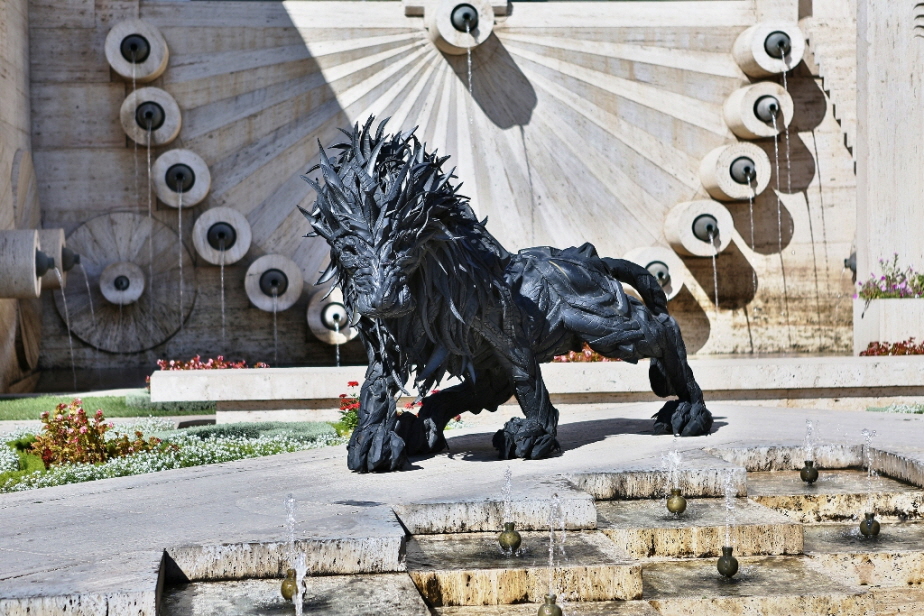
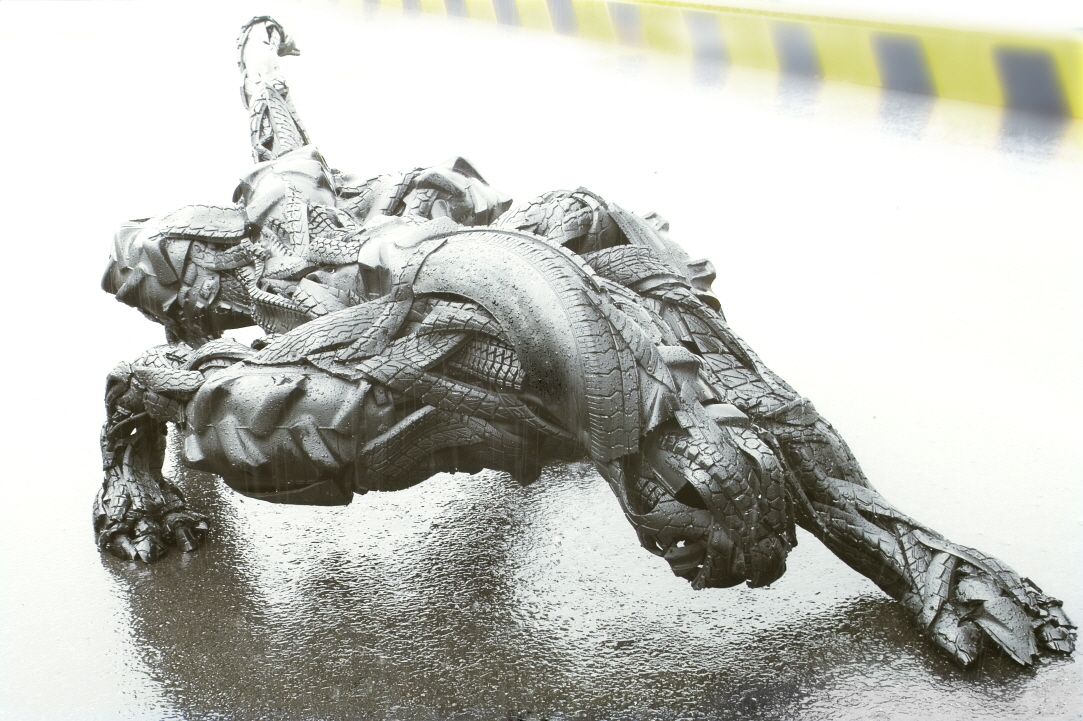
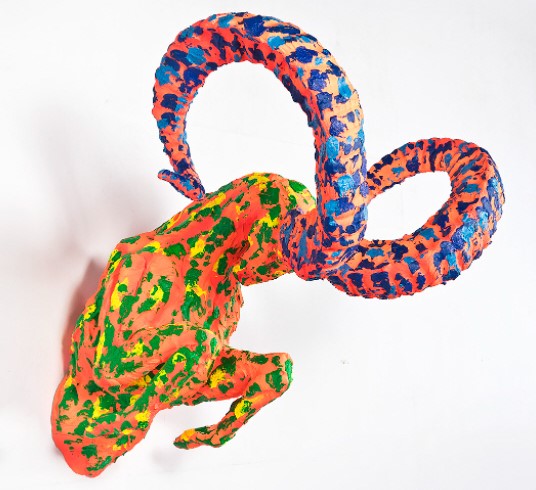
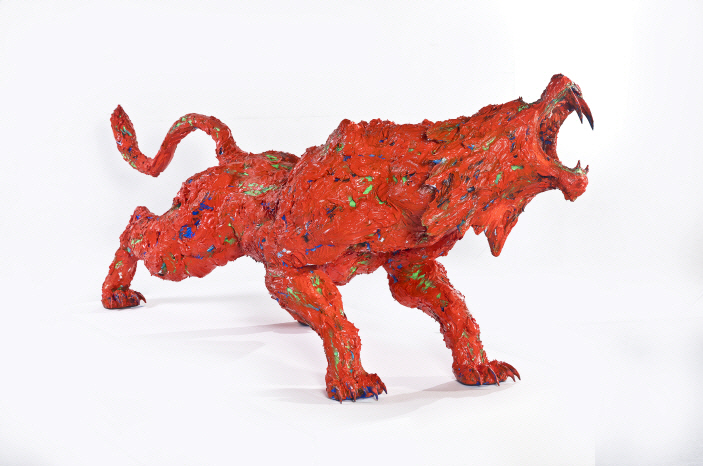
Ji Yongho, who uses discarded tires as his primary material, explores themes of human beings becoming increasingly materialized and losing their essence. These concerns are metaphorically expressed through distorted animal forms—mutants—within his work.
 
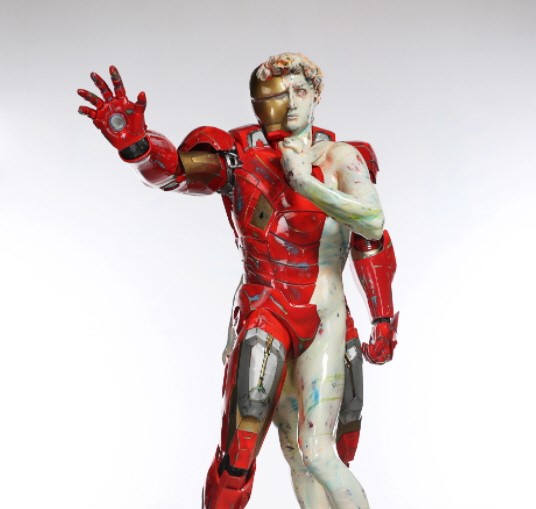
Xooang Choi, working with Sculpey and urethane, produces hyper-realistic human figures. Through sculptures that at times appear surreal and at others unsettling or abnormal, he reflects on the reality of human existence—isolated and gradually deteriorating.
 
A shared characteristic among these artists is their ability to maintain awareness of global contemporary art trends while articulating personal concerns and themes through their own unique sculptural language. In this sense, the exhibition title 《Solitary Meditation》 suggests an artistic attitude that acknowledges the conditions faced by contemporary sculpture as a kind of inevitability, while also confronting and overcoming them through sustained contemplation and endurance.
 
The present era stands at a transitional moment, closing one paradigm and moving toward a new one, with the rapid development of advanced technologies making both the speed and direction of change difficult to predict. Furthermore, the material civilization that has developed under Western dominance since the modern era is gradually shifting toward Asia—particularly Korea, China, India, and Japan.

In light of this trend, it is reasonable to believe that Korea possesses the potential and capacity to lead global artistic and cultural production in the near future, depending on its preparedness. Therefore, what is urgently needed is a clear understanding of global cultural and artistic trends and issues, along with the cultivation of artists, professionals, and cultural spaces capable of developing and presenting both infrastructure and content.

In this context, the role and significance of institutions such as Doosan Gallery Seoul become evident. At this moment, examining the works of these three artists provides a meaningful opportunity to assess the future and international potential of contemporary Korean sculpture.

References