

Jeong Young Ho (b. 1989) works primarily with photography, focusing on how contemporary technological apparatuses influence the ways we understand and perceive the world. In particular, he continues to explore the gap between electronic, mediated experiences—circulated through networks, servers, and screens—and direct, unmediated perception through the naked eye.


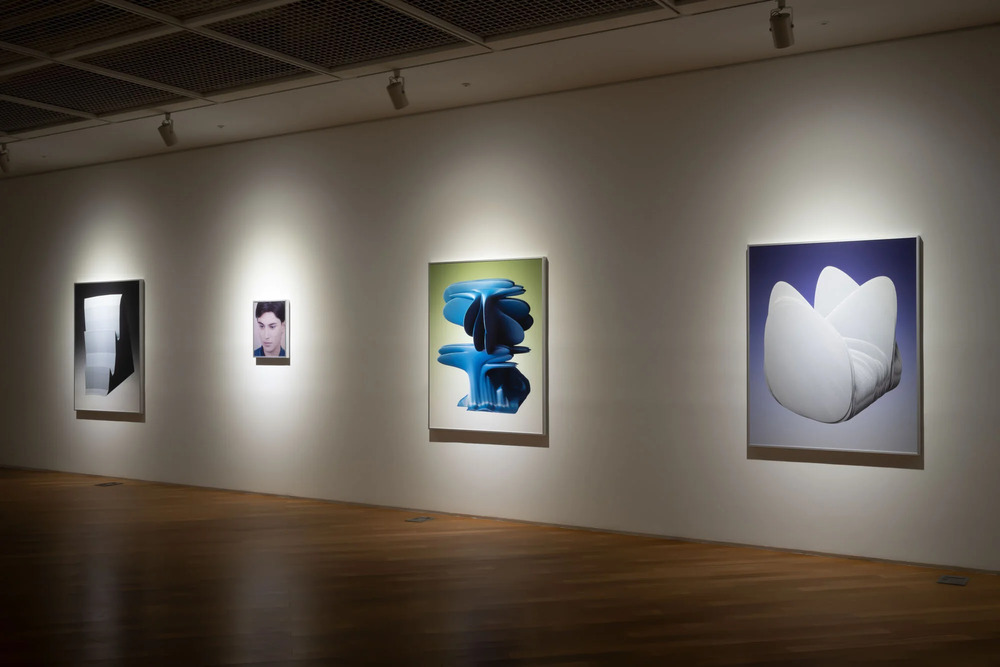
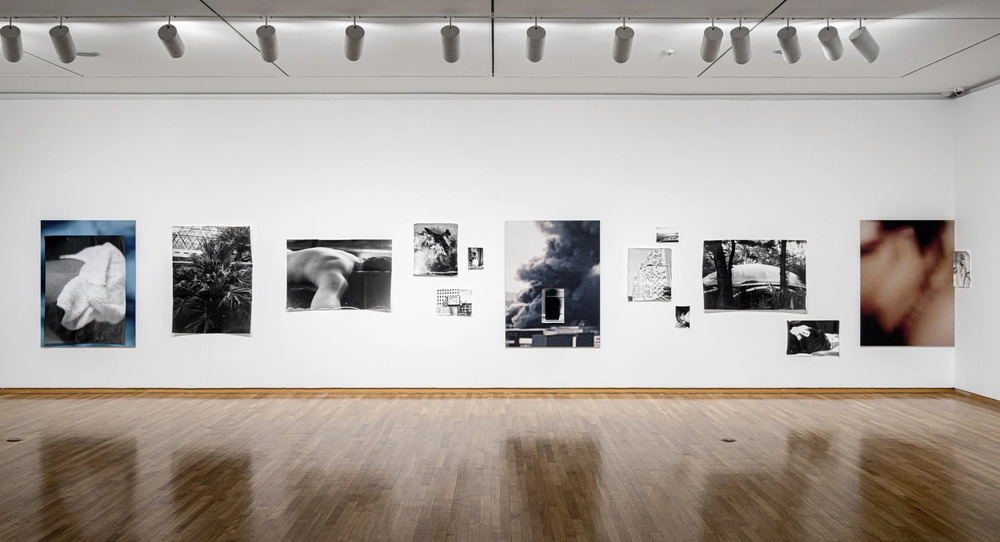
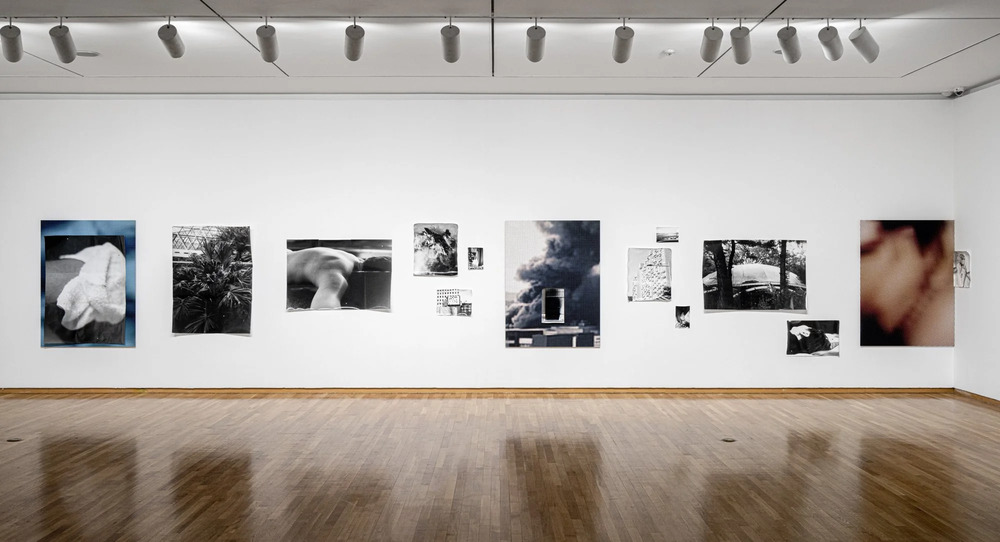
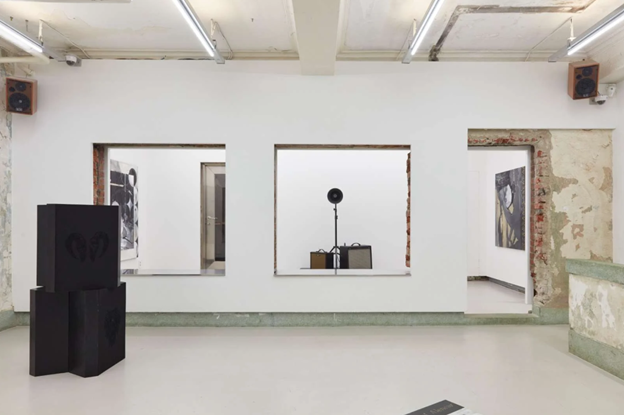
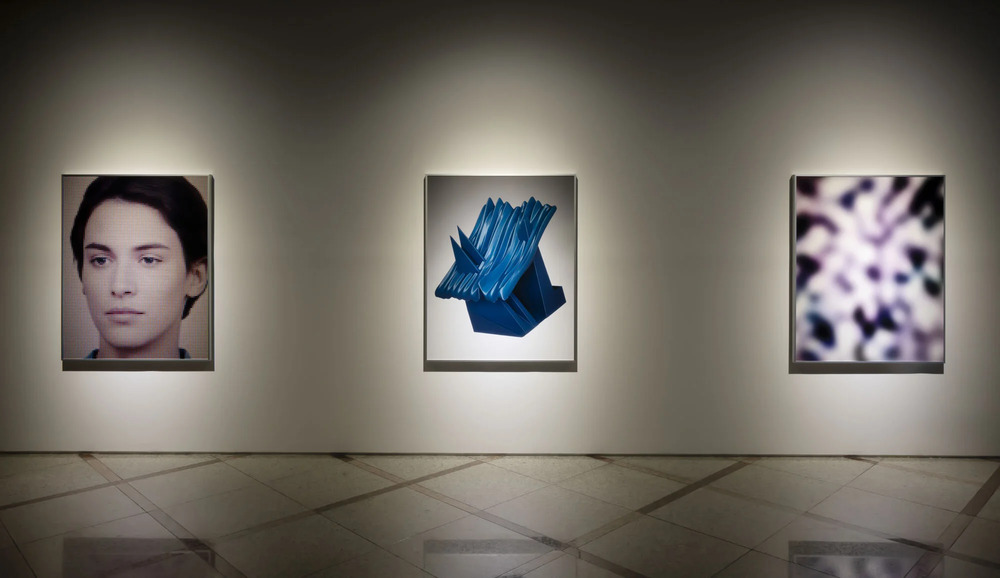
Installation view of 《Out of Photography》 (SONGEUN Art Cube, 2021) © Jeong Young Ho

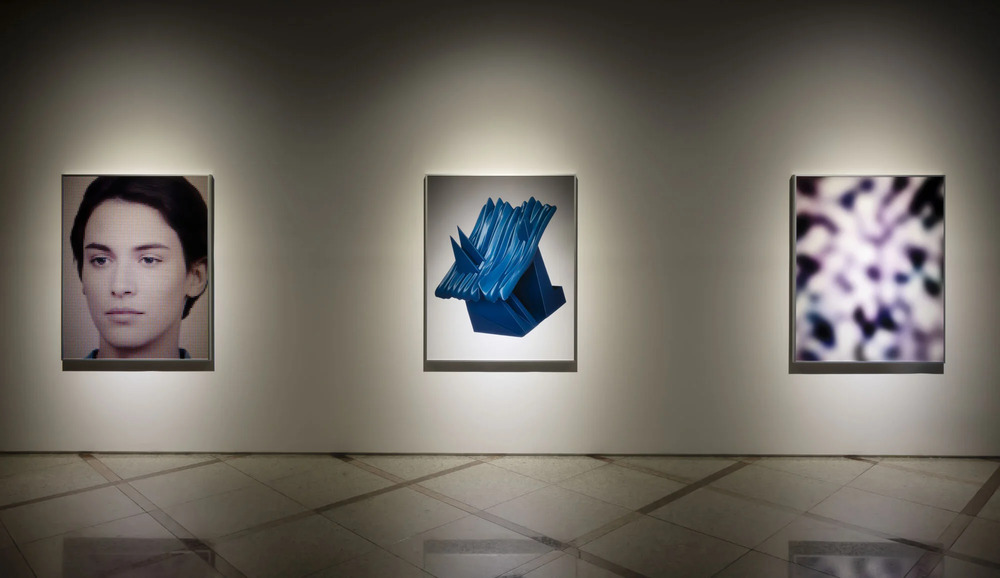
Jeong Young Ho’s first solo exhibition, 《Out of Photography》 (SONGEUN Art Cube, 2021), clearly reflected his interest in and questions about how technological advancement alters perception and even influences the ideologies of an era.
 
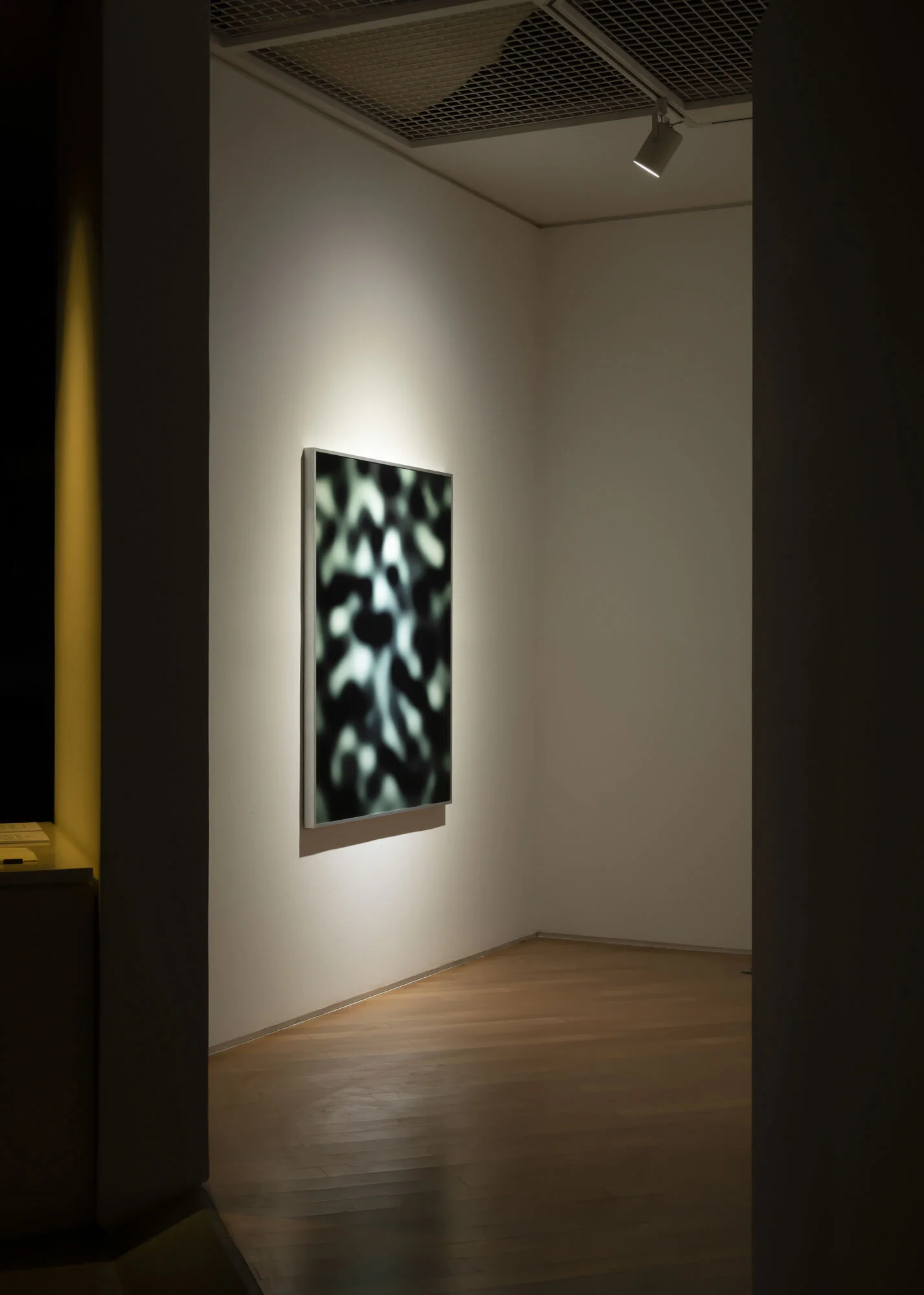
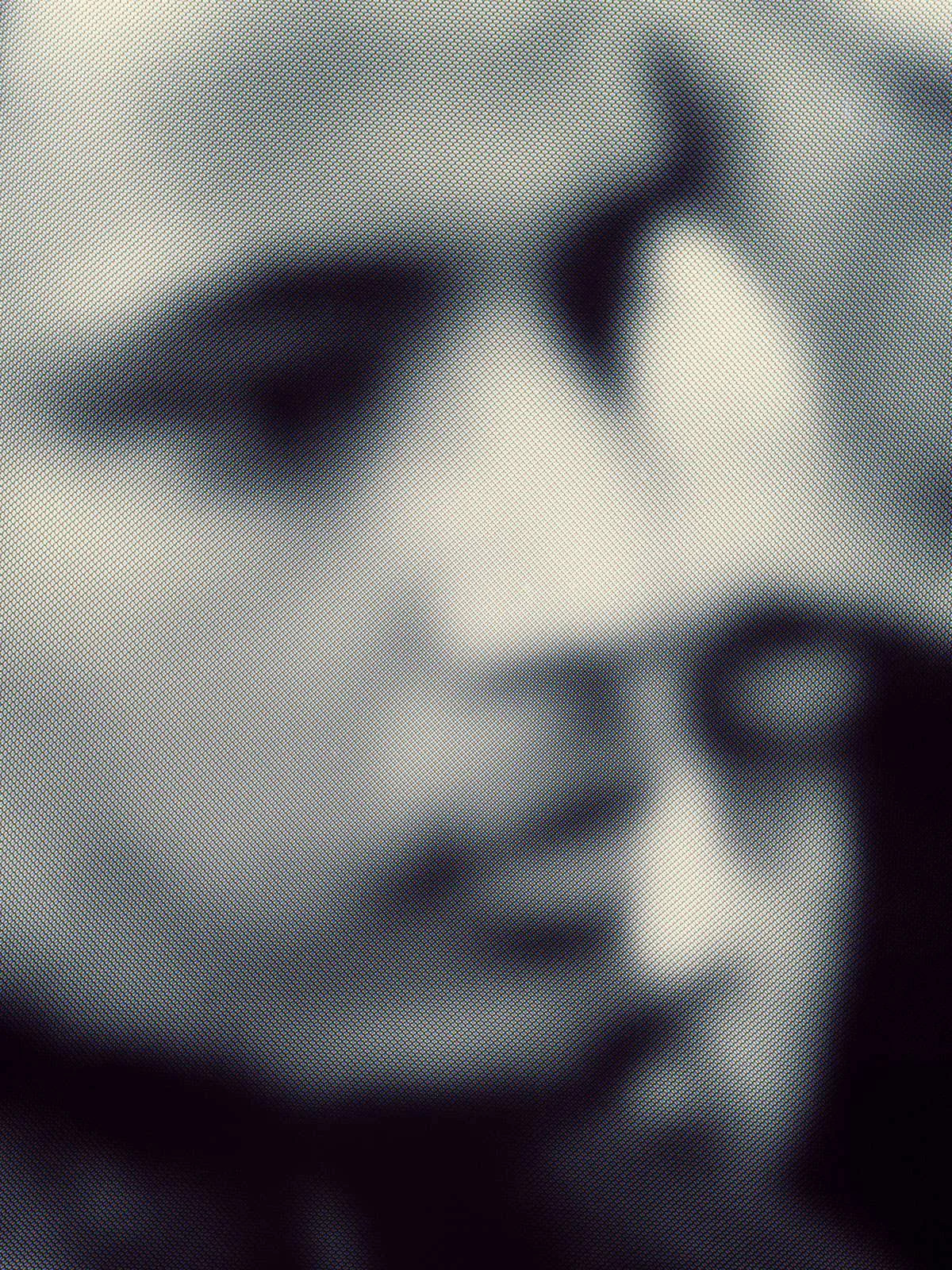
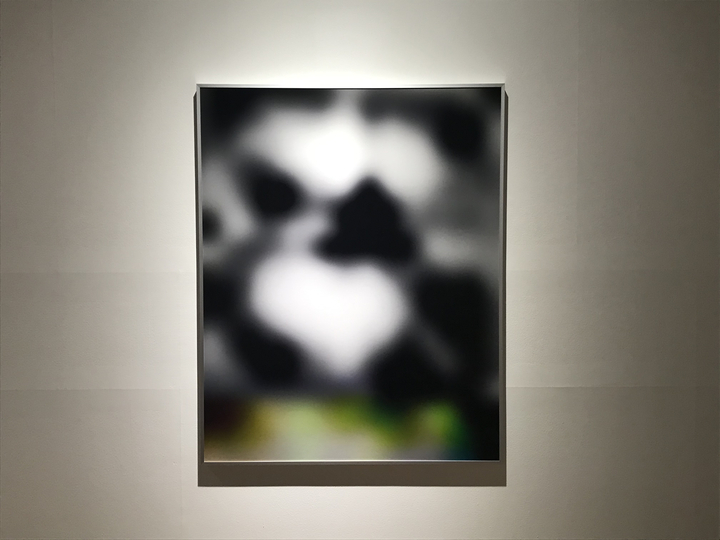
In this exhibition, Jeong constructed the presentation by interweaving three distinct categories. First, the ‘Lightless Photography’ series (2019–2020), which evokes curiosity through its indistinct forms, consists of images captured in the absence of light.


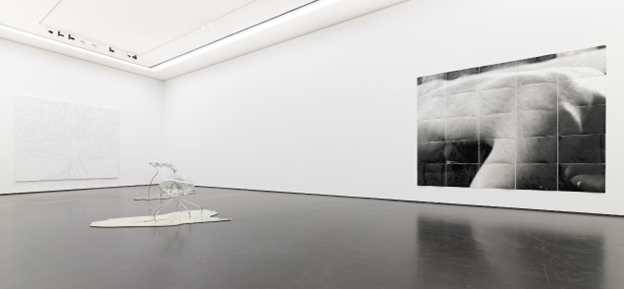
Installation view of 《Out of Photography》 (SONGEUN Art Cube, 2021) © Jeong Young Ho

When the shutter is pressed without allowing light to pass through, noise alone is amplified—even in the absence of a subject—producing formless images. Randomly selected and enlarged, these results create a quietly intense environment through a single field of color.
 
By generating visual forms without the exposure of light, this work can be read both as an experiment that reexamines the limits of technology and as an attempt to expand the possibilities of the photographic medium.


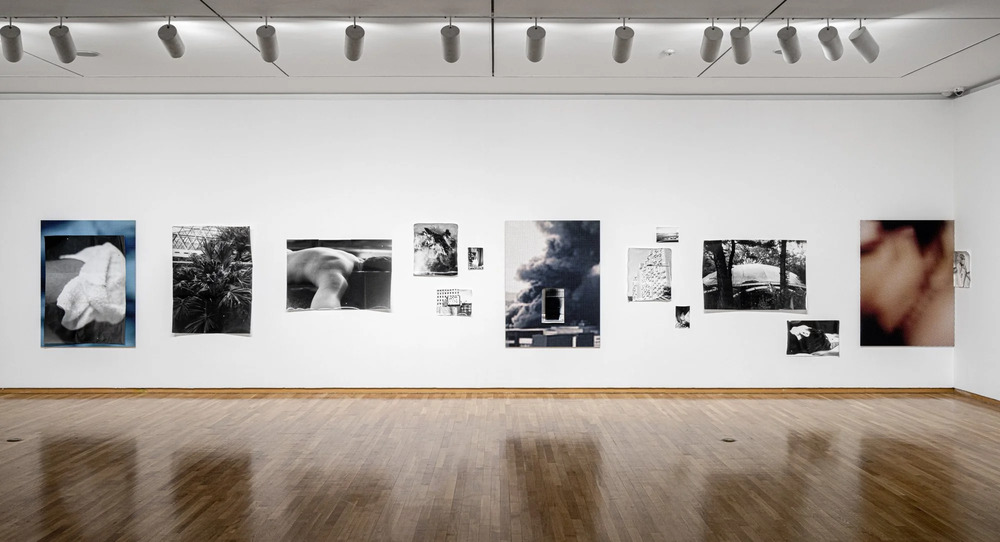
Installation view of 《Out of Photography》 (SONGEUN Art Cube, 2021) © Jeong Young Ho

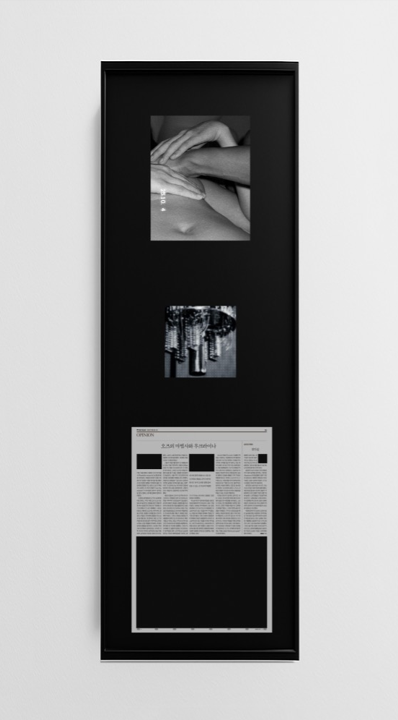
Meanwhile, another series, ‘Unphotographable Cases’ (2020–2021), is based on digital sex crimes that stirred Korean society in 2020. As these incidents did not occur directly before our eyes, they were experienced only indirectly; even the accompanying news images were largely rendered as graphic visuals, making them feel all the more distant.
 
Through large-scale prints, Jeong Young Ho addresses how such technology-related crimes have evolved beyond the capacity of photography to capture, while steadily influencing our thoughts, beliefs, and even legal systems.


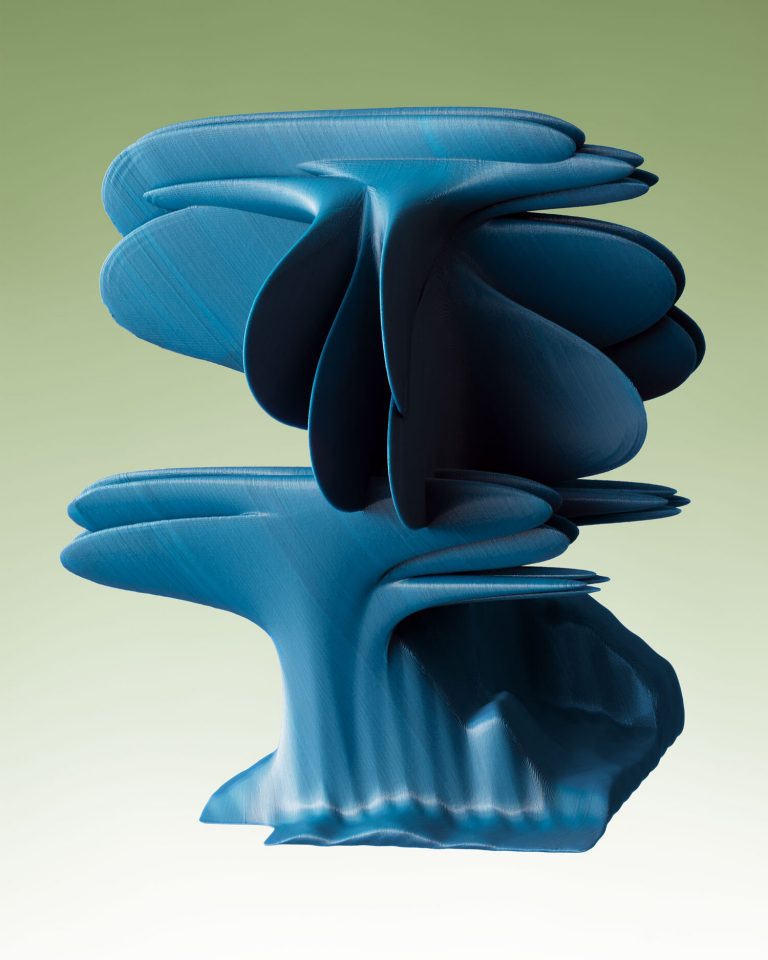
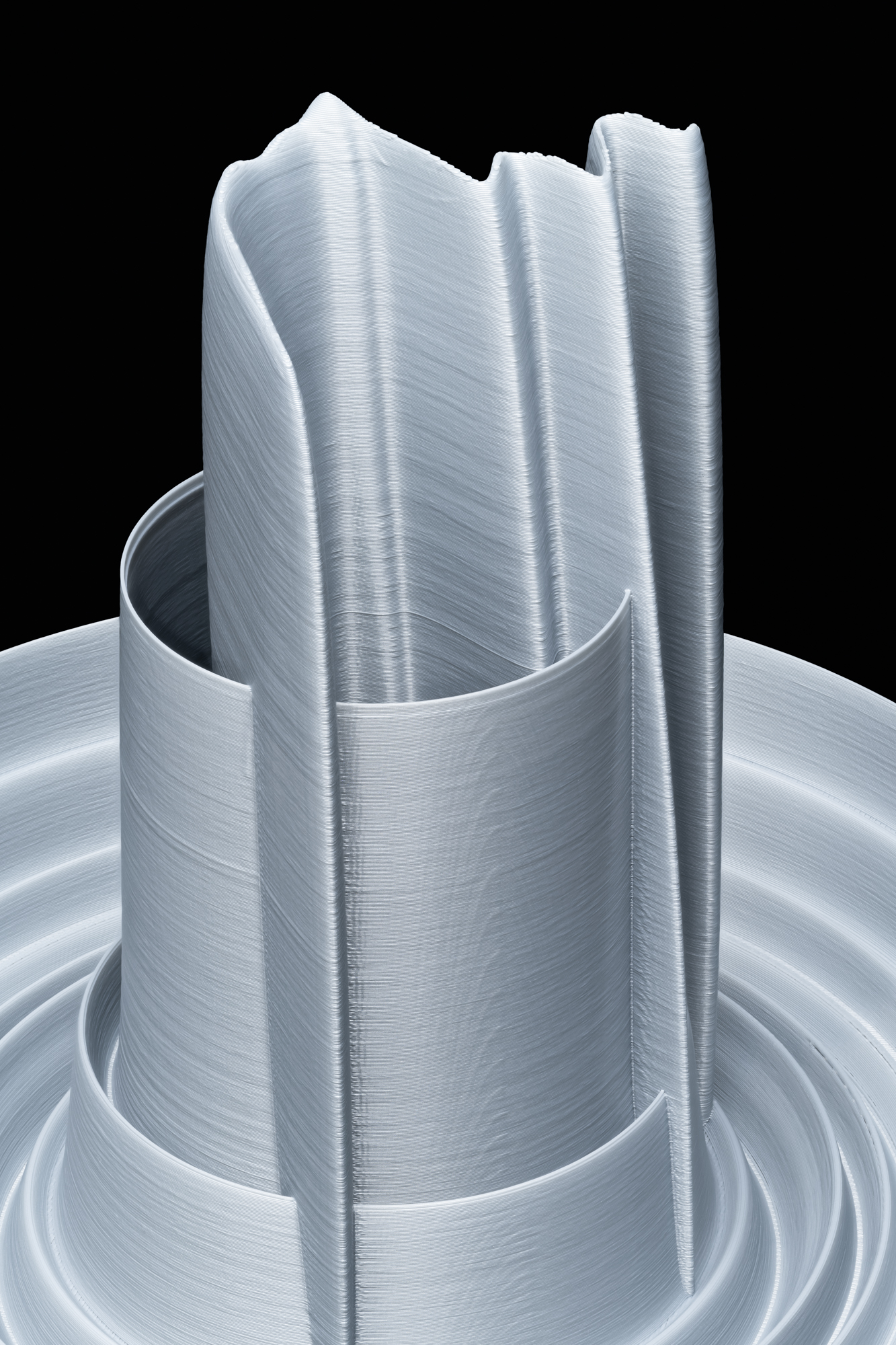
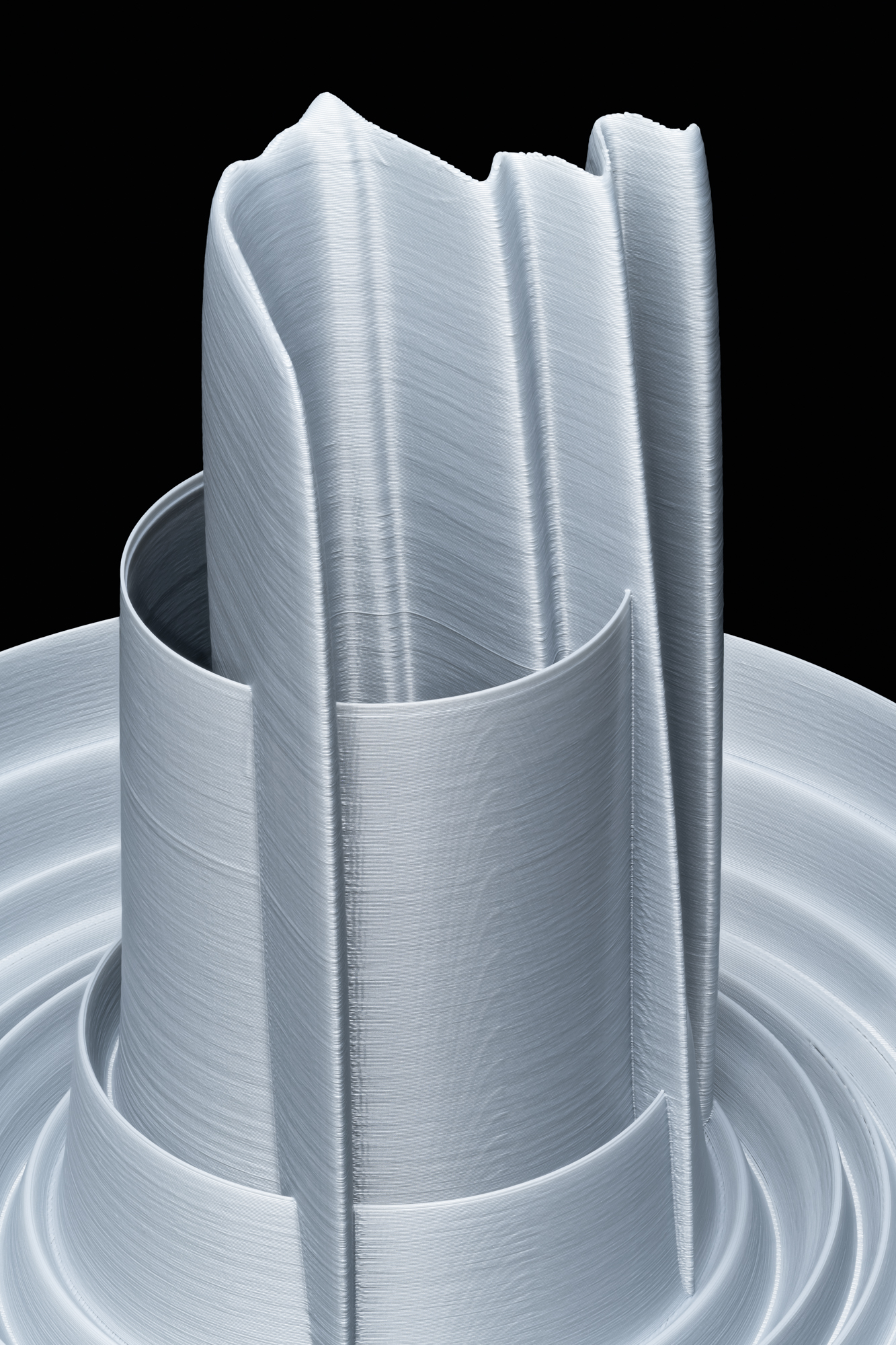
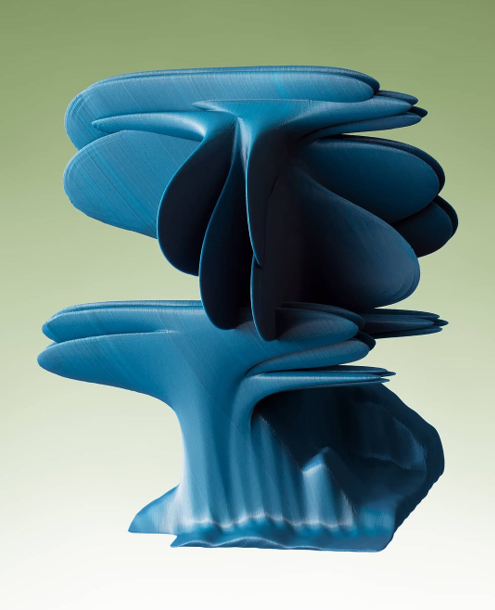
Jeong Young Ho, Number N, 2021, Archival pigment print, 104x130cm © Jeong Young Ho

First, he collected data from Google Trends by entering keywords and time periods related to highly publicized incidents and cases arising from contemporary technologies, saving the results as Excel files that visualize search frequency and intensity. He then translated this data through a 3D modeling process, adding his own artistic intervention to produce intricate, irregularly structured objects that were not visible in their initial form.
 
These models—each embedded with distinct narratives and datasets—are photographed and placed against separately produced backgrounds, completing the ‘Unphotographable Cases’ series. In this way, incidents that have been transformed into data ultimately dissolve, leaving behind a sense of confusion within a contemporary reality where the real and the virtual coexist.


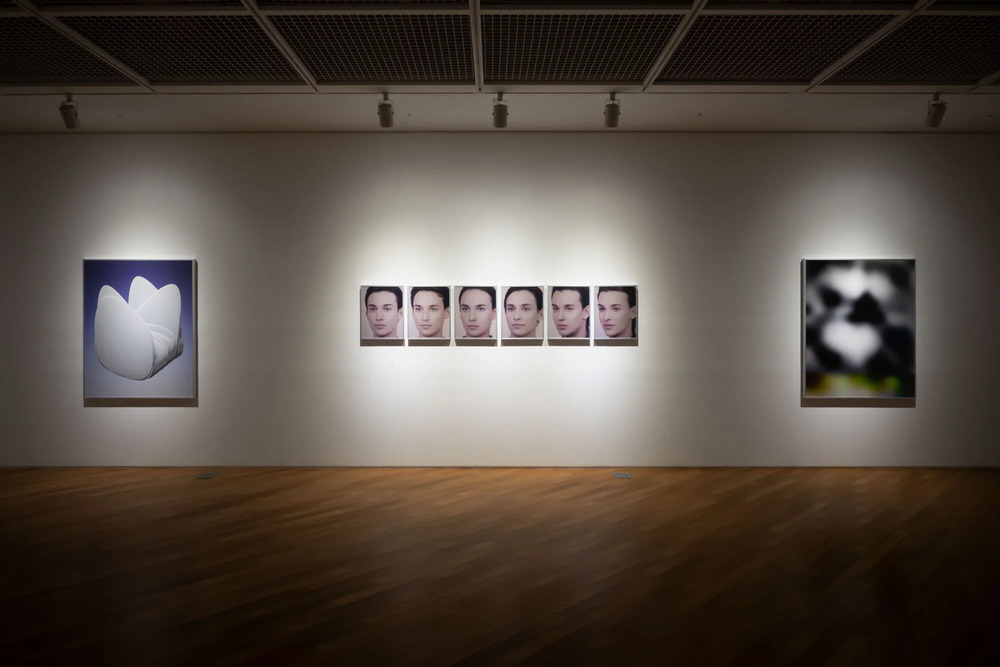
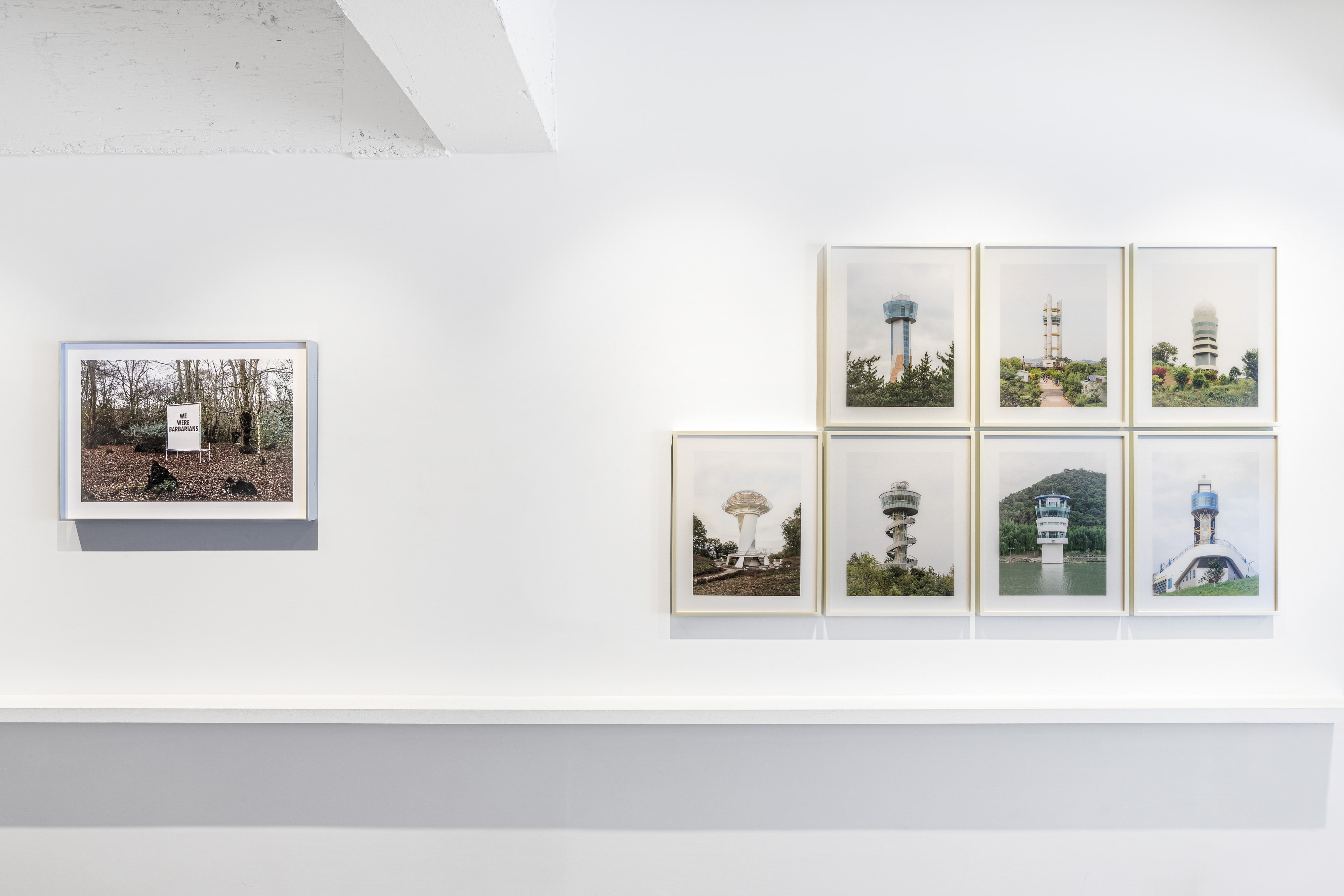
Installation view of 《Out of Photography》 (SONGEUN Art Cube, 2021) © Jeong Young Ho

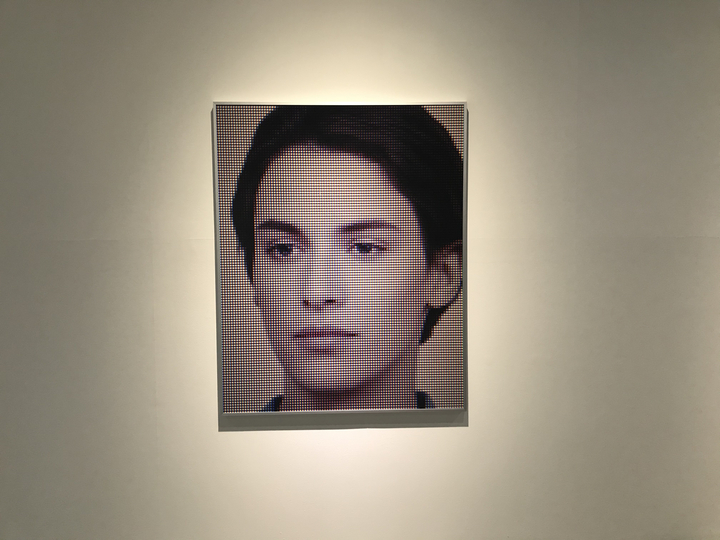
Finally, the ‘Face Shopping’ series (2020) reflects the artist’s complex emotions during his time stationed at the DMZ, where he first encountered glimpses of North Korean soldiers’ lives through a small monitor operated by a joystick-controlled surveillance device.
 
These layered feelings stemmed from a paradox: although he could observe people at a distance through electronic equipment, that was the extent of the connection. Such remote, screen-mediated observation offered no human or emotional cues about the individuals being watched.
 
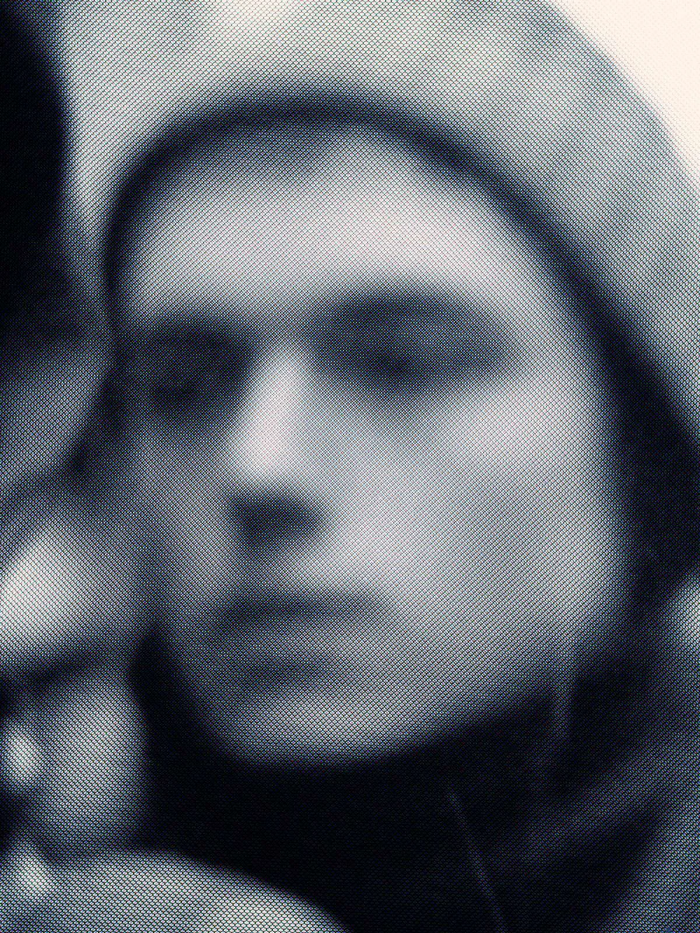
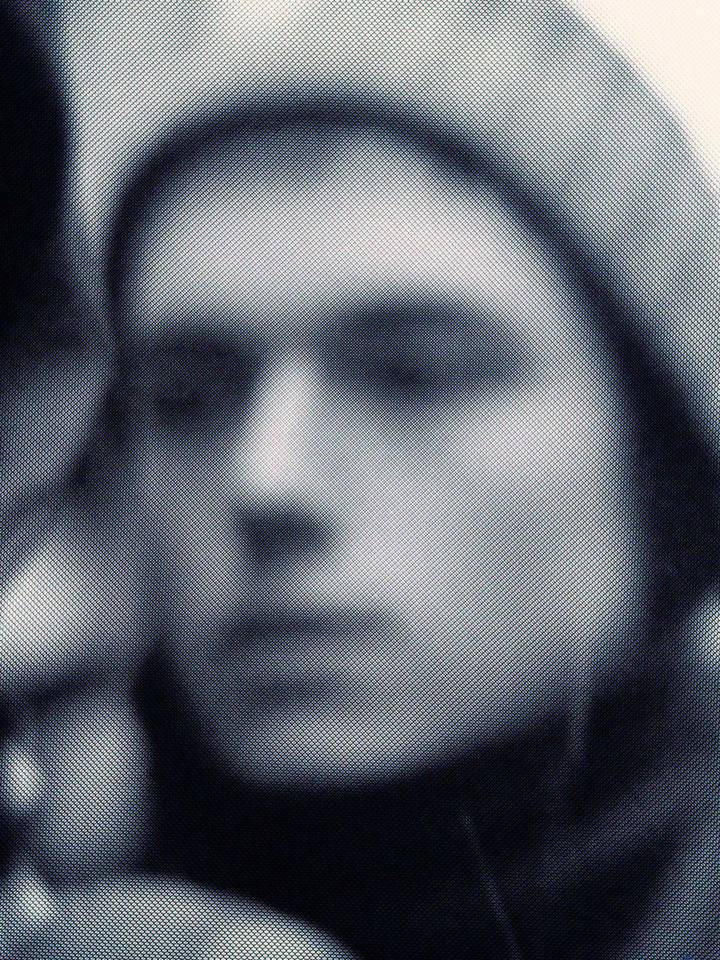
In order to convey this peculiar sense of detachment, Jeong sourced images from a website featuring AI-generated portraits and displayed them throughout the exhibition in various sizes. Existing only as graphic images within the online realm, these figures feel both alien and, at the same time, imbued with an inexplicable warmth.


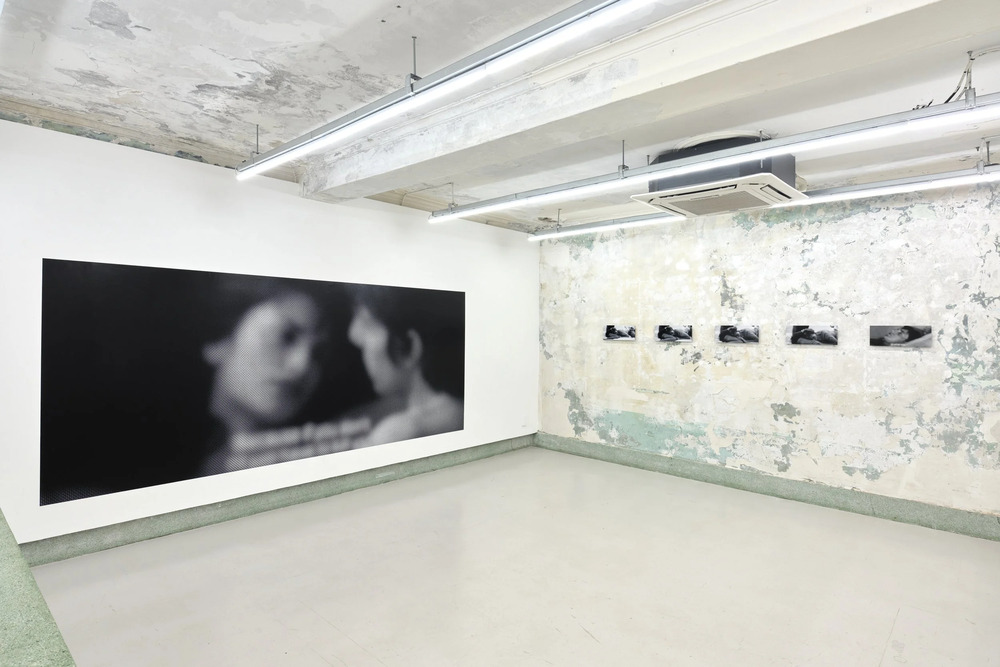
Installation view of 《Double Retina》 (Kumho Museum of Art, 2023) © Jeong Young Ho

In 2023, as part of the Kumho Young Artist program, Jeong Young Ho presented his solo exhibition 《Double Retina》, in which he unveiled the eponymous series ‘Double Retina’ (2023-)—a representative body of work that most directly articulates his critical inquiry into the sensory and perceptual conditions of contemporary life amid rapid technological change.


Installation view of 《Double Retina》 (Kumho Museum of Art, 2023) © Jeong Young Ho

The artist focuses on how, with the advancement of digital platforms, spaces for discussion and communication have shifted from offline to online, and how material reality is increasingly simplified and circulated as immaterial data. In response, he began to explore, through photography, the invisible and heterogeneous realms that exist beneath the screen in an era where we encounter objects and perceive the world through mediated interfaces.
 
Based on this line of inquiry, the exhibition 《Double Retina》 reveals the gap between the technologically mediated world and the world perceived by the naked eye, presenting the balance and relationship between these differing modes of sensing the world.


Installation view of 《Double Retina》 (Kumho Museum of Art, 2023) © Jeong Young Ho

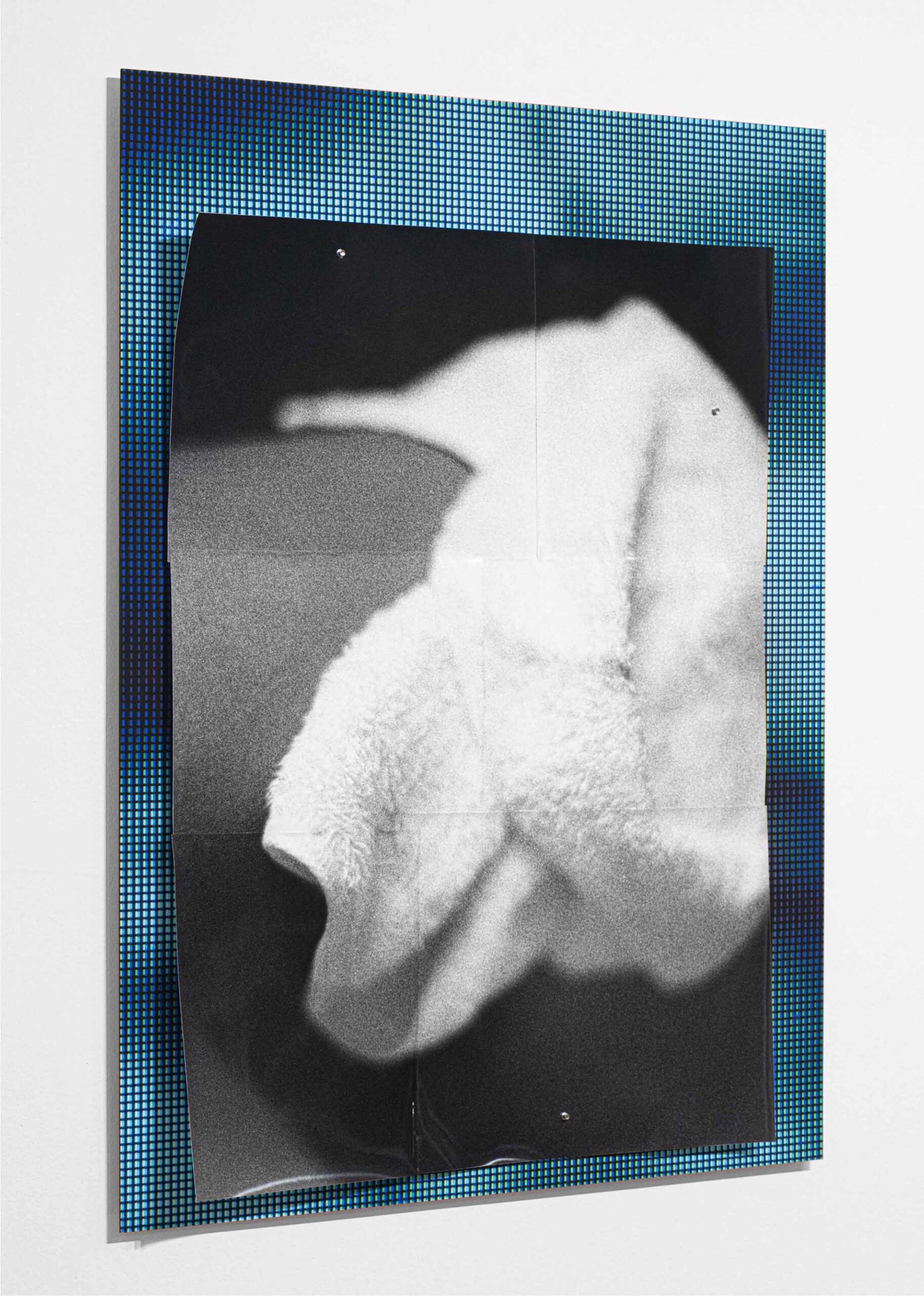
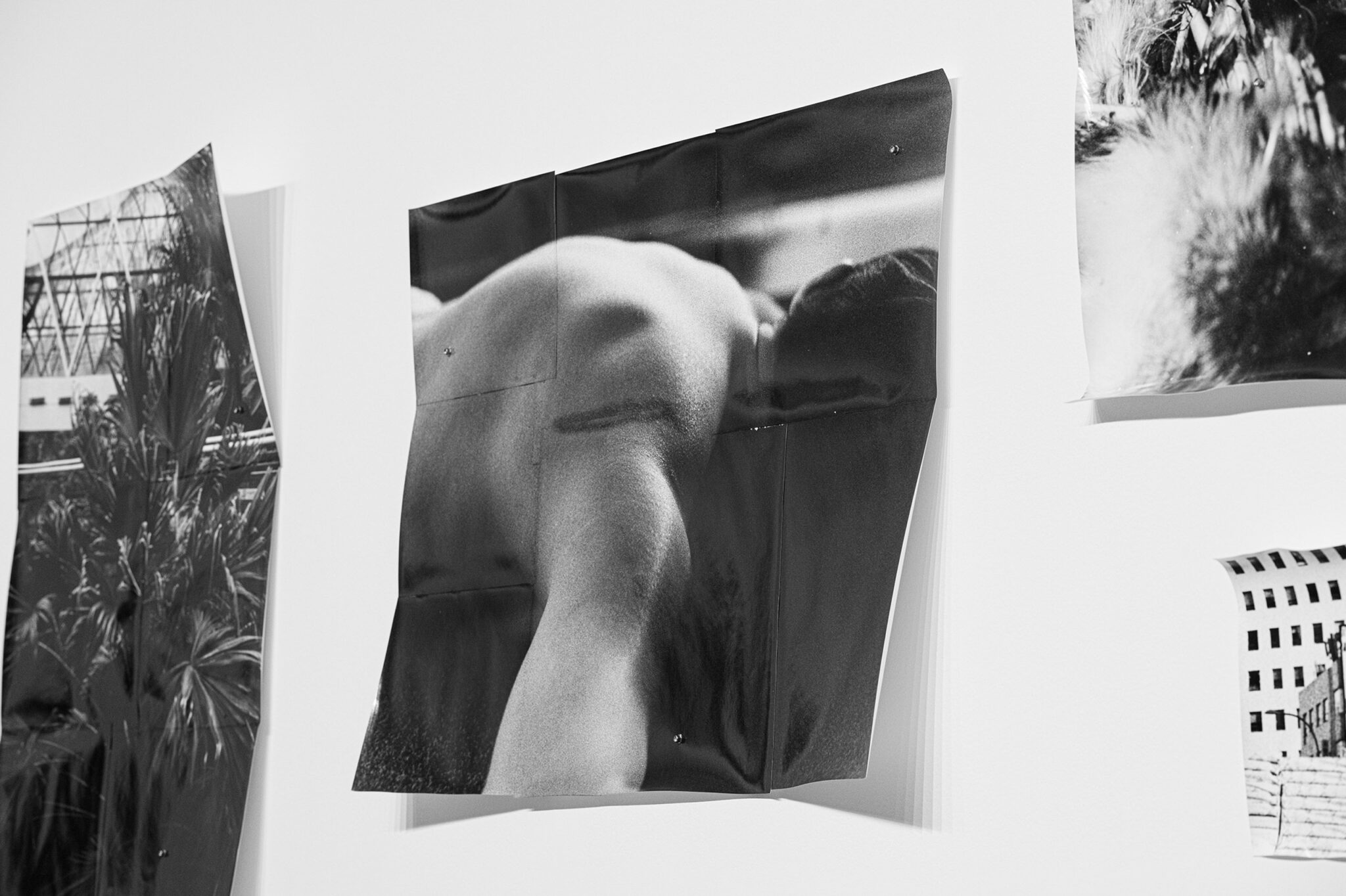
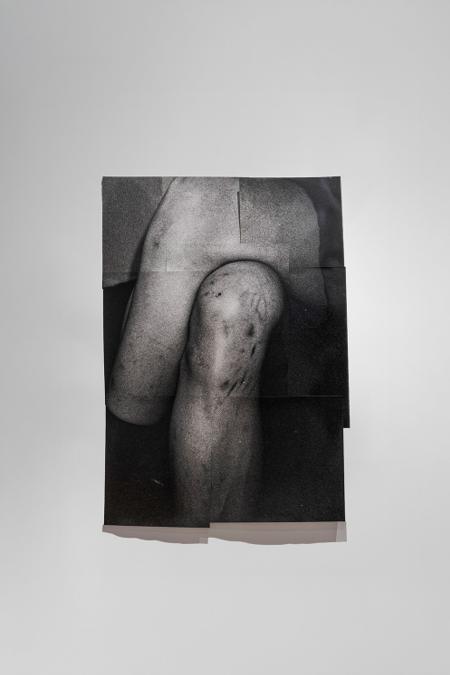
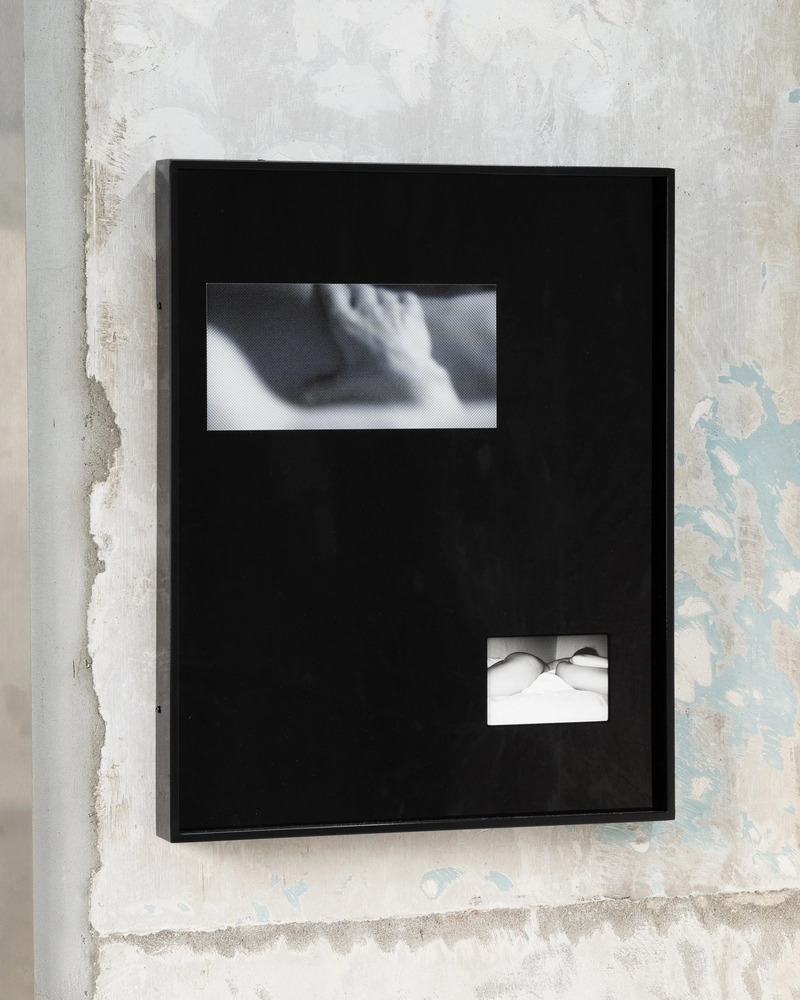
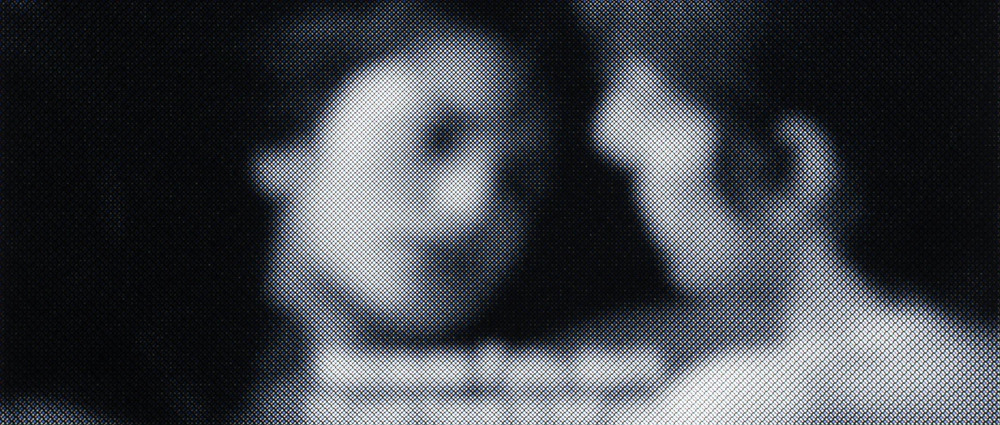
At the center of the exhibition, the two-channel photographic series ‘Double Retina’ presents, side by side, images collected from the internet and generated through AI—rephotographed with a camera—alongside black-and-white photographs of the artist’s daily life captured on analog film.
 
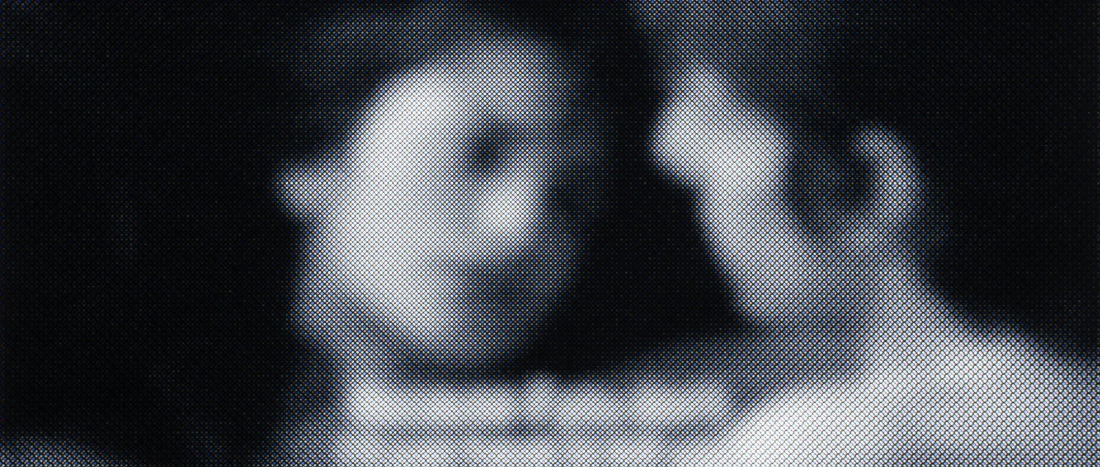
Here, the artist conveys tactile, embodied experience through distorted black-and-white prints, while the digital color images emphasize pixel clarity and are at times overlaid with the monochrome photographs. Through this process, he imbues materiality into the differing modes of image perception between the two worlds.


Jeong Young Ho, The Unknown No.9, 2024, Archival pigment print, 144x108cm, Edition 3 + 2AP © N/A

Alongside this, Jeong Young Ho draws attention to the cognitive confusion that arises today, as advances in generative AI technology have made it possible to produce images of situations that appear as though they could be reported in the news—making it increasingly difficult to distinguish between real events and fabricated ones.
 
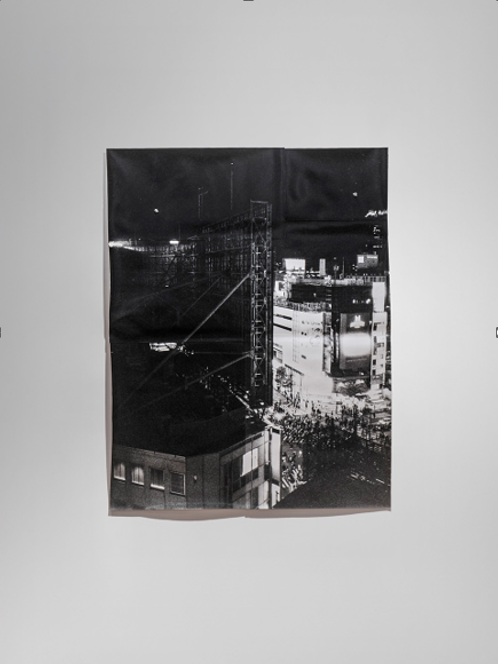
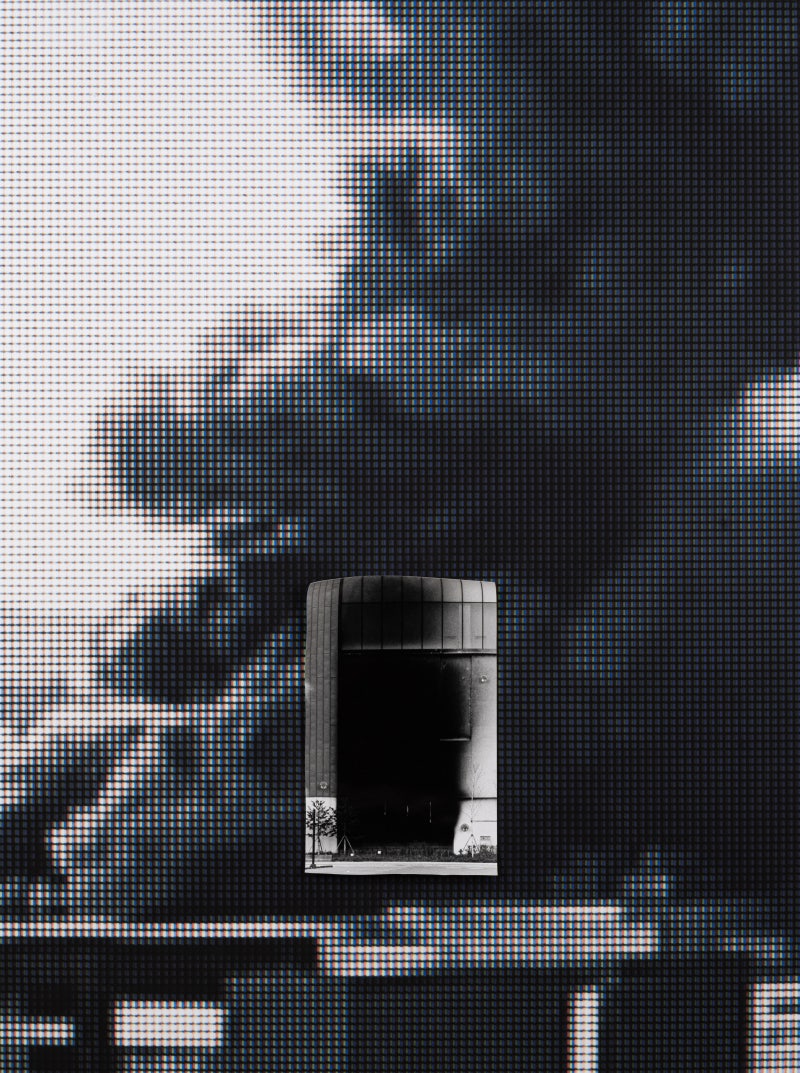
For example, The Unknown No.9 (2024) and The Unknown No.10 (2024), which are both part of and extensions of the ‘Double Retina’ series, consist of real photographs from media or news sources alongside images generated by AI. These are displayed as black-and-white images on screens or monitors and then rephotographed.


Jeong Young Ho, The Unknown No.10, 2024, Archival pigment print, 144x108cm, Edition 3 + 2AP © N/A

In this way, the artist interweaves documentary photographs—capturing situations first witnessed by the human eye—with images generated by AI, addressing a reality in which it has become increasingly difficult to distinguish between “real” and “fake” images.
 
At the same time, these two works are perceived differently depending on the viewing experience. From a distance, they appear as black-and-white photographs, but upon closer inspection, they reveal themselves as composites of countless RGB pixels, accompanied by a sense of visual illusion. Through this approach, the works prompt a reconsideration of how we perceive and interpret information today, in an era saturated with news and data of uncertain authenticity.


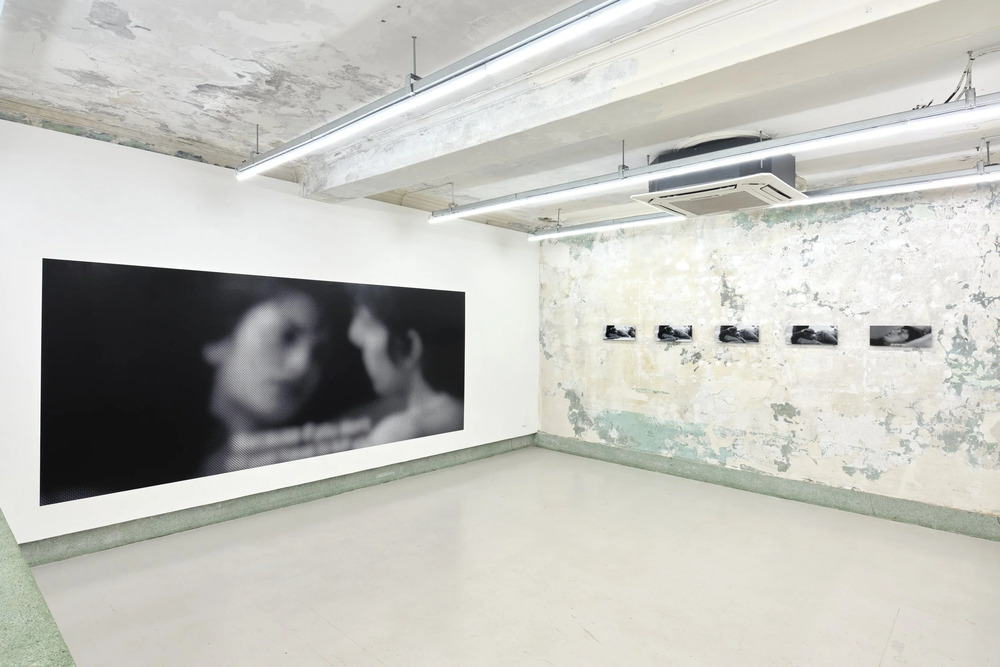
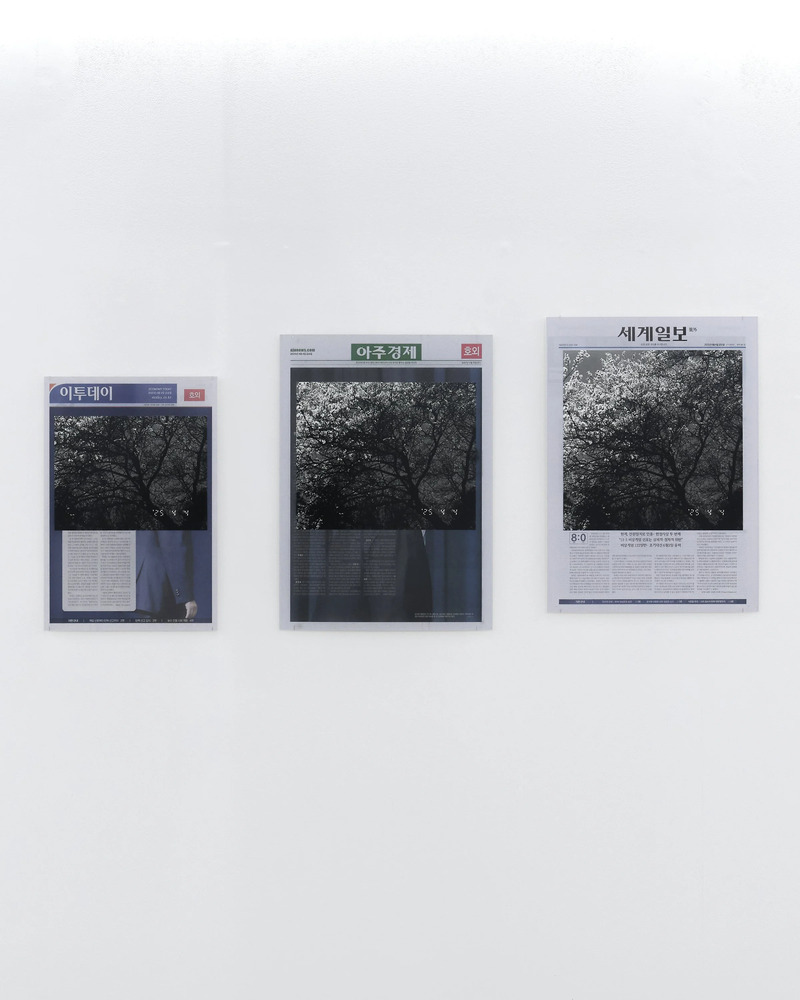
Installation view of 《Dew Point》 (N/A, 2025) © Jeong Young Ho

Extending this line of inquiry, his solo exhibition 《Dew Point》 (N/A, 2025) sheds light on this fundamental uncertainty of perception, and the experiential gap between reality and the digital virtual world. The exhibition title, “dew point”, refers to the threshold temperature at which water vapour in the air condenses into droplets.
 
Borrowing this concept, the artist defines the world he has physically experienced as the ‘inside’, and the world of others encountered through digital media as the ‘outside’, visually exploring the ‘temperature difference’ between the two.


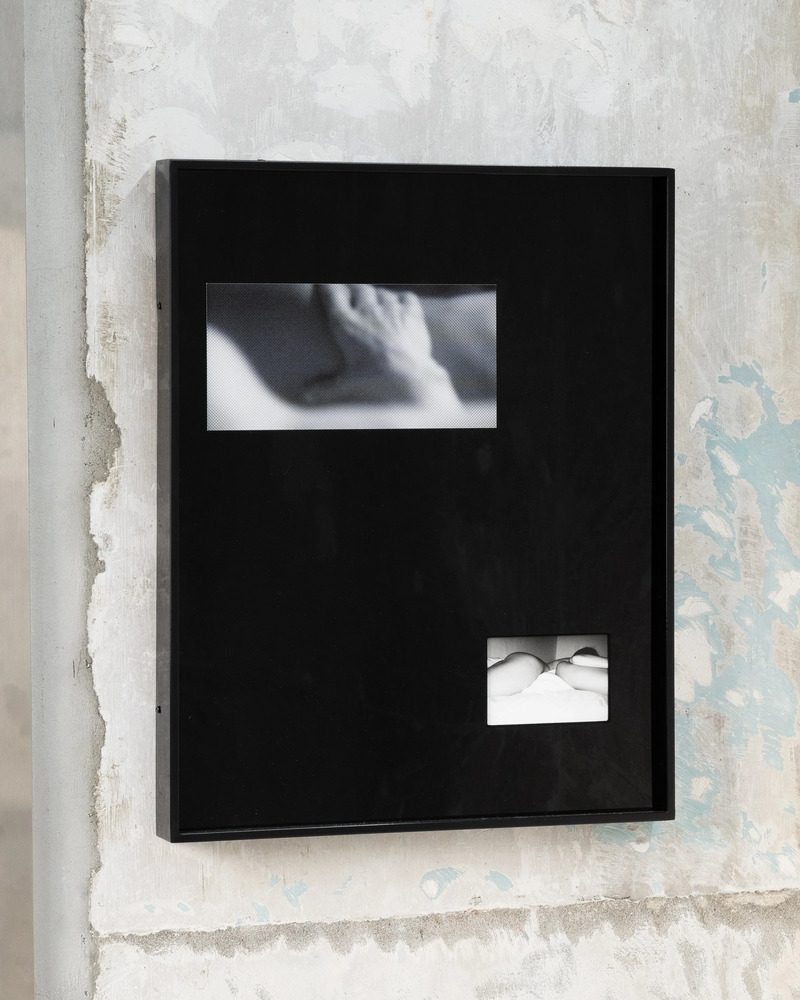
Jeong Young Ho, Feels right, 2025, Archival pigment print, 52x42cm, Edition of 2 + 2AP, Installation view of 《Dew Point》 (N/A, 2025) © Jeong Young Ho

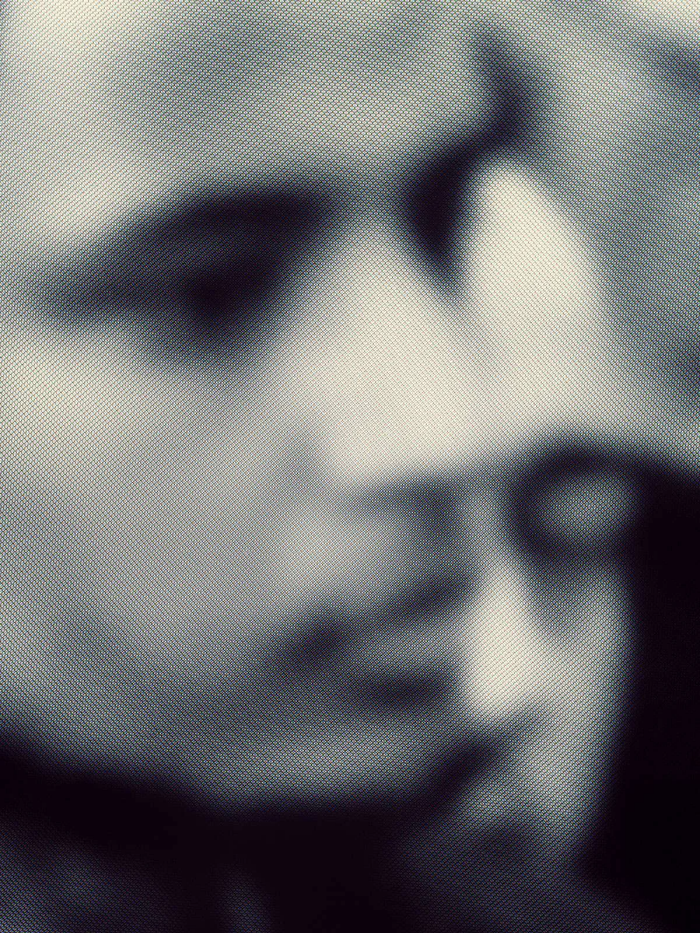
The artist regards screens—such as televisions, smartphones, and computer monitors used in everyday life—as both boundaries that separate reality from the virtual and as sensory conduits connecting the individual to the external world. The RGB pixels that repeatedly appear in his work result from close-up shots of smartphone screens, visually revealing the boundary between the object beyond the screen and the digital surface.
 
As digital technology has advanced, the presence of pixels has gradually faded. As a result, images encountered through screens have become increasingly sharp, and today we no longer question the world that exists beneath the surface of the monitor.


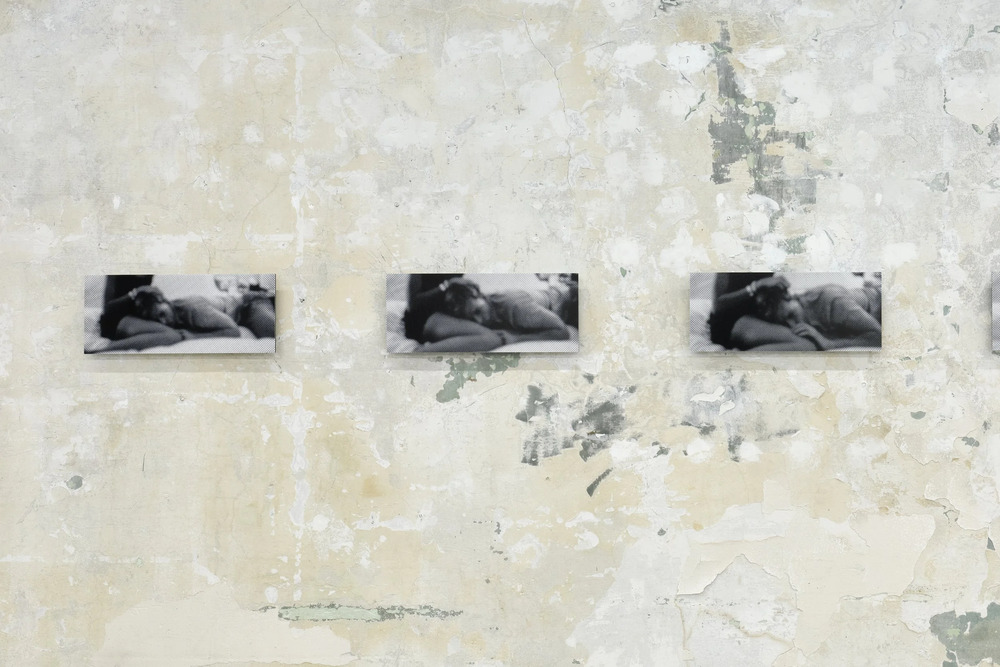
Installation view of 《Dew Point》 (N/A, 2025) © Jeong Young Ho

High-resolution, sharply defined images can embed themselves so vividly in our memory that they are sometimes mistaken for experiences we have actually lived. In an era where the boundaries between the virtual and the real increasingly overlap, and where distinguishing the authenticity of experience grows ever more complex and ambiguous, the artist turns his attention to the origins of both the images he photographs and those that drift within the virtual world.
 
Photographs begin in physical reality, that is, the ‘inside’, while images collected from social media are data based on the ‘outside’. Rather than trying to distinguish between these two media, he focuses on the shifts in perception that occur during the process of experiencing each.


Installation view of 《Dew Point》 (N/A, 2025) © Jeong Young Ho

High-resolution, sharply defined images can embed themselves so vividly in our memory that they are sometimes mistaken for experiences we have actually lived. In an era where the boundaries between the virtual and the real increasingly overlap, and where distinguishing the authenticity of experience grows ever more complex and ambiguous, the artist turns his attention to the origins of both the images he photographs and those that drift within the virtual world.
 
Photographs begin in physical reality, that is, the ‘inside’, while images collected from social media are data based on the ‘outside’. Rather than trying to distinguish between these two media, he focuses on the shifts in perception that occur during the process of experiencing each.


Jeong Young Ho, Because if you don't, I'll just have to kill you, 2025, Archival pigment print, 150x350cm © N/A

In this way, Jeong Young Ho focuses on how rapidly evolving digital environments shape our perception and sensory experience, visualizing these phenomena through a range of experimental photographic practices. His work ultimately raises a fundamental question: in an age where experience is increasingly shifting from offline to online, and where mediated encounters through screens begin to replace the act of seeing itself, what is it that we are truly seeing—and believing?

“Contemporary contact transmits landscapes in place of the weight of the body. The images that are transmitted are pliable and smooth, whereas film grains are material masses that have an original, possess weight, cannot be replicated, and cannot be transmitted. (…)
 
Photography comes to resemble graphics, and graphics come to resemble photography. These two media, originating from different grounds, are bluntly grouped together under the term ‘image.’ What film, with its weight, is best suited to capture are scenes that do not need to be uploaded—moments that are not consumed, not transmitted, and have no imperative to pass through a device: wholly private and invisible.” (Jeong Young Ho, Artist’s Note)


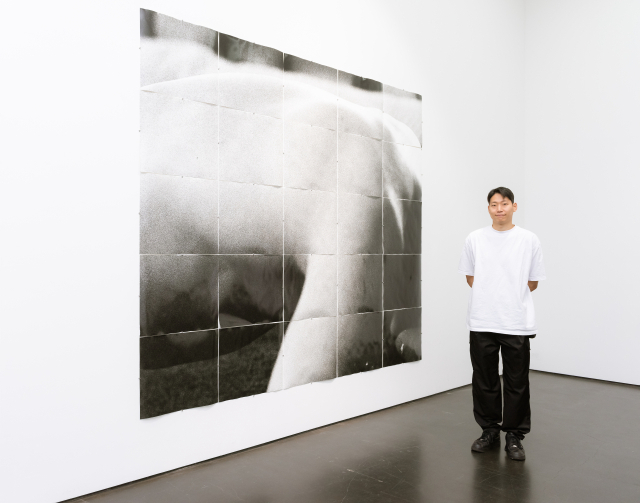
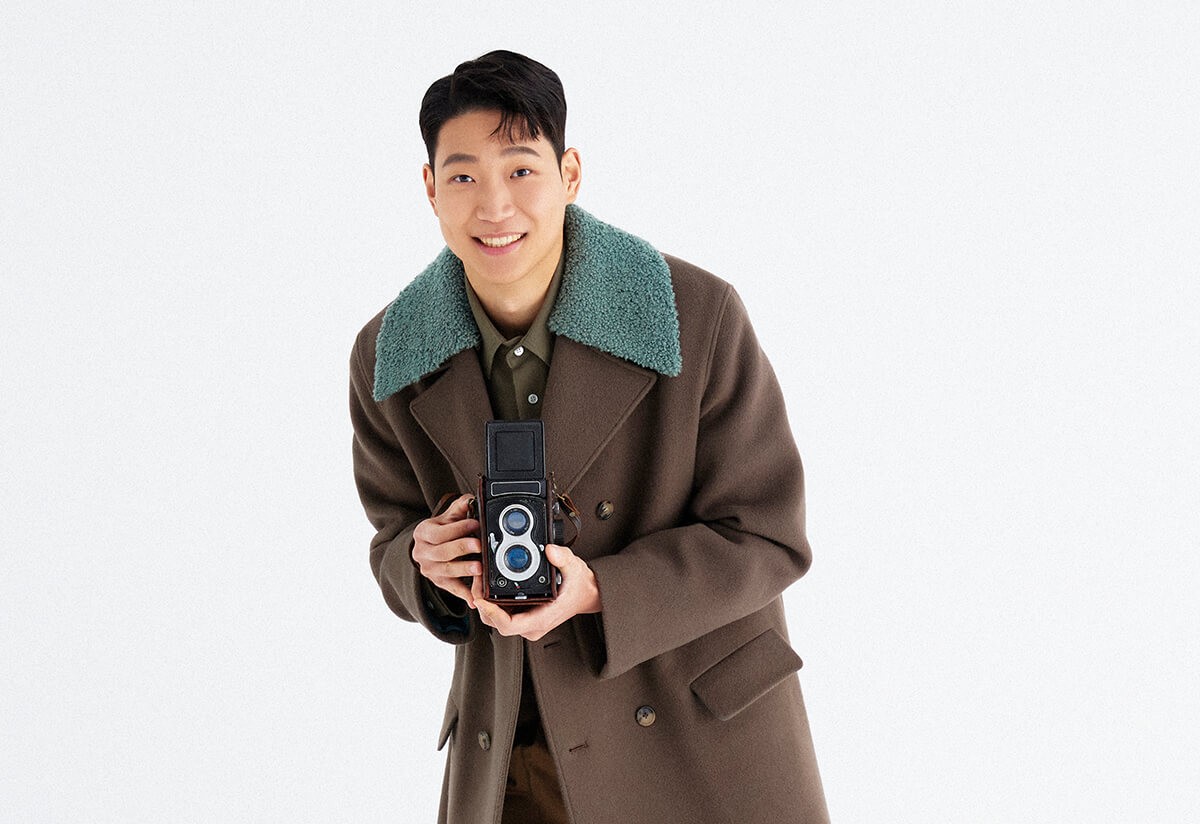
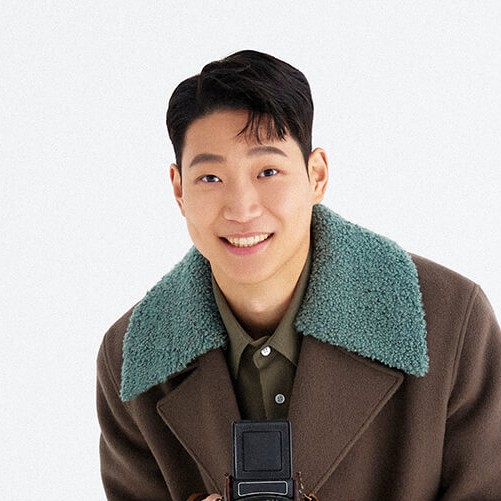
Artist Jeong Young Ho © Wooson Gallery

Jeong Young Ho graduated from the Department of Photography at Chung-Ang University and received his MA in Photography from the Royal College of Art in London. His solo exhibitions include 《Dew Point》 (N/A, Seoul, 2025), 《Double Retina》 (Kumho Museum of Art, Seoul, 2023), 《Converted and Interpolated》 (Sahng-up Gallery Euljiro, Seoul, 2022), and 《Out of Photography》 (SONGEUN Art Cube, Seoul, 2021).
 
He has also participated in numerous group exhibitions, including 《PHOTOGRAPHICNESS: PHOTO / THE PHOTOGRAPHIC》 (Ranee Seoul, Seoul, 2025), 《Synthetic Fever》 (Coreana Museum of Art, Seoul, 2025), 《Whispering Noise》 (N/A, Seoul, 2024), 《Landscapes》 (Wooson Gallery, Daegu, 2023), 《SPACELESS + 60 Swiss Books》 at the Swiss Pavilion of the 14th Gwangju Biennale (Gwangju, 2023), 《Summer Love 2022》 (SONGEUN, Seoul, 2022), and 《Inter-face》 (Perigee Gallery, Seoul, 2022).
 
Jeong was selected for the 20th Kumho Young Artist (2022), Sanhg-up Gallery Ex-UP (2021), and the SONGEUN Art Cube Exhibition Support Program (2020). He was also a resident artist at the 17th Nanji Residency of the Seoul Museum of Art. His works are included in the collection of the SONGEUN Art and Cultural Foundation.
References