Kwon Hahyung (b. 1989) has been developing a photographic practice that captures places imbued with personal experience and memory. The spaces depicted in her photographs are not merely geographical locations, but emotional landscapes infused with attachment and recollection.
 
Scenes captured through the artist’s attentive and affectionate gaze reveal layered and complex emotions beneath the visible, engaging not only the viewer’s eye but also their emotional sensibility.


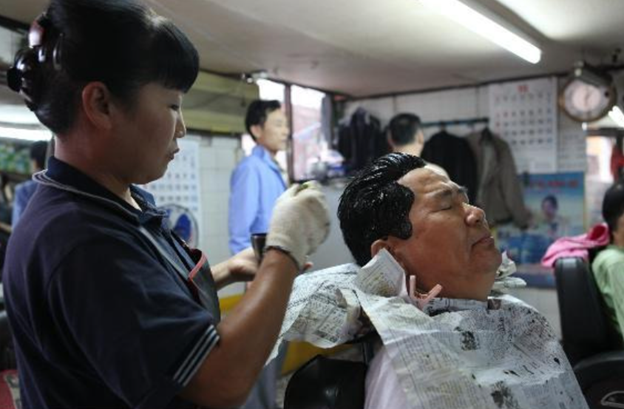
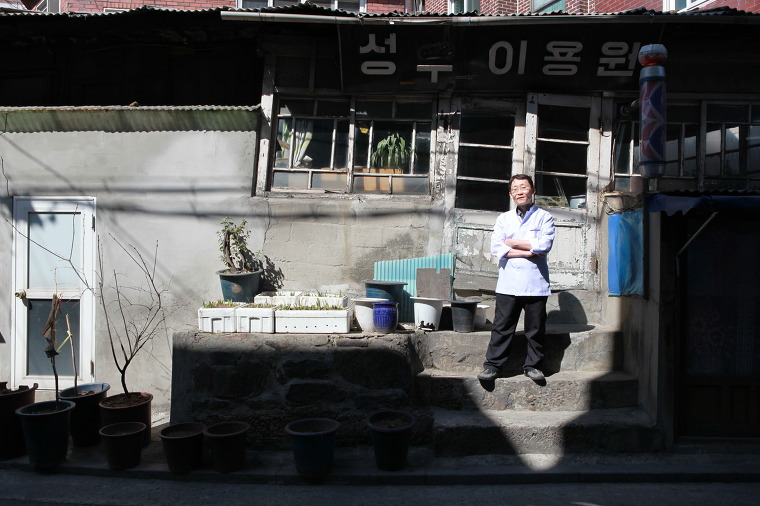
Kwon Hahyung, ‘이발 史 (A History of Haircuts)’ Series, 2011 © Kwon Hahyung

In her early works, Kwon Hahyung has pursued a documentary approach in her photographic practice. By its nature, documentary photography unfolds through living alongside and communicating with its subjects; thus, once a subject is chosen, understanding develops in tandem with the act of photographing.
 
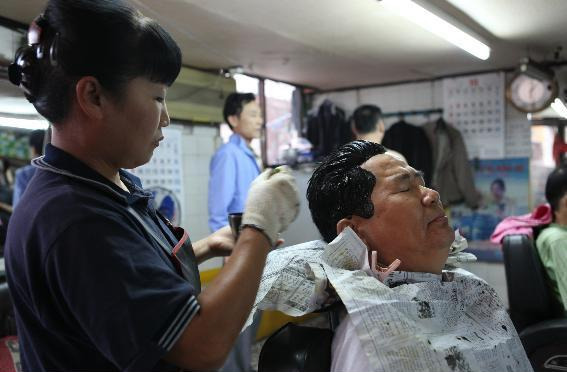
Her series ‘이발 史 (A History of Haircuts),’ initiated in 2011 during approximately two months of photographing an unnamed barbershop in Mullae-dong, Yeongdeung-po, Seoul, captures this extended process of understanding and exchange between the artist and her subject. Through this work, she sought to document the gradually disappearing space and culture of the old barbershop in Korea through the medium of photography.
 
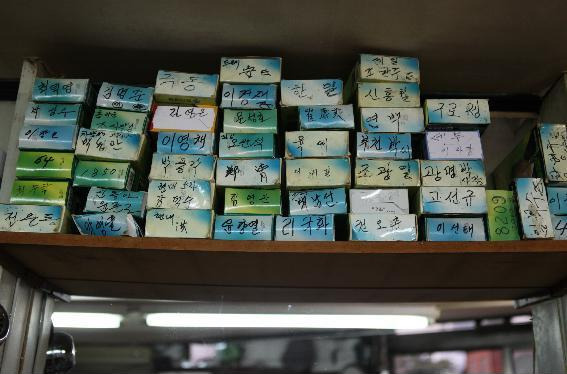
Kwon not only portrays the barbershop as a space, but also conveys the image of the barber, combining portraiture with documentary-style images of the interior elements.


Kwon Hahyung, ‘이발 史 (A History of Haircuts)’ Series, 2011 © Kwon Hahyung

Building on this project, she set out to document the vanishing culture of barbershops as extensively as possible, expanding the scope of her subjects nationwide in order to lend greater weight to her photographic work. She combed through search portal sites using keywords such as “이발”, “이발소”,“ 이용원”, “낡은 이발소”, “오래된 이발소”, “산골 이발소”, and “마을 이발소”, carefully reviewing all resulting pages. Based on visual information—both exterior and interior images—she selected the barbershops that aligned with her vision.
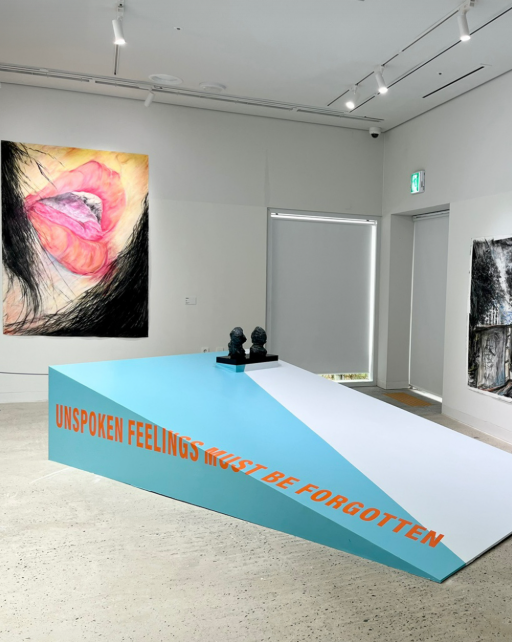

Kwon Hahyung, ‘이발 史 (A History of Haircuts)’ Series, 2011 © Kwon Hahyung

Even when she found an image that matched her vision, the absence of information such as the barbershop’s name, phone number, or address meant that the process of research had to begin again. Before entering the barbershops she had painstakingly tracked down through on-site visits, she would bring a small drink and photographs she had previously taken, carefully explaining what she intended to photograph, why she wished to do so, how much effort had gone into finding the place, and how far she had traveled.
 
In this way, her work goes far beyond the simple act of selecting a subject and taking photographs. From researching locations to visiting them in person and sincerely communicating with those who agree to become her subjects, every stage of the process embodies the artist’s dedication and labor in capturing moments that are gradually disappearing.

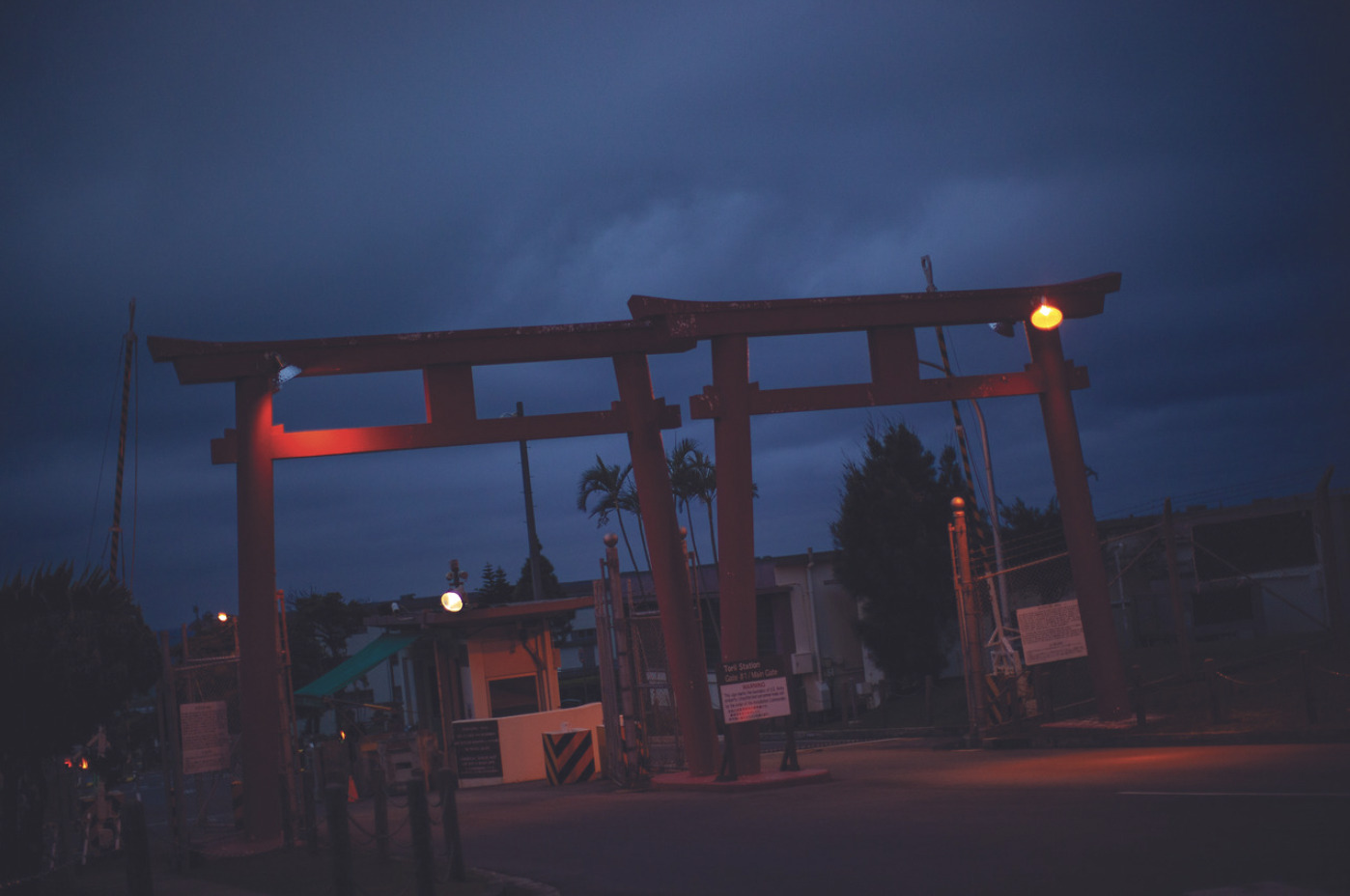
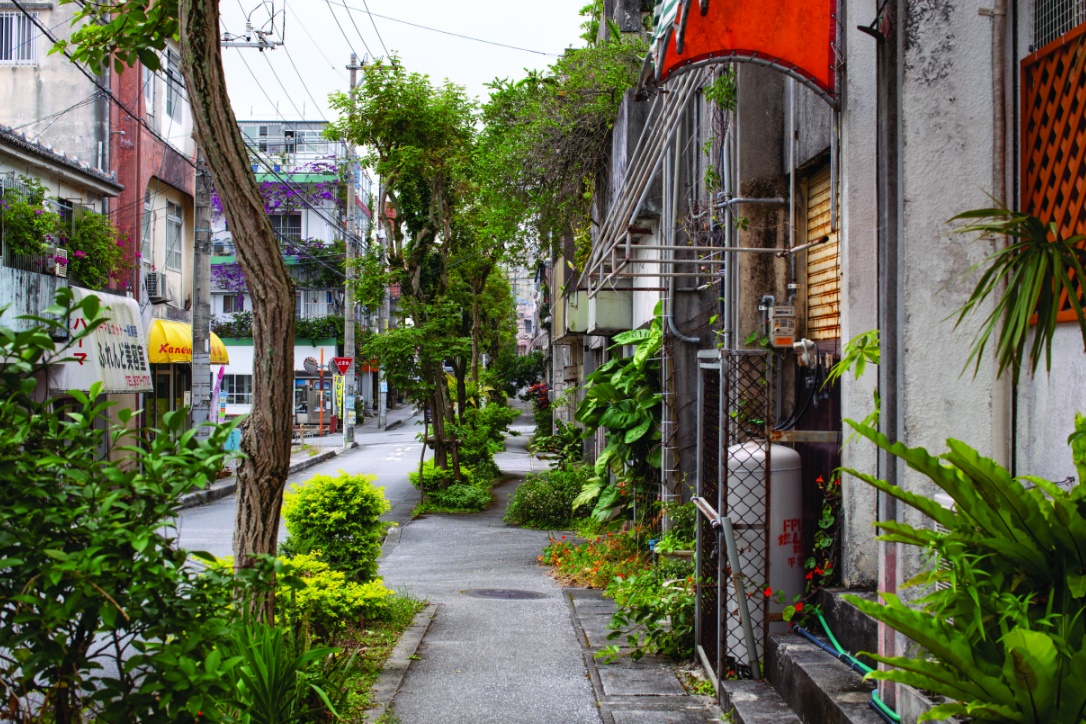
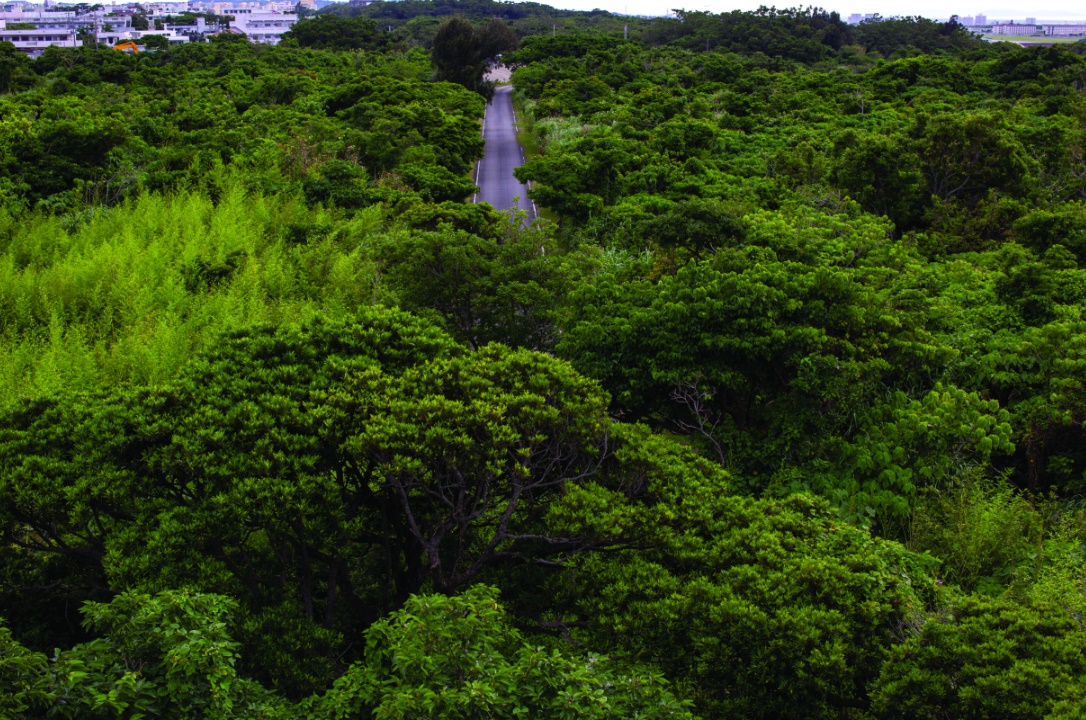
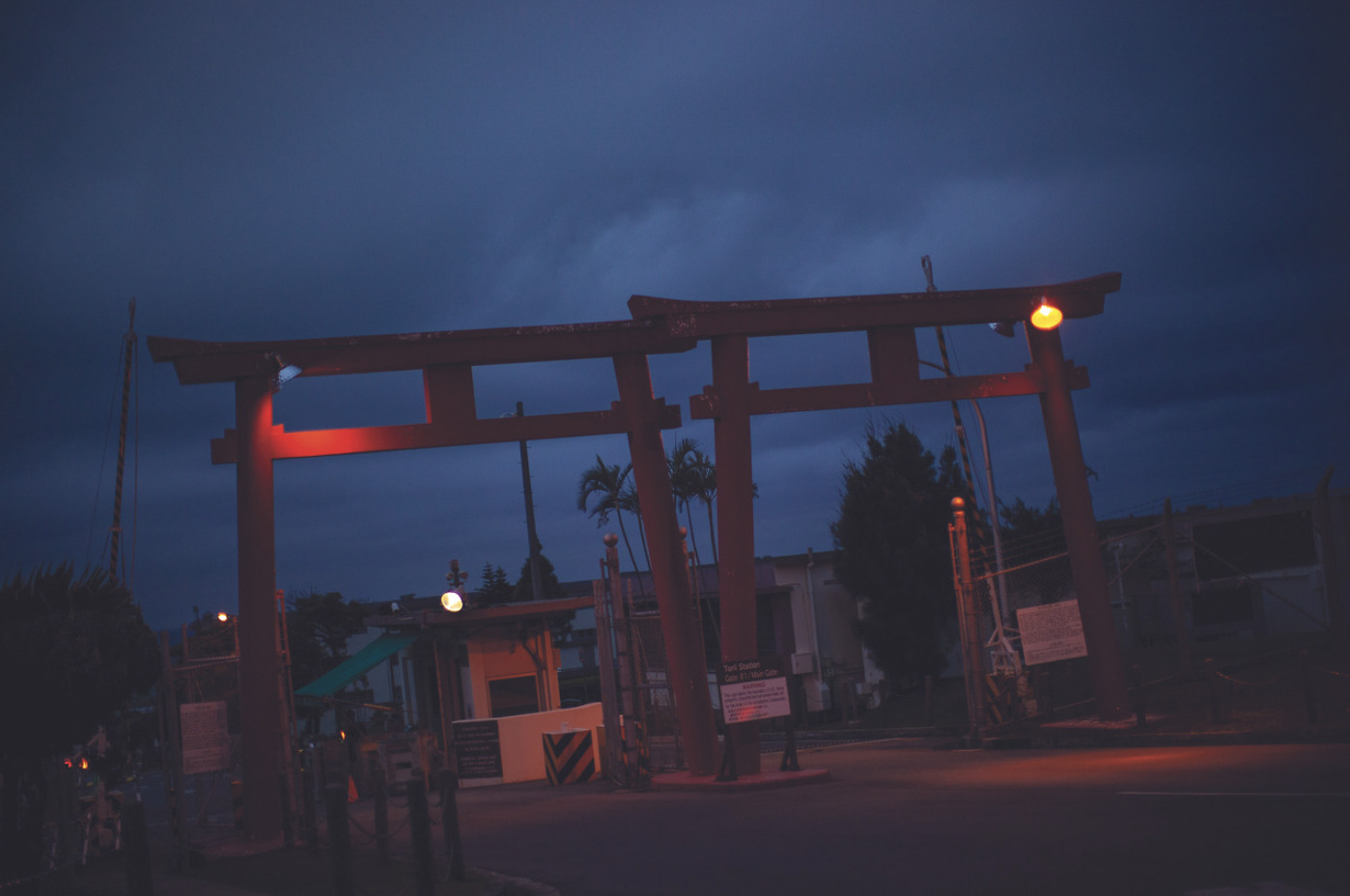
Kwon Hahyung, Kadena Air Base, Okinawa, 2016 © Kwon Hahyung

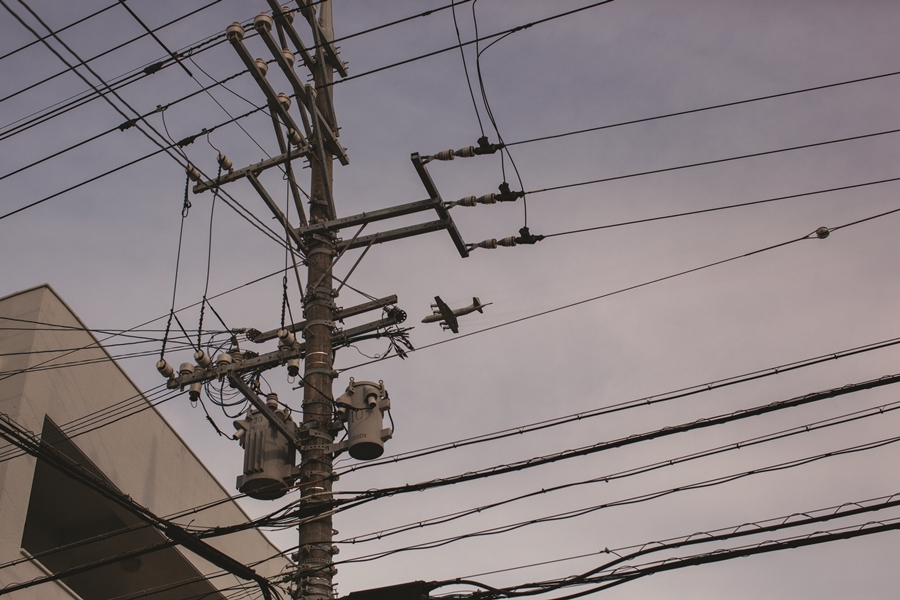
Afterward, Kwon Hahyung traveled to and photographed sites connected to significant social events, including Paengmok Harbor in Ansan associated with the Sewol ferry disaster, Miryang where protests were held against the construction of transmission towers, Gangjeong Village in Jeju in opposition to the naval base construction, and Okinawa, which continues to grapple with issues surrounding U.S. military bases.
 
Although these places still carry heavy social and historical contexts, they have gradually faded from public memory over time. Carrying her camera, the artist visited these sites in person, capturing their present conditions and fleeting moments as they exist now.


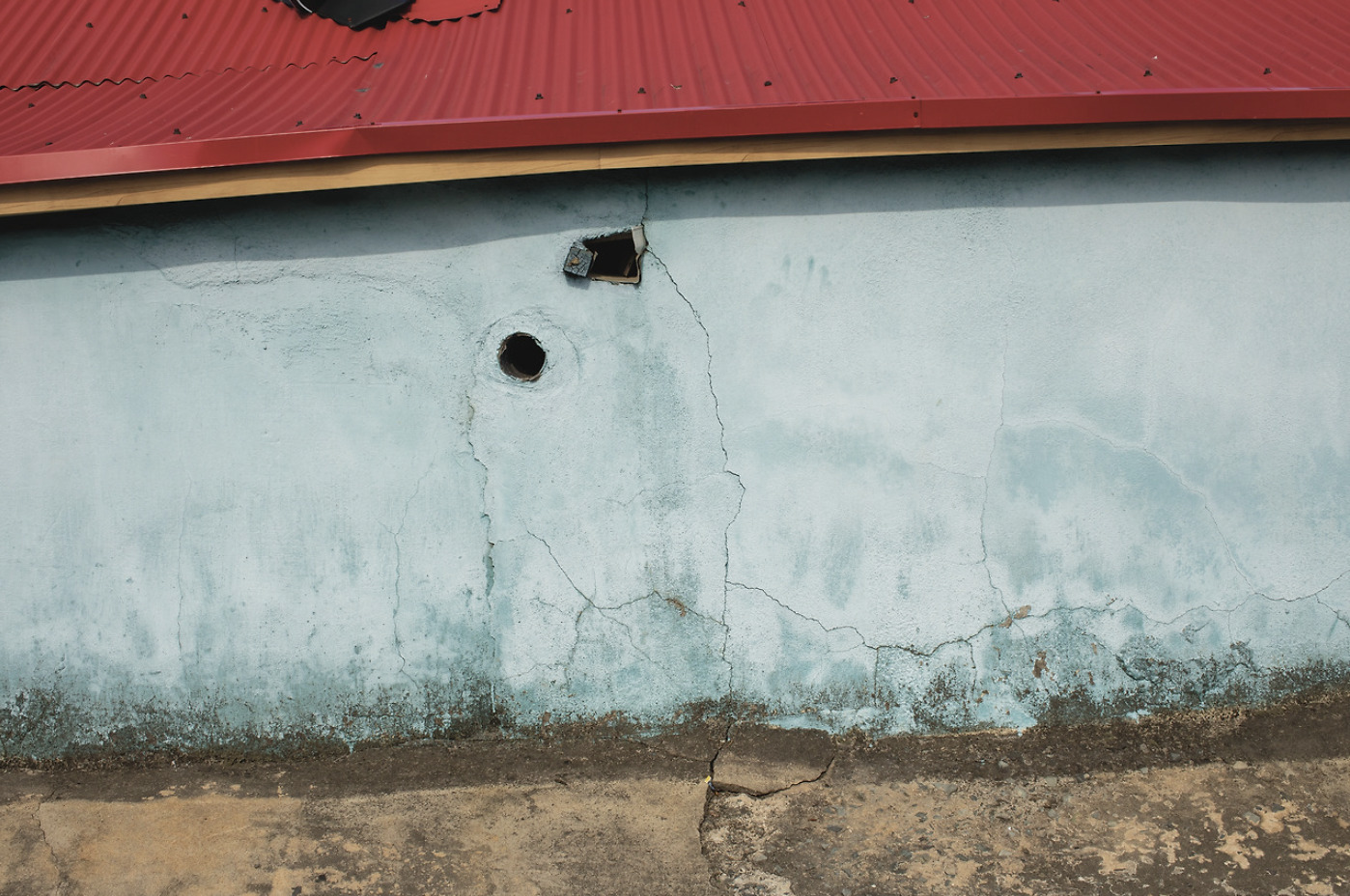
Kwon Hahyung, (Maybe) Deviated Map #1, 2020, Pigment print on canvas, 279x419cm © Kwon Hahyung

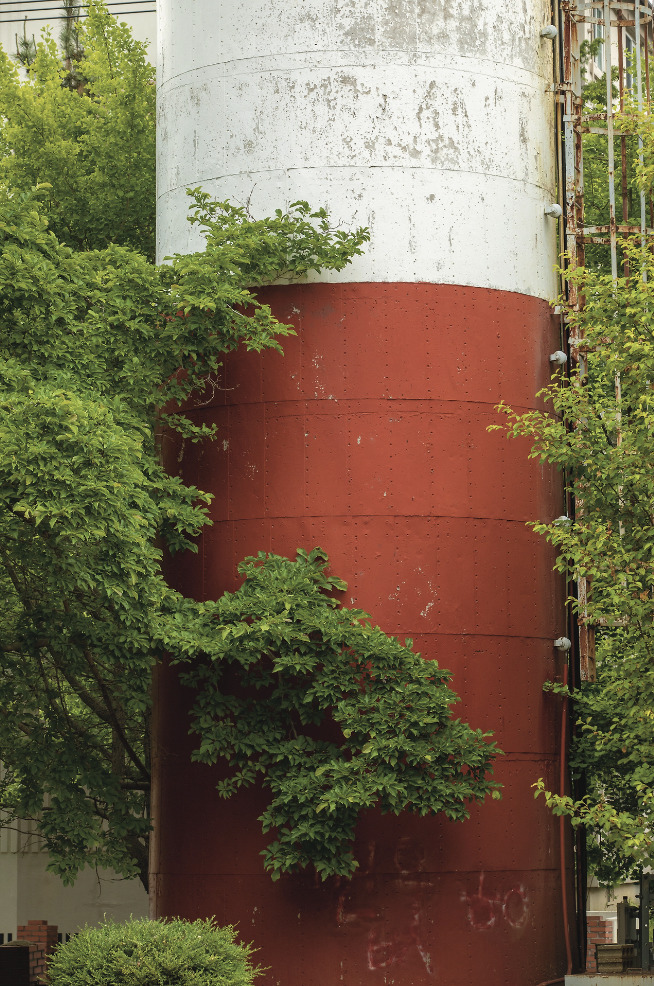
Around 2017, after living away from home for an extended period, Kwon Hahyung returned to her hometown of Changwon. The city she revisited had changed in ways that felt distant from her memories.
 
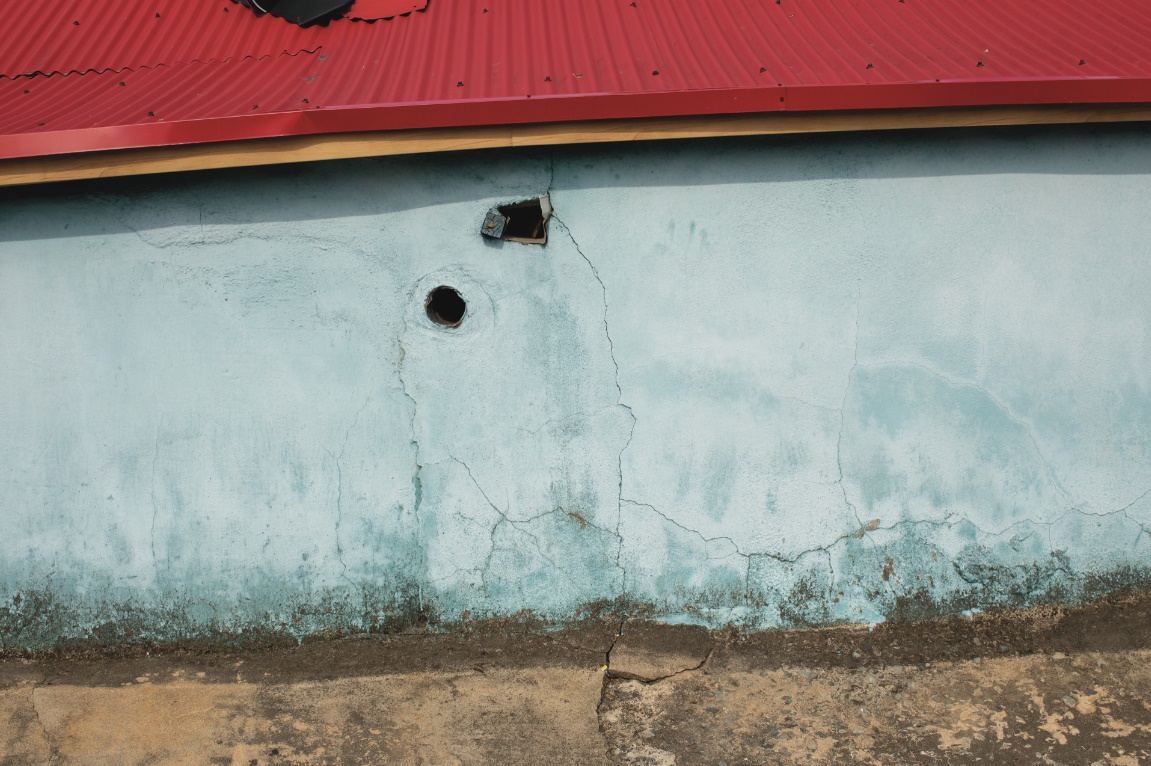
Within this newly redeveloped, planned urban landscape, she found a sense of ease only in places that had “deviated from the route”—locations not captured by navigation systems, or spaces that had slipped outside the standards of modernization and remained tied to the past.


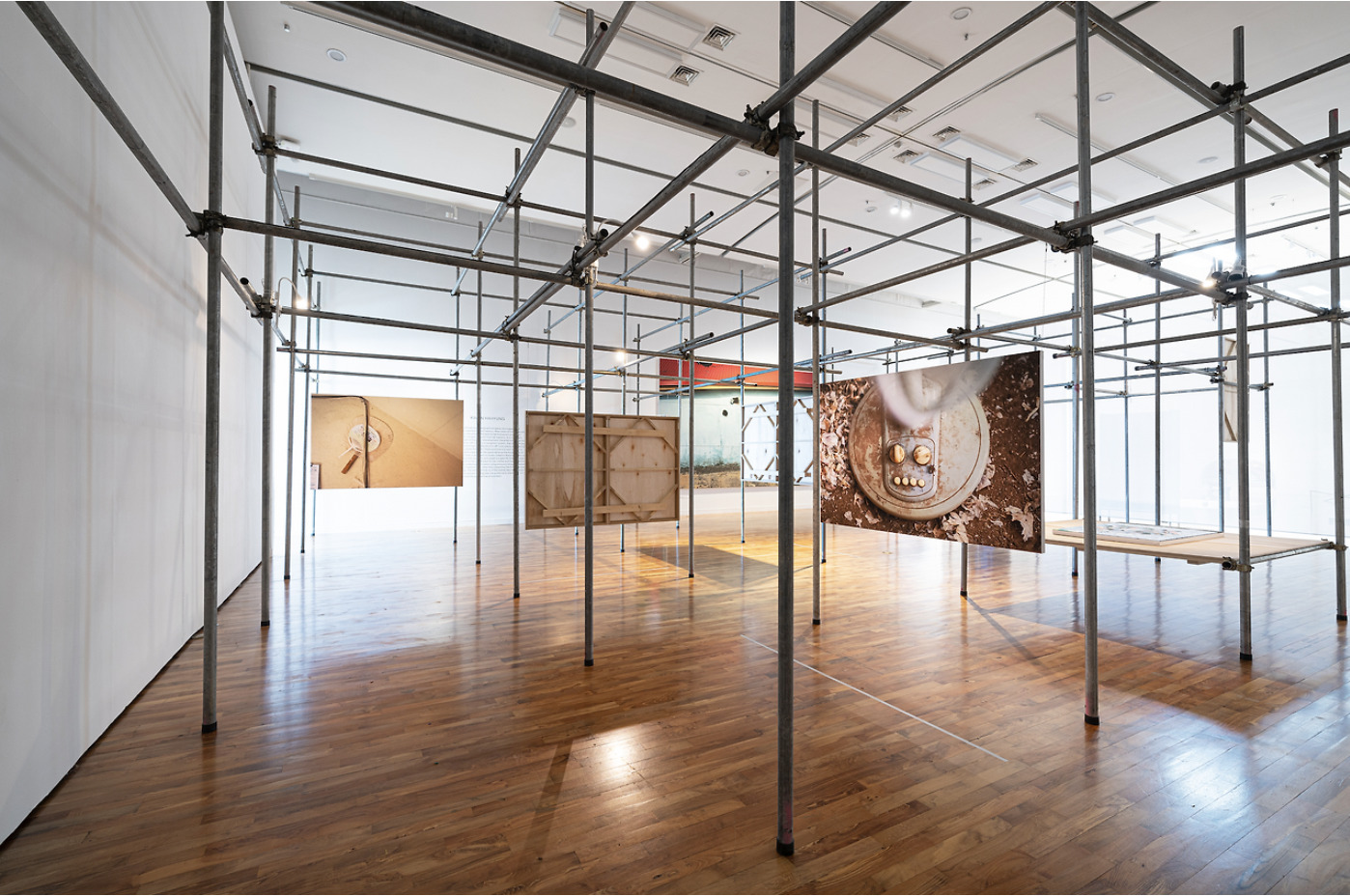
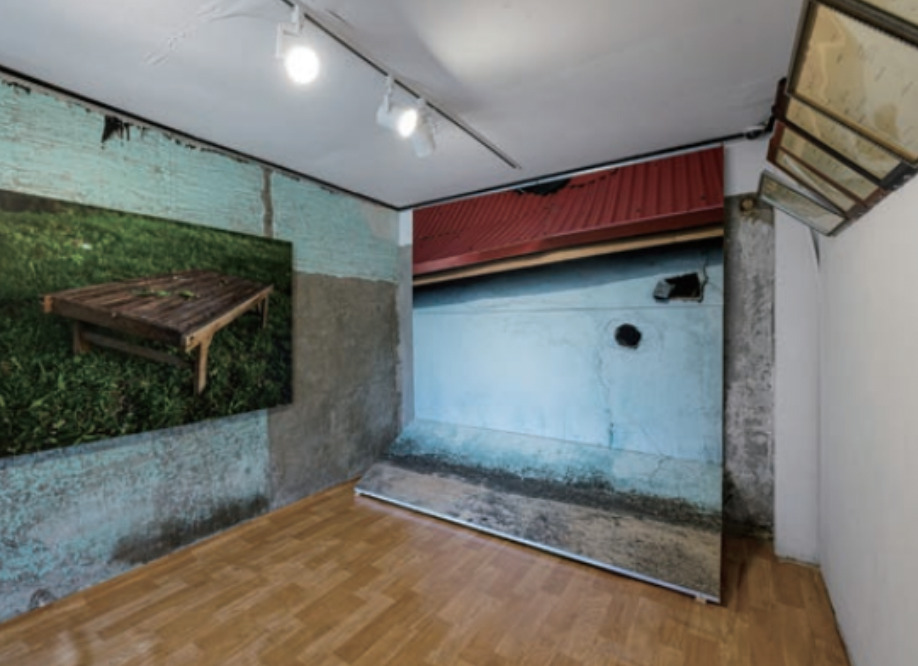
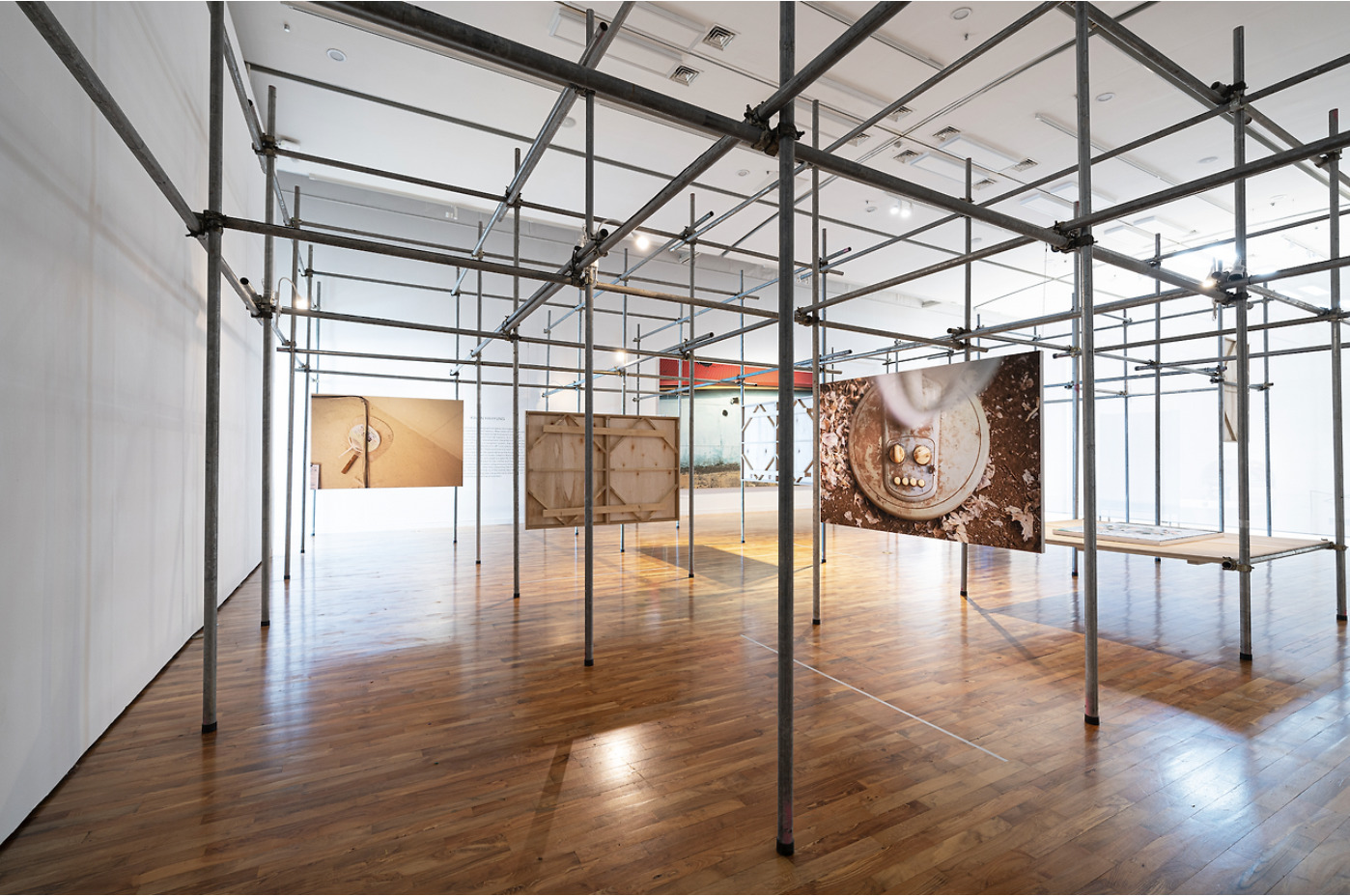
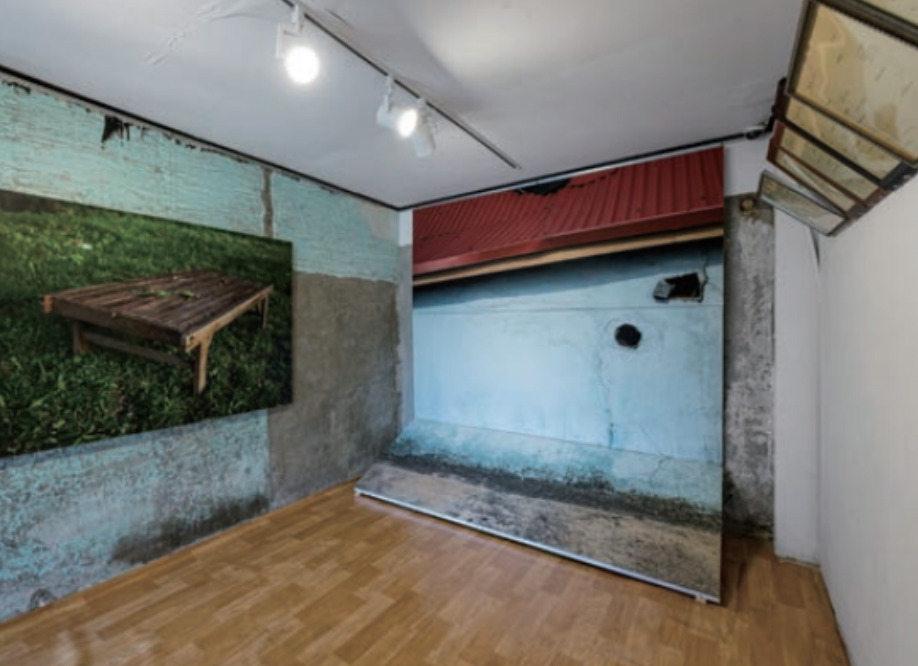
Kwon Hahyung, ‘(Maybe) Deviated Map’ Series, 2020, Installation view of 《Vision and Perspective 2020 – Stranger in Strange Land》 (Busan Museum of Art, 2020) © Kwon Hahyung

The series ‘(Maybe) Deviated Map,’ presented in the group exhibition 《Vision and Perspective 2020 – Stranger in Strange Land》 at the Busan Museum of Art in 2020, captures spaces that have “deviated from the route,” closely tied to the artist’s own emotions and memories.
 
In this work, Kwon does not define “hometown” in purely geographical terms, but reconstructs it through her sensory and emotional experiences. By inviting viewers to wander among works suspended on steel structures, she creates a spatial experience that allows them to share in the act of deviation from a prescribed path.


Kwon Hahyung, (Maybe) Deviated Map #2, 2020, Pigment print on canvas, 166x110cm © Kwon Hahyung

The ‘(Maybe) Deviated Map’ series, which begins from the spaces she has lived in and her own memories, marks a departure from her earlier works that documented sites embedded with external and social contexts. As the direction of the camera turns inward rather than outward, this series represents a significant turning point in Kwon Hahyung’s artistic practice.


Kwon Hahyung, 상세 서비스 (Detailed Services), 2022, Installation view of 《Room Without Night》 (Space Heem, 2022) © Space Heem

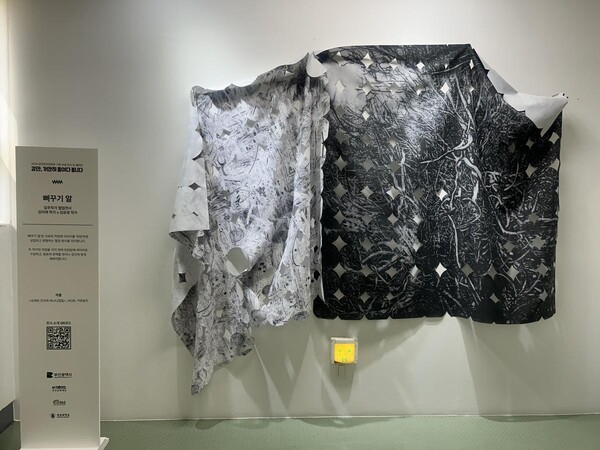
Meanwhile, in the two-person exhibition 《Room Without Night》, held at Space Heem in 2022, the artist examined the current state of patriarchy—one of the dominant ideologies in Korean society—and how it seeks to regulate women’s spaces of activity. Departing from her primary medium of photography, she presented an installation work incorporating autobiographical narratives.


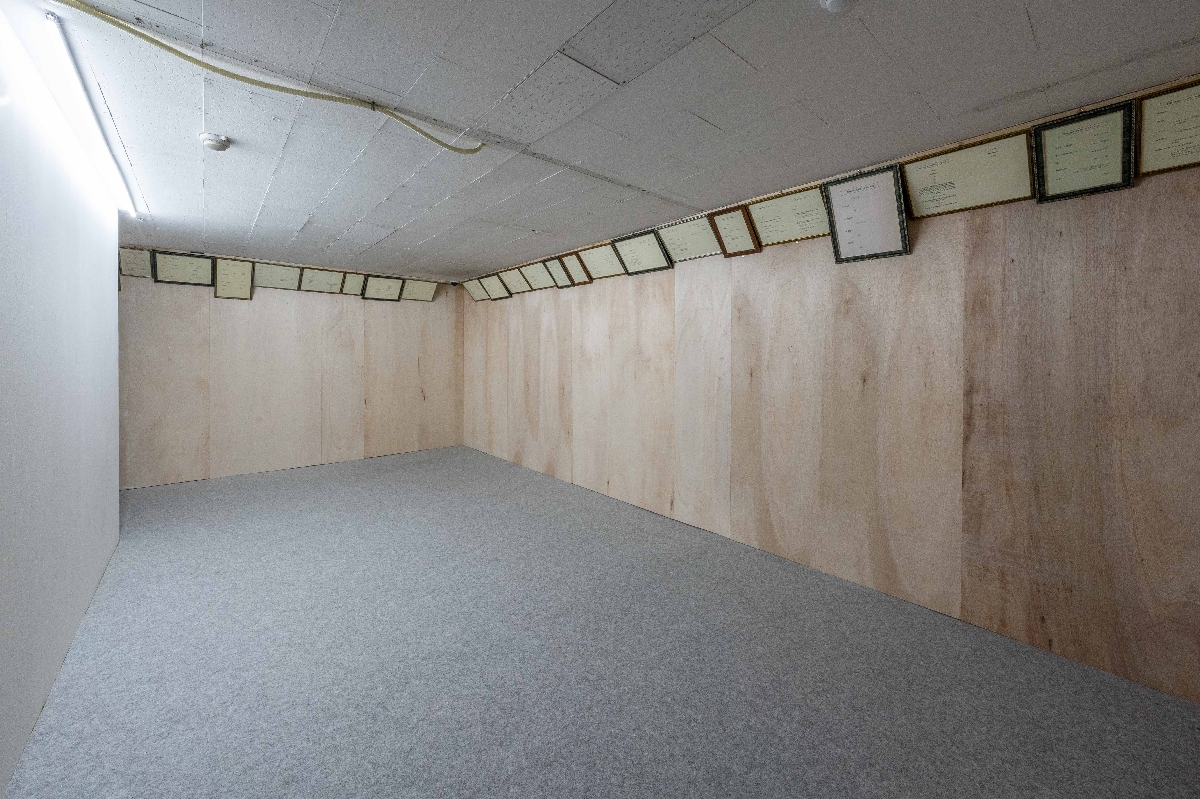
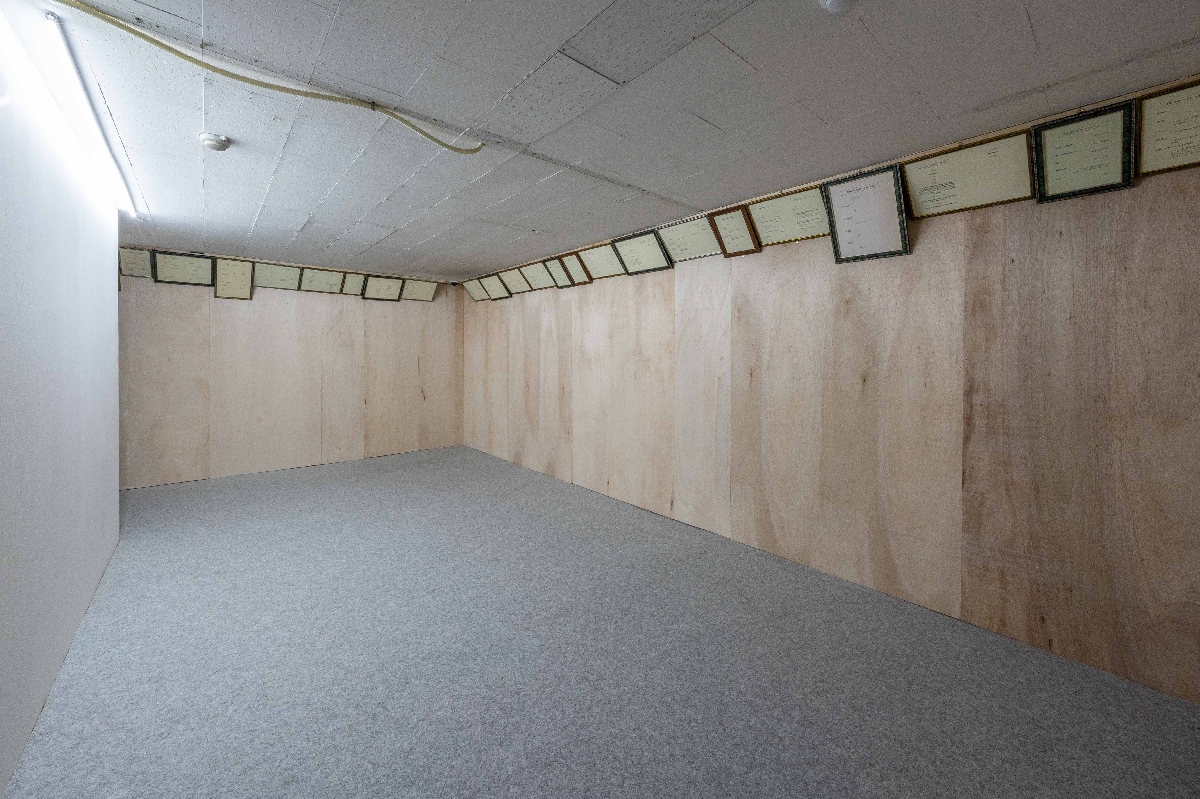
Kwon Hahyung, 상세 서비스 (Detailed Services), 2022, Installation view of 《Room Without Night》 (Space Heem, 2022) © Space Heem

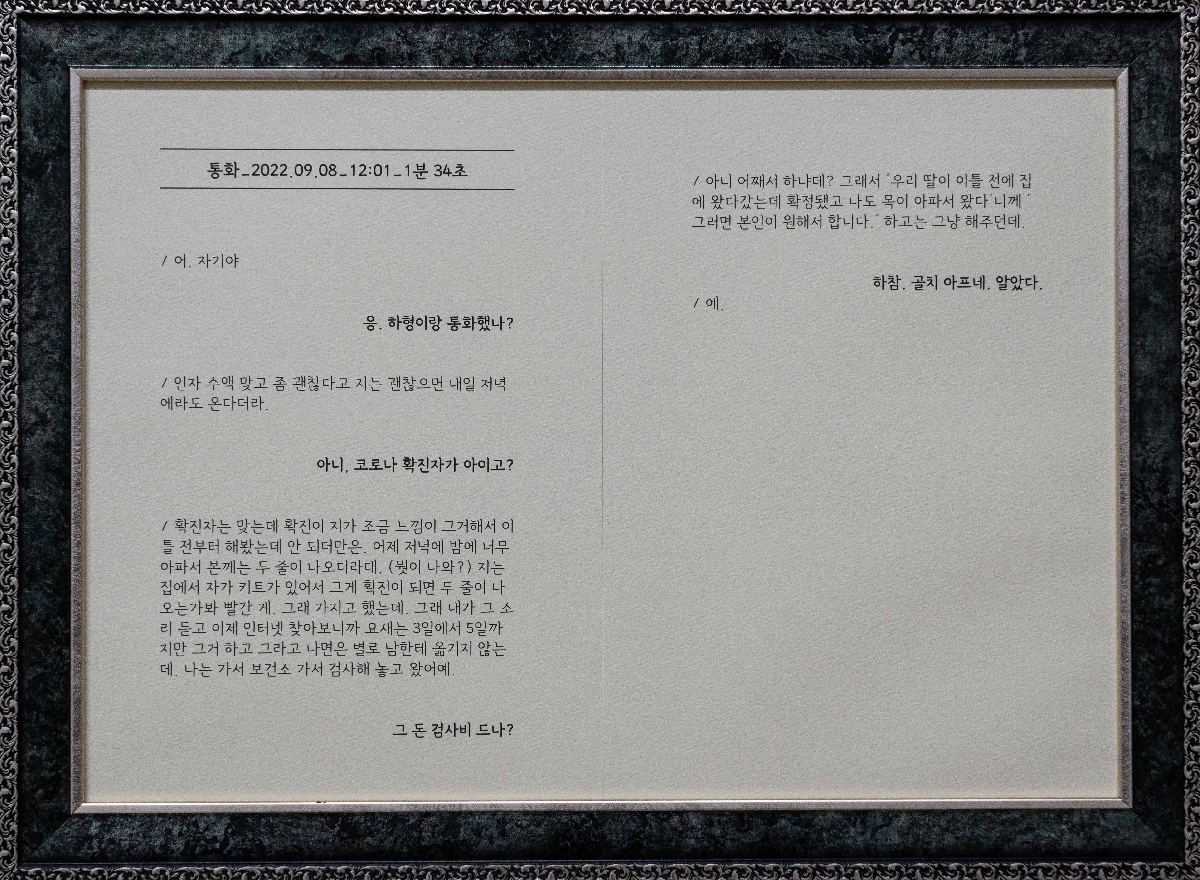
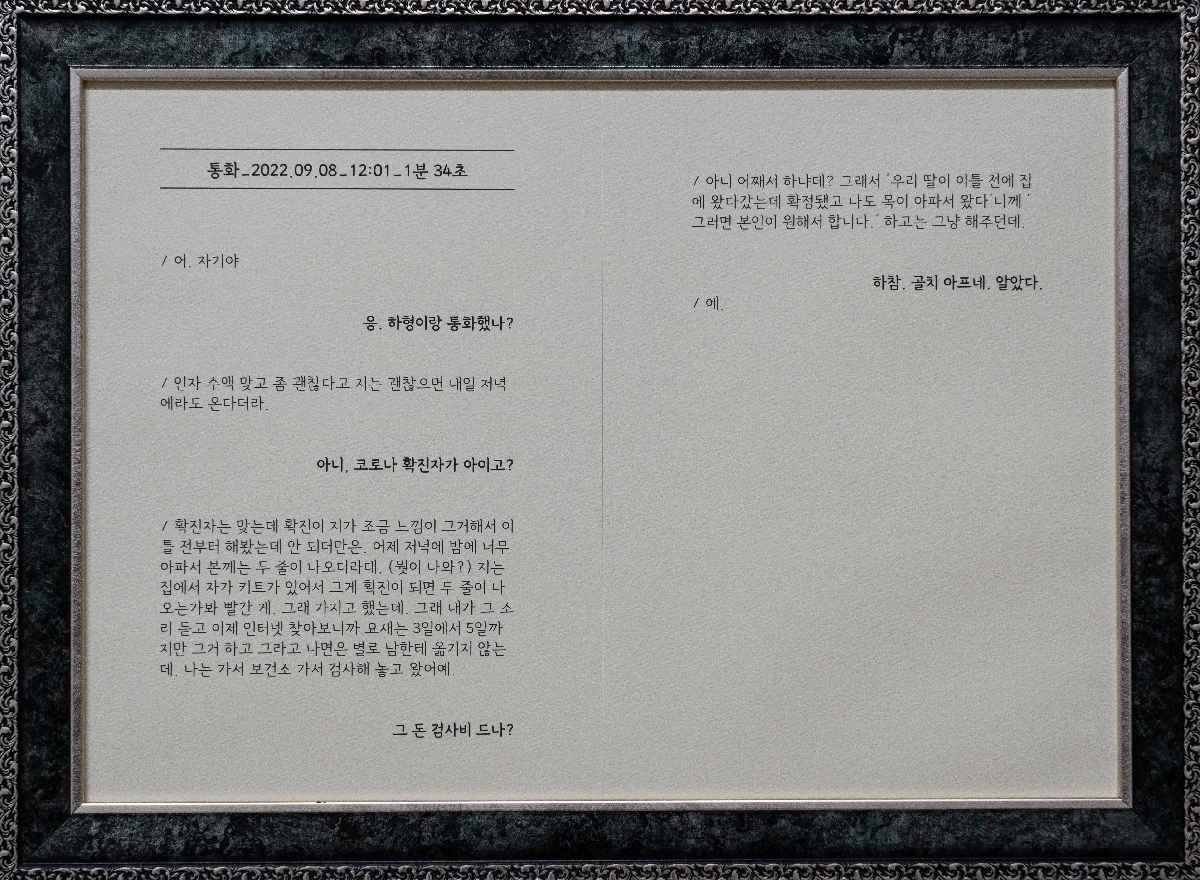
At the highest point of the exhibition space, 상세 서비스 (Detailed Services) (2022)—composed of around twenty framed pieces—was installed. The work contains transcripts of phone conversations between the artist’s parents, collected over the course of a month. At first glance, their exchanges may seem unproblematic, at times even affectionate; however, as one reads more closely, subtle tensions begin to emerge.
 
Much of their dialogue is structured around requests and responses. The artist’s father calls multiple times a day, instructing that certain things be “in place” within the home or that specific conditions be prepared in advance.
 
As if part of a routine, these repeated directives gradually appear to confine the mother’s range of movement—subtly but persistently—within the ornate boundaries of the antique frames.


Kwon Hahyung, 호출 (Calling), 2022, Installation view of 《Room Without Night》 (Space Heem, 2022) © Space Heem

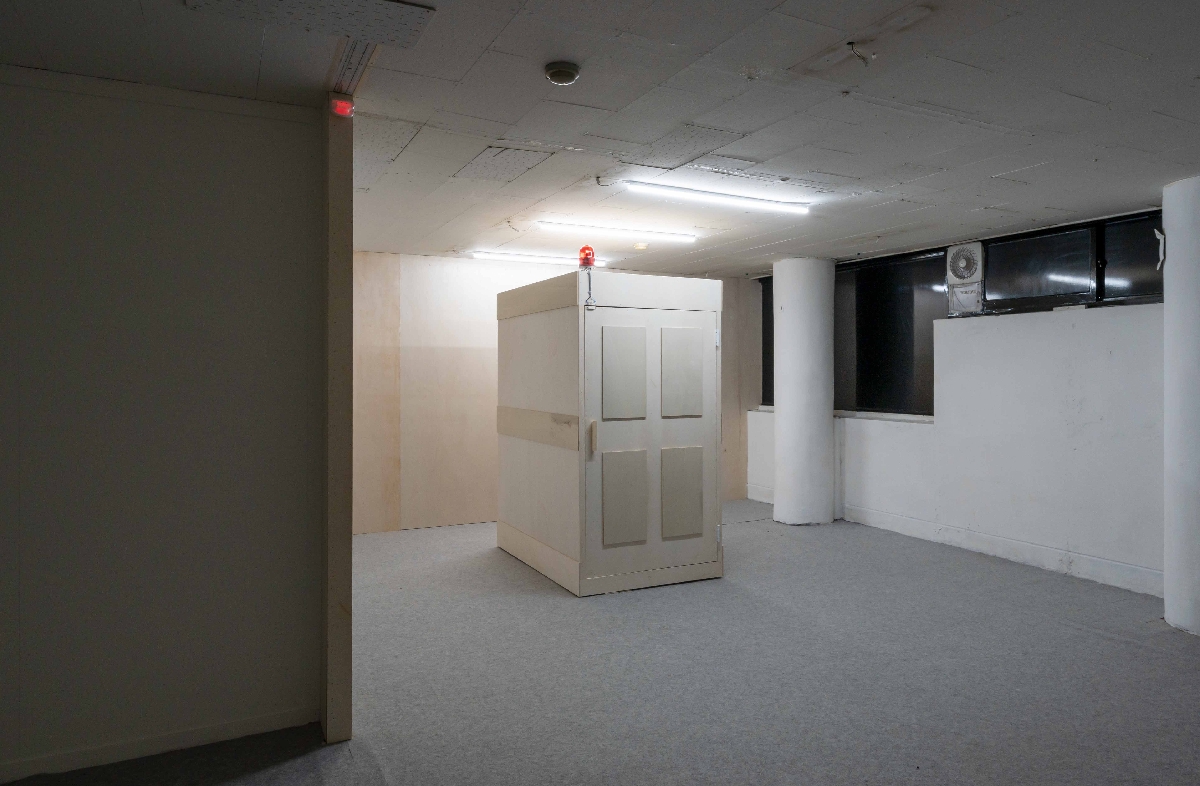
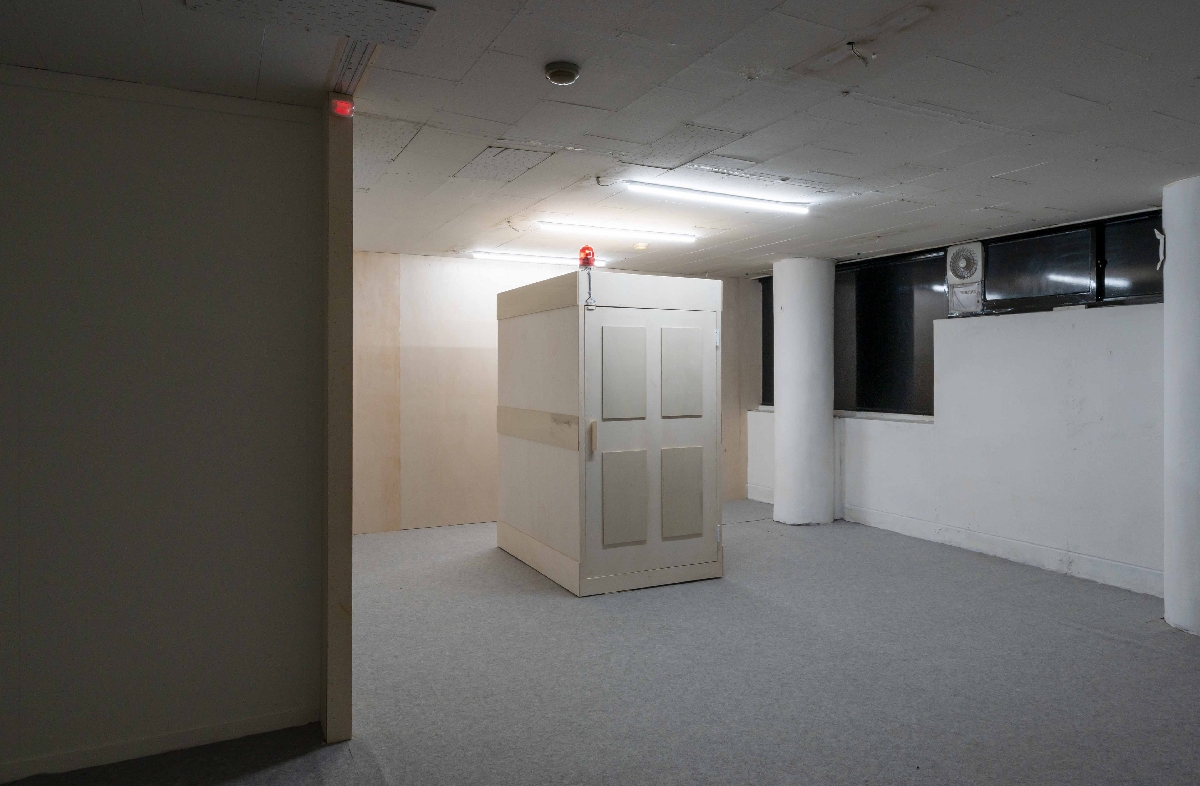
호출 (Calling) (2022), a work that extends this line of inquiry, focuses on the one-directional nature of the father’s repeated phone calls and translates this dynamic into a wooden booth equipped with several devices. When a visitor enters a certain radius detected by sensors in the exhibition space, a ringing phone sound emanates from inside the booth, prompting them to step in.
 
Inside, the conversations between the father and mother appear in the form of subtitles, while a statement on the wall details how frequently these exchanges occurred over the course of a month. Through this setup, Kwon Hahyung points to the close relationship between language and power.


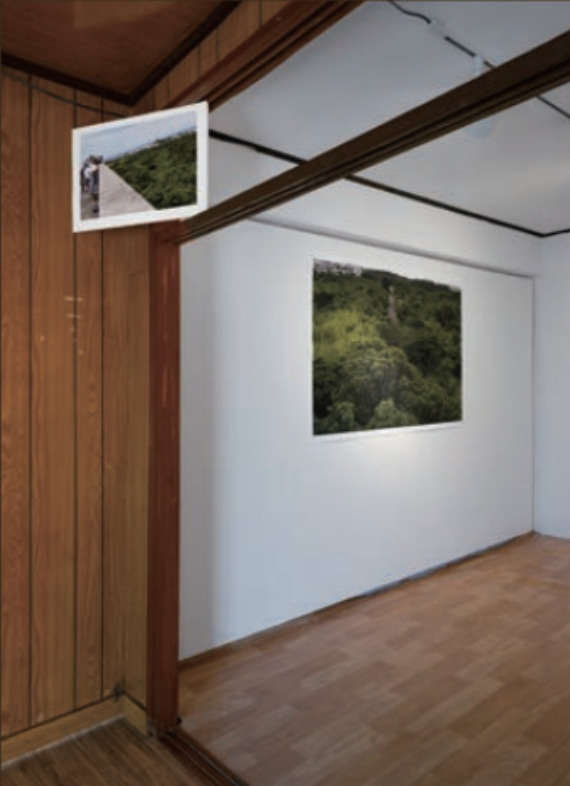
Installation view of 《From the Outer to the Inner》 (Youngjumansion, 2024) © Youngjumansion

In her 2024 solo exhibition 《From the Outer to the Inner》, held at Youngjumansion, Kwon Hahyung traced the shift in her practice from “outer spaces” to “inner places.” The artist presented her previous works as an interconnected trajectory, understanding the gradual shift of her gaze—from the external world toward interior and domestic spaces—not as a rupture, but as a continuous path.
 
In this exhibition, deviation from a route does not signify a loss of direction; rather, it functions as a moment to reconfigure one’s destination and to perceive space anew.


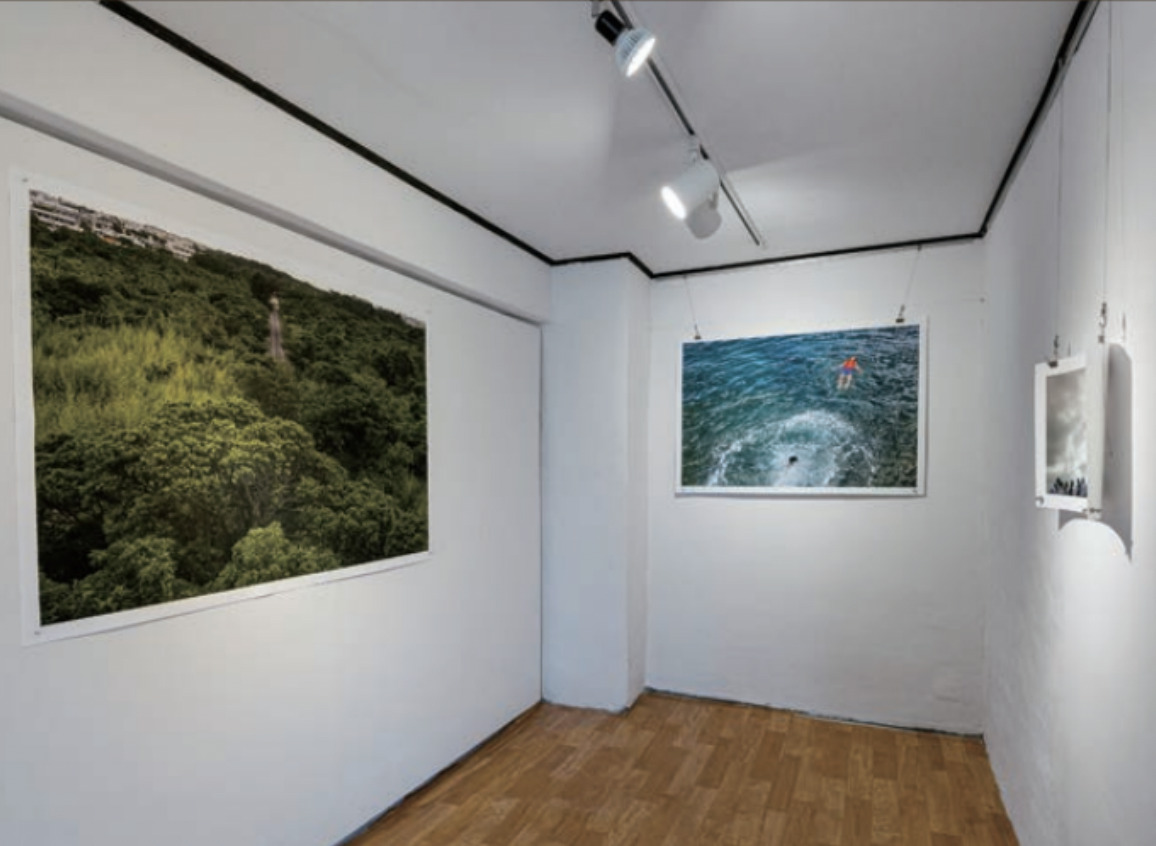
Installation view of 《From the Outer to the Inner》 (Youngjumansion, 2024) © Youngjumansion

The exhibition took place at Youngjumansion, an art space transformed from a private residence, characterized by the intersection of inside and outside. Within this context, the artist’s photographs evoke a heightened awareness of movement and boundaries, inviting viewers to reconsider the relationship between exterior and interior spaces.


Installation view of 《From the Outer to the Inner》 (Youngjumansion, 2024) © Youngjumansion

In this way, Kwon Hahyung’s practice continues to take root along a trajectory that begins from the “outside” and moves inward. Whether her gaze is directed outward or inward, her photographs consistently carry a sense of sincerity.
 
For this reason, although the subjects in her work often center on fleeting moments and disappearing presences, they are conveyed through the artist’s lens of sincerity and come to settle anew within the viewer’s memory and emotions.

"I am interested in things that inevitably pass, that disappear as if it were only natural. I try to spend time grappling with time itself—something that cannot be held." (Kwon Hahyung, Artist’s Note)


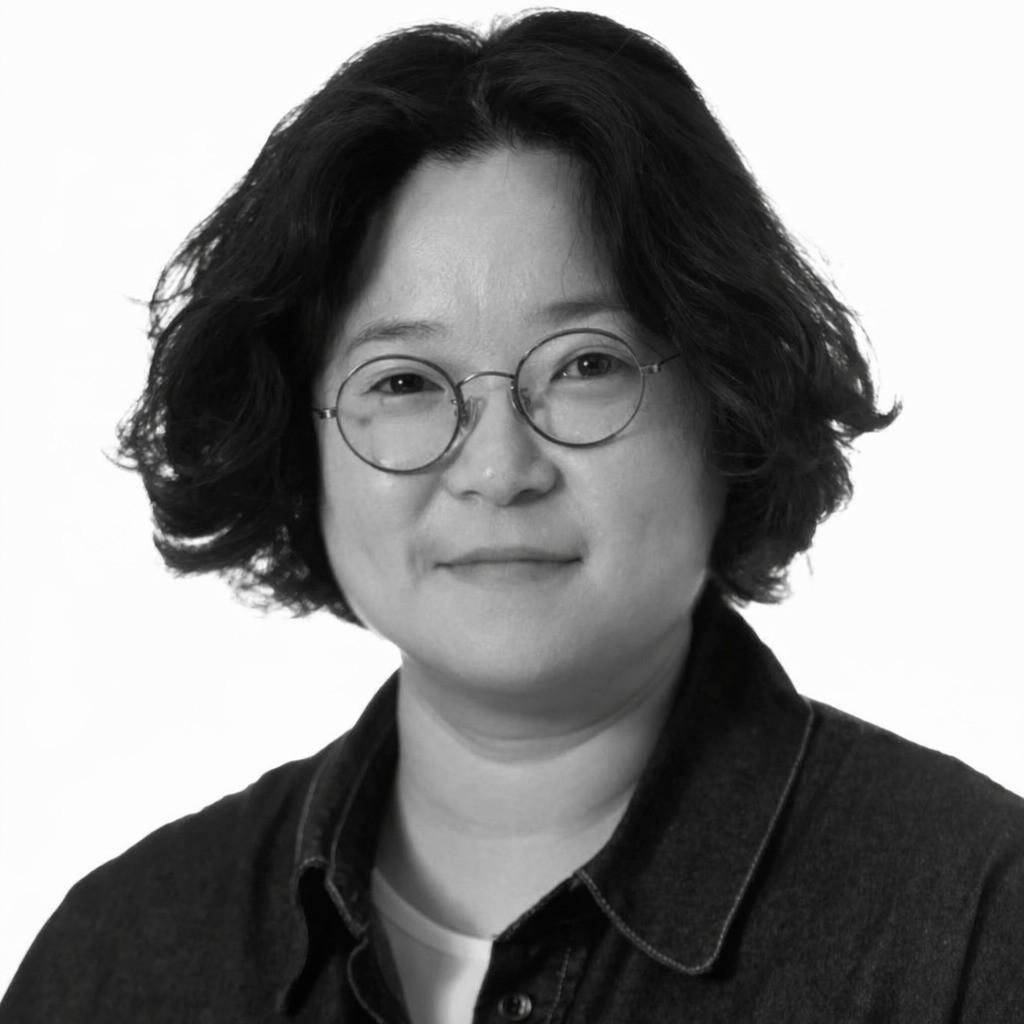
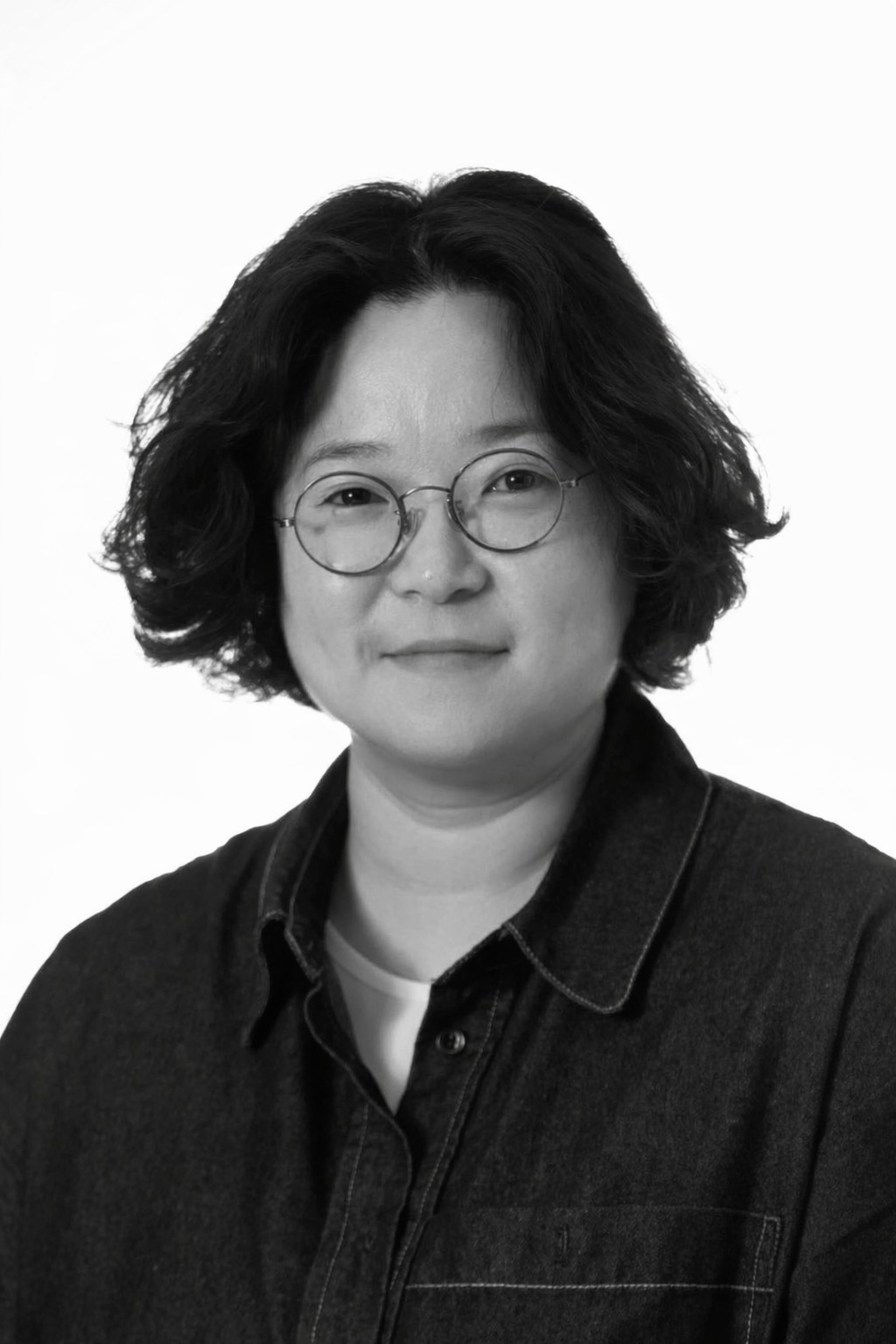
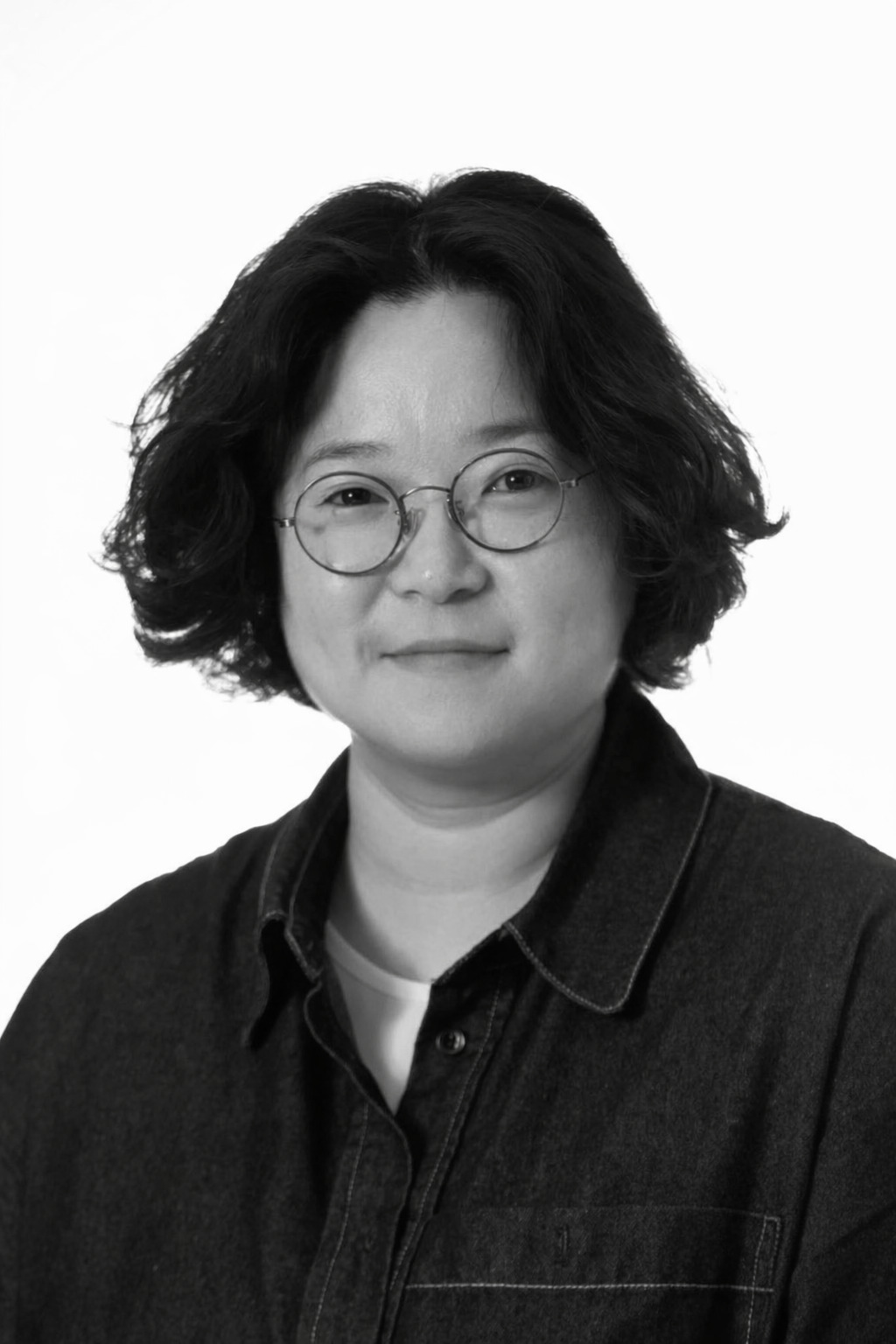
Artist Kwon Hahyung © Busan International Photo Festival

Kwon Hahyung graduated from the Department of Photography at Sangmyung University. Her solo exhibitions include 《From the Outer to the Inner》 (Youngjumansion, Busan, 2024) and 《Between Summers》 (Rouge Camp, Changwon, 2019).
 
She has also participated in numerous group exhibitions, including 《Non-camera Research: Color of Yeongdo》 (Saemo, Busan, 2025); Busan International Photo Festival 2025: International Young Artist Exchange Exhibition – 《Under the Skin; Heat and Membrane》 (IlsanSuji, Busan, 2025); 《By Human》 (Daegu Art Factory, Daegu, 2024); 《Room Without Night》 (Space Heem, Busan, 2022); 《10100》 (KT&G Sangsangmadang, Seoul, 2021); and 《Vision and Perspective 2020 – Stranger in Strange Land》 (Busan Museum of Art, Busan, 2020).

References