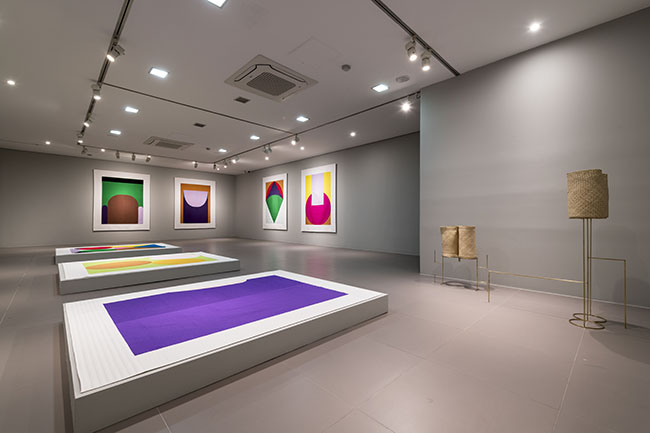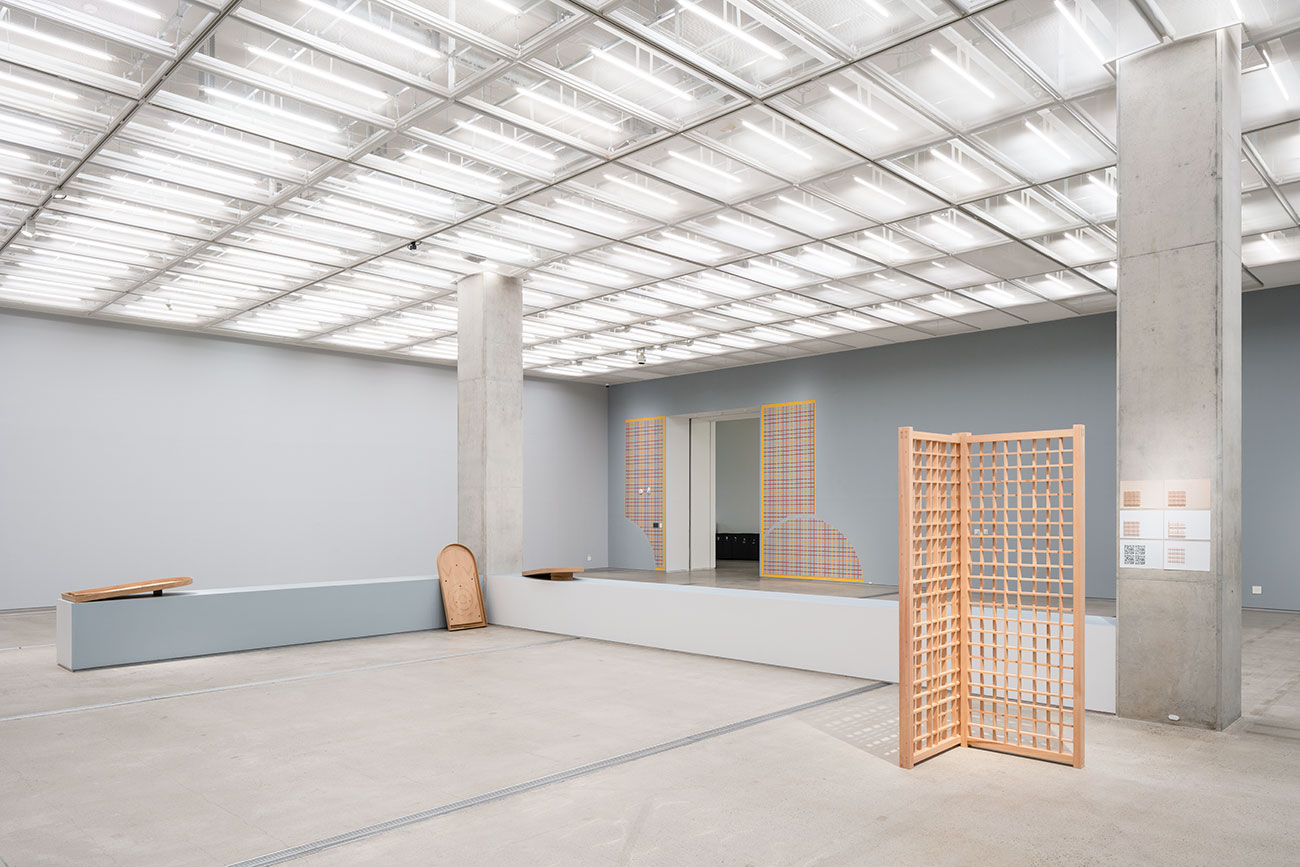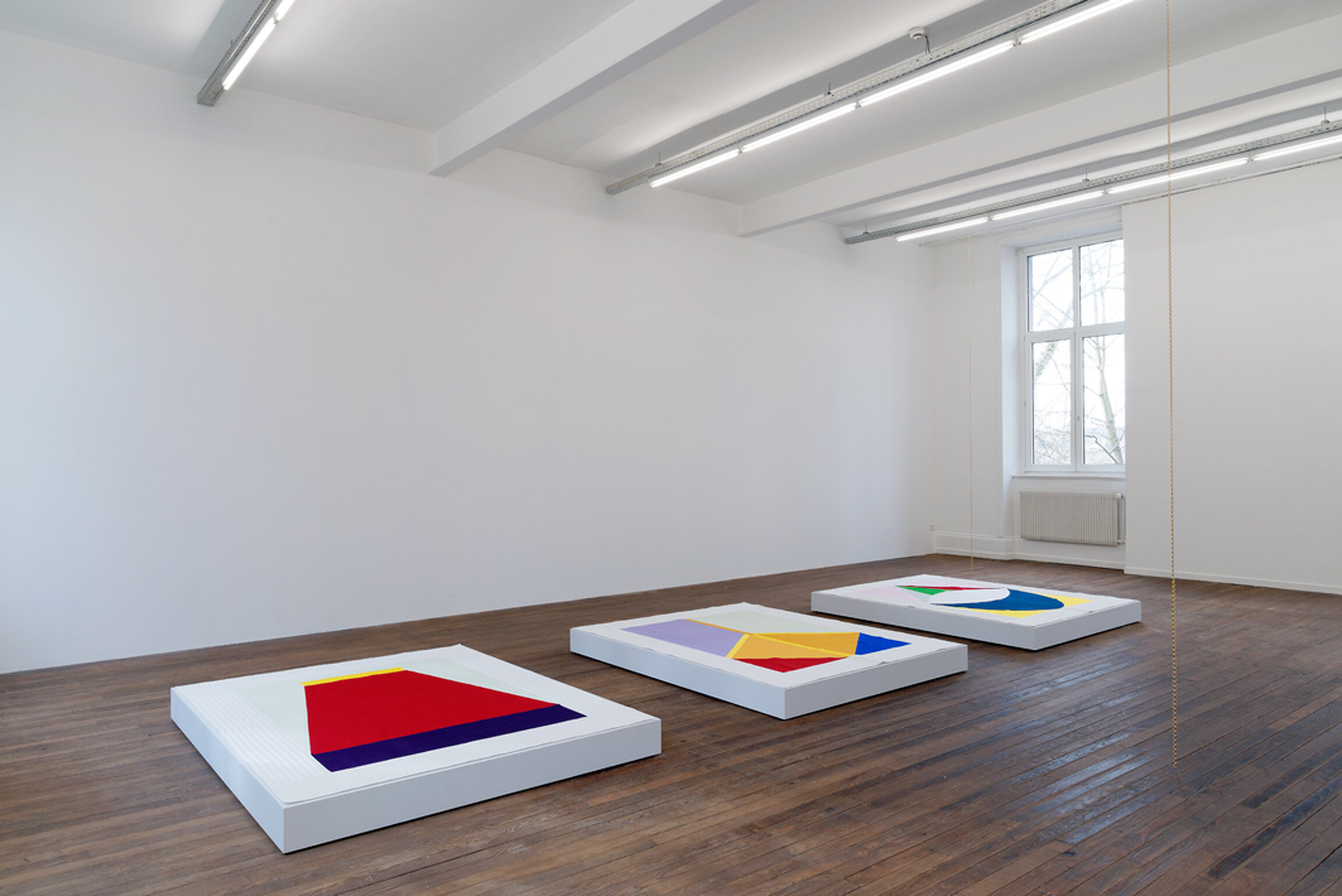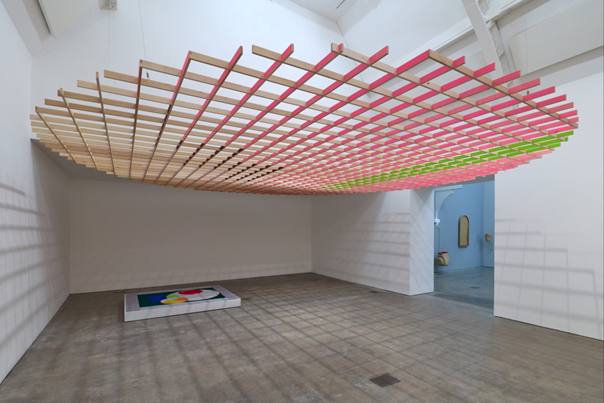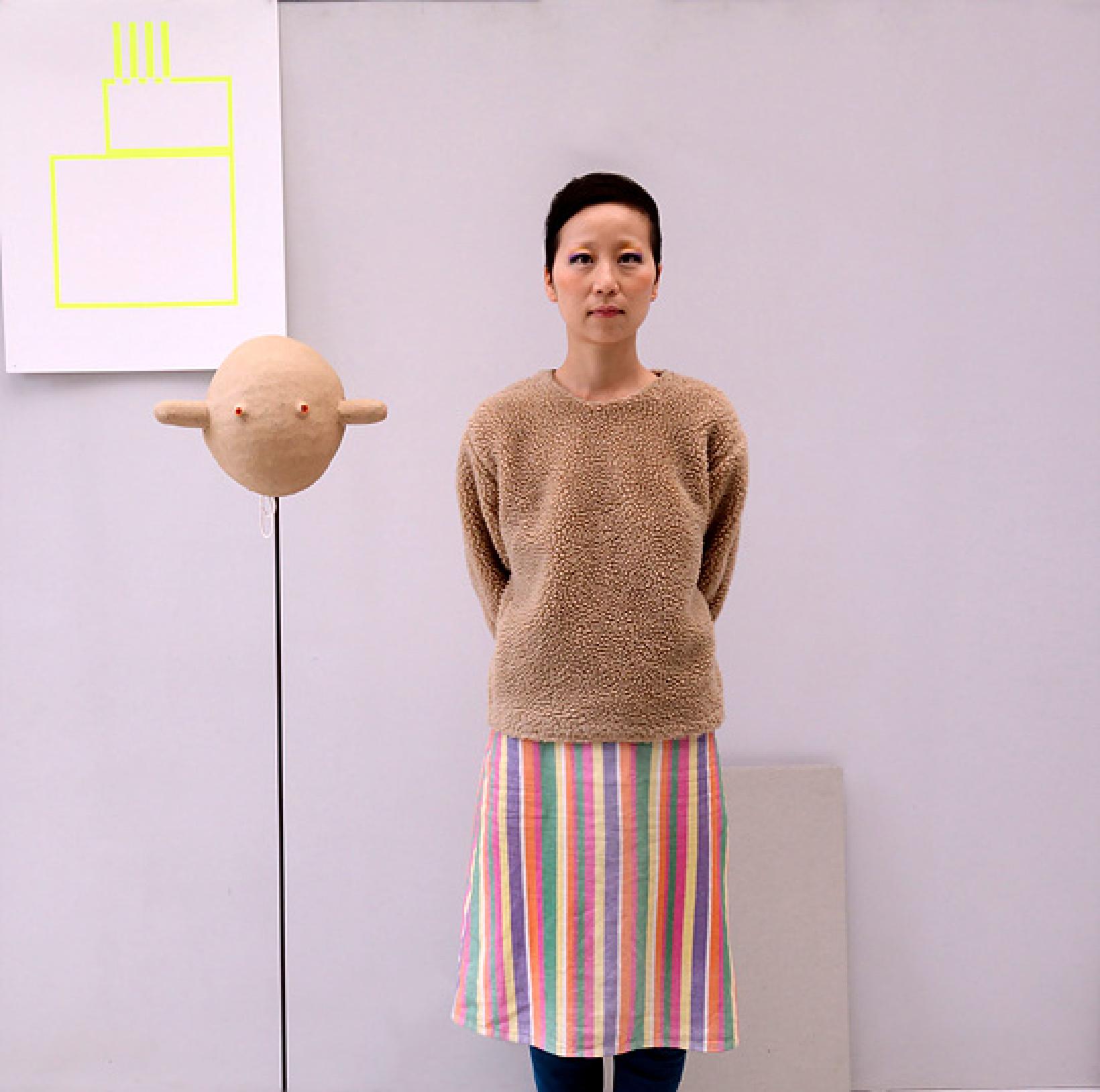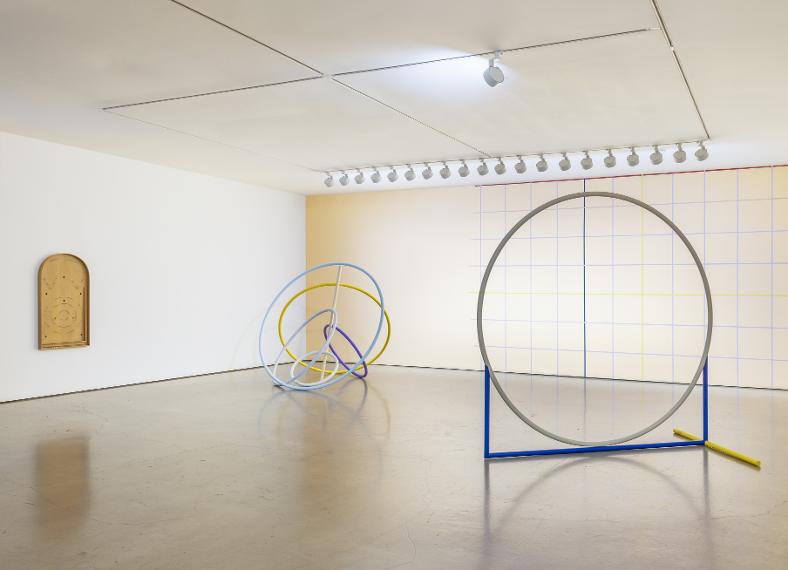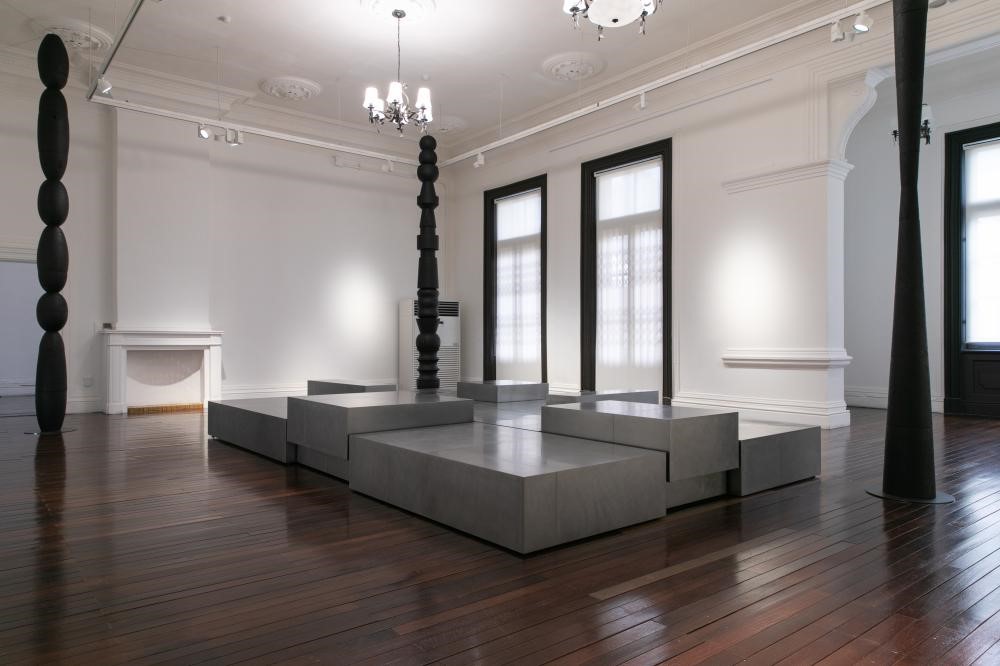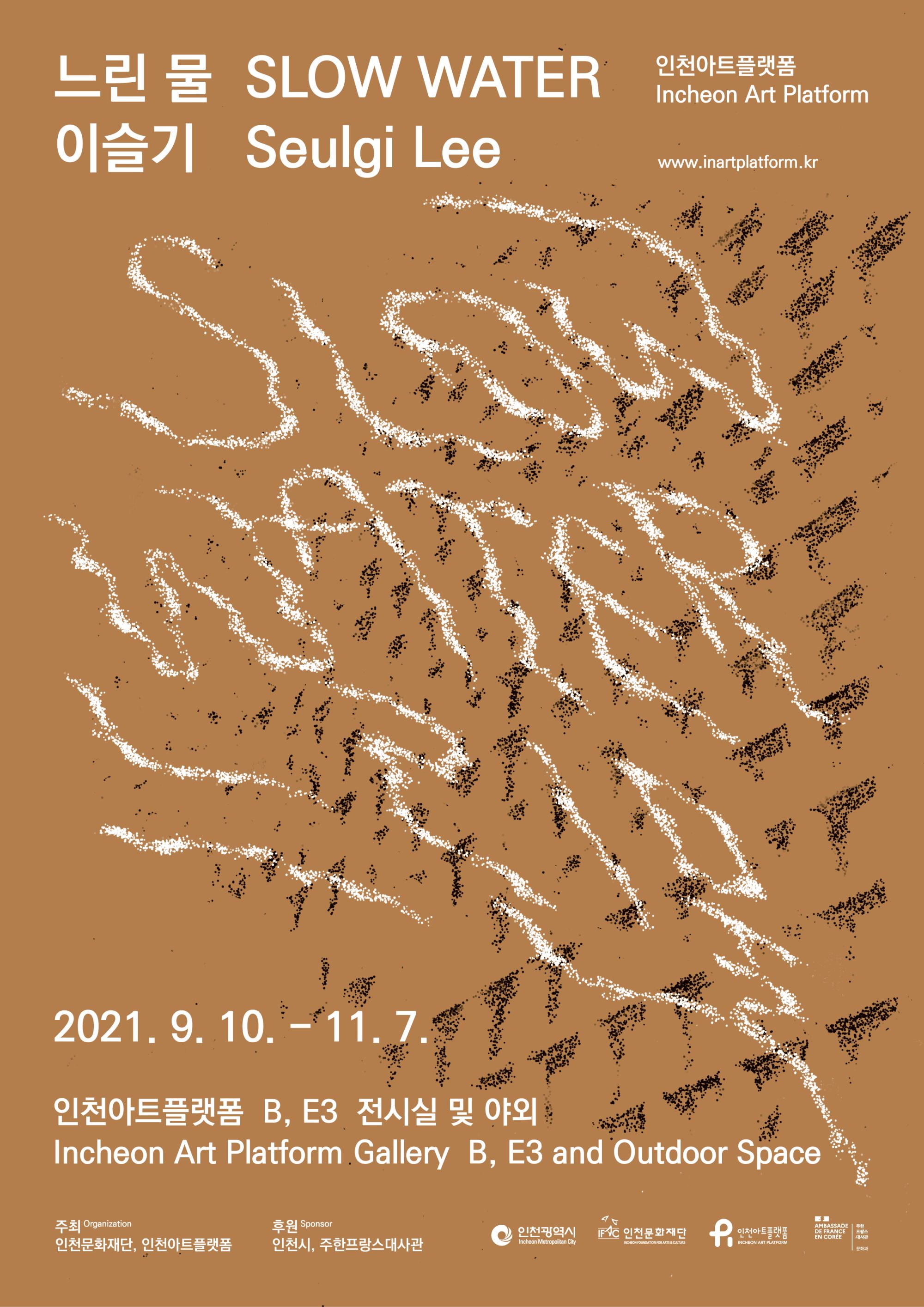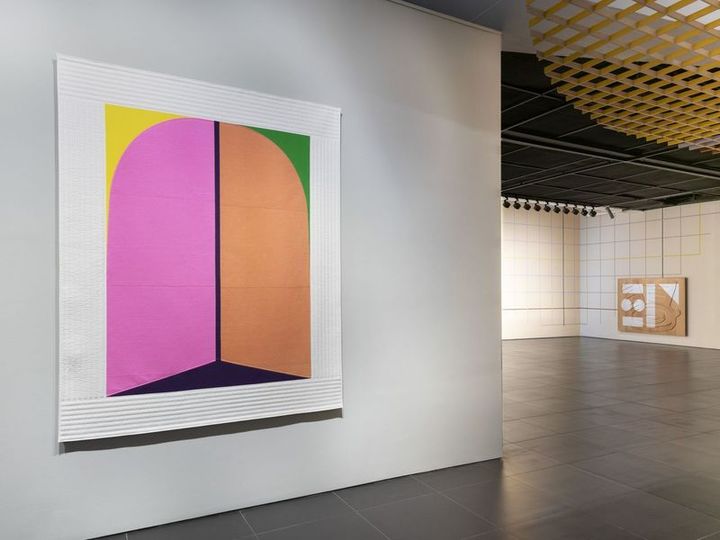
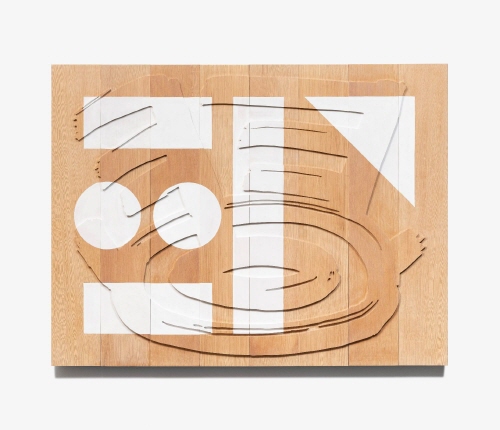
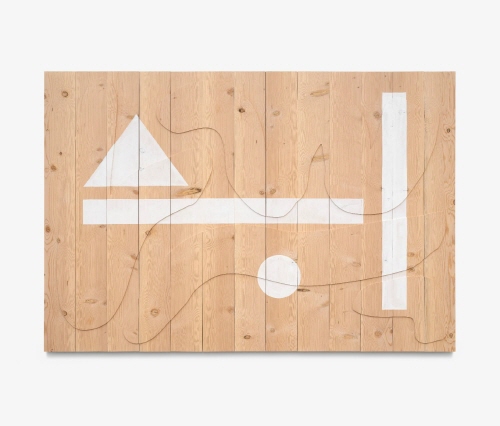
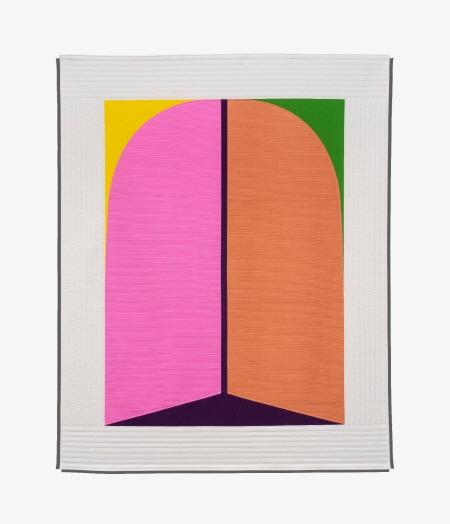
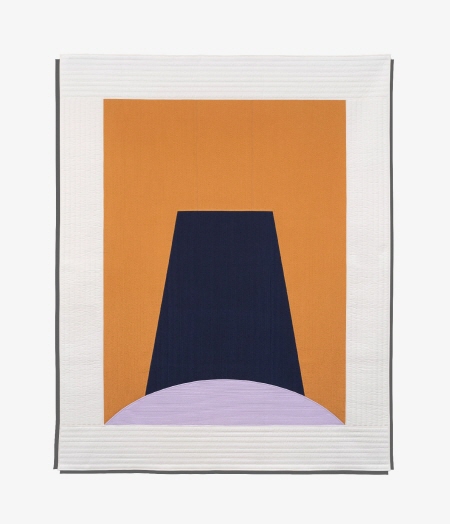
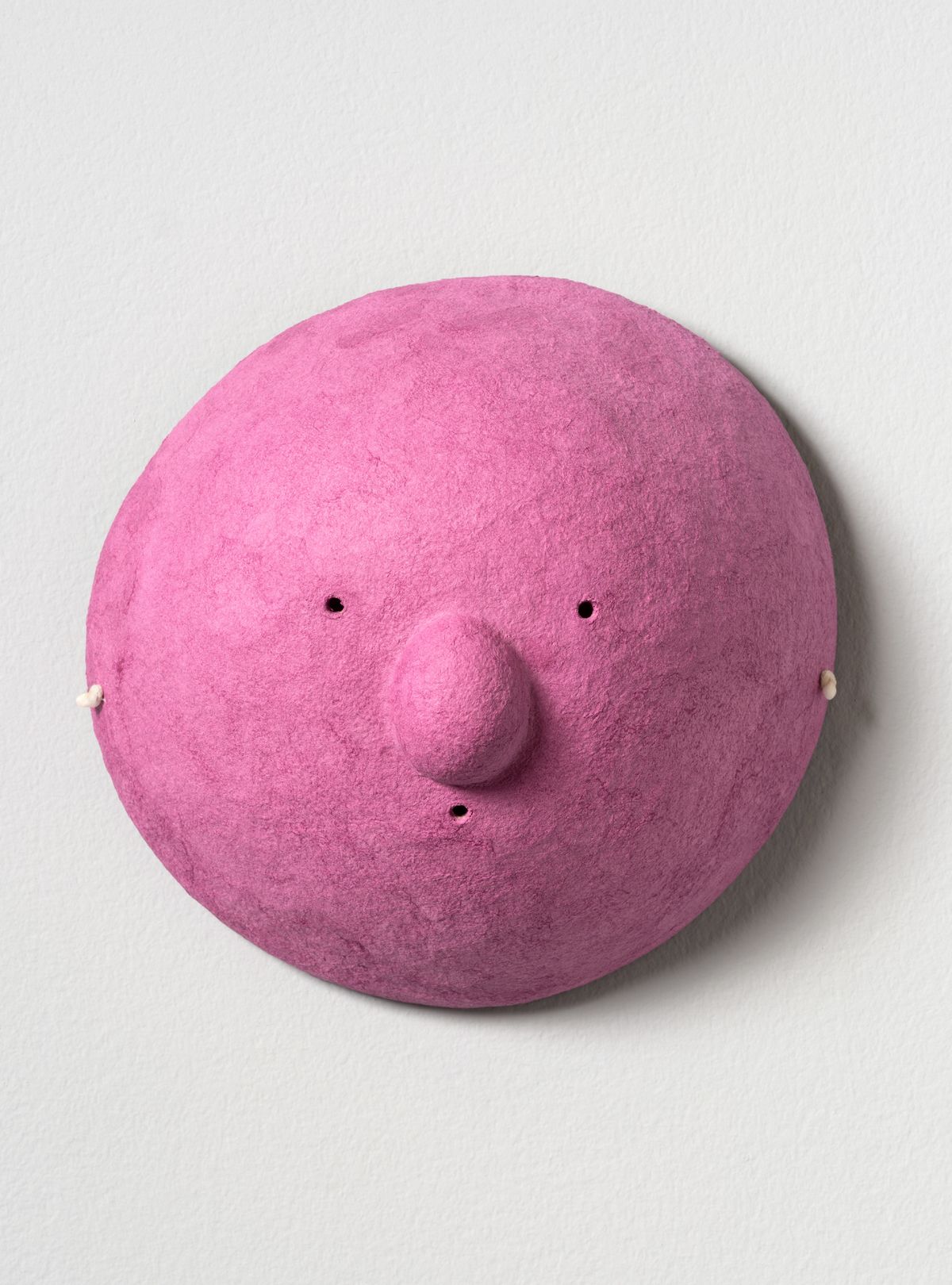
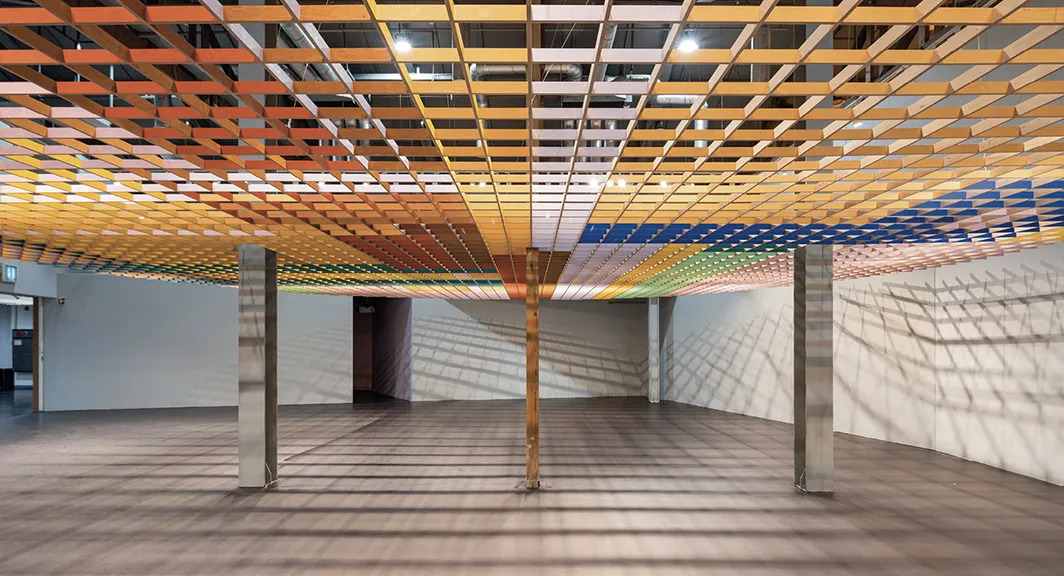
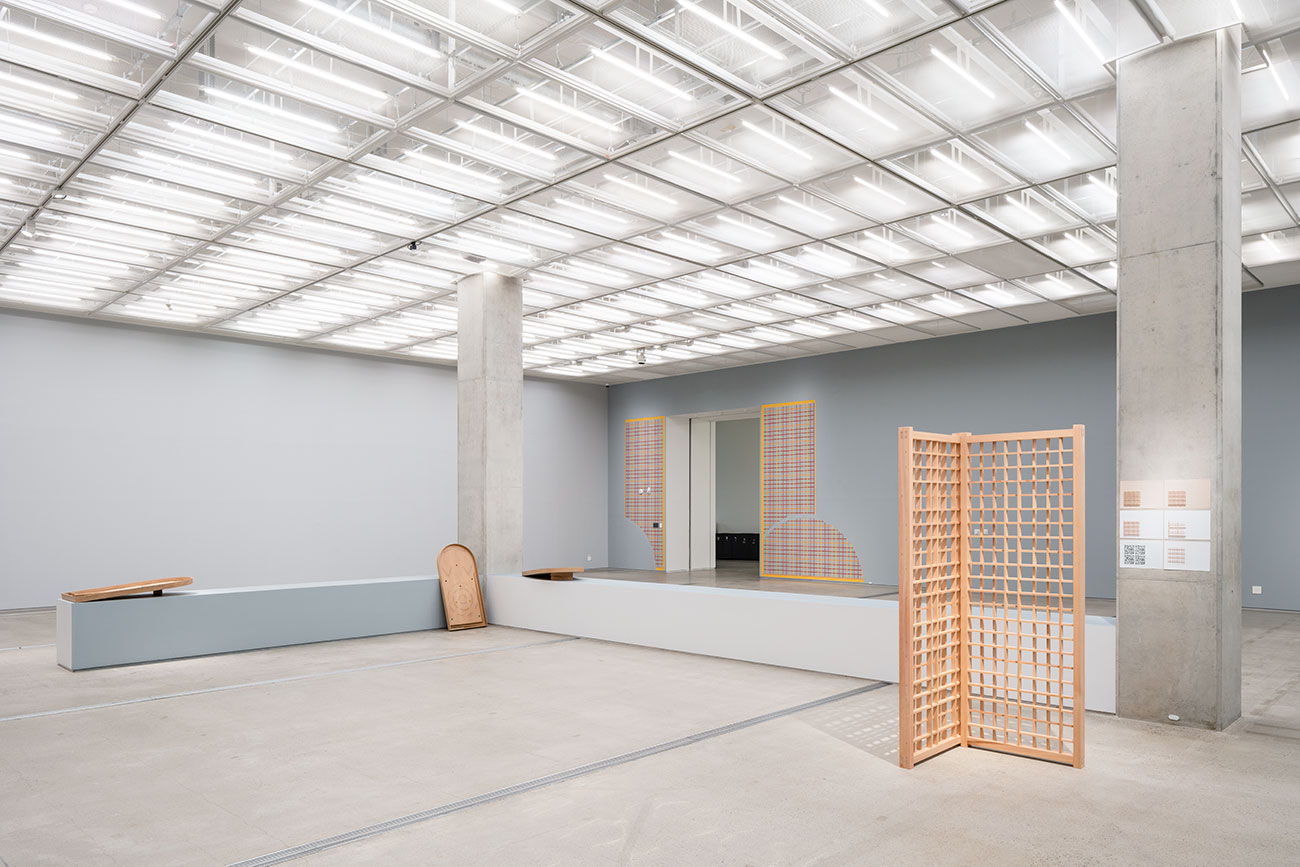
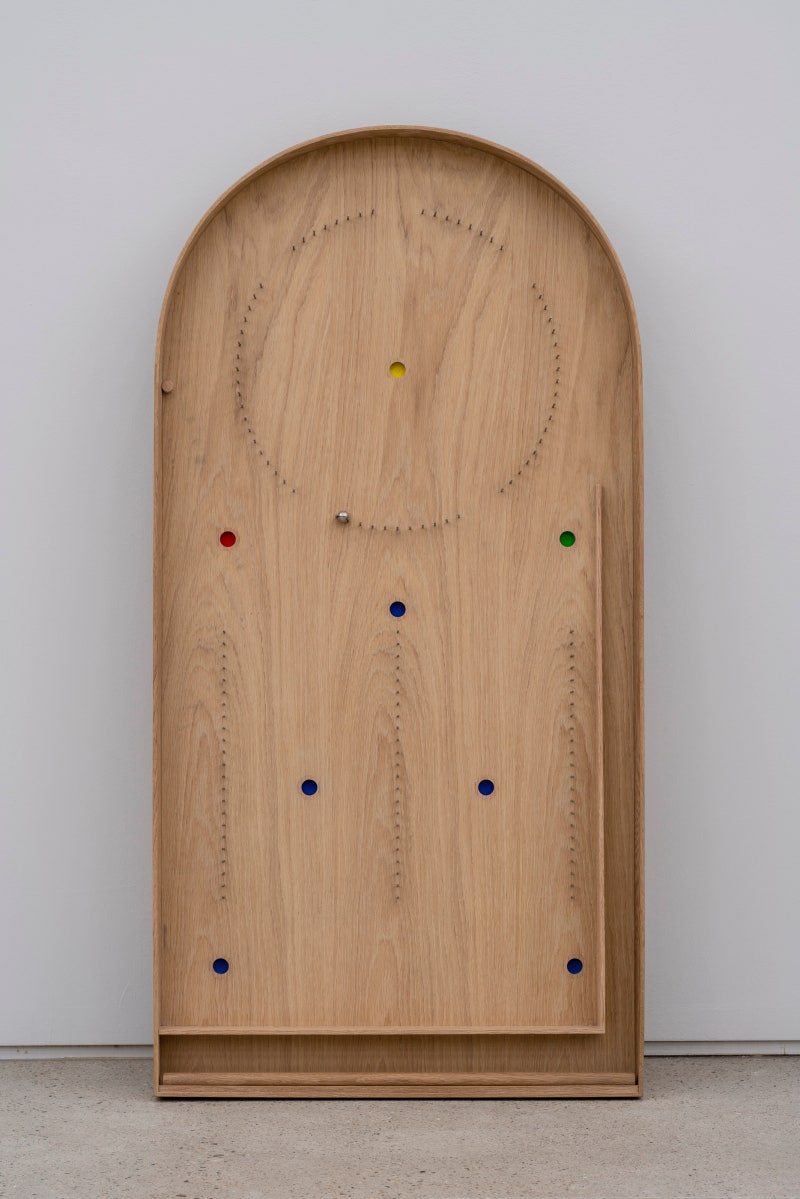
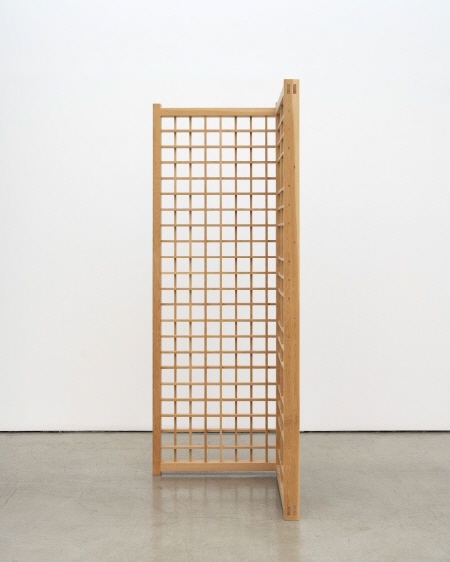
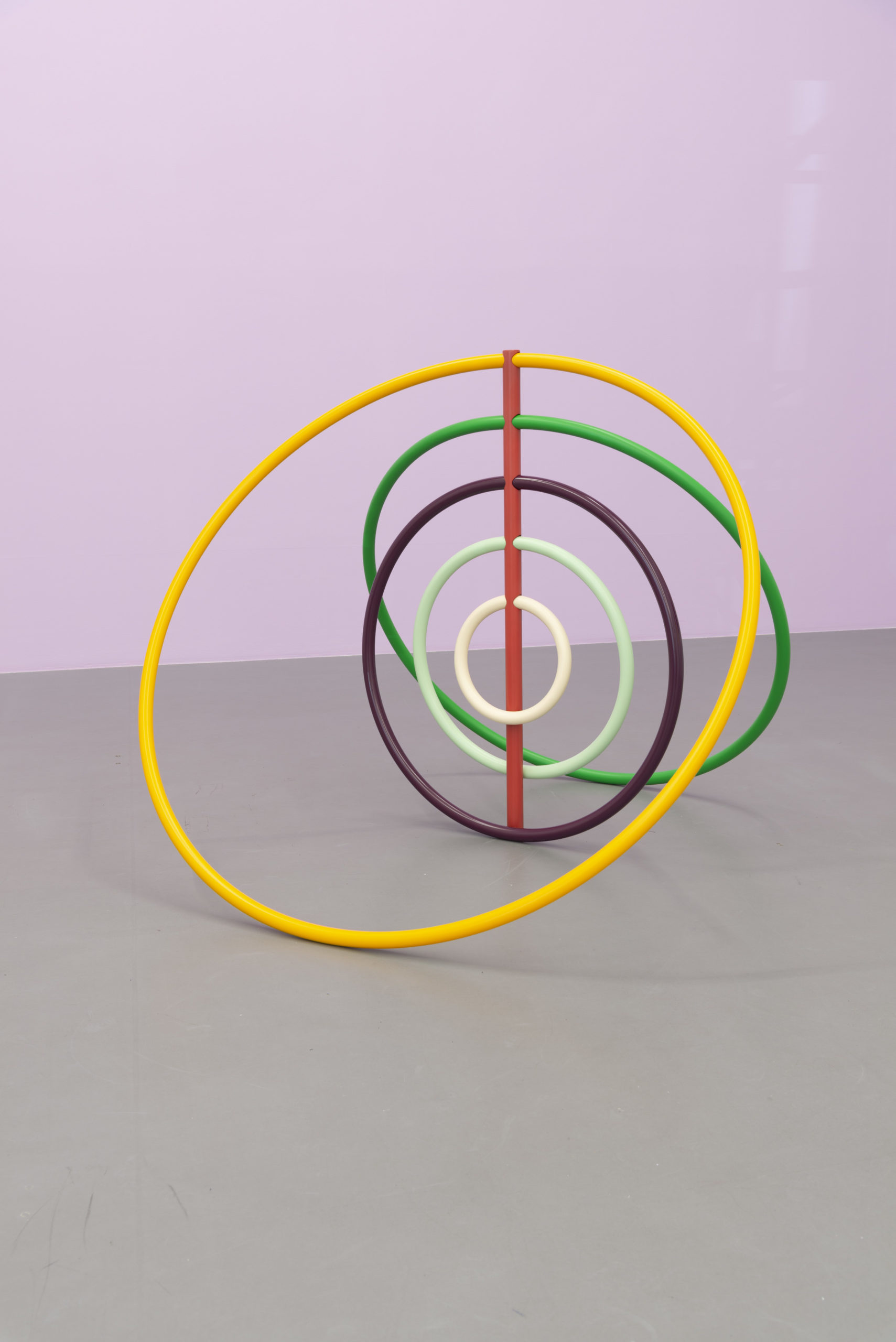
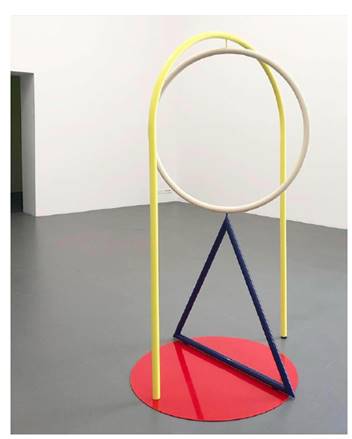
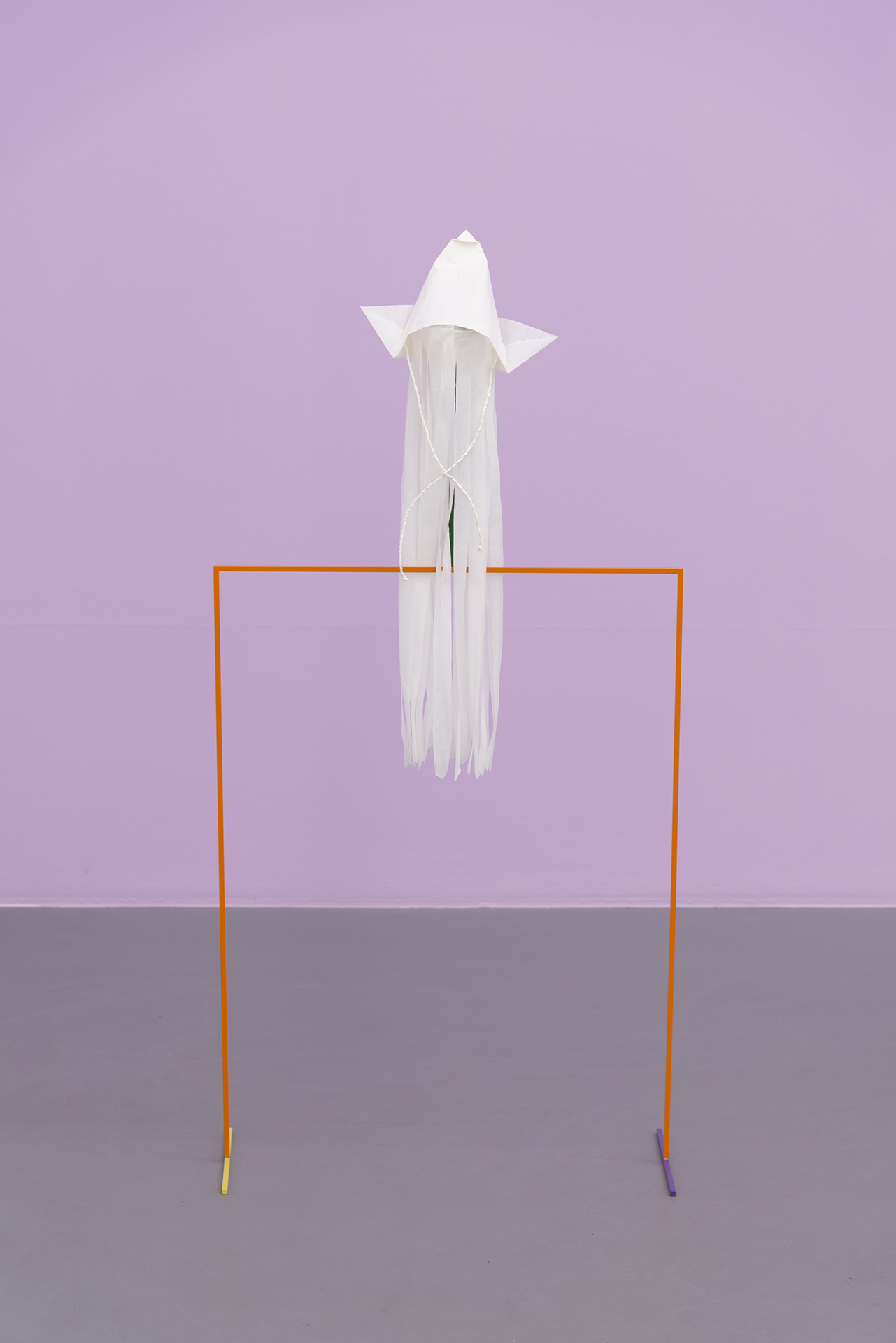
Installation view of 《Anti-Narcisse》 © CRAC Alsace

How can one observe something from the point of view of the thing being observed?

‘Anti-Narcisse’—from which the exhibition borrows its title—is a book that, despite being extensively imagined by its potential “author,” the Brazilian anthropologist Eduardo Viveiros de Castro, ultimately never came into existence. This imaginary work would have aimed to answer the following question: what does anthropology conceptually owe to the peoples it studies? Viveiros de Castro addresses this question by writing about this invisible book “as if others had written it,” and by publishing Cannibal Metaphysics.

In doing so, he proposes an anthropological theory-practice that operates not through the traditional conceptual tools of Western thought, but through those of the peoples being studied. At the center of Western thought stands Narcissus, “who, by constantly looking at himself in the Other—by always seeing the Same in the Other, by claiming that beneath the mask of the Other it is ‘we’ who contemplate ourselves—ends up (…) being interested only in what interests us, namely ourselves.”

By contrast, to practice anthropology through the styles of thought of a given milieu is to replace the relationship between a knowing subject (such as the ethnographer) and a known object (a people), with a relationship between two subjects producing knowledge. It involves asking “objects” what they think and thinking from their perspectives. The object of study becomes once again a subject—one through which we transform our own modes of thought in order to access its reality.

Viveiros de Castro works with Amazonian thought, from which emerge the concepts of multinaturalism and Amerindian perspectivism. These concepts overturn the Western nature-culture model that posits a single nature and multiple cultures. In contrast, Amazonian thought suggests that all beings share a common “cultural” humanity, which can take on different “natural” forms. One culture, multiple natures. One humanity, multiple bodies. This humanity is capable of transformation, adopting multiple human and non-human forms and their respective perspectives. Multiculturalism and its limitations thus give way to multinaturalism and perspectivism.

Perspectivism is practical—and extends far beyond anthropology. Let us imagine displacing it into the field of art. Imagine an exhibition that redistributes the relationships between viewer, artwork, and artist—between subject and object; an exhibition in which viewers no longer see artworks as objects in which they seek to recognize themselves, but as forms of thought produced by artists, whose multiple perspectives they attempt to inhabit. Imagine that artists themselves no longer produce objects, but rather generative forms, borrowing their dispositifs and conceptual frameworks from the environments through which these works take shape and speak, as if conceived by others.

This exhibition says nothing directly about the invisible book, the visible book, perspectivism, or anthropology—but it breathes the same air. The artists, authors, and contributors involved may not be familiar with these texts, yet they practice the exchange of perspectives and the absorption of viewpoints. They produce a form of writing that is in transformation, equivocal, and without fixed identity. They work toward the expansion of reality.

References