Exhibitions
《The Scrap 2018》, 2018.06.09 - 2018.06.13, Culture Station Seoul 284
June 07, 2018
Culture Station Seoul 284

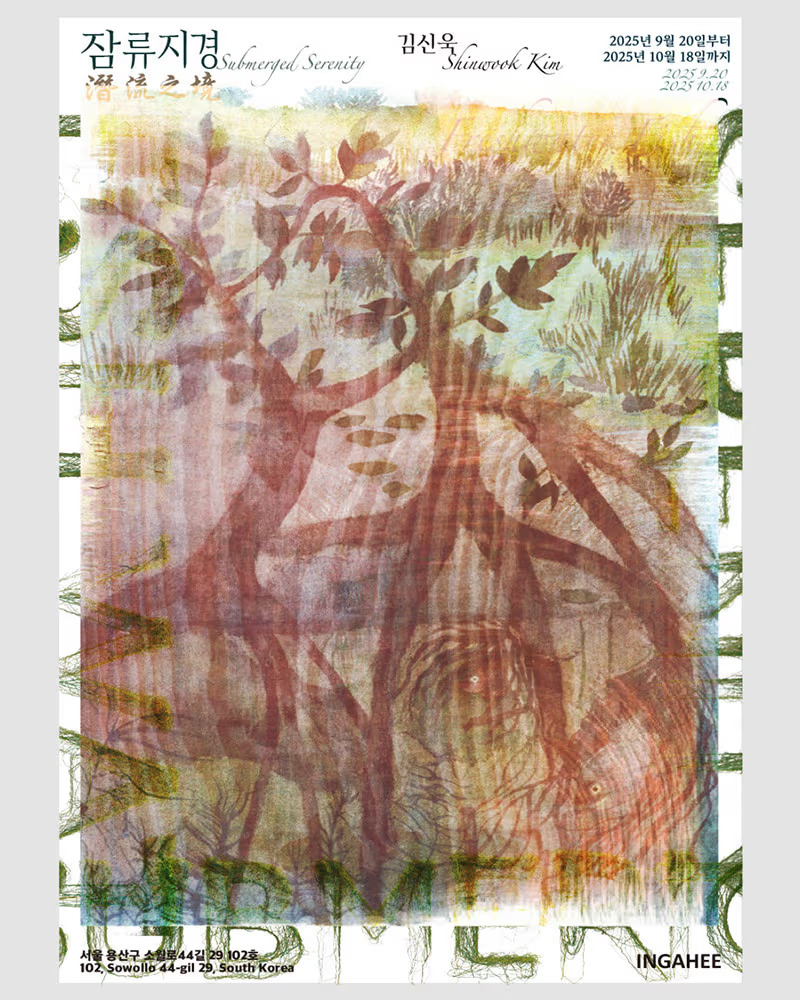
Poster image of 《The Scrap 2018》 © The Scrap
《The Scrap》 started with the questions stemmed from uncertainties each had towards the existing exhibition/sales of photography.
- Where and in what ways are photographs sold?
- What are photographs that are distributed within the market?
- What does it mean to devise a new sales model?
- What does it mean to attempt at a new exhibition/sales platform conceived by the young artists themselves?
The last two years of 《The Scrap》 were a quest to find answers to these questions, allowing us to engage in experiences both big and small.
1. The first year of The Scrap recorded 1,546 visitors and 5,315 photographs sold.
2. The second year of The Scrap recorded 2,076 visitors and 7,495 photographs sold.
3. New channels of audience participation were explored, ones which broke away from existing structures of distribution and sales
4. By selling photographs in sets of five or ten, The Scrap offered a new experience of allowing the audience to curate photographs/images according to their own standards.
5. Artists from various backgrounds allowed for a wide spectrum of photographs/images to be showcased. Within the constraints of the A4 size, each was able to offer their respective point-of-view on photographs/images.
6. There was an attempt to bring about new rules of exhibition for both the artist and the audience. This was to generate a new kind of dynamism and curiosity between the two.
7. By exhibiting photographs of the same size and printing method and allowing the audience to both view and purchase without the customary distributive constraints of ‘editions,’ we were able to construct a unique exhibition experience.
8. 《The Scrap》 was also an experiment in structures of distribution, equally distributing earnings among participating artists regardless of sales performance.
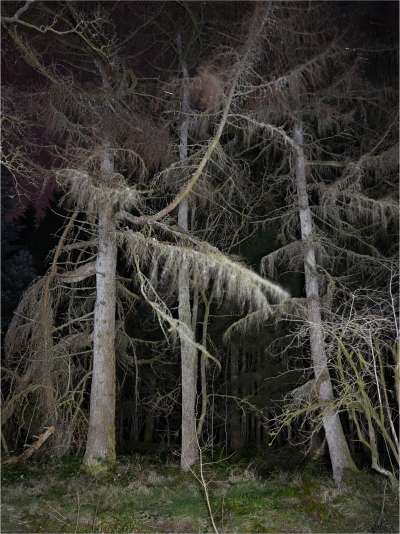
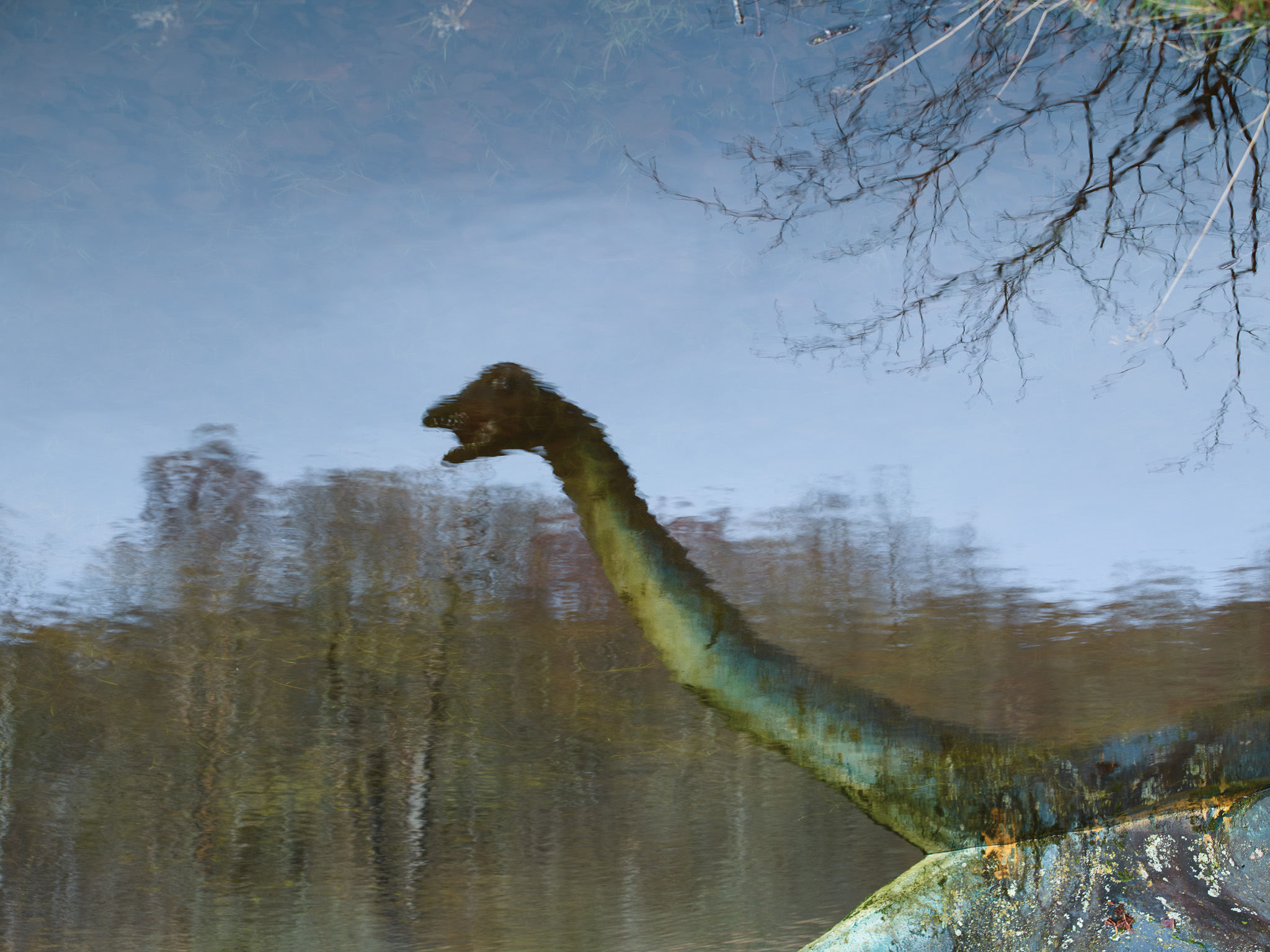
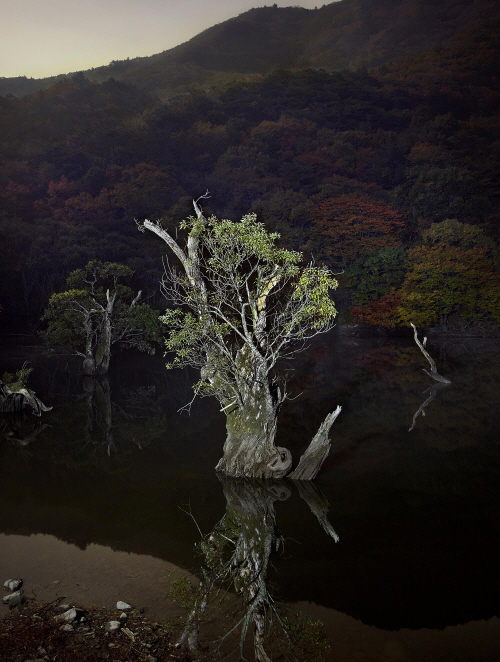
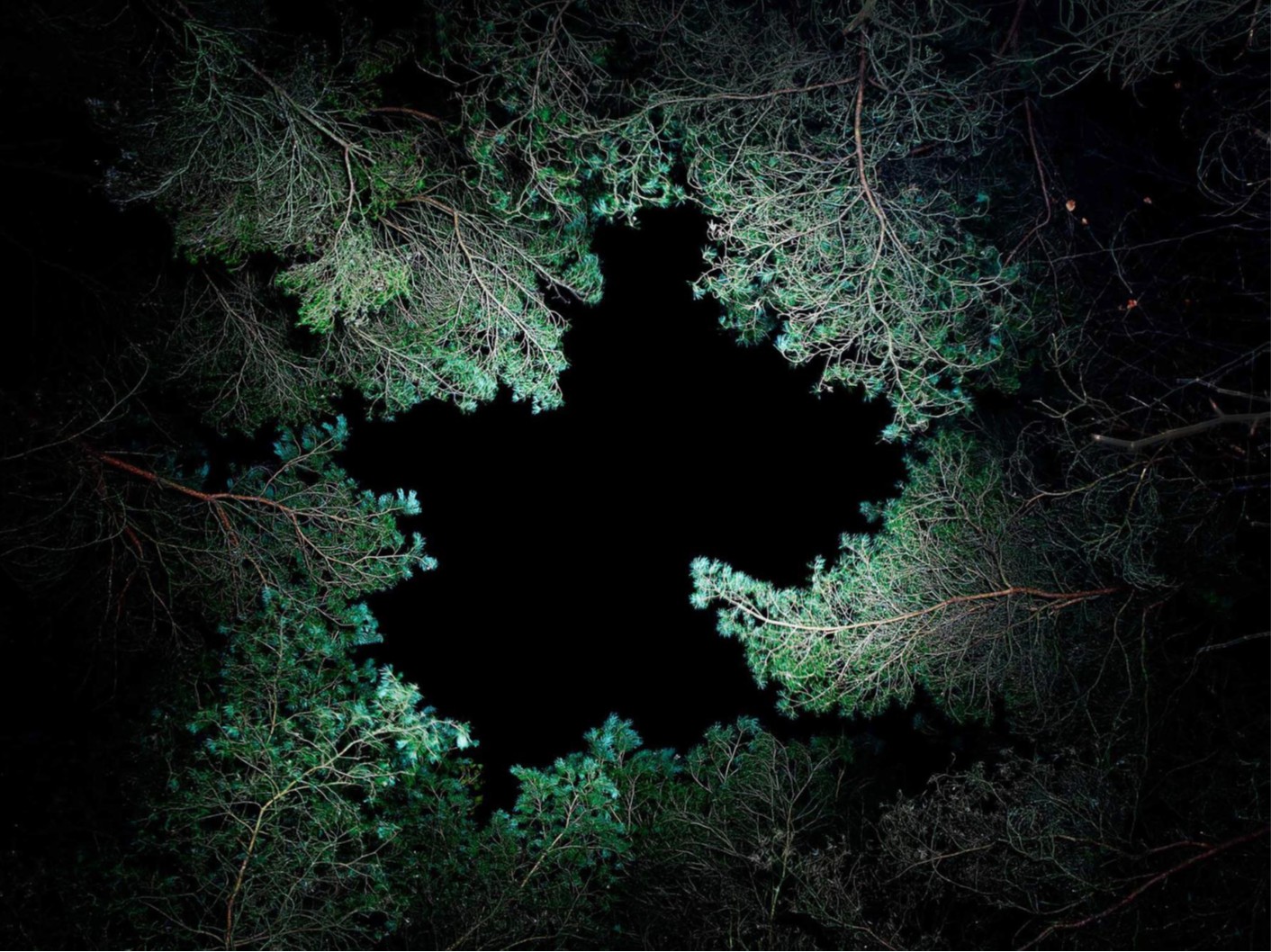
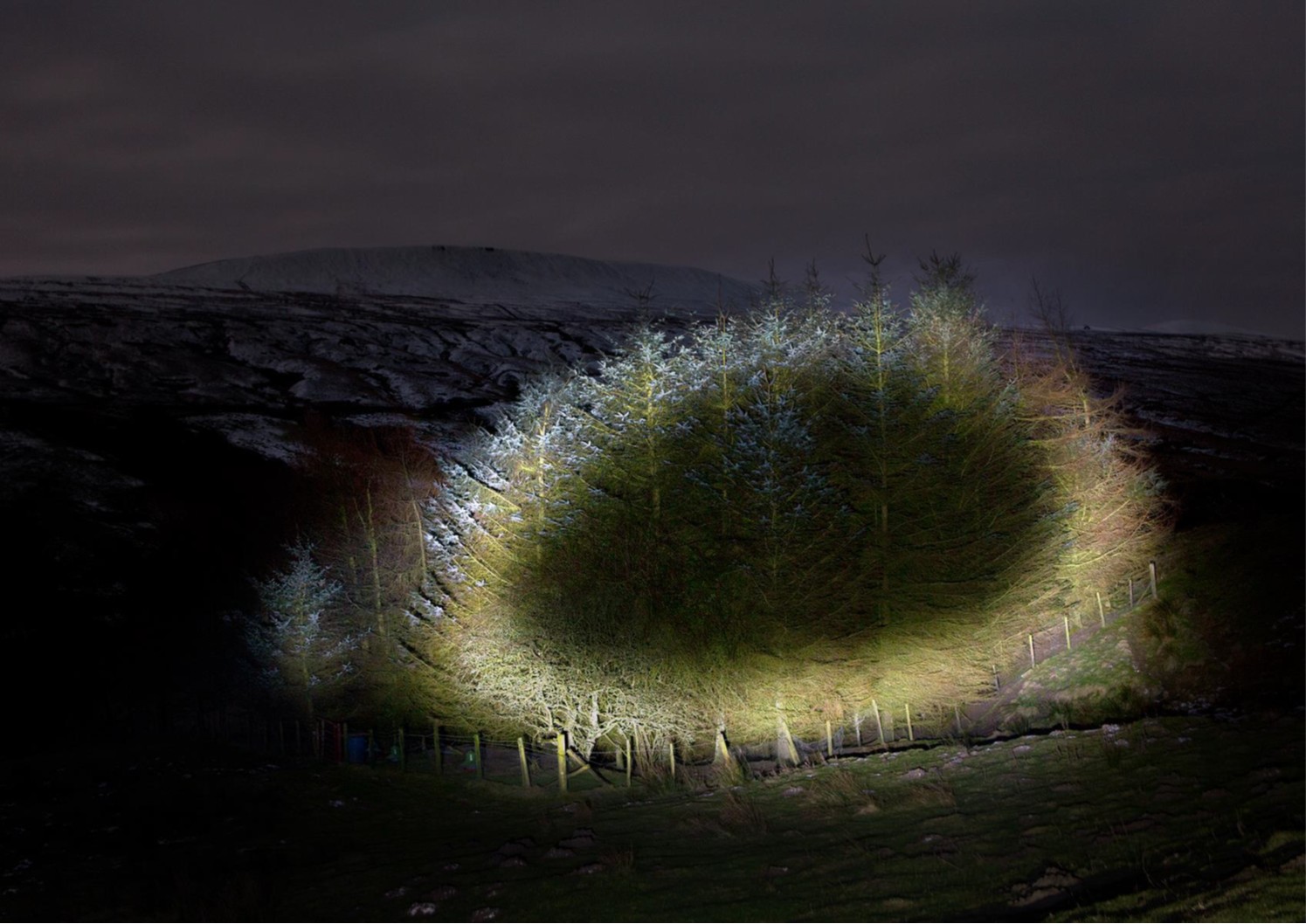
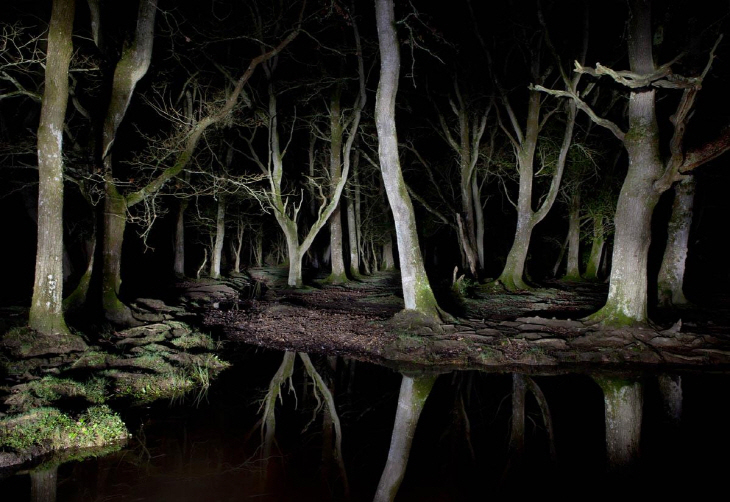
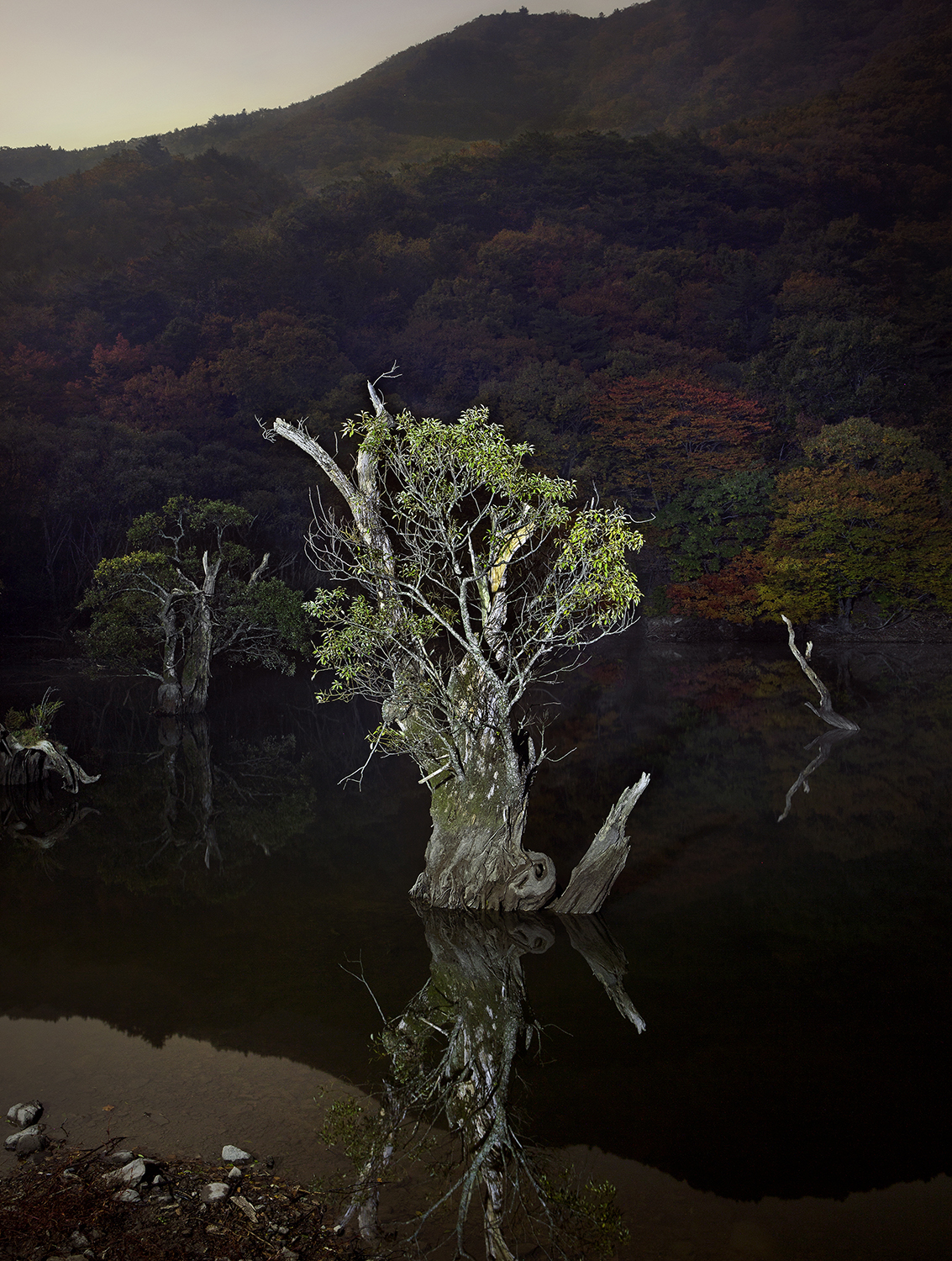
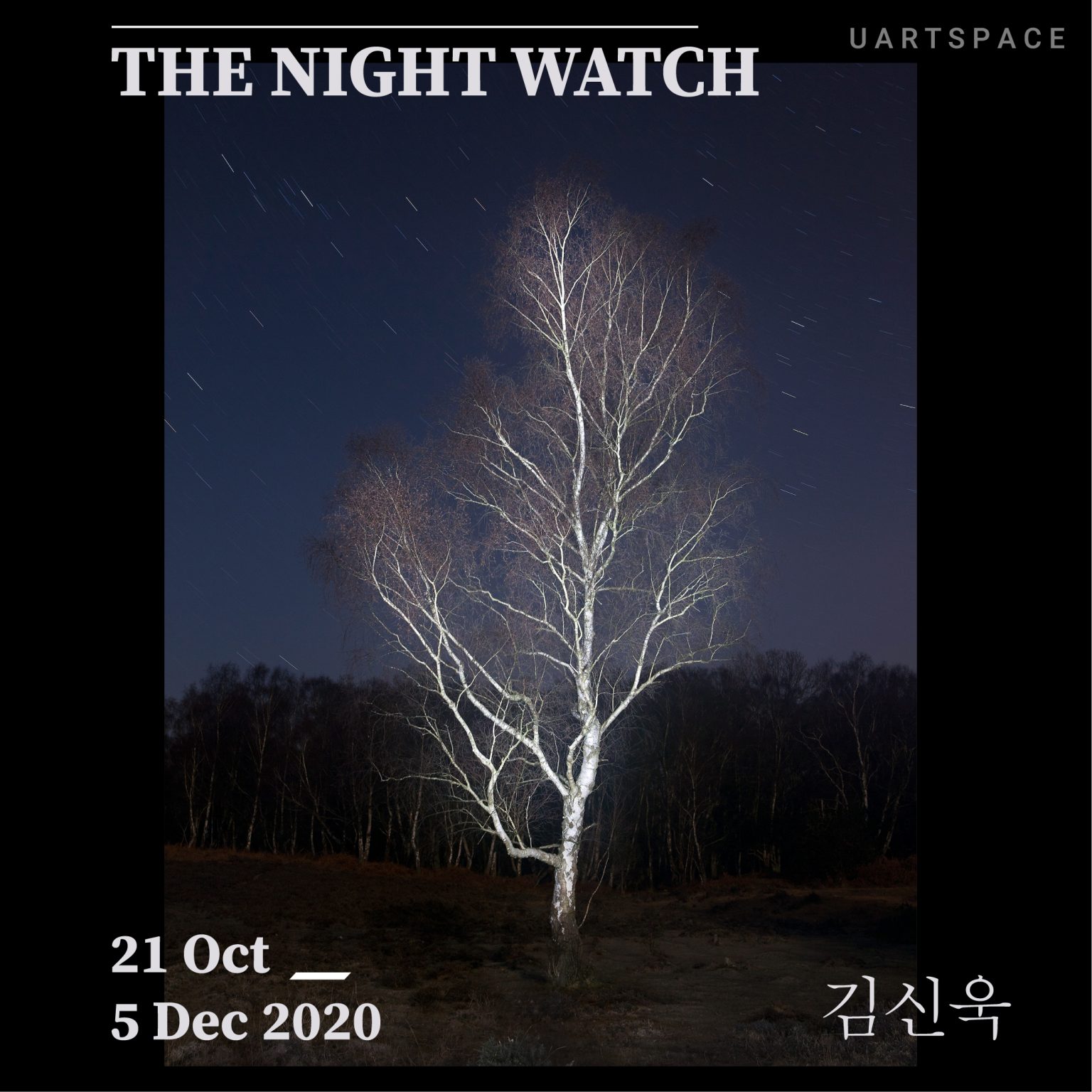
Kim Shinwook, Owl's Grove, 2016 © Kim Shinwook
In preparing for 《The Scrap 2018》
1. Providing the same interface between artists and audience, we are looking forward to see the ways in which unique experiences are made within given conditions. We are also considering whether the platform that maintains the conditions of the main interface and system will develop into a sustainable model.
2. We intend to see whether we can overlay 《The Scrap》’s exhibition experiences with new forms of exhibition experiences. We intend to install an archive room where works of the artists from the first and second runs of 《The Scrap》 can be viewed, aiming to design multi-layered hours of viewing. By building an archive, both in web and physical form, of participating artists and their works, we desire to bring about new possibilities beyond a platform of merely selling and purchasing works.
3. Opening a space to communicate the discourses and landscapes surrounding contemporary photographs/images, we desire to bring varying problems and intentions in communication, correcting the parallax that would occur.
4. We examine whether the sales profit would be of significance to the artist and aim to expand the market for works by fostering the experience of purchasing and owning works through the ease of purchase. For this reason, we chose Culture Station Seoul 284, where there much inflow of visitors, as the exhibition venue.
5. By constantly looking for artists, building relationships with them, and introducing their works, we desire to expand the ecosystem and seek positive ways in which the platform’s sustainability would generate.
《The Scrap》 we envision is one where experiences evolve into those that create new channels for the artist and audience to meet, those that allow the audience to touch and purchase photographs that contain diverse and novel attempts—it is a place where the mutual feedback of artist and audience consolidates and accumulates in one platform.