Exhibitions
《Unstable Dimension》, 2021.08.26 – 2021.09.25, P21
August 25, 2021
P21
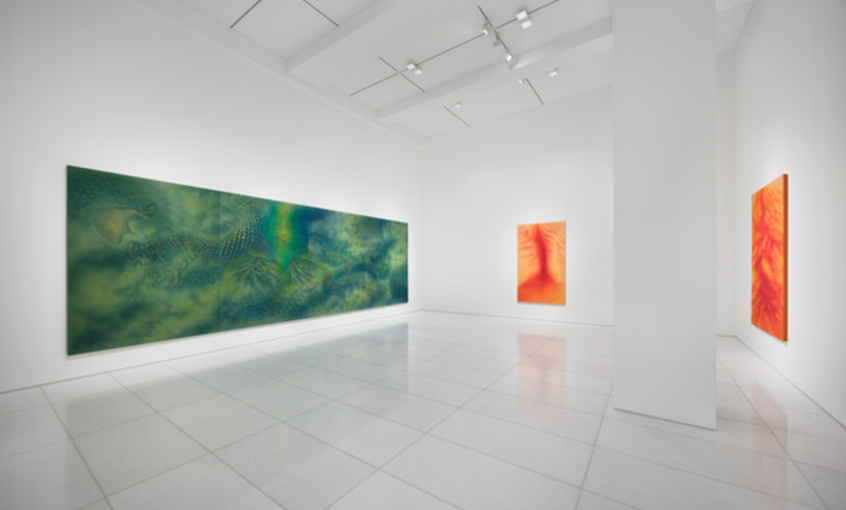
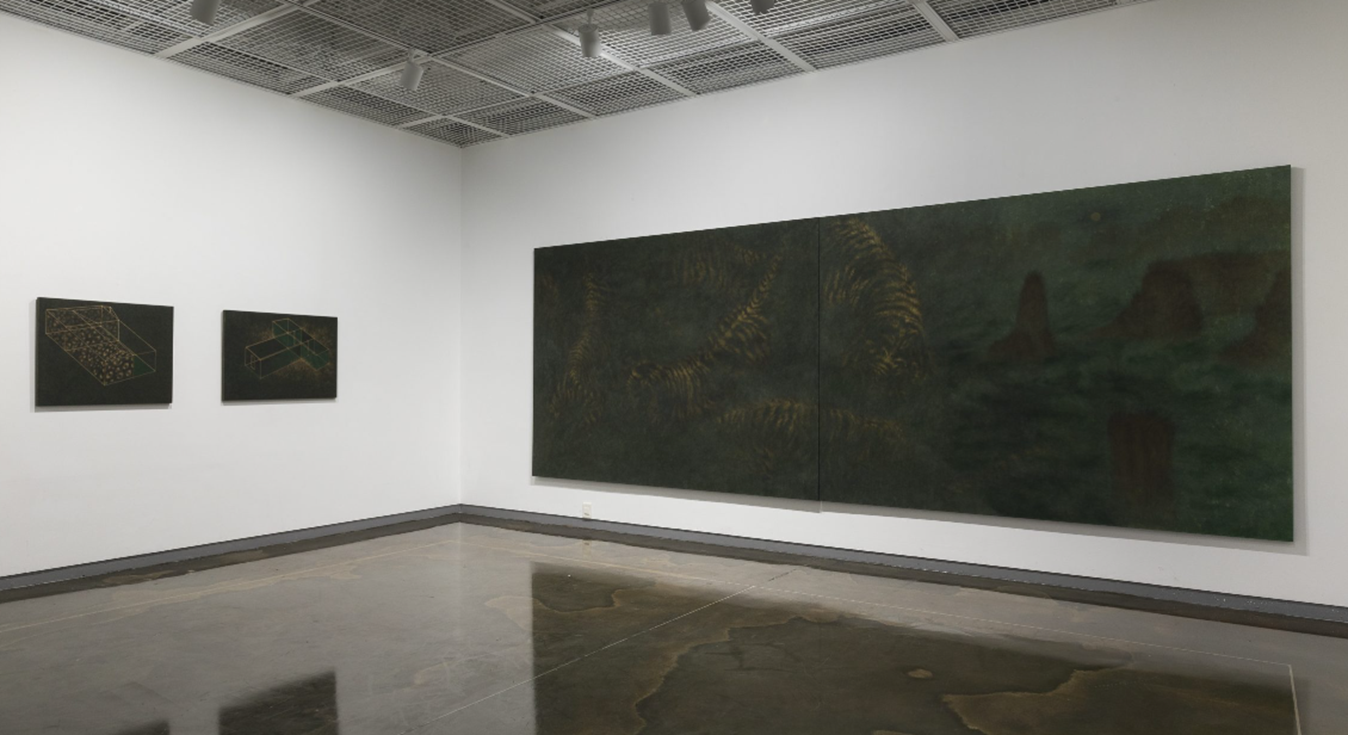
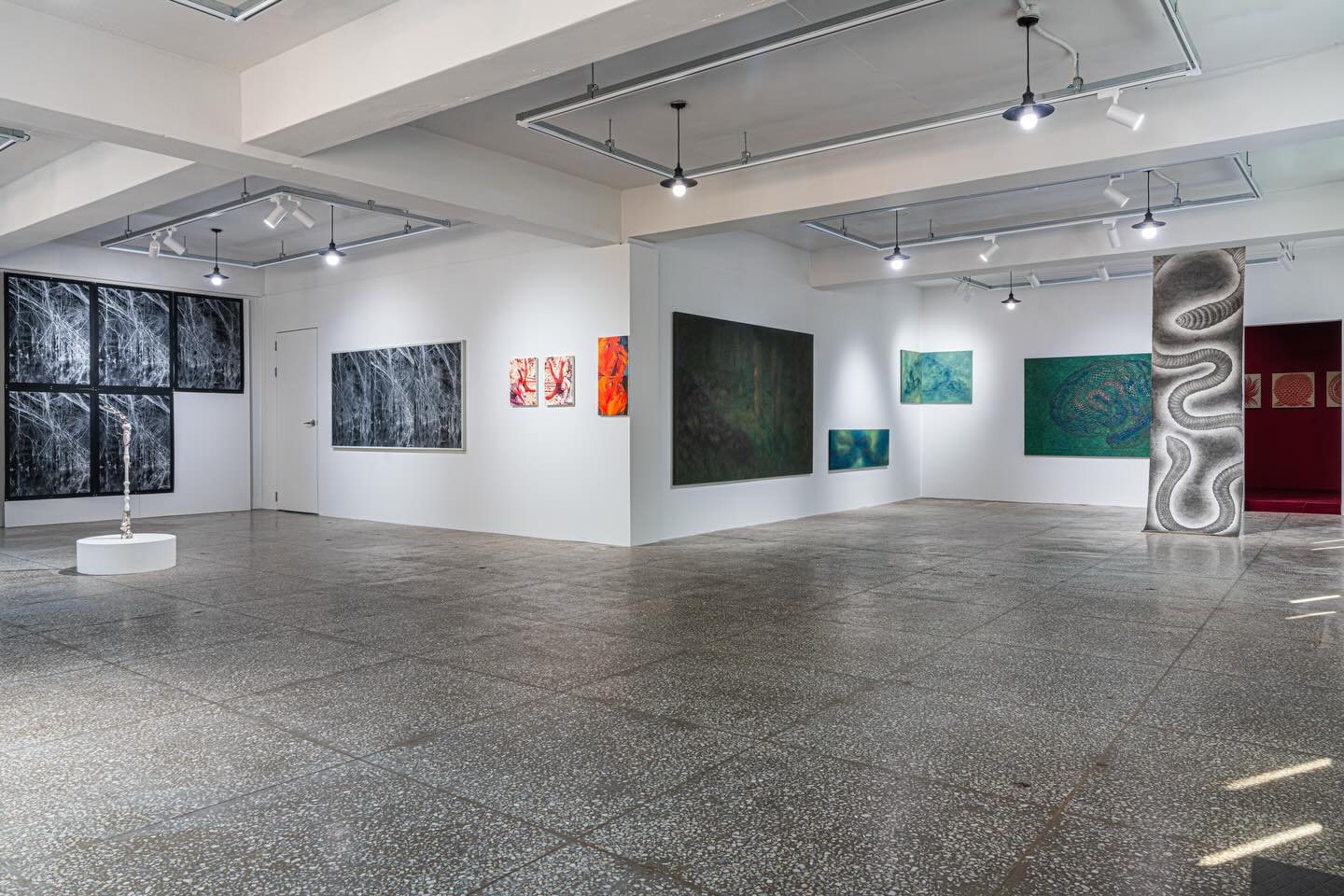
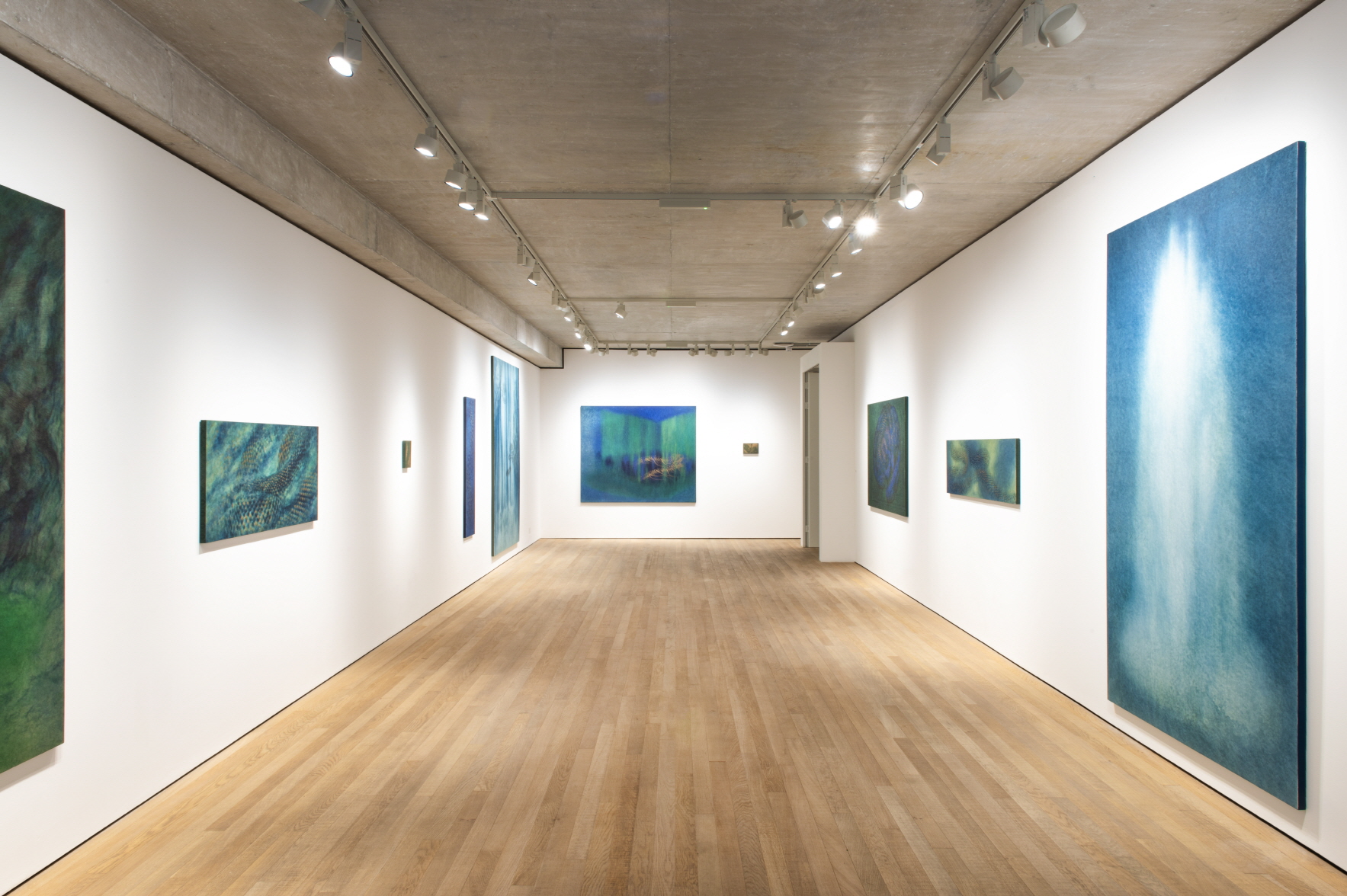
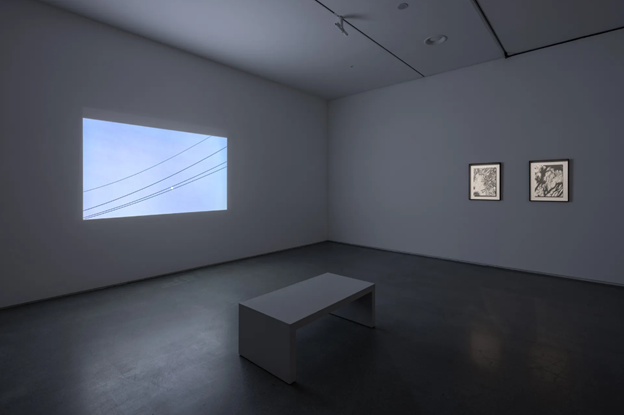
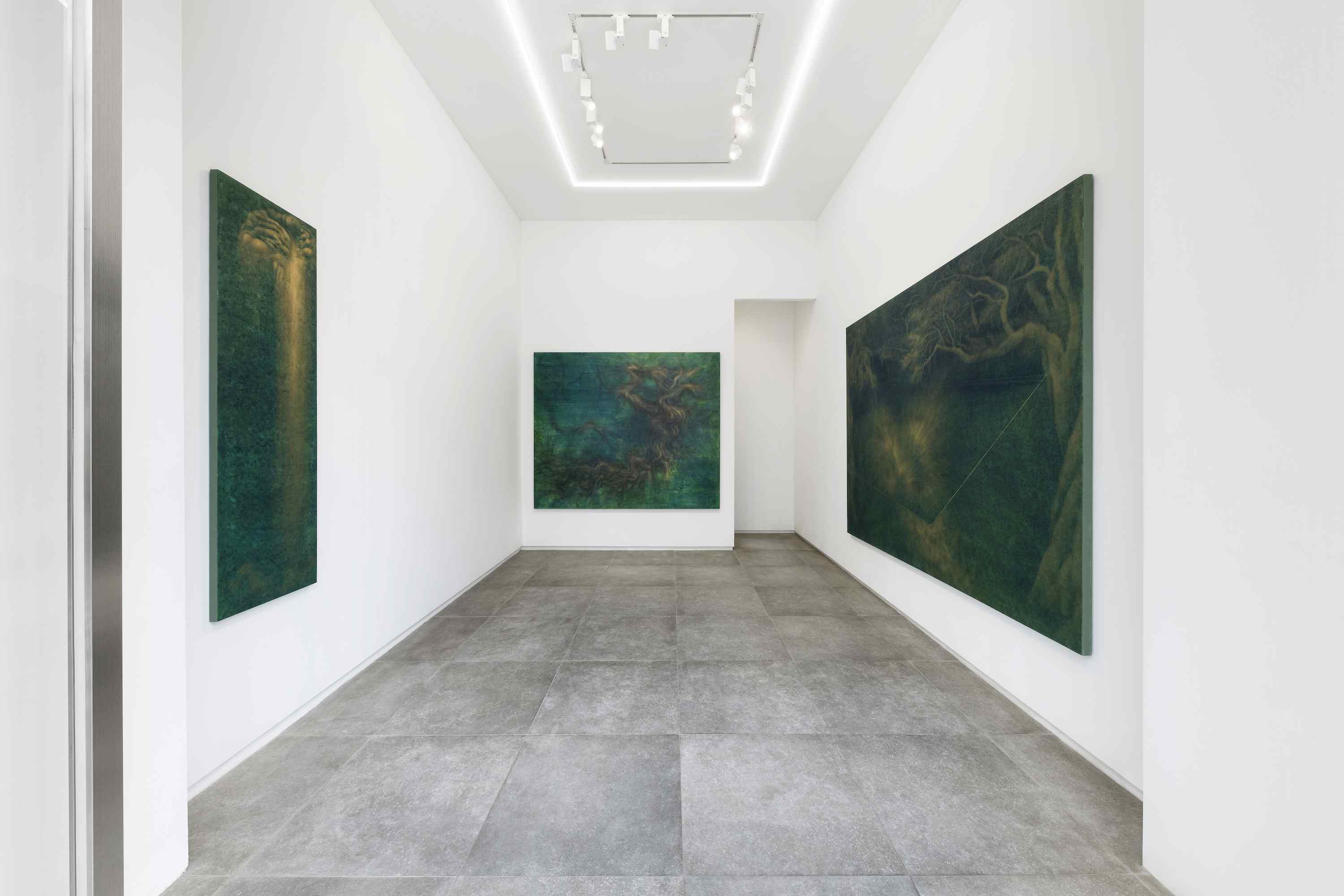 Installation view of 《Unstable Dimension》 © P21
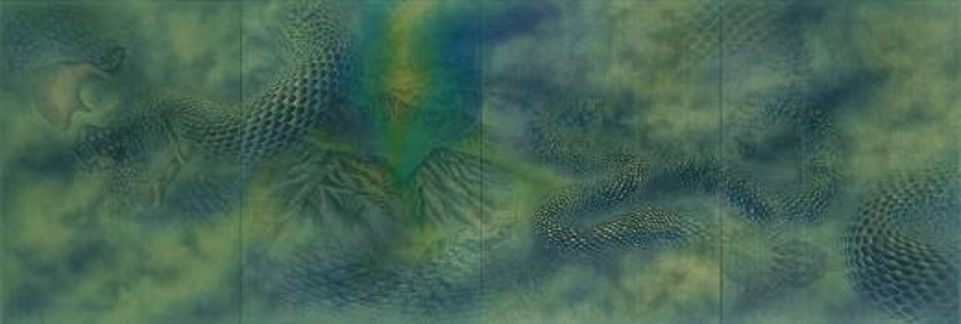
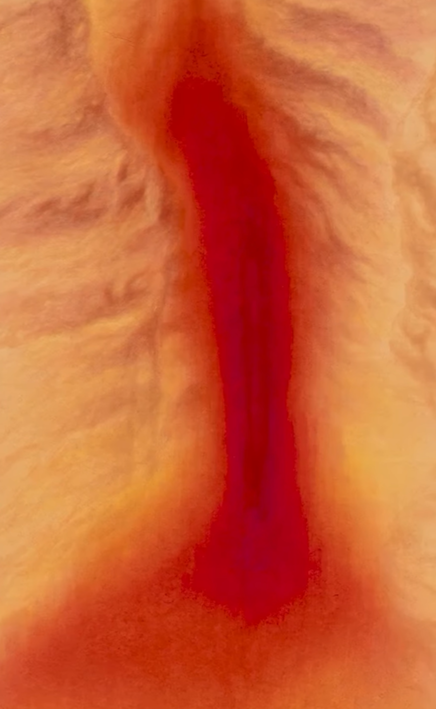
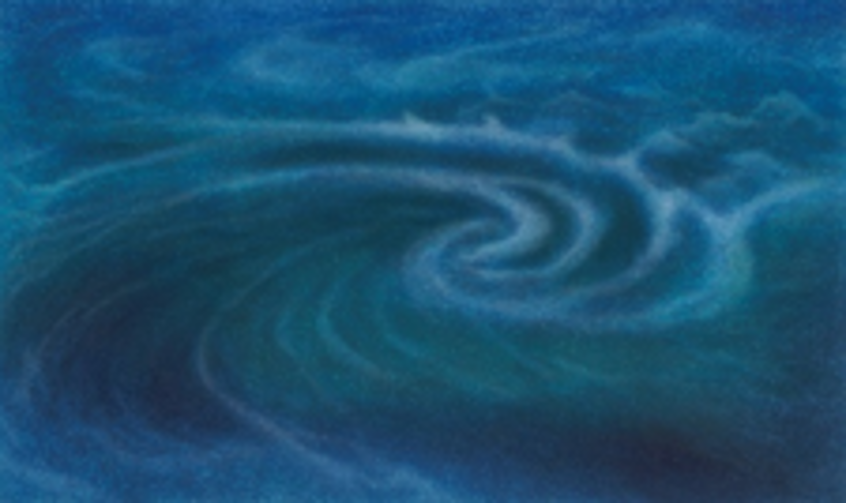
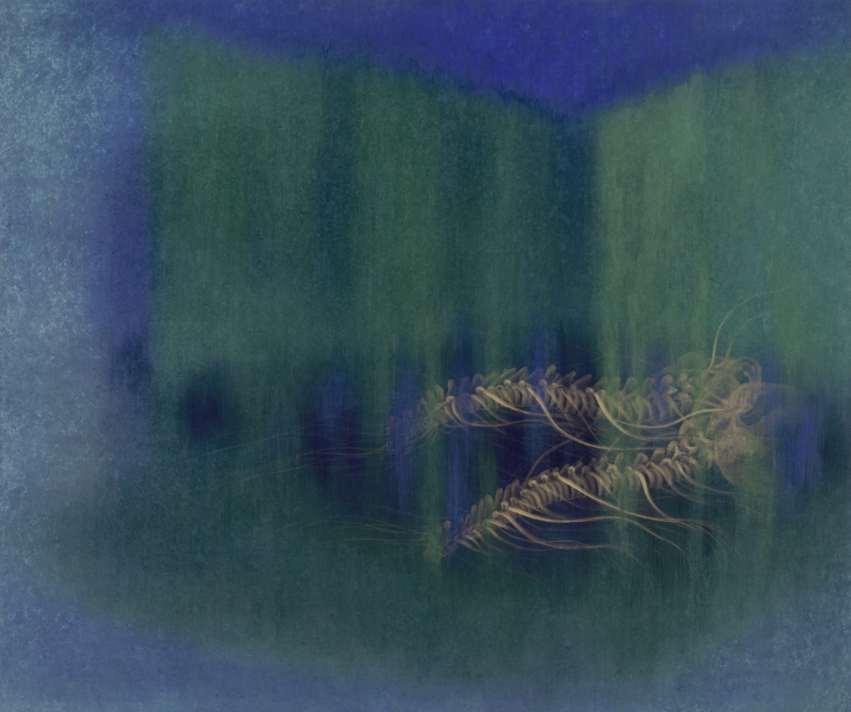
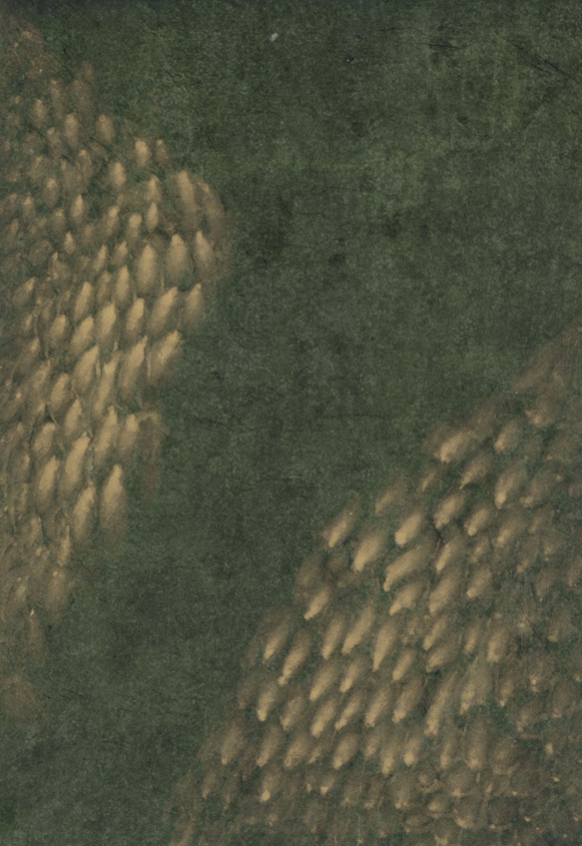
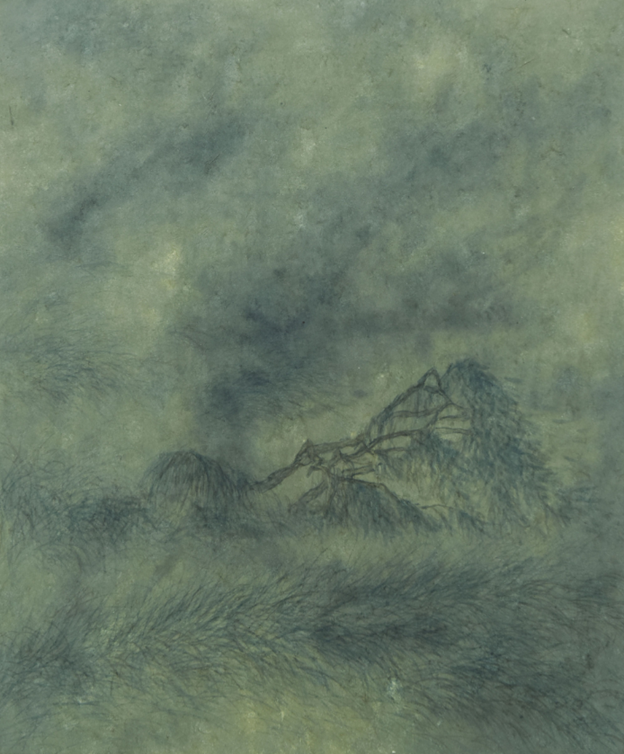
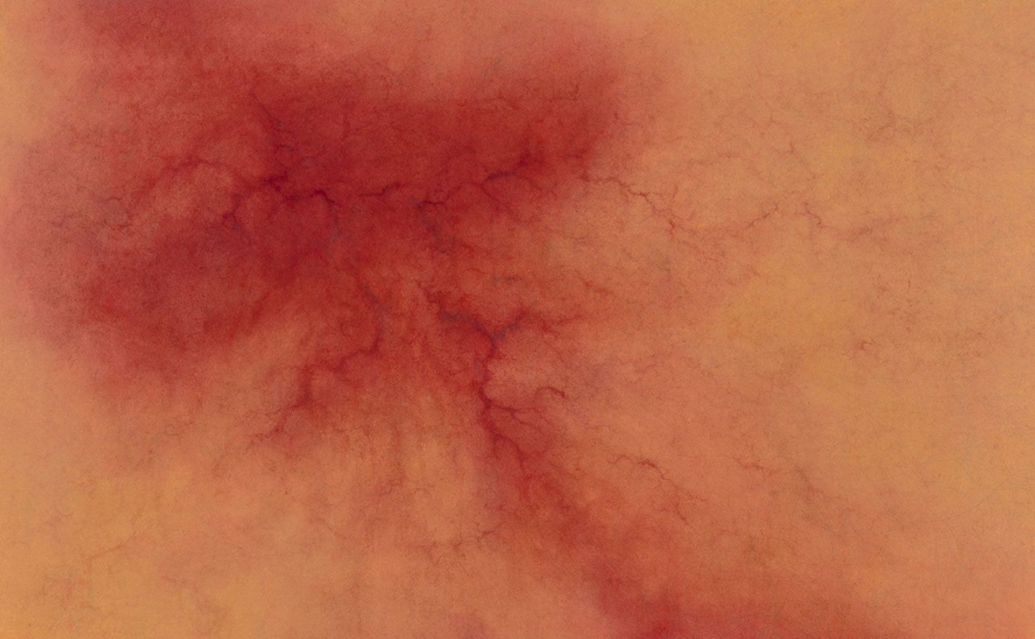
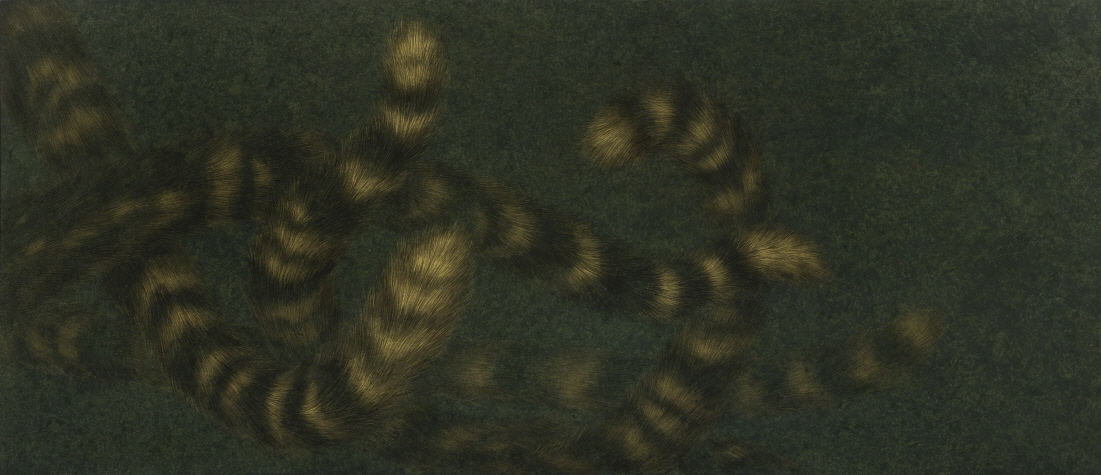
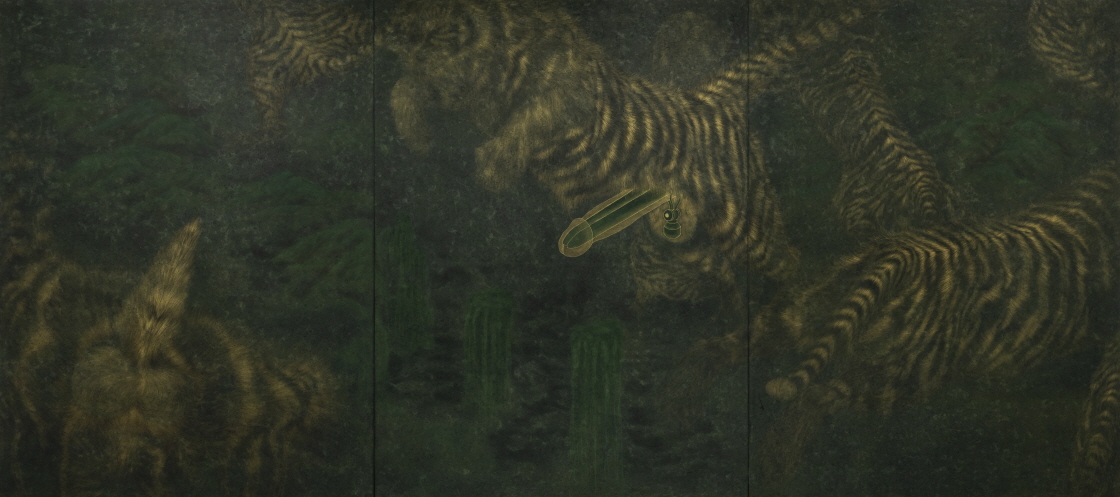
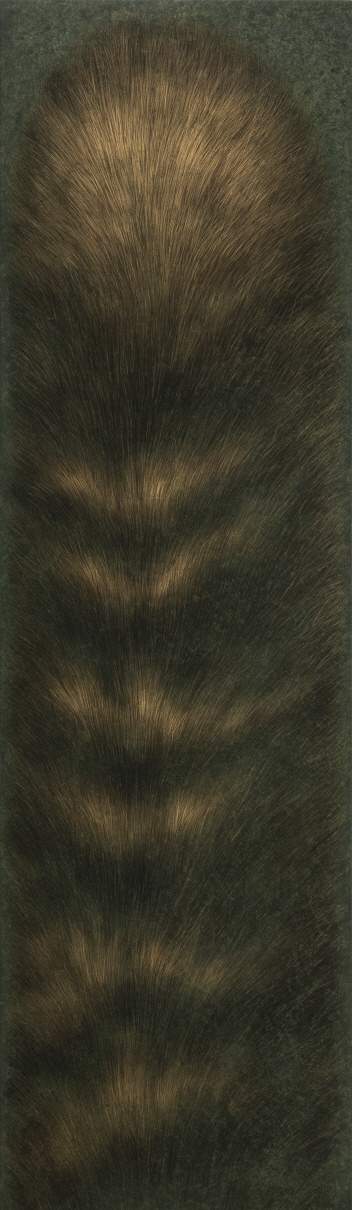
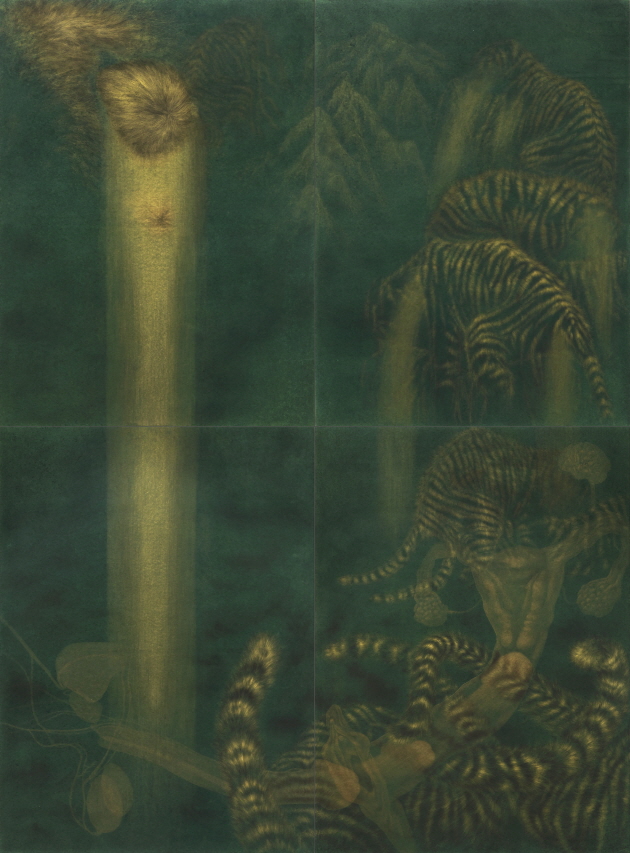
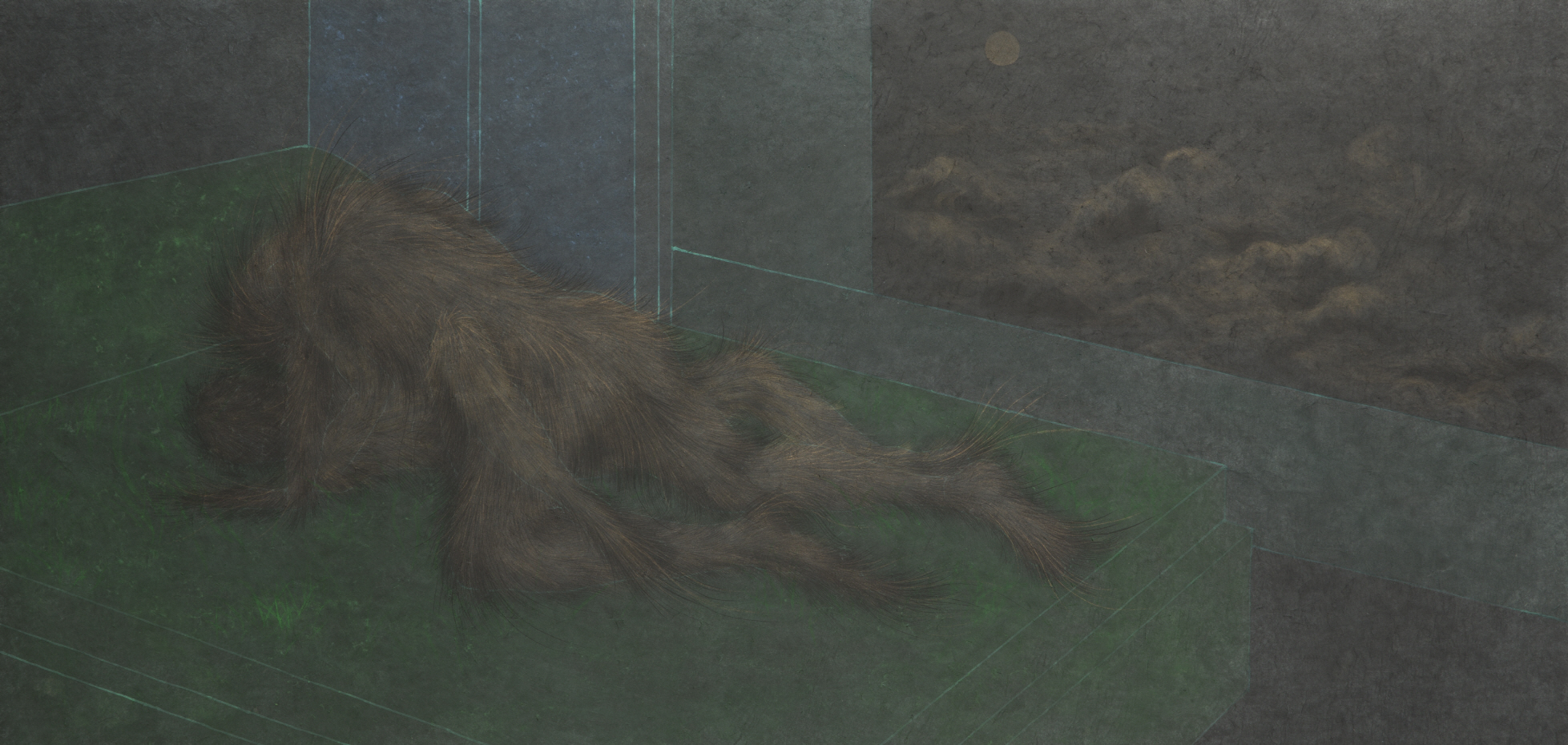
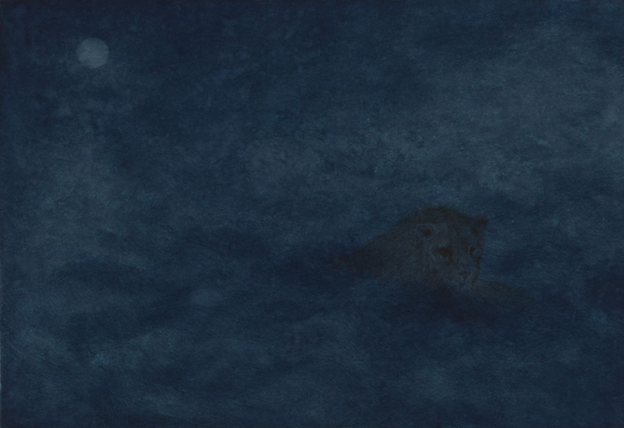
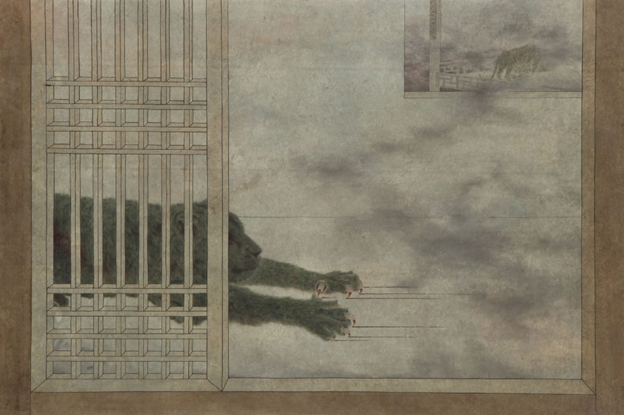
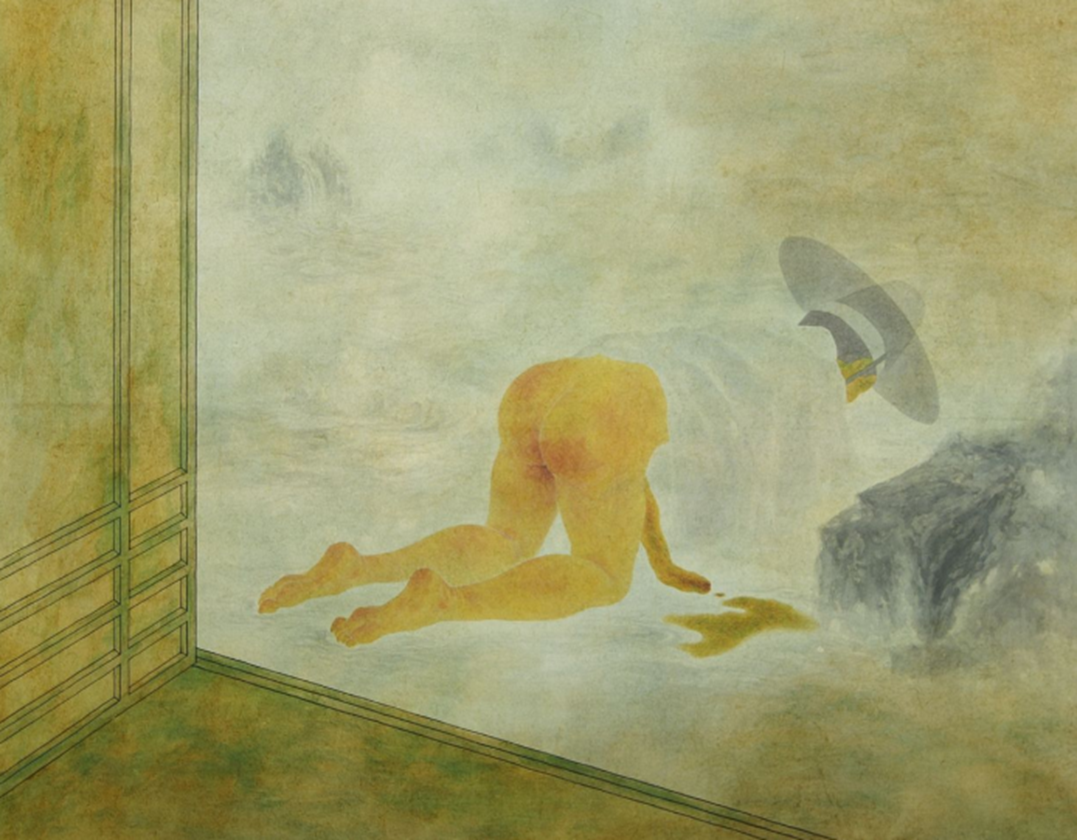
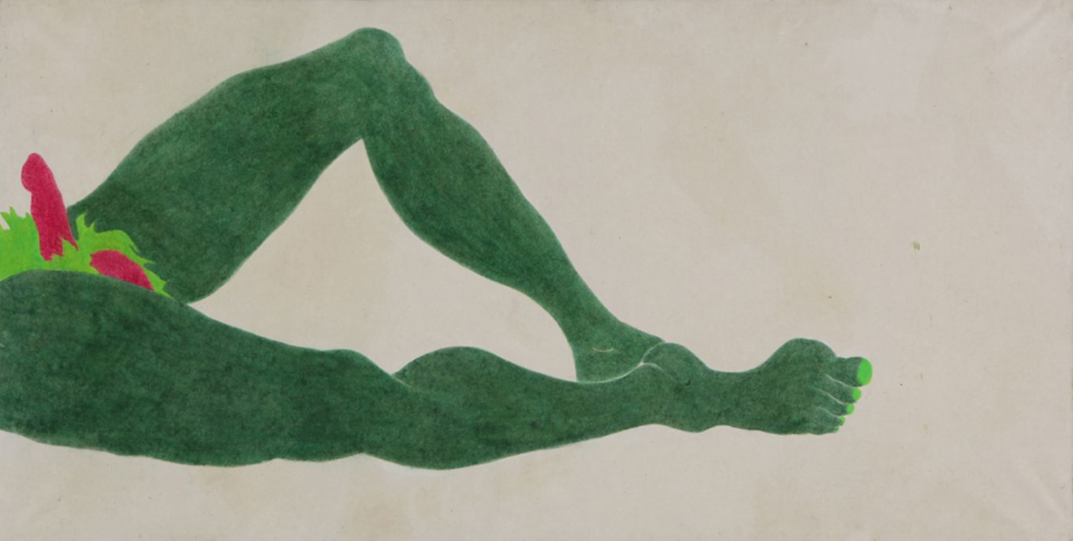
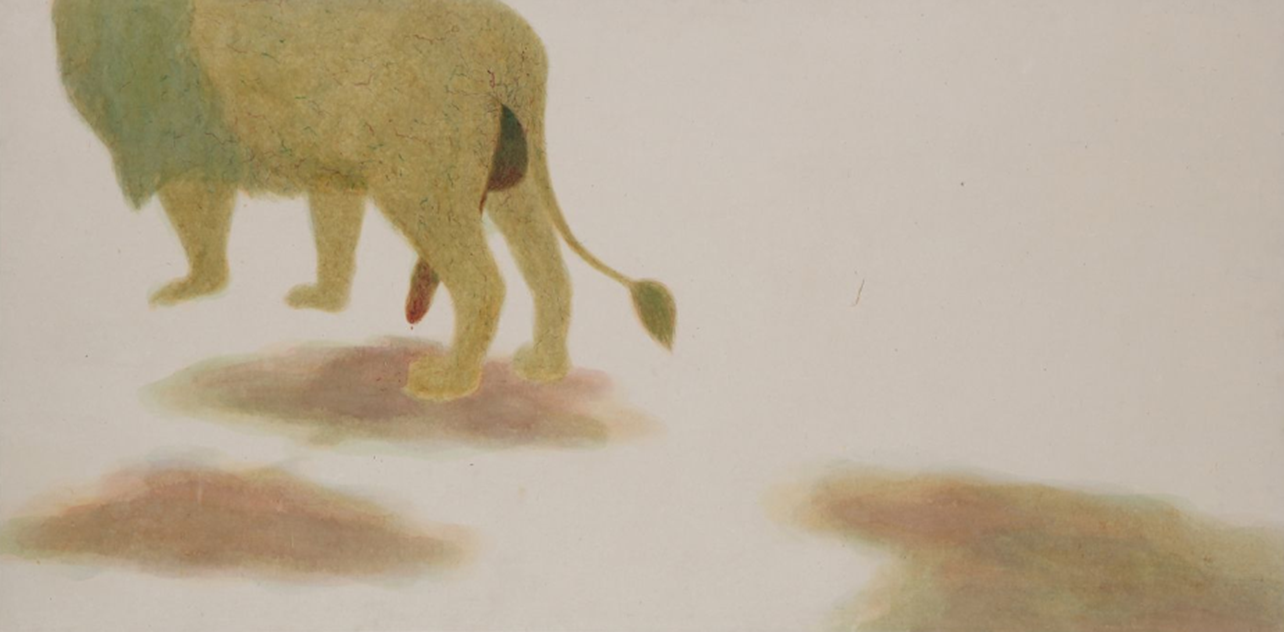
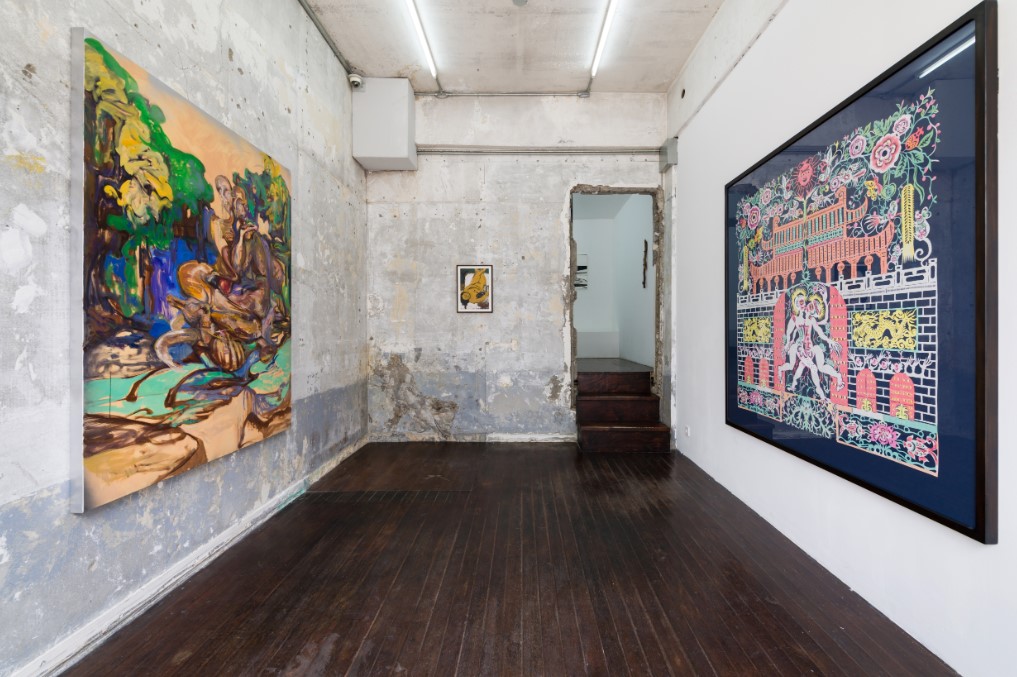
P21 presents Lee Eunsil’s solo exhibition 《Unstable Dimension》 from August 26 to September 25, 2021. The artist has depicted, through the language of traditional Korean painting, the energy of a fragmented self that emerges as primal human desires come into conflict with and are suppressed by social taboos. In this exhibition, Lee unveils seven new paintings that portray the inner desires of individuals in conflict with society and the resulting manifestations of modern psychological disorders.
Latent desires that individuals secretly conceal function as a driving force that keeps society operating, while at the same time acting as a source of various psychological disorders in contemporary life. The self, suppressed to conform to socially imposed norms, becomes continuously distorted, fragmented, and overlapped in the process. Although one may appear to adapt well to reality, the inner self becomes an empty fiction marked by instability and deficiency. In a state of prolonged sedimentation, the essence of the inner self loses its direction and drifts through ruptured time and space.
Through this exhibition, Lee describes how the fragmented self—unseen in society but pronounced within private spaces—manifests differently in contrast to the external world. The exhibition space is translated into a personal domain, and the exhibition itself functions as an attempt to draw out into an open space the neglected and decaying psychological conditions of each individual.
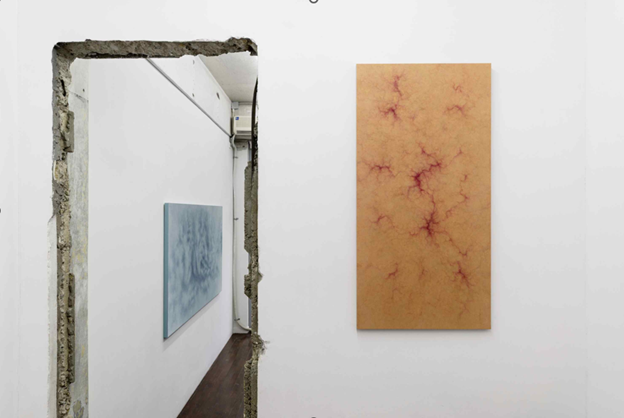
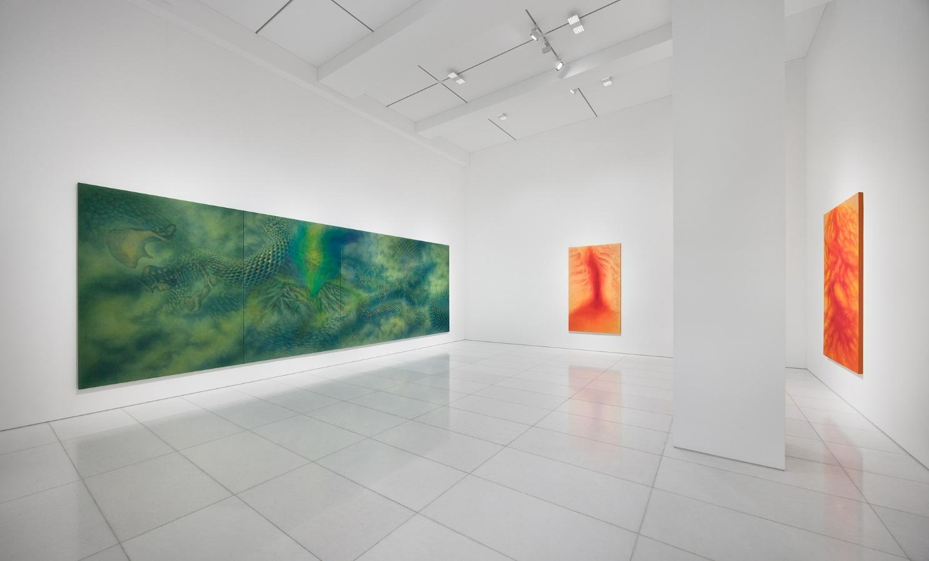
Installation view of 《Unstable Dimension》 © P21
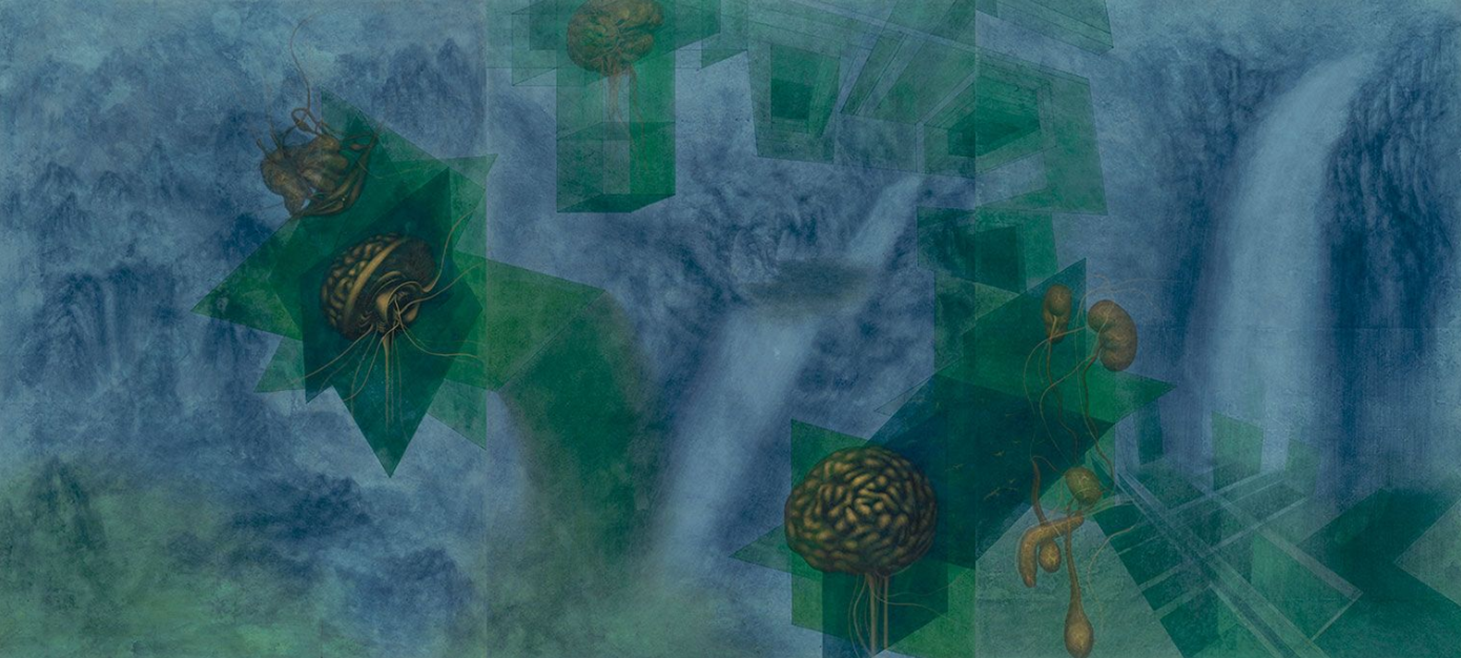
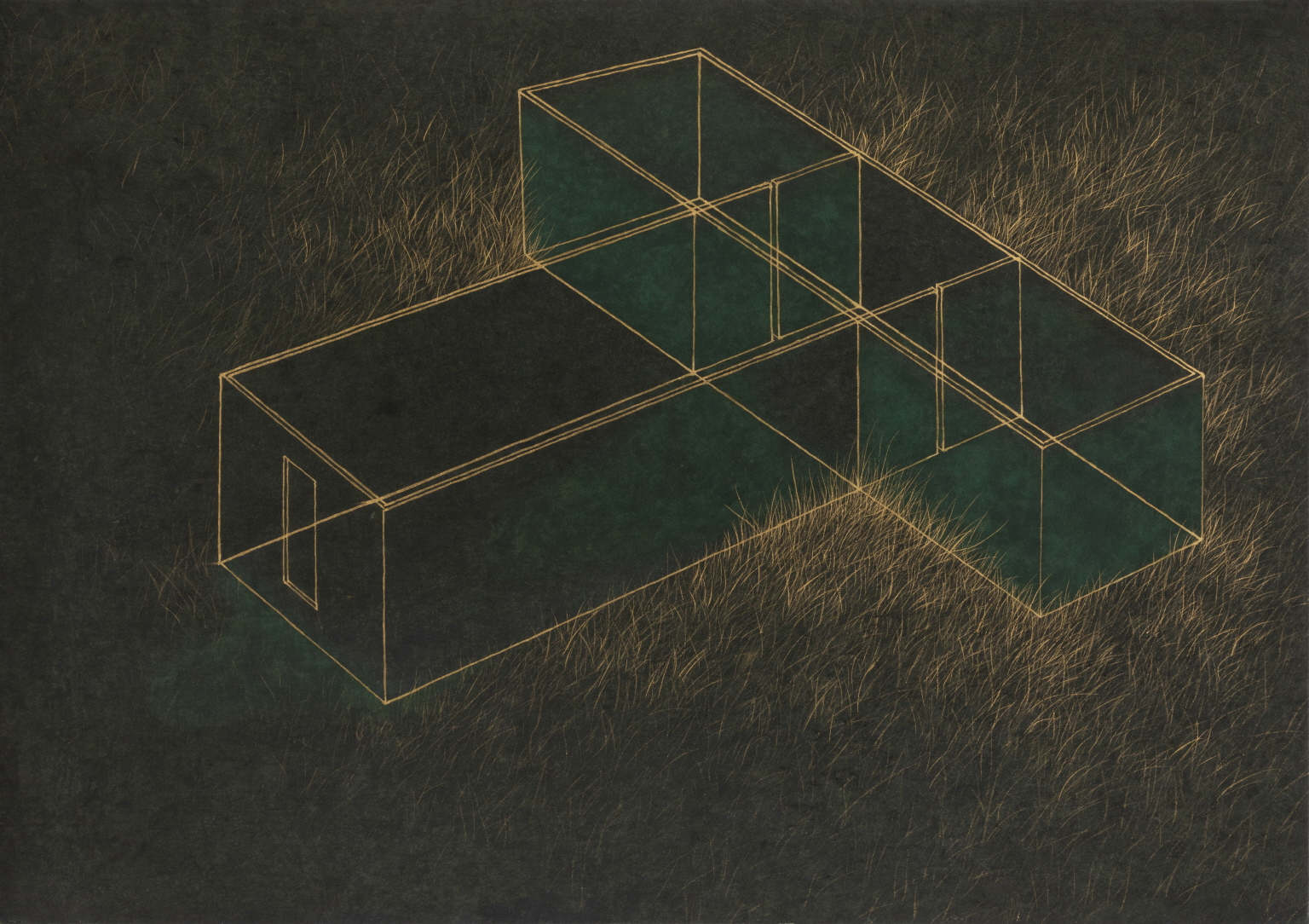
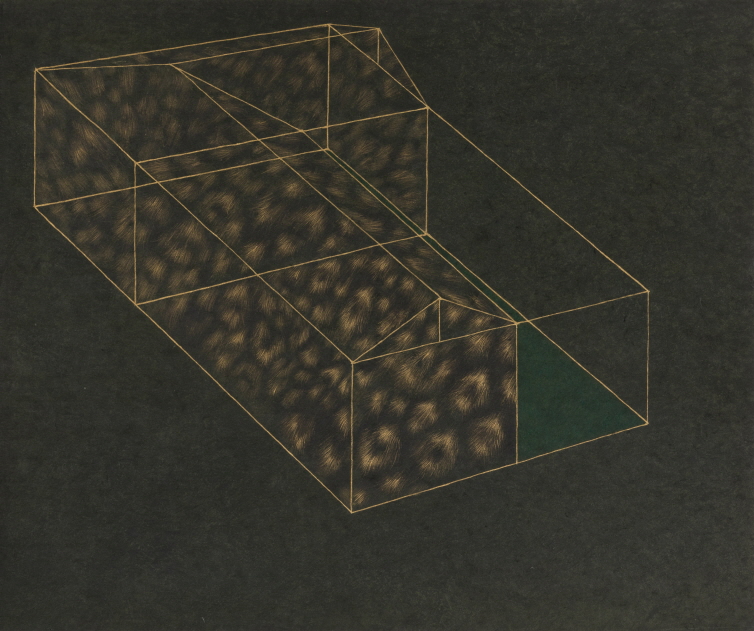
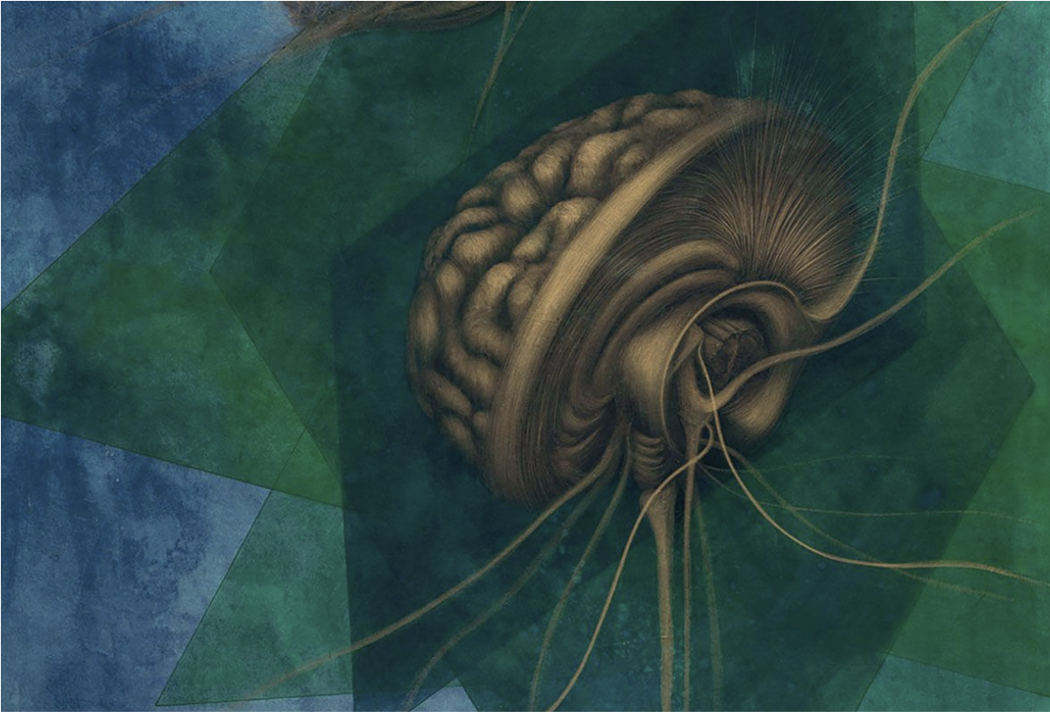
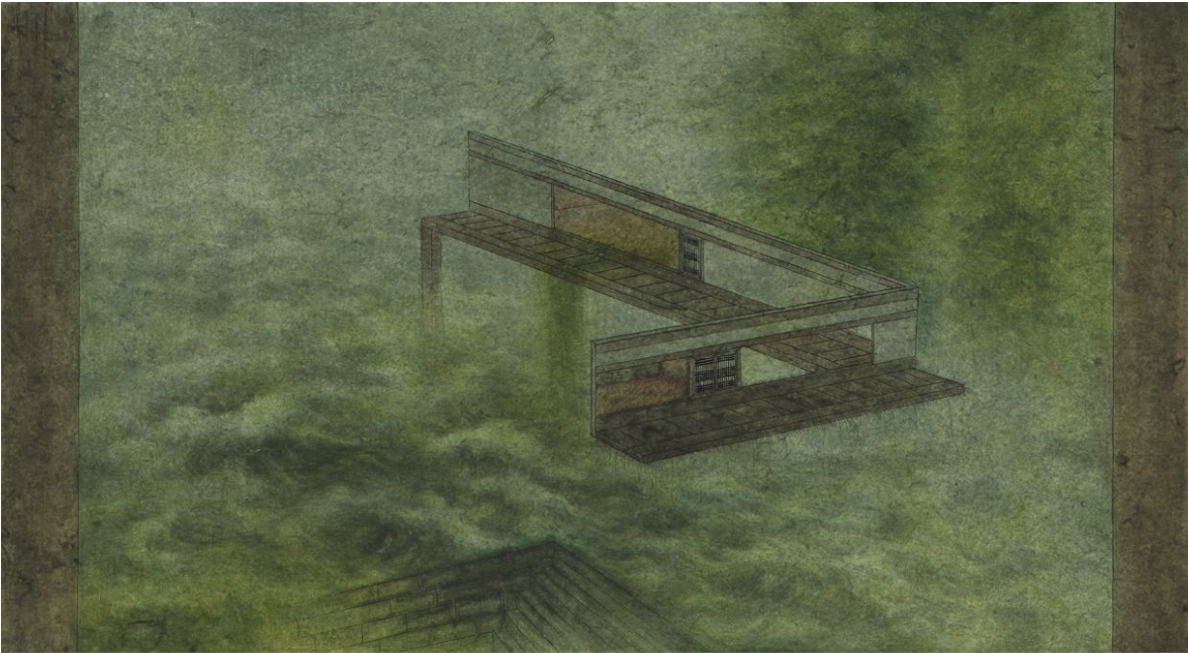
In the work Unstable Dimension, which shares the same title as the exhibition, Lee visualizes the spatiotemporality that disintegrates at the stage of fragmentation and depicts the self entangled and distorted within it. Three-dimensional spaces, each holding different temporalities through varying degrees of transparency, are clustered within the canvas without any clear order. These forms—combined with dynamic elements of expansion, contraction, and rotation—appear almost animate, suggesting parts of a moving body or the image of a fragmenting self.
Each entity, expanding into one another without clear boundaries, becomes intertwined and reconstructs one another. The transformed architectural structures metaphorically represent psychological conditions such as obsession and schizophrenia, while incomplete architectural forms allude to the inherently imperfect nature of our lives.
By presenting an alternative spatiotemporality that is separated from reality and psychopathology, and by capturing the fragmented and conflicted self within it, Lee Eunsil’s exhibition conveys, in its entirety, the ongoing site of confusion and struggle that unfolds within all of us.