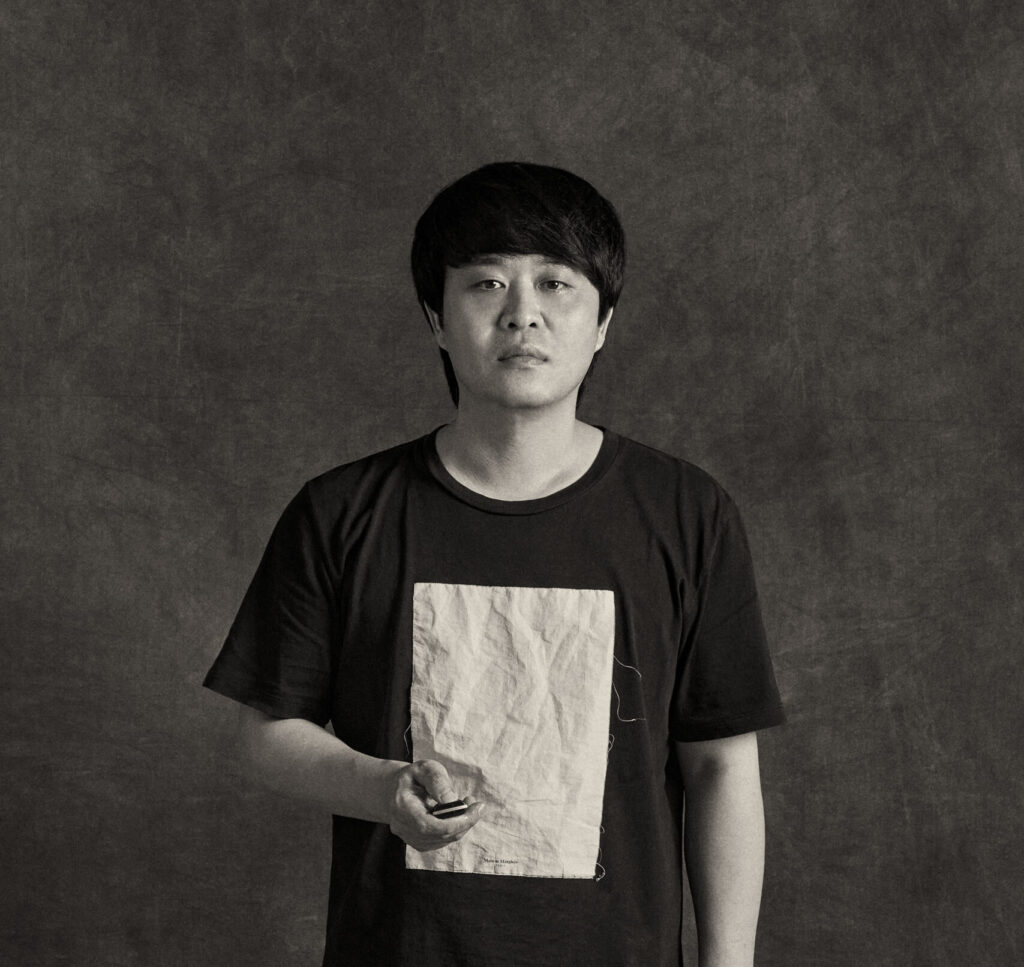
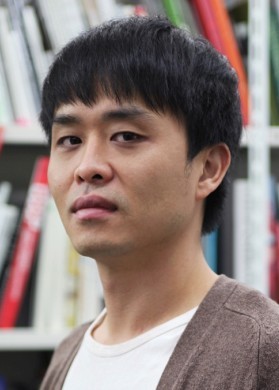
Kim
Taedong captures in his photographs the taut tension generated by the collision
between hidden narratives beneath urban history and the visible images of the
city. Through his lens, he presents the suspended urban spaces and figures of
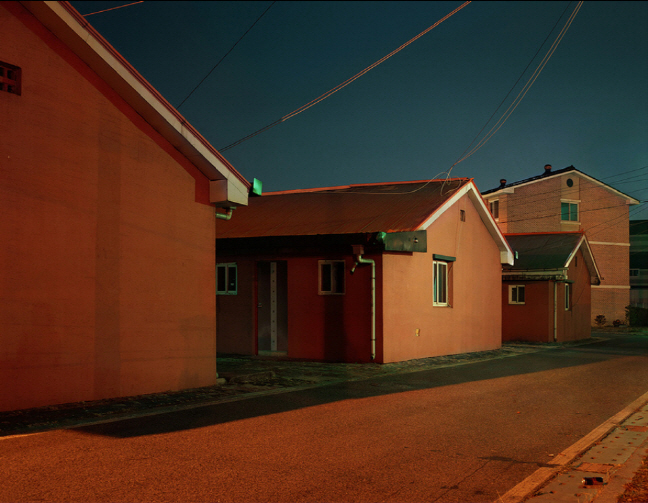
the metropolis at dawn (‘Day Break’, 2011–), the peculiar urban tones of
Seoul’s peripheries shaped by cycles of development and destruction (‘Break
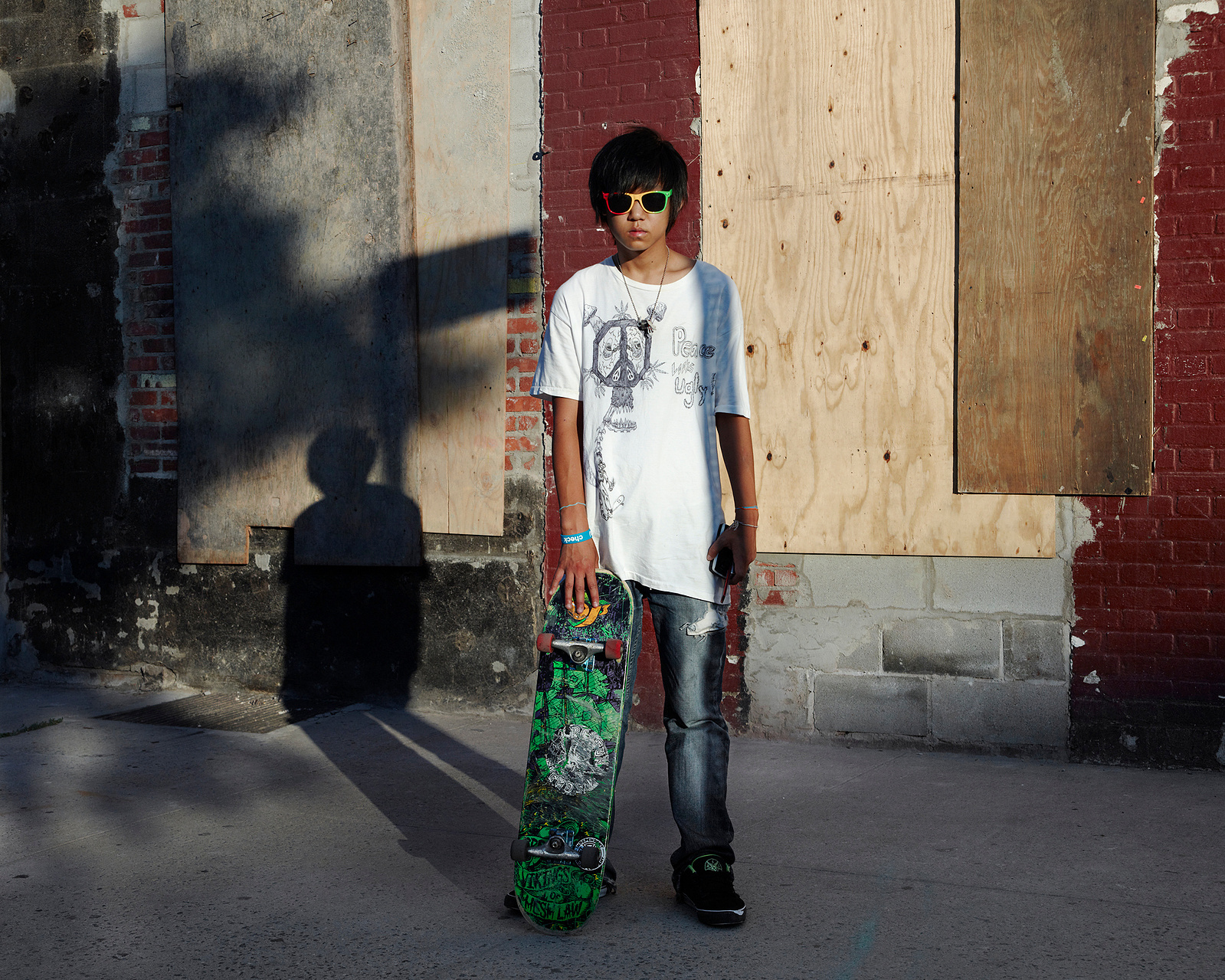
Days’, 2013–), unfamiliar spaces in the outskirts of New York (‘Symmetrical’,
2010–), Koreans encountered in Tokyo’s entertainment district Kabukicho (‘Club
Sistar’, 2014–), and the landscapes of border villages where ordinary air and
the atmosphere of impending conflict coexist (‘Gangseon’, 2015–). Rather than
offering clear-cut depictions of events, his work constructs ambiguous and
condensed scenes of everyday life through partial staging.
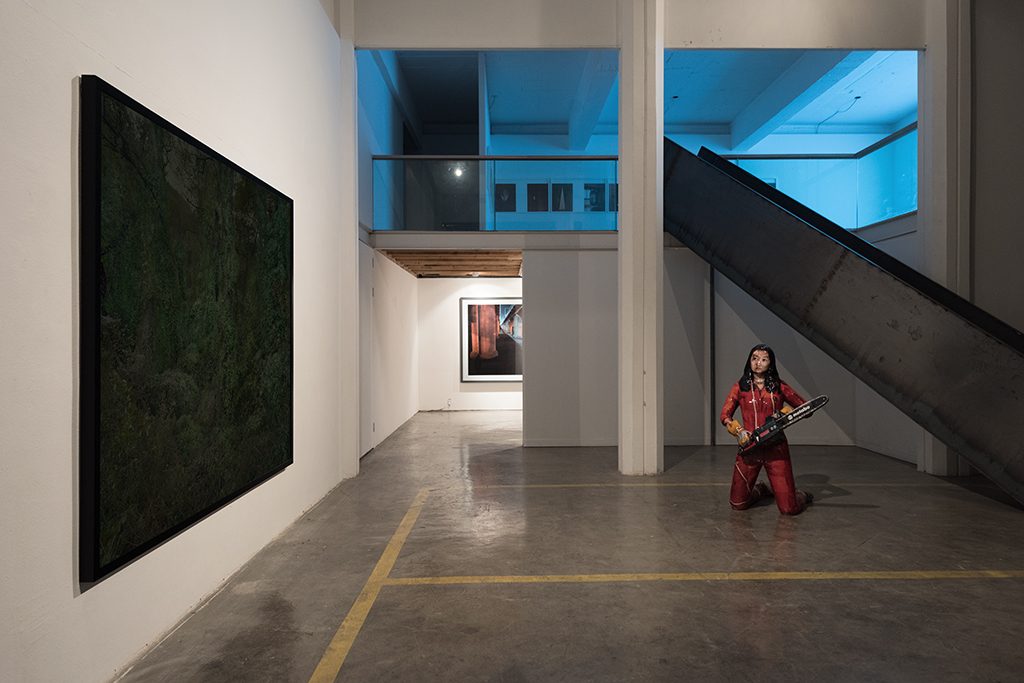
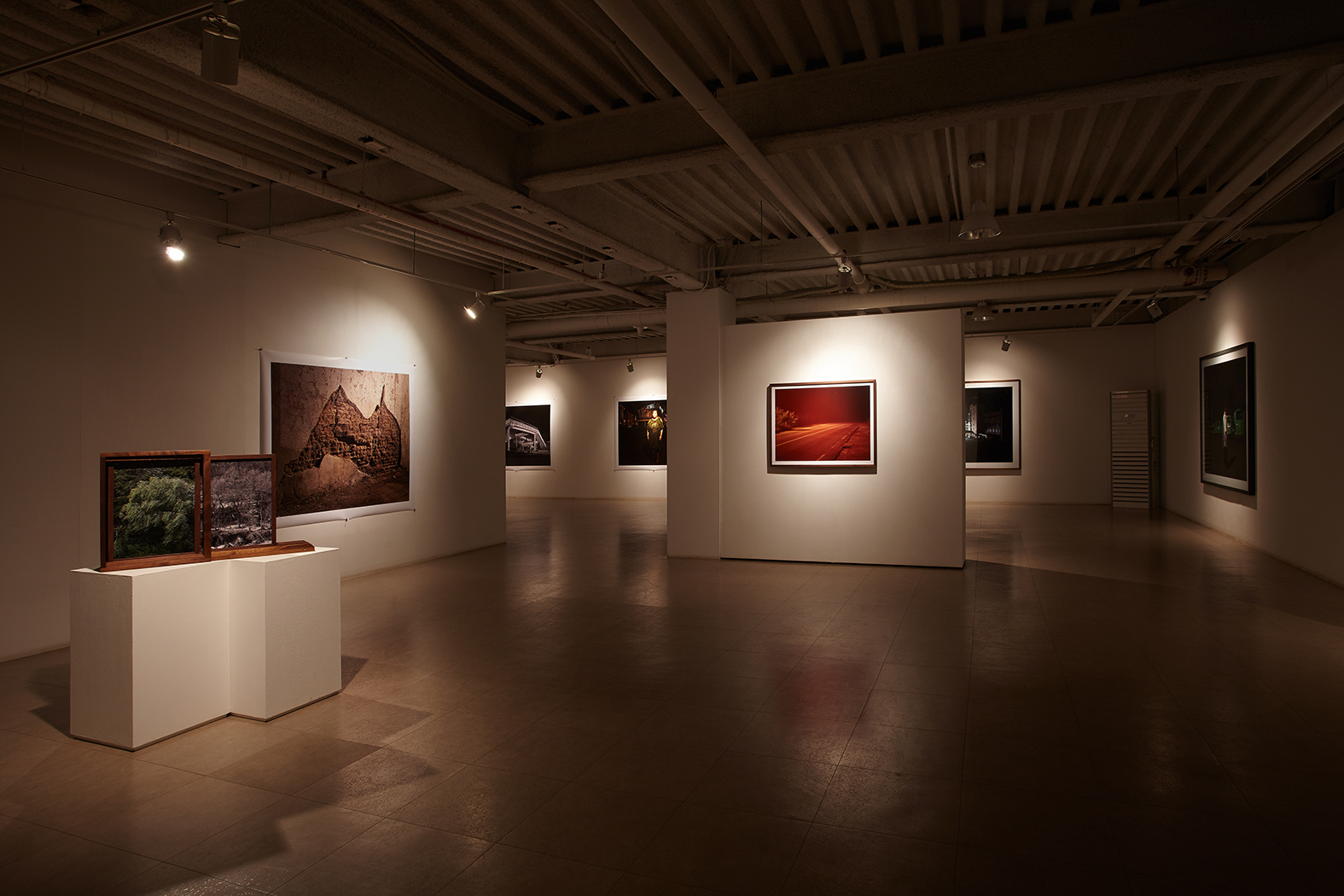
This
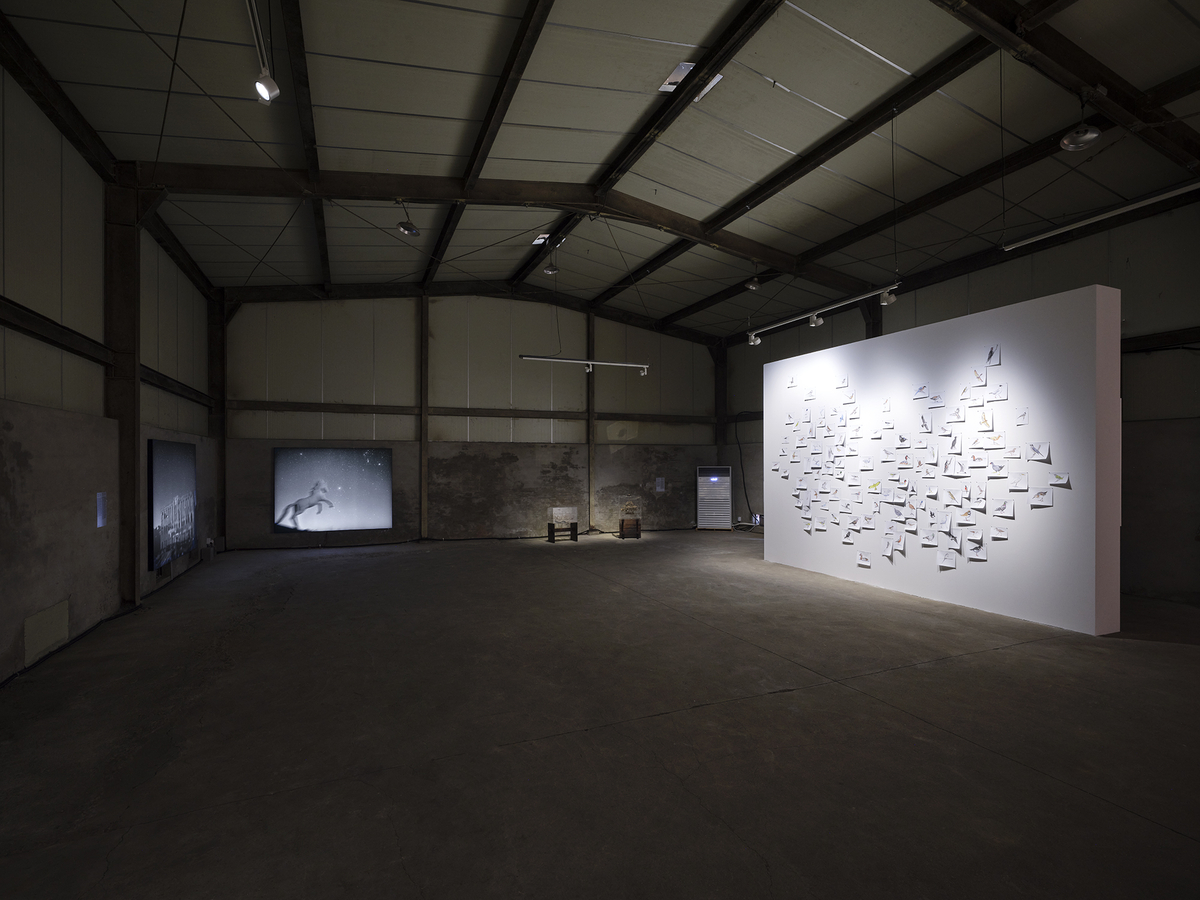
exhibition presents works related to nocturnal journeys, including the ‘Day
Break’ series, which captures figures and spaces in downtown Seoul photographed
within the specific and limited timeframe of night; the ‘Gangseon’ series,
which traces the remnants of war sites; and the ‘TIME TREE’ works, which record
the passage of seasons and time.
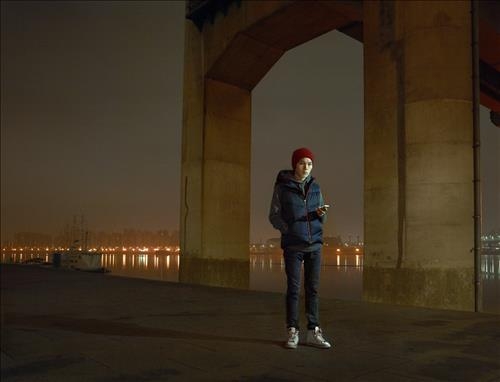
The
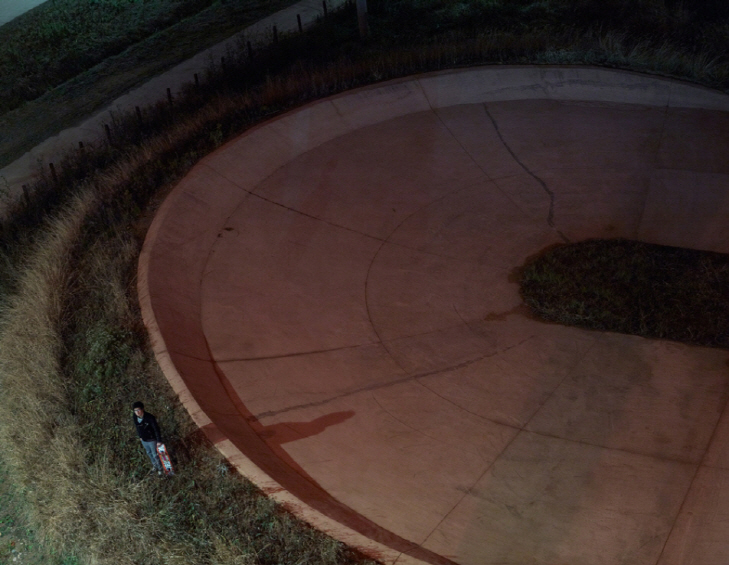
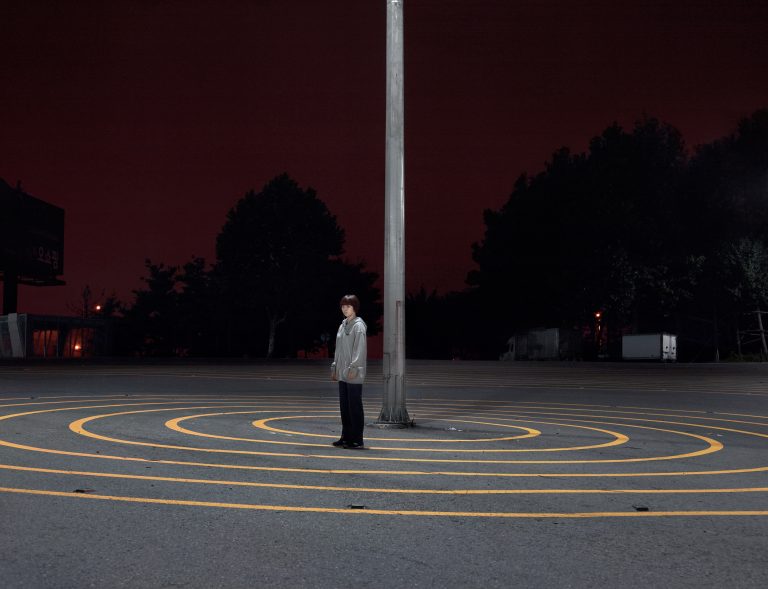
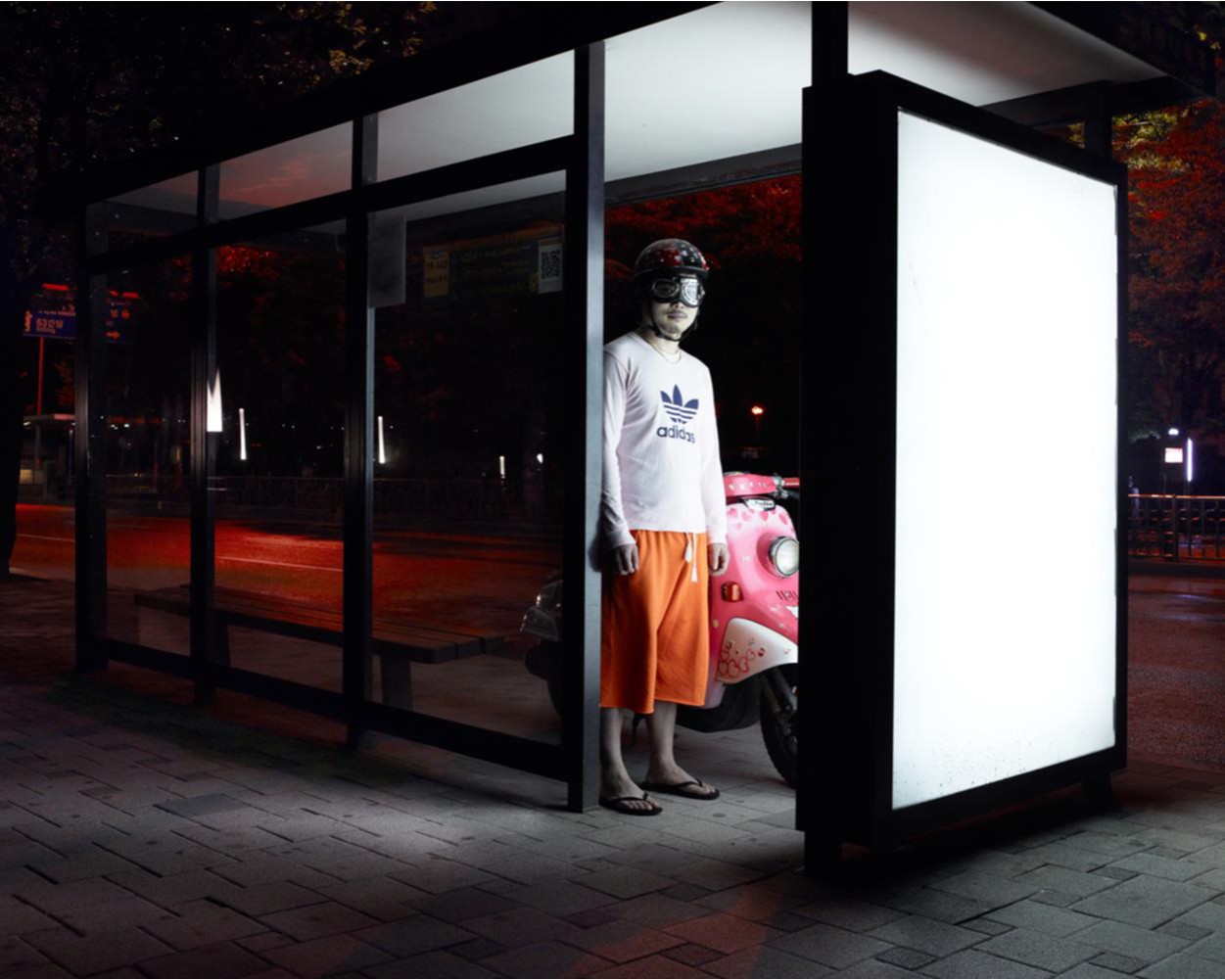
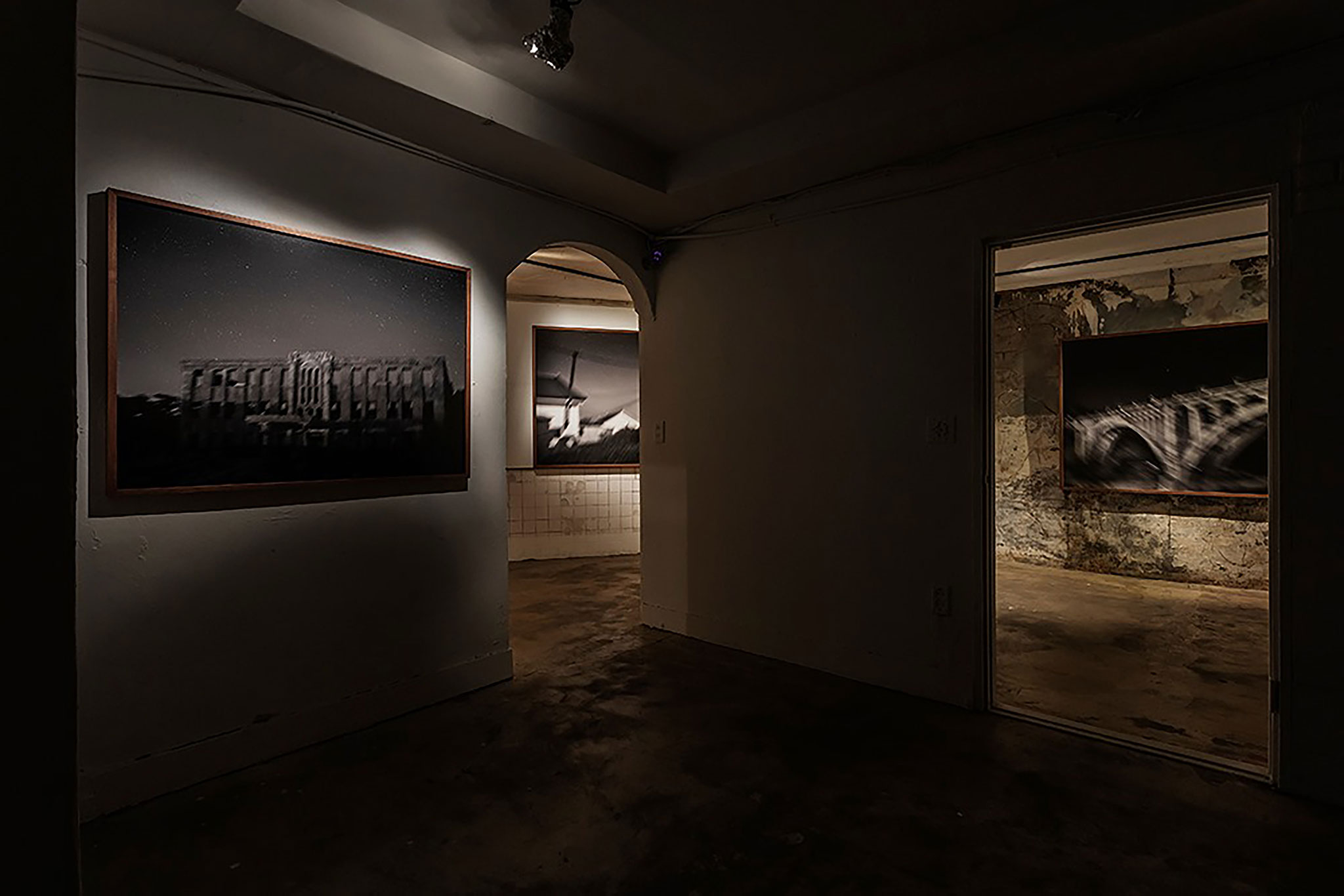
‘Day Break’ series, which portrays figures in the city at midnight, captures
strangers encountered by chance while wandering through Seoul at a time when
its functions are suspended. The artist discovers spaces that evoke a surreal
atmosphere entirely different from daytime and photographs individuals he
encounters there within a single frame. Beneath bridges, in front of
overpasses, on wide roads, or at skating rinks, passersby moving through vast
artificial structures are spontaneously approached and photographed.
While
portrait photography typically begins by selecting a subject and then choosing
a background, Kim deliberately reverses this process by first selecting a space
and then introducing a chance encounter with a person. Through his distinct
formal strategy, neither space nor figure becomes a mere background; instead,
both emerge equally within the frame, generating a palpable tension.
The
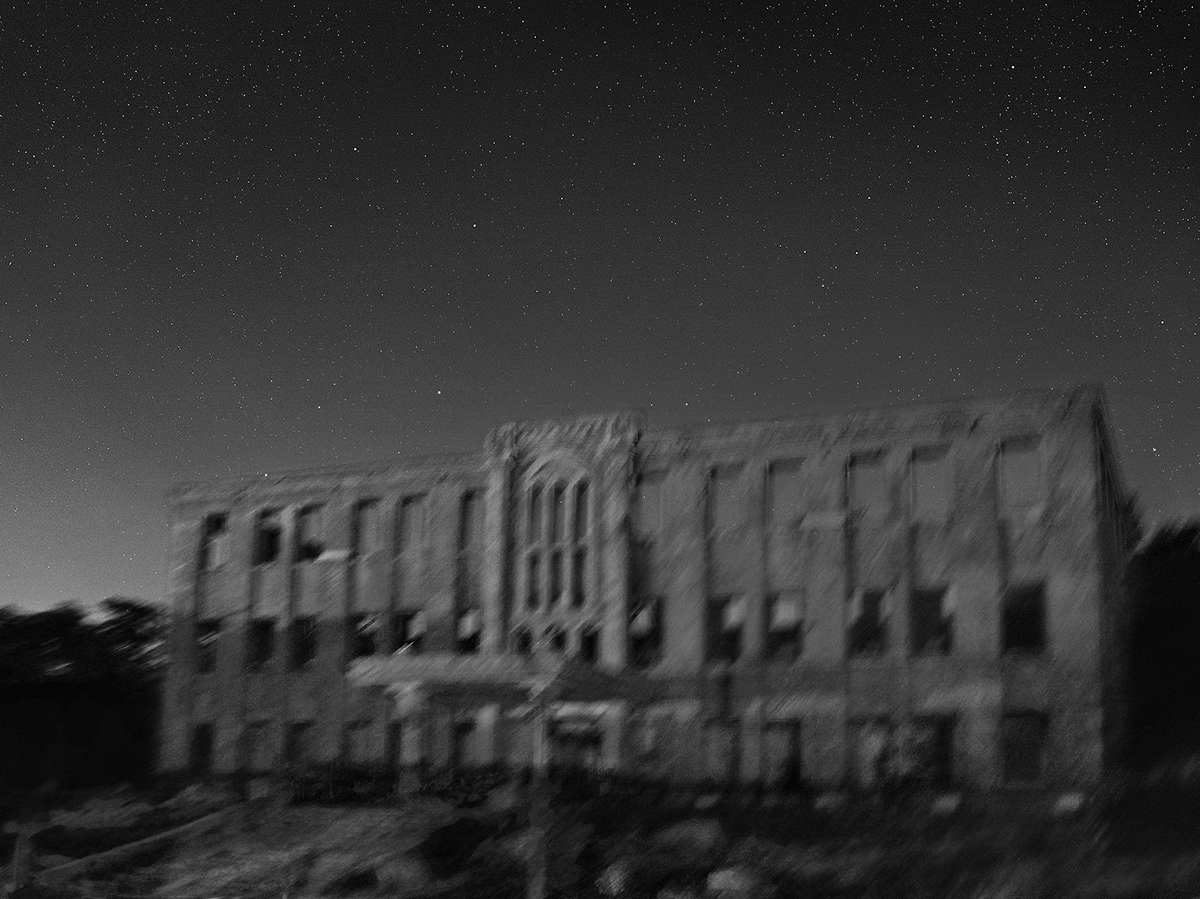
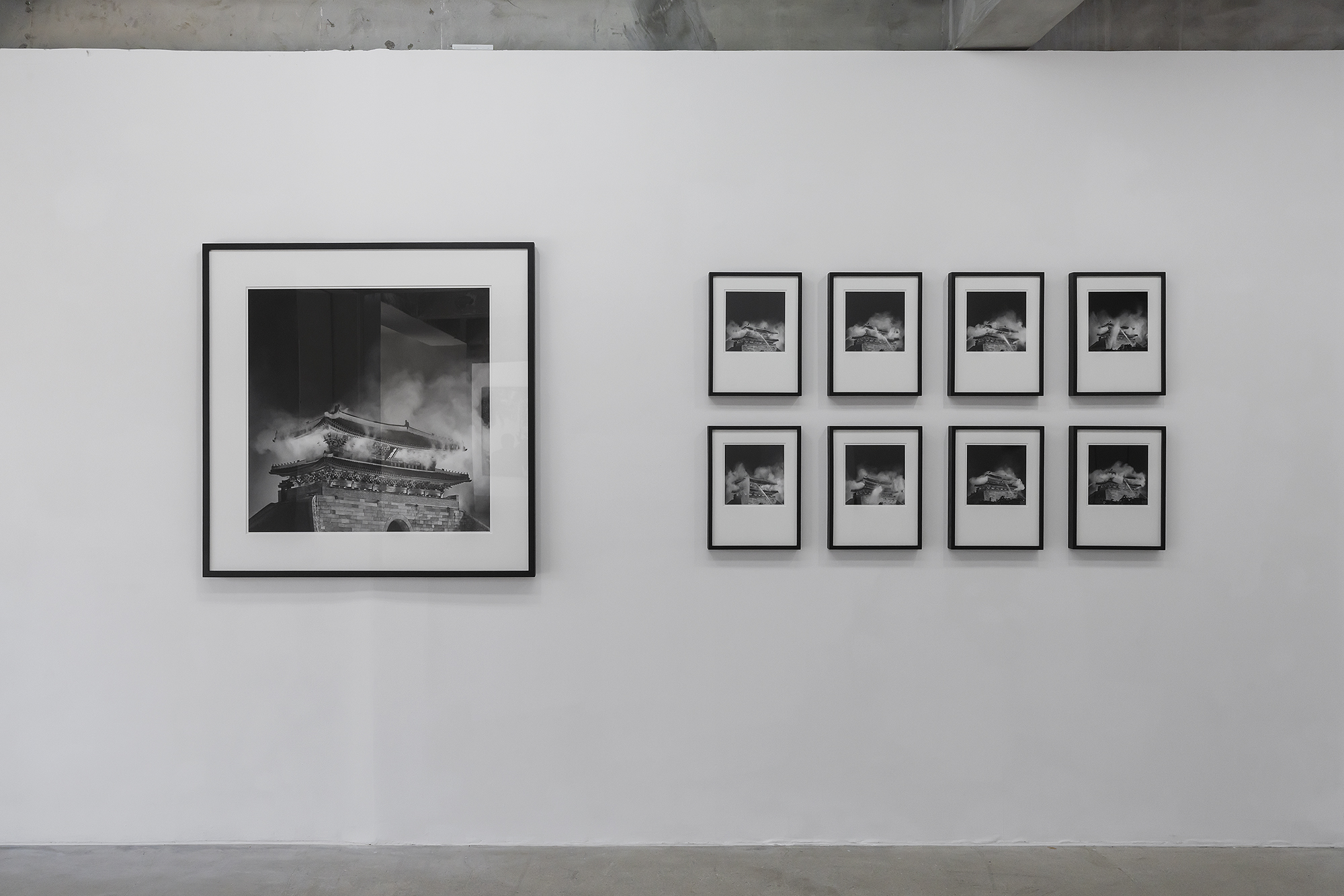
‘Gangseon’ series, exhibited alongside urban scenes of Seoul, is an ongoing
project initiated with the DMZ Project in 2015. It consists of photographs
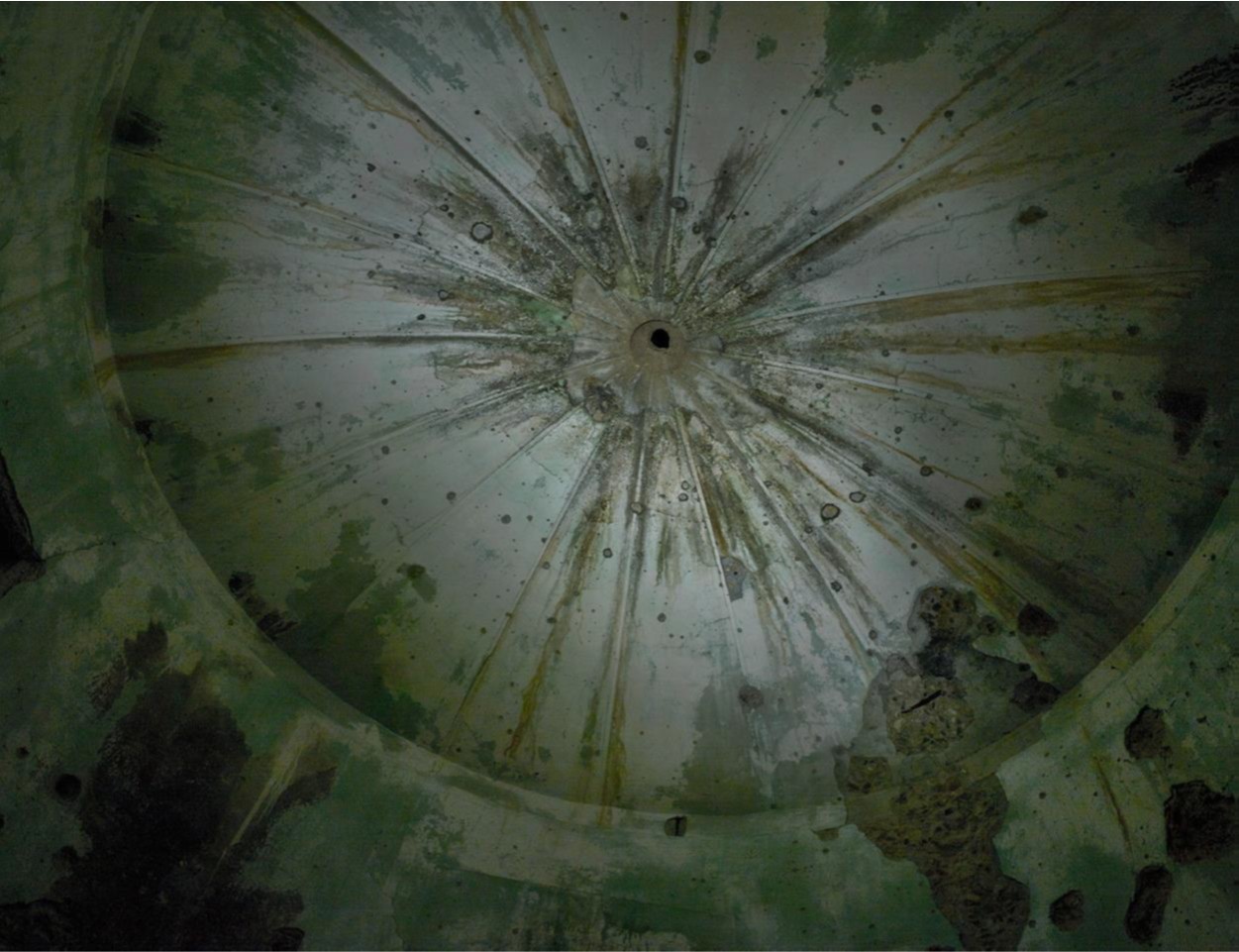
taken while tracing, almost like an investigation, the bullet marks remaining
at war heritage sites.
Following
the Gyeongwon Line—from Dongducheon Station to Baekmagoji Station, beyond which
trains can no longer pass—the series captures silent rural landscapes where
traces of tragic history persist, documenting the ordinary lives of those who
continue to inhabit these areas. From Dongseong Terminal, the northernmost
bustling district, to a woman in a military-patterned costume selling
hamburgers to U.S. soldiers, and the lingering bullet marks from wartime, the
series reveals the unique tensions embedded in the political and cultural
specificity of the region.
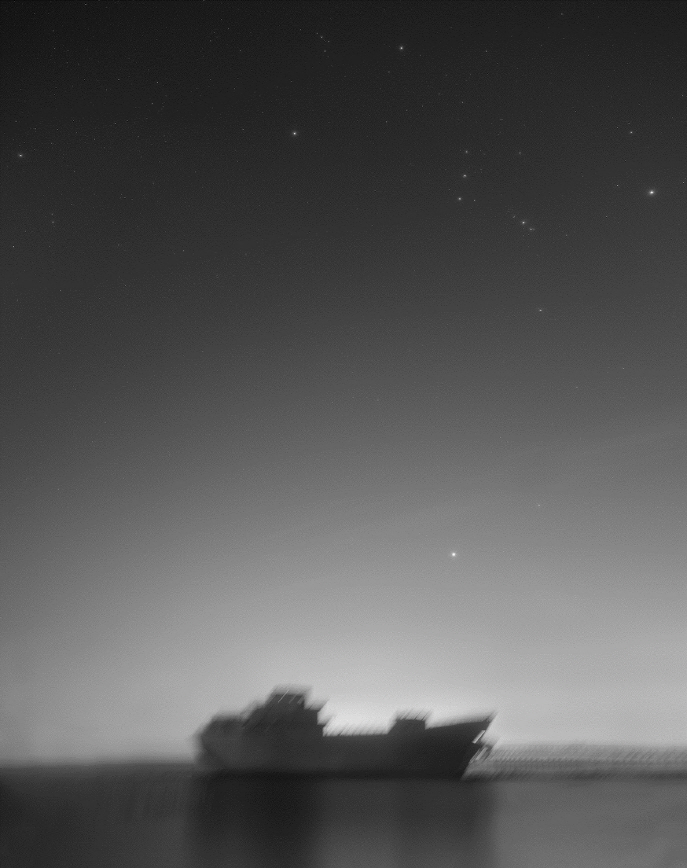
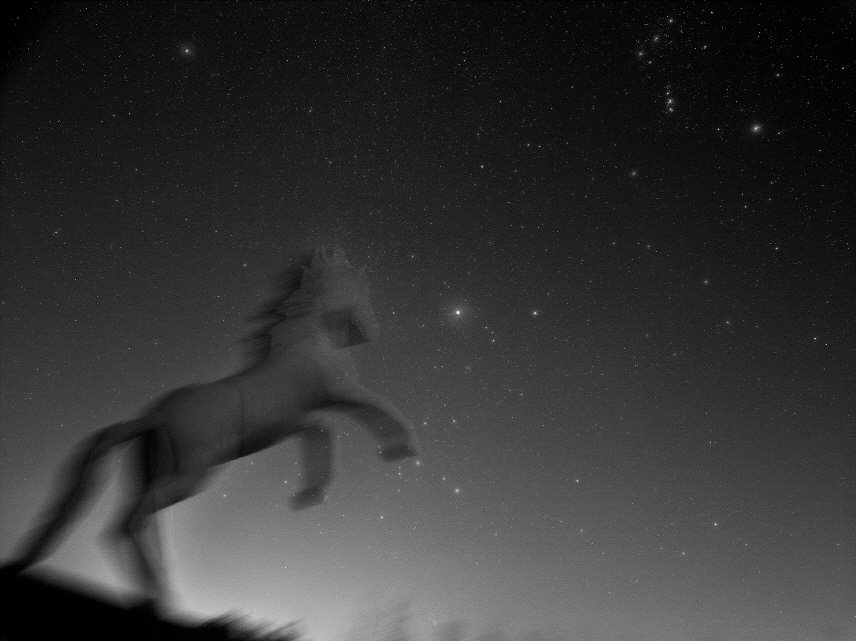
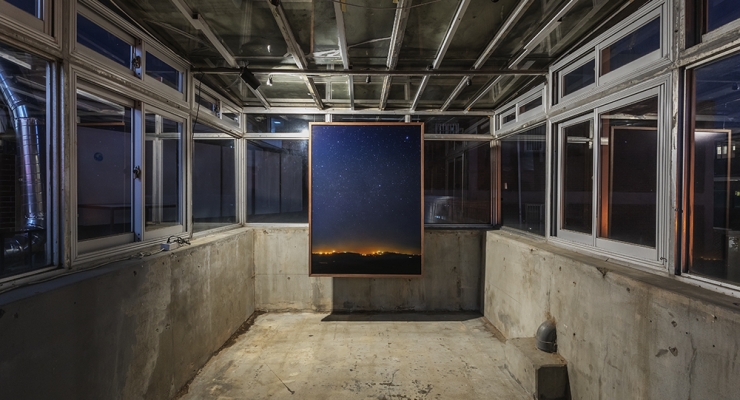
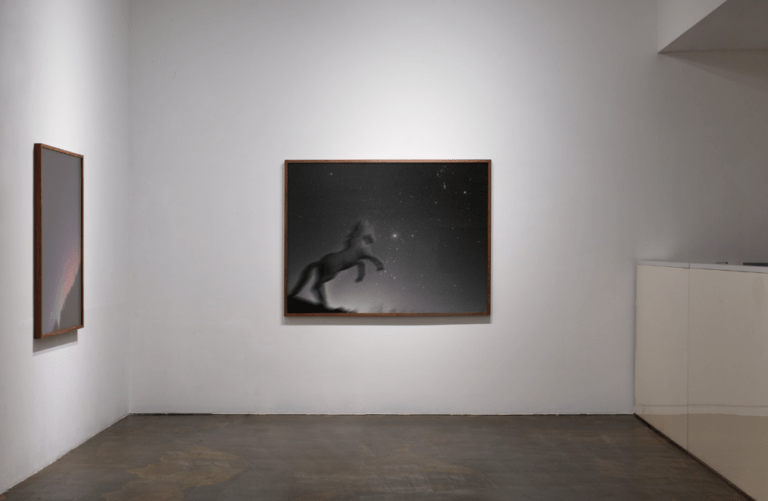
Alongside these unfamiliar nocturnal landscapes, Kim
also photographs the paradoxically beautiful night sky shining above them.
Unlike his previous series, the ‘Gangseon’ works separate space and figure,
focusing on each independently. In particular, the portraits are composed
within horizontal frames, with figures placed prominently in the foreground,
allowing viewers to read their surrounding environments. By arranging images
that hold limited and ambiguous relationships in a sensorial manner, Kim’s
distinctive artistic aura comes to dominate the space.
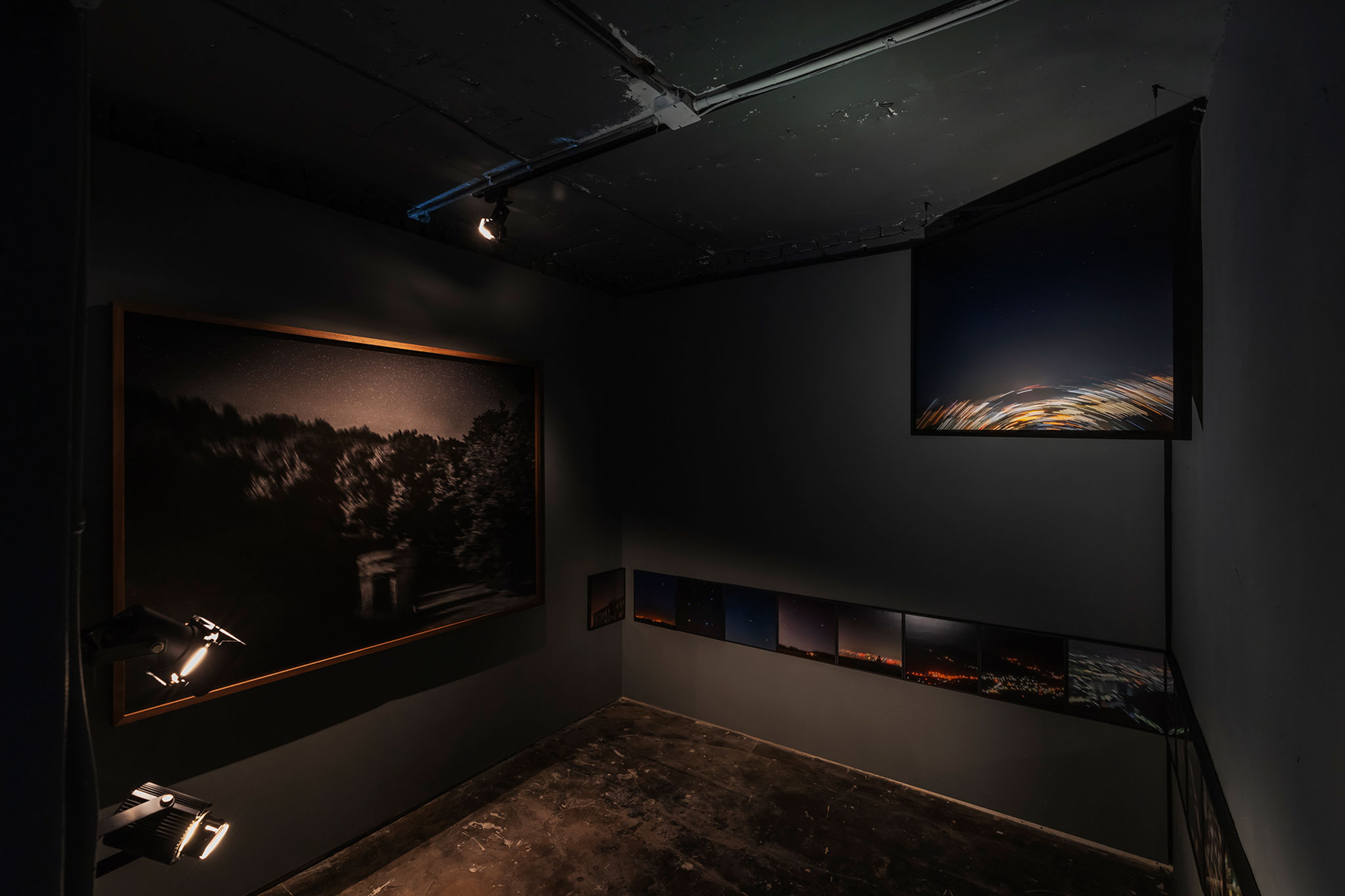
Also on
view is the ‘TIME TREE’ project, which records a space over a two-year period,
capturing the changing seasons and the differing times of day and night. This
work succinctly reveals the artist’s method, shaped through long-term
observation and recording of time and space.
Working
with the medium of photography, Kim Taedong explores alternative spatiotemporal
conditions produced by the specific circumstances of nighttime. He collects
images through repeated, fleeting encounters—photographing what he comes
across—and seeks to capture the subtle energies embedded within everyday life
and urban space.