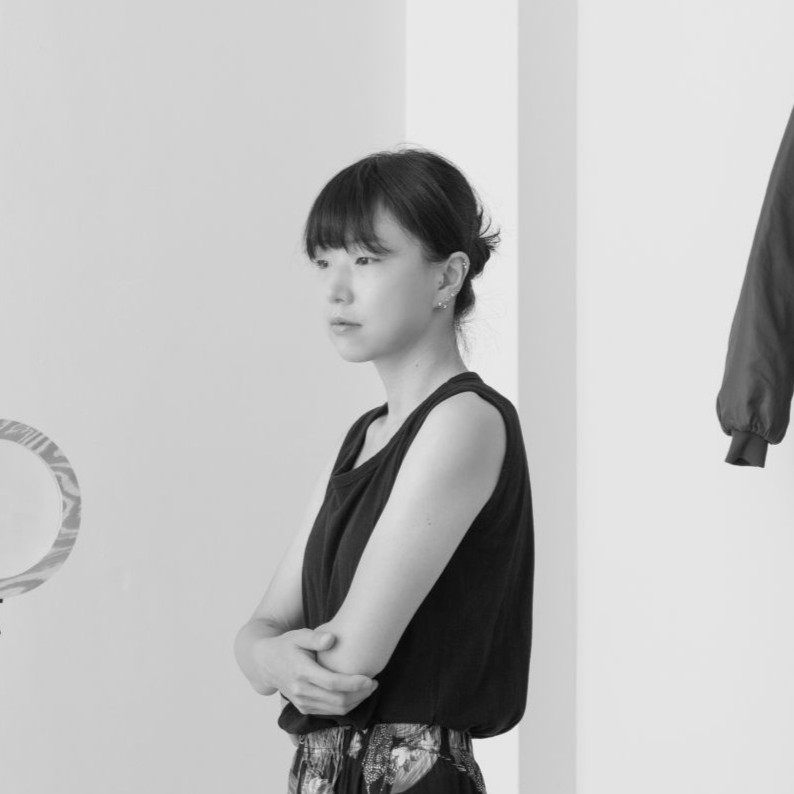
Jihye Park (b. 1987) is interested in social orders mediated by implicit consensus and has continuously questioned the value systems we believe to be optimal. Based in sculpture and installation, her work takes the form of a sculptural essay that expands into text, video, and performance.


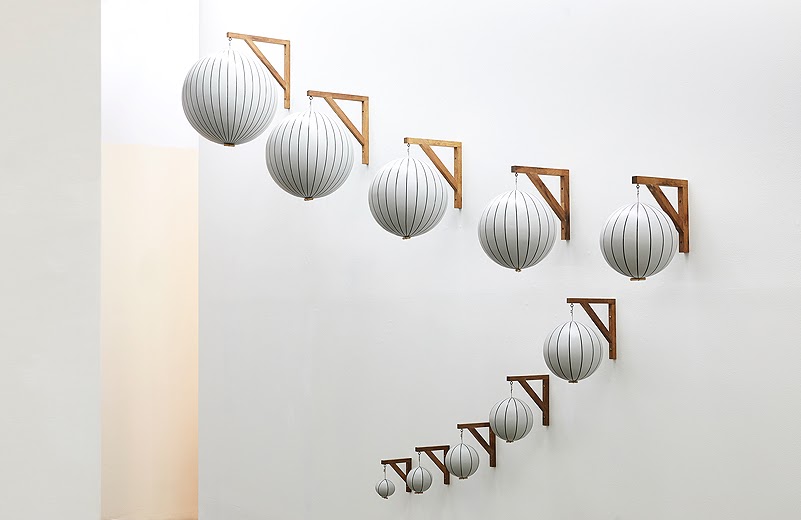
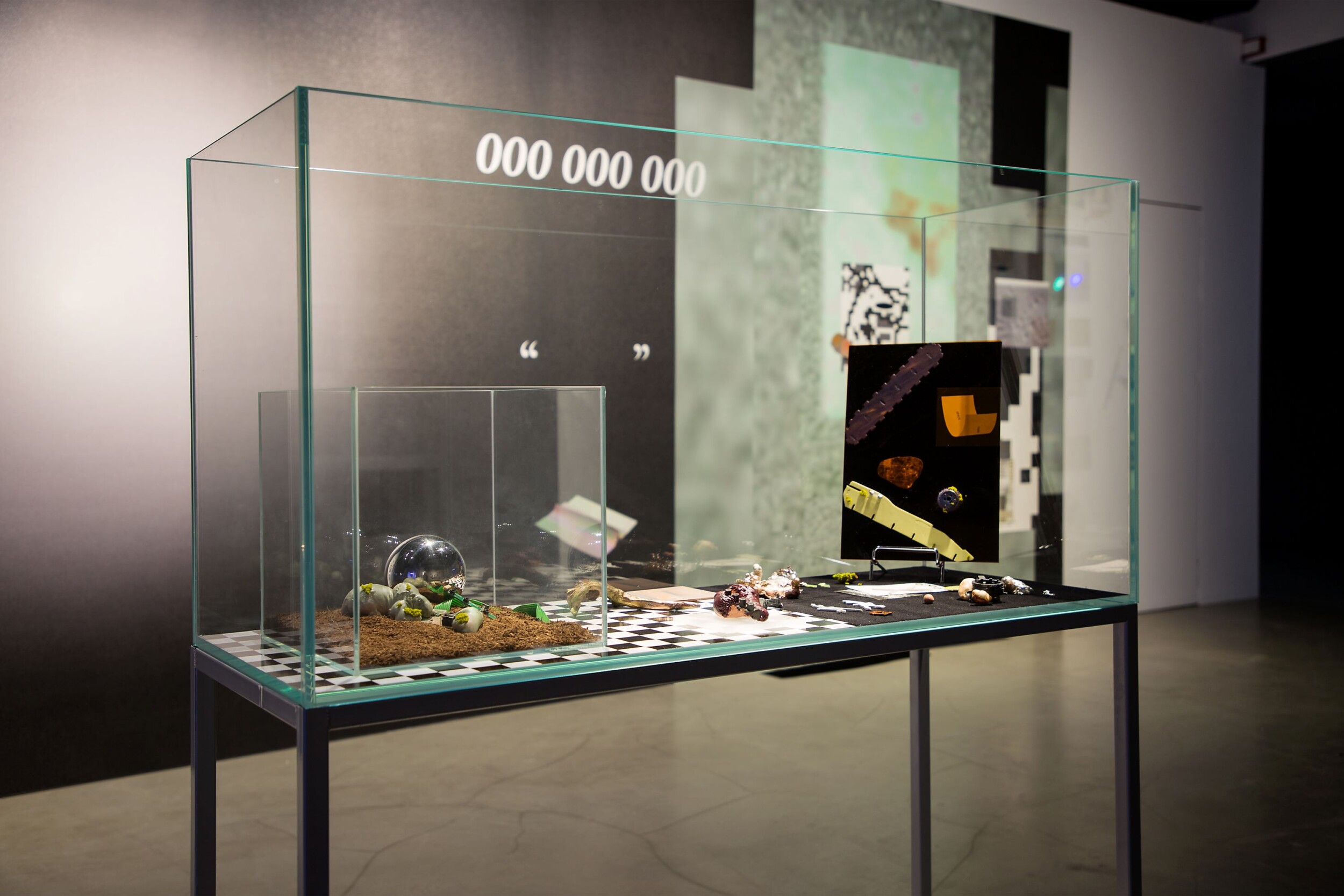
Jihye Park, Infallible Failure, 2018, Cardboard, epoxy, urethane, putty, wood, Dimensions variable © Jihye Park

Jihye Park’s practice traces the ways in which “human imperfection”—the errors and contradictions that inevitably arise from human actions—are absorbed and negotiated within relationships. The artist explores efficient modes of artistic production that aim to minimize failure, developing sculptural and installation works that appropriate elements from mass-produced goods, design systems, and everyday lifestyles defined by formats, standards, and units.


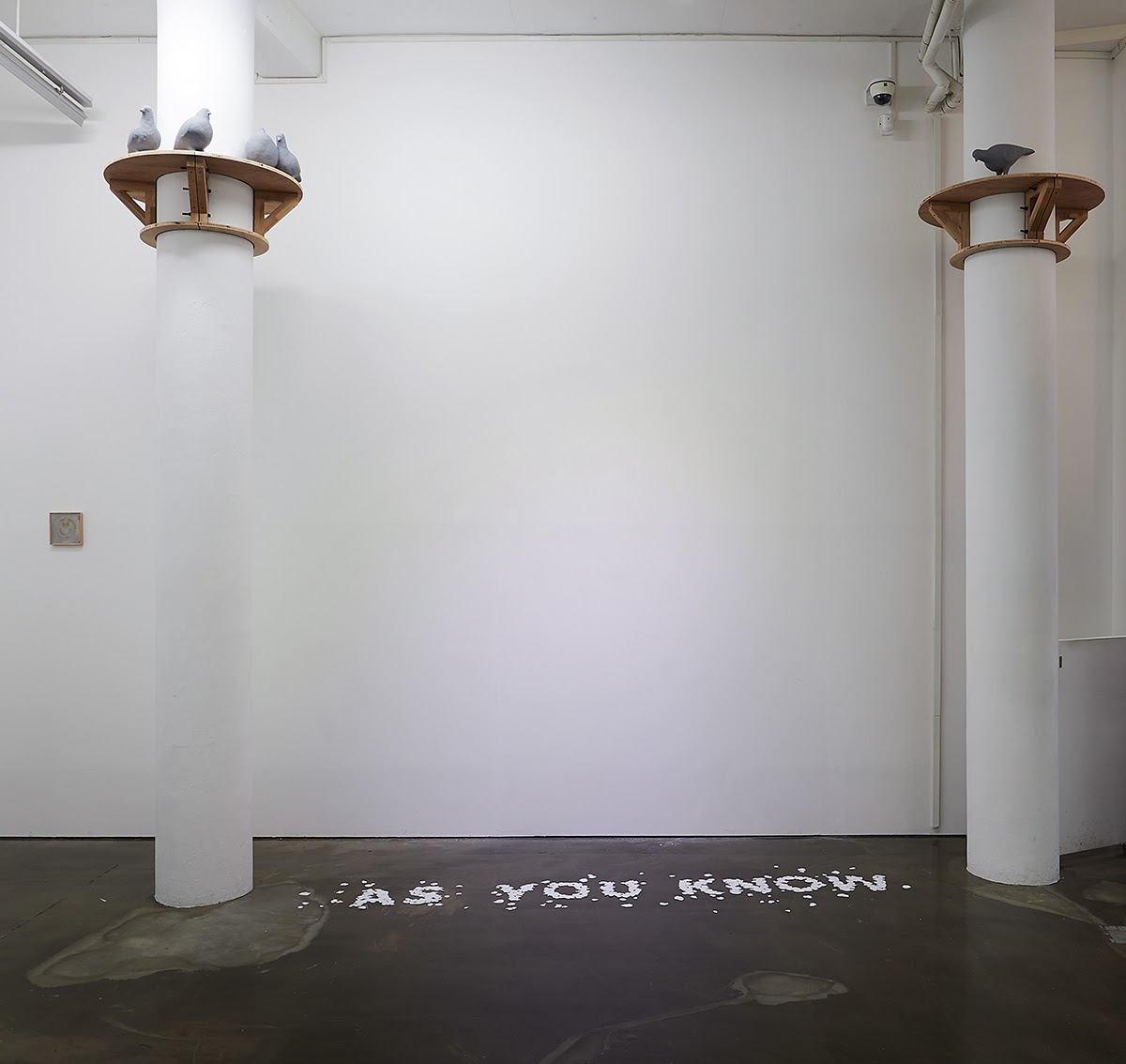
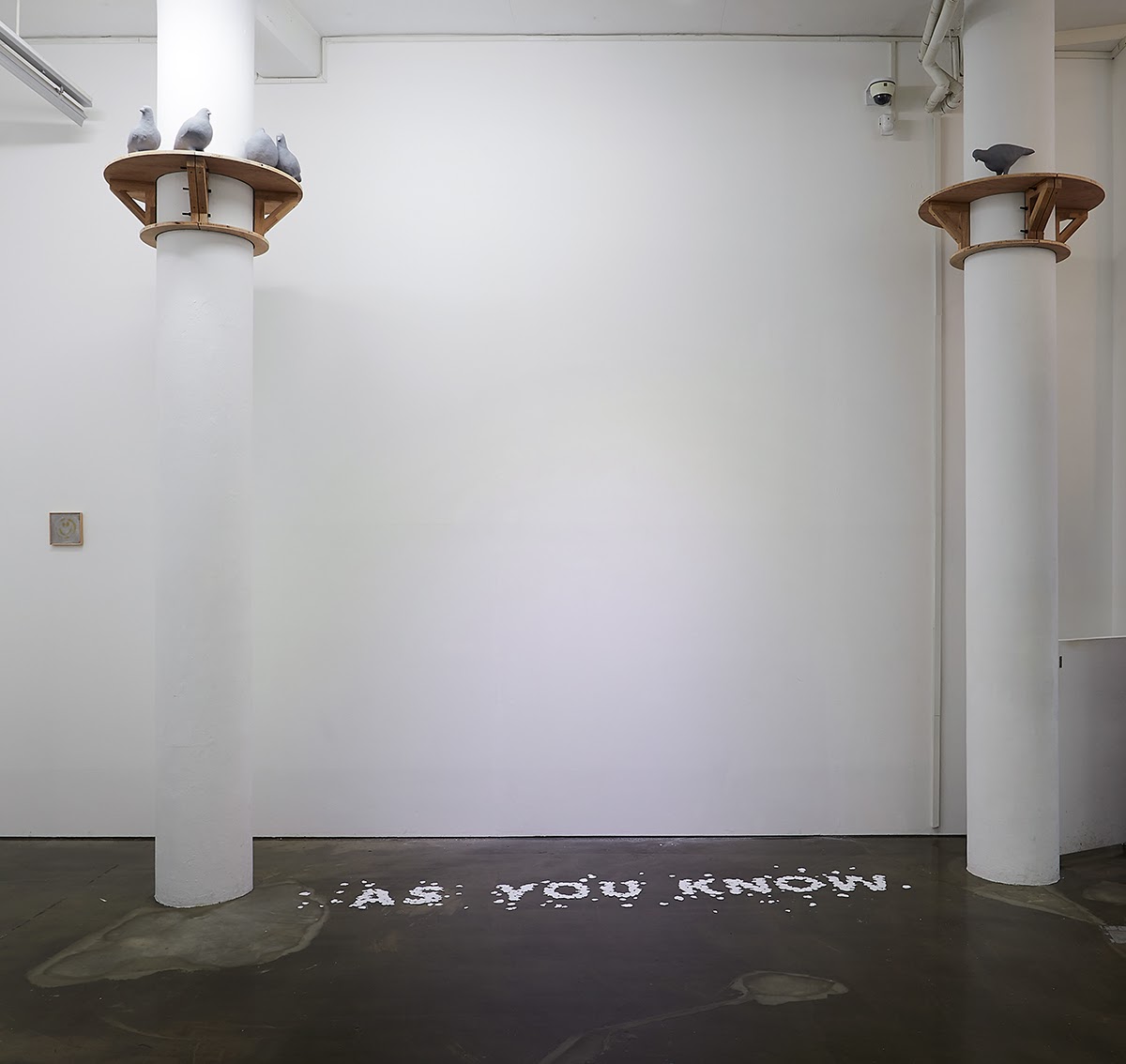
Jihye Park, As You Know, 2018, Wood, styrofoam, resin, Dimensions variable © Jihye Park

To avoid failure in society, one must adapt as fully as possible to given conditions. Jihye Park reads the framework of responsibility embedded within systems defined by standards, limits, units, and formats. In doing so, she confronts what is accepted as “right” simply because it is familiar, as well as what persists merely as justification, continually raising fundamental questions about these criteria.
 
Her work attends to domains that move at a different pace from the demands of the present. By illuminating the many gradations of reality that bridge what is perceived as inconvenient or unnecessary and the sphere of dominant social values, Park releases our perception from fixed, binary modes of thinking.


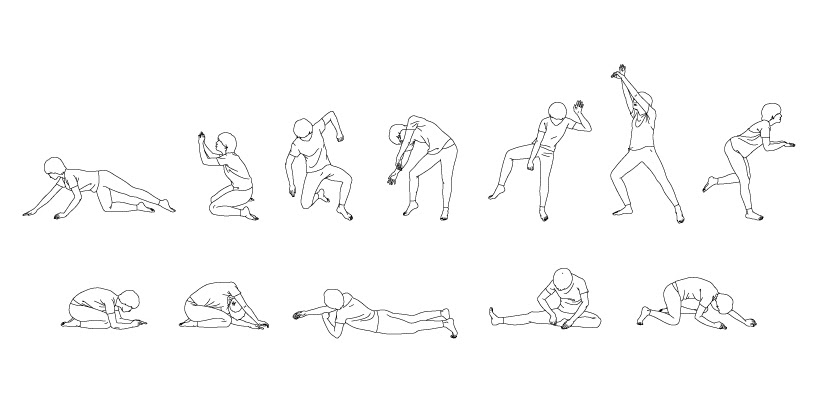
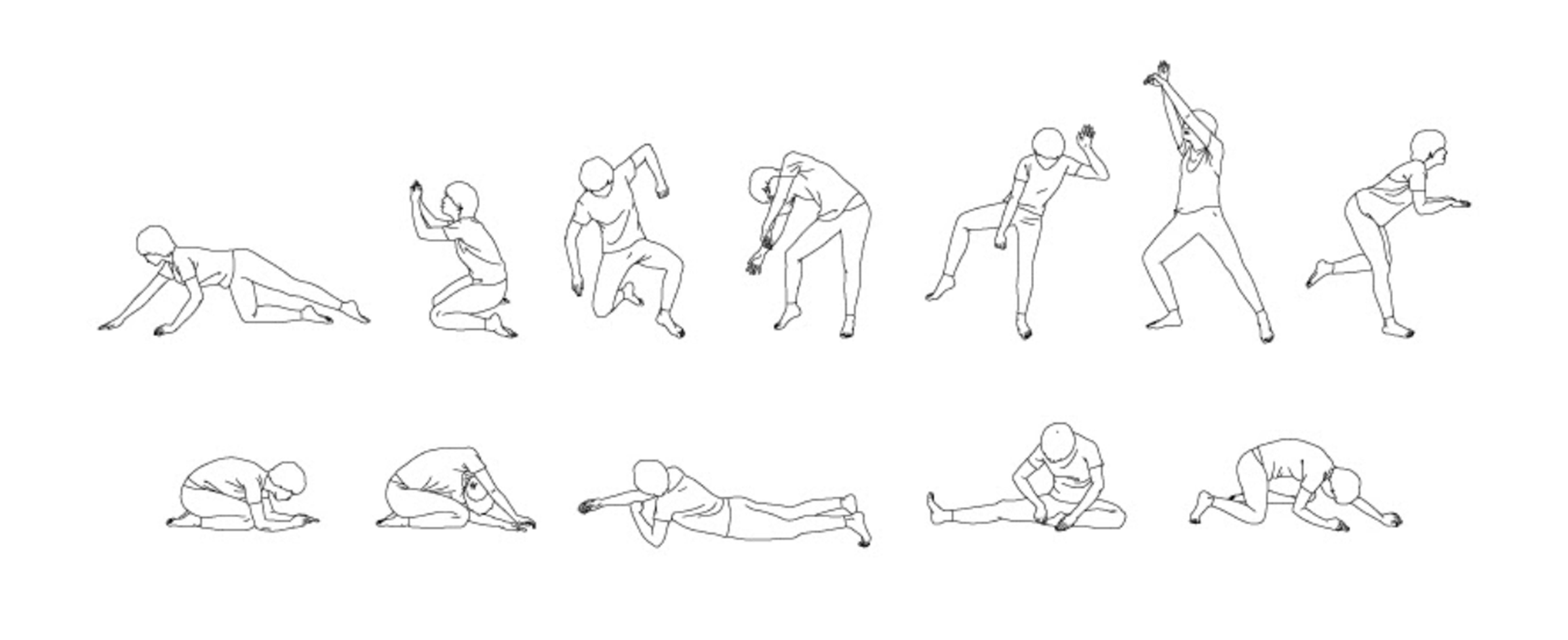
Jihye Park, Practical Work Yoga, 2015 © Jihye Park

In this process, Jihye Park has practiced art as a form of everyday labor unfolding within the realm of reality. Working with sculpture, she understands both her own body and her works as physical entities that must occupy and endure space, embedding within her practice an attitude that connects the body and the artwork.
 
For instance, Practical Work Yoga (2015), a booklet structured like a yoga manual, and Yoga of Devotion (2015), a text-based installation, provide detailed instructions for specific movements required to work within given physical spaces and constraints.


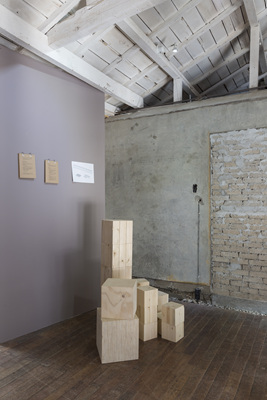
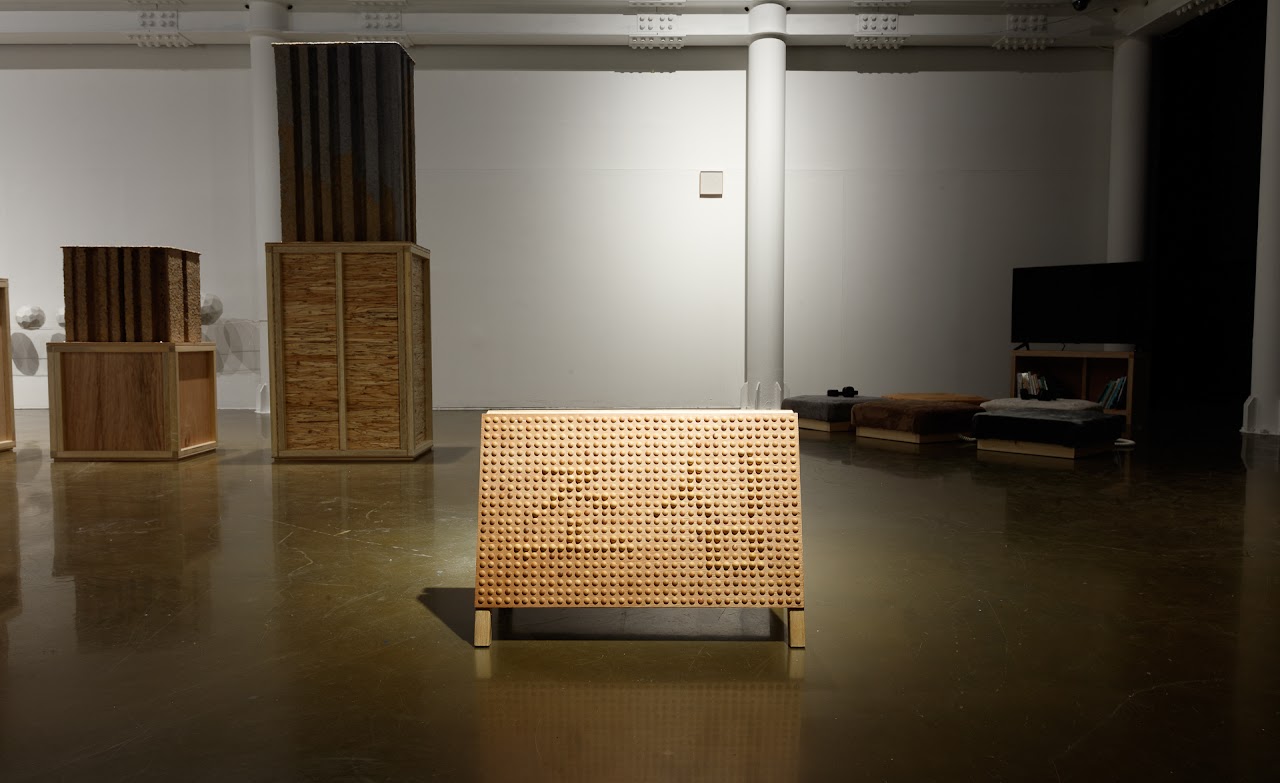
Jihye Park, Installation view of 《Mistaken Empathy; Delightful Encounter》 (Art Space Pool, 2016) © Art Space Pool

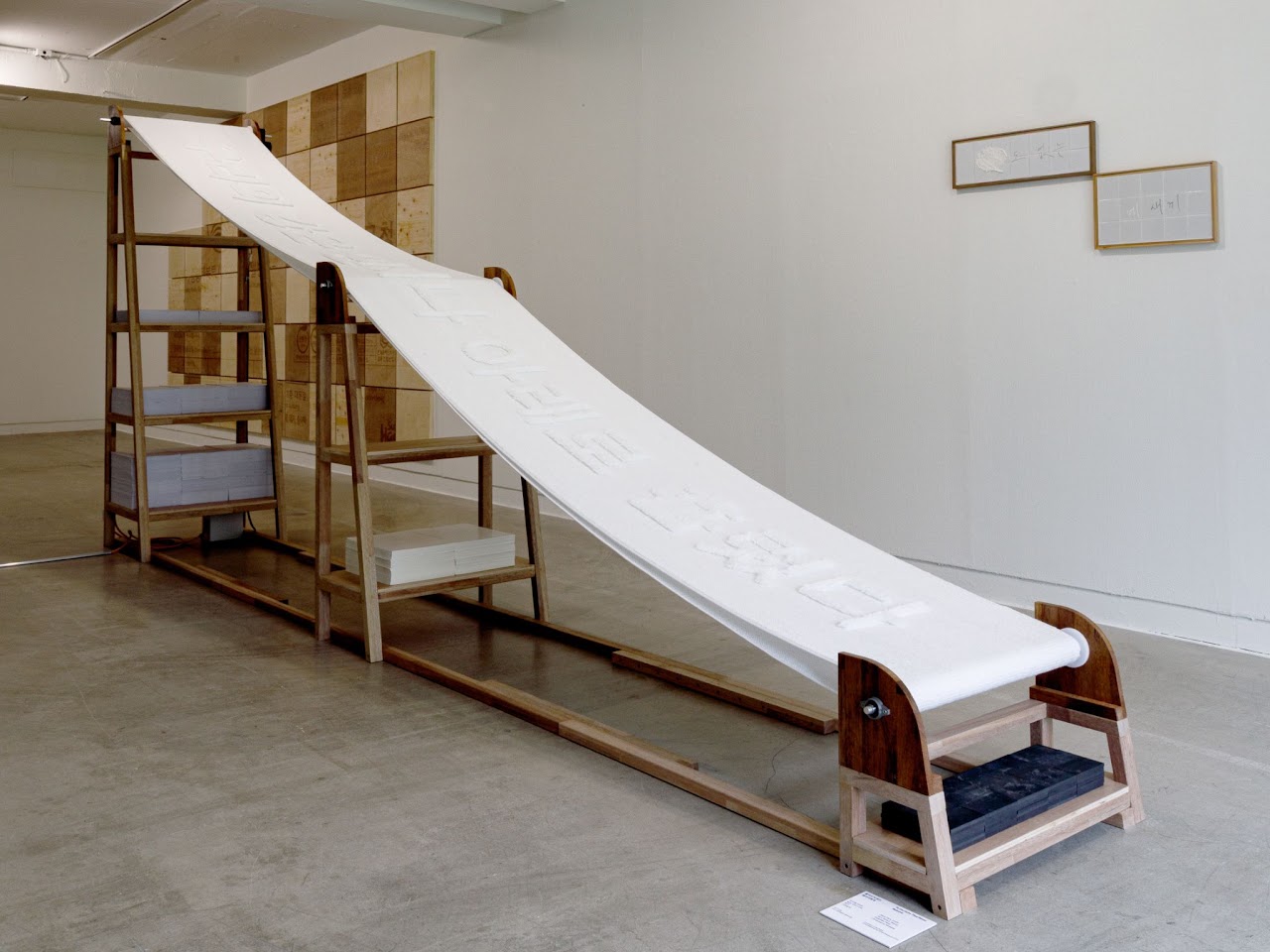
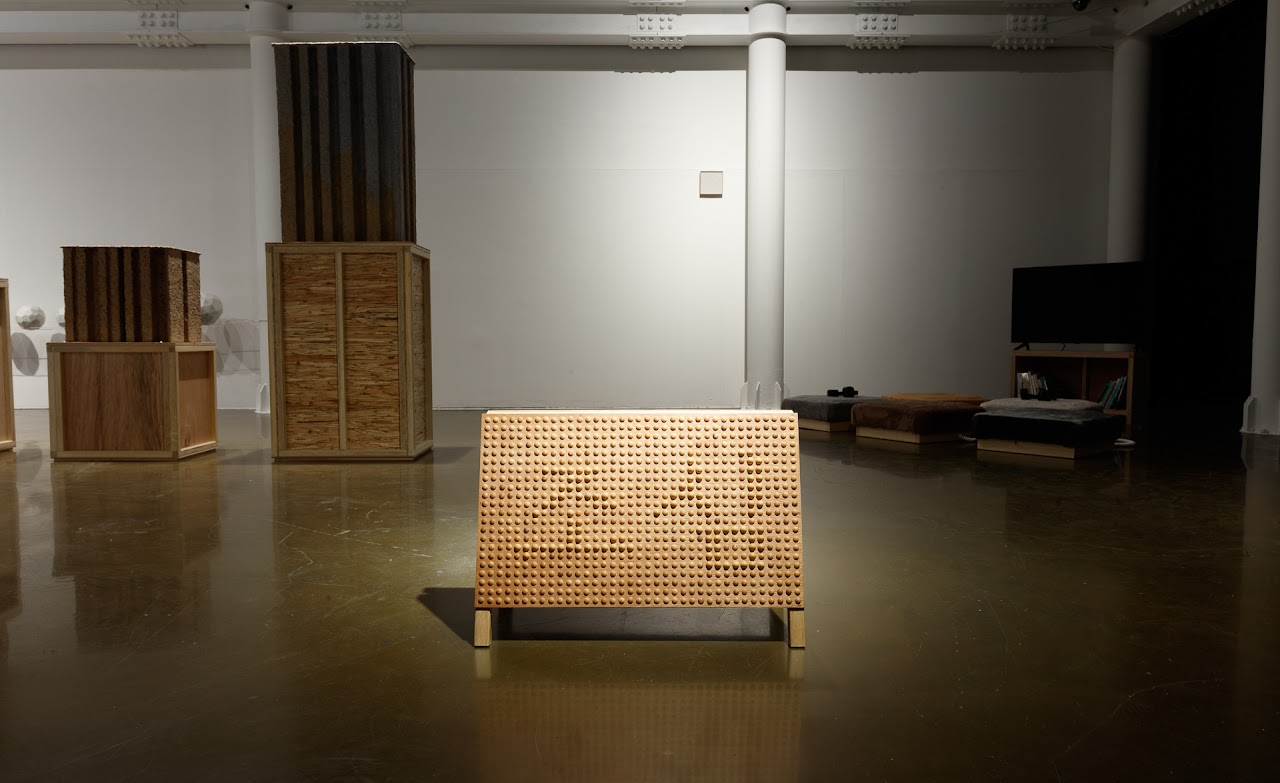
Pure Exhaustion_Temporary Structural Materials (2016), presented in the group exhibition 《Mistaken Empathy; Delightful Encounter》 at Art Space Pool in 2016, consists of cubic masses made by purchasing standardized plywood and lumber, then precisely calculating their dimensions to cut and assemble them with maximum efficiency—leaving no leftover material.
 
Each cube was sized and weighted so that the artist could lift it with both arms. Critic Sohyun An described this act—of conforming one’s body to dimensions set by the world while leaving no residue—as “a measure that reveals the rigors of living as an artist, while also expressing a stubborn defiance, as if picking a snowball fight with the world.”


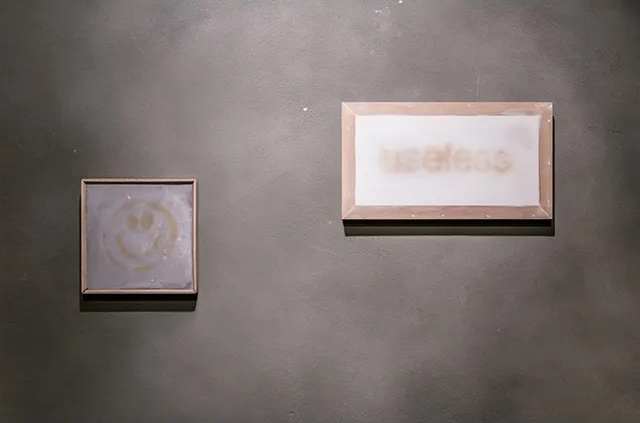
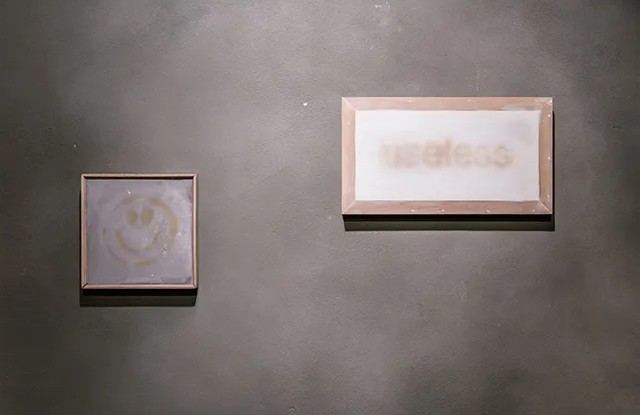
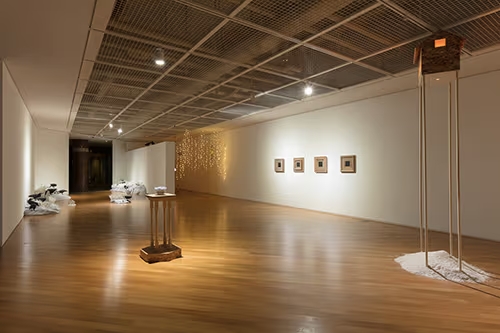
Installation view of 《An Ordinary Failure》 (Gallery Chosun, 2018) © Gallery Chosun

Thereafter, Jihye Park developed works that illuminate “contradictory situations,” such as the irrationalities that inevitably surface in the pursuit of what society calls “rationality,” or the ambiguous outcomes that emerge at the end of such pursuits.
 
For instance, in her 2018 solo exhibition 《An Ordinary Failure》 at Gallery Chosun, she presented a range of narratives drawn from these paradoxical conditions of life, expressing skepticism toward the rationality of social standards that divide failure and success.
 
Here, her work does not seek to completely overturn rigid—at times coercive—systems, nor to incite alternative discourses. Rather, it introduces subtle disturbances within them, inviting viewers to confront the contemporary condition stranded between the two extremes of unconditional compliance and outright refusal.


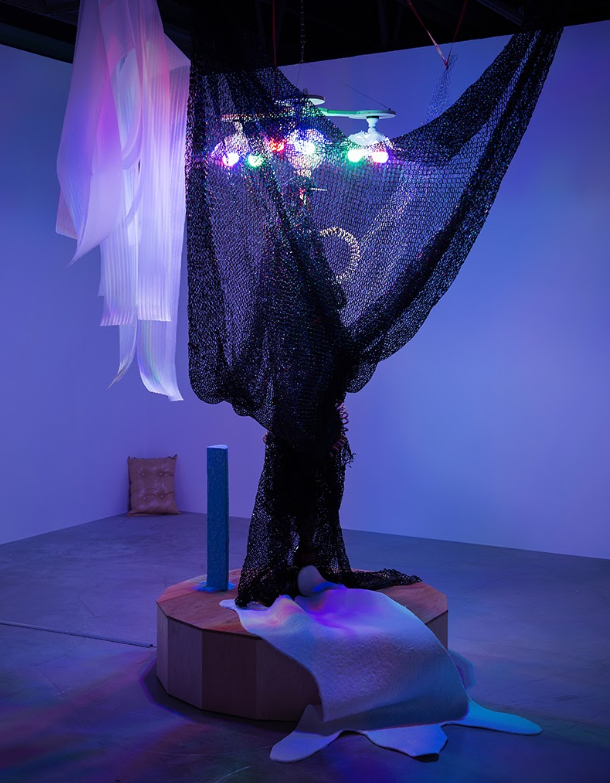
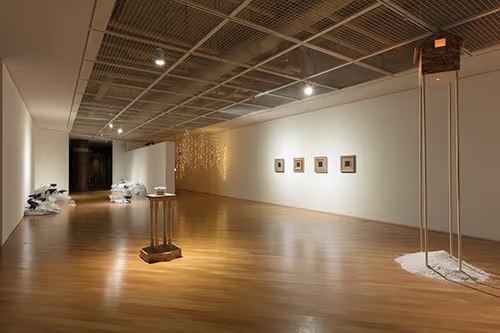
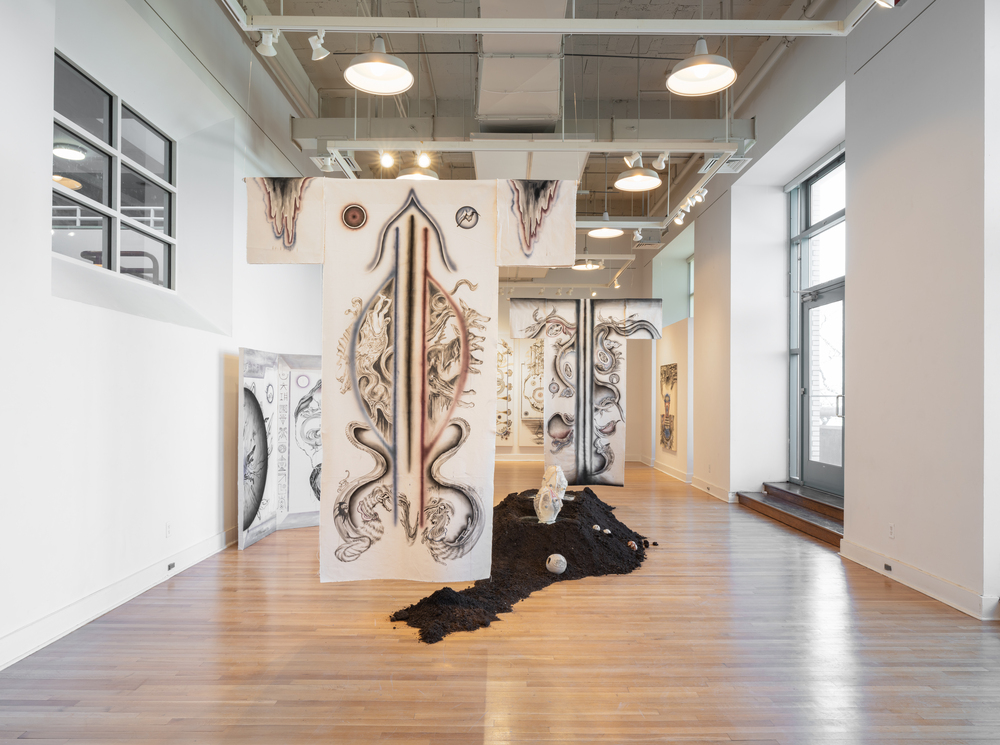
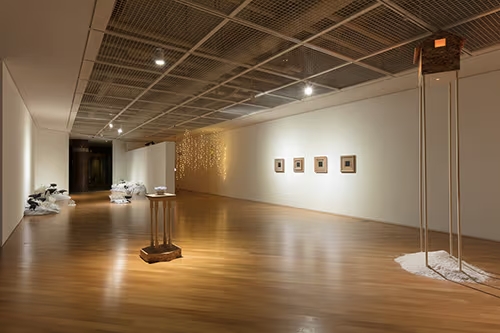
Installation view of 《To Find the Glory Scars》 (SONGEUN Art Cube, 2019) © SONGEUN Art Cube

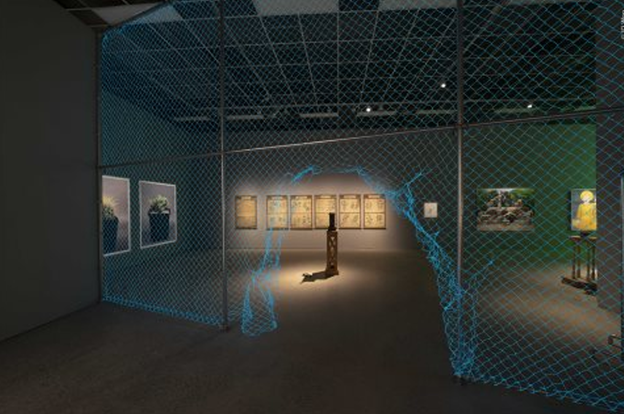
Extending from this line of inquiry, in her 2019 solo exhibition 《To Find the Glory Scars》, Jihye Park addressed the small wounds individuals are expected to bear in accordance with beliefs deemed legitimate.
 
In bringing attention to these wounds, rather than departing from conventional rules to create new meanings or recontextualize them, the artist allowed symbolic objects representing specific meanings to float within the exhibition space, prompting viewers to question their own choices.


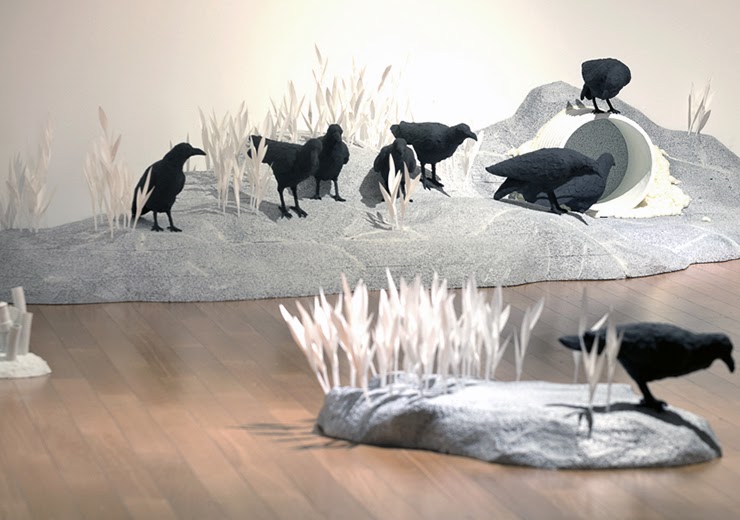
Jihye Park, Dear My Friend, 2019, Styroform, resin, electric hose, straw, paper, Dimensions variable © Jihye Park

In the exhibition, blind (2019), an object work in the form of a Sapsal dog, stood guard at the entrance. The sculpture, covered with fur made from mop strands, evokes the superstition that “white dogs can see ghosts.” Departing from the typical image of a white-coated dog, this figure appears to attempt to ward off misfortune from the gallery through its placement in the window space—yet its intention remains ambiguous.
 
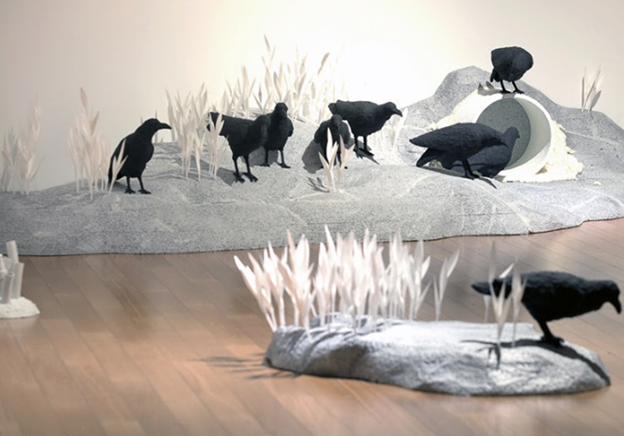
Dear My Friend (2019), an installation beginning at the entrance of the main gallery and forming a passageway, confronts viewers with twenty-three crows gathered as if in a damp terrain where something ominous is about to happen—or has already occurred.
 
In contemporary Korean culture, crows are often regarded as ill omens, as reflected in the saying that seeing a magpie brings good luck while encountering a crow foretells misfortune. However, in Norse mythology, crows (or ravens) symbolize wisdom and are considered auspicious. Thus, depending on the cultural context, the crow is interpreted at opposite extremes—as either a bad or good omen—ultimately remaining a figure of ambiguous meaning.


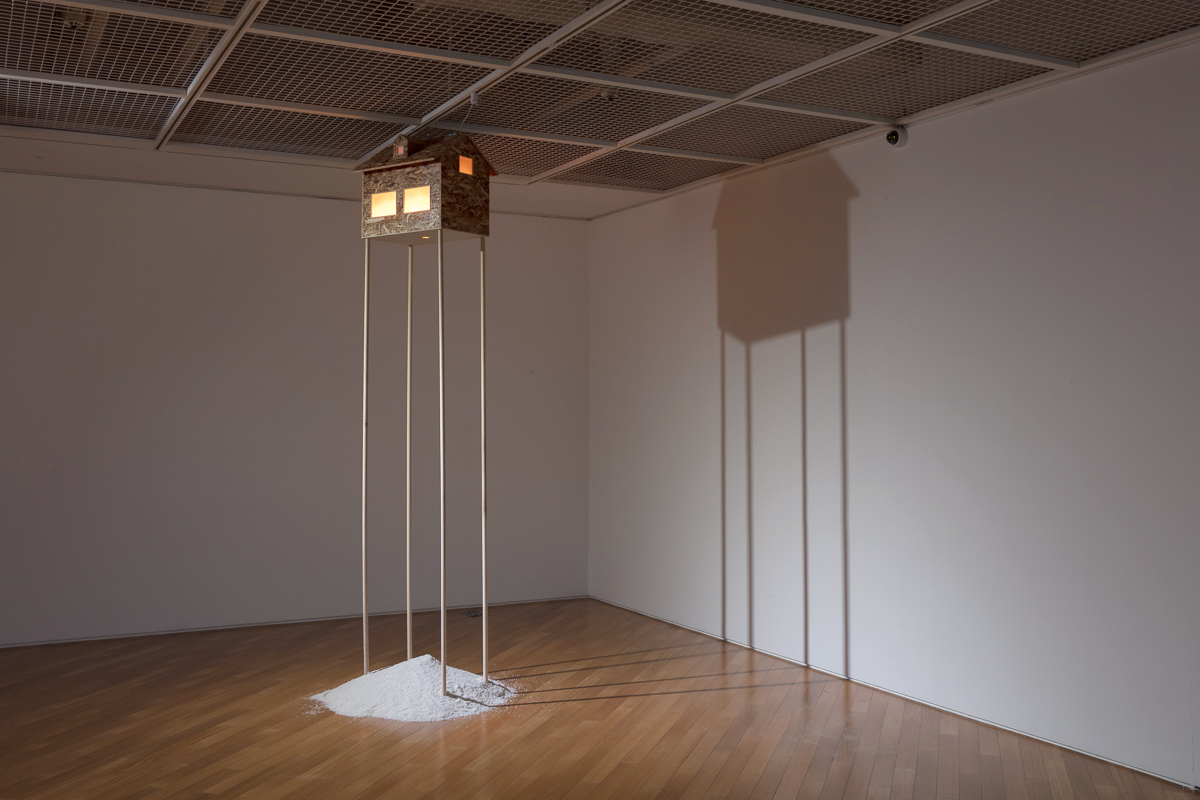
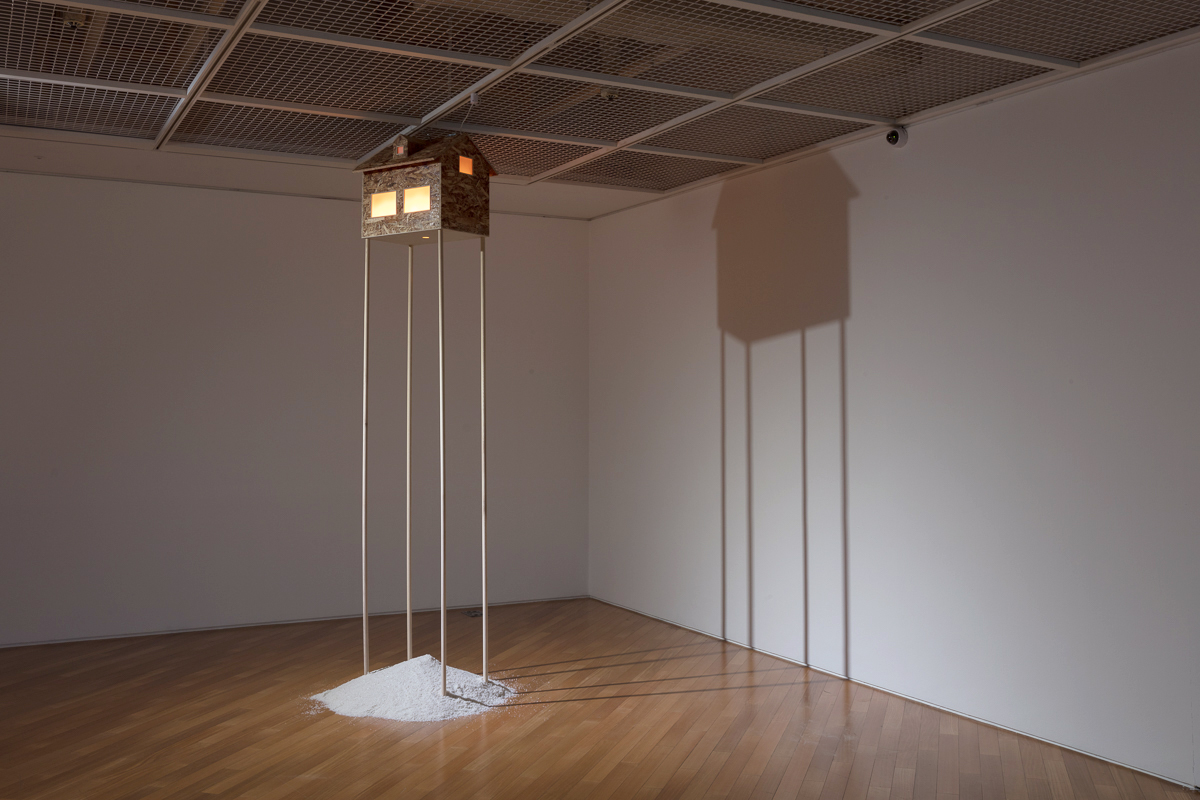
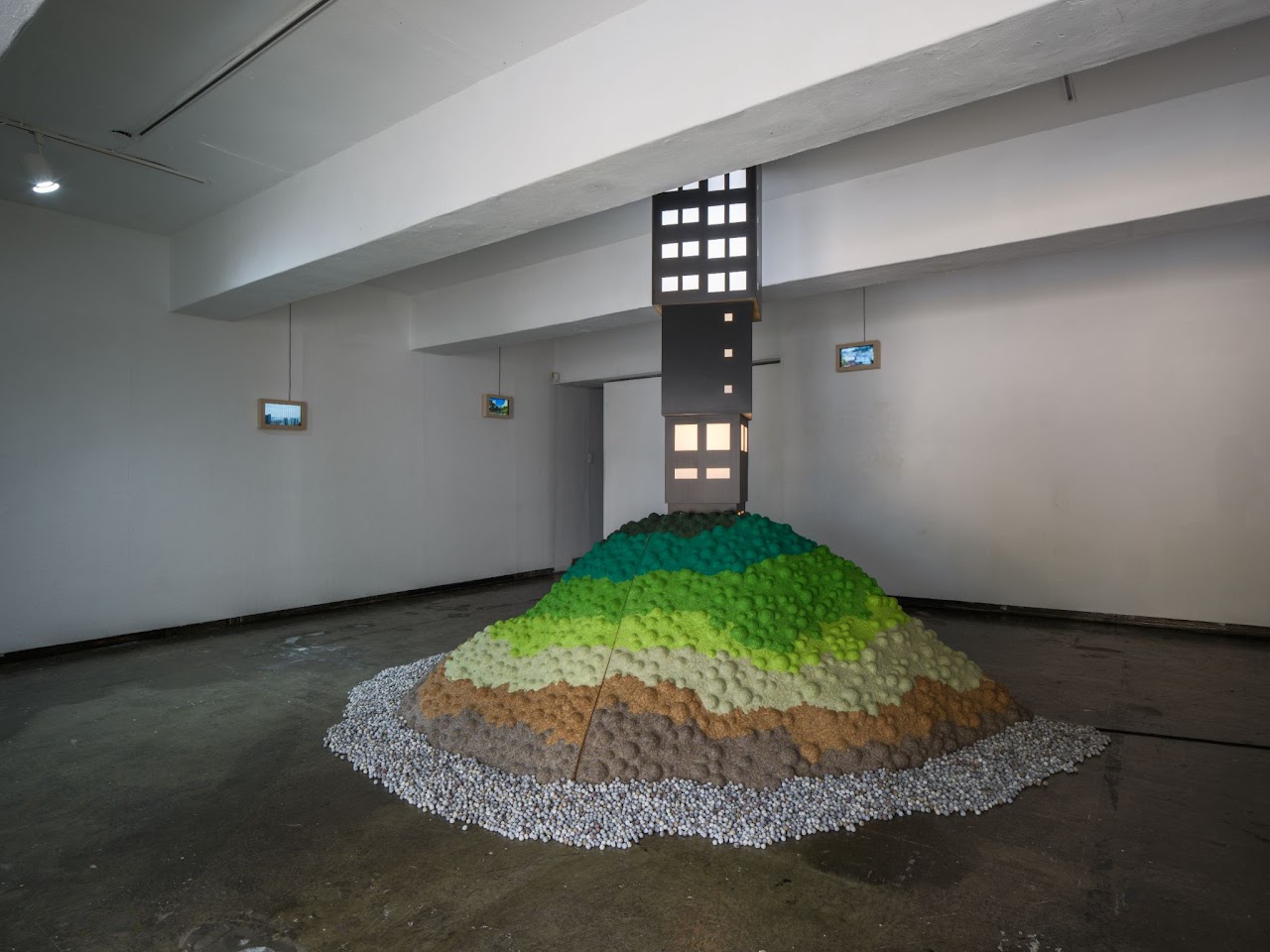
Jihye Park, home sweet home, 2019, Wood, fish feeder, LED, salt, Dimensions variable © Jihye Park

Meanwhile, home sweet home (2019) is an installation depicting a hut that, though solidly and securely built, is ultimately engulfed in flames. Salt, commonly associated with warding off impurity and misfortune, is present—yet despite its accumulation, the hut continues to burn, creating an ironic situation.
 
The works, arranged without a fixed narrative, are accompanied by symbols whose meanings shift according to socially assigned interpretations. While the artist appears to follow meanings that operate within specific contexts, she ultimately raises the question of whether meaning is assigned by the individual gaze or derived from collective consensus.


Installation view of 《Son’s Time 1/2》 (The Museum of Korean Modern Literature, 2022) © Jihye Park

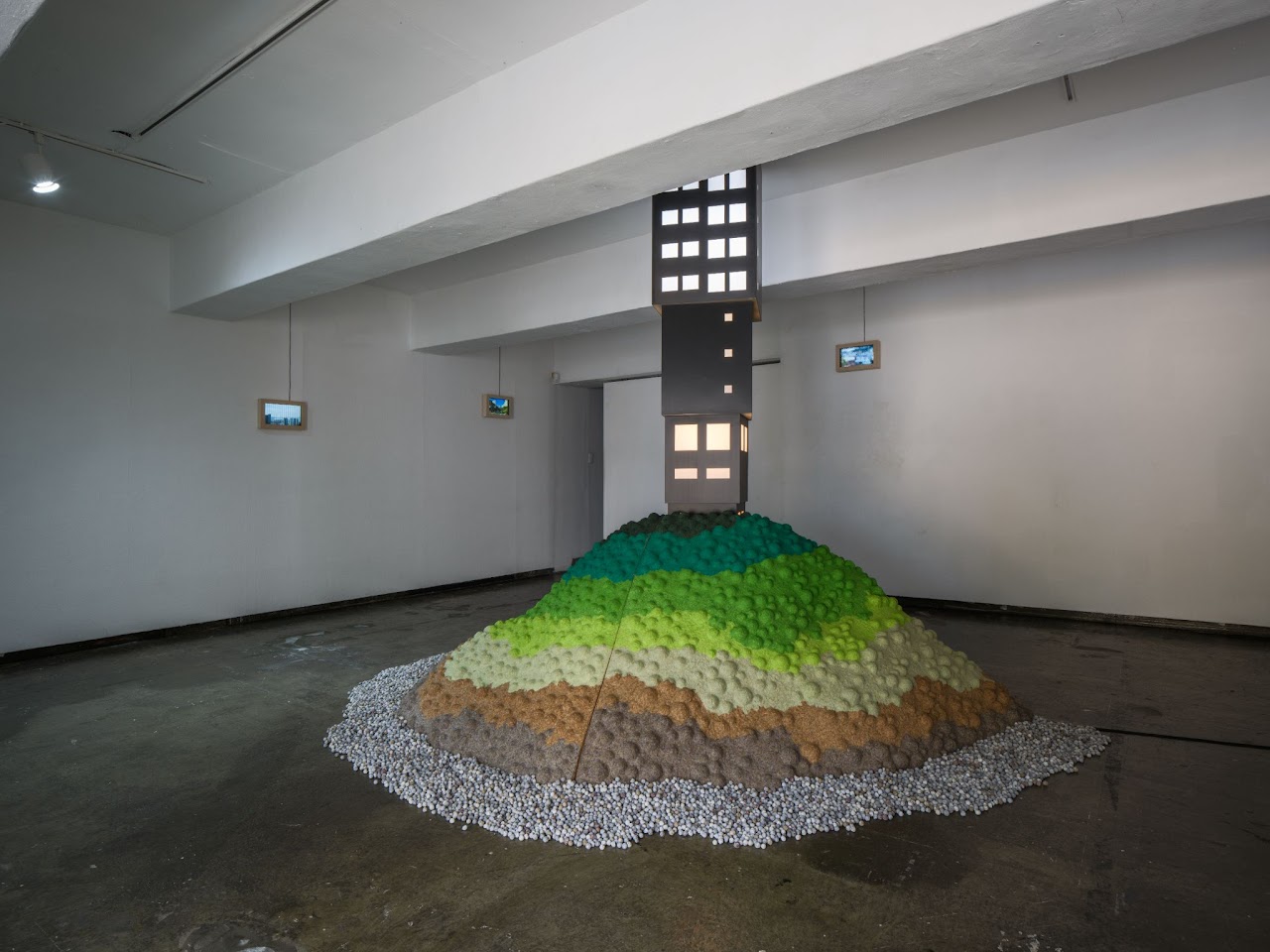
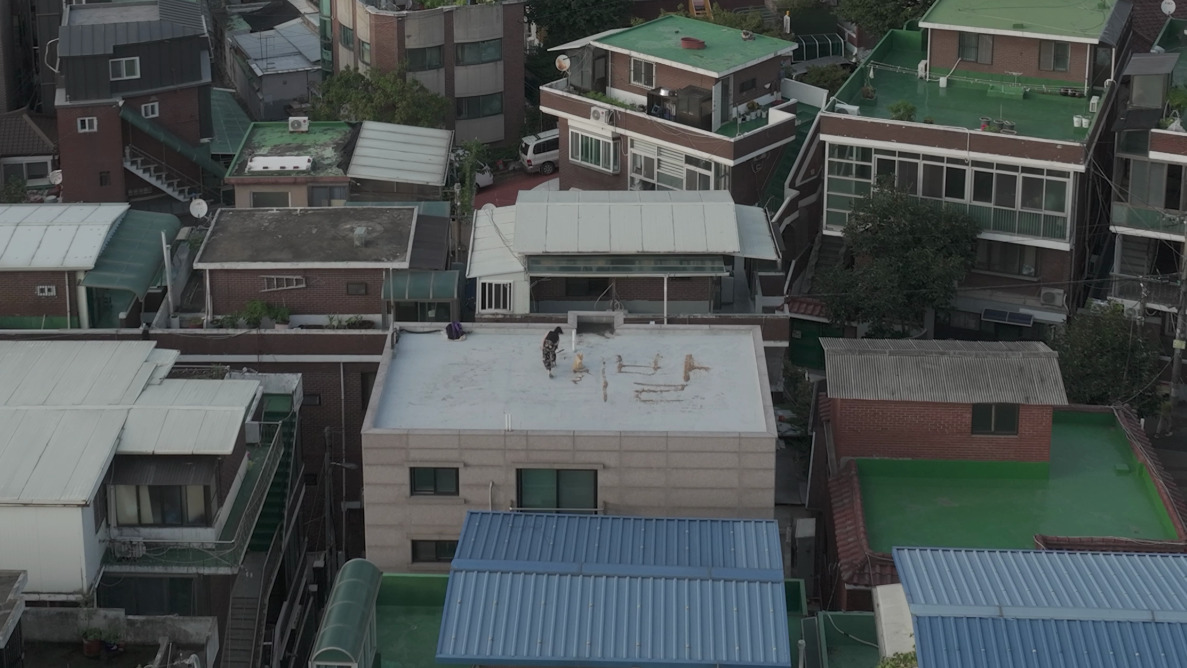
Furthermore, beginning in 2021, Jihye Park presented the two-part exhibition 《Son’s Time》, through which she sought to reveal the fragmented conditions of life and the emotions arising from their collisions—perceived during visits to areas situated at the margins of urban order, where residents must navigate and resolve the inconveniences of daily life on their own.
 
For this project, the artist conducted research in the island regions of Incheon and developed works engaging with local communities and histories. Through this process, she explored the images and narratives of objects while also posing questions about systems from which the individual is excluded.


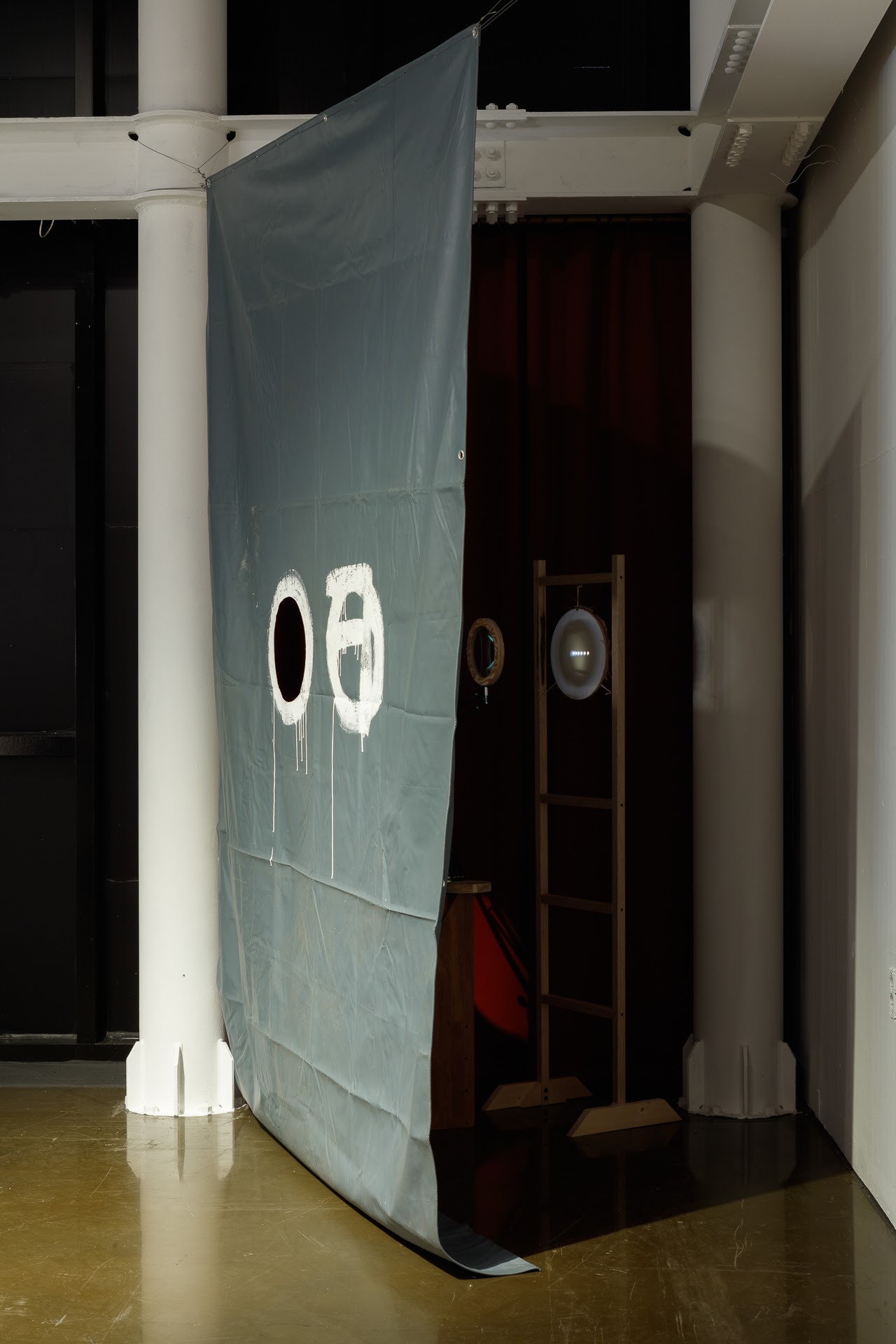
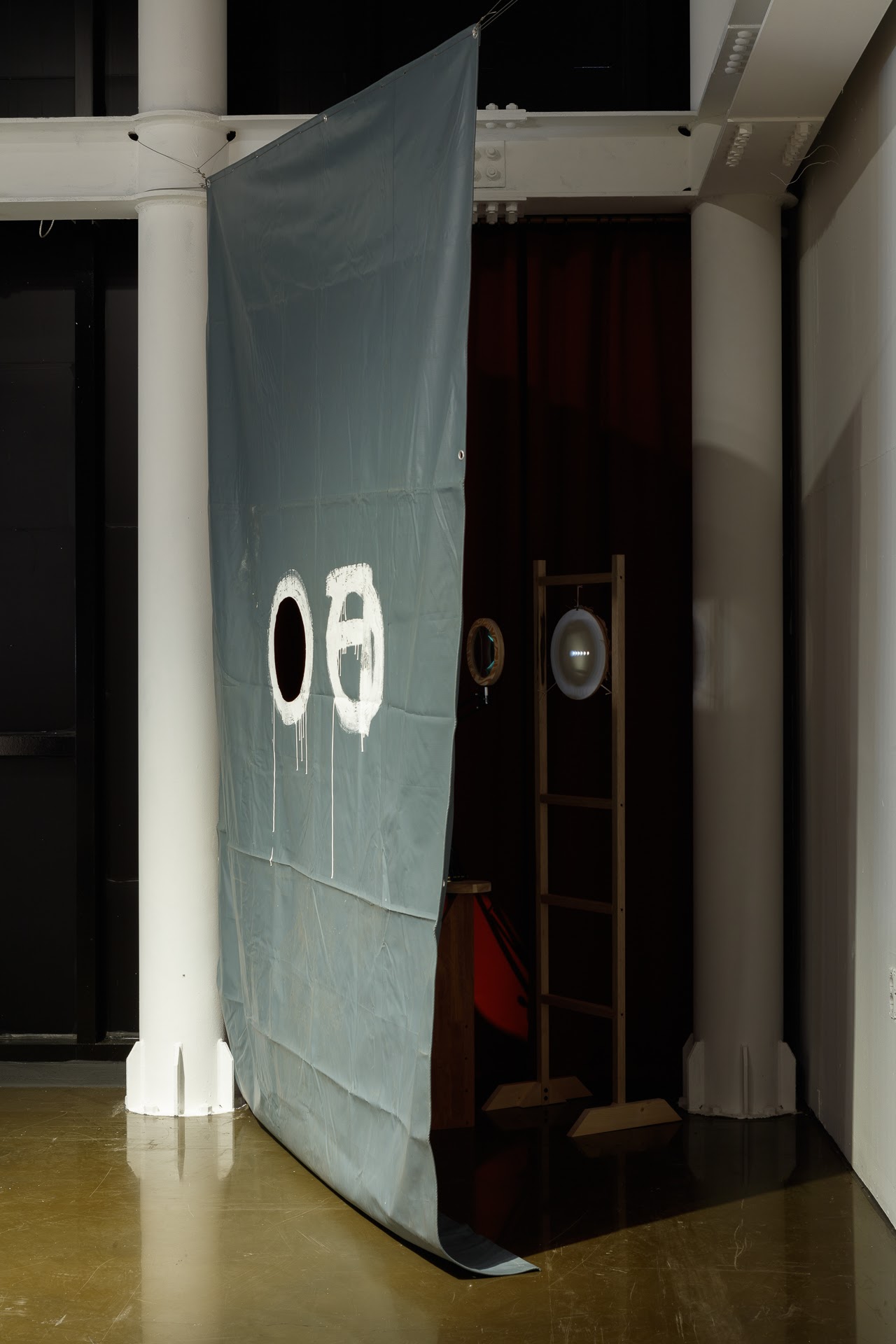
Jihye Park, OO, 2022, Paint on a tarpaulin, Dimensions variable © Jihye Park

Rather than defining regionality, the artist focused on the relationships, lives, and conflicts of those who inhabit these places—attending to aspects of human nature. As a result, a subtle tension runs between the works.
 
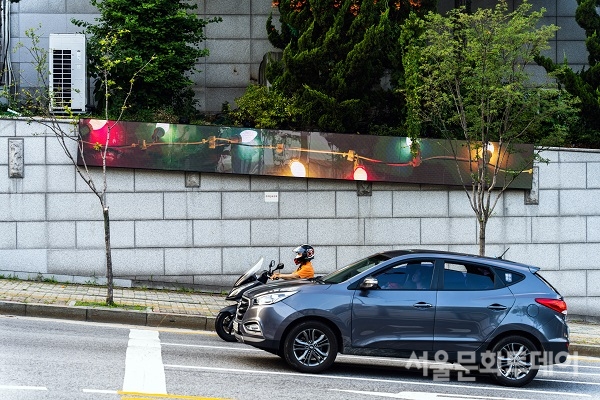
Forms of life that unfold differently from one’s choices, the awkward exchanges between separated parents and children or across generations—marked by mutual concern—and the taut yet fragile shape of what we call “community” are all embedded within the sculptures.
 
In the first outcome of this project, 《Son’s Time 1/2》 (The Museum of Korean Modern Literature, 2022), the works appeared fragmented and discontinuous rather than organically connected. Yet, when viewed as a whole, these seemingly disparate pieces reveal themselves to be moving toward a single conclusion.


(left) Jihye Park, My Island, 2022, Wood, duct tape, hardware, Dimensions variable / (right) Jihye Park, Your Castle, 2022, Fabric, resin, cement fragments, Dimensions variable © Jihye Park

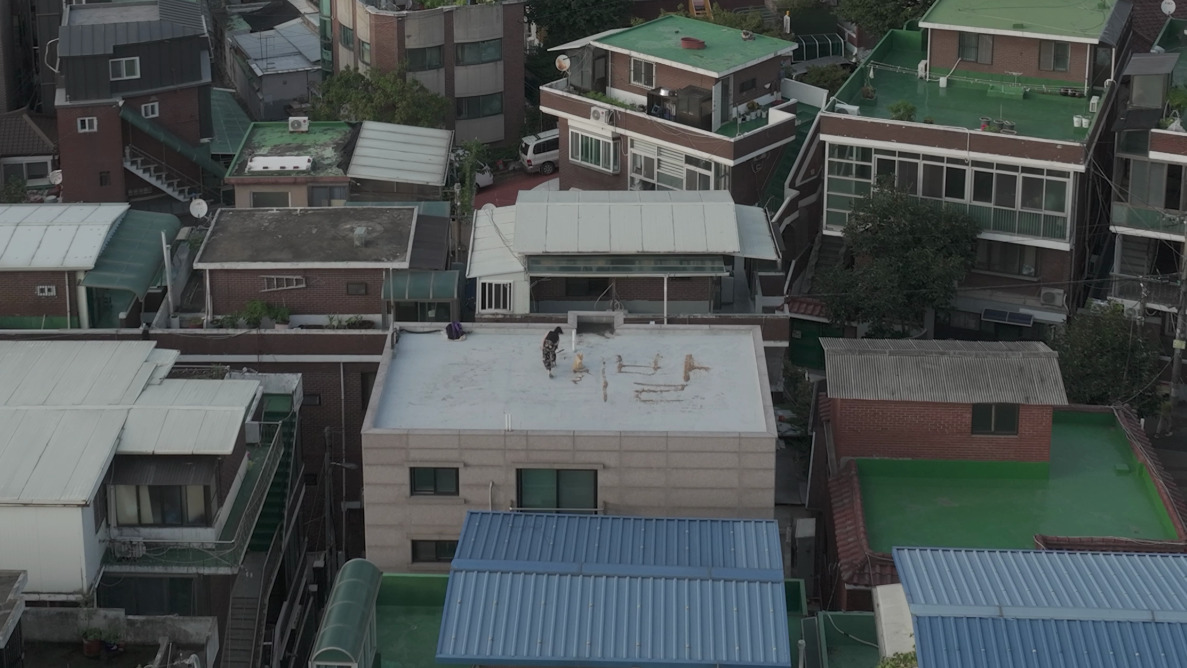
A Time Difference (2022), which renders the silences that arise in conversation and generational gaps through ellipses and variations in light, and OO (2022), which evokes the hesitant, perfunctory replies to cautious or self-conscious messages of concern, both capture gestures of care and worry—scattered, in their own ways, into the deepening valleys of misunderstanding shaped by distance in relationships.
 
Additionally, the two facing installation works My Island (2022) and Your Castle (2022) juxtapose contrasting scenes: a seemingly solid yet fragile island, bound together with tape and on the verge of collapse, and a sparse setting where only the skeletal structure of a dining table remains, upon which a small ceramic castle sits alone.
 
Across these works, the artist overlays phrases such as “you don’t have to go that far,” “I’m doing fine,” “perhaps a meal set for one,” and “isolation,” prompting the viewer to imagine particular situations. Through these associations, viewers come to recognize both the gratitude and the difficulty, even discomfort, involved in caring for others, and begin to see the fragile taped island and the modest castle on the dark table as reflections of someone’s presence.
 
By recomposing these subtle gestures of feeling observed during her research, the artist seeks to explore how—and to what extent—social conflicts might be mended through small acts of care.

Jihye Park, No, I wish my own well., 2023, Single-channel video, 5min 10sec. © Jihye Park

The final exhibition of this project, 《Son’s Time 2/2》, held at Space BEAM in 2023, consisted of five single-channel video works produced since 2019. The images projected across screens of varying sizes throughout the gallery centered on fleeting existences and the labor of clearing away and erasing them.
 
Without offering explicit explanations, the artist presented a sequence of concerns she had engaged with at different times and under different circumstances, inviting viewers to draw their own connections between the words “son” and “time” in the exhibition title. Each work carefully records moments from the artist’s own experiences—particularly those that lingered in her mind—then compresses them until nothing more can be stripped away.
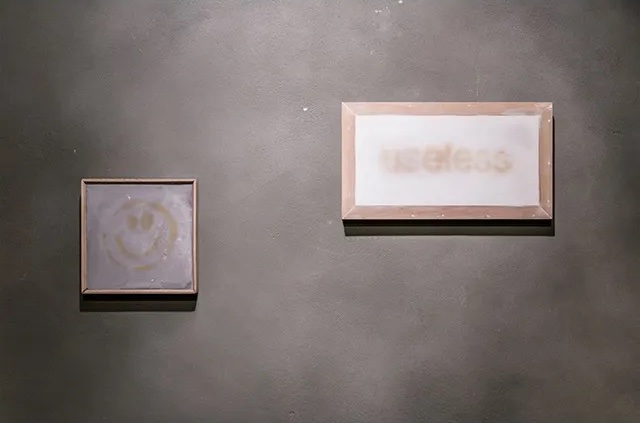
 
These videos, at times resembling futile struggles, run parallel to her sculptural and installation practice—marked by efforts to “persist” and “discard”—while also revealing an intense attempt to grasp the fleeting nature of time as it relentlessly dissipates.


Installation view of 《Let’s Go Home》 (Insa Art Space, 2024) © Jihye Park

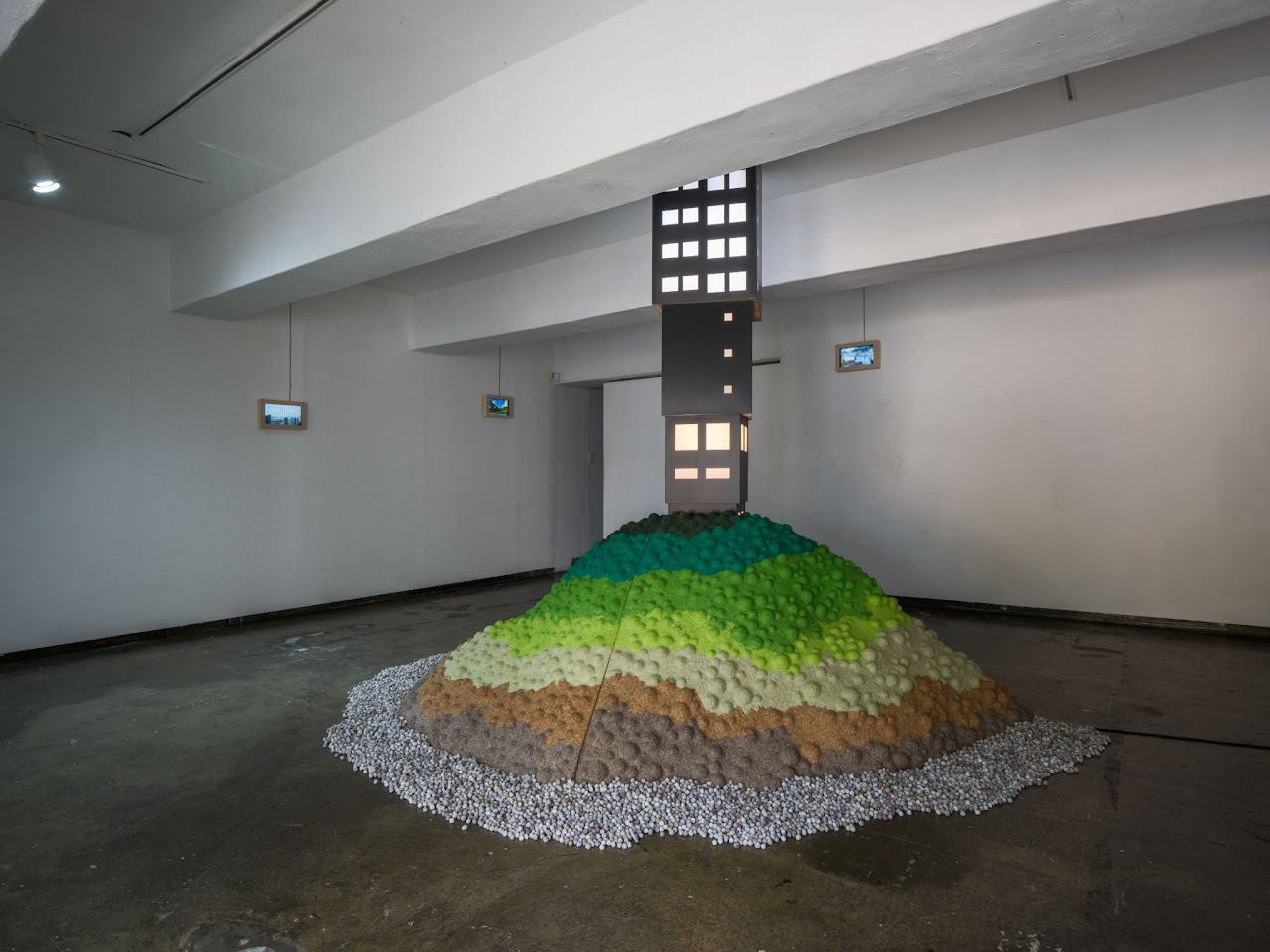
The following year, the solo exhibition 《Let’s Go Home》, held at Insa Art Space, unfolded as a second family narrative extending from 《Son’s Time》. The exhibition consisted of sculptural installations that visualized the stories of three generations of women—grandmother, mother, and daughter—who share a common root yet live across Seoul, Incheon, and Busan.
 
The works placed throughout the gallery were interconnected through emotions that could not be fully articulated in words, as well as through layered accumulations of time.
 
The narrative begins when the daughter, one of the speakers, encounters her family through an unexpected event while struggling to sustain herself in Seoul. In a moment where they tentatively embrace one another’s long-unspoken pain, they come to recognize how the choices they made to fulfill the role of the “normal” woman in Korean society have often been dismissed as powerless or insignificant.
 
《Let’s Go Home》 invites viewers to trace the positional value of ordinary individuals by attending to the micro-histories of everyday citizens, who have labored beneath the surface to sustain a seemingly uneventful and peaceful daily life.


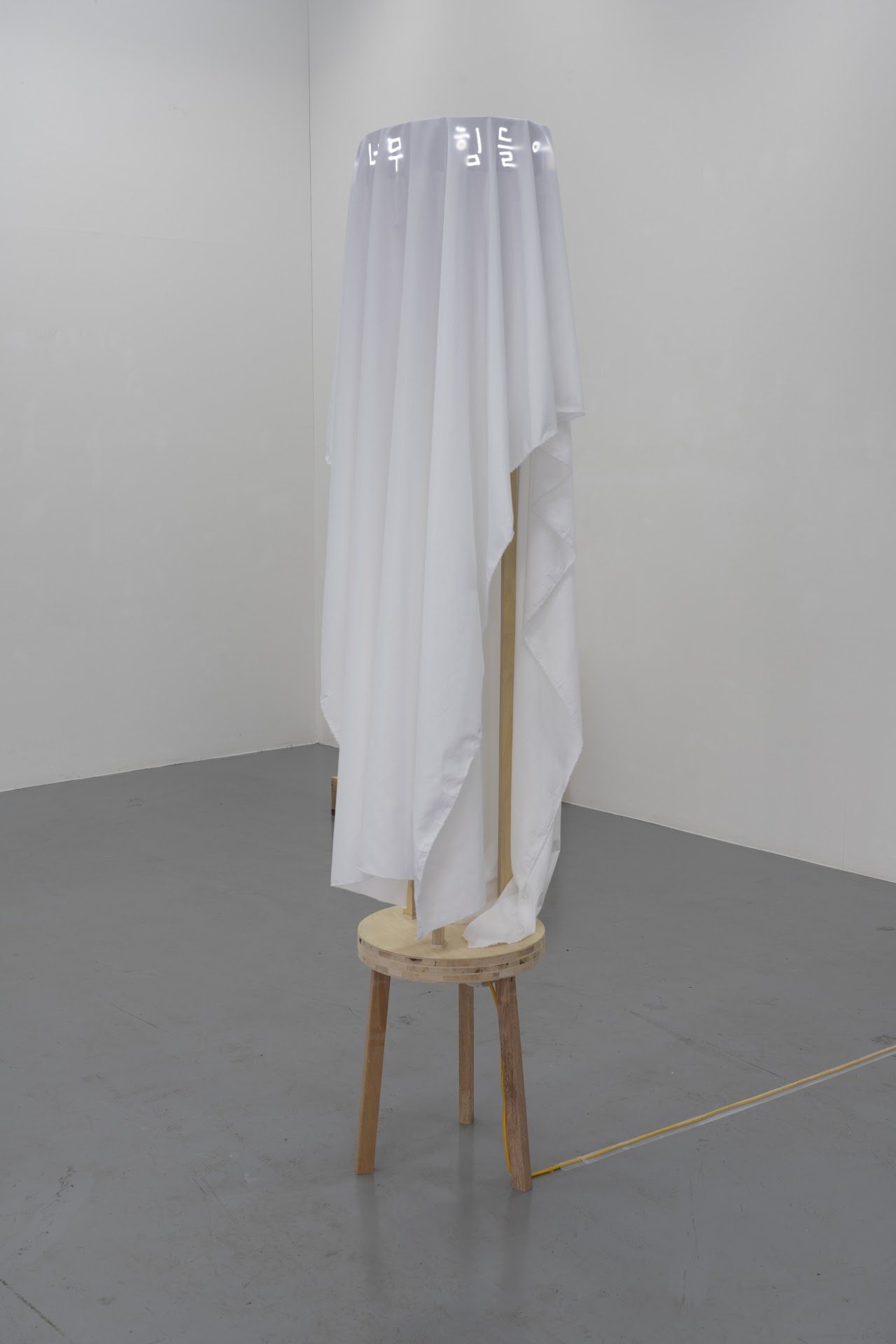
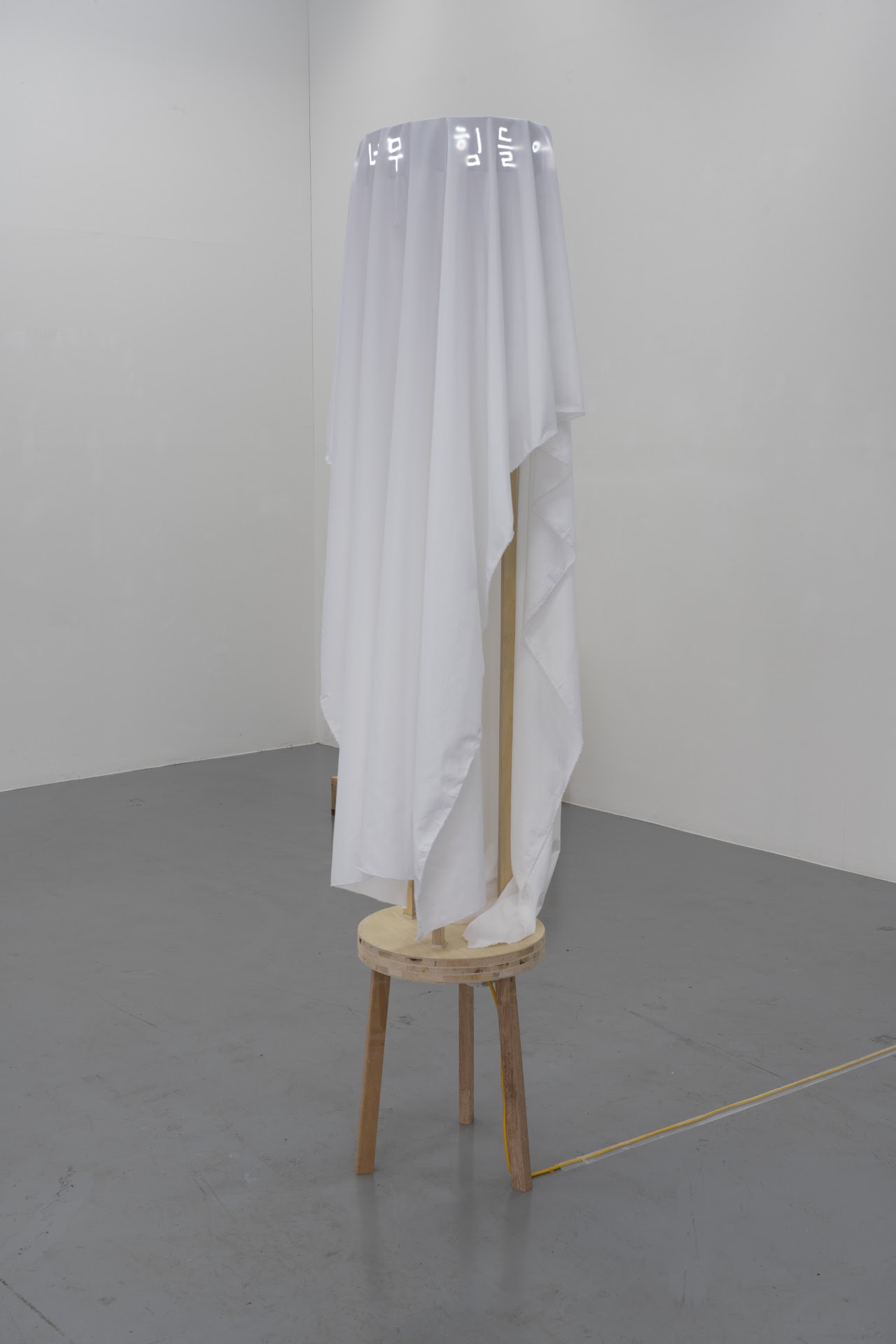
Jihye Park, What You Forget After Being Through, 2024, Wood, cloth, PVC sheet, motor, LED, timer, 50x50x250cm © Jihye Park

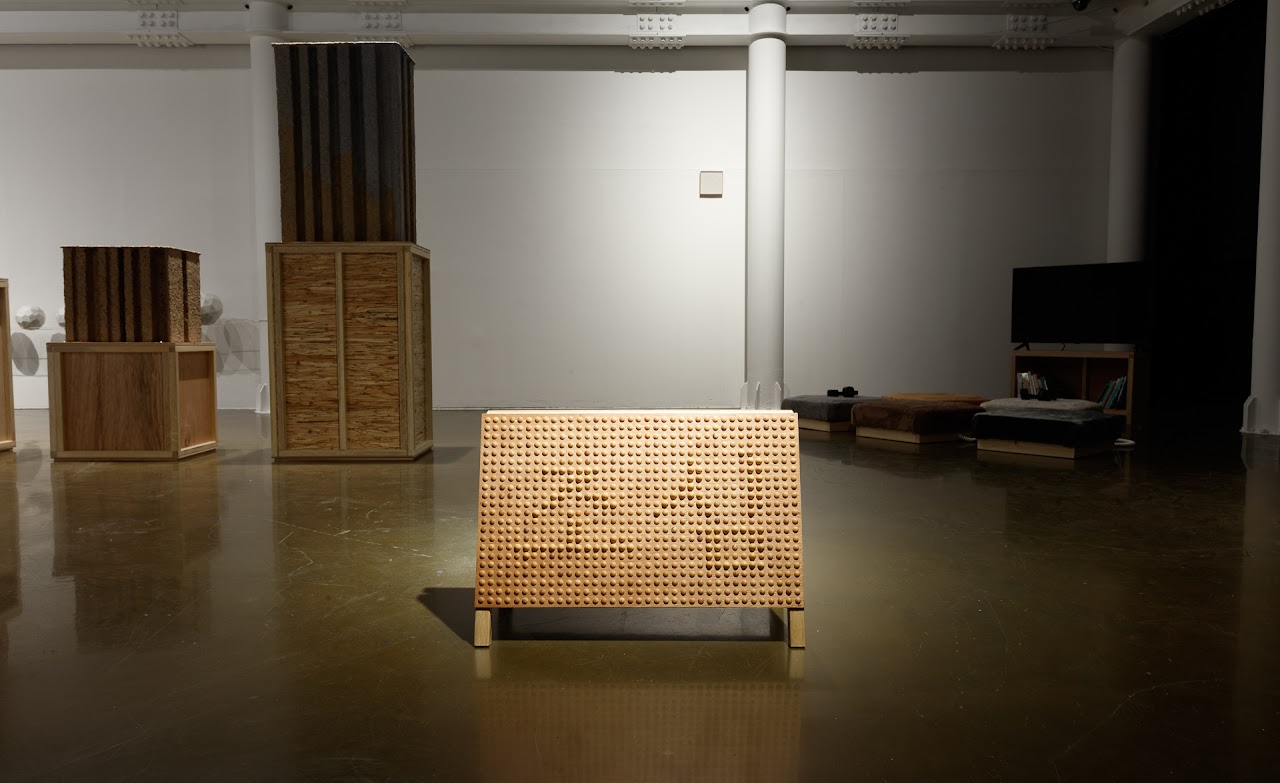
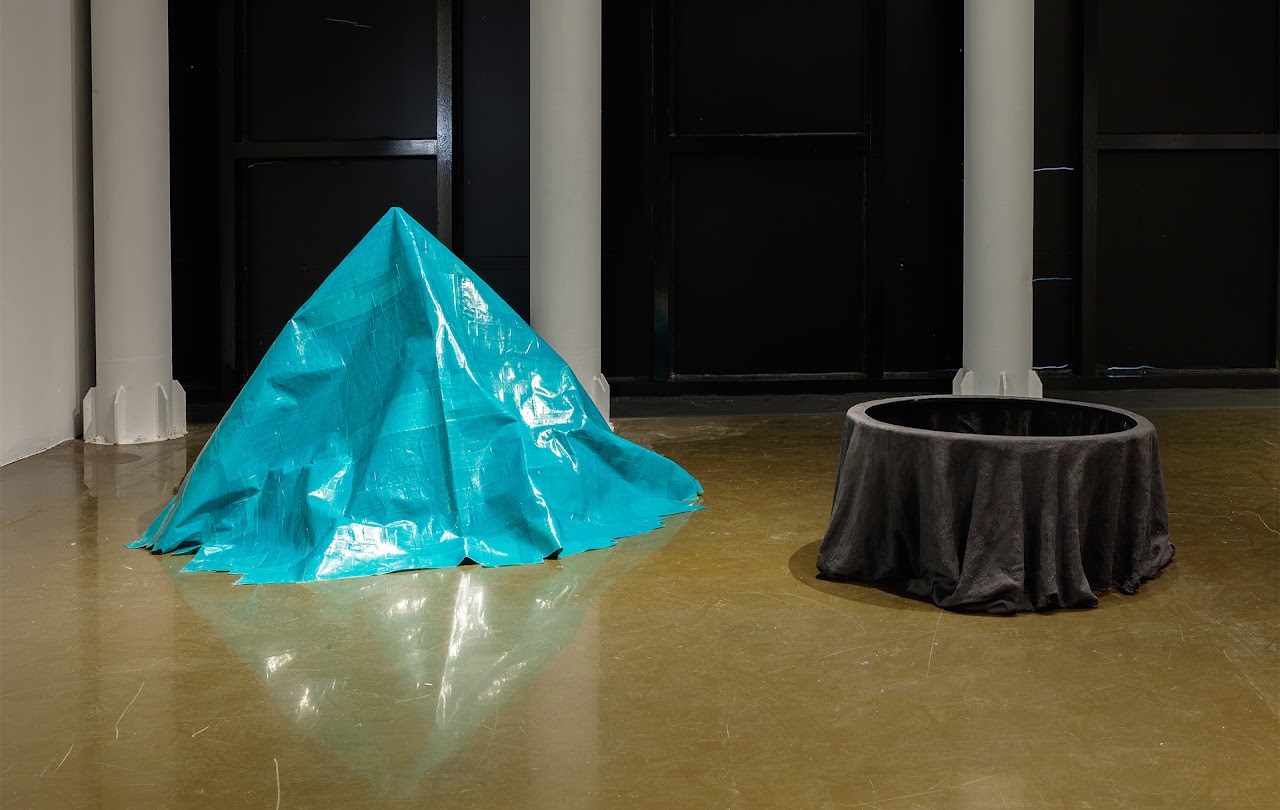
Continuing her practice mediated by labor and language, Jihye Park presented ten sculptural works in this exhibition, weaving together hand-crafted making and condensed forms of expression. Using primarily compliant and non-threatening materials such as paper, fabric, and wood, she arranged dense yet rough-hewn masses in an understated manner.
 
Passing by the main work on the first floor, Our Home (2024), which embodies the shared regional experiences of the three women, viewers ascend to the second floor—composed of three rooms—where they encounter the perspectives of each generation, each interpreting the everyday life and landscapes of the Busan and Gyeongnam regions in distinct ways.


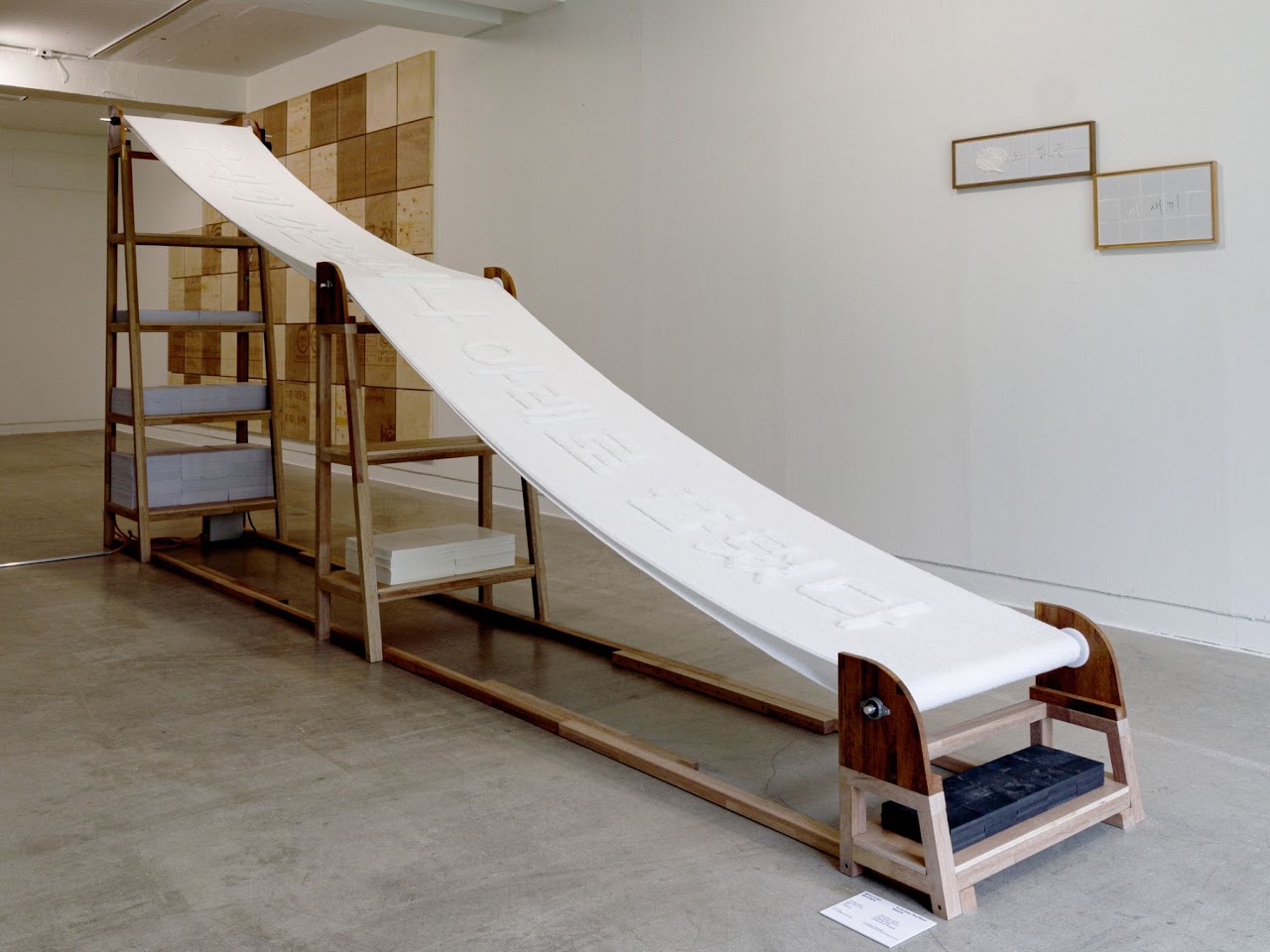
Jihye Park, To the Echo That Never Returns, 2025, Yarn, motor, wood, graphite plate, paper, 50x50x250cm © Jihye Park

In this way, Jihye Park’s practice begins with questions surrounding the meaning of non-economic labor, including artistic production, and extends to uncovering the contradictions embedded within social systems that have long been accepted without doubt, along with the notions of “rationality” and “standards” that underpin them.
 
In her recent work, she gradually expands her own narrative, gathering and recomposing the small, imperfect fragments of individual lives—often obscured by larger systems—in an attempt to stitch together scattered emotions into a more cohesive whole.

“Even as we knowingly repeat failures, and move through a time of forgiveness that seems within reach yet never quite attained, I trace ‘human imperfection’—the driving force that makes the present possible—and the ways in which the errors and contradictions inevitably arising from human actions are absorbed and negotiated within relationships.” (Jihye Park, Artist’s Note)


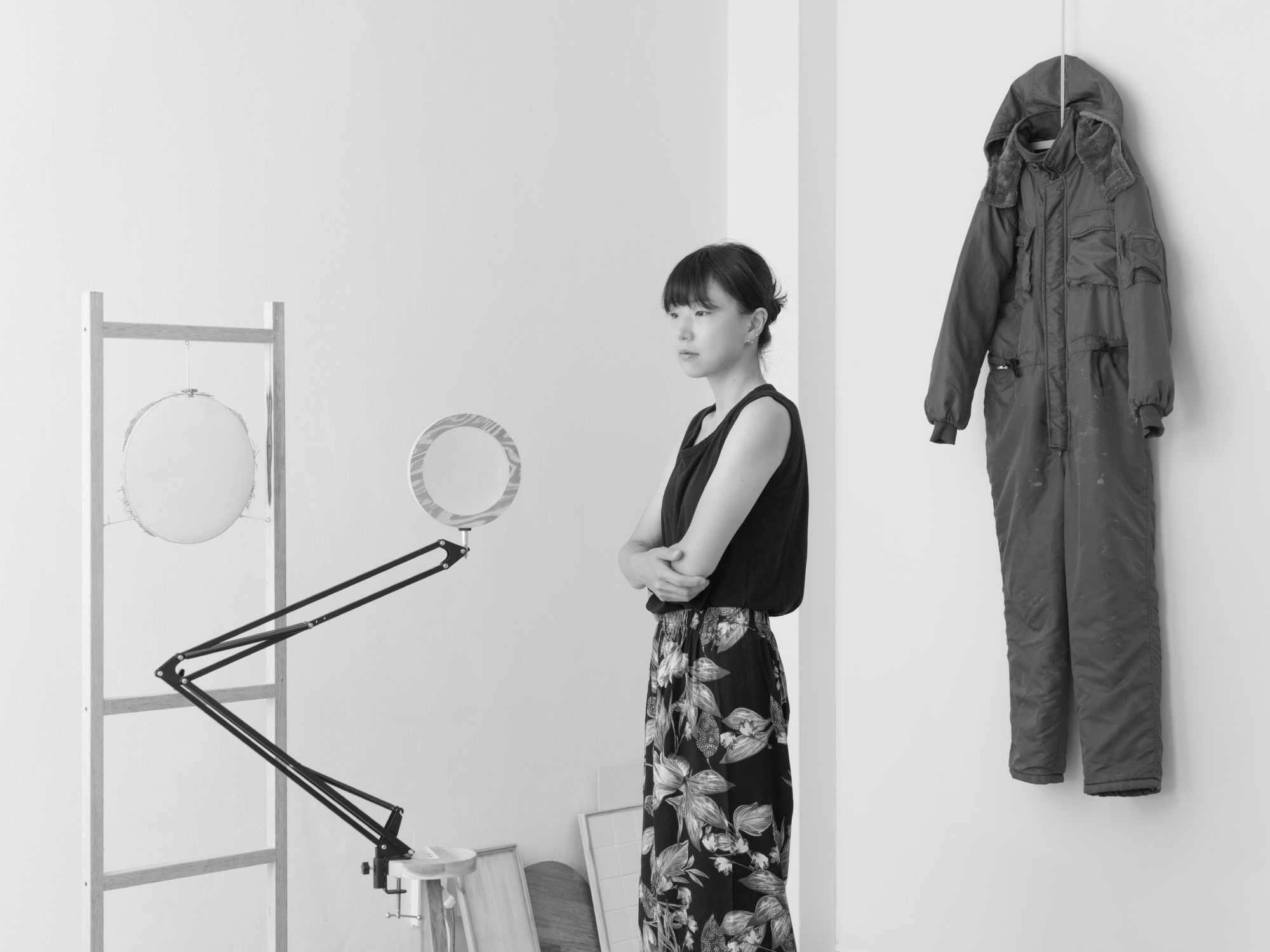
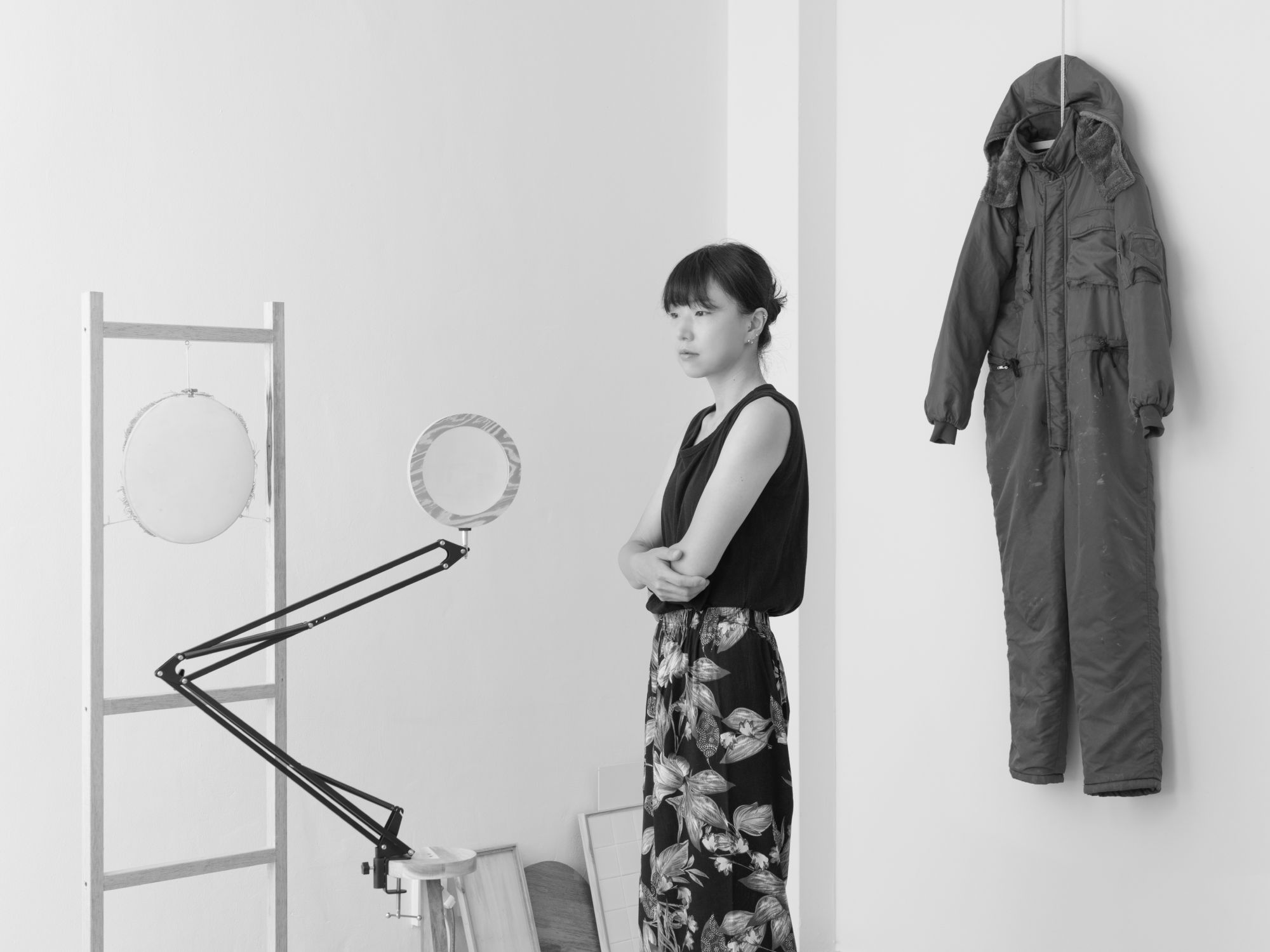
Artist Jihye Park © Incheon Art Platform

Jihye Park graduated from the Department of Sculpture at Hongik University and completed her MFA in Sculpture at the Korea National University of Arts. Her recent solo exhibitions include 《Let’s Go Home》 (Insa Art Space, Seoul, 2024), 《Son’s Time 2/2》 (Space BEAM, Incheon, 2023), 《Son’s Time 1/2》 (The Museum of Korean Modern Literature, Incheon, 2022), and 《To Find the Glory Scars》 (SONGEUN Art Cube, Seoul, 2019).
 
She has also participated in numerous group exhibitions, including Busan Museum of Art 《Vision and Perspective 2025》 (Sungkok Art Museum, Seoul, 2025), 《Terminal in the Dark》 (Bupyeong Art Center, Incheon, 2024), 《SUMMER LOVE》 (SONGEUN, Seoul, 2022), 《ARTificial GARDEN, The border between us》 (MMCA, Cheongju, 2021), and 《A Multi Layered Record》 (Yangju City Chang Ucchin Museum of Art, Yangju, 2018).
 
Park has been an artist-in-residence at Busan Art District_P (2024), Incheon Art Platform (2023), and the MMCA Residency Goyang (2019). She is also the author of several publications, including Practical Work Yoga (2015), Birth of Standards (2018), and Let’s Go Home (2024).

References