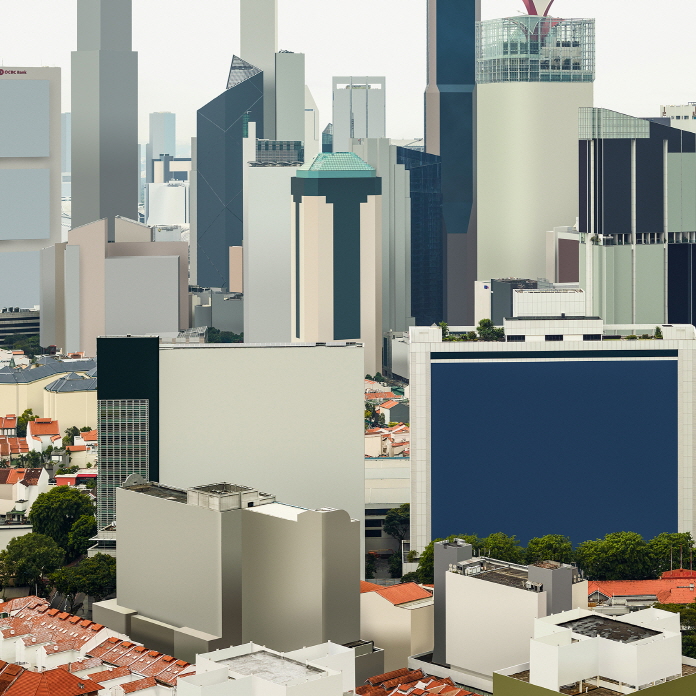
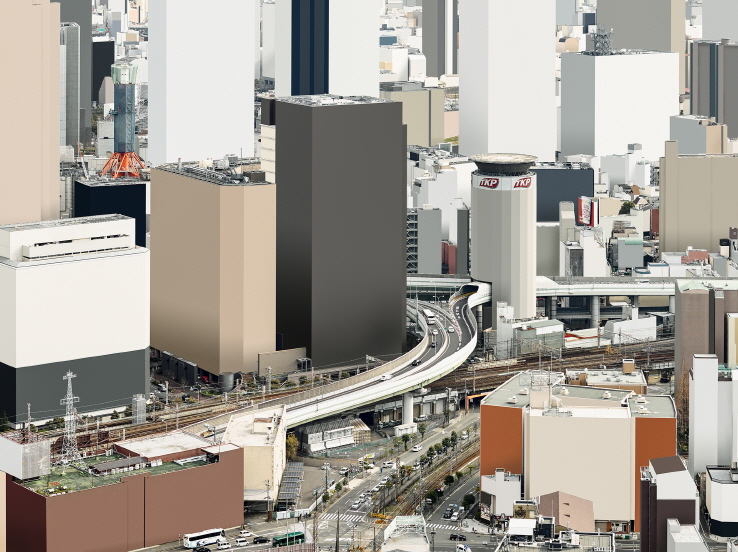
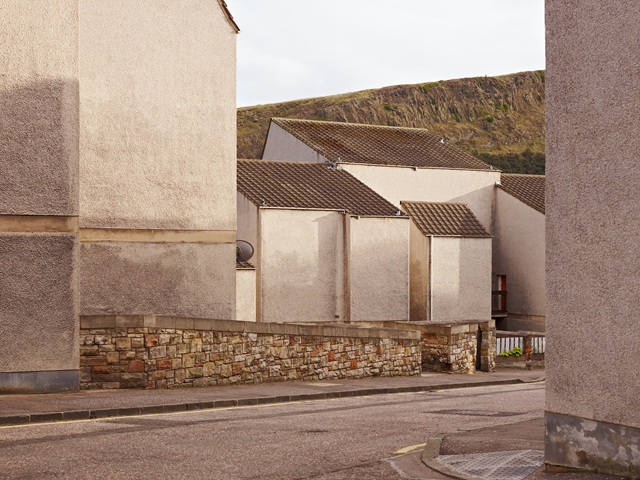
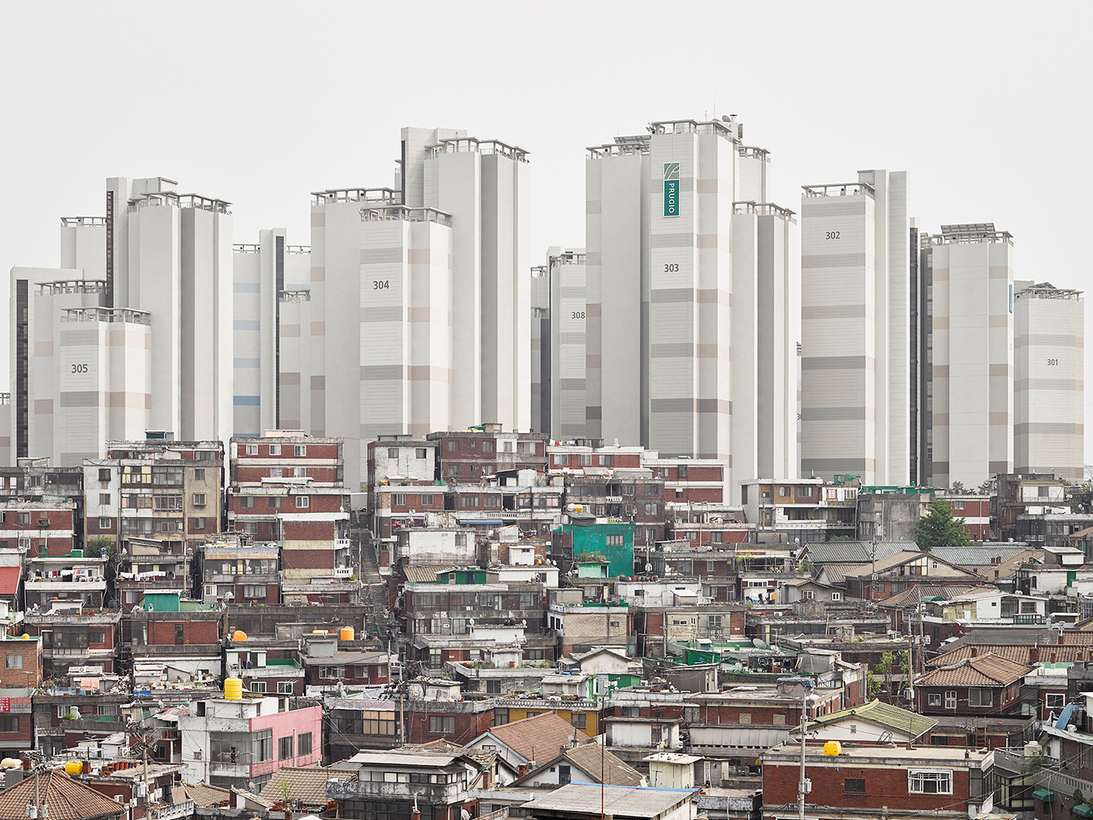
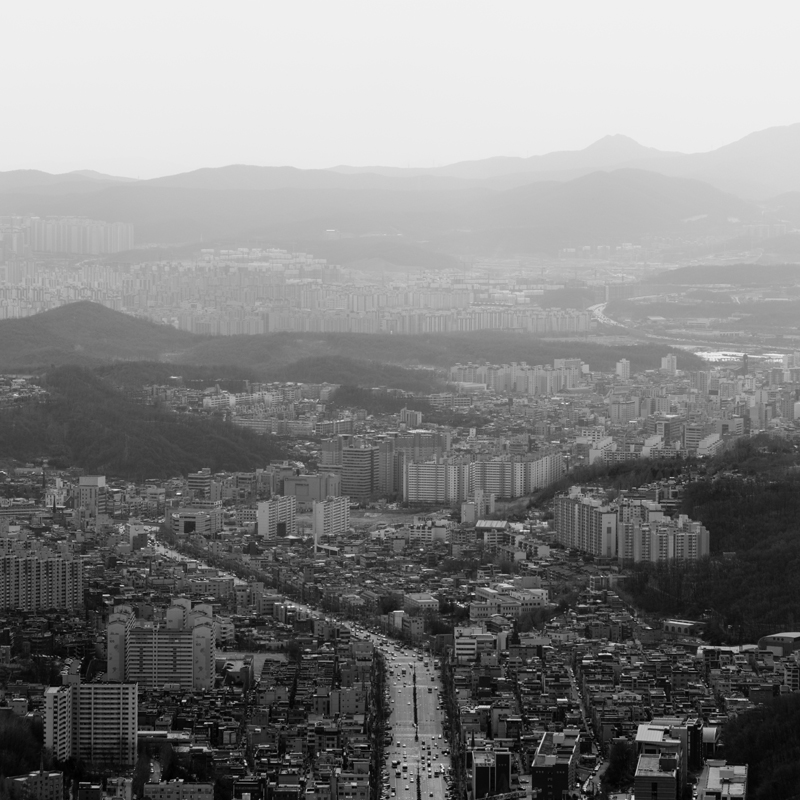
When
encountering Park Chanmin’s photographic works, the term “painterly” naturally
comes to mind. Just as painting does not present objects or reality as they
are, but instead amplifies the artist’s emotions and the meaning of the subject
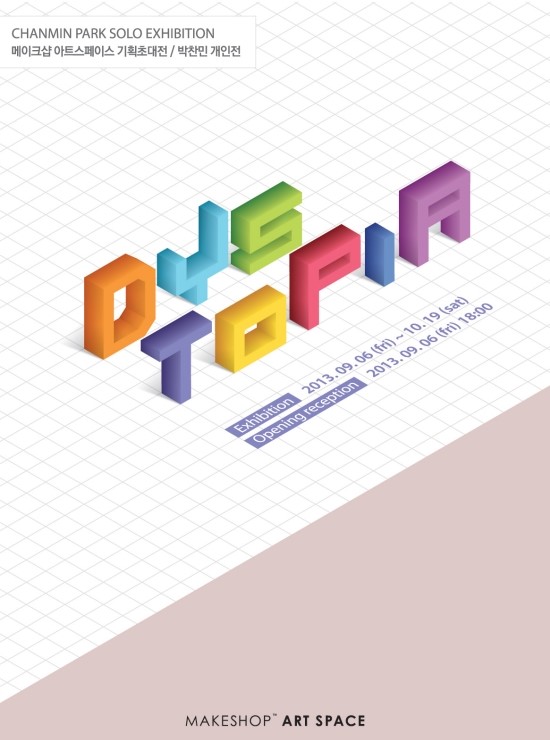
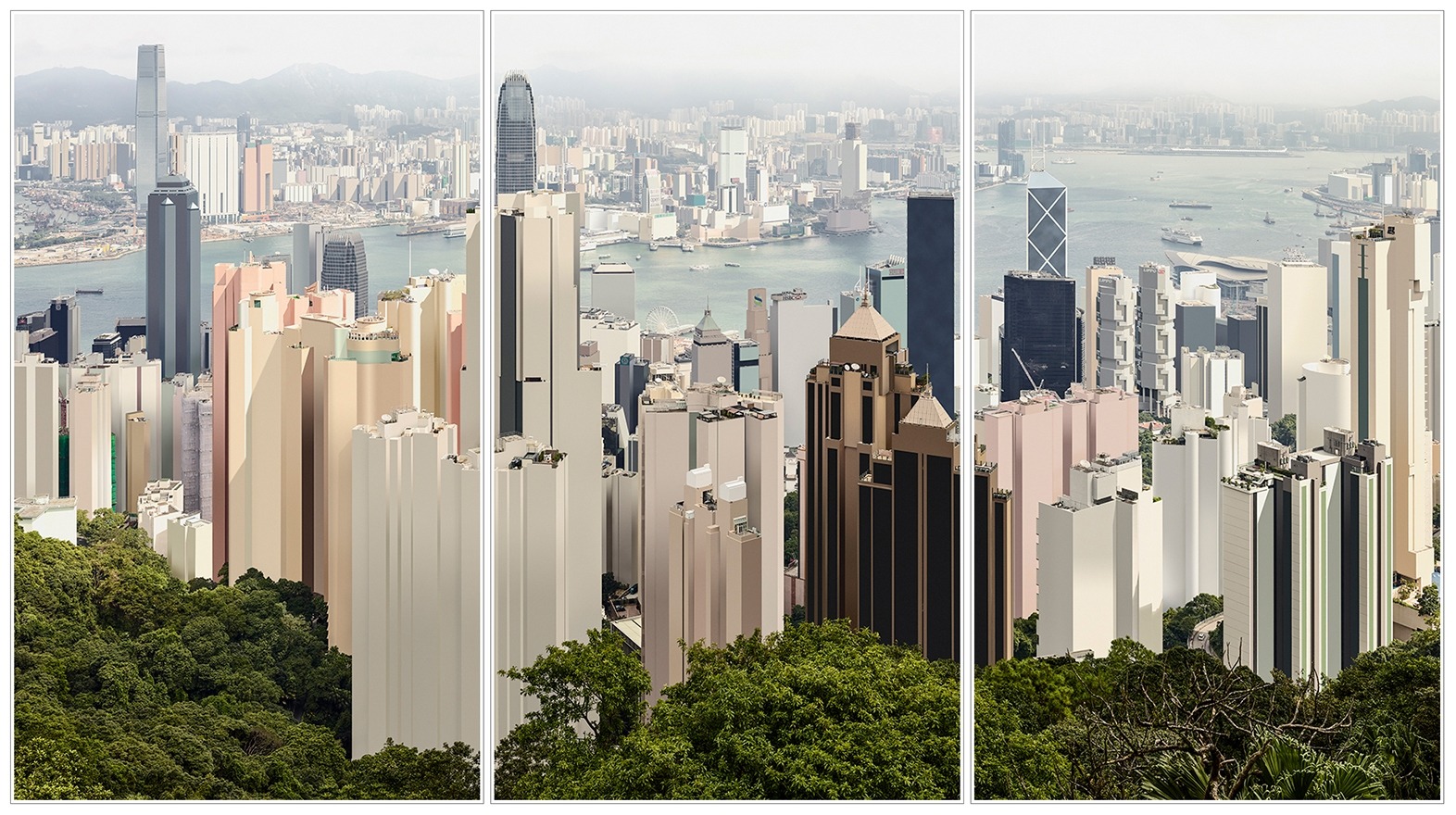
to express an idealized form, the works presented in 《DYSTOPIA》 do not simply reproduce reality in the conventional photographic
sense. Rather, collected images are manipulated through digital media and
reconstituted into a kind of illusion—an artificial reality.
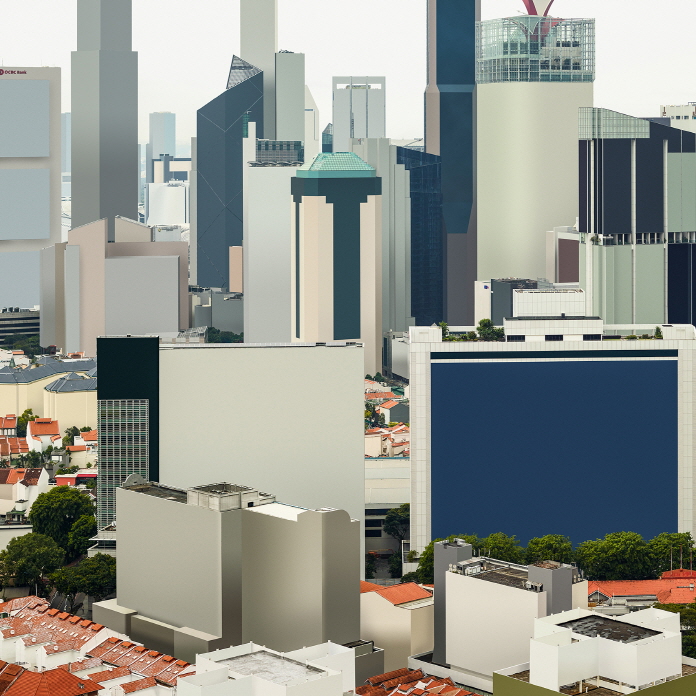
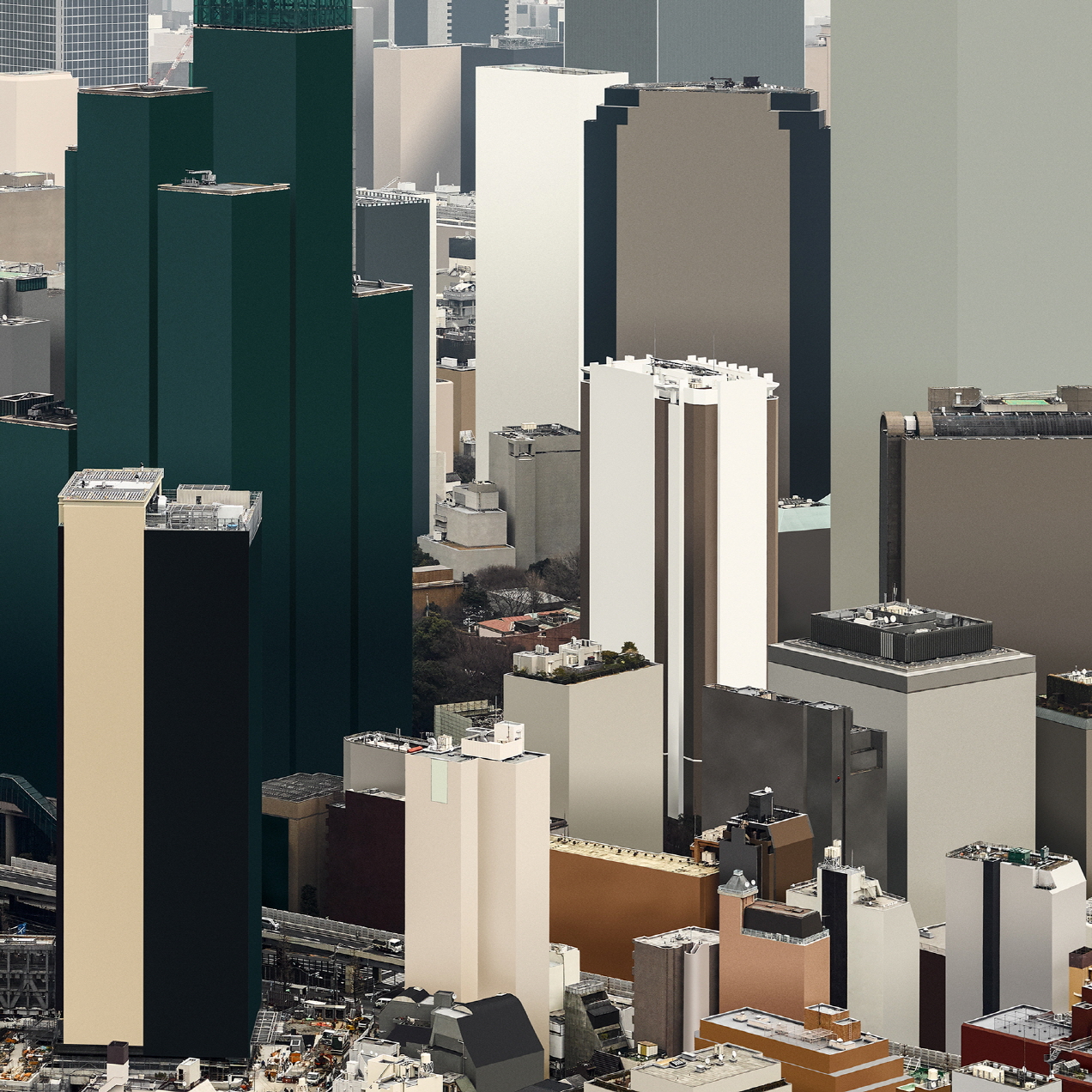
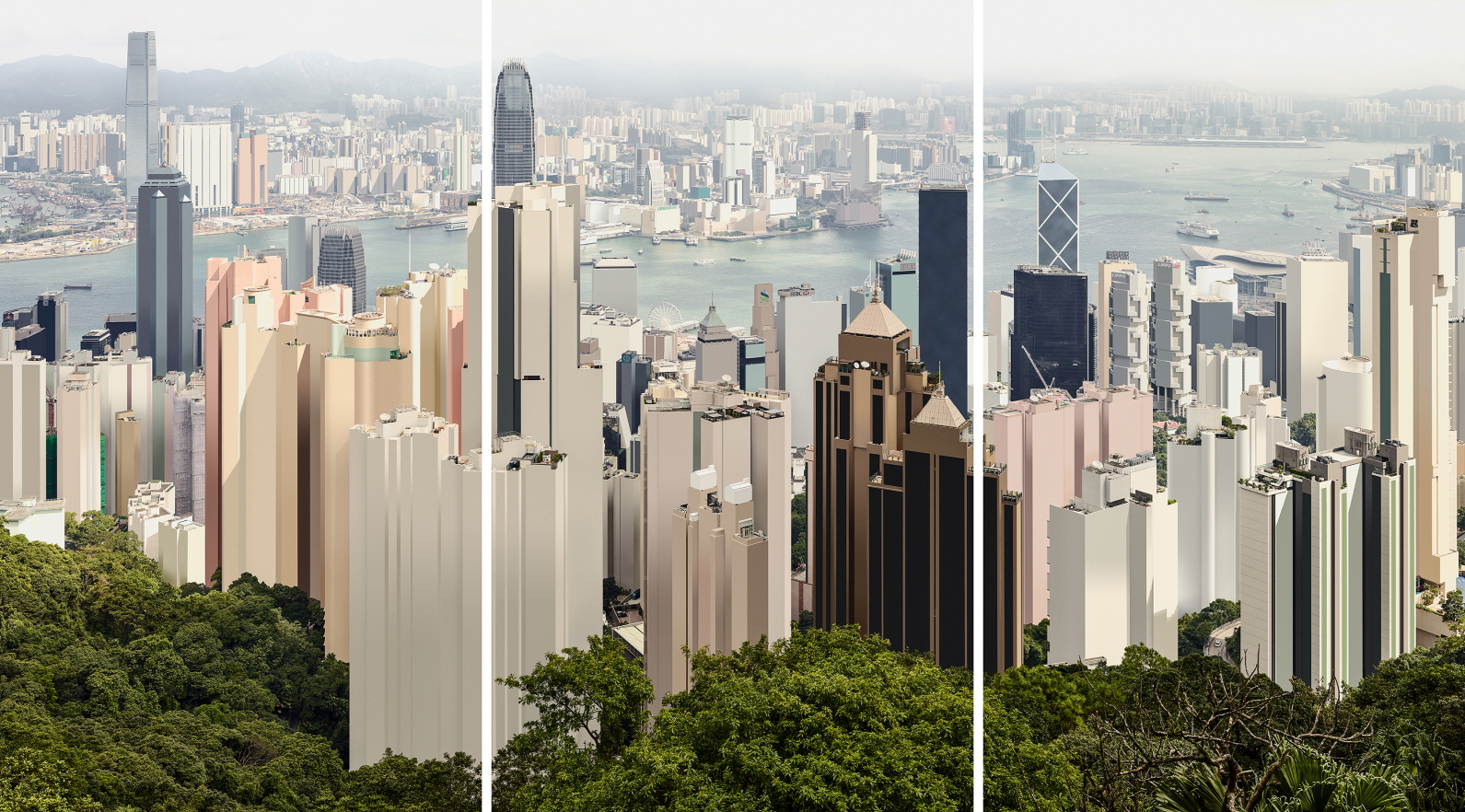
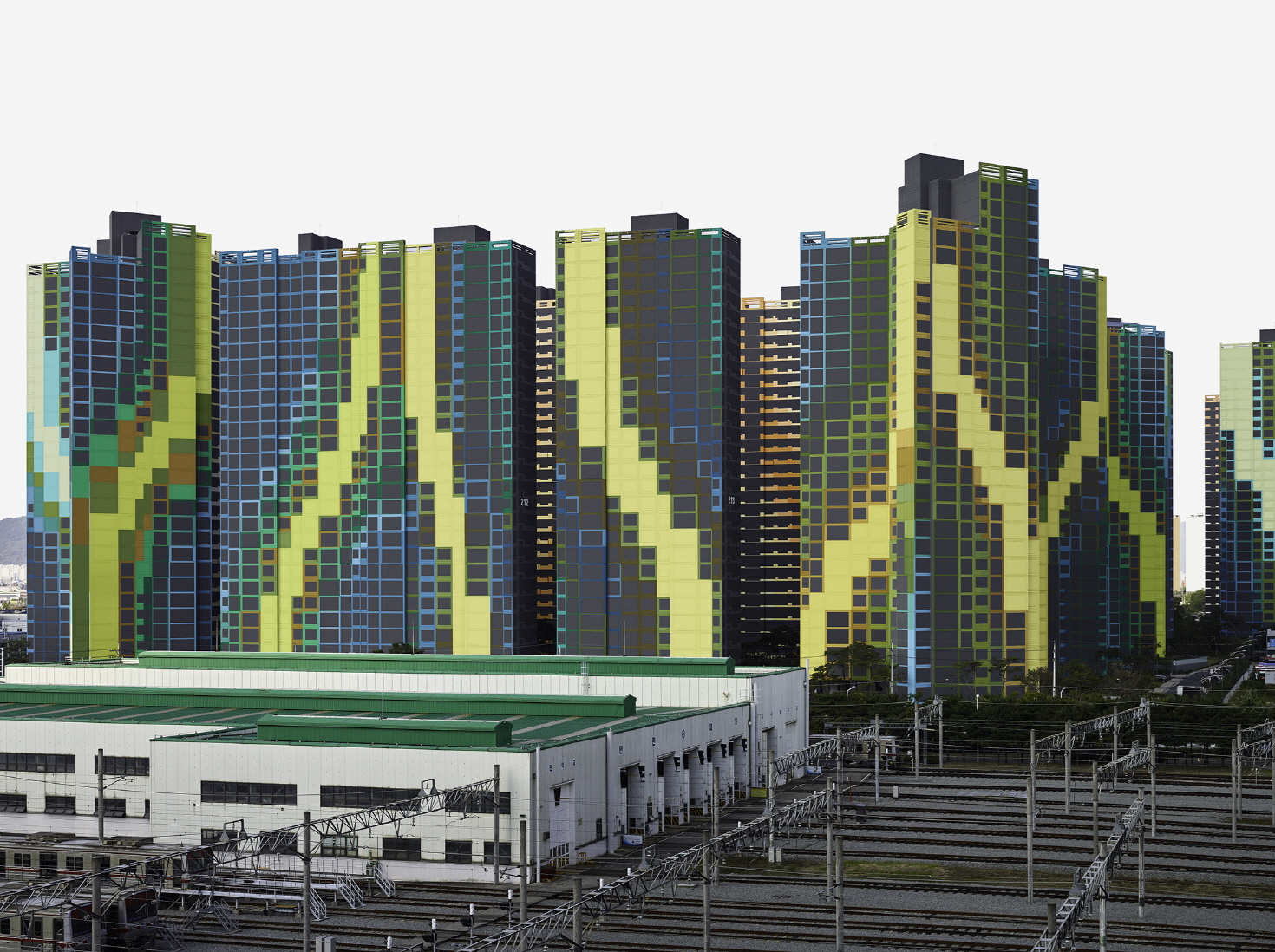
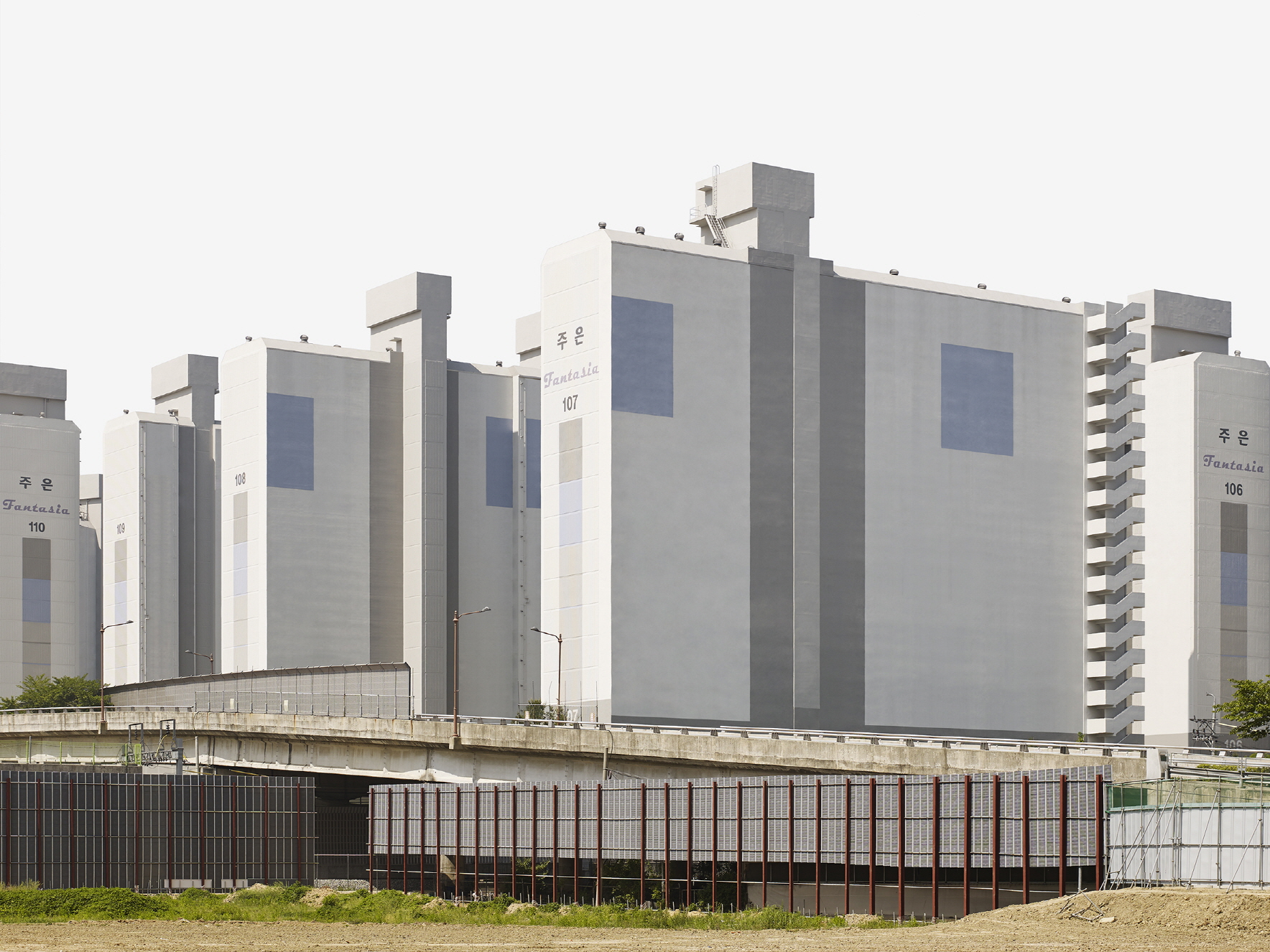
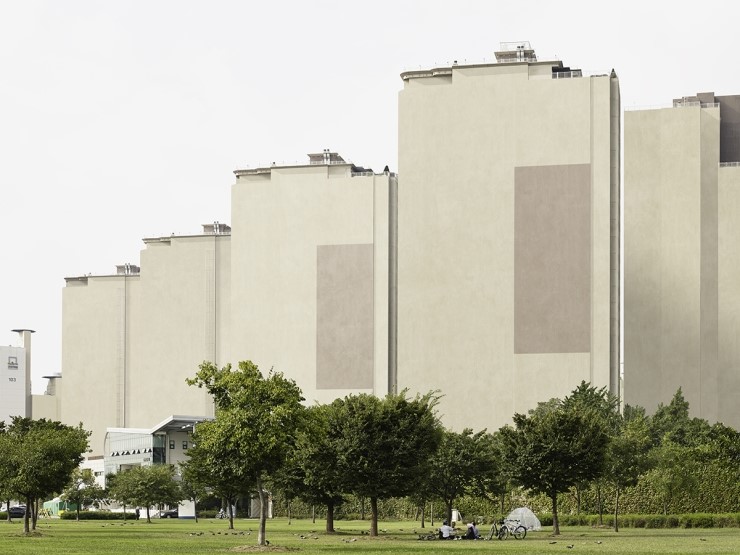
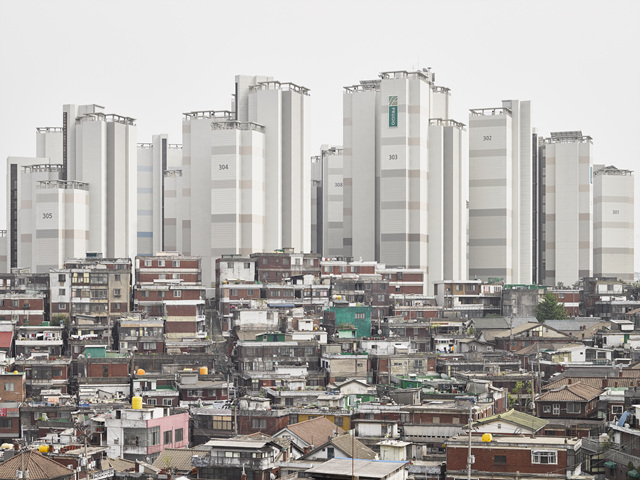
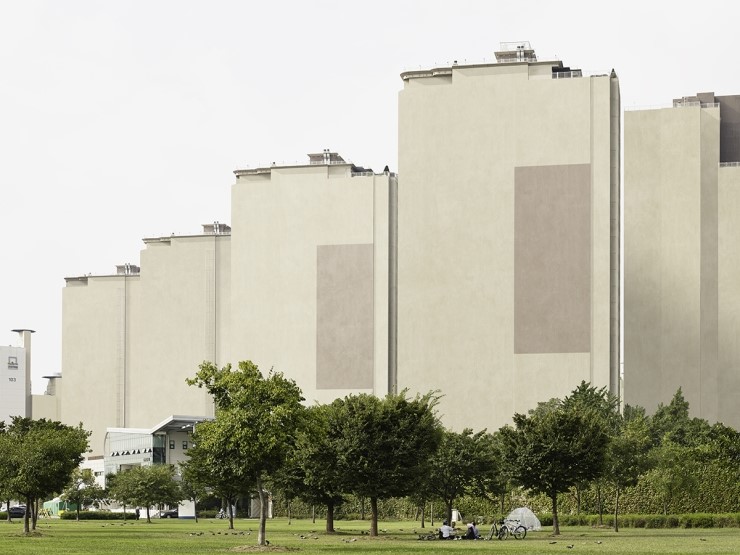
The subjects
appearing in the 'blocks' series unmistakably take the form of apartment
buildings. However, when viewing these structures, one is confronted with an
unfamiliar sense of desolation, which soon leads to confusion. This is closely
related to the empiricist process of human perception: the confusion arises in
the process by which concepts formed through sensory experience attempt to
recognize and generalize the subjects depicted in the artist’s work.
Thus,
viewers engage in a process of comparing and verifying the images against the
experiential data stored in their minds. Through this, they come to recognize
that the subjects have been manipulated—for example, apartment windows are
replaced with solid cement walls, or brand names, which function as indicators
of a building’s value, are removed. This realization leads to a second level of
confusion. What is at stake here is not the distinction between manipulated and
authentic reality, but rather the question: what is the “real” that we believe
in?
Although the situations depicted are constructed illusions, they may in
fact reveal truths about our present condition. This realization becomes the
source of a deeper, second layer of disorientation. In this way, the artist
exposes truths that have been unconsciously concealed, prompting viewers to
reconsider the very nature of what they believe—or wish to believe—to be real.
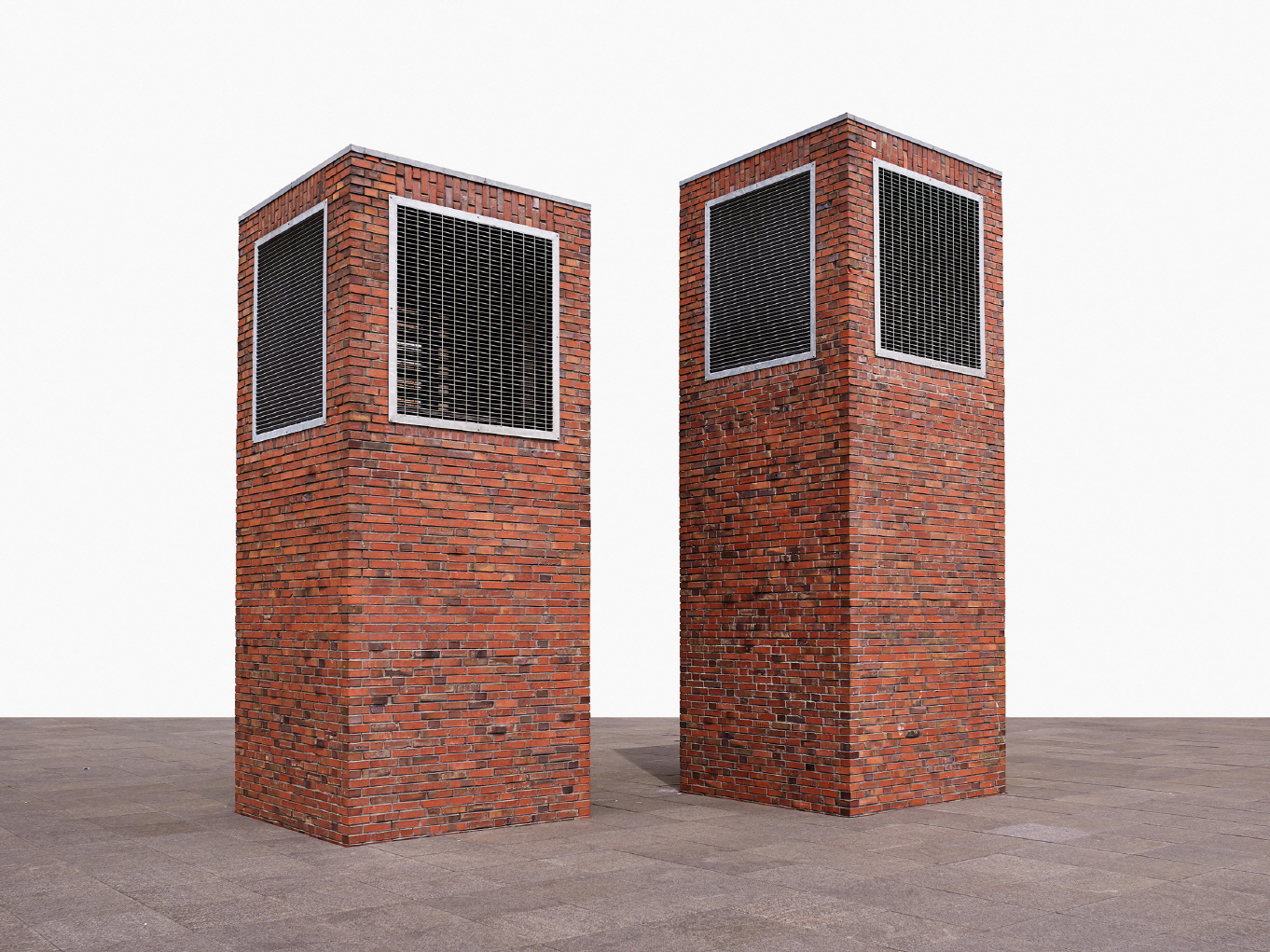
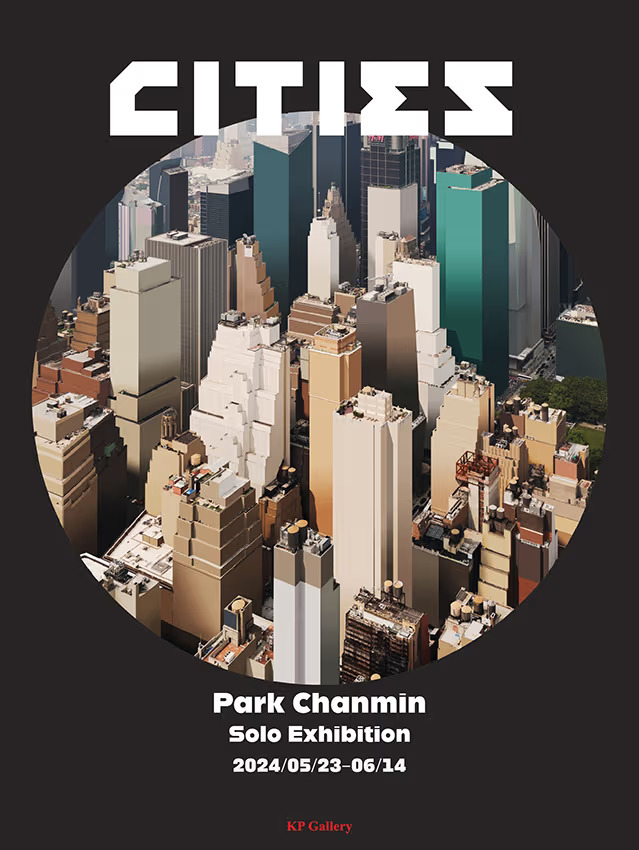
In the 'untitled' series, the artificial structures selected by the artist
appear as though collaged, completely detached from their surrounding
environments.
This deliberate isolation serves to encourage a more objective
perception of the objects as things-in-themselves. By eliminating all possible
contextual connections—through the use of stark black or white backgrounds—the
visual information necessary to infer the object’s context, such as
perspective, depth, and environment, is removed. As a result, our experiential
framework for perceiving and understanding objects is fundamentally disrupted.
As Kanamaru Shigene noted in Photography as Art, the role of
the photographer is not merely that of a technician manipulating tools, but
rather one who imposes order upon the chaotic forms of reality through
technique. Park Chanmin’s work ultimately challenges the belief that photography
represents factual truth, and instead opens up the possibility of engaging with
deeper, underlying realities that lie beyond the surface.
In 《DYSTOPIA》, Park Chanmin proposes a reconsideration of the hidden “truths”
embedded within the environments we inhabit today—particularly in the context
of South Korea’s current conditions, marked by rapid population decline and
unprecedented levels of household debt. By foregrounding issues such as the
distorted housing reality centered on apartment culture and the consequences of
indiscriminate urban development, the exhibition invites a critical reflection
on the structural conditions of contemporary society.