All types of trees, simply by
existing, evoke unexpected sensory associations. It's as if Hermann Hesse (1877–1962) expressed it when he wrote, "Silent,
you sway, trembling faintly with a delicate shiver. Do you wish to appear to me
like the pure first love, so innocent and dear?" The exhibition's title is
a phrase taken from his poem ‘Birch Tree’, describing a moment where the
slender trembling of the birch leads to a memory of first love.
Just like this,
the forsythia and acacia blooming abundantly by the fences at the start of the
school season, cherry trees bursting open their buds toward the sky, the fresh
scent of grass as summer rain begins, and the rustling of large leaves when
autumn leaves fall—trees carry us to moments from the
past through our senses.
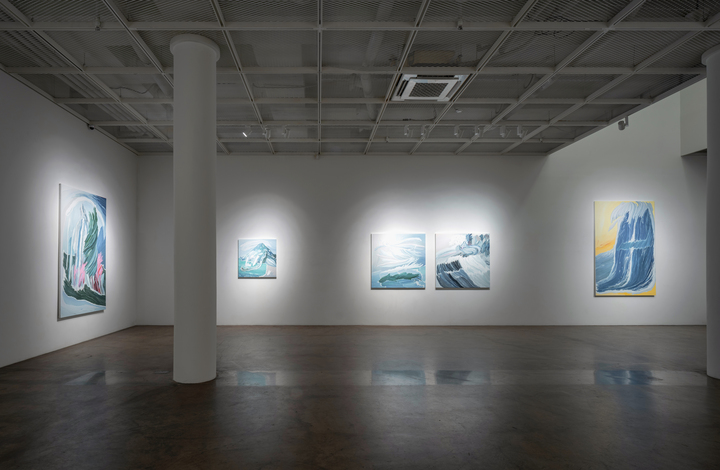
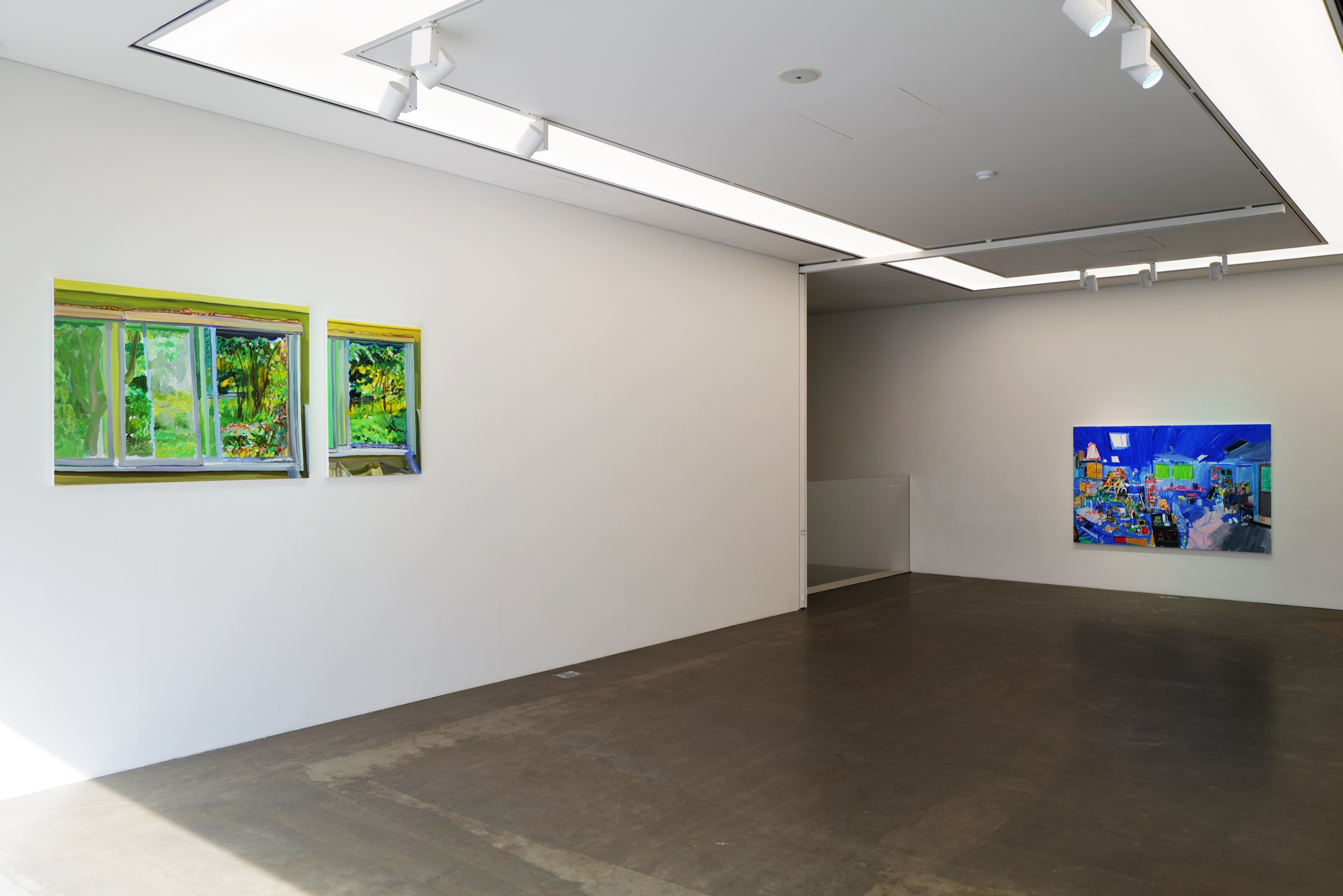
The process of fully sensing the tree that has quietly stood by our side, and
recalling the emotions and memories embedded within it, mirrors the works of
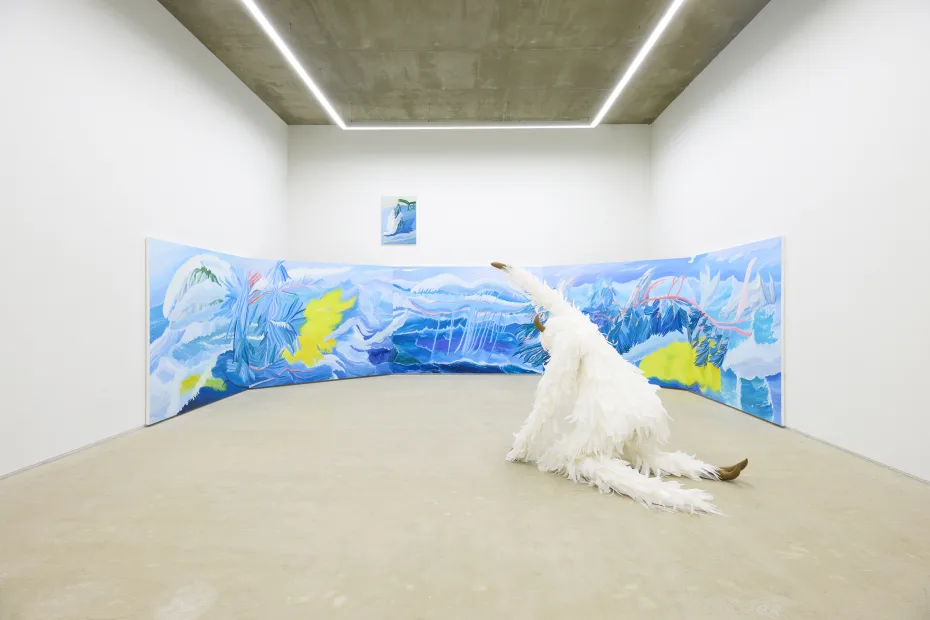
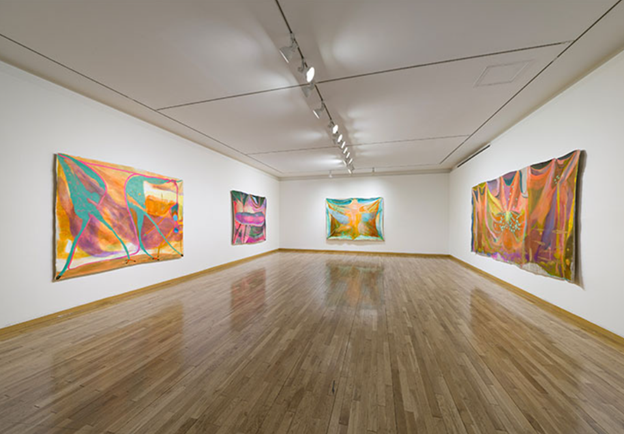
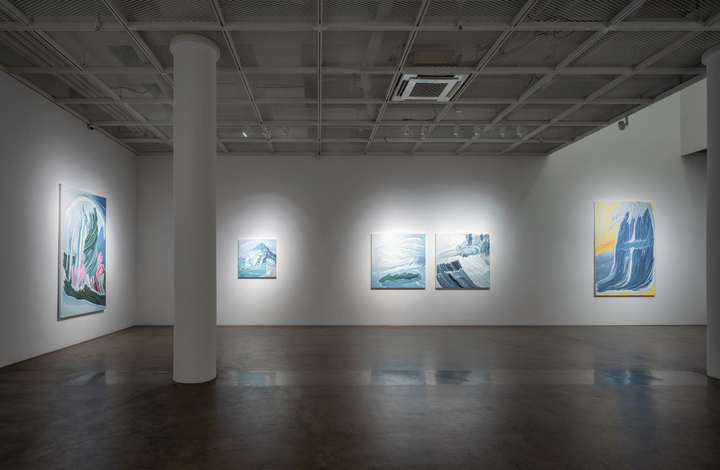
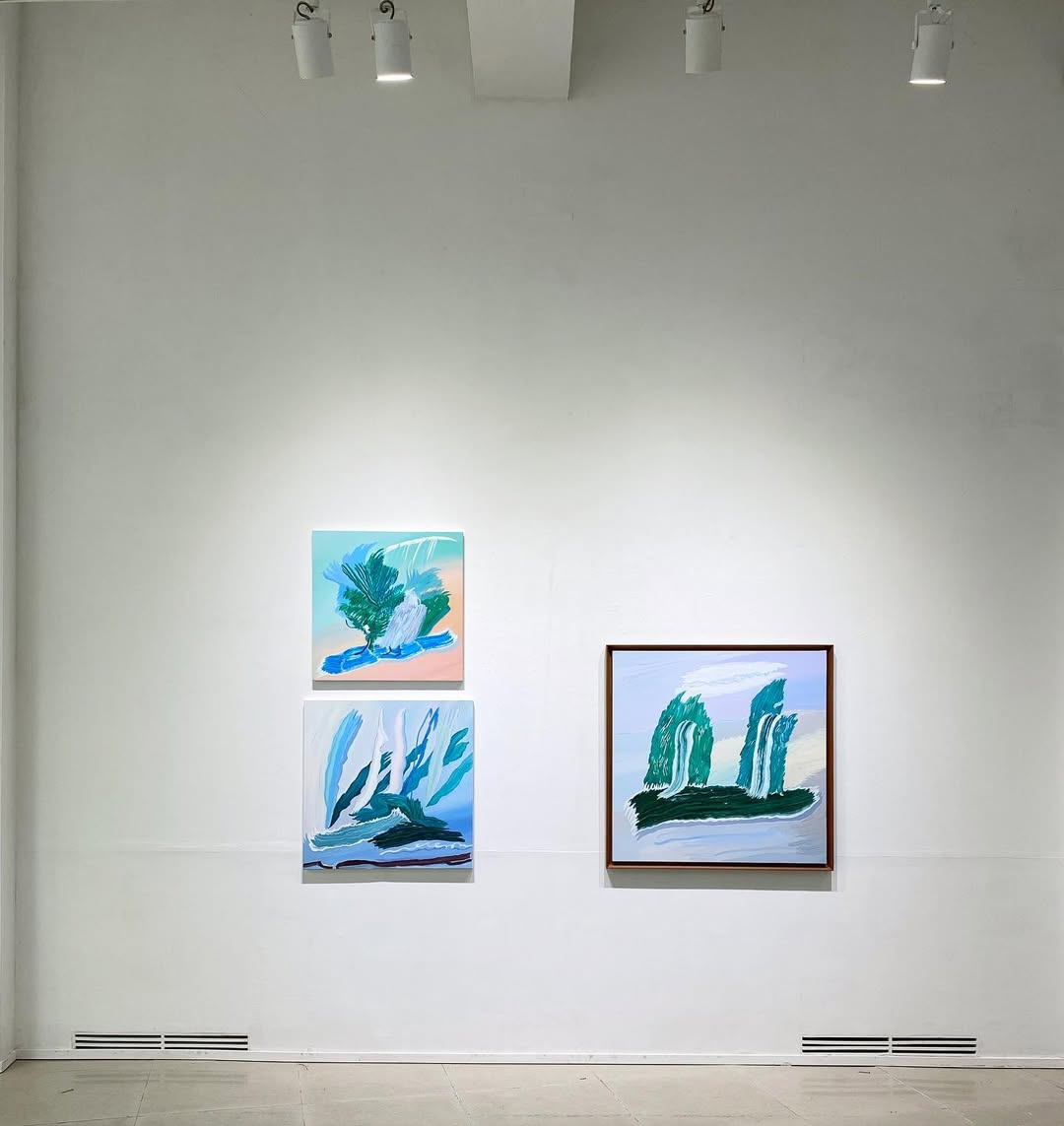
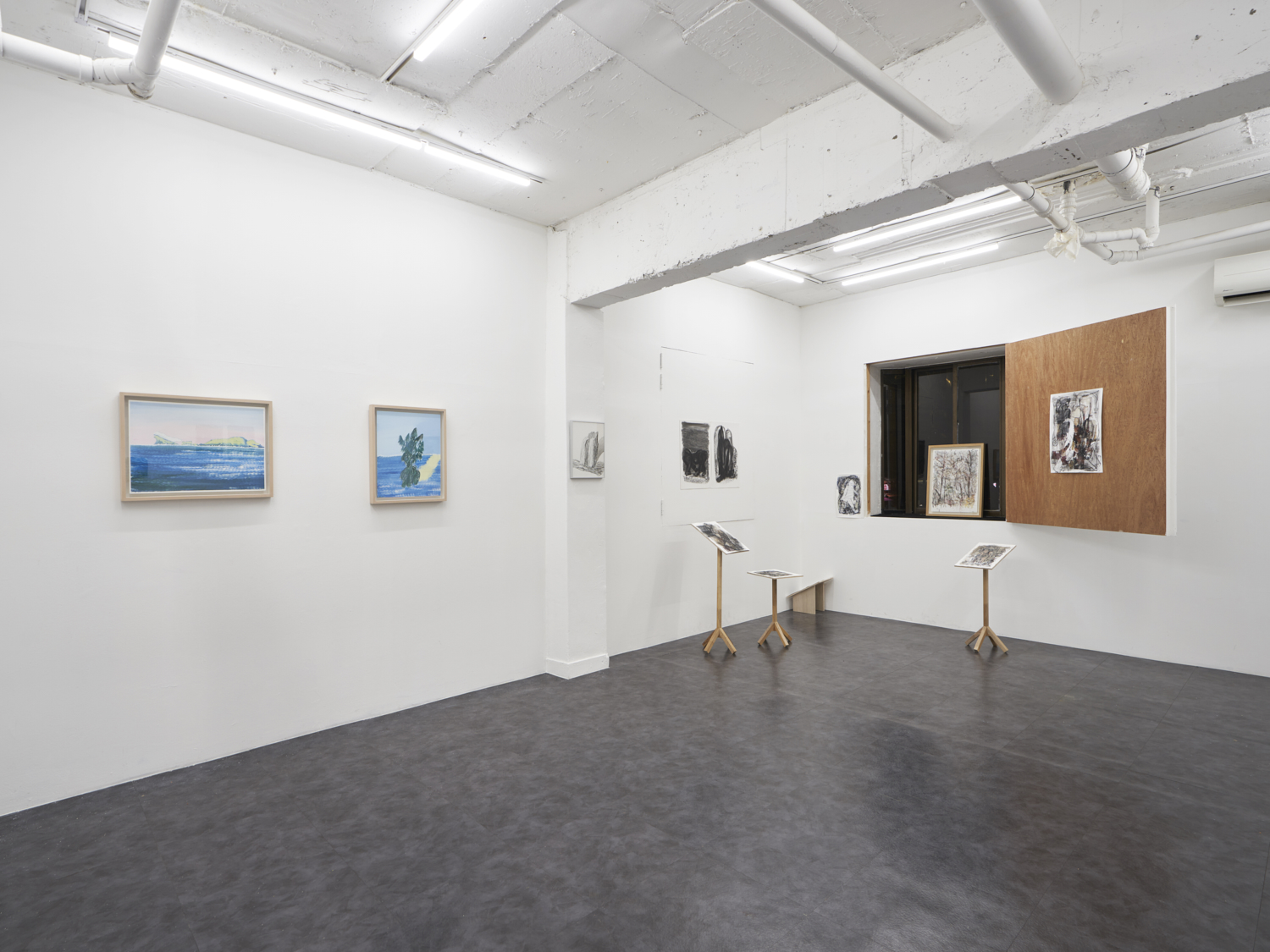
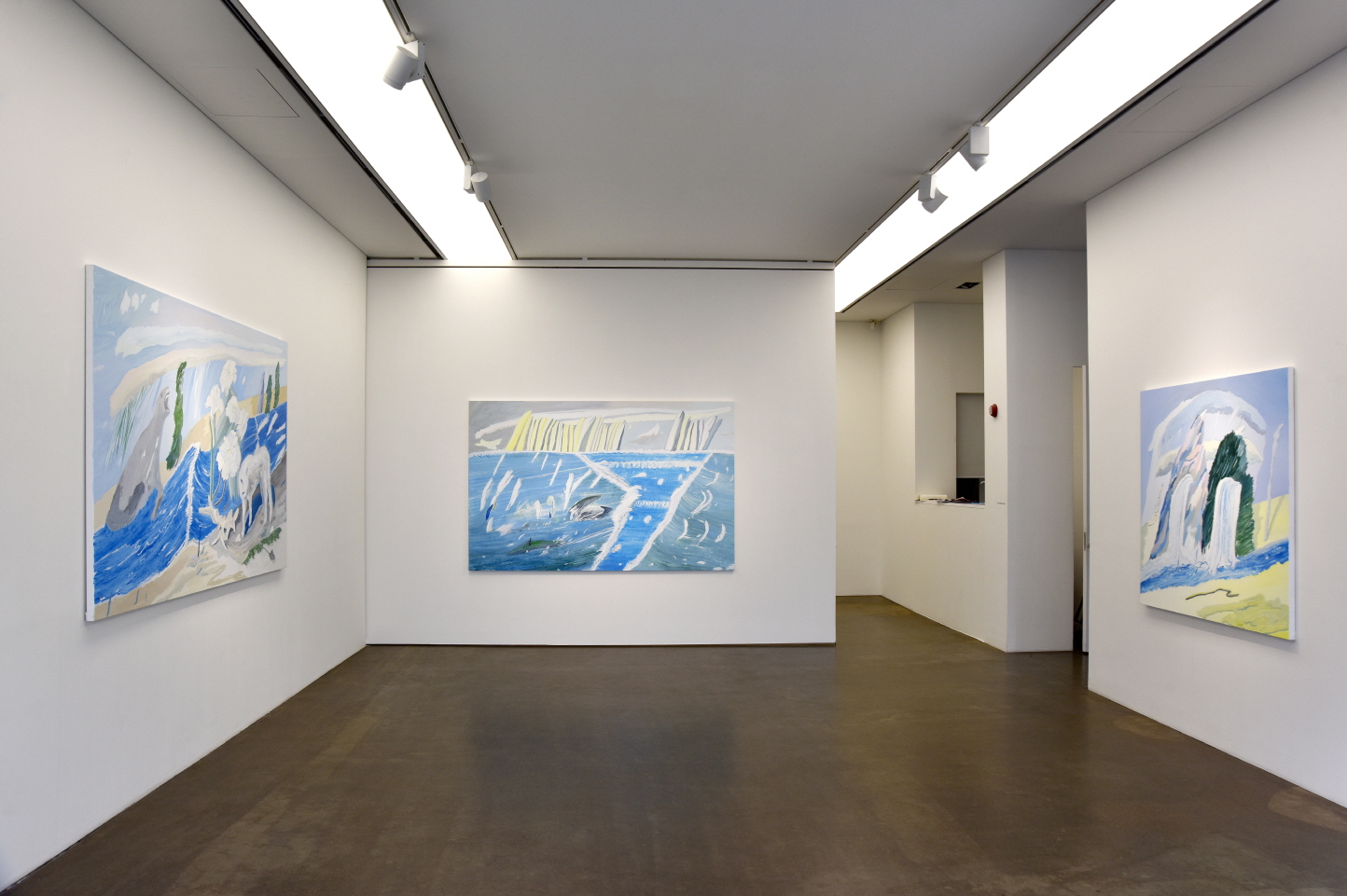
the seven exclusive artists participating in this exhibition at ARTSIDE
Gallery. For these artists, the existence of trees acts as a medium that not
only transcends a part of nature but also encourages reflection on life’s moments. This exhibition explores how the
artists discovered the time and experiences contained in trees, and how they
translated these into their works.
A tree, deeply rooted in the earth, appears to be steadfast, like a venerable
guardian. However, a tree is in fact one of the most sensitive living beings to
its surrounding environment. The fact that it cannot move means it must survive
in a fixed environment. To survive, the tree must quickly adapt to even the
smallest changes. The growth of a tree is, in essence, a continuous series of
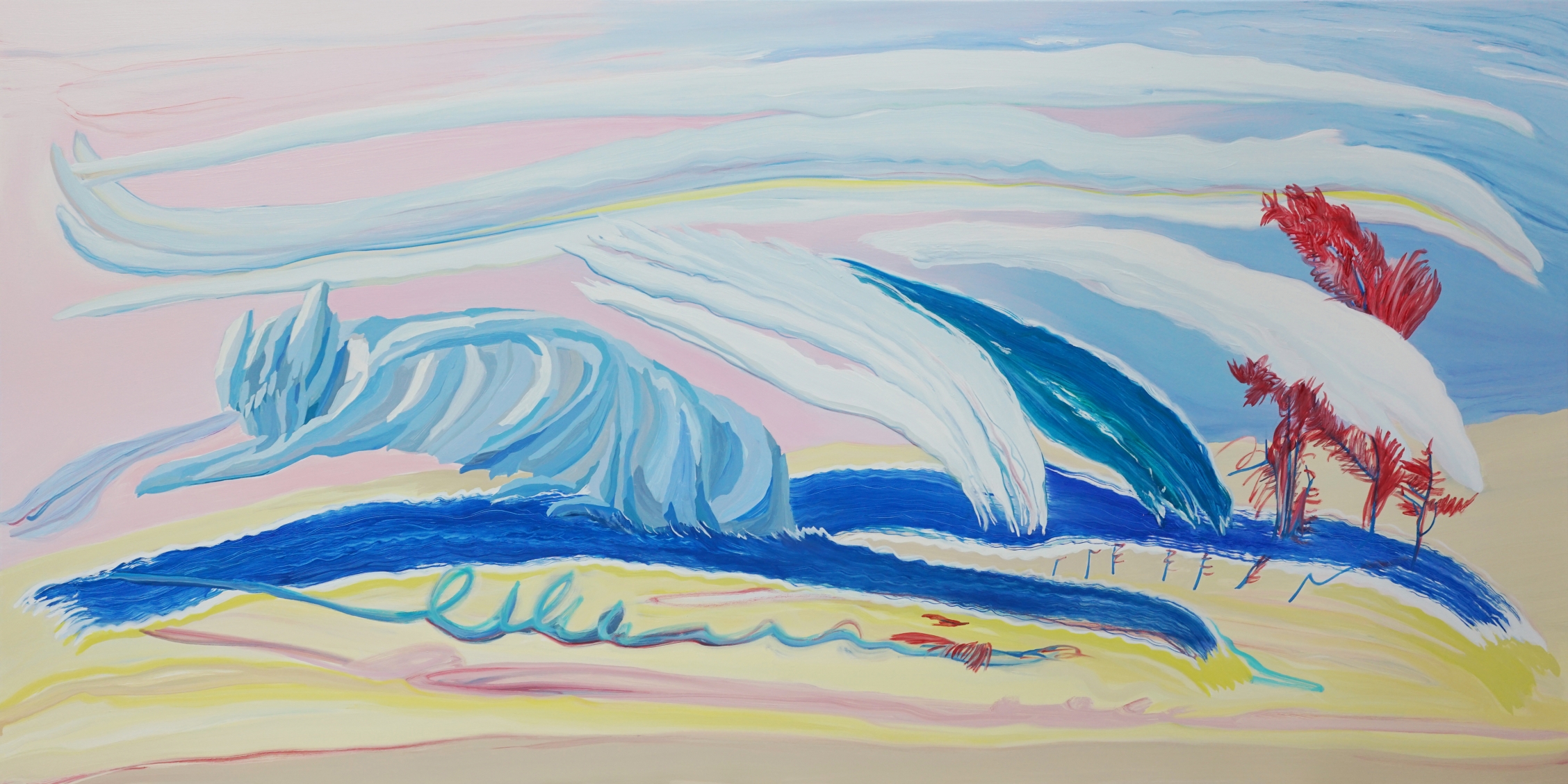
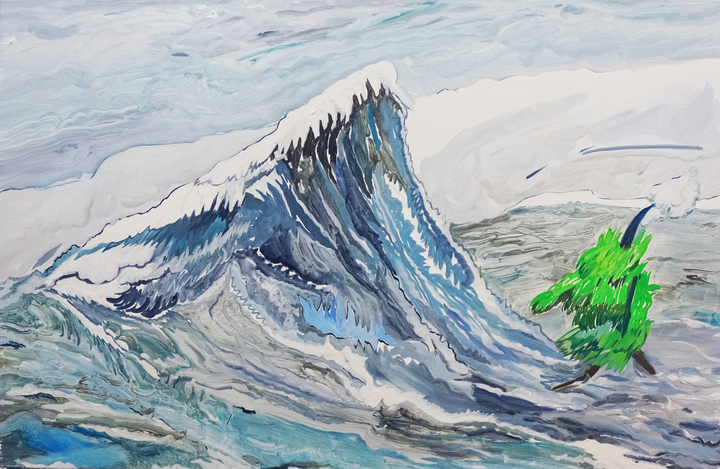
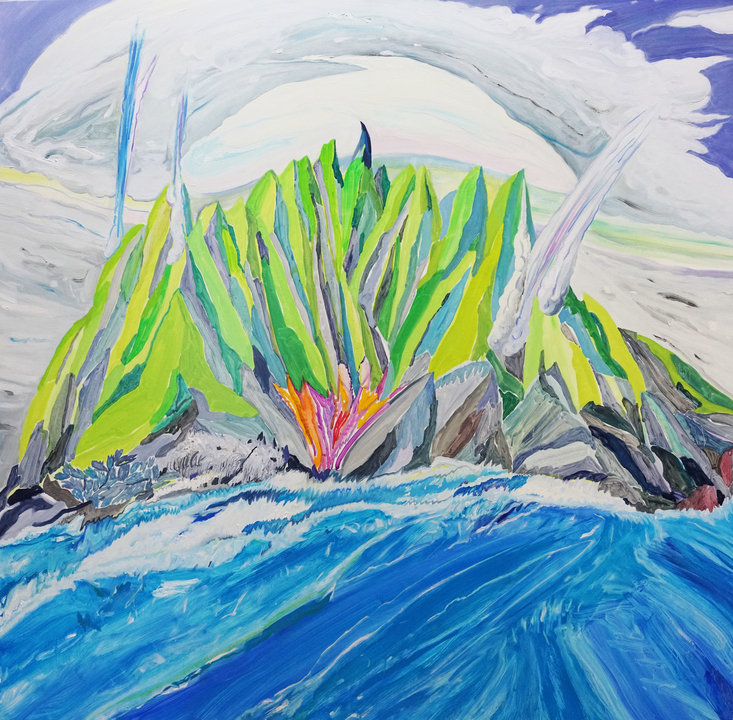
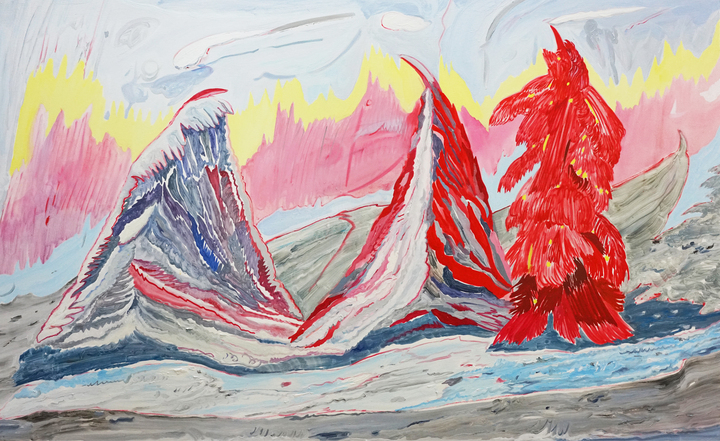
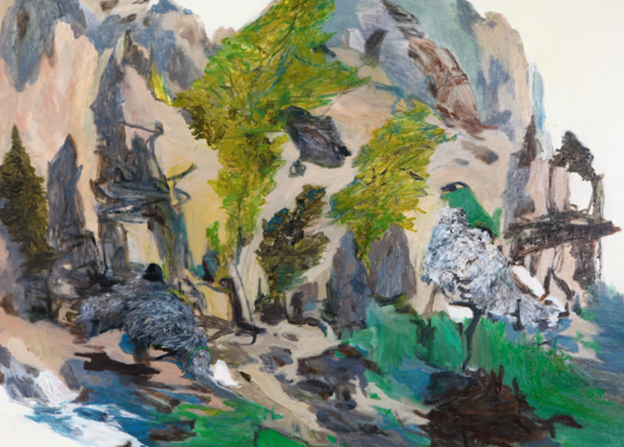
choices. Kang Jun-seok (b. 1984) perceives this vitality in trees, especially
their ability to embrace the surroundings with resilience. The artist expresses
the awe-inspiring trees he has experienced, reflecting on the flowing time of
nature.
Humans have long believed in the sacred power of trees, witnessing them grow
massively against gravity, with deep roots in the earth. For example, a large “guardian tree” that
protected an old village might serve as a deity safeguarding the area. The
power of trees, passed down as a legacy across cultures and histories, became a
motif for Kim Xi-an (b. 1992).
As a child, the artist would bury precious
things, like photographs of loved ones or a deceased pet, beneath a tree,
hoping that the power of the tree would pass on to these objects. For her,
trees are beings that bless the well-being of precious things. In this
exhibition, the tree he depicts acts as a symbol of mourning through the image
of flowers, while also serving as a nest-like home for other life, transferring
sacred energy to the creatures that dwell within.