Exhibitions
《Dancing in the Thin Air》, 2023.03.17 – 2023.04.23, Kumho Museum of Art
March 17, 2023
Kumho Museum of Art
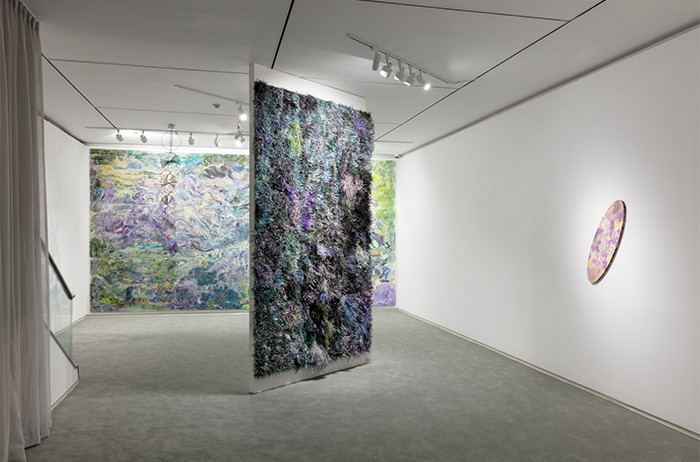
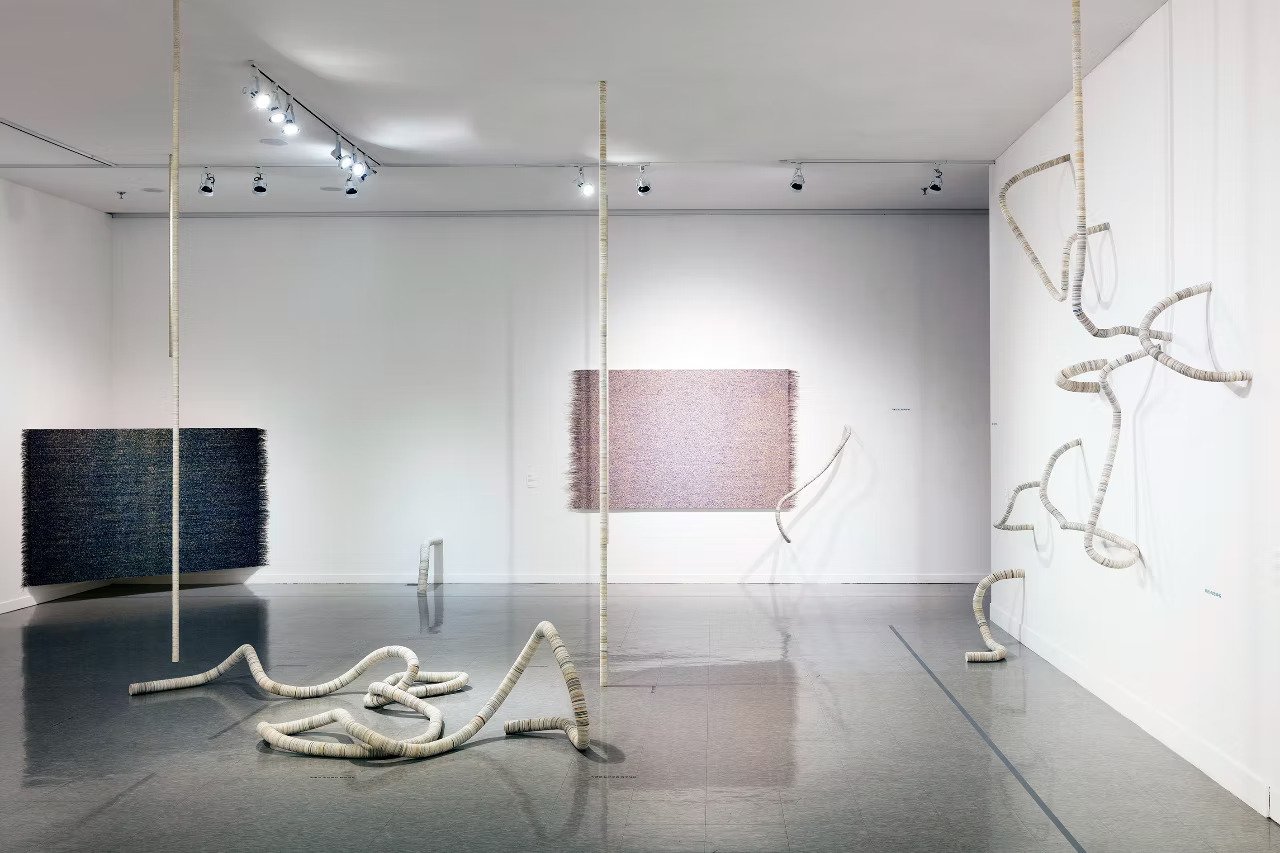
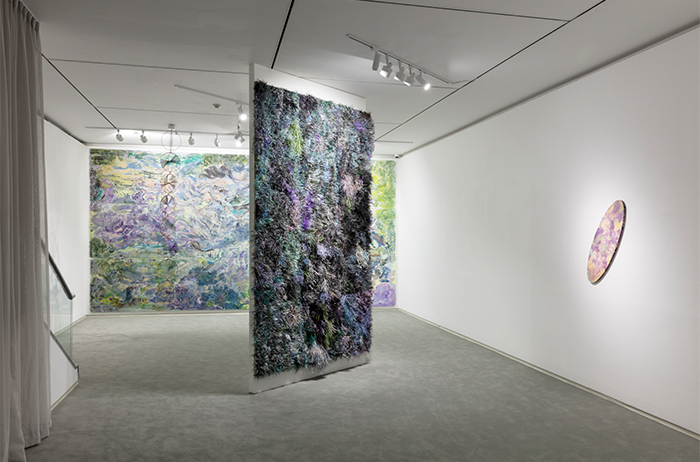
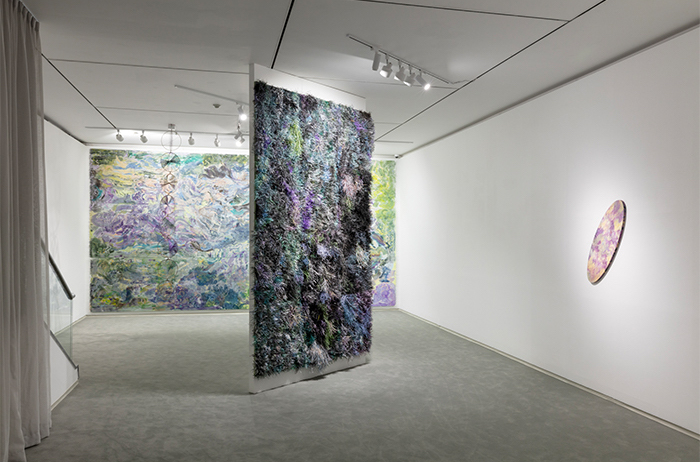 Installation view of 《Dancing in the Thin Air》
(Kumho Museum of Art, 2023) ©Kumho Museum of Art
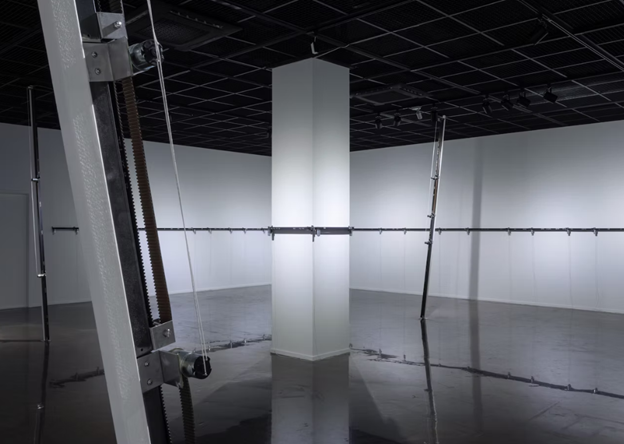
Installation view of 《Dancing in the Thin Air》
(Kumho Museum of Art, 2023) ©Kumho Museum of Art
Kumho Museum of Art presents Part 1 of the 《2023 Kumho Young Artist》
exhibition from March 17 (Fri) to April 23 (Sun), 2023. Part 1 consists of solo
exhibitions by three artists—Wonjin Kim, Jung Youngho, and Jo Jae—selected from
six artists (Wonjin Kim, Jung Youngho, Jo Jae, Lee Heejoon, Lim Nosik, Hyun
Seungui) chosen for the 20th Kumho Young Artist Open Call Program in 2022.
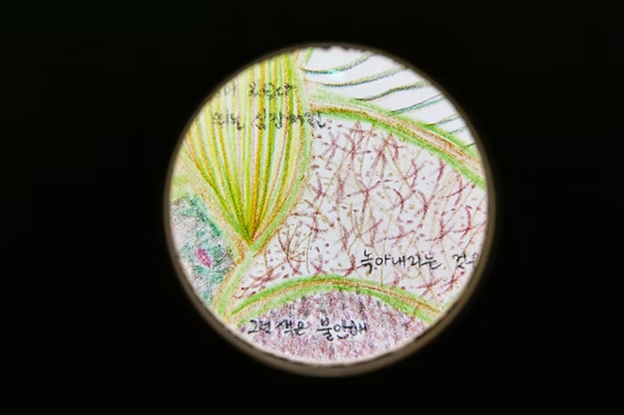
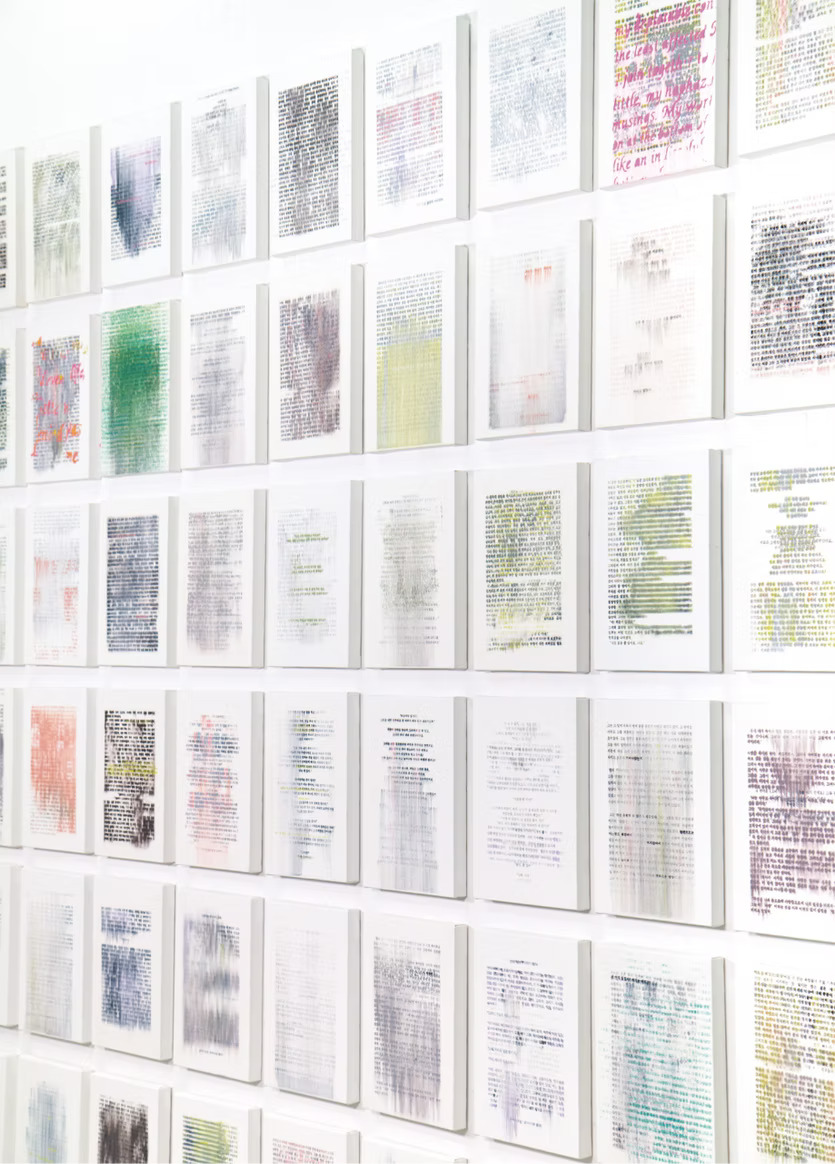
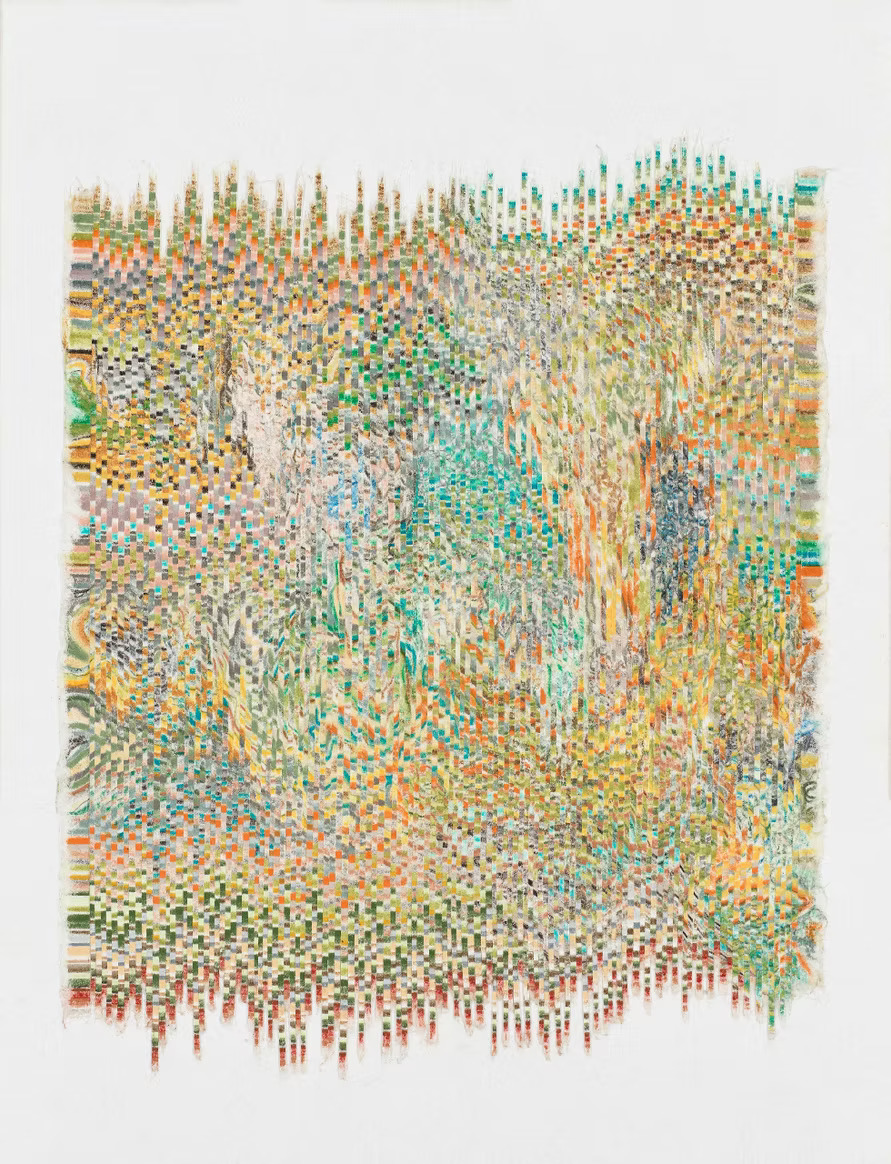
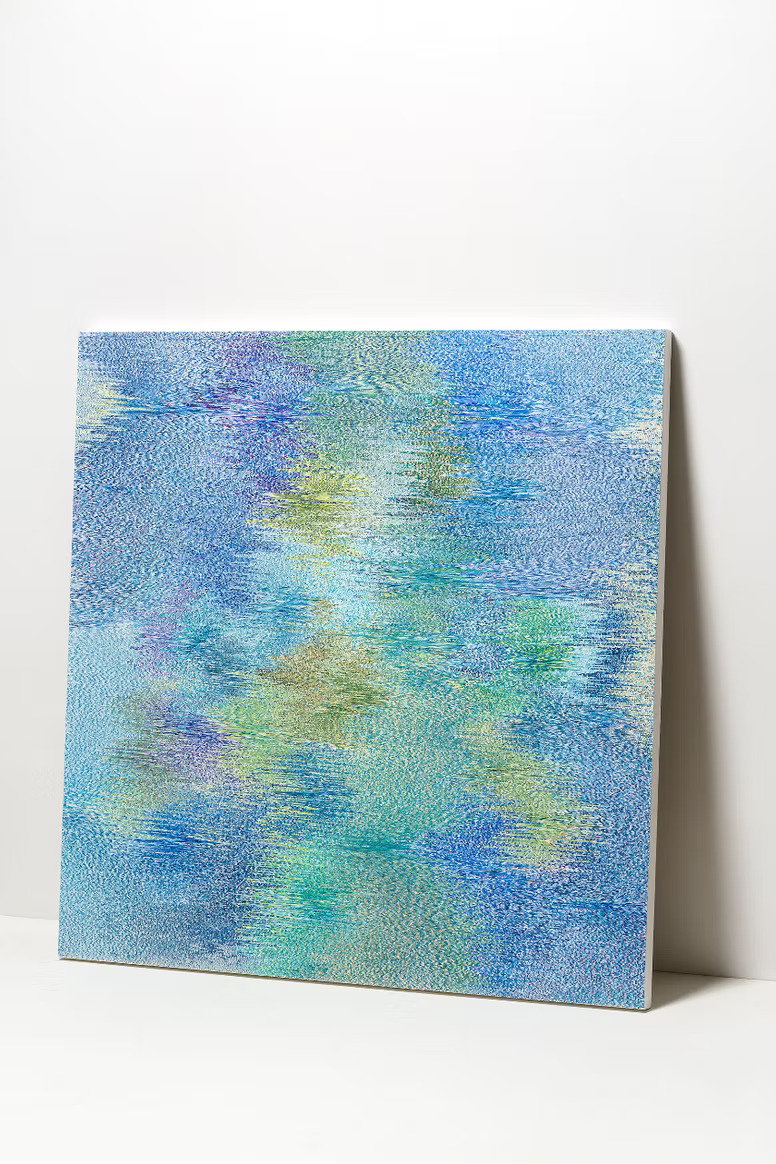
Each exhibition presents distinct practices: Wonjin Kim’s
painting-installation works reflect on the incompleteness of memory by cutting
and attaching thinly sliced drawings based on fragments of objects that evoke
past emotions; Jung Youngho’s photographic works contrast the non-homogeneity
between screen images in color photographs and black-and-white photographs to
reveal the balance and relationship between different ways of sensing the
world; and Jo Jae’s sculptural installations materialize digital images found
throughout cities in the post-internet era using various industrial materials
to visualize the interaction between the online world and reality.
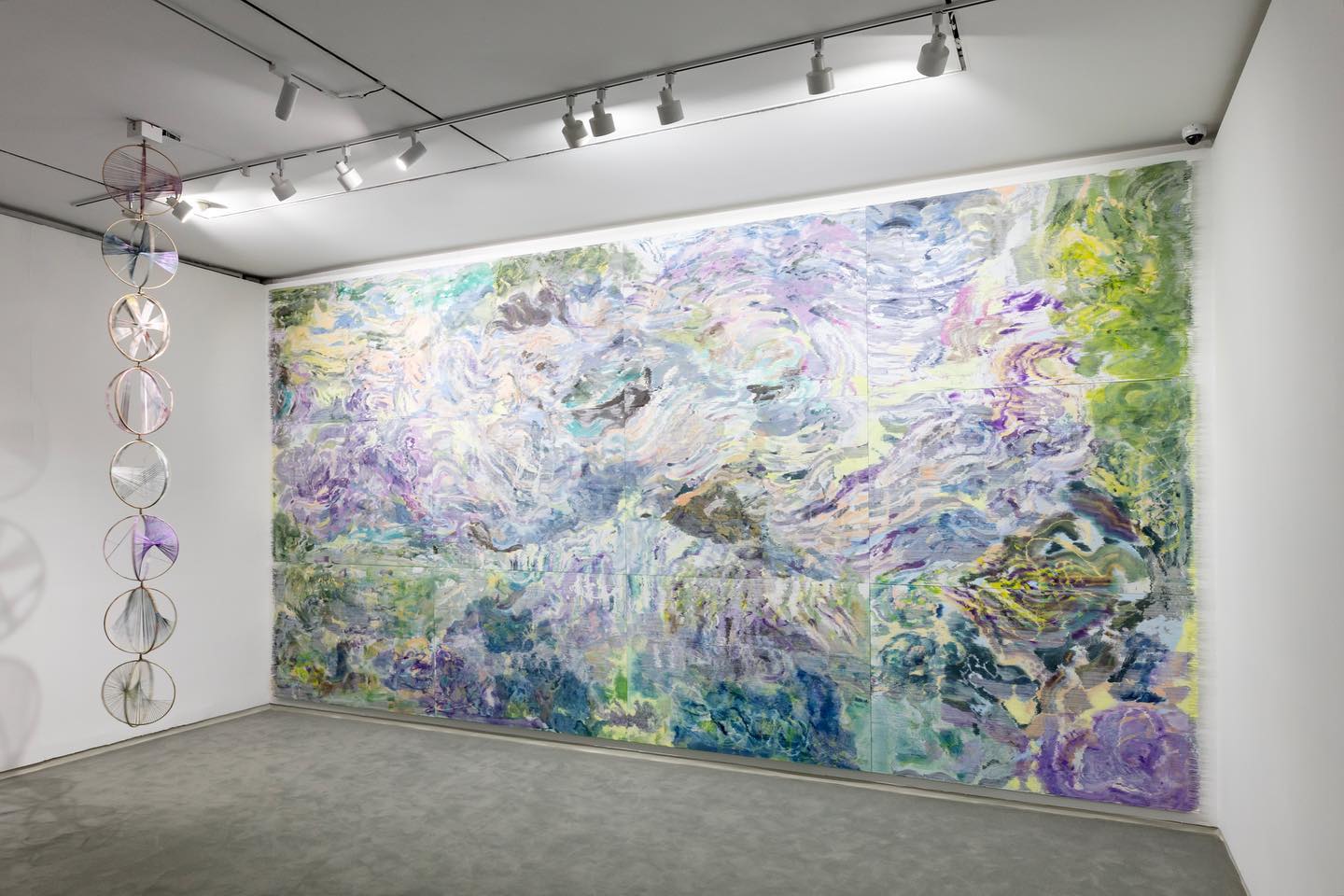
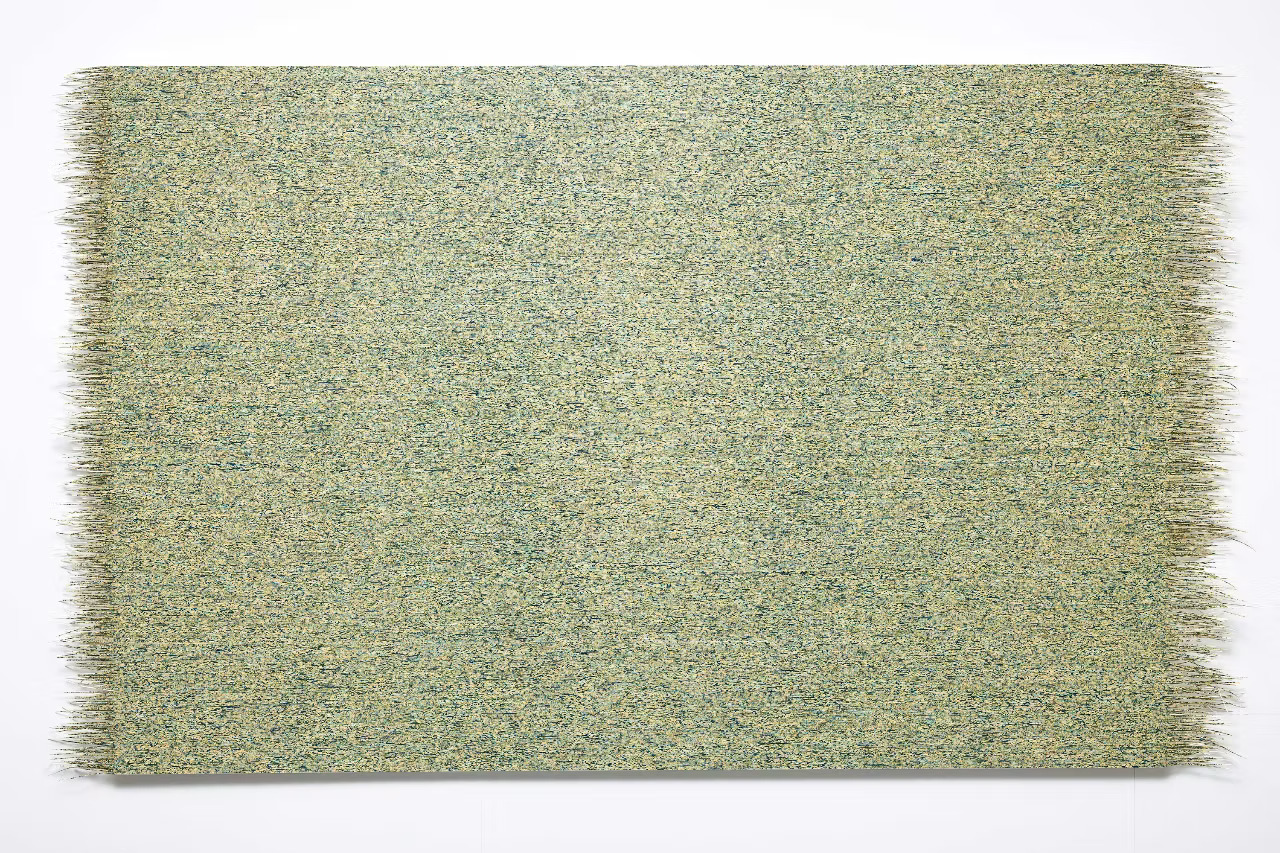
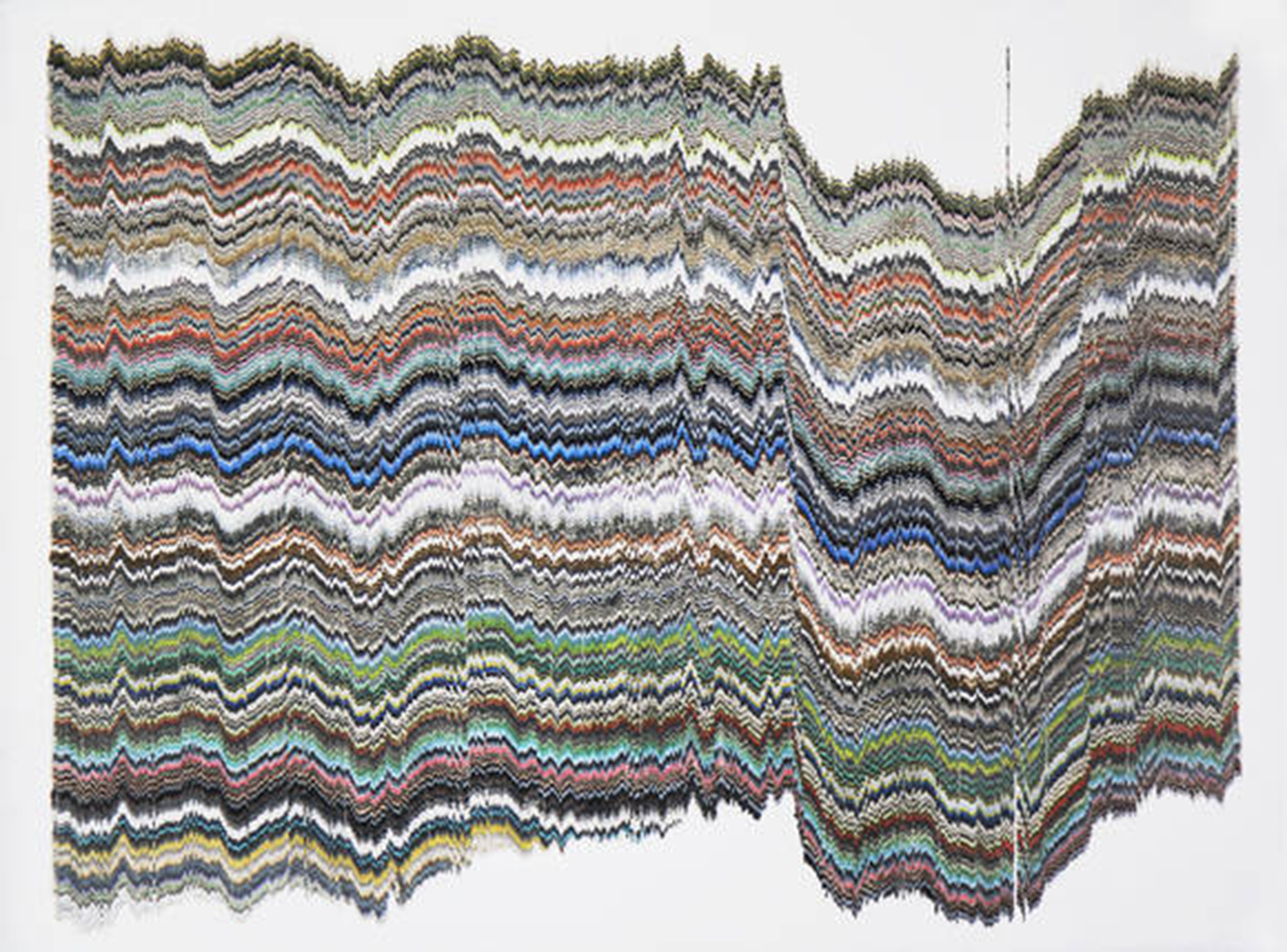
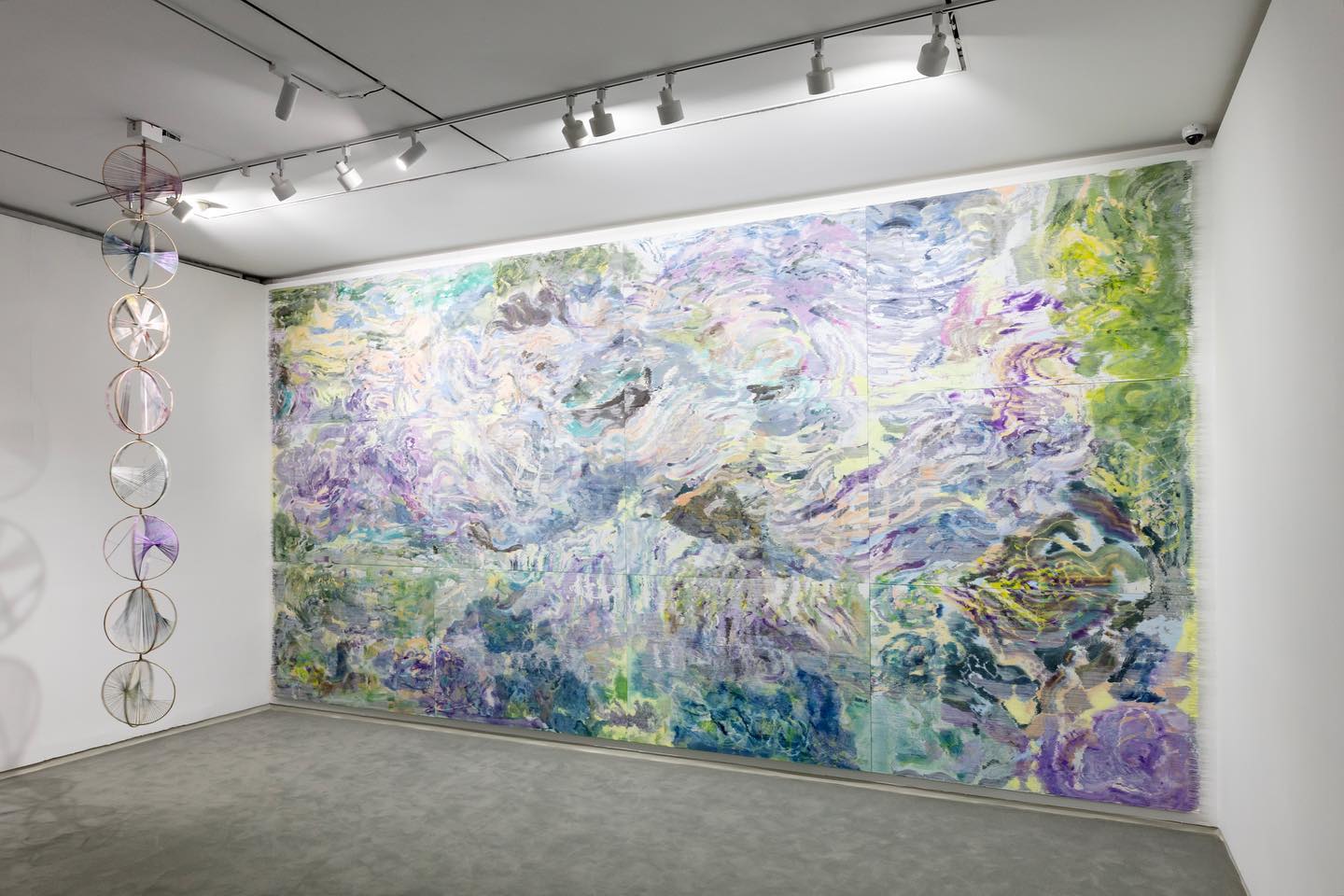 Wonjin Kim, Dancing in
the Thin Air, 2023, Color on paper, 648.8x336.3cm ©Wonjin Kim
Wonjin Kim, Dancing in
the Thin Air, 2023, Color on paper, 648.8x336.3cm ©Wonjin Kim
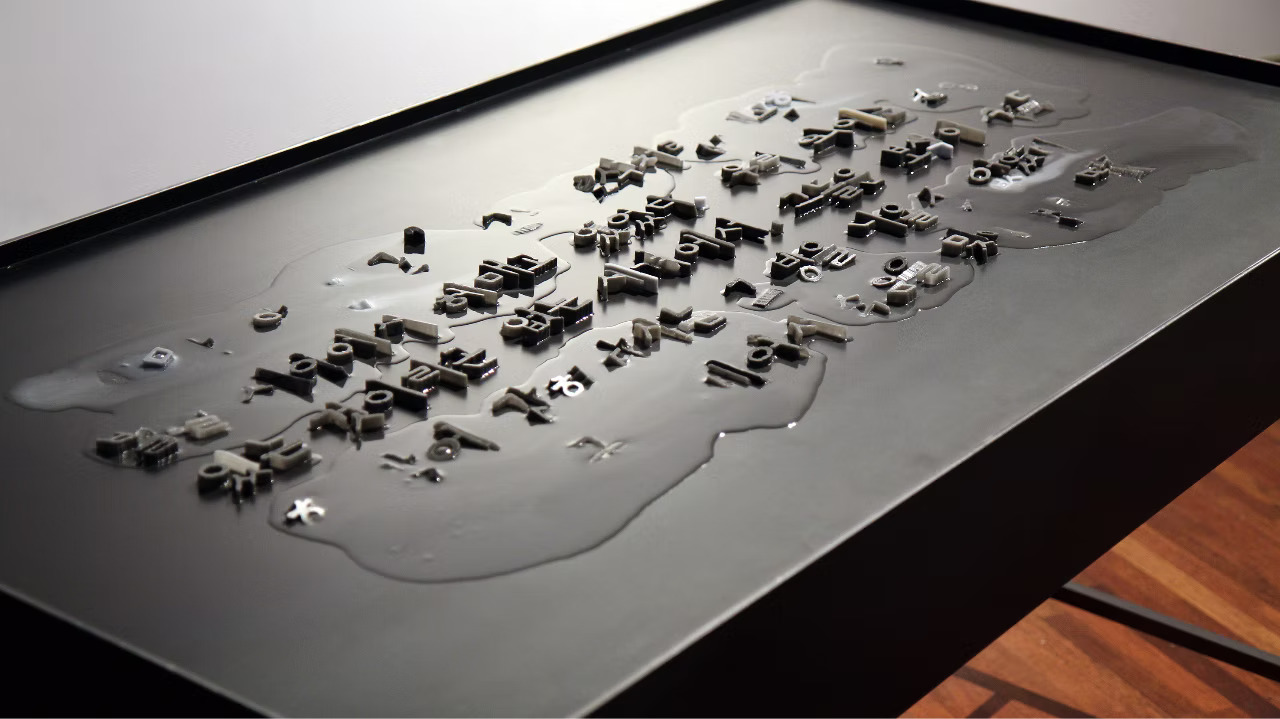
Through various forms of work using archival materials, Wonjin Kim
materializes the incomplete attributes of memory that are lost and
reconstructed within the movement of time. The artist regards discarded books,
letters, diaries, and other records containing stories of the past as a
collective of memory, and through transformed works, embodies states of memory
that cannot be summoned back to their original form.
In the exhibition 《Dancing in the Thin Air》, focusing on the
relationship between time and space, the artist metaphorically presents the act
of experiencing time through the ballet movement “pirouette,” in which a
ballerina stands upright on one foot and spins.
Drawings made while recalling past time are cut thinly and
lengthwise, as if divided into units of time, and attached alternately front
and back, unfolding across the entire space. These collage works simultaneously
reveal moments captured in memory and hidden moments, generating a surface that
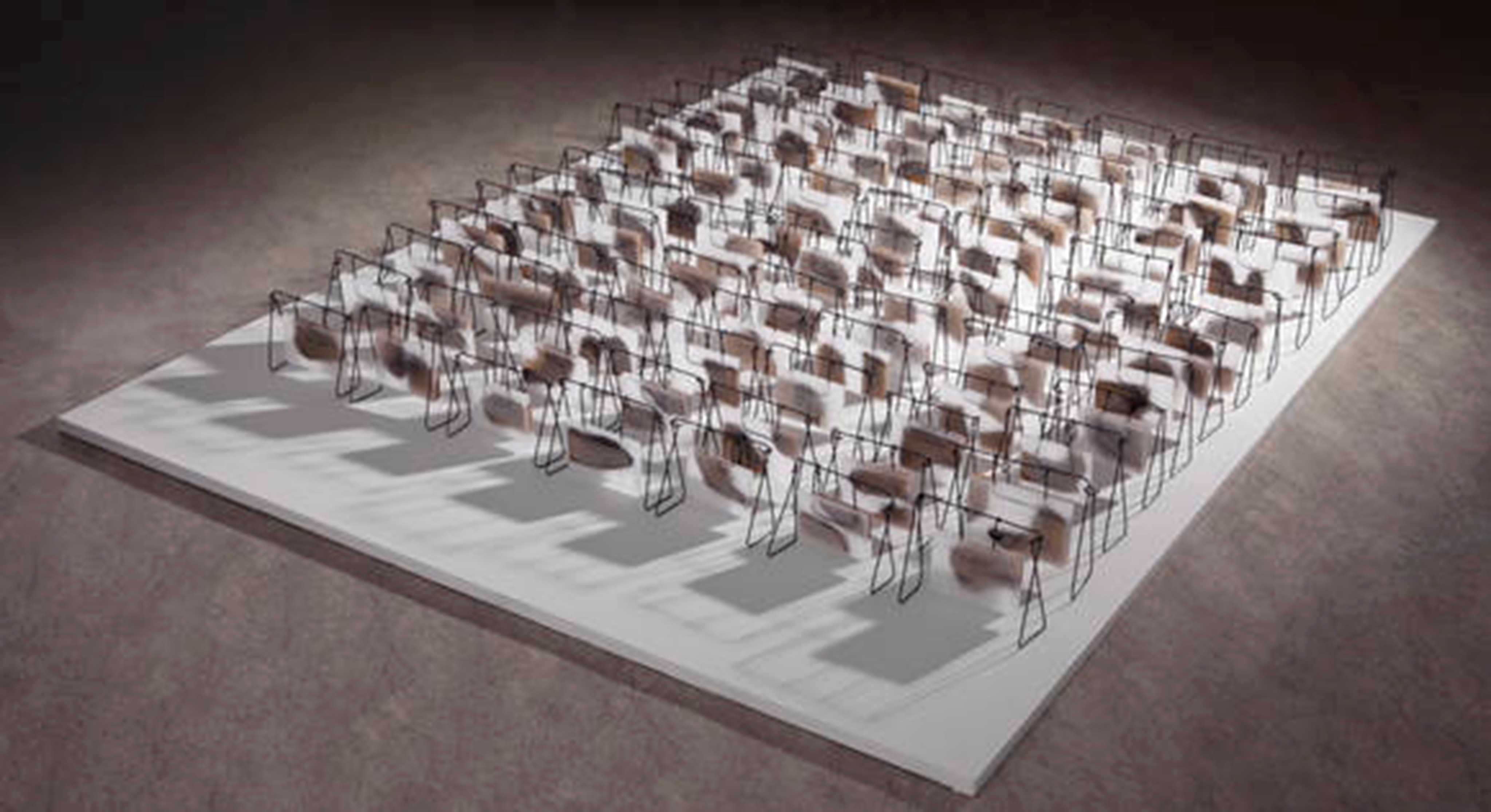
appears as if an error has occurred. By collecting the edge fragments cut away
from the surface, the artist brings together even the unselected and omitted
moments.
Through repetitive labor, the artist fragments and reassembles
pieces of memory, visualizing how accumulated moments form an individual’s
history. The exhibition’s composition, which invites viewers to move back and
forth through the gallery and observe both microscopic and macroscopic scenes,
evokes the total process of a memory system that manifests fragmentarily in
time and is continuously re-edited.