A small change that occurred inside the body came to dominate the
entire consciousness and sensation of the body. In the process of consciousness
losing control of the body, fragments burst forth, dividing everything into
binary oppositions: memory/non-memory, consciousness/unconsciousness,
sensation/numbness, reason/emotion, acceptance/refusal, life/death.
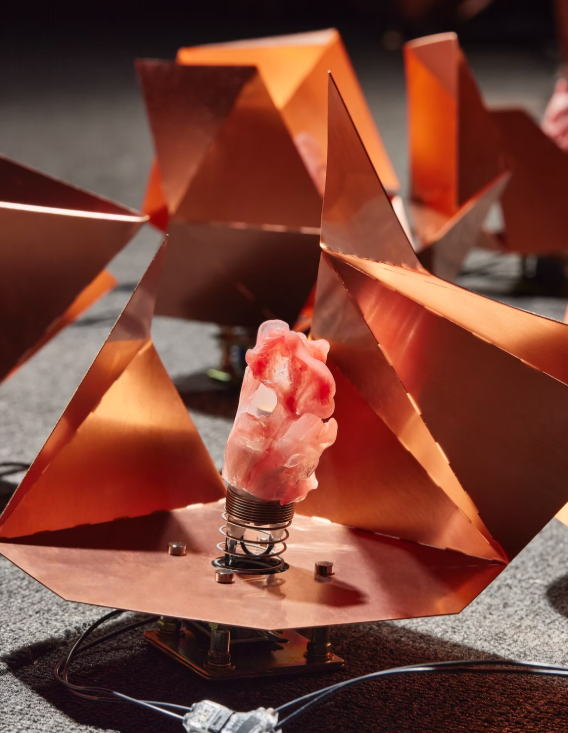
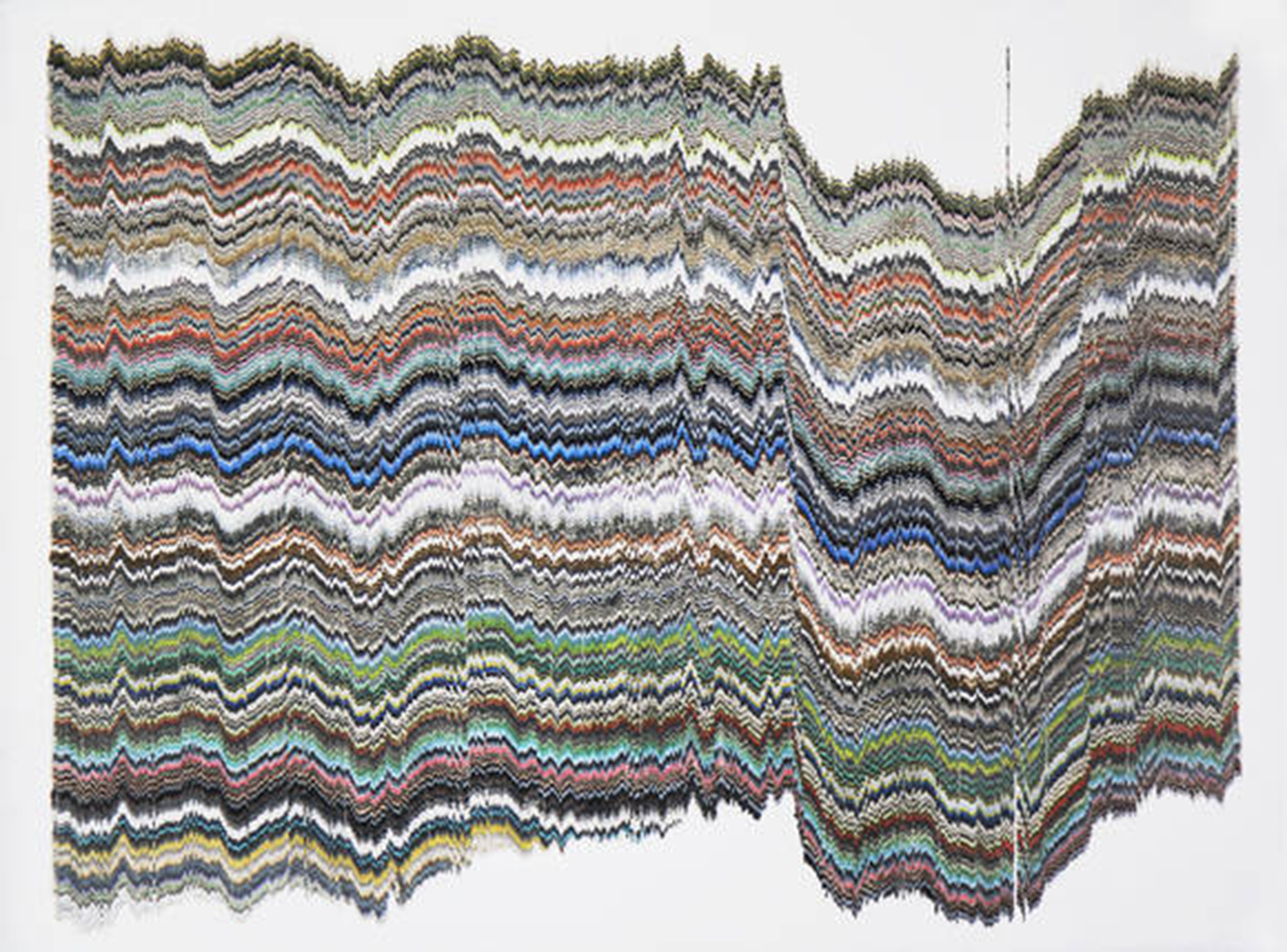
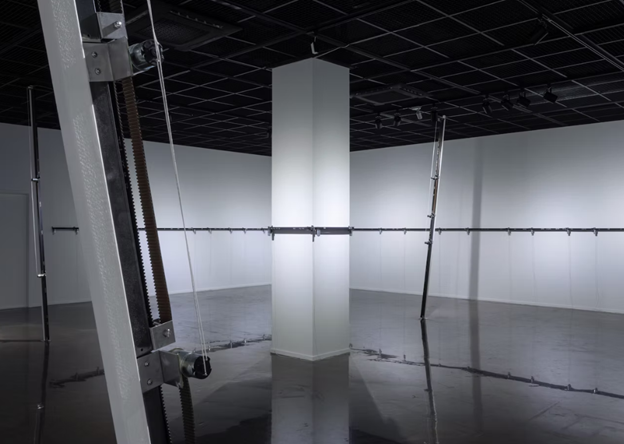
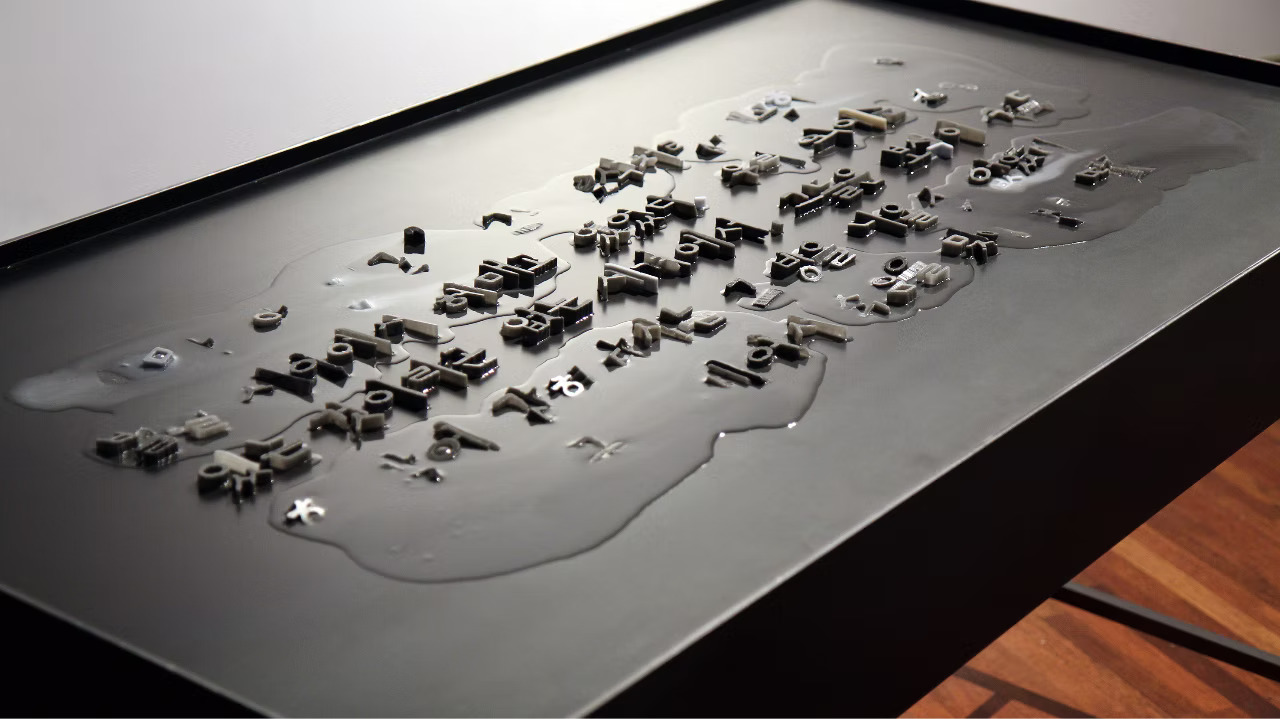
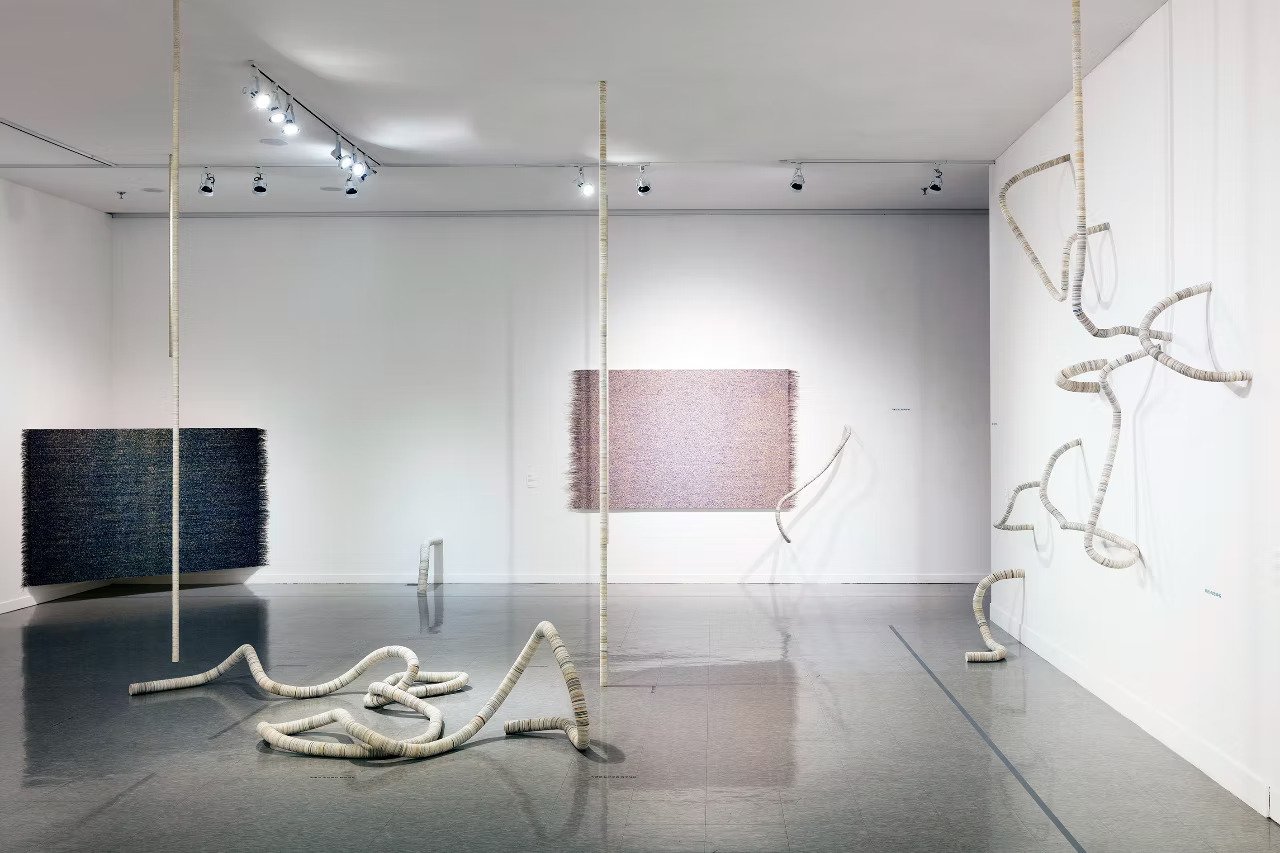
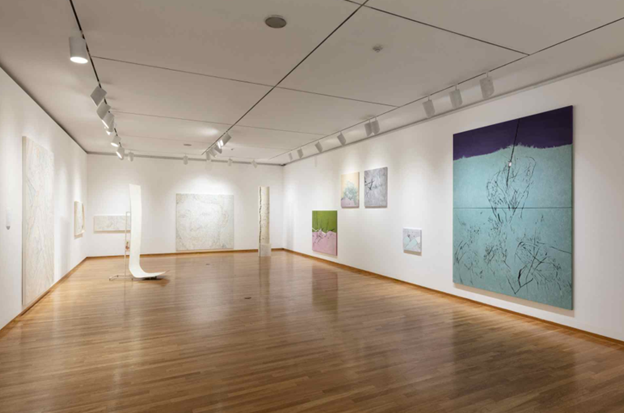
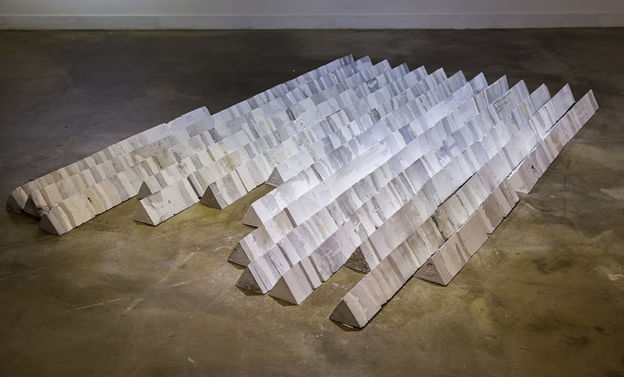
Wonjin Kim begins her story with 00. Outward
Swing/Inward Sway at the entrance of the exhibition. The
discovery of illness began as a kind of “pounding” she could not accept. The
impact from the outside moved from exterior to interior, and again from
interior to exterior, oscillating between polar points. In her 2023 solo
exhibition 《Dancing in the
Thin Air》(Kumho Museum of Art, Seoul, 2023), she
presented a pirouette work revolving around a fixed point. In rotational
movement around an axis, forces sustaining energy and forces resisting
direction occur simultaneously. Previously she spoke of human existence through
the linear movement of persistence and resistance; now she approaches it
through pendular motion.
A pendulum repeats movement along a fixed path in periodic time.
It also contains a restoring force returning it to equilibrium. Through this
pendular motion, she speaks of accepting what happened to her body. When the
spring turns and the metronome’s pendulum begins to move, she stands before the
simplicity of death that strips away life’s complexity. If the spring stops,
the motion stops.
She continues the movement hoping it will not cease, but
repetition cannot be eternal. Physical death, death of consciousness, the end
of pain, the end of illness—all arrive. The tempo maintains a rhythm slightly
slower than a heartbeat; when it seems about to extinguish, the automatic
spring mechanism rewinds and life continues. The spring is another swing.
Though the event began abruptly, the aftereffect of one swing persisted so
slowly that time itself became unrecognizable.
The process of accepting illness and undergoing treatment became
preparation for living with a wounded body. Lying on a narrow hospital bed, she
heard that her case was considered a miraculous survival, yet she could not
guarantee the present alive moment; she heard about the time she herself could
not remember.
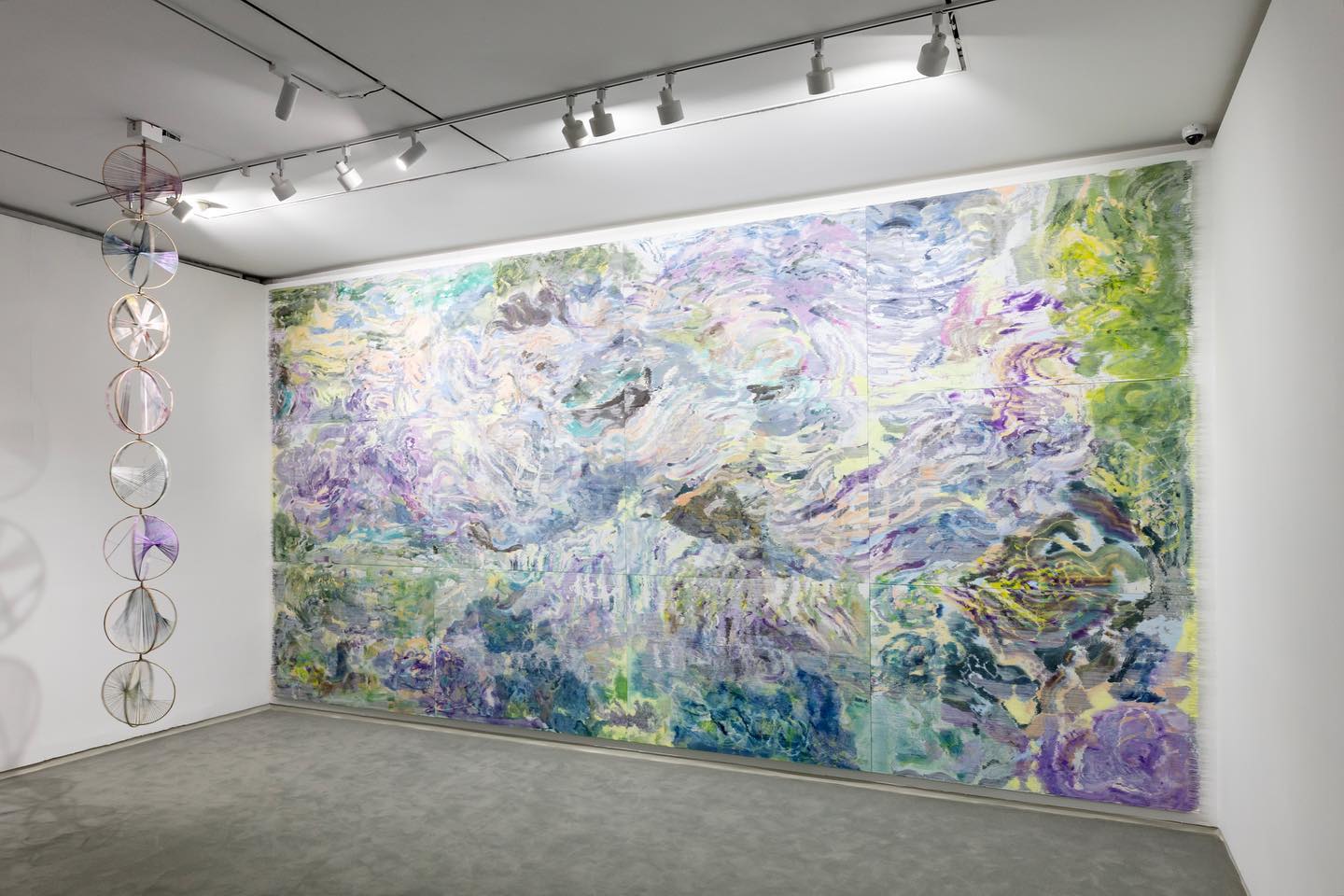
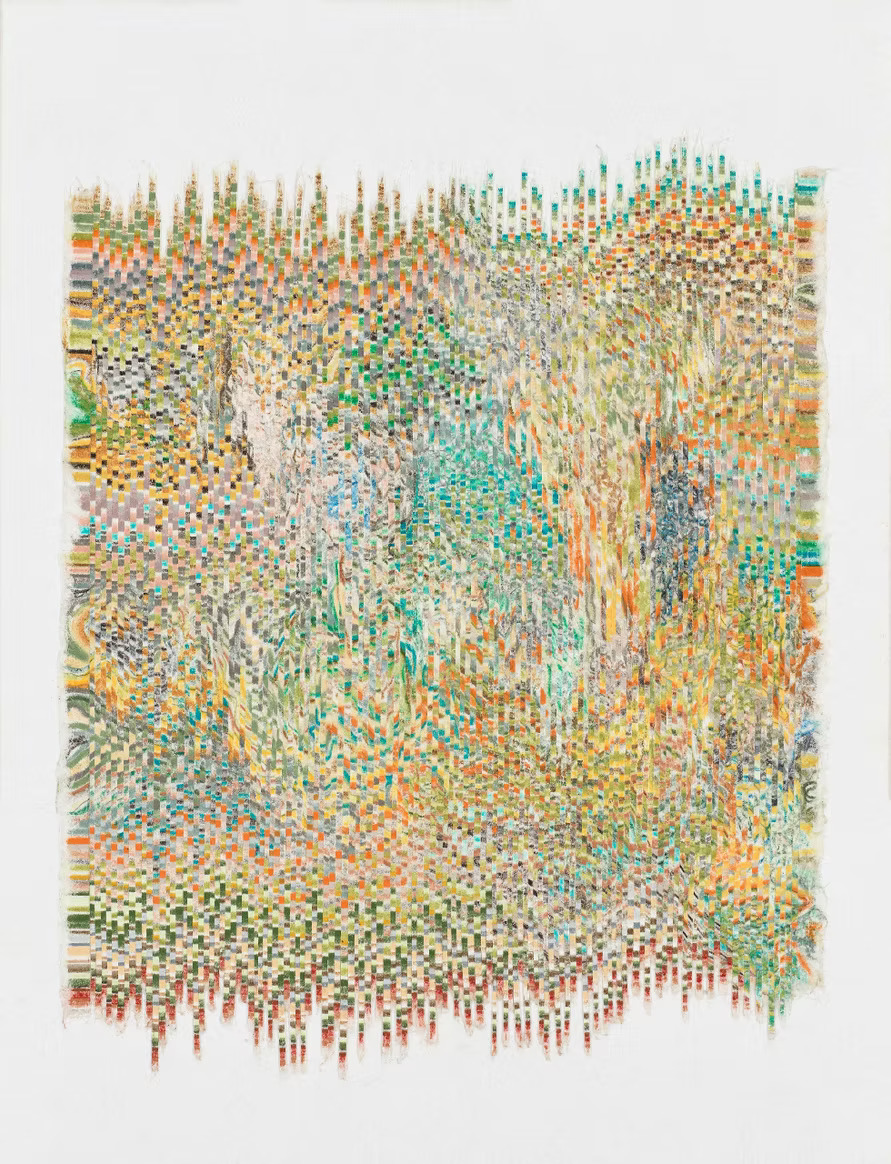
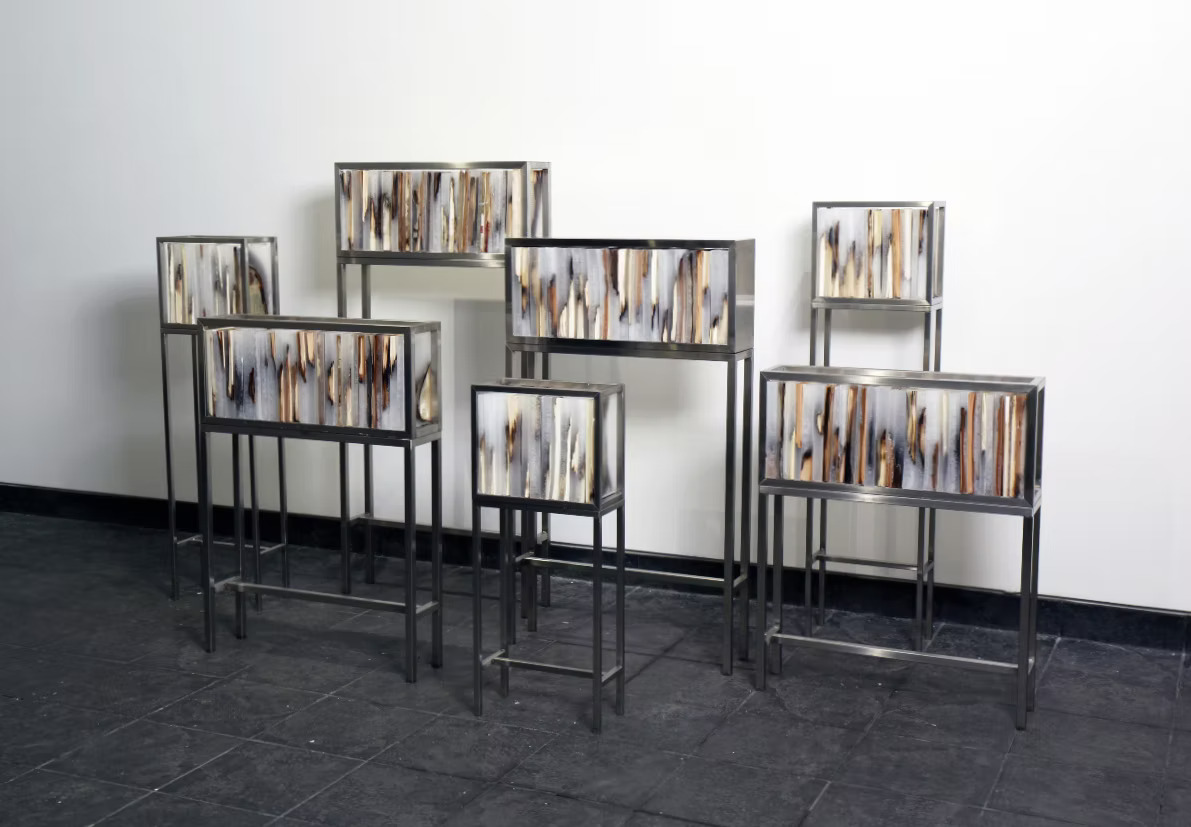
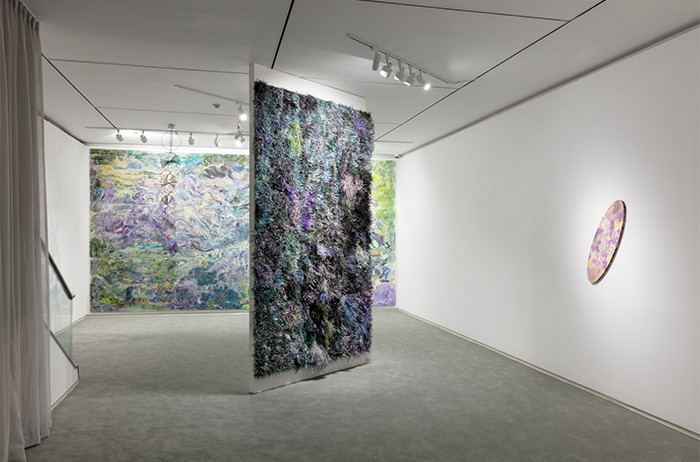
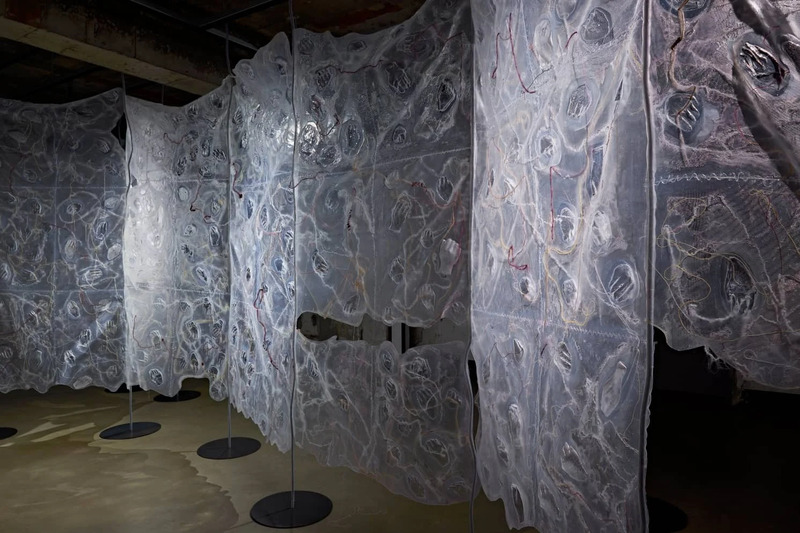
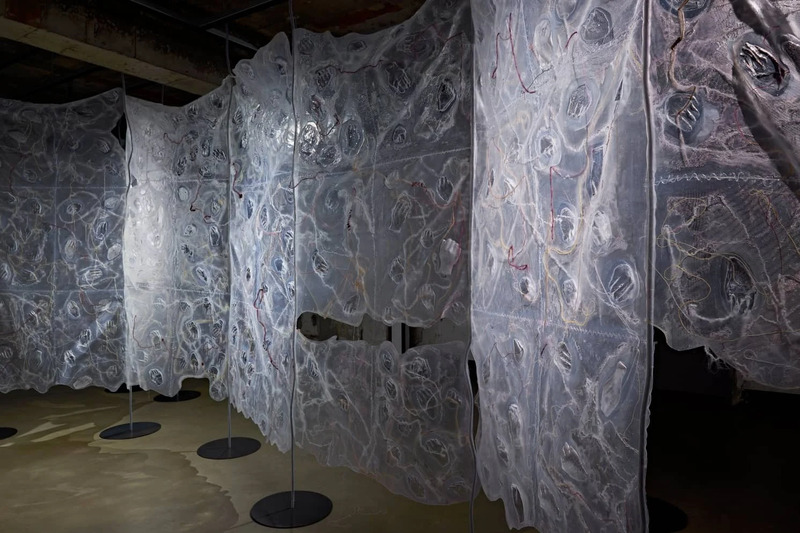
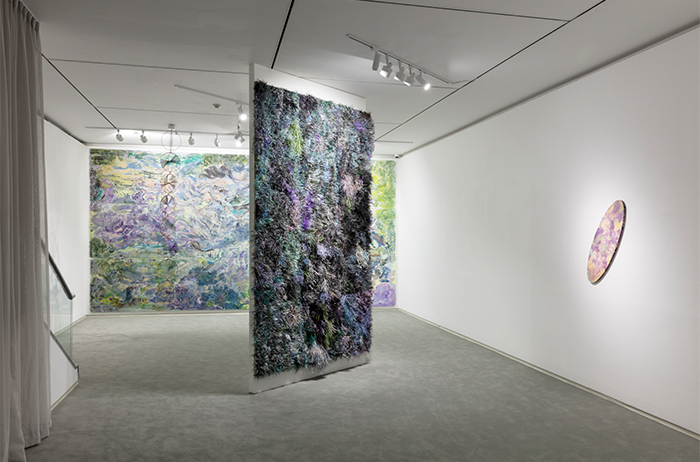
At the center of the exhibition stands +01. Drifting
Close, Tilting Softly, Holding On, a work about what her body
experienced and the traces that remain. Tactile sensations intersect between
what can be touched and what can be seen. Sometimes the visual gives rise to
tactile feeling—like “the sunlight caressing.” Sensations left by landscapes,
sounds, and smells remain tactilely. That sensation touches us. Touch is not
unilateral; it touches and is touched simultaneously. It implies relation. It
connects existence to others and to the world, grants the feeling of being
alive, reveals our existence through sensing another being.
The hands that approached her were hands that opened the world by
touching and being touched. The hands that reached, slipped, and tilted were
formed into membrane surfaces. That hand can project everything. For her, it
became the hand that summoned the world, called the past into the present, and
affirmed the future.
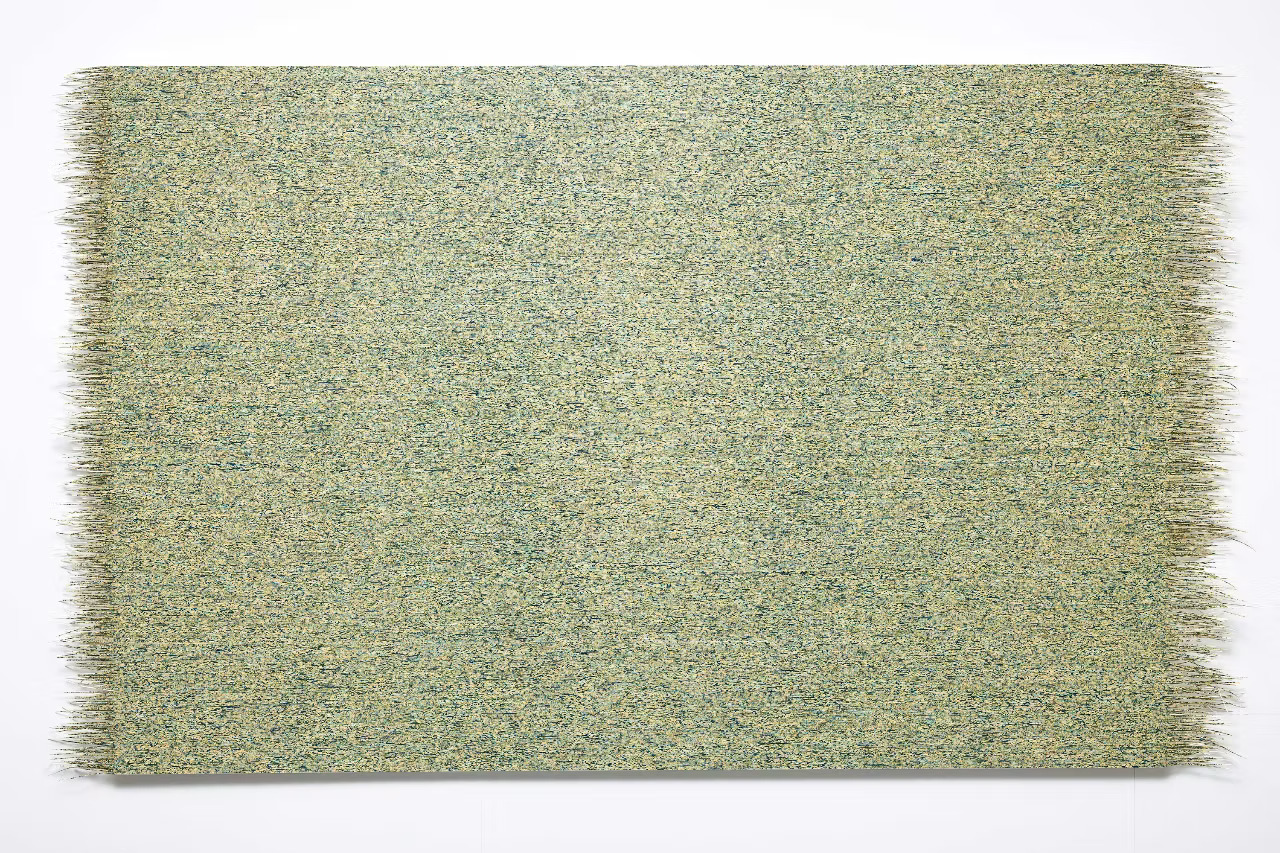
Membranes connecting self and world fill human life. The skin
forming the membrane she called “the thin place.” Fragile yet connected, within
thin membranes lie fragments of memory and time. She stitches this thin
membrane with thread. Thin skin bears traces yet allows glimpses beyond.
Shadows of self and other cross as reality and illusion.
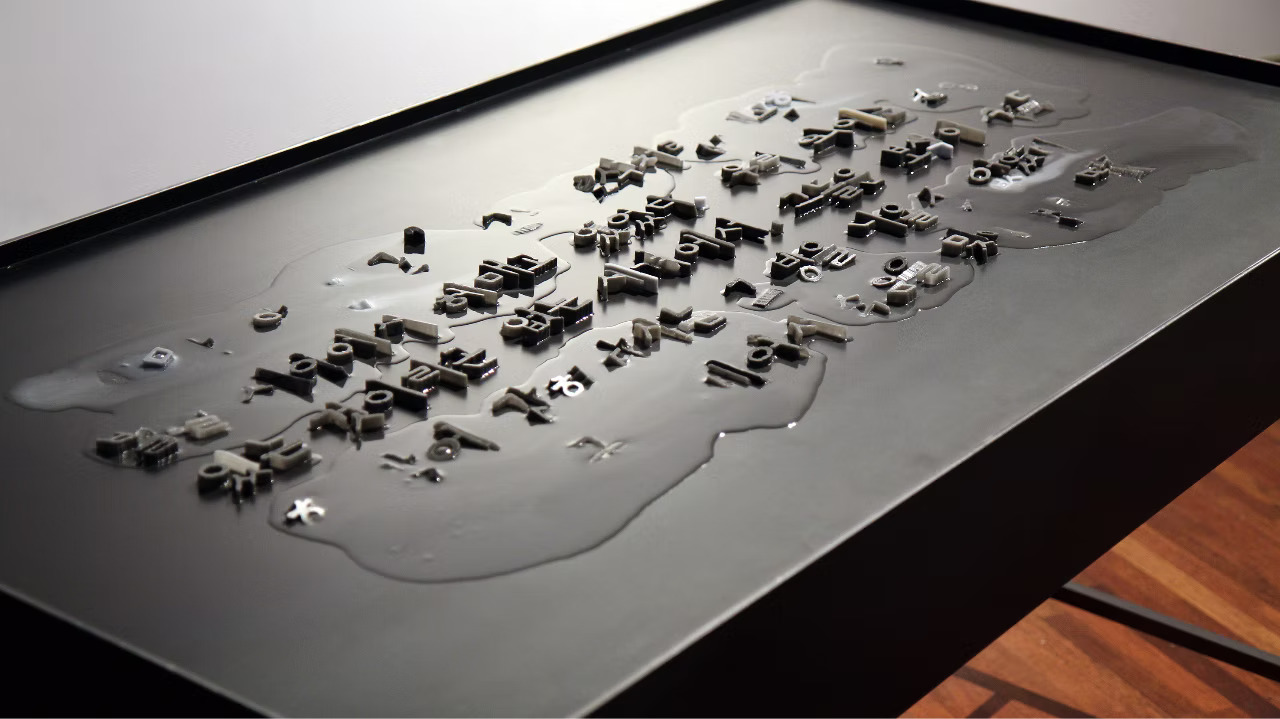
I wish to call this thin place a shelter. In the shelter she
constructed from gathered fragments, countless gestures are inscribed. Gestures
become lost language, lost memory, transformed into dance. Like a stage where
many surround her lying figure, the group choreography moves very slowly. Her
treatment was such.
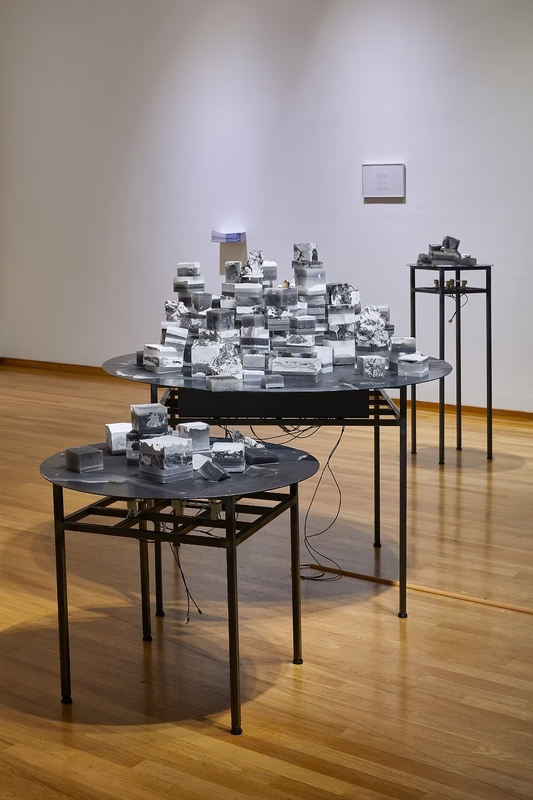
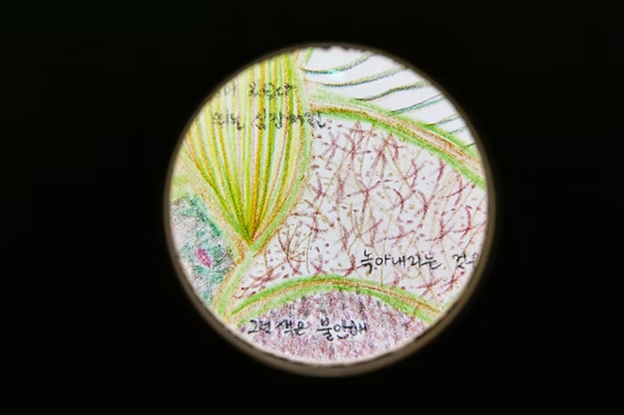
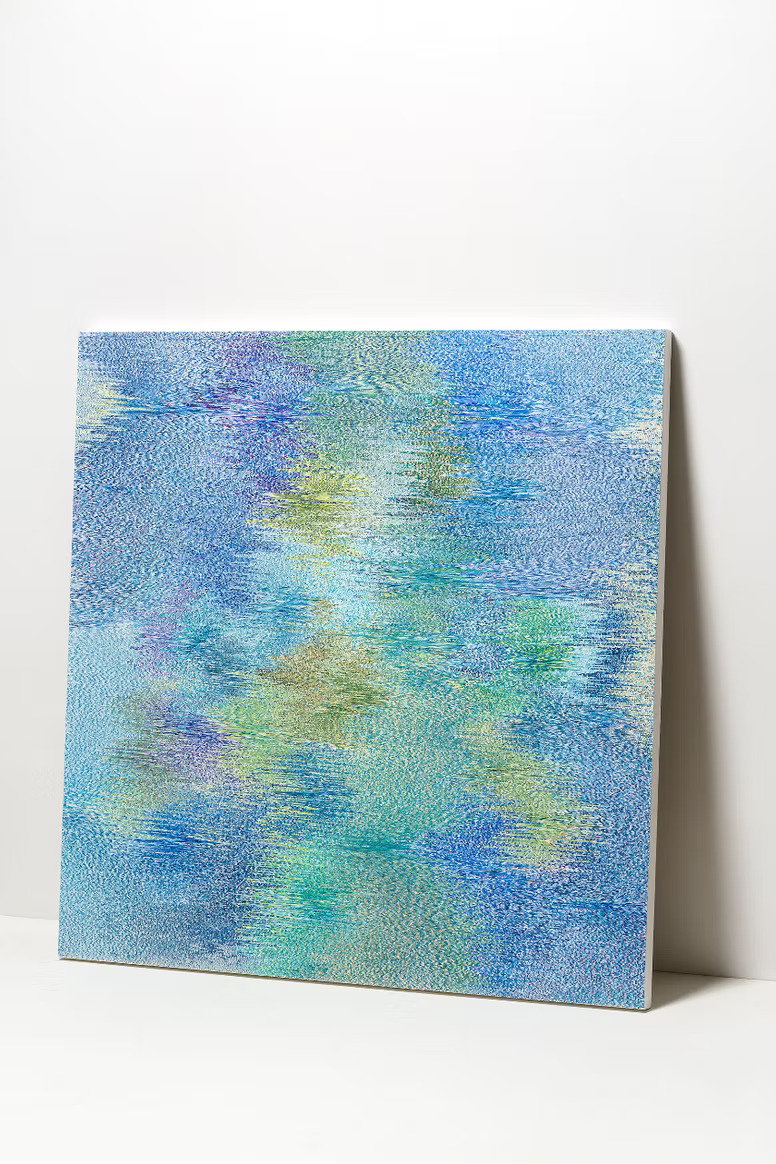
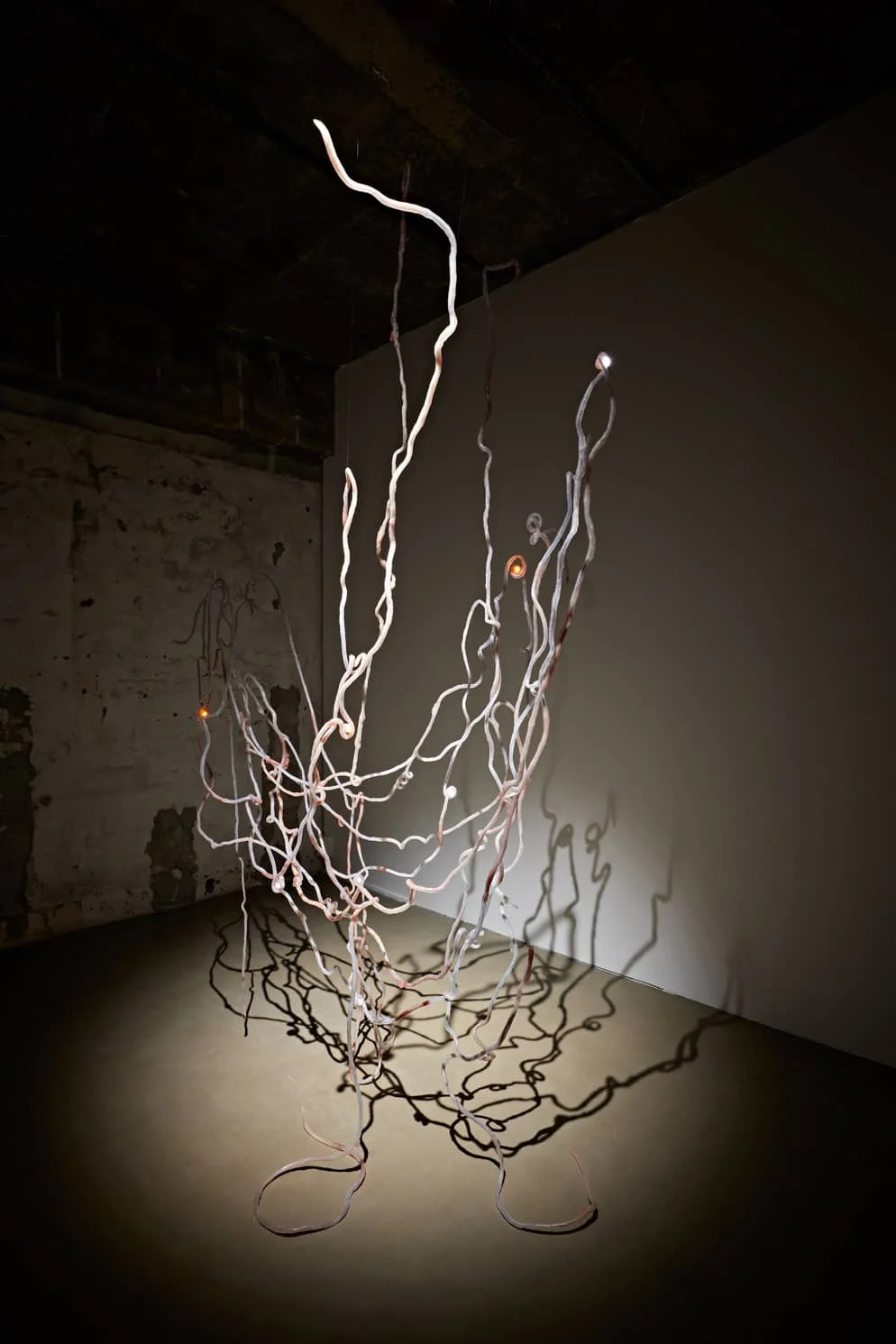
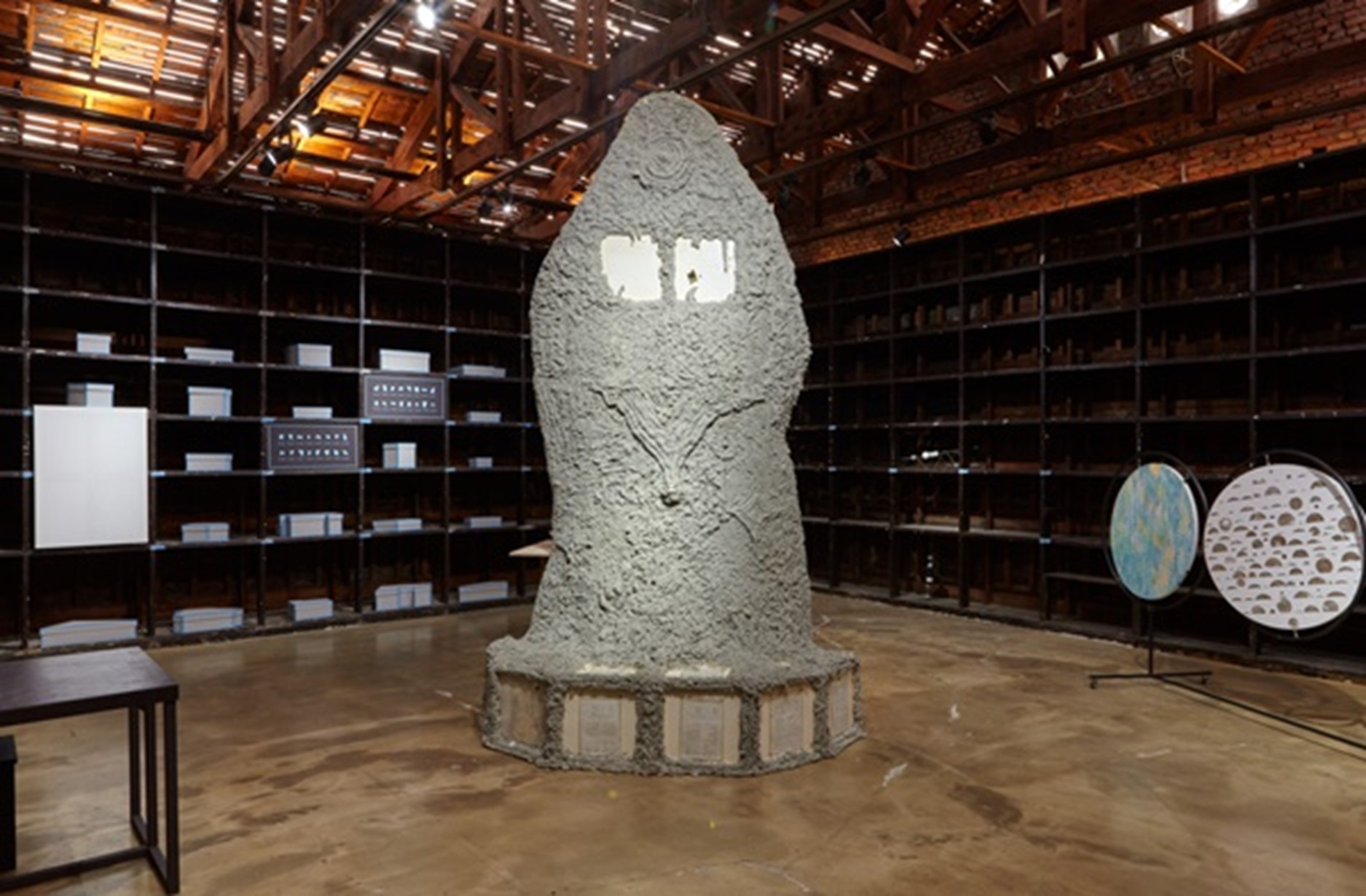
In the innermost, intimate space stands -01. Still
in the Drift. She placed her most painful time here. Under bluish
white light, lying on a bed shoulder-width wide, she restores the traces
engraved upon her—the extent of memory her gaze could follow, the trajectory of
the eye. Countless connected lines, machine sounds, signals, cries,
breaths—intangible trajectories where sight, sound, and touch intermingle.
Lights that could not extinguish remain. Beneath overwhelming weight, in the
darkness of silence, they summon slowly emerging fragments of language and
memory. The light remains where her gaze once rested. Faint yet clarifying
pain, flickering yet summoning lost memory and time, these lights engrave the
traces of pain more deeply.
Standing once more before 00. Outward Swing/Inward
Sway, Wonjin Kim will live not as “one who approached death,” but as
“one who witnessed death closely.” The identity of witness allows her to accept
her wounded body and to interpret her illness narrative within reflective and
social contexts. Returning to the shelter, crouched within the membrane, she
murmurs repeatedly the unsaid “words.” Can we approach her work further through
Borges’s statement that “all language is a path to meaning”? The “language” she
has pursued is a system beyond everything, a structure and a path toward the
meaning of herself, her work, and her life.
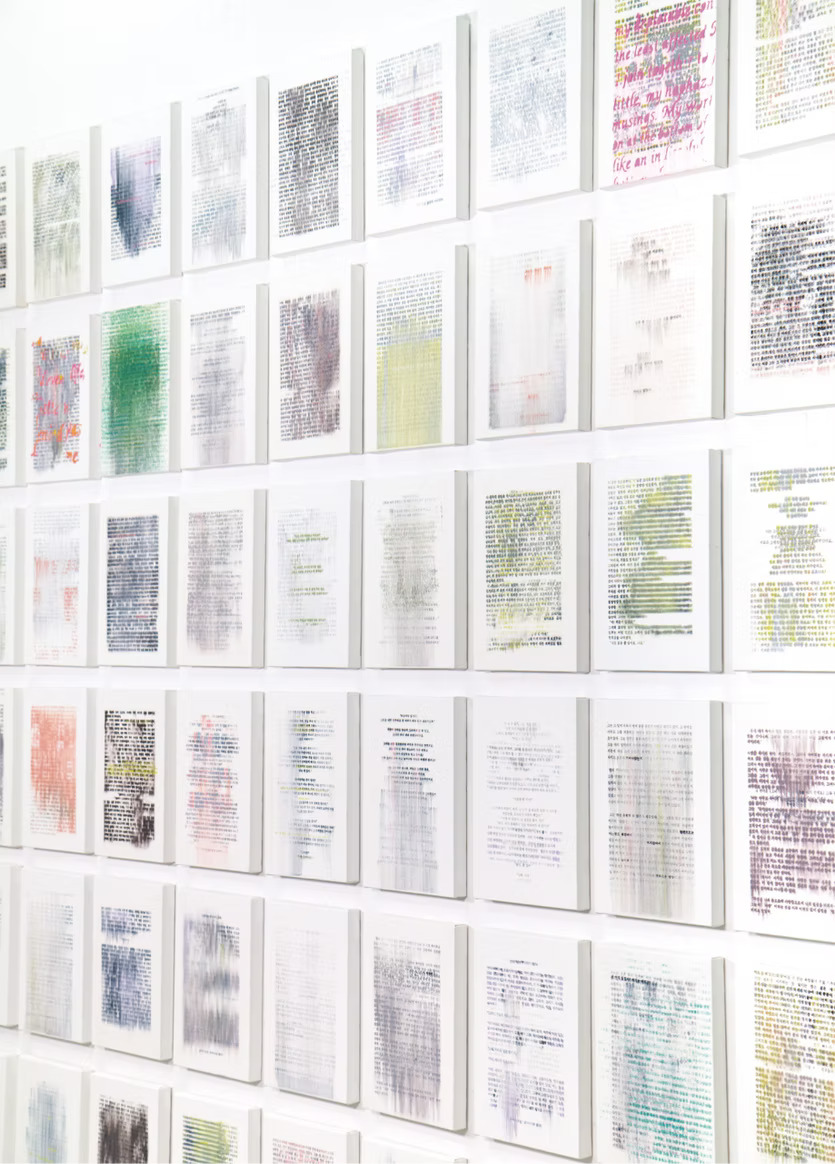
She still stands before language as a system that weaves and
transforms all layers of consciousness and sensation, time and space, memory
and record—yet she remains silent. The sound of speech is absent, but silence
and the power to understand silence wait to become a greater story. The journey
that began last winter has continued slowly through gestures that did not cease
despite the absence of language. She is still within that journey. Yet she has
secured the possibility of quietly entering her work and arranging the events
that befell her.
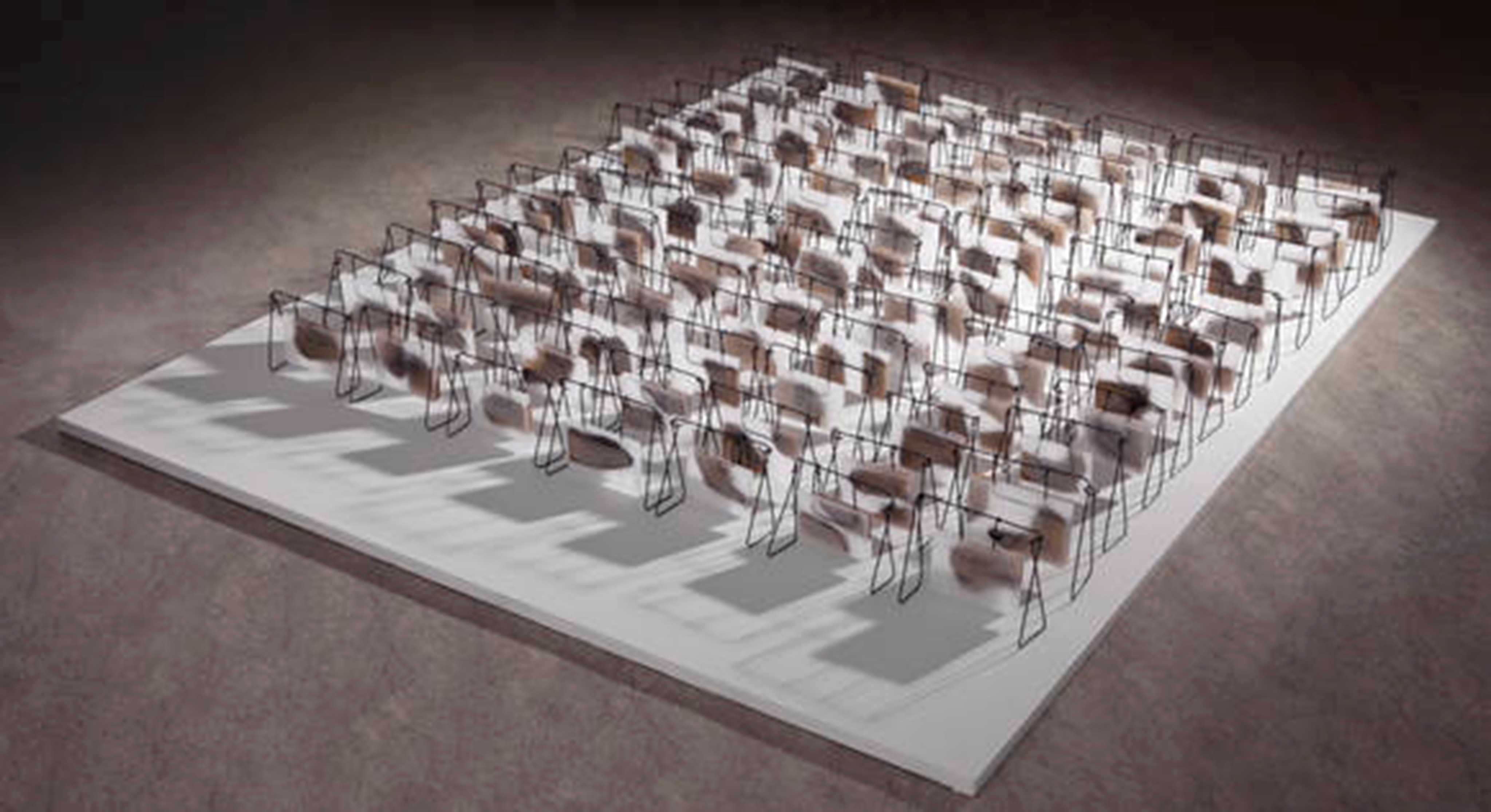
The small rabbits hidden in the exhibition reflect us as
mutual witnesses. She will find the point at which the traces in her body and
the time in her memory slowly become utterance. The words boiling deeper than
her tongue and throat will emerge as language that does not obscure truth,
containing truth itself.
Footnotes
1. Han Kang, “Greek Lessons”, Munhakdongne, 2011.
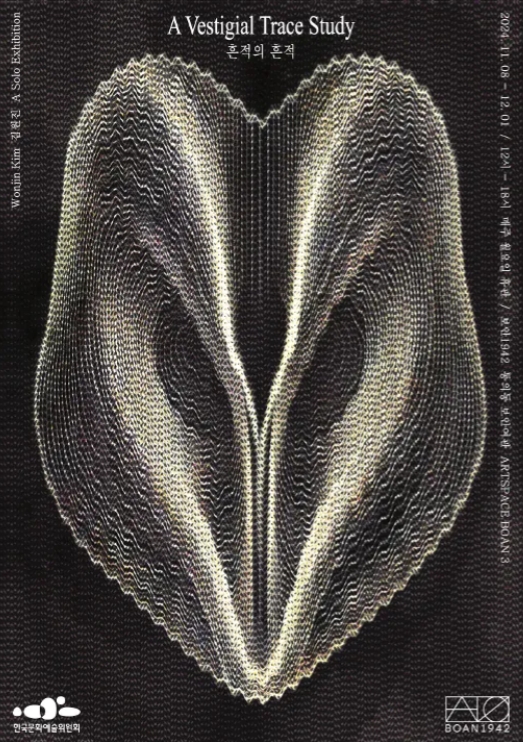
2. Wonjin Kim, solo exhibition, 《A Vestigial Trace Study》, Boan1942 Artspace
Boan 3, Seoul, 2024.
3. Jorge Luis Borges, “Ficciones”, Minumsa, 2011.
4. Han Kang, “Greek Lessons”, Munhakdongne, 2011,
p.122.
5. Wonjin Kim, solo exhibition, 《Dancing in the Thin Air》, 2023 Kumho Young
Artist Selected Exhibition, Kumho Museum of Art, Seoul, 2023.
6. Pirouette is a ballet term meaning “a movement of turning in
place on one leg as an axis.”
7. Maurice Merleau-Ponty, “Phenomenology of Perception”,
Munhakgwa Jisungsa, 2002.
8. Jorge Luis Borges, Willis Barnstone, “Borges at Eighty:
Conversations”, Maumsanchaek, 2015.