

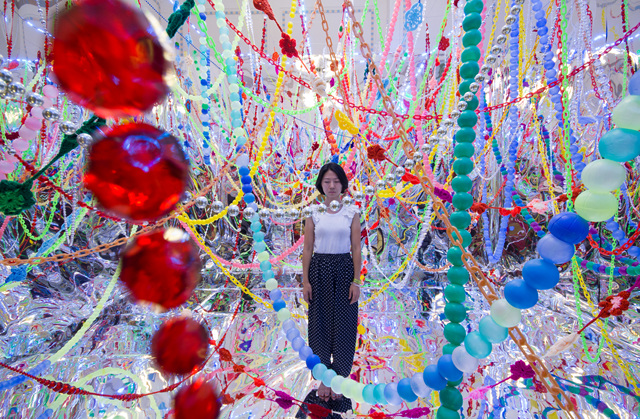
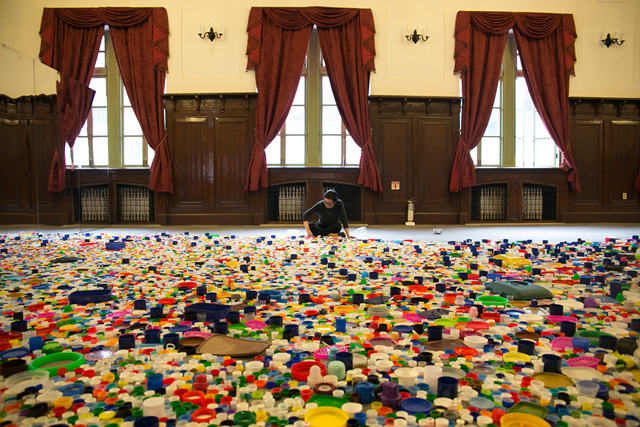
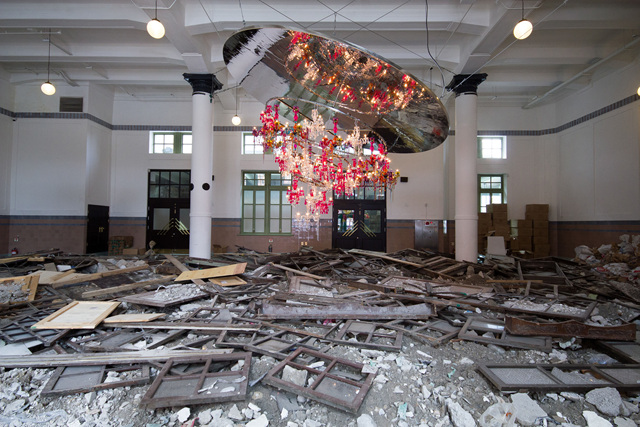
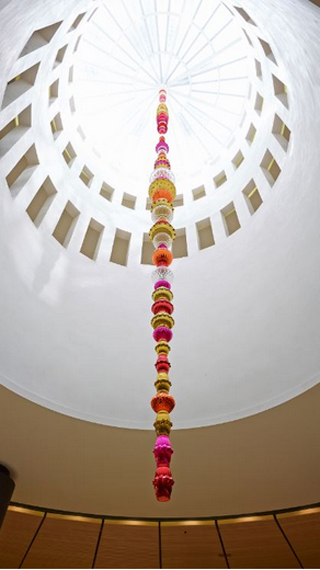
Solo Exhibitions (Brief)
Choi Jeonghwa has held solo exhibitions at major museums and
galleries including Yeonhui Sculpture Hall (1988, Seoul), Kukje Gallery (1998,
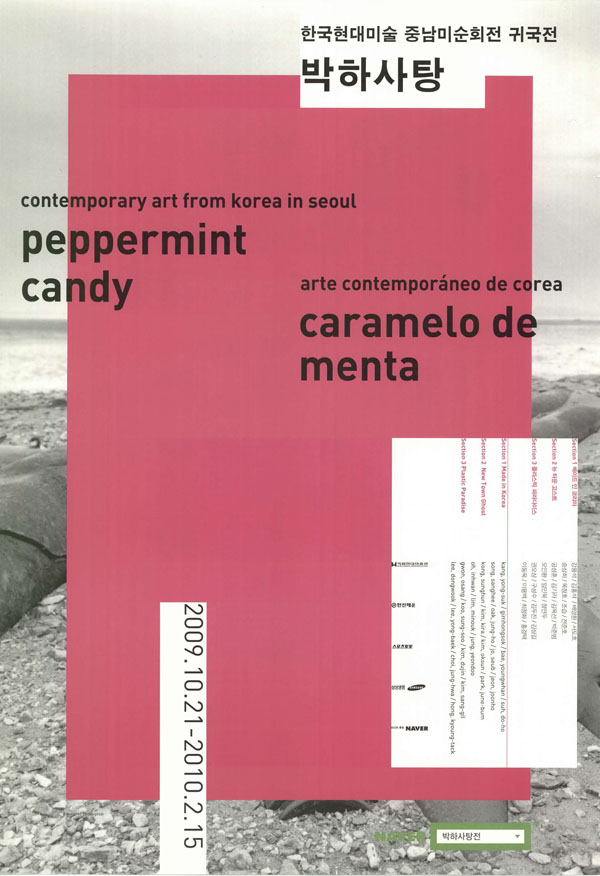
Seoul), Ilmin Museum of Art (2006, Seoul), Towada Art Center (2009, Japan),
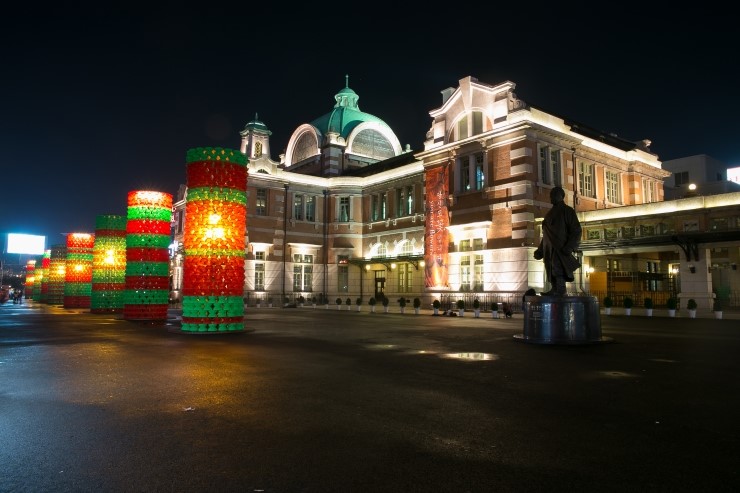
Aando Fine Art (2010, Berlin), Culture Station Seoul 284 (2014, Seoul), Kiasma
Museum of Contemporary Art (2016, Helsinki), MMCA Hyundai Motor Series at the
National Museum of Modern and Contemporary Art (2018, Seoul), P21 (2017, 2020,
Seoul), and Gyeongnam Art Museum (2020, Changwon).
Group Exhibitions (Brief)
Beginning with exhibitions in Korean museums in the late 1980s,
the artist expanded his activities internationally in the 1990s–2000s,
participating in major international biennales and triennales including the
Gwangju Biennale (1997, 2002, 2006), Taipei Biennial (1998), São Paulo Biennial
(1998), Lyon Biennale (2003), the Korean Pavilion at the Venice Biennale
(2005), Sydney Biennale (2010), and the Fukuoka Asian Art Triennale (2014). He
has also carried out city-based public art projects such as the Anyang Public
Art Project (2005, 2016), Setouchi Triennale (2013), Saitama Triennale (2016),
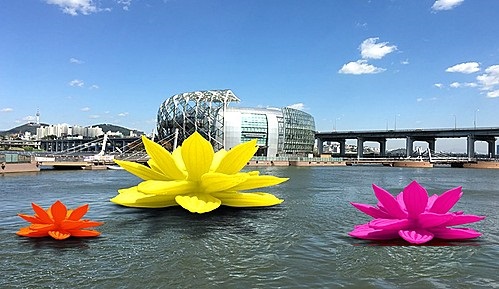
Helsinki Festival (2016), and the Hangang Public Art Project (2015). He has
continuously participated in exhibitions at major institutions and museums
including Leeum Museum of Art, National Museum of Modern and Contemporary Art,
Seoul Arts Center, Mori Art Museum (Tokyo), MAXXI National Museum of 21st
Century Arts (Rome), Museum of Fine Arts Boston, Museum of Fine Arts Houston,
and Centre Pompidou (Paris), steadily expanding the scope of his practice.
Awards (Selected)
He received the Grand Prize at the JoongAng Art Competition
(1987), the Total Art Award (1997), the Ilmin Art Award (2005), and the Artist
of the Year (2006) presented by the Korea Culture and Arts Foundation.
Collections (Selected)
His works are held in major institutions in Korea—including the
National Museum of Modern and Contemporary Art, Leeum Museum of Art, and Seoul
Museum of Art—as well as internationally at MAXXI National Museum of 21st
Century Arts (Rome), Kiasma Museum of Contemporary Art (Helsinki), LACMA and
the Museum of Fine Arts Houston (USA), Fukuoka Asian Art Museum and Mori Art
Museum (Japan), and Le Consortium (Dijon), among other museums and public
collections worldwide.