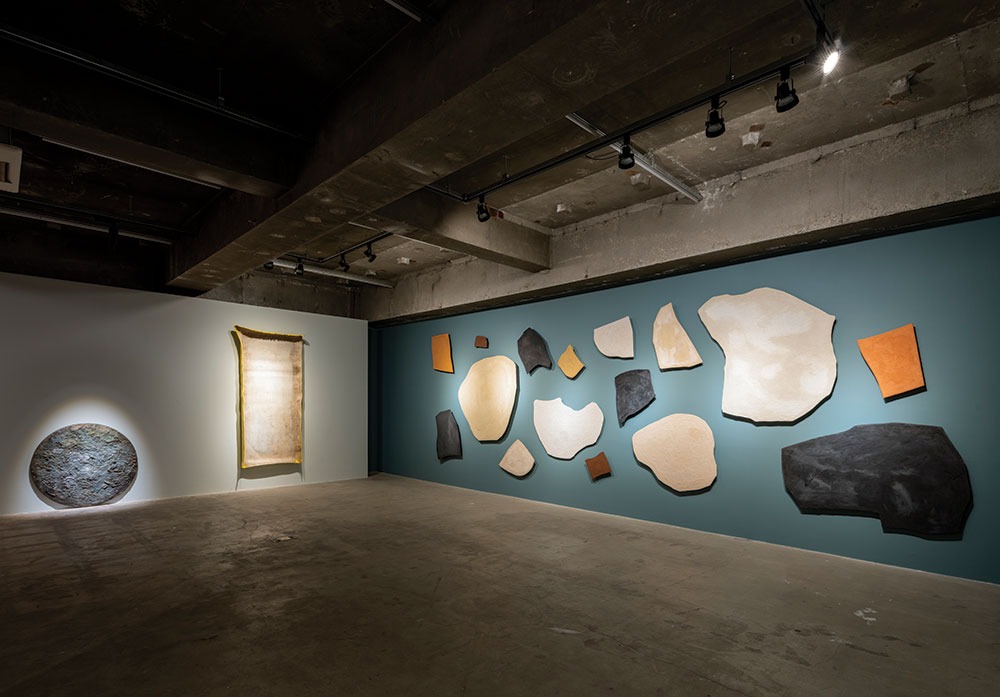
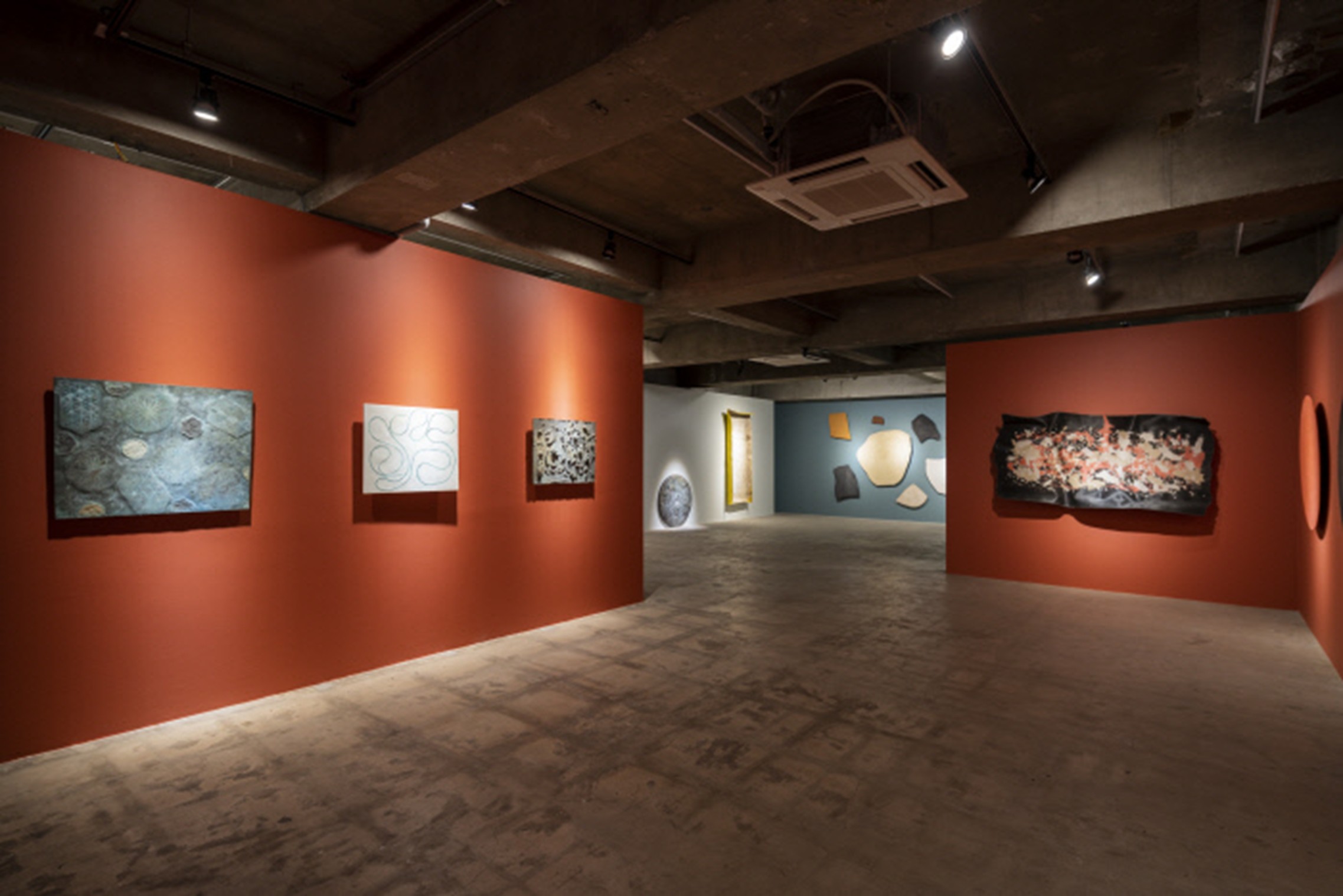
In
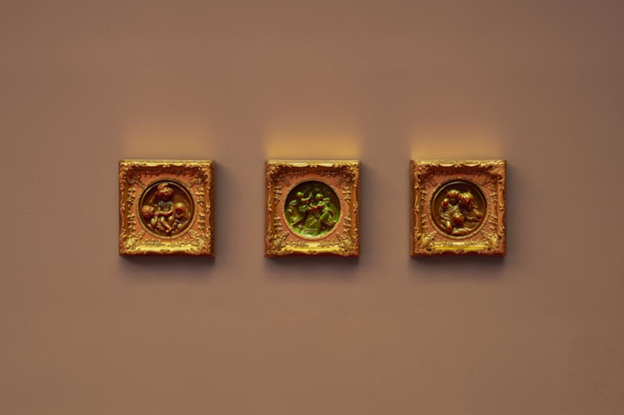
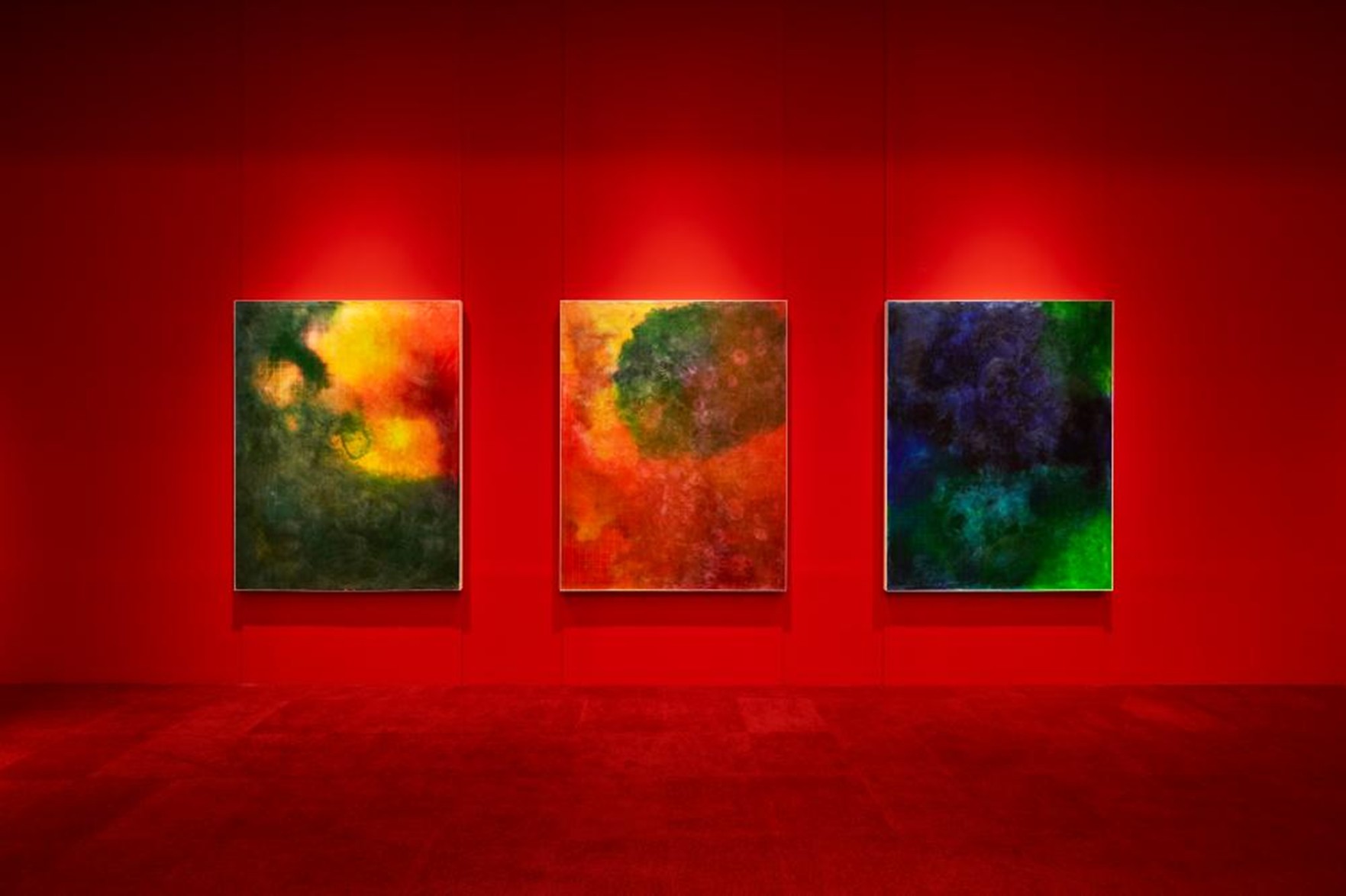
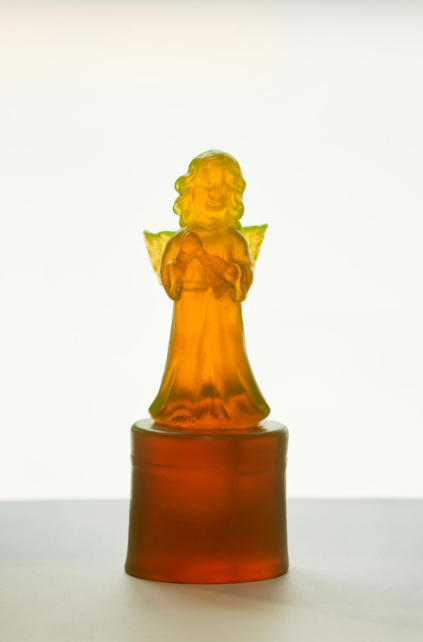
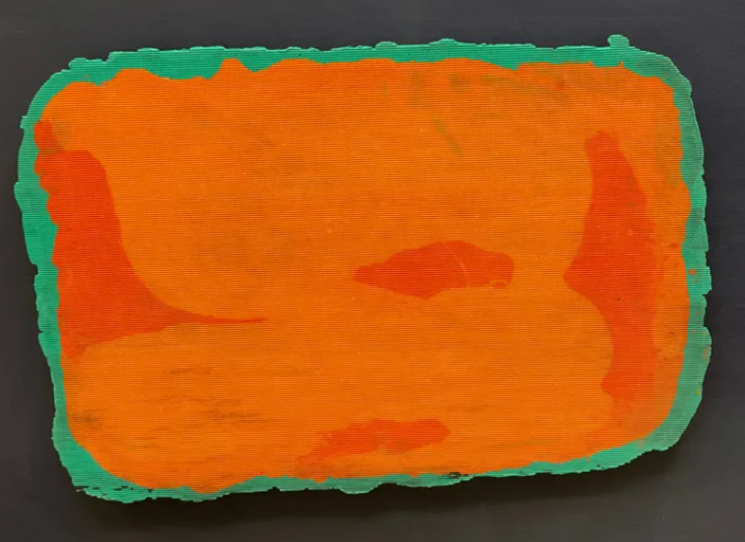
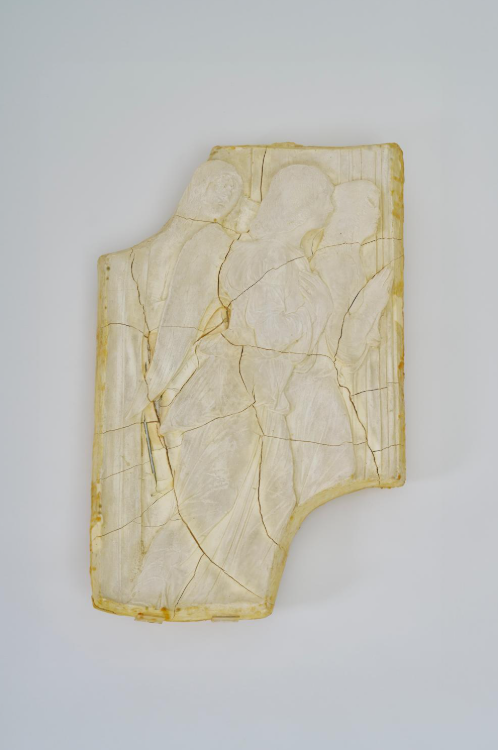
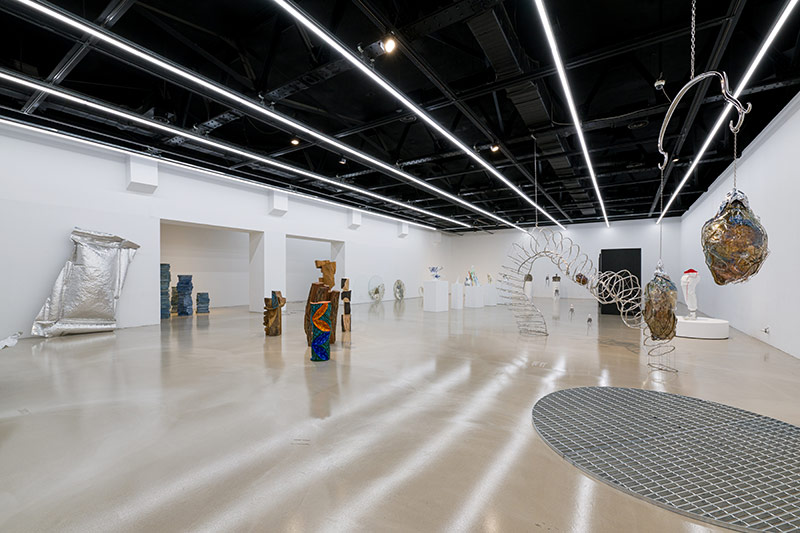
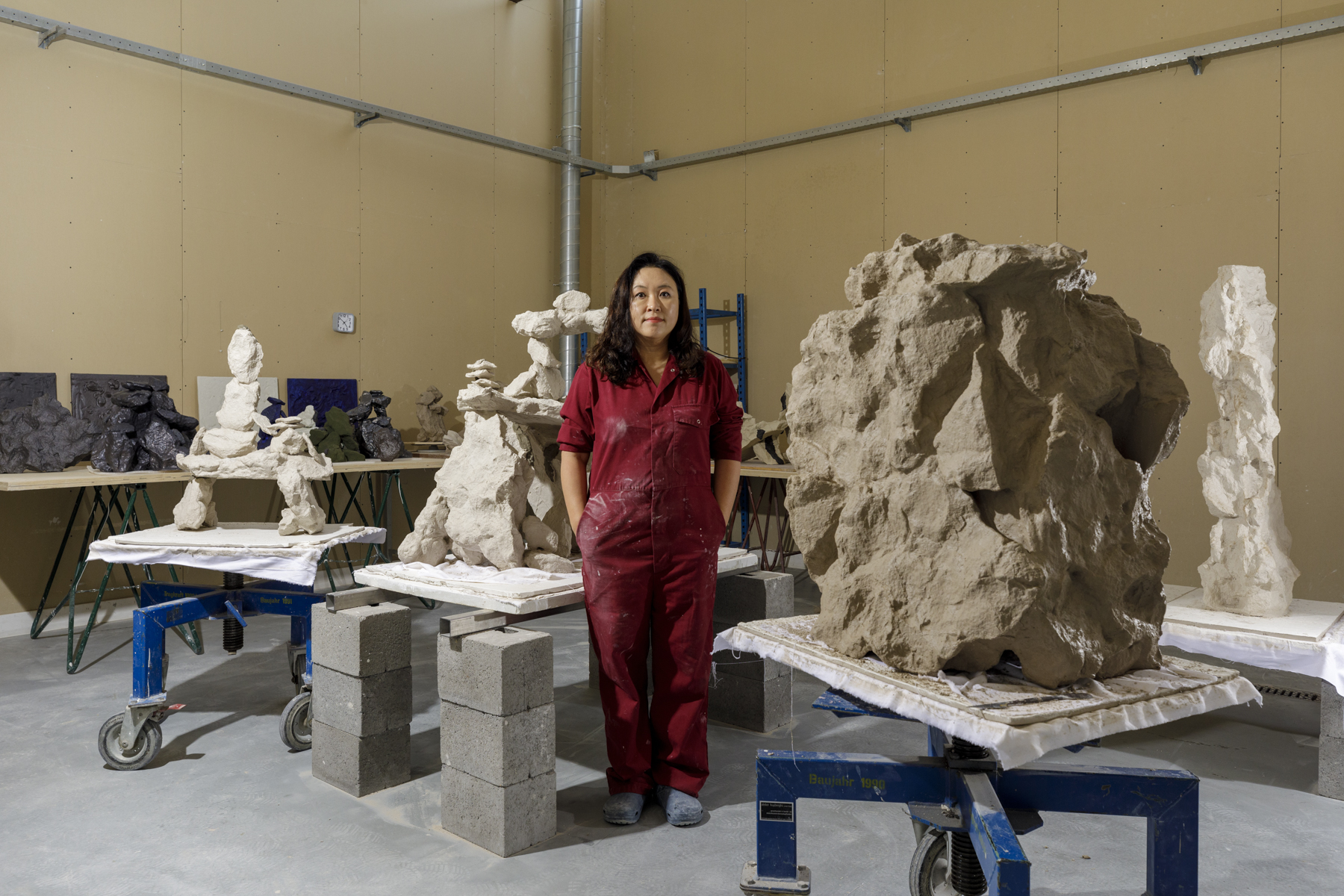
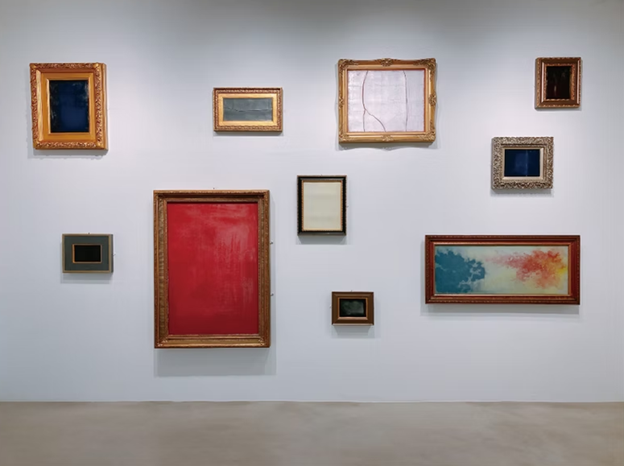
creating these new works, Shin sprinkles paint of various colors on waste
rubber plates, Styrofoam, and glass plates, and fills in the inside with
several layers, mixing crushed rocks, iron shavings, and gold and silver foil
with Jesmonite. The texture emerges through the forms of the old rubber plates,
wornout objects and the surface of Styrofoam, all of which are used like molds
to create a cast that appears as slightly corroded or inlaid. On these
sculptures the bumps along the surface take on a new state, exposing the
exterior of the new object in manner somewhat akin to planographic printing.
When the rubber plates, or mold, are removed after the materials harden, a
bumpy surface is revealed and the resulting image emphasizes a coincidental
effect that is beyond imagination.
Ironically, the artist then sometimes planes
away the surface with a grinder, and only reaches a satisfying outcome after
repeating this painstaking process until completely understanding the
properties of the materials and experiencing several failures. The coincidence
that occurs deconstructs the illusion of the image and the conventional image
becomes an abstract painting transfigured as a flat sculptural surface. The
pieces take on the form of plane surface using various techniques and materials
that combine to encapsulate the art historical concepts of abstract and
coincidence. While these works also take images as a referential point, the
process behind their creation is more akin to the practice of sculptural
printing or casting sculpture, and ironically creates holistic pieces. Now that
Shin’s creative language has been liberated from the act of translation, a
variation of diverse mediatic interests have been unveiled within her practice,
based on techniques and styles that serve to refigure countless art historical
references.
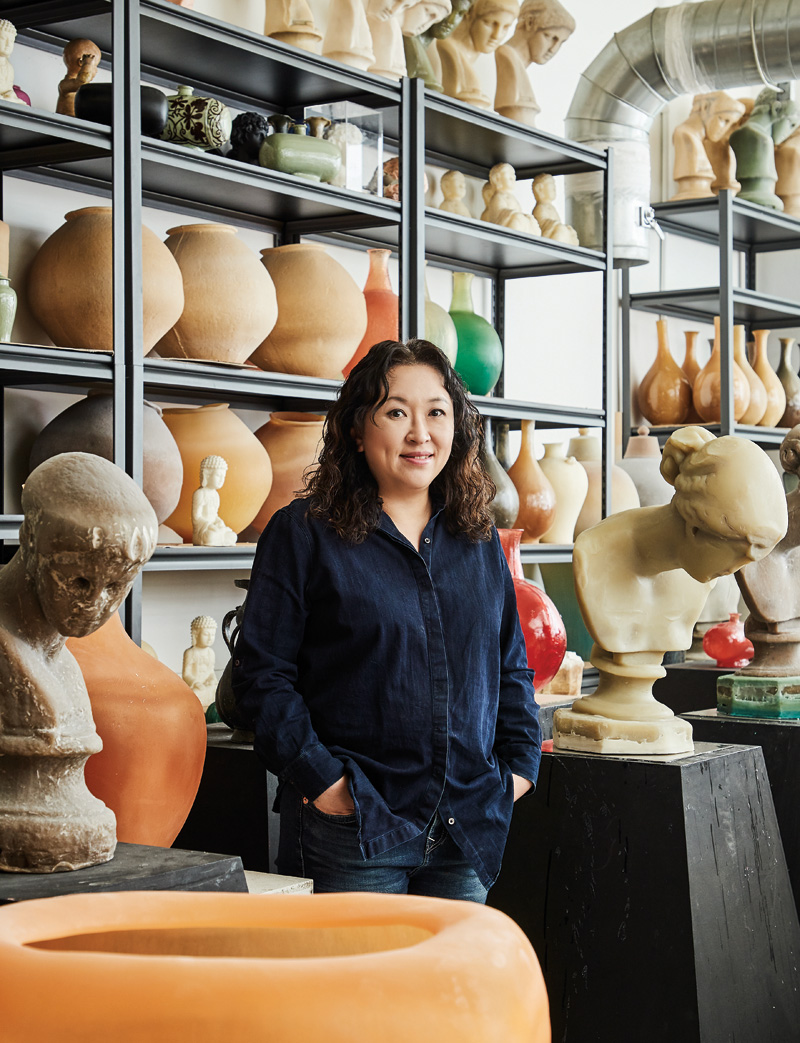
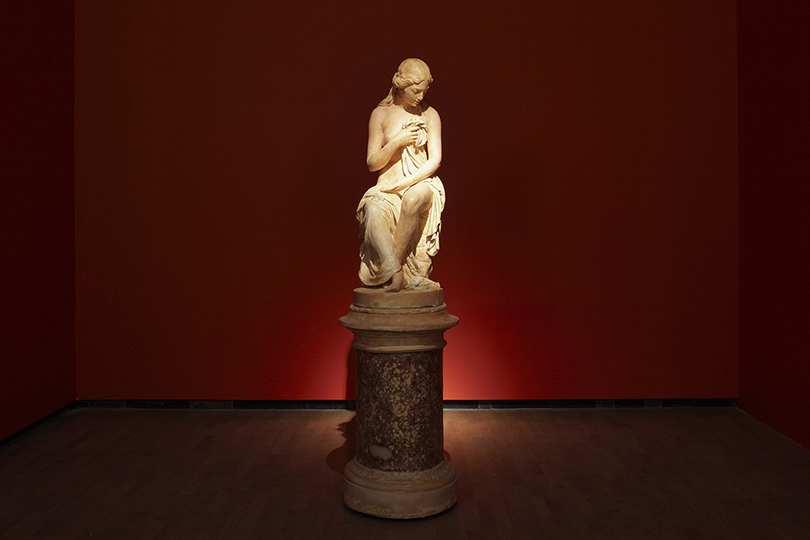
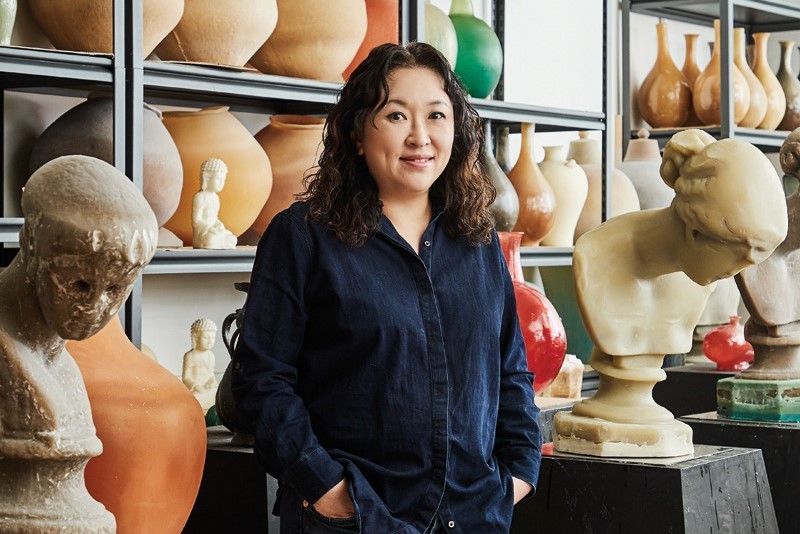
Meekyoung
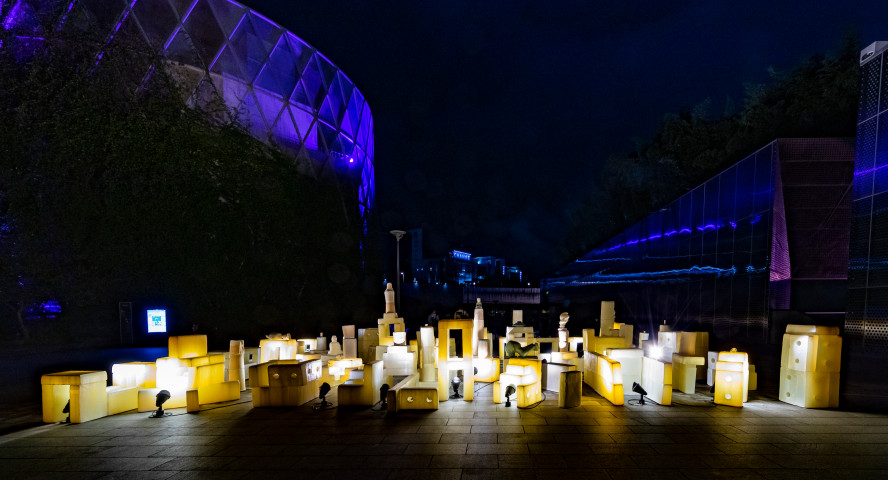
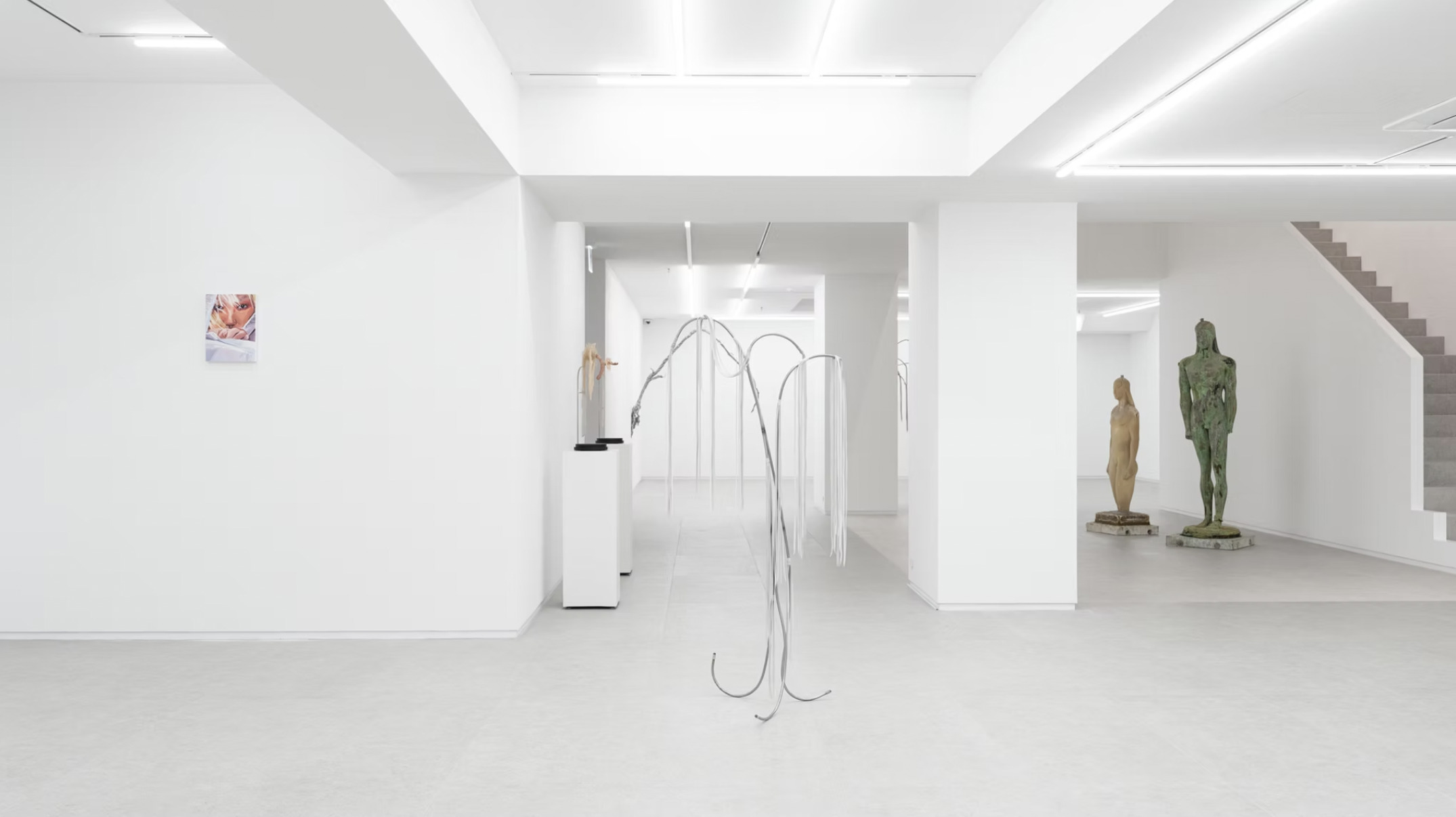
Shin has to date held a total of 29 solo exhibitions, fiercely and tirelessly
focusing on her work, over the last 28 years in London and Seoul. Within these
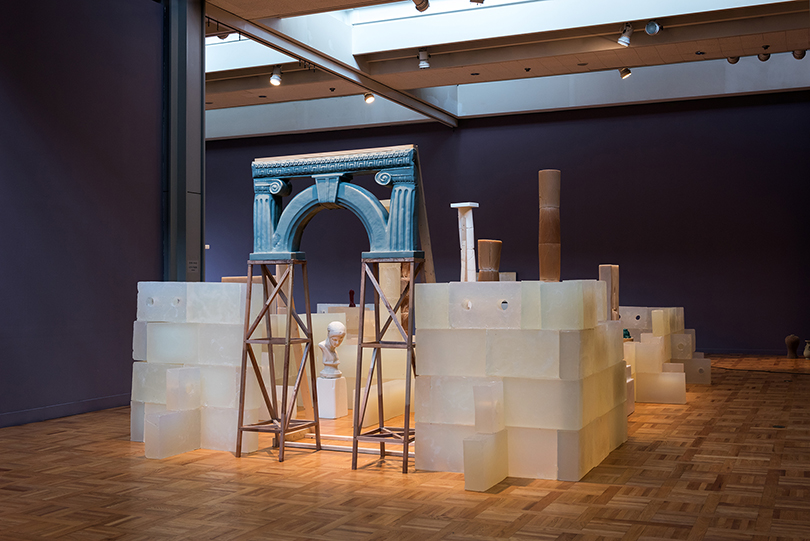
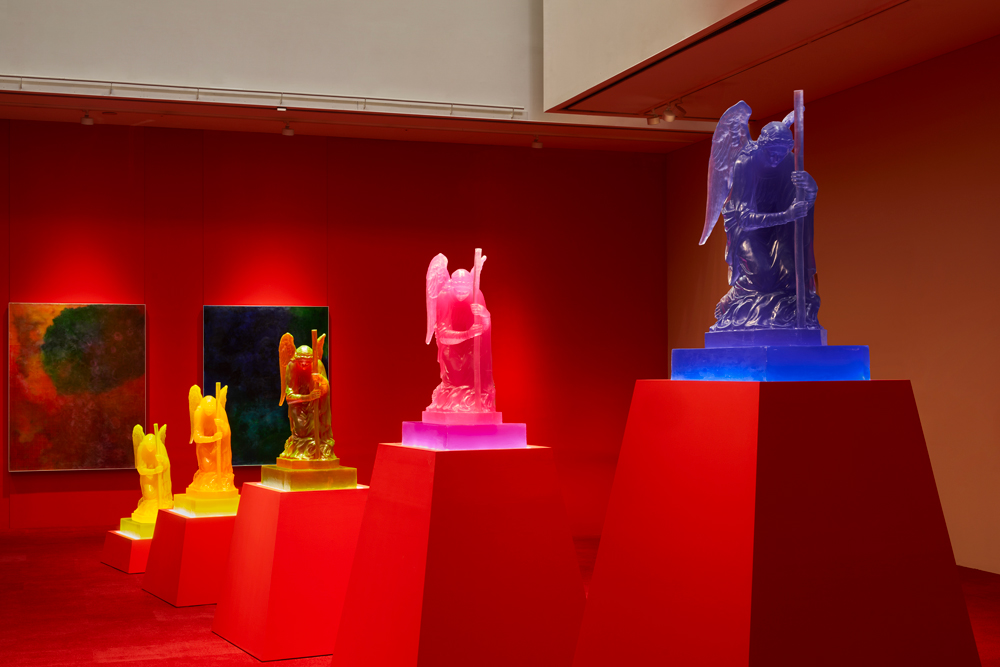
she has strived to recreate historical relics and artworks that re-present
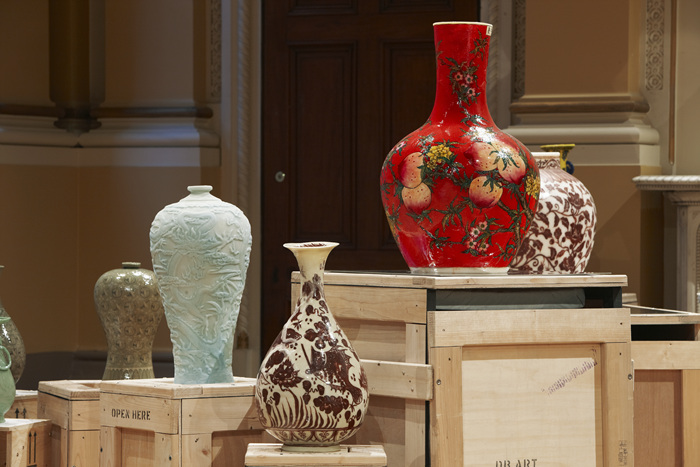
certain ideas of culture with a contemporary perspective using soap. By
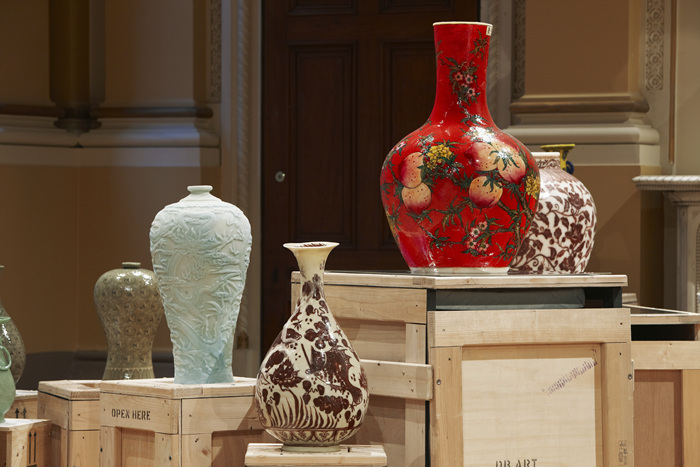
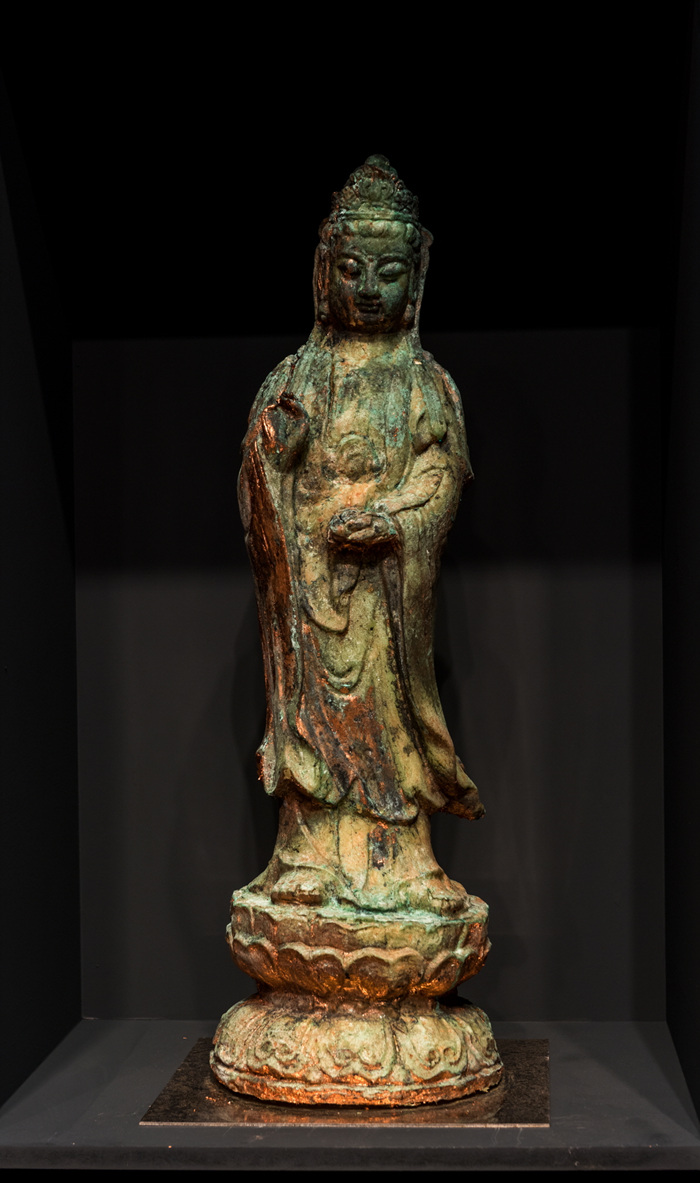
‘translating’ the experience of various religious, historical, and cultural
contexts into soap sculptures based on the forms of ceramic vessels and Buddha
statues, Shin usefully questioned notions of “absolute value.” At first, she
found a visual similarity between Western classical stone sculptures and soap
and began to express her interest from an outsiders perspective, in other
words, drawing upon the discourses of post-colonialism.
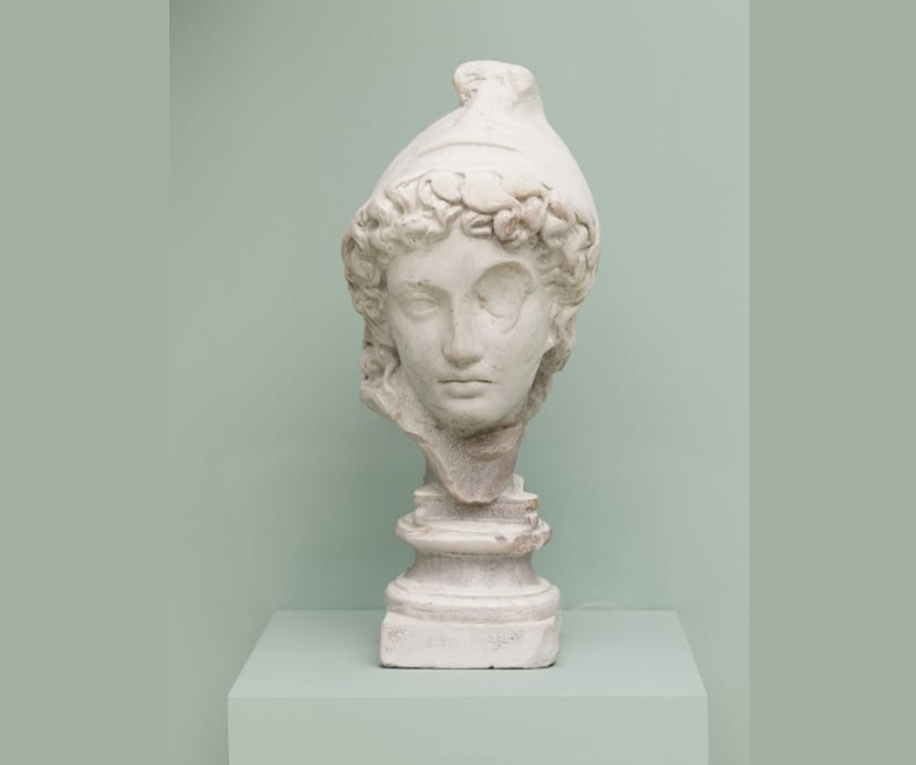
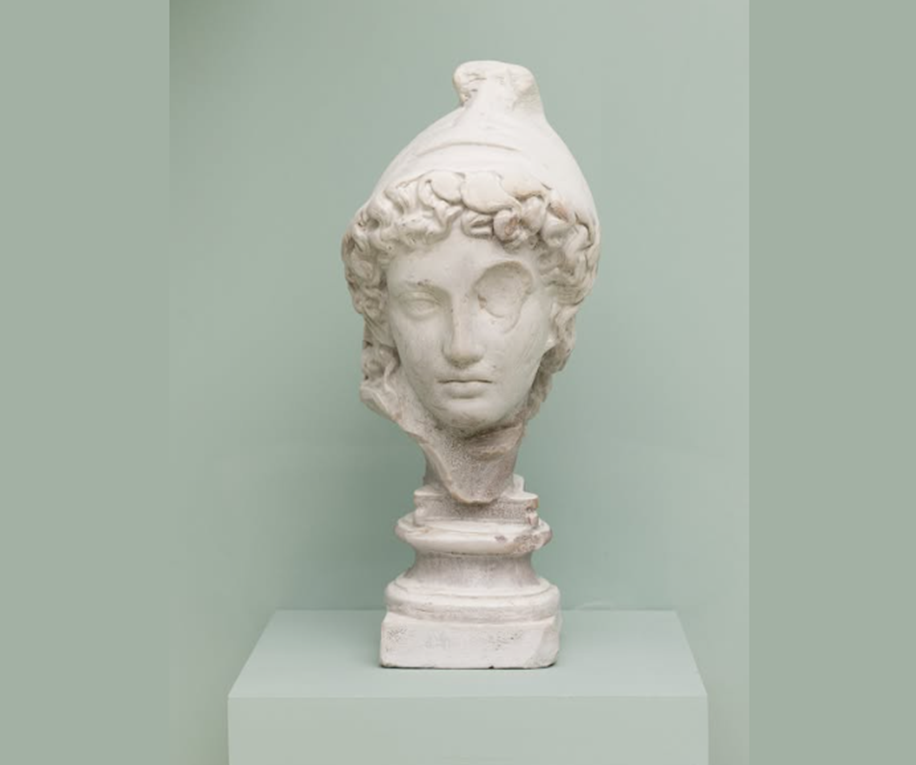
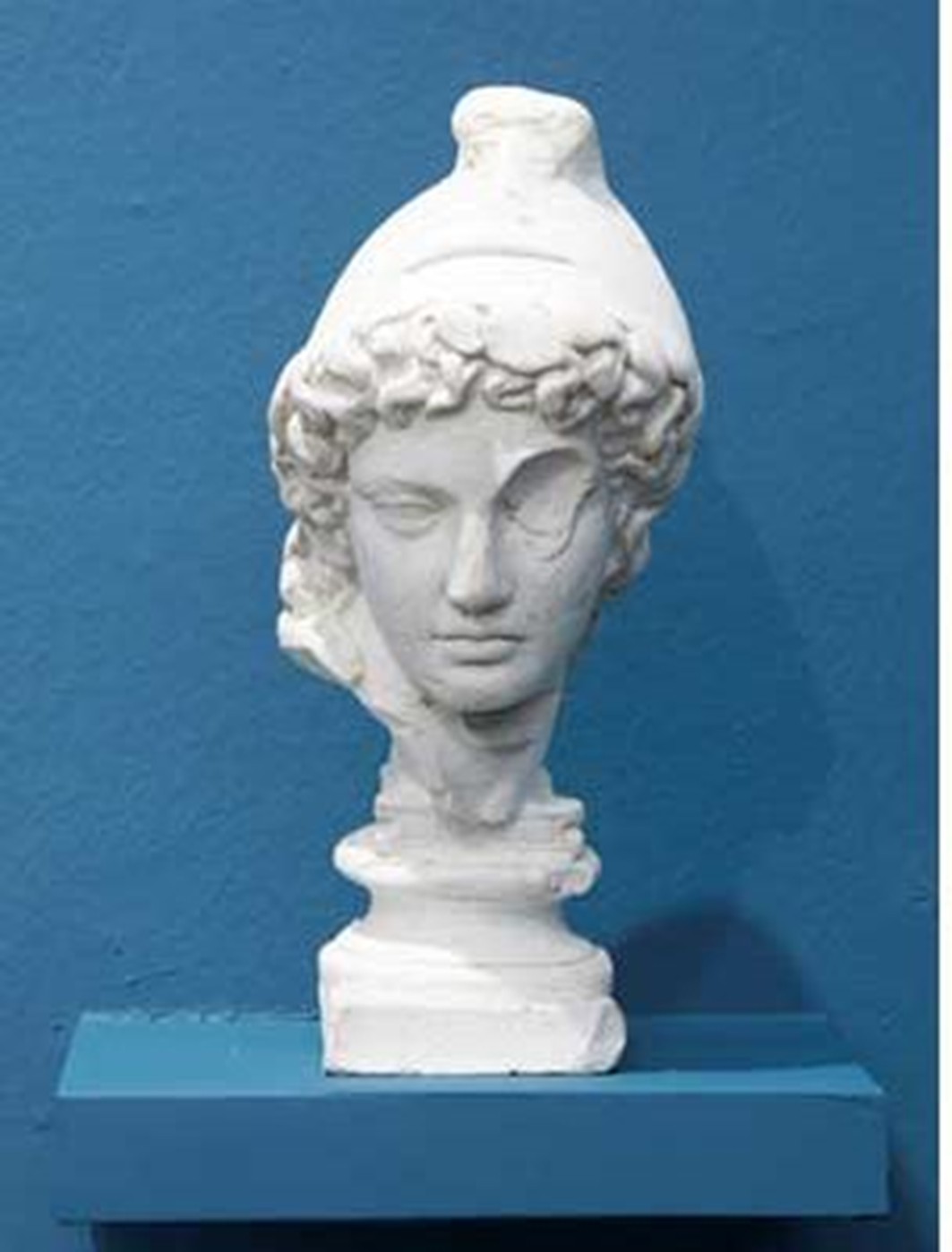
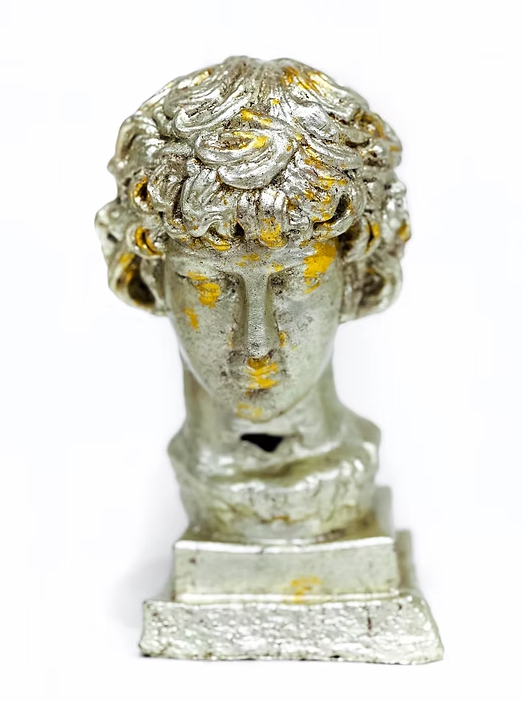
She also created
symbolic sculptures of the Classical period in the West employing soap, with an
interest in the fundamentally conflicting properties of permanency and
impermanency, as reflected in the media of marble and soap. More recently, she
took these interests a step further and focused on artifacts preserved within
the museum system, creating pieces based on themes, such as ‘making it a relic’
and ‘translation’. Through this interest, Shin delved critically deeper into
the process by which an object that was once a decoration, an object of
worship, or an everyday object, become antiquities and are placed on display
within a museum–a moment at which time stops and the objects lose their
original function, only to continue to exist as relics. Her new solo exhibition
began from a point opposite to these past works and concerns, but ironically,
remaining in close relation to them, gaining a notion of liberation by using
the principles and forms of abstraction, concerns entirely different from those
that defined her previous practice.
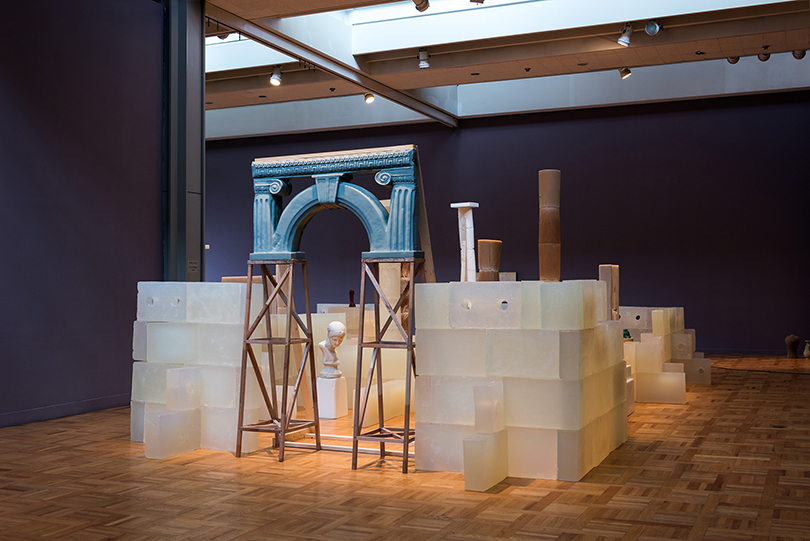
The
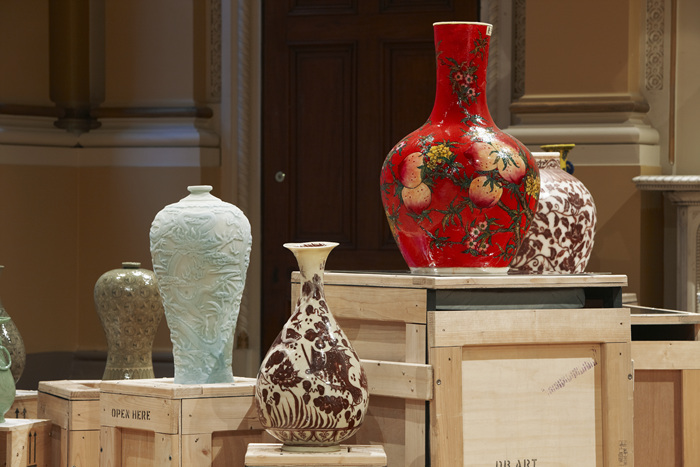
artist worked in soap for a long time, presenting various projects (Translation
Series, Ghost Series, Toilet Project, Weathering Project, Written in Soap: A
Plinth Project, Ruinscape, A Petrified Time, and Painting
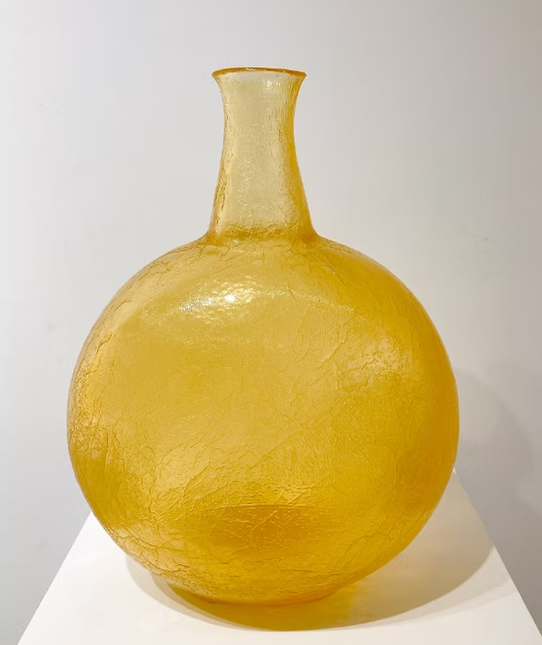
Series), but continued to study the media of ceramic and glass, based
on her strong determination to diversify the palette of materials she used. In
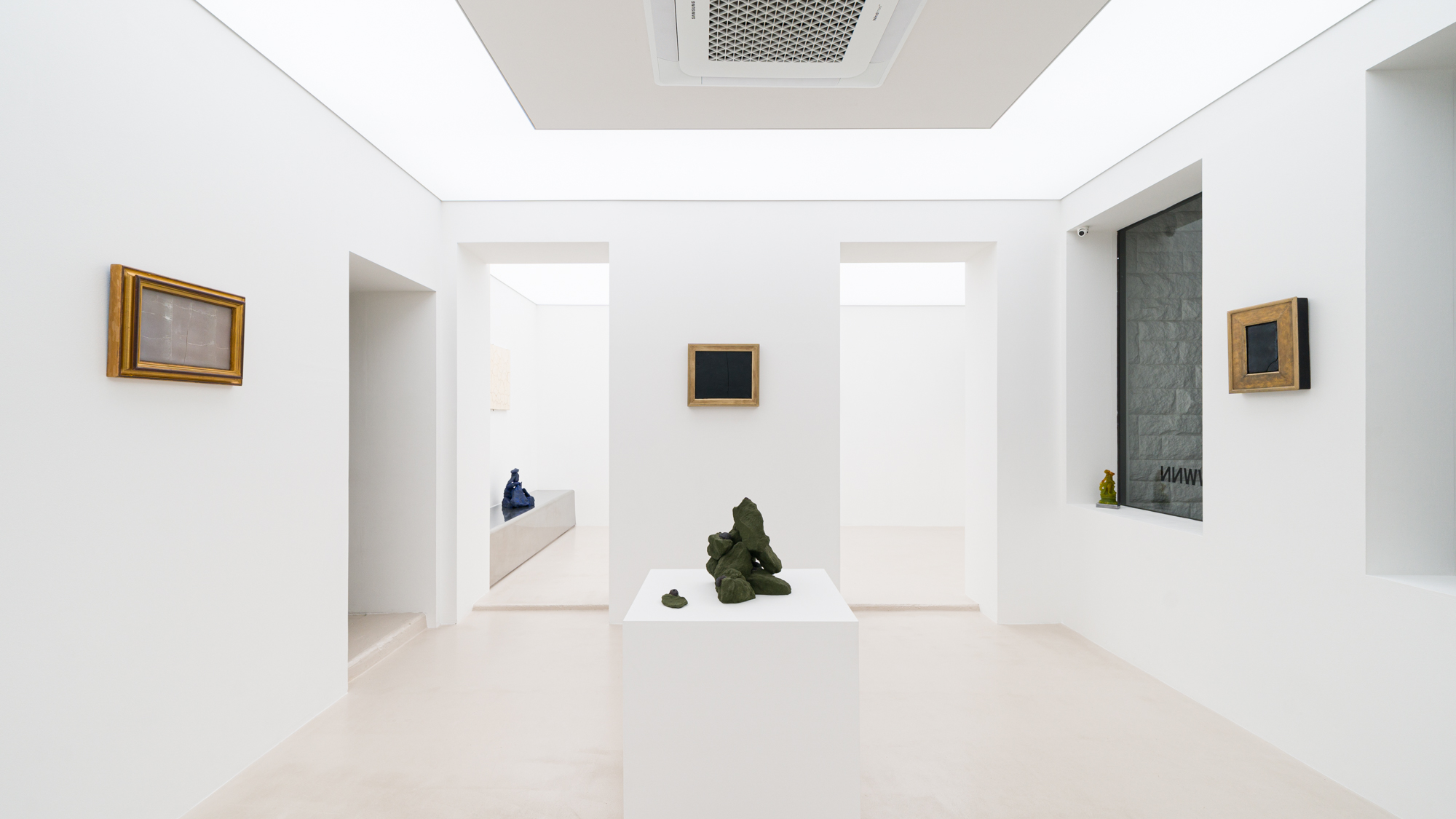
2019, Shin opened a solo exhibition 《Weathering》, featuring ceramics at Barakat
Gallery in London. And her new solo exhibition 《Abstract
Matters》 this year at CR Collective, Seoul, will
provide a platform to further explore the artist’s boundary crossing
diversification of the medium, as she develops it into another visual language.
The
concept of abstract, which is addressed in the exhibition, has long been
explored in the history of art. To the artist, the notion of abstract becomes a
certain goal to achieve or an issue to restate rather than something
representative of the desire to seek truth or to depict in detail. There is an
irony imbued in this process, and exposing this point is a feature unique to
the artist’s world and her attitude toward repetition within her practice.
Discovering the irony by dismantling the process in a conventional result,
rather than exploring the completely new or the search for essence, is the
meaning the artist passionately strives for. If we feel that the form and
context of her work appears similar to that of ancient wall paintings or the
exterior walls of old buildings around us, or serves to remind us of numerous
examples of extant abstract art imagery, it is evidence that the abstract is
already an exclusive property of a special style, while ironically also a
concept widespread and part of our everyday lives.
Yet,
the artist’s experiment maintains a distance from the idea of abstract as a
concept already widely involved in our lives and language to the point of
reappropriating and criticizing existing discourse on abstract expressionists
and minimalists differentiated through special discourse by certain artists or
critics. It also keeps its distance from the concern to prove the scope of
sculpture, as expanded through the dialectical tension between sculpture and
non-sculpture.
In this respect, the artist’s work pursues an entirely
contemporary context of meaning, one that serves to expose a strategy of ironic
dismantling at the point of such strategies and sociocultural differences, the
history of individuals in time and environment beyond the play of politics and
power, and at least slightly free from any impure intentions or artistic
intervention.
Meekyoung
Shin identifies that her reason for being an artist lies within the process of
‘moving toward a new state liberated from prejudices by interpreting existing
things in a new way’. Finding the most fitting form for that attitude is her
raison d’être as an artist, and representative of her way to do art. That the
artist has consistently pursued this single point for almost 30 years without
arrogance, justification, exhaustion or turning back is remarkable to the point
of being extraordinary.
Sewon Oh | CR Collective Director