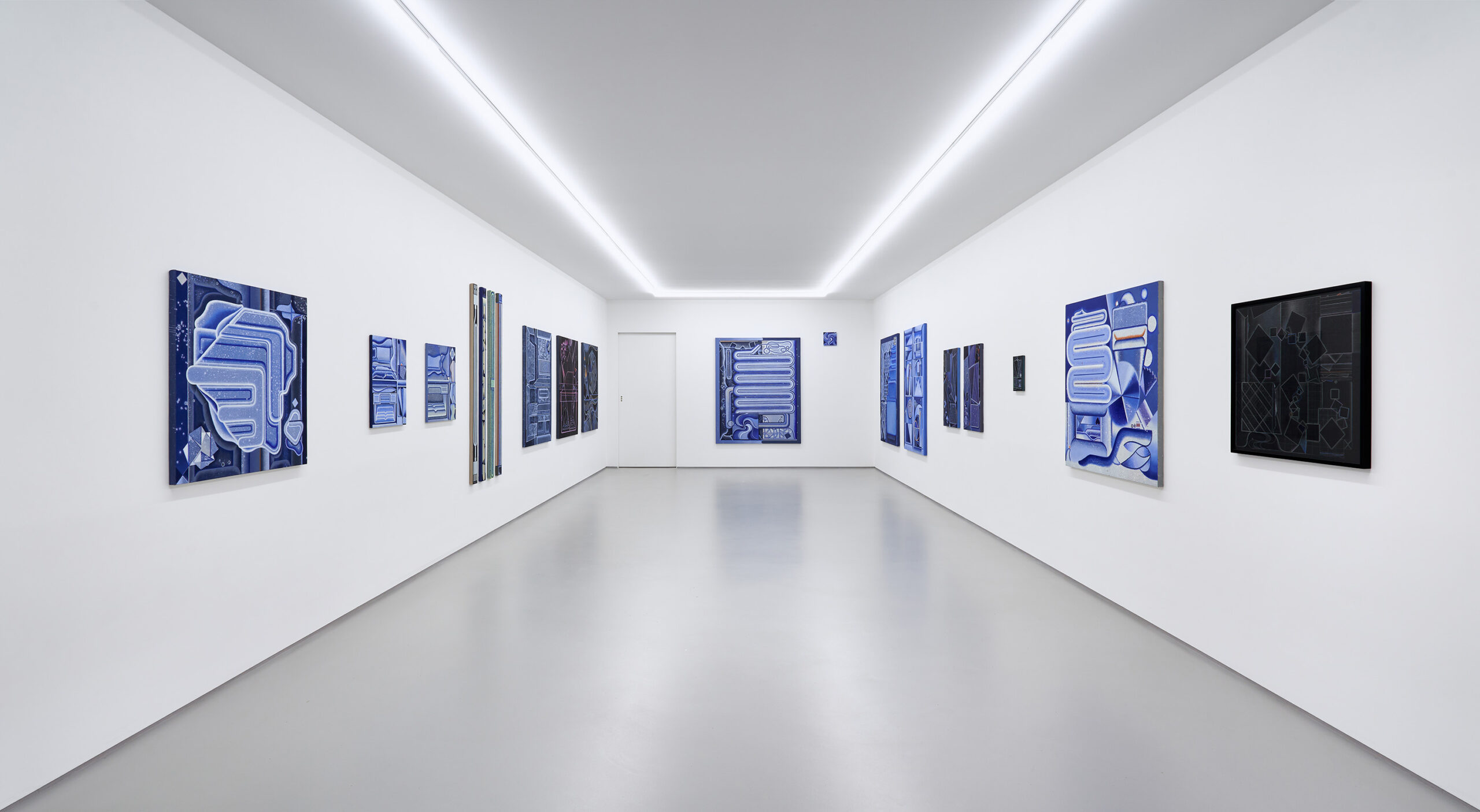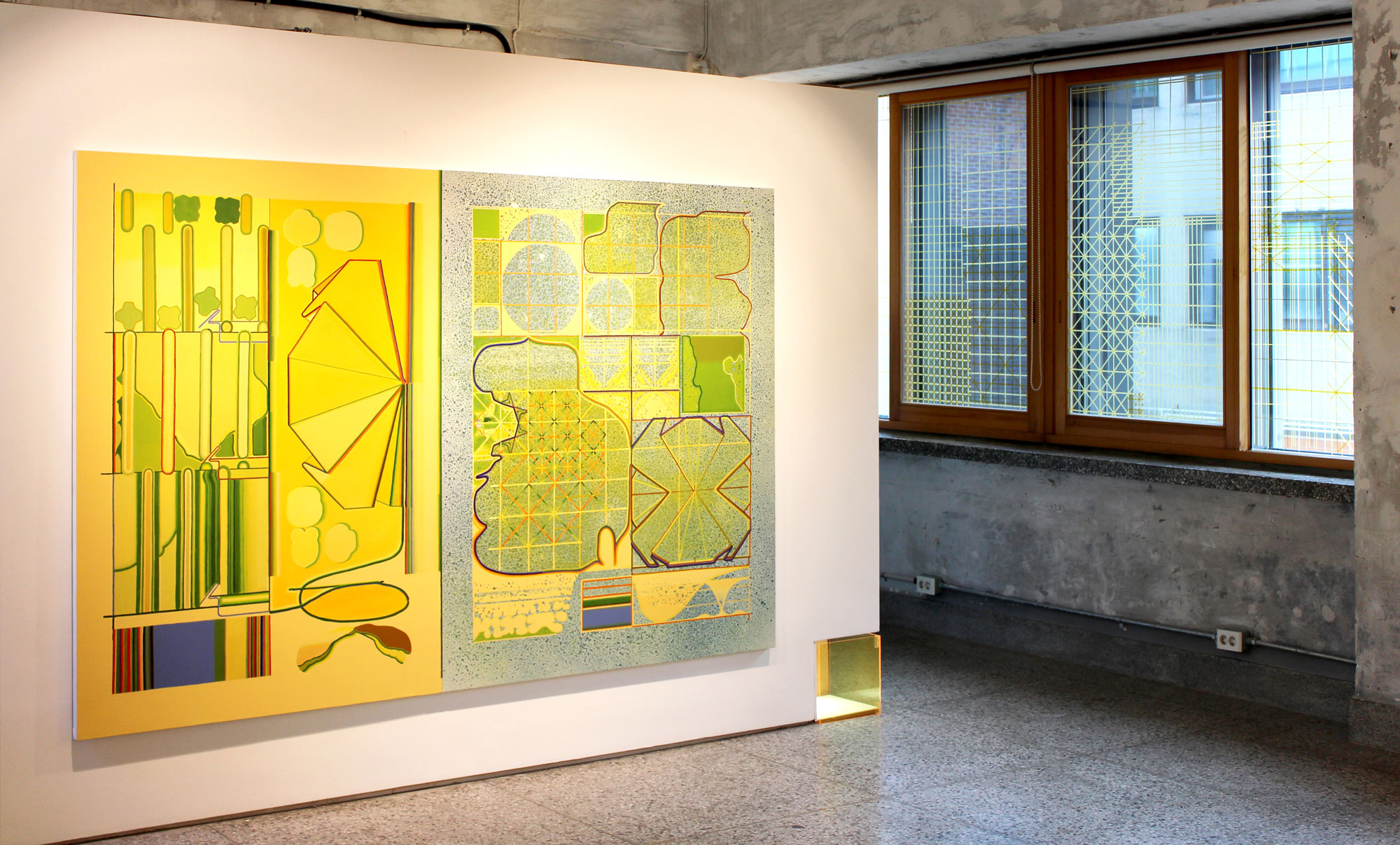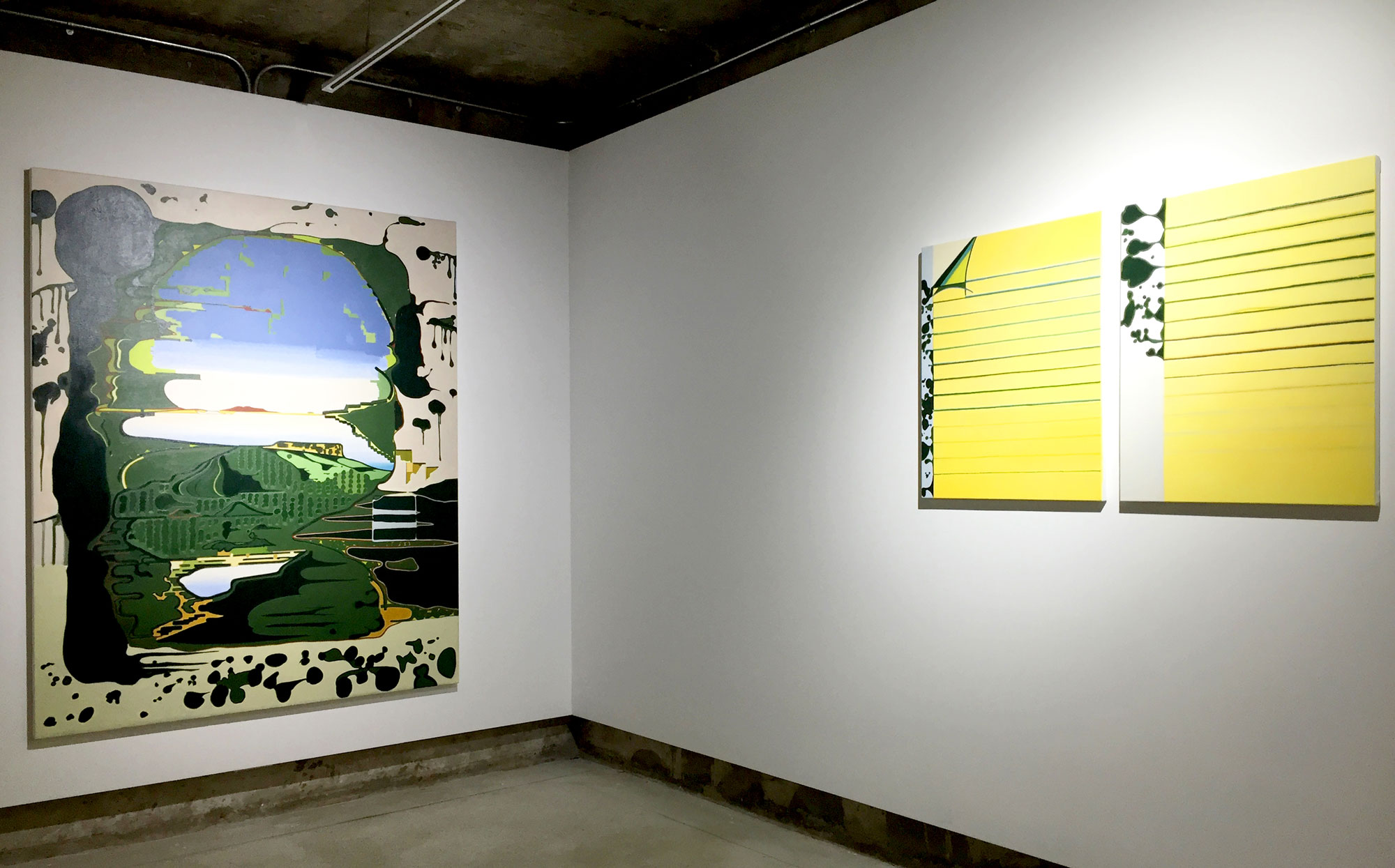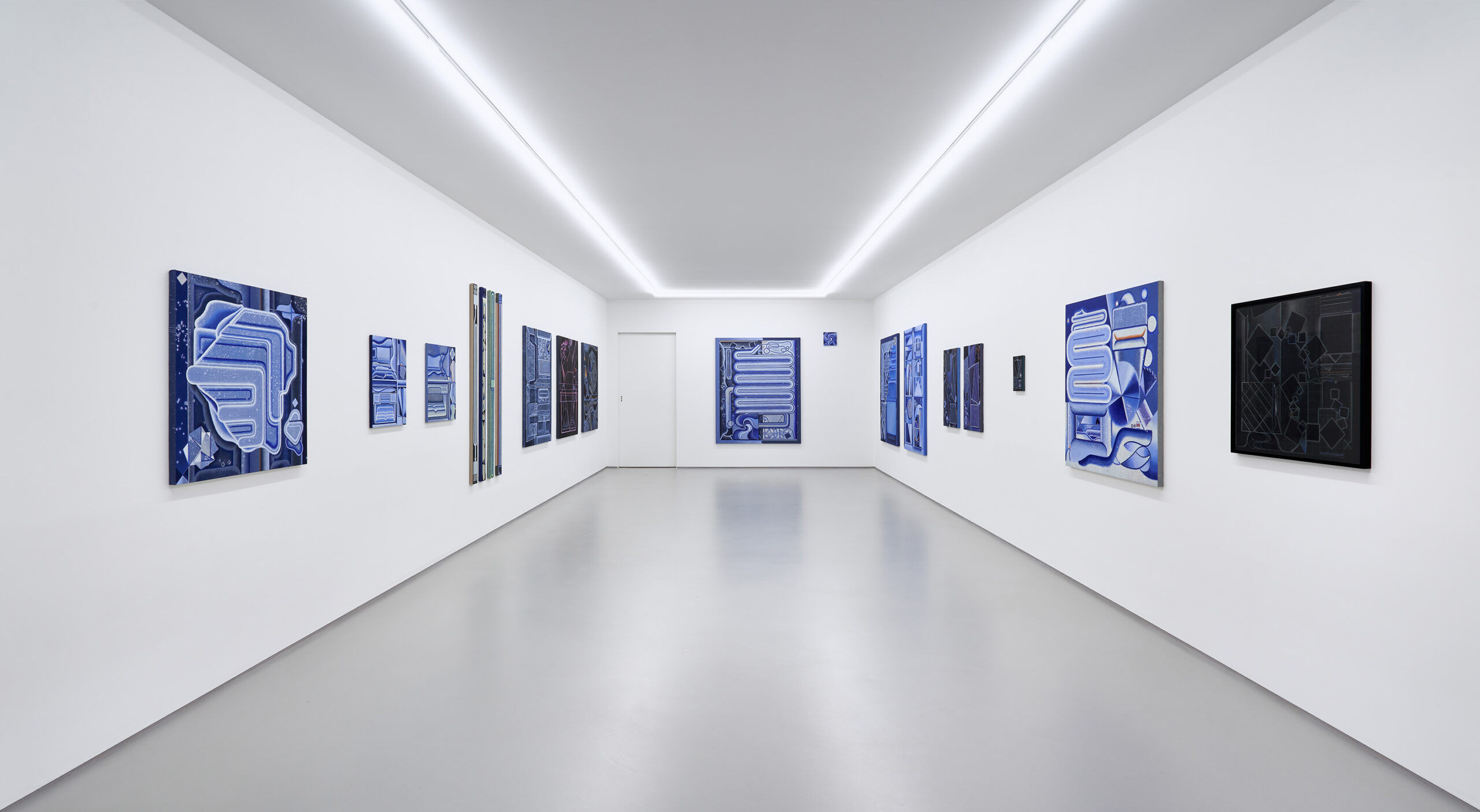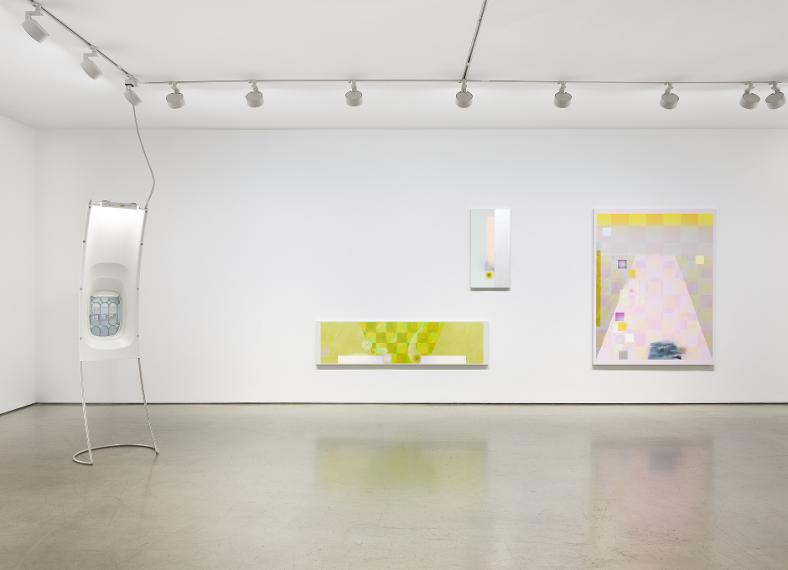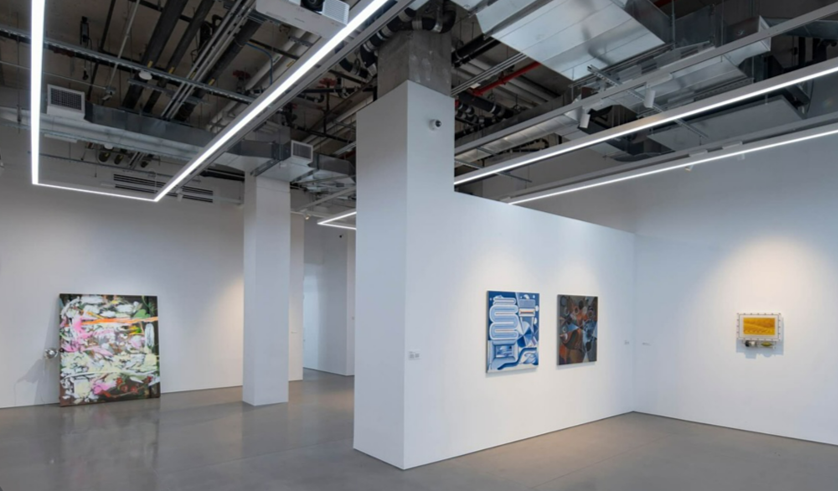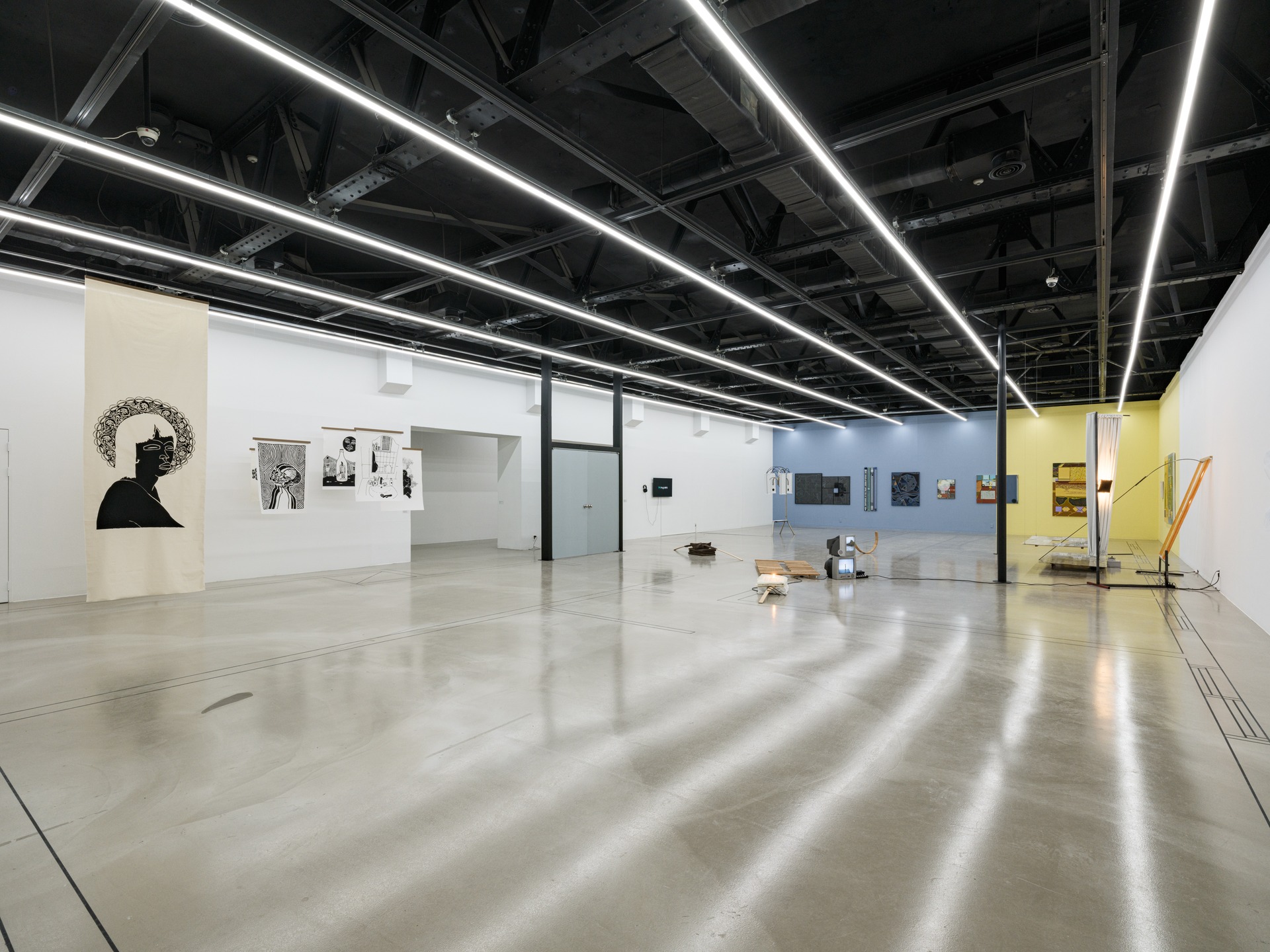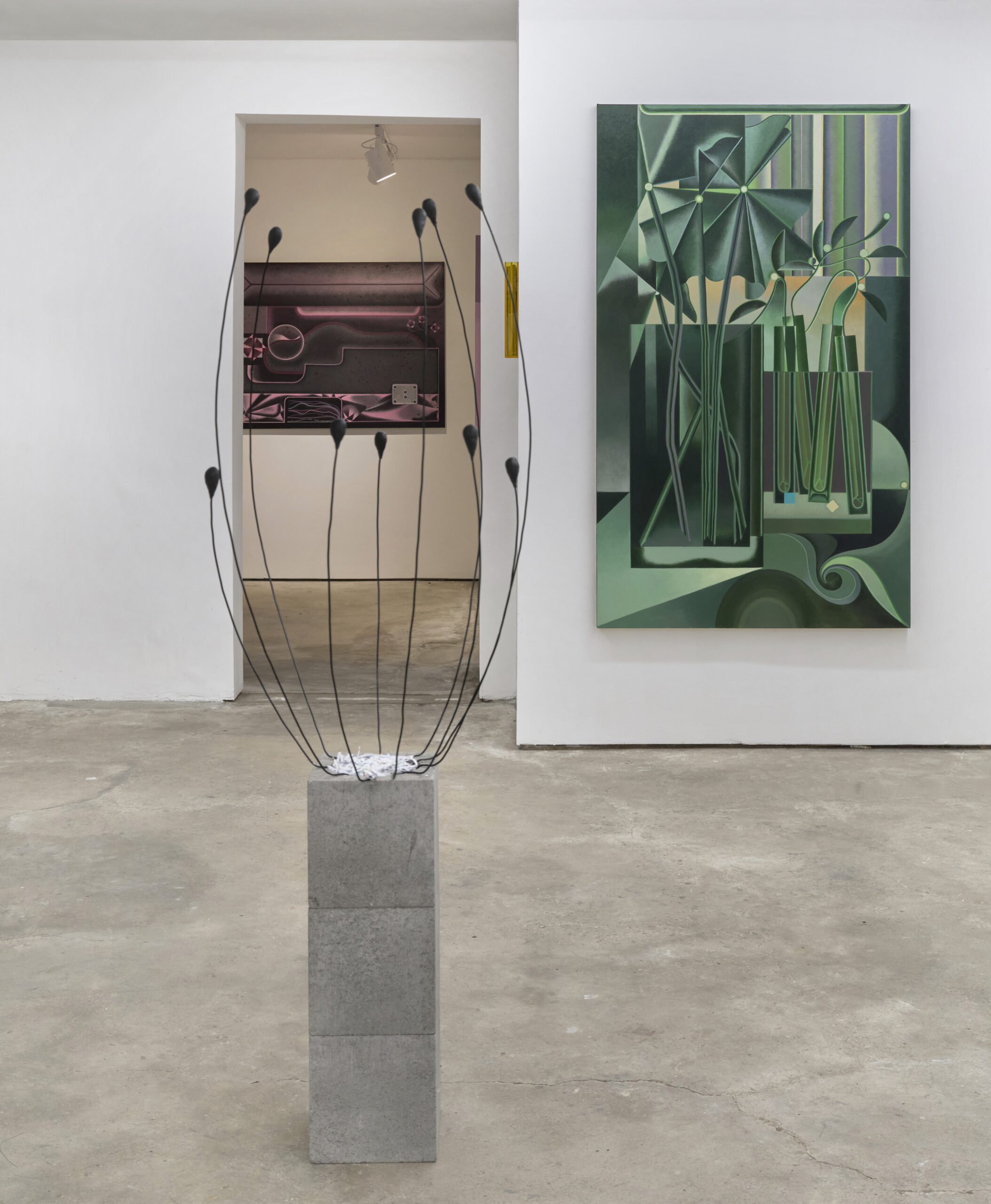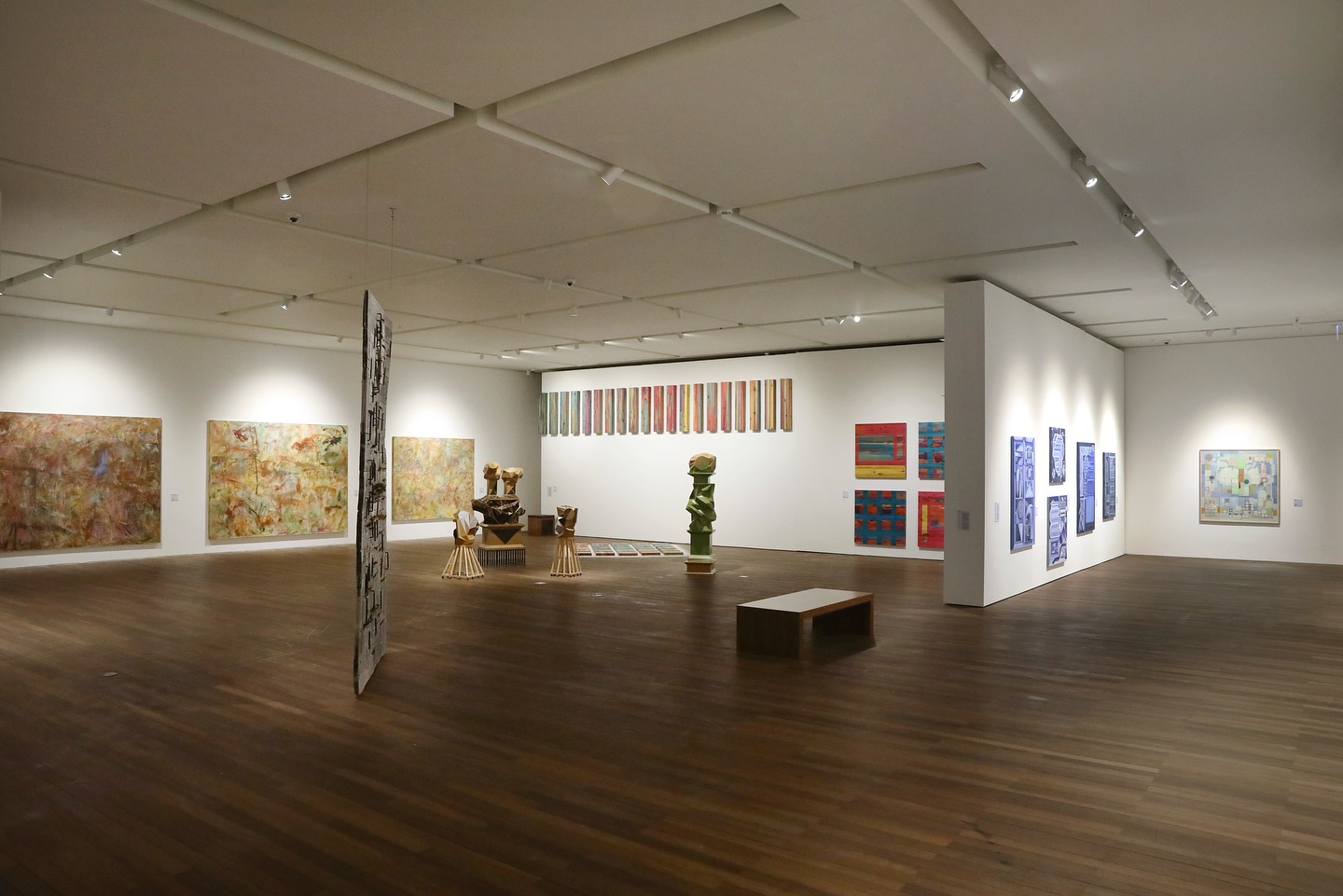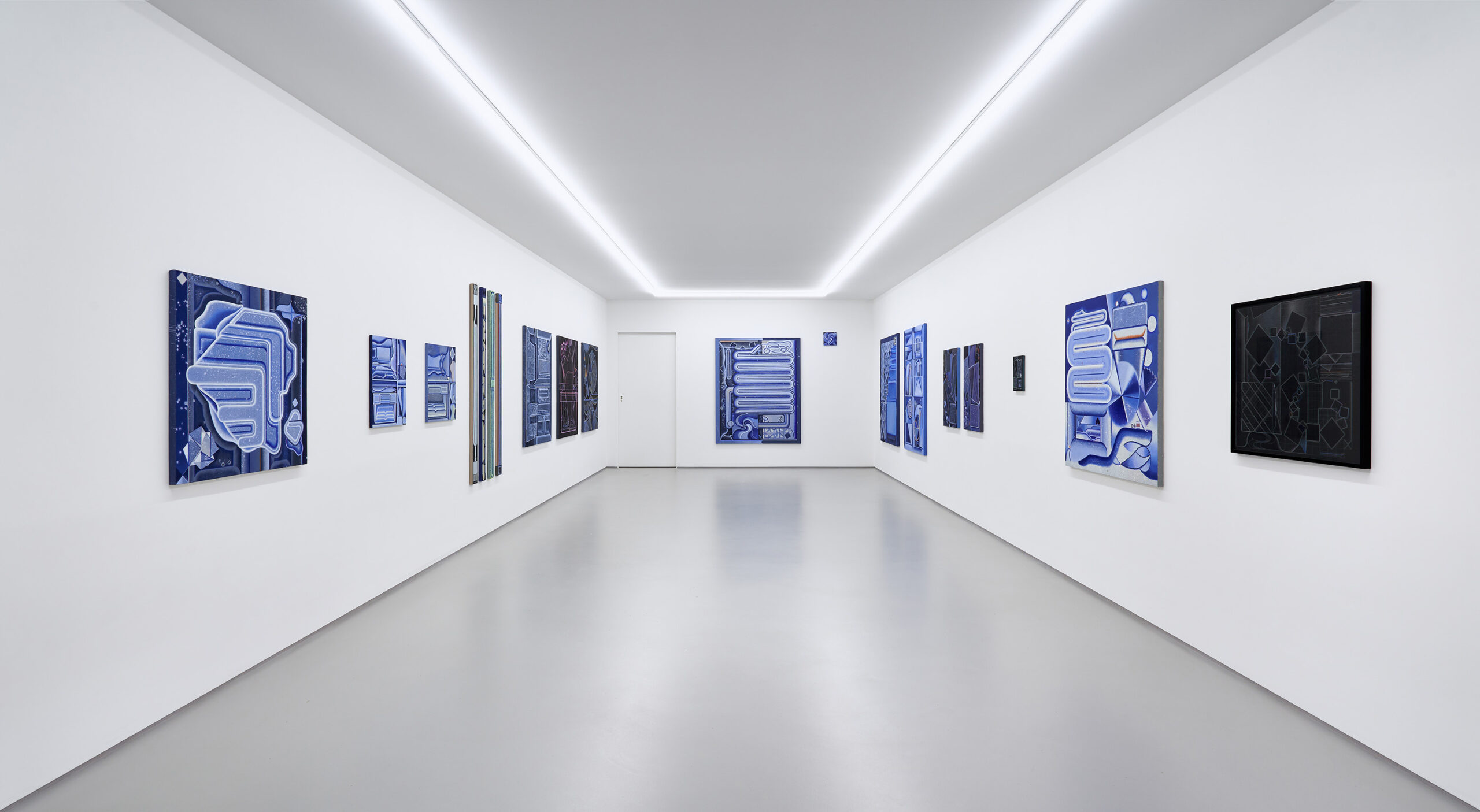


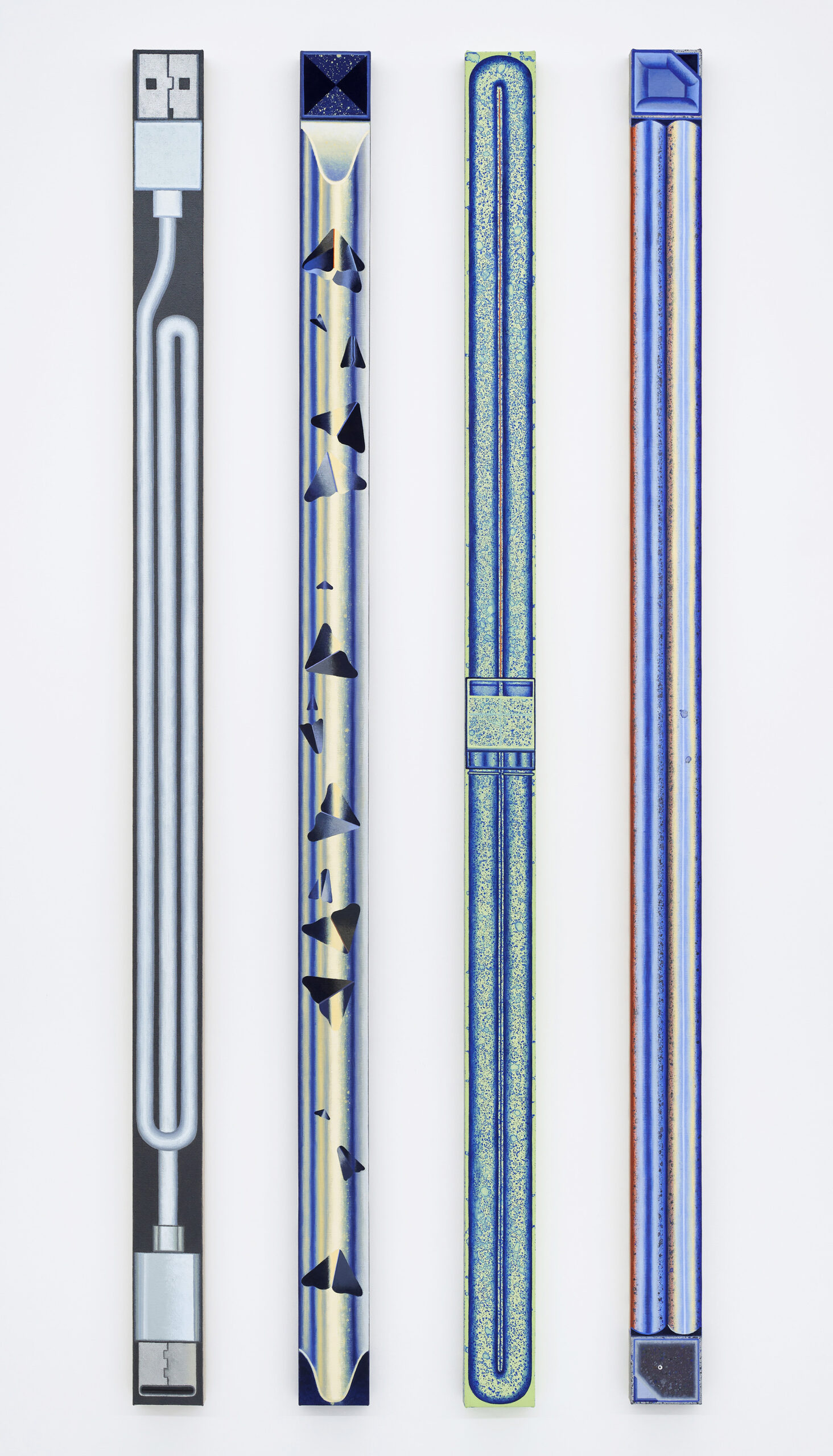
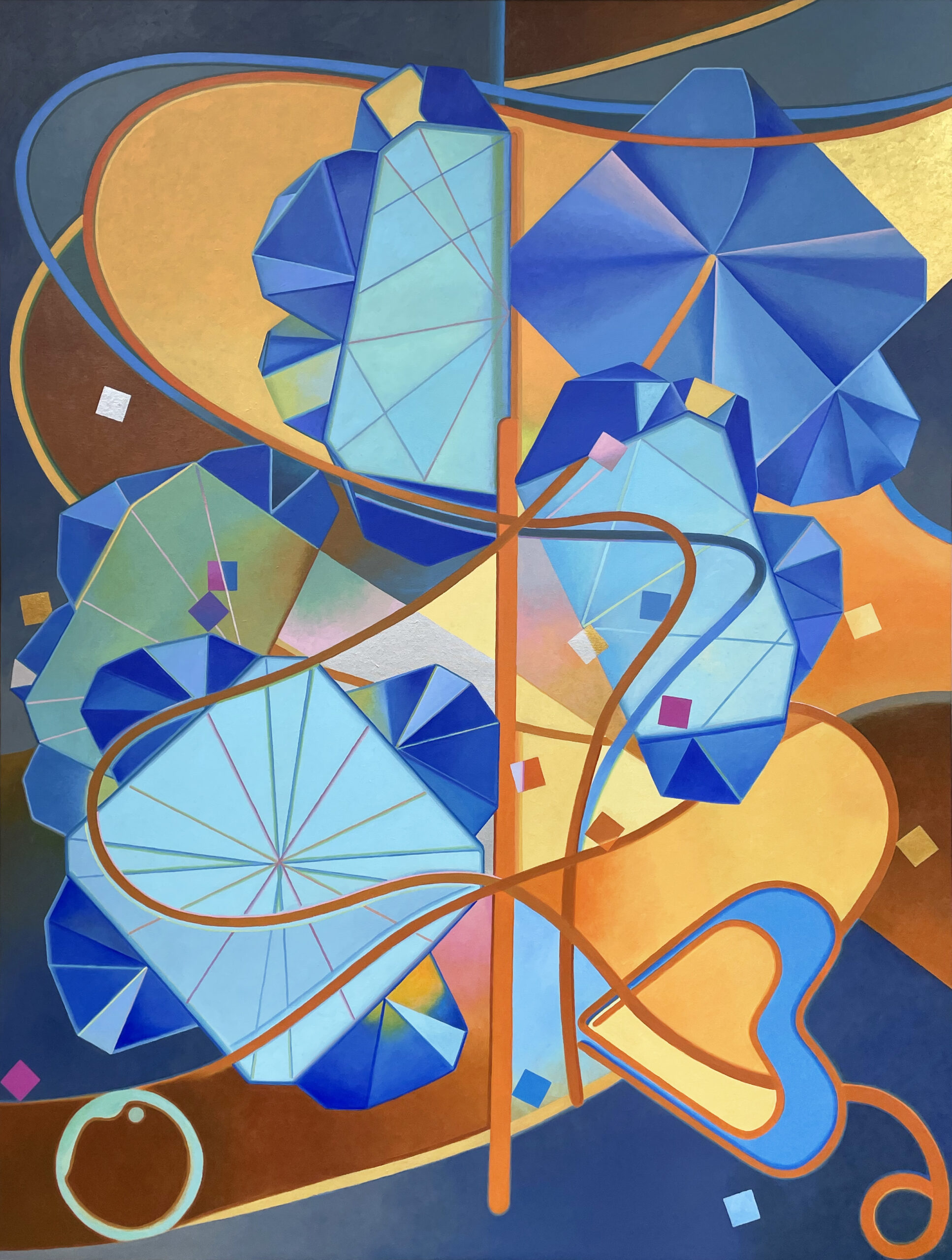
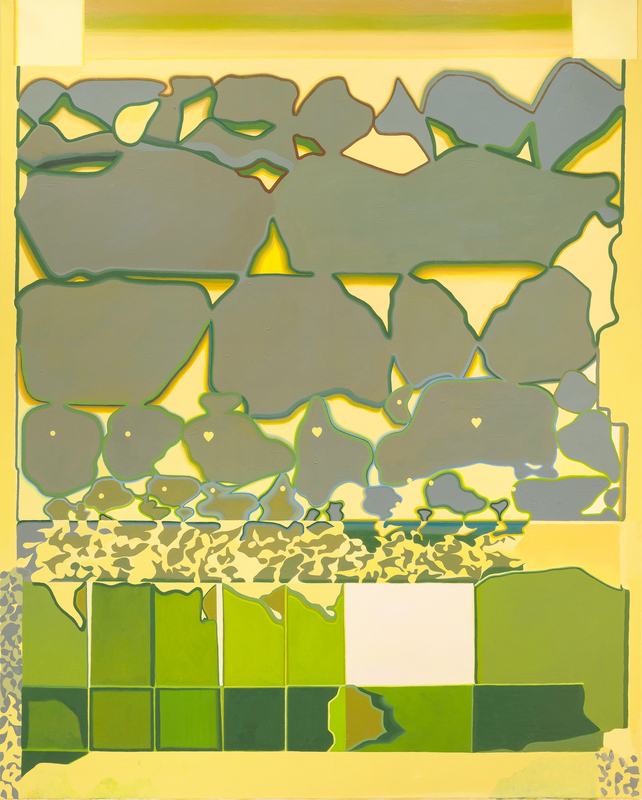
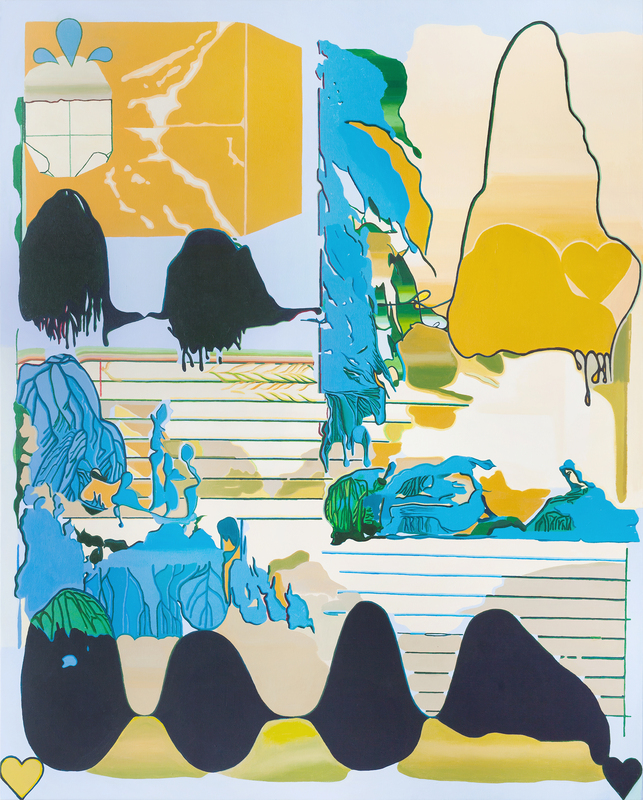
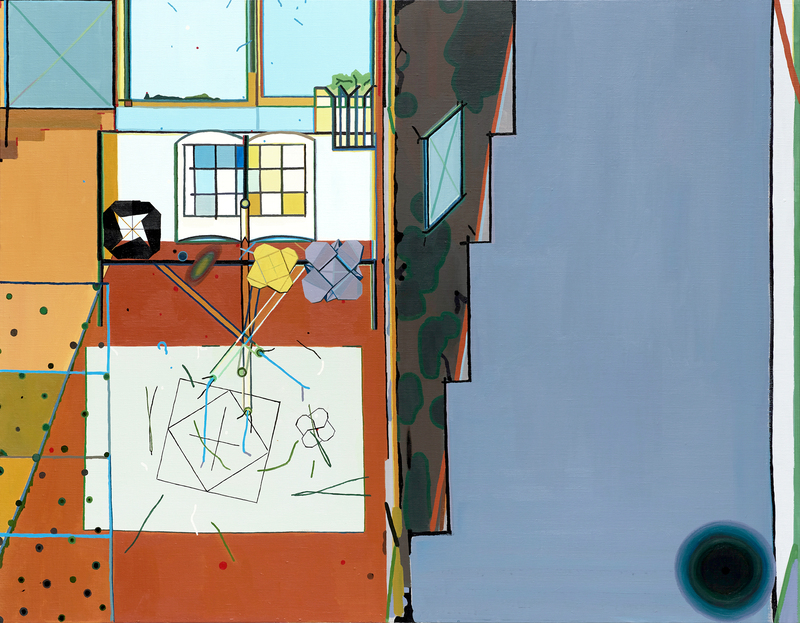
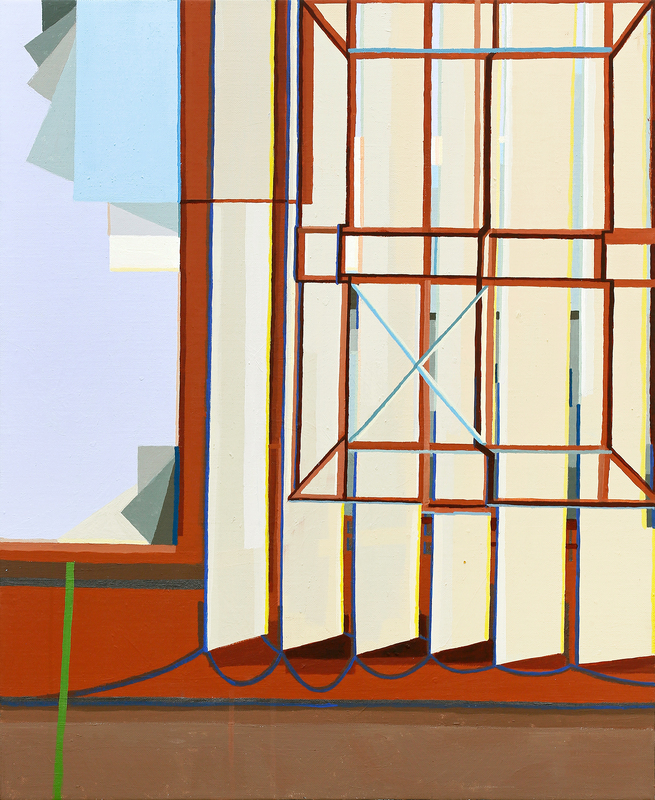
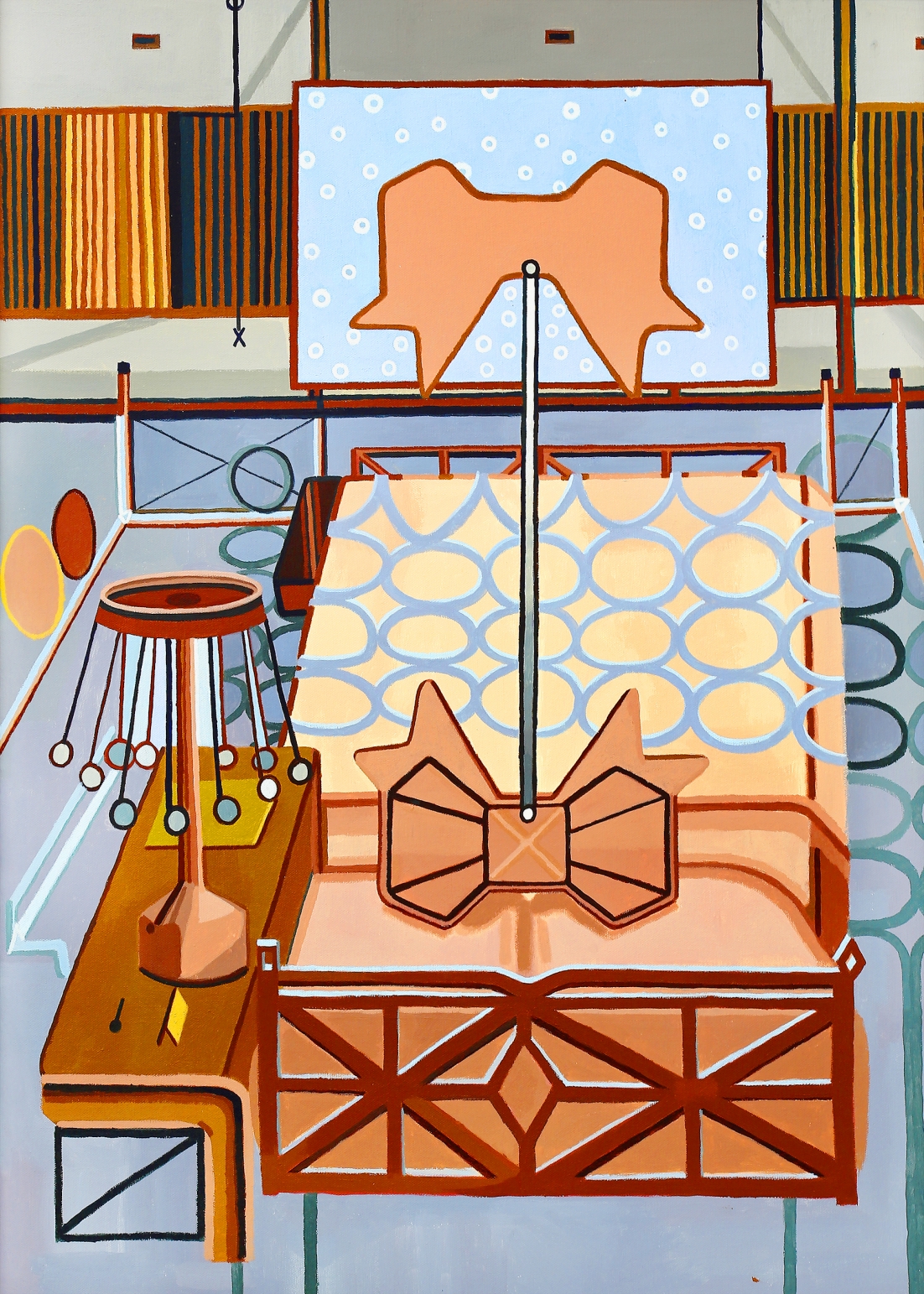
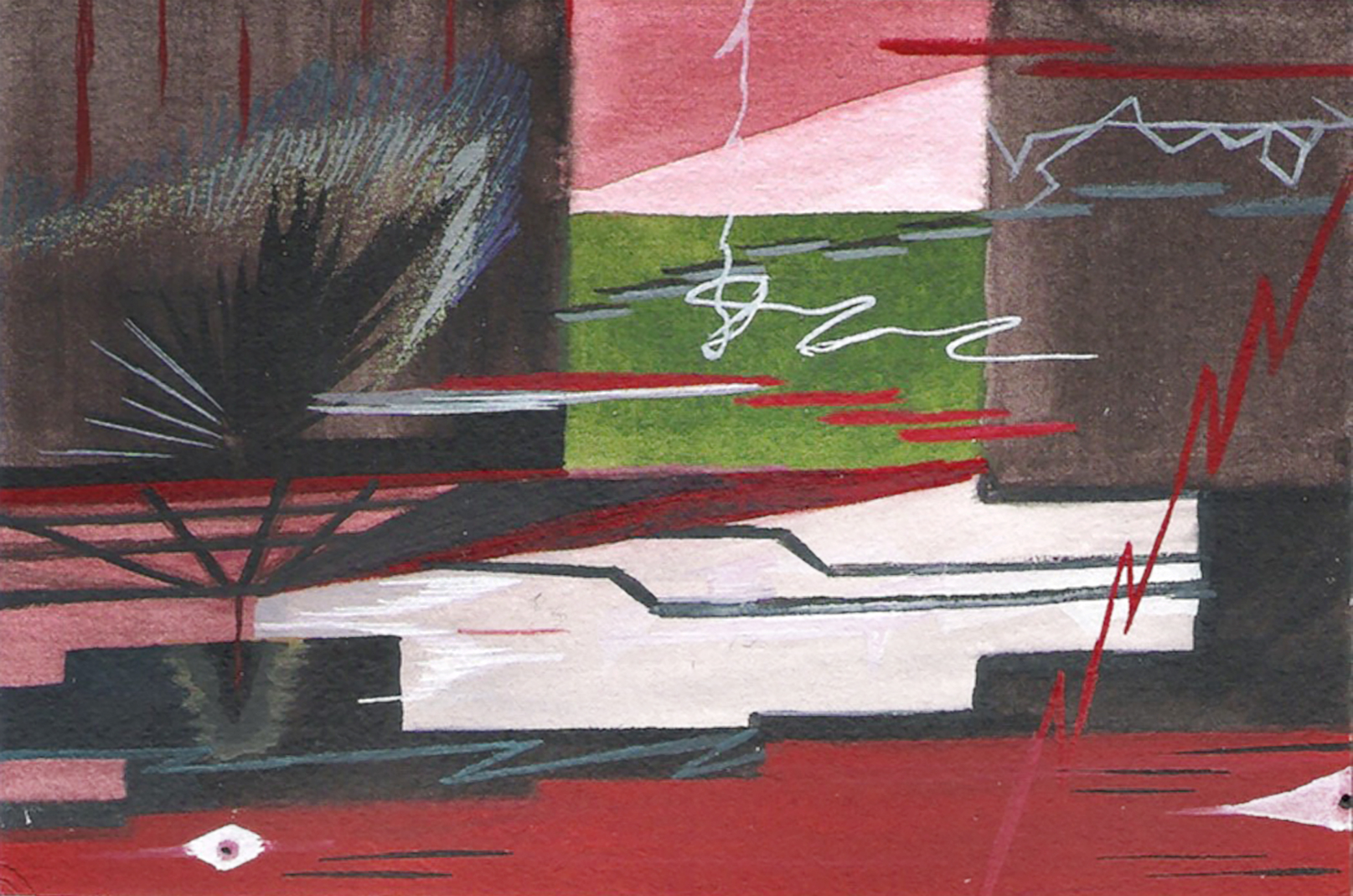
Installation view of 《Ancient Refrigerator》 (Cylinder Two, 2024) ©Park Junghae

1“Mankind learnt to manipulate fire at least 100,000 years ago, and has controlled heat and light ever since. And only a hundred years ago, we won the war against coldness.”

Today, it is self-evident that cold and heat are two sides of the same coin. The elements of the world are always changing, and each element is trying to free itself from others. The elements automatically generate heat and cold in the Earth’s environment, and humans have sensed their cycles through the skin. Scholars who have studied thermodynamics have investigated the flow of energy felt through the skin from this duality of temperature and, as a result, have developed ‘heat pumps’ that push heat against the universal flow of thermal energy. In modern times, as humans became able to control heat, they could predict and control chaos in the natural order of things, leading to the creation of the refrigerator.

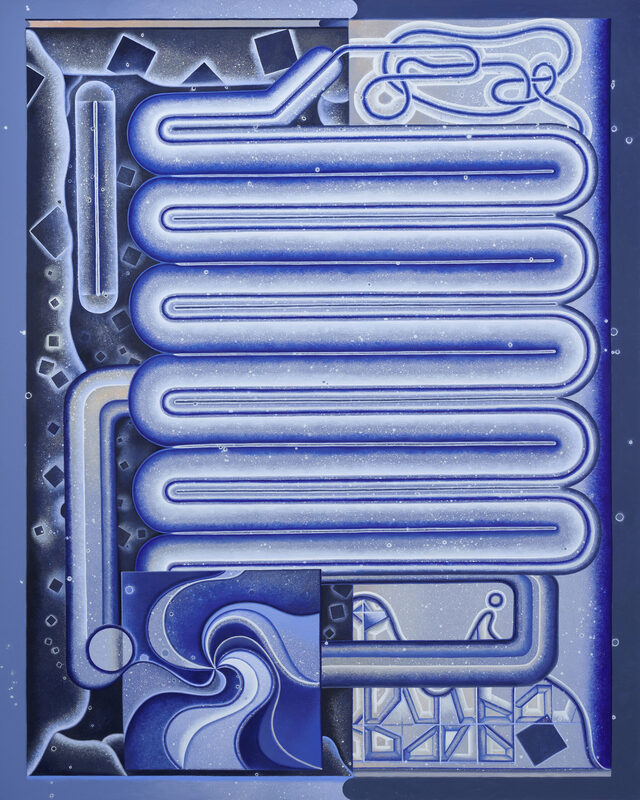
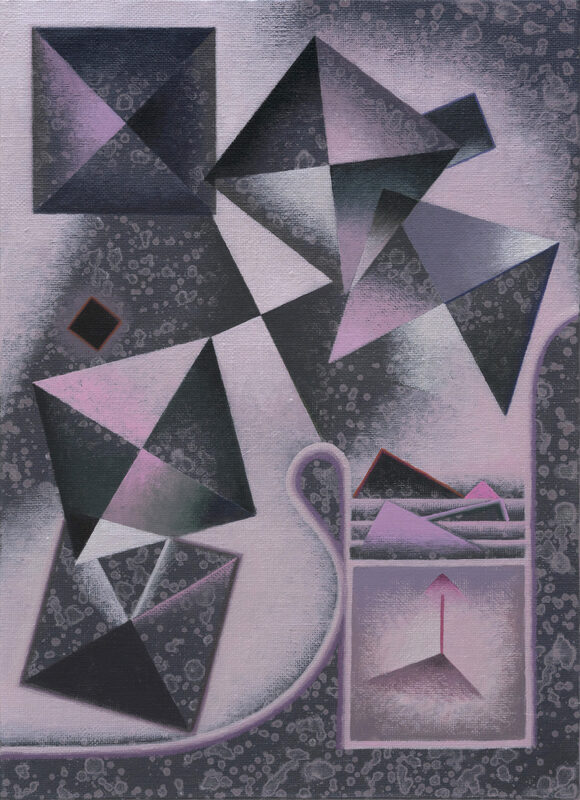
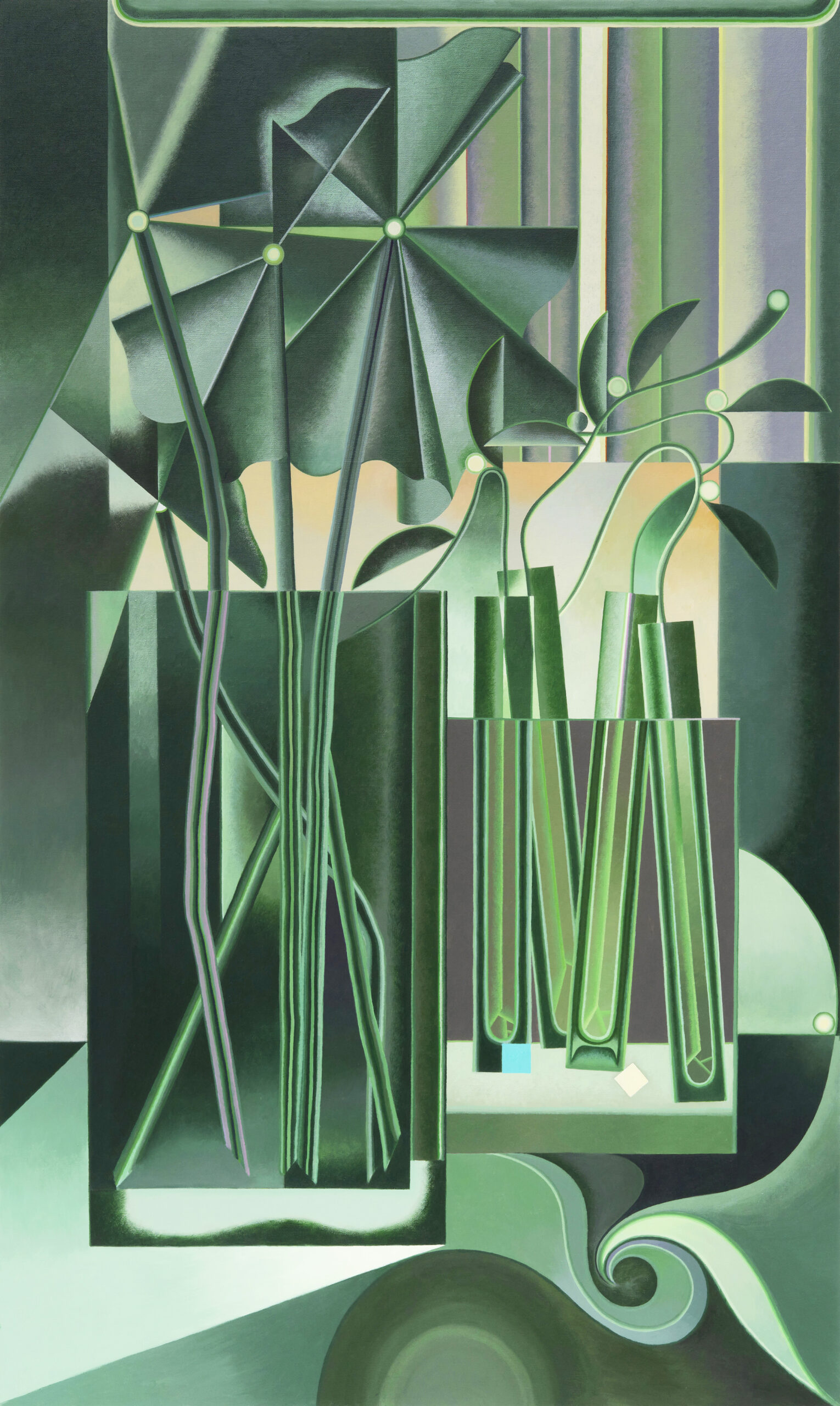
The solo exhibition 《Ancient Refrigerator》 stems from the possibility that painting is functionally and aesthetically similar to refrigerators, in that humans store and control energy. In previous solo exhibitions, 《Xagenexx》 and 《Mellow Melody》, from 2017 to the present, which introduced the language of light interacting with space as a signifier, the attribute of ‘light’ was taken as the main condition for painting based on the fundamental premise of vision. However, 《Ancient Refrigerator》 understands the dynamics of heat as a flow of energy and draws attention to the visual sense of temperature and the medium of painting as an ‘image-storage device’.

Furthermore, at the boundaries between the inside and outside of the painting’s frame, the plane generally belongs to multiple environments and, through interaction with micro and macro spaces, aims to reveal that it is alive within the canvas as a storage device for capturing aesthetic energy—as circular energy with its own heat. By following the flow of the gaze toward the rectangle, tracing the masses and the traces of paint condensed on the surface, these works explore the temporality and microscopic world dormant within the painting and are presented in this exhibition.

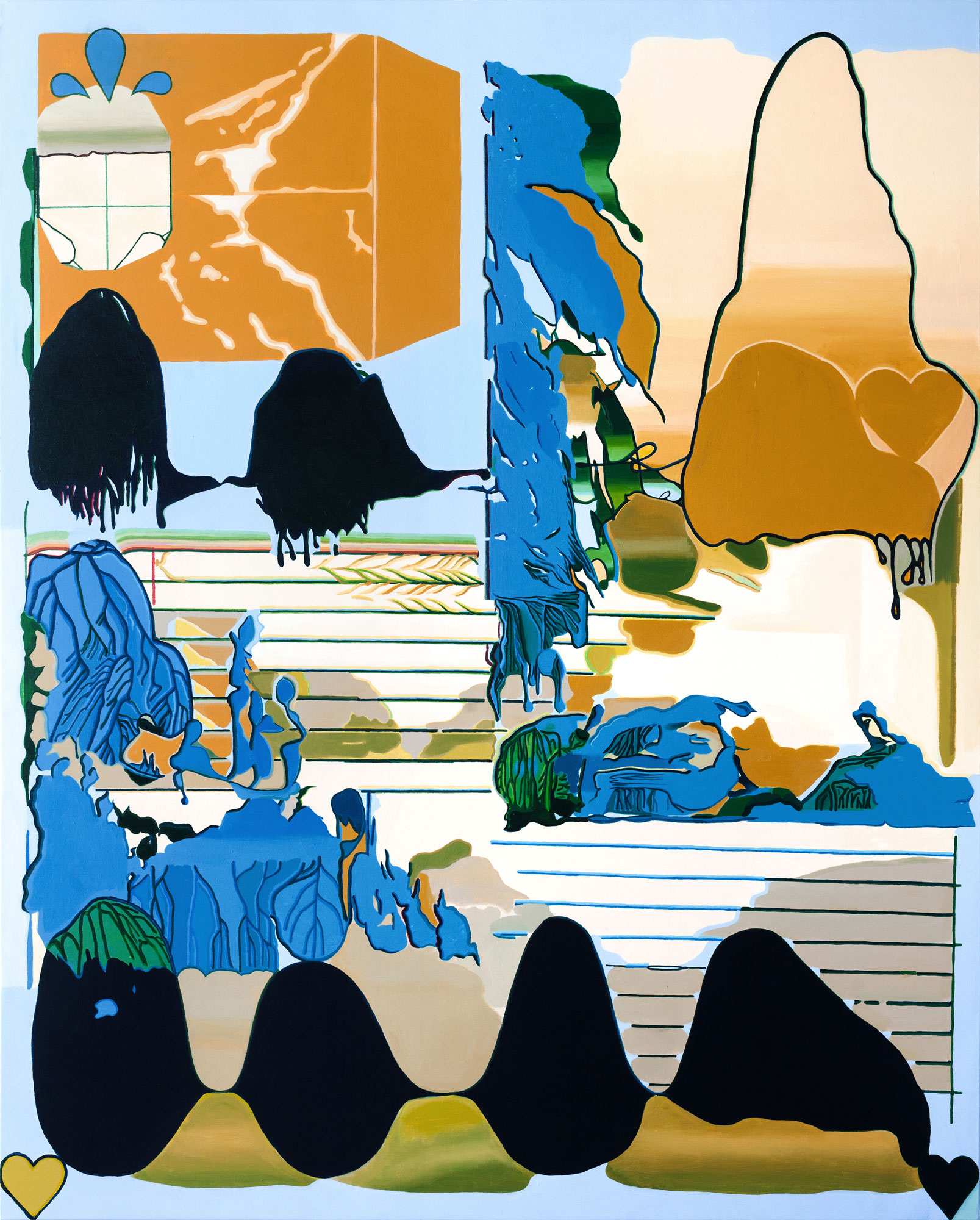
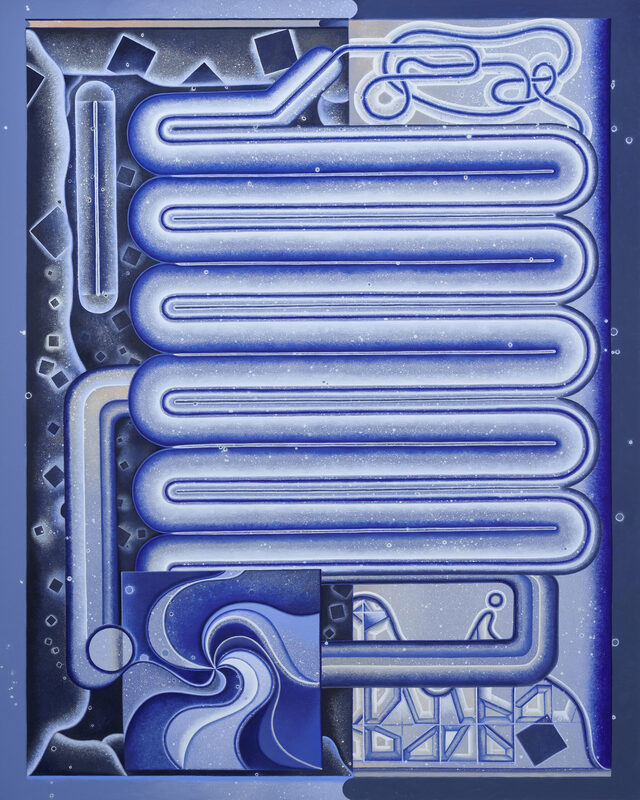
Park Junghae, Condenser, 2024, Acrylic on linen(mounted on wood panel), 160.2x130cm ©Park Junghae

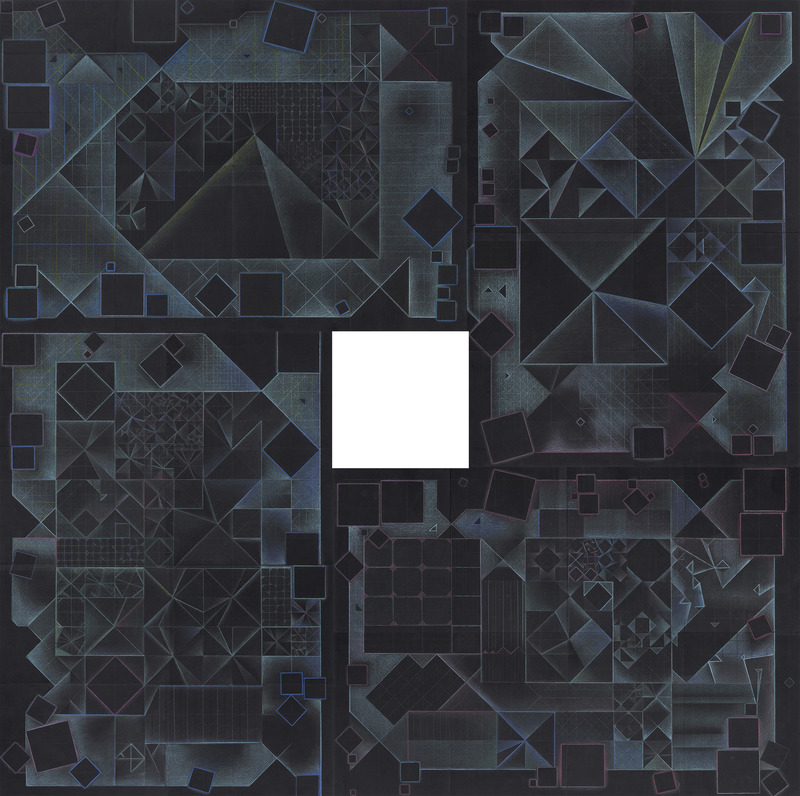
The exhibition comprises new, unpublished paintings and drawings from 2023 to the present. This series of works is three-dimensional imaginings at the boundary between figuration and abstraction—of the woven surfaces of canvas, paper, and aspects of digitally photographed spaces.

Unpredictable environmental conditions are incorporated into individual works, from tiny particles of paint scattered into the air by a sprayer, to lumps of paint fixed during the process of mixing paint on a paper plate, to perspectives on three-dimensionality that have arisen from the masses of colored paper experimented with as flat sculptures.

Ultimately, human life requires sensitive reflection on the sensations felt in order to survive unpredictable environmental changes. Through this series of works, it is hoped to remind that diverse times and spaces are experienced and lived in, and that different temperatures are held as intersections occur with others and the external world. In addition, through the exhibition, the interaction of visual energy is pursued, where the memories and puzzle pieces of materiality that each viewer has kept can coldly melt into each work, even if only briefly.


1. Tom Jackson, 『Chilled: How Refrigeration Changed the World and Might Do So Again』, 2015. p.10, korean ver

References