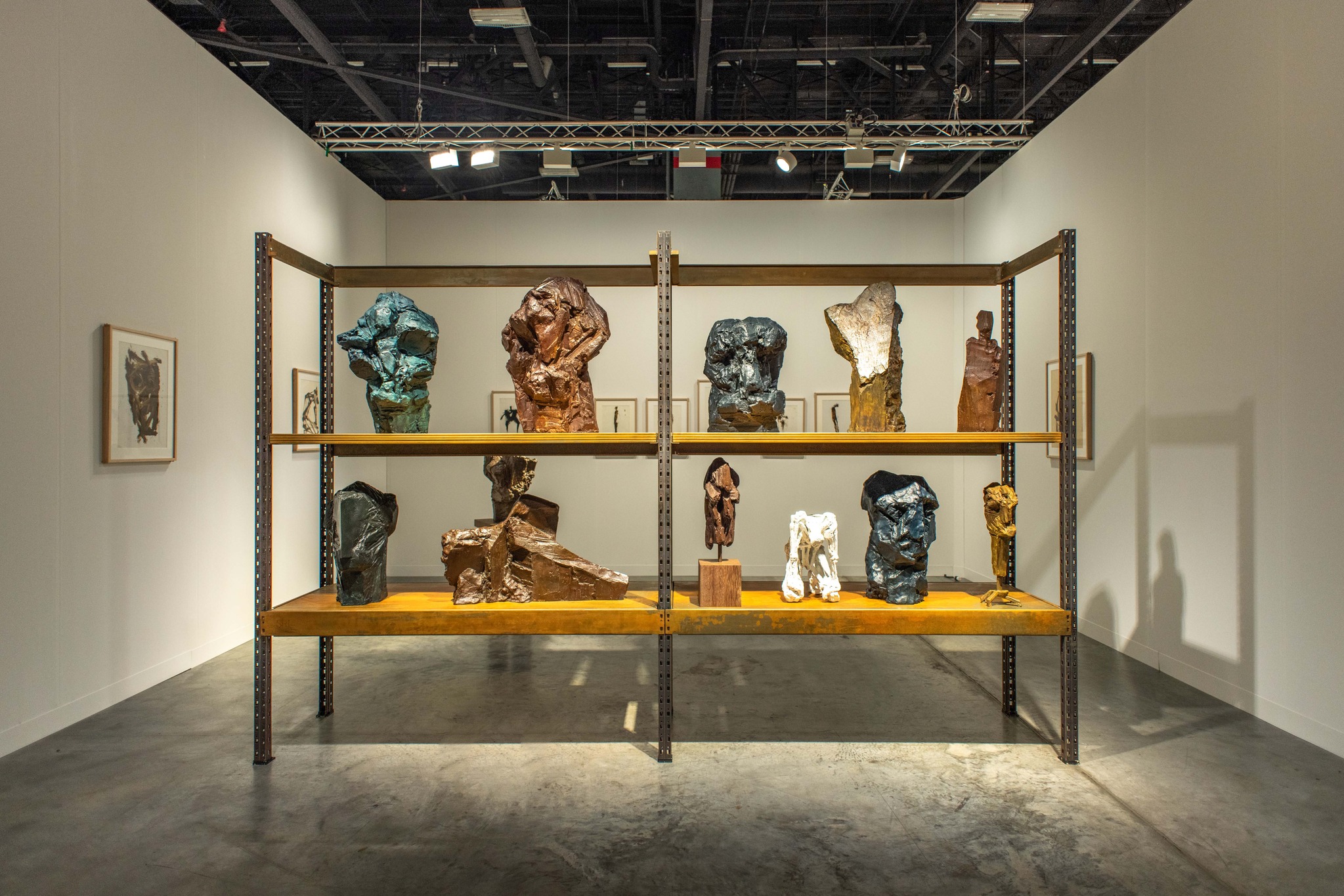


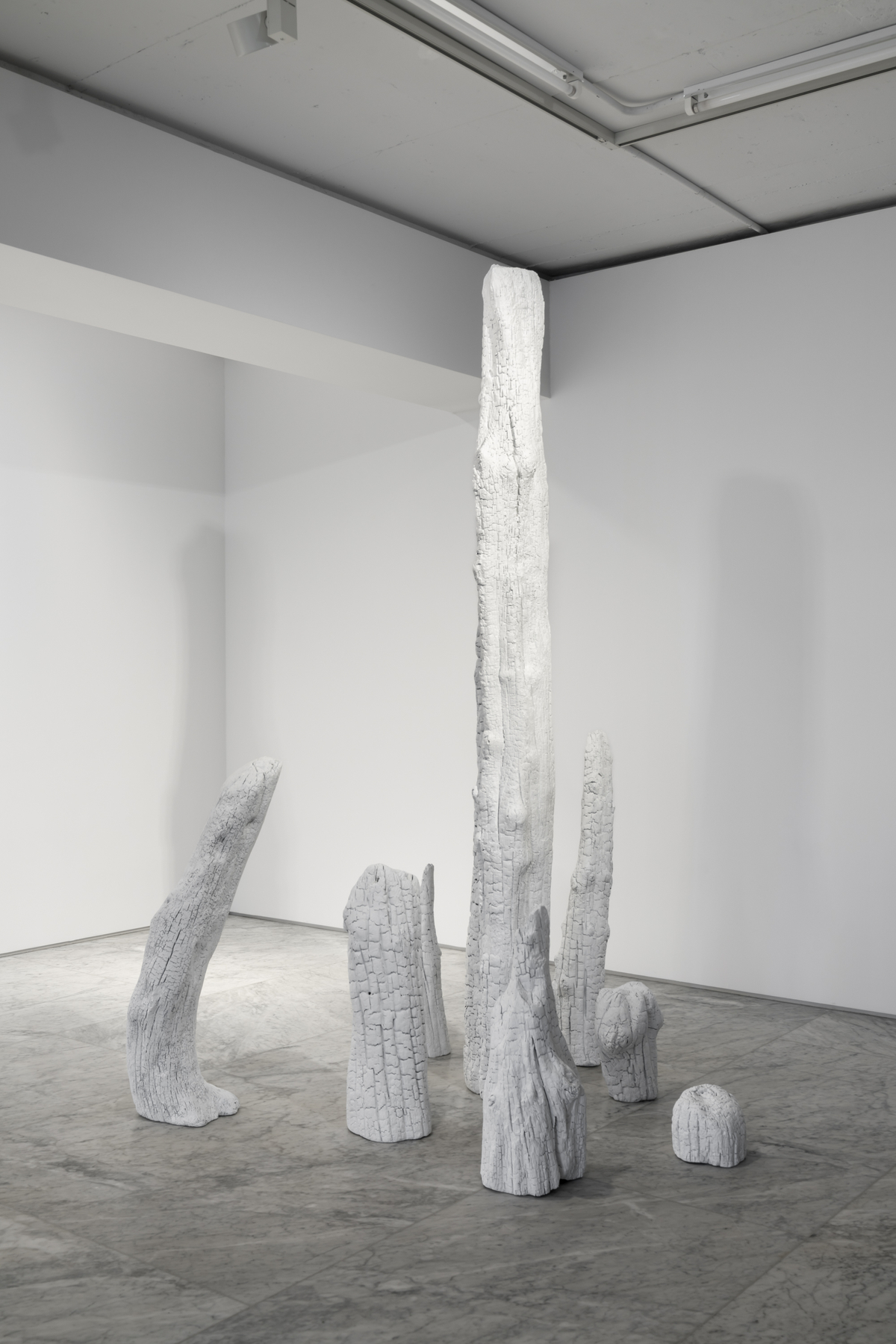
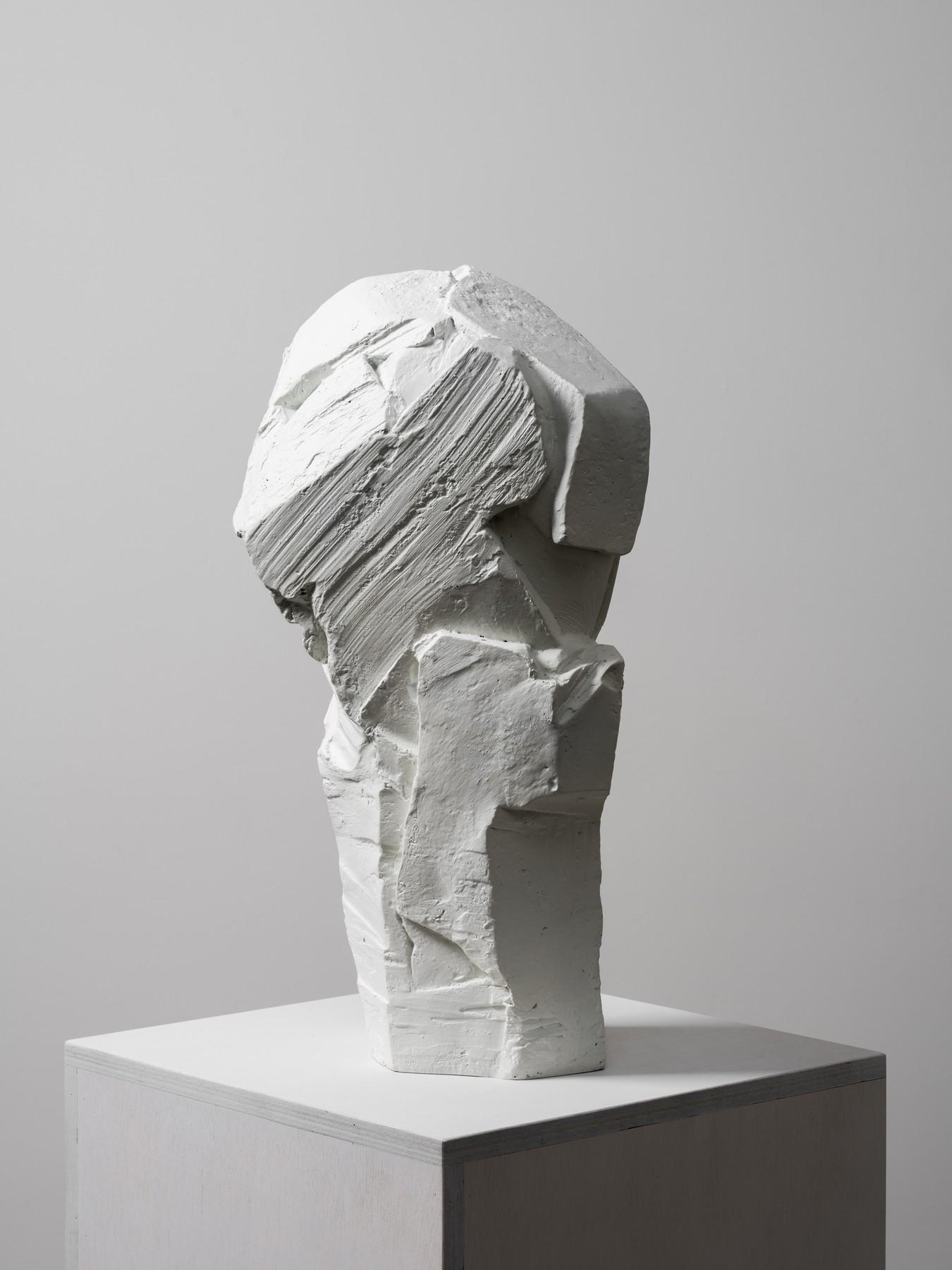
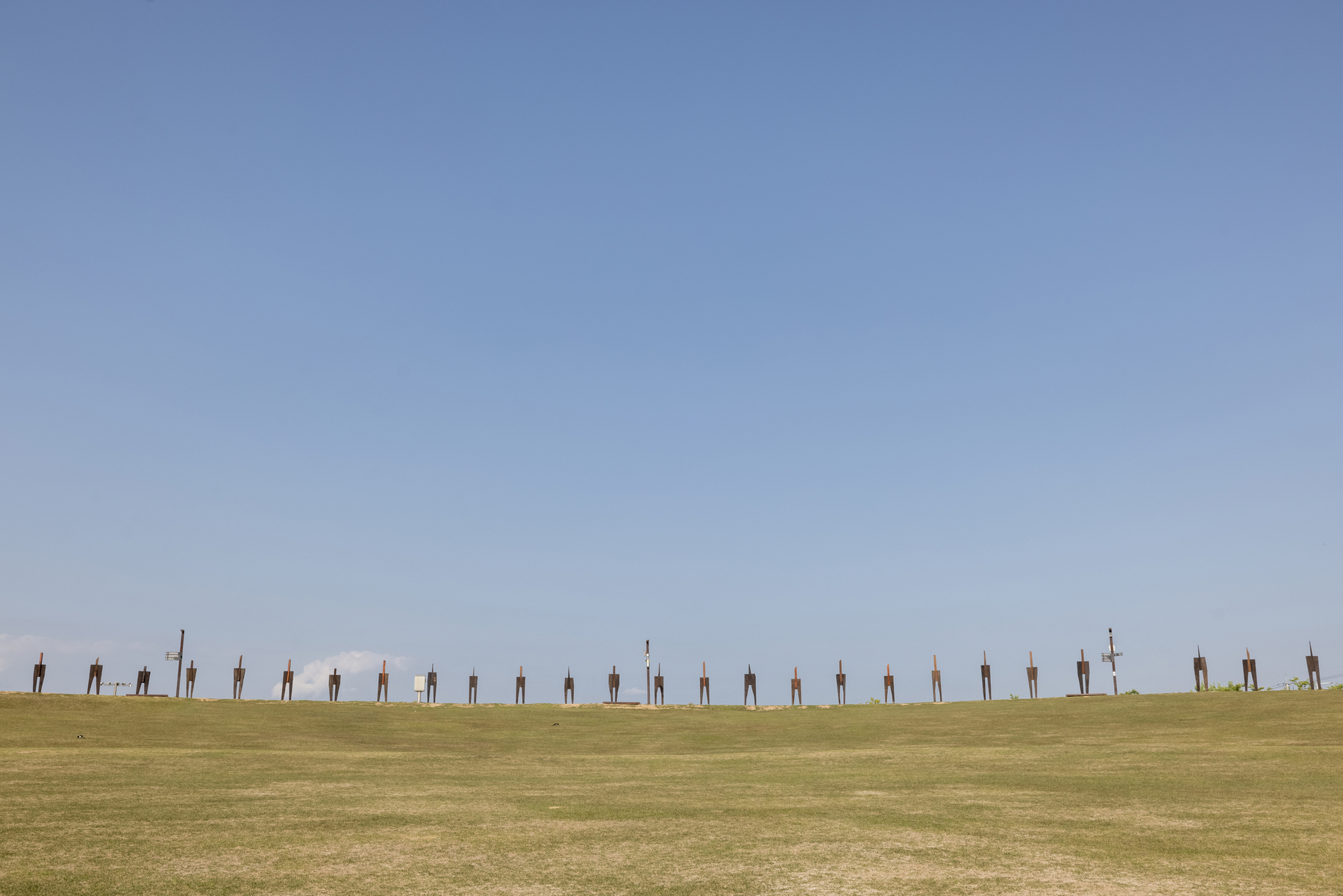
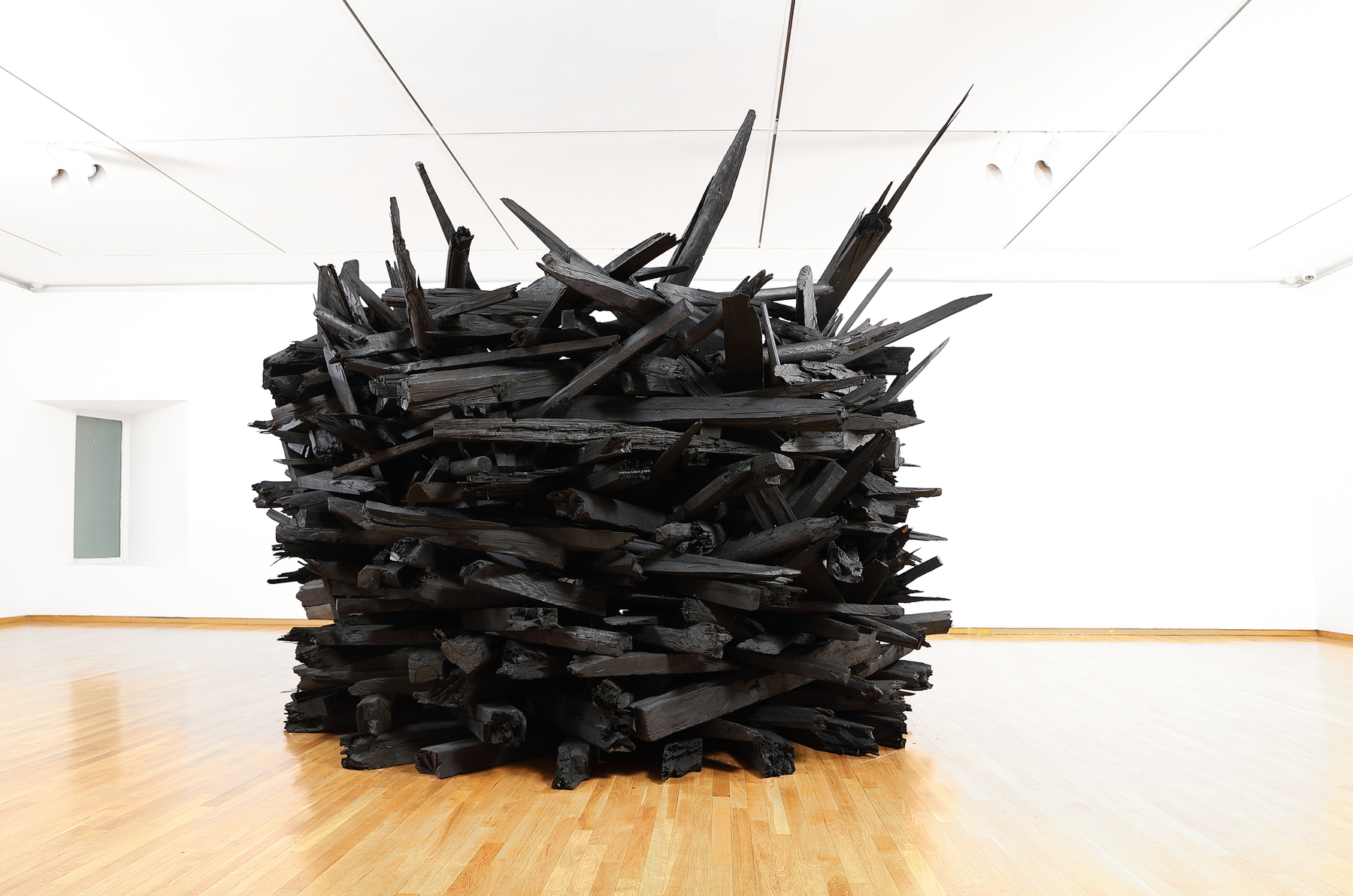
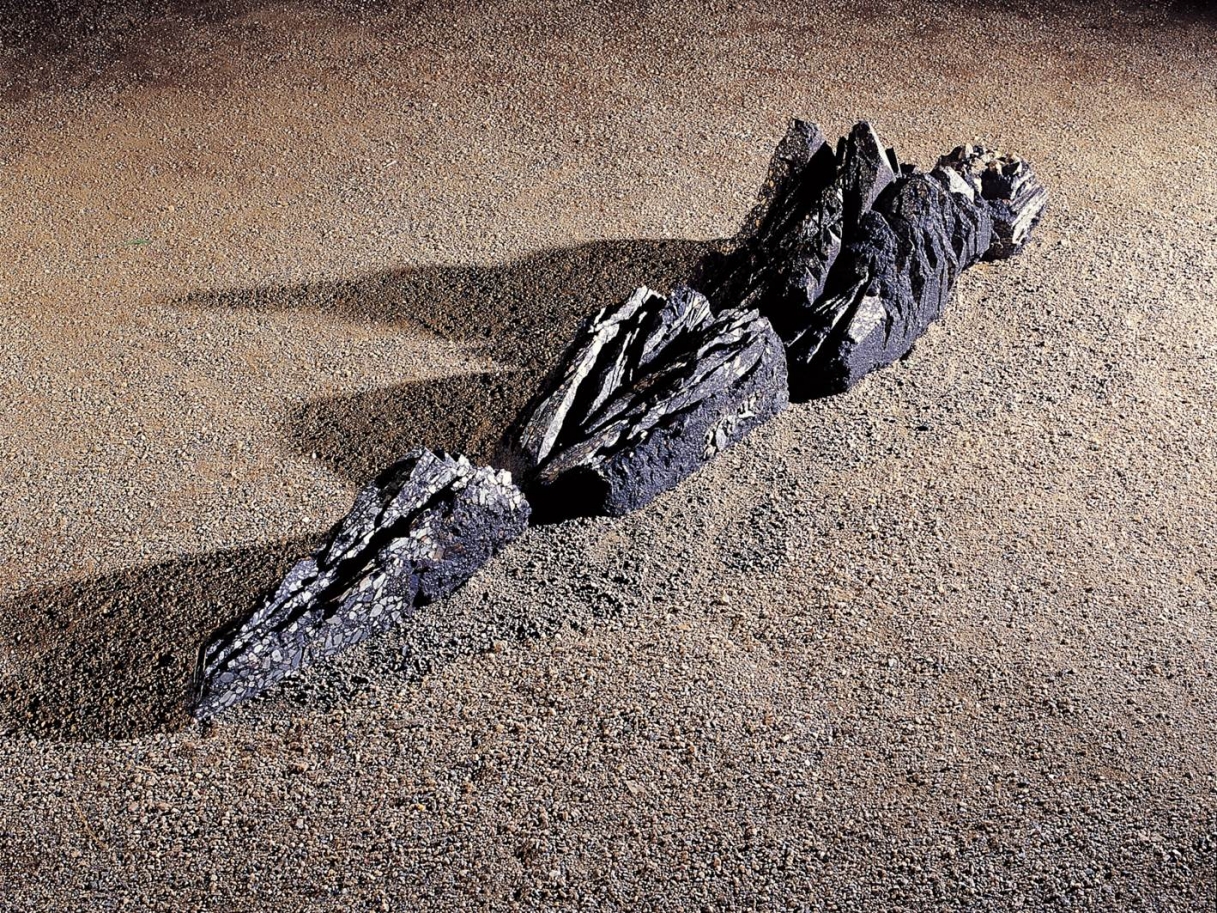
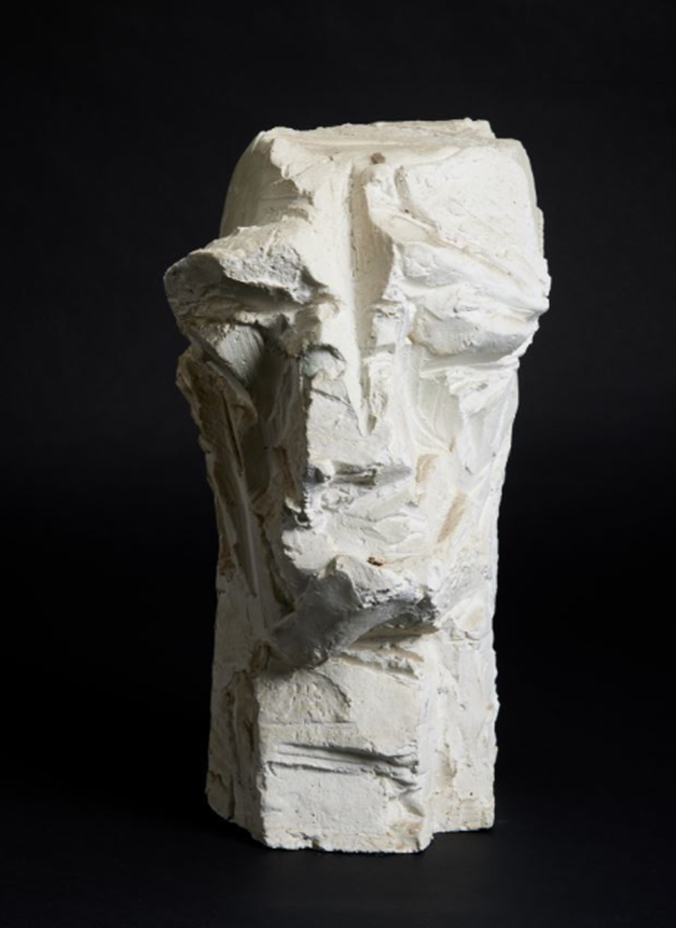
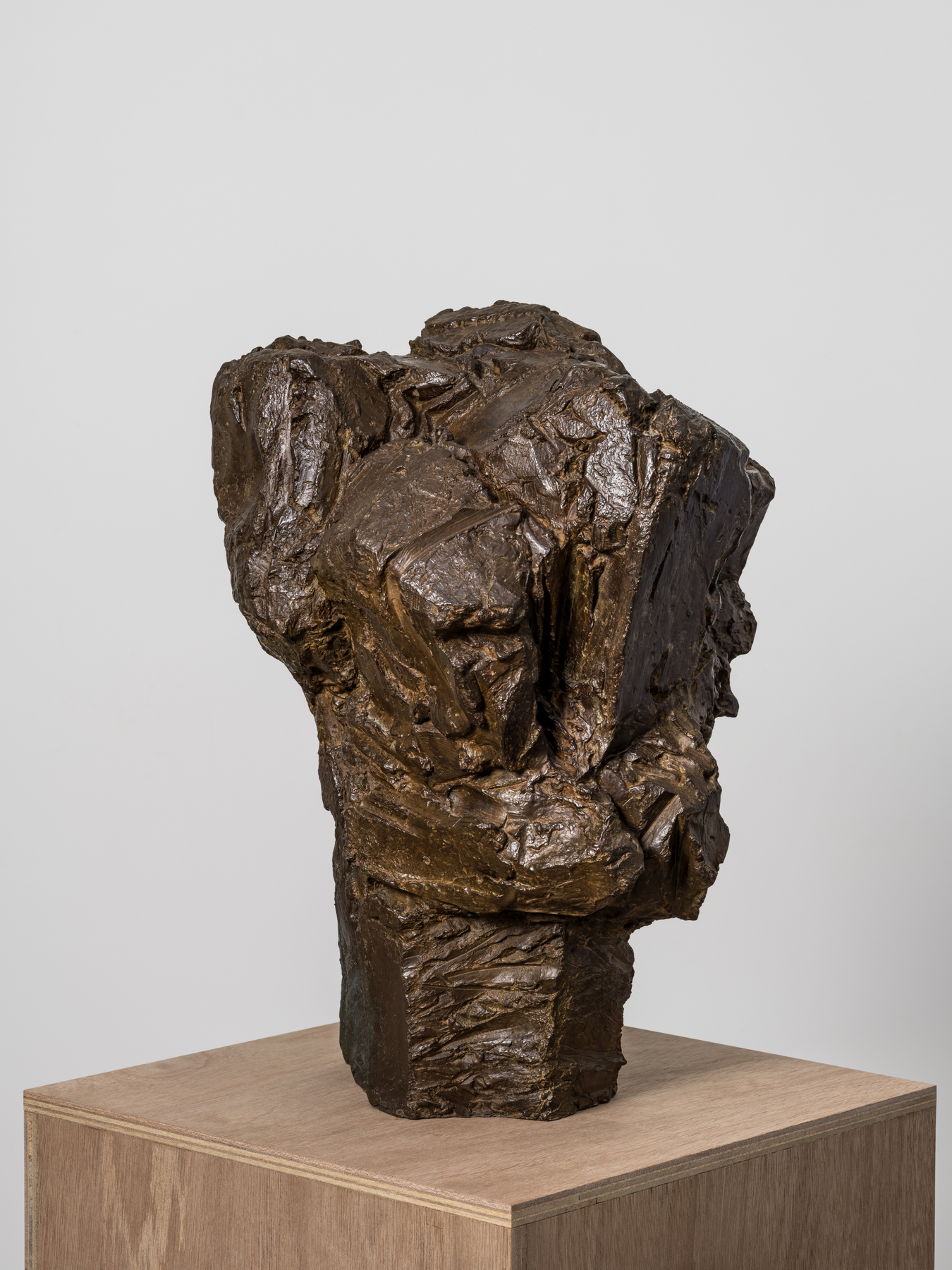
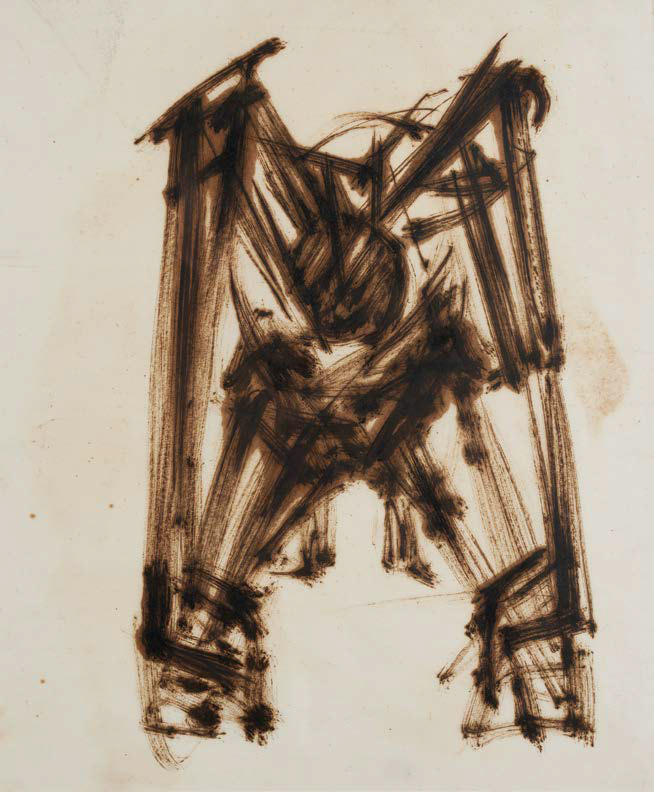
Chung Hyun, Untitled, 2001-2006 © Chung Hyun

The exhibition series, 《Today’s Artist》, has been established by the Kim Chong Yung Sculpture Museum to discover and encourage young, talented artists keeping in accordance with the spirit of Kim Chong Yung who was constant in his work as an artist and educator.

Every year, our museum selects at least 2 artists who display singularity of vision and commitment to their art as ‘Today’s Artists’, and invites them for a solo show at the museum. In doing so, along with the ‘The Woo Sung Kim Chong Yung Sculpture Prize’ that the Kim Chong Yung Memorial Enterprise has been carrying out since 1990, we hope to provide the pivotal point in the advancement of Korean sculpture.

《Today’s Artist》 is an artist who shows great promise in the medium of sculpture with a distinguished body of work, and is carefully selected based on standards that are independent and unique to the Kim Chong Yung Sculpture Museum. Its purpose is to inspire young artists and provide a forum for presentation of their work, carrying out the wishes of Kim Chong Yung who was exceptionally devoted to the training of students.  

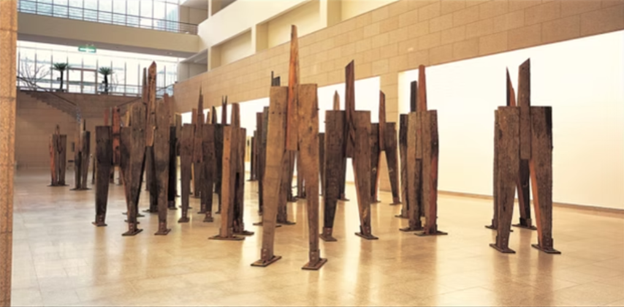
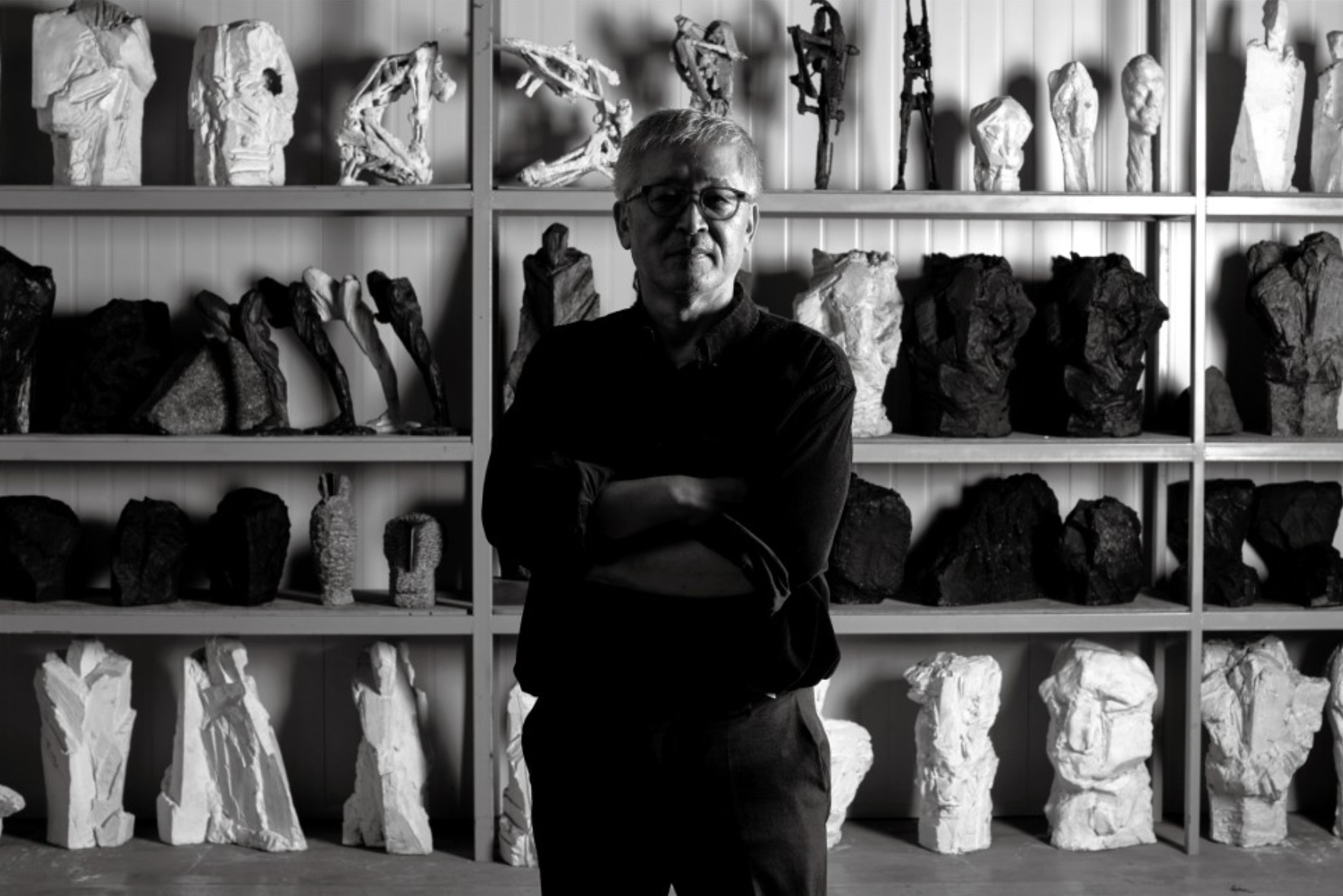
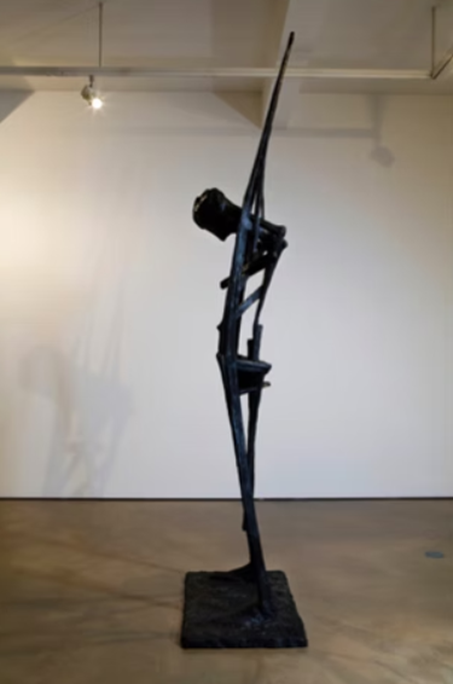
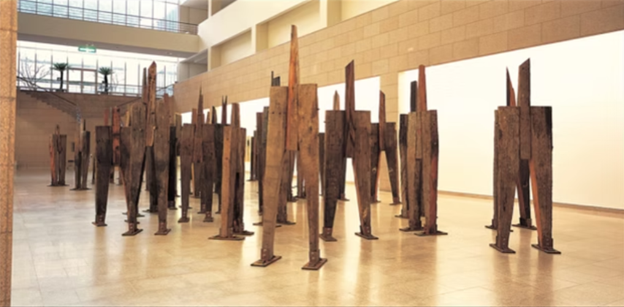
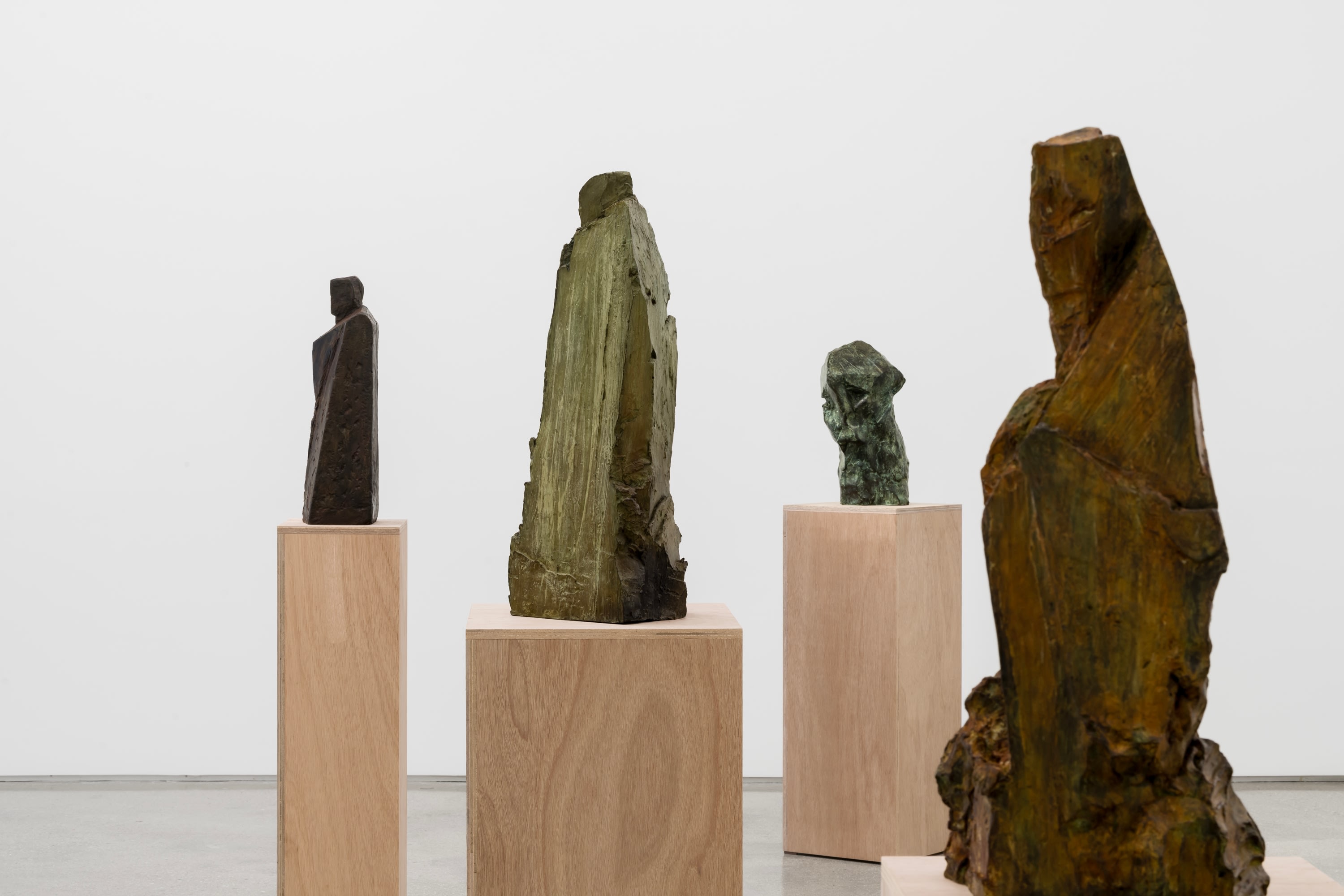
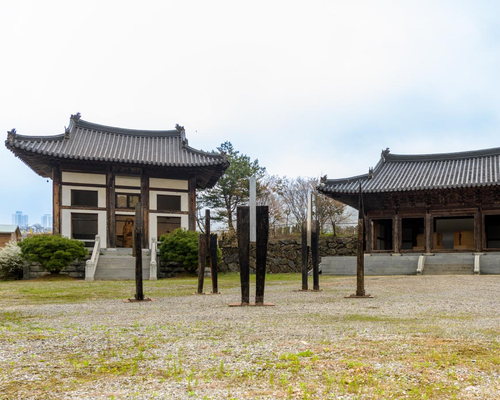
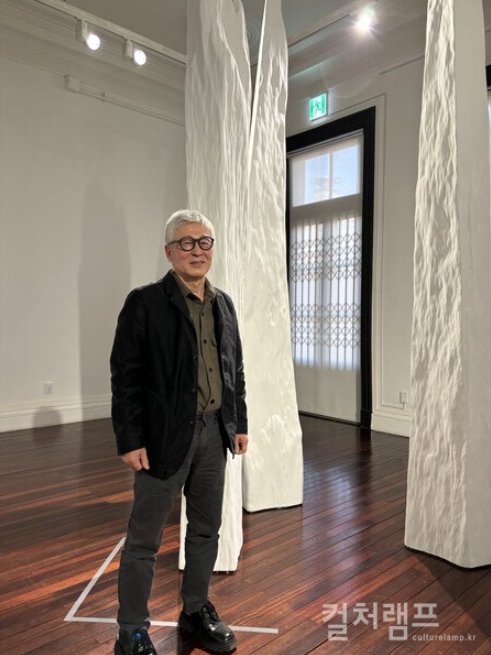
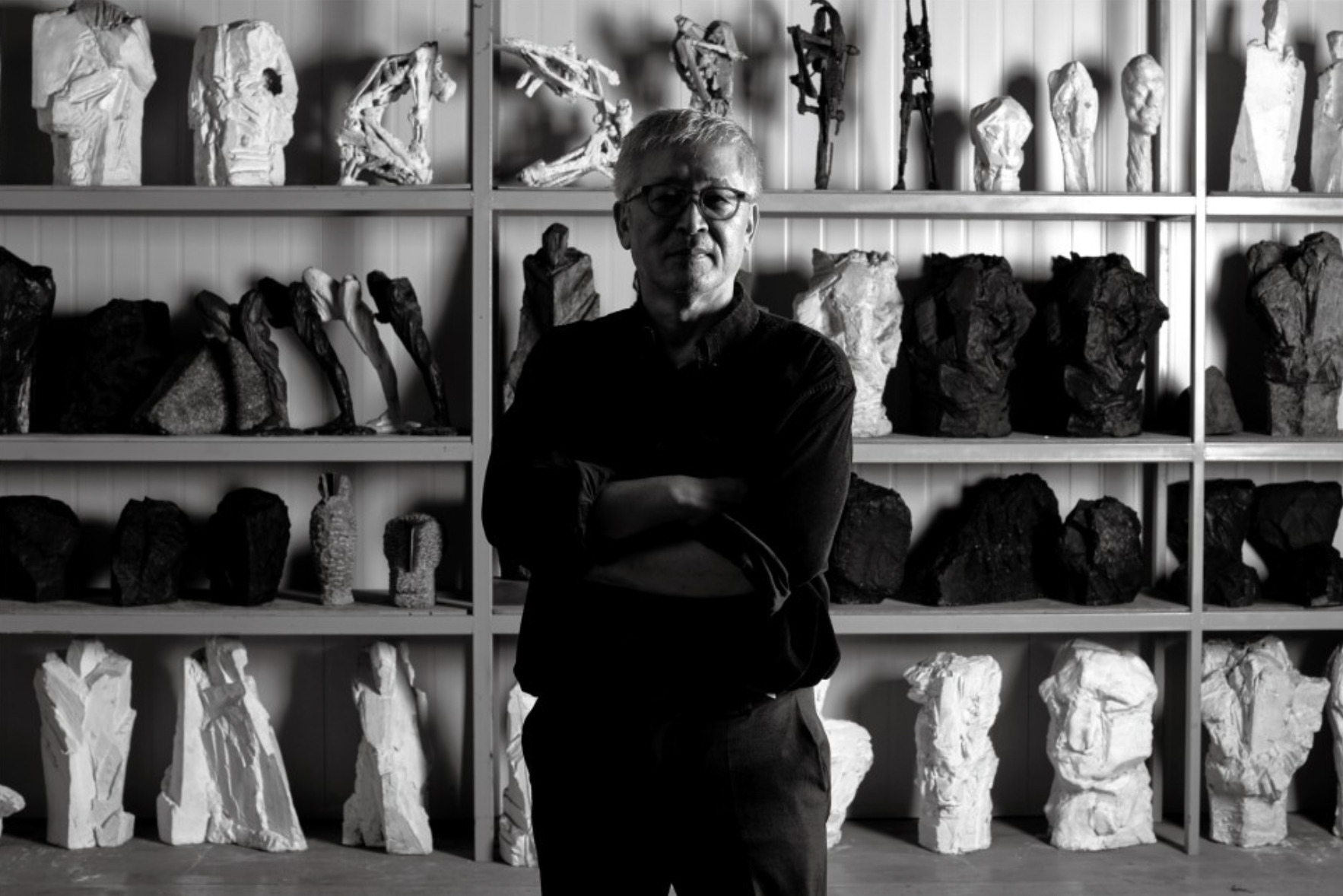
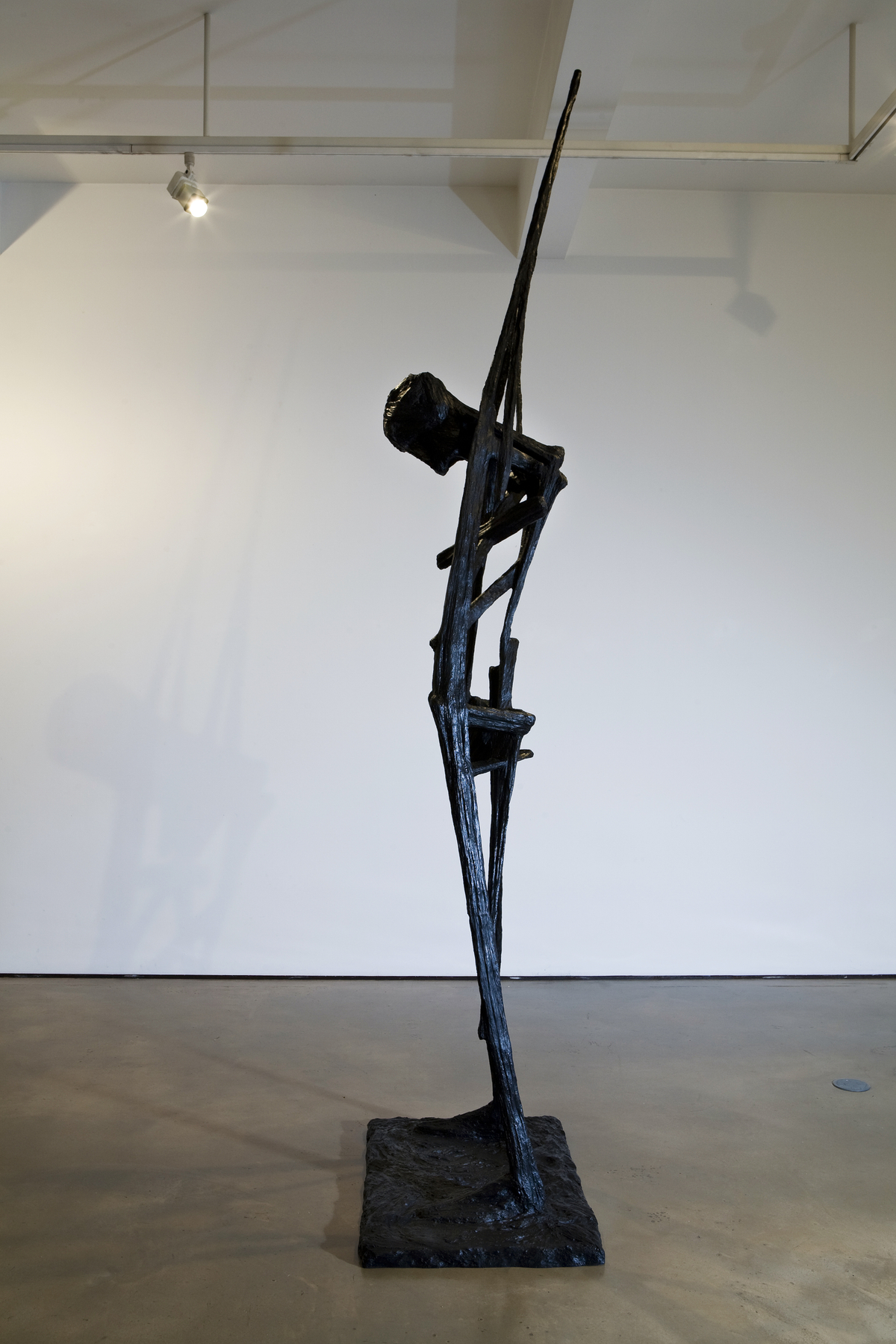
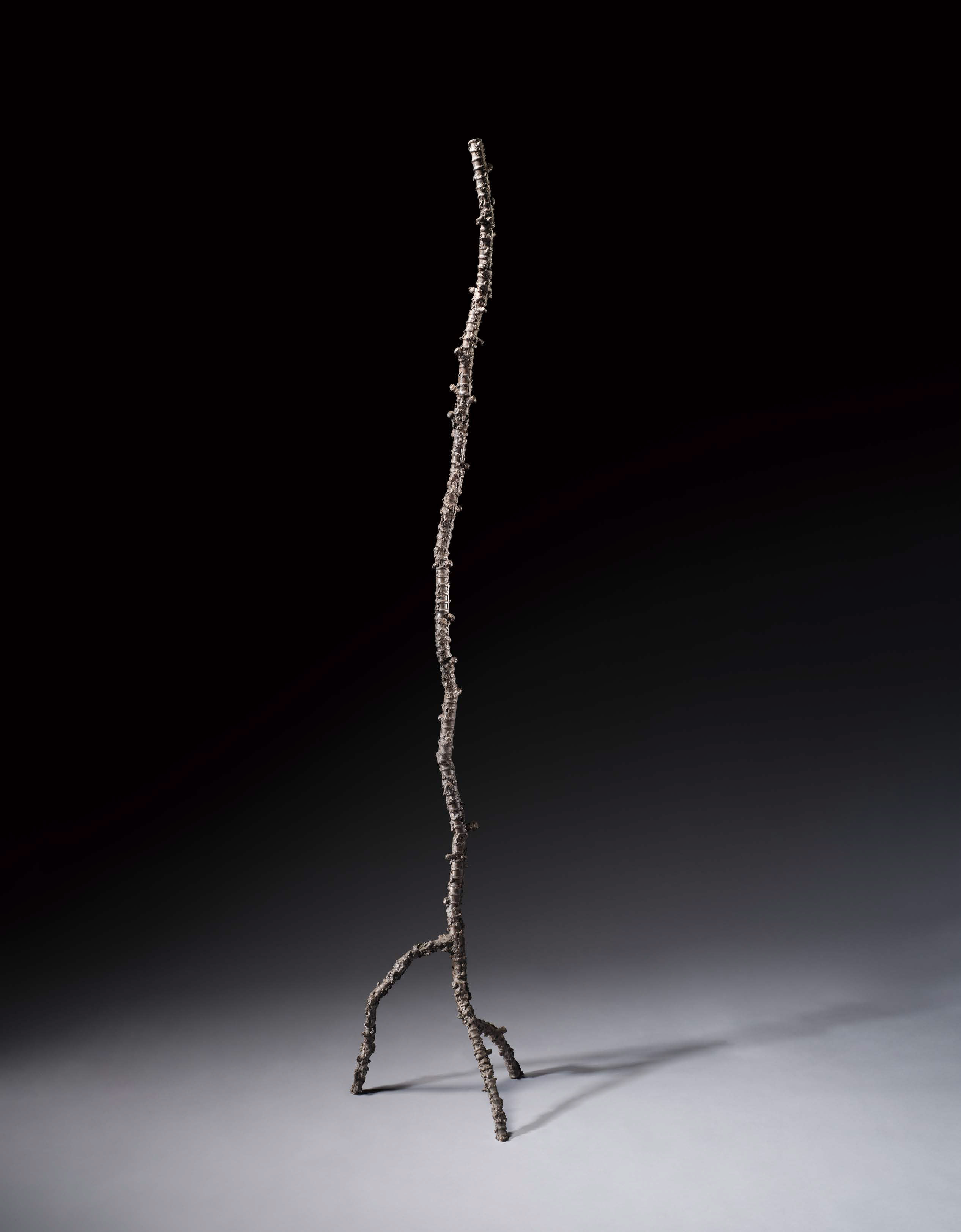
The sculptor Chung Hyun who is our first 《Today’s Artist》 this year has already received critical attention for his depiction of the tough and strong human figure using railroad ties. The railroad tie may not seem like an appropriate material for sculpture, however Chung Hyun makes cuts, and clear and sharp incisions on the surface with a power saw to render the basic shape of the human body, thereby changing the tradition of figurative sculpture. Chung Hyun’s railroad tie sculpture commands attention not only for its use of unusual material but also for the symbolism carried by the material. For example, one cannot help but think about ‘the silent endurance’ in human history when considering a material that has weathered the massive weight of the trains while absorbing the natural elements of rain, wind, dust, and oil stains.

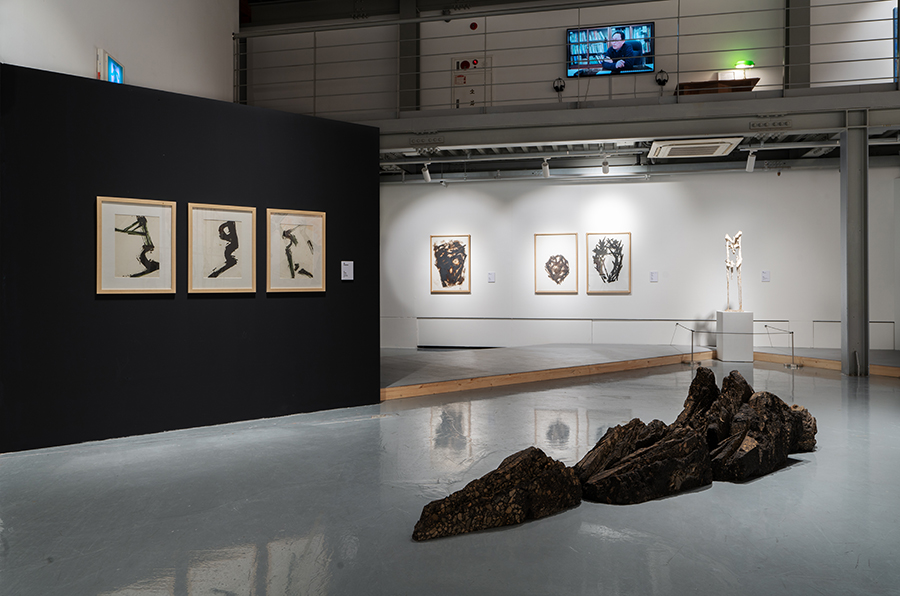
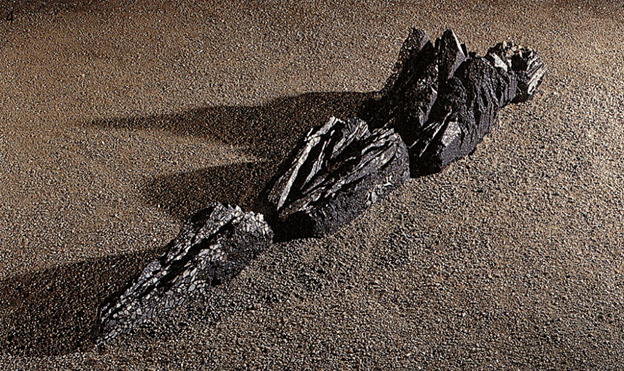
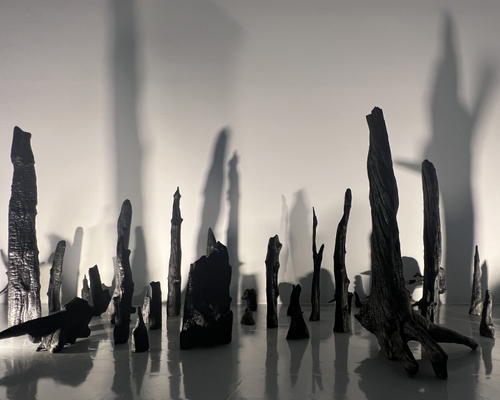
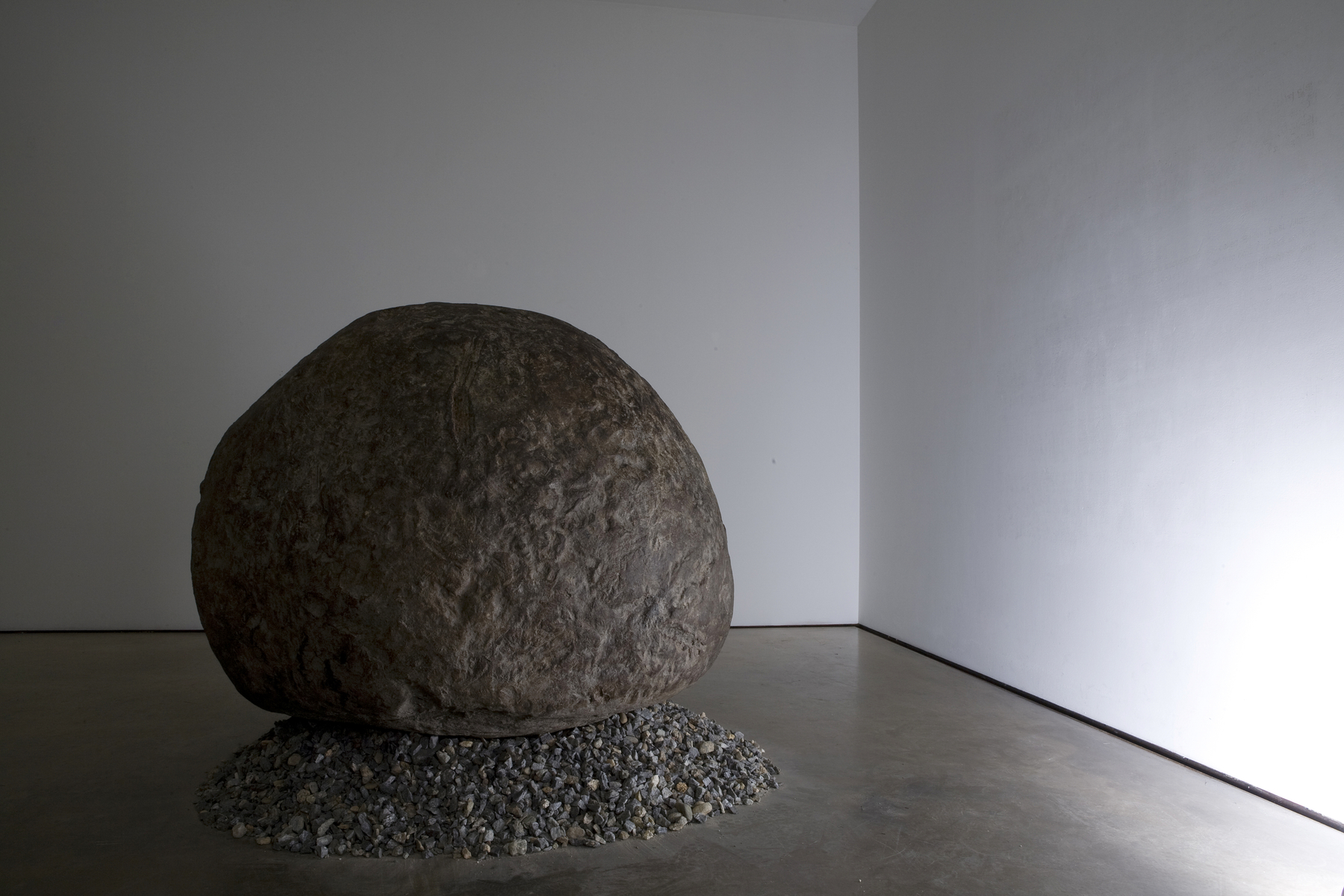
In this exhibition Chung Hyun deals with asphalt, yet another unfamiliar material for sculpture. Known as petroleum-asphalt, this artificial byproduct of civilization is the black debris left after the petroleum has been filtered out at the oil field. Its adhesive strength is very high, but it is also very sensitive to temperature, and although it is being widely used for building and paving roads, it is hardly used as material for sculpture.

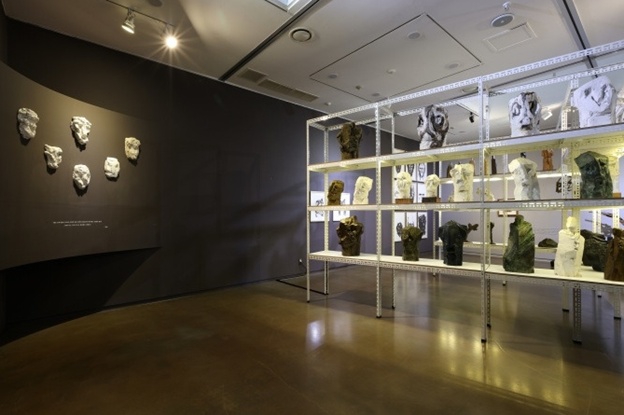
Chung Hyun gathers clumps of asphalt dug up at road construction sites and cuts them up using a tool like a grinder or makes sharp incisions on the surface to create human figures that are lying down. The human figure composed of several clumps of asphalt resembles a ‘large stone face’ and stimulates our imagination as we look for the human figure in a natural setting. His work takes on a new appearance as one changes viewpoints. When viewed from above one finds a human figure lying down, but when viewed from below the work looks as if stone islands are grouped together in a wide open sea. His work has the forms of both nature and human figure and aims to achieve ‘a living form’ created by raw material and solid mass, as evidenced by his work made of railroad ties.

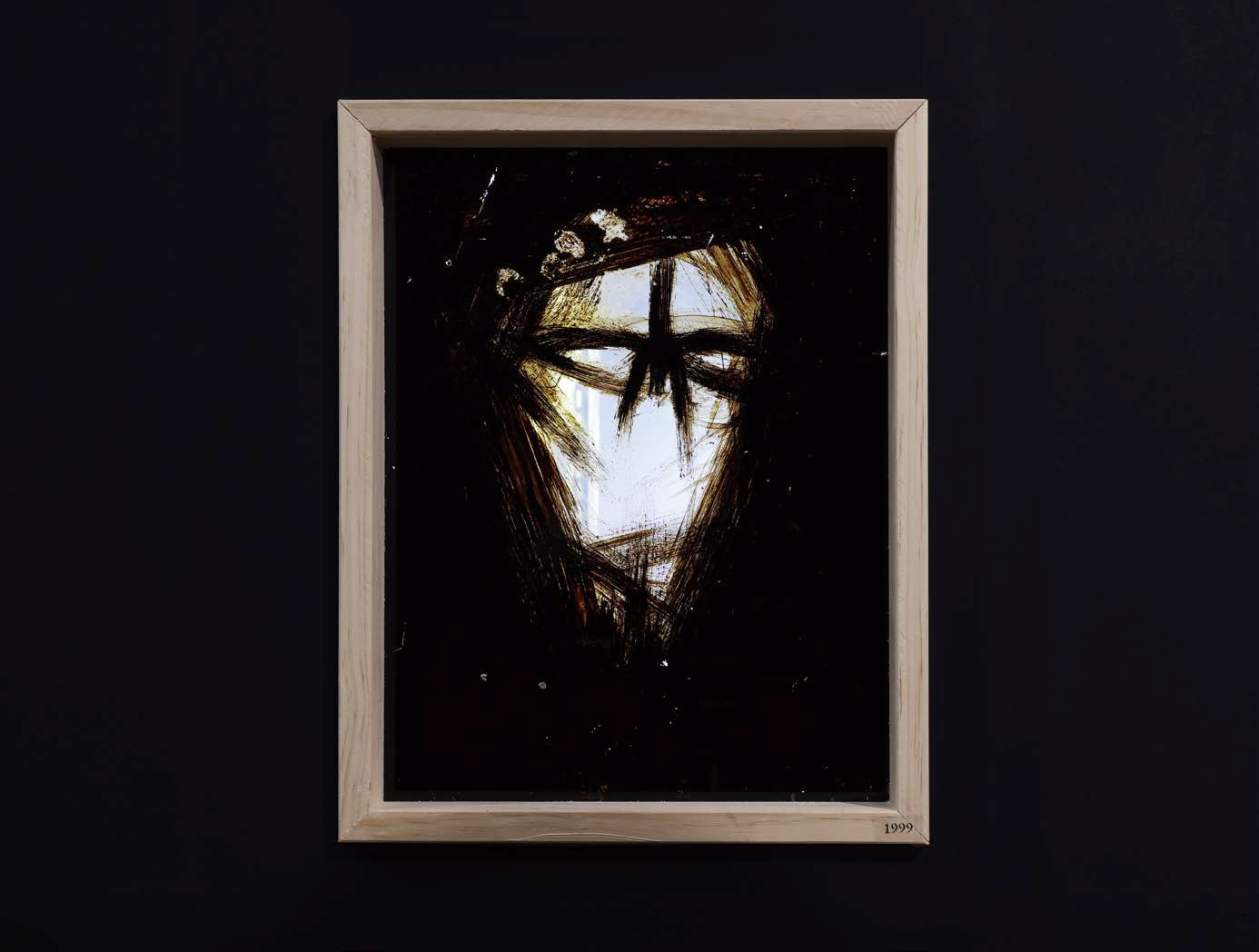
Not only in sculpture but in drawings, Chung Hyun depicts the overflowing energy of the human spirit through lively and energetic lines and contrasting color tones. Chung Hyun’s work is rough and simple on the surface, but it is also important to remember that one can also find the natural order of death and rebirth. Such quality is in perfect accordance with the aphorism by Kim Chong Yung, who emphasized that “art creates infinite order within finite space.”

This is the reason behind our museum’s selection of Chung Hyun as an artist whose work succeed in realizing the ideals pursued by Kim Chong Yung. It is our sincerest hope that the 《Today’s Artist》 exhibition presented by the Kim Chong Yung Sculpture Museum may reach its ambitious goals of playing a small role in the development of Korean sculpture. We look forward to and appreciate your encouragement and guidance.

References