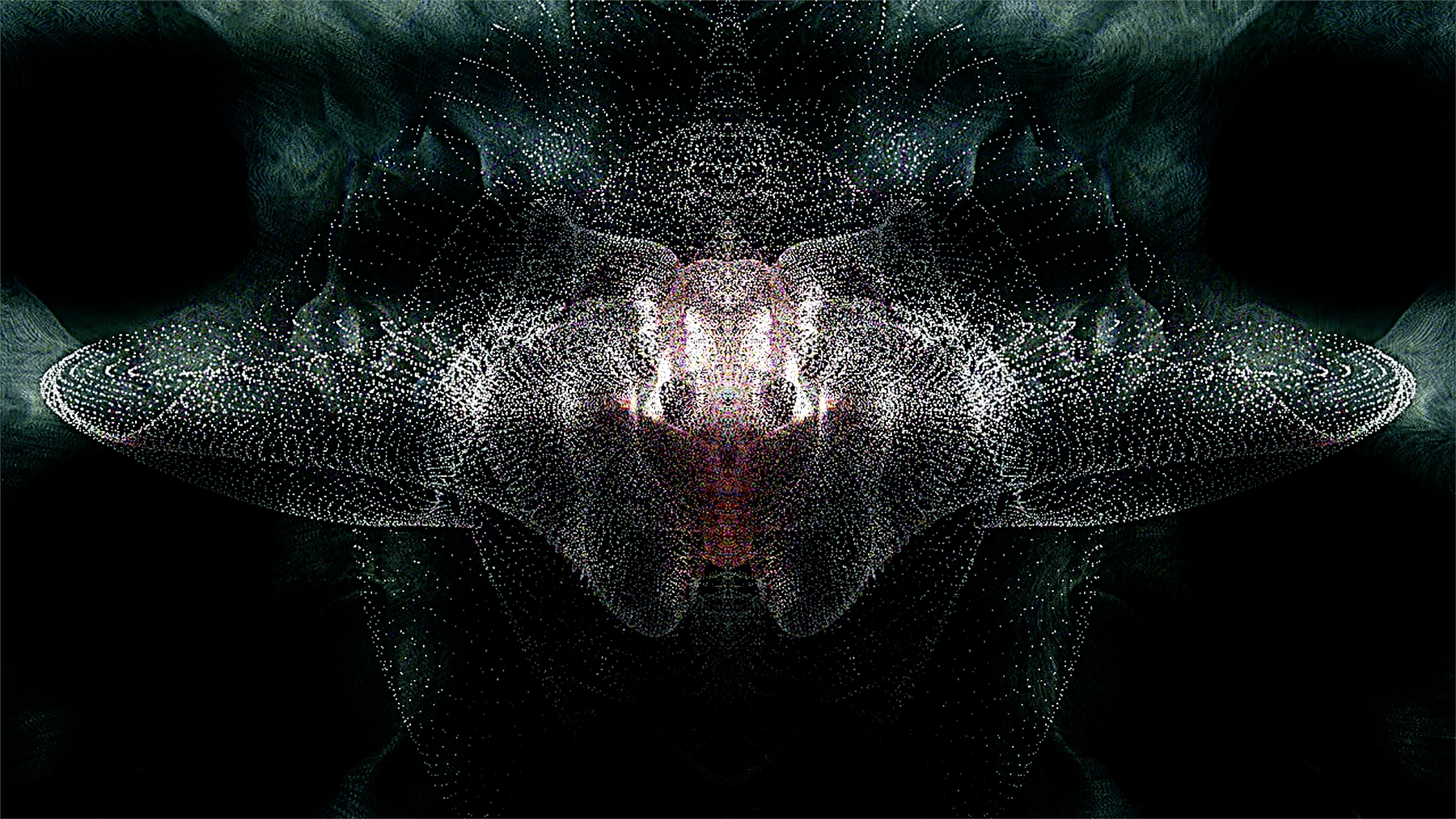
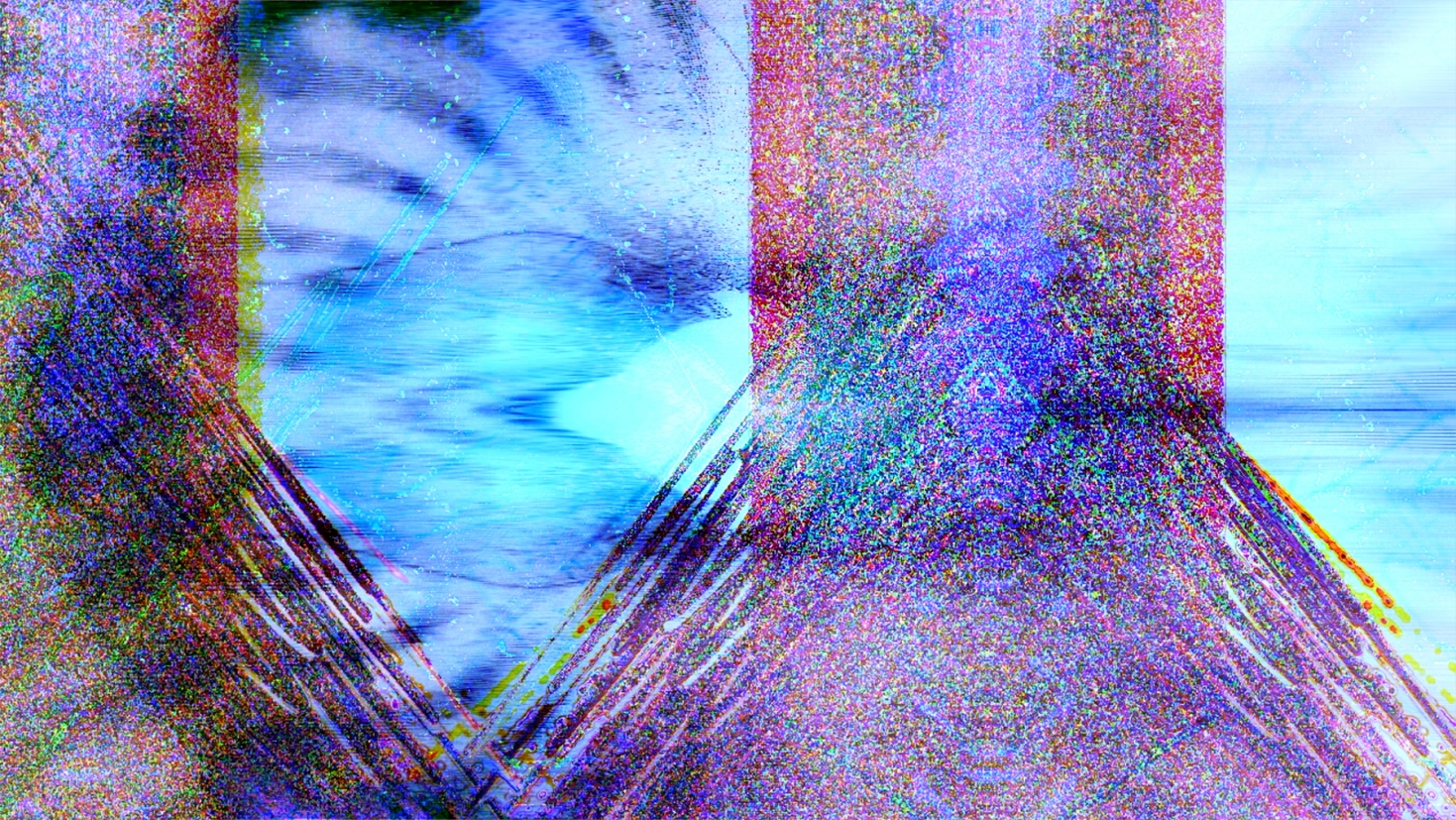
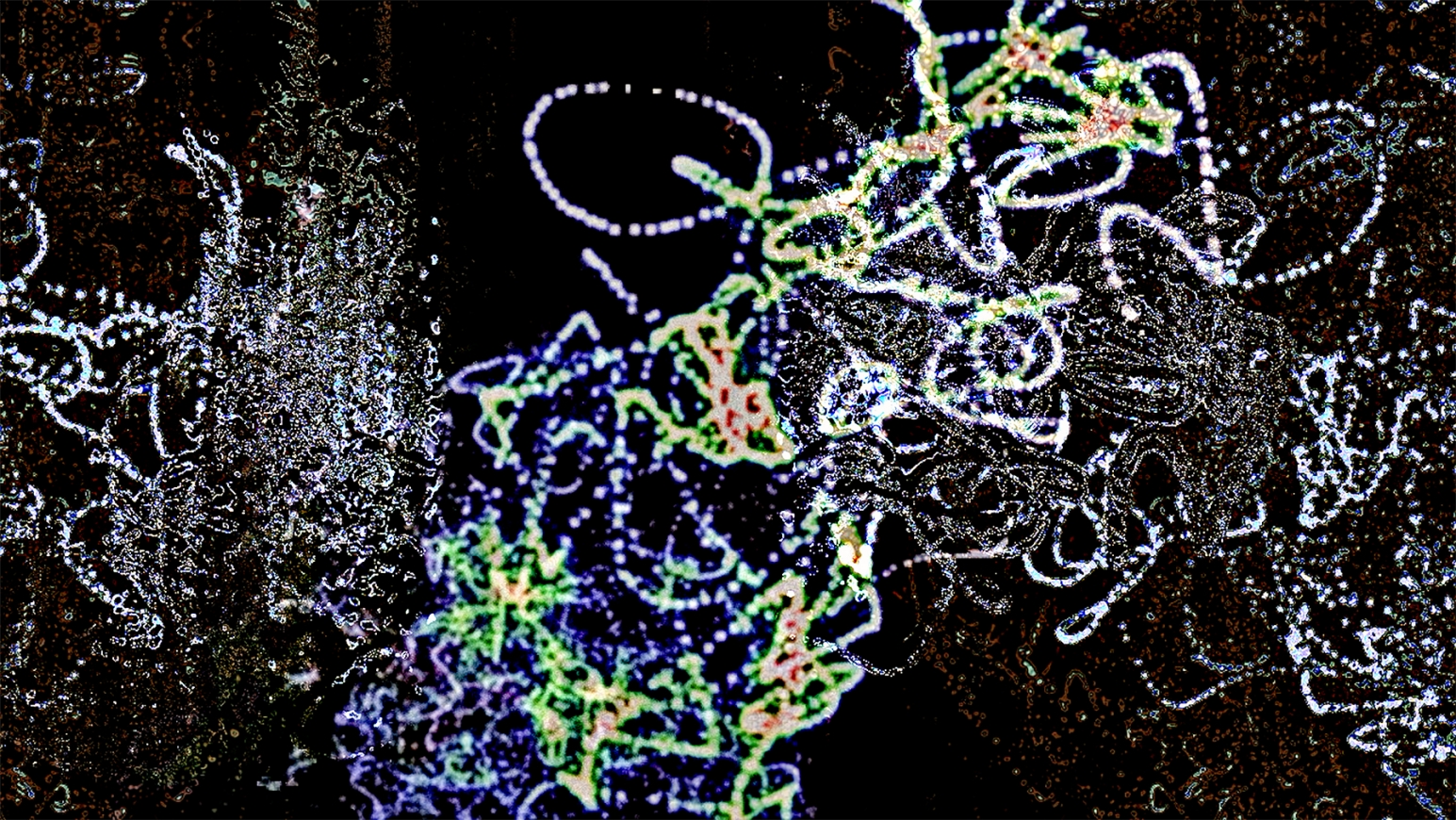
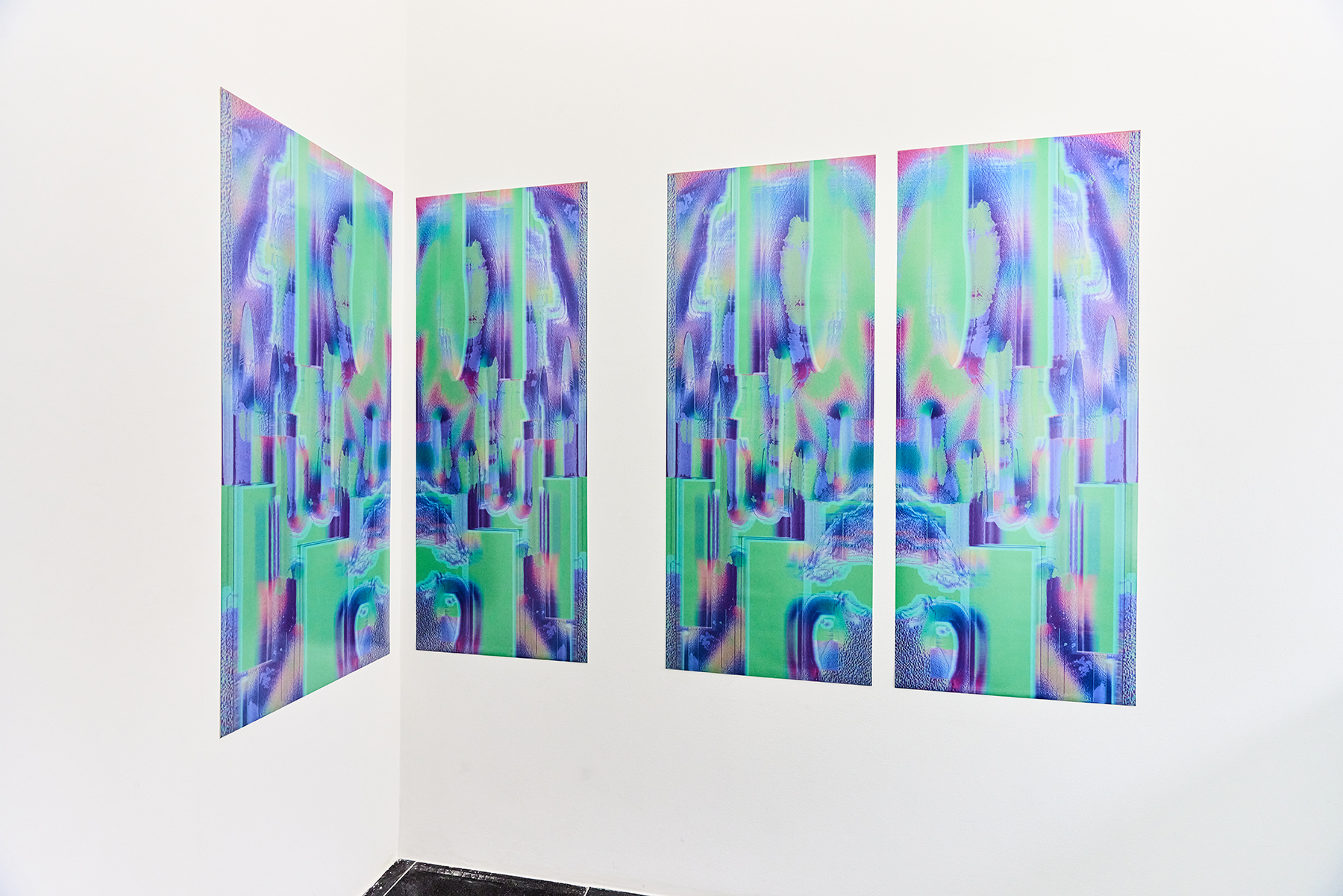
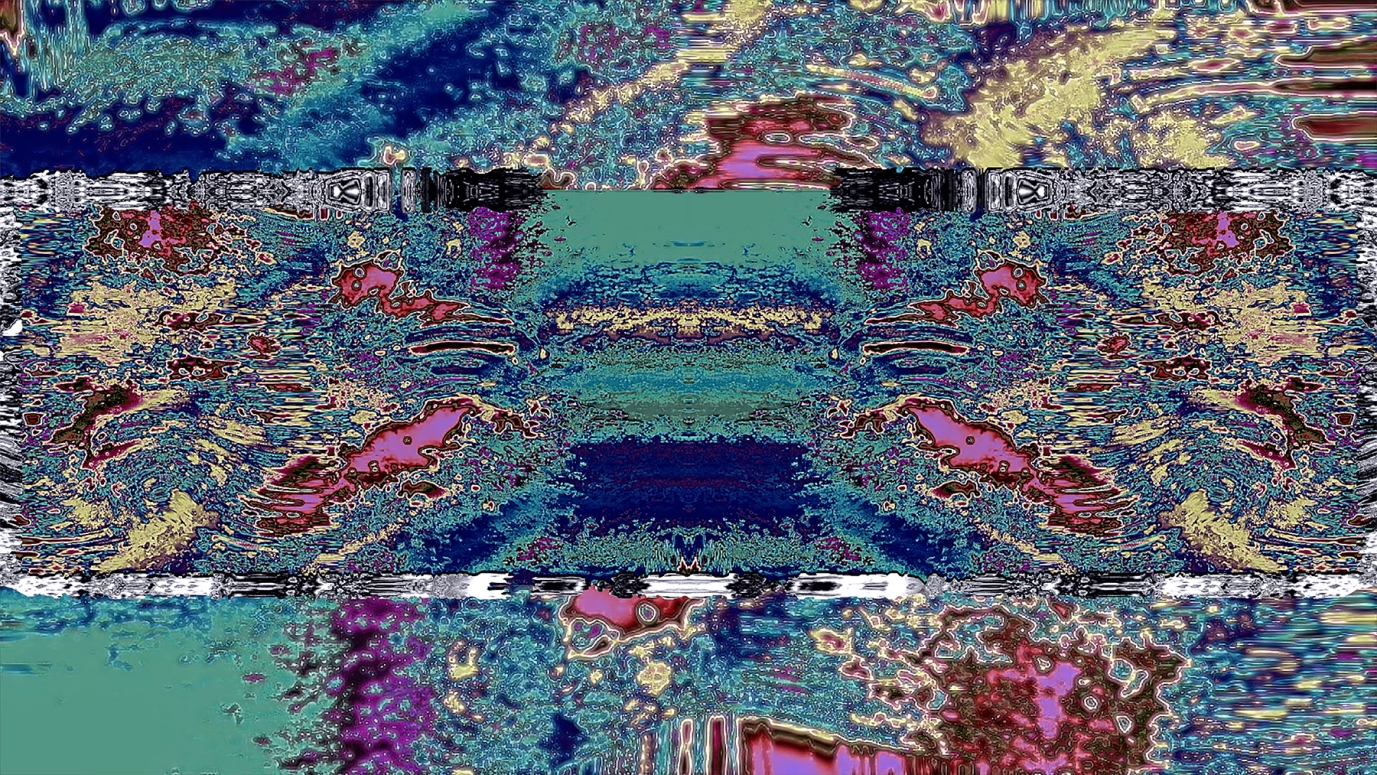
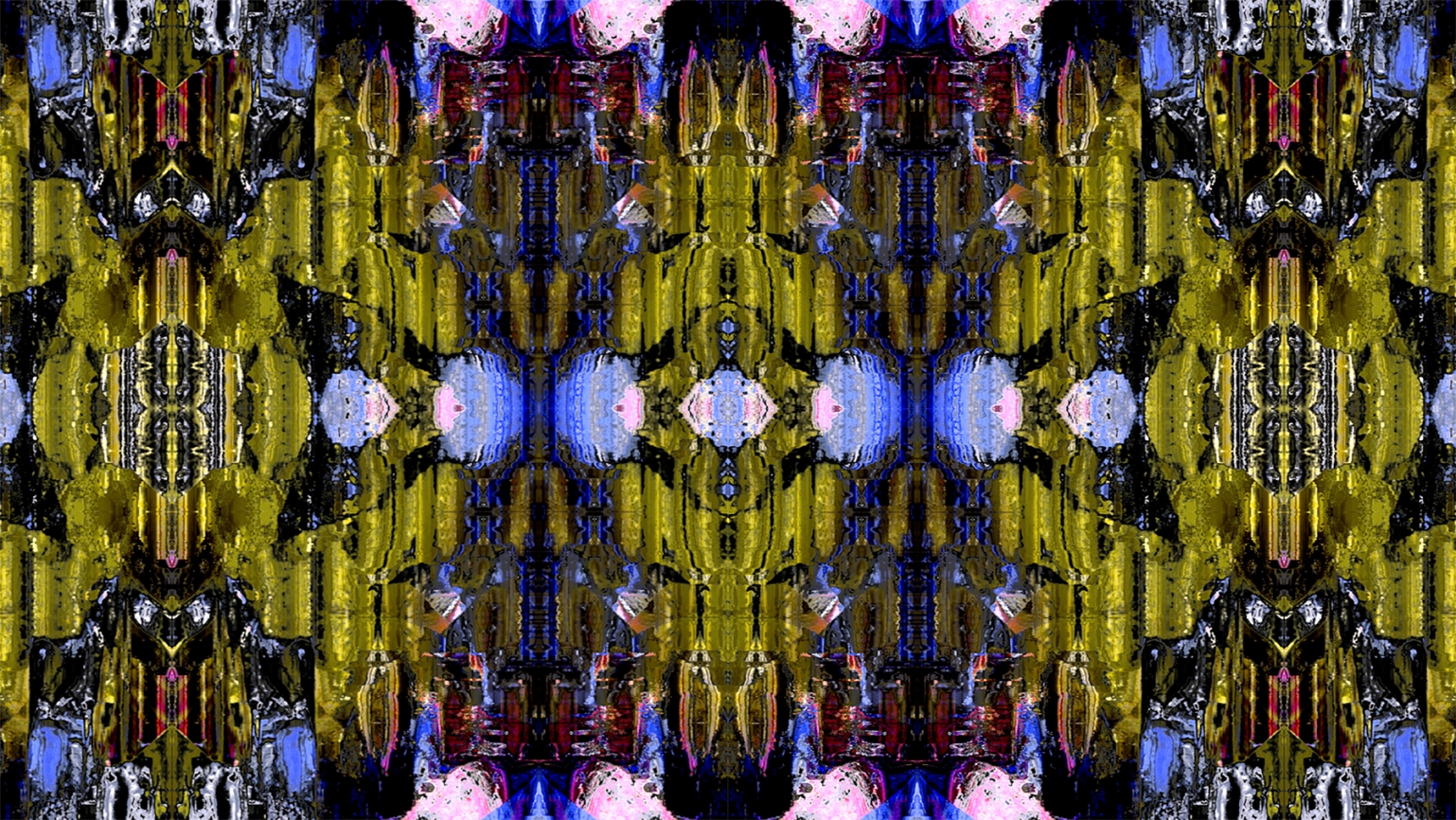
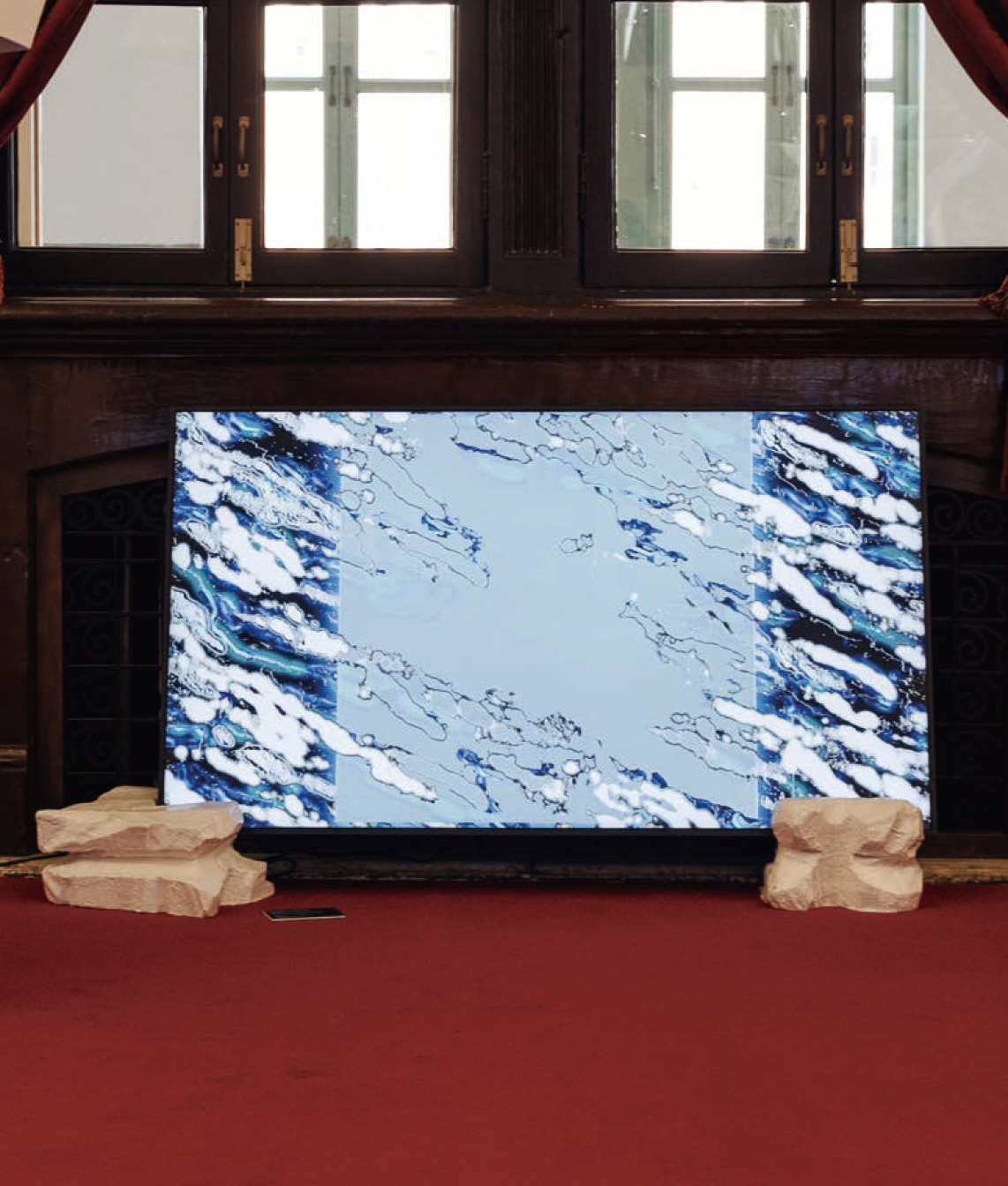
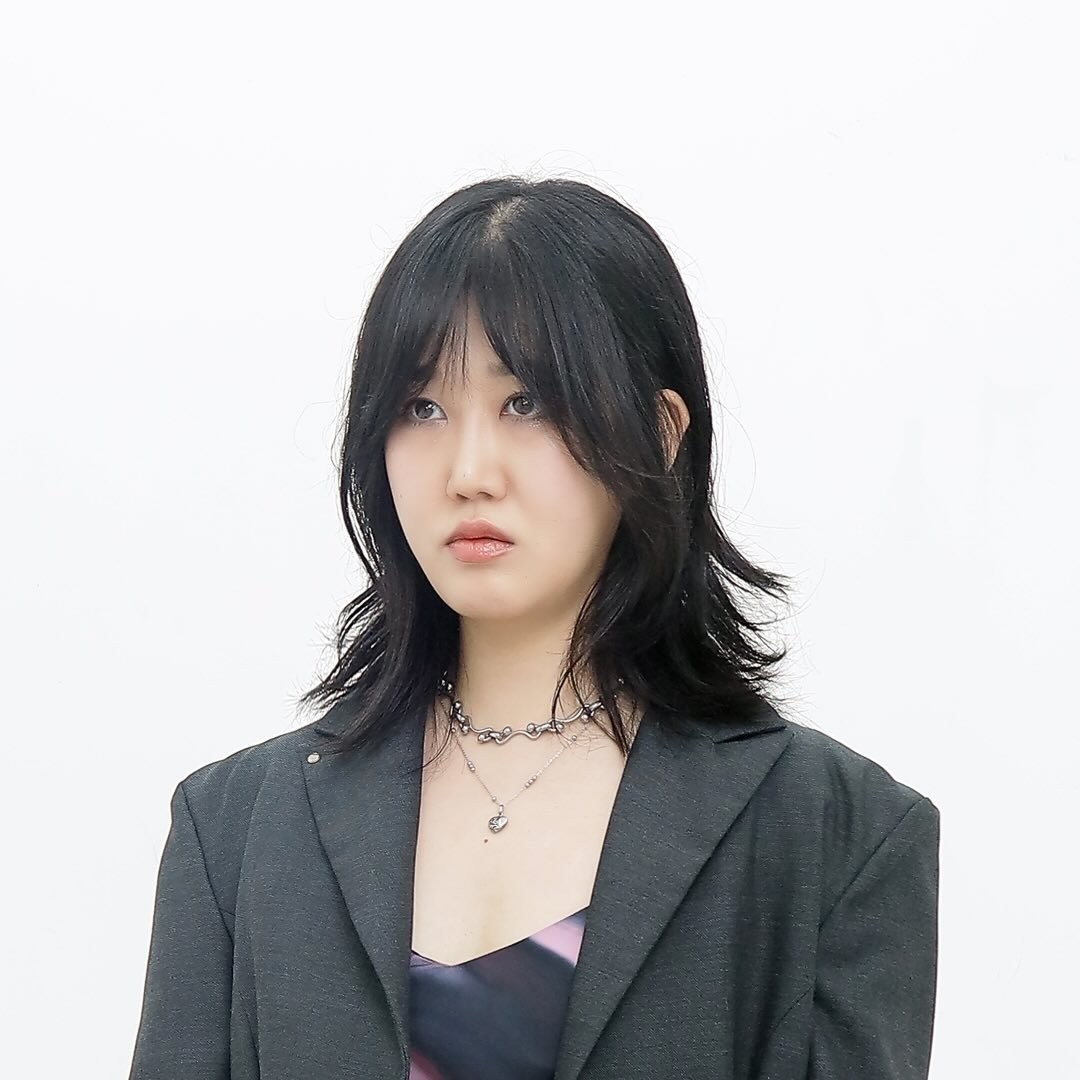
The core thread running through Daseul Song’s practice is a
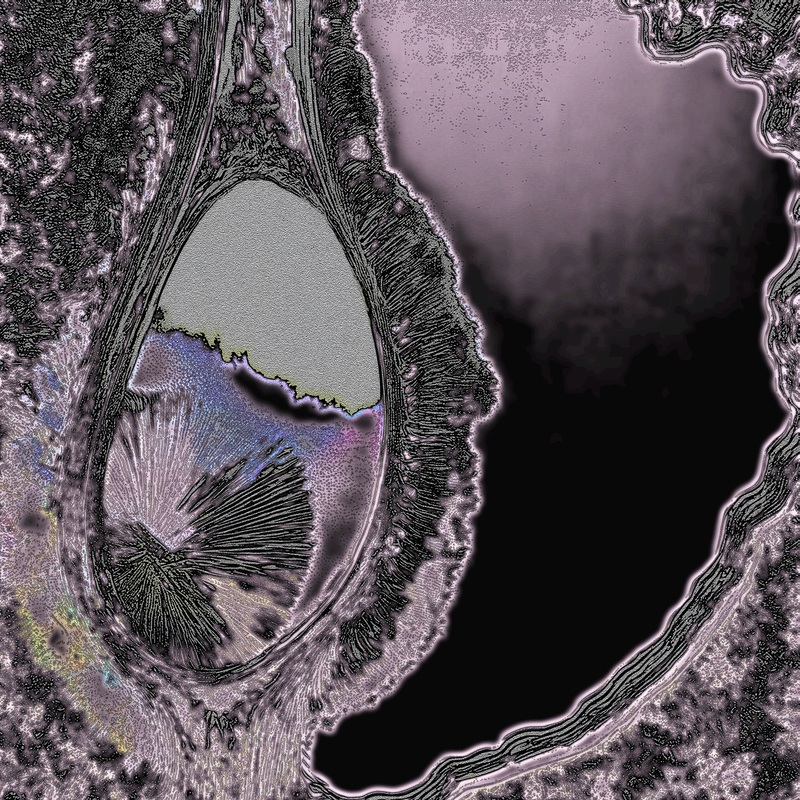
sustained inquiry into the point at which digital images encounter the body,
sensation, and time. Beginning with an interest in contemporary media
environments, her work has progressed through investigations of image
materiality, temporality, repetition, and duration, and has recently expanded
toward questions of bodily mutation, identity, and the possibility of
community. Despite these developments, her central concerns—unfinished states,
disassembly and repetition, and non-linear temporality—have remained
consistent.
Within the context of contemporary Korean art, Song is positioned
as an artist who treats digital media not as a tool of technical
representation, but as a mechanism for reconfiguring sensory and bodily
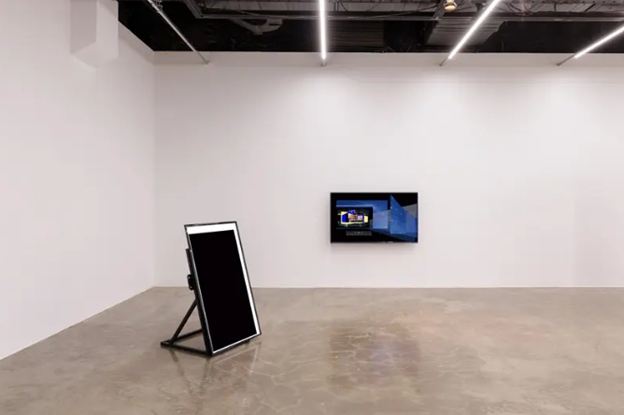
experience. Early group exhibitions such as 《DATAPACK》(Ilmin Museum of Art, 2018) and 《Double Negative: From White Cube to Netflix》(ARKO
Art Center, 2018) provided platforms for experimenting with these concerns
within institutional exhibition spaces and media environments.
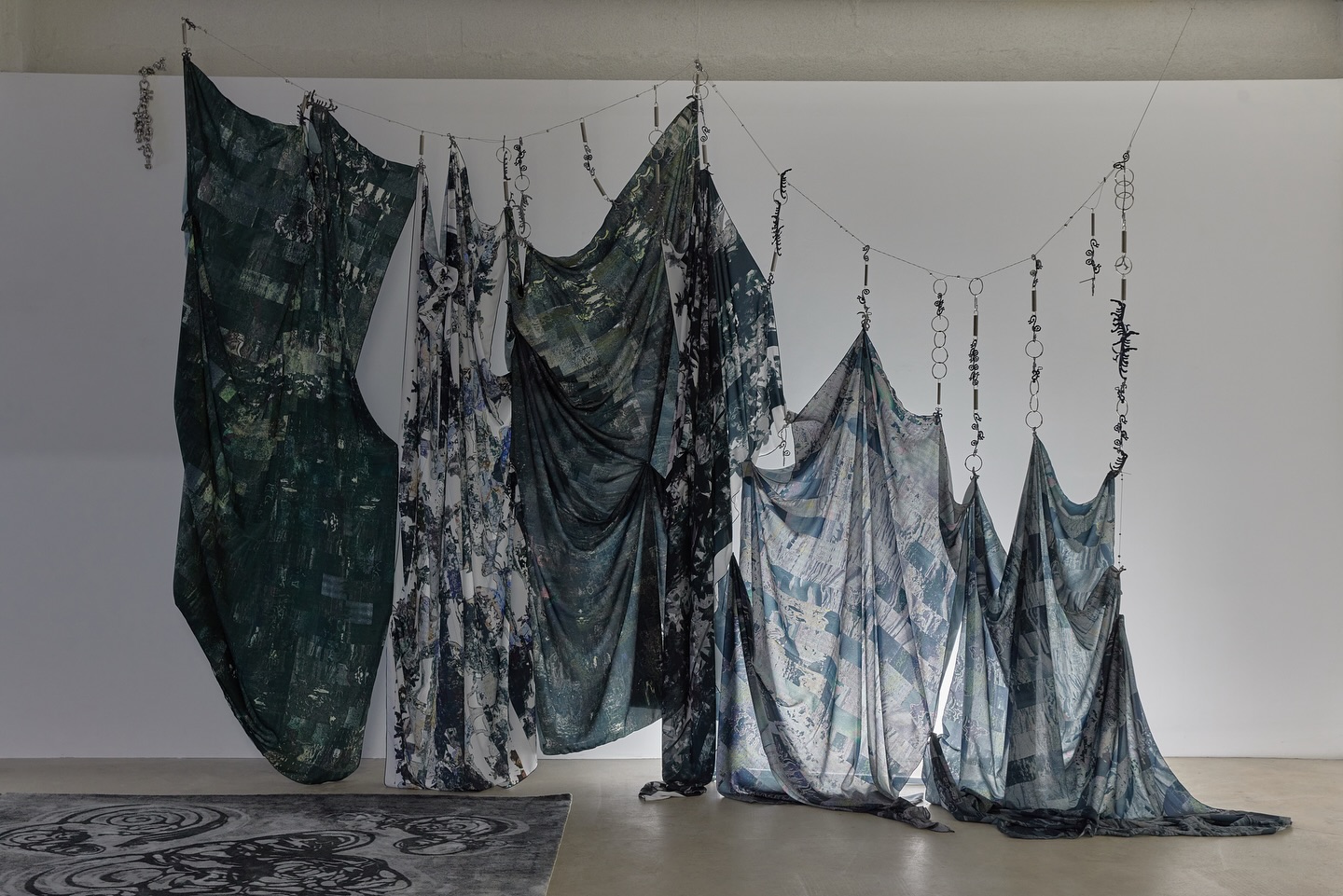
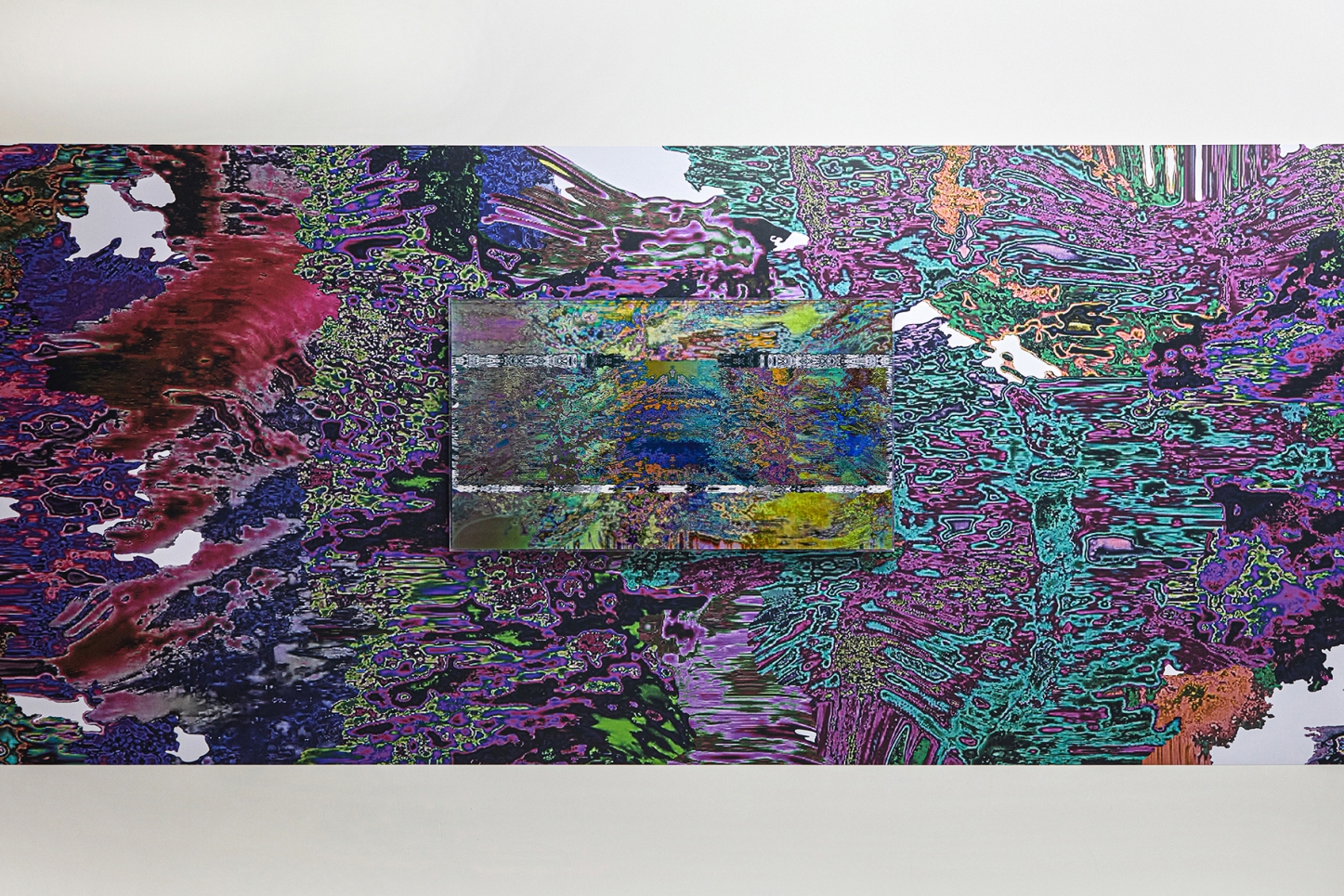
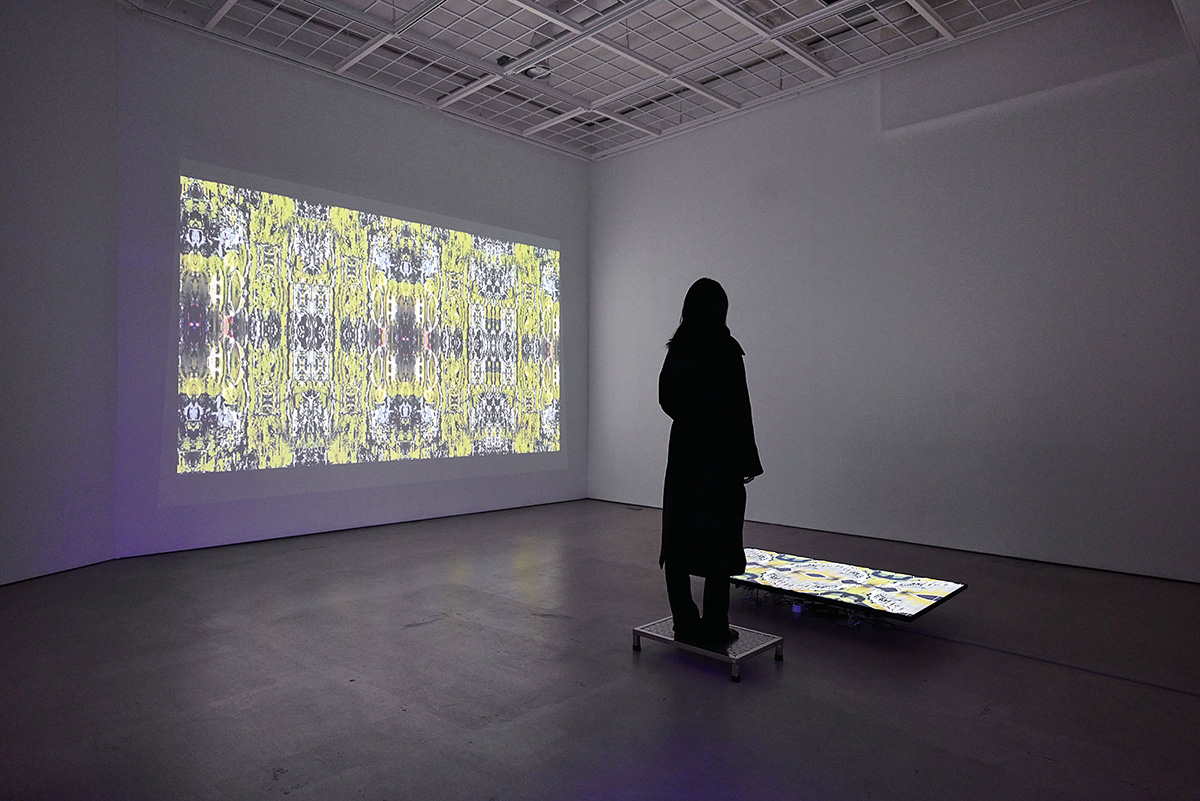
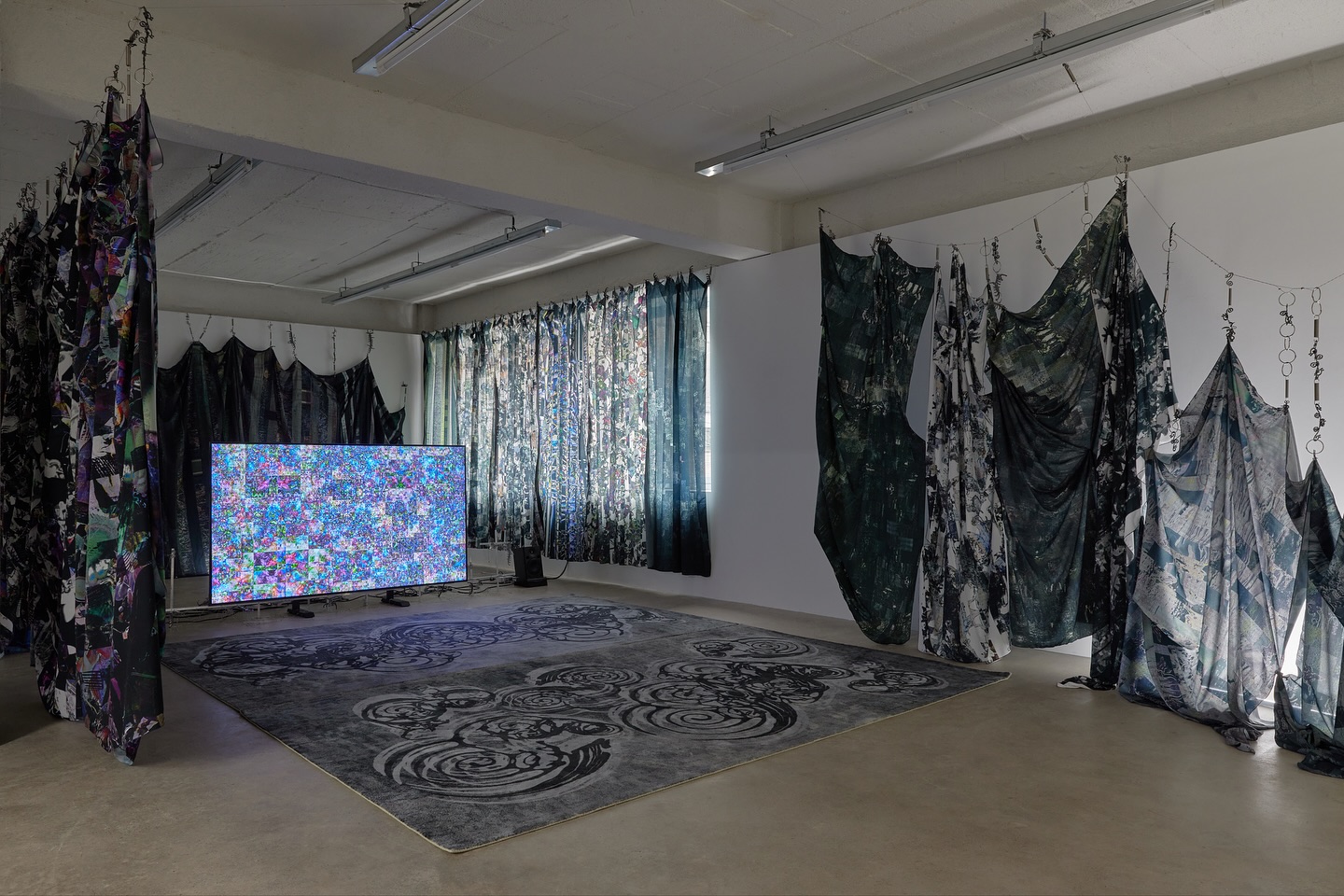
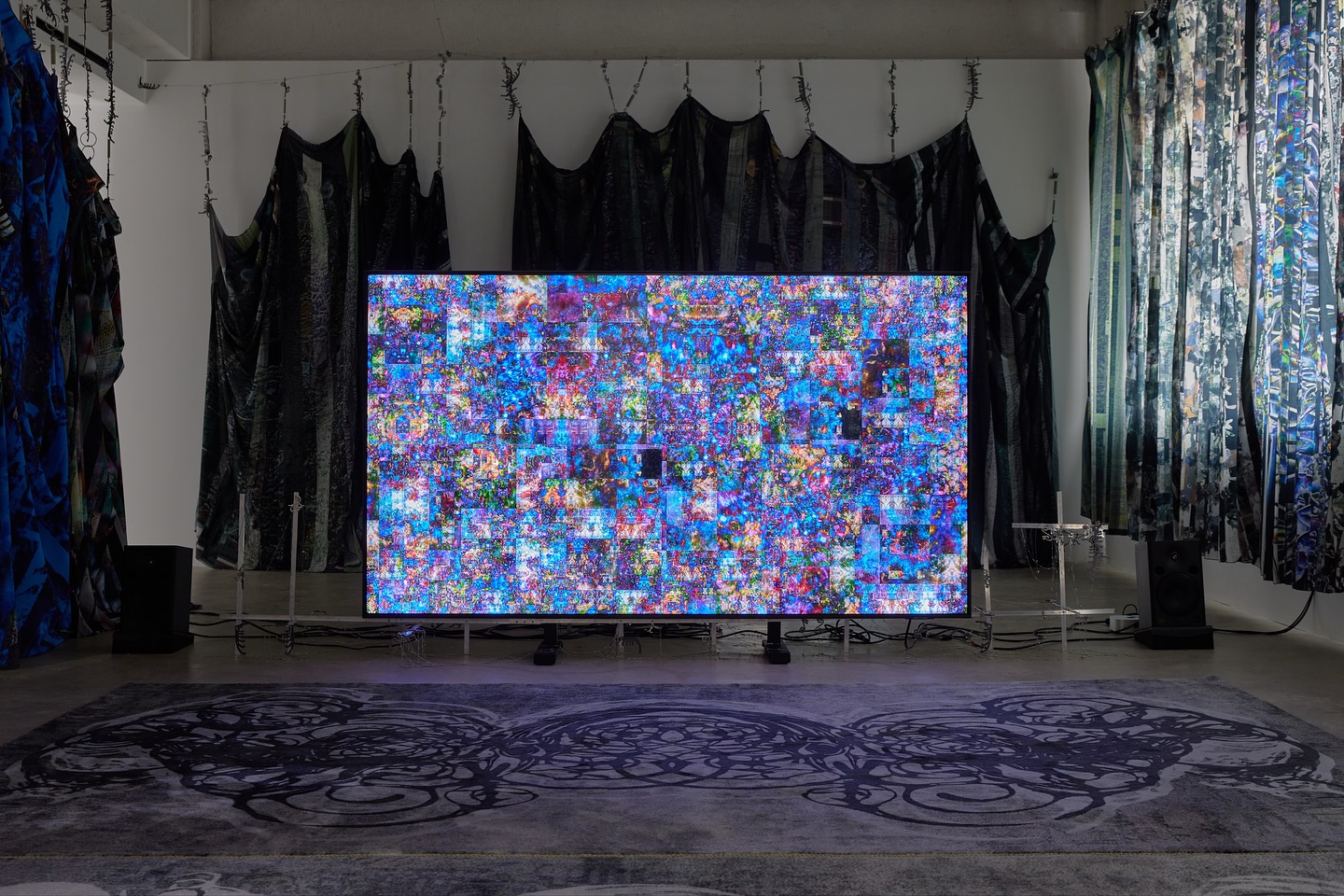
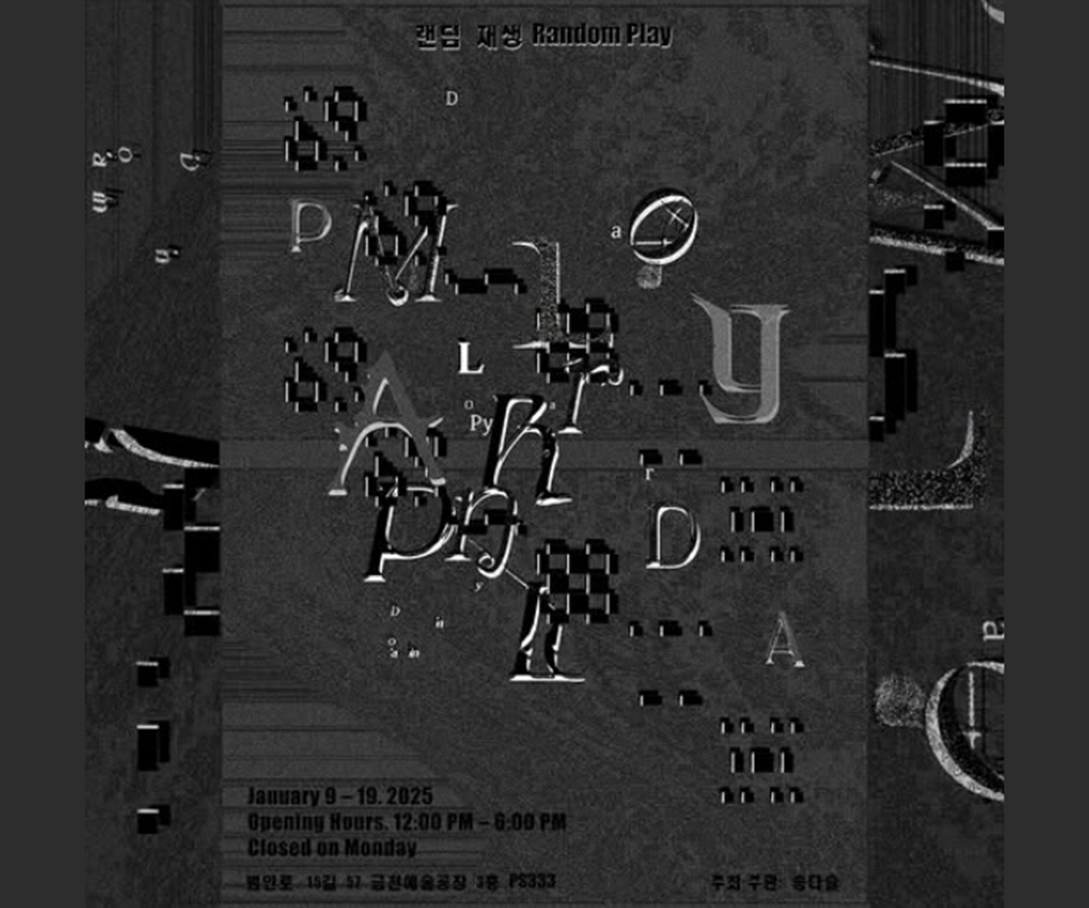
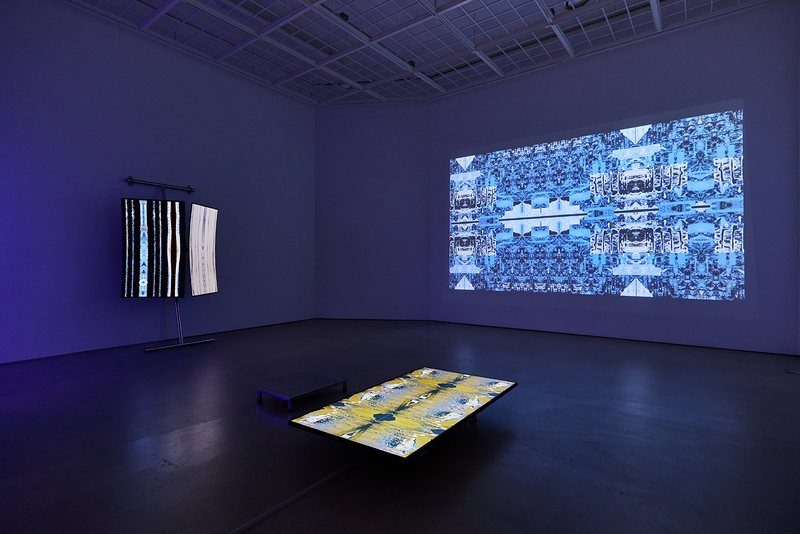
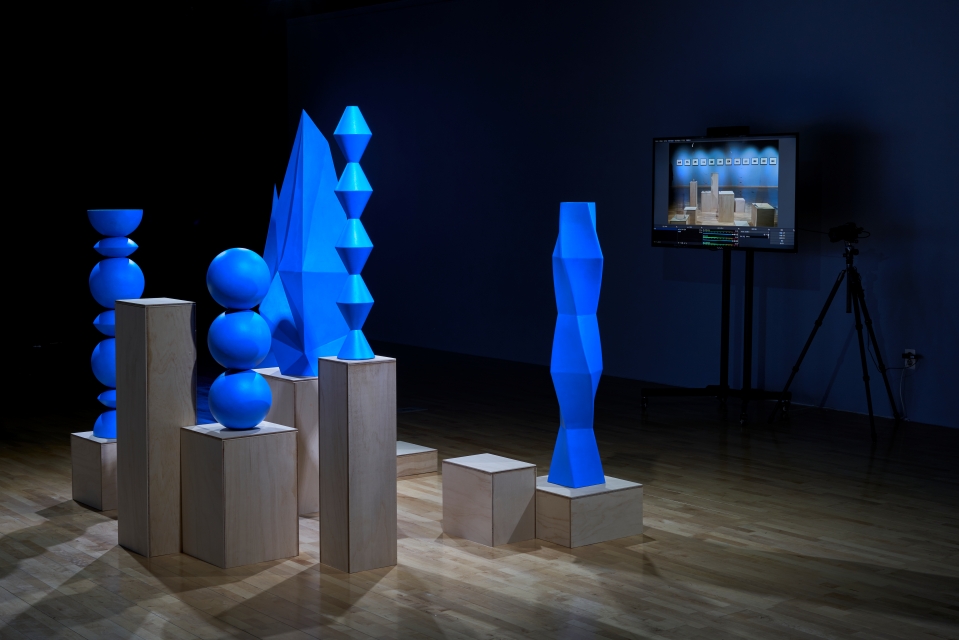
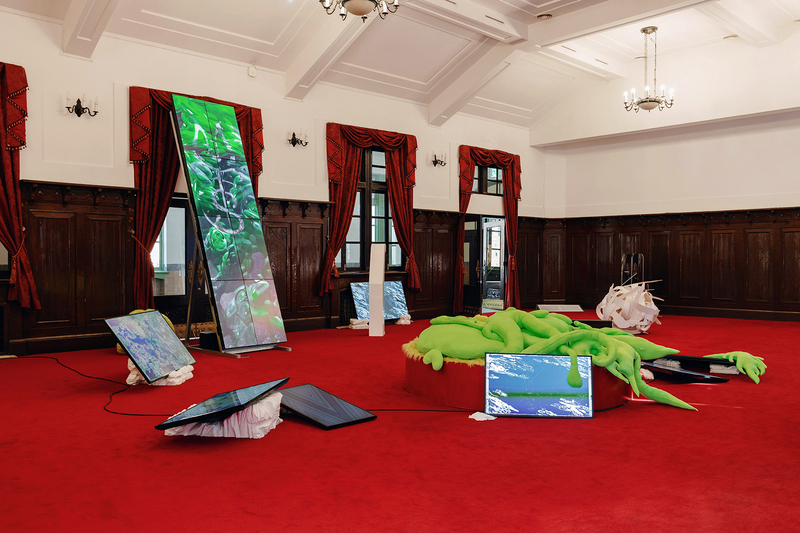
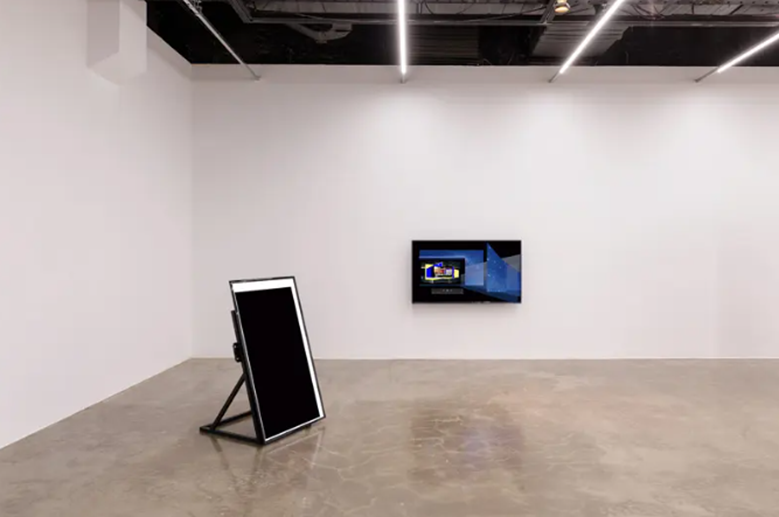
The trajectory of her solo exhibitions—from 《Random Play》(Gallery 175, 2022 / Seoul Art
Space Geumcheon PS333, 2025), to 《Web of P》(2022), and 《Lunar Burn 月光-火傷(畫像)》(2025)—can be read as a gradual deepening and spatial expansion of
the sensory layers formed through the generation and circulation of image data.
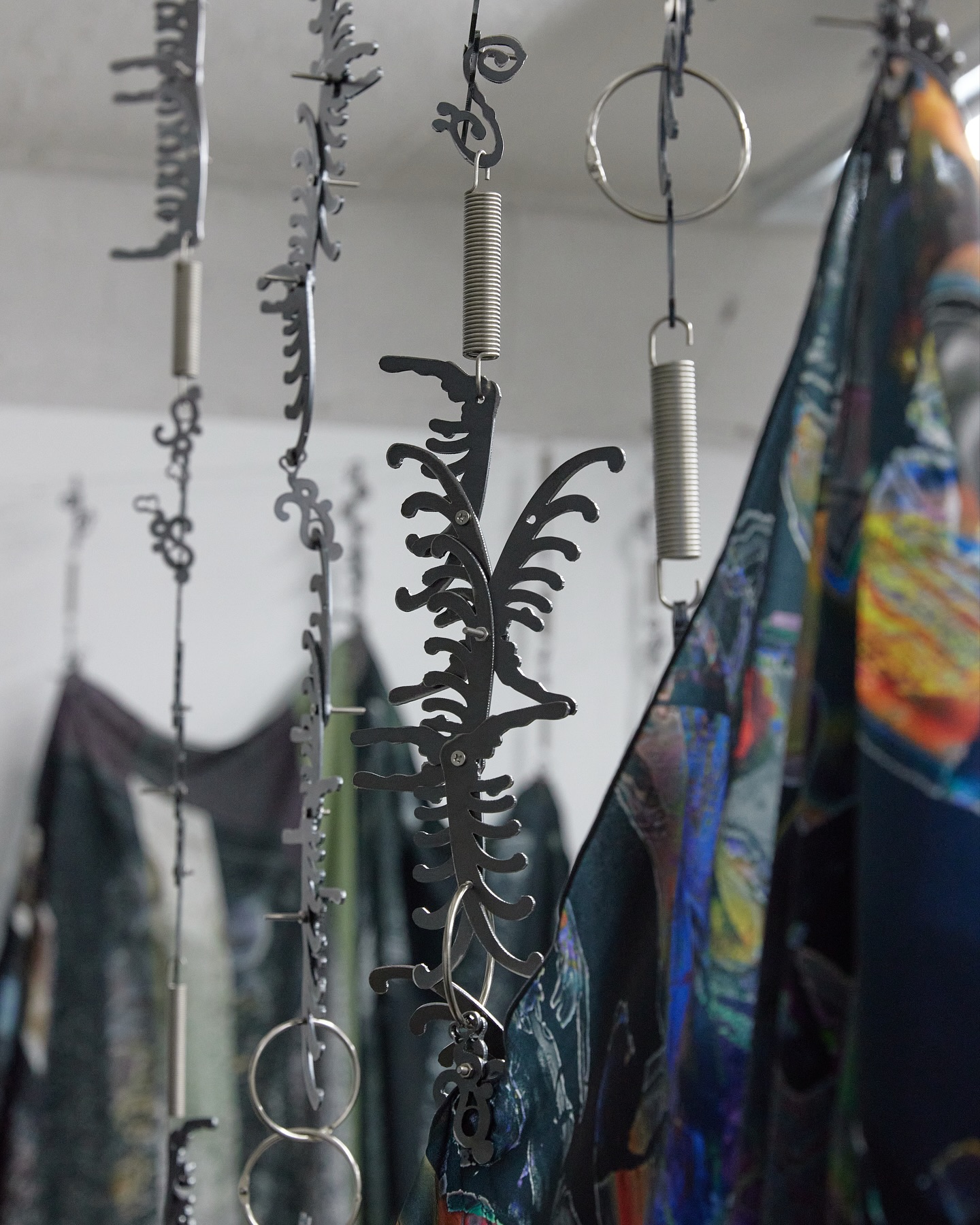
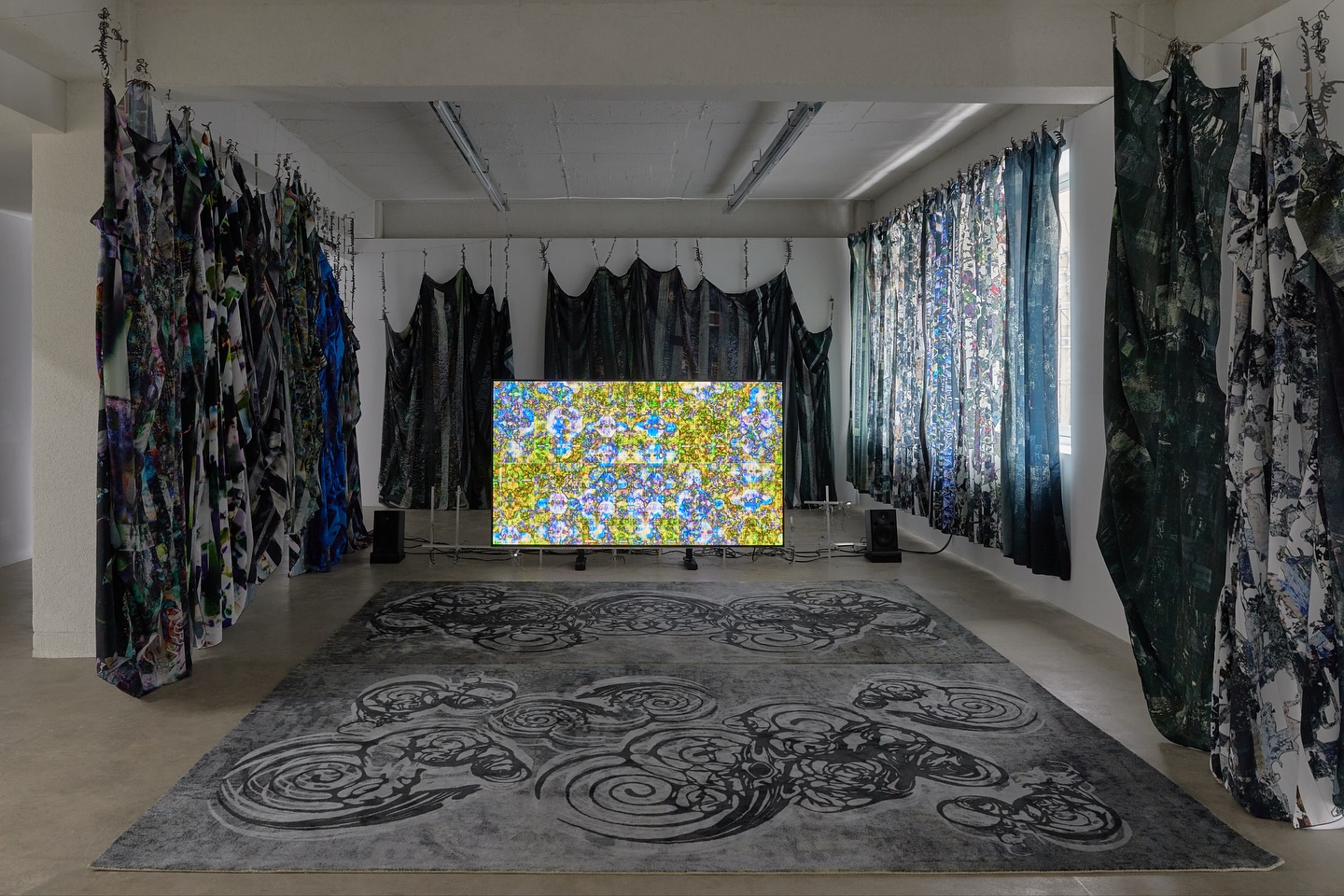
In her more recent works, mythological references, feminine narratives, and the
language of ornament further broaden the sensory and narrative potential of
digital abstract images.
Moving forward, Song’s practice is poised to expand further within
international media environments and diverse cultural contexts, building upon
her sustained exploration of the boundaries between the digital and the
material, image and body. By addressing sensations and narratives generated
outside fixed systems of meaning, her work continues to function as an ongoing
inquiry into how images are experienced, perceived, and shared in contemporary
art.