Seo Minwoo is based in Seoul and presents works that interweave sound and sculptural form.
Seo Minwoo (b. 1994) has developed a
practice that visualizes and tactilizes auditory experience through what he
calls “sound sculptures,” created by interweaving sound and form. He encodes
elements of music, noise, and sculpture, and produces sonic objects by
imagining both the corporeal core of music and the hollow interior of
sculptural forms.
Through this process, his sound sculptures
translate sound into a material experience, generating moments in which the
boundaries of perception are expanded.

To create his sound sculptures, Seo Minwoo
begins by collecting and assembling a range of everyday sounds, shaping them
into auditory compositions. These are then transmitted through speakers he
fabricates himself; he regards the speaker as a kind of internal organ, which
he encloses within an additional outer skin and situates in a newly constructed
spatial and temporal context.
In encountering the work, viewers may close
their eyes and concentrate in order to listen, or, at other moments, find
themselves facing unfamiliar speaker forms. Through this process, the visually
centered mode of exhibition viewing is disrupted, and the hierarchy of the
senses becomes unsettled and reconfigured.

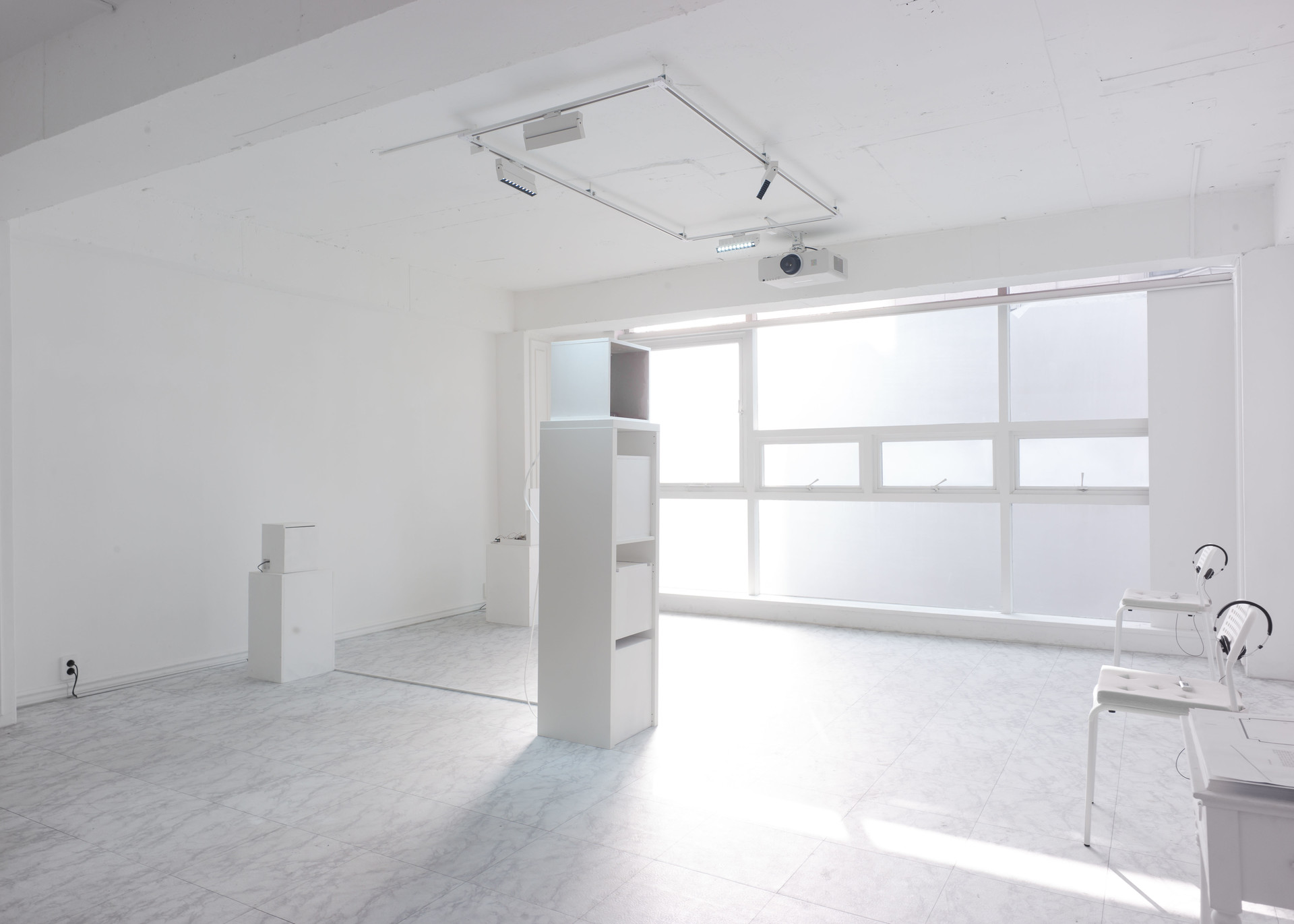
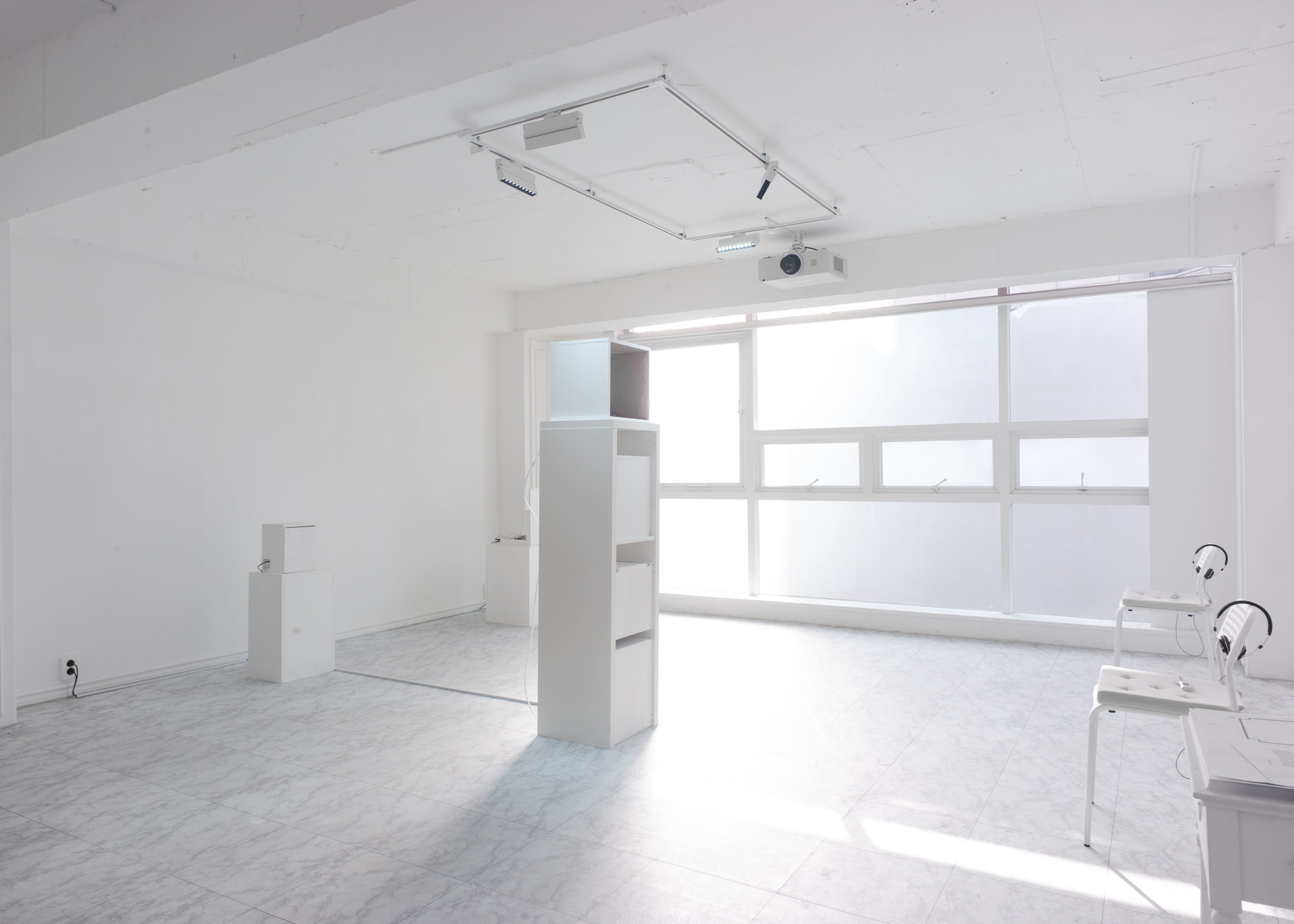
His first solo exhibition, 《EarTrain_Reverse》 (RASA, 2021), drew on the
experiential space of a train to experiment with the “sculptural potential” of
sound, inviting audiences into a journey that guided them toward new modes of
perception. Conceived as a fictional train that generates a sense of space and
narrative solely through auditory information, 《EarTrain_Reverse》
continuously relayed sounds gathered from its surrounding
environment to its passengers, unfolding ongoing variations of sound as the
journey progressed.
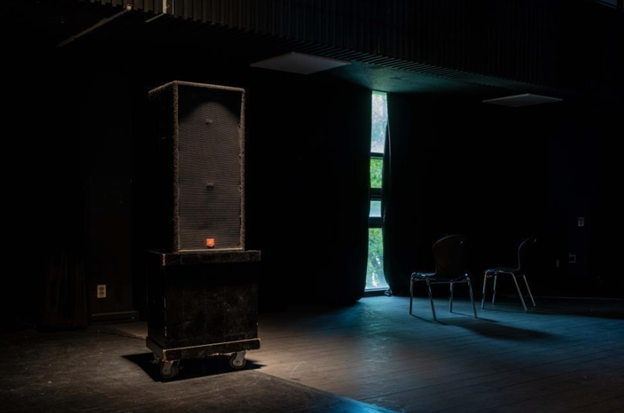
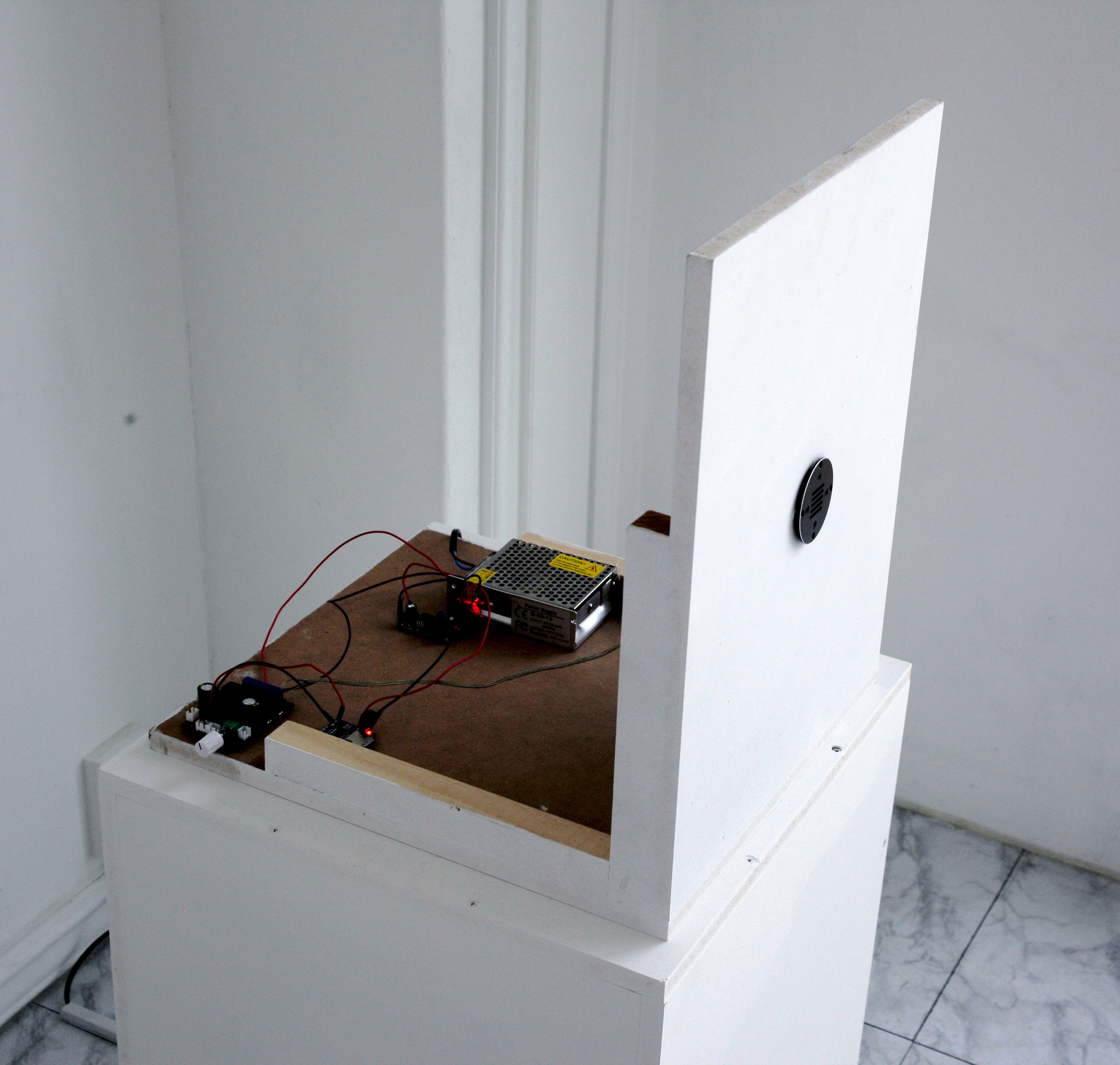
Seo Minwoo,
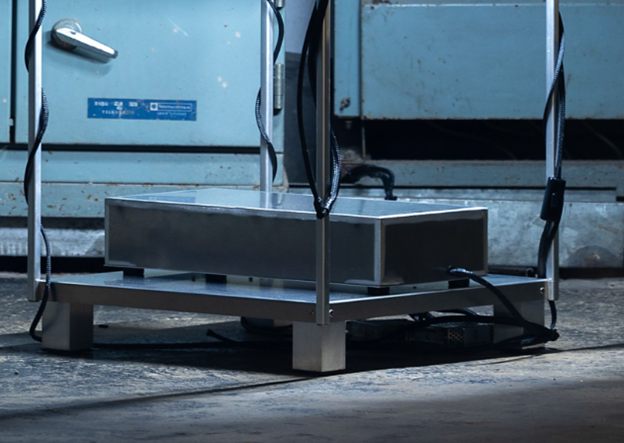
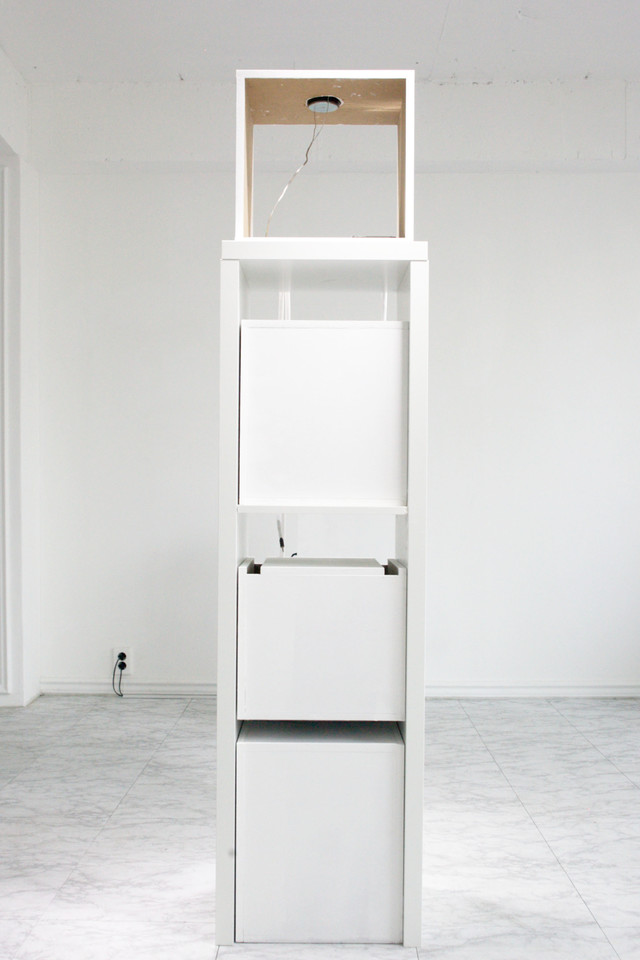
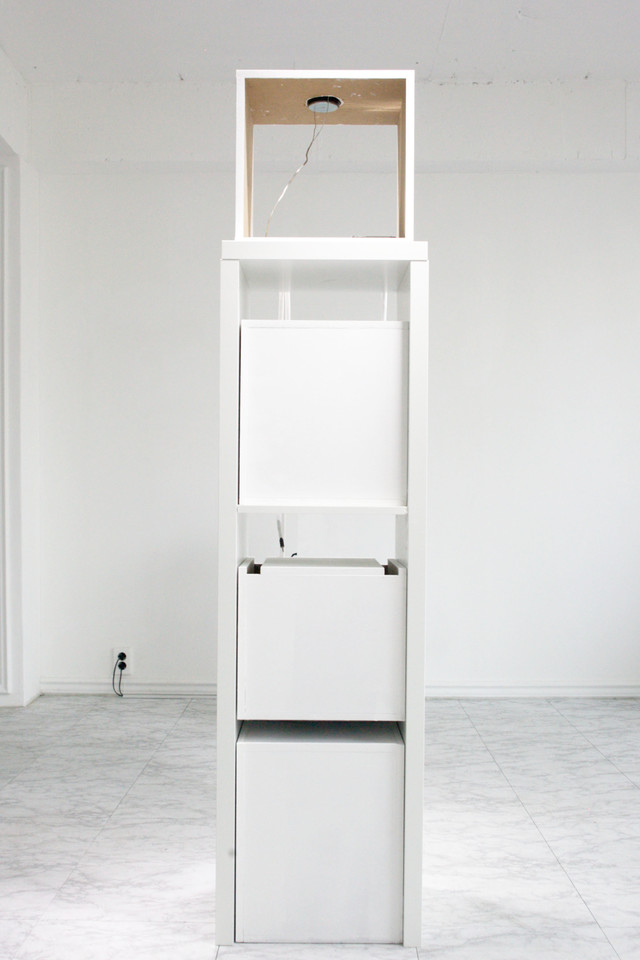
Eartrain 50-00, 50-08, 08-00, 2021, Mixed media, 275x310x330
mm, 365x310x330 mm, 365x310x770 mm ©Seo MinwooInstalled at the center of the exhibition, Eartrain
50-00, 50-08, 08-00 (2021) functioned as the core of the sound
environment—spatial sound—that permeated the entire train. The work transformed
the “auditory landscape” perceived and felt by the audience. By accentuating
the textures and qualities of sounds heard in specific spaces, the train
constructed a spatial soundscape that, as the journey continued, prompted
visitors to imagine space as a form of “sculpture” and intensified their
sensory experience.
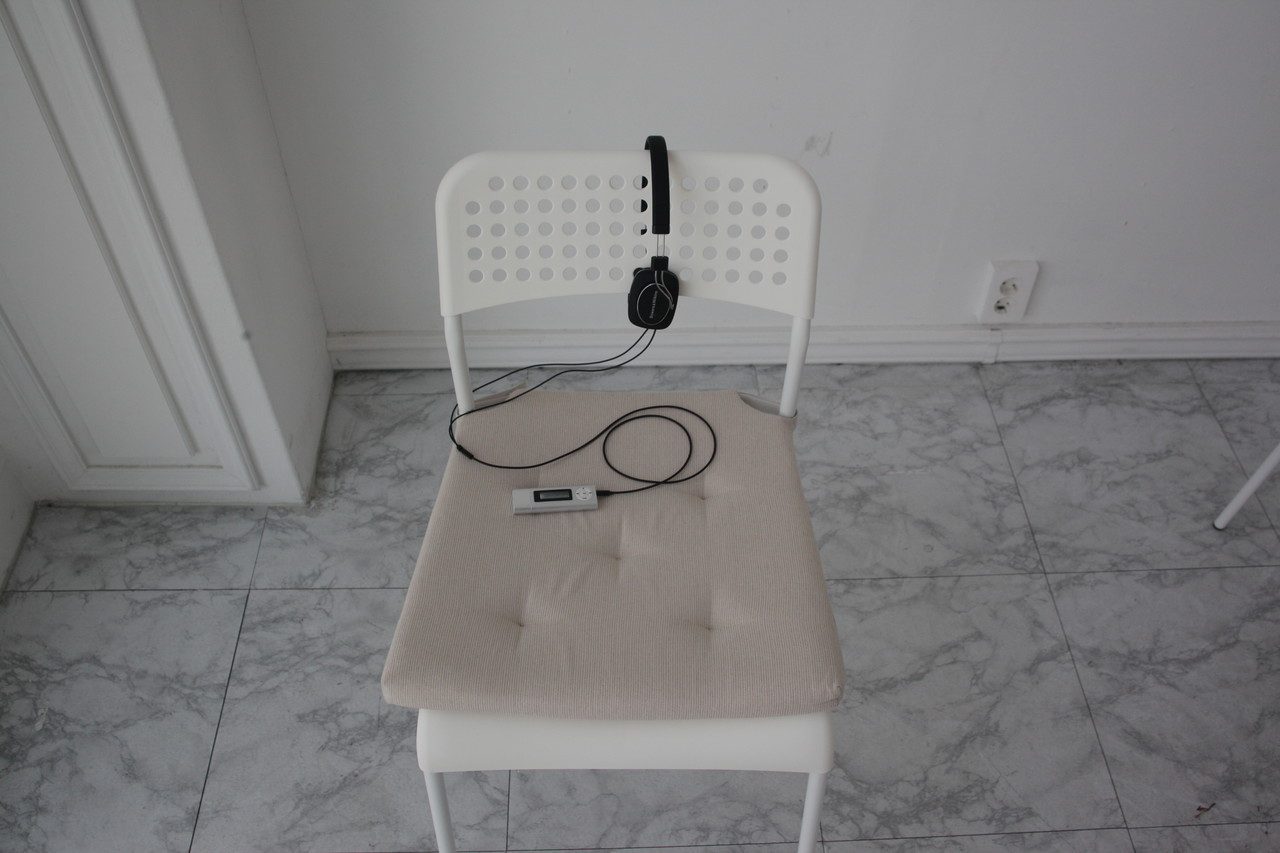
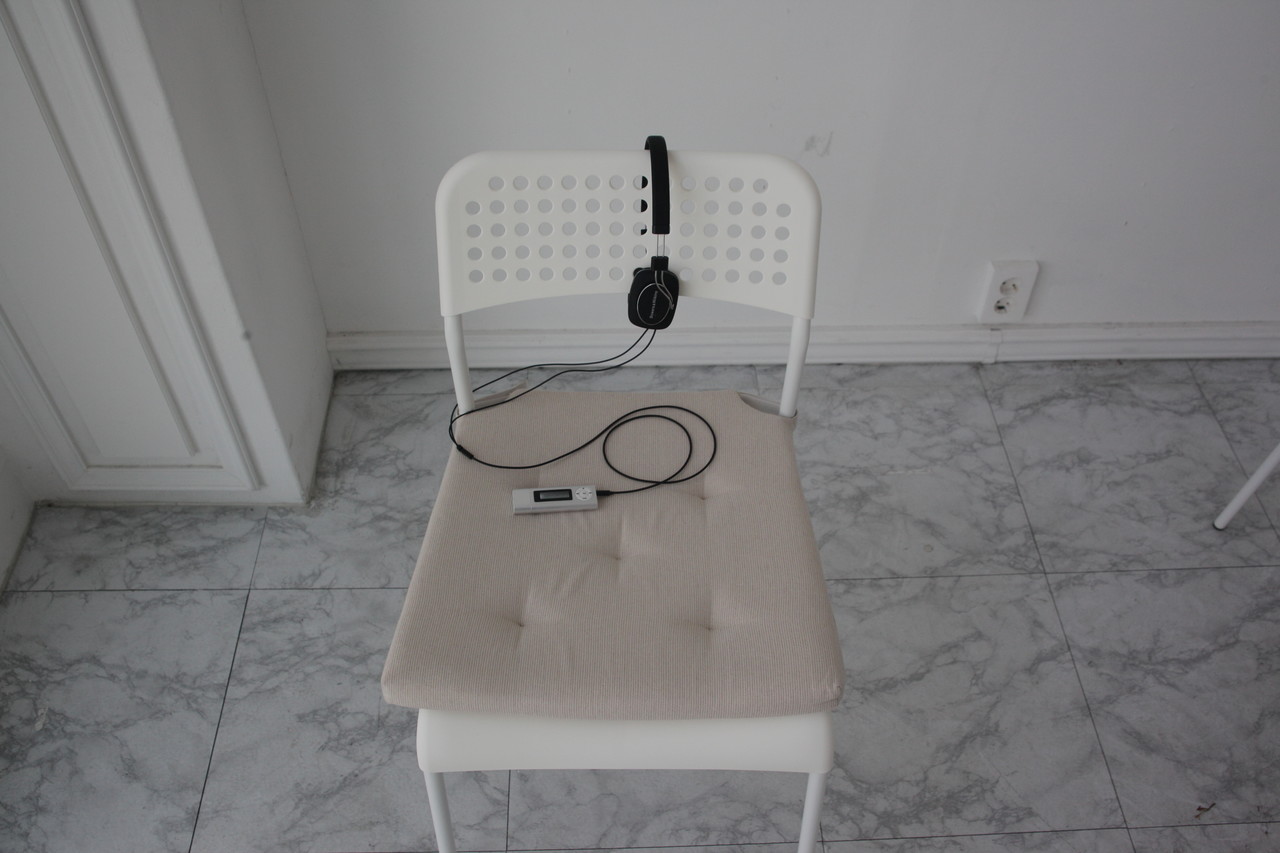
Seo Minwoo,
Traveler E&C, 2021, Headphone, mp3 player, Dimensions
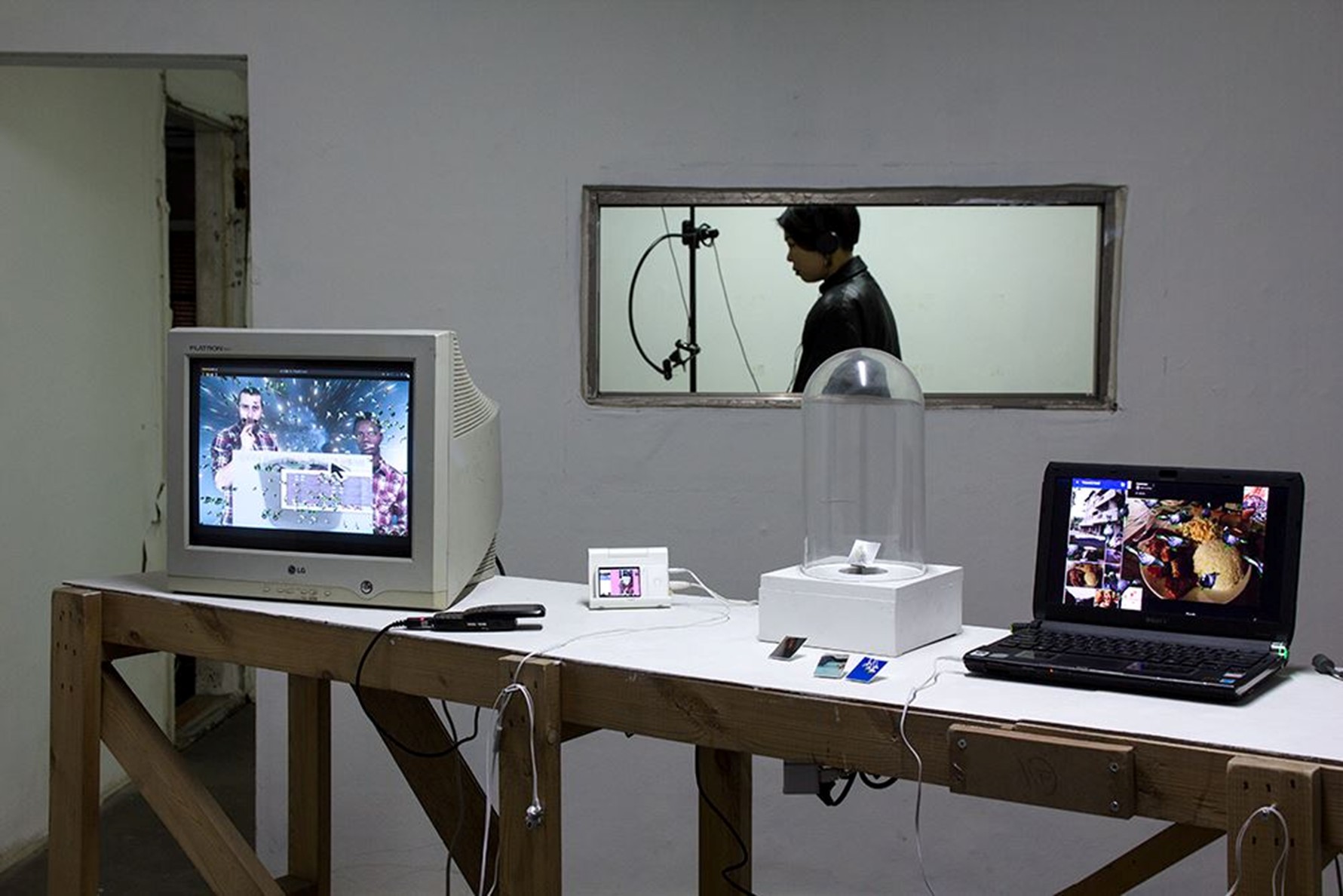
variable, 1’04 ©Seo MinwooIn one corner of the train sat three
travelers—Traveler E&C (2021), Traveler
A&C (2021), and Traveler H (2021). Eating food
or drinking beverages, listening to music through headsets, each traveler
continued their own journey. The everyday noises they produced evoked ASMR-like
tingles, prompting the audience to imagine the textures and materiality of
sound.
The ‘Traveler’ series thus functions as a
mediator that triggers events from which sound emerges. Encompassing everything
from the “tingle” initiated by percussive sounds to the interference of sounds
within specific environments, the series visualizes how sounds—ranging from
their concrete physicality to their musical potential—mutually shape and
constitute one another.

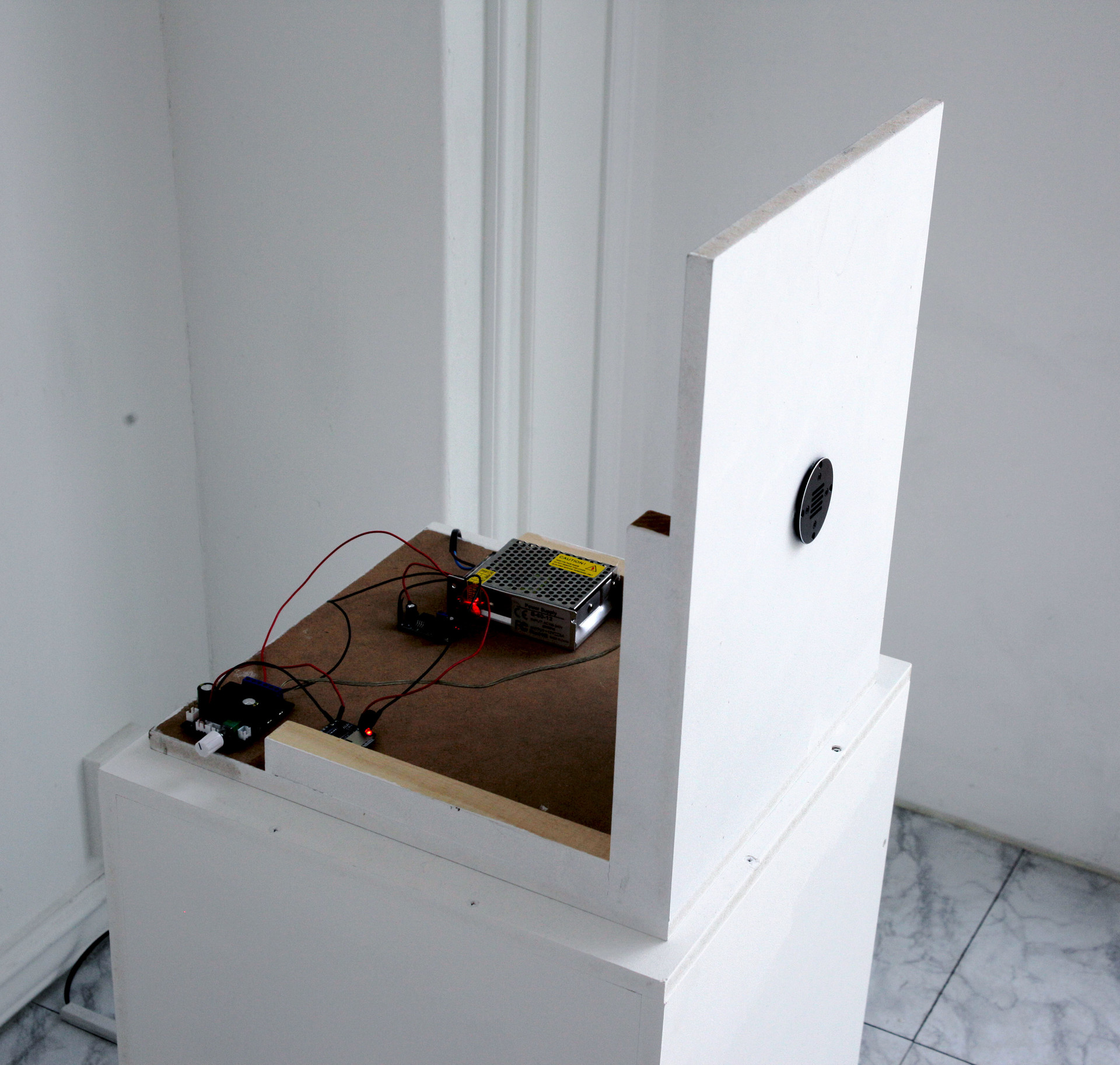
Accompanying them were three sculptures—Travelogue
E&C (2021), Travelogue A&C (2021), and Travelogue
H (2021)—which take the form of “sound-sculptures” conceived as sonic
reflections on the travelers’ experiences aboard EarTrain.
This sculptural series reconfigures the
various sounds produced by the ‘Travelers’ into object-based forms, dynamically
probing the “plastic potential” of sound. Using sound alone as its material,
the works experiment with whether synthesized sonic elements can function like
musical harmonies, expanding the possibilities of sound as a sculptural medium.

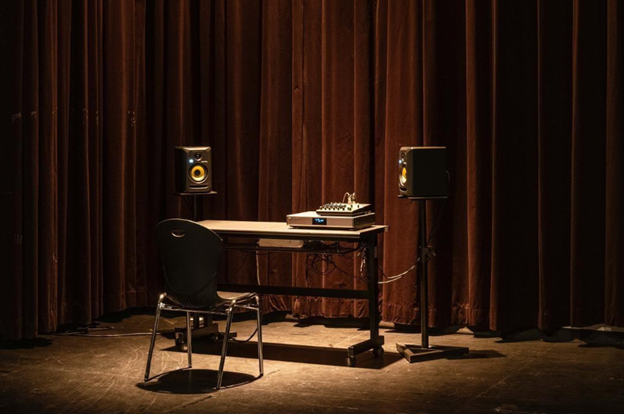
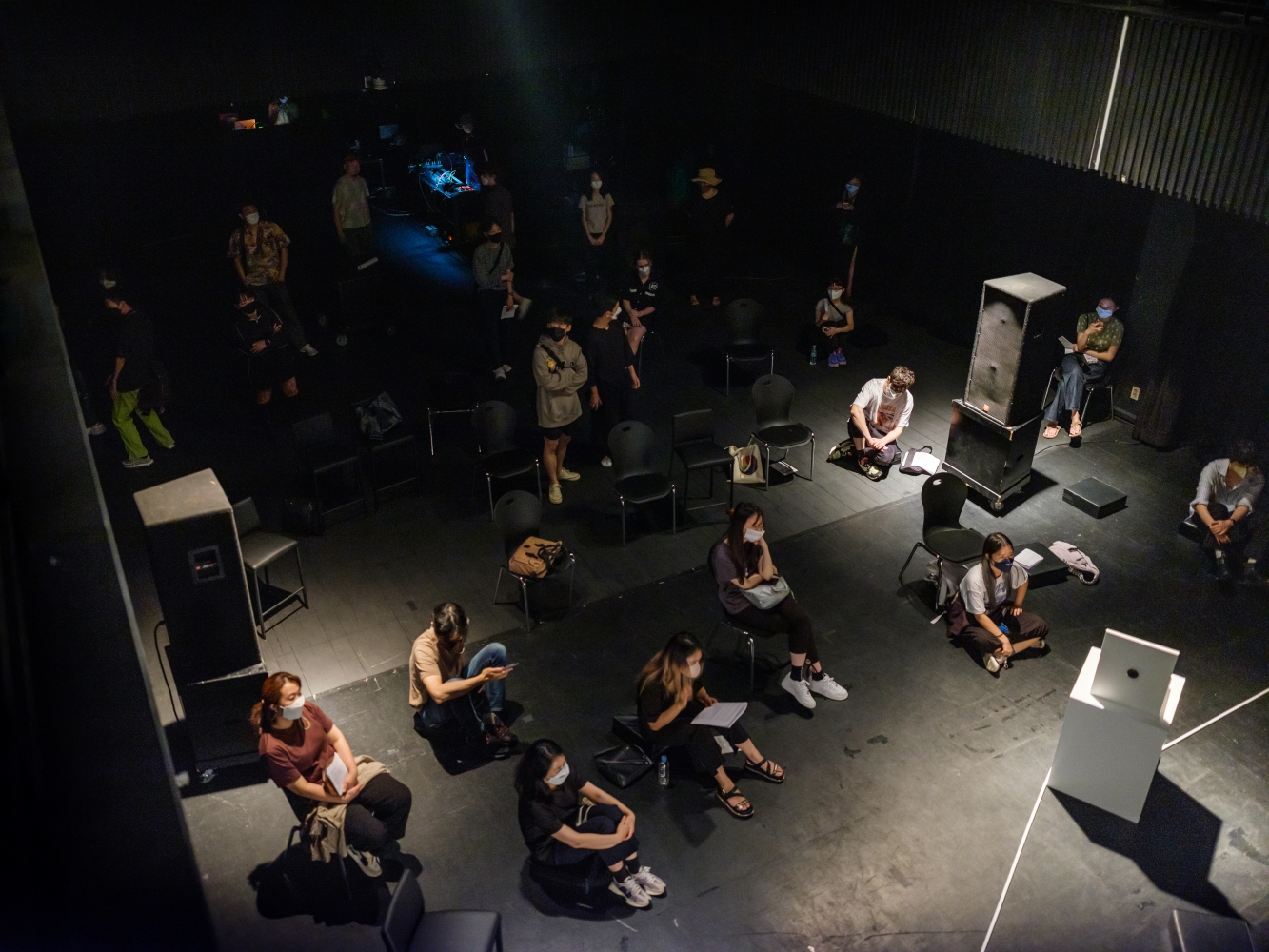
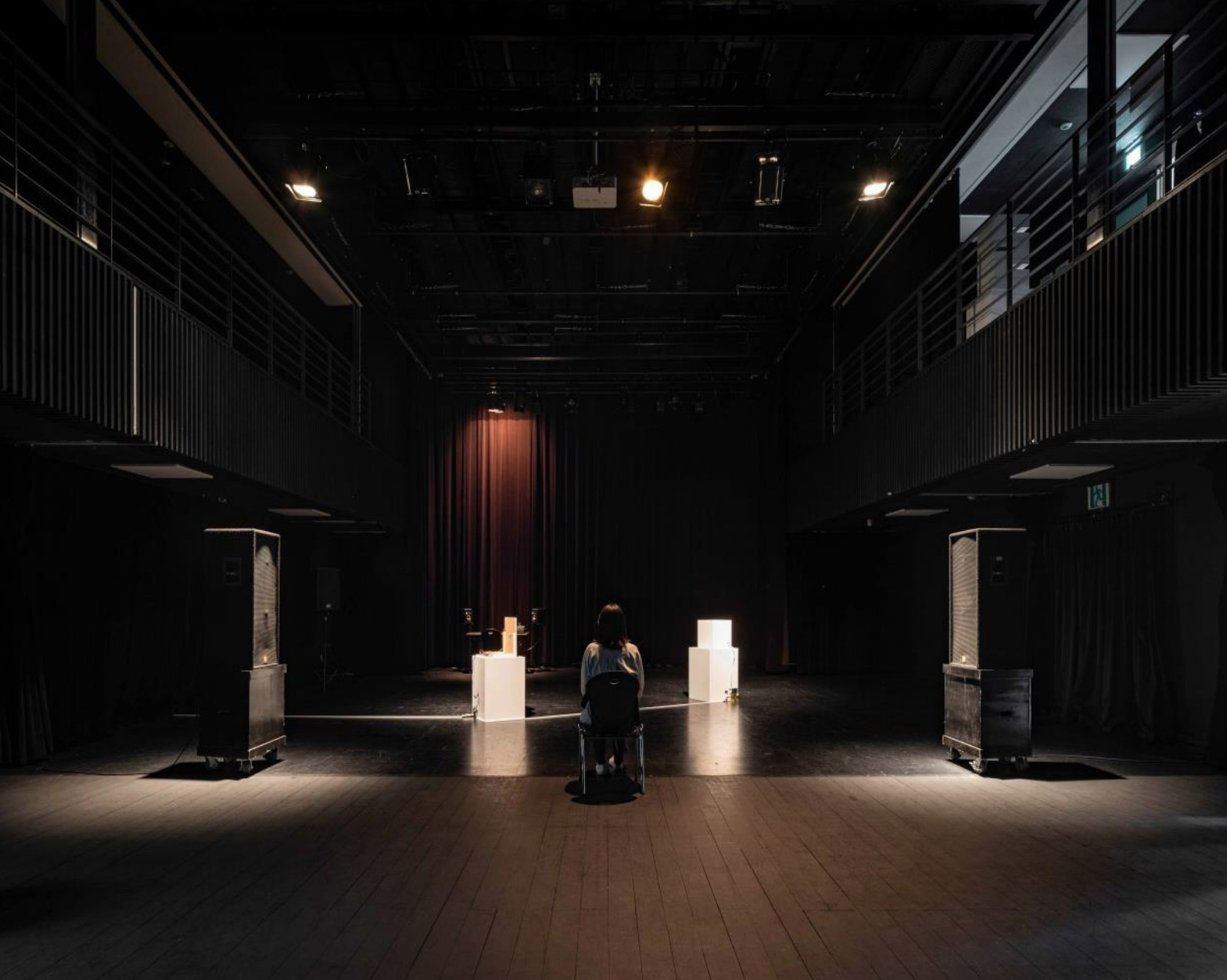
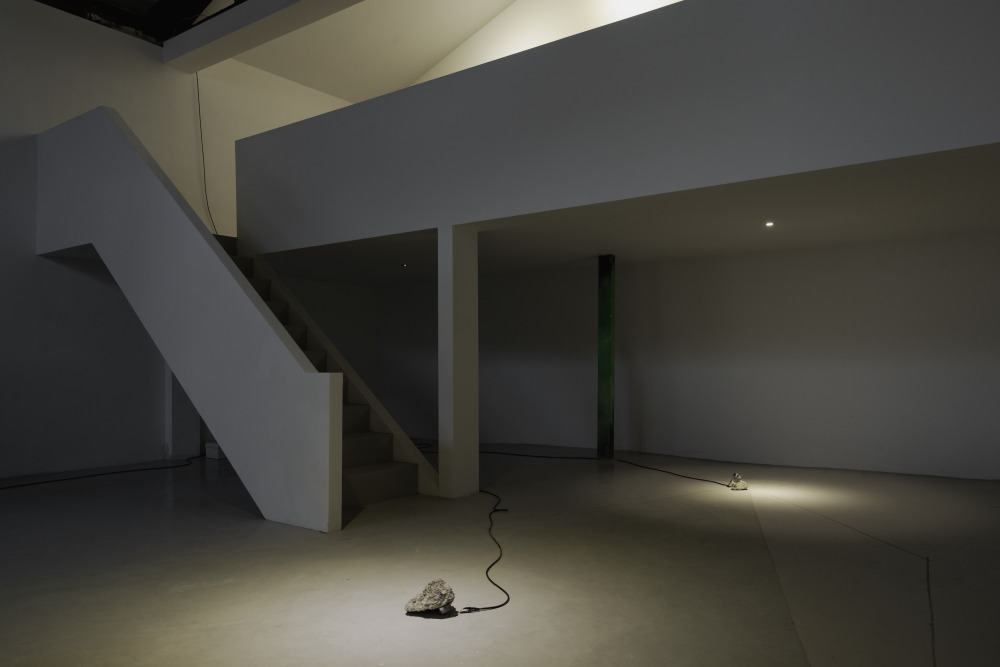
The following year, Seo’s solo exhibition 《earcabinet》 at Mullae Art Space brought
together his ongoing experiments into the materiality of sound while also
consolidating the trajectory of the ‘EarTrain’ series. Staged as both an
exhibition and a performance, 《earcabinet》 sought to construct an
acoustic environment that departed from the familiar conventions of concert
halls.
Rather than aiming for clarity or sonic
perfection, the exhibition evoked what might be called a “space of loss”—a
space in which sound can never be fully or perfectly heard from any position.
As a result, listeners were compelled to move against their habitual modes of
listening, attuning their senses to sound by following the losses deliberately
designed by the artist.

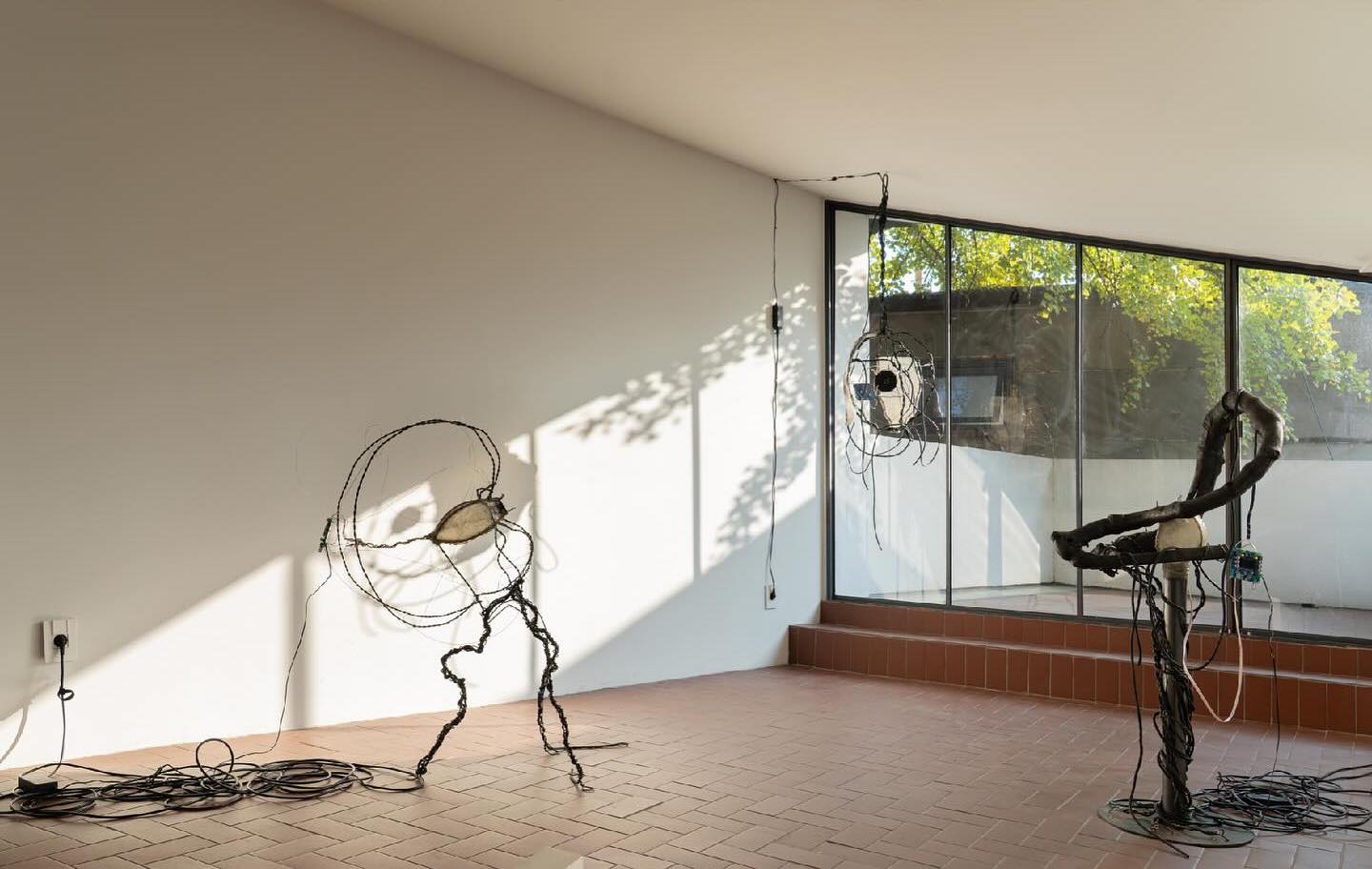
The axis of the space was formed by
“sound-sculptures.” Seo Minwoo transforms the paths of collision through which
sound travels via a medium into formal variations, generating distinct sound
waves. The results materialize as sculptural forms that function both as
supports for sound and as intermediaries that modulate its output.
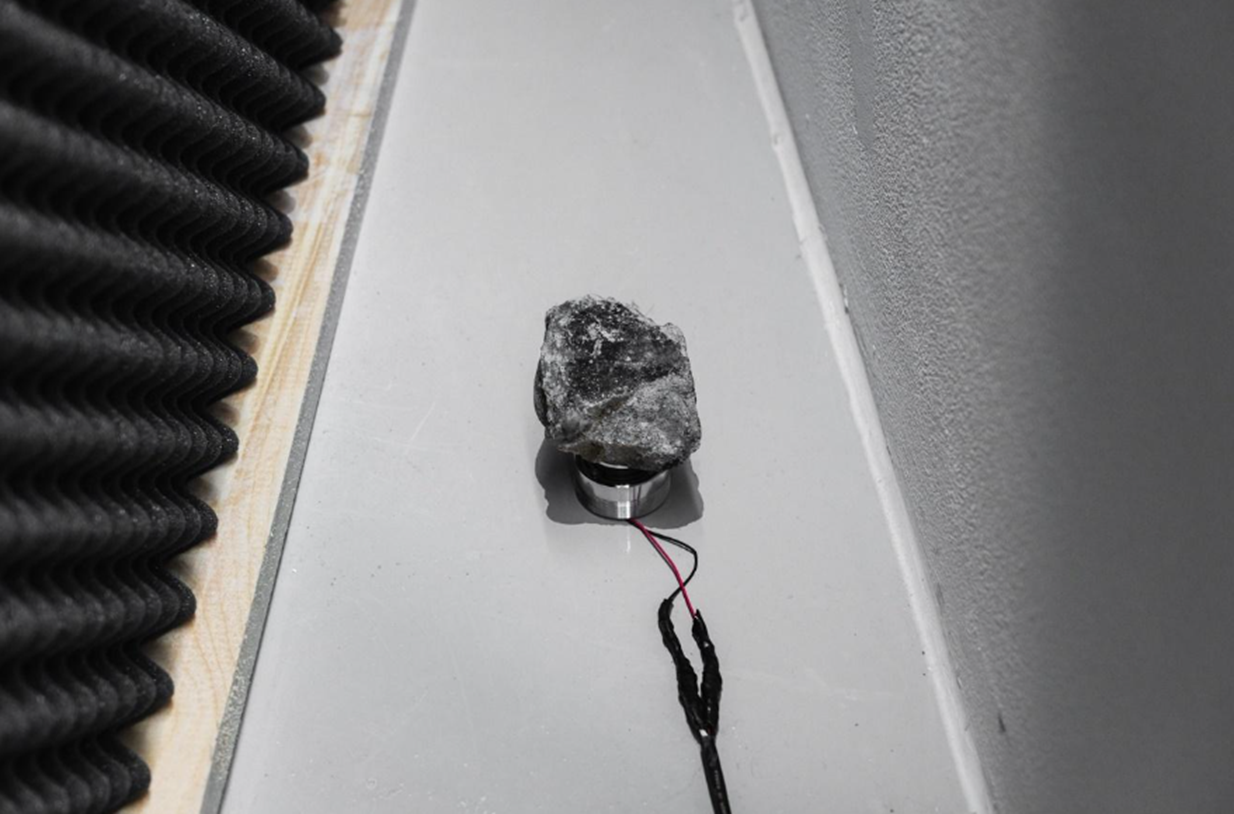
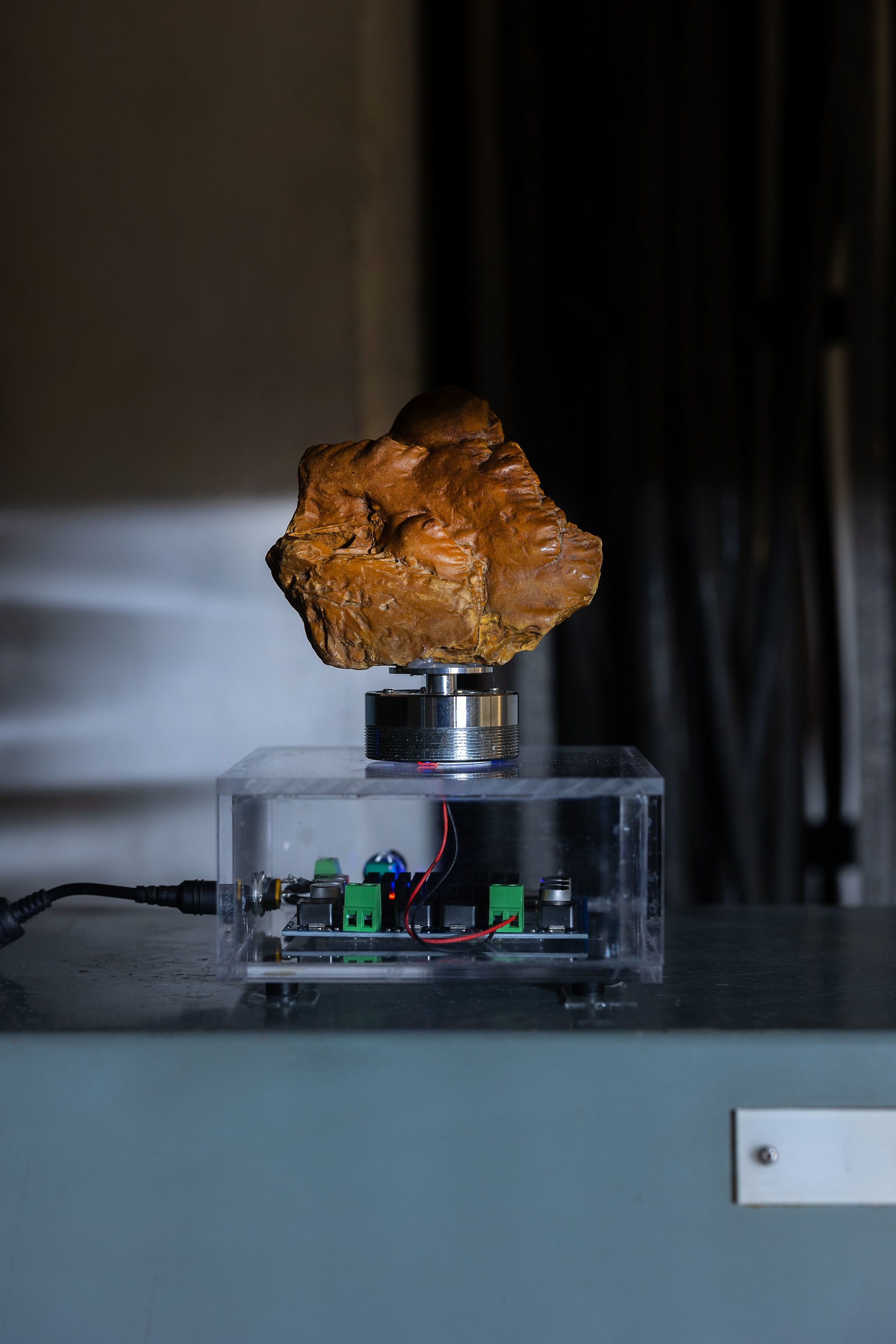
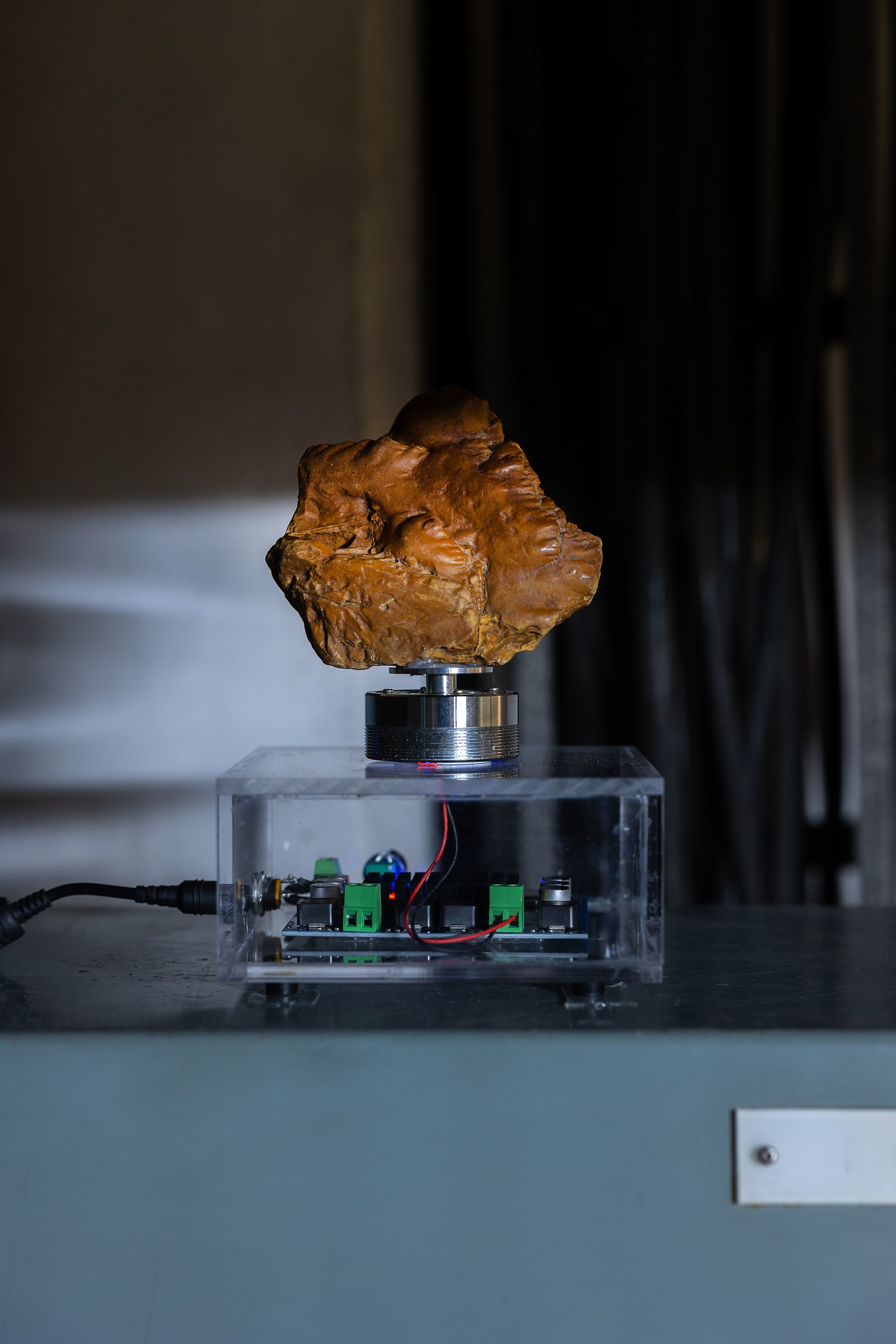
Created explicitly to produce sound, these
sculptures rely entirely on the vibrations, amplitudes, and frequencies of
speakers embedded within them—speakers custom-built by the artist himself.
Depending on their configuration, each speaker emits a different sound, and the
resulting output varies according to how the sound is shaped and where it is
positioned.
In this way, Seo’s sound-sculptures
experiment with the forms of sound that emerge from the friction between
physical structure and material properties. Through variation and
recomposition, they generate listening environments that run counter to established
conventions, opening up new ways of approaching and experiencing sound.

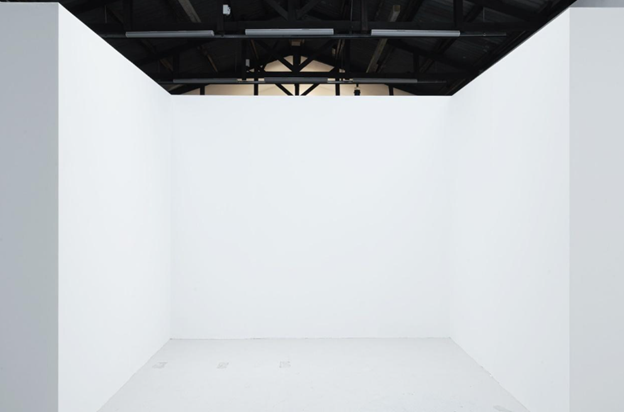
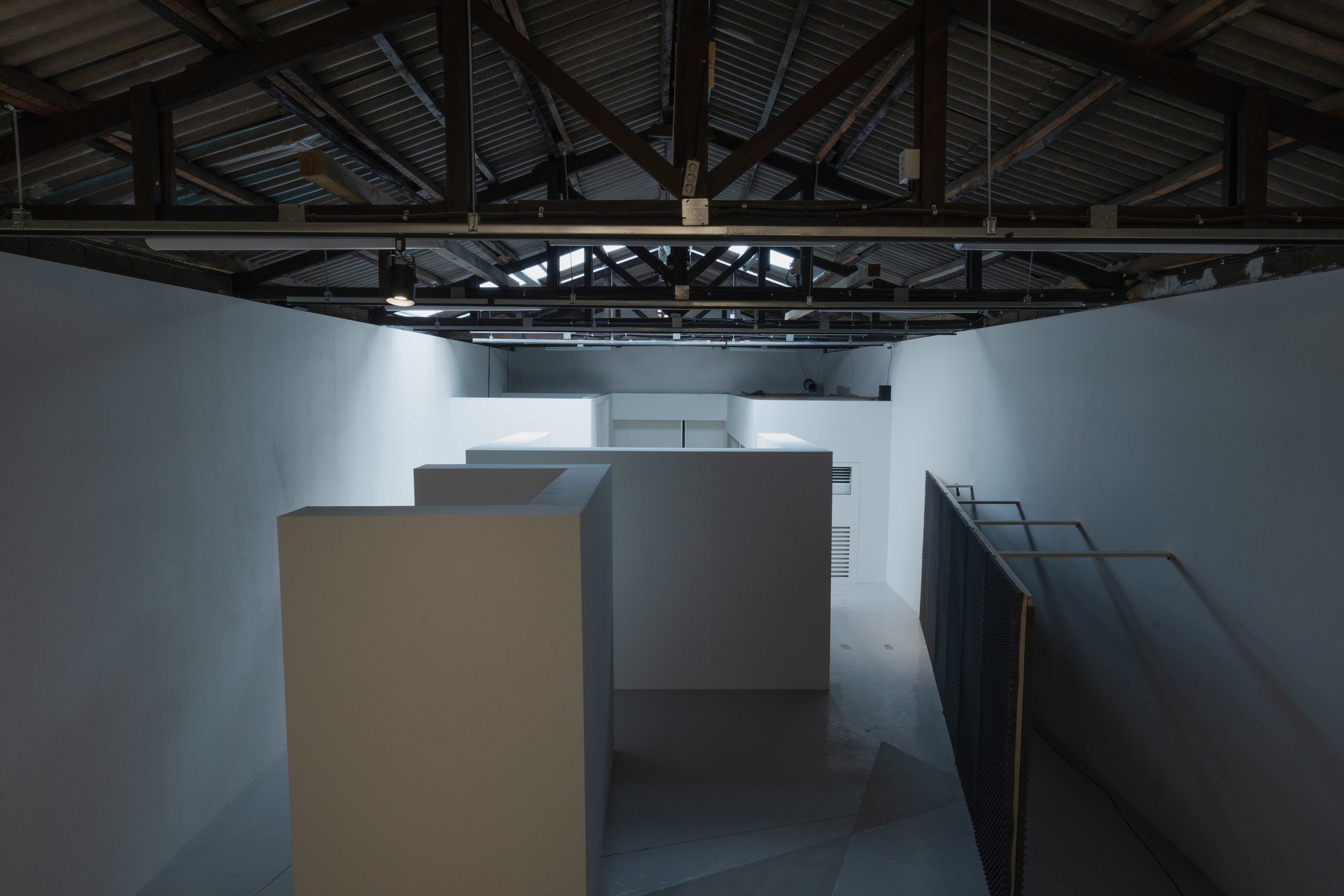
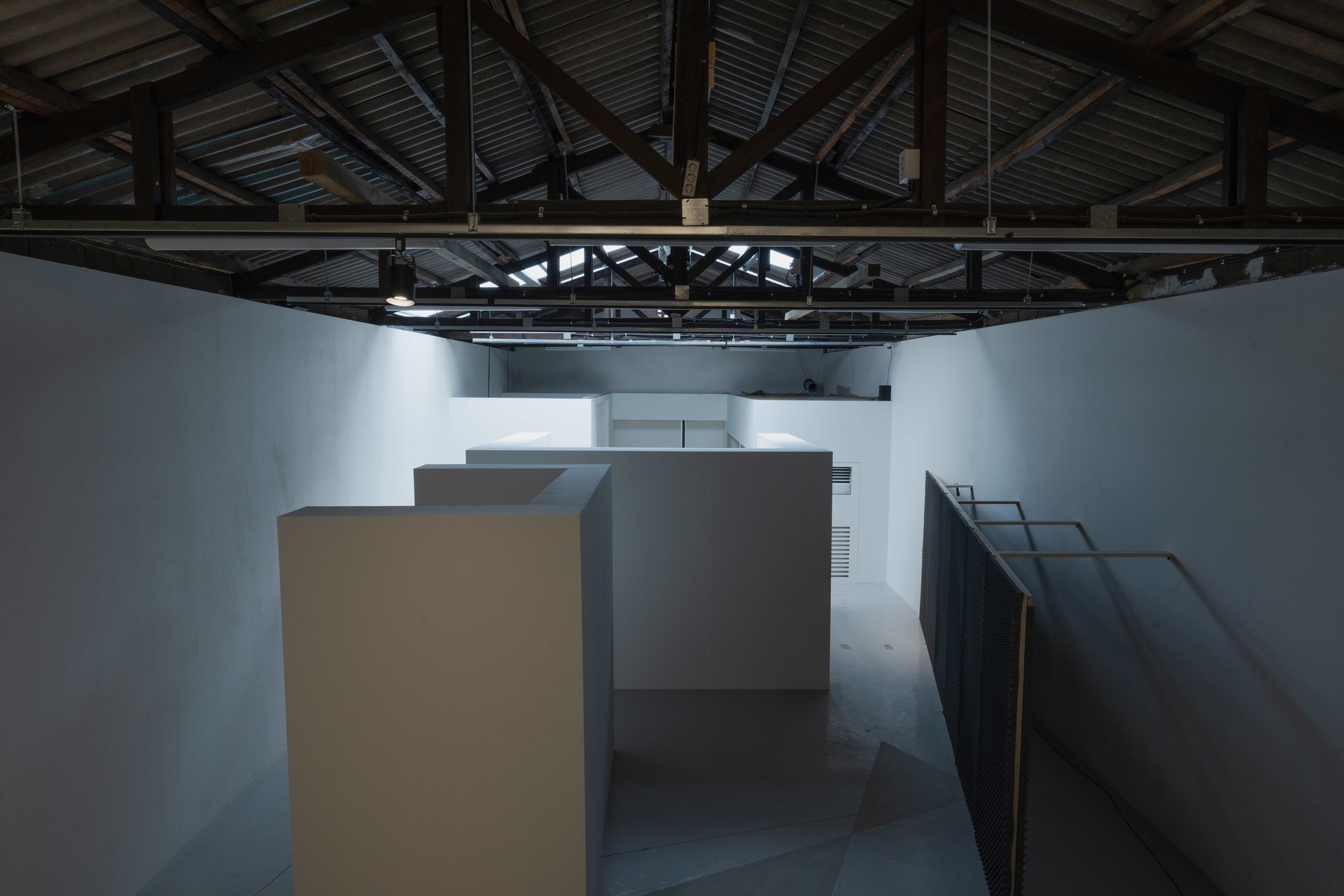
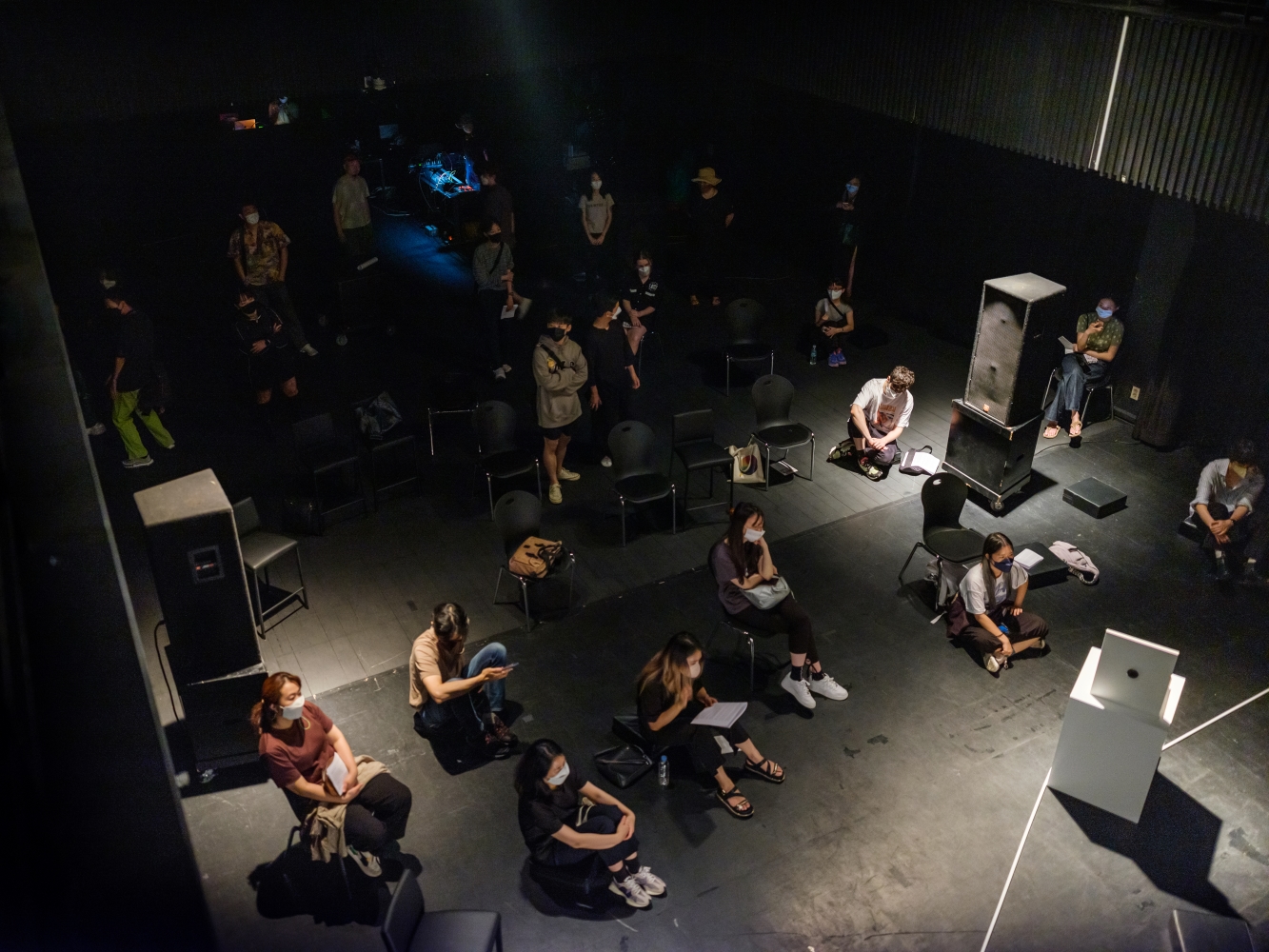
In his solo exhibition 《Sections》, held at Hall 1 in 2023, Seo
Minwoo sought to experiment with such unpredictable listening environments
through segmented sound-spaces. Sound waves, colliding with and moving through
space, objects, and bodies, occupy a sensory field that envelops us unexpectedly—even
without invitation.
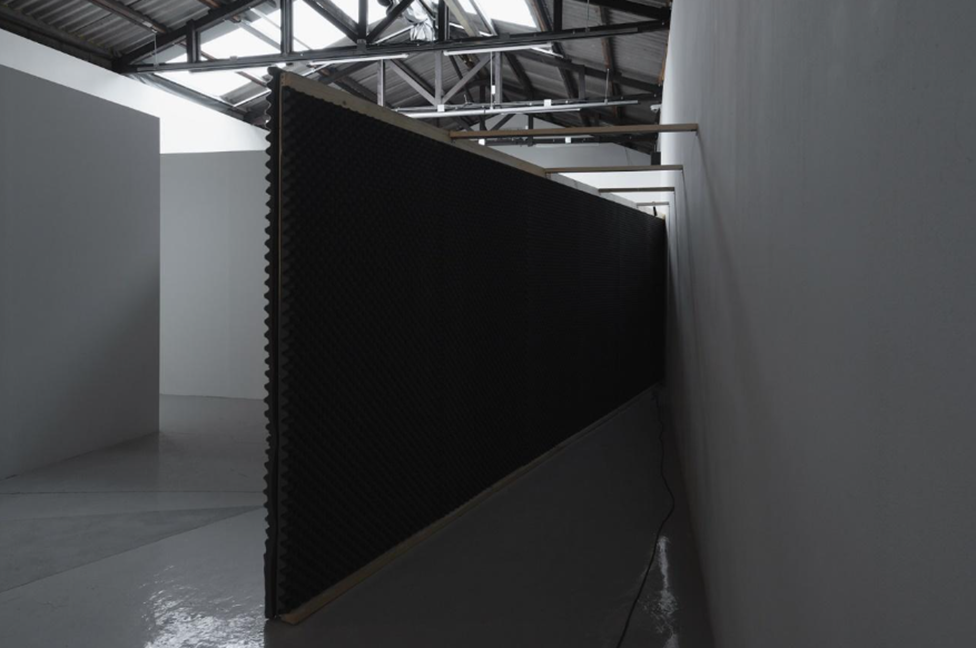
Focusing on this spatial performativity of
sound and consistently using sound as a sculptural material, Seo, in 《Sections》, assigned sound its own spatial
territories through acts of partitioning. At the same time, he actively
embraced the transformed sounds that spill beyond these territories,
foregrounding their leakage and distortion as integral to the work.

The materials that constitute the
partitions—wood, steel, and stone—simultaneously hold sound within a formalized
space while transforming the sounds that leak outward into distinct material
qualities, allowing them to drift toward unpredictable destinations. As
visitors moved through the exhibition, they could attend to each segmented
sound individually or choose to follow the sounds as they wandered at random.
In addition, the operational noise
intermittently spilling in from a neighboring dry ice factory intervened in the
space, generating yet another unexpected listening environment. Embracing these
sensations from all directions, the exhibition proposed an immersive listening
environment conceived as a total space—one that encompasses inside and outside,
as well as the interior and exterior of the viewer’s own body.
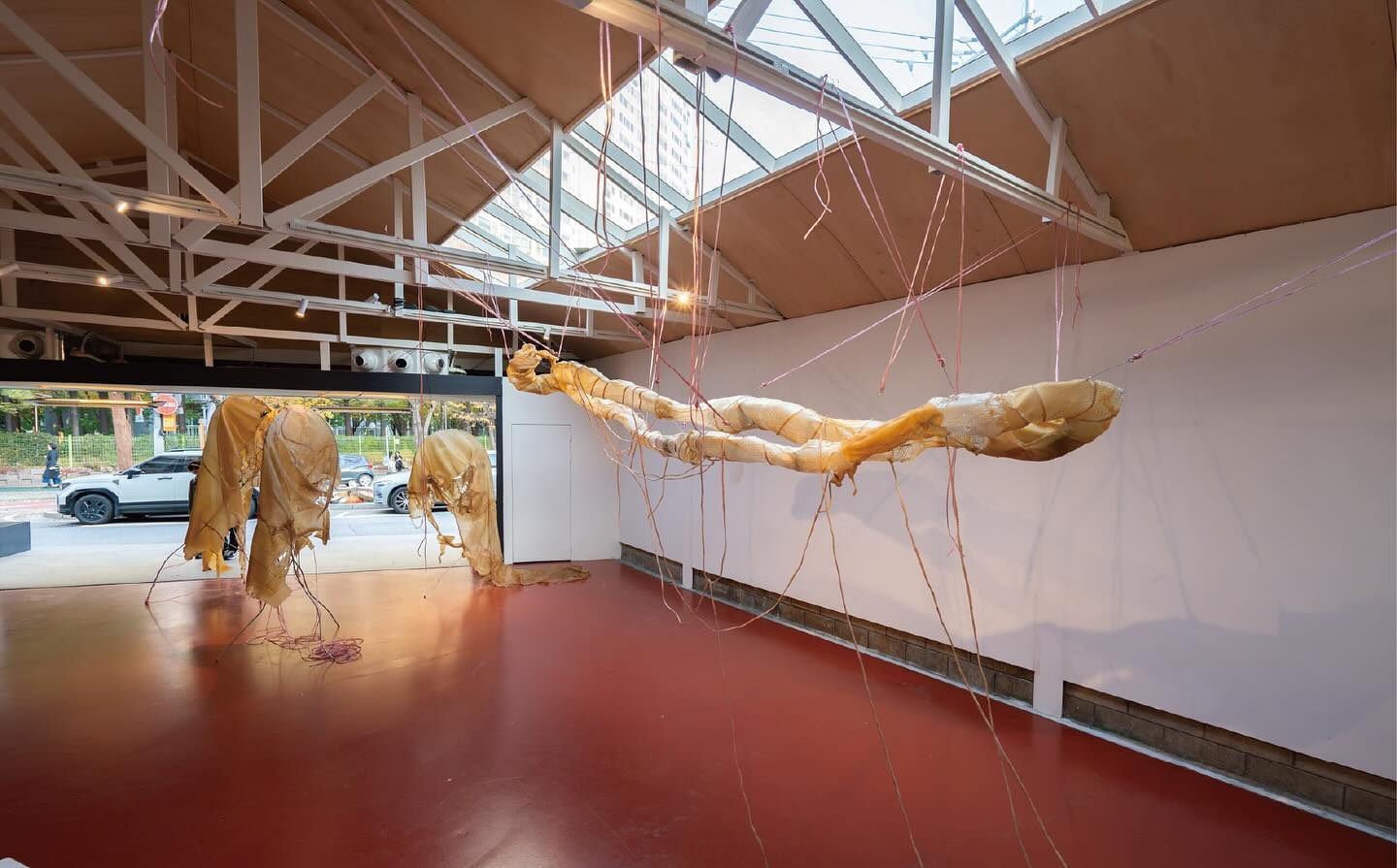
Furthermore, in his solo exhibition 《Slough and Trajectory》 (Arcade Seoul, 2025),
the artist presented an experiment that unfolded the “conditions of listening”
through a three-stage process. Structured as a sequence of a vinyl record
(May), a performance (August), and an exhibition (November), this framework reconfigured
sound not as a singular auditory experience but as a temporal and material
event.
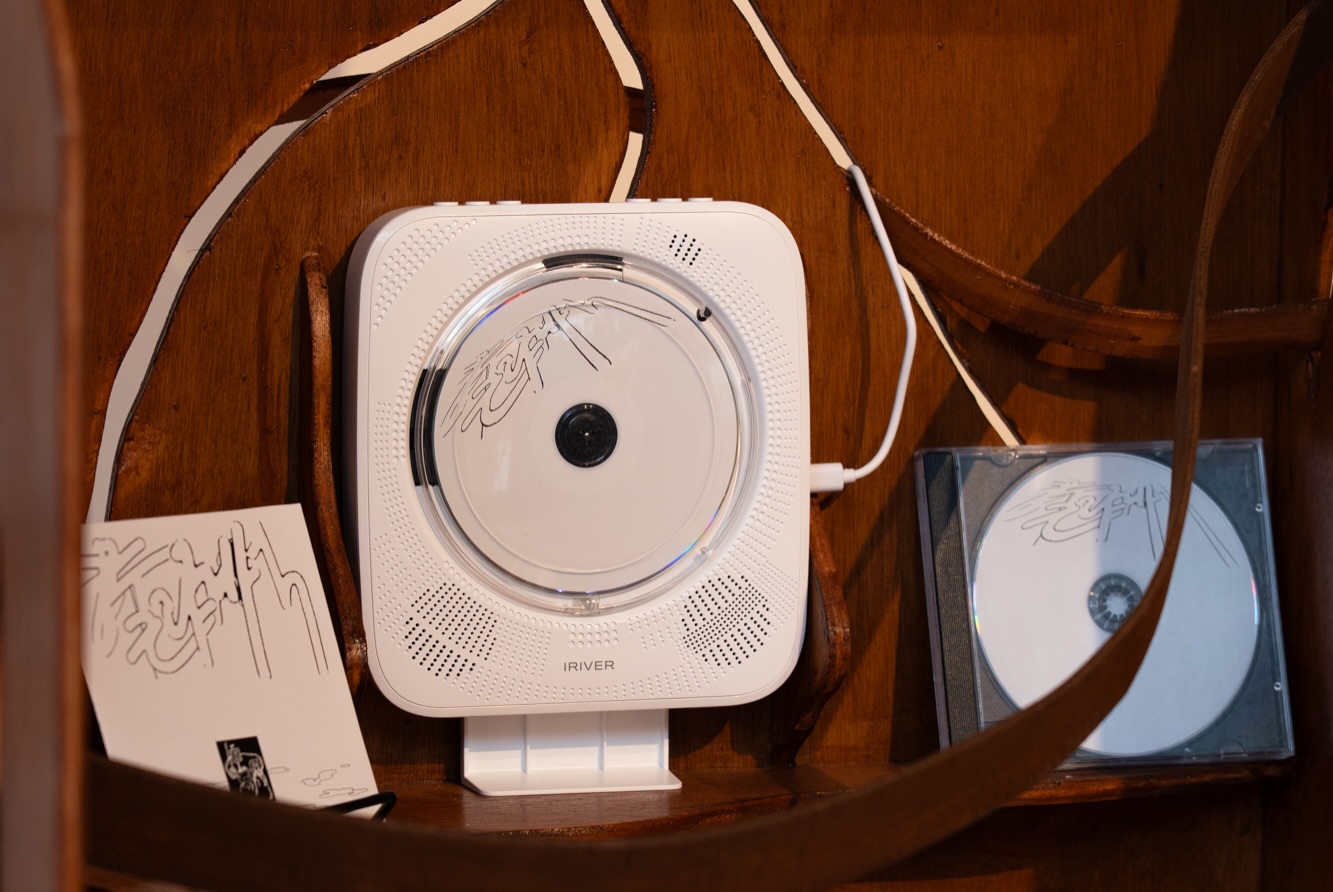
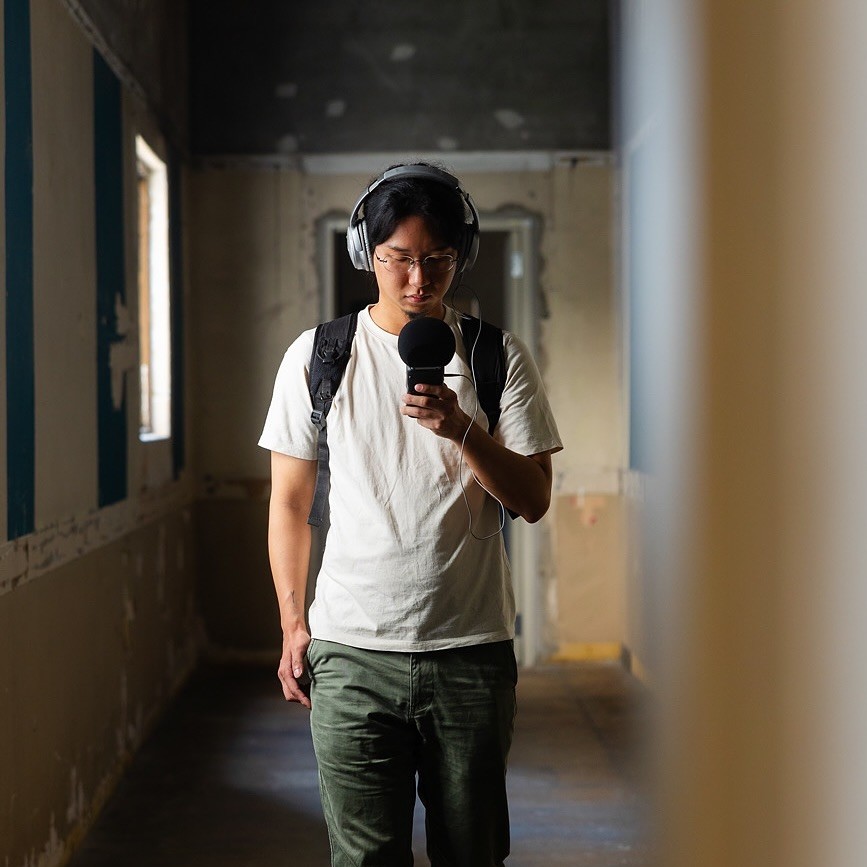
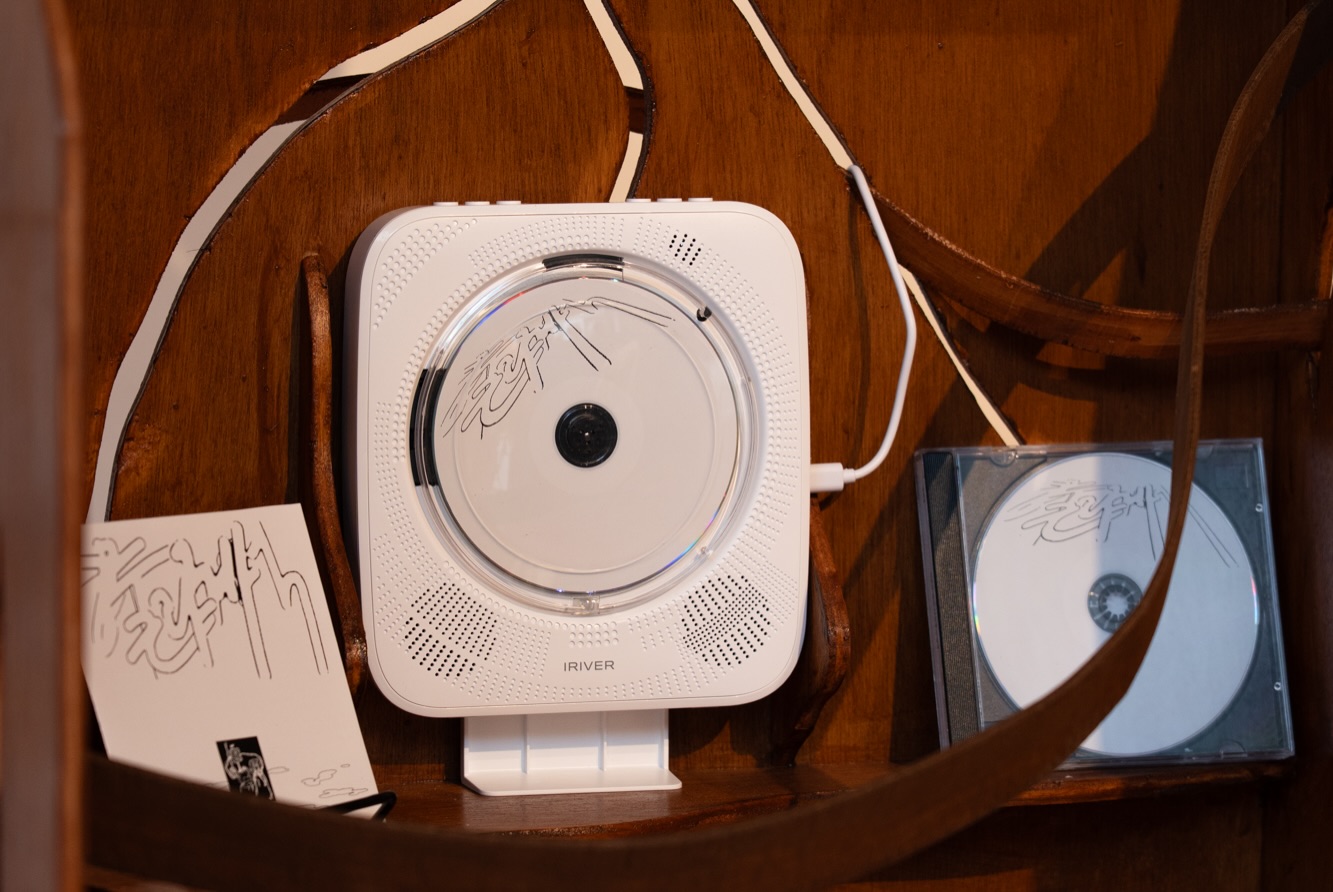
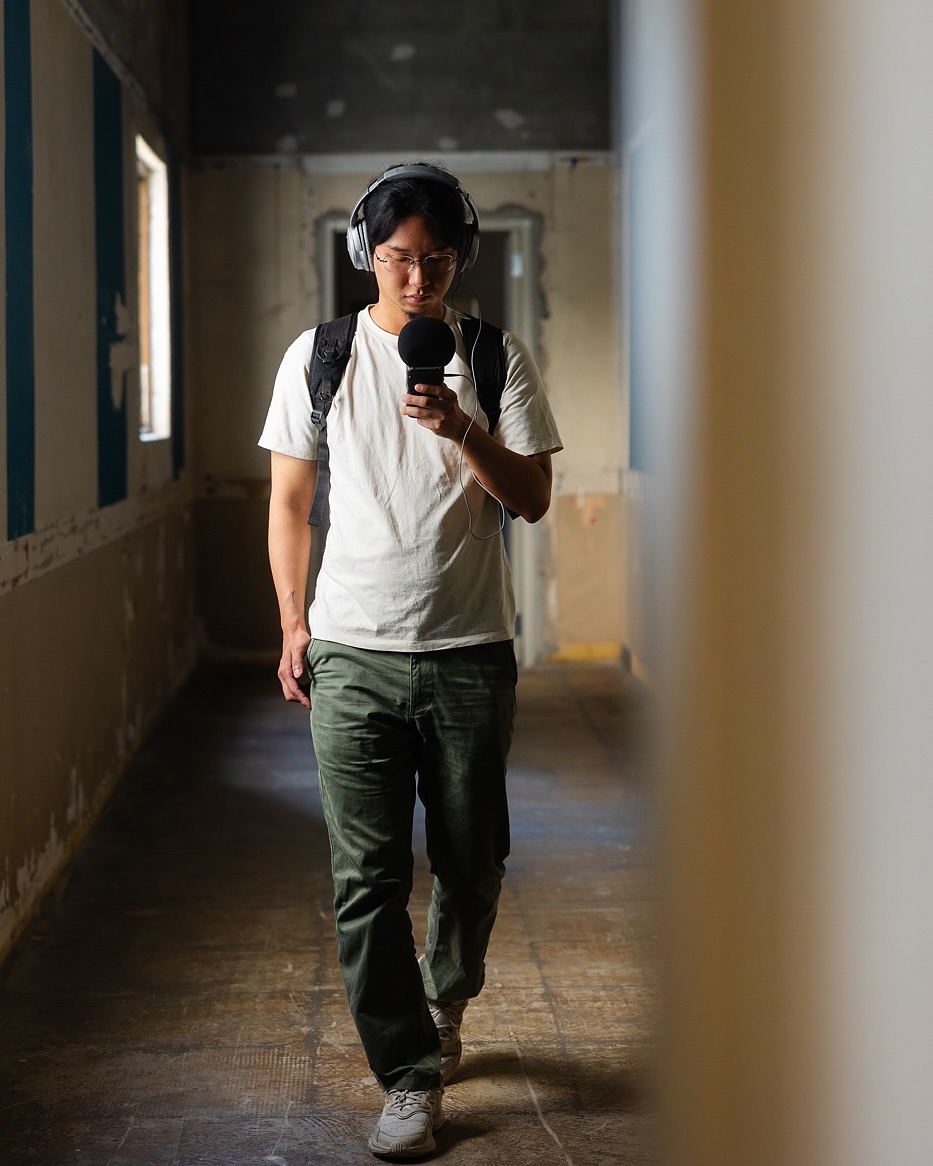
At the outset of this experiment was the
record 《Slough and Trajectory: Spiral Horizontally
World》, which assembles sounds collected through field
recordings by fragmenting, layering, and transforming them, arranging them in
ways that depart from conventional musical grammar. Rather than treating sound
as a vehicle for emotion or narrative, the artist focused on exploring sound’s
own materiality and temporality.

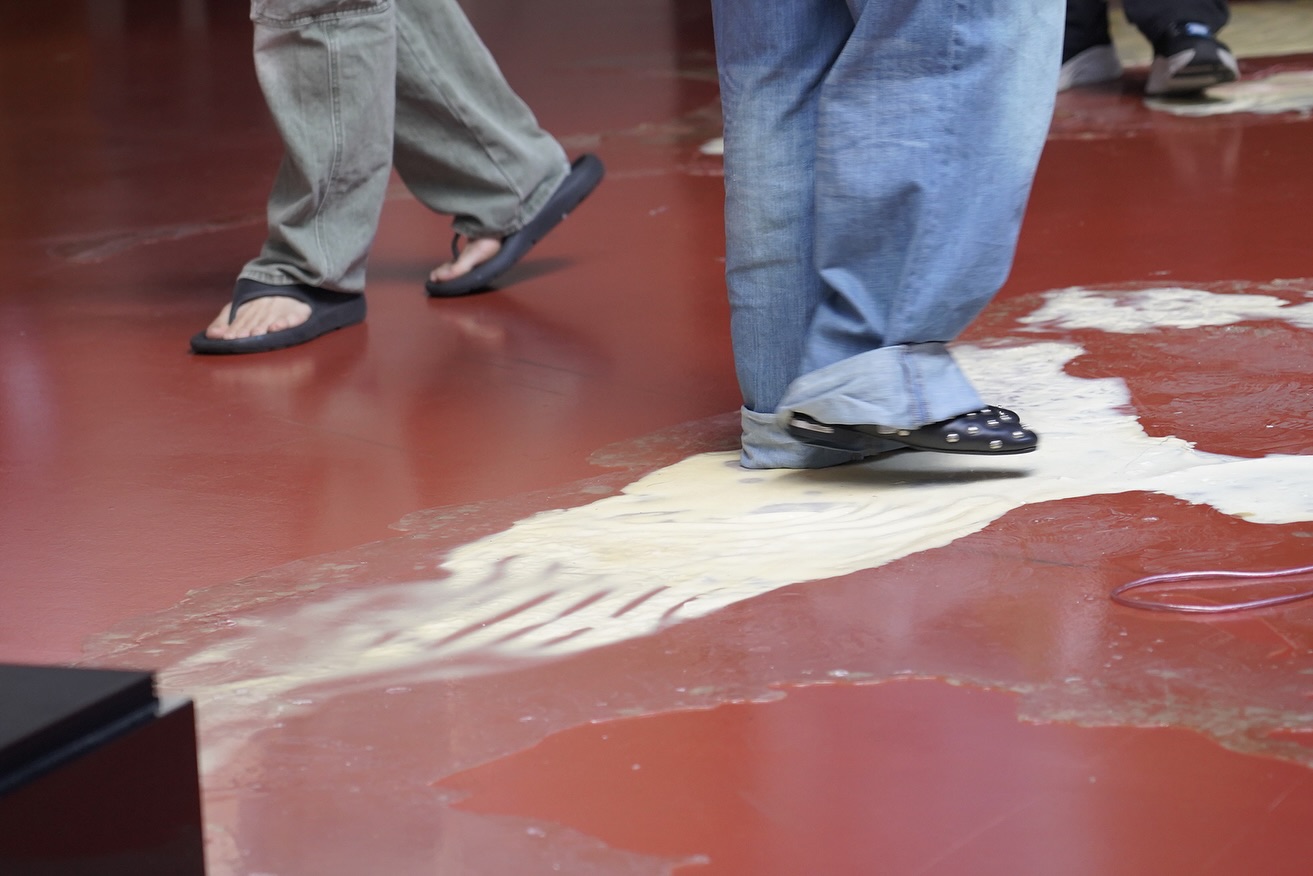
In the subsequent performance 《Slough and Trajectory: Trajectories》, the
event of listening expanded into the bodily realm. Latex covering the entire
floor of the venue functioned simultaneously as a surface that received sound
and as a medium that recorded it. As audiences walked, stepped, and hesitated
upon it, they left behind their own traces.
Here, footprints, wrinkles, and shifts of
weight remained not as mere paths of movement but as physical residues of
listening. They mark how the performance was no longer apprehended solely
through the ears, but infiltrated the body through pressure beneath the feet,
friction across the surface, and sensations of distraction and tension—becoming
both evidence and trajectory of embodied listening.
Moreover, in Seo Minwoo’s performances,
elements excluded from conventional systems of musical performance become
entangled and are called into being as music, reactivating senses that had
remained unheard. Listening, in this context, is not simply an act of
perception but the fullness of experience itself, generating alternative
trajectories of experiencing.

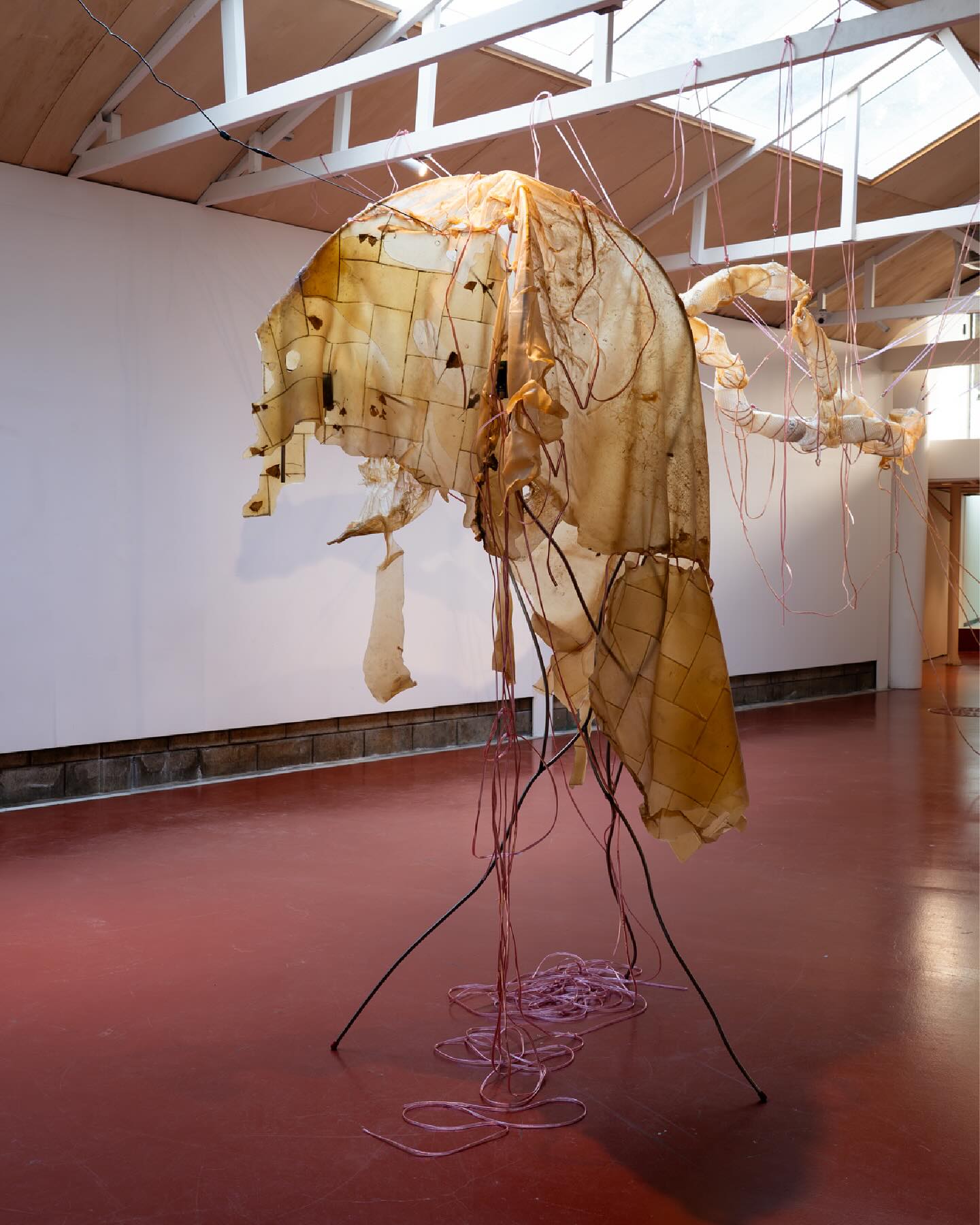
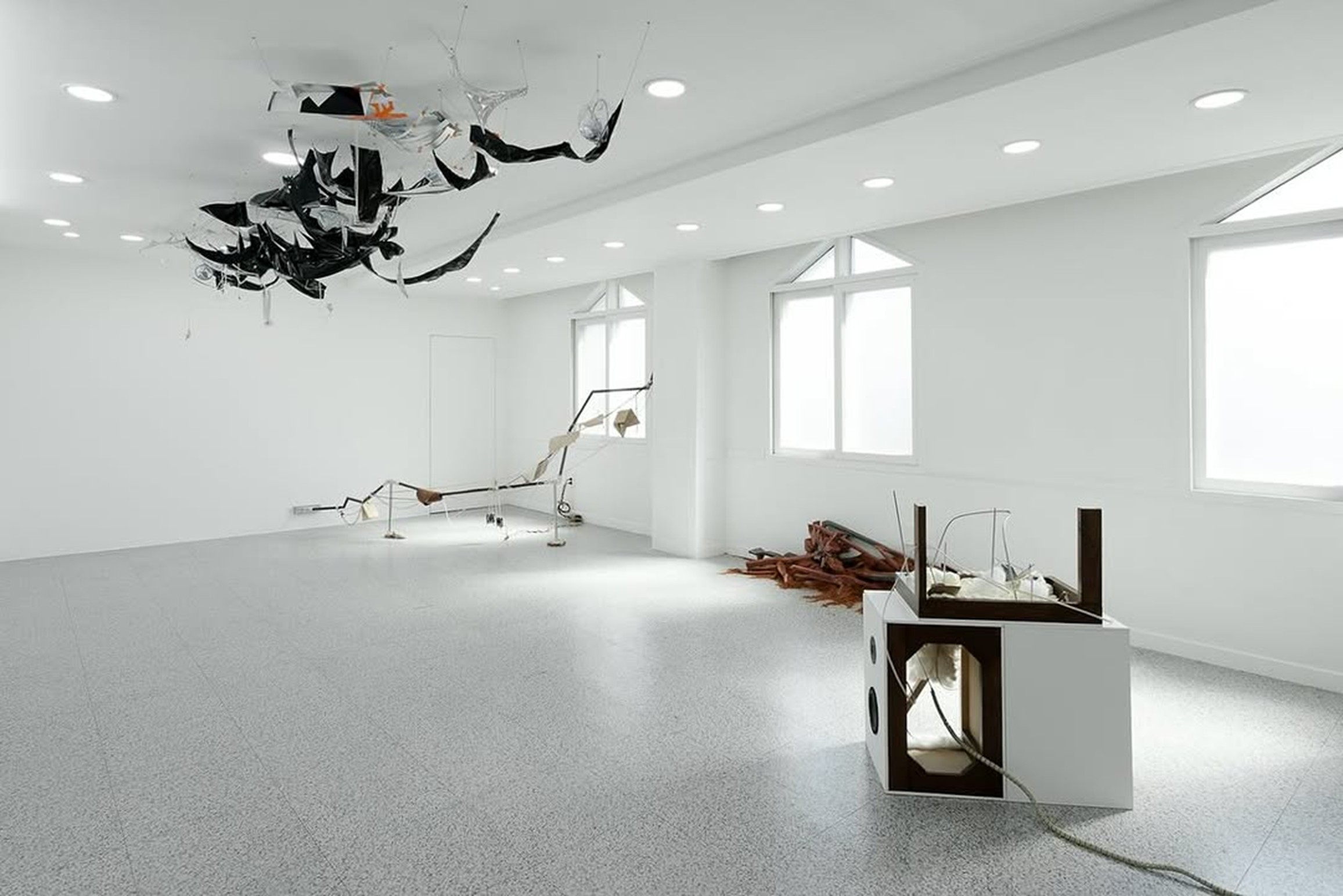
The exhibition 《Slough
and Trajectory》, the final chapter of the project,
becomes a site where the residues of the preceding album and performance are
restaged within space. The latex used in the August performance was collected
and transferred to the exhibition venue, where the footprints, wrinkles, and
traces left upon its surface were preserved intact.
Here, latex is no longer merely a material
surface but a slough of listening—an unrecorded record left by the event of
listening itself. By reconfiguring this residue within the exhibition space,
the artist transforms the physical traces left by the absence of sound into a
new order of sensation.

No new sounds were produced in this
exhibition. Instead, events and sensory fragments that emerged after sound
intertwined with one another, forming a new structure of listening. Rather than
presenting a closed form, Seo Minwoo composes sensations provisionally through
site-specific conditions, activating the vitality of perception by drawing in
unstable sounds that exist on the periphery of music.
Accordingly, listening in this exhibition
is not fixed to a particular moment or form. Sound continually drifts through
its relationships with space, the body, and thought. Here, no sense is
privileged over another; all sensations pass through one another’s surfaces and
resonate on equal terms.

Thus, Seo Minwoo’s practice refuses to
settle into a fixed form. Through the processes of collecting and reconfiguring
sound, and through the making of objects designed to contain and register sonic
phenomena, he has continuously explored the ways in which sensation arises and
leaves traces. While his works outwardly assume the form of music, they are
situated at a point that exceeds conventional musical categories.
In other words, by situating the auditory
products of sound within time and space, he experiments with the very
conditions under which listening takes place, pursuing a sculptural practice
that asks how sensation is formed and organized in the process.
“I explore ways to affirm and coordinate
flaws and conflicts that emerge in the course of making work.” (Seo Minwoo, interview for 2025 ARKO DAY)

Seo Minwoo is based in Seoul. His solo
exhibitions include 《Slough and Trajectory》 (Arcade Seoul, Seoul, 2025), 《Sections》 (Hall 1, Seoul, 2023), 《earcabinet》 (Mullae Art Space, Seoul, 2022), and 《EarTrain_Reverse》 (RASA, Seoul, 2021).
He has also participated in numerous group
exhibitions, including Perigee Unfold 2025 《Don’t Be
Hasty》 (Perigee Gallery, Seoul, 2025), 《Score for pieces of cork》 (AVP Lab, Seoul,
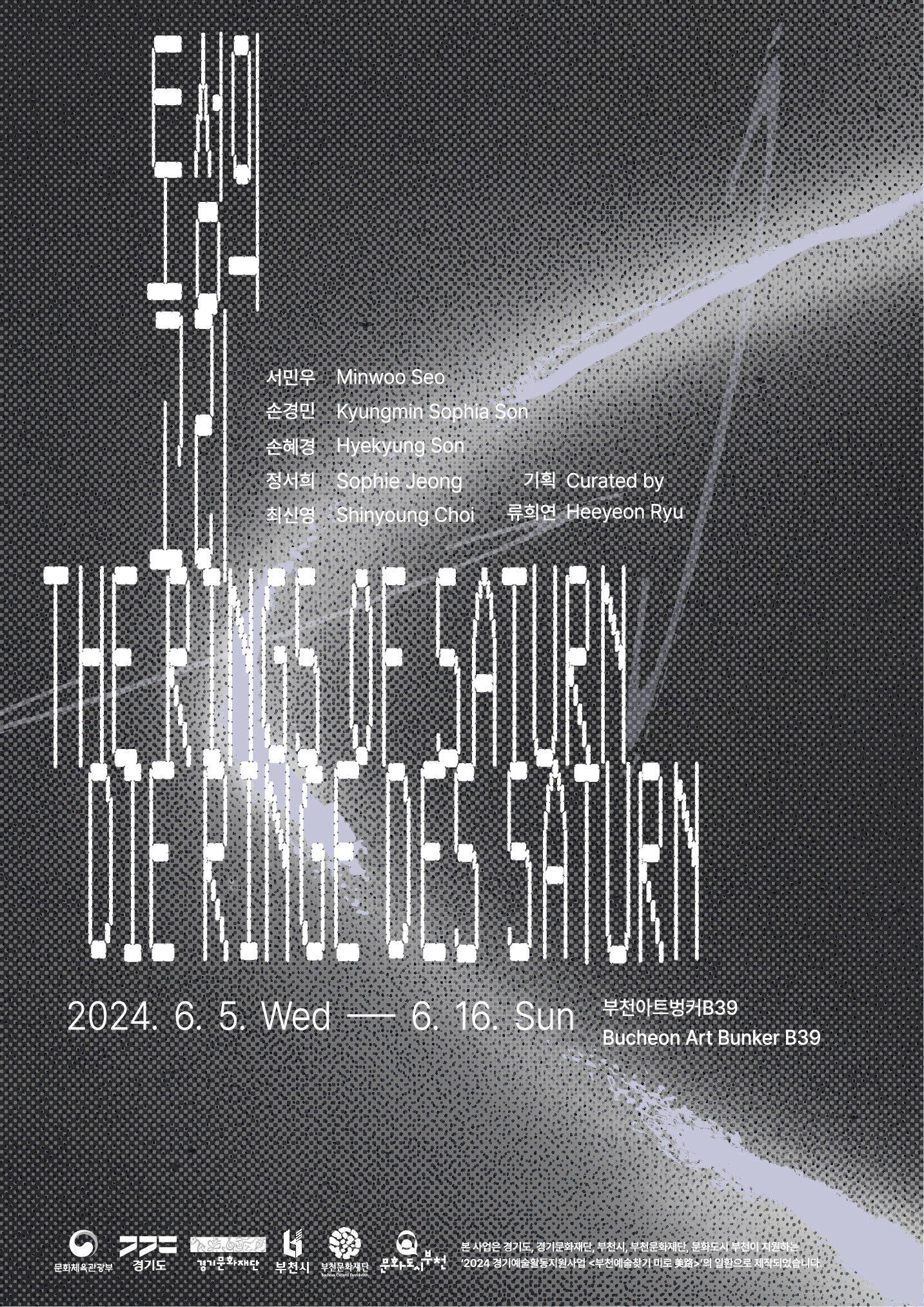
2025), 《The Ring of Saturn》
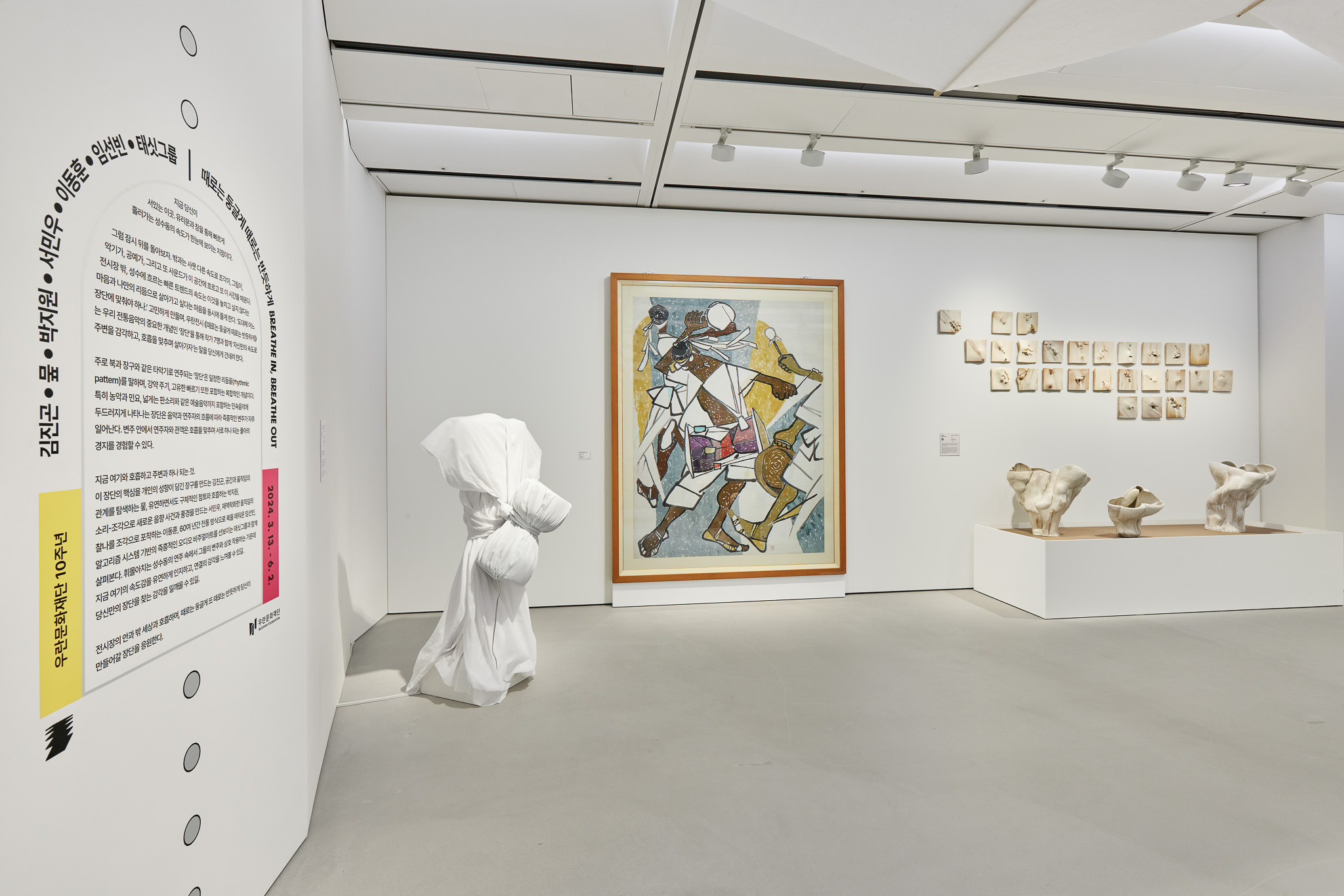
(Bucheon Art Bunker B39, Bucheon, 2024), 《Breathe in,
Breathe out》 (Wooran Foundation, Seoul, 2024), 《Thick as Thieves》 (Faction, Seoul, 2023),
and 《Hovering》 (2/W, Seoul,
2018).
Seo Minwoo released the album Slough
and Trajectory: Spiral Horizontally World (2025) and gained wider
attention as a featured artist in the 2025 ARKO DAY “Presentation.”