Exhibitions
《How long have I been I here》, 2023.01.13 – 2023.02.25, CHOI&CHOI Gallery
January 12, 2023
CHOI&CHOI Gallery
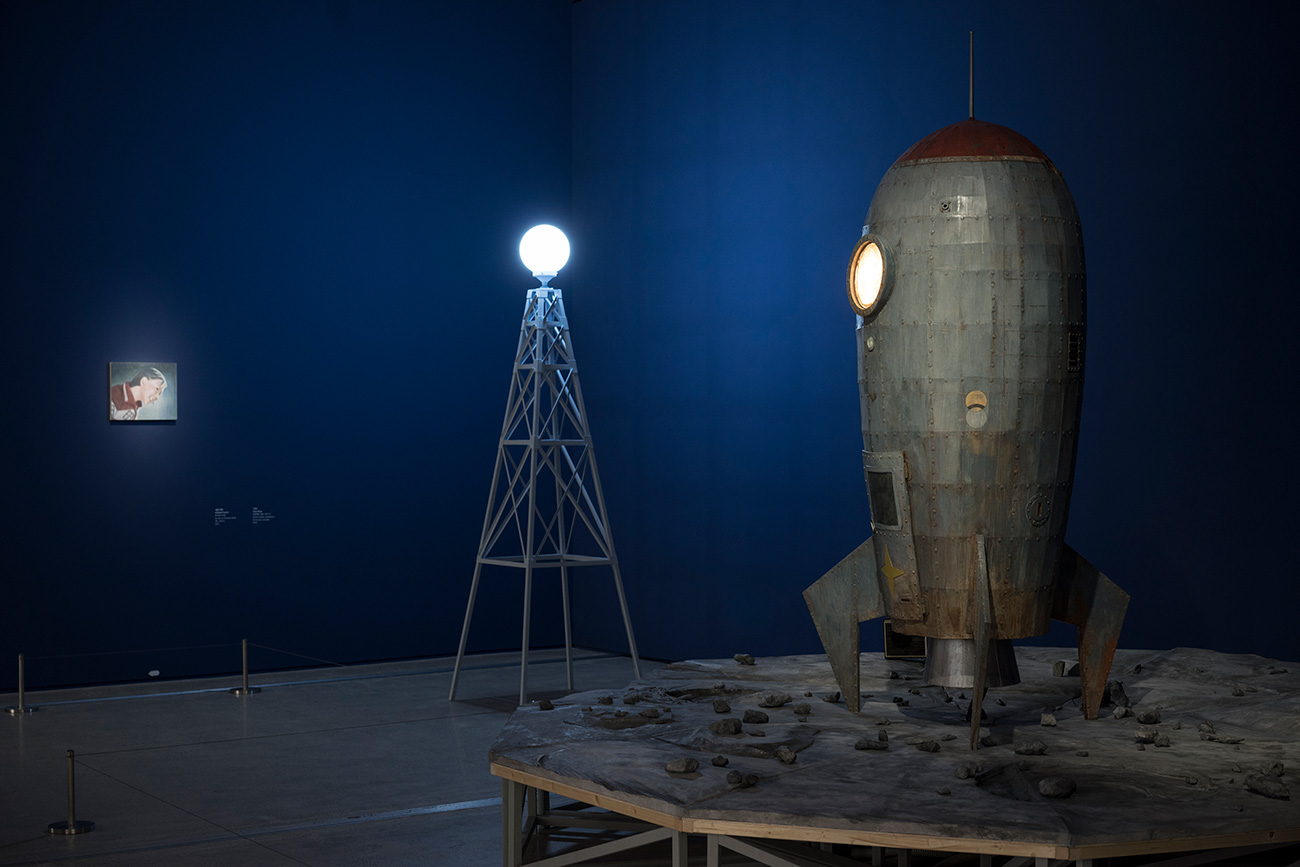
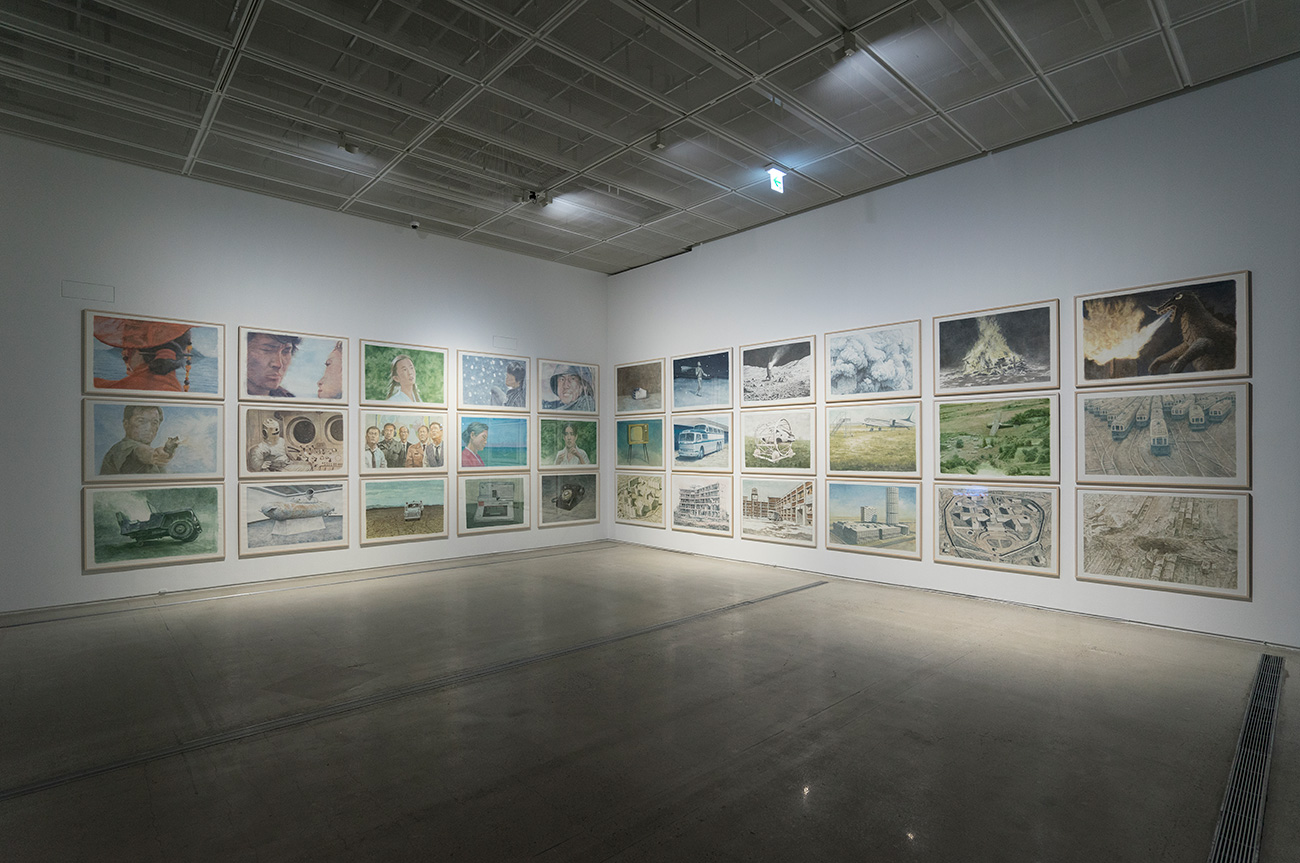
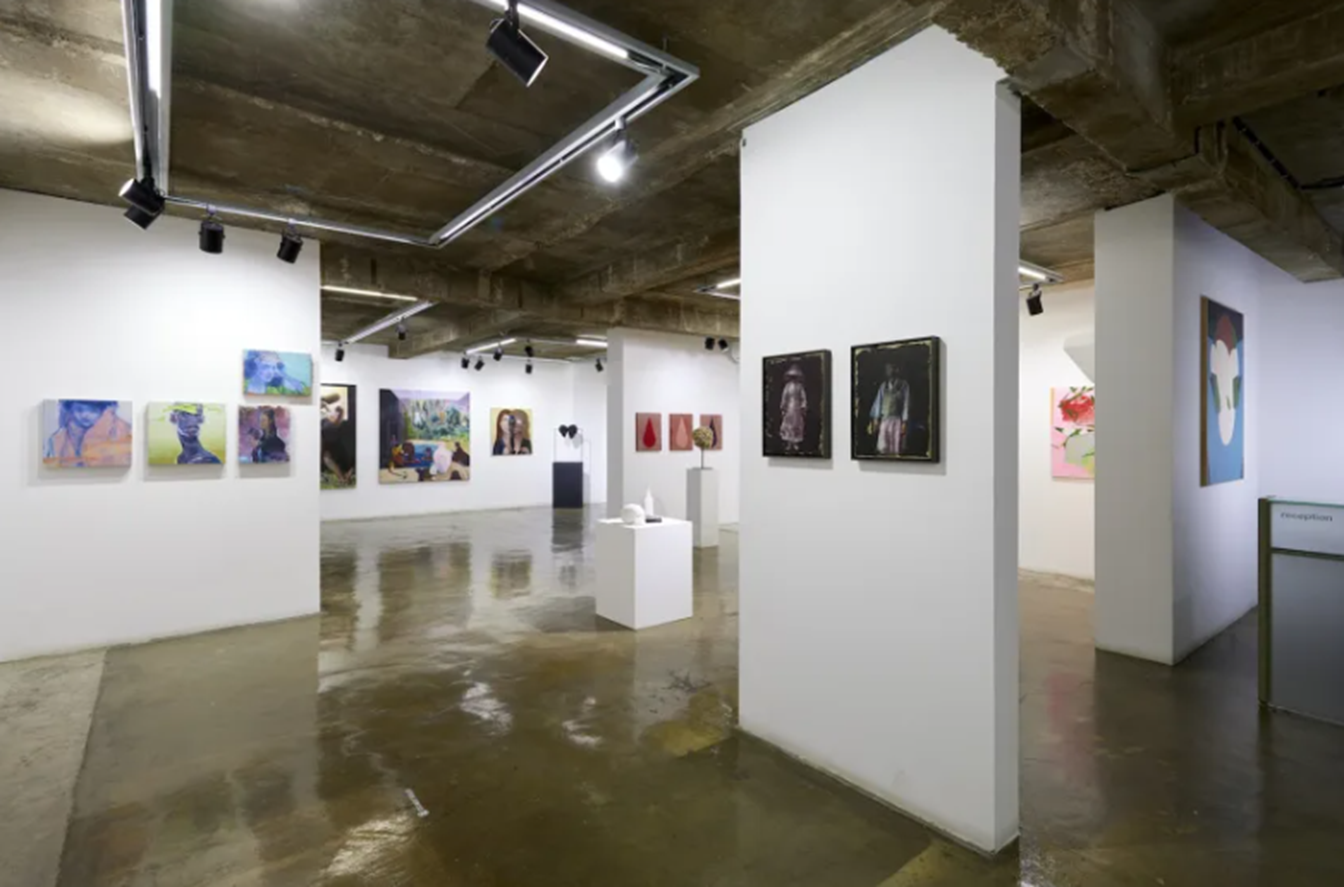
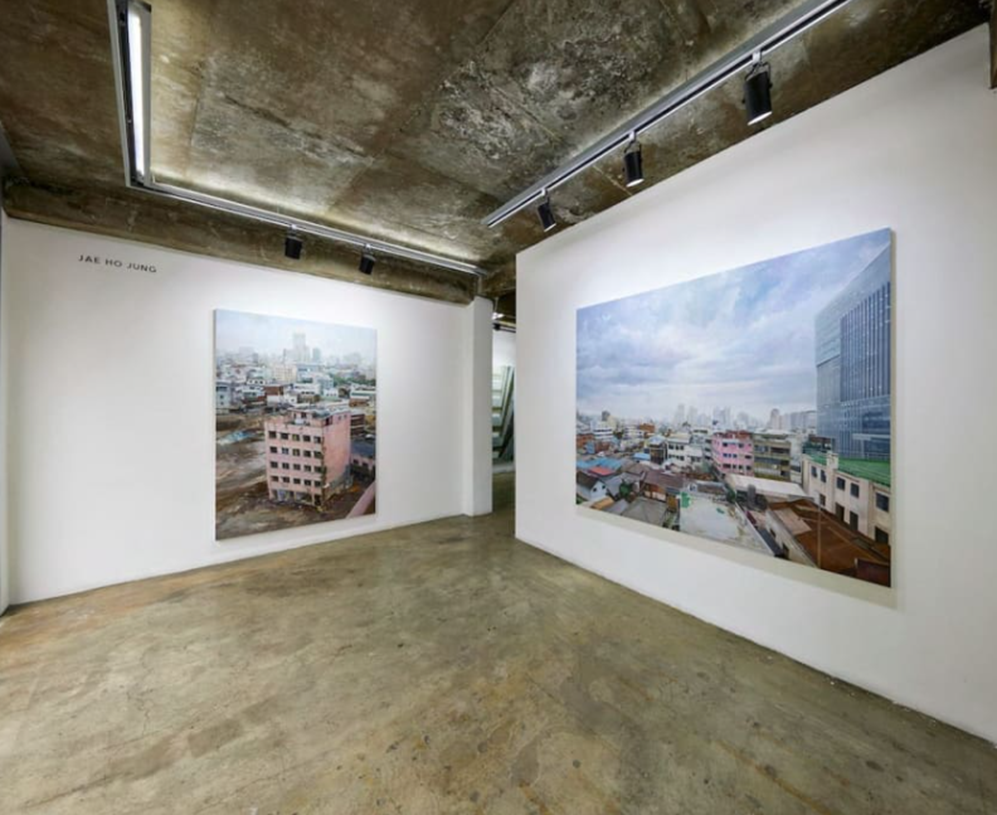
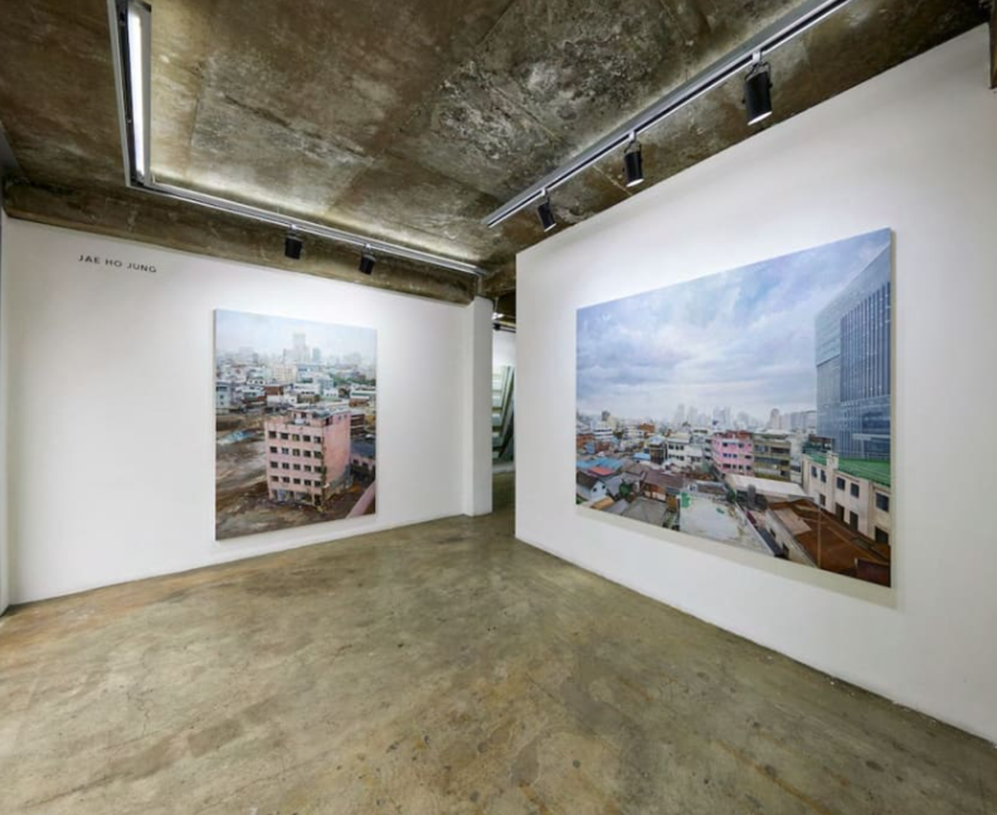 Installation
view of 《How long have I been I here》 © CHOI&CHOI Gallery
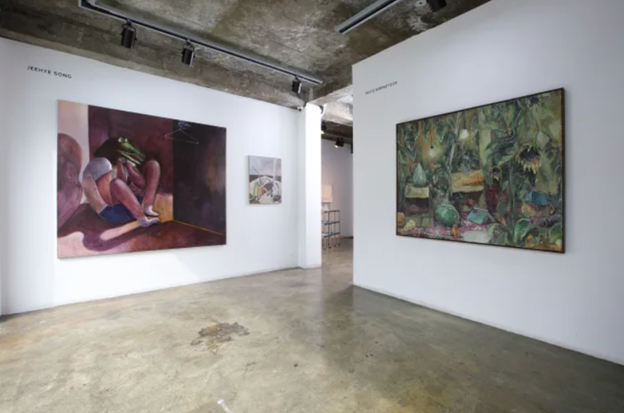
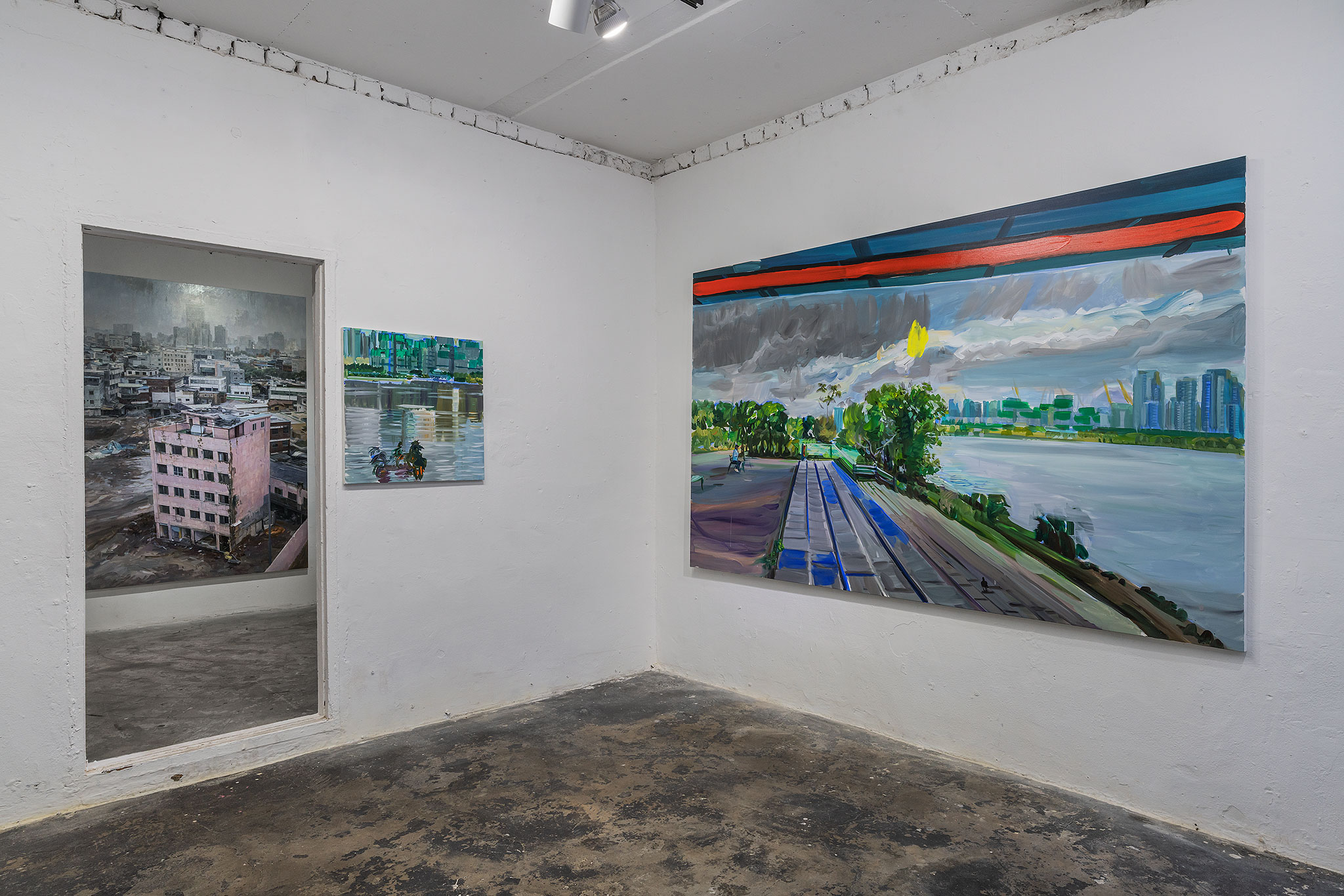
Installation
view of 《How long have I been I here》 © CHOI&CHOI Gallery
CHOI&CHOI
Gallery presents Jaeho Jung’s solo exhibition 《How long have I been I here》, on view from 13 January through 25 February 2023. This is Jung's first solo
exhibition with the gallery following the three-person show 《Moment to Monument》 in Cologne,
2020, and the group exhibitions 《Berlin meets
Seoul》 and 《FLOWER》 in Berlin and Seoul in 2022.
The
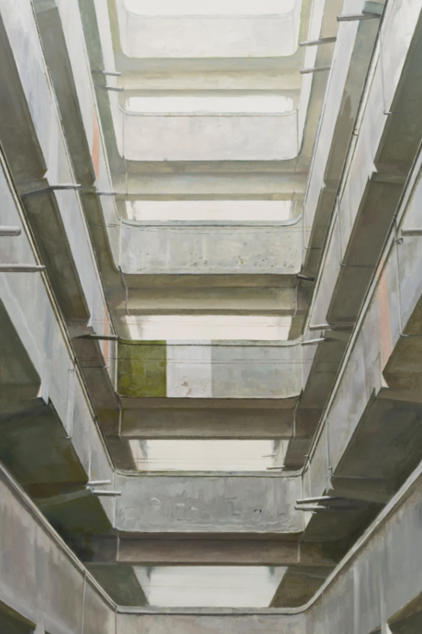
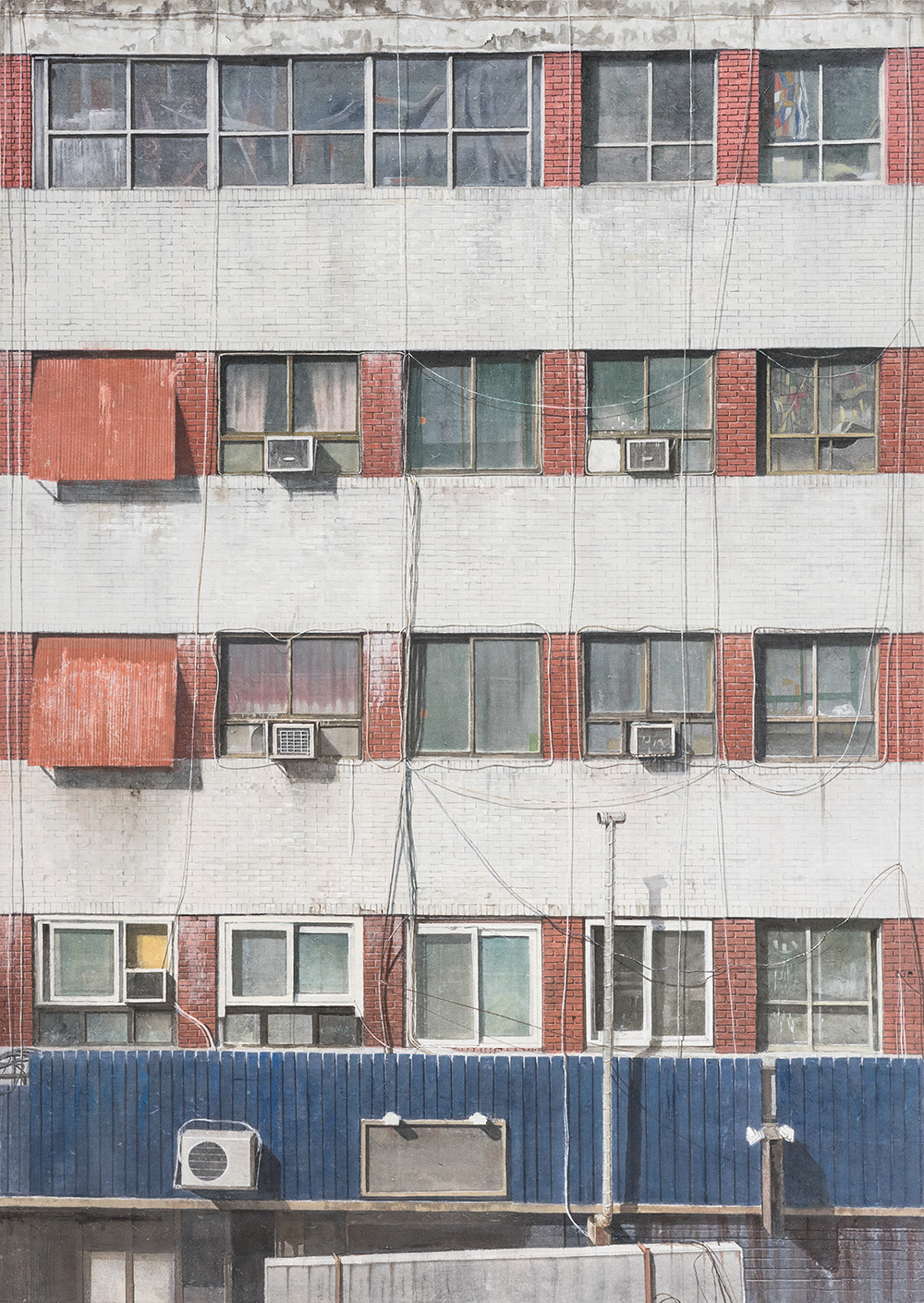
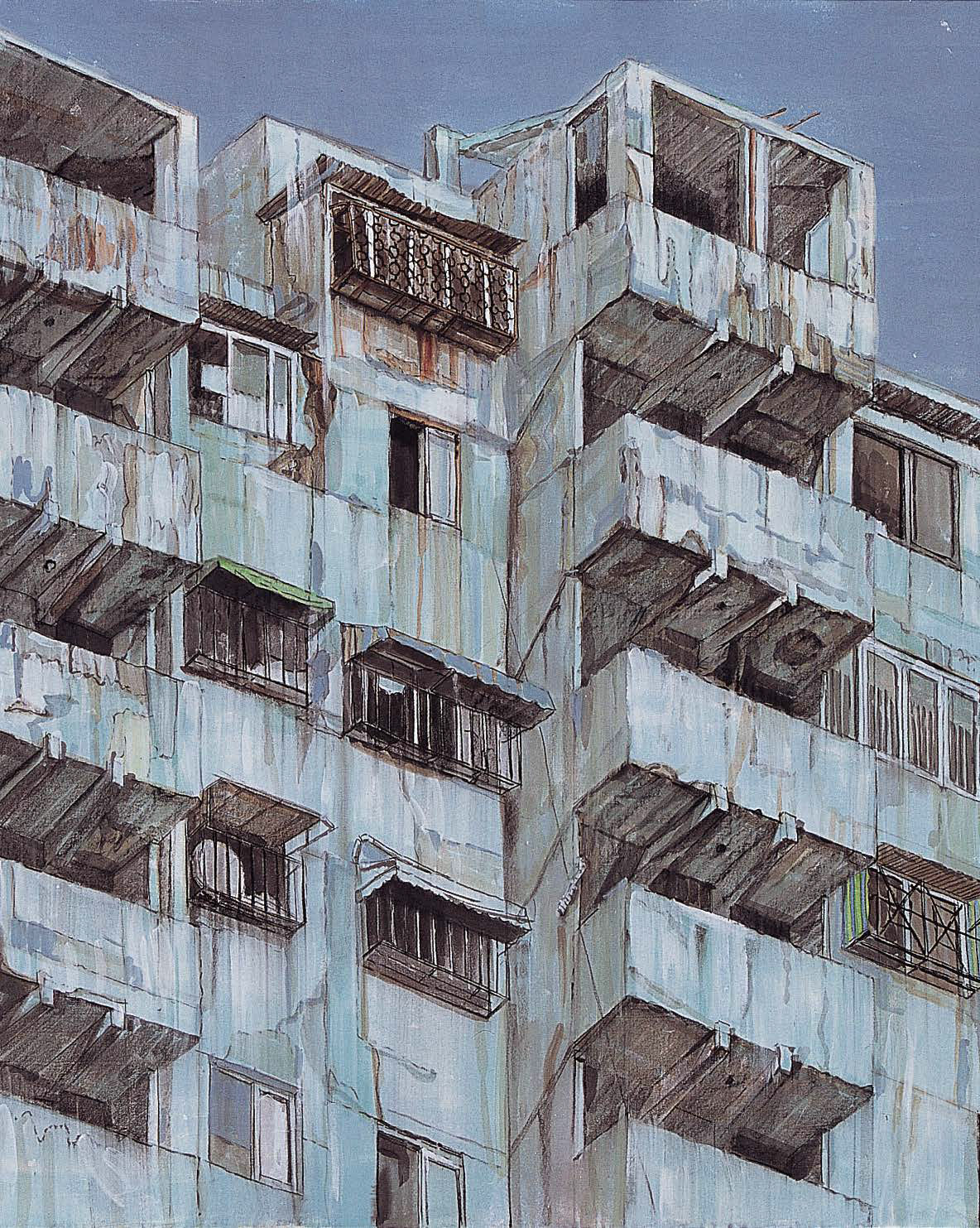
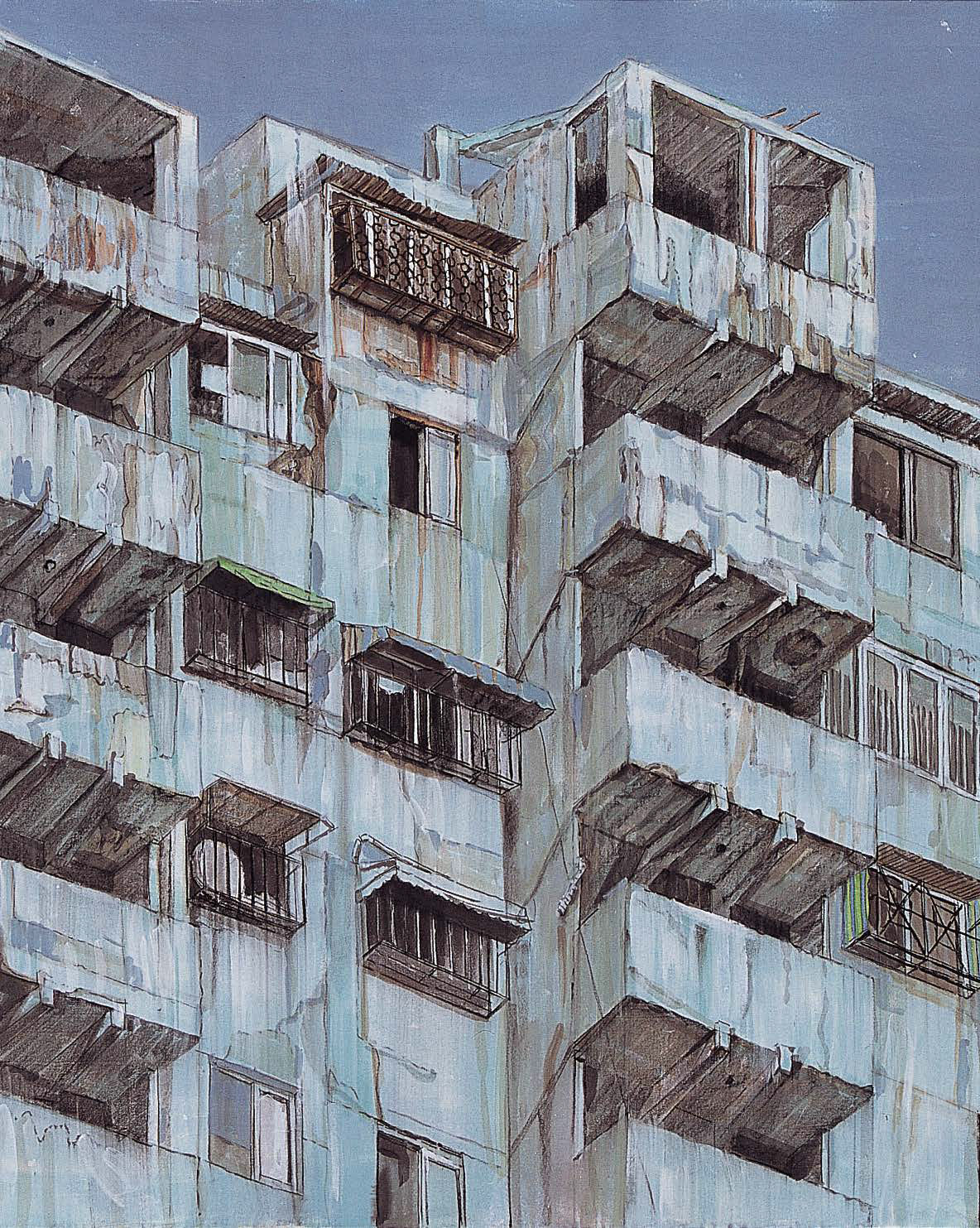
artist is known for his realistic depictions of Industrial-era buildings that
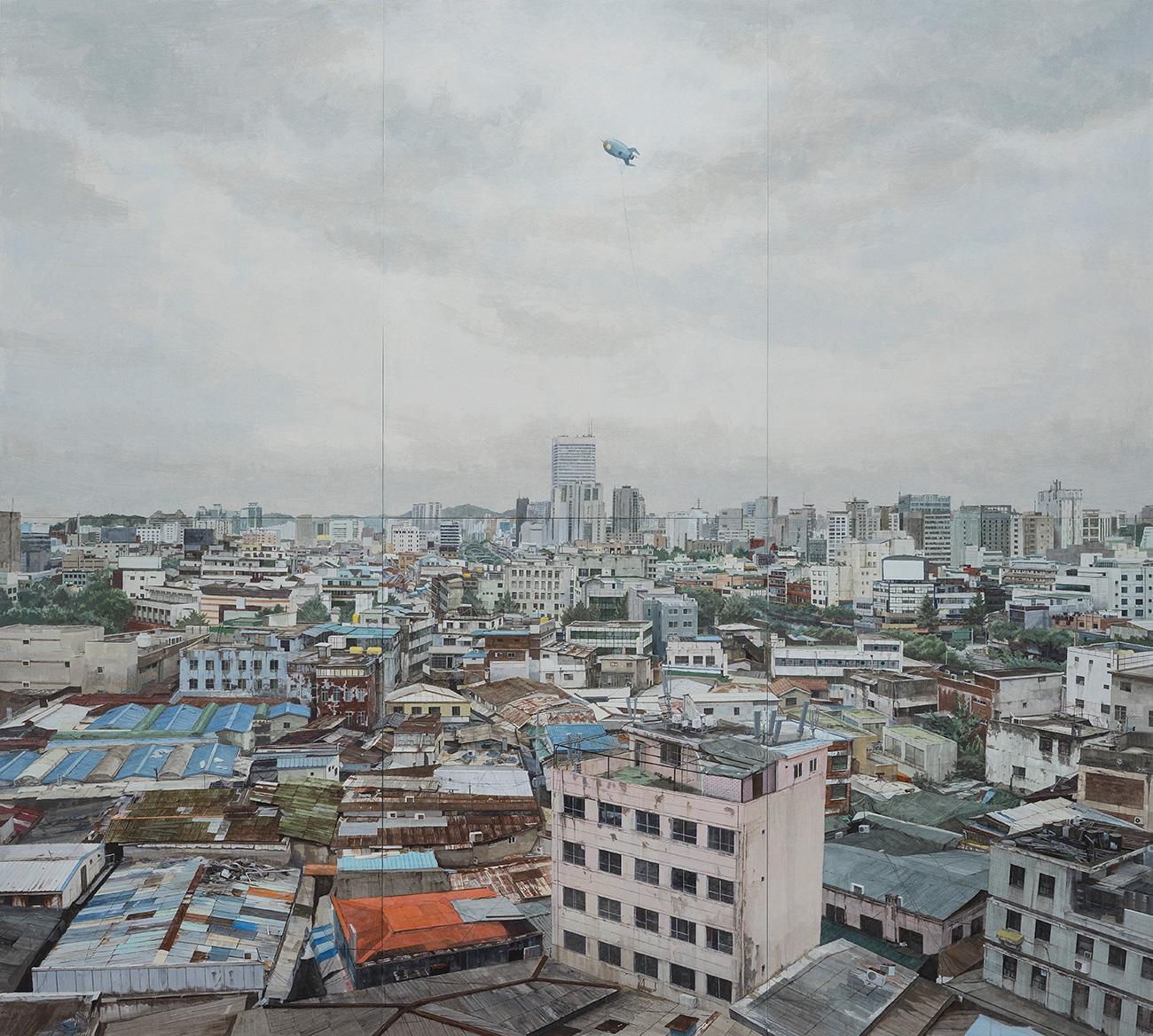
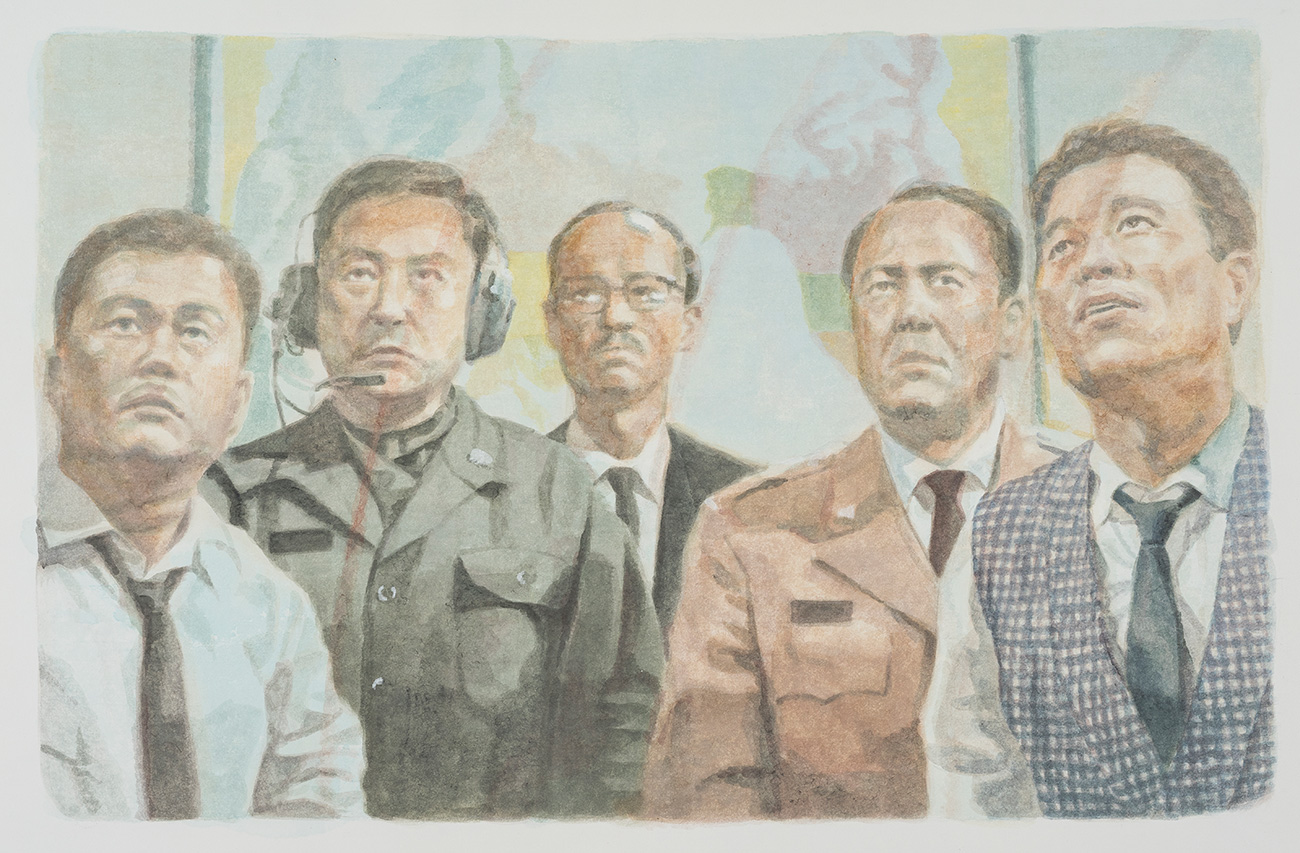
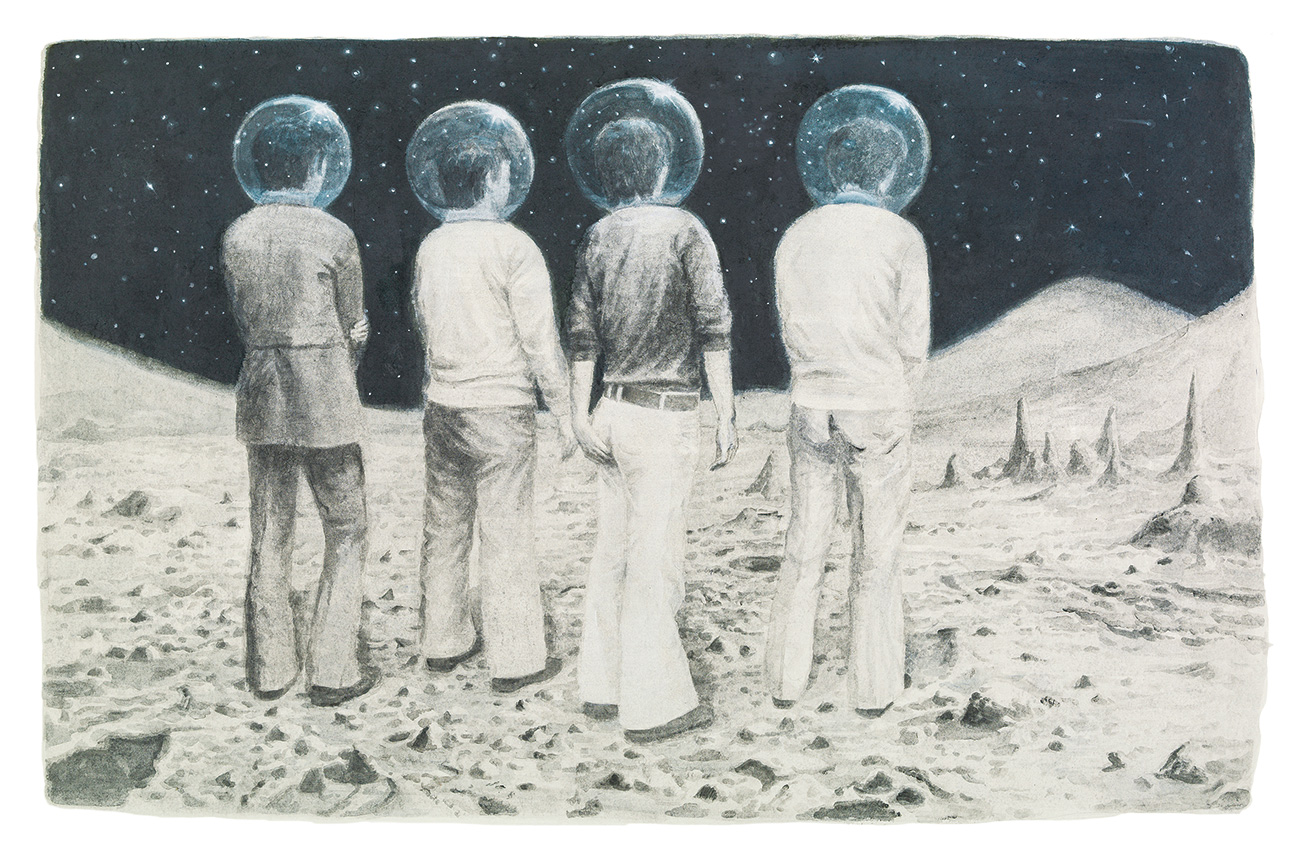
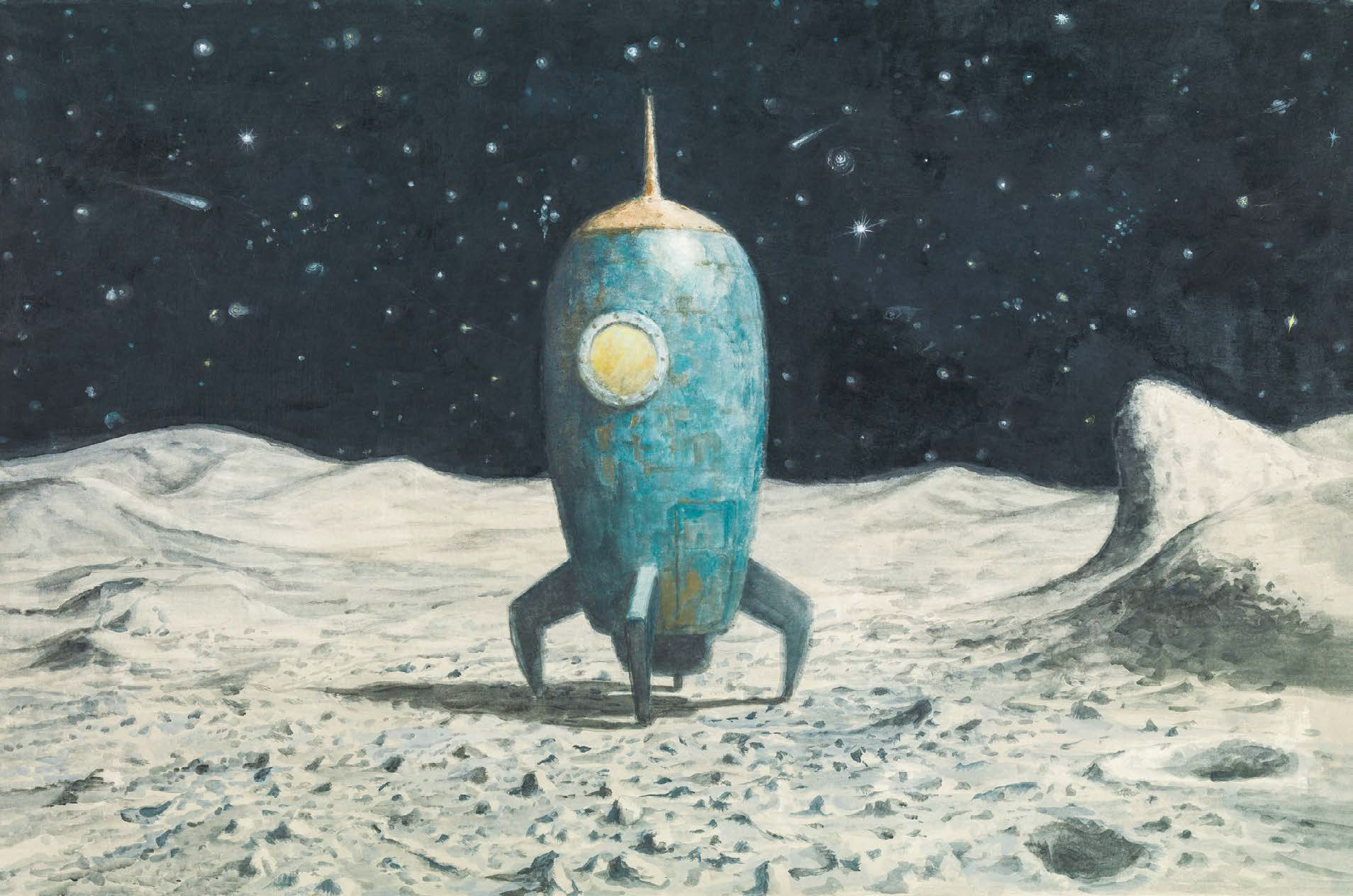
remain as remnants of Korea’s history of modernisation. This exhibition features new
works from his series portraying the area of Eulji-ro, Seoul, which he has
continued over the years.
Eulji-ro was developed during Korea's rapid period of economic growth. It
contains traces of its dynamic history but has since become an aging time
capsule after decades of neglect. In today’s era where skyscrapers built
through vast capital and wealth dominate the skyline with their glitz and
glamour, the area’s remaining buildings testify to the forgotten
stories of a bygone generation like lines on the face of an elder.
The
buildings’ worn out facades reflect the country’s attitude of denial and
neglect toward its own tumultuous past and urge us to remember the lives
that once dwelled behind the concrete walls – the lives that endured and
persevered. Jung accurately captures the visual characteristics of the district, and
he has already presented these works in several exhibitions. Jung often paints
the buildings from the front view as he faces these slowly vanishing
relics.
At first glance, his hyper-realistic paintings may seem
dispassionate in their documentative approach, archiving the visual state
of the neighbourhood down to its miniscule details. But the crux of his
work does not lie in the superficial, but rather the "odour of life"
that has permeated each surface. There is a distinct note of reverence and
nostalgia as he collects traces of the countless, nameless people who
lived through the transitional era.
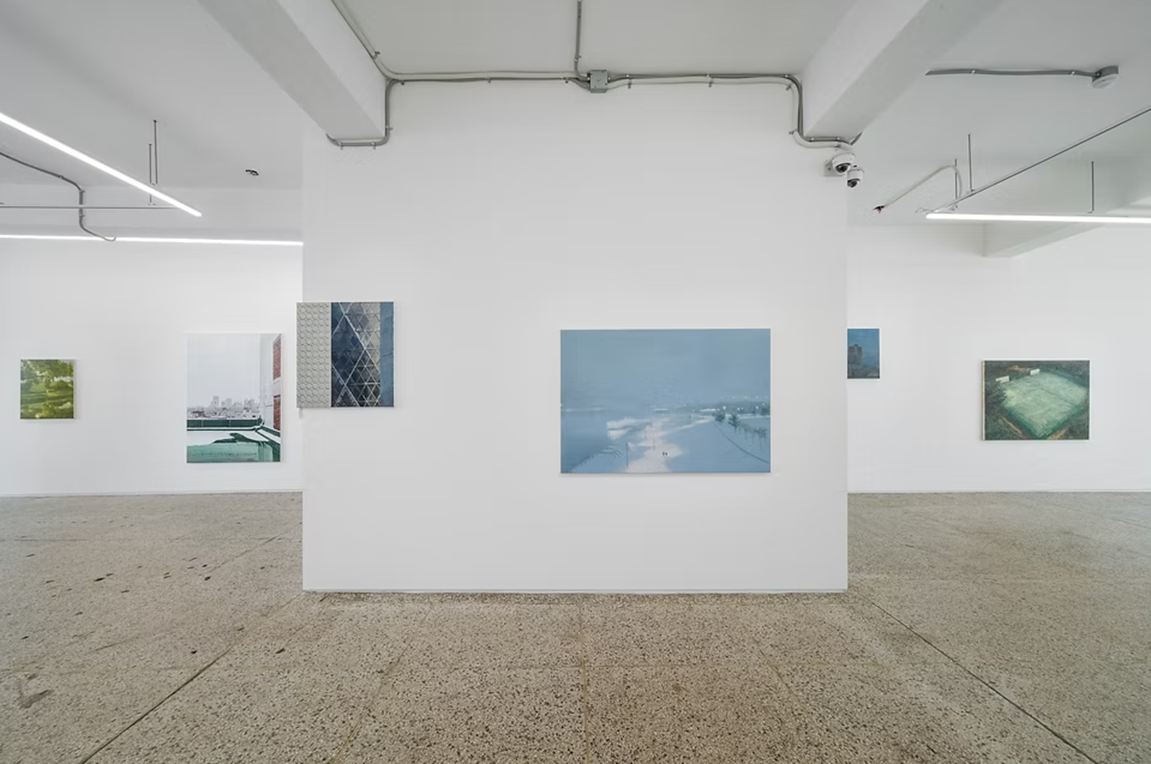
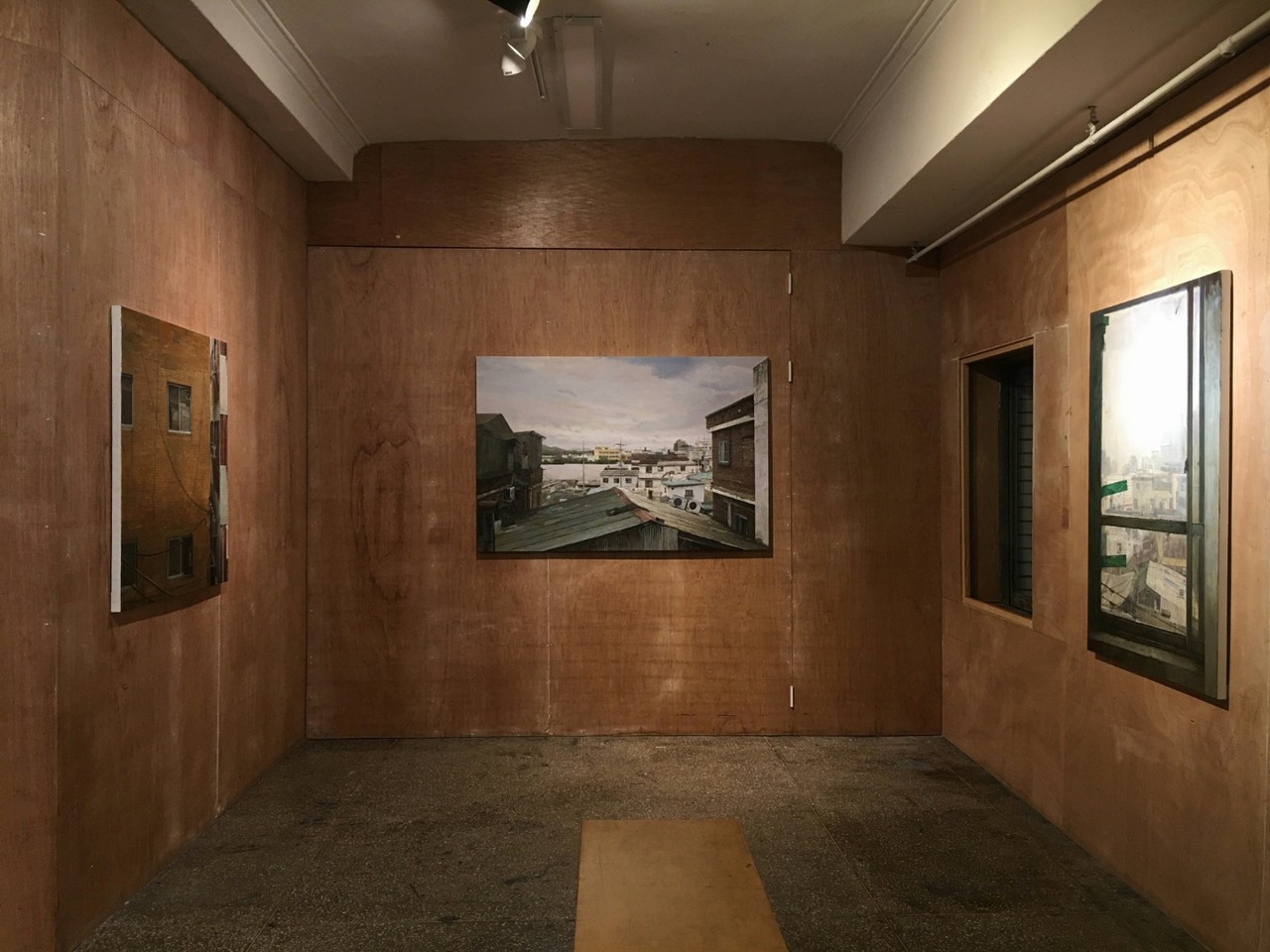
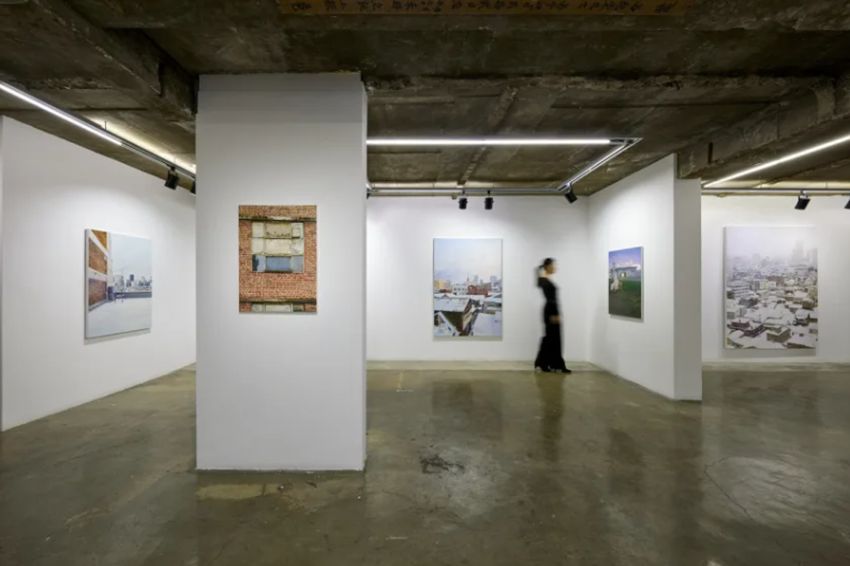 Installation
view of 《How long have I been I here》 © CHOI&CHOI Gallery
Installation
view of 《How long have I been I here》 © CHOI&CHOI Gallery
After
several years of continuing the series, Eulji-ro no longer remains mere subject
of observation. "A place becomes scenery once someone lays their eyes on
it," says the artist. For him, Eulji-ro is now a companion that has
been with him through years. Its social significance as a cultural
monument no longer takes centre stage and his own personal thoughts and
emotions have come to play a larger role, making the task of recreating
it all the more delicate.
As the focus of his work gradually veered away from
the specificities of the time period, Jung paid increasing attention to
the process of painterly representation itself, striving to paint with the
sensibility and consideration that befit his muse. Painting a scene that
is under increasing threat of complete demolition also evokes a
heightened sense of urgency than before. Perhaps in a futile attempt to
resist the approaching fate, he freezes in his compositions the snowy
winters, heavy monsoons, and sun-drenched Sunday mornings that he has
shared with the district.
But unlike the seasons that come back each year,
the winter of his Eulji-ro now exists only in paintings. Facing
a neighbourhood on the verge of becoming a distant past, the artist
confronts his years spent immersed in it and captures the odour of his own
life that has permeated the surface. The
title of the exhibition 《How long have I
been I here》 is taken from a painting of an area near
the Han River that the artist painted over 20 years ago.
He continued to commemorate past narratives of a generation through the subject of surviving
architecture, and now the buildings, too, have been left in the past. To
the artist, the act of painting is a means to recall forgotten memories -
a means to reanimate things that are buried in the past. As Jung pays
homage to the district that has been with him through ups and downs, he
looks back at his own thoughts and emotions that have resided in him over the
years.