Young In
Hong’s practice begins with an understanding of “equality” not as an ethical
declaration, but as a question of relationships that are sensorially tested and
continually rearranged. Rather than presenting the hierarchies operating across
society—between art and non-art, humans and non-humans, center and periphery,
men and women, recorded history and excluded memory—as fixed structures, she
focuses on states of boundary where these hierarchies are unsettled and
intersect. This attitude runs consistently from her early site-specific works
such as The Pillars(2002) and Open
Theater(2004) to her more recent large-scale installations and
performances.
In her
early works, Hong raised questions of equality by disrupting the symbolic
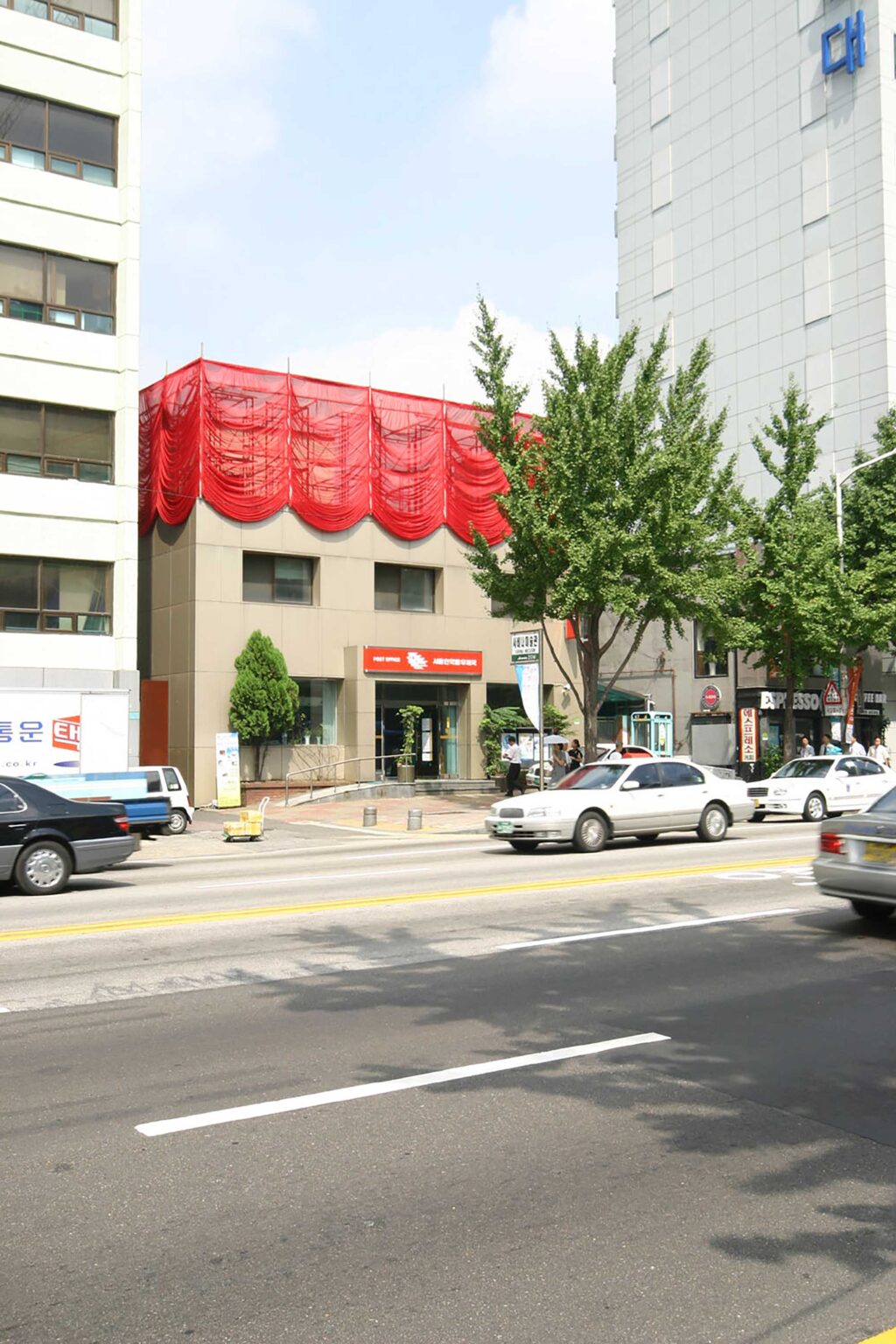
authority embedded in institutional spaces. The
Pillars replaces architectural pillars—structures meant to bear
physical load—with hollow curtain forms, exposing a separation between function
and symbol. Subsequently, works staged at Anguk Post Office and the
Samcheong-dong police substation, Open
Theater and I Will Commit Crime Forever and a
Day(2004), temporarily inserted art into controlled public institutions,
paradoxically reconfiguring notions of publicness and normativity,
transgression and safety.
Over time,
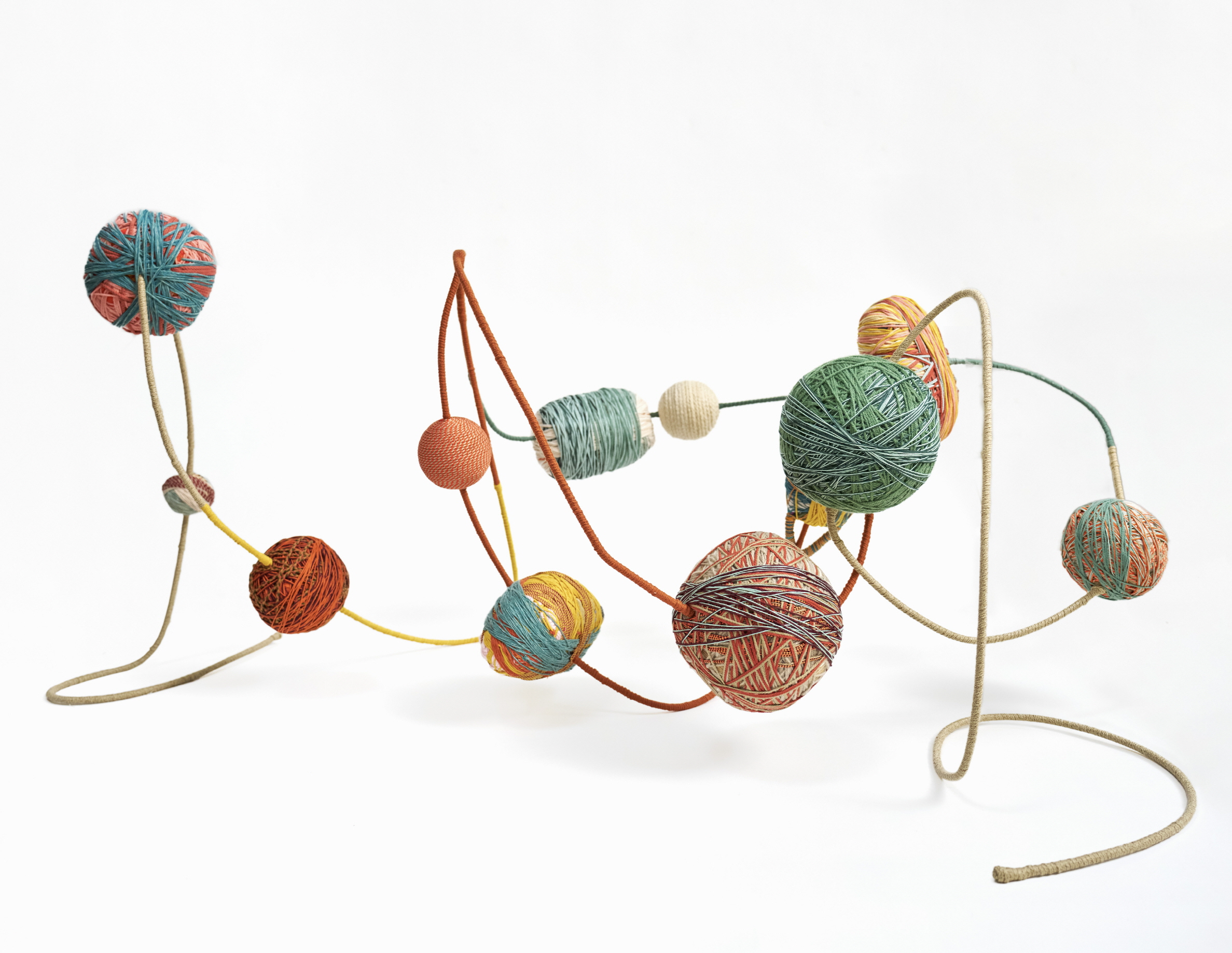
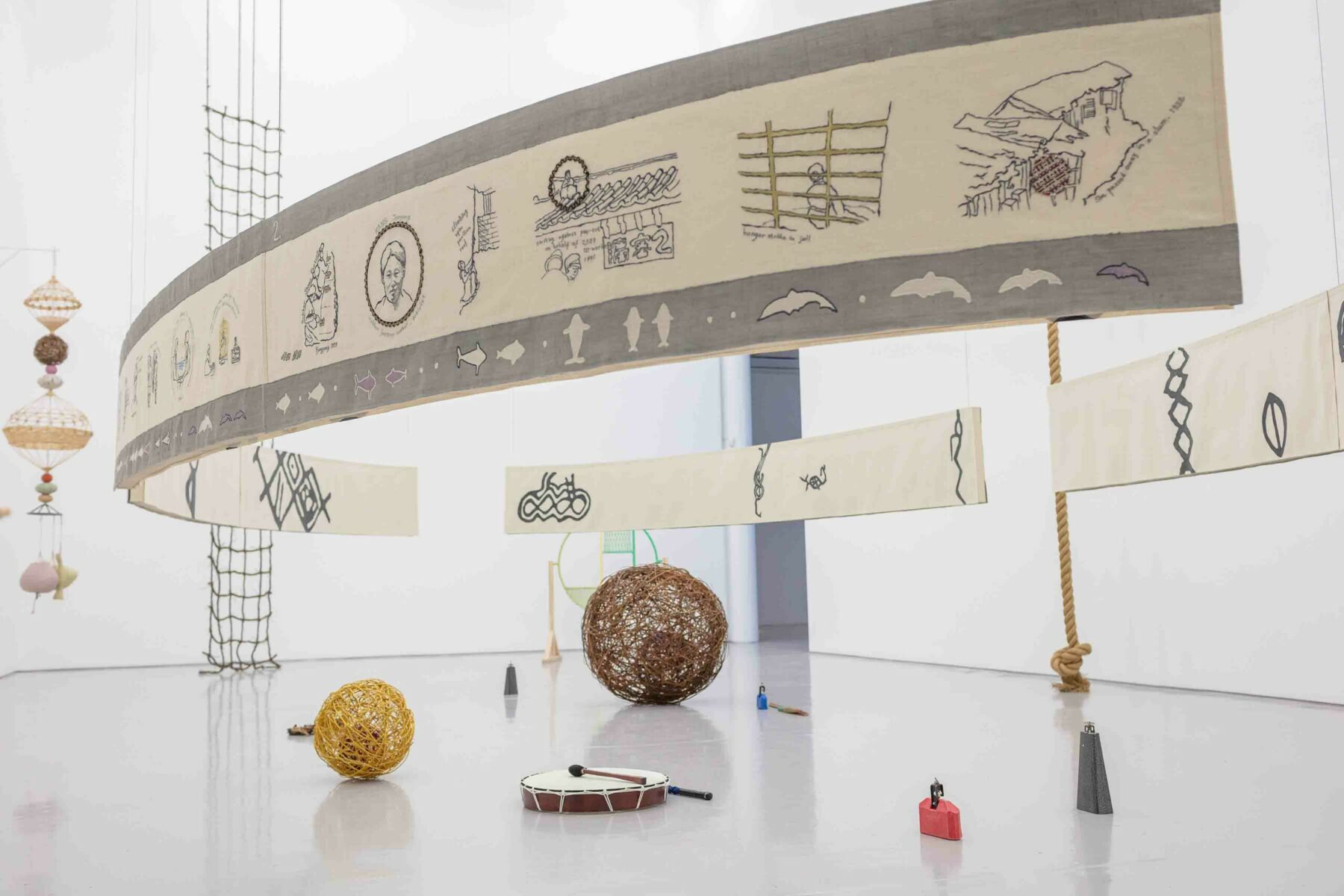
the artist’s focus expanded toward the histories and labor of excluded
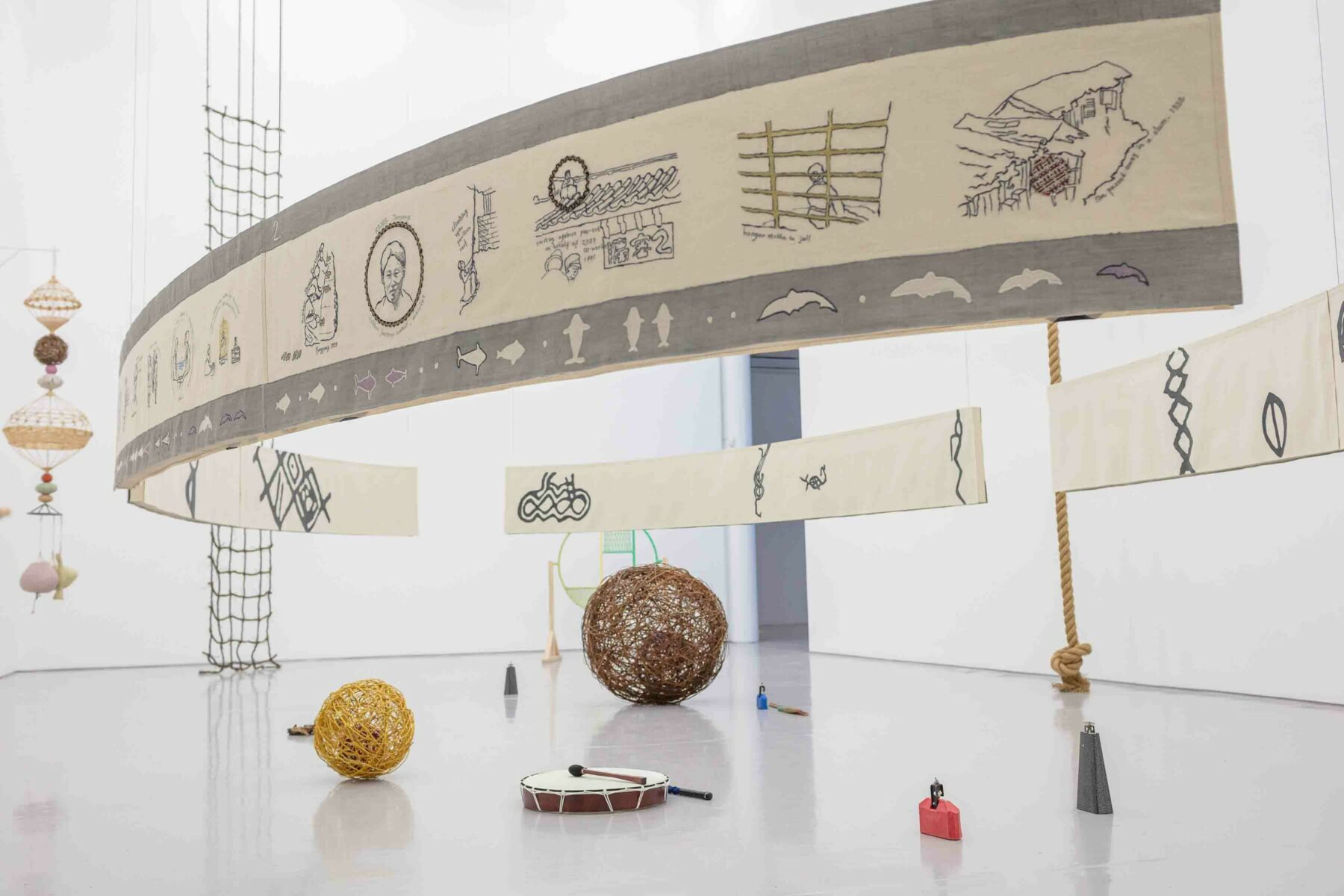
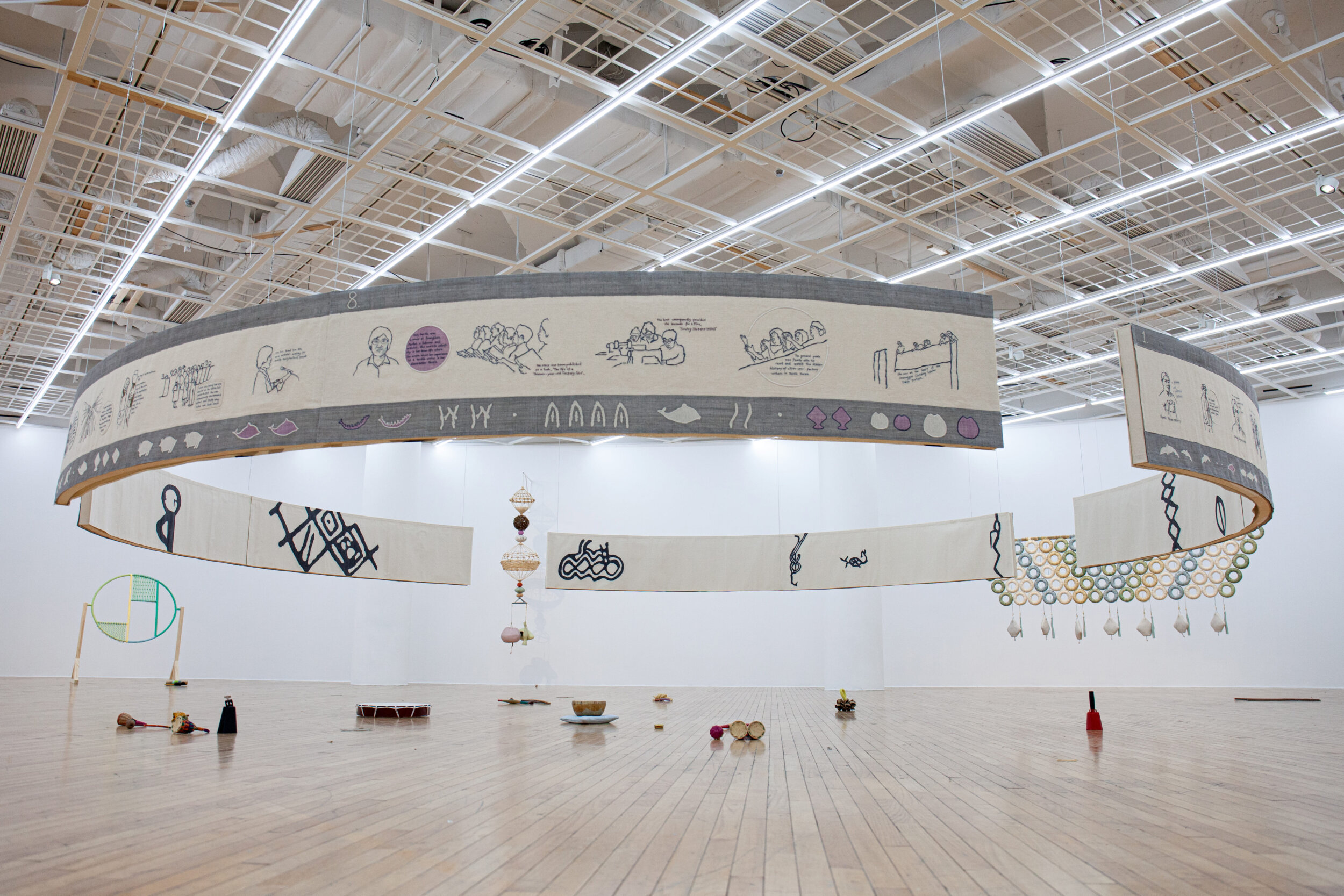
subjects. Using embroidery and sewing—forms of labor historically undervalued
and feminized—as her primary medium, Under the Sky of
Happiness(2013) recalls portraits and traces of women marginalized
during Korea’s modernization. Here, equality shifts from a matter of rights to
a deeper question of who is remembered and who is recorded. This line of
inquiry continues in Looking Down from the Sky(2017),
where silhouettes of collective protests are transformed into musical scores,
translating suppressed voices into another sensory language.
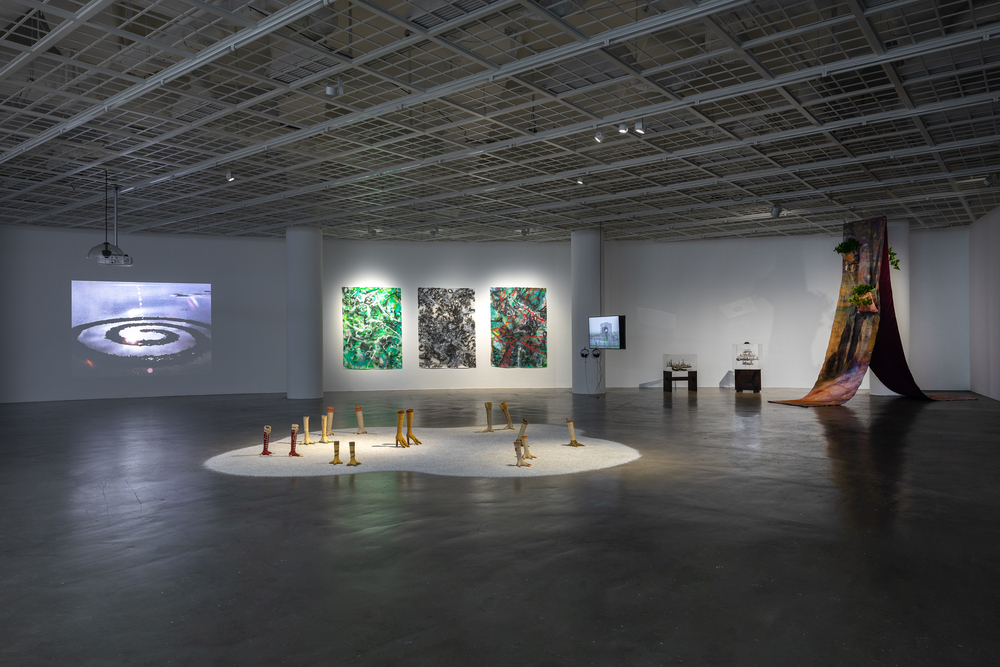
Since
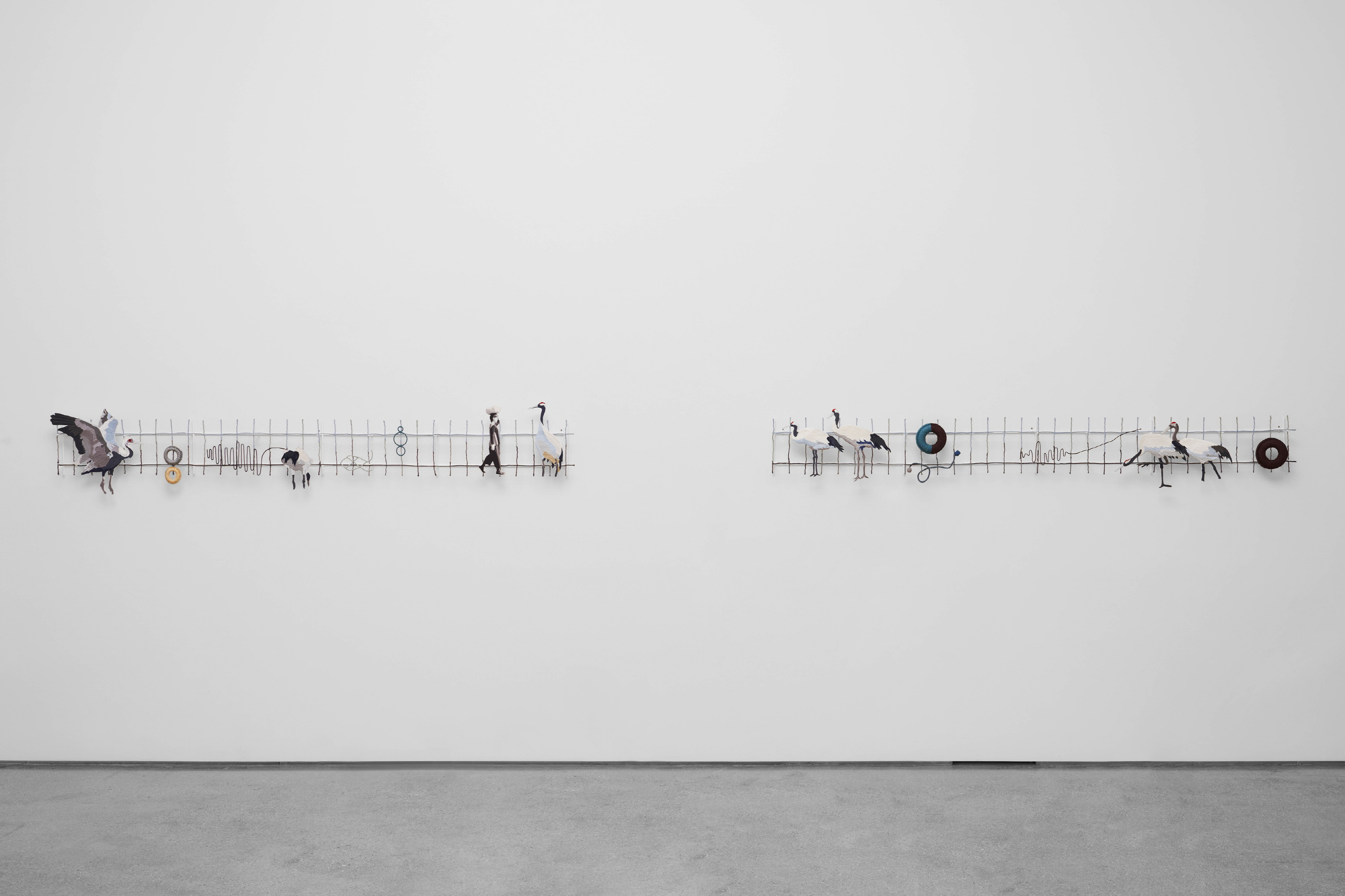
2019, Hong’s work has moved further toward reexamining the anthropocentric
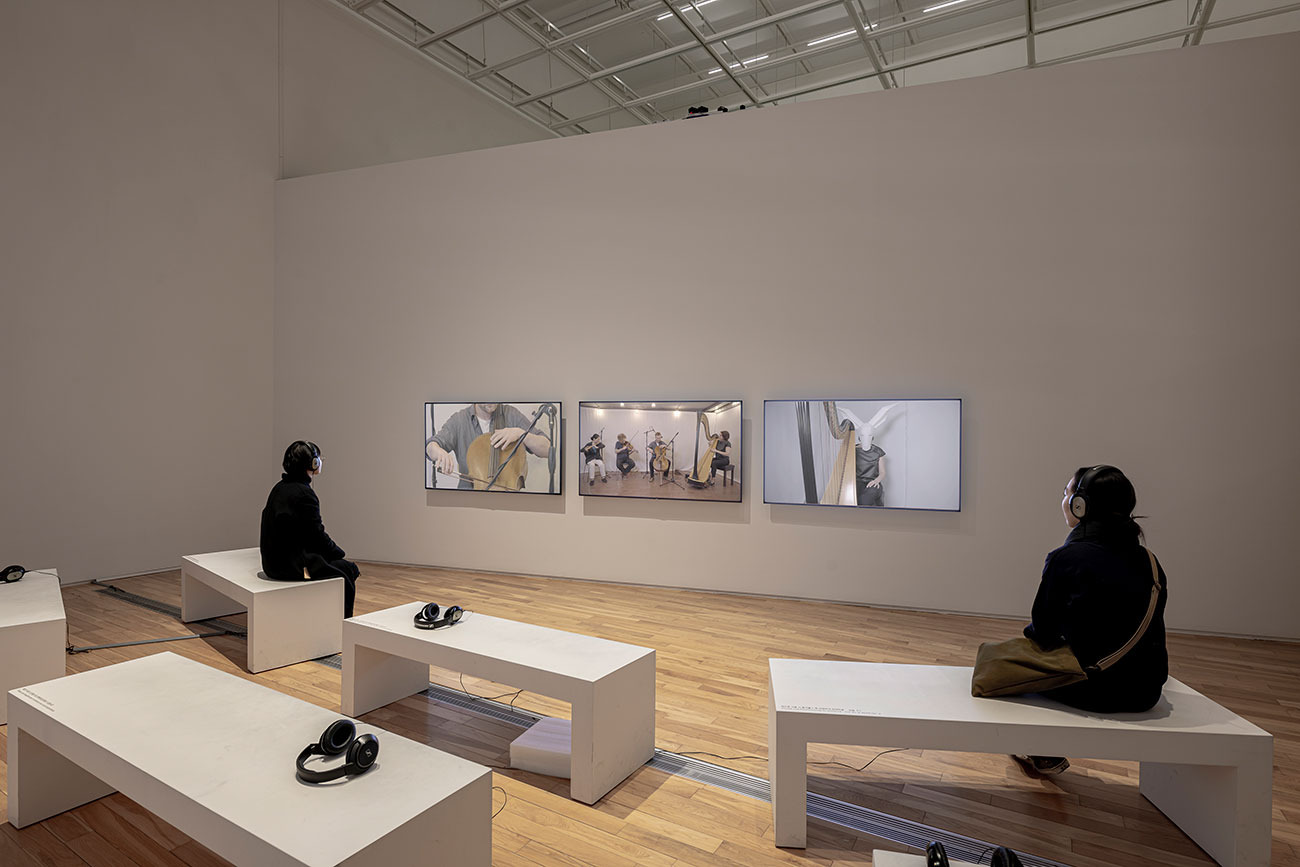
order itself. Works presented in 《Korea Artist Prize 2019》—To Paint
the Portrait of a Bird(2019), The White Mask(2019),
and Un-Splitting(2019)—indirectly expose social
exclusivity and structures of division through animal perception, collective
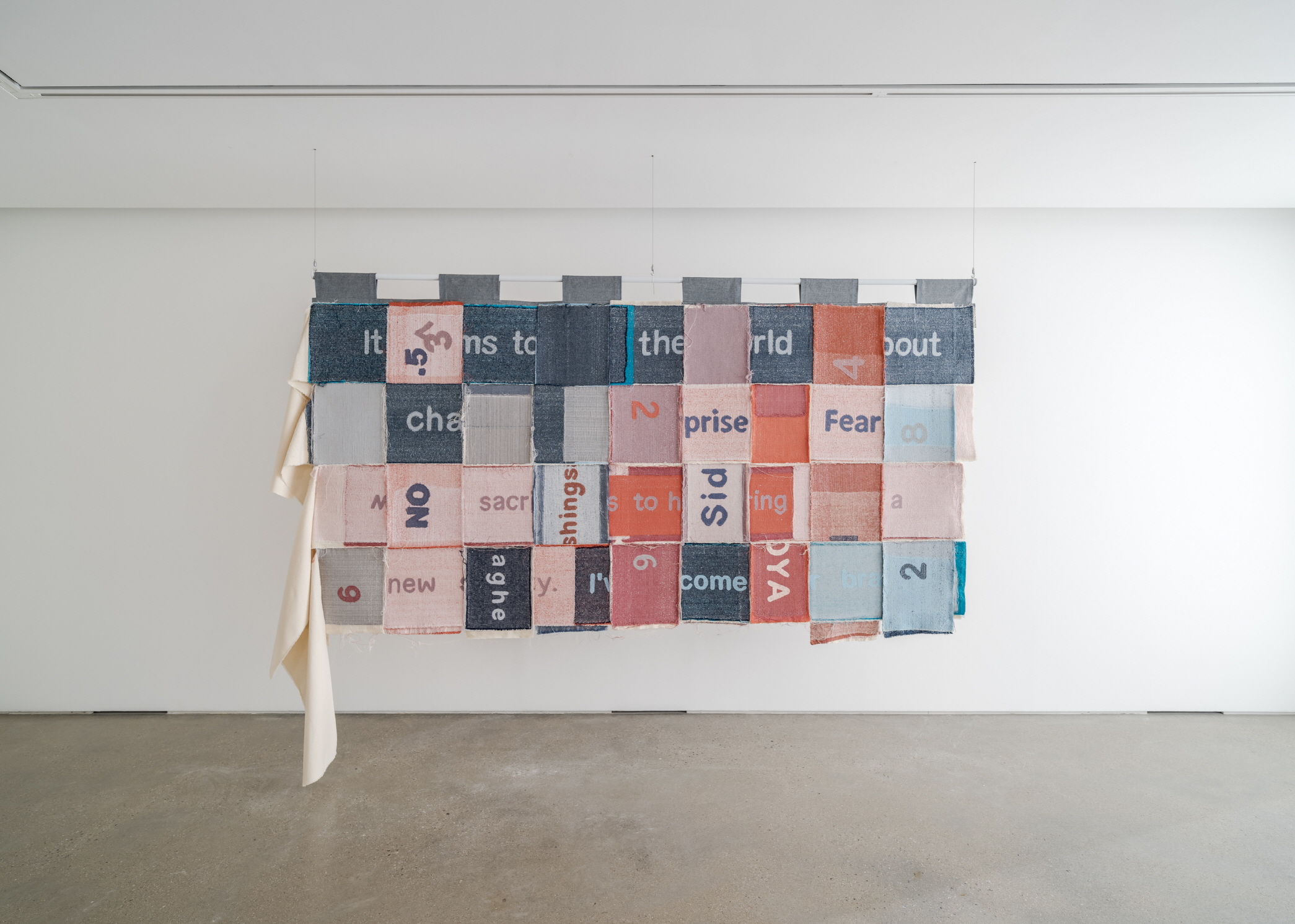
bodies, and improvised sound. These explorations have expanded into more
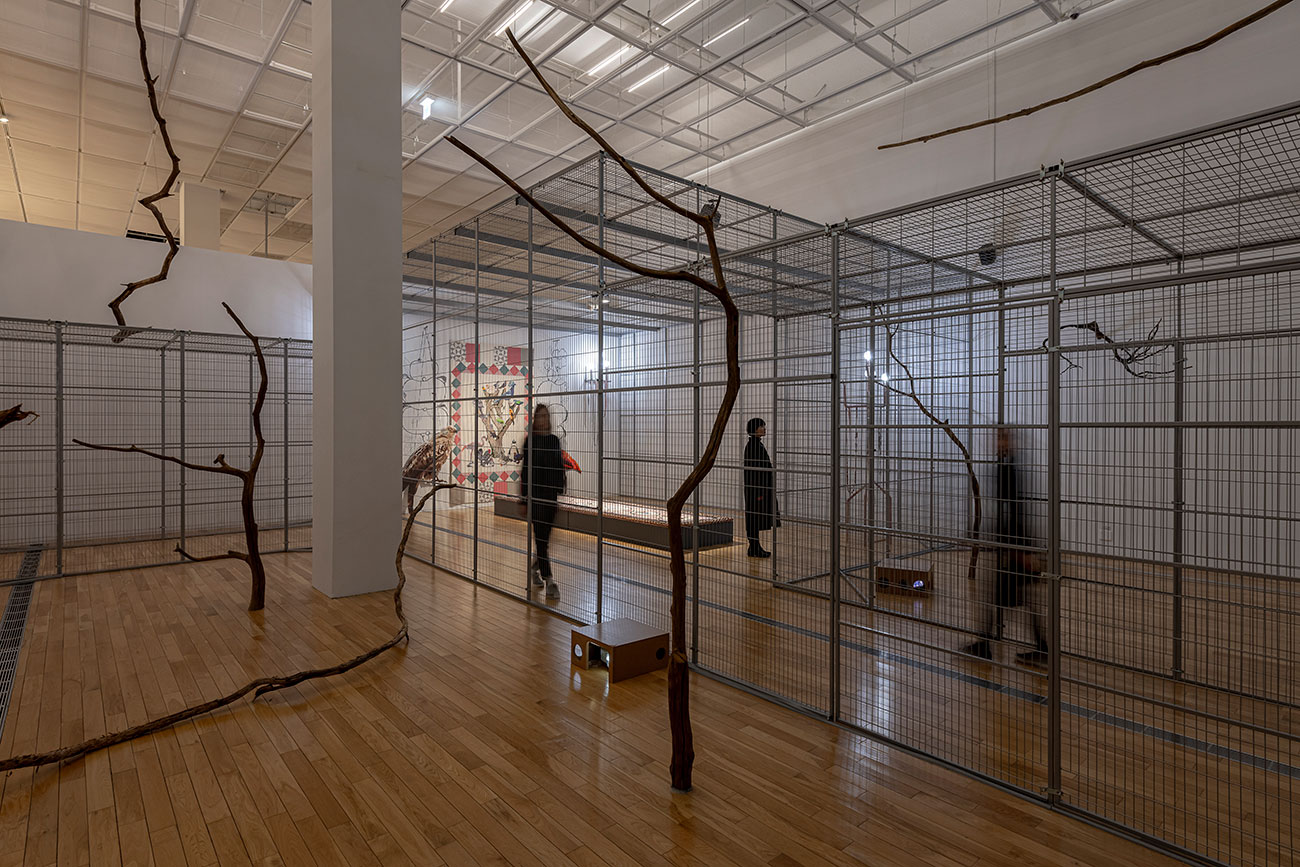
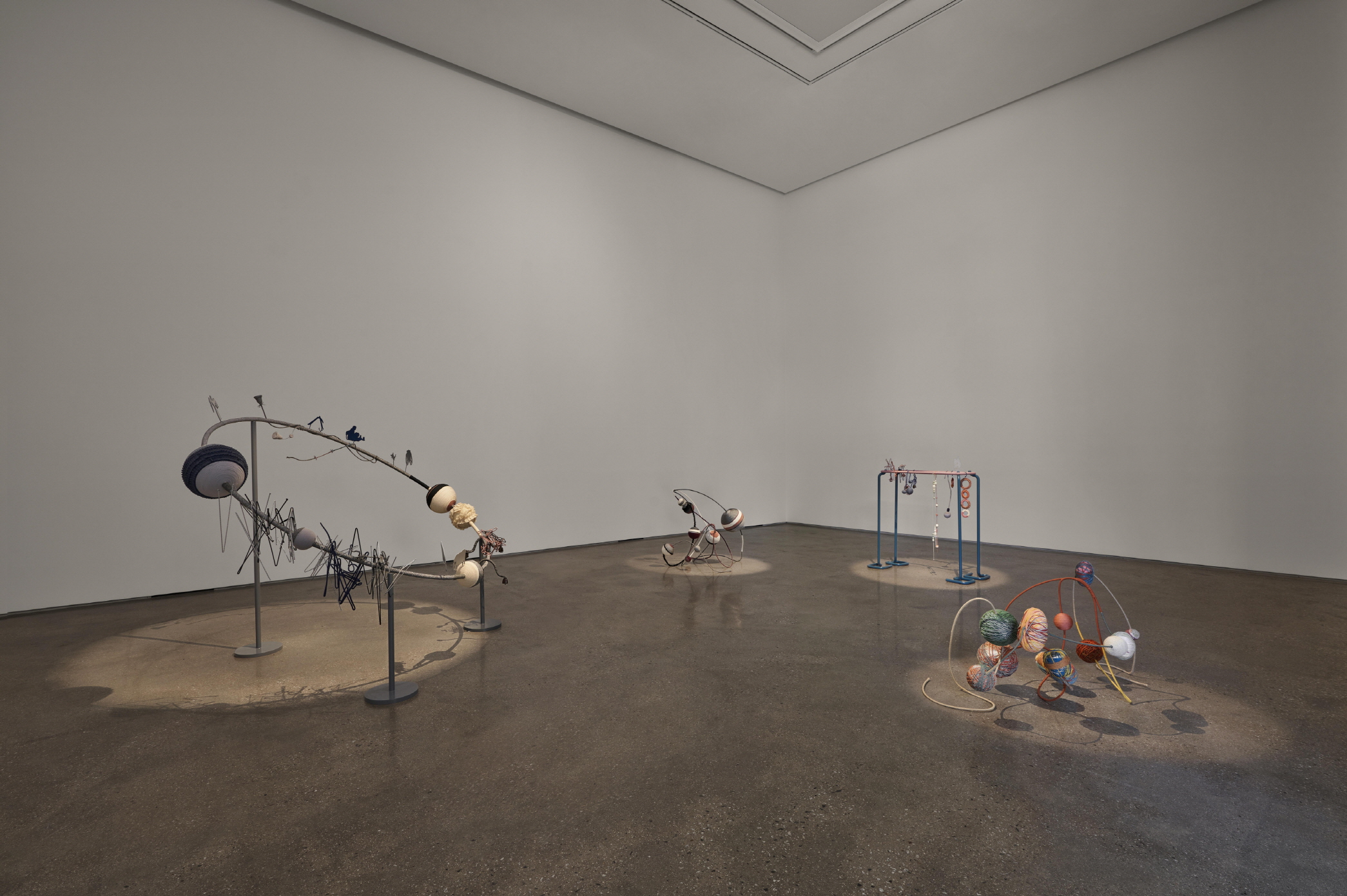
complex narratives in recent solo exhibitions such as 《Five
Acts & A Monologue》(Art Sonje Center, 2025) and 《Five Acts》(Spike Island, 2024), where
women’s labor histories are juxtaposed with relationships between humans and
animals.