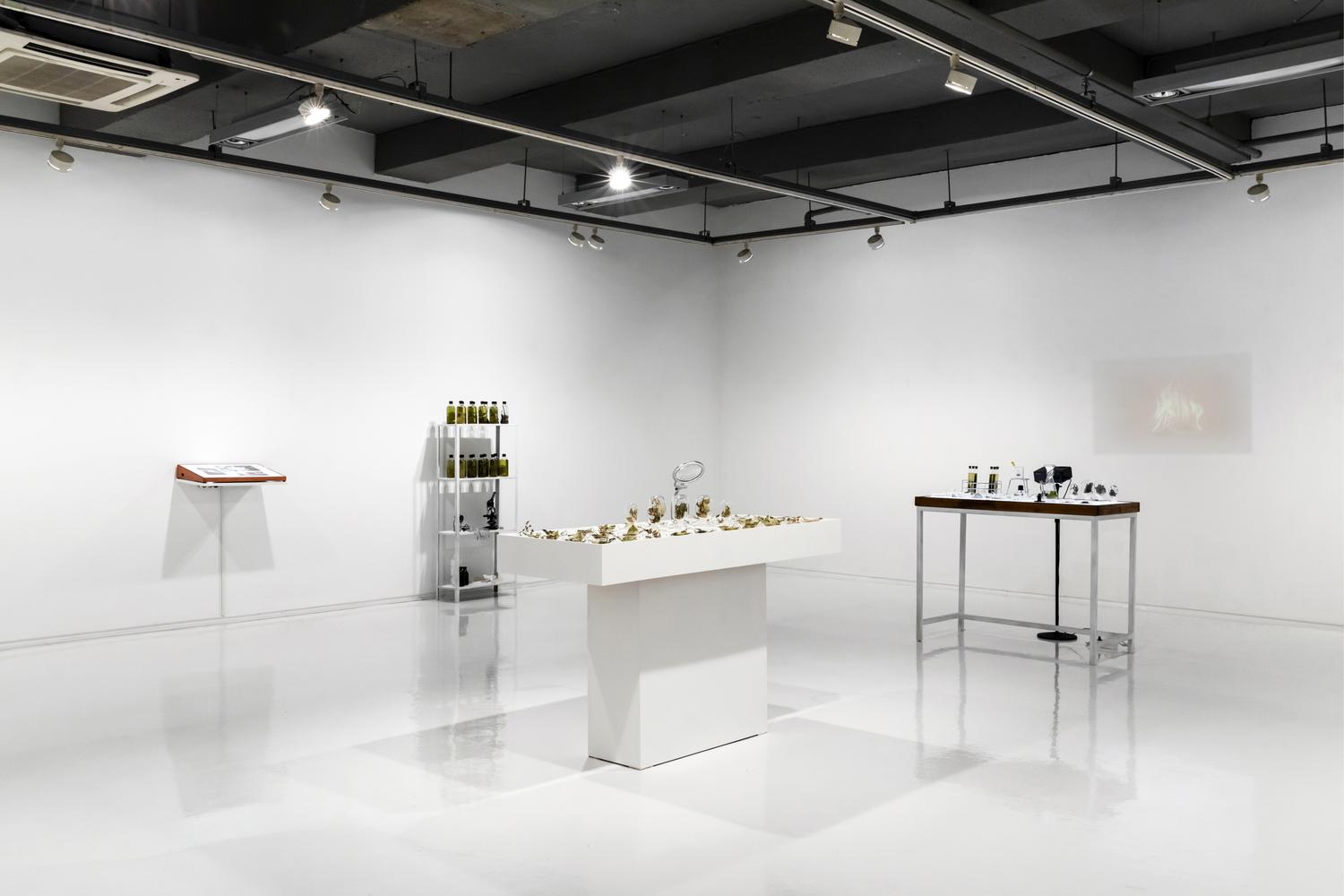


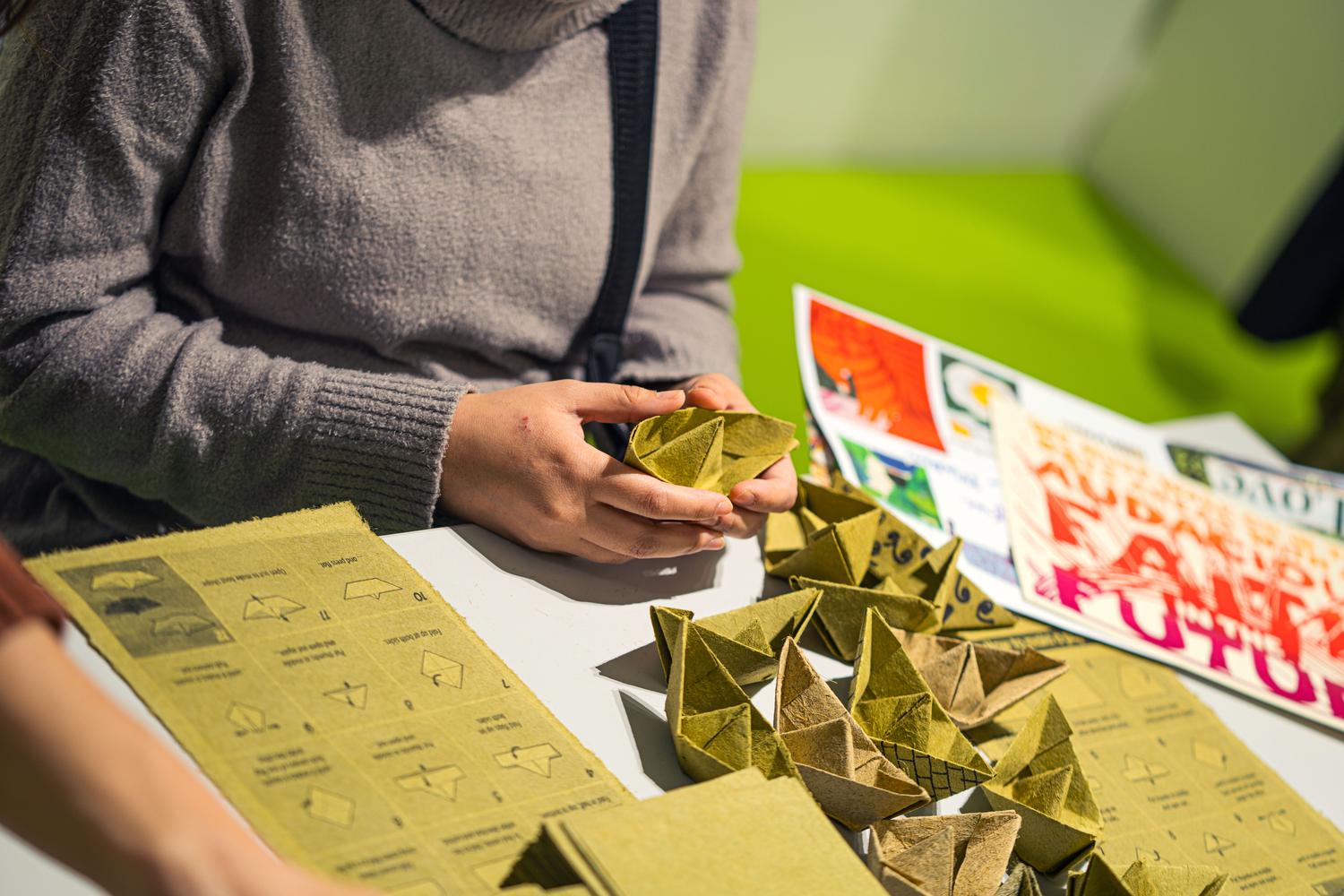
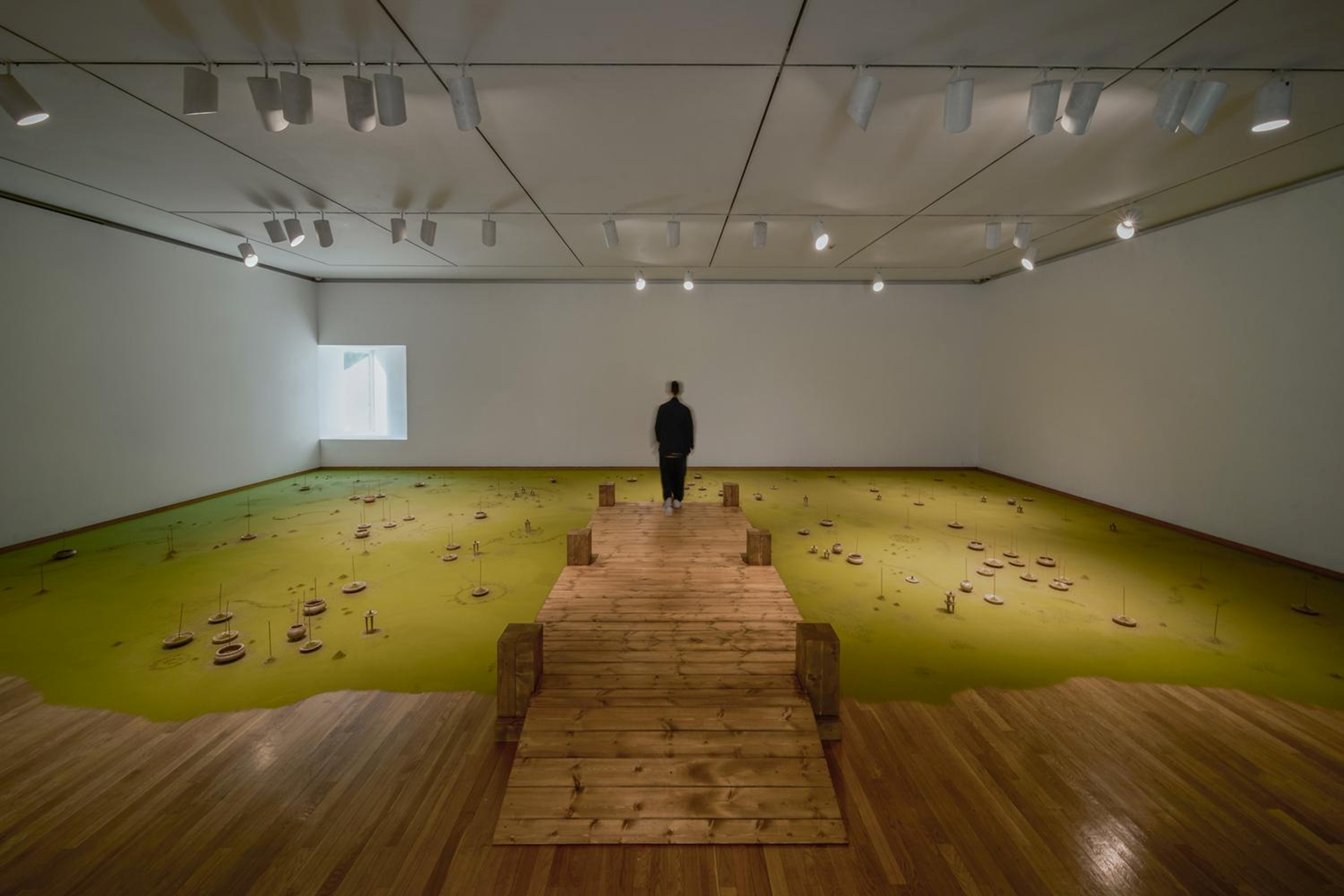
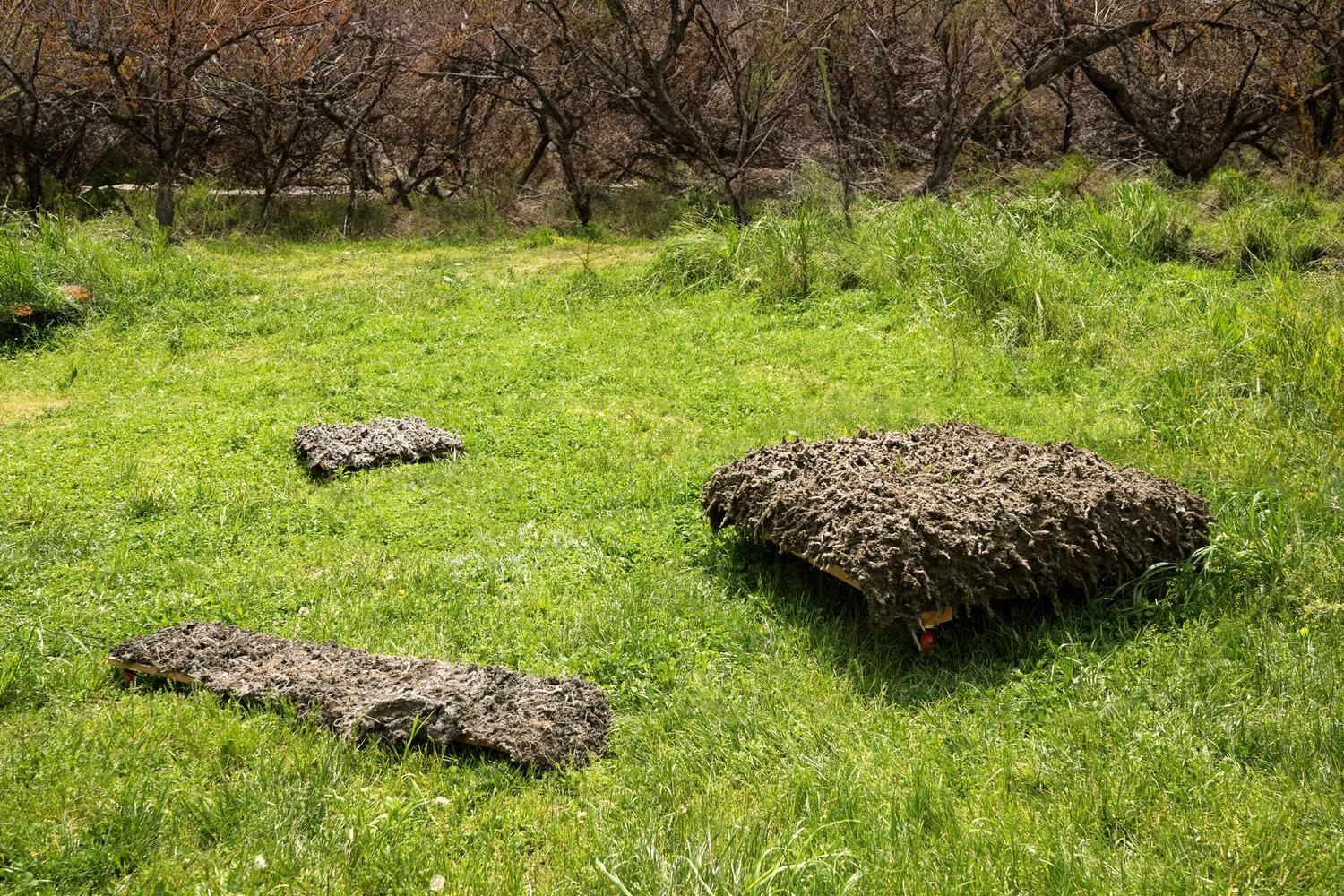
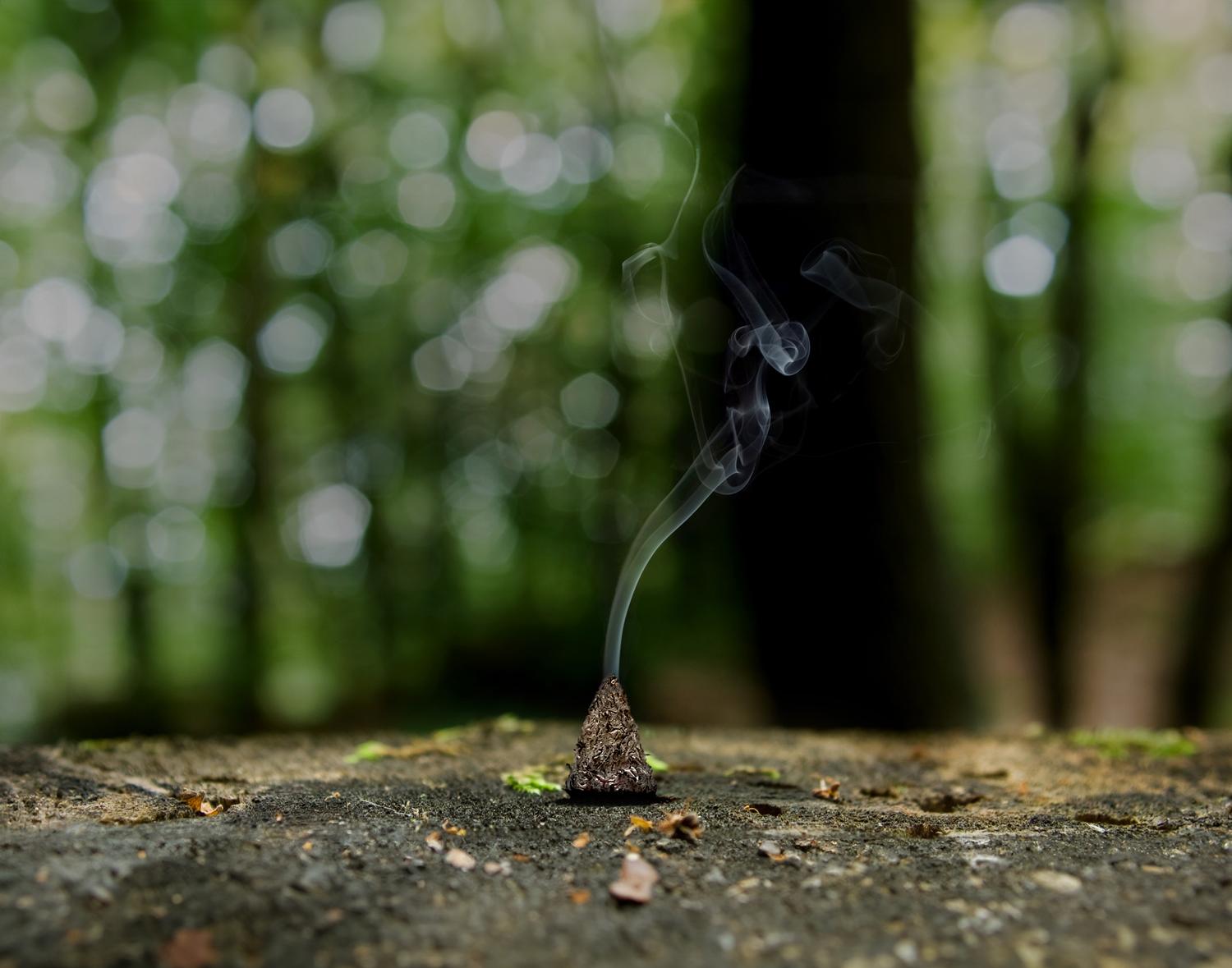
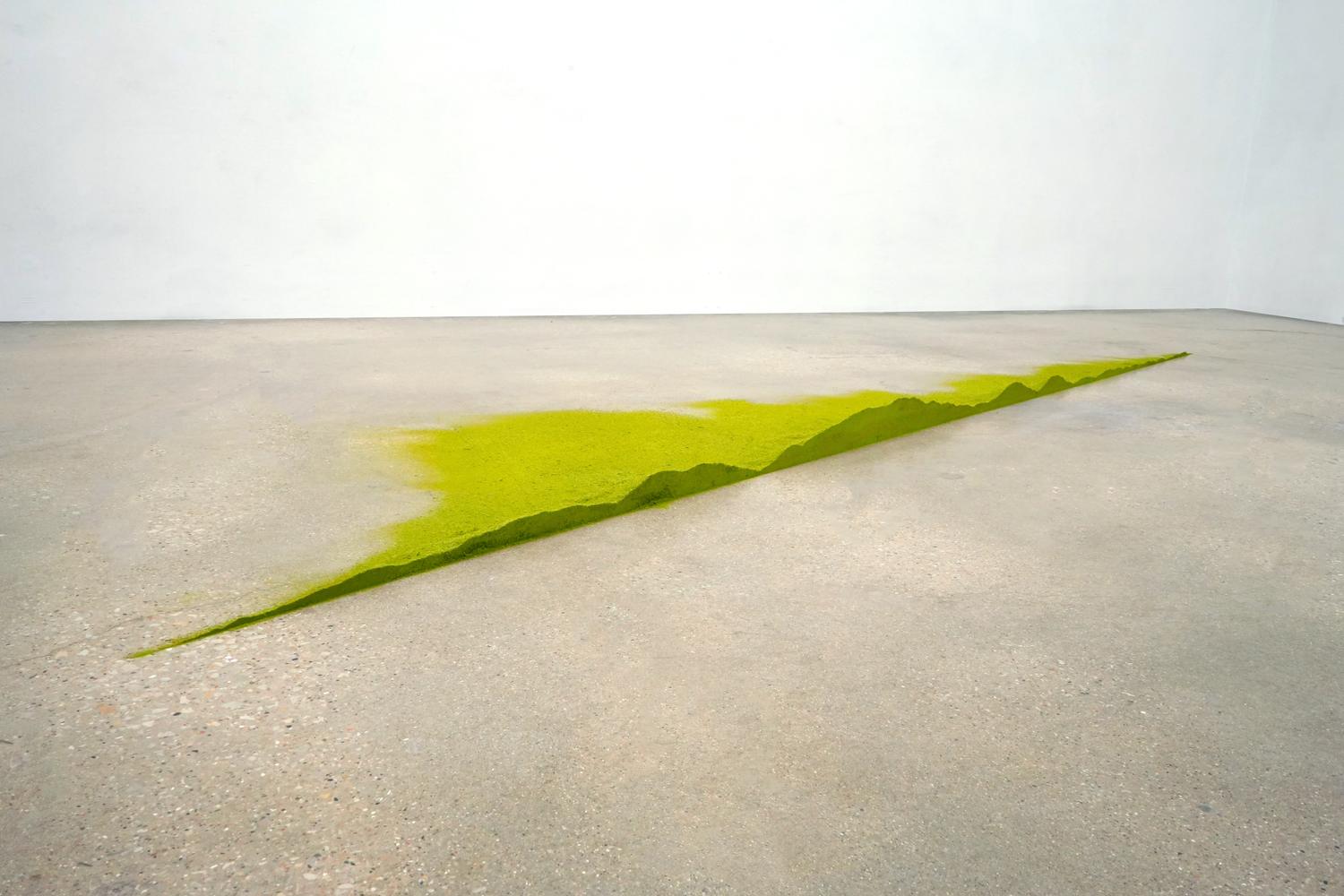

Installation view of 《Visions of Nature》 © Site:Brooklyn Gallery

《Visions of Nature》 presents artists whose work explores how we experience and consider nature and landscape in the 21st century. In traditional landscape painting in American art history, starting with the 19th century Hudson River School, artists such as Thomas Cole and Asher B. Durand portrayed idealized, sublime vistas from mountaintop perspectives.

This God’s eye view portrayed sweeping landscapes in which humans could live in tranquility with nature, while perpetuating themes of discovery, exploration, and settlement.

At the same time, the Industrial Revolution was underway, and the 1820s and 30s brought the modern invention of photography. Photos could capture light impressions of the visible world and were seen as unmediated images. Many of the earliest photographs by William Fox Talbot and others were landscapes, architectural views, and also camera-less imprints of nature, including silhouettes of leaves, twigs, flowers, placed directly on photo-sensitive paper.

Later in the 1960s and 70s, the New Topographics, including Bernd and Hill Becher, Robert Adams, Lewis Baltz, and others, focused on the post-industrial era, showing an unromantic view of the landscape. Their photographic views revealed how humans were encroaching on the land, intervening on nature, and building industrial structures that marred the American landscape.

These images showed the aftermath of the human conquest of land for development and resource extraction. Land art and earthworks by Robert Smithson, Walter de Maria and others, perpetuated the colonial mentality of man’s right to make their mark on territorial land.


Installation view of 《Visions of Nature》 © Site:Brooklyn Gallery

Working in various media, artists today are taking cues from earlier art movements but are recognizing the consequences of an incessant human-centered occupation of the land. The artists in the exhibition 《Visions of Nature》 are addressing our current relationship to nature but are learning from the past. Several artists are looking back, longing for an undisturbed experience of nature; however, this new work is not merely nostalgic.

Artists are looking beyond how we “see” nature, and also considering how we experience it with multiple senses. They are asking how we can embody nature so that we might better respect the earth. These artists understand that centuries of continued development and extraction has created a detrimental impact on our environment.

Many are addressing the disastrous effects of climate change—global warming, devastating storms, melting glaciers, destruction of habitats and ecosystem collapse. The environmental issues are daunting and overwhelming, yet artists are taking on the challenge of grappling with the ecological crisis.

They are asking how we can live more responsibly on this planet. Flora and fauna have had to adapt in order to survive through treacherous conditions, and artists are imagining a future in which humans are no longer the dominant species, non-human creatures have evolved, and nature will eventually reclaim what was taken by people.

References