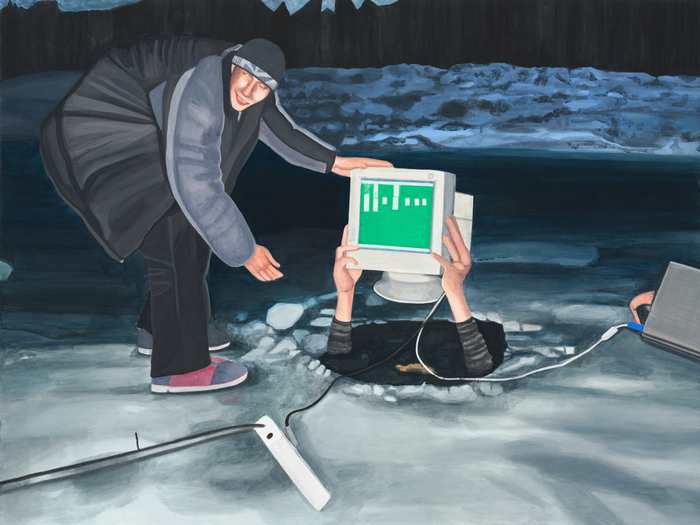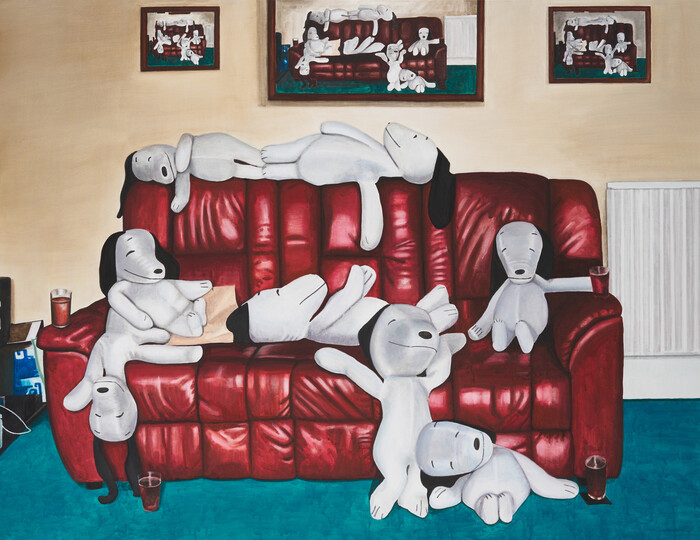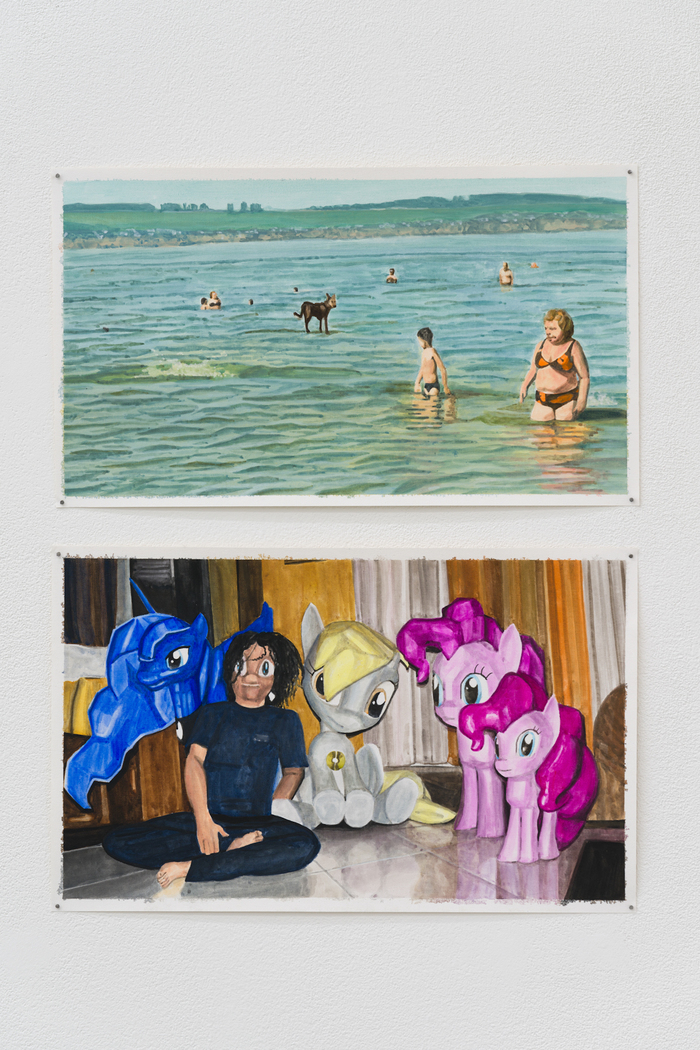


Dawha Jeon (b. 1990) has been exploring today’s digital ecosystem, oversaturated with fleeting and decontextualized images, by reconfiguring them along a different temporal axis. Viewing meme images circulating online as a kind of cultural relic, she collects and reinterprets them into the material form of painting.


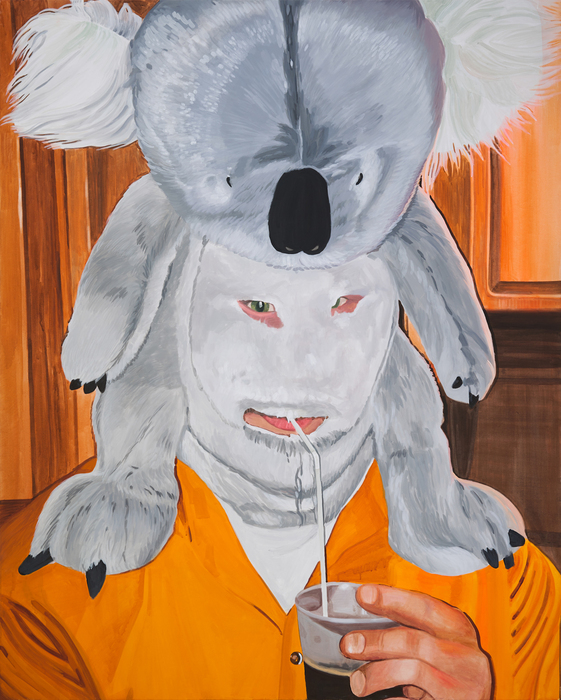
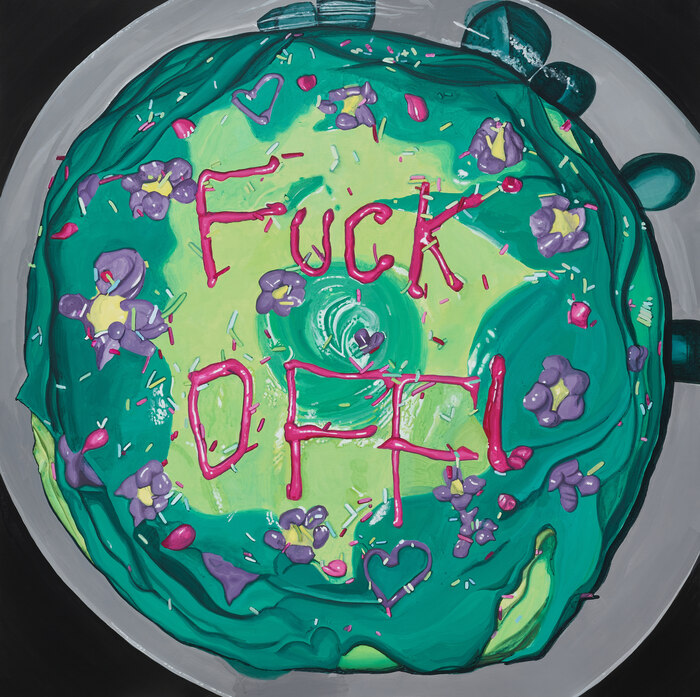
Dawha Jeon, Eoljug-a, 2021, Gouache on cotton, 162.2x130.3cm ©Dawha Jeon

Like an archaeologist—or perhaps a necromancer—Dawha Jeon extracts, expands, and transforms traces of form from degraded images through both methodical processes and intuitive gestures. In this process, painting and image enter into a dynamic relationship: they reference one another, imitate, attempt to diverge, fail in the attempt, and at times even embrace failure intentionally.


Dawha Jeon, Brutally Honest, 2019, Gouache on cotton, 24x19cm ©Dawha Jeon

At the same time, Jeon collects not only images but also bits of text that circulate through the internet network—improper jokes, unretweeted monologues, or failed catchphrases. She regards these fleeting, trivial words and images as cultural fragments shaped by countless anonymous users, and as metaphors for the ways in which we experience and remember the digital world.


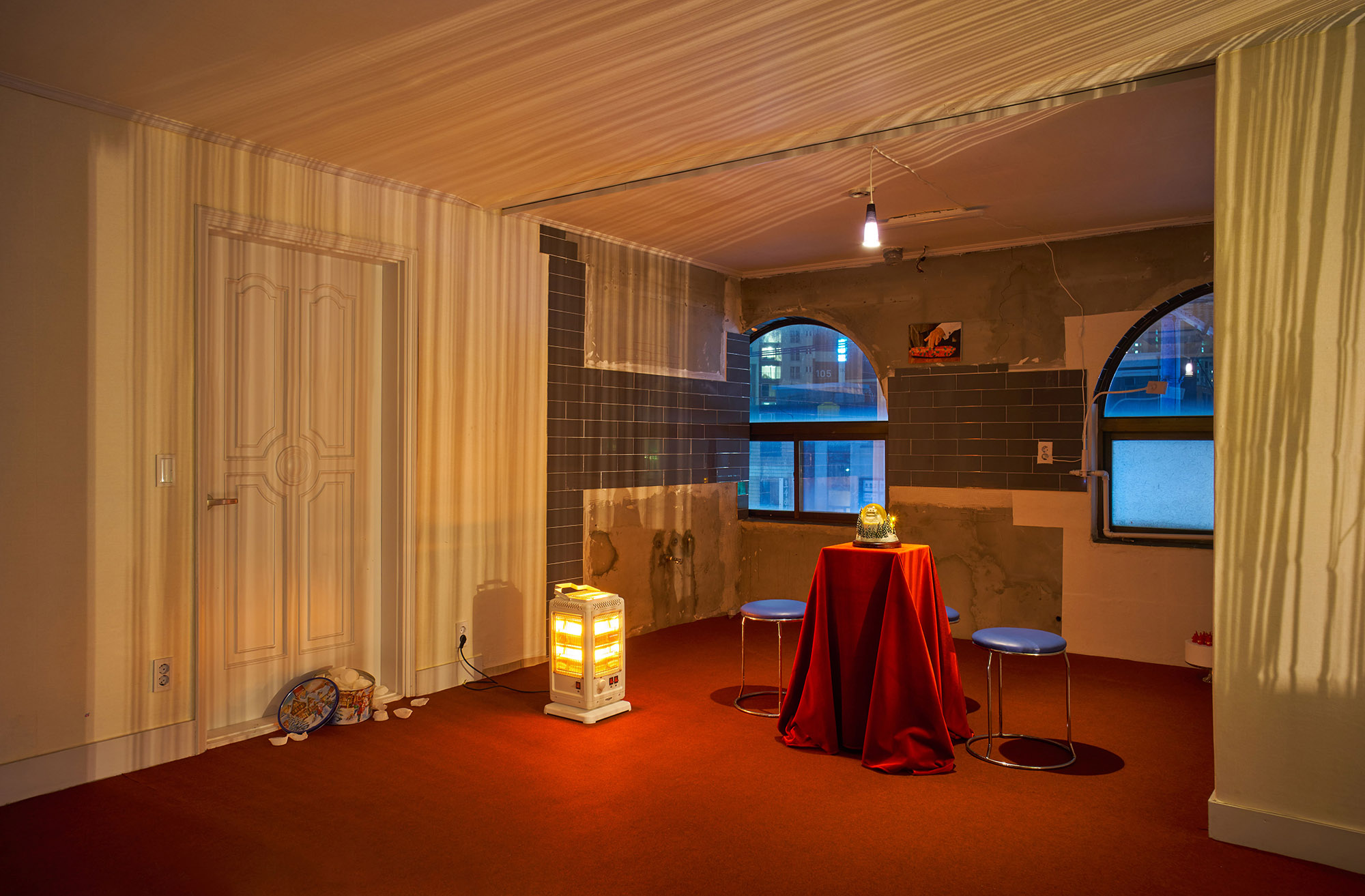
Installation view of 《Christmas Instant Mix》 (Young&Vok, 2020) ©Dawha Jeon

Dawha Jeon’s first solo exhibition, 《Christmas Instant Mix》 (2020), stemmed from her experience growing up in a culturally marginalized city on the outskirts of Seoul, where she absorbed imported cultures—mainly from the so-called “First World” Western countries—to construct her inner world.
 
In this exhibition, Jeon translated her personal obsession with the idea of a fantastical Christmas into her work, exploring the phenomenon in which a fabricated nostalgia for something never experienced merges with various degraded reproductions of the original, resulting in a hybrid and distorted entity.


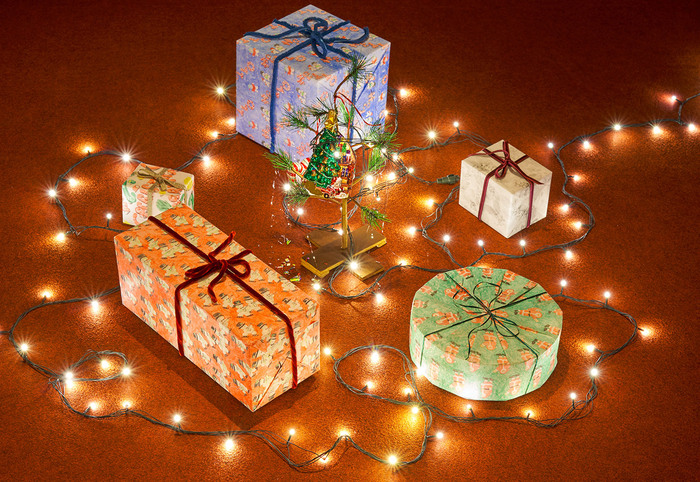
Installation view of 《Christmas Instant Mix》 (Young&Vok, 2020) ©Dawha Jeon

To achieve this, Jeon occupied an empty house and transformed it into her imagined scene of an ideal Christmas, filling the space with Christmas-related objects she had collected from various countries alongside her own works.
 
The ‘Christmas Instant Mix’ series presented there consisted of gift boxes wrapped in hand-drawn reproductions of 1950s vintage wrapping paper images sourced from Google searches.
 
Together with these works, all the elements gathered in pursuit of the “ideal Christmas”—a red carpet, carols leaking from a closed room, and the sound of crackling firewood from a fireplace video playing on a smartphone—collectively created a temporary yet uncanny experience of Christmas.


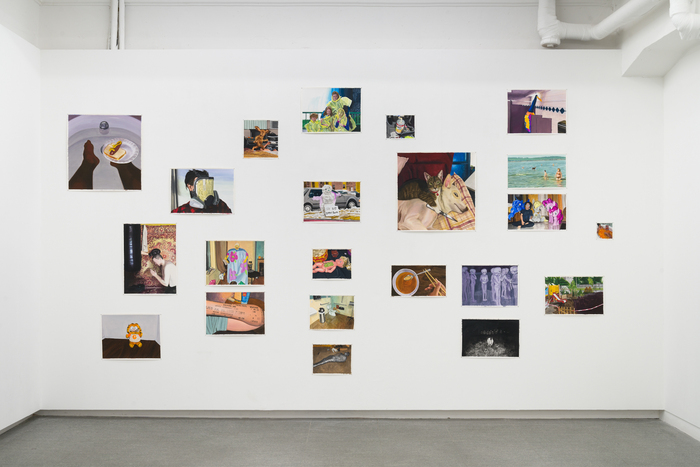
Installation view of 《Ghost in the Machine》 (Space Cadalogs, 2022) ©Space Cadalogs

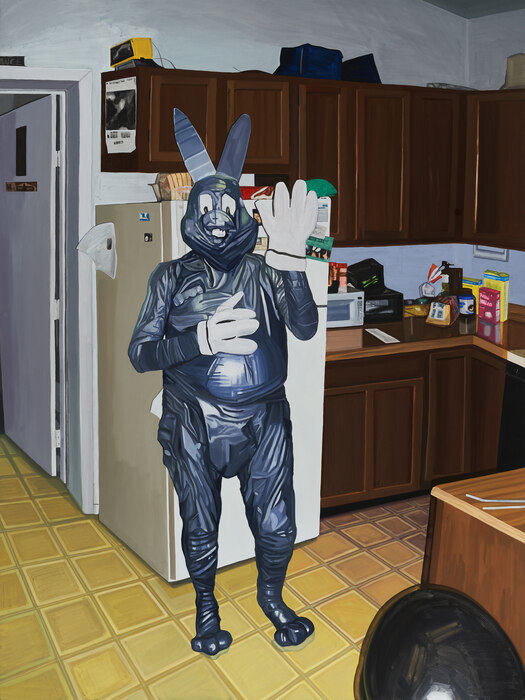
Subsequently, Jeon’s 2022 solo exhibition 《Ghost in the Machine》 at Space Cadalogs showcased her ‘Ghost in the Machine’ series, in which she collected and organized so-called “cursed images” — meme-like online visuals — and translated them into paintings.
 
The term “cursed image” generally refers to photos taken with early digital compact cameras from the mid-2000s to the early 2010s. These images, often of poor quality or containing unsettling content, evoke a strange sense of discomfort and unease.


Installation view of 《Ghost in the Machine》 (Space Cadalogs, 2022) ©Louise the Women

These images were originally uploaded to image-hosting sites before the widespread use of smartphones and social networks. Over time, they naturally circulated—primarily through platforms such as Tumblr and Twitter.
 
Depicting absurd, inexplicable situations, often with awkward composition or poor focus, and inherently low resolution, these images continued to deteriorate as they spread across the web. Eventually, they became a kind of meme—aged, uncanny relics that still drift through the digital ether today.


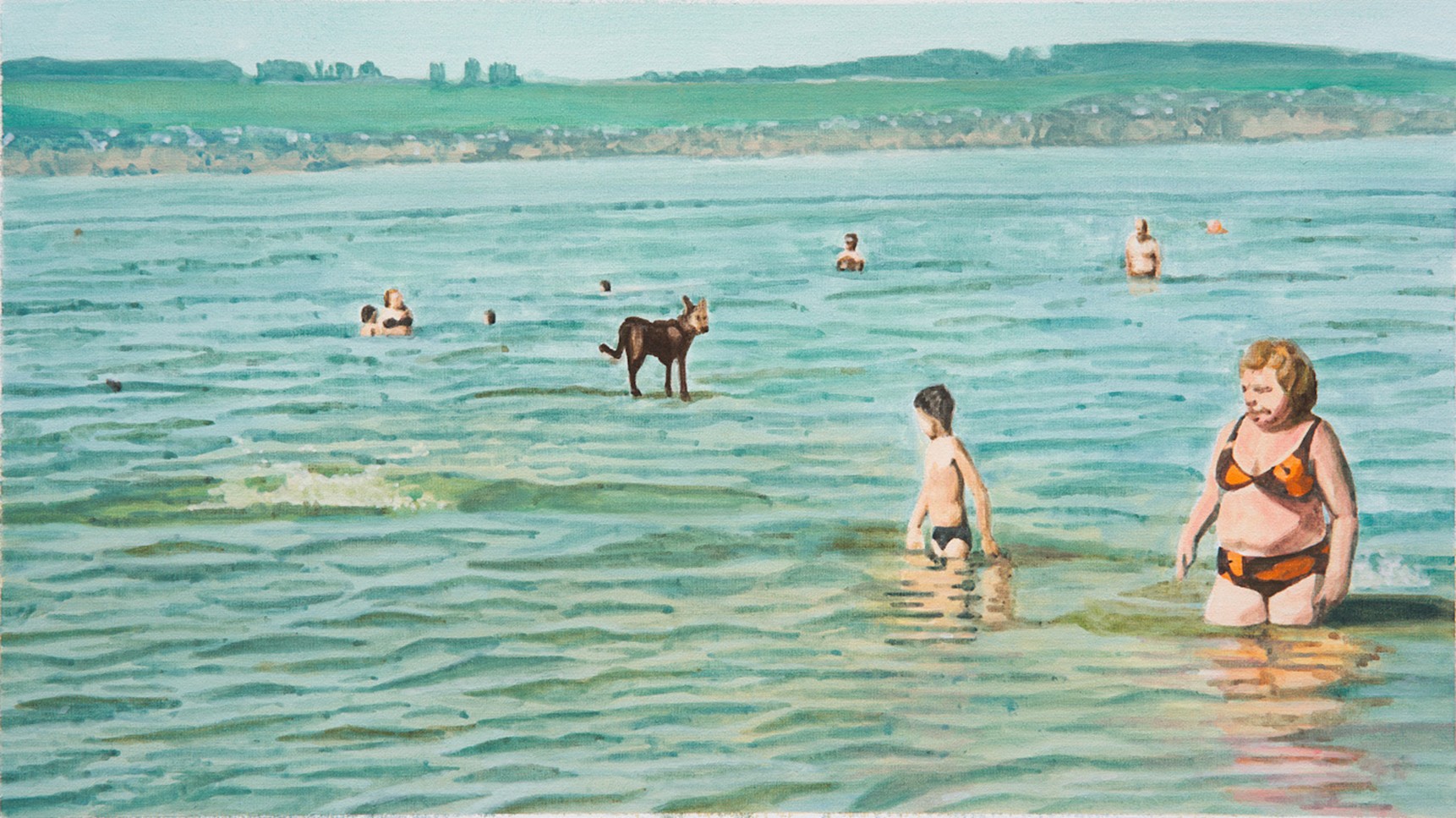
Dawha Jeon, Millennium, 2022, Gouache on cotton, 74.9x99.4cm ©Dawha Jeon

Like a ghost drifting through the internet, Dawha Jeon retrieves slowly deteriorating digital images and allows them to permeate the surface of material through the medium of painting. The cotton fabric she uses, specially coated for watercolor, absorbs pigment while forming a distinct surface once dried.
 
Her method of layering thin washes of paint—allowing each to remain separate yet visibly overlapping—resembles the digital process of “merging layers” in Photoshop, where multiple visual strata are combined into one image.


Dawha Jeon, Me and the Gang, 2022, Gouache on cotton, 77x99.4cm ©Dawha Jeon

Through this process, the data of the digital images is deconstructed and re-layered via the artist’s intervention, ultimately forming a tangible physical surface. The images, which once drifted across the internet like disembodied ghosts, are magnified and sharpened according to the artist’s desire to observe these aging photographs more closely and in greater detail.


Installation view of 《Ghost in the Machine》 (Space Cadalogs, 2022) ©Louise the Women

The reason the artist gives these images a larger and more tangible physical presence is that, in today’s context—where we are constantly conscious of how we appear to others in photographs—“cursed images” hold the value of a kind of cultural artifact.
 
In an era when such photos can no longer be taken, Dawha Jeon seeks to capture and materialize that unfamiliar sensation, preserving it as if experiencing a nostalgia for a time never personally lived.

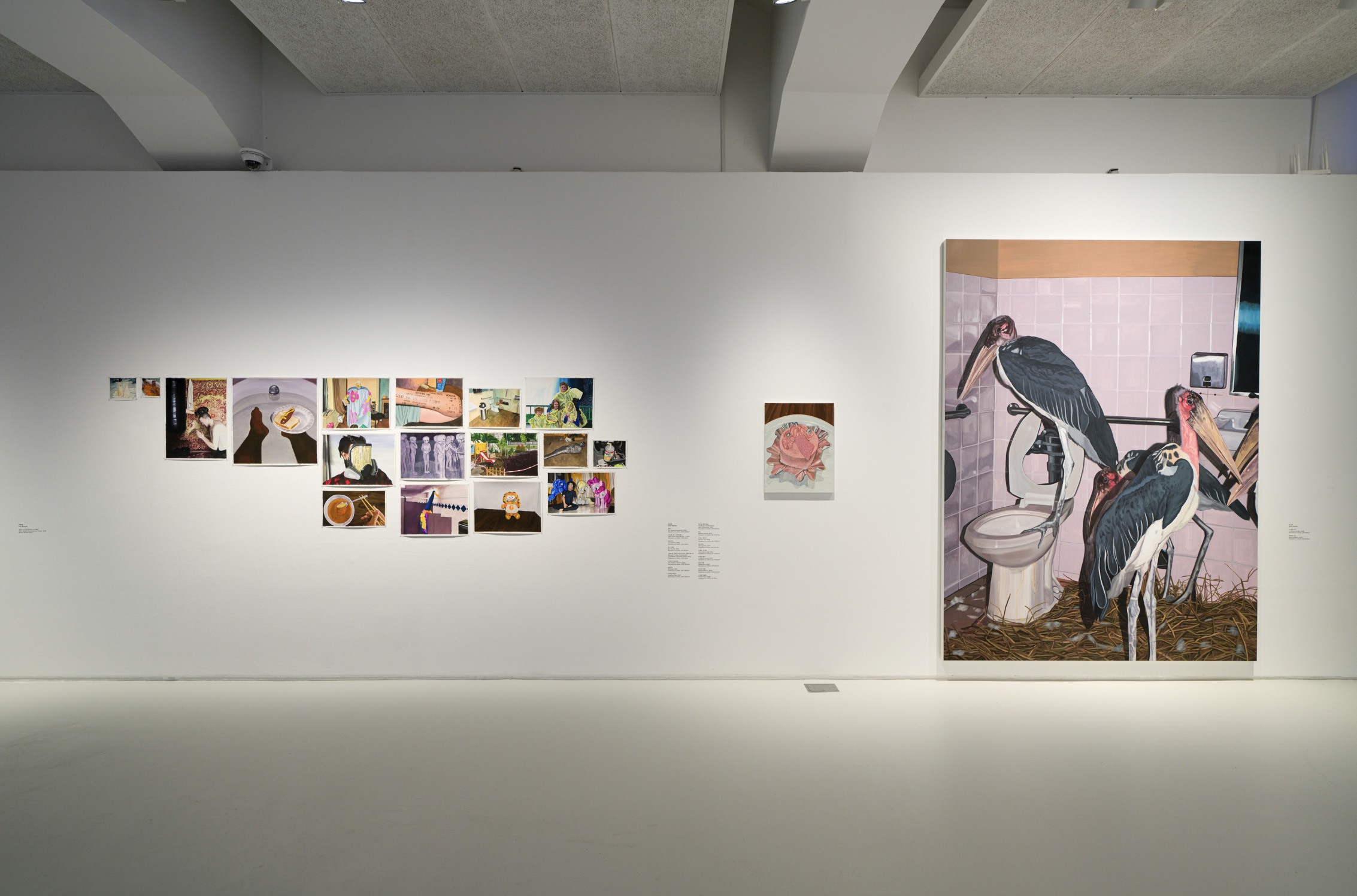
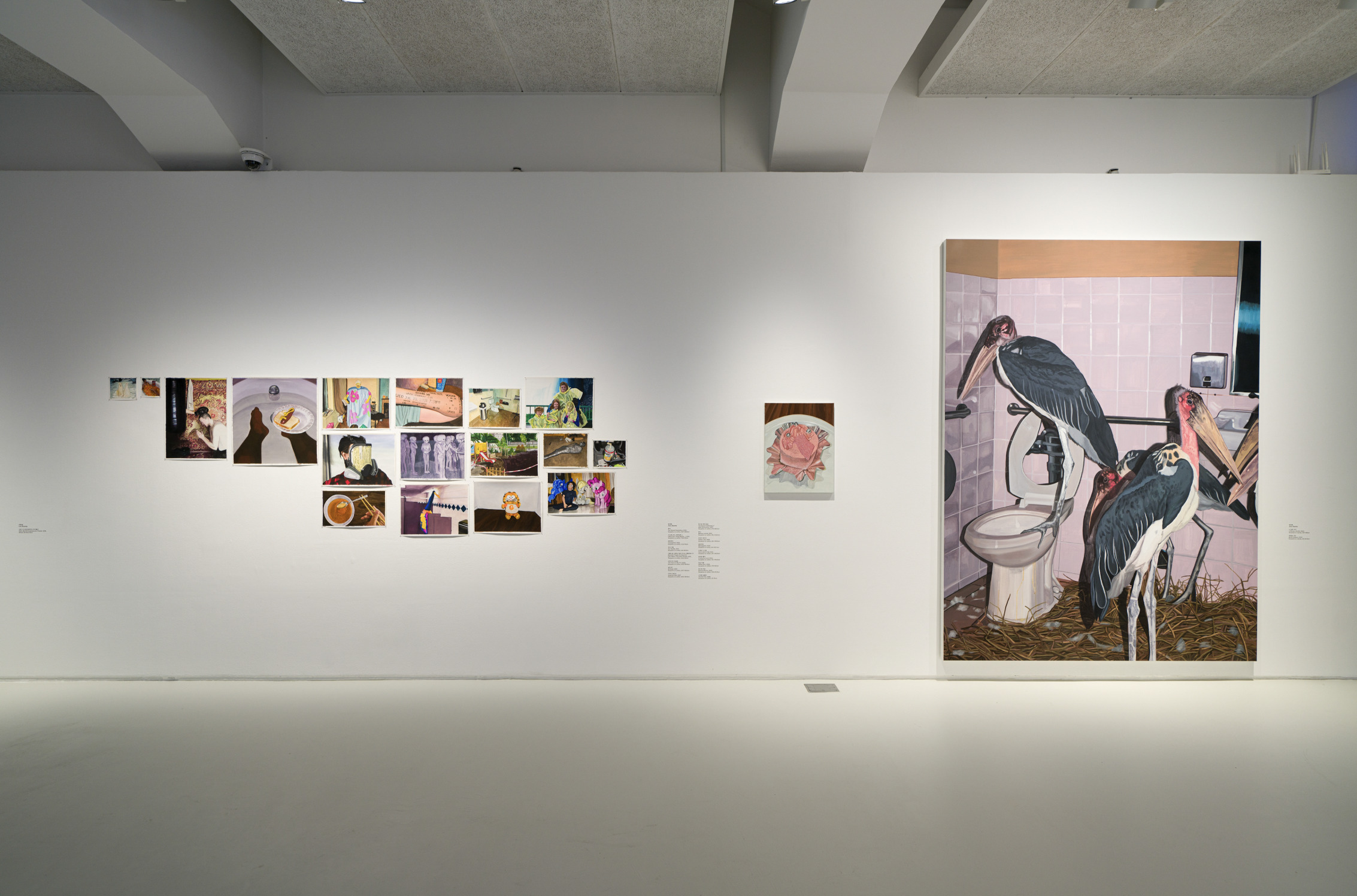
Dawha Jeon, Installation view of 《Foreverism: Endless Horizons》 (Ilmin Museum of Art, 2024) ©Dawha Jeon

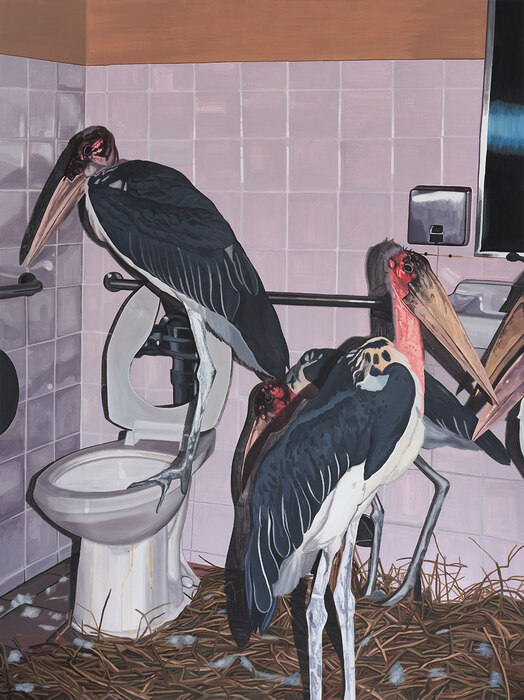
Meanwhile, Dawha Jeon’s recent work from the ‘Ghost in the Machine’ series, A Woman Like Me (2024), presented in the 2024 group exhibition 《Foreverism: Endless Horizons》 at Ilmin Museum of Art, was painted on a large canvas 247x185 cm in size—unlike her previous works, which could be viewed at a glance on a small screen.
 
In this painting, Jeon intricately depicts a scene featuring storks in a bathroom: bulky birds idling in place, feathers and straw strewn across the floor, a modest tiled interior that doesn’t belong to any specific era or style, all sharply illuminated with a flashlight effect. The delicate colored gouache applied gently on the large canvas amplifies the uncanniness of the strange sight while effectively simulating the exaggerated outlines in the original photograph.


Dawha Jeon, A Woman Like Me, 2024, Gouache on cotton, 247x185cm ©Dawha Jeon

The reference photo, capturing Marabou storks seeking refuge in a public restroom, is part of the documentation archive of Hurricane Matthew that struck Haiti and the southern United States in 2016. However, the imagery evokes a strange allure like an ensemble of phobias, a mythical symbol, or a scene from an animation does for different individuals from varying communities, regions, and generations.


Dawha Jeon, Don’t Overthinking, 2024, Gouache on cotton, 176x132cm ©Dawha Jeon

Disconnected from the reality captured in the photo, the essence of this eerie allure lies in the image’s hypnotic power that occurs when “something exists where nothing should, or nothing exists where something should.” (Artist Statement, 2021, re-quoted from Mark Fisher, The Weird and the Eerie, 2019). The artist’s interest is in observing, within the framework of painting, the successive reincarnation of images as they pass through layers of reality.
 
In light of this, the meaning of a painting is not merely deconstructed or slipping away but accumulated as remnants of reality alongside the intricate signs of nostalgia mediated by digital images.


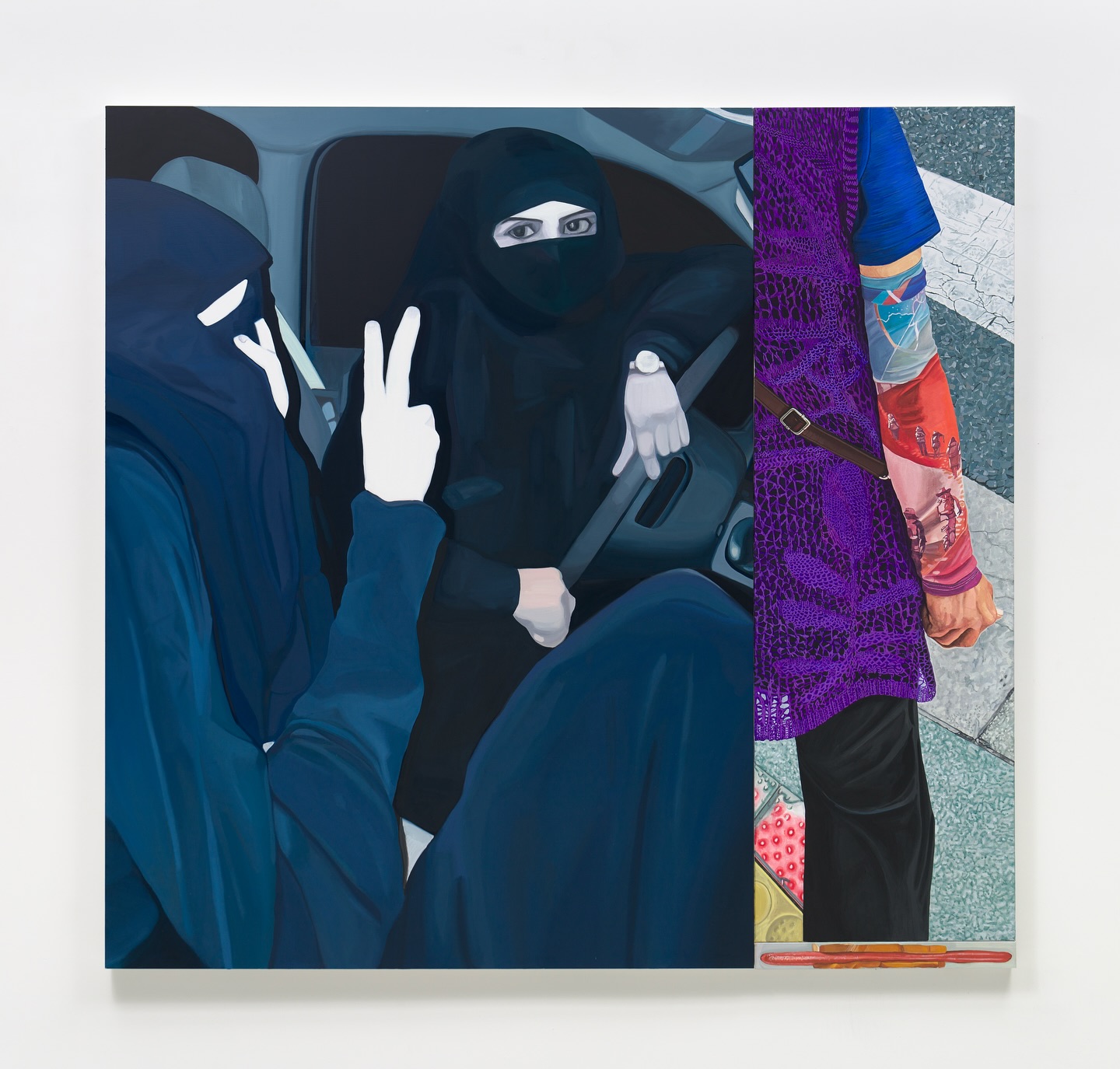
Dawha Jeon, Pilgrims, 2025, Gouache on canvas, 160x50cm (right), Extra Long Sausage, 2025, Gouache on wood, 5x50cm (lower right), Suck It Up Darl, 2025, Oil on canvas, 165x124cm (left) ©Dawha Jeon

At the recent solo exhibition 《Me, Memes, Crippling Depression》 held on November 11 at Gallery SoSo, Dawha Jeon presented work that reflects three years of expanded thinking and artistic development since her 2022 solo show 《Ghost in the Machine》.
 
The exhibition began from the desire to create a small opening through which viewers might imagine a reality beyond the suffocating present. Within the temporary conditions of the exhibition, the artist explored the potential of painting as both conduit and space by creating highly personal pathways of thought that are activated only once, going beyond the individual surfaces of each canvas.


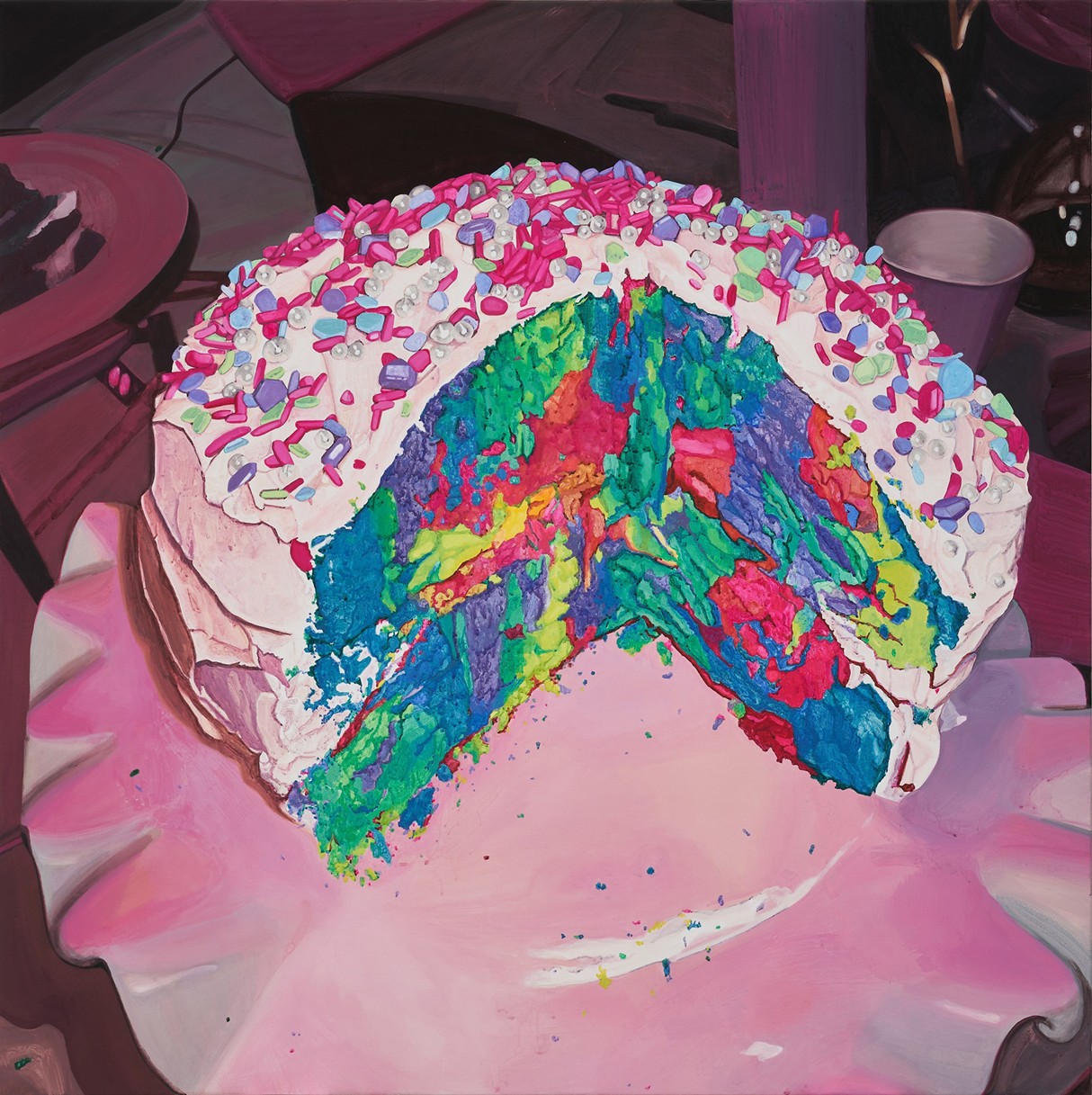
Dawha Jeon, I Feel You Sister, 2024, Gouache on cotton, 80.3x80.3cm ©Dawha Jeon

In this way, Dawha Jeon, as a digital native, collects and studies various memes without being constrained by format, rescuing slowly vanishing born-digital images from the detritus of web networks. What she focuses on is not the refined or prestigious, but the crude, popular, and repeatedly circulated fragments of data that have become tattered over time.
 
From these fading data fragments, the artist discovers new sensations, humor, and scenes of reality, re-mediating them into painting as a material form and producing them as contemporary images. Furthermore, this practice explores the potential of painting beyond its surface, functioning as a hypertextual conduit that activates the work, while constructing a dynamic network of images that collide, merge, and interconnect.


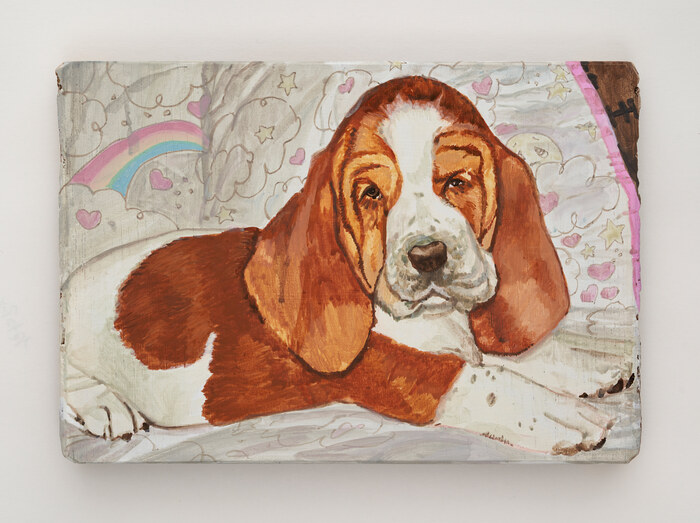
Dawha Jeon, Look How Exhausted This Puppy, 2024, Gouache on wood, 14x18cm ©Dawha Jeon

 ”One day, I jokingly said, ‘I don’t have an inner landscape. I’m just blank inside.’ No, I pretended to be joking but told the truth. I tried to introspect, but I felt a bit nervous when I couldn’t grasp anything.
 
Since there was nothing to pull out from within, I wasted time waiting for something to come to me like someone wandering the beach hoping to find sea shells that washed ashore. What I end up finding there are usually junk and trash, fading pain, cruel jokes, unsourced rumors, and images, images, images. They all feel so real.”


(Dawha Jeon, Artist’s Note) 


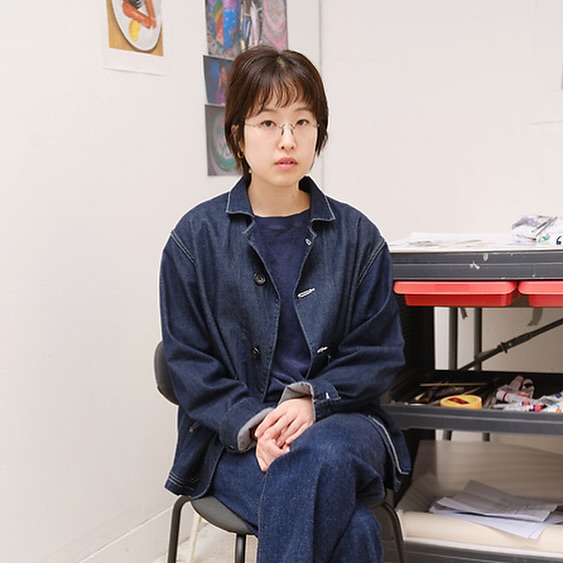
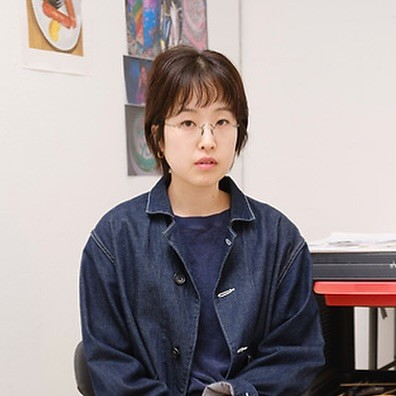
Artist Dawha Jeon ©Dawha Jeon

Dawha Jeon earned a BFA in Visual Design and an MFA in Painting from Kyung Hee University. Her solo exhibitions include 《Me, Memes, Crippling Depression》 (Gallery SoSo, Seoul, 2025), 《Ghost in the Machine》 (Space Cadalogs, Seoul, 2022), and 《Christmas Instant Mix》 (Young&Volk, Seoul, 2020).
 
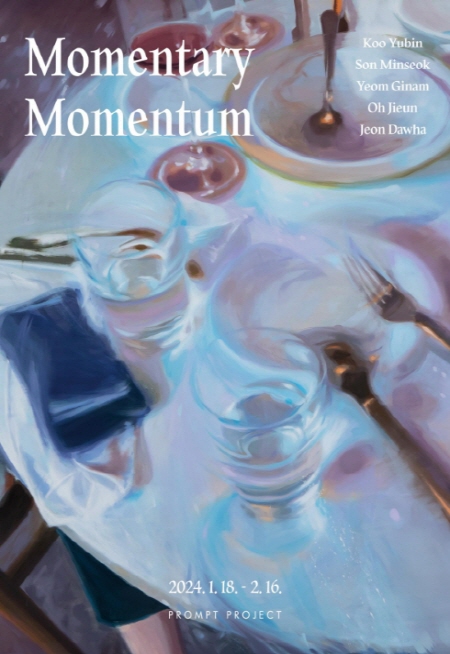
She has also participated in various group exhibitions, including 《Foreverism: Endless Horizons》 (Ilmin Museum of Art, Seoul, 2024), 《Momentary Momentum》 (Prompt Project, Seoul, 2024), 《Memory Beneath The Ego, Fantasy Above the Ego》 (Seoul National University Museum of Art, Seoul, 2023), 《Here’s the thing!》 (Gallery ooojh, Seoul, 2022), 《The Art Plaza: LINK by IBK》 (IBK Bank, Seoul, 2022), 《Serials》 (Rainbowcube, Seoul, 2021), and more.
 
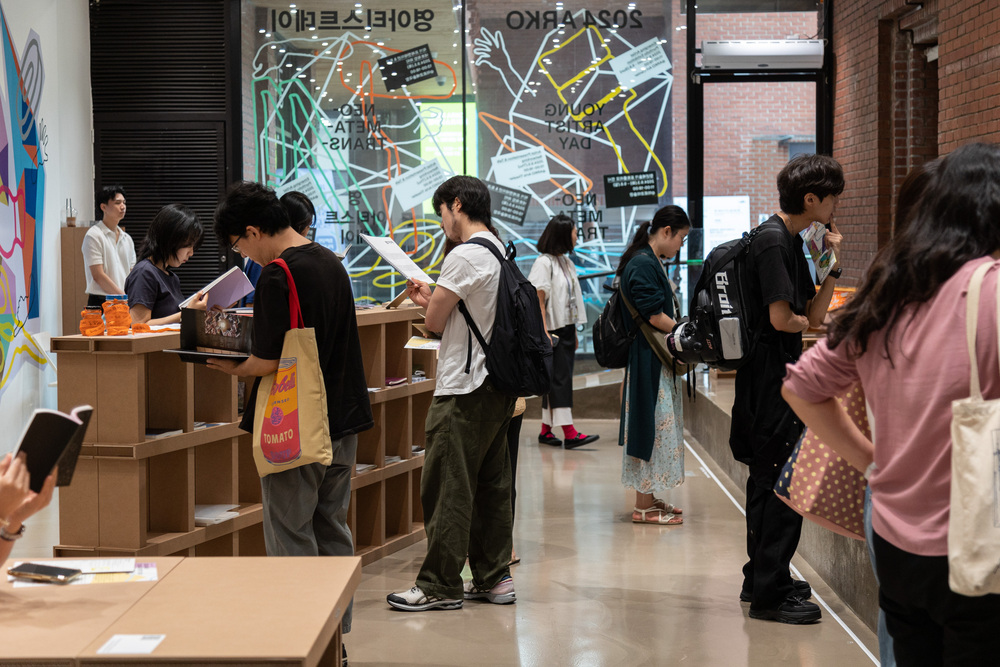
Dawha Jeon was selected as a resident artist at the Wassaic Project in New York in 2025 and gained attention through her participation in the 2025 ARKO DAY Artist Lounge.

References