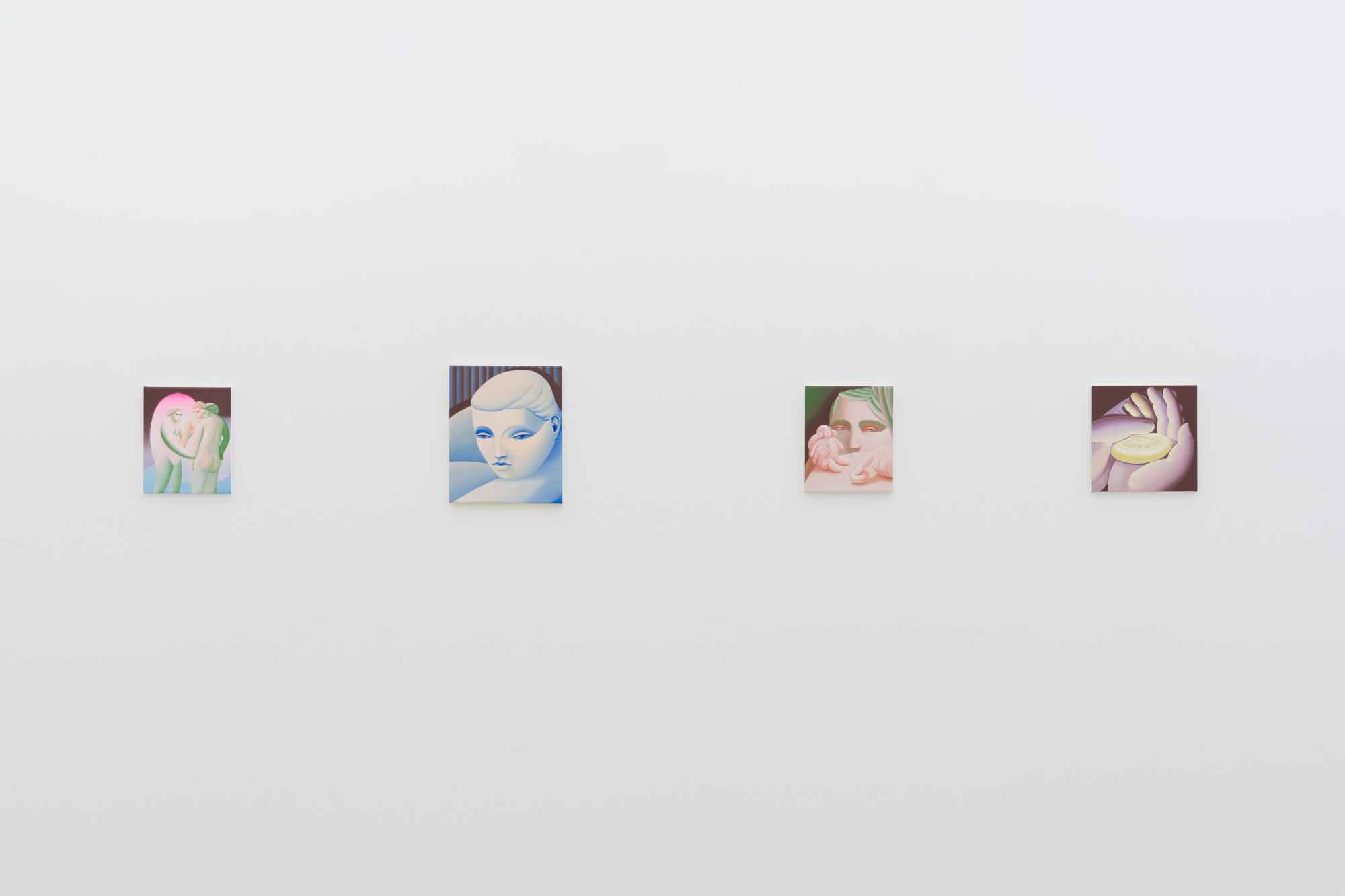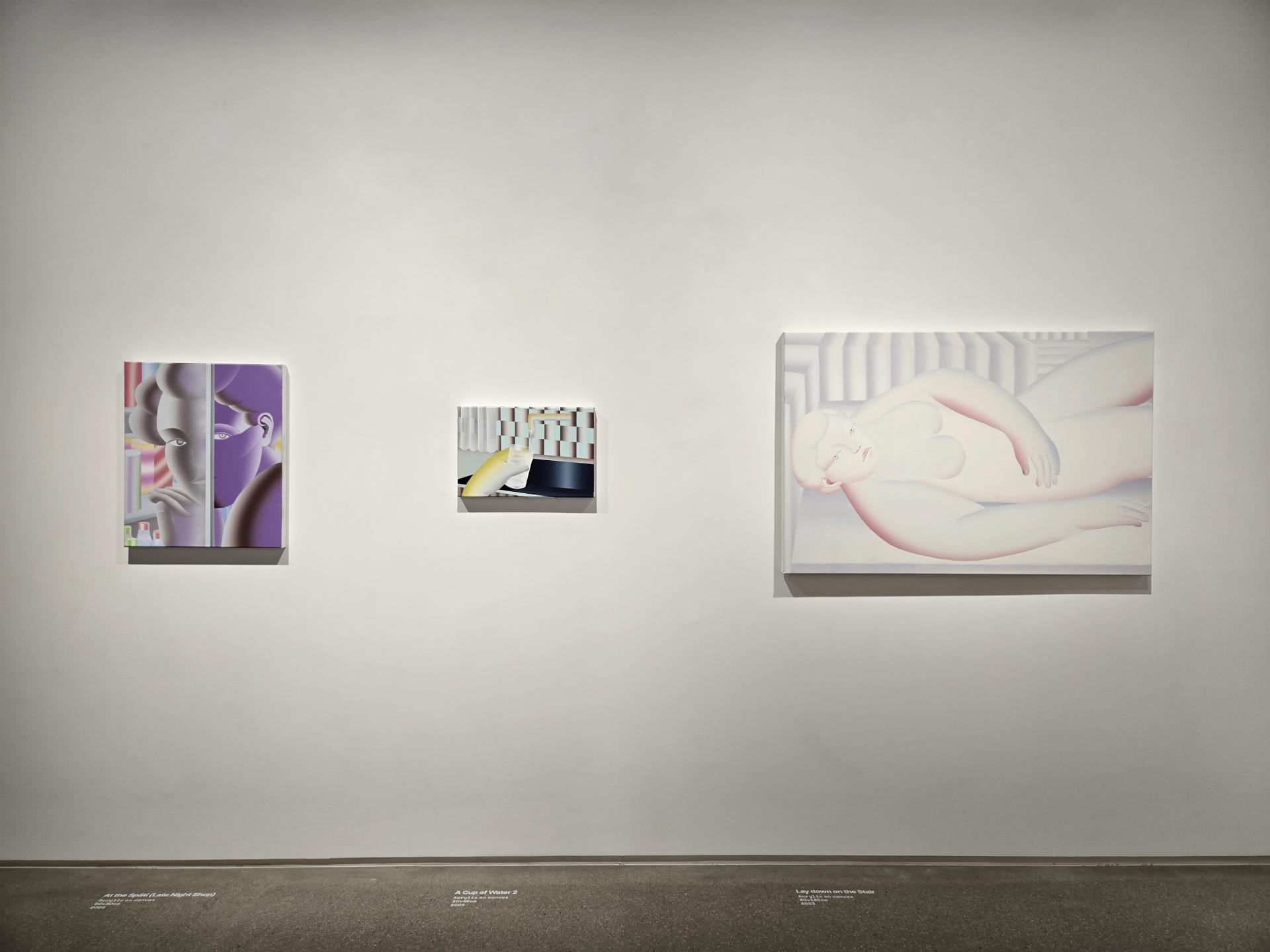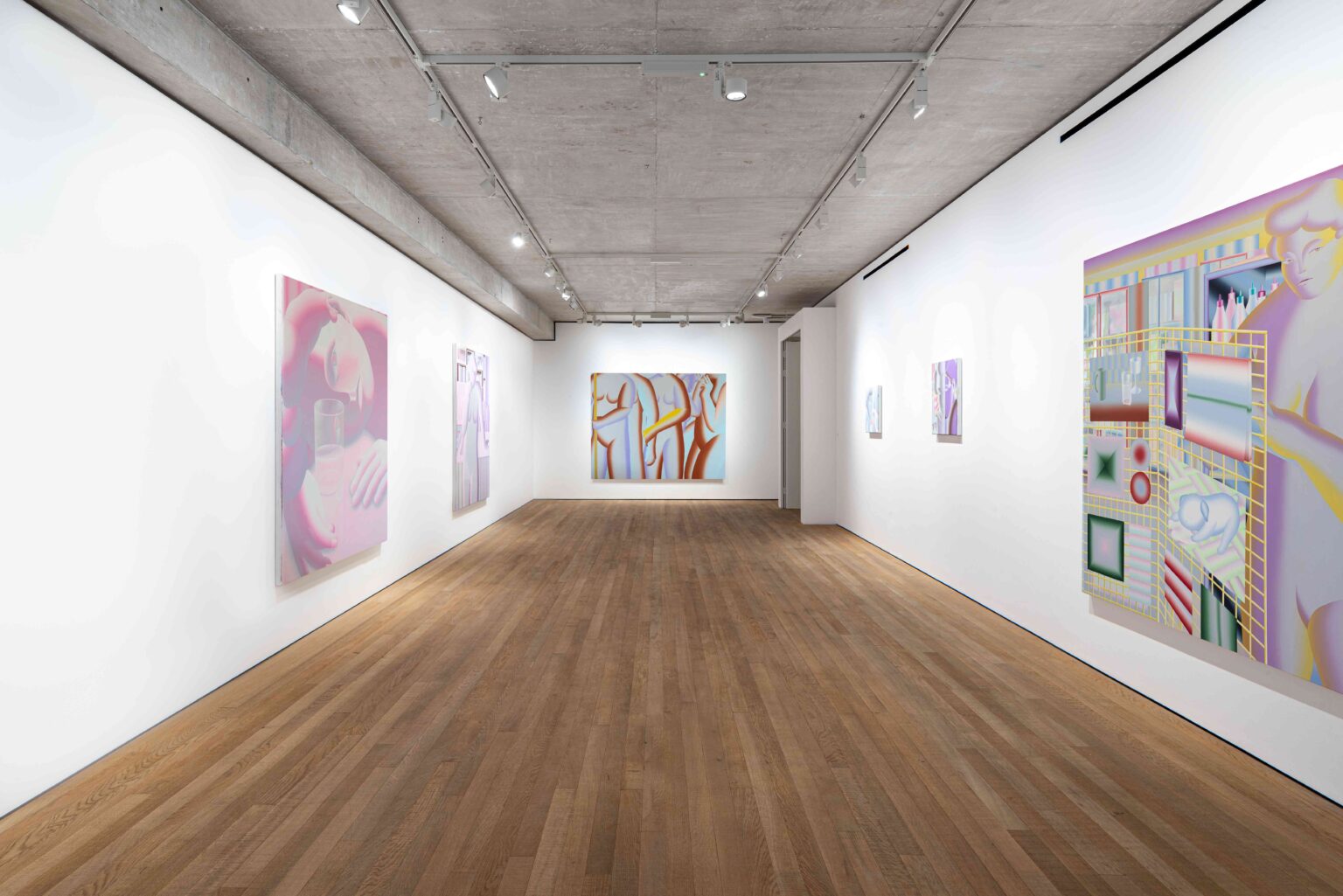


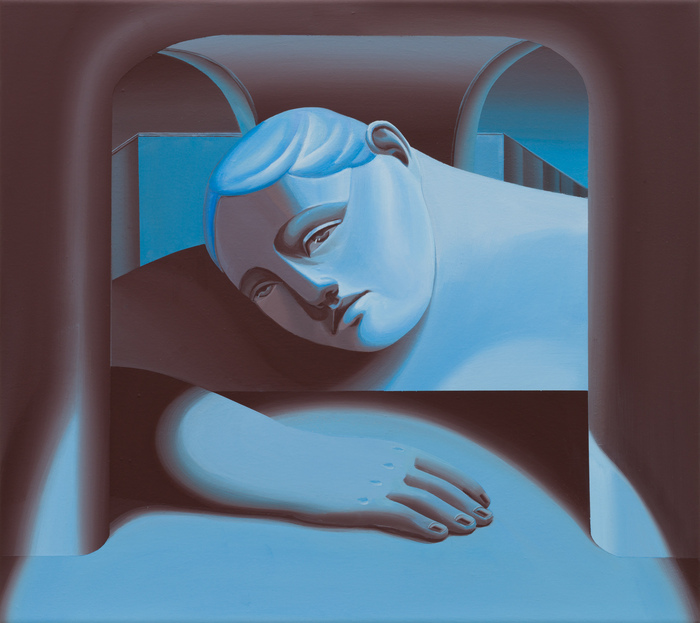
Jinhee Kim (b. 1990) has continued a painting practice that captures light and trivial everyday moments, transforming the daily lives of the self, others, and the collective “we” into imaginative images. Having spent many years abroad, the artist seeks to reveal through painting how the distinct traits and minority status of an individual, different from the majority, endlessly operate across time and space to shape reality.

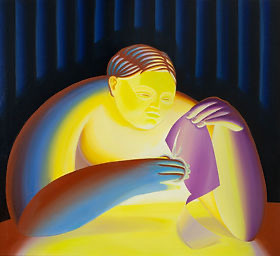
Jinhee Kim, The Heroine, 2019, Acrylic on canvas, 100x110cm ©Jinhee Kim

To this end, Jinhee Kim depicts the ordinary actions and primal states of her figures rather than visually emphasizing racial, religious, or cultural differences. These portrayals function as visual allegories that dissolve distinctions of race, culture, gender, and language.


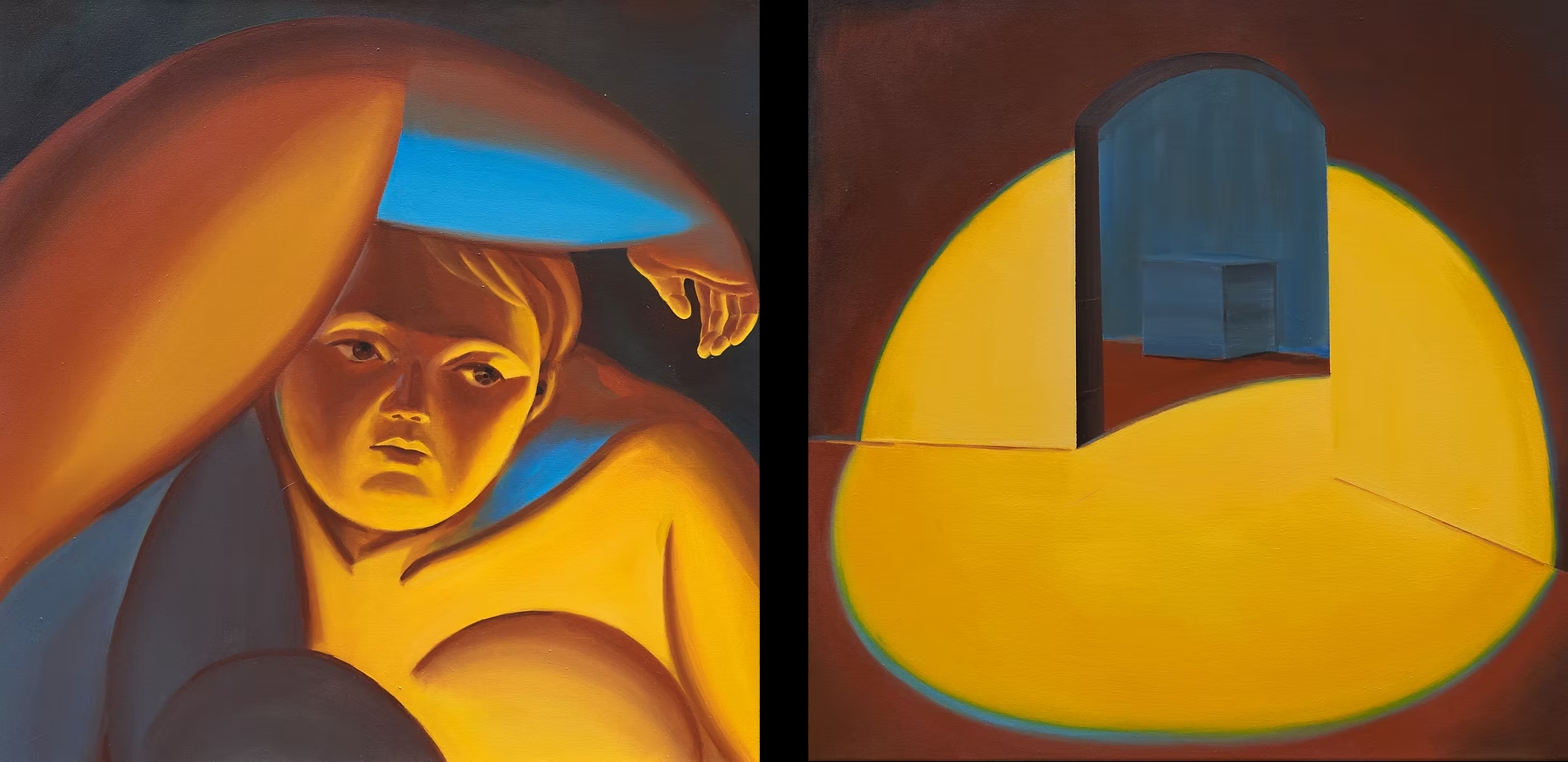
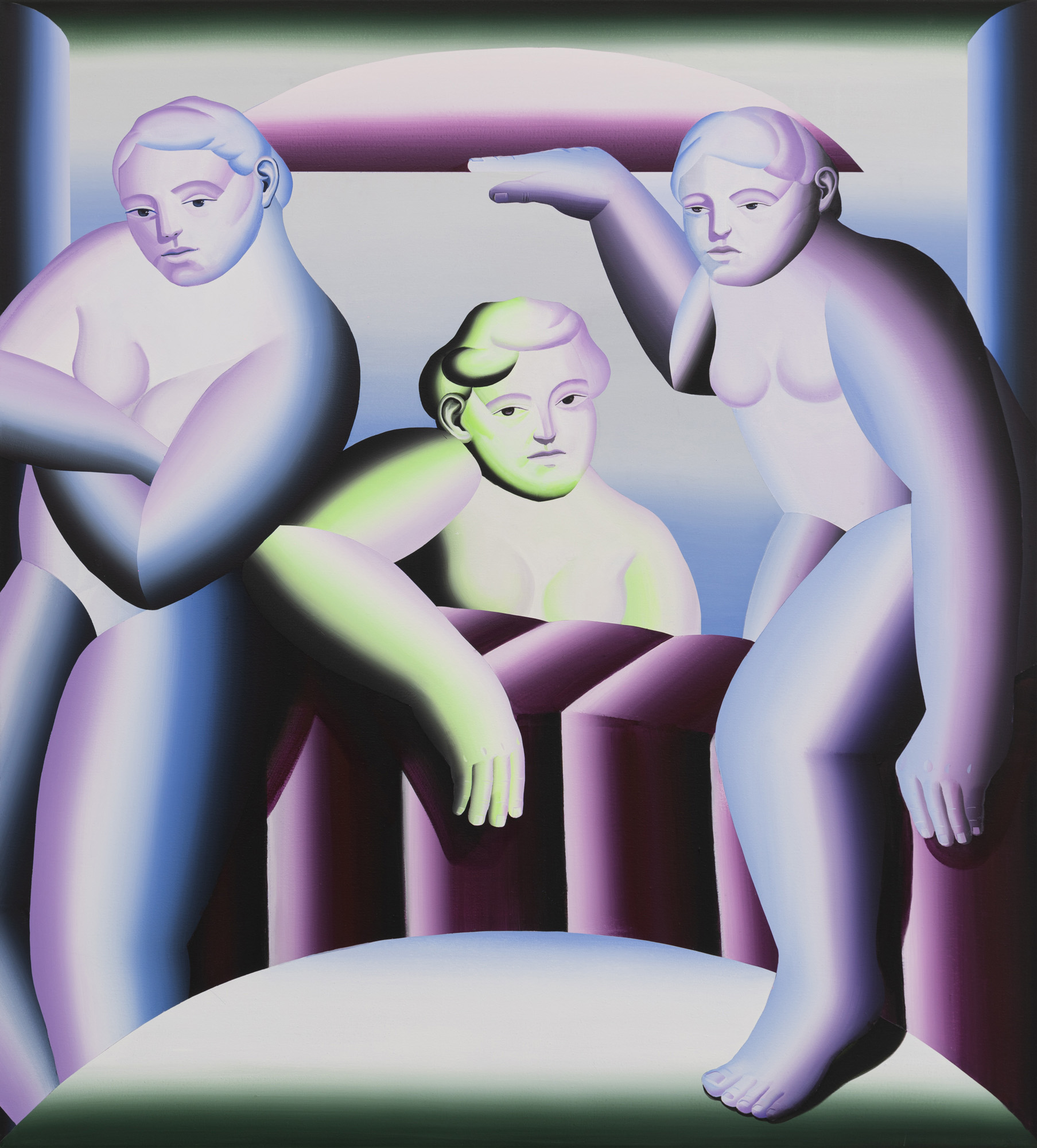
Jinhee Kim, Magic hour in the room II, III, 2019, Acrylic on canvas, each 80x80cm ©Jinhee Kim

In her early works, the artist often expressed human emotions and a universal sense of absence through the facial expressions and gestures of her figures. However, while working in the Western art world as an “Asian artist,” she observed that viewers focused more on the regional and racial background of the depicted figures rather than their emotions. This experience led her to begin removing the external, surface-level elements of her subjects.


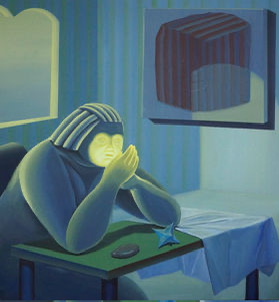
Jinhee Kim, A Collector of Scholar’s Stone, 2020, Acrylic on canvas, 65x65cm ©Jinhee Kim

For example, the artist removed the skin color of her figures or rendered their faces in ways that made any racial characteristics unrecognizable. Likewise, when depicting the female body, she sought to use a visual language that avoided objectification.
 
In this way, Jinhee Kim gradually eliminated external cues as a means of expressing the self that could exist free from the external gaze toward individuality and minority identity. She explains that this choice was made “not so much to pursue universality, but rather to reveal how such universality is, in fact, an illusion—one that inevitably contains cracks.”

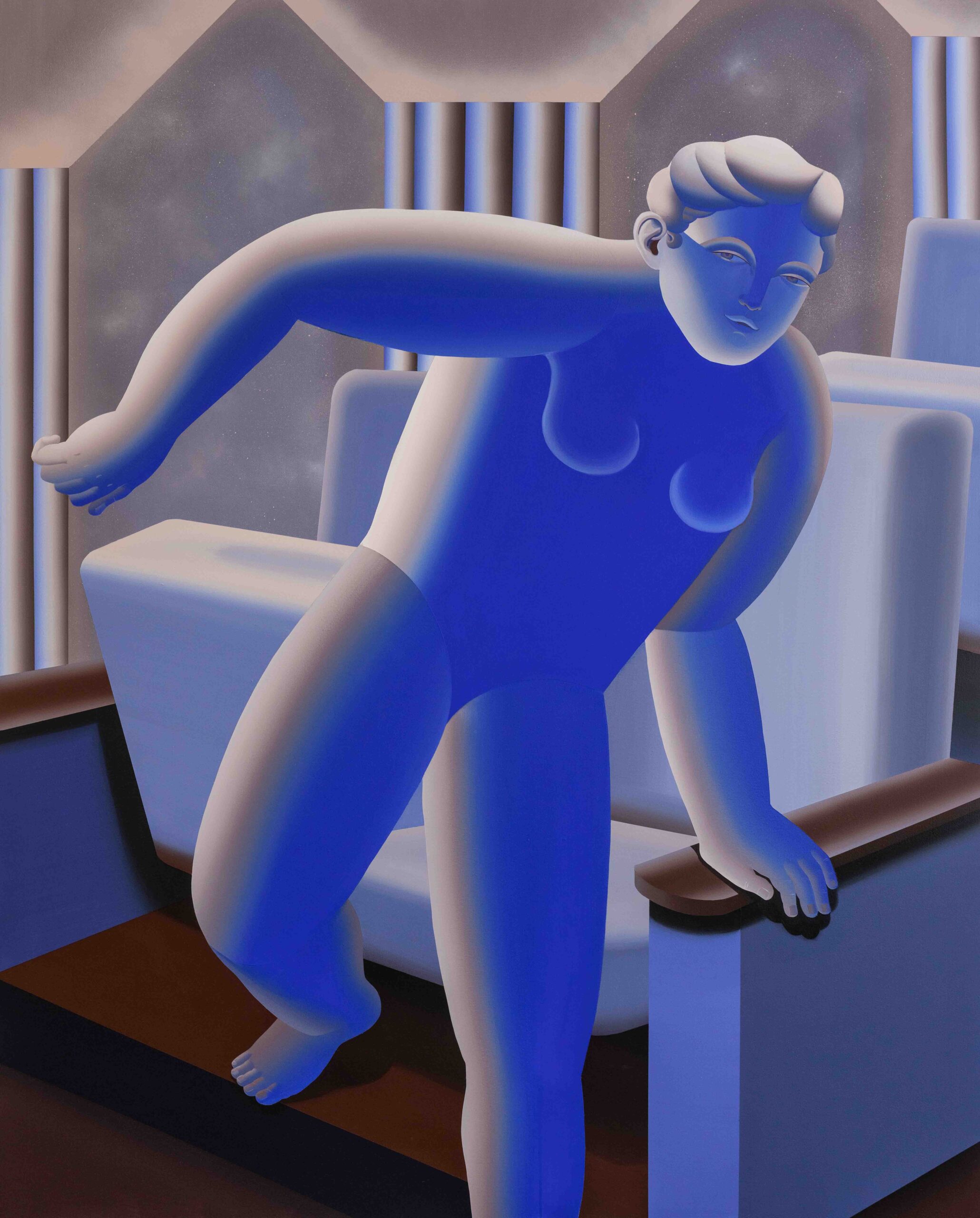
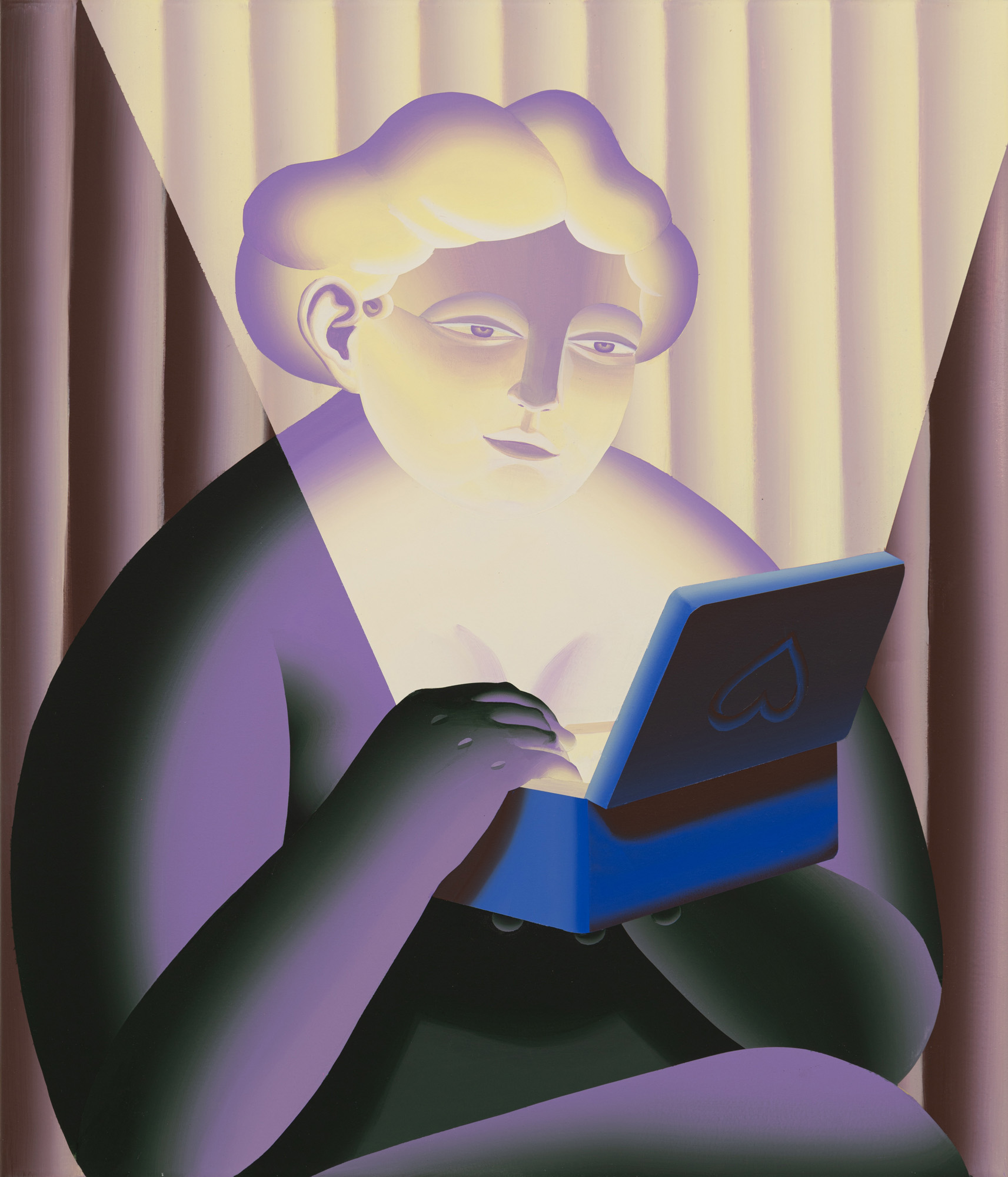
Jinhee Kim, In the Theatre, 2023, Acrylic on canvas, 160x130cm ©ThisWeekendRoom

Rather than depicting the self as an external signifier, Jinhee Kim seeks to portray the most personal form of the “self” as it exists. To do so, she renders her figures with ambiguous gender, age, and nationality, and depicts them engaged in the most ordinary and mundane activities.
 
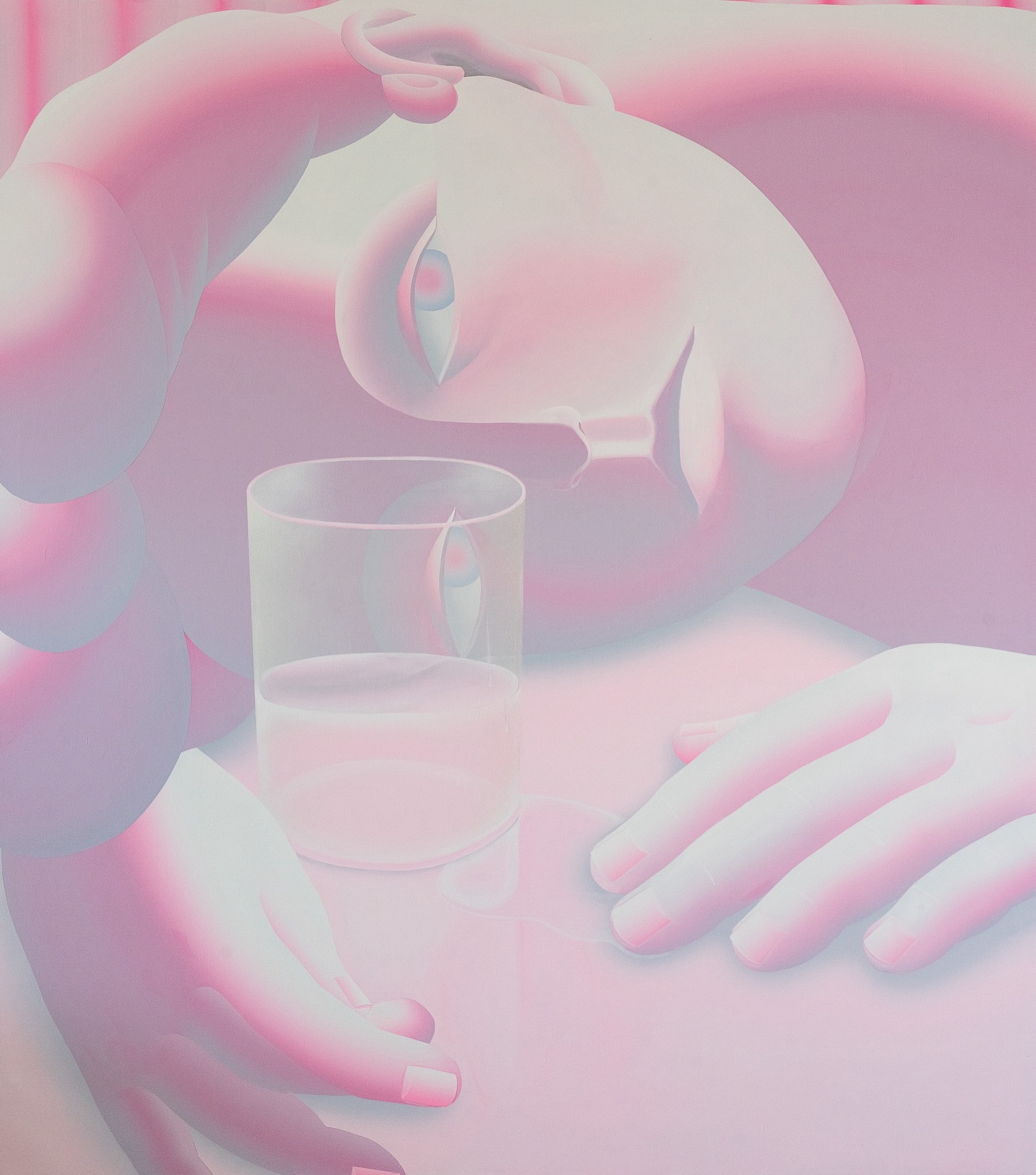
For instance, her paintings often show people drinking water in the morning, shopping for groceries, or waiting in line at a bus stop. Though these are light, everyday moments that repeat daily, Kim regards them as essential elements that constitute who she is today.
 
Thus, her work captures the truest and most vivid image of the self through the smallest, most trivial gestures—rooted in the here and now, in the very place where one stands.


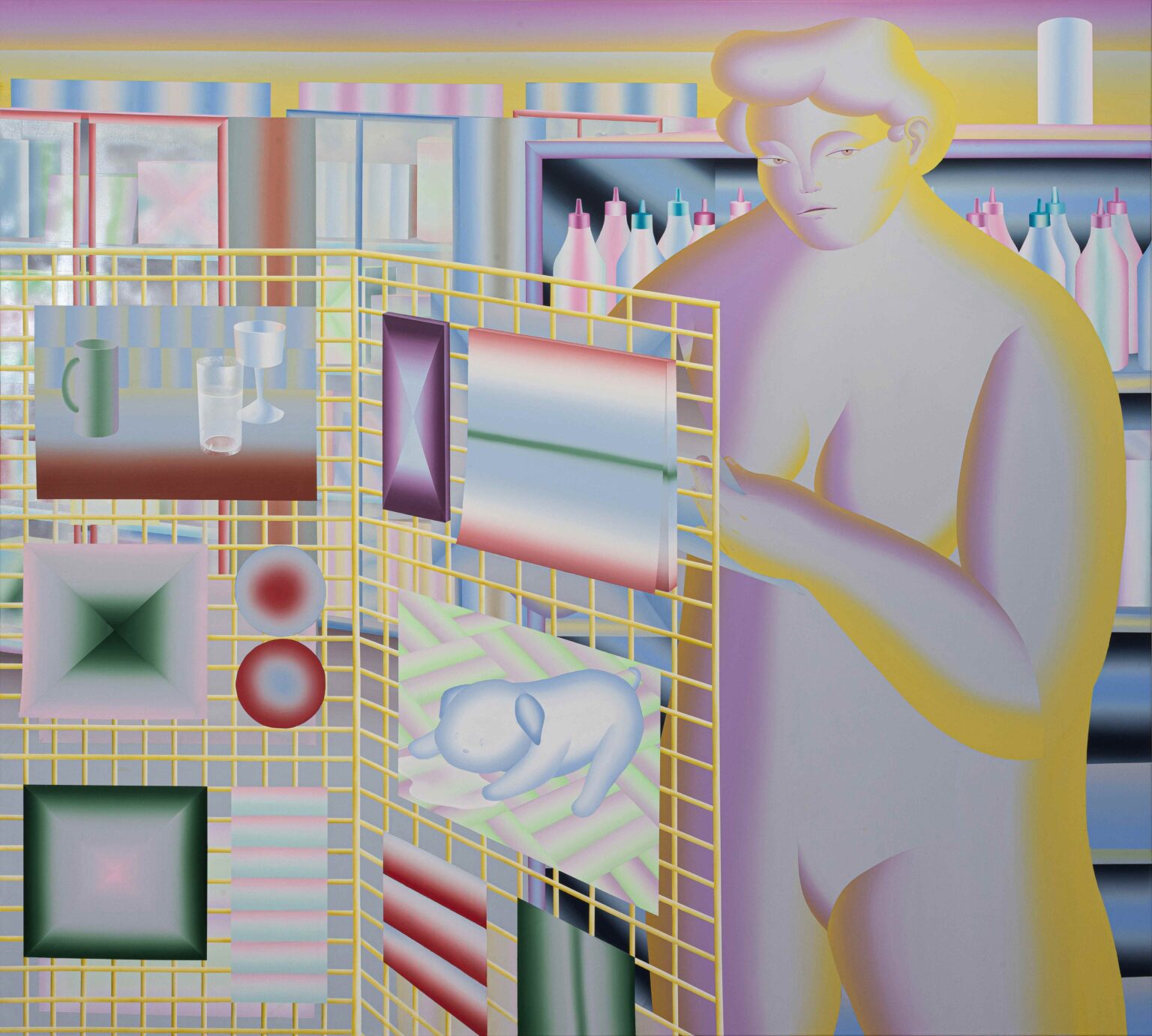
Jinhee Kim, How to Make a Dog, 2021, Acrylic on canvas, 100x110cm ©ThisWeekendRoom

Another distinctive feature of Jinhee Kim’s paintings is the dramatic expression of light cast over her figures. The artist places her meticulously arranged scenes—composed of figures and spaces drawn from fragments of ordinary life—upon a stage illuminated by carefully calibrated relationships of light and color.
 
At first glance, her paintings appear smooth and concise, yet a closer look reveals traces of her brushwork—marks that bear the artist’s touch. These tangible, grounded strokes, firmly anchored on the surface, resonate with the core of her practice: to capture the everyday moments of living here and now, in the physical and emotional immediacy of the present.


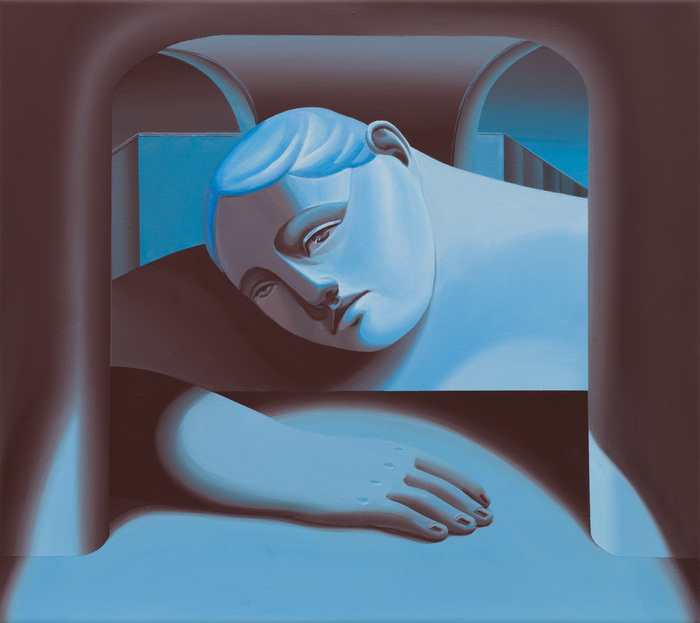
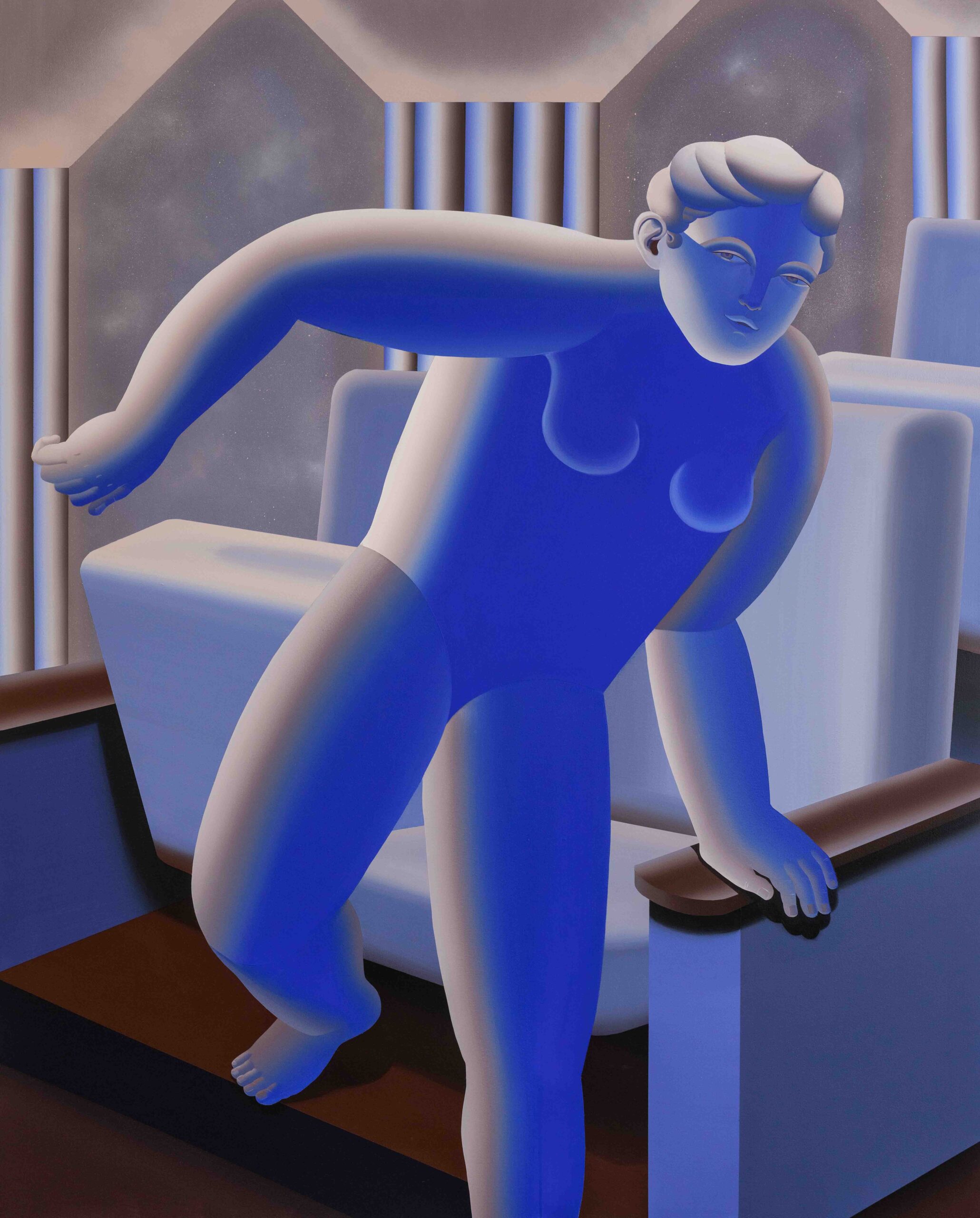
Jinhee Kim, Ikarus, 2021, Acrylic on canvas, 130x160cm ©Jinhee Kim

For instance, in Jinhee Kim’s Ikarus (2021), unlike the alarming myth, a figure sits in a comfortable position in the middle of the canvas. If ‘Icarus’ symbolized the human longing for the unknown world, this newly directed myth aligns with the artist’s attitude toward the intangible time and space.
 
The character in the work stares at the viewer, suggesting a soaring back to where the light enters. Viewing the gaps of time and space as akin to a theatrical stage, Kim transforms the canvas into a virtual stage where the figure takes the role of an actor—looking beyond the frame or meeting the viewer’s gaze. Through this, the artist twists the moment by shifting the subject to the character, who normally is the object of attention.


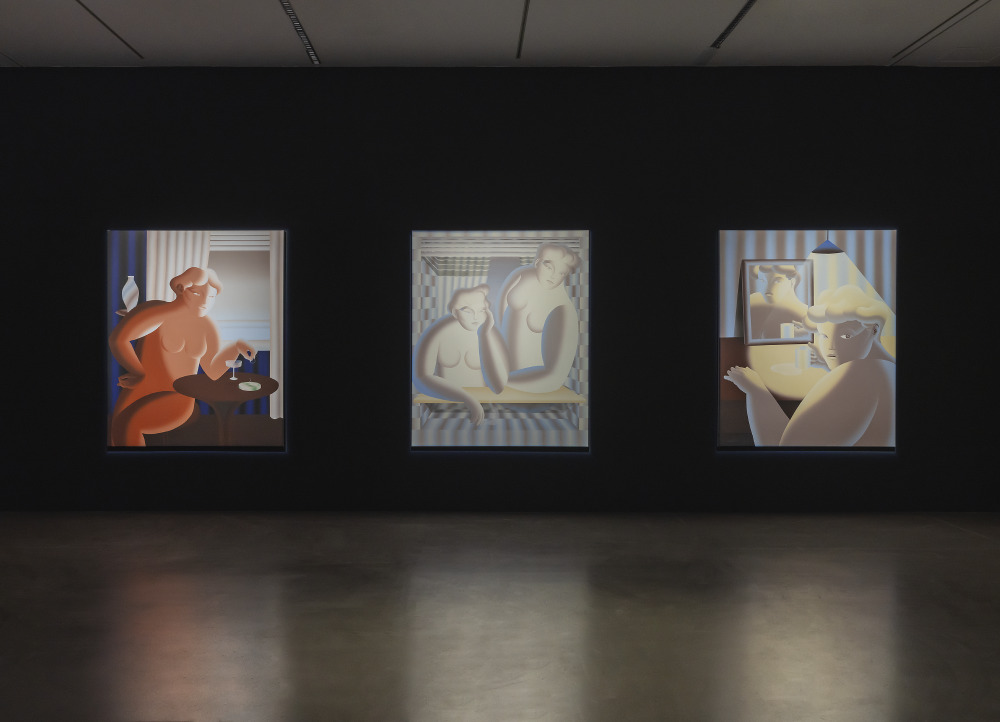
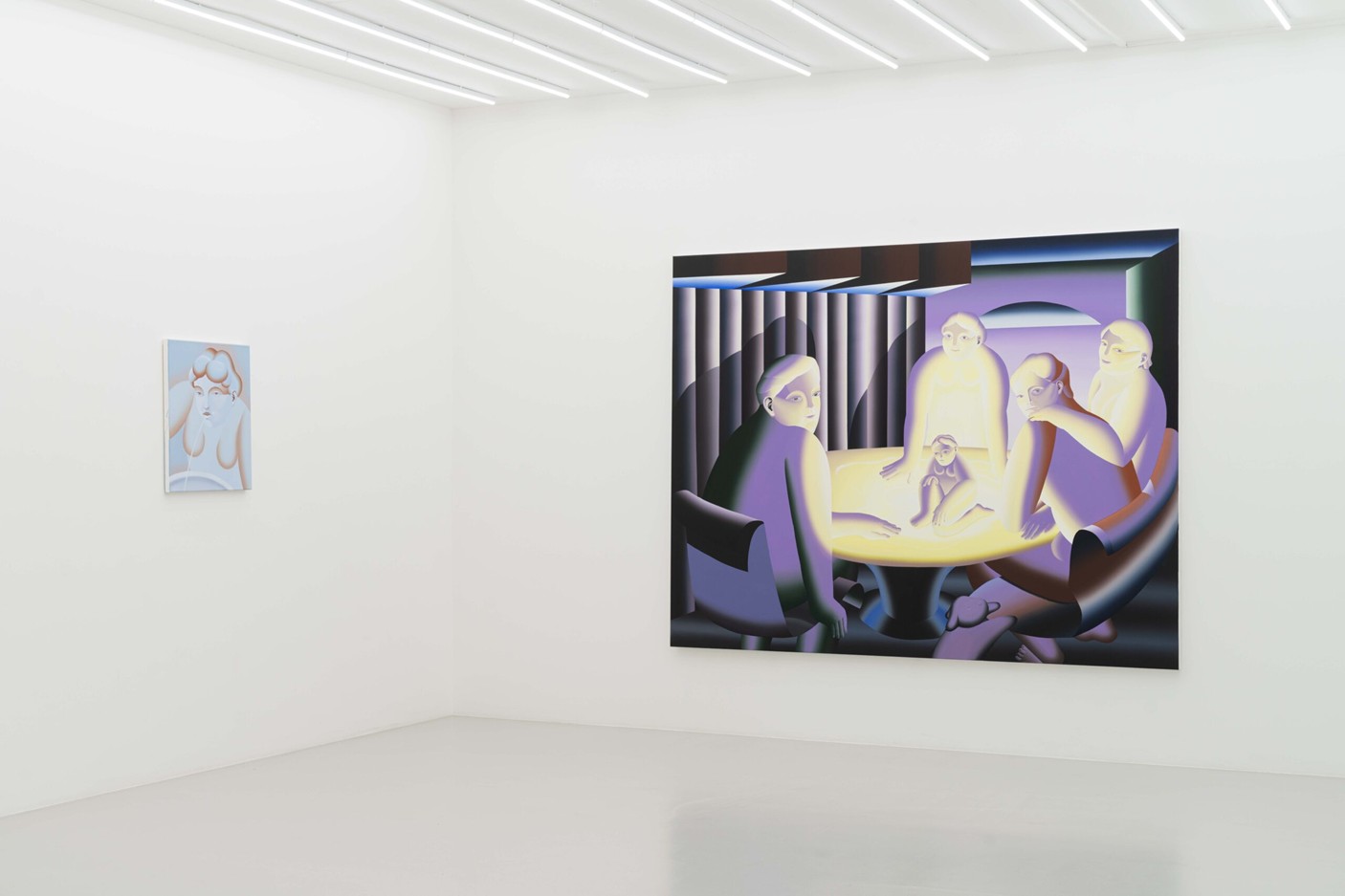
Installation view of 《Curtain Call》 (ThisWeekendRoom, 2022) ©ThisWeekendRoom

Meanwhile, in her 2022 two-person exhibition 《Curtain Cal》l at ThisWeekendRoom, Kim’s paintings focused on translating memories and impressions of things that no longer exist—such as death, loss, and separation—onto the blank stage of the canvas, through depictions of anonymous figures carrying on with their ordinary lives.
 
The figures are often shown performing small, mundane actions in empty, indeterminate spaces. They stare vacantly into the distance, gently hold small objects in their hands, or crouch awkwardly behind narrow gaps. Rather than appearing serene, these figures seem to exist in a state of quiet incompleteness.


Jinhee Kim, Finding Someone in Their Dreams 1, 2022, Acrylic on canvas, 48x54cm ©ThisWeekendRoom

In addition, the intense contrasts of color and light that dominate Kim’s paintings serve as effective devices for visualizing the complex emotional layers embedded in the weighty events of life she seeks to portray.
 
The rounded bodies placed amid meticulously orchestrated theatrical lighting and architectural structures collide with one another, generating a strange, almost otherworldly aura. This atmosphere evokes an ambivalent sensibility—oscillating between humor and melancholy, tension and futility.

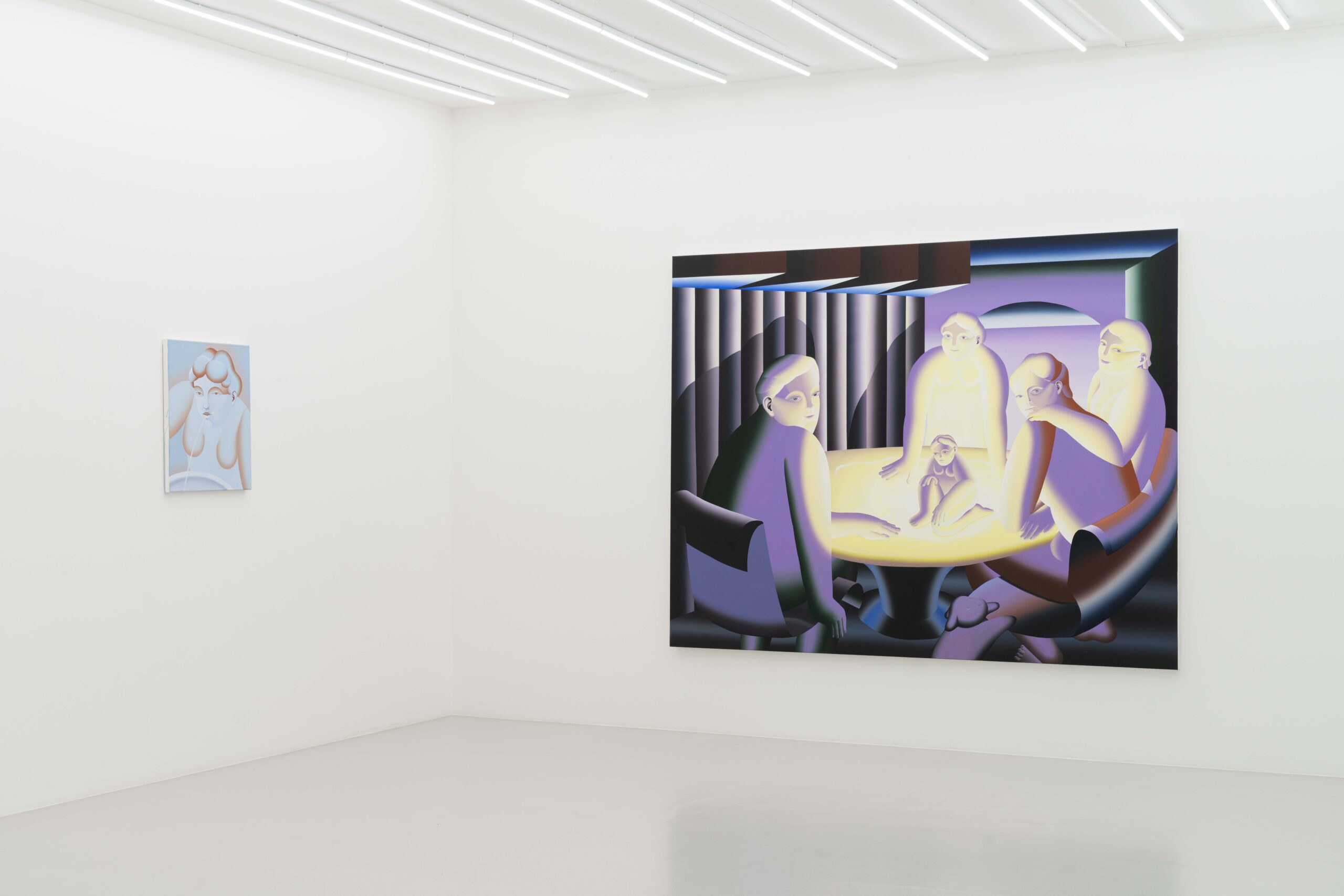
Installation view of 《Our Dawns Are Not What They Seem》 (ThisWeekendRoom, 2023) ©ThisWeekendRoom

The following year, in her first solo exhibition in Korea, 《Our Dawns Are Not What They Seem》, held in the same space, Kim sought to capture in visual form the ambiguous, nonverbal states of being—grief, loss, futility—that cannot be fully articulated through words or sentences.
 
The exhibition revealed the artist’s attempt to suddenly unveil the scenes concealed by dawn as a symbolic backdrop, capturing fleeting narratives embedded within it. In other words, through her paintings, she aimed to depict the subtle, intimate vibrations of the inner self that lie dormant within the temporal space of dawn.

Jinhee Kim, Face of Dawn 1, 2023, Acrylic on canvas, 110x100cm ©ThisWeekendRoom

Jinhee Kim imagines scenes veiled in the early dawn—not in perfect darkness nor in full light, but in a liminal space imbued with uncertainty and irregularity—and she grants these moments a temporary illumination.
 
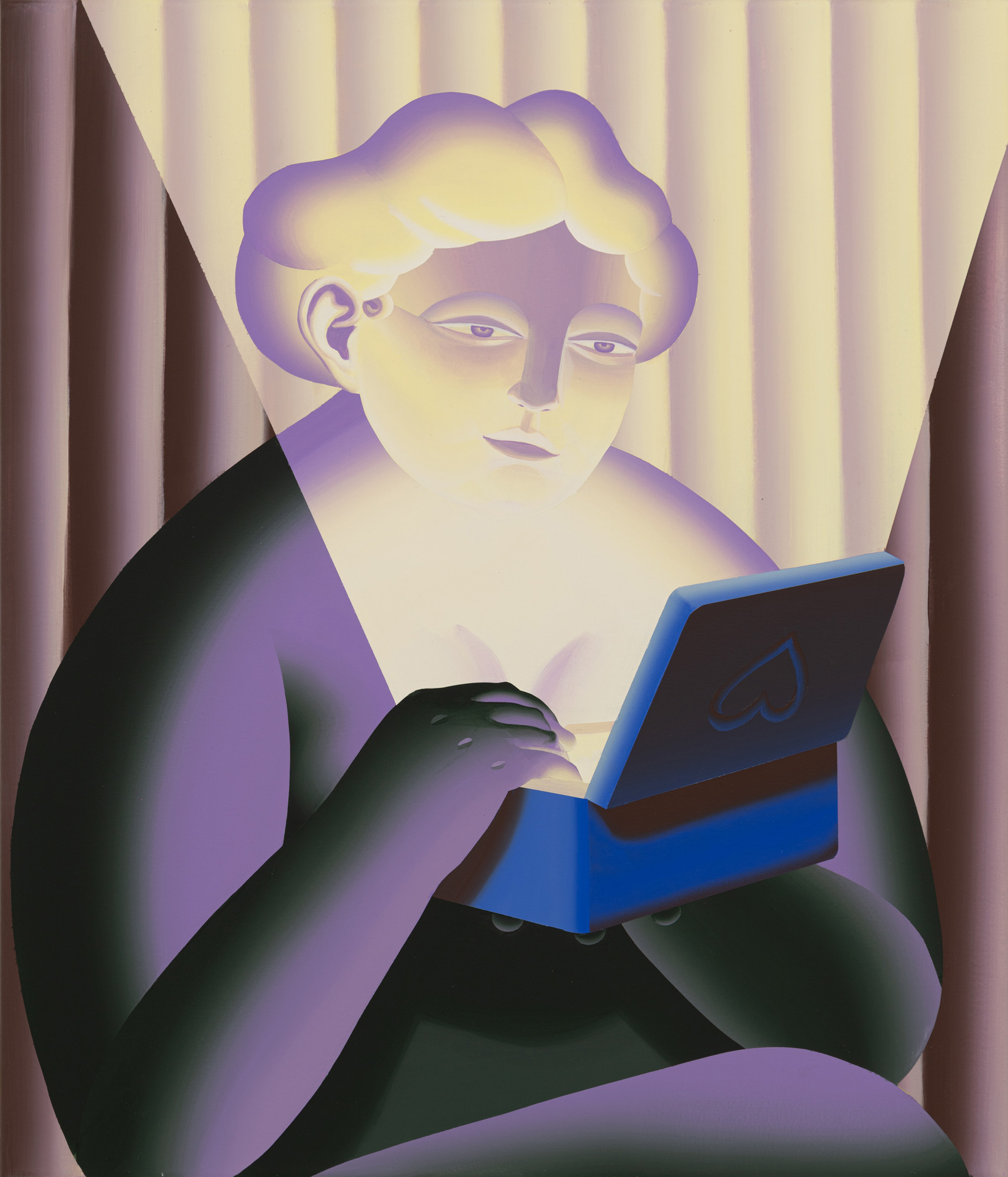
Under carefully controlled artificial lighting, the artist awakens the presences submerged in the dawn, generating a sort of defamiliarization effect. Within each scene where tranquility is disrupted, the figures reveal unexpected, unpolished states. One might be leaving a pitch-dark theater where the lights have gone out, while another hides alone in a closed room, confronting the mysterious glow once locked inside a music box.


Jinhee Kim, Inside of the Orgel, 2023, Acrylic on canvas, 70x60cm ©ThisWeekendRoom

In these works, the narratives between each scene do not appear to resonate or connect in a consistent manner. Within randomly selected, fragmented moments, each figure’s unnamed emotions and thoughts emerge only faintly through subtle glances, gestures, and variations of melancholic color.
 
Raw sensations are depicted on Kim’s carefully constructed stage in fleeting forms, sometimes rendered in intense hues, other times in pale tones. The artist imagines what dawn might feel like for each figure from their respective positions and trusts that they will not remain in the night forever. She paints the moment when the shadow of someone never seen before lifts, and the colorless, scentless space is filled with a spectrum of light and color.


Jinhee Kim, Installation view of 《Young Korean Artists 2025: Here and Now》 (MMCA, 2025) ©MMCA

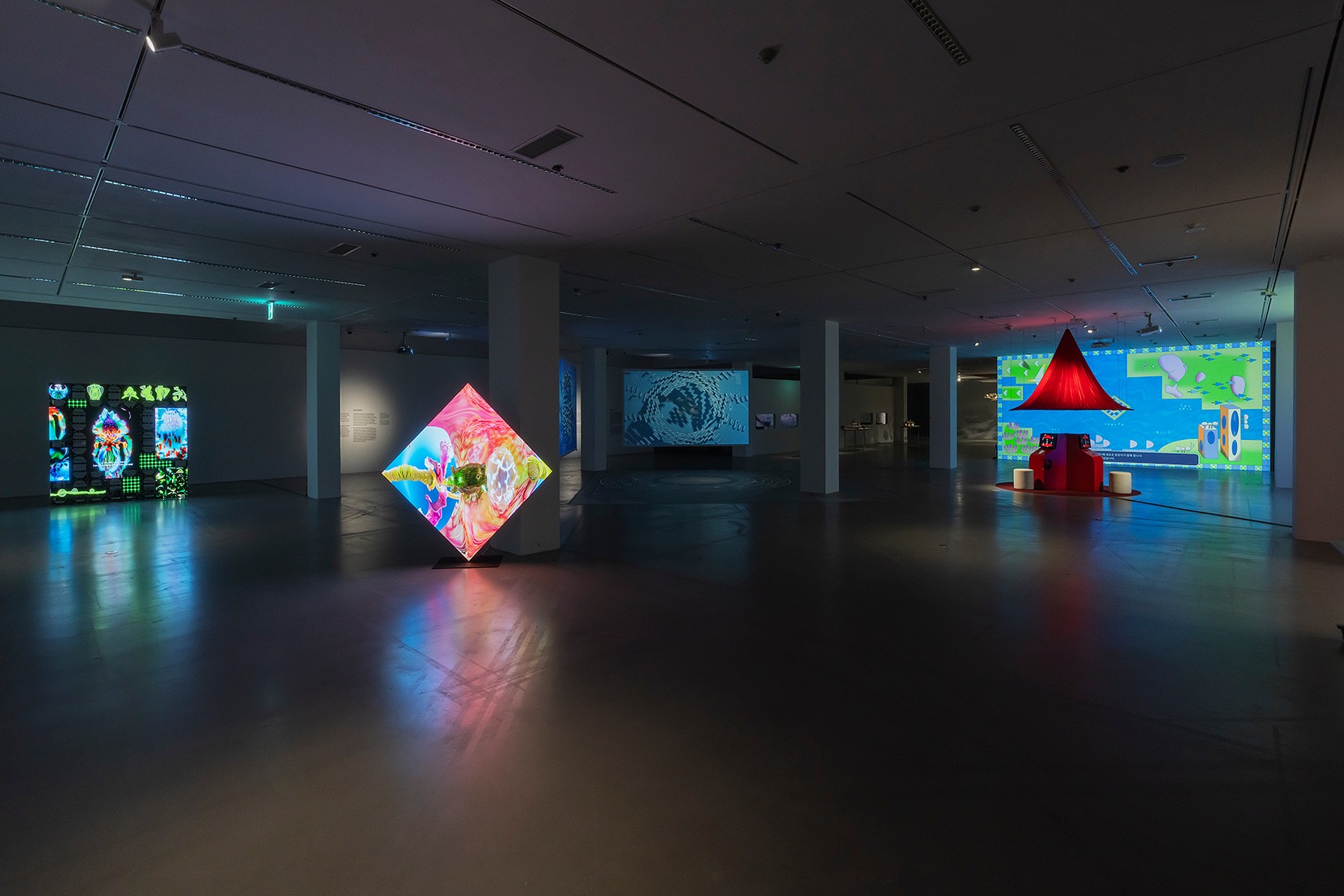
Additionally, in her new works presented at the National Museum of Modern and Contemporary Art, Korea (MMCA) for 《Young Korean Artists 2025: Here and Now》, Jinhee Kim captured fleeting everyday moments as if staged in a theatrical performance. While her earlier works primarily depicted figures in public spaces—supermarkets, bookstores, parks—under the gaze of others, these new pieces focus on the everyday life and emotions within private spaces, such as inside homes, on balconies, or at desks in rooms.
 
In other words, the perspective of observation has shifted from the outside to the inside, from others to the self. However, by not revealing specific personal narratives, the artist makes it difficult to regard these private spaces as wholly “her” own, preserving a sense of ambiguity and universality.


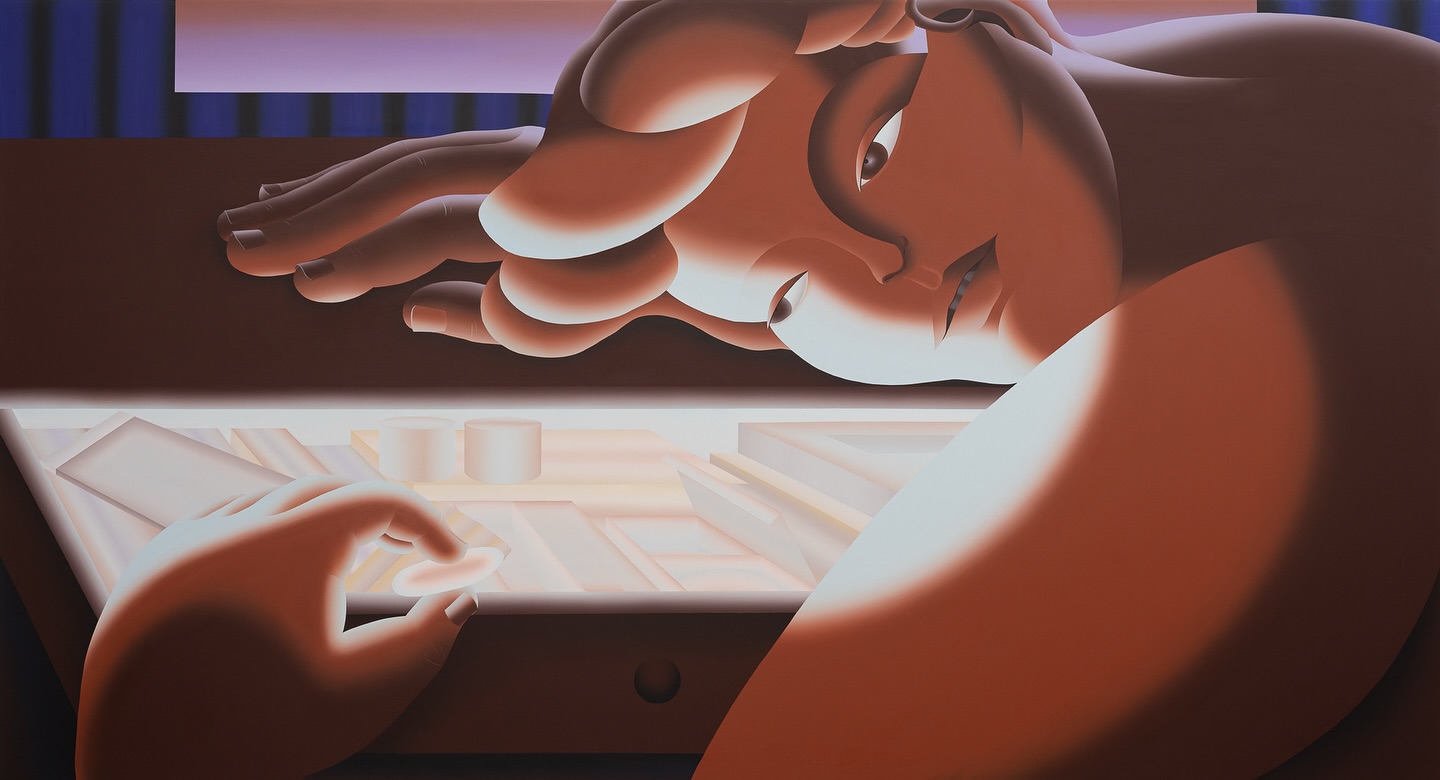
Jinhee Kim, I Collected Leaves, 2025, Acrylic on canvas, 180x330x4cm ©Jinhee Kim

Moreover, he merges classical painting techniques and forms with images of figures whose age, gender, and nationality are indeterminate, presenting them as ambiguous, seemingly lighthearted individuals—unidentifiable, yet capable of representing anyone, a universal figure.
 
The characteristic ambiguity in his work also extends to the relationship between figures and objects. For instance, in I Collected Leaves (2025), a figure opens a drawer, yet the context or purpose of this action remains unclear. The drawer contains only trivial items, such as cookies and chocolates, seemingly devoid of meaning.
 
Through this, the artist suggests that even such insignificant objects carry the presence of “self,” and that these small, everyday things contribute to shaping who we are in the present.


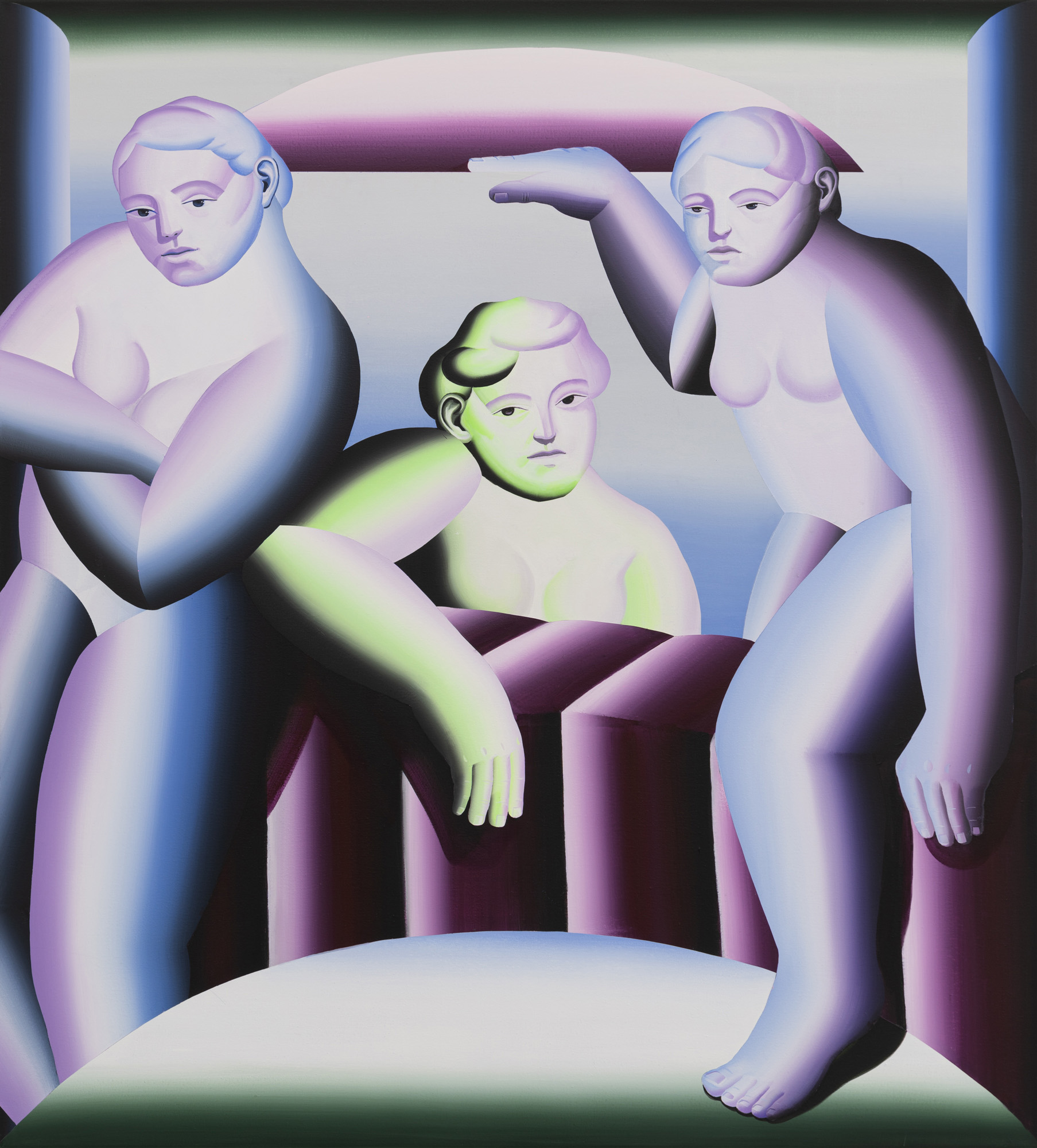
Jinhee Kim, Leftover, 2024, Acrylic on canvas, 180x160cm ©Jinhee Kim

In this way, Jinhee Kim does not aim to convey any clear-cut meaning through her figures or objects. Instead, she invites viewers to imagine the many moments of life through a state of ambiguity—where emotions and sensations, meaning and context, are not sharply divided, yet carry a subtle tension.

 “I don’t try to deliver any explicit meaning through figures and objects. I hope they simply coexist within the painting, carrying a subtle tension and similar weight. In fact, many of the moments in our daily lives function that way: in the world before our eyes, emotions and sensations, meaning and context are not clearly separated. I want my paintings to reside somewhere in that space.”    (Jinhee Kim, interview for 《Young Korean Artists 2025: Here and Now》, MMCA)


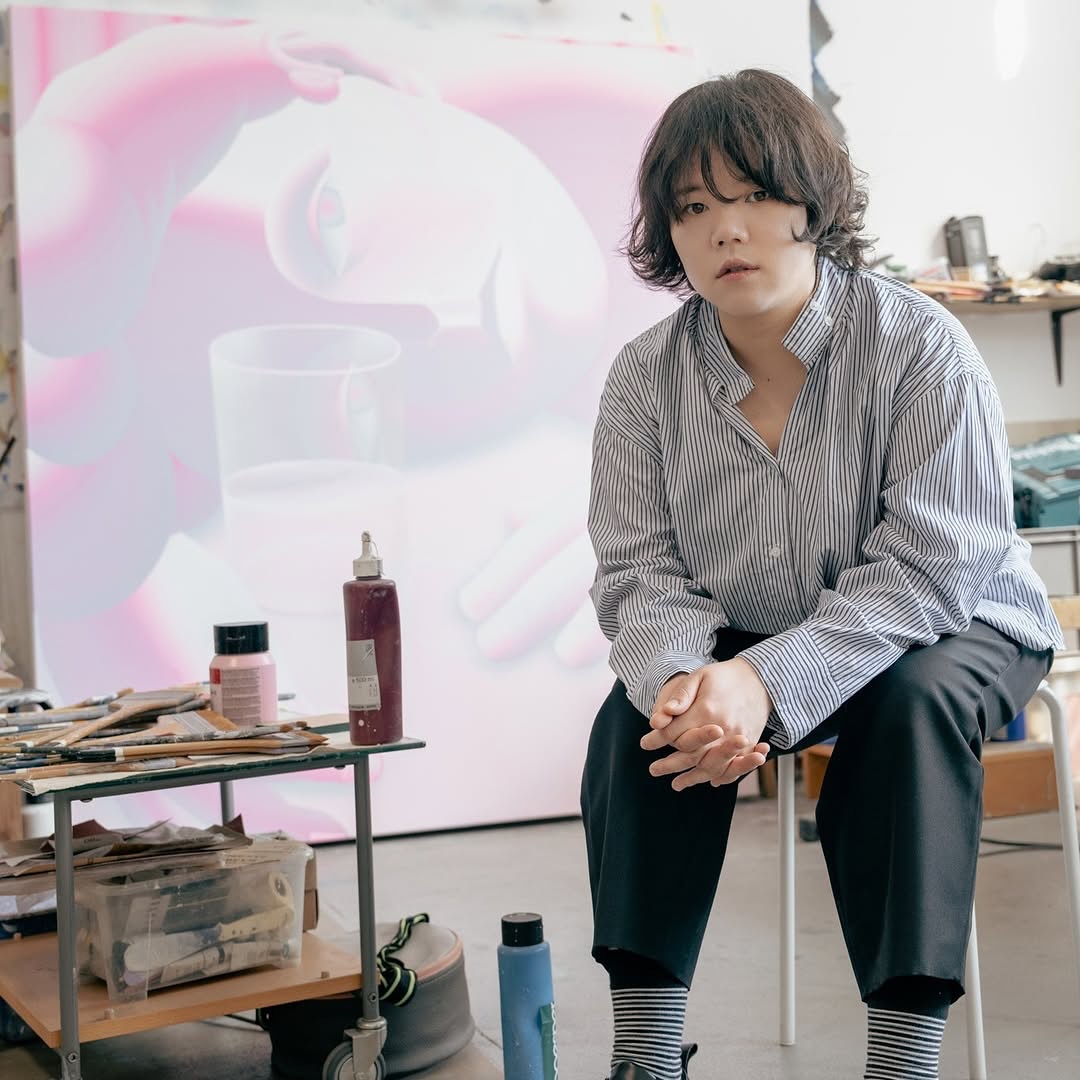
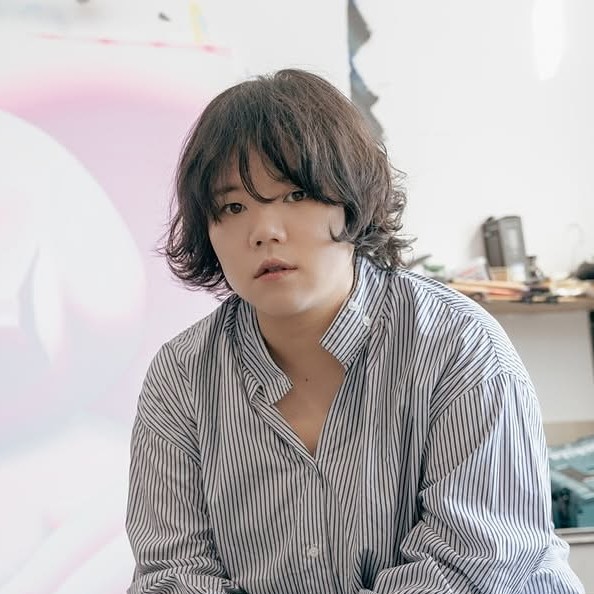
Artist Jinhee Kim ©Jinhee Kim

Jinhee Kim graduated from the Department of Painting at Hongik University and received her MFA in Visual Art for Painting from the Berlin University of the Arts (UdK). Her solo exhibitons include 《Left, over》 (PARKSEOBO FOUNDATION, Seoul, 2025), 《Drink Water》 (Frieze No.9 Cork Street, London, 2024), 《Our Dawns Art Not What They Seem》 (ThisWeekendRoom, Seoul, 2023), and 《The Empty Chocolate Shop》 (Prior Art Space, Barcelona, 2022).
 
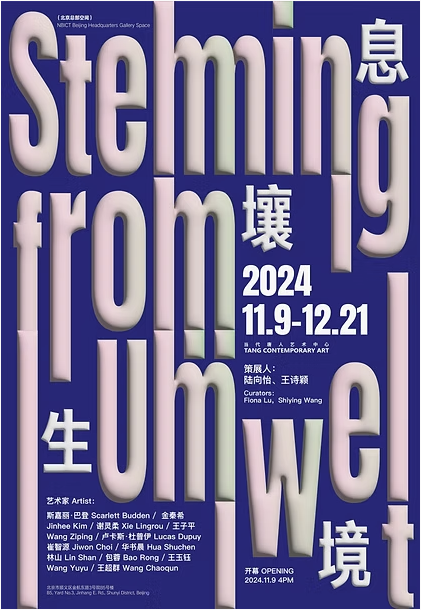
She has also participated in numerous group exhibitions, including 《Young Korean Artists 2025: Here and Now》 (MMCA, Gwacheon, 2025), 《Stemming from Umwelt》 (Tang Contemporary Art, Beijing, 2024), 《Time Lapse》 (PACE Gallery, Seoul, 2024), 《Dogs of Weserhalle》 (Weserhalle, Berlin, 2023), 《UNBOXING PROJECT 2: Portable Gallery》 (New Spring Project, Seoul, 2023), and more.
 
Kim currently works between Seoul and Berlin, and her works are included in the collections of Space K, the PARKSEOBO FOUNDATION, and the MMCA Art Bank.
References