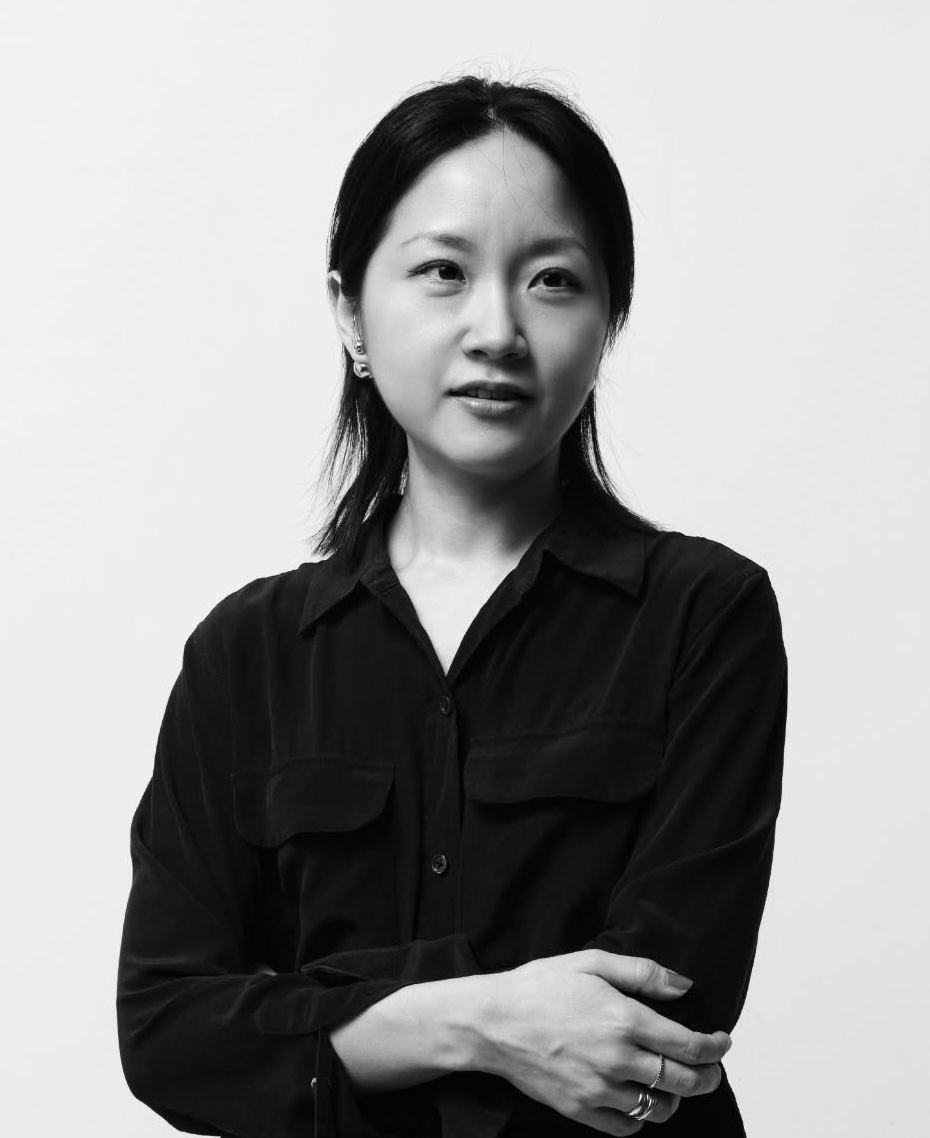
Soomin Shon (b. 1986) reflects on the limits and possibilities of the networks and systems we trust, translating these inquiries into video, installation, performance, and publications. Her work often begins with personal memories and embodied experiences, through which she retraces the origins of contemporary social phenomena, explores the hidden structures and emotions behind them, and seeks to create new relationships.

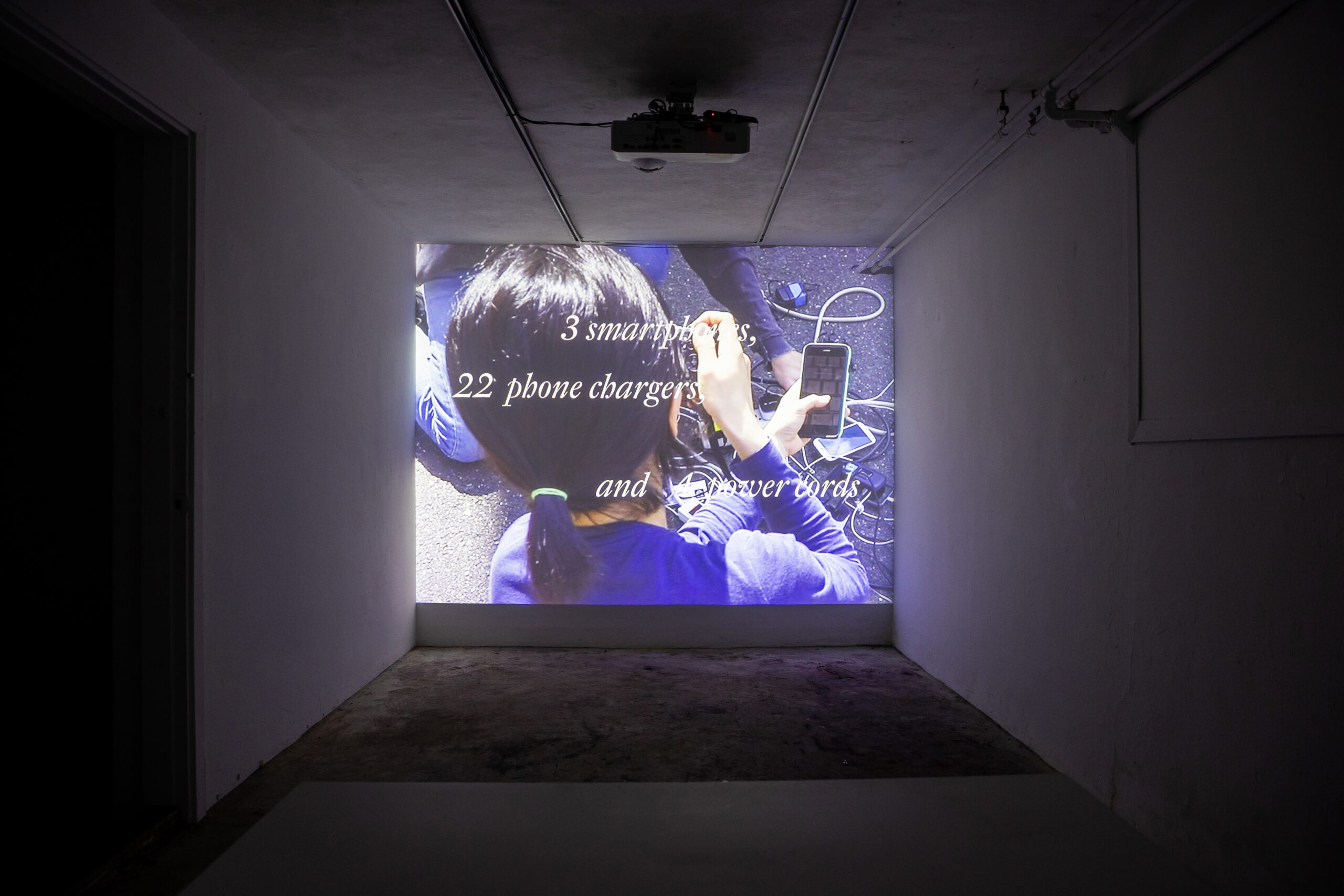
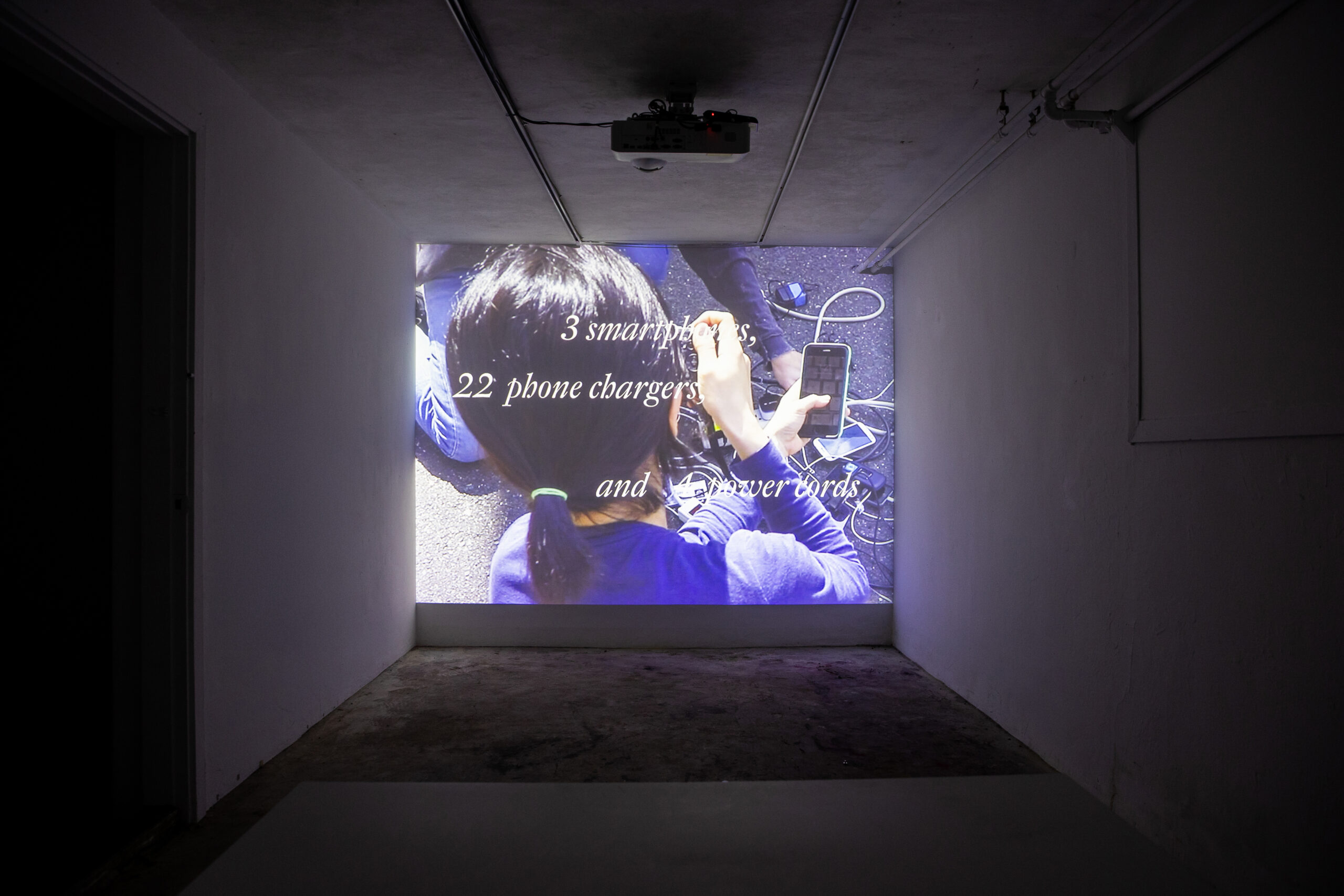
Soomin Shon, 3 Smartphones, 24 Phone Chargers and 4 Powercords, 2018 (reproduced 2024), Single-channel video, color, sound, 2min 35sec. ©Soomin Shon

Moving between cities and encountering people in diverse environments, Soomin Shon became interested in the uncomfortable and complex aspects of life—such as ambiguity, misunderstanding, and prejudice—that cannot be easily explained within familiar frameworks. 

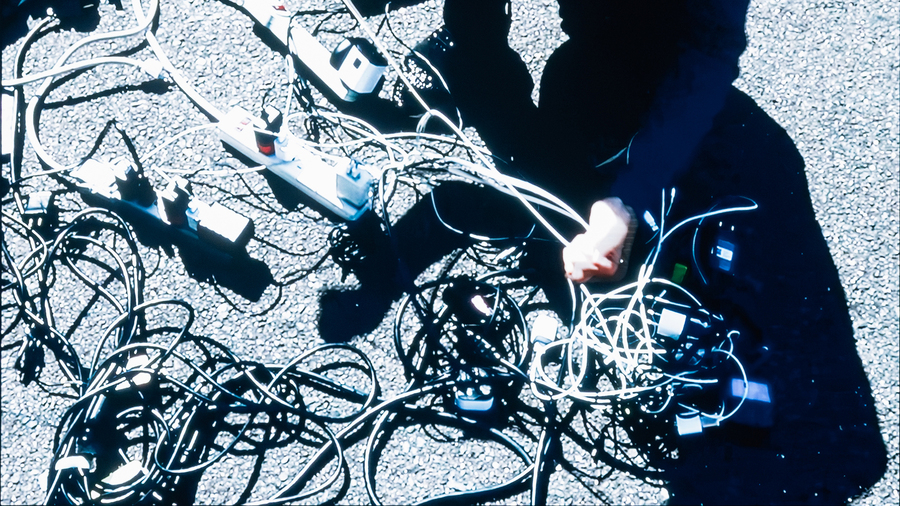
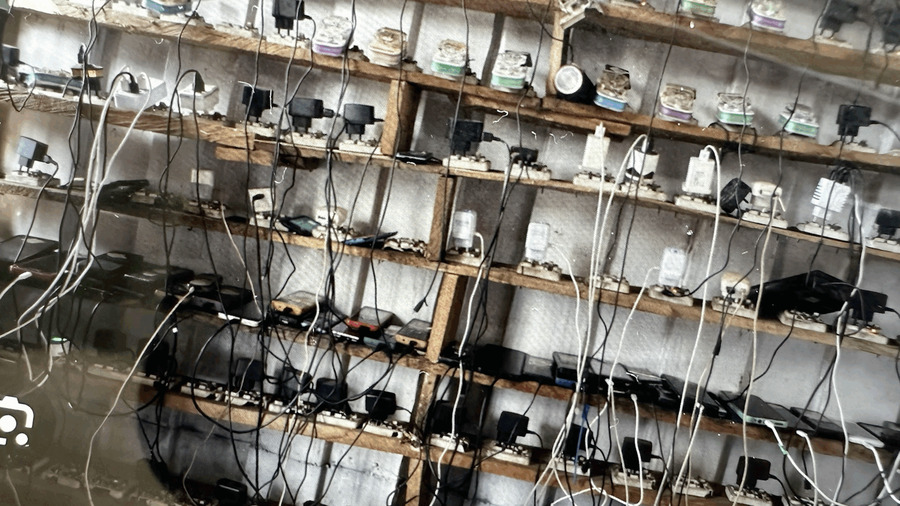
Against this background, her works often begin with events someone has actually experienced or words they have directly spoken. For example, her 2018 video 3 Smartphones, 24 Phone Chargers and 4 Powercords was based on a single photograph she saw in a newspaper.


Soomin Shon, 3 Smartphones, 24 Phone Chargers and 4 Powercords, 2018 (reproduced 2024), Single-channel video, color, sound, 2min 35sec. ©Soomin Shon

The photograph depicted Syrian refugees charging their smartphones, and the artist recalls realizing that their lives were not so different from her own daily routines. Reading an article about refugees taking landscape photos during their journeys and posting selfies on social media to share with friends and family, she began to reflect on her own vague prejudices toward strangers and started to address these themes in her work.


Soomin Shon, 3 Smartphones, 24 Phone Chargers and 4 Powercords, 2018 (reproduced 2024), Single-channel video, color, sound, 2min 35sec. ©Soomin Shon

To recreate the photograph, Soomin Shon decided to film the process itself. She borrowed smartphones, chargers, and power strips from colleagues who shared her studio, sent out a quick email requesting help, and completed the shoot within just a few hours. During filming, the chimes from a nearby clock tower occasionally rang out. 

She recalls that, through this brief production process, she could feel how close “they” in the photograph were to “us.” Yet at the very moment when the clock tower’s chimes intervened, the peaceful, uneventful life of a small college town in the American East and the stark reality captured in the photograph suddenly felt sharply distant.

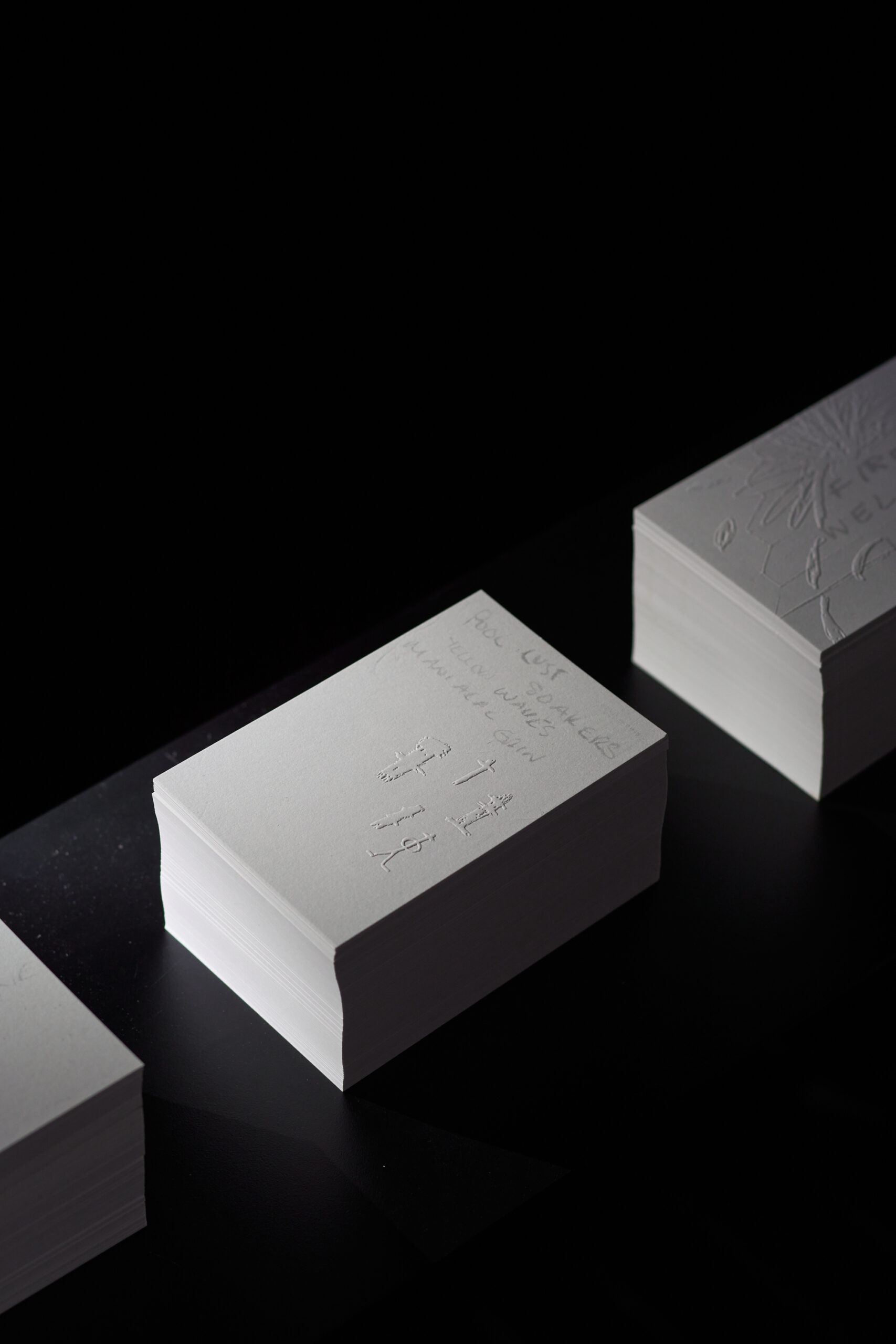
Soomin Shon, Unmellow Yellow, 2017-2025, Embossing and offset on paper, 100x148mm ©Soomin Shon. Photo: Jinho Kim.

Meanwhile, the project Unmellow Yellow, which Shon has been developing since 2017, began with her chance discovery of a yellow fire hydrant next to her studio building. Although it stood at the very center of the building, no one paid attention to it. In this work, the artist uses the fire hydrant—a neglected object—as a medium to metaphorically explore the relationships among members of society. 

During the first Trump administration, amid the spread of fake news and hate-driven rhetoric, she asked 64 people who shared the same building to draw the fire hydrant they had never closely observed before. The collected drawings were compiled into a book and, years later, reconstituted as postcards to be distributed to visitors against the backdrop of resurging fascism and war.

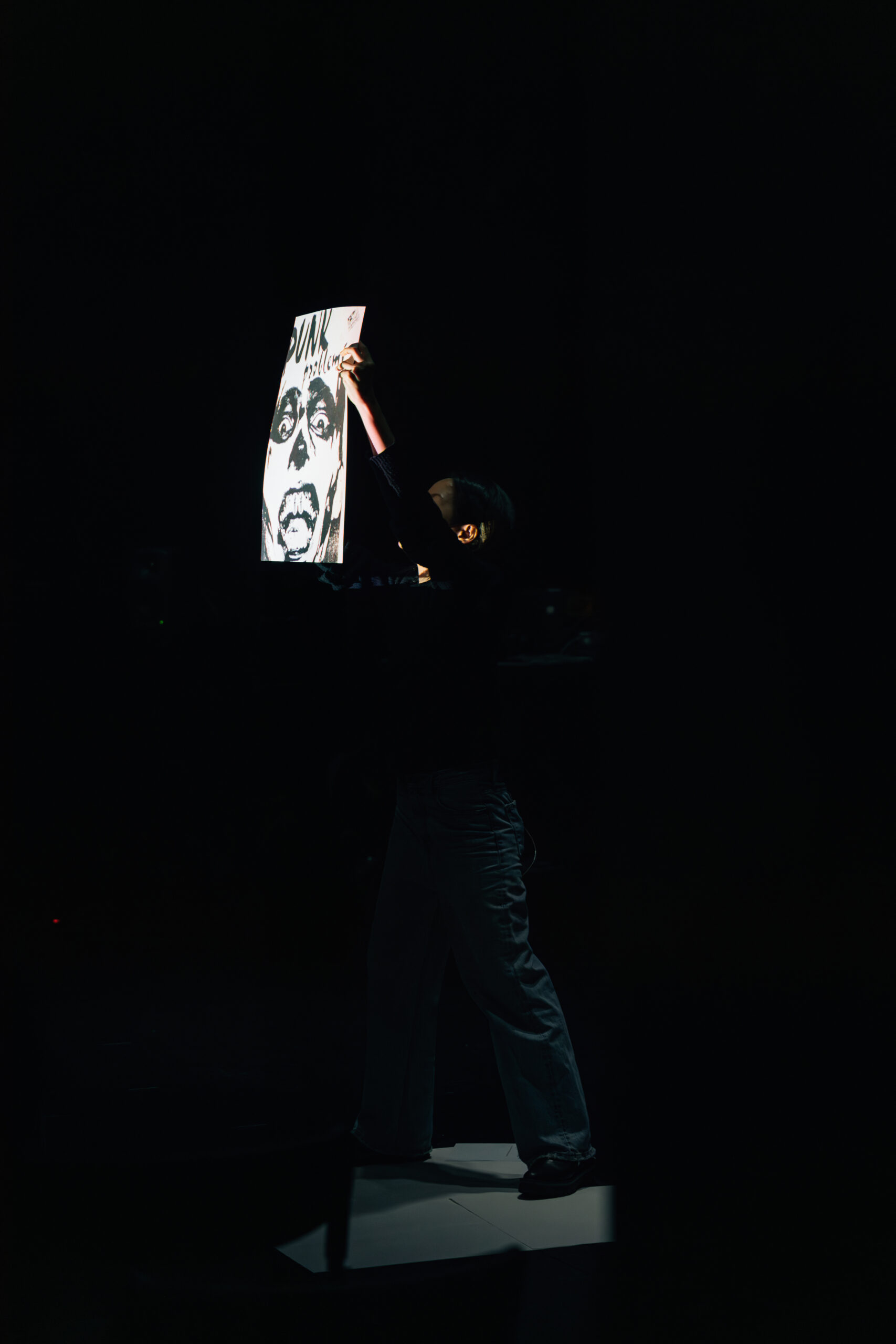
Soomin Shon, Unmellow Yellow, 2024, Performance, 35min. ©Soomin Shon. Photo: Jinho Kim.

In the 2024 performance Unmellow Yellow, the artist stood in front of a beam projector holding a thin sheet of paper and read aloud from a prepared script. The text included passages such as “One is a plural. Korean may be one language, but multiple lives exist within it. As no language is limited to a single experience, language also makes the boundaries of the world real and tangible” and “One who is ‘othered’ is defined by their body. My words, roles, and experiences can never surpass my physical existence. Only the body remains.”
 
On the soft, fragile paper, the projected image continually refracted and distorted, evoking moments of misunderstanding and mistranslation that inevitably arise when communicating with others through language.

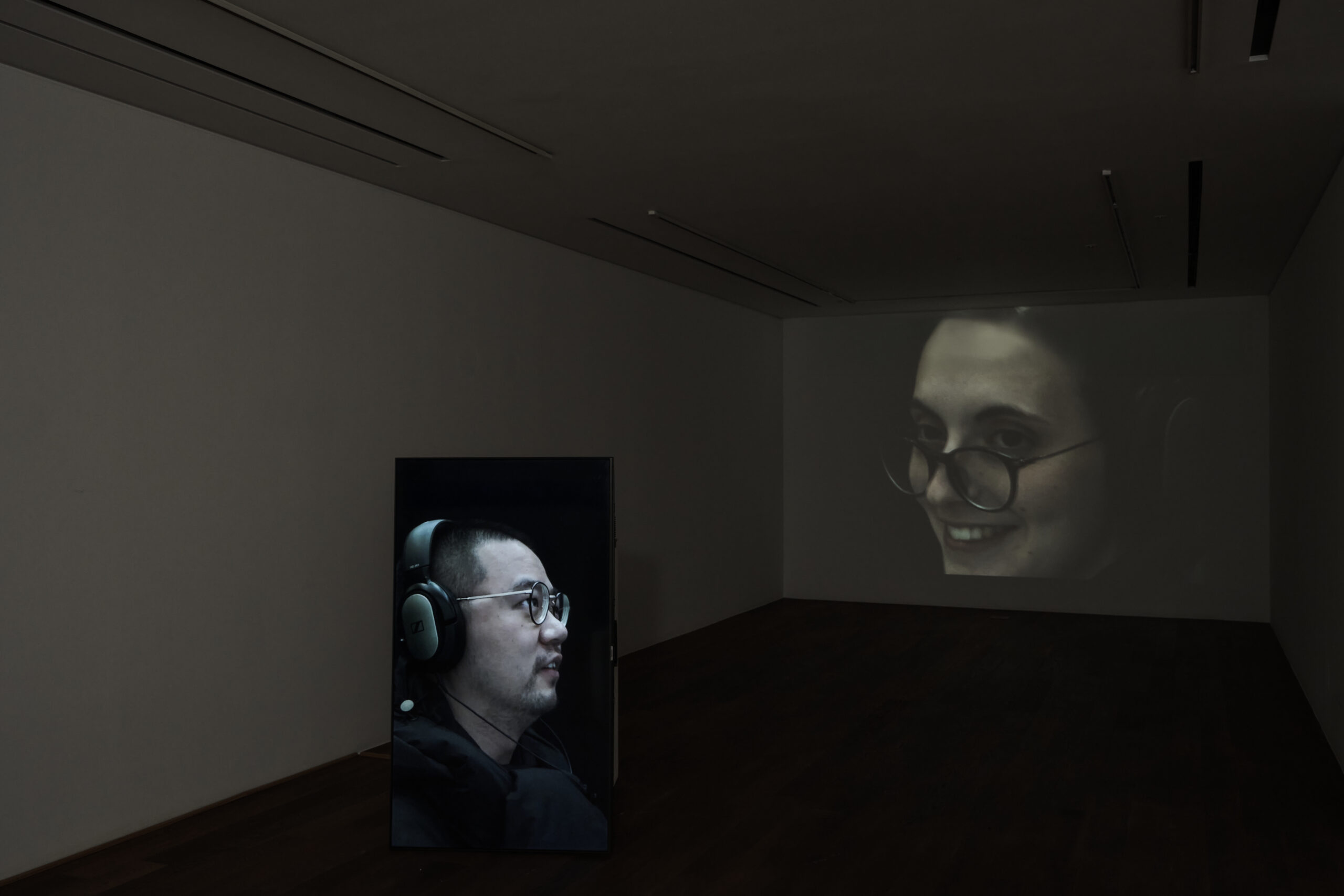
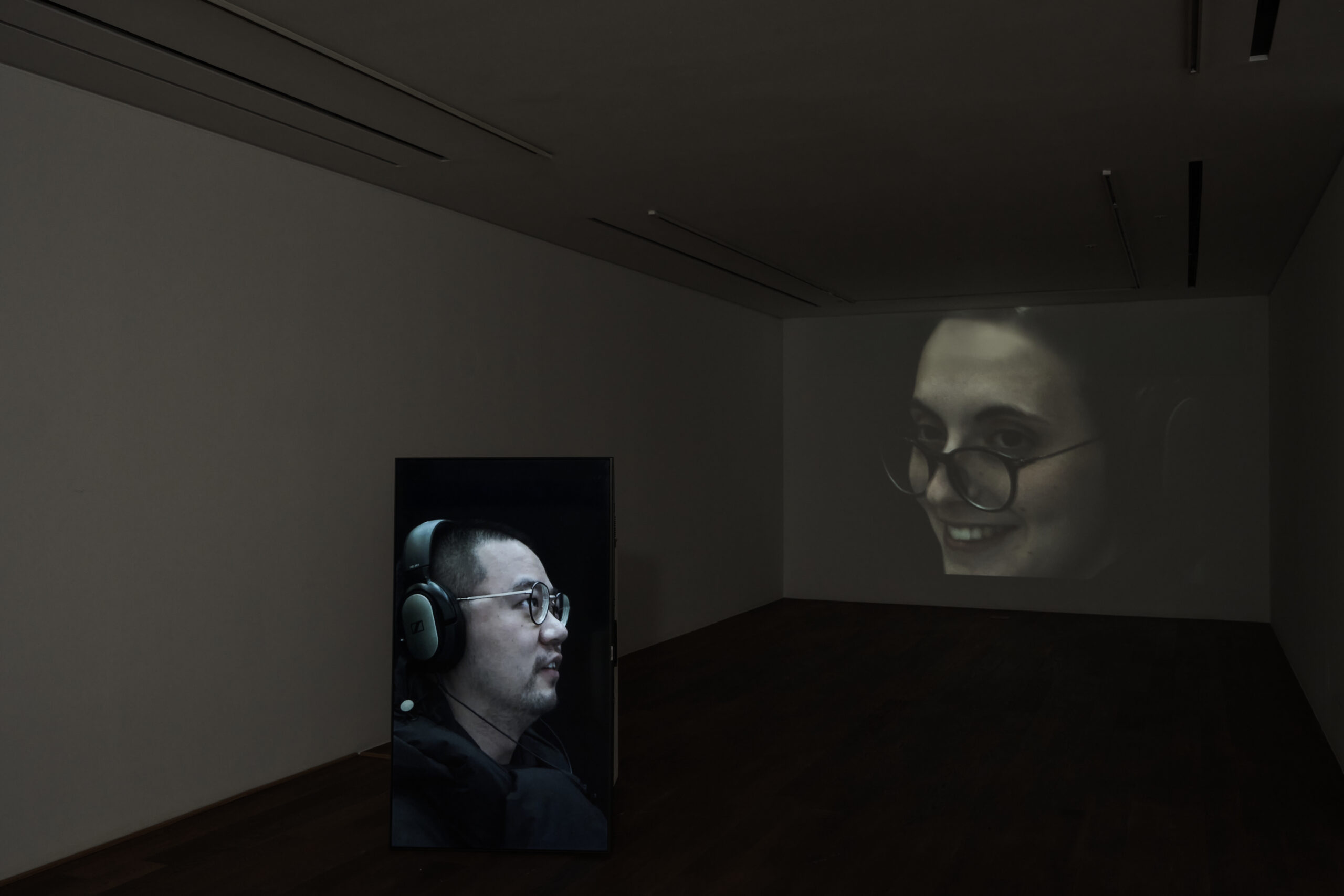
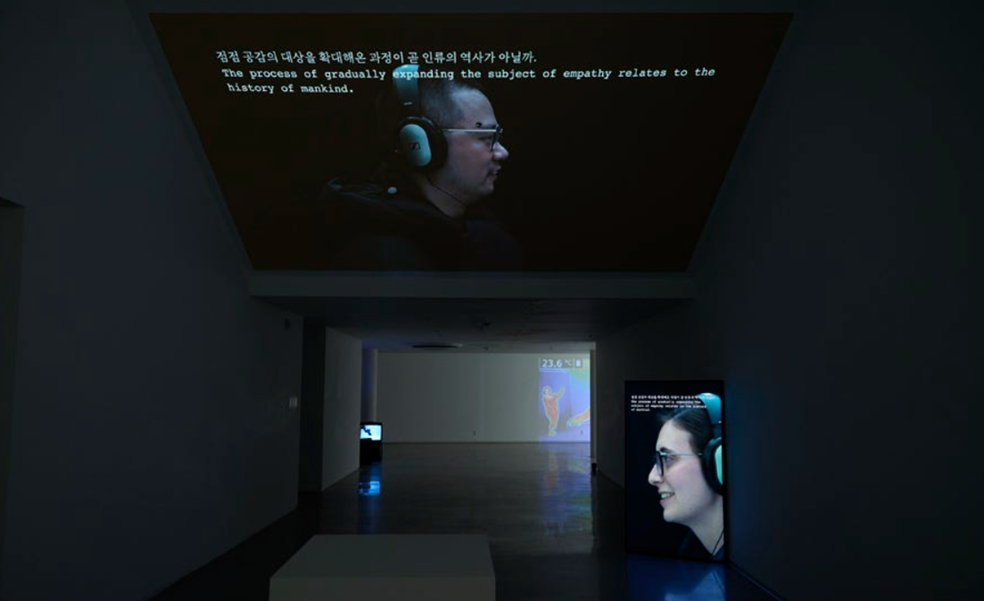
Soomin Shon, Playing Catch, 2019 performance / adapted into video in 2022, Performance, video. ©Soomin Sho

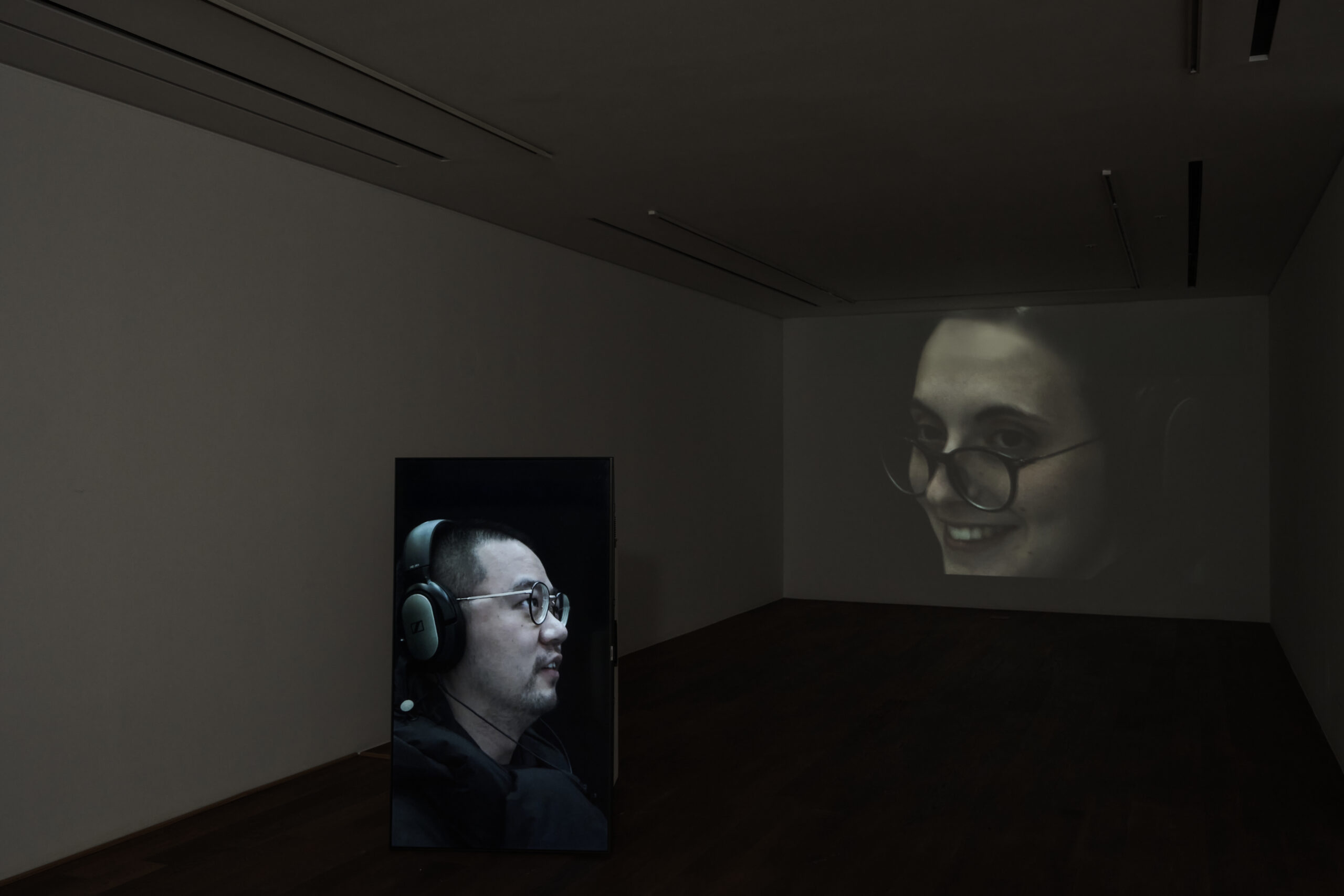
The artist’s long experience of living as an outsider has consistently provided the starting point for her work. In this context, Playing Catch (2019/2022) records a dialogue between two performers arranged in parallel, like a game of catch in which a ball is thrown back and forth.  

Each performer connects a microphone and headphones to an audio mixer so that the amplified voice and breathing of the other completely fill their own heads. In this state—at times as if only one’s own voice exists in the world—the two performers continue their exchange.


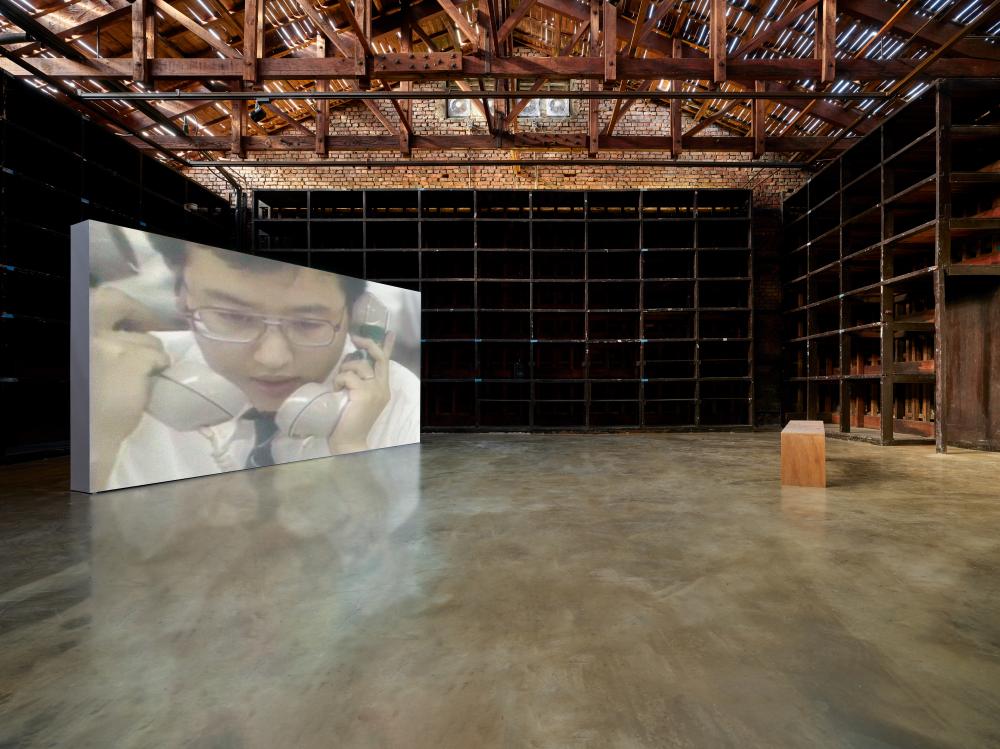
Installation view of 《If Reality Is the Best Metaphor》 (SeMA Storage, 2023) ©Seoul Museum of Art

Furthermore, in her solo exhibition 《If Reality Is the Best Metaphor》 at SeMA Storage in 2023, Soomin Shon sought to reconsider the dual nature of values that, while serving as driving forces for both individuals and society, have also acquired absolute power beyond their original purpose. In this exhibition, the artist explored the fissures embedded within the seemingly solid, technology-based capitalist system and visualized, through time-based media, the resulting desires and solitude of human beings. 

The exhibition was structured around two main works: the video piece In God We Trust (2023) and the participatory installation Musicbox (2023/2018). By reconstructing collected images from everyday life into a montage, the artist posed questions to capitalism, while her inefficient performance of mass-produced music boxes suggested the possibility of revisiting rationalism and the standardized world.

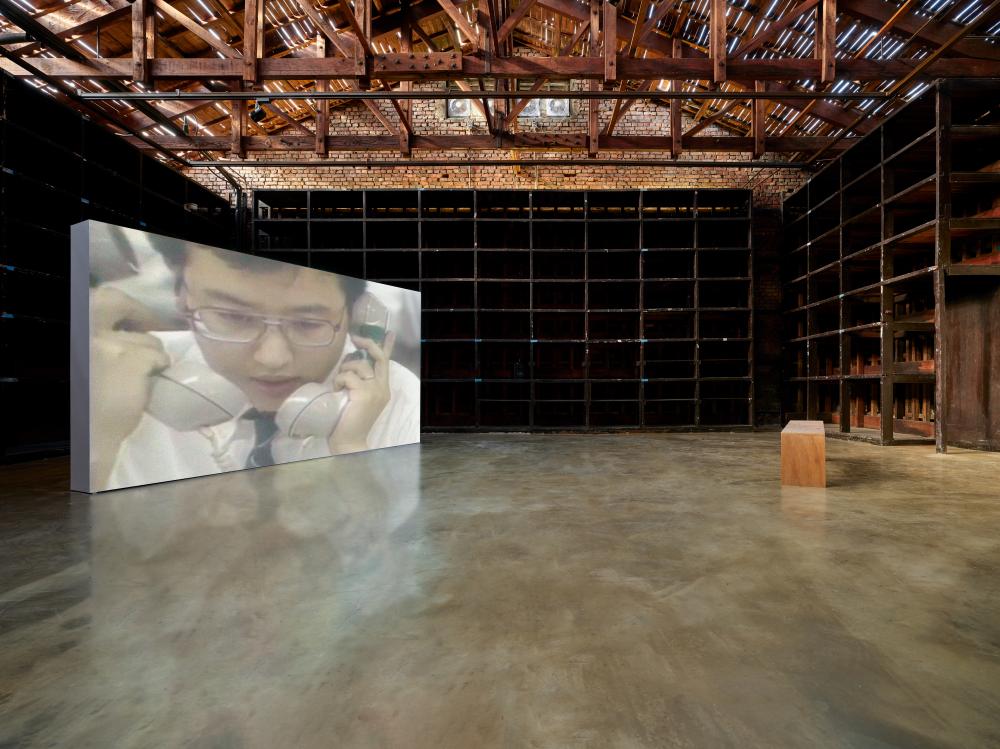
Soomin Shon, In God We Trust, 2023, Single-channel video, color, sound, Installation view of 《If Reality Is the Best Metaphor》 (SeMA Storage, 2023) ©Soomin Shon

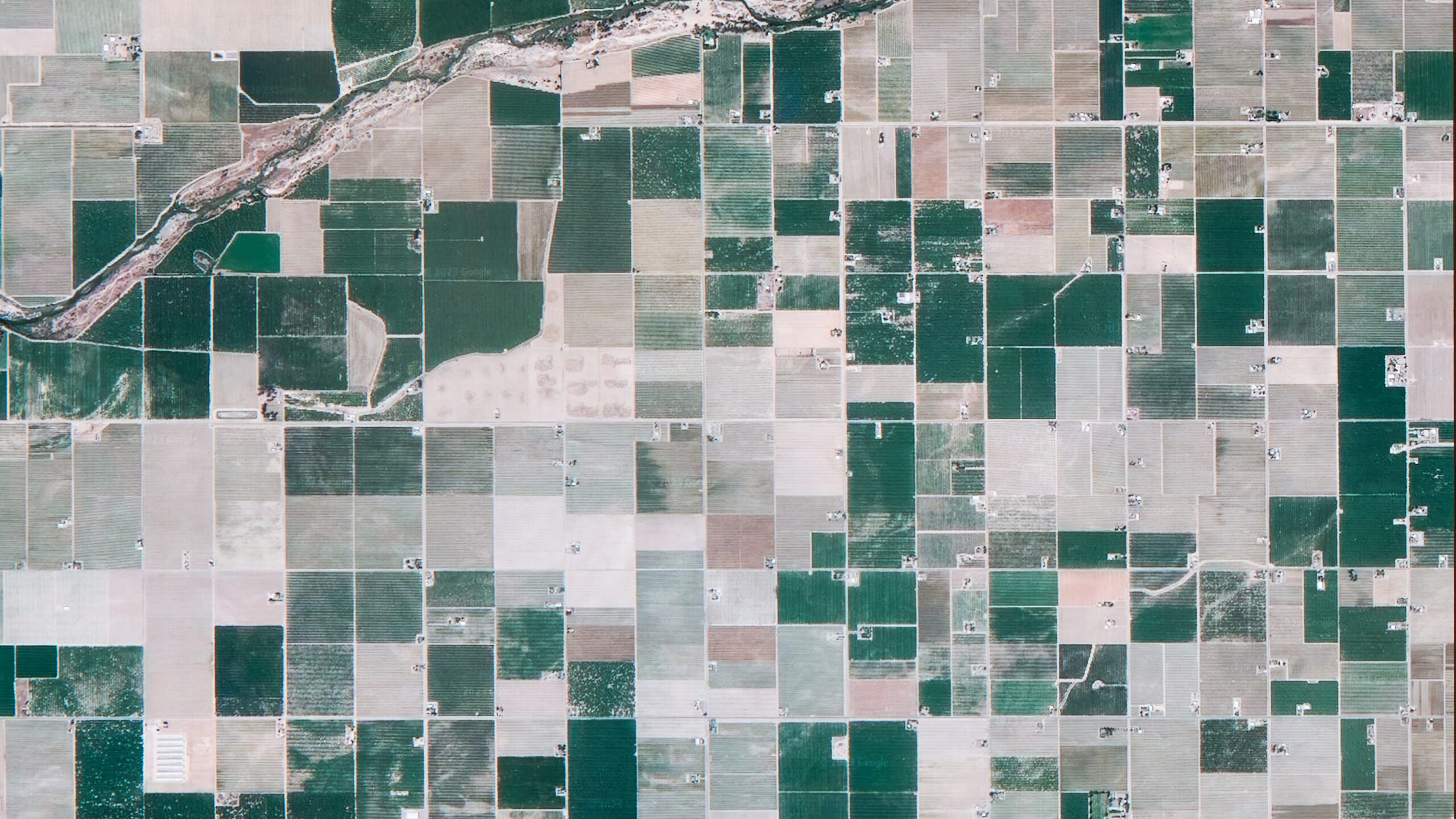
First, the video In God We Trust—titled after the phrase printed on the U.S. dollar, a currency that holds unrivaled global power—began with the artist’s curiosity about the origins of trust in virtual assets as she observed events surrounding cryptocurrency.
 
Witnessing how collective belief can transform into a powerful reality, Shon drew on her own memories of entering society at a time when hopes for the future had evaporated in the wake of the 2008 global financial crisis to create a moving-image montage of social events.
 
By reconstructing scenes she had witnessed during her commutes, at her workplace, and at the 2011 Occupy Wall Street protests using found footage, sound, and text, the artist invites viewers to reconsider the fact that all forms of currency—and, more broadly, all human-made systems of belief and value—function in fundamentally similar ways.


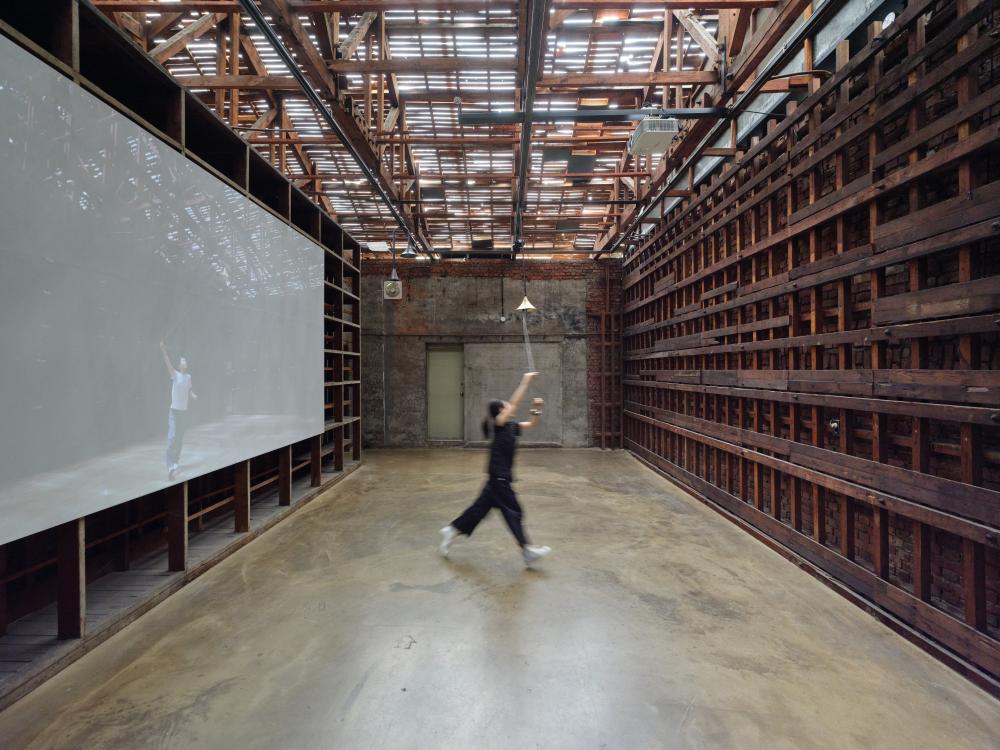
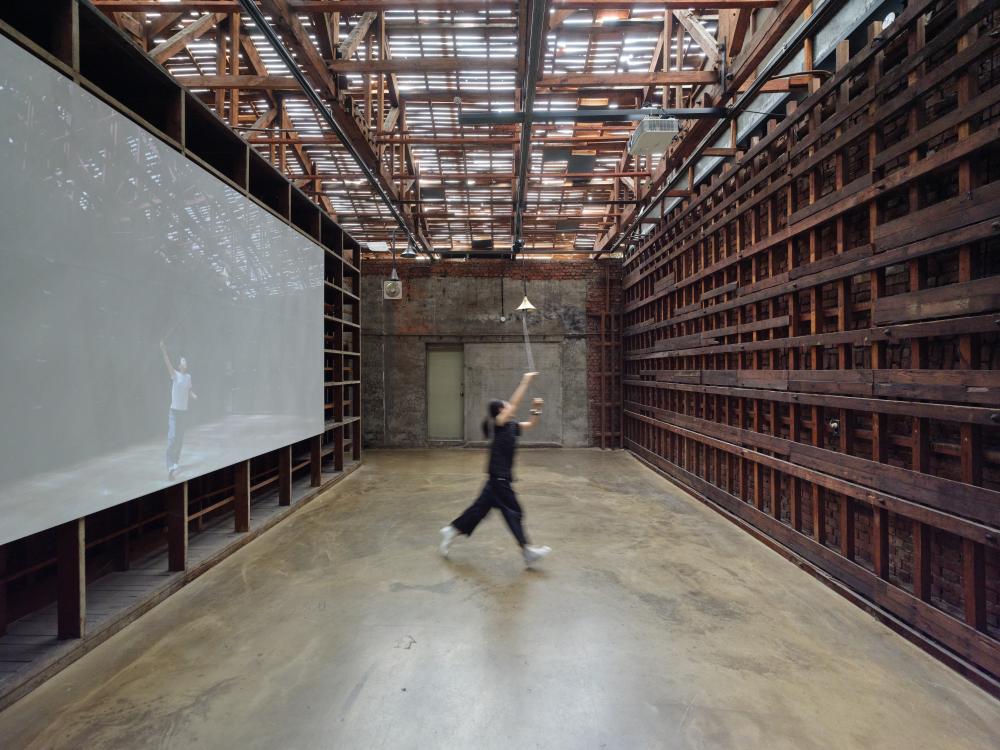
Soomin Shon, Musicbox, 2023, Performance, installation, Installation view of 《If Reality Is the Best Metaphor》 (SeMA Storage, 2023) ©Seoul Museum of Art

Meanwhile, Musicbox consists of a performance in which the artist plays mass-produced music boxes in the most inefficient way she can imagine—running across a wide, high space until breathless. Shon first presented the performance as a prototype in Rudolph Hall at Yale University, in the U.S. East Coast, a site considered part of the legacy of modernism, and later reconfigured it as a participatory installation at SeMA Storage, taking into account the spatial characteristics of the venue.
 
In the performance, the artist playfully occupies a space that symbolizes the rationalist, growth-driven society to reflect on the diversity of human life that cannot be reduced to numbers. At SeMA Storage, she varied the placement and setup to welcome the movements of different audiences, inviting them to explore creative possibilities beyond the standardized measures of the world.


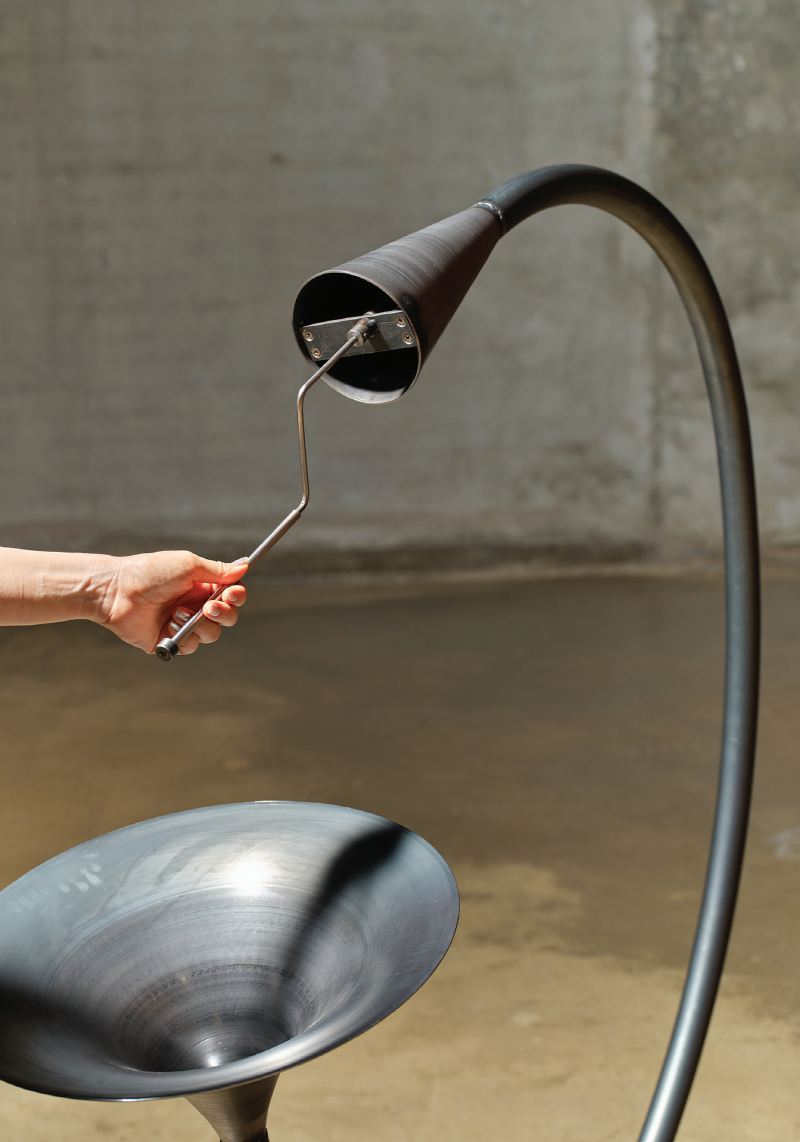
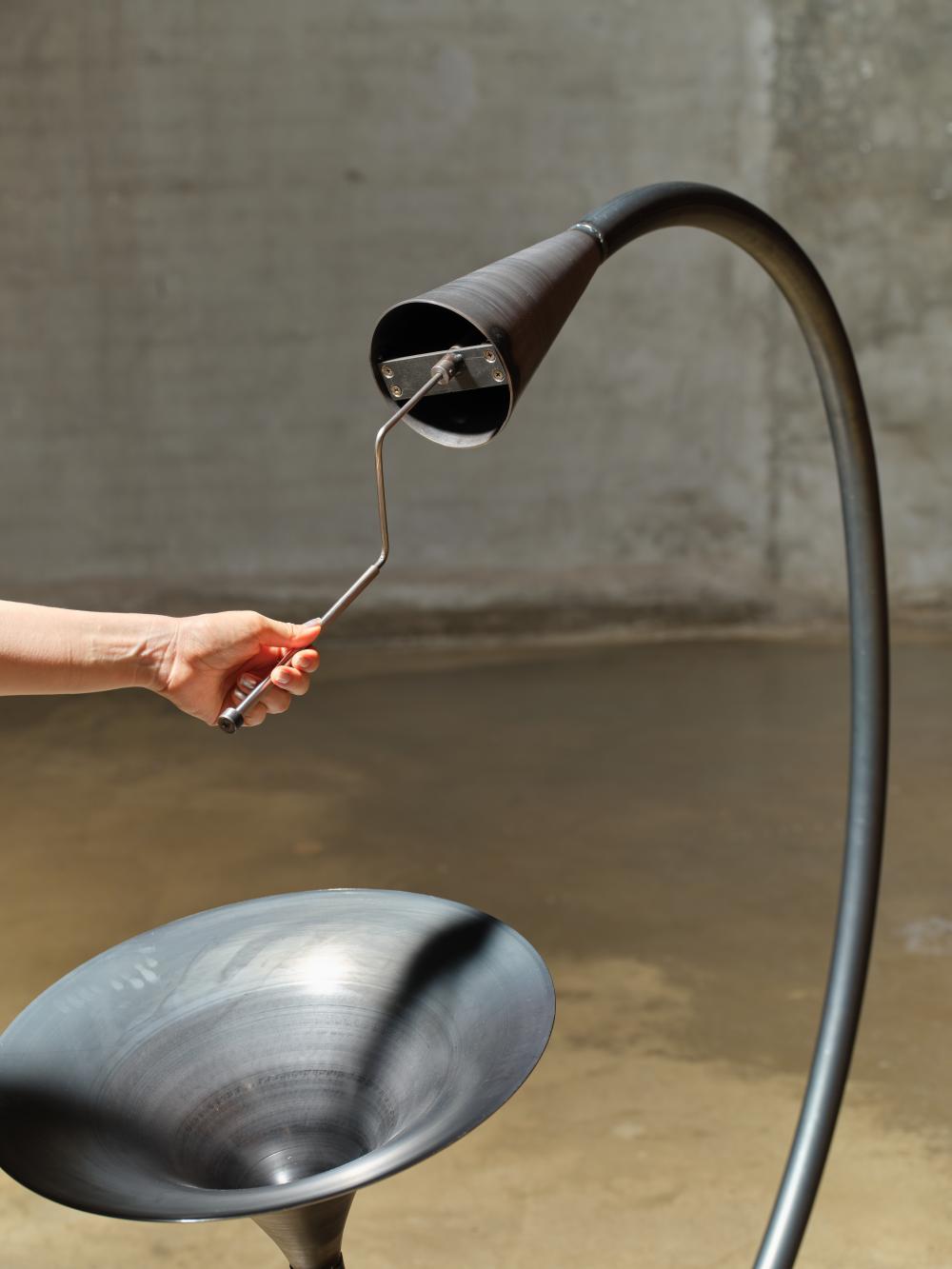
Soomin Shon, Musicbox: Cornu, 2023, Metal, 120x80x40cm, Installation view of 《If Reality Is the Best Metaphor》 (SeMA Storage, 2023) ©Seoul Museum of Art

Additionally, during the production process, the artist collaborated with various craftsmen in Euljiro, encountering their honest and steady approach to work and life embedded in their finely honed skills. This experience led her to reflect on how society interprets labor and the people who perform it, and how it treats them. In response, the work prompts reconsideration of the material limitations of our increasingly virtual daily lives.

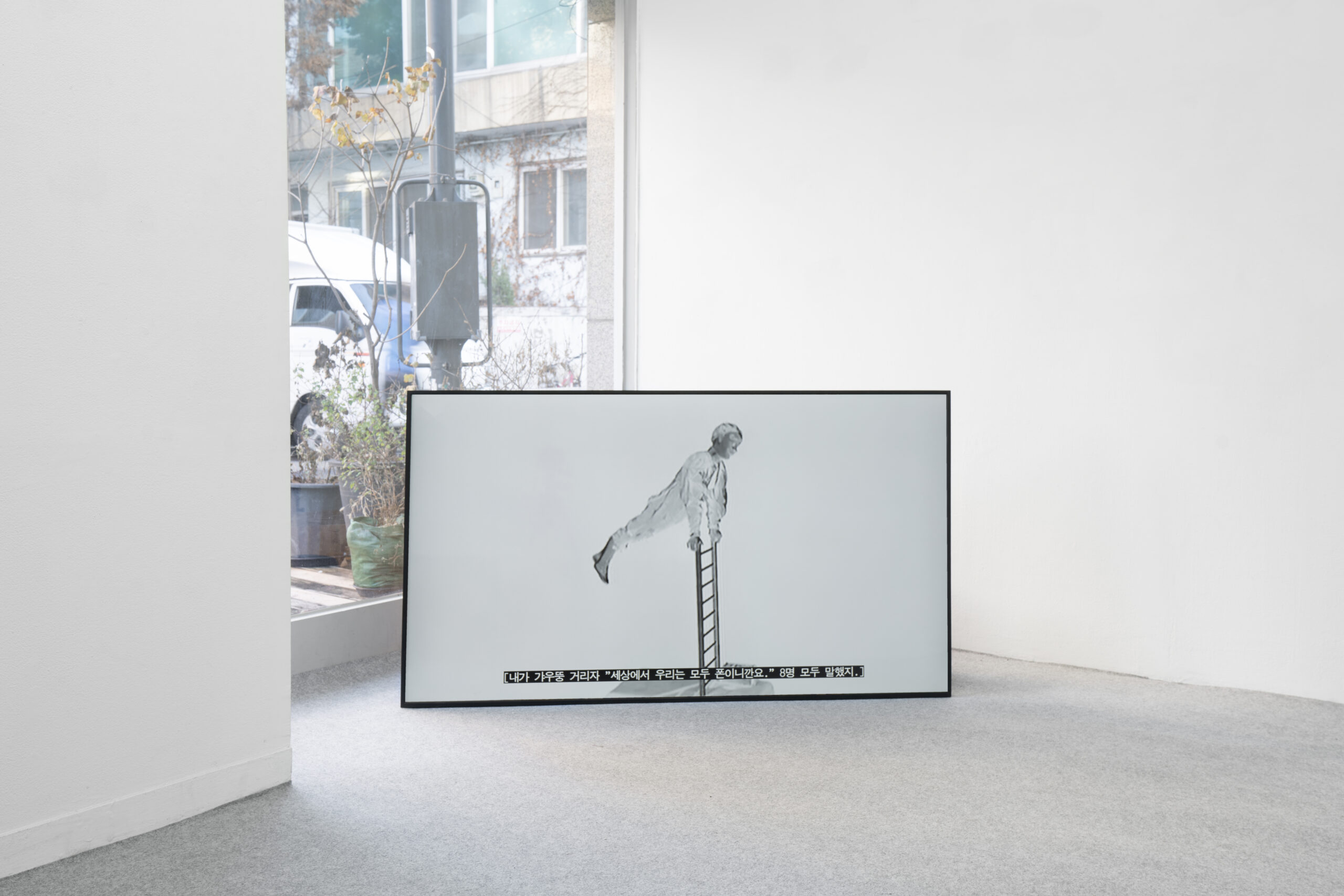
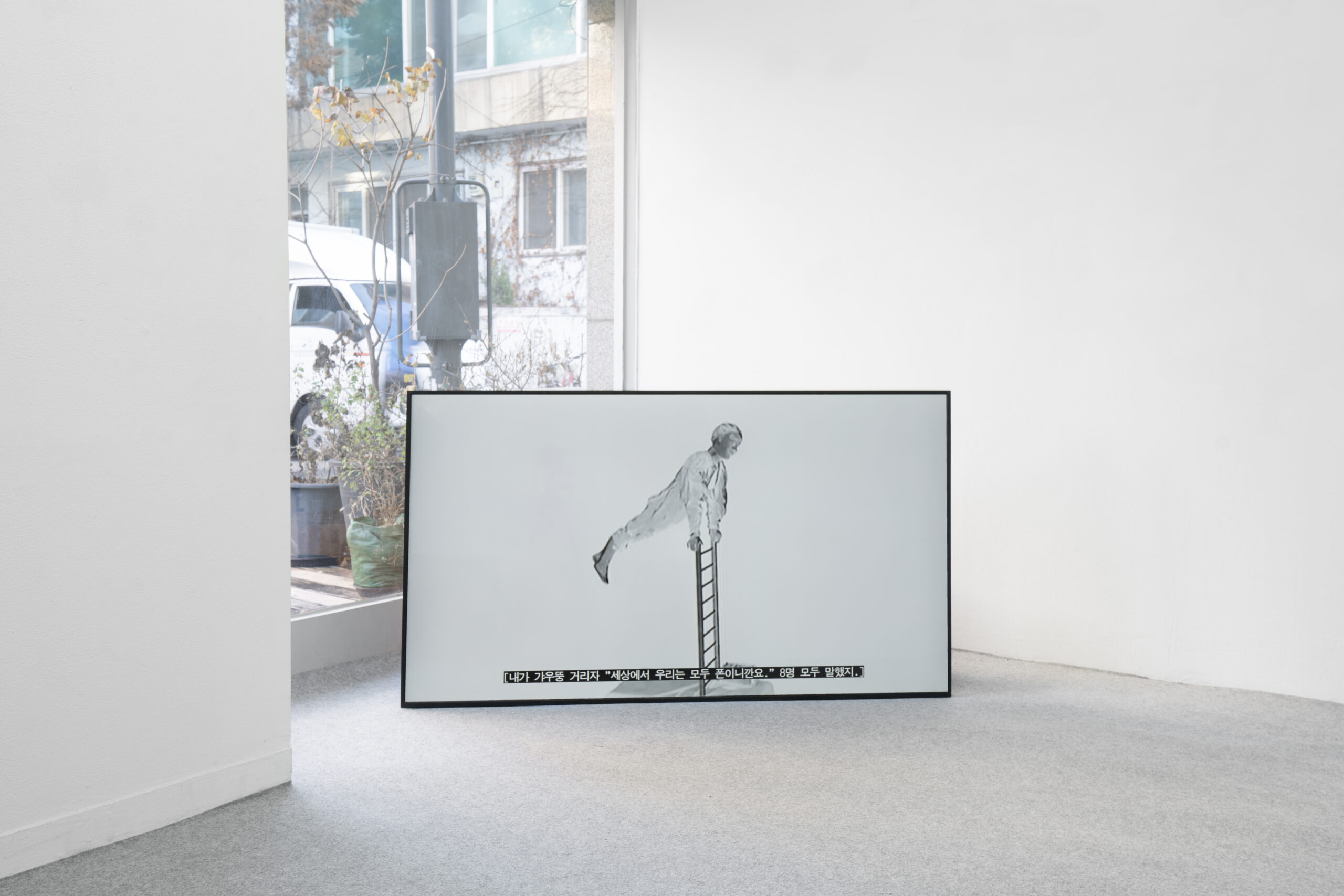
Soomin Shon, A Good Knight, 2023, Single-channel video, color, sound, Installation view of 《A Good Knight》 (Hapjungjigu, 2023) ©Hapjungjigu

In the same year, during her solo exhibition 《A Good Knight》 at Hapjungjigu, the artist presented the eponymous video work A Good Knight (2023), which uses chess—a game often used as a metaphor for human affairs—to reflect on our position within social order and hierarchy. 

Although the earliest records of chess date back to the 7th century, legend traces its origin to a century earlier in India. It is said that when the youngest prince of the Gupta dynasty died in battle, his elder brother devised chess as a new way to represent war for their grieving mother.

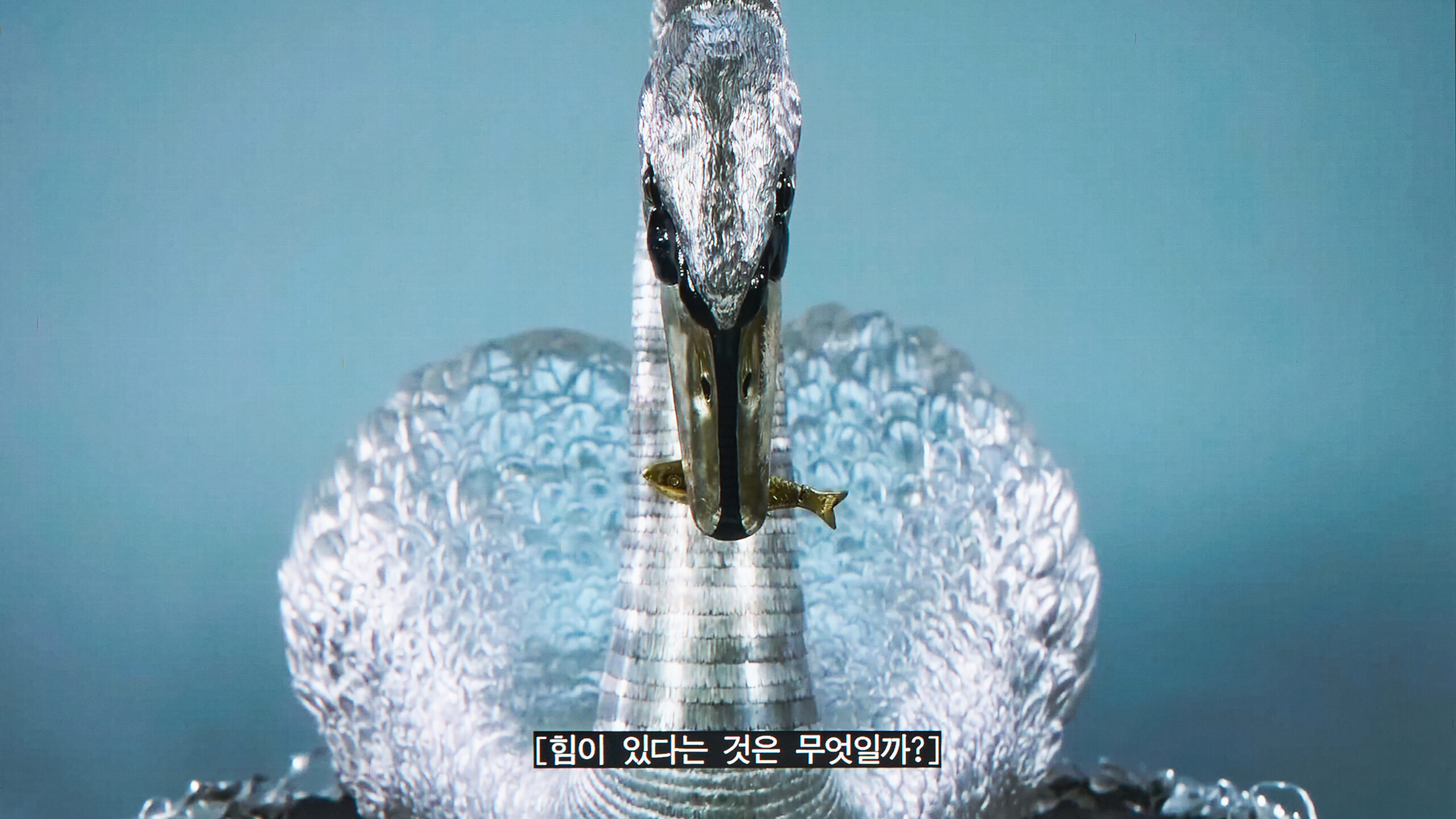
Soomin Shon, A Good Knight, 2023, Single-channel video, color, sound ©Soomin Shon

Later, chess spread across the world via the Silk Road, giving rise to unique regional variations. It has long served as a means of satire, encapsulating different social classes and revealing underlying structures. Observing the game on its board of eight-by-eight squares, Soomin Shon reflected on the order of the world and her own place within it. 

In the video, the rules of chess and the roles of its pieces are indirectly explained to children through mechanisms that move automata, realizing human imagination and desire. Following the journey of the young knight as the narrator, the work draws an analogy between familiar social orders and hierarchies and the rules of chess.

Soomin Shon, A Good Knight, 2023, Single-channel video, color, sound ©Soomin Shon

The automata, shaped like humans and animals, appear to move on their own, yet they can perform only the tasks assigned to them. Observing the desire to replicate not just the appearance but even the movements of living beings, the artist questioned, “To what extent are we truly moving according to our own will?” 

The work also reflects her inquiry: “What can I do on a firmly woven, grid-like tile that encapsulates society? Can I become the player, not the piece on the chessboard, step off the board, and begin my own game?” In doing so, it encourages reflection on the boundaries and fissures embedded within seemingly solid social structures.


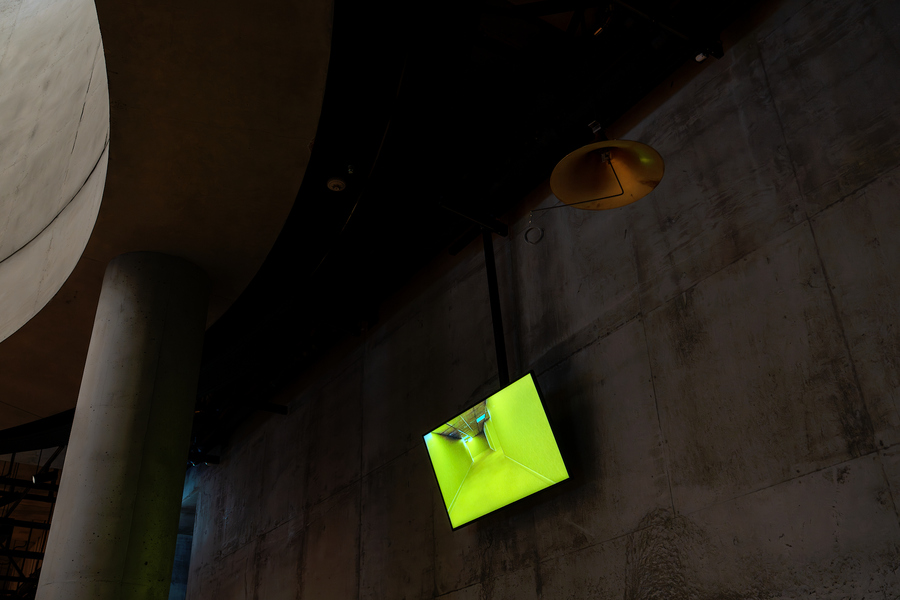
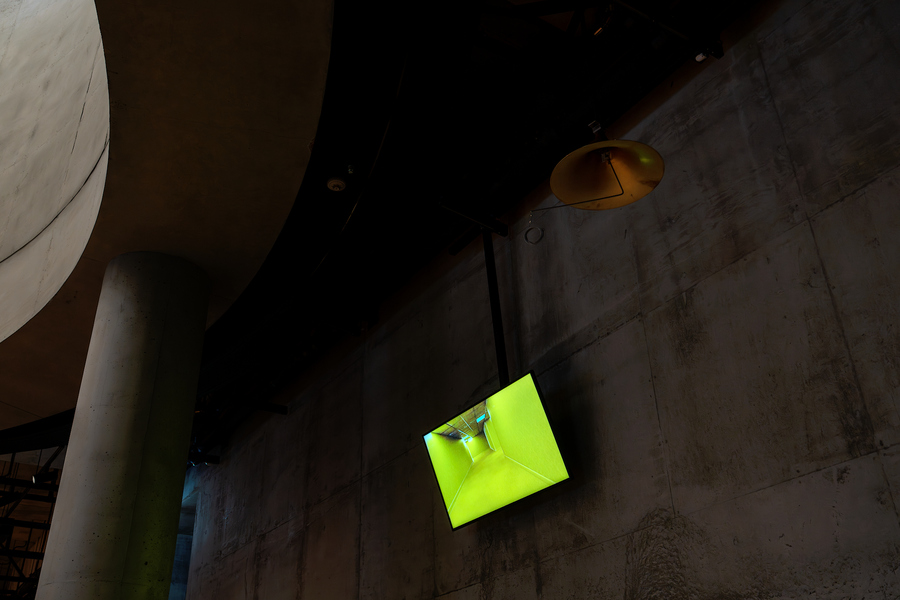
Soomin Shon, Underground, 2024, Single-channel video, color, sound, Installation view of 《The 24th SONGEUN Art Award Exhibition》 (SONGEUN, 2024) ©Soomin Shon

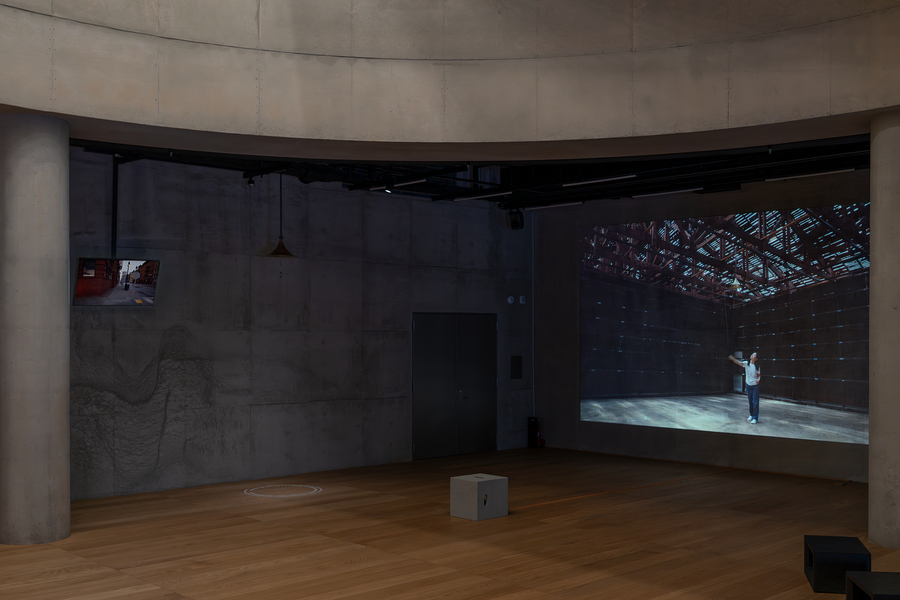
At 《The 24th SONGEUN Art Award Exhibition》 held at SONGEUN in 2024, Soomin Shon presented her new video work Underground (2024) alongside her existing piece Musicbox

Underground depicts the isolation and alienation of individuals in a capitalist society. Shon examines the gap between rapid technological advancement and the social understanding and regulation that fail to keep pace, a gap that often treats human labor as replaceable. Within this context, Shon explores the complicated relationship between technology and humanity, raising questions about the future of labor and the evolving nature of human connection.


Installation view of 《The 24th SONGEUN Art Award Exhibition》 (SONGEUN, 2024) ©Soomin Shon

Through this series of works, Soomin Shon has explored the fractures that macro-level social structures impose on everyday experiences, examining the complexities of contemporary society and the multifaceted identities of individuals. Drawing from concrete personal experiences, her work delves into the hidden aspects of contemporary life, capturing the desires, vitality, addictions, emptiness, and isolation that shape our experience as members of society, and touching on the most sensitive and essential points of human existence.

 "Observing the values that operate as power within a collective, one can perceive the boundaries and fissures of this seemingly solid society. Within these limits, I question my existence by observing our experiences of conflict—as an observer, as a participant, and at times as an instigator crafting scenarios."   (Soomin Shon, Artist’s Note)


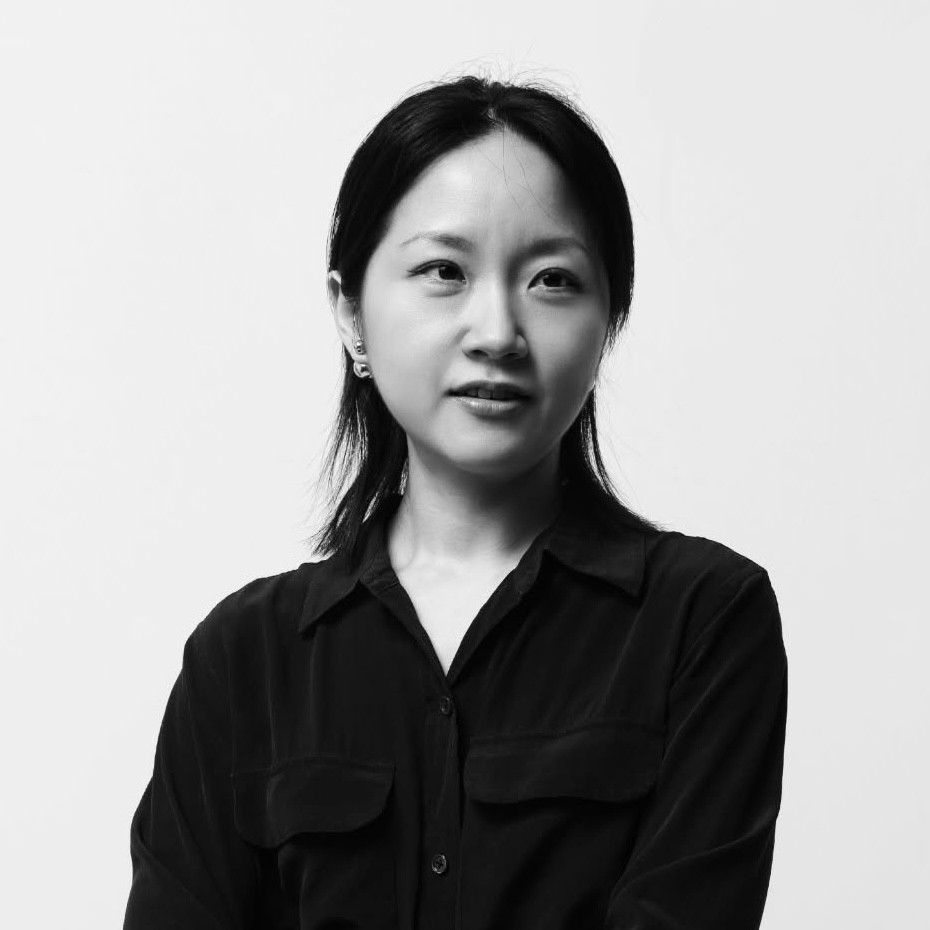
Artist Soomin Shon ©SAPY

Soomin Shon graduated from Cornell University with degrees in Economics and Art History and earned a master’s degree in Graphic Design from Yale School of Art. Her major solo exhibitions include 《If Reality Is the Best Metaphor》 (SeMA Storage, Seoul, 2023) and 《A Good Knight》 (Hapjungjigu, Seoul, 2023).
 
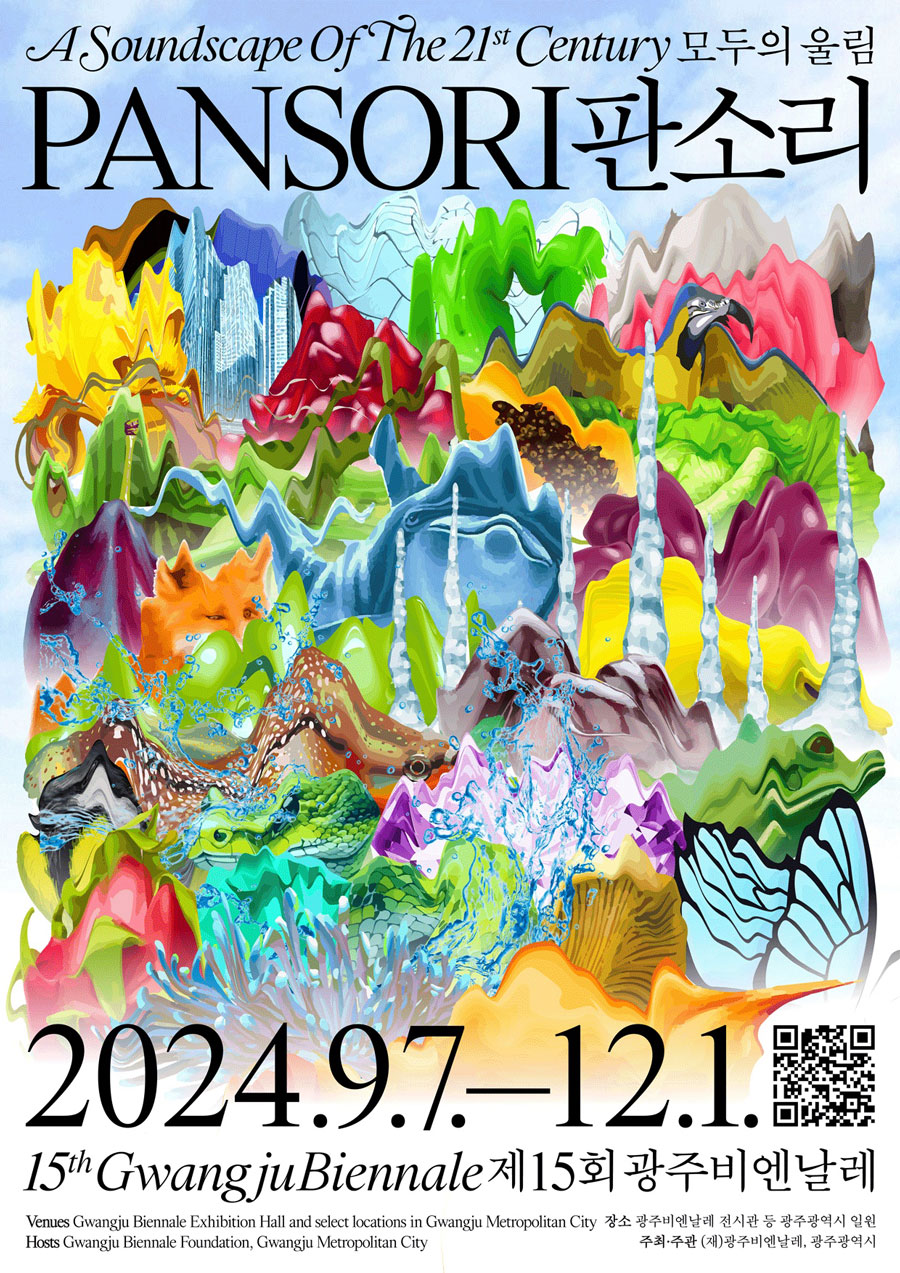
She has also participated in numerous group exhibitions, including 《One Hundred Percent》 (SPACE ÆFTER, Seoul, 2025), the 15th Gwangju Biennale 《Pansori》 (Gwangju, 2024), 《The 24th SONGEUN Art Award Exhibition》 (SONGEUN, Seoul, 2024), 《Forkingroom: Adrenaline Prompt》 (Post Territory Ujeongguk, Seoul, 2023), 《Re-working Senses》 (Insa Art Space, Seoul, 2022), and 《en route》 (Shinhan Gallery, Seoul, 2022), among others. 

Soomin Shon has been selected as an artist-in-residence at programs such as the ARKO Art Studio (Seoul, 2025) and the Irish Museum of Modern Art (IMMA) Residency (Dublin, 2025).

References