Uri Han (b. 1986) explores the world of disappearing objects through media such as video, photography, books, and installation, focusing on the diverse ways of perceiving and sensing things. In particular, the artist examines the relationship between image and language, fiction and reality, tracing what distinguishes the old from the new, the discarded from the circulating, in an effort to reframe contemporary everyday life.


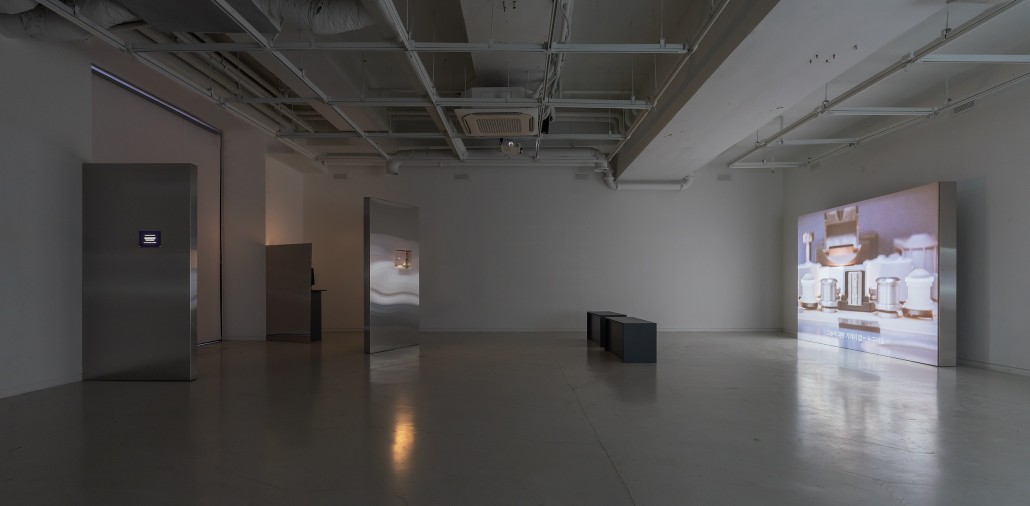
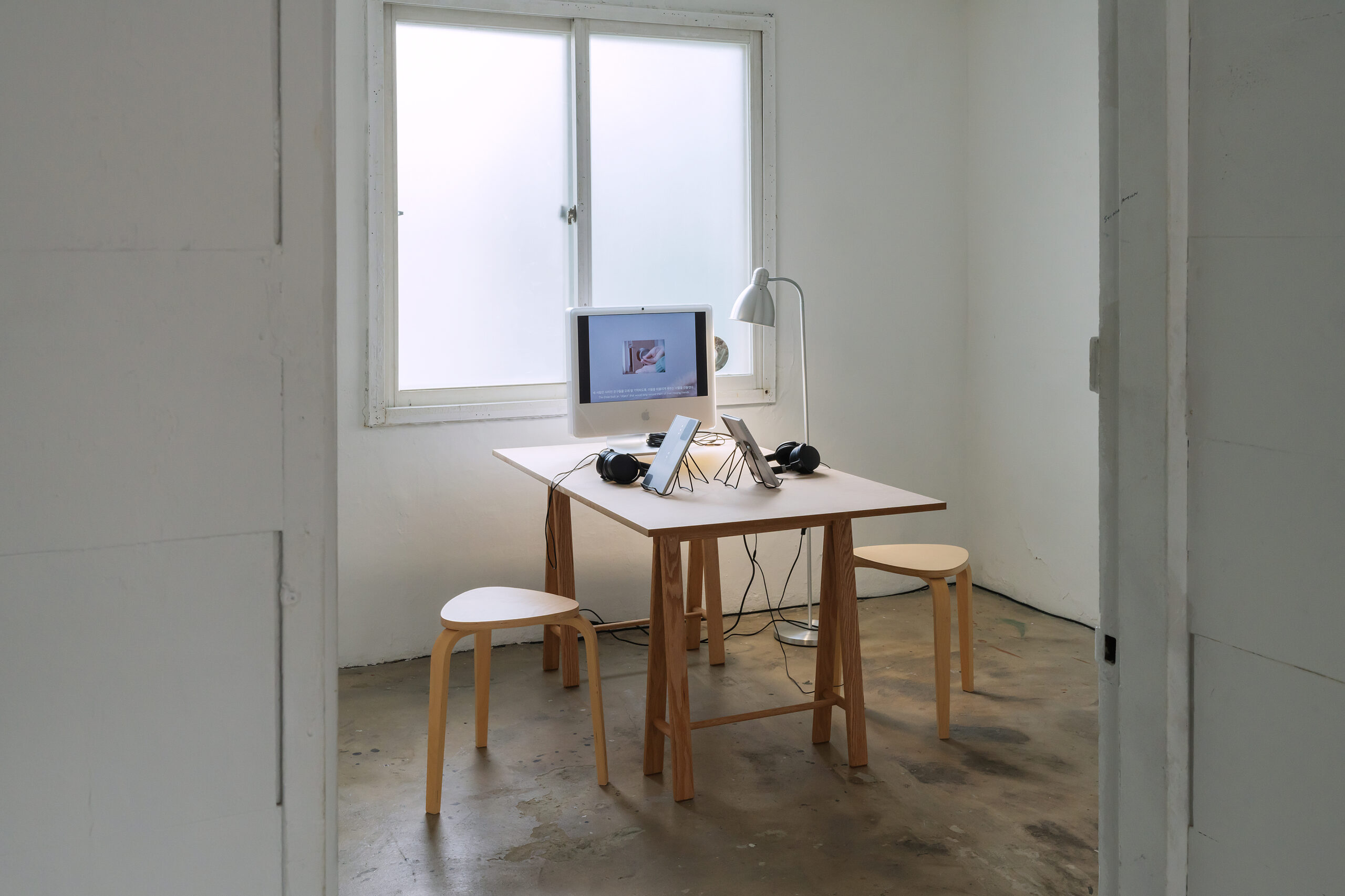
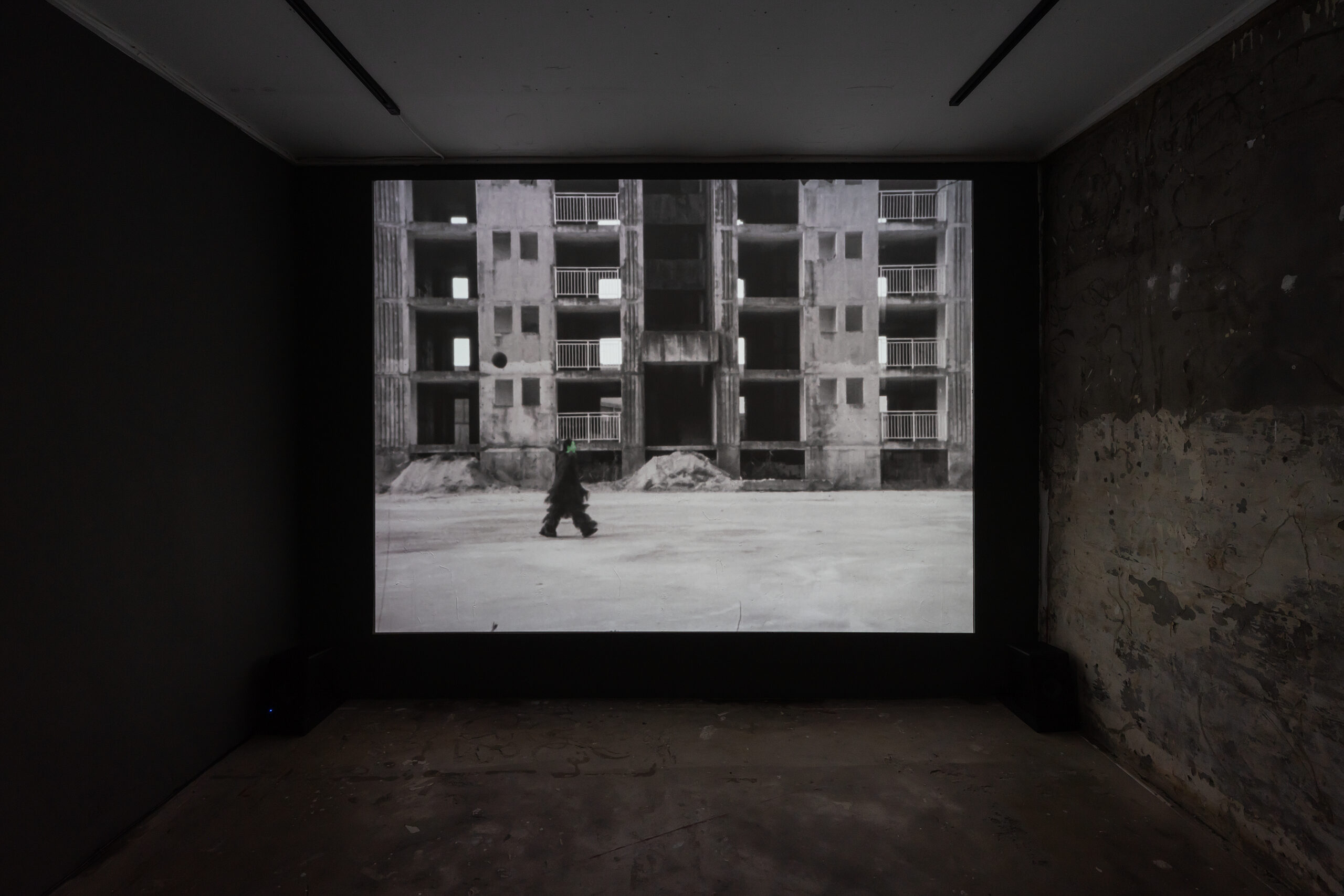
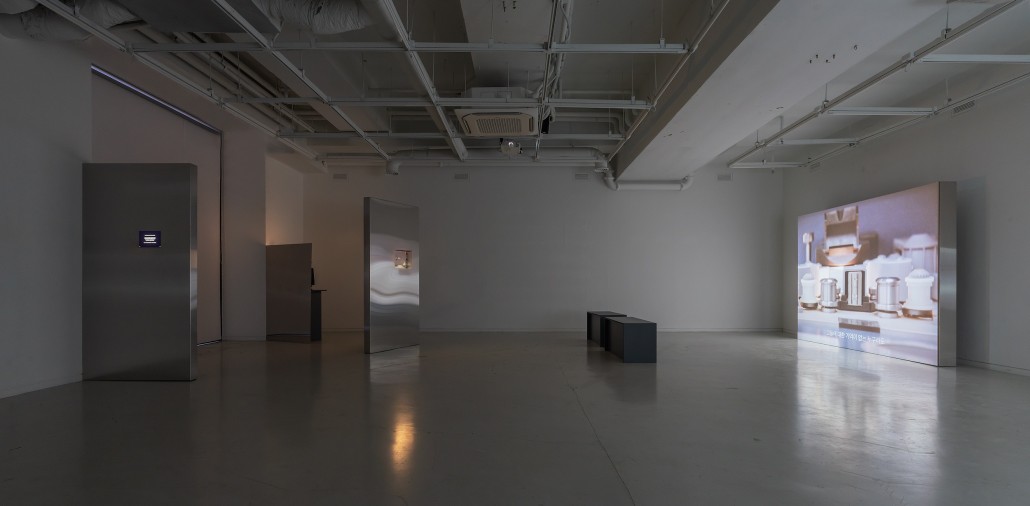
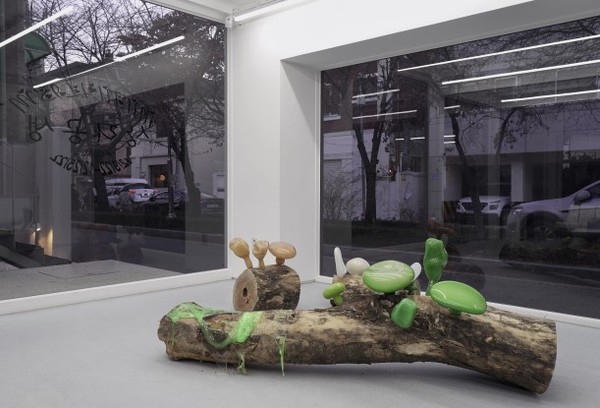
Installation view of 《Vagued Fata Morgana》 (Cheongju Art Studio, 2020) ©Cheongju City

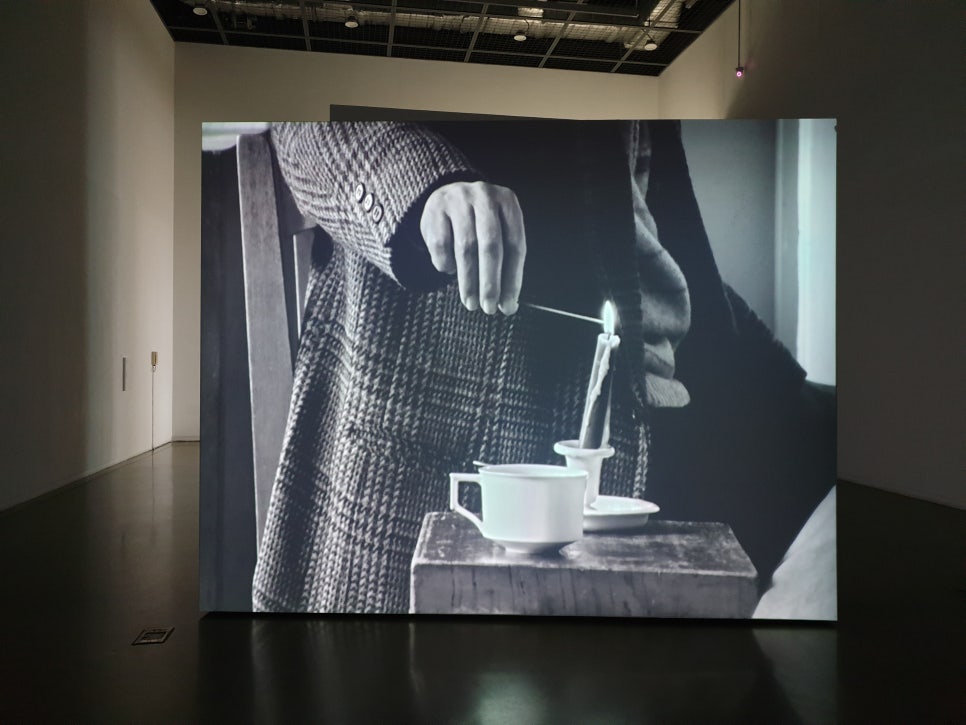
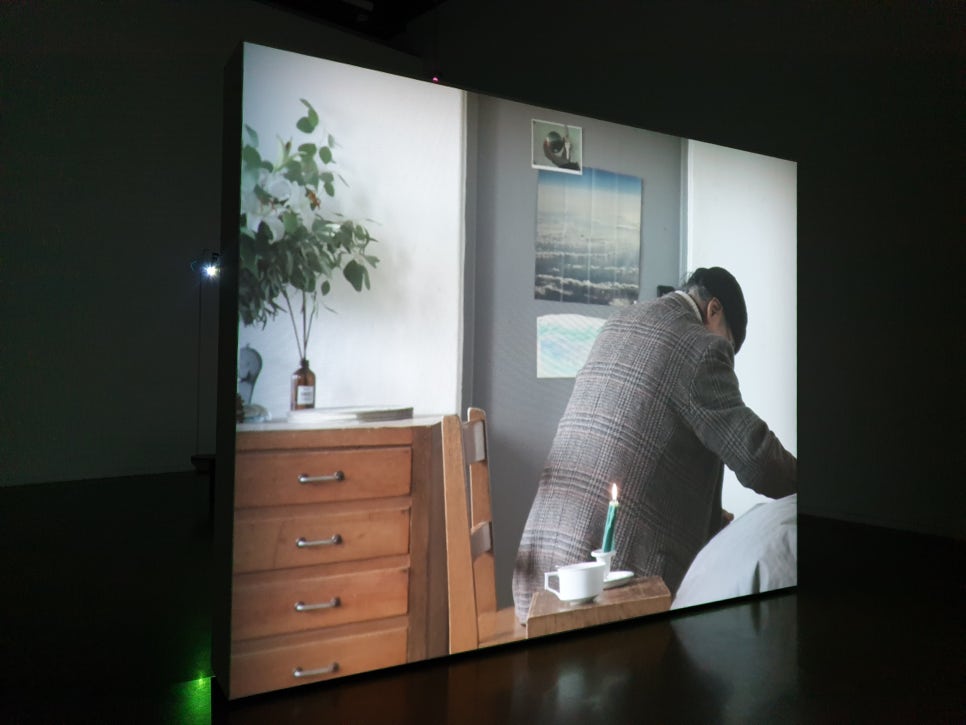
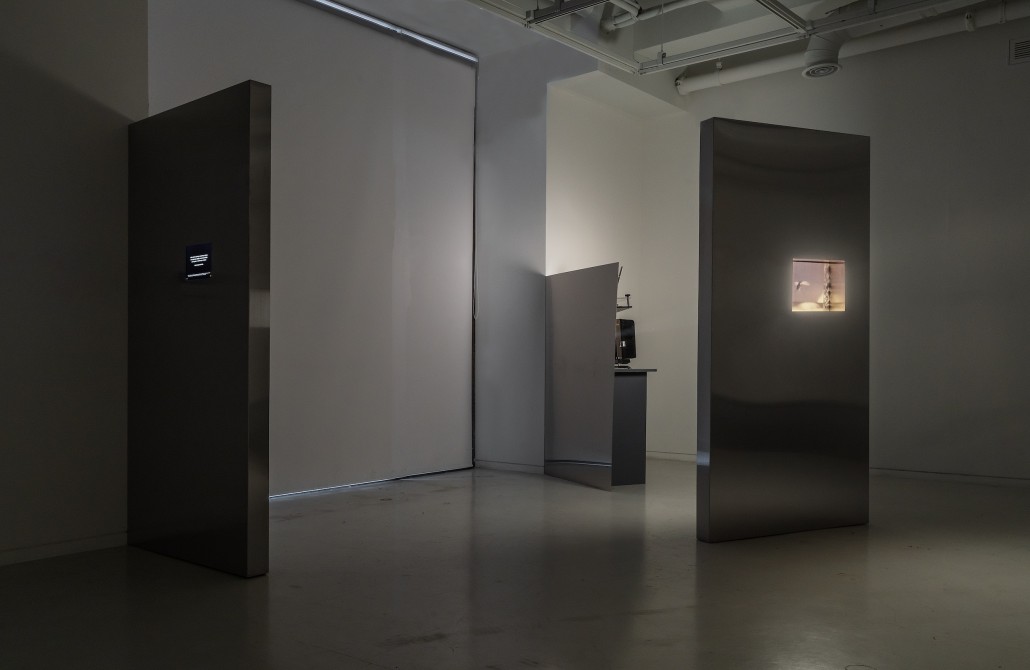
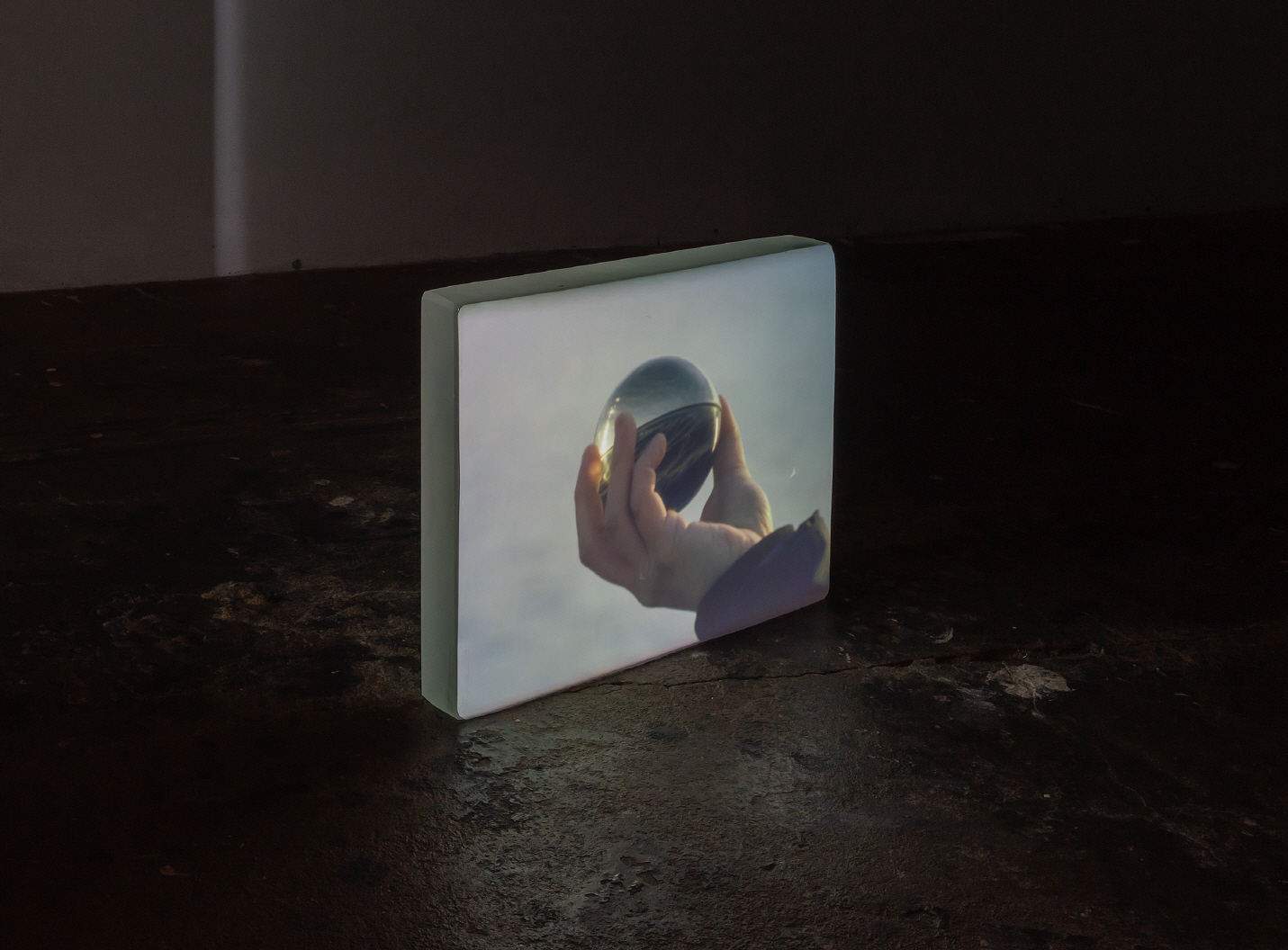
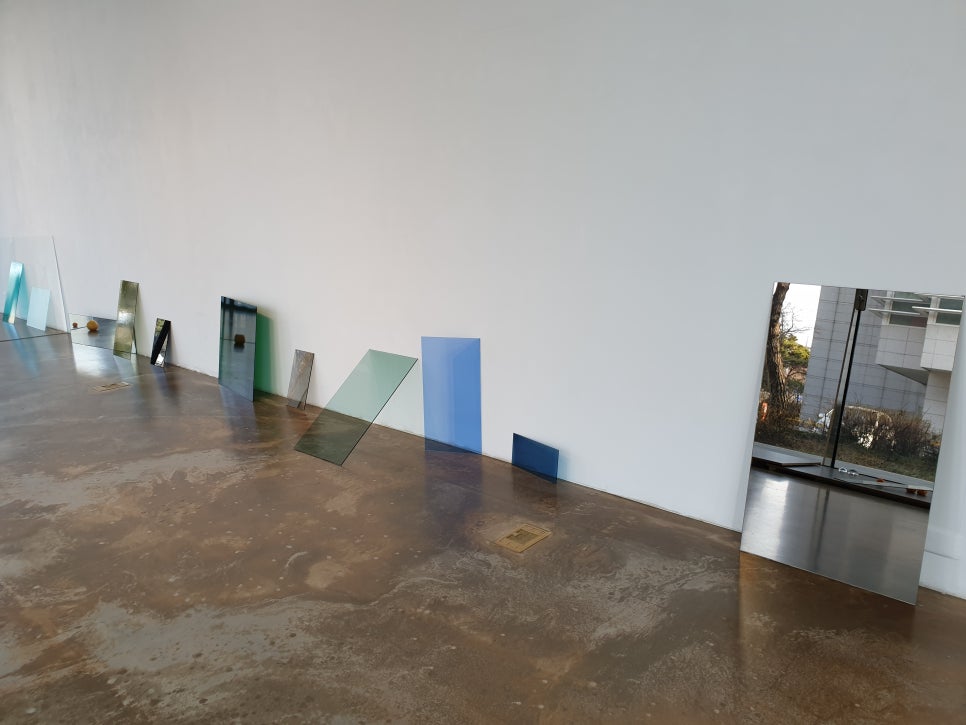
In her early works, Uri Han sought to capture and record vanishing moments experienced on a personal level. For instance, her second solo exhibition 《Vagued Fata Morgana》 (Cheongju Art Studio, 2020) consisted of video works reflecting on the world lived by the previous generation—symbolized by her father—alongside faint, mirage-like scenes she encountered while traveling between Cheongju and Seoul.
 
The exhibition title, ‘Vagued Fata Morgana,’ refers to the term ‘Fata Morgana,’ which denotes both a water spirit said to conjure mirages that lead ships astray and the mirage phenomenon itself. Han regarded the mirage—a phenomenon in which reflected light makes objects appear in midair—as “a faint scene that lies on the boundary between what exists and what is perceived.” For the artist, such faint scenes presuppose disappearance.


Installation view of 《Vagued Fata Morgana》 (Cheongju Art Studio, 2020) ©Cheongju City

The exhibition embodied the artist’s intention to remember a world that seems to exist yet remains out of reach—a world that may be fiercely present but also on the verge of disappearance.
 
For example, the two-channel video work Vagued Fata Morgana (2020), which shares its title with the exhibition, captures the artist’s father receiving acupuncture treatment from an observer’s perspective. Composed in both color and black-and-white, the video simultaneously reveals the transformations of existence over time and conveys, in a poetic and contemplative atmosphere, the desire to grasp what is vanishing.


Installation view of 《Vagued Fata Morgana》 (Cheongju Art Studio, 2020) ©Cheongju City

Still-life-like mise-en-scènes—such as fruit laid out on a table, melting candles, and a boiling coffee pot—metaphorically reveal the ever-changing states of matter. Unfolding at a very slow pace, the video compels viewers to quietly observe the traces of time embedded within it and the scenes imbued with finitude.


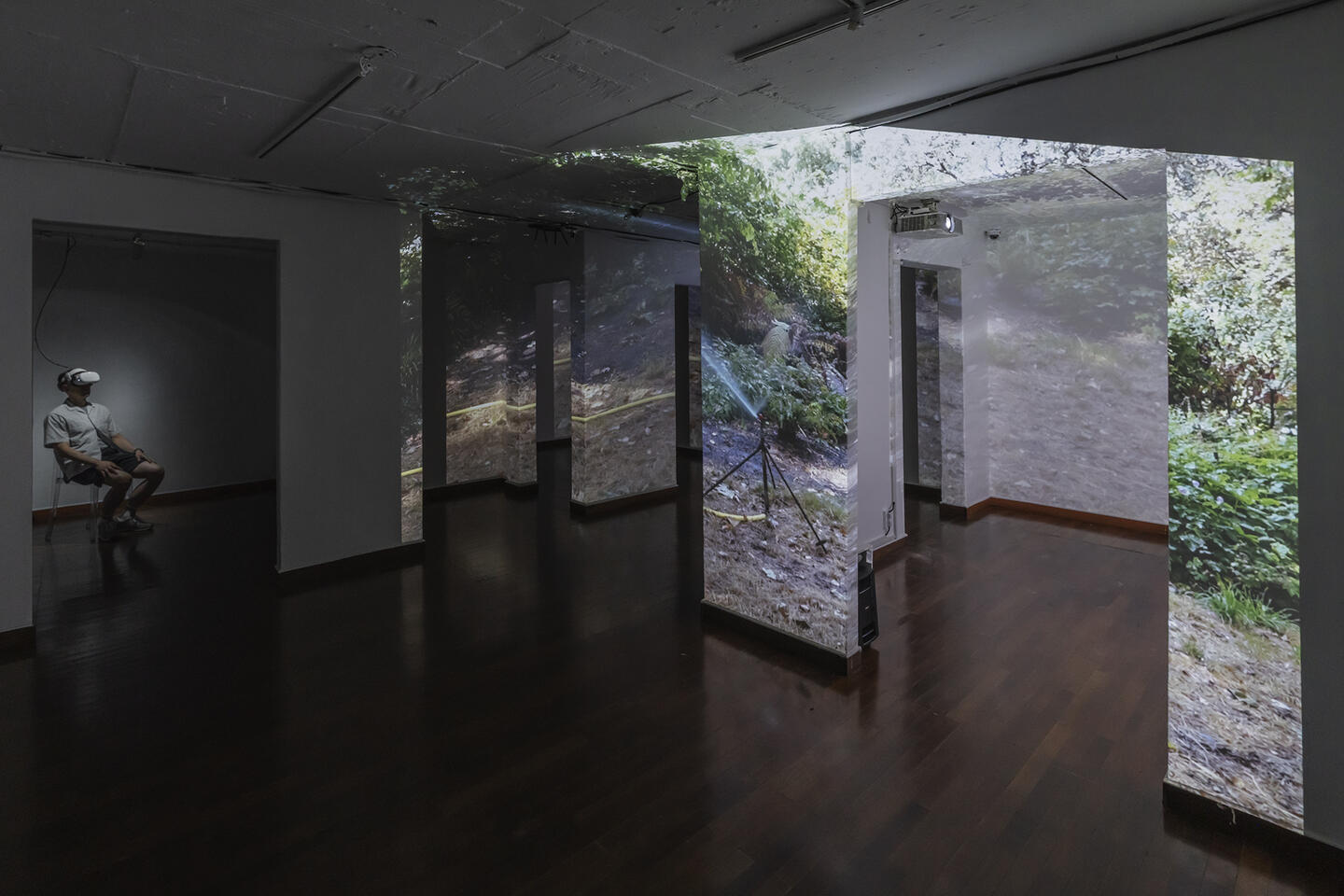
Installation view of 《Thread and Re-winder》 (Artspace Boan, 2022) ©Boan1942

Having long recorded moments destined to disappear, Uri Han naturally turned her attention to objects and technologies that are themselves vanishing. In particular, she focused on 16mm film, which is increasingly disappearing today, and its temporality. As part of a generation that came to know analog film only after the rise of digital media, the artist notes that this old medium, paradoxically, appeared to her as a form of new media.
 
Han began to reconsider analog film—gradually losing its ground with the advancement of digital technology—beyond the binary of digital and analog. She explores the relationships generated by film within the digital environment, the ways it endures, and how its temporality can be rendered.

Installation view of 《Thread and Re-winder》 (Artspace Boan, 2022) ©Boan1942

Uri Han’s solo exhibition 《Thread and Re-winder》 (Artspace Boan, 2022) presented works that reflected these artistic concerns. The exhibition revolved around objects destined to disappear, seeking to newly perceive things that fade and are pushed to the margins over time, and thereby attempting to reconnect with marginalized worlds.
 
The three video works on view began with “found stories.” Such stories are, at once, discovered and constructed, public and poetic, factual and fictional. The artist reassembled narratives drawn from a celestial map, a fairy tale, and an online community into new narrative forms.


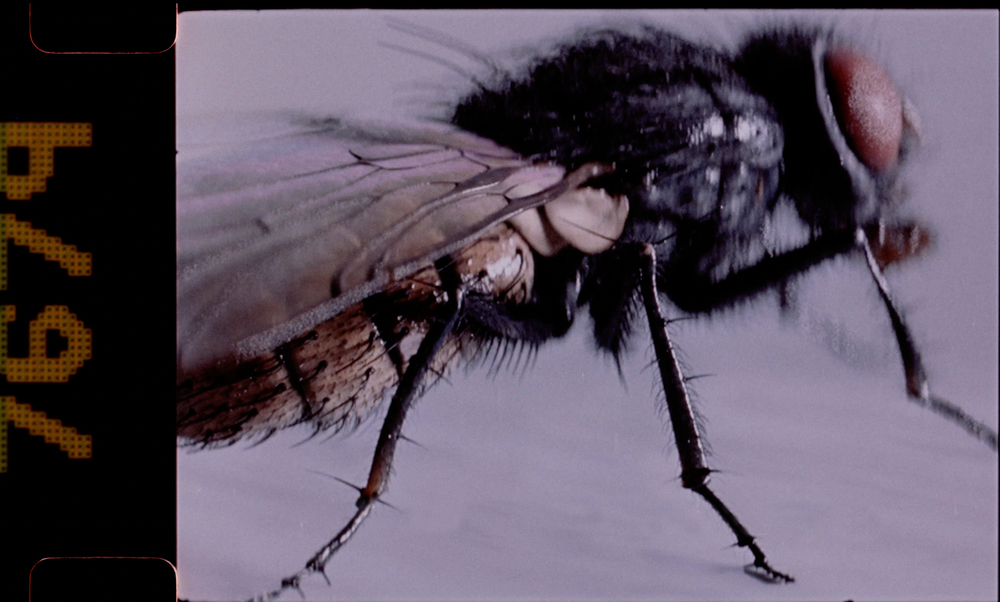
Uri Han, Bertinker, 2022, 16mm film transferred to video, color, sound, stainless steel, 7 min 30 sec. ©Uri Han

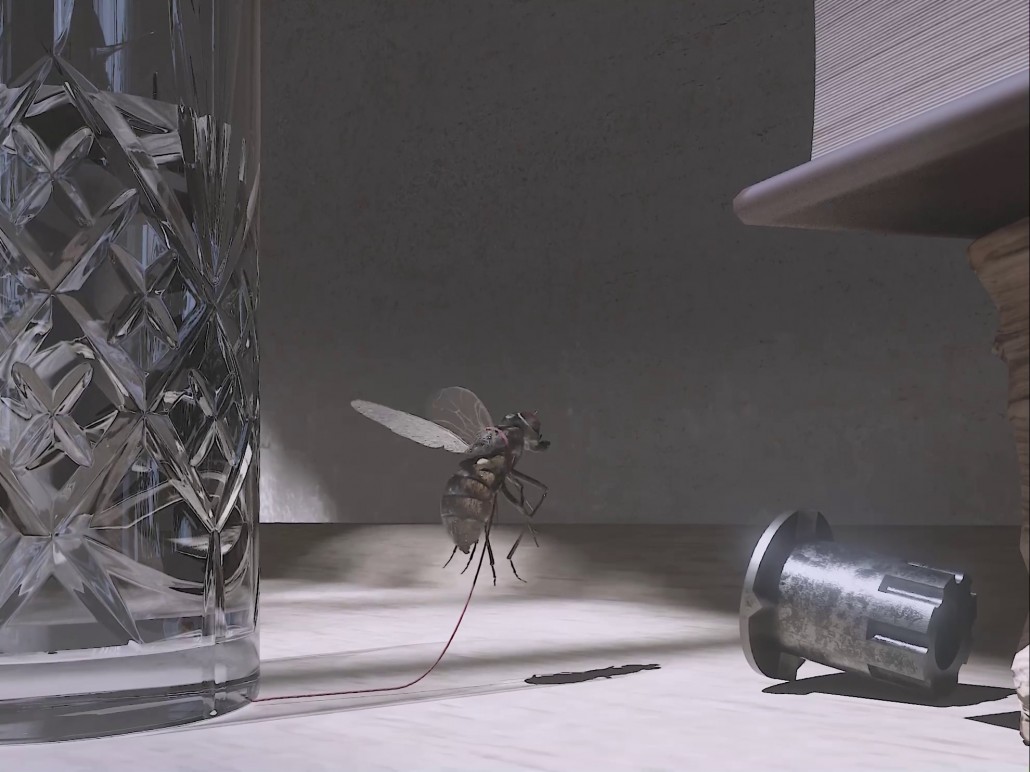
First, Bertinker (2022) metaphorically evokes the life of disappearing objects through an imagined myth inspired by ‘Musca,’ the only insect constellation marked in ‘Uranometria,’ the celestial atlas created by 17th-century German cartographer Johann Bayer.
 
“Bertinker” is an old word that once referred to a fly, a name that has now vanished. According to the video, Musca is also the only constellation without an associated myth. Han overlays this lost name and absent mythology with the medium of analog film, inventing a fictional tale for the insect constellation to ascribe meaning to the existence of objects that are vanishing today.

Uri Han, Phantom Sense, 2022, 16mm film transferred to single-channel HD video, black & white / color, sound, 11 min 15 sec. ©Uri Han

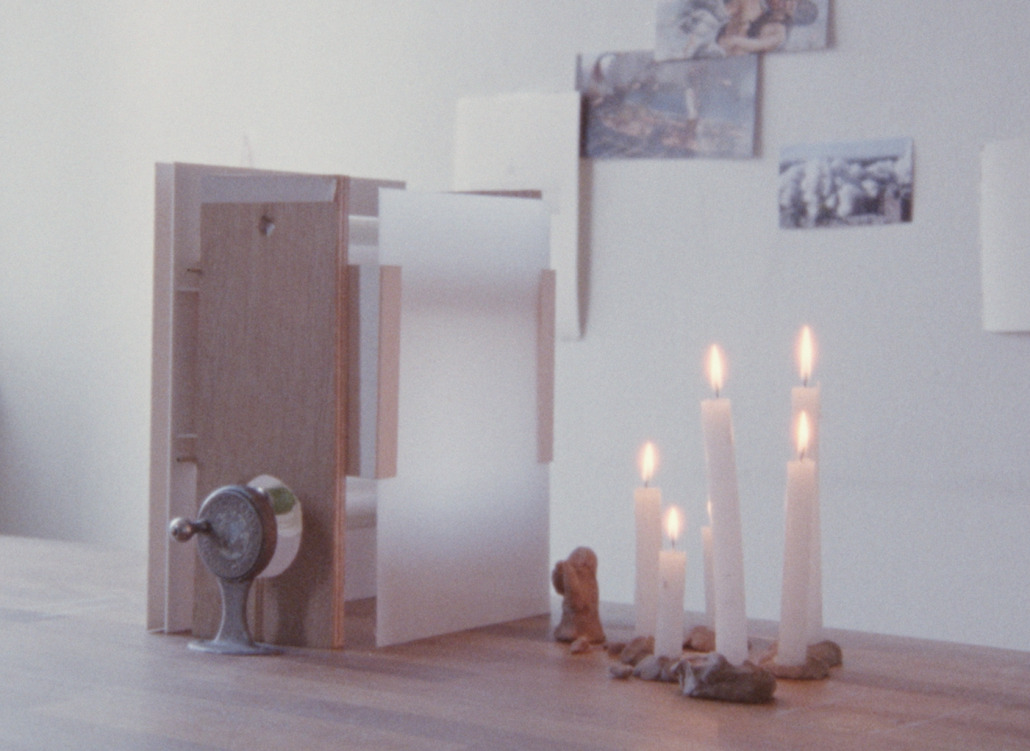
Meanwhile, Phantom Sense (2022) deals with the untold aftermath of the fairy tale The Pied Piper of Hamelin, derived from German legend. In the video, the camera follows the perspective of the children left behind, rather than those who followed the Piper. A limping child, a blind child, and a deaf child—these three figures remember their vanished friends through the objects left behind.
 
The lost friends, or that which has disappeared, serve as metaphors for film and optical images, evoking the various senses we have lost in today’s world dominated by digital media.


Uri Han, Thin and Deep, 2022, 16mm film 3D animation, digital video, 4min 30 sec. ©Uri Han

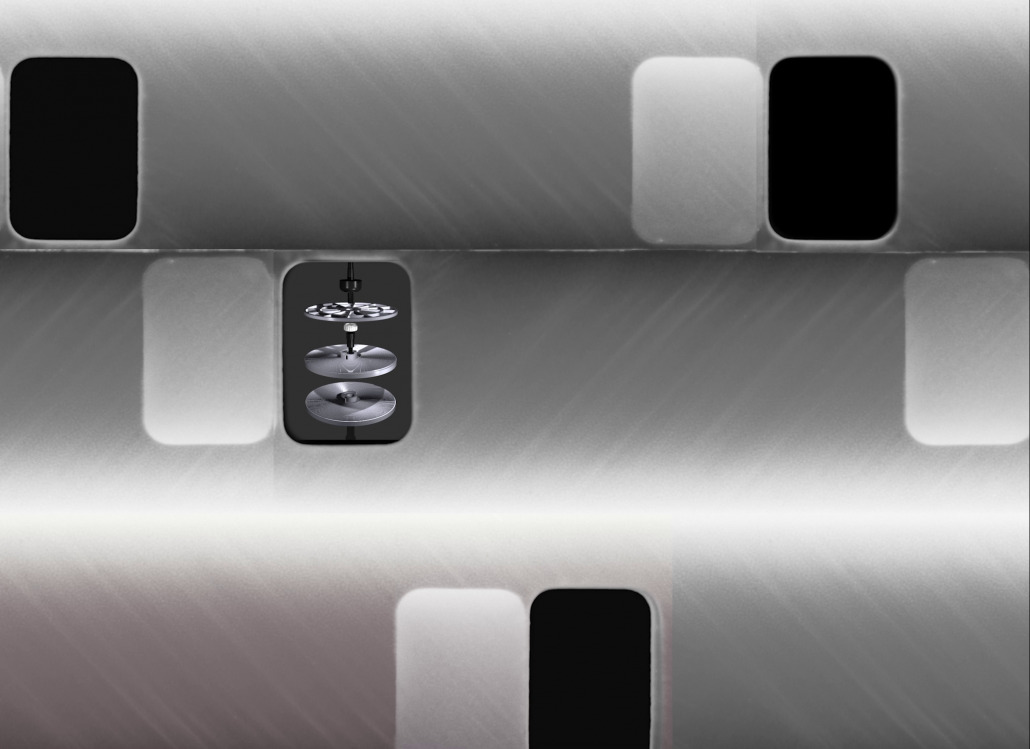
The video Thin and Deep (2022), created by scanning film images obtained by accident, is based on the artist’s experience within an online community of filmmakers. Members of this community independently craft equipment and parts related to analog film that are no longer commercially available, sharing their manuals and results with one another.
 
At a moment when objects are on the verge of disappearance, the devoted efforts, affection, and long hours that go into producing such images give rise to new forms of connection—between people and objects, and among people themselves.


Installation view of 《Loop: The Tail Wagging the Dog》 (Amado Art Space, 2024) ©Amado Art Space

Furthermore, in her 2024 solo exhibition 《Loop: The Tail Wagging the Dog》 at Amado Art Space, Uri Han centered on the increasingly faint medium of film to pose questions about what remains unseen beneath the mystification or fantastical veneer of digital technology.
 
The three video works presented—Loop (2024), Portal (2024), and Matches (2024)—adapt narratives from well-known myths and novels, while simultaneously forming both direct and loose connections with the narrative of The Silver Particle (2023).
 
Han’s text work The Silver Particle is a science fiction story in which the experiences of two characters, centered on “thin objects,” unfold across different timelines. The protagonist, A, lives in a “world” where all social systems have been reduced to an optimized network environment. Due to a chance system error, A ventures into the “outside” and encounters a mysterious object that is not cataloged within the “world,” revealing a previously unknown space.


Uri Han, The Silver Particle, 2023, Publication and DVD, Dimensions variable, Installation view of 《Loop: The Tail Wagging the Dog》 (Amado Art Space, 2024) ©Amado Art Space

Meanwhile, in the not-so-distant future of 2033, B accidentally acquires a “thin object” at a flea market. Observing the memories of others imprinted on it, B develops a desire to inscribe own history as well. B then struggles to obtain and learn to use the devices surrounding this thin object. B seeks guidance from the few remaining members of the older generation who are familiar with it, and communicates with anonymous individuals online who share a peculiar attachment to thin objects, becoming ever more engrossed in them.
 
The intertwined stories of the two characters, centered on objects on the verge of disappearance—particularly film—explore a human-object community that persists or emerges over time, whether in relation to chronology or beyond it.


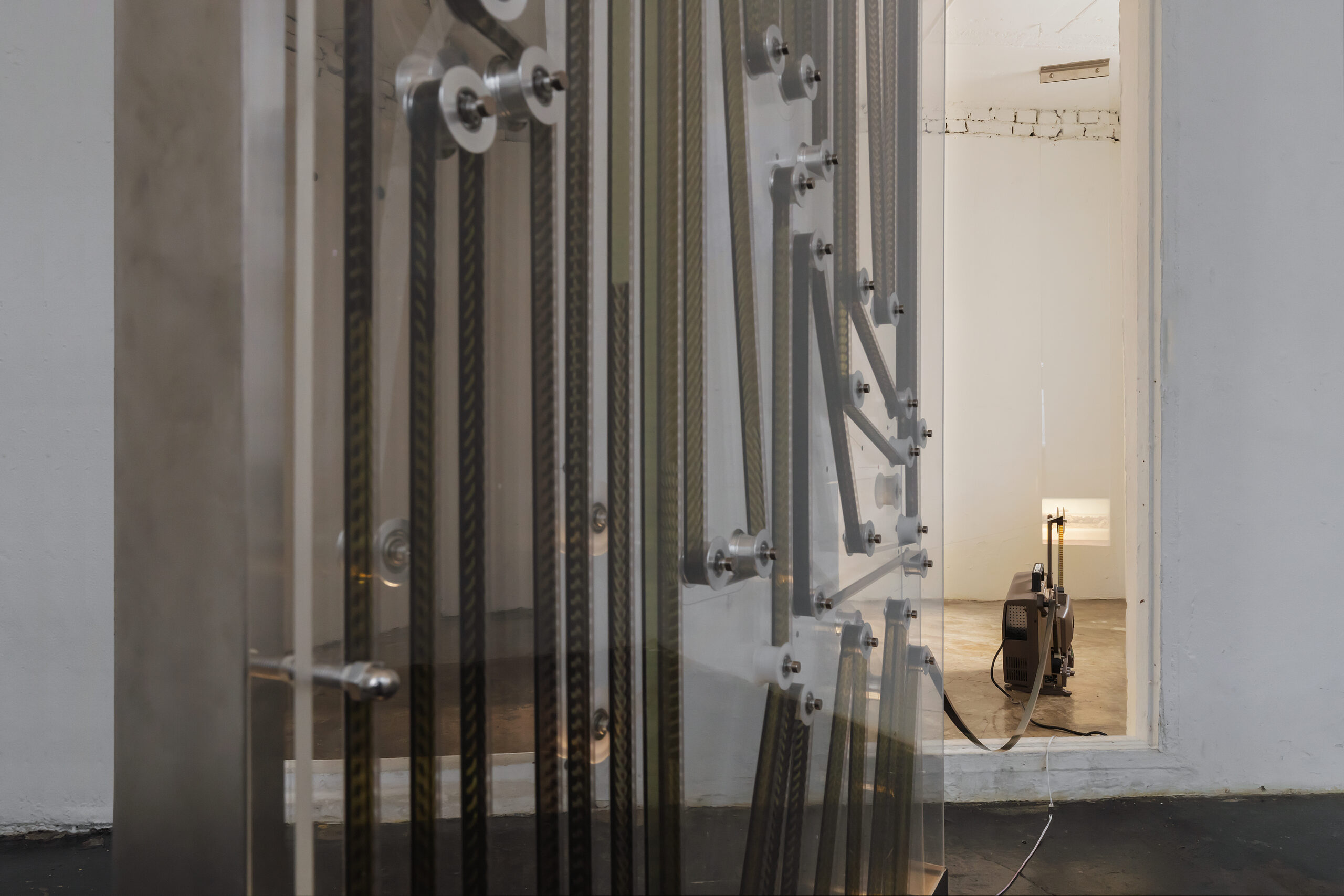
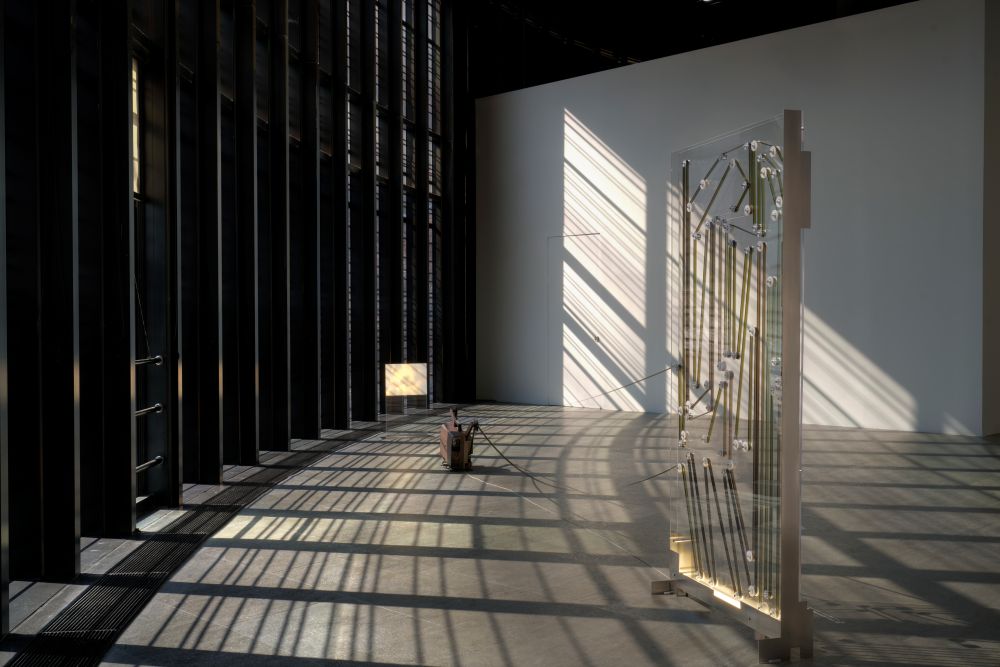
Uri Han, Loop, 2024, 16mm film, loop(stainless steel, acrylic, projector), Dimensions variable, 3min 30sec. Installation view of 《Loop: The Tail Wagging the Dog》 (Amado Art Space, 2024) ©Amado Art Space

Loop, which can be seen as a distant prequel to The Silver Particle, is set against the myth of Sisyphus, who was condemned to eternal punishment for deceiving the gods. In this rendition, however, Sisyphus is offered a potential escape by his own shadow before beginning his infinite labor. Paradoxically, he must either chase after his reflection or locate a hidden gift left by his own creation. Ultimately, he finds the hidden treasure but pretends not to notice it, choosing to forgo permanent escape from his eternal toil.
 
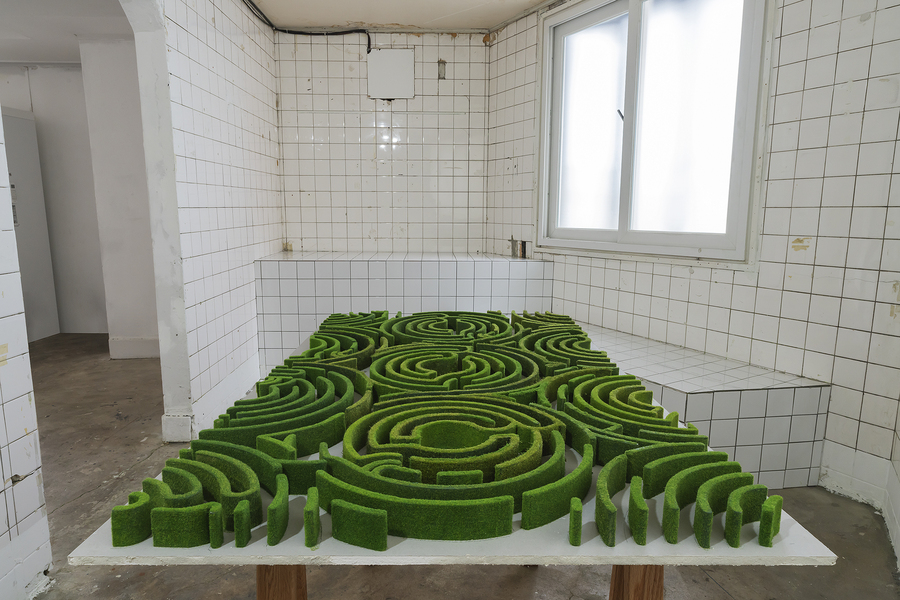
Like the mythic Sisyphus, who chooses suffering even though the stone would not roll back without him, the Sisyphus of Loop voluntarily embraces repetition instead of liberation. This narrative of repetition unfolds within the larger apparatus that houses the labyrinth of film, forming both part and whole of Loop. Known as a loop or looper, this device once enabled continuous film projection and is the prototype of the loop function in modern video interfaces, now represented by the infinity symbol for repeat playback.
 
The monumental apparatus in Loop resurrects infinite replay, the eternity of images, and the physical volume of the medium that once made such temporality possible. It materializes the passage of time, compressed by technological advancement, into a tangible form.


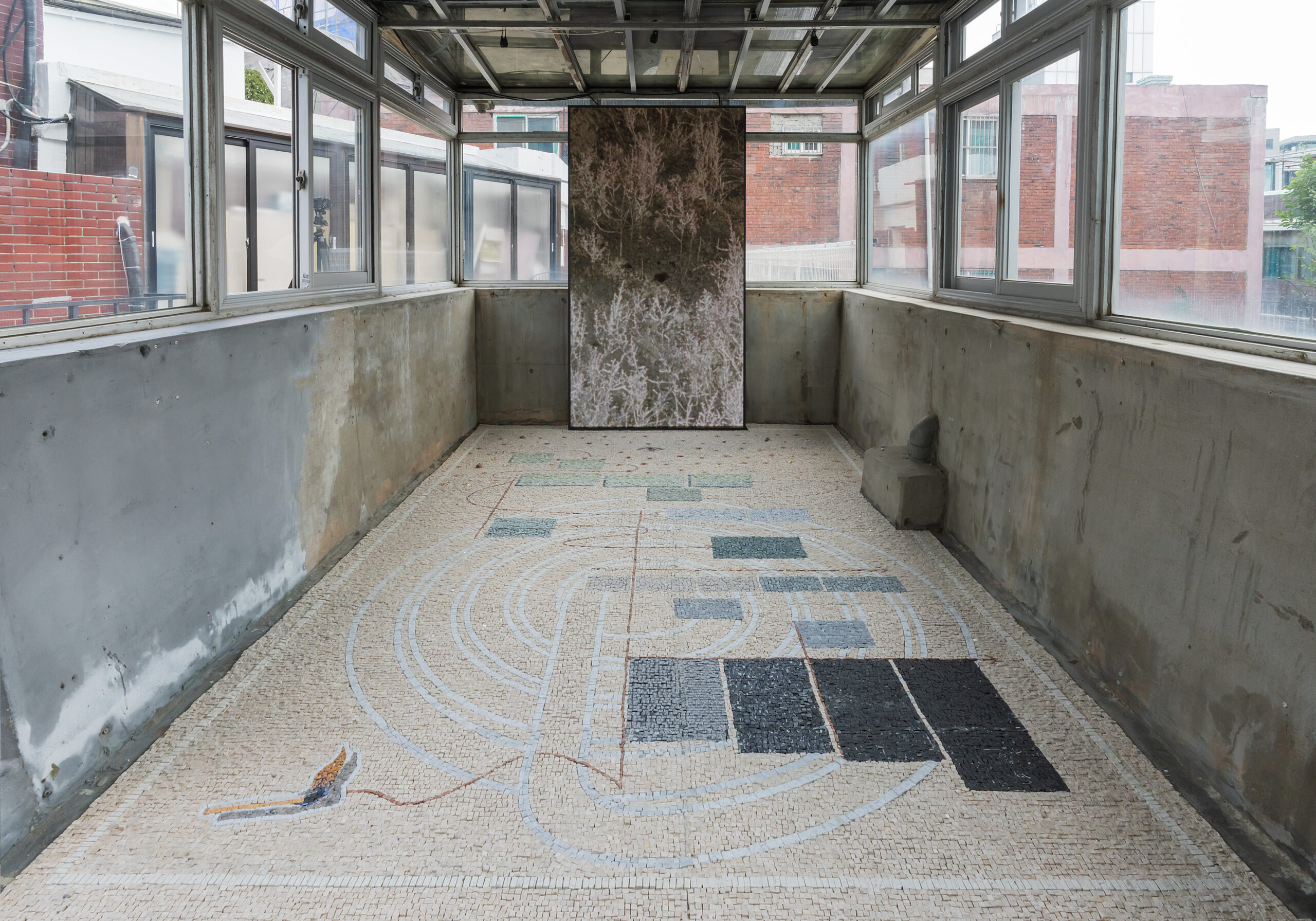
Uri Han, Portal, 2024, Single-channel video, stone(marble, rare-earth element), Dimensions variable, 5min 30sec. Installation view of 《Loop: The Tail Wagging the Dog》 (Amado Art Space, 2024) ©Amado Art Space

Portal serves as a bridge within the universe of The Silver Particle, connecting the distant past of Loop with the future of Matches. The screen—resembling a monolith, a door, or even a smartphone—displays advertisements for “portals” that can connect to reality or virtual spaces at any time within The Silver Particle universe.
 
However, as the portal becomes increasingly thin and transparent, faded figures, delicate labor, and byproducts are erased along with it. These are the worthless elements that must be excluded or negated by the portal’s fluidity and perfect integrity. Confronted with the narrative of Portal, we are reminded of the screens that refresh annually or even quarterly, prompting us to question how many “byproducts” have been erased or hidden, whether the “magic” of image reproduction truly rests in our hands, and whether we can ever escape the eternal cycle of searching for another “portal.”


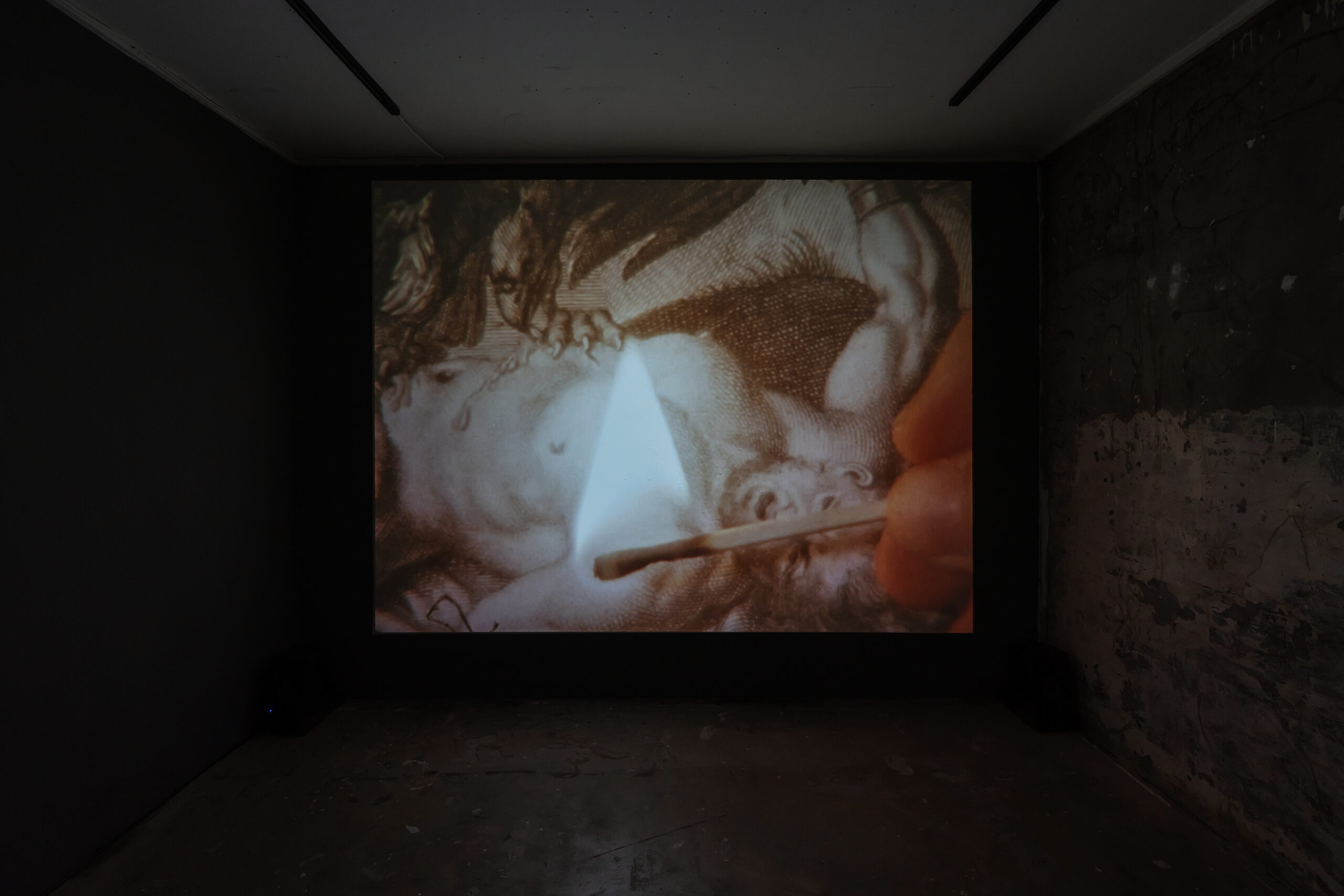
Uri Han, Matches, 2024, 16mm film transferred to digital, color, sound, 13min 30sec. Installation view of 《Loop: The Tail Wagging the Dog》 (Amado Art Space, 2024) ©Amado Art Space

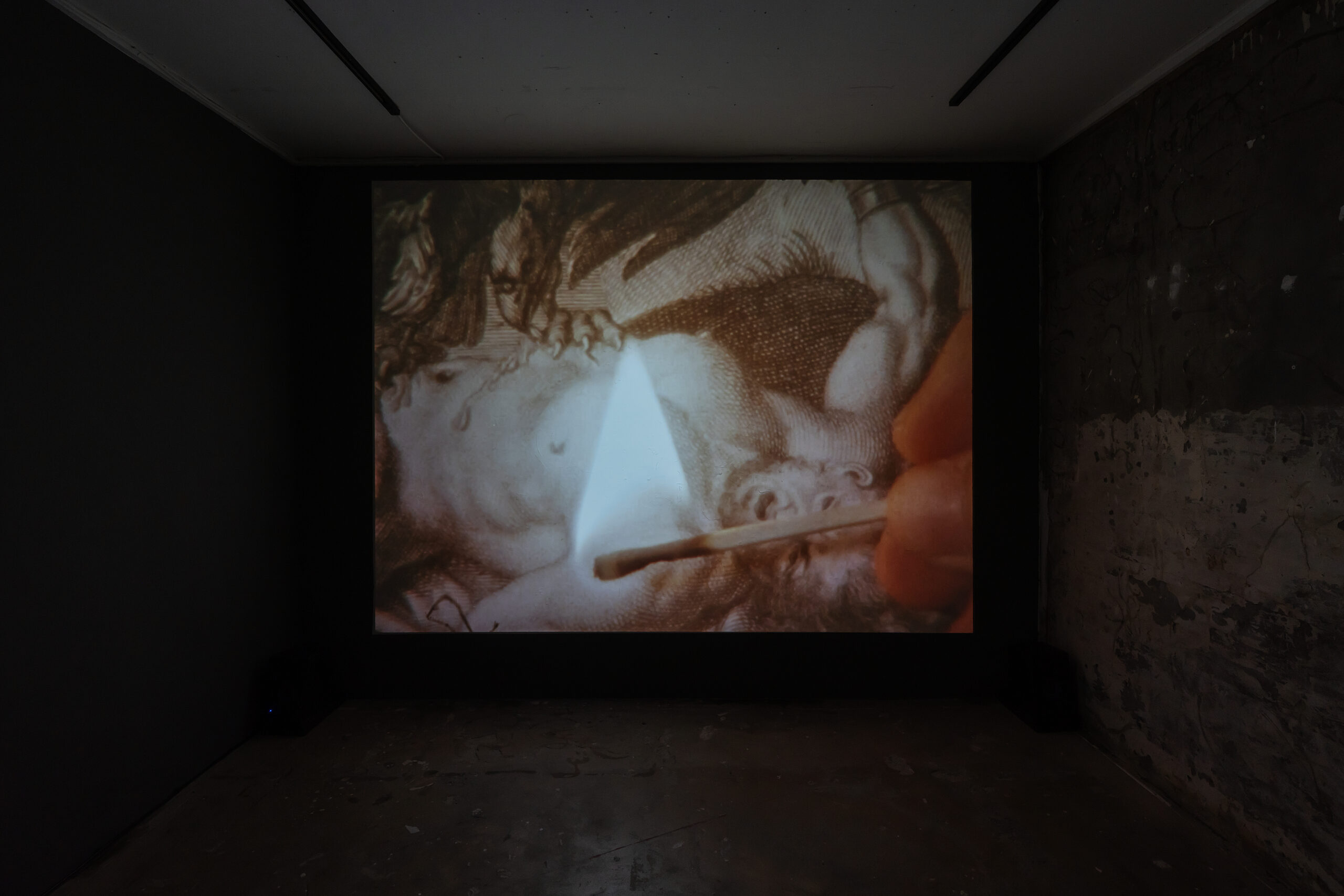
Matches, a framed narrative based on the universe of The Silver Particle, begins with the story of a “tracker” who searches for seams and faulty portals left by “magicians” across the world. Pursuing spaces that the “world” system has failed to encompass, the tracker encounters a very old portal—Matches—within a space where the duration of access is brief and the unfolding of the world relies entirely on the user’s ability.
 
Through Matches, the tracker glimpses the story of a creature: a being abandoned by its creator and transformed into an embodiment of rage, who in later generations comes to be known by the name of the very creator he once loved and hated—Frankenstein. Unlike the original narrative, however, this creature locates the source of his abandonment and despair within himself. Believing that his tragedy began with the recognition of human values and the beauty of nature, he resolves to burn his own eyes—the potential to see that which is the primal cause of his suffering.


Uri Han, Matches, 2024, 16mm film transferred to digital, color, sound, 13min 30sec. Installation view of 《Loop: The Tail Wagging the Dog》 (Amado Art Space, 2024) ©Amado Art Space

However, the creature, overwhelmed by the pain of staring at the sun, turns away and begins seeking a light that will gradually dim his vision. In an old city, he discovers a very small, worn “sun.” Each time he lights this short-lived sun, he loses a bit of his sight, yet is able to tend to his own time—previously neglected while attention was consumed by vision.
 
Matches allows viewers to reflect on the shadows of a visual-centric contemporary world through an old light source and the stories surrounding it, mediating imagination even without visible images. The two characters, having regained their time and world by not seeing—or by choosing not to see—whisper to us, in a present age where most senses are dulled by endlessly repeating, attention-grabbing images, the possibility of momentarily setting aside vision.


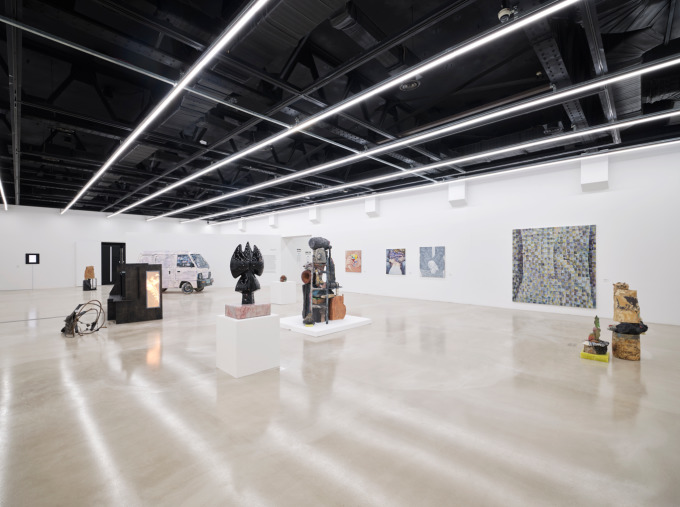
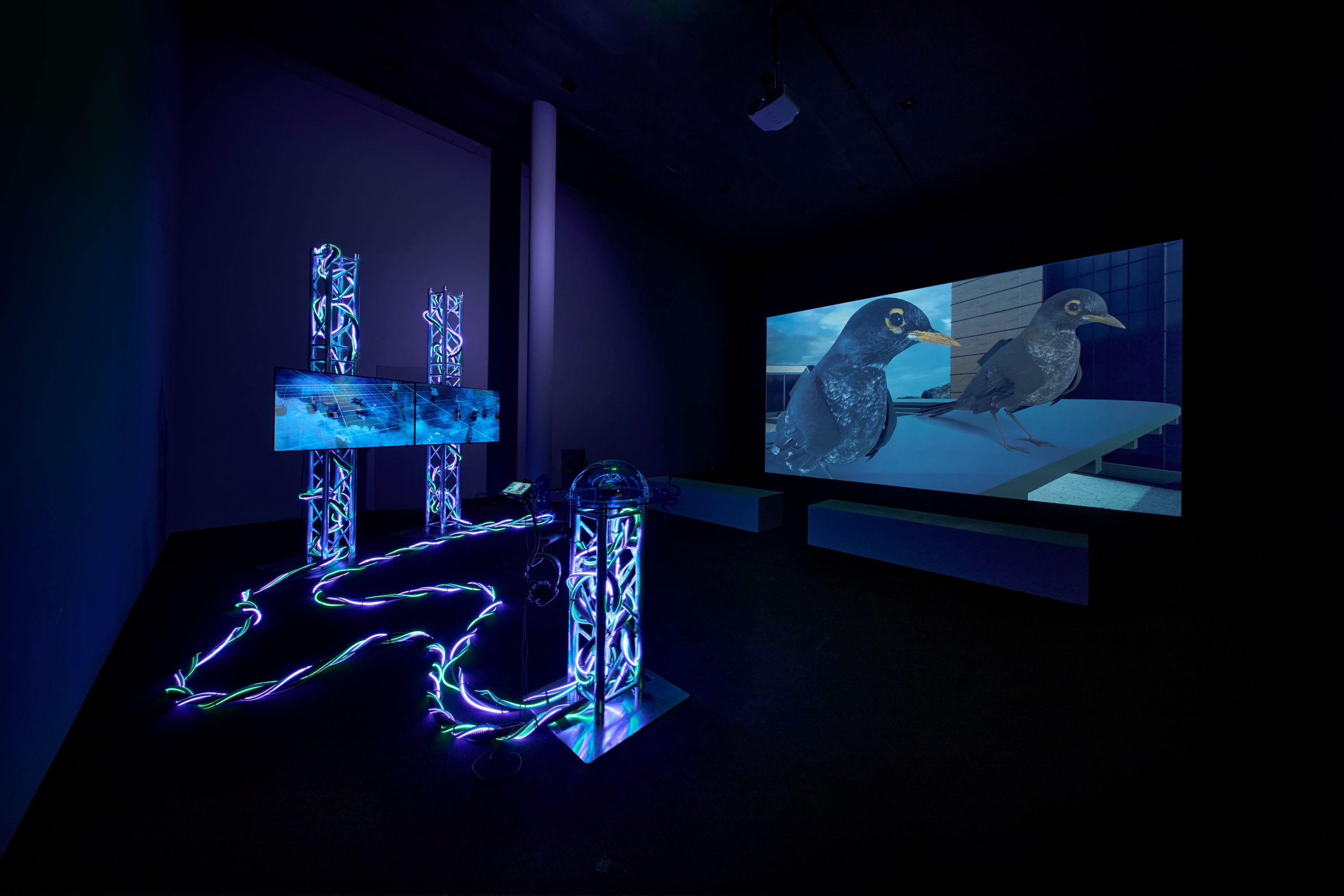
Uri Han, Loop, 2024, 16mm film, loop(stainless steel, acrylic, projector), Dimensions variable, 3min 30sec. Installation view of 《Random Access Project 4.0》 (Nam June Paik Art Center, 2025) ©Nam June Paik Art Center

Uri Han’s work does not simply evoke nostalgia for outdated objects or a sense of uncanny intimacy with the past by connecting them to contemporary culture. Rather, it attempts to expose and materialize the obsolescence of the past, stripped of any polished exterior.
 
The film images that Han presents through a digital lens recall what has been hidden beneath the accelerated technological age in which we live, allowing us to observe this world more closely. In other words, her work is less about the media of digital versus analog itself and more about the relationships these media generate, inviting us to engage with the time we are given through multiple senses.

  
“By tracing, within the relationships between image and language, fiction and reality, what makes one thing another—old and new, discarded and used, hidden and revealed—I seek to reframe contemporary everyday life.” 
 
 
(Uri Han, interview with the MMCA Residency Goyang, 2023)


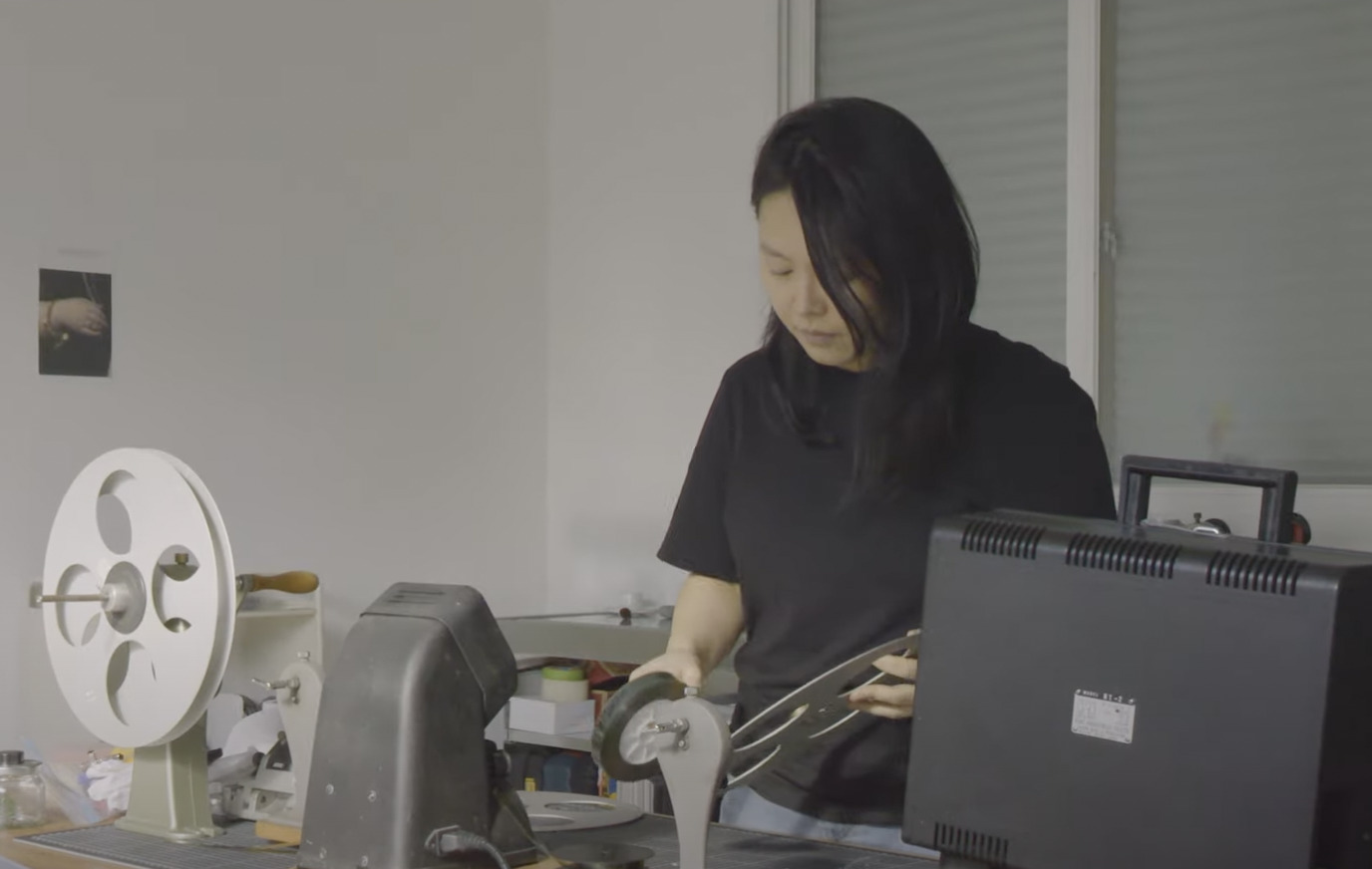
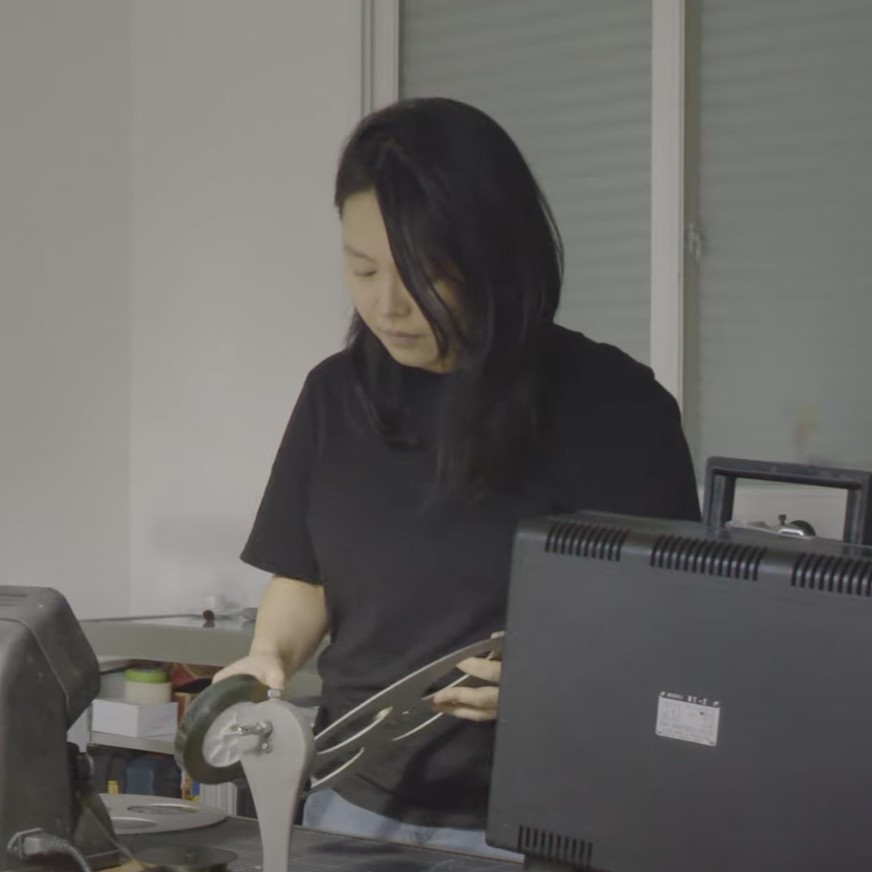
Artist Uri Han ©MMCA

Uri Han graduated from Ewha Womans University with a degree in Painting and Printmaking and completed her graduate studies in Western Painting at the same institution. Recent solo exhibitions include 《Loop: The Tail Wagging the Dog》 (Amado Art Space, Seoul, 2024), 《Thread and Re-winder》 (Artspace Boan, Seoul, 2022), and 《Vagued Fata Morgana》 (Cheongju Art Studio, Cheongju, 2020).
 
She has also participated in numerous group exhibitions, including 《Random Access Project 4.0》 (Nam June Paik Art Center, Yongin, 2025), 《Nam June Paik, Sylbee Kim, Yaloo, Uri Han: Positive Feedback》 (Gallery BHAK, Seoul, 2024), Frieze Film 2023 《It was the way of walking through narrative》 (Artspace Boan, Seoul, 2023), 《Images》 (HITE Collection, Seoul, 2023), 《The Missing Duduri》 (TINC, Seoul, 2022), and the Switzerland International Film Festival, Foreign Films (Aubonne, Switzerland), among others.
 
Uri Han was an artist-in-residence at the MMCA Residency Goyang (2023) and Cheongju Art Studio (2019–2020). Her works are held in the collections of the MMCA Art Bank, the Seoul Metropolitan Government, and the Yangju Chang Ucchin Museum of Art.
References