
Song Min Jung (b. 1985) has pursued a practice that traces the meaning of “movement” within a world where the physical and non-physical are intertwined, as a way of perceiving the present. Rather than asserting fixed or eternal values, she takes the transient—such as moods, atmospheres, and states of being—as her material, weaving new worlds across both online and physical spaces.


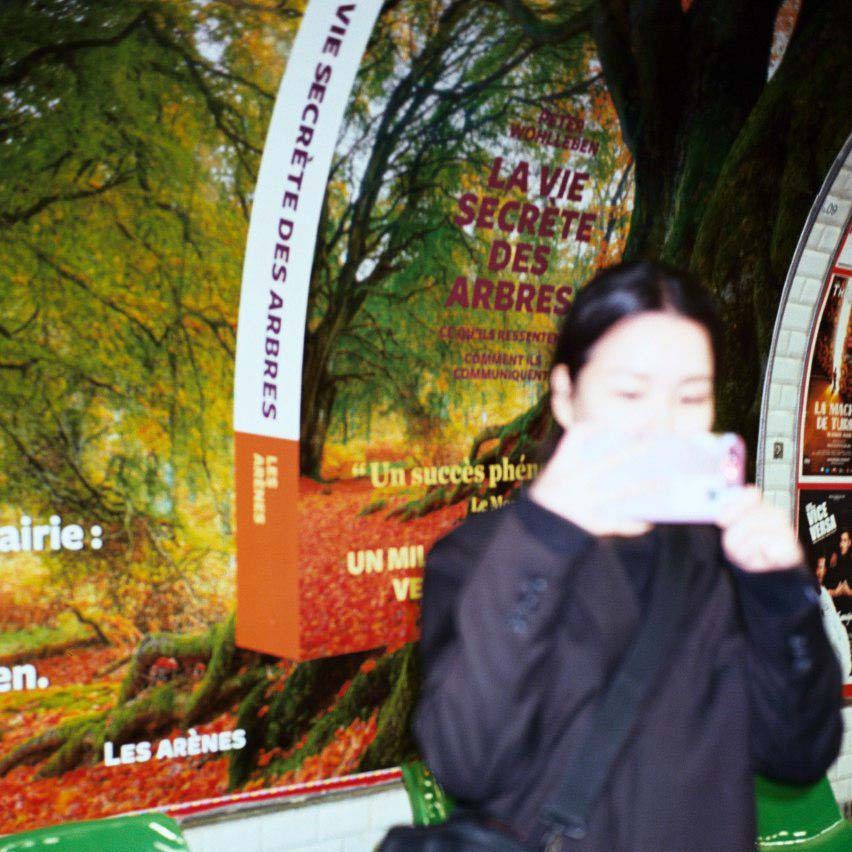
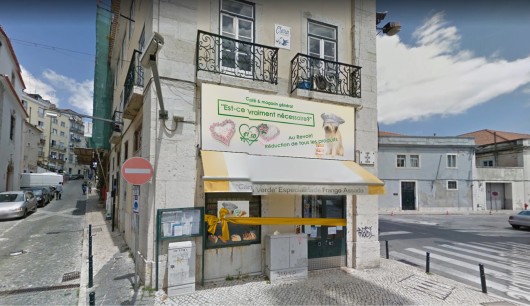
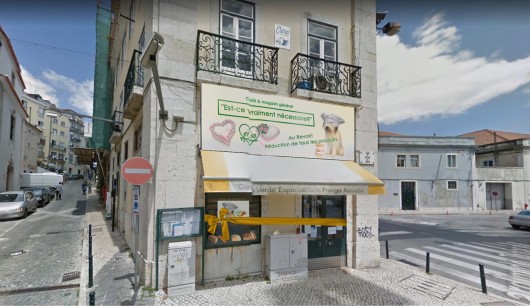
Song Min Jung, ”Est-ce vraiment nécessaire?”, 2017, Digital image, 18.72x10.8cm ©Song Min Jung

Song Min Jung’s practice demands shallow yet rapid immersion and transition, much like the constantly shifting timelines of social media. She appropriates images drifting through the fast currents of trends and re-presents them as pop-up ads or pop-up stores, appearing on familiar screens such as smartphones, TV dramas, or billboards that fill commercial spaces.
 
In doing so, she adopts “the gimmick”—a strategy used in literature or marketing to capture attention, or to describe something that exceeds its original function—as a central device in her work.


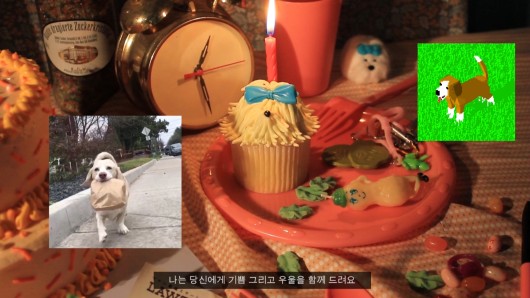
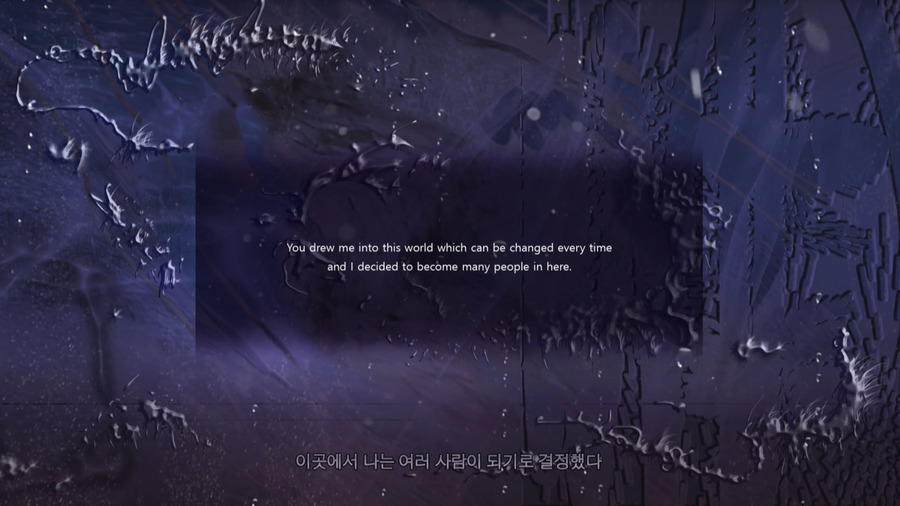
Song Min Jung, DOUBLE DEEP HOT SUGAR - the Romance of Story - ver.1, 2017, HD video (1080 x 1920) ©Song Min Jung

Between 2016 and 2017, Song Min Jung’s works functioned as a kind of online gimmick. She appropriated the marketing language of teasers and advertisements from films and television dramas, creating fictitious brands and presenting intangible products as if they were real, distributing them across online platforms.
 
For instance, the series ‘DOUBLE DEEP HOT SUGAR – the Romance of Story–‘ (2017), circulated through social media timelines, was a video work inspired by the structure of drama teasers and promotional clips. It borrowed both the convention of pairing a main title with a subtitle—often seen in film titles—and the distinctive rhetoric of advertising.


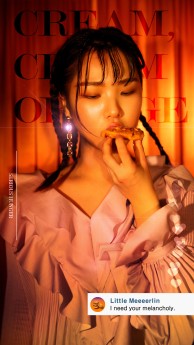
Song Min Jung, CREAM, CREAM ORANGE, 2017, HD video (1080 x 1920) ©Song Min Jung

While the rhetoric of Song Min Jung’s works seems to promote a product, what the videos actually address are abstract emotions such as “joy” and “melancholy.” Through these works, she adopts an attitude of offering a kind of service—consuming images that drift along timelines or packaging particular moods into shareable forms.
 
For example, CREAM, CREAM ORANGE (2017), which originated from beauty advertising imagery, employs the polished skin aesthetics often found in fashion brand campaigns to produce a glossy, sleek surface. The artist explains that her mimicry of this “as-if-most-stylish-in-this-moment” rhetoric is intended to “attach the work closely to the moment of the present in a world where everything quickly becomes the past.”


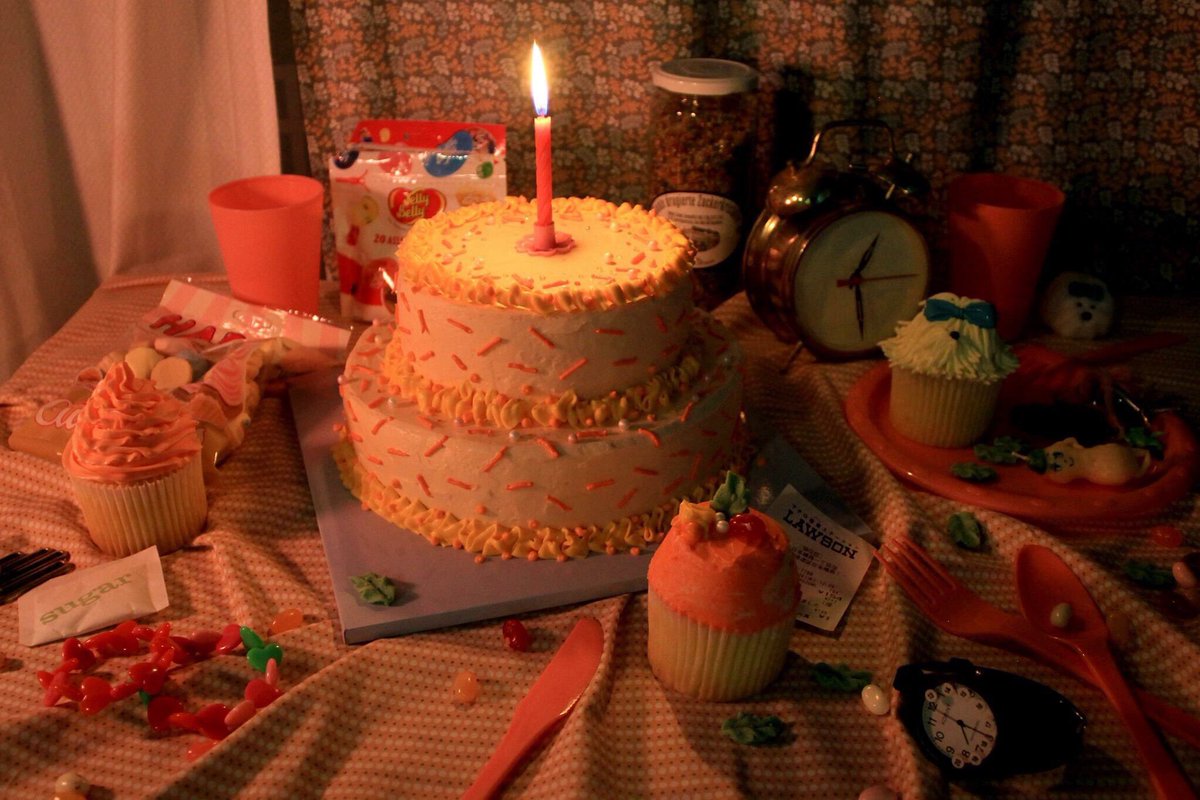
Image of ‘Serious Hunger’ ©Salon de gwaja

In addition, Song Min Jung established a fictional dessert brand called ‘Serious Hunger,’ through which she carried out various activities both online and offline. Existing mainly as an SNS account, ‘Serious Hunger’ drifted across timelines in the form of photos and videos, much like “a pie in the sky”—no one actually knew where or how to purchase it.
 
What Song offered through this ghost-like brand was not desserts as tangible objects, but rather an immaterial entity—a mood conveyed through their images. The videos of ‘Serious Hunger,’ mostly styled as commercials, carried narrations such as, “From now on, we will transmit the mood we propose. We promise to deliver it as precisely as possible,” or “An intuitive cream instantly improves your mood,” suggesting that they could transform one’s emotional state.

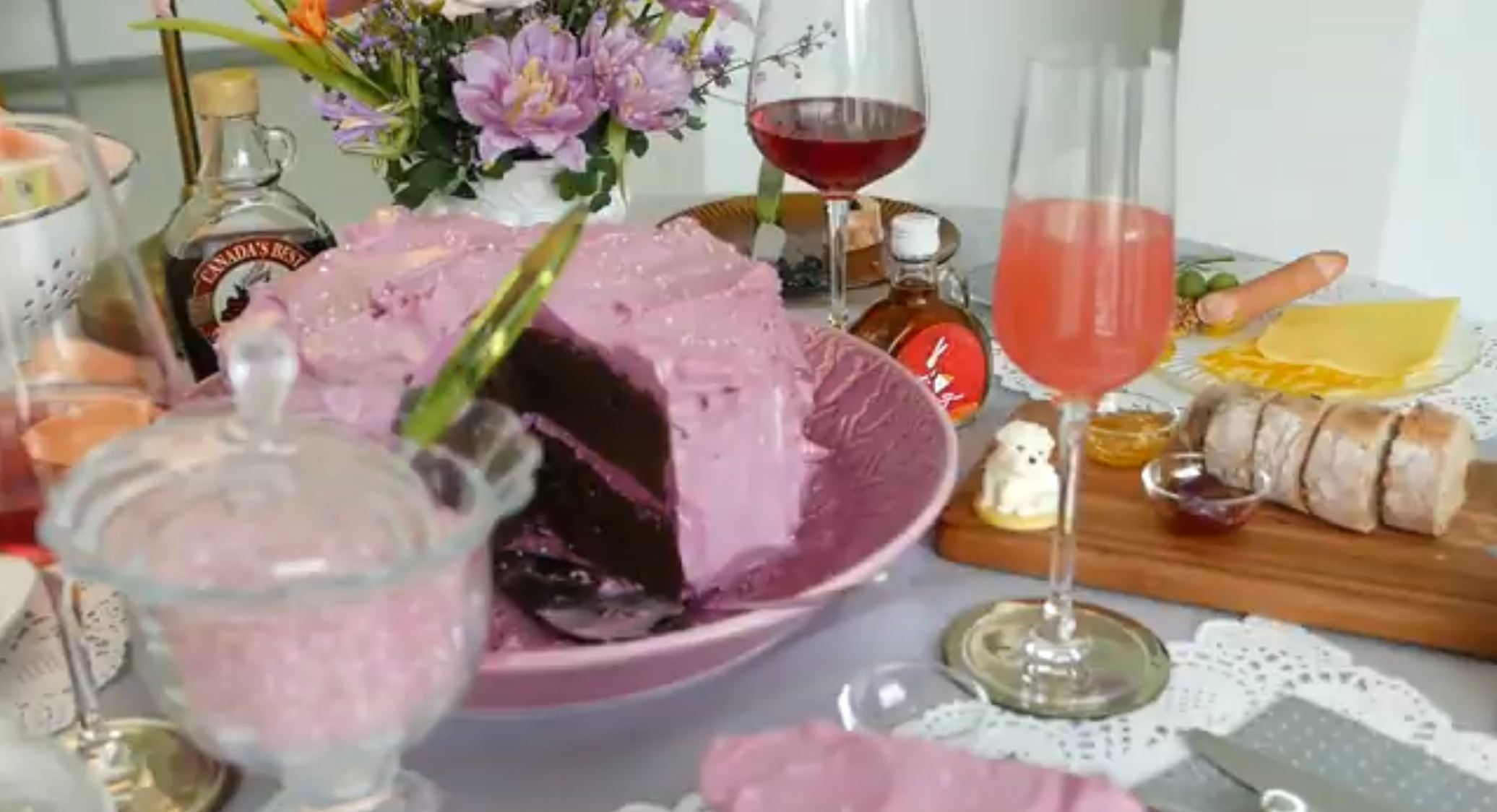
Serious Hunger, Opening ceremony of Tastehouse ©Tastehouse

In 2017, Song Min Jung staged Ceremony, an open event at Tastehouse, where she presented desserts—previously accessible only through timelines—arranged in harmony with flowers and plants in collaboration with a plant shop. Although the audience could not actually taste the fictional desserts materialized in physical form, they were able to enjoy the atmosphere proposed by ‘Serious Hunger’ and engage with the table setting by experiencing and photographing its various elements in their own ways.


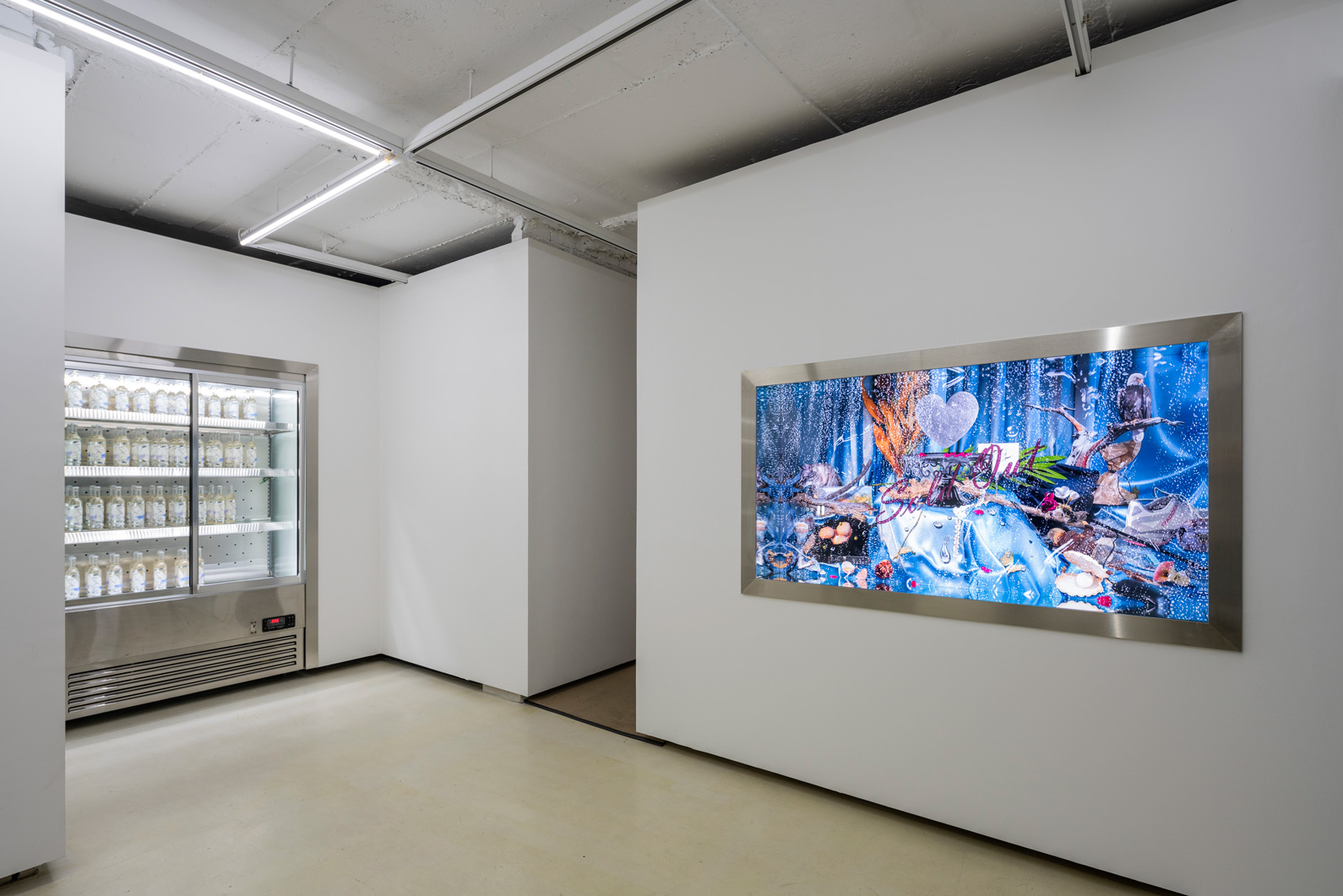
Installation view of 《COLD MOOD (1000% soft point)》 ©Tastehouse

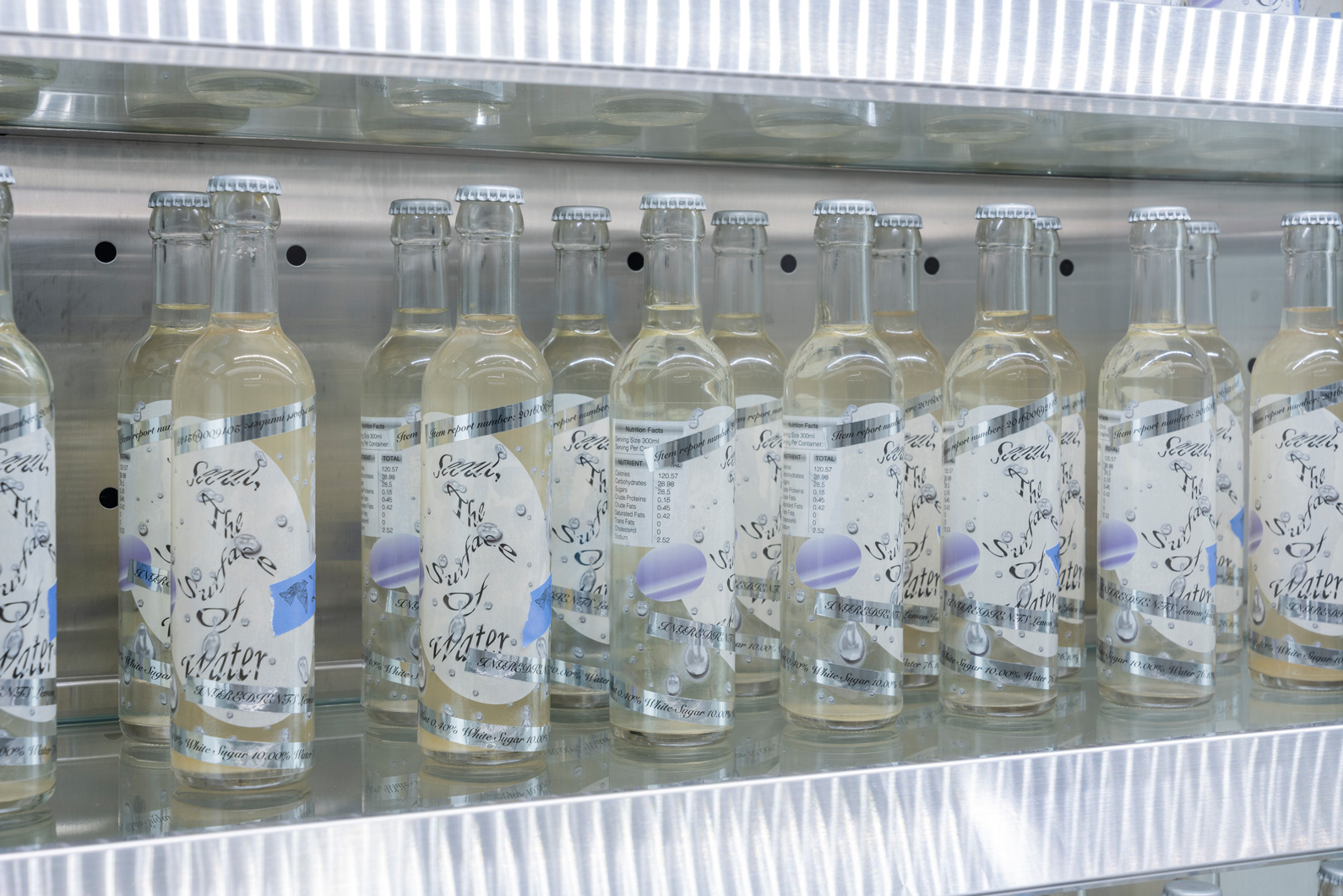
Meanwhile, in her 2018 solo exhibition 《COLD MOOD (1000% soft point)》 at Tastehouse, the artist relocated her works—previously circulating through online timelines—into the physical space of the gallery, translating a bodily site and envisioning pathways through which the works could operate. She produced perfumes, beverages, and cakes herself, transforming the exhibition space into a kind of showroom for their purchase.

Installation view of 《COLD MOOD (1000% soft point)》 ©Tastehouse

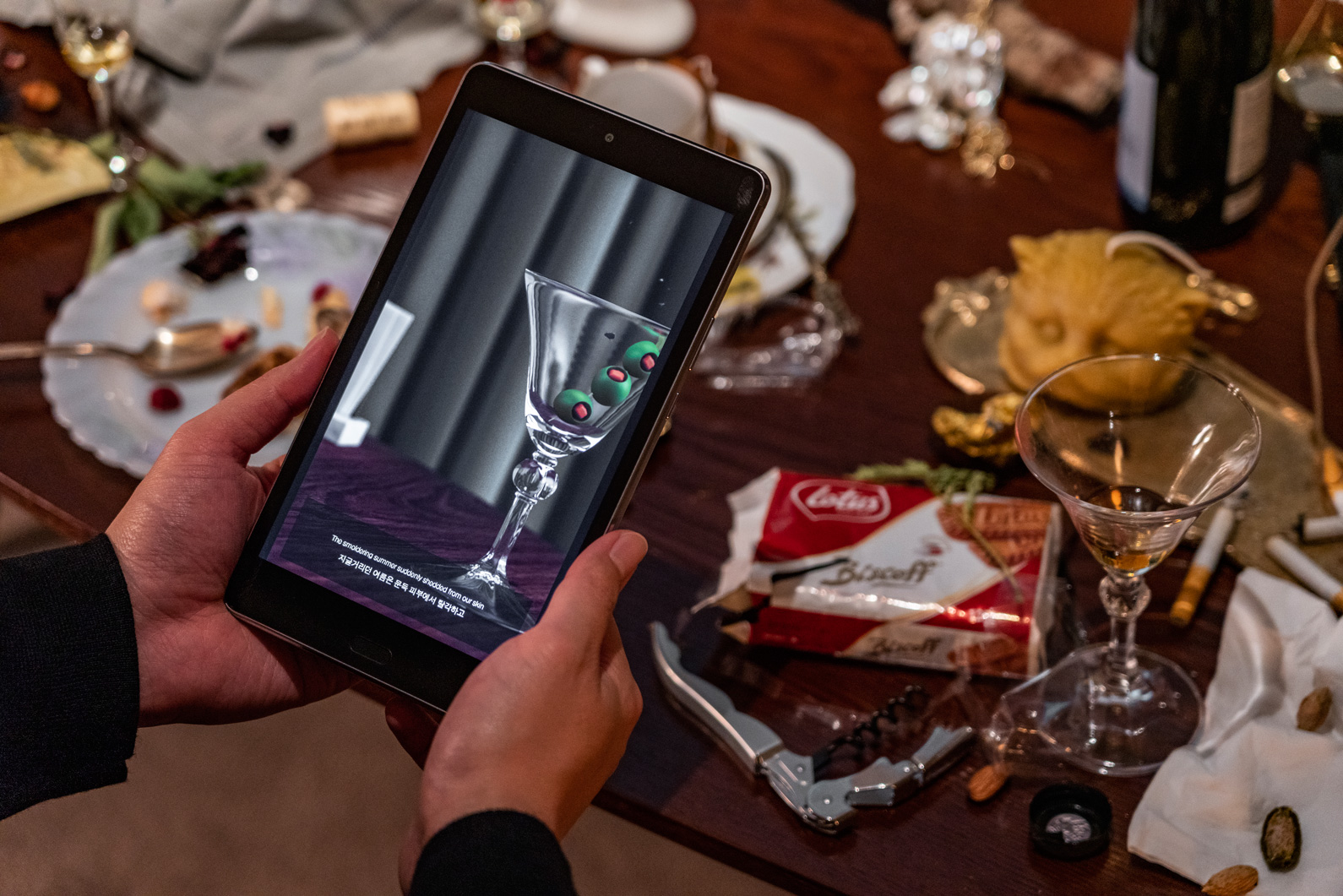
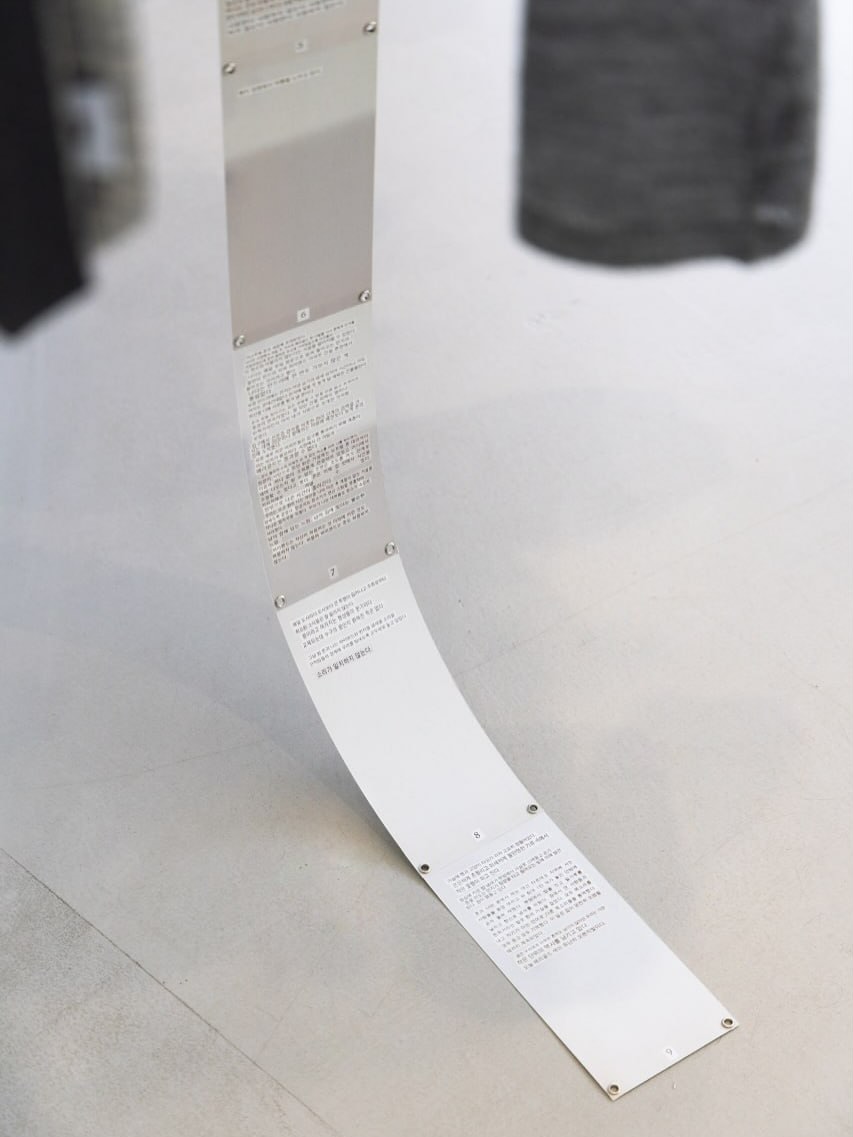
The artist provided a viewing manual on a tablet PC, resembling a kiosk menu, and presented works that were activated in response to the viewer’s movement as they followed the pathways suggested by the videos, becoming performers of sorts. Through this method, she embedded the moods generated by mixing multiple media into the narrative, while leaving the user with nothing but an elusive “feeling” of the experience, never fully graspable.


Installation view of 《COLD MOOD (1000% soft point)》 ©Tastehouse

At this point, the artist would insert dissonant flows into the narrative or conceal meaning by linking the context of the work to a kind of commodity. By setting up routes where viewers might, in the middle of watching a video, purchase and drink a beverage, sample a fragrance, or reserve a perfume, she employed strategies that either pressed close to the user’s psychological space or, conversely, established a sense of distance.
 
Such an exhibition intertwined the experience of consumption—both online and offline—with that of the work itself, making perceptible the gap between psychological and physical spaces, while reflecting on the ways people enjoy images and cultivate taste.


Installation view of 《COLD MOOD (1000% soft point)》 ©Tastehouse

Regarding her works that operate through such online gimmicks, curator Haeju Kim remarked, “They reveal the consumption and desire of the internet—‘tasting with the eyes’—as well as the gap between the smartphone screen and actual experience.” She further explained, “Song Min Jung takes the fleeting image experiences that constantly slip out of our field of vision online as her material, and employs their very flow as the grammar of her work.”


Song Min Jung, Talker, Single-channel video, color, sound(stereo), Mixed media, 25min 52sec. ©Song Min Jung

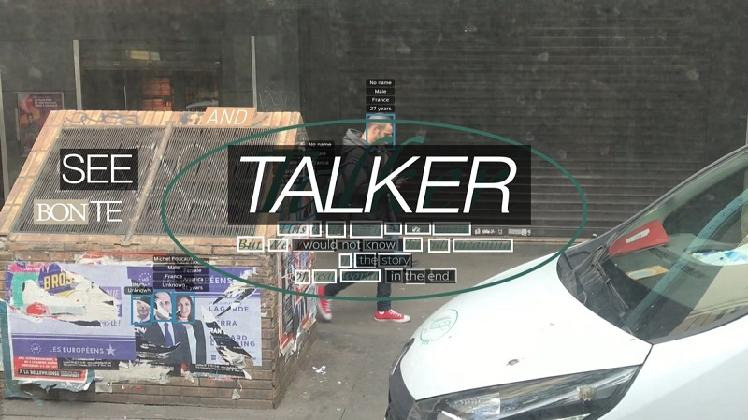
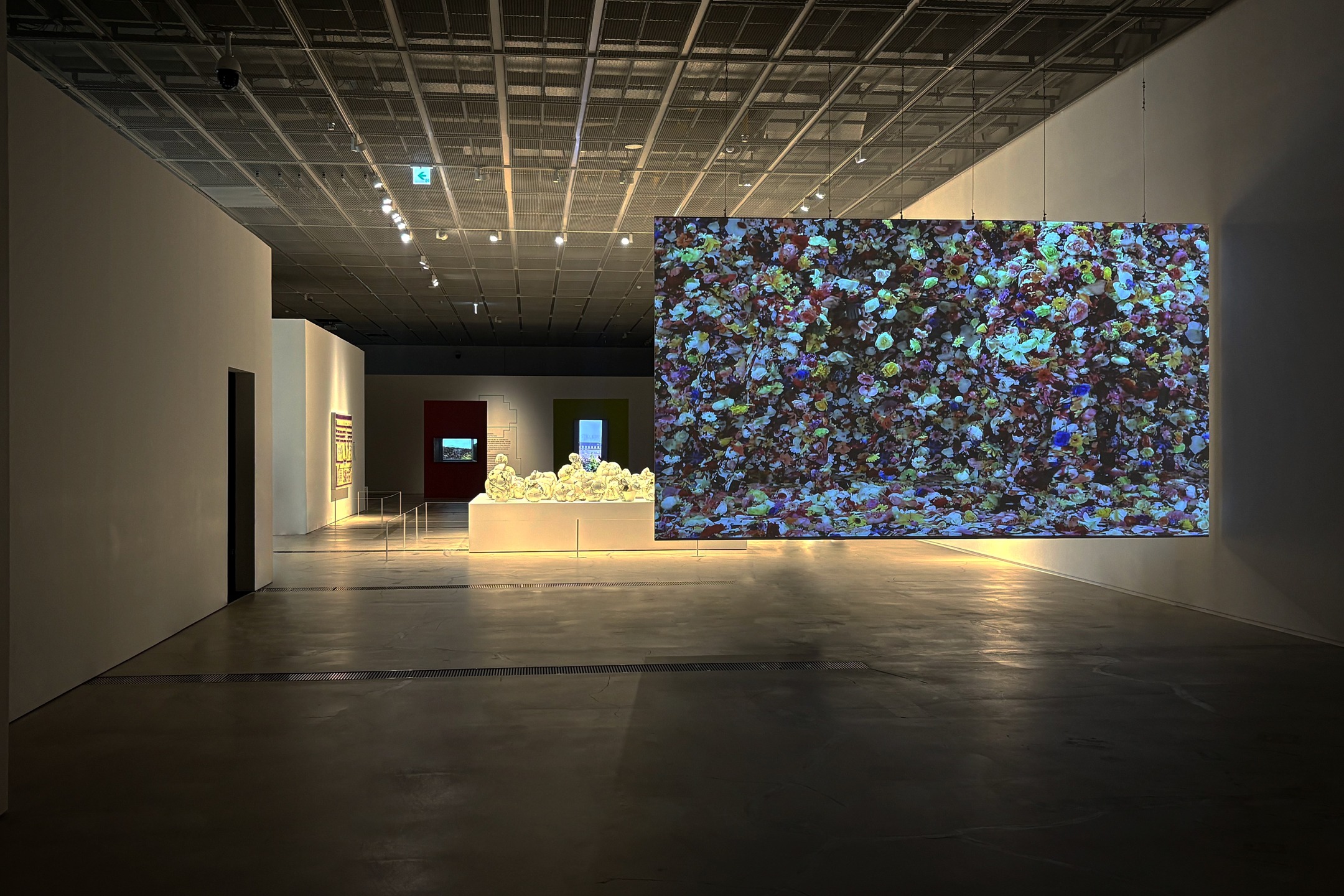
Meanwhile, the work Talker (2019), presented at the 《Young Korean Artists 2019: Liquid, Glass, Sea》 exhibition of the National Museum of Modern and Contemporary Art, Korea (MMCA), addresses the contemporary digital self-identity that continuously divides and evolves in the digital virtual space of the internet by creating another persona like an avatar.
 
The video develops through the first-person perspective of a moving body and traces the relationship between the screen and viewing through language and non-physical relationality. In this work, Song Min Jung adopts the YouTube vlog storytelling technique, which captures an individual’s daily life from a first-person perspective.

Song Min Jung, Talker, Single-channel video, color, sound(stereo), Mixed media, 25min 52sec., Installation view of 《Young Korean Artists 2019: Liquid, Glass, Sea》 (MMCA, 2019). Photo: Hong Jin-hwon. ©MMCA

In the vlog-format video, the narrator converses with an augmented-reality dog, “Huff,” a fictional health management application, and receives health checks from it. Huff is programmed to develop a new personality depending on the owner’s (user’s) responses, thereby forming an identity through this virtual interaction.
 
Meanwhile, the narrator’s identity remains ambiguous and is inferred only through the text, images, video, and sound that compose the screen, rather than a physical body. The narrator’s voice shifts between female and male, evoking today’s internet users who alter their digital self-identities across multiple accounts.


Song Min Jung, AKSARA MAYA, 2019, HD video, color, sound, 18min 49sec. ©Song Min Jung

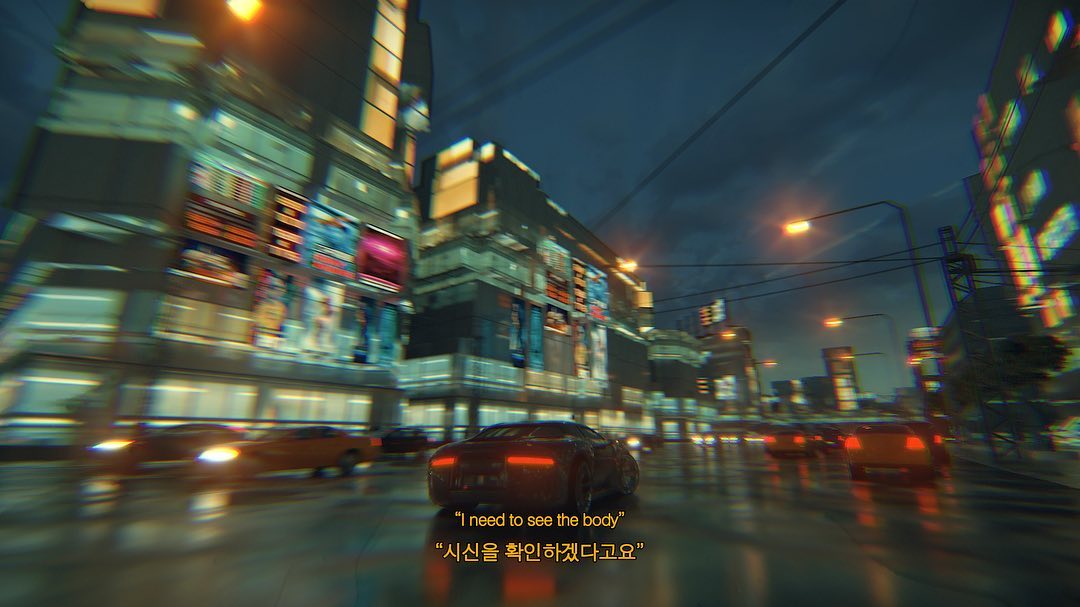
Furthermore, in the video work AKSARA MAYA (2019), the artist adopts the format of an RPG game to explore the non-physical relationship between body and identity. The work constructs a fictional space by collecting and recombining language within a world where game and reality intermingle.
 
Here, the characters referred to as “users” function as shadow writers guiding the narrative. However, they too appear in a non-physical state, without revealing the presence of a body, and rely solely on psychological statements to encourage viewers to perceive the present more intimately and personally.


Song Min Jung, Wild Seed, 2020, Single-channel video, color, sound(stereo), mixed media, 22min. ©Song Min Jung

In these works, the body appears in a “non-physical” form, merged with technology, evoking our existence within a data-driven society.
 
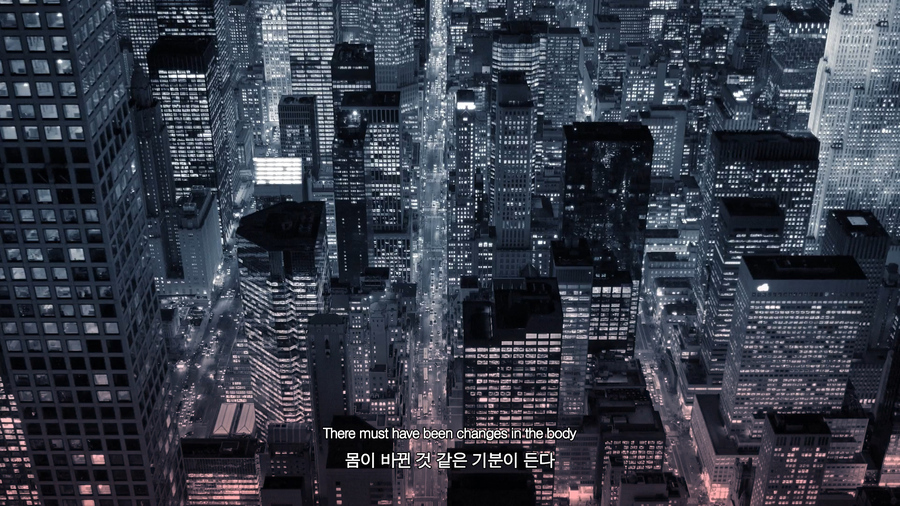
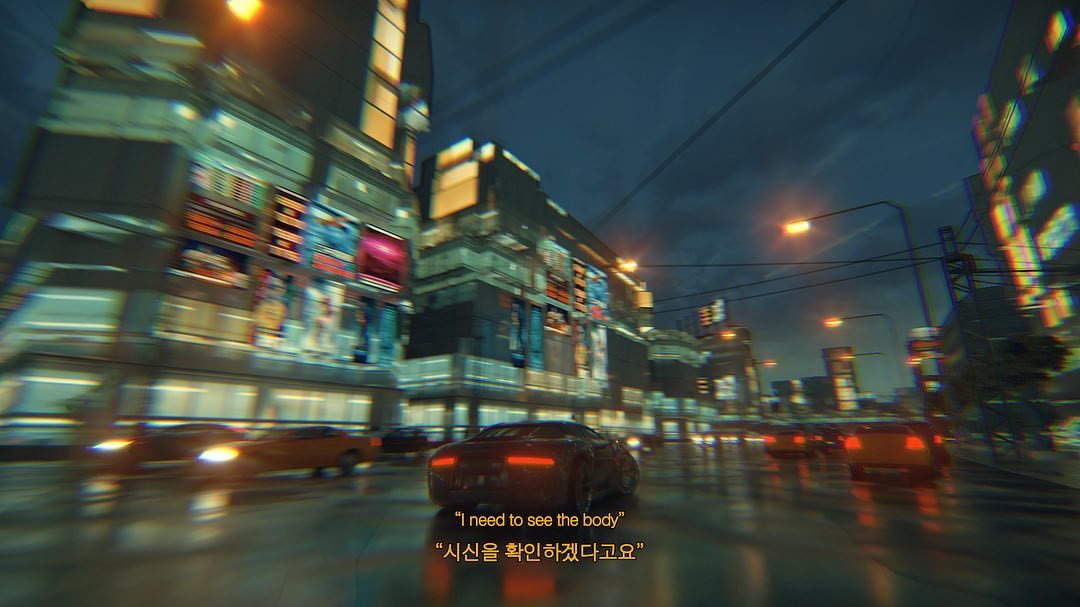
Building on this reflection, the video work Wild Seed (2020) intersects online and offline, virtual and real, urban spaces and the open sea, prompting a reconsideration of the meaning of human mortality and the ways in which an individual’s multiple “bodies” exist in a datafied society.


Song Min Jung, Wild Seed, 2020, Single-channel video, color, sound(stereo), mixed media, 22min. ©Song Min Jung

The video unfolds against the backdrop of the death of a man named Kim Ki-cheol. As those who were connected to him refuse to give testimony, even the data left on his social media accounts during his lifetime is mysteriously and completely erased, causing the existence of Kim Ki-cheol to vanish from both virtual and real realms.
 
Through this thriller-like narrative, the artist emphasizes that human existence in a data-driven society can be easily transformed or erased, prompting a critical reflection on today’s era of accelerated technological development.


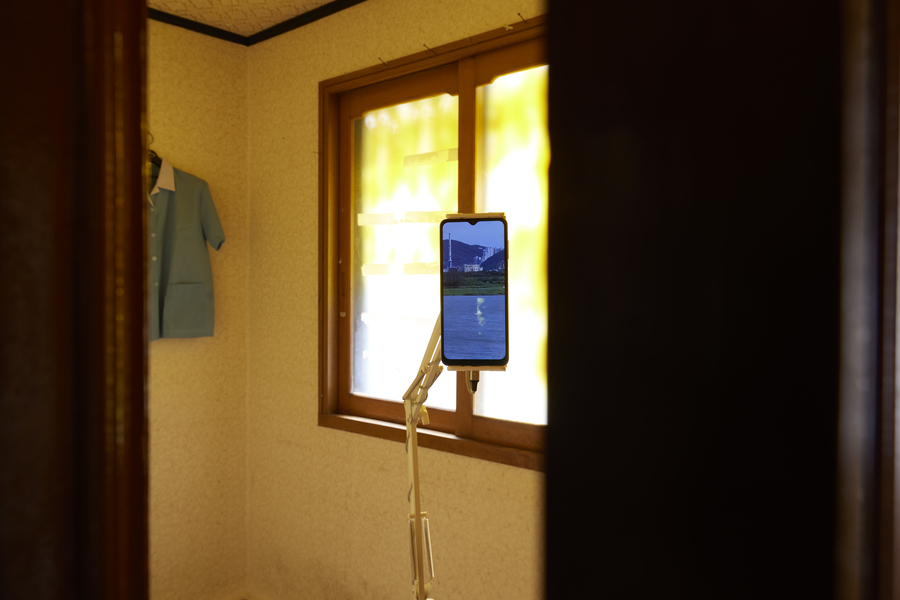
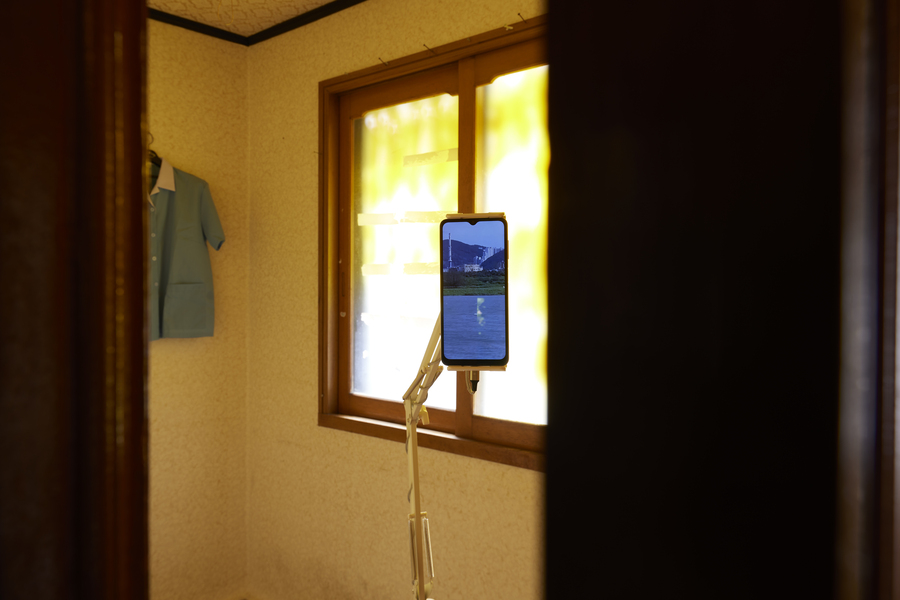
Song Min Jung, Custom, 2022, mobile phones, video installation, Dimensions variable ©Busan Biennale

In 2022, at the Busan Biennale, Song Min Jung presented the mystery-thriller video work Custom (2022). In the video, the protagonist Haruko moves to Busan to follow her husband, a footwear engineer who receives an overseas assignment, when she turns 23. It is said that at the time, many Japanese engineers were dispatched to Busan as the result of a joint Korea-Japan partnership dealing with rubber.
 
One day, Haruko visits the shoe factory where her husband works and meets Chunja, a worker there, and they are drawn to one another. Haruko (はるこ, meaning “born in spring” in Japanese) was born in Kobe in the spring of 1945, while Chunja (春子, meaning “child of spring” in Korean) was born in Busan on the exact same day. With the same name, meaning “children of spring,” they are born with a similar fate and recognize a new place by using each other as coordinates.


Song Min Jung, Custom, 2022, mobile phones, video installation, Dimensions variable ©Song Min Jung

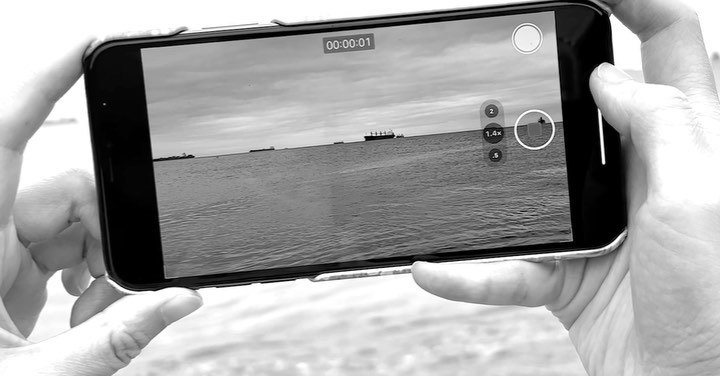
Chunja becomes an alleyway into an inner world for Haruko, while Haruko represents a sea route towards the outside for Chunja. Custom is a mystery thriller that follows their smartphone. Song sets up a specific environment through fictional characters and connects it to the timeline on the smartphone screen.
 
Through such work, Song Min Jung brings elements closely tied to the present into her artistic medium or blends fictional bodies and time to create hybrid timelines. This allows viewers to observe a hybrid world within the gaps formed between reality and the constructed setting, tracing the meaning of movement.
 
Her work addresses the physical and psychological experiences of contemporary individuals who navigate the boundaries between online and offline, virtual and real, prompting us to reconsider our perception of the “present.”

 ”The key medium I use in my work is “time.” I press reality and my work very closely together, or deliberately widen the gap between them.”   (Song Min Jung, from the interview of 《Young Korean Artists 2019: Liquid, Glass, Sea》, MMCA) 


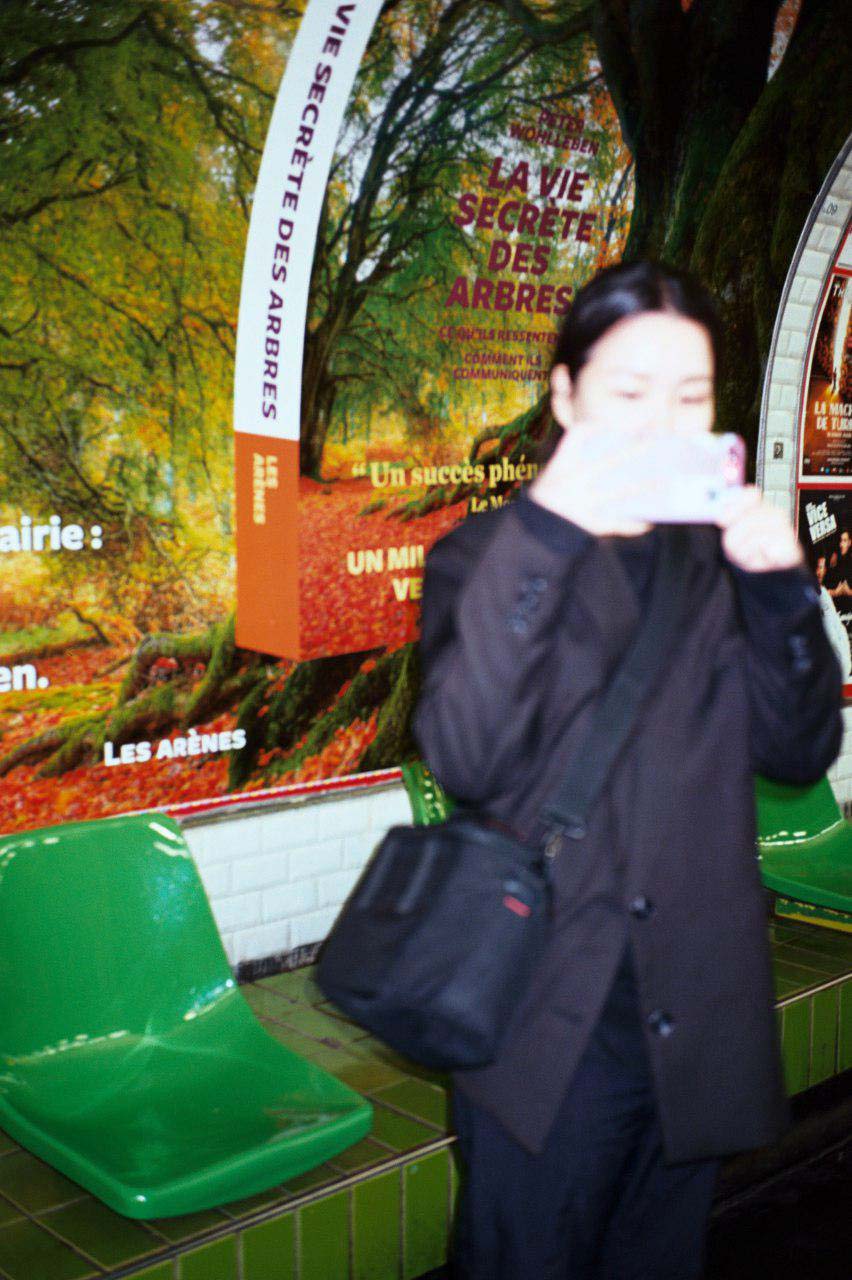
Artist Song Min Jung ©RE;CODE

Song Min Jung graduated from the College of Arts at Konkuk University. Her solo exhibitions include 《Atmospheres》 (359-11, Hapjeong-dong, Seoul, 2023), 《tandsmør》 (Kunsthal Aarhus, Aarhus, 2021), 《COLD MOOD(1000% soft point)》 (Tastehouse, Seoul, 2018), and 《Double Deep Hot Sugar-The Romance of Story》 (B½F, Seoul, 2016).
 
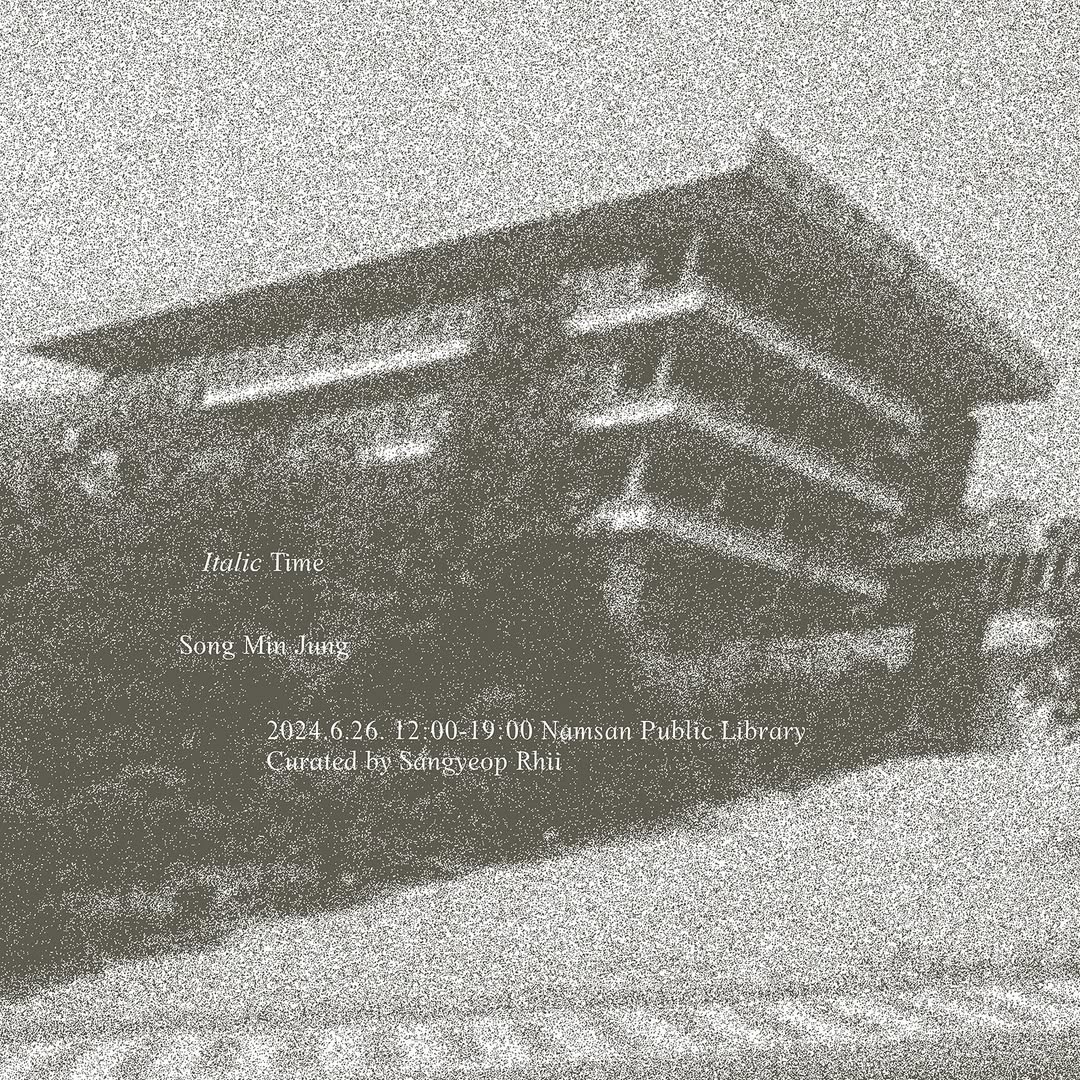
She has also participated in numerous group exhibitions, including 《Italic Time》 (Namsan Public Library, Seoul, 2024), 2022 Busan Biennale 《We, on the Rising Wave》 (Pier 1 of Busan Port, Choryang, Busan, 2022), 《The Fable Of Net In Earth》 (ARKO Art Center, Seoul, 2022), 《Signaling Perimeters》 (Seo-Seoul Museum of Art, Seoul, 2021), 2020 Busan Biennale 《Words at an Exhibition : an exhibition in the chapters and five poem》 (Busan Museum of Contemporary Art, Busan, 2020), 《Night Turns to day》 (Art Sonje Center, Seoul, 2019), and 《Young Korean Artists 2019: Liquid, Glass, Sea》 (MMCA, Gwacheon, 2019).
References