Exhibitions
《Projection Note》, 2025.03.21 – 2025.04.27, Kumho Museum of Art
March 20, 2025
Kumho Museum of Art
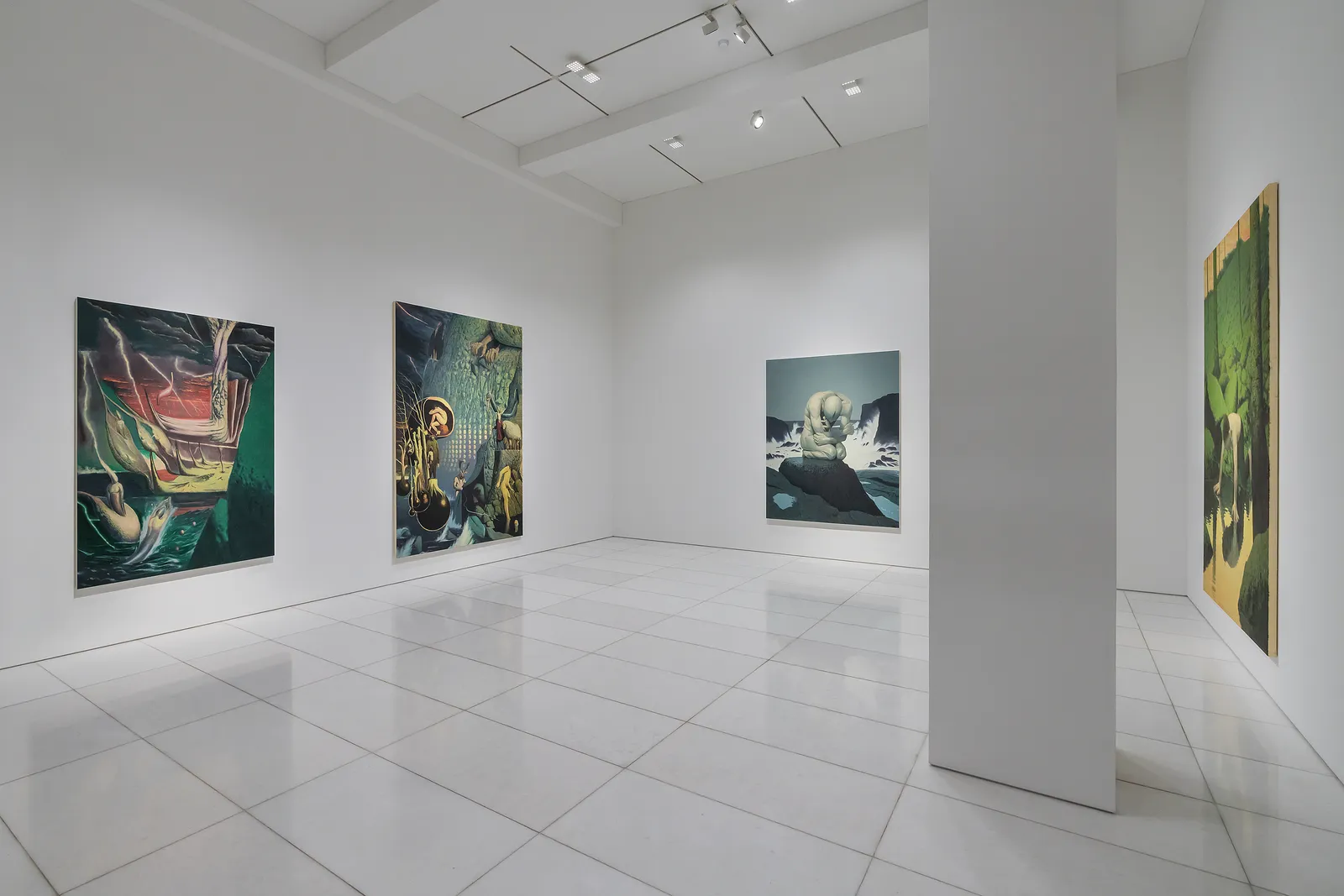
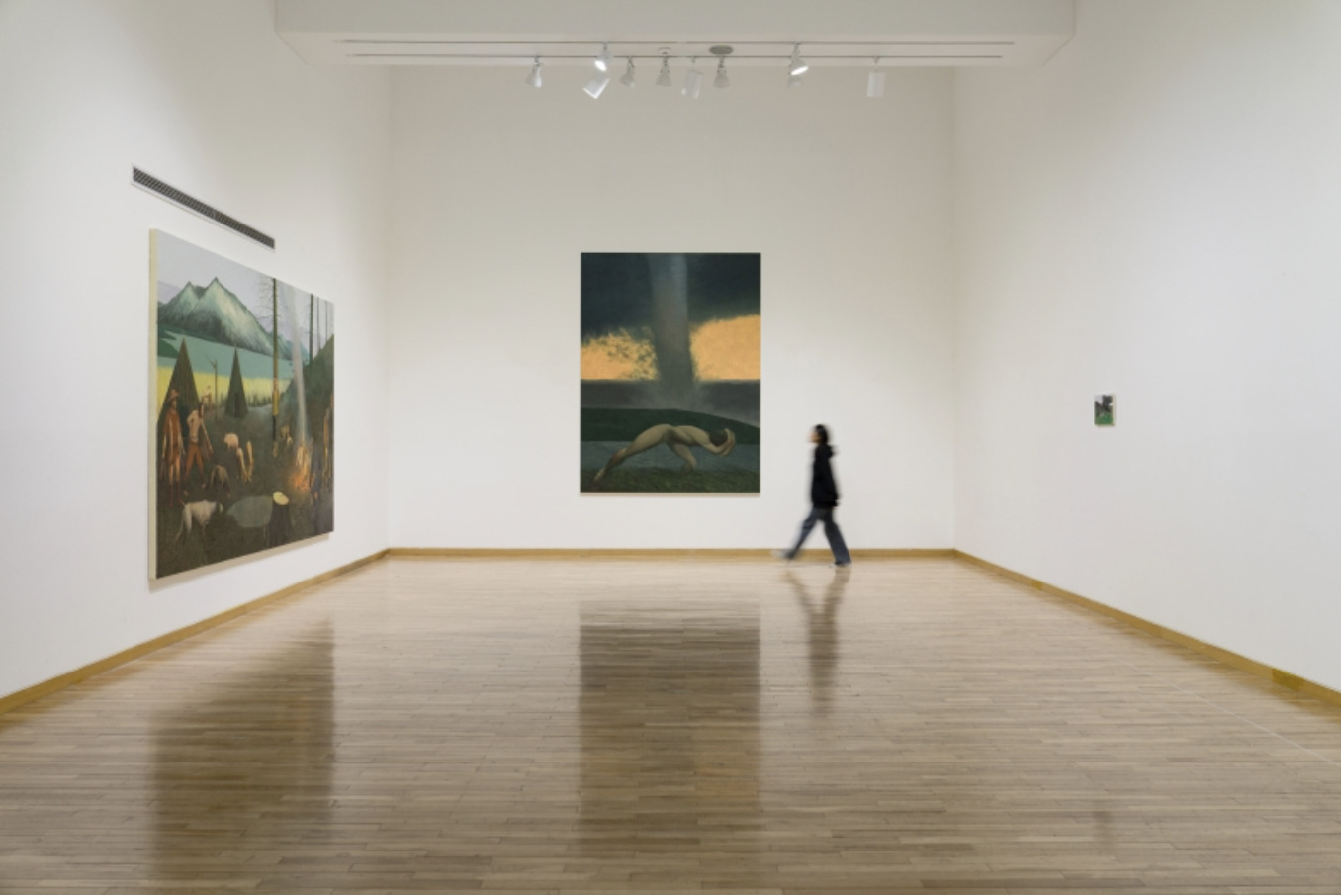 Installation
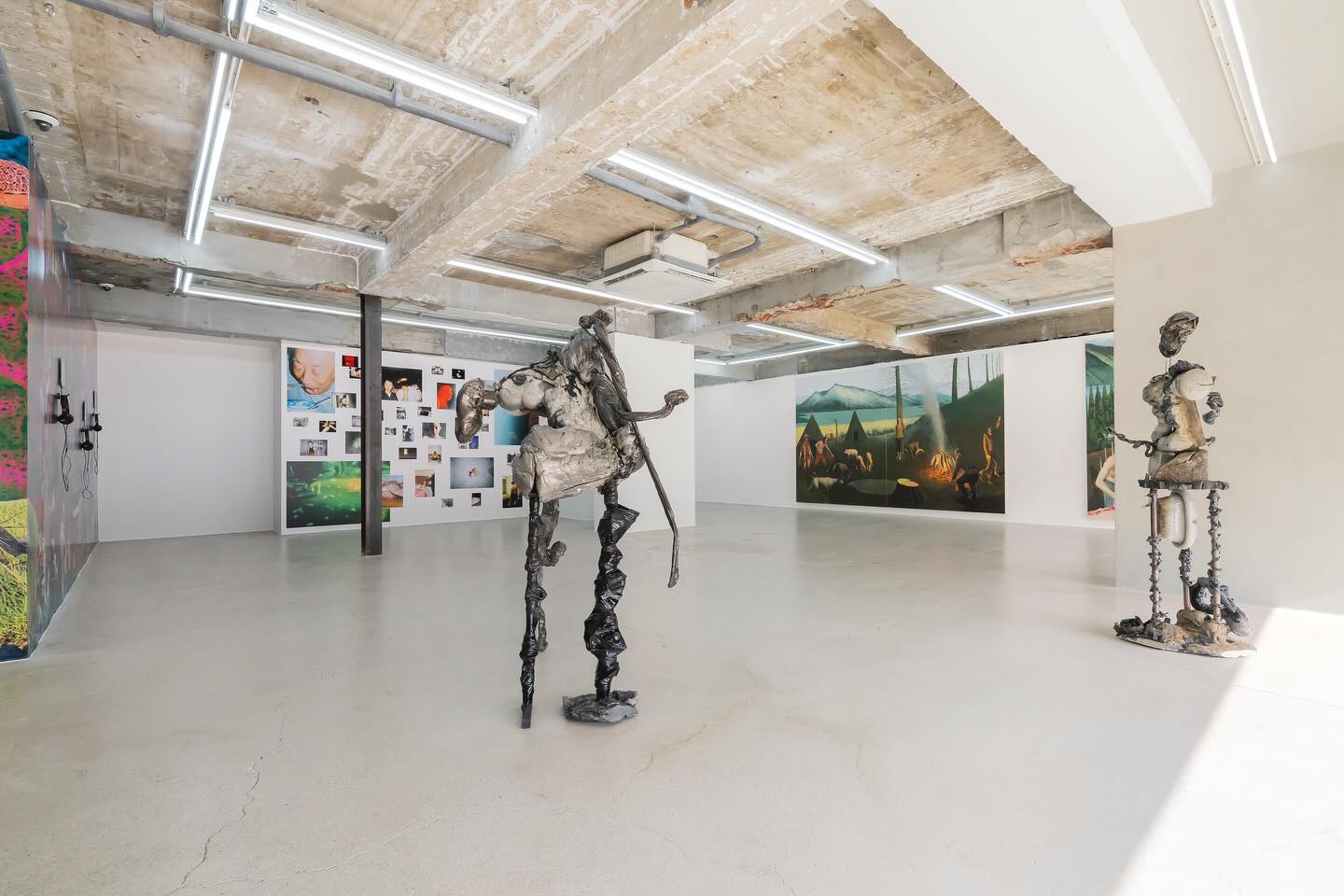
view of 《Projection Note》 (Kumho
Museum of Art, 2025) ©Kumho Museum of Art
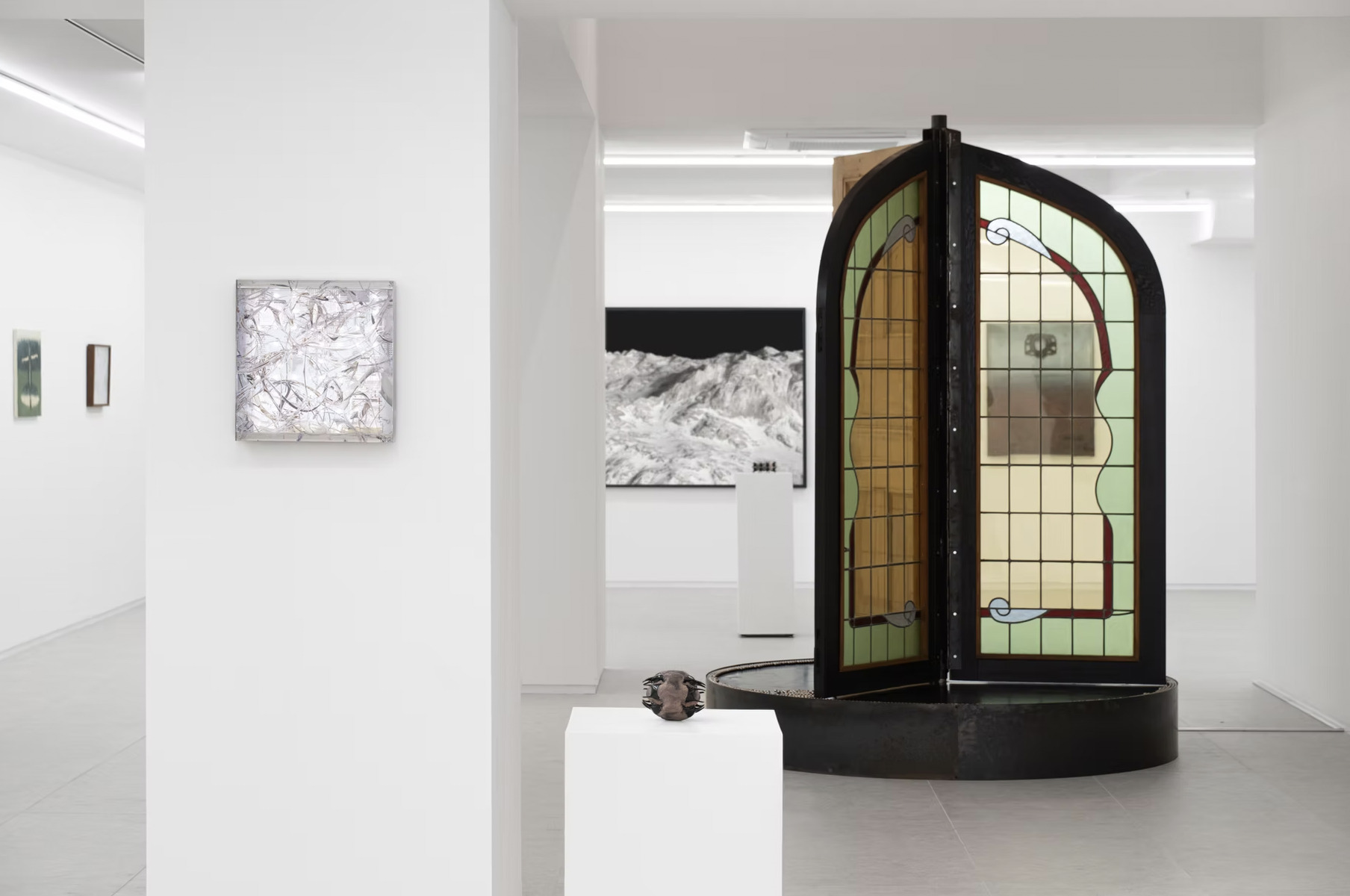
Installation
view of 《Projection Note》 (Kumho
Museum of Art, 2025) ©Kumho Museum of Art
Kumho
Museum of Art presents Part I of the exhibition 《2025 Kumho Young Artist》 from March 21 (Fri)
to April 27 (Sun), 2025. This first part of the exhibition features solo
presentations by three artists—Kang Nayoung, Song Seungjoon, and Lee Haeban—who
were selected in the 22nd edition of the Kumho Young Artist open call in 2024.
Each
solo exhibition offers a distinct artistic narrative: Kang Cheolgyu presents
paintings in which reality and fiction intersect within a narrative world
rooted in autobiographical experiences, metaphorically expressing inner
conflict and reflection. Song Seungjoon showcases sculptural installations that
reflect an ecological perspective aimed at new forms of symbiosis, based on
scenarios that explore the eerie and contradictory aspects of nature. Lee
Haeban’s painting practice investigates geopolitical border zones, visualizing
the dual nature of buffer areas where traces of military control are embedded
within primordial natural landscapes.
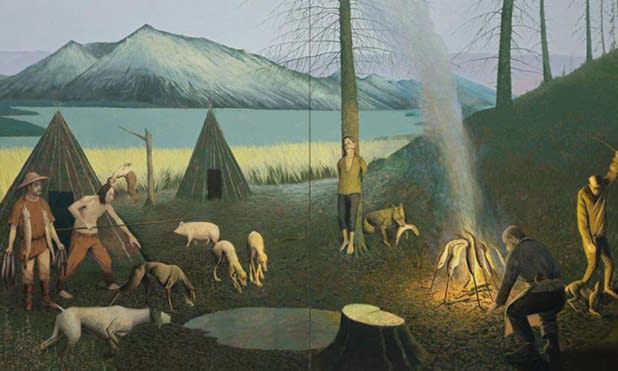
Kang
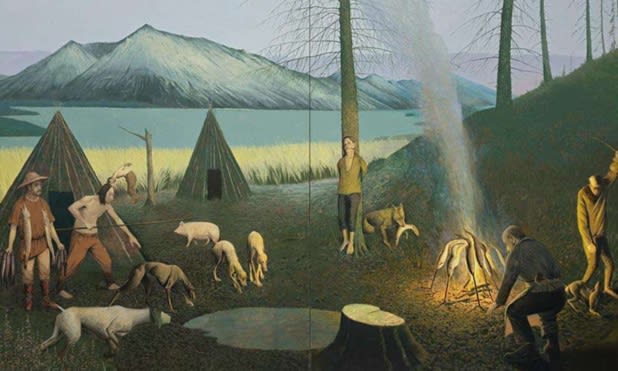
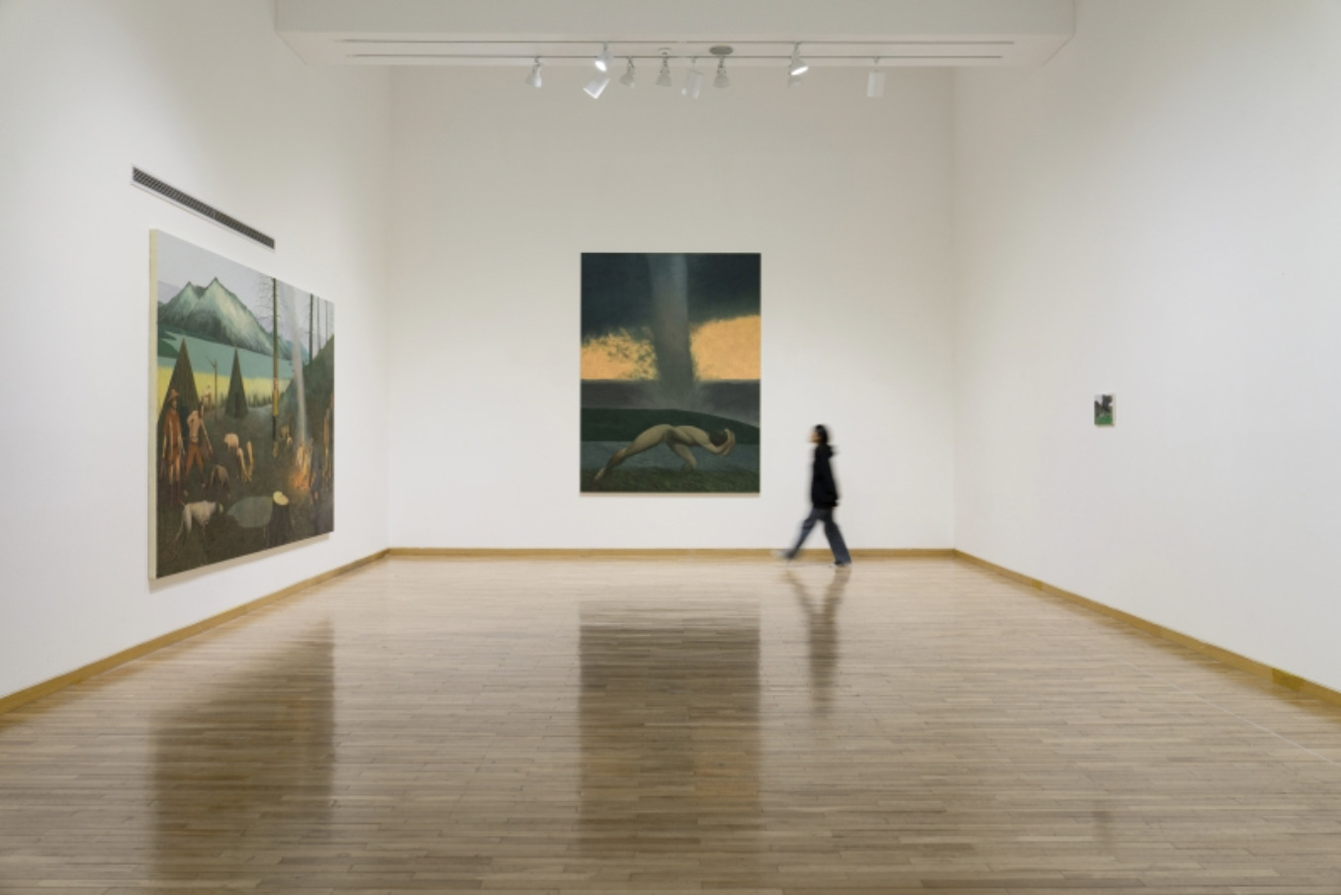
Cheolgyu, Stranger and Predator, 2025, Oil on canvas,
227x364cm ©Arario Gallery
On
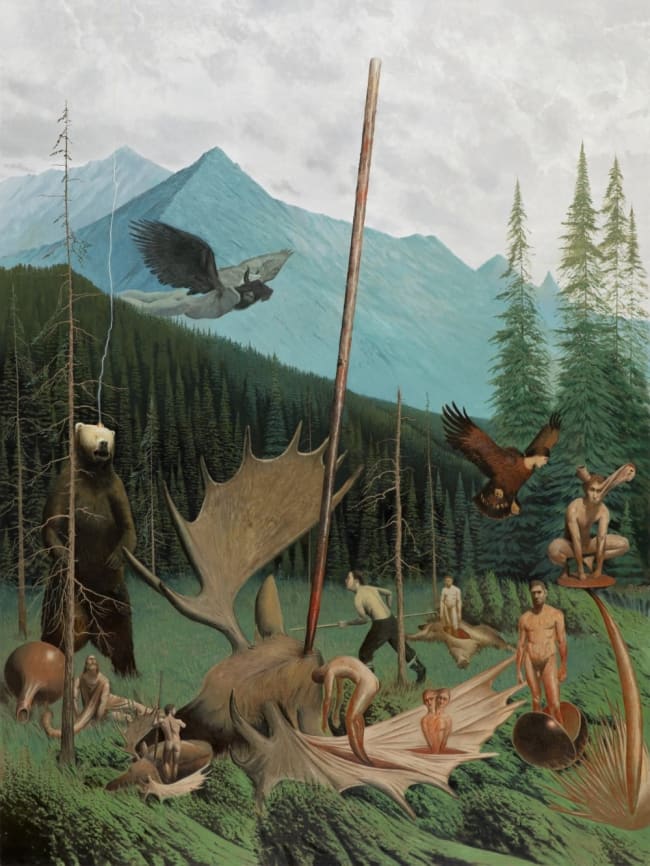
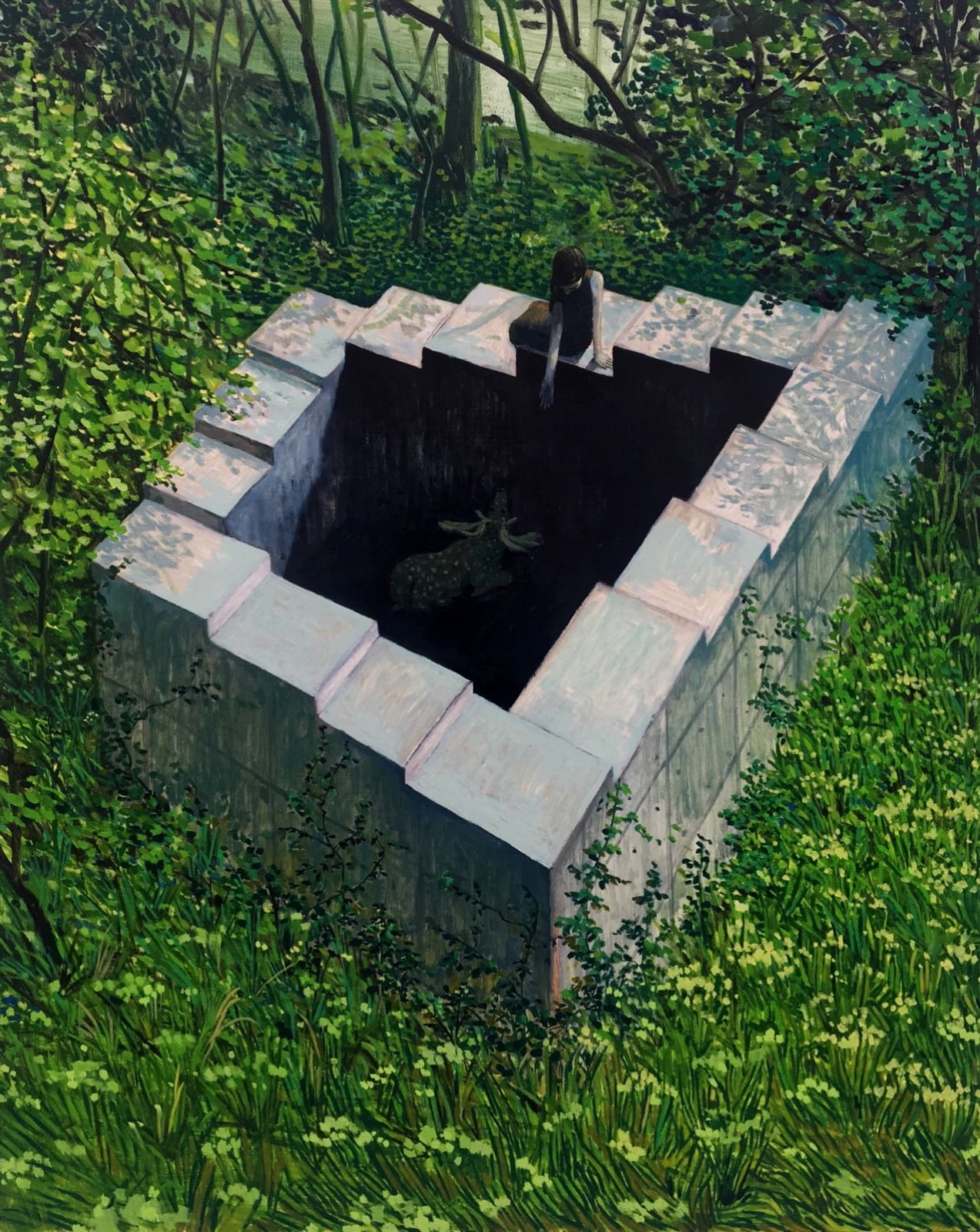
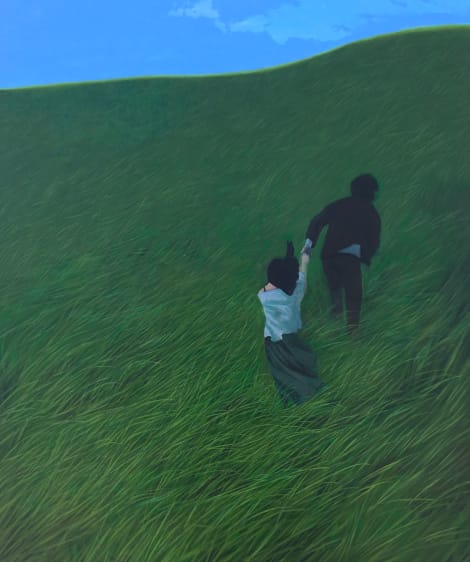
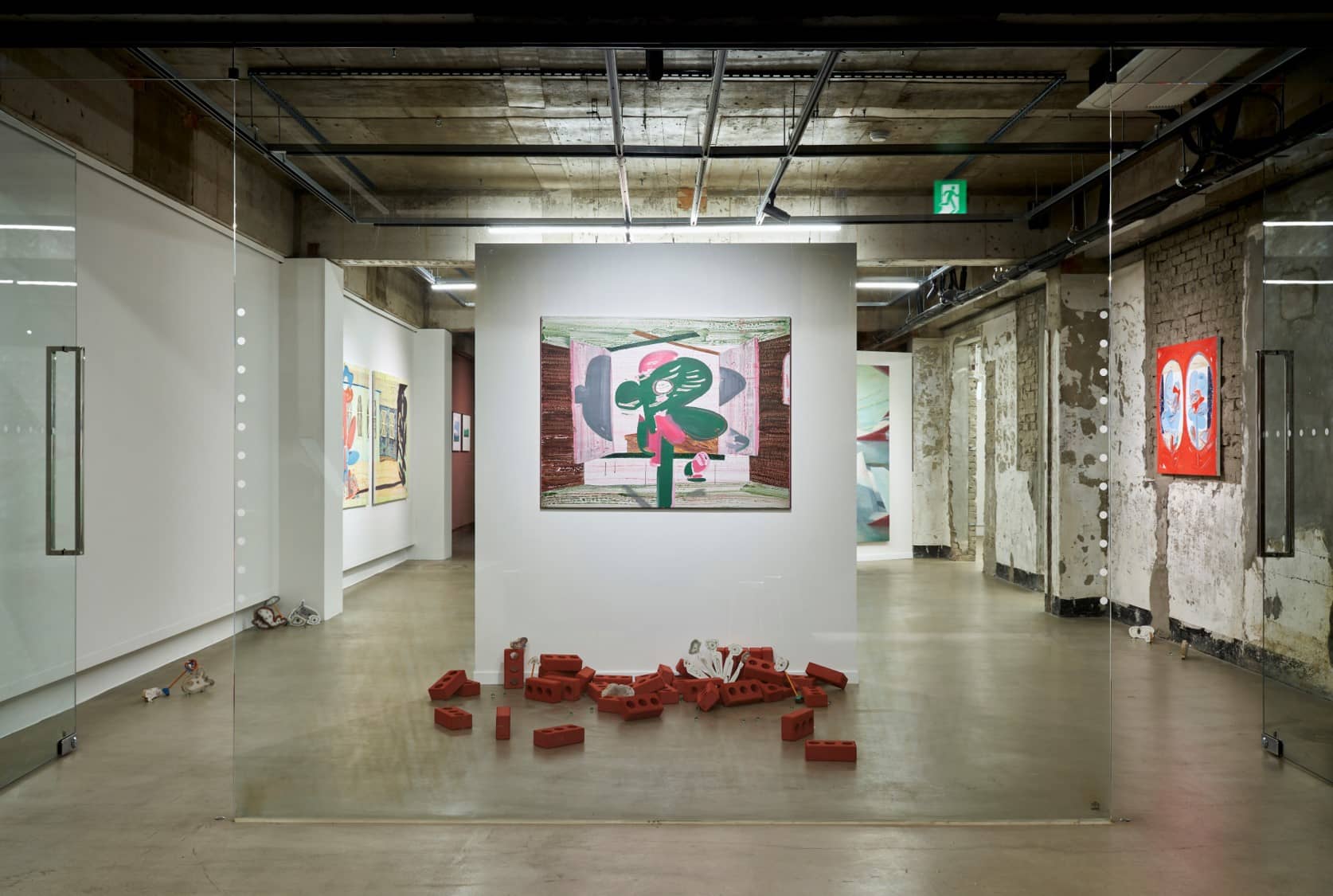
the third floor, in the exhibition 《Projection Note》, artist Kang Cheolgyu
presents narrative paintings in which reality and fiction overlap, grounded in
personal experience. He projects internal conflicts onto specific figures and
situations, reconfiguring them through symbolic visual language. The resulting
pictorial spaces function simultaneously as psychological landscapes reflecting
the artist’s current state of mind, as refuges from anxiety, and as spaces
embodying a will to live.
In
his early works, the figures often appeared to be vanishing or placed within
desolate, ruinous settings, reflecting self-loathing and helplessness. In more
recent works, however, these figures take on the role of active agents. In this
exhibition, the artist explores the psychological flow of existential anxiety
and the desire to overcome it by employing the polarized motifs of the
“stranger” and the “predator.” The monstrous forms, where animals and humans
are combined, symbolize the artist’s divided self, metaphorically expressing
inner turmoil and self-reflection.