
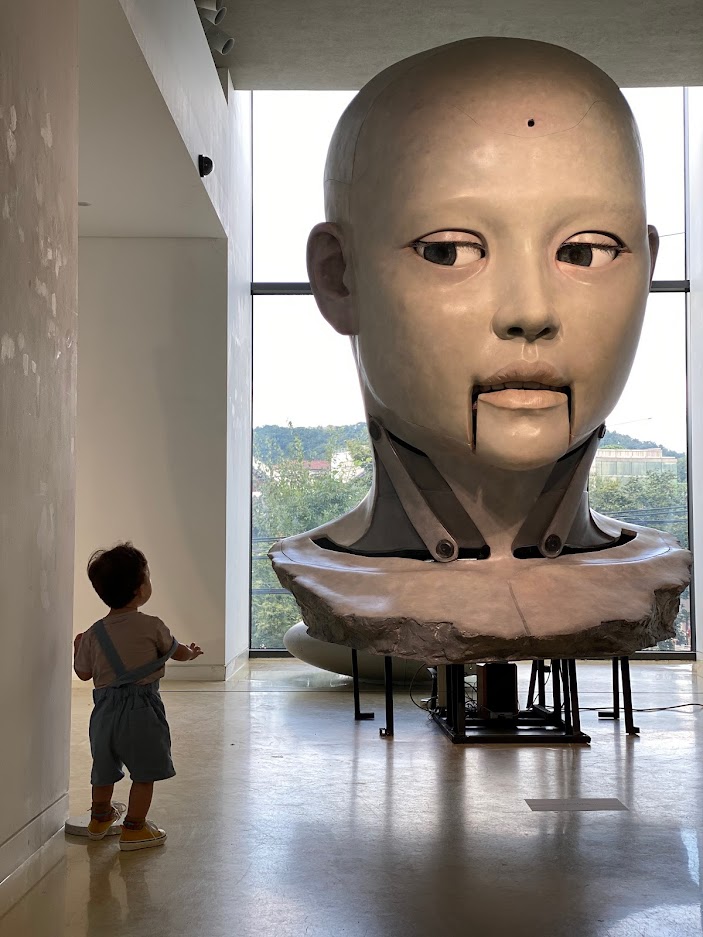
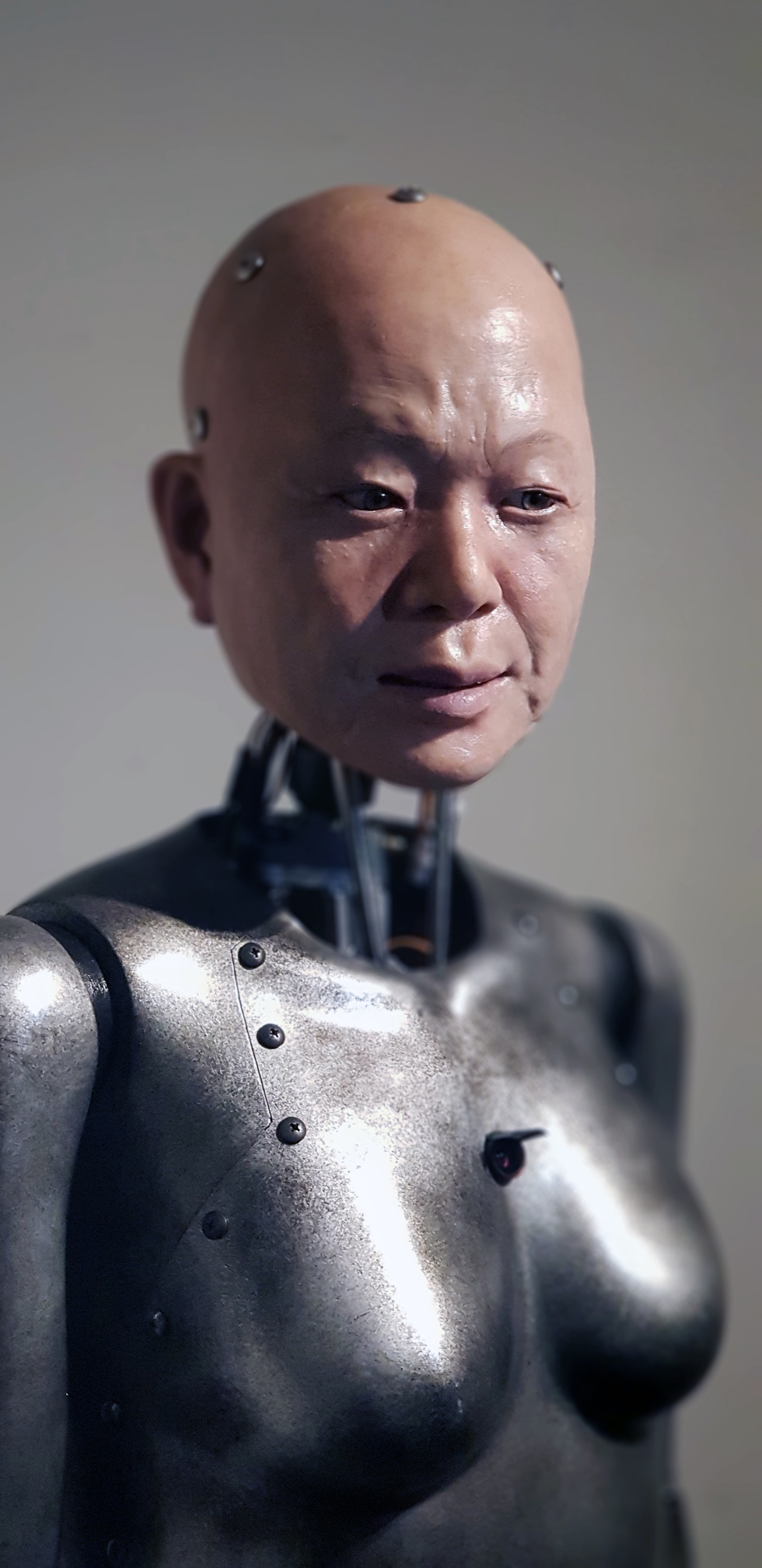

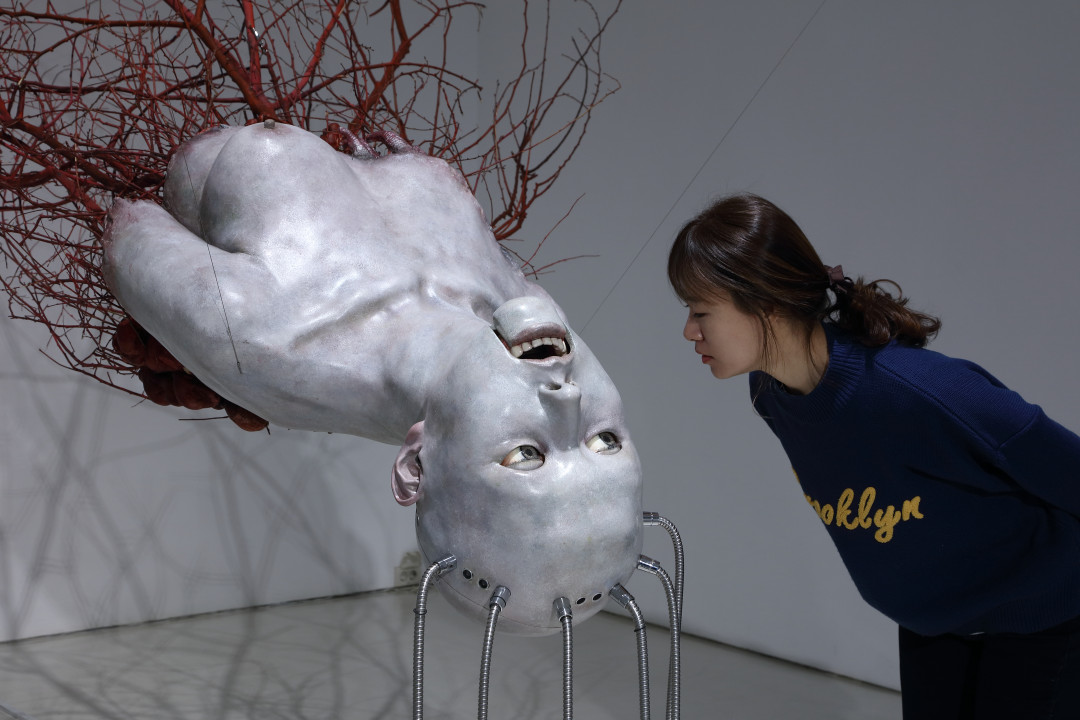

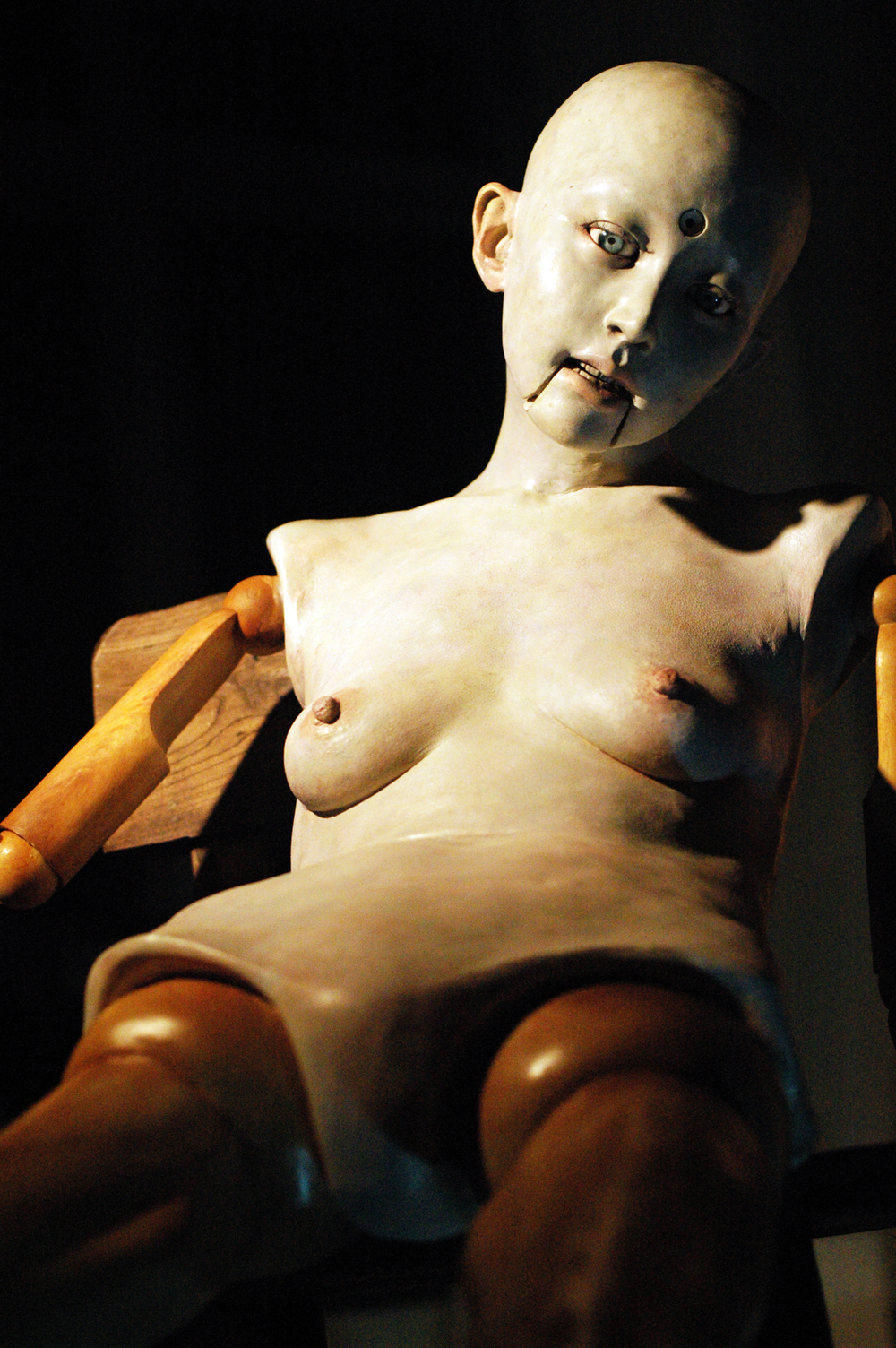
Solo Exhibitions (Brief)
Since 2002, Jinah Roh has held approximately
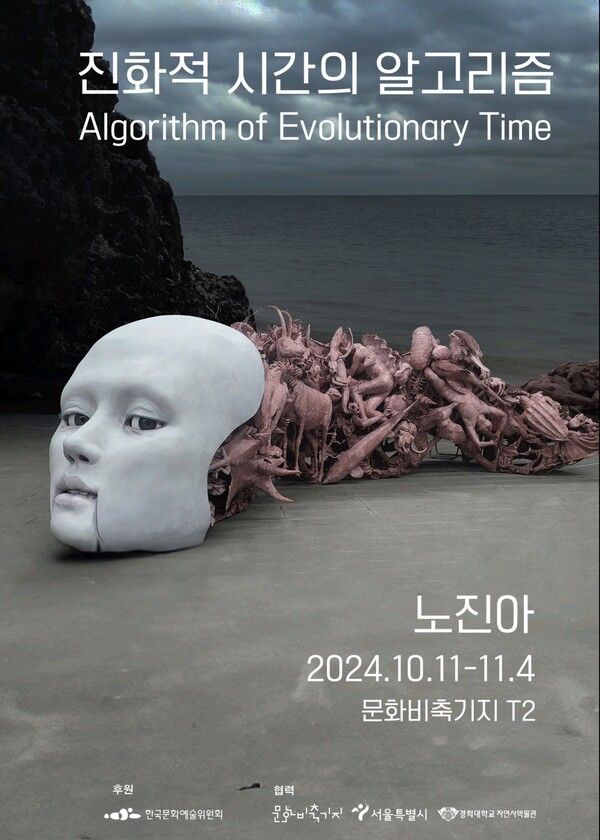
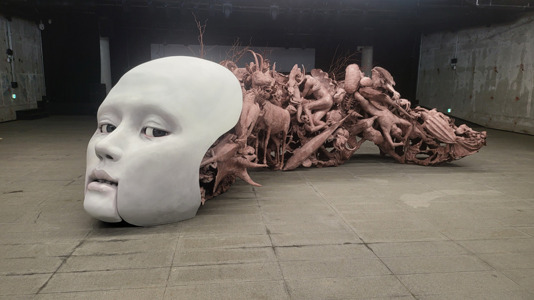
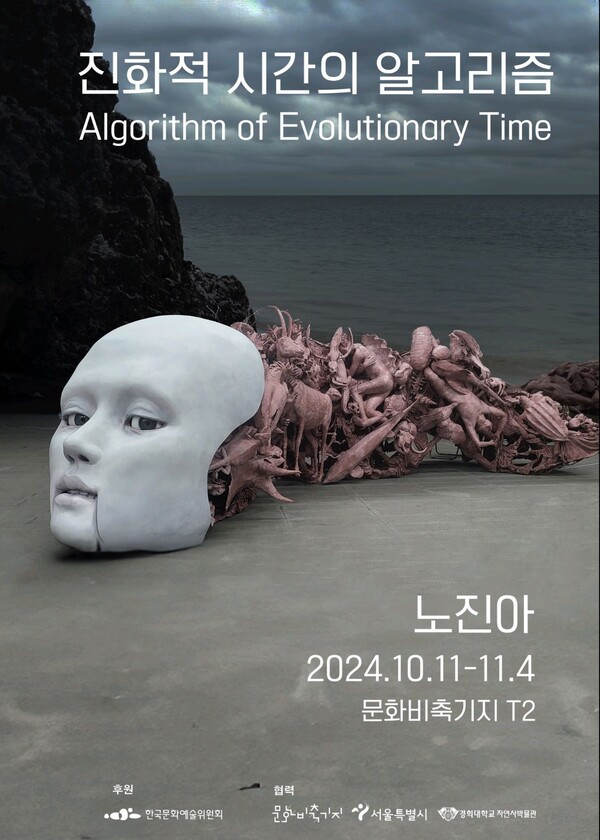
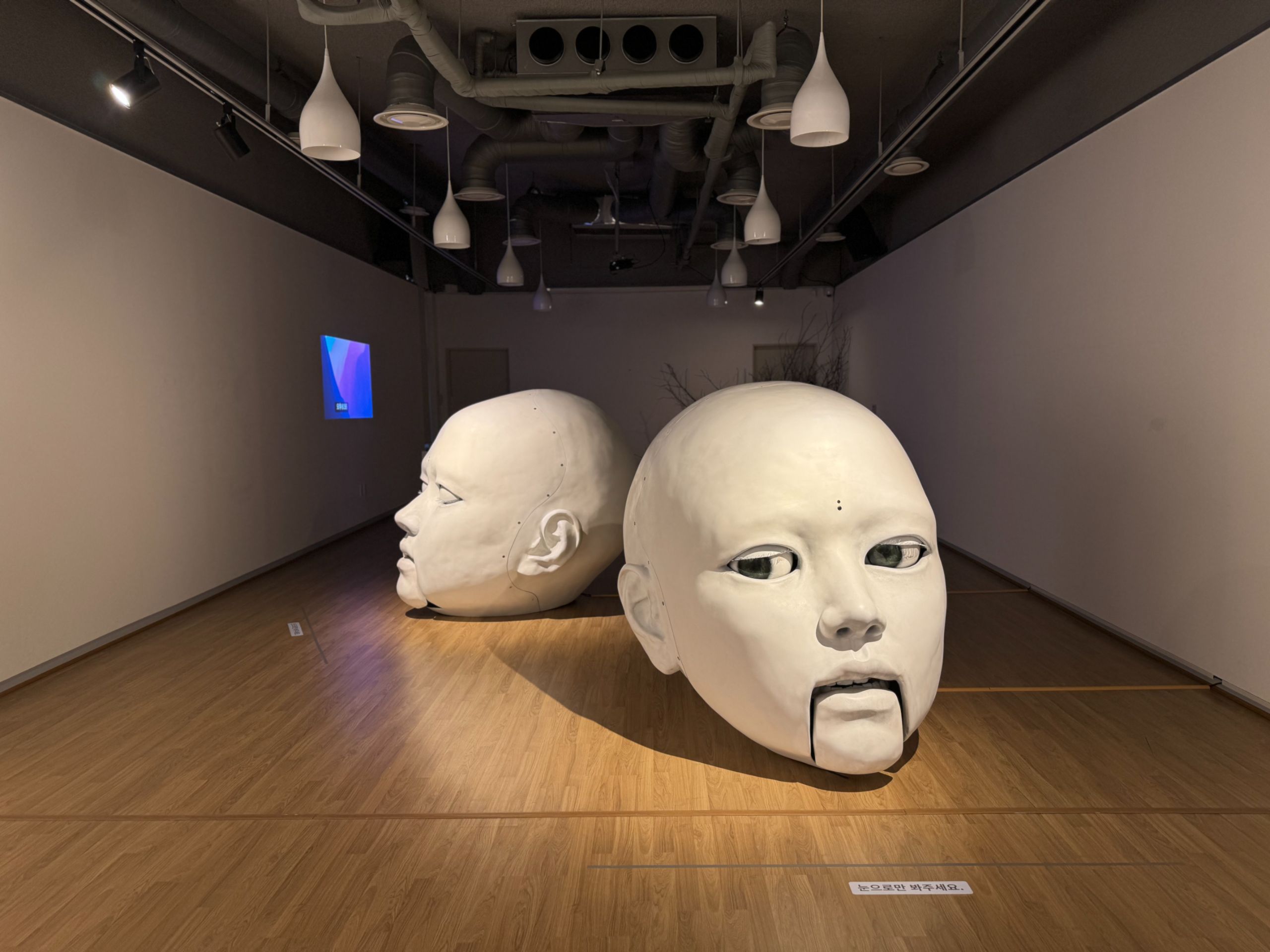
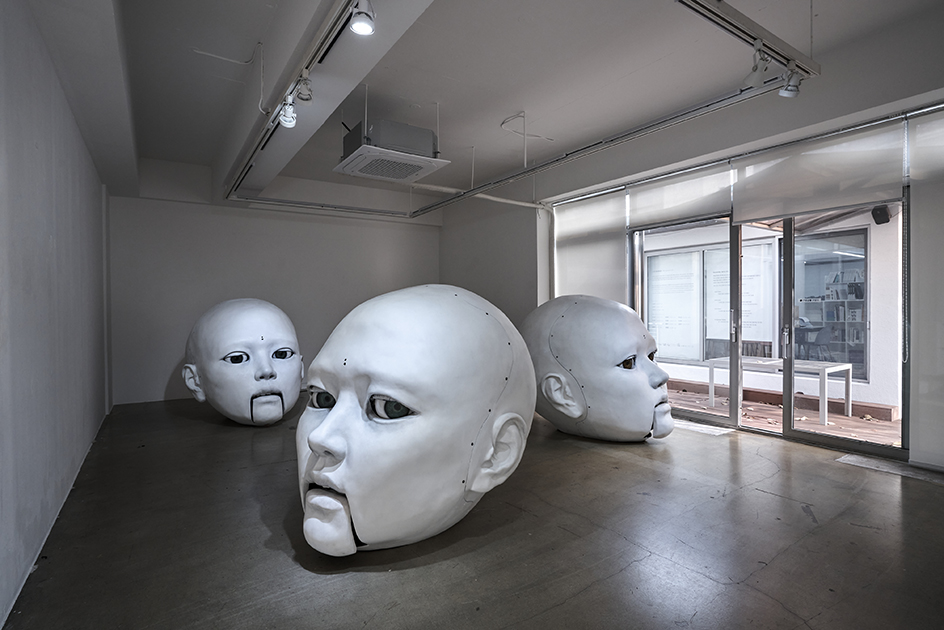
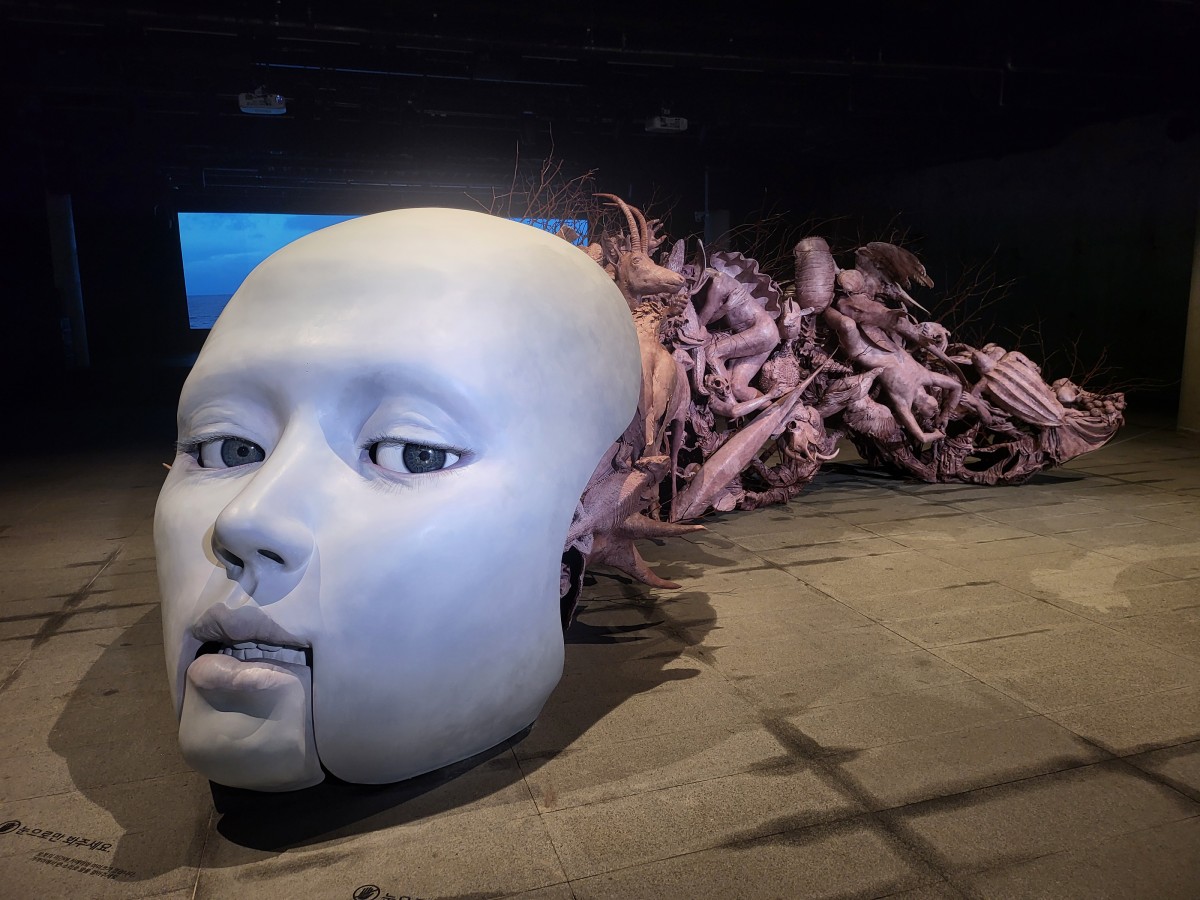
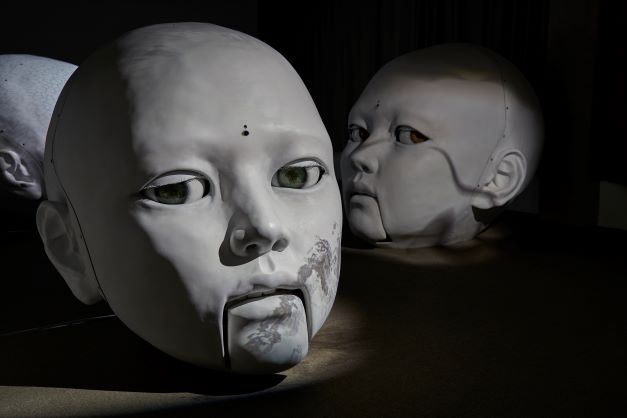
15 solo exhibitions. Notable solo exhibitions include 《Algorithm of
Evolutionary time》(2024, Oil Tank Culture Park T2, Seoul),
《Scaffording: AI Dialogue》(2024,
Sanggye Art Garden, Seoul), 《Incomplete Model》(2023, Oil Tank Culture Park T1, Seoul), 《Unstructured
Data》(2022, Alterside, Seoul), 《Burdensome Skin》(2021, Hoard Gallery, Seoul),
《InterFacial ExTension》(2019,
Post-Territory Ujeongguk, Seoul), 《Je Suis
L’hommelette!》(2005, Alternative Space Loop, Seoul), 《Envious Cyborgs》(2004, Ilju Art House, Seoul),
《Cybernetic Organism》(2002,
Gallery 2, Chicago, IL, U.S.A), among others.
Group Exhibitions (Brief)
Jinah Rho
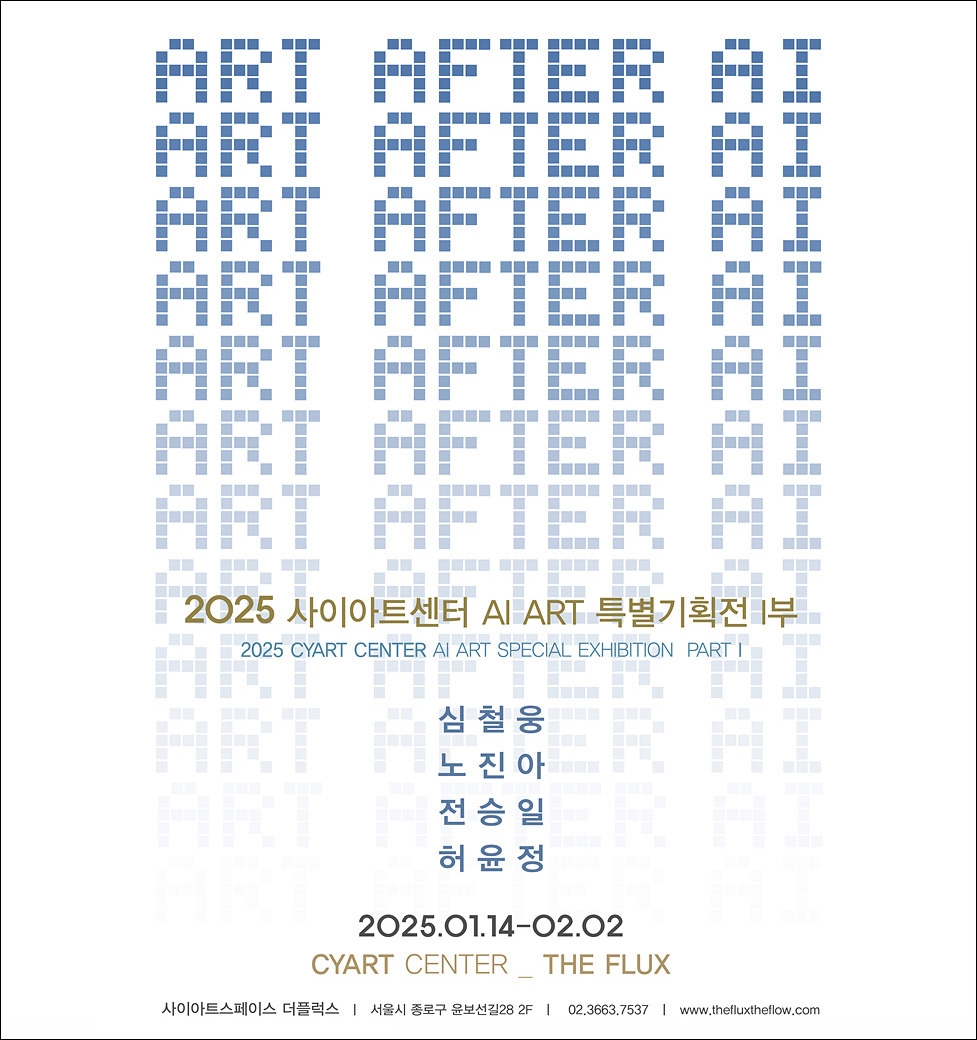
has participated in various group exhibitions such as 《Art after AI》(2025, CyArt Center, Seoul), 《Art and
Artificial Intelligence》(2024, Ulsan Art Museum,
Ulsan), 《Speed of Hyperion》(2024,
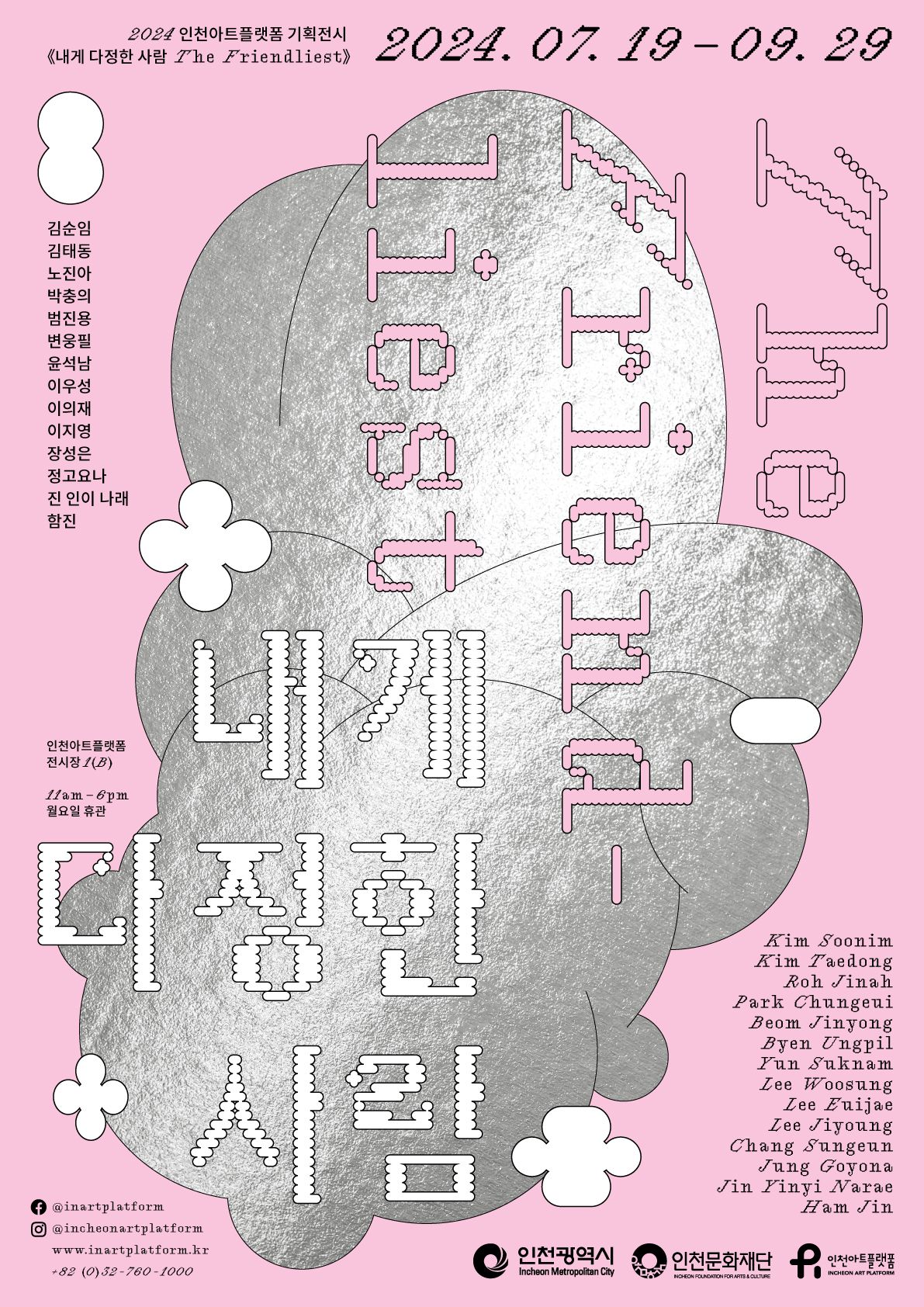
The Hyundai, Daegu), 《The Friendliest》(2024, Incheon Art Platform, Incheon), 《ZIP》(2024, Arko Art Center, Seoul), 《Ho-Gok-Jang》(2024, Savina Museum, Seoul), 《Anxious
Boundaries》(2023, CAN Foundation, Seoul), 《Cabinet of the Ephemeral》(2023, Art Center
Nabi, Seoul), 《On Collecting Time》(2023, Nam June Paik Art Center, Yongin), 《The
Uncanny World》(2022, Museum of Contemporary Art Busan,
Busan), 《Fortune Telling》(2021,
Ilmin Museum of Art, Seoul), 《Our Bright Future -
Cybernetic Fantasy》(2017, Nam June Paik Art Center,
Yongin), 《2012 SeMA Archive: Back and Forth》(2012, Seoul Museum of Art, Seoul), 《Seoul
International Media Art Biennale - Merz’s Room》(2006,
Seoul Museum of Art Namseoul Annex, Seoul), and 《Foooday》(2002, B.Y.O group, Chicago, USA).
Residencies (Selected)
Roh was an artist-in-residence at the Nanji
Art Studio in 2009.
Collections (Selected)
Jinah Noh's works are part of the collections
of the Nam June Paik Art Center, G.Map Gwangju Media Art Platform, and the Iron
Museum.