“Surely there is something
insuperably barbarous in the custom of museums.”
Maurice Blanchot1
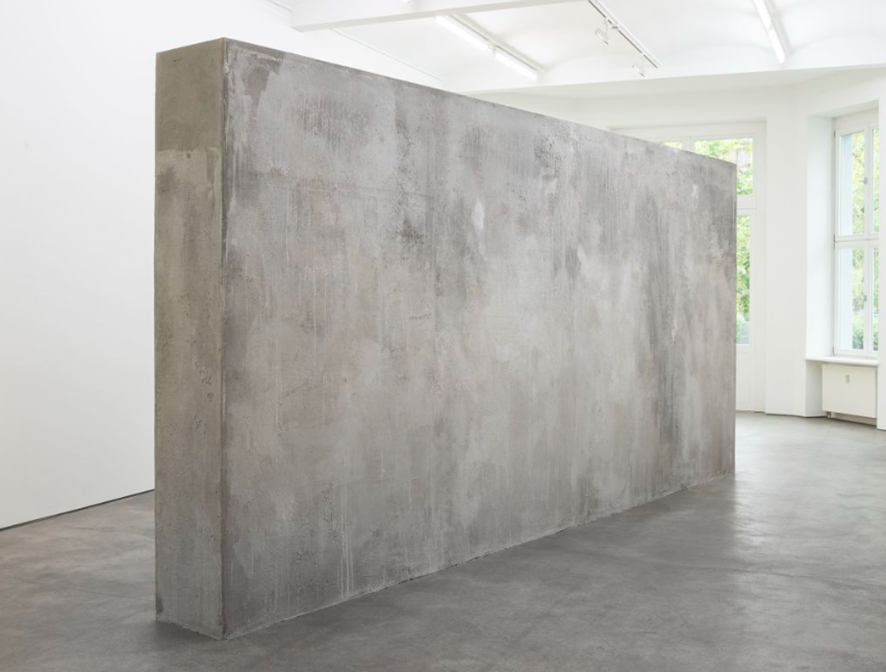
A concrete stela, ancient
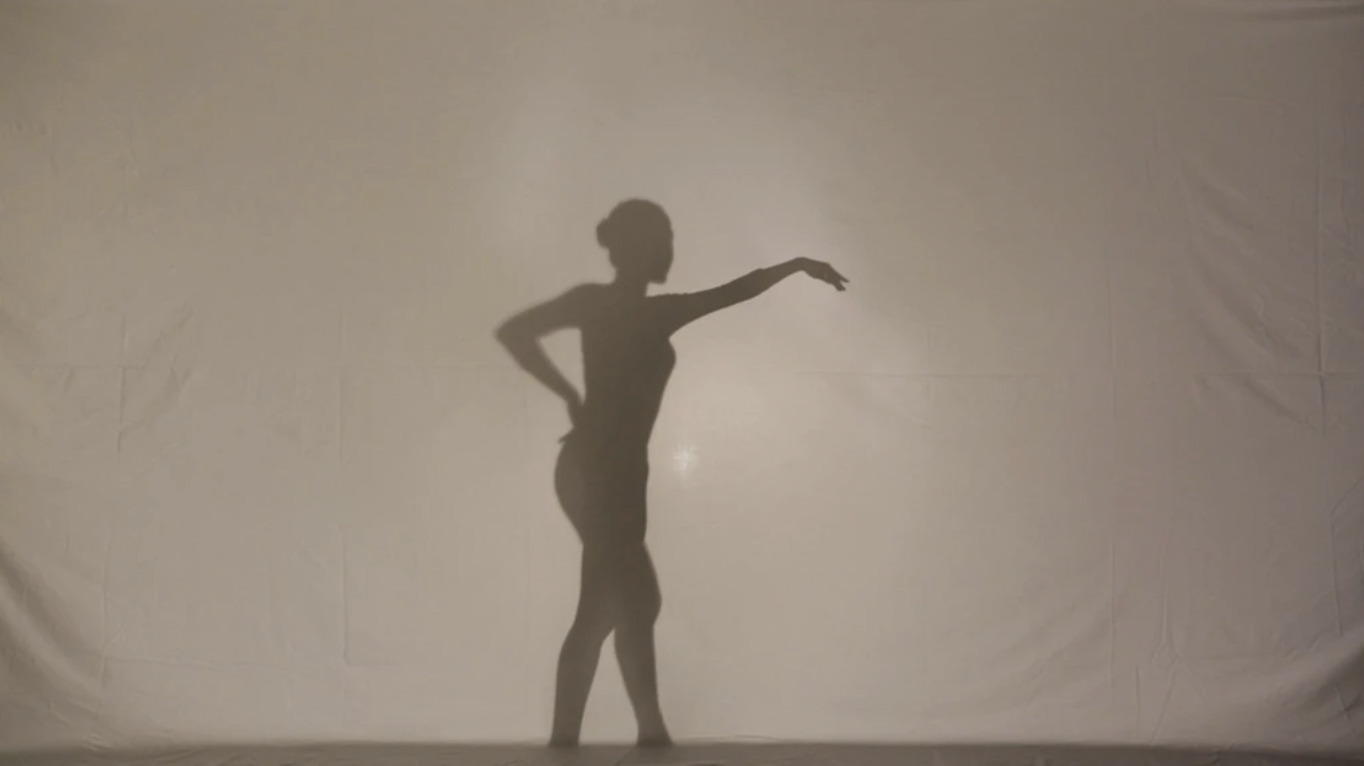
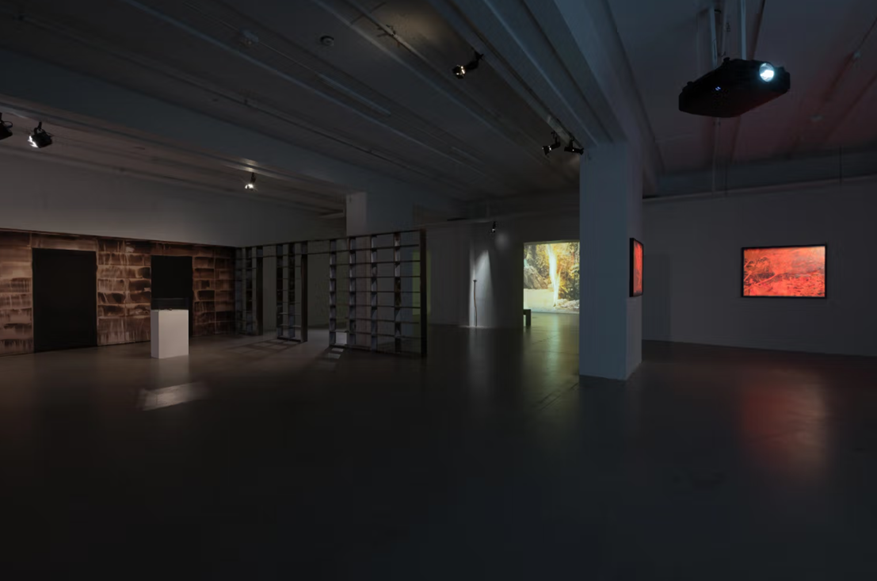
artifacts, a video recording of a female dancer’s silhouette, stones, a vitrine
for relics, representational and abstract drawings in graphite, cubes, a
topographic model of an archeological site and field recording, paintings that
sit somewhere between abstraction and stain, heavy and imposing sarcophagus
from an ancient tomb, and drops of black liquid dripping from a massive
curtain. Viewing Gala Porras-Kim’s exhibition at the National Museum of Modern
and Contemporary Art, Korea (MMCA) is like walking into a group show consisting
of works made by different artists. In each of her works, Porras-Kim adopts a
different method and chooses from mediums that span across drawing, sculpture,
video, installation and sound. For the past decade, the artist has been
investigating museum artifacts, archeological sites, and ancient architectures
with keen interest in their original mode of being as well as their
repatriation. Such concerns manifest themselves in the diverse range of her work,
where the choice of medium accords with how Porras-Kim connects with the
artifacts in question, broods over them, and calls attention to where they
originally belong. Some of them find expression in tangible forms such as
drawing and sculpture, while others culminate in intangible mediums such as
sound waves or movements recorded in video. Furthermore, Porras-Kim presents
the growth of mold and moisture in the air that continue to change over the
duration of the exhibition, calling attention to other forms of life and
agencies within the exhibition space. What begs the question here is the common
thread that runs through these seemingly discrete pieces.
Porras-Kim is interested in what
has been discovered at old archaeological sites, especially those of ancient
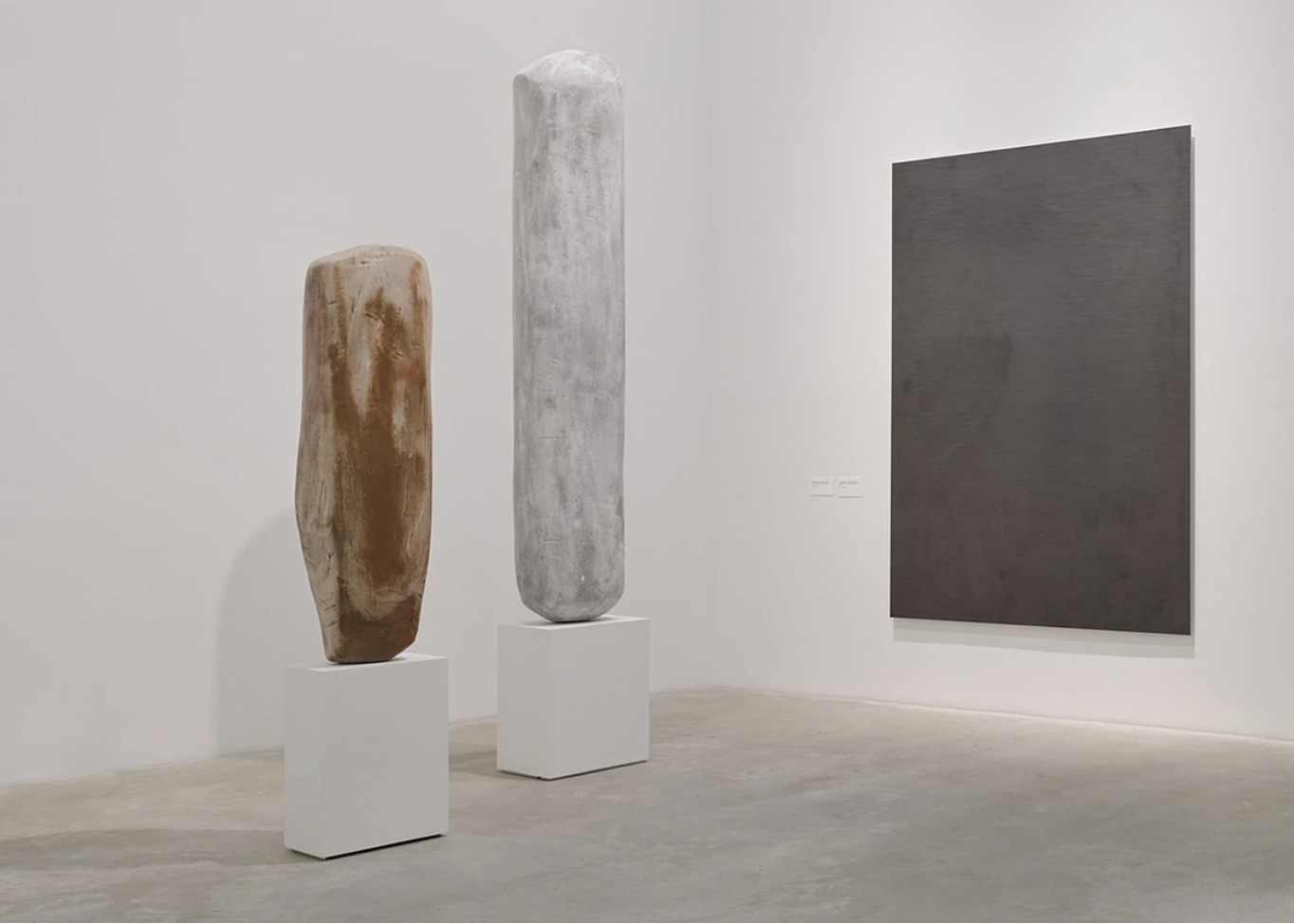
Egypt and Maya or the prehistoric dolmen sites. Proposal for the
Reconstituting of Ritual Elements of the Sun Pyramid at Teotihuacan
(2019) consists of replicas of the two monoliths at the eponymous site, along
with Porras-Kim’s letter to the coordinator of museums and exhibitions at the
National Institute of Archeology and History in Mexico City. Teotihuacan,
meaning “City of Gods,” is known for its large pyramids, among which the Sun
Pyramid is attributed with special astronomical significance for its alignment
with the position of the sun. Although the two monoliths, thought to have
served ritualistic purposes, used to sit inside the top of the pyramid, they
have been moved to the museum for preservation and display, leaving their
hollow negatives behind. Their replicas have been produced by Porras-Kim with
permission from the said institute, and, in her letter to the institute, she
proposes reinserting them to where the original monoliths were, which amounts
to a call for the need to restitute their innate spiritual significance.
Porras-Kim emphasizes the possibility of channeling the efforts into the
reconstruction of the “exterior” of the ancient architectures—once displayed in
the LACMA which held and exhibited those monoliths—into resuscitation of
spirituality inherent in them. Reinserting the artist-made replica stones into
the top of the pyramid would be one possible instance, which seeks to sustain
the link between their transcendental, spiritual significance and what they
were intended for.
Next to these stones and the
letter is Two Plain Stellas in the Looter Pit at the Top of the
Sun Pyramid at Teotihuacan (2019), a graphite representation of
the view inside the top of the Sun Pyramid. Like some of its monochromatic
predecessors, Two Plain Stellas have been worked over a prolonged period of
time, with the artist repetitively and patiently filling the surface with
pencil marks. The utter darkness amounts to a poetic invocation of the
cosmology reflected in the pyramids of Teotihuacan, a city built as a tribute
to the gods. The enormous amount of labor that has been put into building the
pyramids, through which the ancient desperately sought to reach the divine and
immortality, finds its parallel in the length of time that Porras-Kim has
committed to the surface by filling it meticulously with thin layers of
graphite.
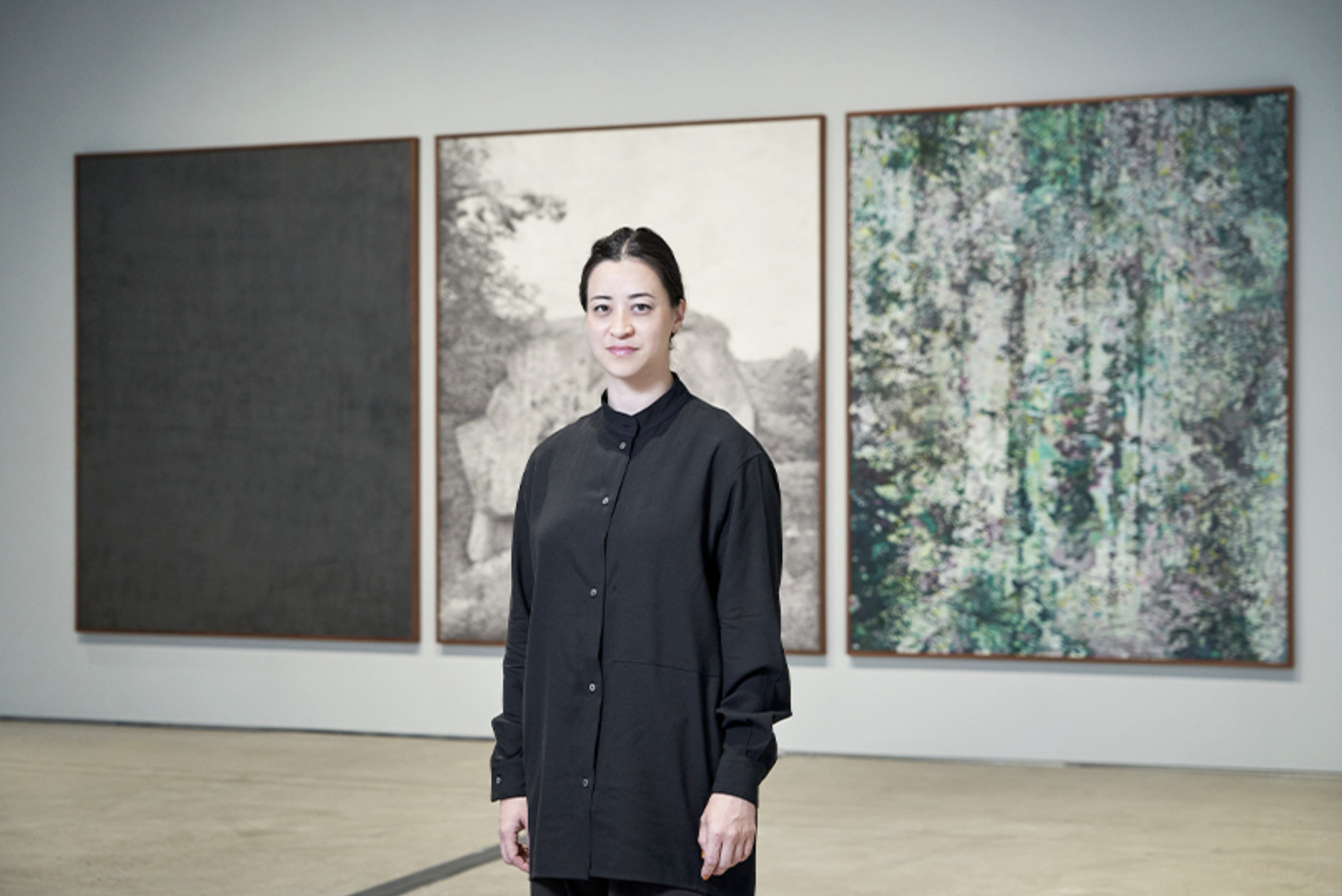
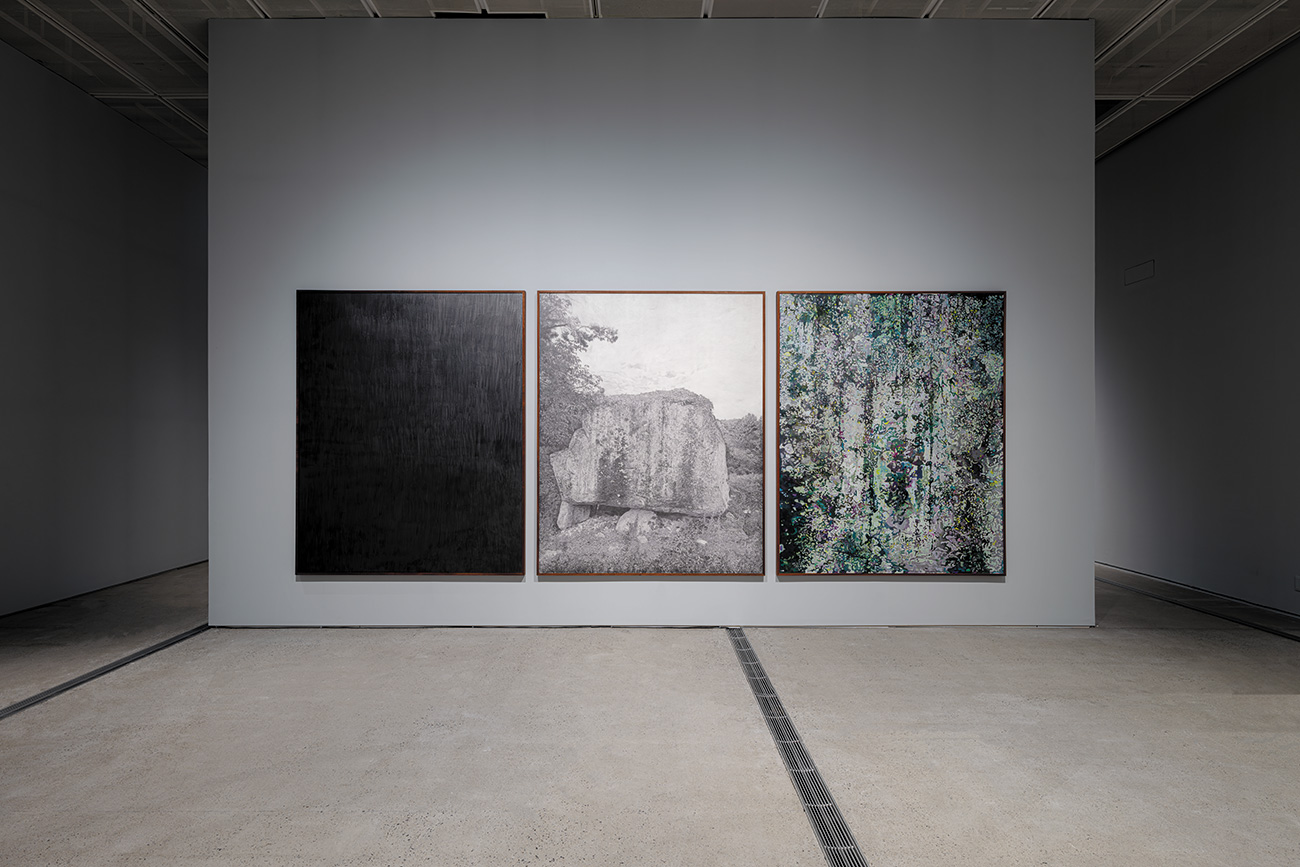
Dolmens are one of the oldest
tombs from prehistoric times. The Weight of a Patina of Time (2023)
is a new work made for the occasion of Porras-Kim’s exhibition at the MMCA, for
which she visited and studied the dolmen site in Gochang, North Jeollabuk-do
Province. Over 500 dolmens, designated as UNESCO’s World Heritage Site in 2000,
provide a glimpse into the funerary and ceremonial customs of the ancient.
Prior to the archeological assessment, however, the dolmen site was deeply
integrated into the quotidian life of the locals, where they would sundry
vegetables and laundries. Such different modes of being that cut across
multiple temporalities of this dolmen site have caught Porras-Kim’s attention,
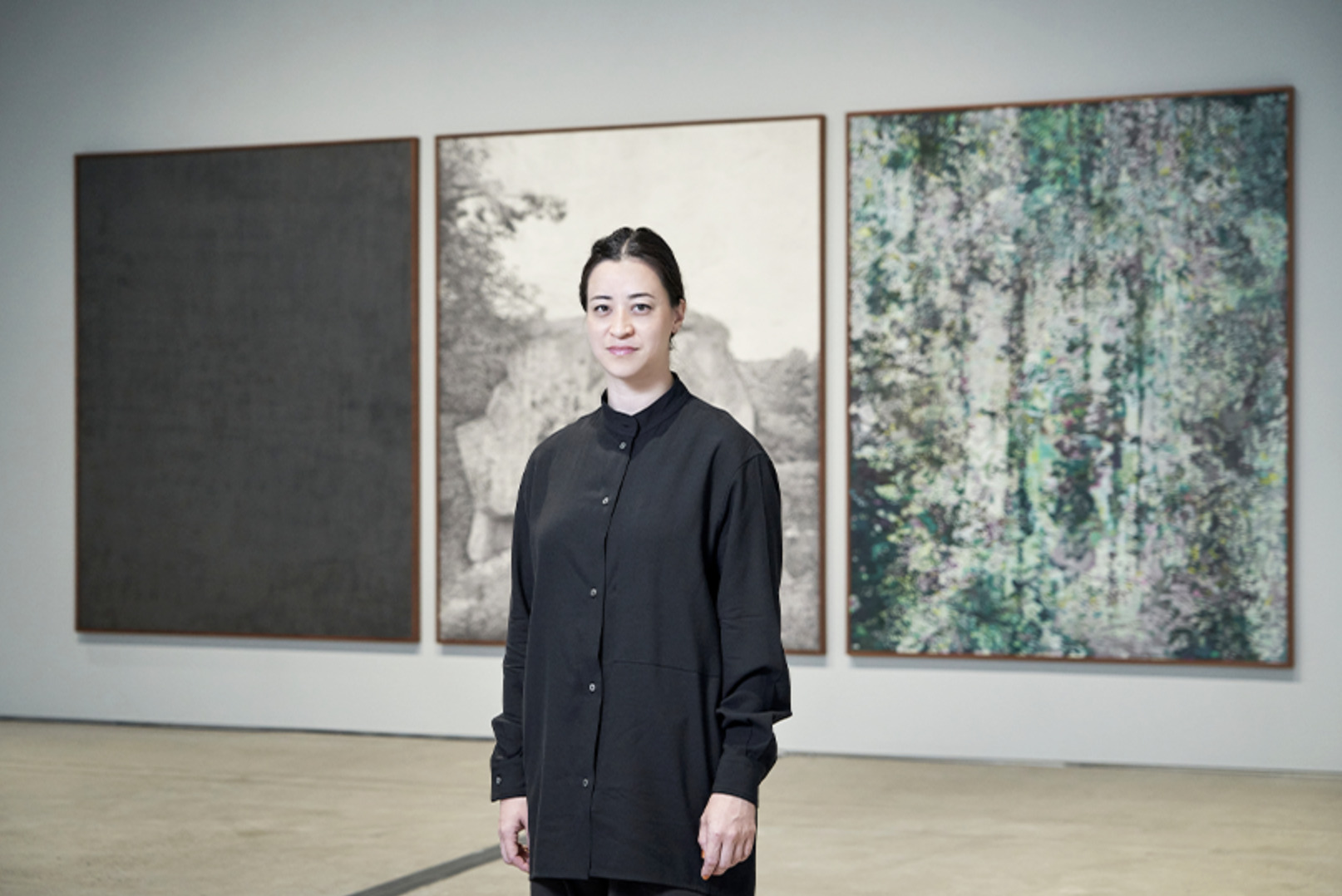
which resulted in a two-dimensional triptych: The first is a graphite drawing
depicting what the dead would see in a dolmen—in other words, the pitch dark
inside the sarcophagus, which alludes to its funerary purpose; one in the
middle is a naturalistic rendering of the dolmen as we see it today, that is, as
a historical site and a tourist spot; the last work traces a magnified image of
moss that grow on the surface of the dolmen. The two seemingly abstract images
on both sides of the representational drawing are in fact representational
themselves: the left portrays what lies before the eyes of the dead and the
right living creatures. One communicates with the time transcended, while the
other with the time of the living.
Museum Sickness2
“The museum is indeed the
symbolic place where the work of abstraction assumes its most violent and
outrageous form. … this space that is not one, this place without location, and
this world outside the world, strangely confined, deprived of air, light, and
life…”
Maurice Blanchot, excerpt from
“Museum Sickness”3
Sunrise for 5th-Dynasty
Sarcophagus from Giza at the British Museum (2020) suggests that
the Egyptian sarcophagus, in which a dead body of a pharaoh or aristocrat is
placed, face east according to the ancient customs. The arrow drawn on the
floor marks the direction toward which the original sarcophagus in the British
Museum should be rotated, while its reproduction in the exhibition is
positioned to face east—the direction in which the sun rises and its mastaba
lies. Mastaba Scene (2022) depicts the perspective
of the dead lying inside the sarcophagus—in other words, the unfathomable depth
of darkness, which tends to be wiped out by the lighting in the museum.
Porras-Kim has embarked on these works as she began exploring the British
Museum’s collection of ancient Egyptian and Nubian funerary art during her time
at Delfina Residency in London in 2021. In her letter proposing a drawing of a
ancient desert museum large enough to envelop the vitrine, with corresponding
folds, in which the granite ka statue of Nenkheftka is enclosed, Porras-Kim
writes as follows:
“Since you “hold the
largest collection of Egyptian objects outside Egypt and tell the story of life
and death in ancient Nile Valley,” it could seem daunting to understand and
accommodate so many people’s eternal plans. Fortunately, many of the labels you
have provided in your current display already outline the specific needs for
their exposition. These guidelines might not interfere with the museography and
the day to day activities at the museum and could be an opportunity for
curating for that ancient audience to consider their positioning and views for
sights beyond the grave. Such a small step to repairing the potential
disruption caused by the relocation for the people who planned so well, can
expand our knowledge of aspects of life which might be lost to us now.”4
Museums are deeply implicated in
the Western modernity. The inseparability between the British Museum and
colonial modernity is evidenced by the fact that it holds the largest
collection of ancient Egyptian artifacts outside of Egypt. The museums in the West
find their origin in the cabinet of curiosities—be it cabinet de
curiosités or Wunderkammer—of the European aristocracy. Not
only do they store and showcase the so-called “rarities of the world,” a notion
based on the exoticism that renders the non-Western civilizations the
mysterious other and therefore an object of curiosity, but they also acquire
their collections through colonial exploitation and looting, and thus serve as
the core space that inherits the colonial legacy of Western modernity. While
such implications inevitably raise questions regarding repatriation of the
looted artifacts to the country of origin and therefore ownership over cultural
property in the legal discourse today, Porras-Kim takes on the question of
repatriation and restoration on a more fundamental level, which pertains to not
only their place of origin but also their “original” context—that is, concerns
over the divine, religion, and afterlife out of which such relics were born.
What the artist asks is how we are to approach and restore, for example, the
notion of immortality inherent in these ancient relics from the ancient’s point
of view—the intended audience of the mysterious artifacts and sublime statues
or buildings. All of these concerns bear on the various proposals Porras-Kim
makes to the institutions, where she questions the ways in which we could
provide the spirits of the dead, alongside the associated artifacts, with
comfort and respite from the forced acculturation or displacement. For
instance, Porras-Kim takes advantage of the opportunity opened up by the fire
at the National Museum of Brazil in 2018—which marked its 200th anniversary of
its foundation during the Portuguese colonialism in 1818—during which Luzia, a
name given to the oldest mummified woman found in the Americas, has also
partially been lost along with the museum’s many other collections. Porras-Kim
insists on cremating the rest of the body that was recovered, which would free
her from the museum’s grasp as a historical object and finally put her to rest.
Her insistence entails seeing Luzia, thought to have been a 25-year-old woman
some 11,500 years ago, as a person and not an artifact for genomic
reconstruction.5
Most of Porras-Kim’s
compassionate letters were unanswered, and none of her proposals have been
accepted or realized yet. They nevertheless remind us of how the act of
collection and exhibition amounts to deracination of the ancient objects,
dehumanizes the dead in the name of museological practice, and severs the
cosmological connection and communication between spiritual worlds that
transcend not only our understanding but also our being. Instead of serving as
a space devoted to artistic creation, the museum “forces us,” Maurice Blanchot
claims, “by means of an exclusive violence, to set aside the reality of the
world that is ours, with all of the living forces that assert themselves in
it.”6 In describing the pain of seeing the restored mosaics of
Umayyad Mosque at an exhibition space, estranged from their place of origin,
Blanchot names the museum a violent and blasphemous place of abstraction.
Unlike the “real space, thus, a space of rites, of music and of celebration,”7 a
space of exhibition is open for everyone from all over the world without
imposing a particular theology. Nevertheless, Blanchot warns us, what it does
is no different than the satisfaction of Lord Elgin, an imperialist who stole
marbles of the Greek Parthenon and brought them to London. Objects such as
these marbles “offer themselves to us…in the secret essence of their own
reality, no longer sheltered in our world but without shelter and as if without
a world.”8 The grief of seeing these objects that have been
abducted by the archaeologists corresponds to the irony of the museum, a term
that signifies essentially conservation, tradition and safety, whose authority
grants status of art to things once they are congealed into permanence
without life. For Blanchot, museums are where “this lack, this
destitution, and admirable indigence”9 is laid bare in one way
or the other. Perhaps it is what Blanchot has called “a radiant solitude,” a
presence of a world, that Porras-Kim sees in the artifacts that are kept in the
safety of the museum, or, in other words, hidden away from their place of
birth.
In her two dimensional work
titled A Terminal Escape from the Place that Binds Us (2021),
Porras-Kim attempts to communicate with a mummy that dates back to the 1st
century from the Gwangju National Museum collection. Captivated by the
shamanistic traditions in South Korea that revere spirits of ancestors through
various rites, the artist spoke with a number of South Korean museum curators,
only to confirm that the dead are seen as objects of research and conservation
in their practice as well, belying the cultural expectations. Porras-Kim makes
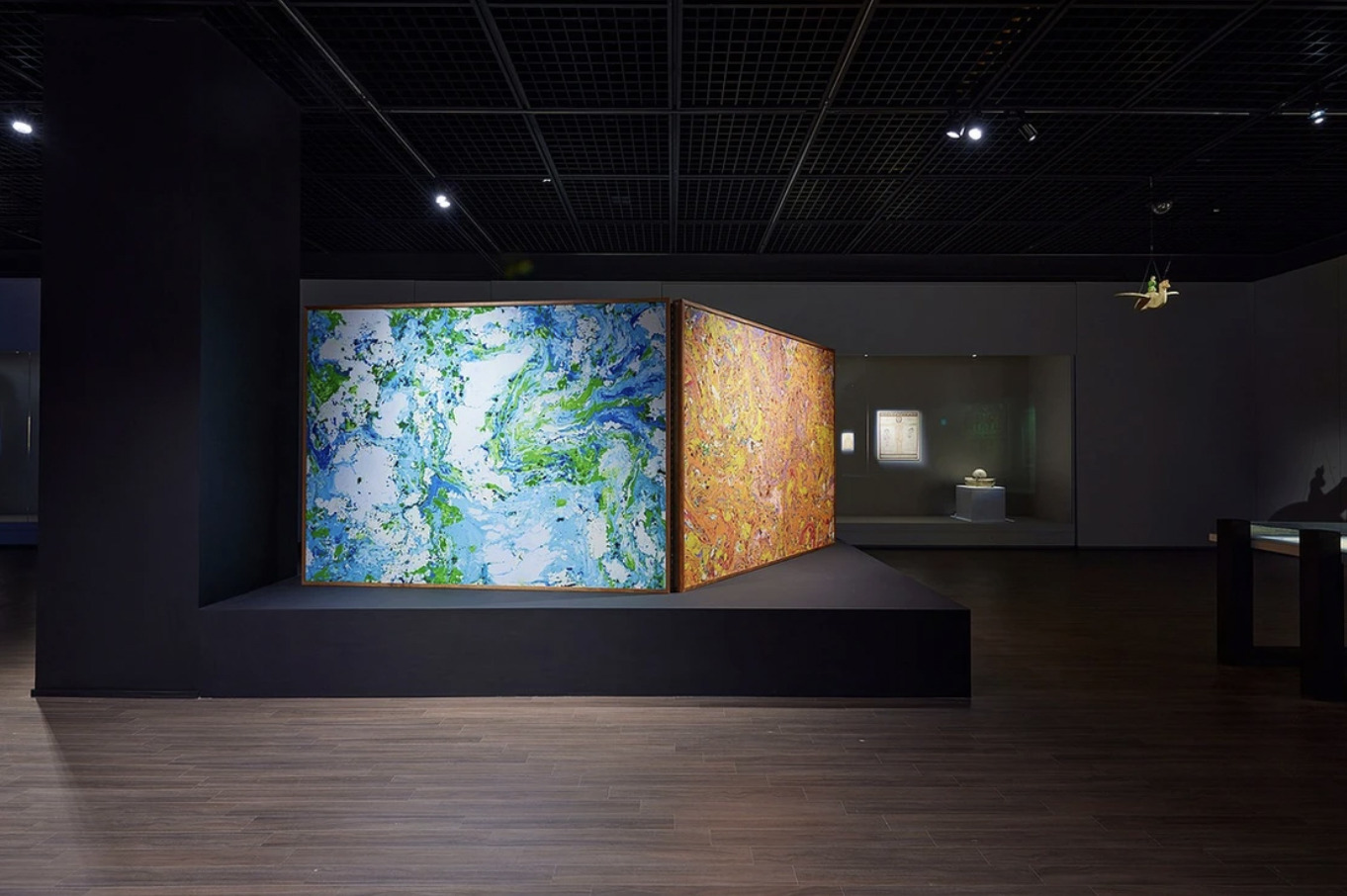
yet another proposal in this regard, insisting on figuring out where the mummy
wishes to be buried via means of shamanic ink divination. This process involves
dropping ink in a puddle of water while potentially making contact with the
spirit of the dead, and knowing that there could be information of a location
within the incoherent patterns it creates, and transferring them via paper
marbling, which could contain the wish of the spirit. The colorful swirls created
thus, which give the look of modern abstract painting, not only potentially
speak on behalf of the spirit but also serve as a testament to Porras-Kim’s
commitment to their ontological reinstatement.
Such a practice of hers belongs
to a type of institutional critique situated in the tradition of the
avant-garde art. Her letters provide a glimpse into the activist side of her
practice, evidenced by Porras-Kim’s insistence on showing respect for the dignity
of the dead, the ancient cosmology, and the spirits of the ancestors—in other
words, things that lie beyond the purview of Western rationality and by
extension colonialism. These are addressed to none other than the museums, the
coffin-like institutions that exemplify the complex matrix of Western
rationality where law, bureaucracy, and academic specialization intersect.
Instead of opting for radical interventionist tactics commonly associated with
such a practice, however, Porras-Kim employs rather familiar, traditional
mediums such as drawing, and sculpture for unfolding her profound ontological
insights. While her proposals, persuasive and composed in their style and tone,
is cut across by the meridian of the animistic world of spirits, the lyricism of
her work—evident in the night and the stars, the glimmer of sun shining through
closed eyes, the asymptotic horizons, or the songs made in tribute to the
forbidden love between two brothers—carves out a soft, delicate space for
poetics. In Porras-Kim’s work, the archeological artifacts shed themselves of
their designation as object of knowledge, marked by titular information such as
chemical and material composition or chronology, and reach out to the viewer in
their ontological precarity and loss, their mysteriousness and solitude.
Through such a nuanced approach, Porras-Kim enables the viewer to resonate
deeply with the accountability of museums as a space for the spirits of the
ancient and their worldview as well as restoration of their dignity but also
the ontology of archeological objects.
Porras-Kim’s lyricism persists
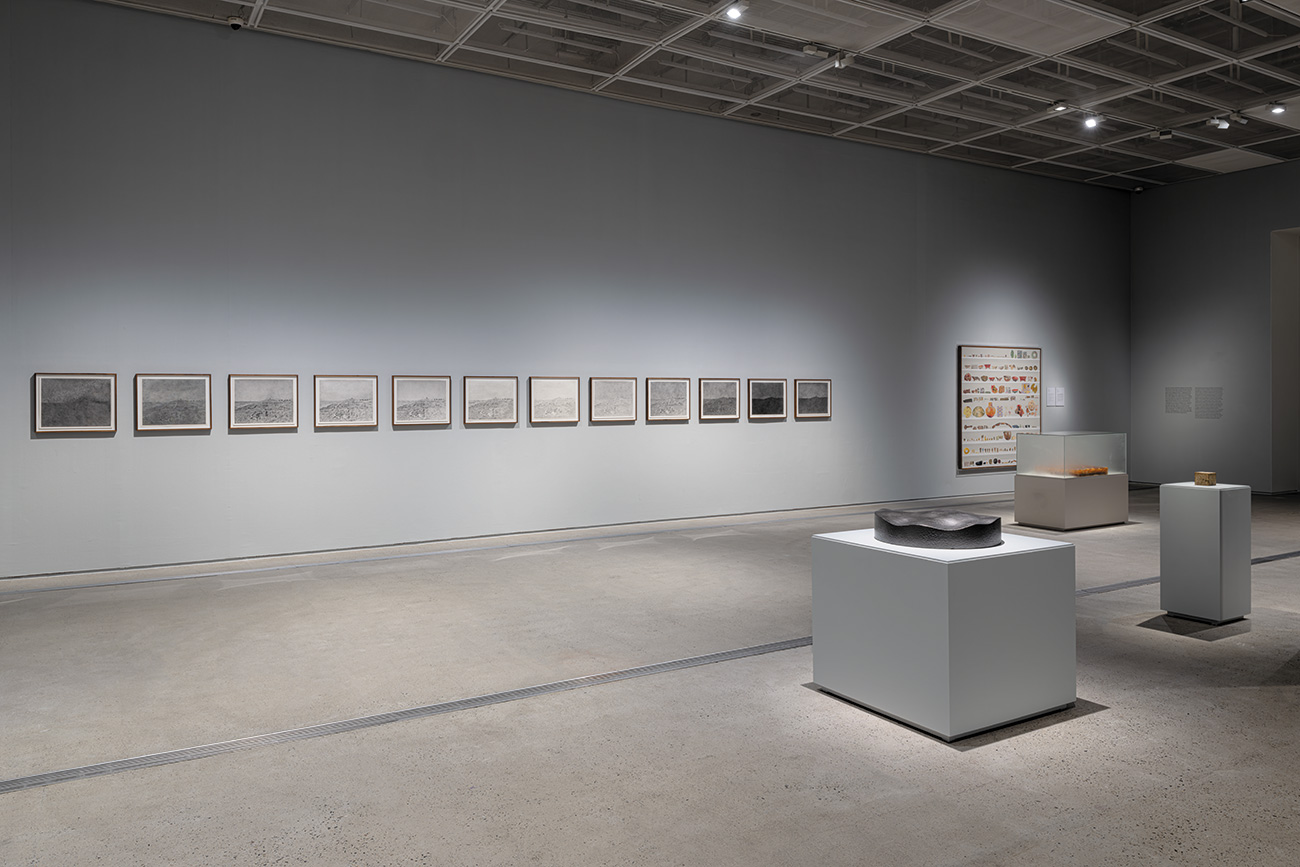
in Asymptote towards an Ambiguous Horizon (2021),
a series of twelve graphite drawings depicting the changing landscape of
Göbekli Tepe in Turkey—a neolithic World Heritage Site designated by
UNESCO—over twenty-four hours at a two-hour interval. The work also features a
soundscape of the site, which is played back from a scaled-down topographic
model of the site. Göbekli Tepe or “Potbelly Hill,” one of the world’s oldest
known human-made structure that dates back 12,000 years, harbors a secret of an
ancient architectural technology that surpasses the Pyramid of Giza or the
Sumerian civilization in time, with the most notable feature being twenty or so
circular enclosures made up of T-shaped stone pillars that amount to nearly two
hundred in total. The site had been buried 760 m above sea level when it was
discovered by coincidence, and excavation is still ongoing. Although it is
believed to have been a temple, some speculate that it was built to observe
Sirius or other astronomical events.
When the site visit became
unfeasible in 2020 due to COVID, Porras-Kim sought help from astronomers and
Google Earth for her drawings: the skyscape, northwest to the site, has been
drawn according to the star formation from 12,000 years ago provided by an
observatory, whereas the current day landscape is based on images generated by
Google Earth, where the user is able to change the position of the sun and by
extension the lighting of the image. The drawings of the ancient skyscape
juxtaposed with the modern landscape reconstruct the twenty-four hours at
Göbekli Tepe, during which heaven and earth draw ever closer to each other at
the horizon but never meet. These lyric drawings, which aspire to the
primordial and incomprehensible time, quietly move in and out of multiple
guises—a personal tale, myth, mystery, and state-owned resource—as they, in a
purely auditory sense, traverse across the soundscape composed of various
sources ranging from the wind passing through the site to video- and
voice-recordings pertaining to the site.
Soul Design by Mold and Moisture10
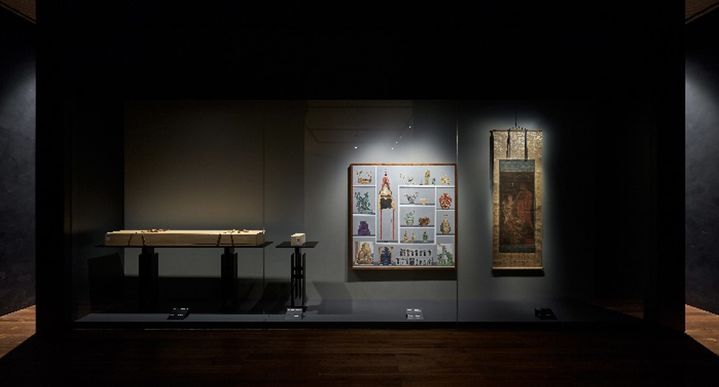
No actual artifacts are found
inside the vitrine. What persists before the viewer’s eyes, however, are their
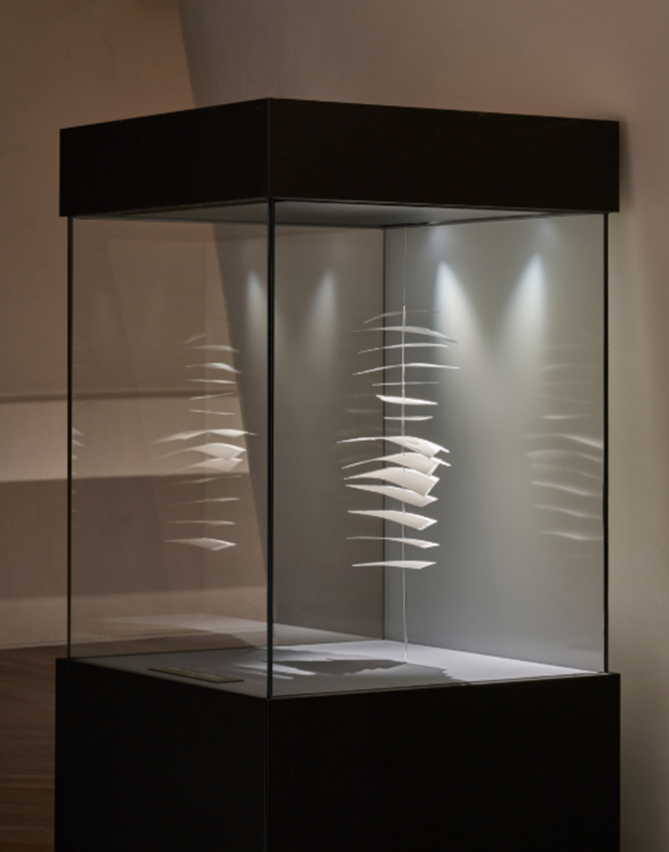
semblance, their existence which is their soul. In her solo exhibition at Leeum
in 2023, Porras-Kim replaced one artifact at the museum with paper pieces
arranged in a way that casts a shadow identical to that of the original object
when lit by the lighting. Depending on the angle from which they are looked at,
the shadow blurs or sharpens, in the latter case of which reveals the
enigmatic, captivating contours of the replaced object. Through this shadow
constantly coming in and out of existence, the artifact enters a nonmaterial
state, or, in other words, engages in spiritual communication.
“What if we were to
imagine the soul as an “event,” as something that cannot be owned but only
exists in the intermediary realm? Wouldn’t this enable us to pose the question
of animism differently—not as a question of what possesses a soul, but as a
question of the different forms of being animated and animation, understood as
a communication event? What if “the soul” was the medium of such event? After
all, each of us is capable of distinguishing an animated conversation from an
un-animated one—however, articulating this difference or even objectifying it
is incomparably harder. And “exhibiting” this difference can virtually only be
done in the form of the joke or the caricature.”11
The aforementioned work in paper
fragments and their shadow, Gourd-shaped Ewer Decorated with
Lotus Petals Display Shadow (2023), is shown inside of glass
vitrine at the antiquity section of Leeum, which brilliantly resonates with
what Anselm Franke explains in his notion of “soul design,” amounting to a
witty sculptural event that sets in motion the animistic property of the
archaeological object. This is to say that Porras-Kim’s work entails far more than
simply preaching how ancient spiritual traditions ought to be respected by the
museums. Porras-Kim engineers and facilitates “animated conversations” in her
works—or objects. In fact, animism is native to conversations in contemporary
art, and she employs various conceptual strategies to animate such
conversations in visually concise, minimalist forms.
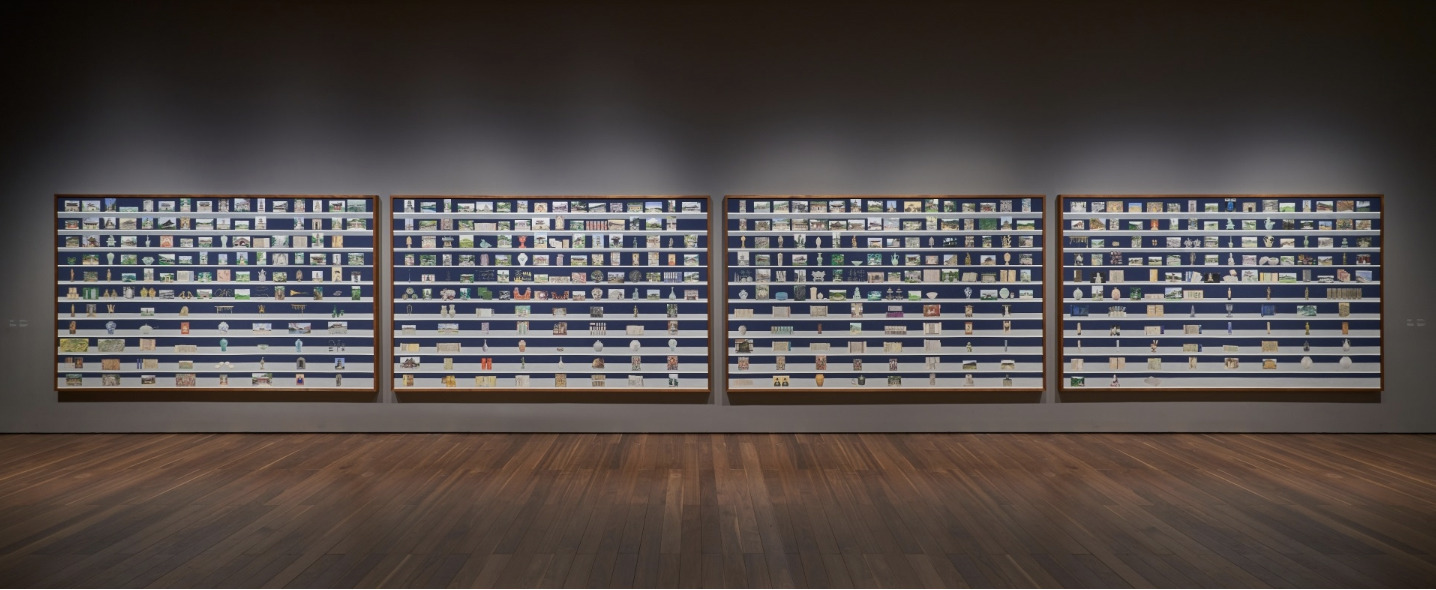
303 Offerings for the
Rain at the Peabody Museum (2023) is a two-dimensional life-size
reproduction of ancient artifacts discovered from the Chichén Itzá cenote, one
of the sacred sinkholes with exposed groundwater on the Yucatán Peninsula of
Mexico, within the dimension of 183 × 183 cm (or 72 × 72″). Originally intended
as offerings to Chaac, the Mayan god of rain, these objects were found
submerged, dredged and are currently in the storage of the Peabody Museum at
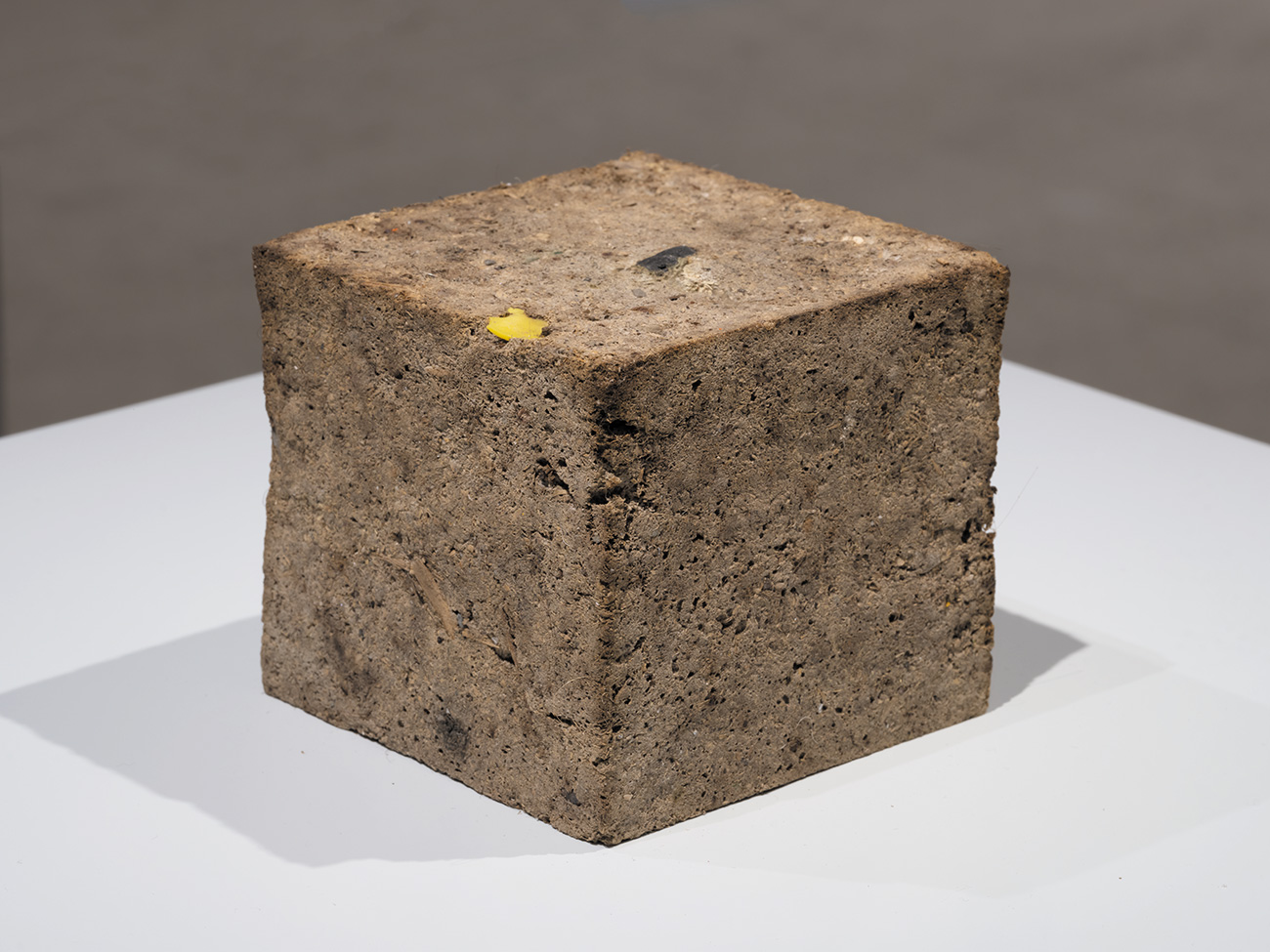
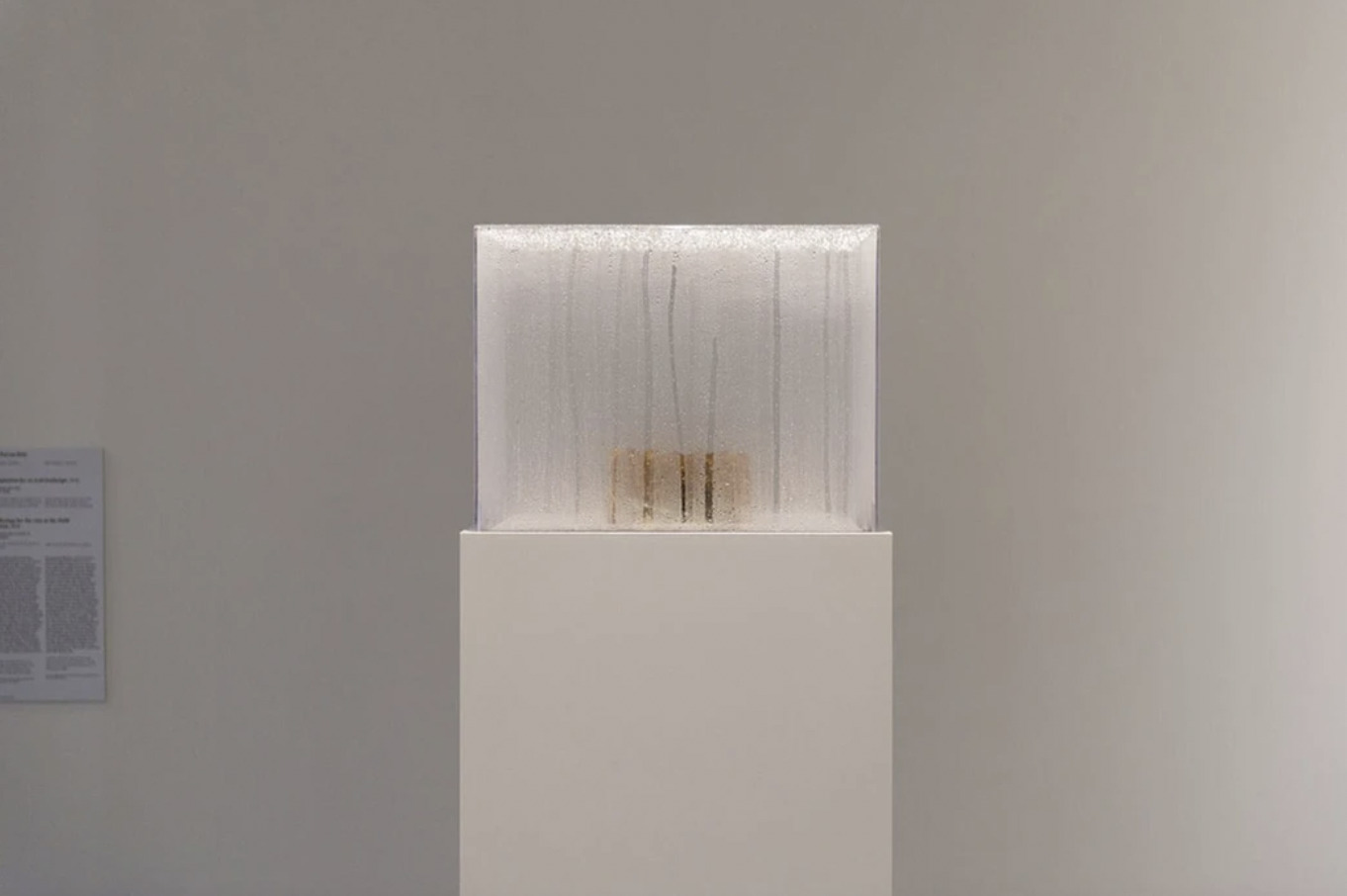
Harvard. They have inspired Precipitation for an Arid
Landscape (2021)12, a work that takes copal13—one of
the most commonly found material in the cenote and a binder—and dust collected
from the storage at the Peabody. It is placed inside a glass case full of
moisture, which is the result of instructing each exhibiting institution to
devise a strategy for bringing rain water to the installation. According to
Porras-Kim, this is a reunion between Chaac and the offerings made to him, or
consolation for the displaced spirits, accomplished at last by taking advantage
of the very discretionary power of the museum.
For some of her work, Porras-Kim
regularly makes requests for particular arrangements for moisturization to the
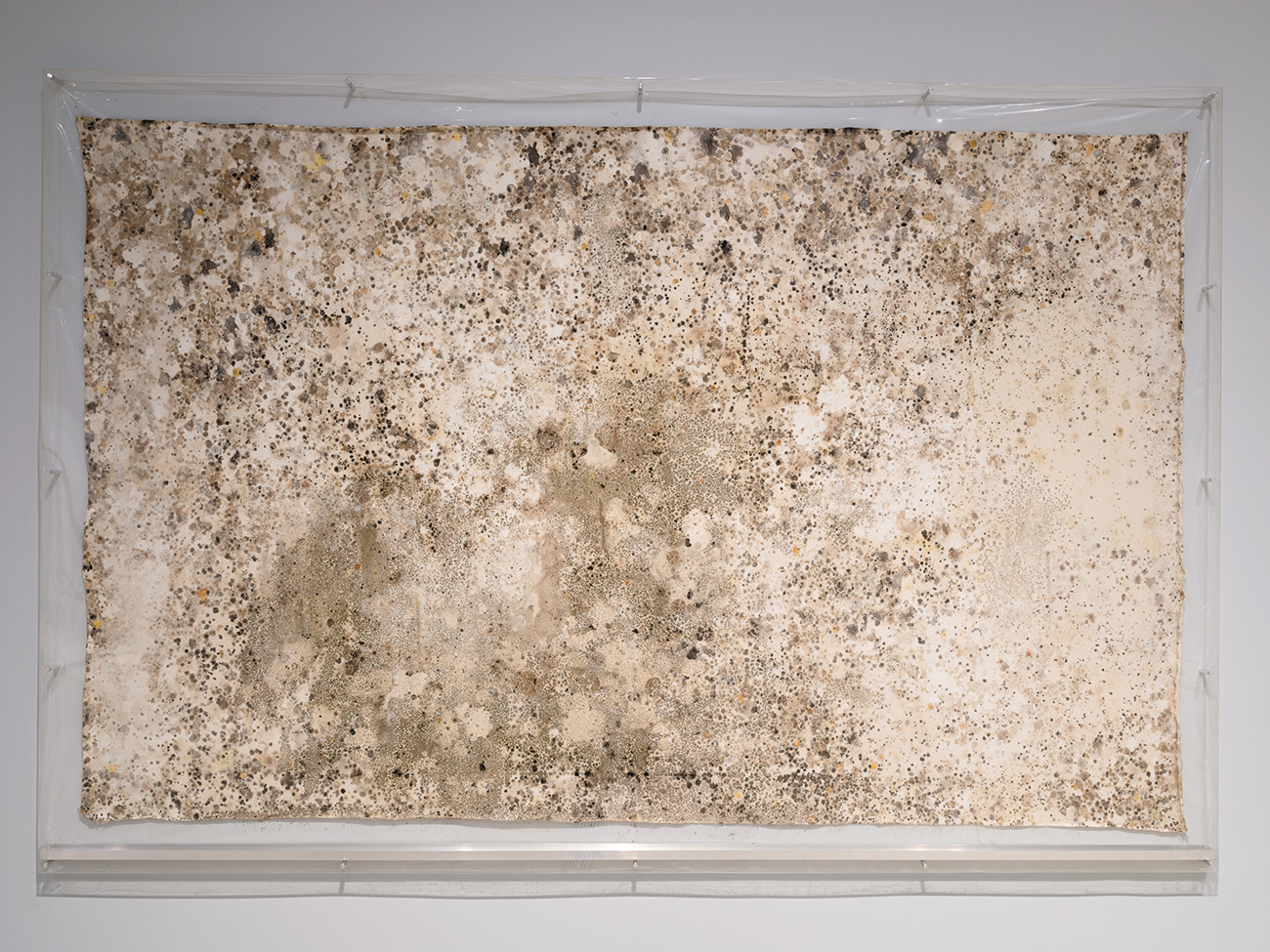
museums. In Out of an Instance of Expiration Comes a Perennial
Showing (2022), Porras-Kim cultivates mold spores obtained from
the museum storage on a muslin cloth by providing it with moisture. The mold
spreads and evolves over time, producing a new image of abstract patterns on a
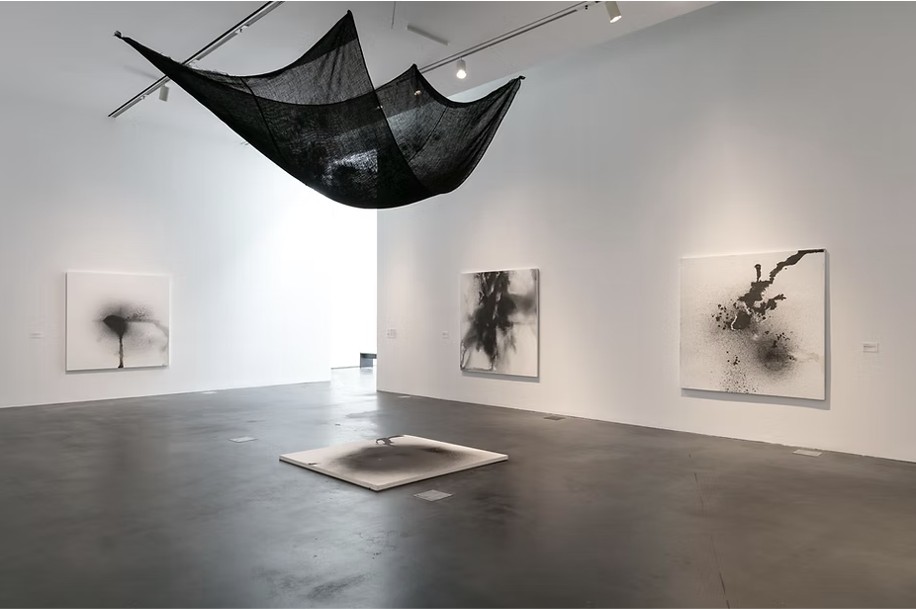
daily basis. In the back end of the exhibition space hangs Forecasting
Signal (2021), where invisible moisture collected by the
industrial dehumidifier finds its way onto a hanging burlap canopy soaked in
liquid graphite. The water, when accumulated enough, drips through and leaves
its trace on the panel installed underneath. The drops of black liquid represent
the amount of moisture accumulated throughout the exhibition period,
“signaling” the minute changes in the indoor climate such as humidity level.
The climate controls of the museum are a telling sign of its built-in
aspiration toward a clinical space, a sealed cube where microorganisms remain
inactive. The events taking place during the exhibition are none other than the
interaction between organisms and the microbiome that animates one another.
There is a bizarre sense of humor or irony in bearing witness to the
reincarnation of what ought to have been exterminated in the museum. What first
catches the attention of the visitors in these two works are the patterns of
the molds and graphite stains or the way that the burlap hangs from the
ceiling. Although for the viewer they take the guise of traditional mediums
such as drawing, sculpture or installation, the set of concerns and
performative gestures that Porras-Kim presents before her audience, from ritual
for spirits of the ancient to exhibition that consists of conversations between
objects, spring from the comprehensive inquiry into things that ought to
inhabit the museum.
Porras-Kim has continued to
produce works that reflect on the symbolic structures of the Western
rationality and colonialism through research into specific archeological sites
and collections, imagination and ontological understanding of archeological objects.
Her works occasionally manifest in poetic moments of coming into contact with
the animist cosmology, where, traversing a wide range of
approaches—institutional-critical, conceptual, poetic, pictorial, etc., the
soul design of objects in contemporary art intersects with ancient cosmology.
Porras-Kim appeals to the spirit inherent in the ancient objects as if facing
an actual person in her own right, summons the stars in the ancient night sky
as if reciting poems, sees and speaks on behalf of the dead and their relics,
and engenders conversations between the museums and their macrobiotic
environment. The archaeological objects are, in some sense, the age-old
diasporic beings. Communicating with these objects takes place in the communal
time shared between the humankind and their ancestors. To whom does the death
of the ancient belong? What does it mean to “own” an object from a world that
far exceeds our measure of understanding? In what ways should museums exercise
their discretion? What do we see and not see in the museum—a space saturated
with the very act of seeing? How do archaeological objects and works of art
pave the way for animated conversations? These are critical and crucial
questions that lie in Porras-Kim’s decade-long artistic pursuit. In conjunction
with these inquiries, the artist demands and exercises alterations while
relaying age-old yearnings from the afterlife. Her works are vibrant—individual
entities that manifest vitality, memory, and solace. Not only do they aspire to
communal restitution, but they also shine through as events of animism.
1. Maurice Blanchot, “Museum
Sickness,” in Friendship, trans. Elizabeth Rottenberg (Stanford CA:
Stanford University Press, 1997), 45.
2. This expression takes after a
title given to one of the chapters in Blanchot’s Friendship, “Museum
Sickness.” Ibid..
3. Ibid., 47.
4. This is quoted from
Porras-Kim’s letter to Daniel Antoine, Acting Keeper at the the British
Museum’s Department of Egypt and Sudan. The letter is also shown alongside the
works in the exhibition.
5. This is the content of
Porras-Kim’s Leaving the Institution through Cremation is Easier than as a
Result of a Deaccession Policy (2021). The letter is showcased next to a
framed sheet of paper towel with an ashen handprint.
6. Blanchot, Friendship, 48.
7. Ibid., 47.
8. Ibid., 49.
9. Ibid, 48.
10. The term “soul design”
derives from the chapter in Anselm Franke’s catalogue book for the
exhibition Animism. See Anselm Franke, “Animism: Exhibition and Its
Concepts,” in Animism (Seoul: Ilmin Museum of Art, 2013), 24.
11. Anselm Franke, Animism,
24-25.
12. For the occasion of the
exhibition at MMCA, this work is exhibited alongside 303 Offerings for the
Rain at the Peabody Museum.
13. According to Porras-Kim,
copal is a resin extracted from trees and used as incense for ritual.