The
“Korean Wave” (Hallyu), which began with television dramas in China in 1997,
has since continued through K-pop and now extends beyond Asia, captivating
audiences around the world. In fact, the term “Hallyu” was originally coined by
Chinese media to describe the widespread popularity of Korean popular culture.
Over time, its meaning has expanded to refer more broadly to the phenomenon in
which people overseas admire and embrace Korean culture itself.
Looking
back over Korea’s 5,000-year history, it is difficult to find another moment
when Korean culture enjoyed such widespread popularity across so many regions
abroad. There are historical records of Goguryeo’s performance arts and Baekje
music attracting attention in neighboring parts of Asia during the Three
Kingdoms period, and cultural exchanges continued intermittently thereafter,
but these were generally limited to specific countries or modest in scale.
Contemporary Hallyu, however, has spread from East Asia to the rest of the
world, inspiring enthusiasm among young people overseas. This is undoubtedly an
event worthy of record in the history of Korean culture.
Faced
with this unprecedented phenomenon of Hallyu, many have likely asked themselves
what it is about “us” that appears so appealing, and why we have been able to
produce such cultural output. In truth, this wave presents a clear opportunity
to firmly establish Korea’s standing as a cultural force on the global stage.
Accordingly, voices from across society have proposed various perspectives on
how Hallyu might continue to grow, rather than remain a passing trend, and go
on to lead global culture and the arts.
However,
it is important to emphasize that such efforts must begin with a reflection on
Korea as a nation and on the identity of Koreans themselves. In other words, in
order to seek answers, we must first return to the fundamentals.
Behind
well-crafted songs and impressive choreography performed by visually striking
stars, behind entertainment agencies that understand global markets and deploy
sophisticated strategies, and behind the beautifully composed images, actors,
and narratives of dramas and films that captivate audiences worldwide, there
lies Korea as a country and Koreans as people.
Today,
perhaps driven by the popularity of Hallyu, programs featuring open auditions
for aspiring singers, announcers, and actors—along with the process of
selecting them—have proliferated, attracting thousands who hope to become
stars. At the same time, shows in which established celebrities compete
artistically for the top position have captured the attention of the entire
nation.
Listening closely to the opinions of judges on these programs reveals a
common thread: rather than imitation of established models, they seek potential
in those who, even if still imperfect, preserve their individuality with
sincerity and possess strong fundamentals. The belief is that only those who
understand their own origins and build upon a solid foundation can give rise to
something genuinely new and valuable. No matter the field, appearances alone do
not endure. Just as well-tilled soil yields richer harvests from the seeds sown
upon it, this principle is not a new one.
The
renowned psychoanalyst Clotaire Rapaille argues in his book ‘The Culture
Code’ that understanding culture requires first identifying the archetypes
underlying people’s behavior and thought. He also emphasizes that emotion lies
at the base of the cultural unconscious that forms these archetypes. Has it not
been said that art is ultimately a search for identity?
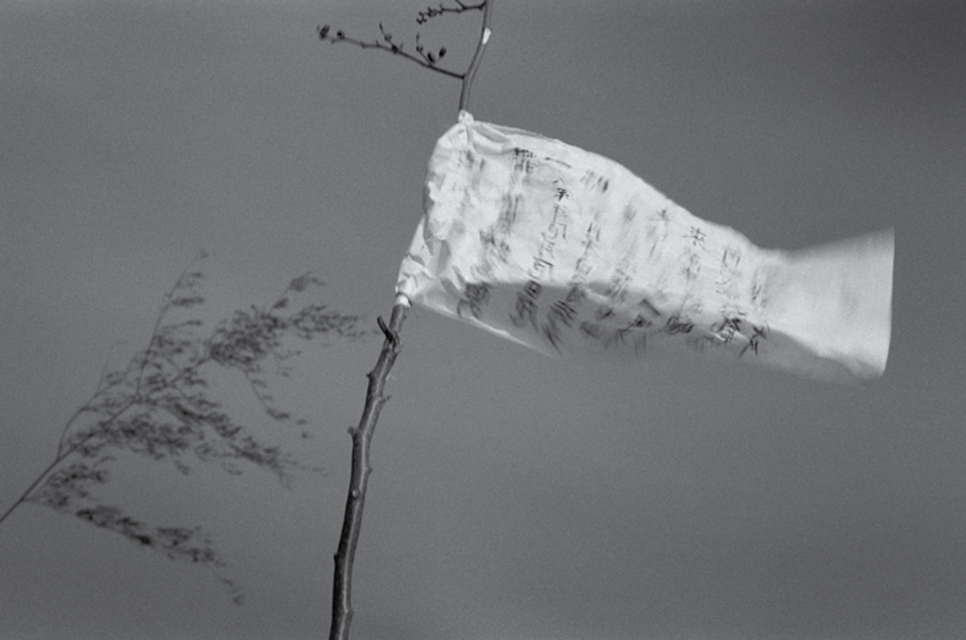
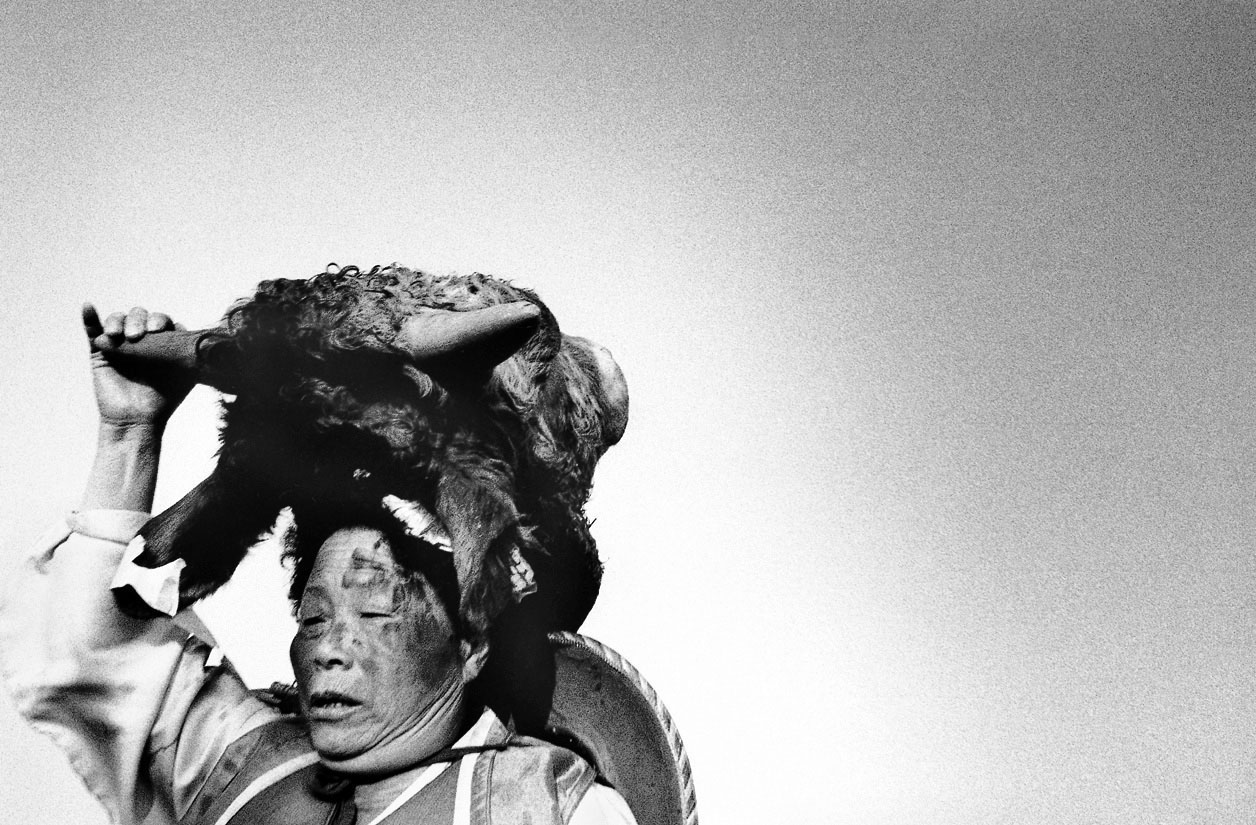
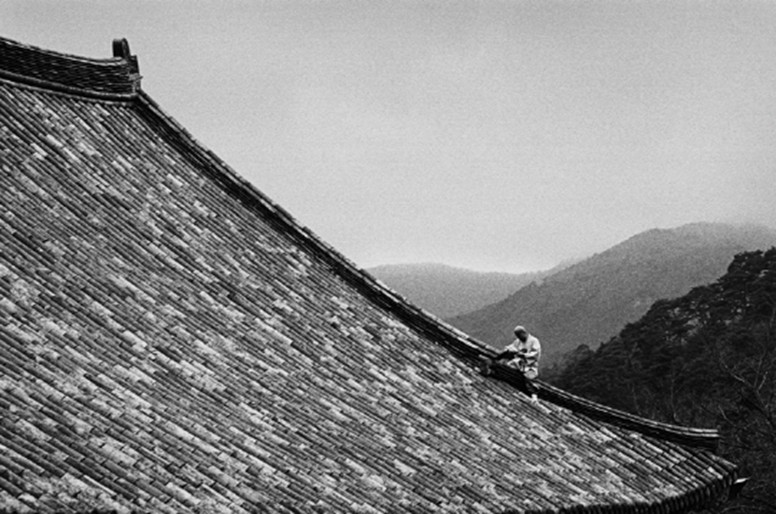
To understand the
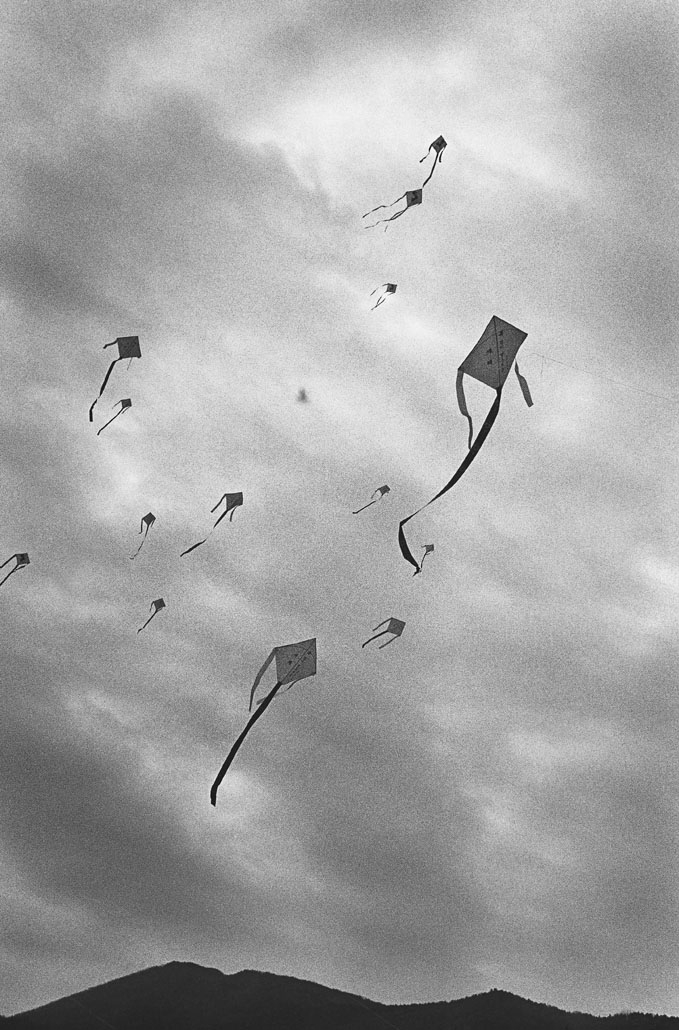
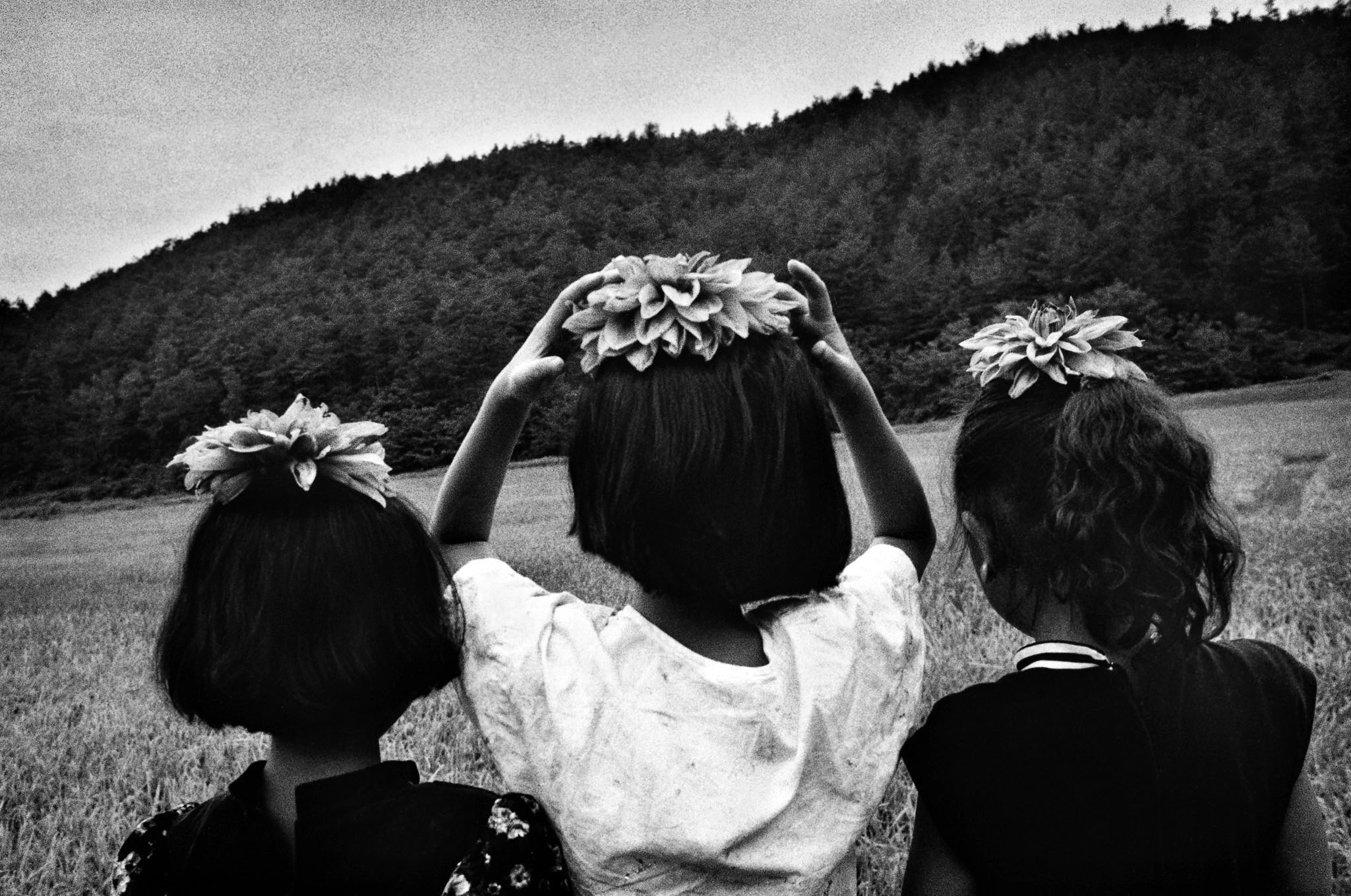
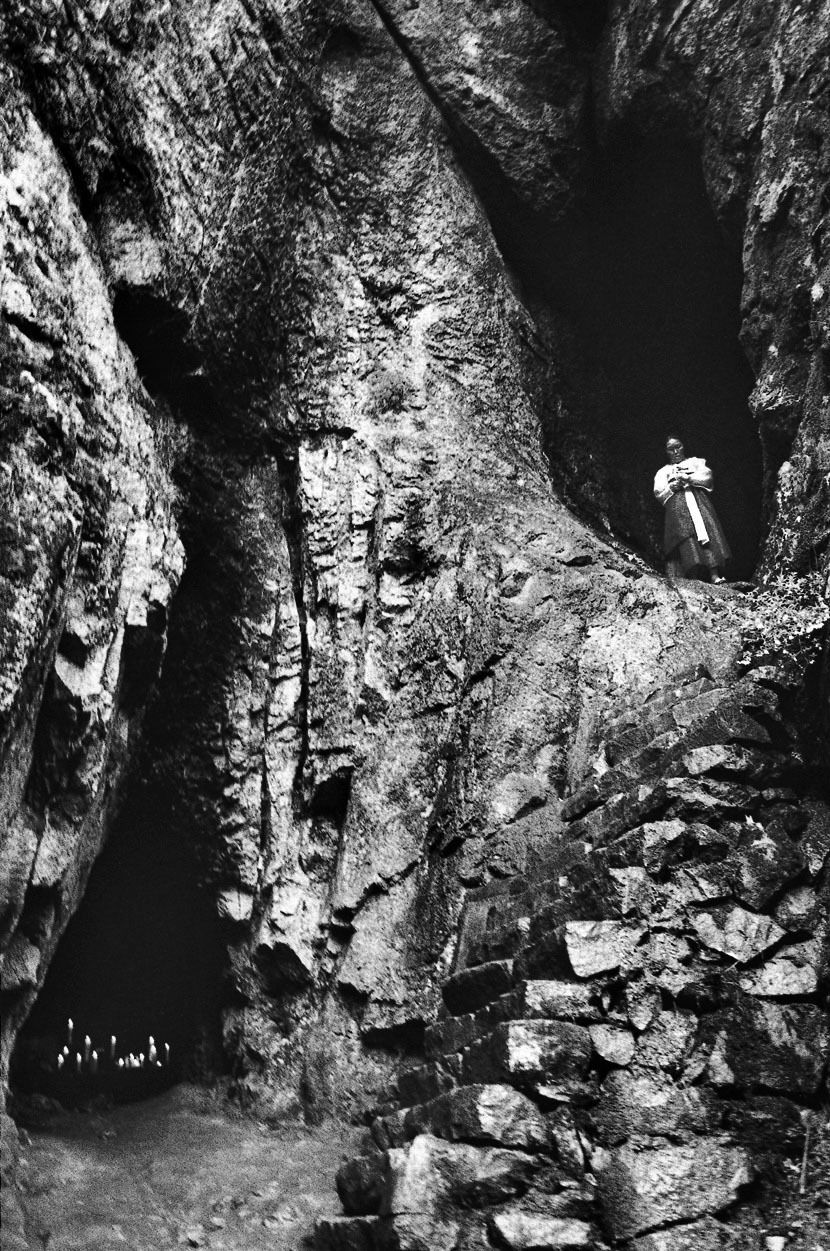
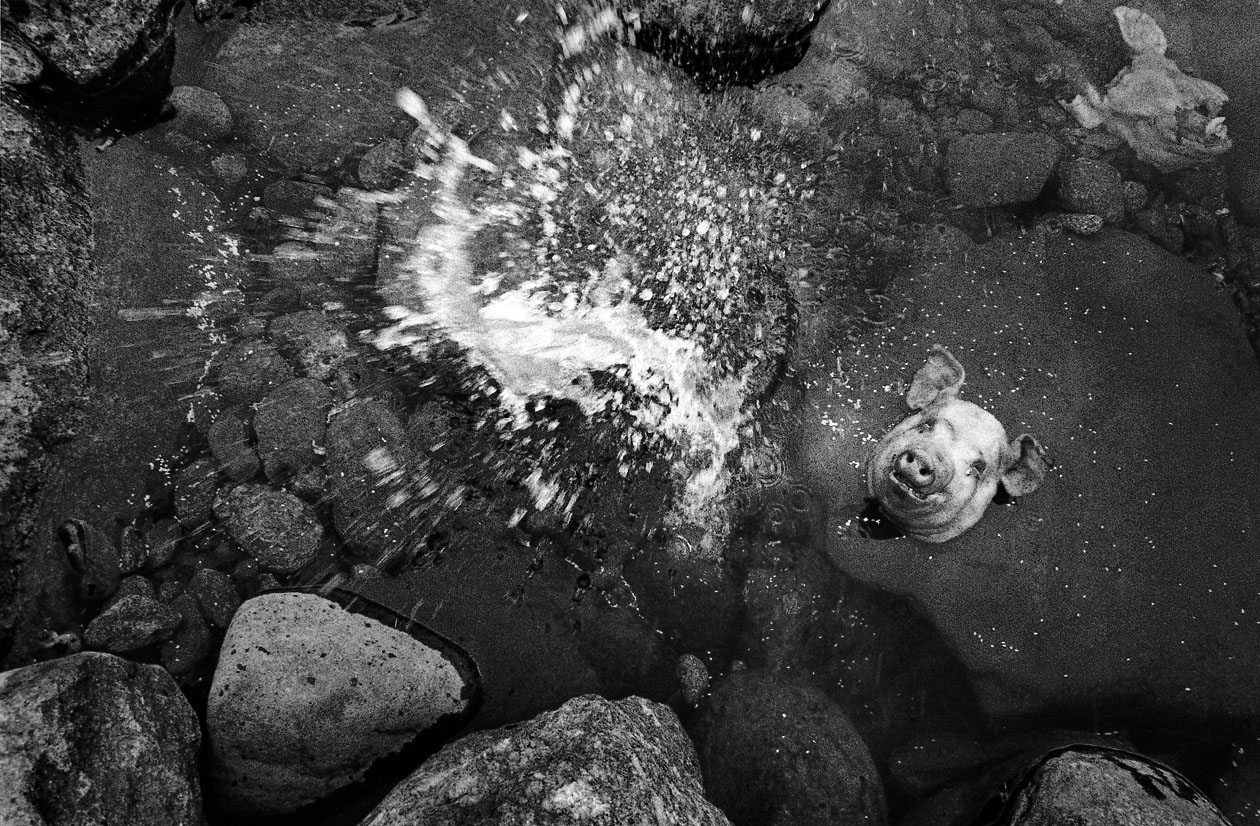
underlying strength of “Korea” and “Koreans” that is now astonishing the world,
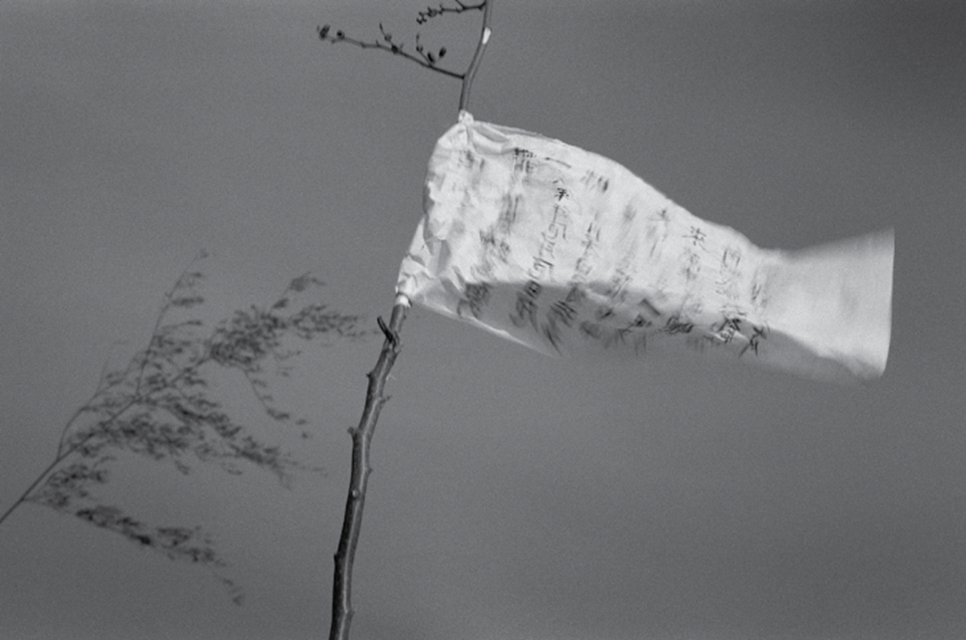
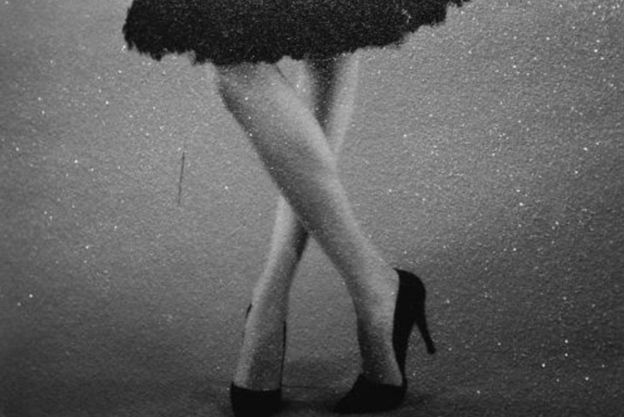
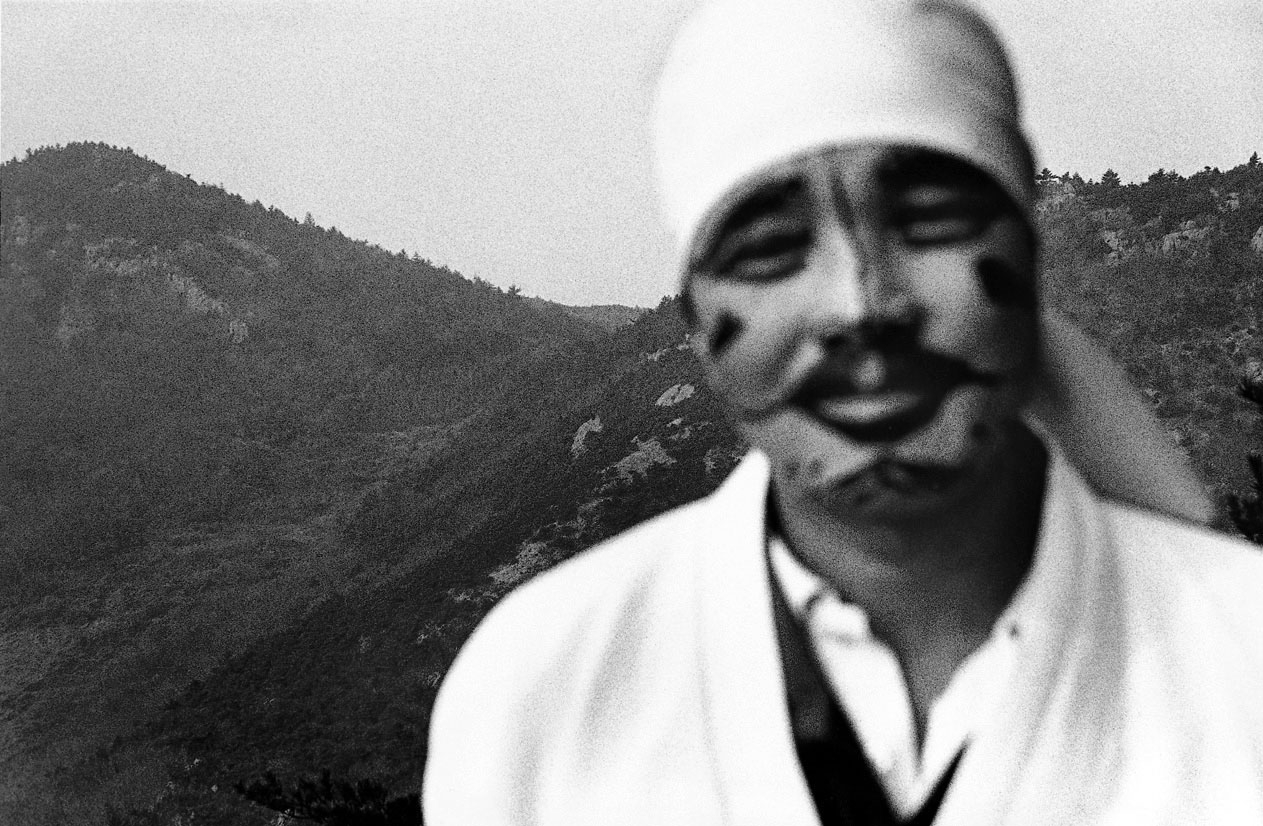
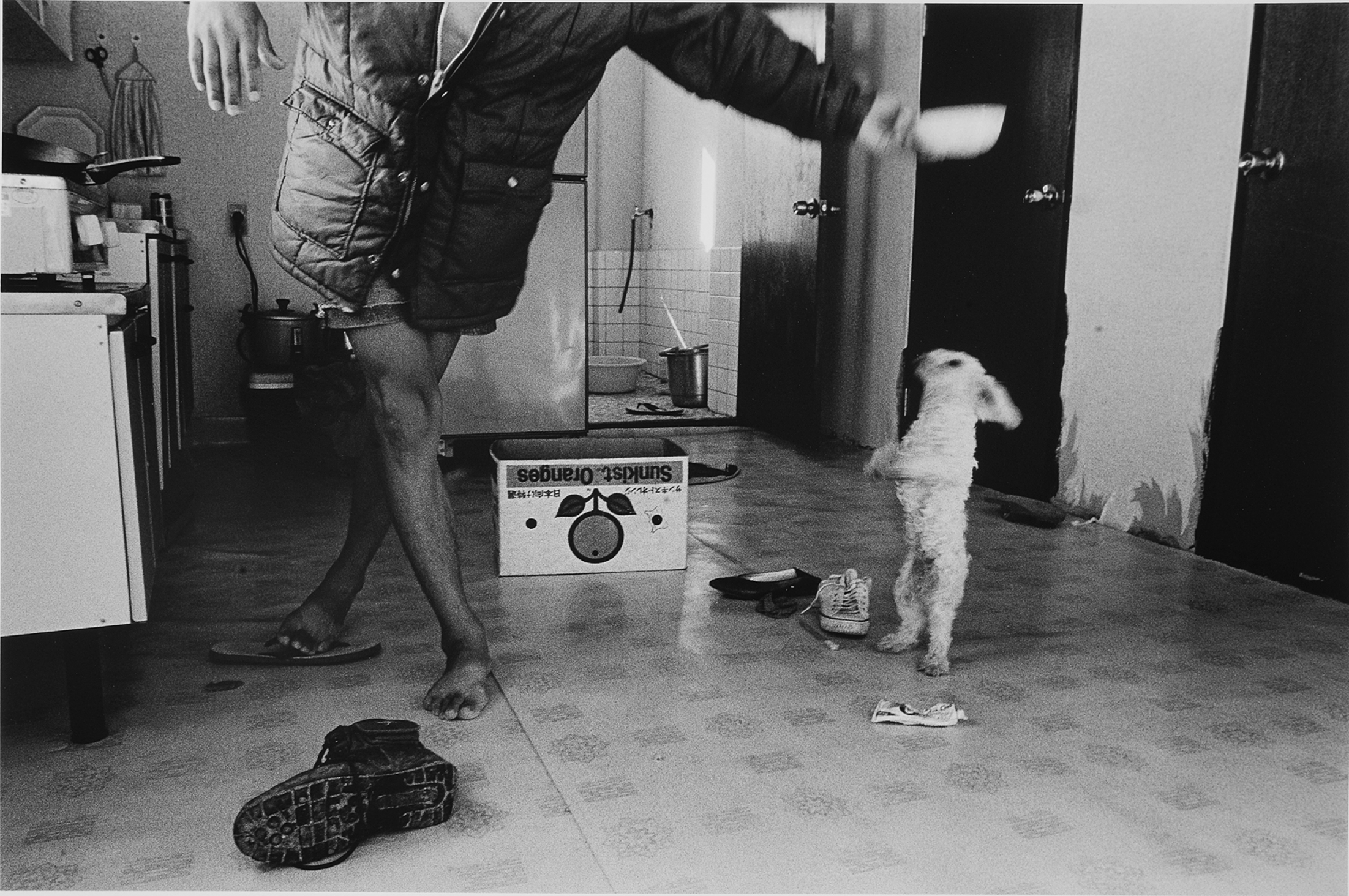
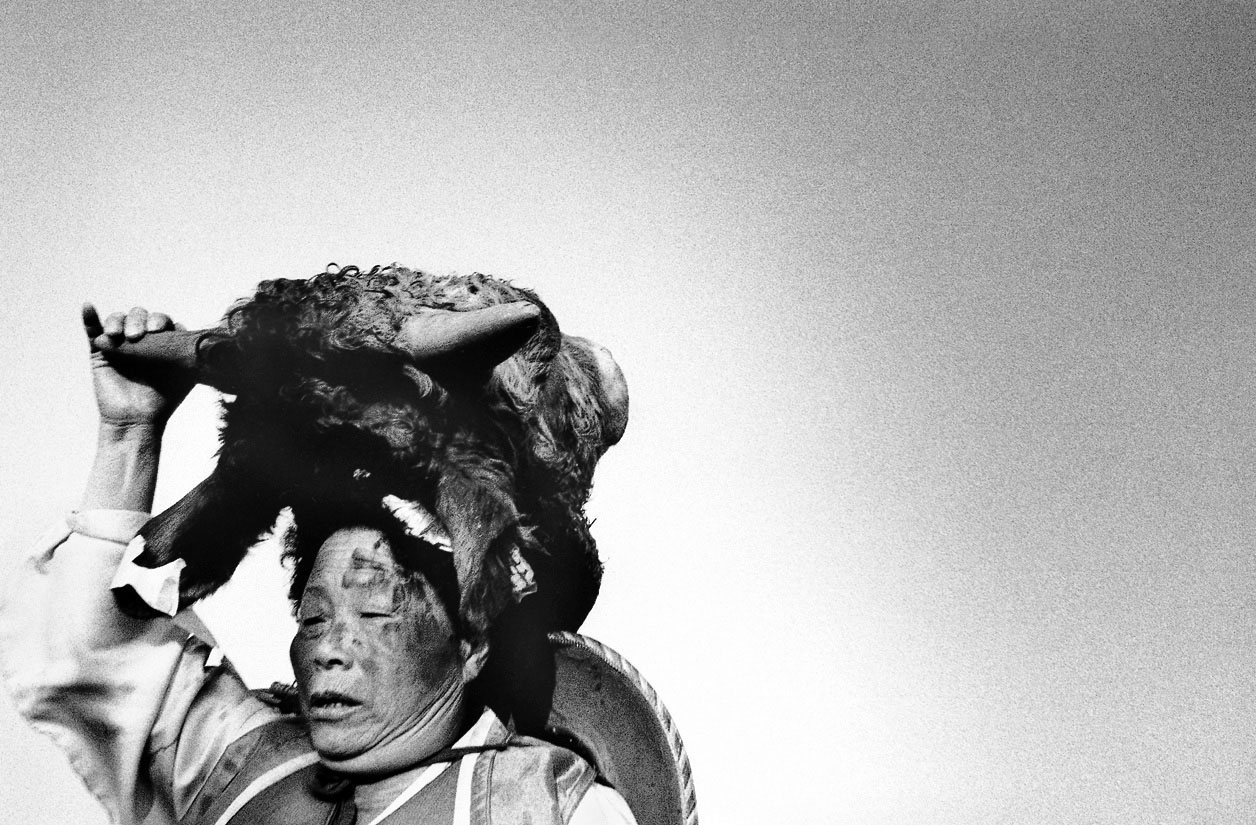
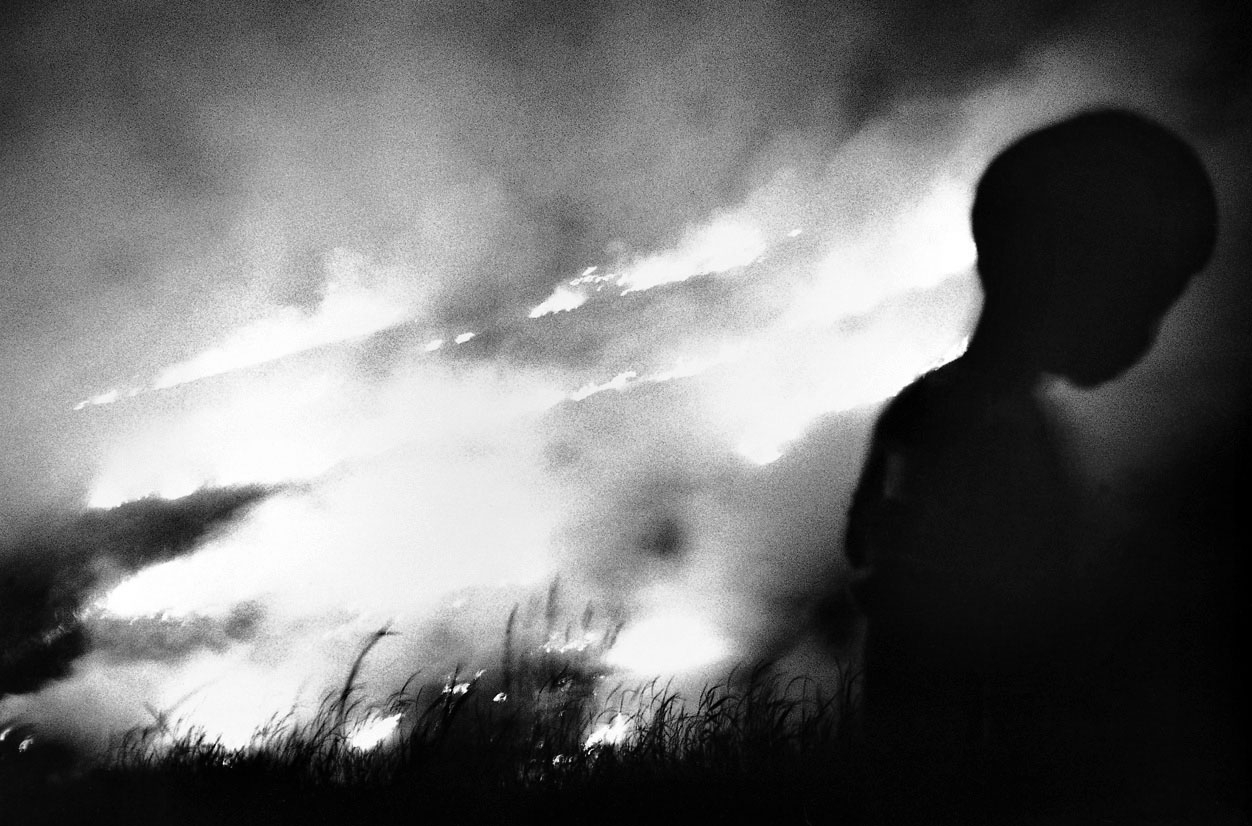
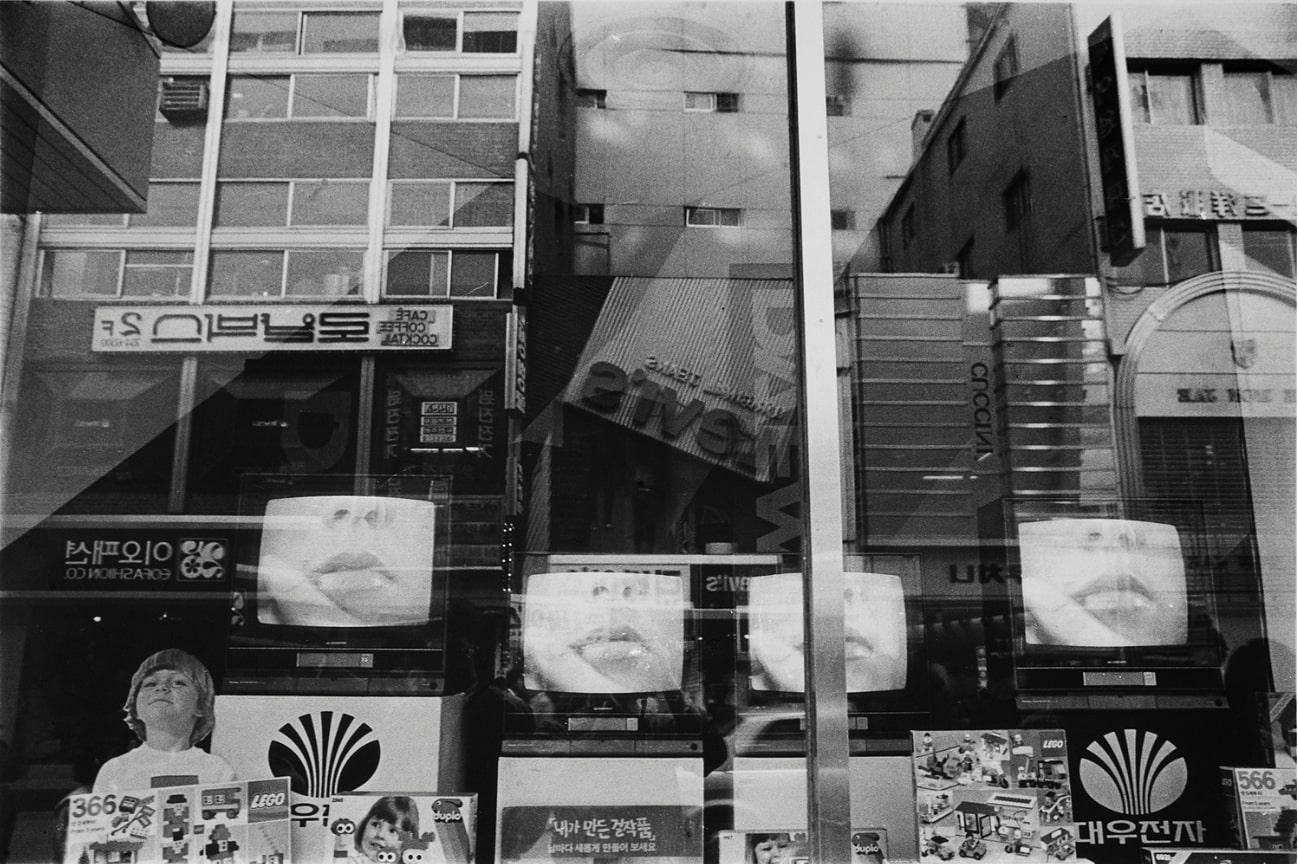
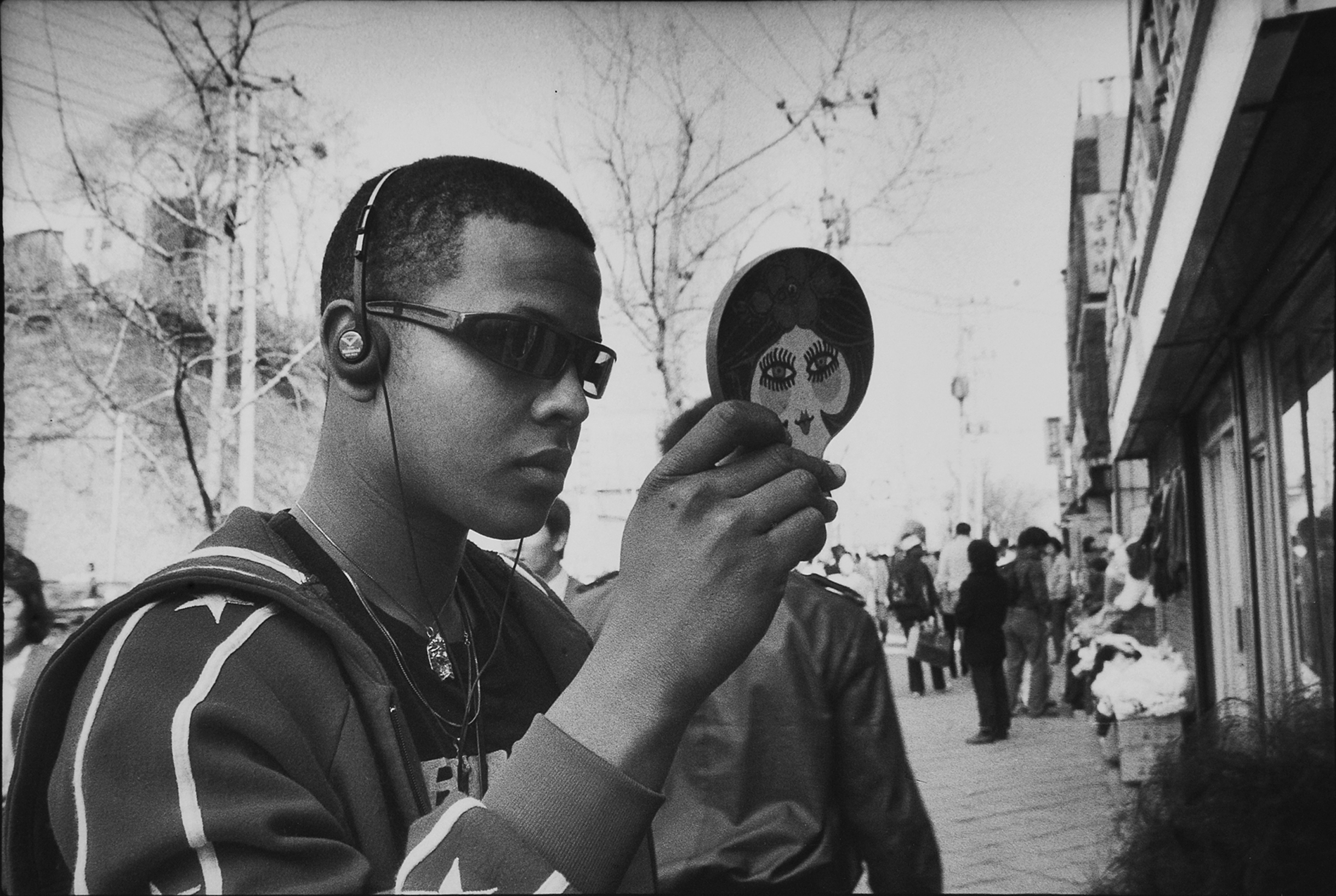
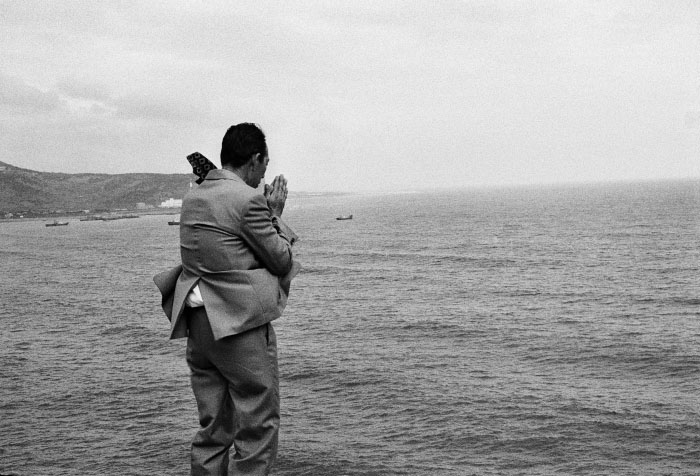
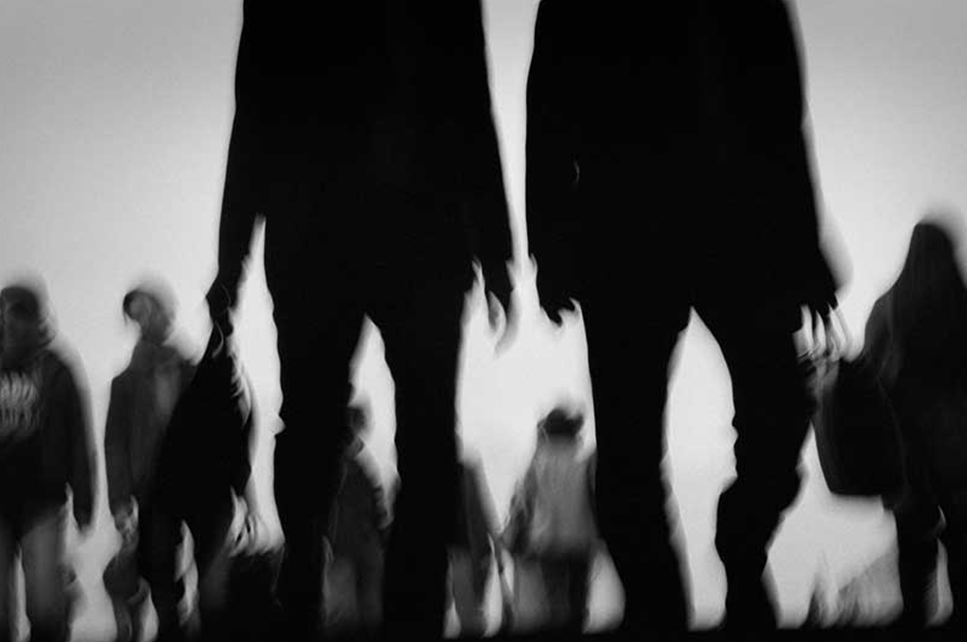
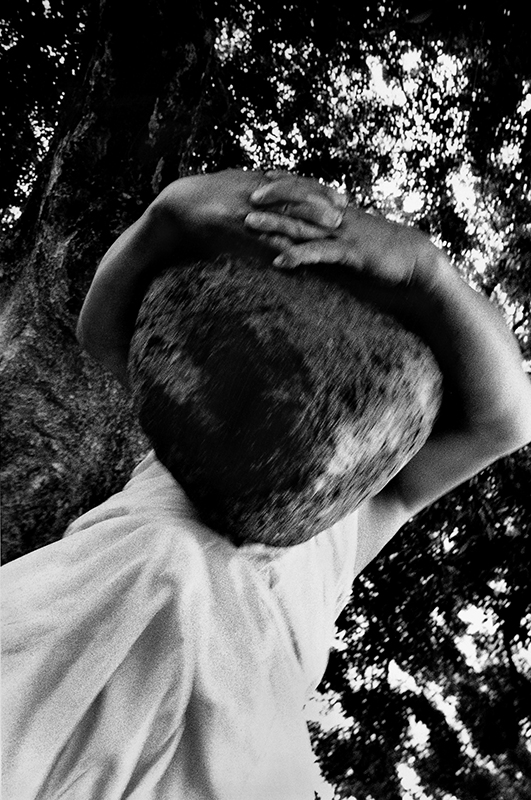
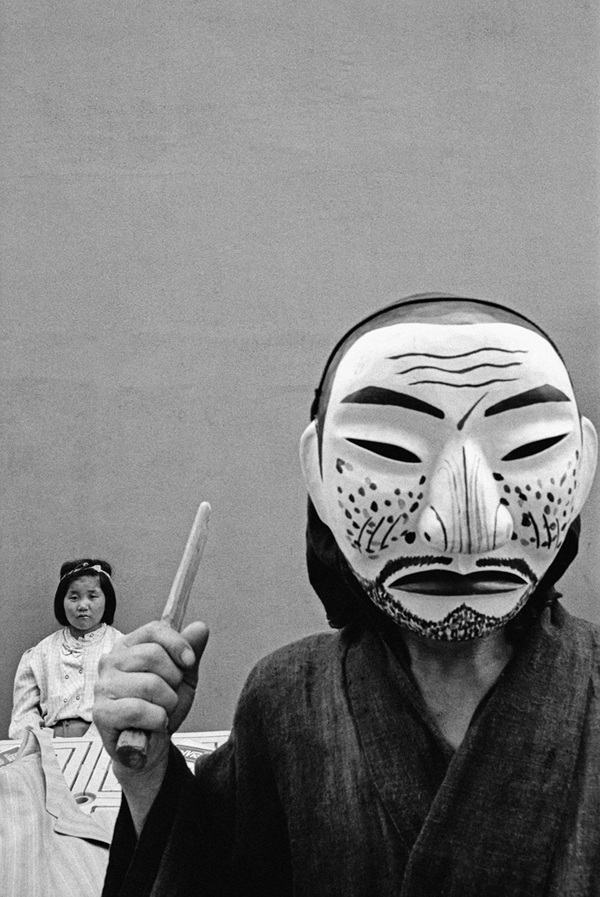
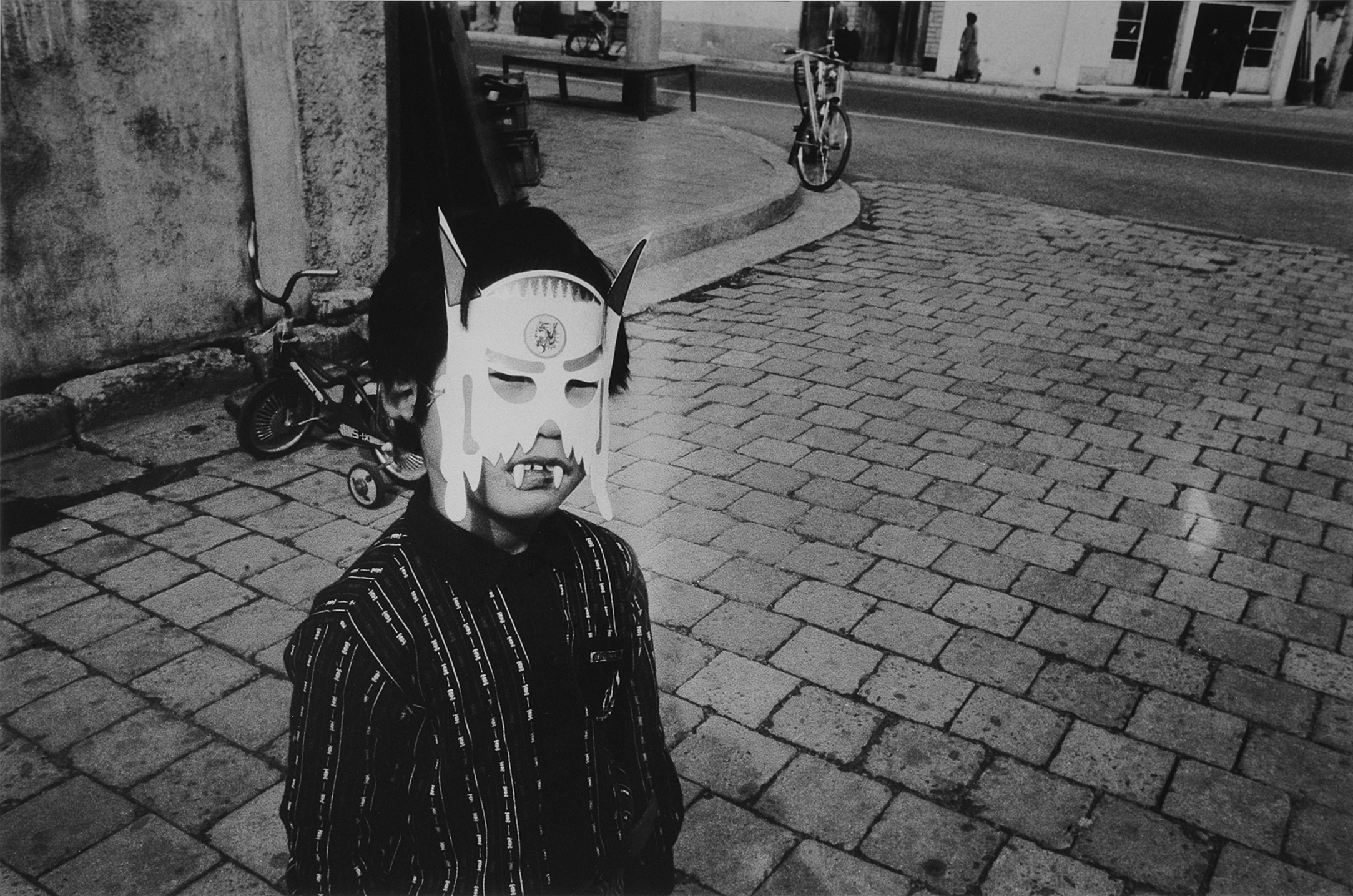
one can encounter Korea’s traditions, landscapes, people, emotions, and spirit
through the perspectives of leading Korean photographers who have long sought
to articulate Korean identity in their work. Through their photographs, it is
hoped that viewers may gain a more concrete understanding of the latent
consciousness and sensibility that exist within us.
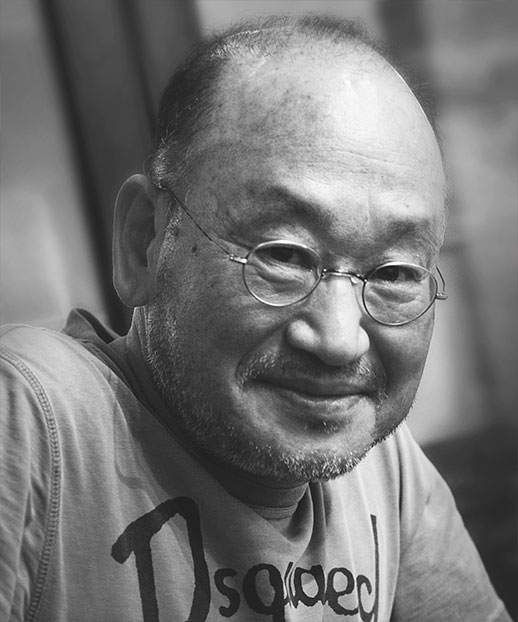
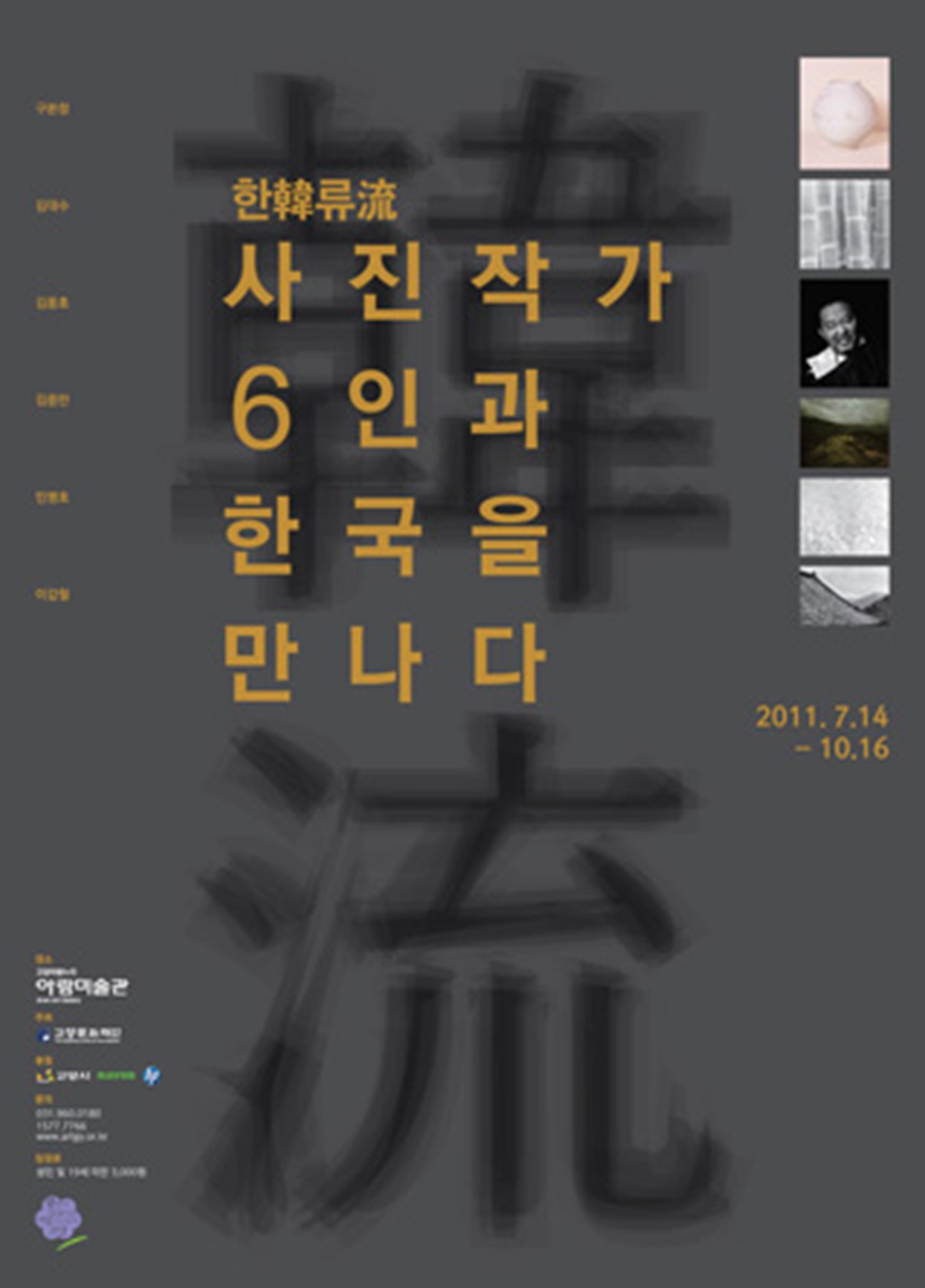
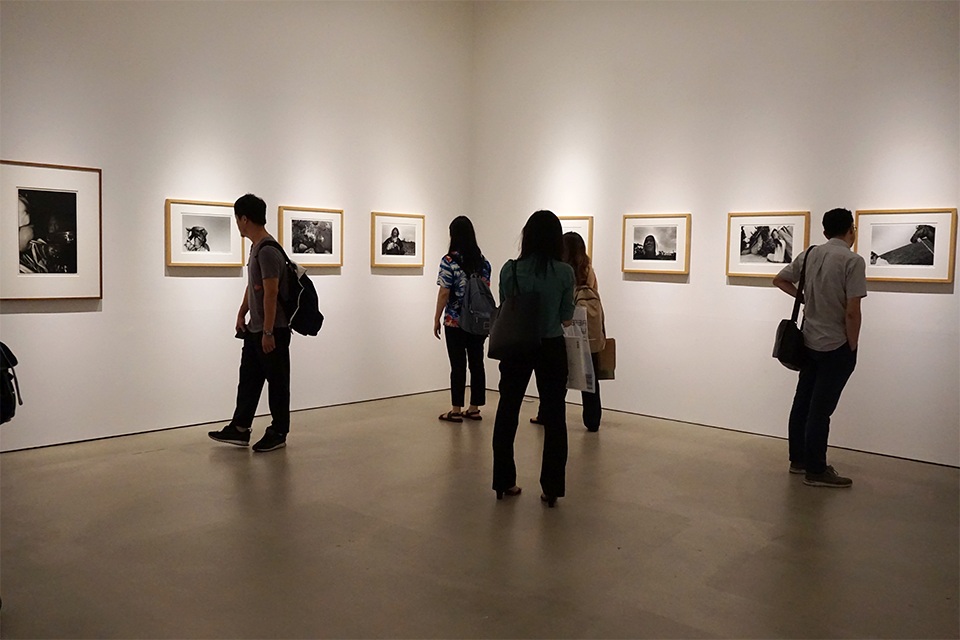
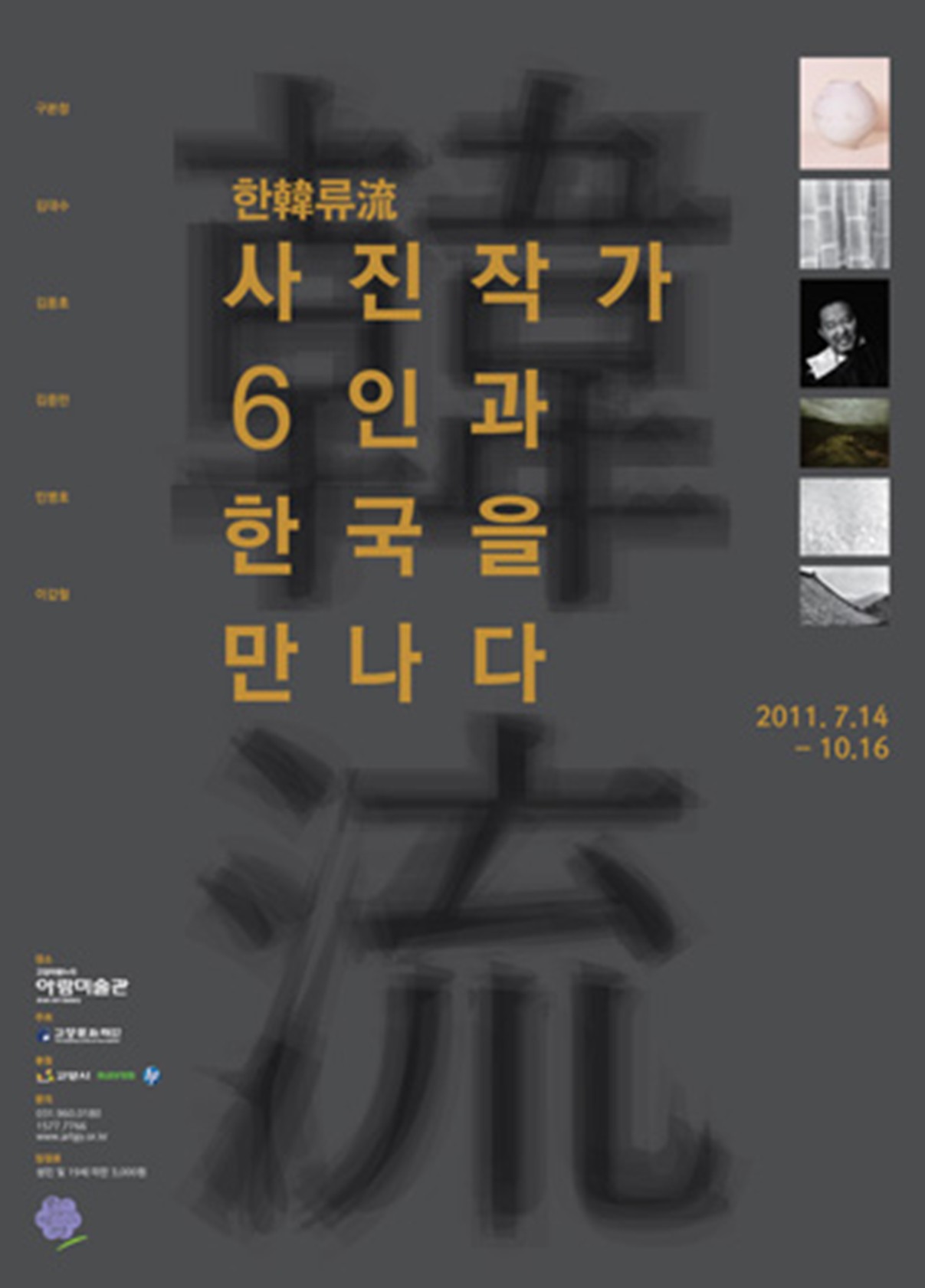
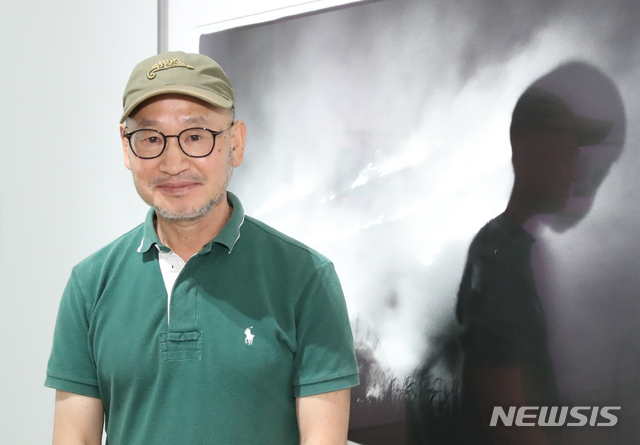
The
exhibition begins with Koo Bohnchang, who captures in photographs the simple
yet elegant beauty of white porcelain, from small water droppers to moon jars.
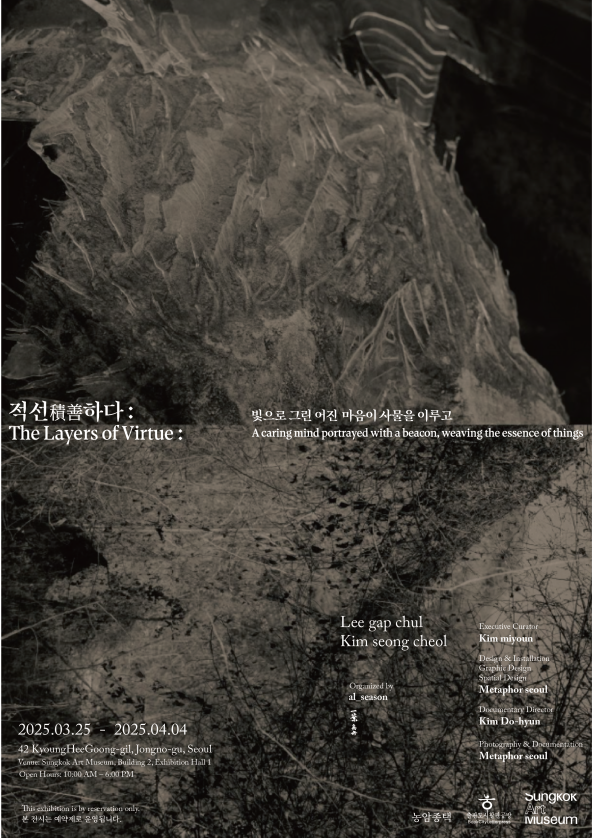
It continues with Lee Gapchul, who grapples with Korean emotion and landscape,
expressing tradition and inner worlds through a photographic language that
feels almost possessed; Kim Daesu, who discovers the quiet yet often forgotten
beauty of the Korean spirit that transcends time in bamboo; Min Byungheon, who
renders Korean sensibility as if painting a landscape with photography through
the subtle gradations of ink on mulberry paper; Kim Jungman, who photographs
the beauty of Korean nature with heartfelt sensitivity; and concludes with Kim
Yongho, who records the enduring passion and depth of Korea’s cultural masters,
as well as the hopeful faces of 365 Koreans.
Through
this exhibition, it is hoped that visitors will discover the living, breathing
culture of our time, and recognize aspects of ourselves that have been moving
unconsciously in the depths. Ultimately, the exhibition seeks to serve as an
opportunity to reflect on and explore a more genuine meaning of “Hallyu.”