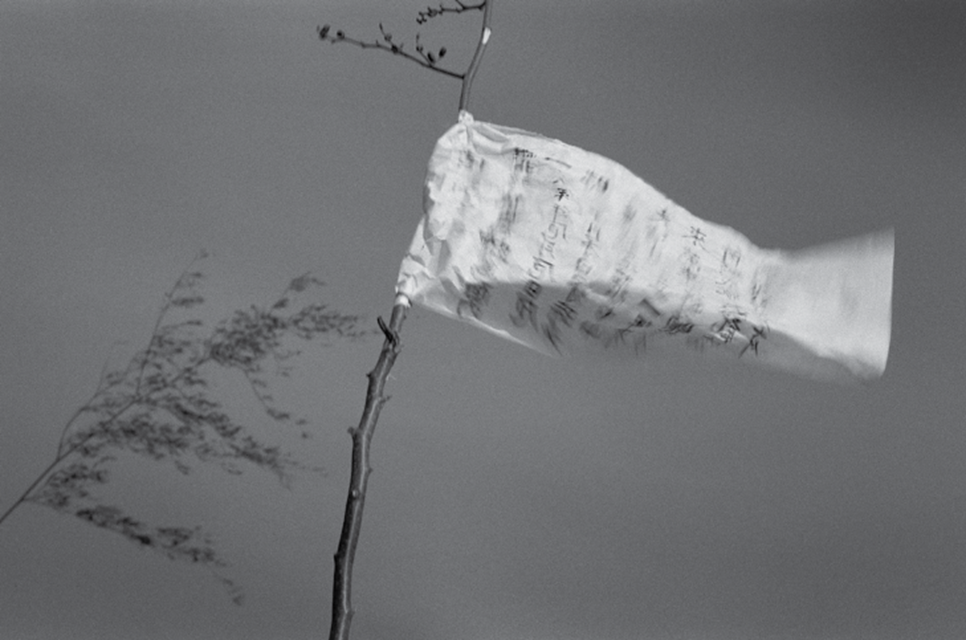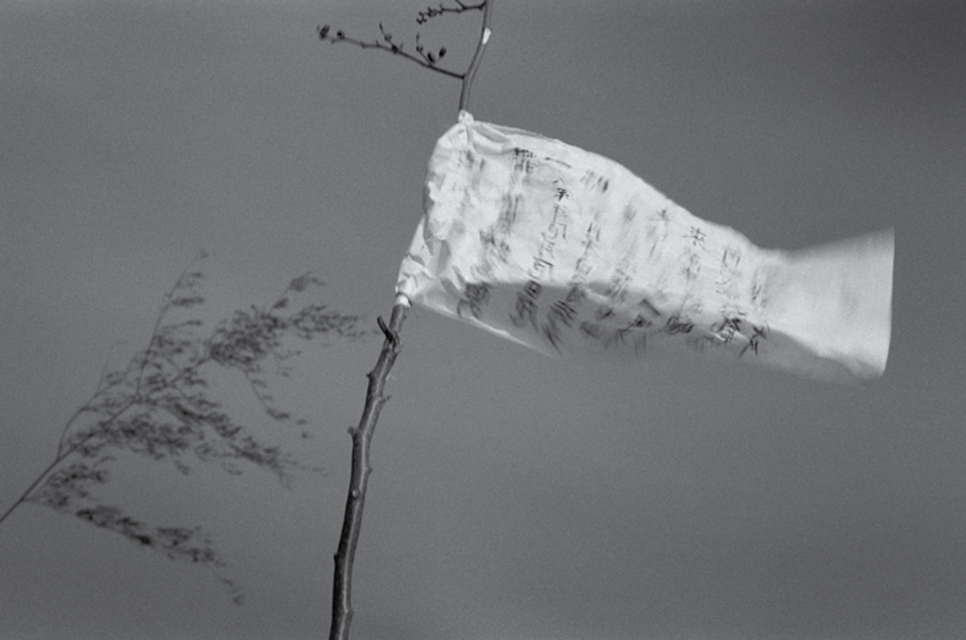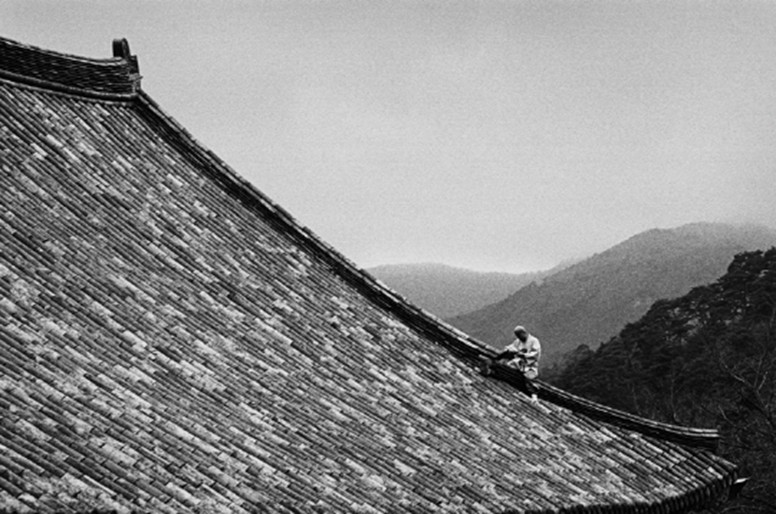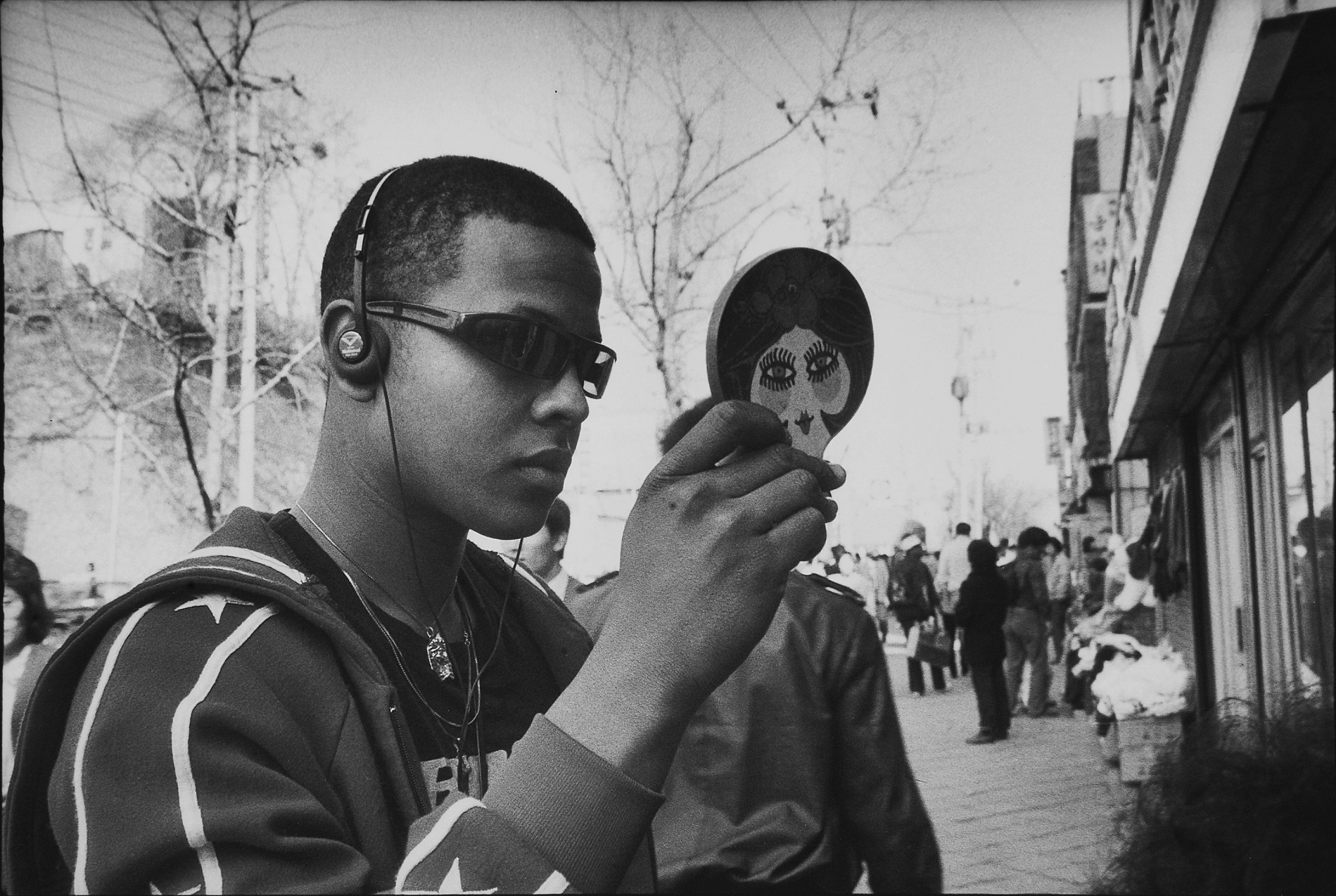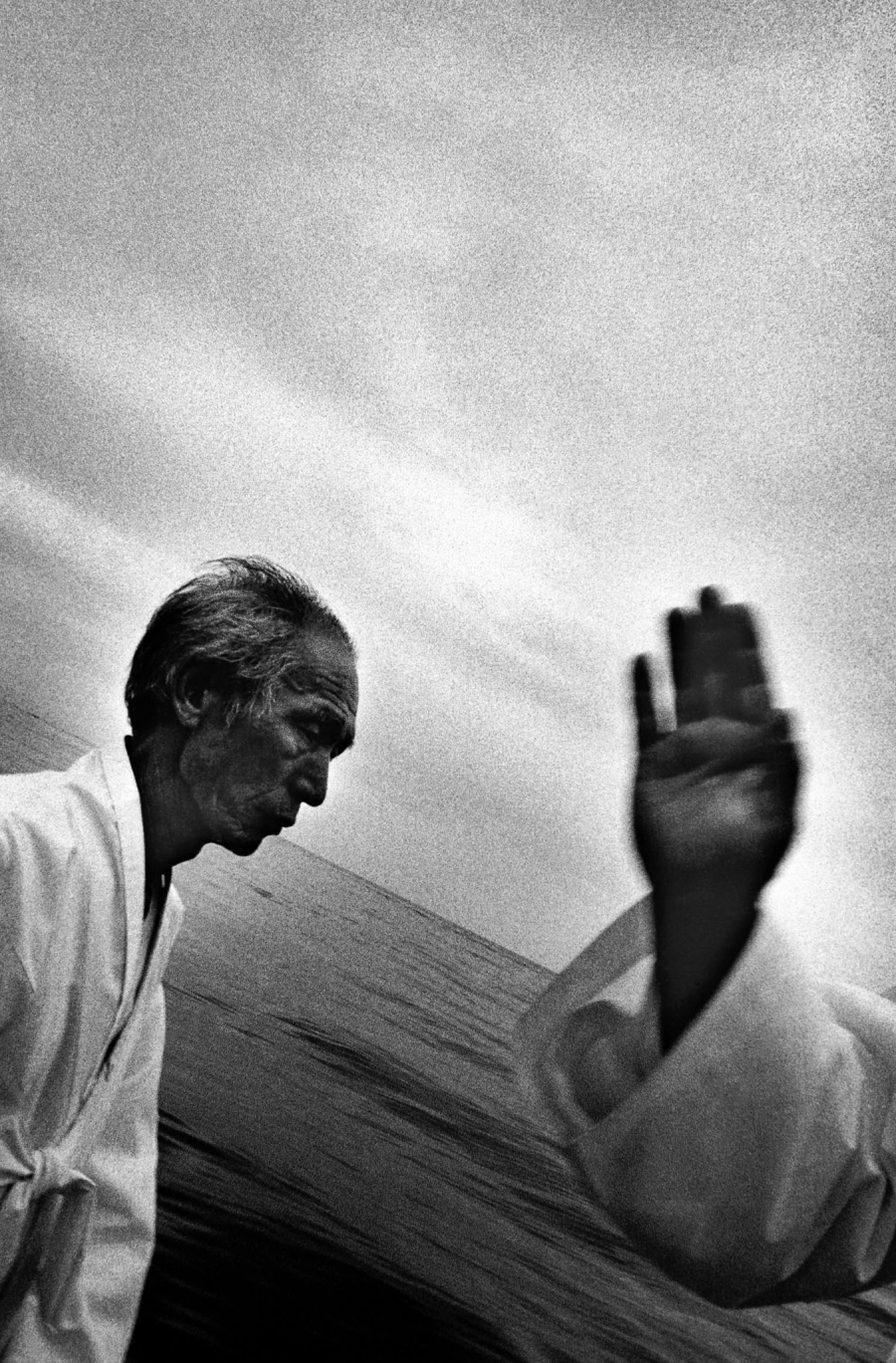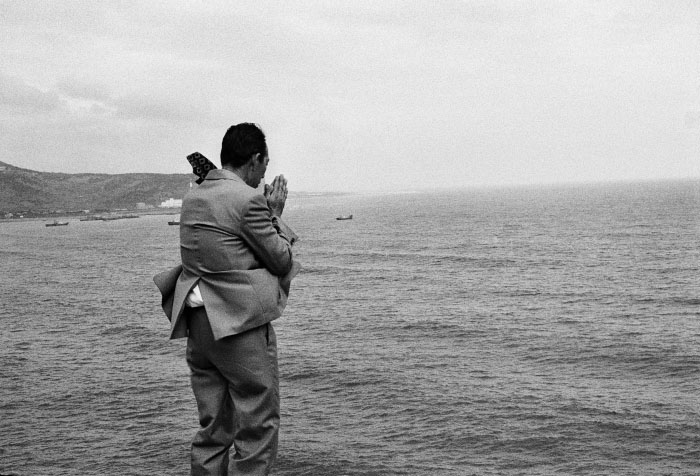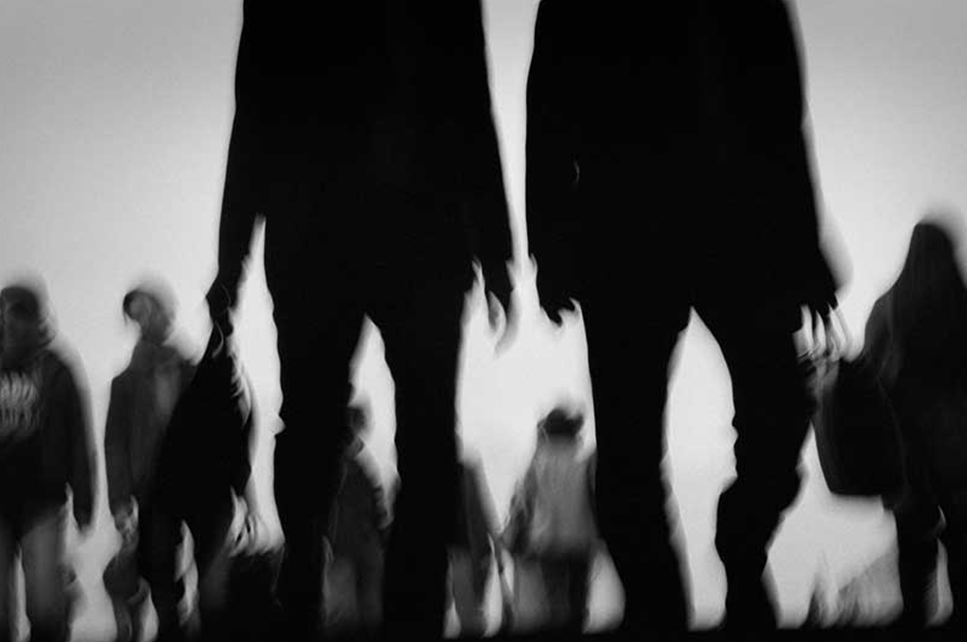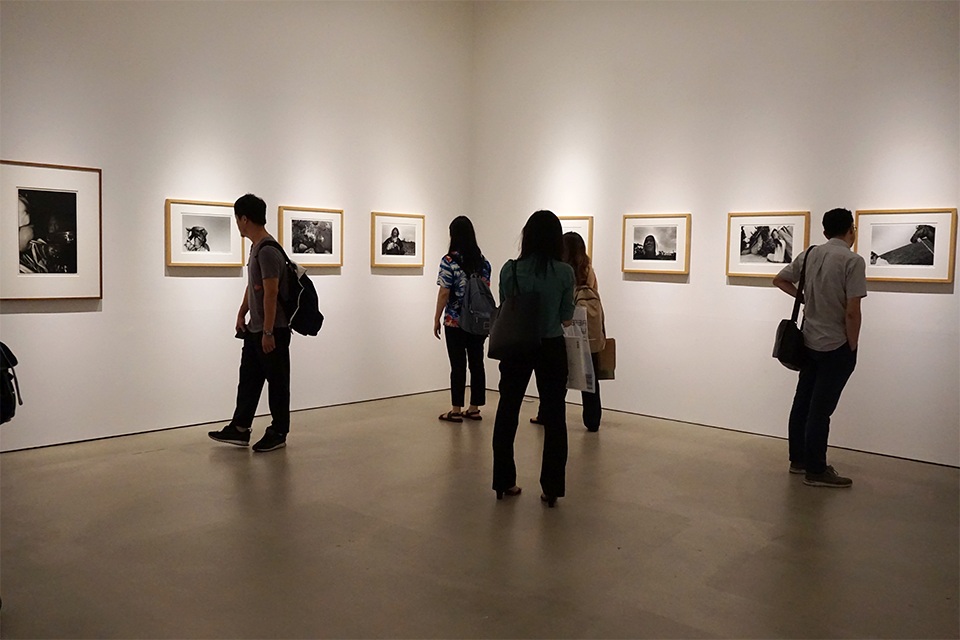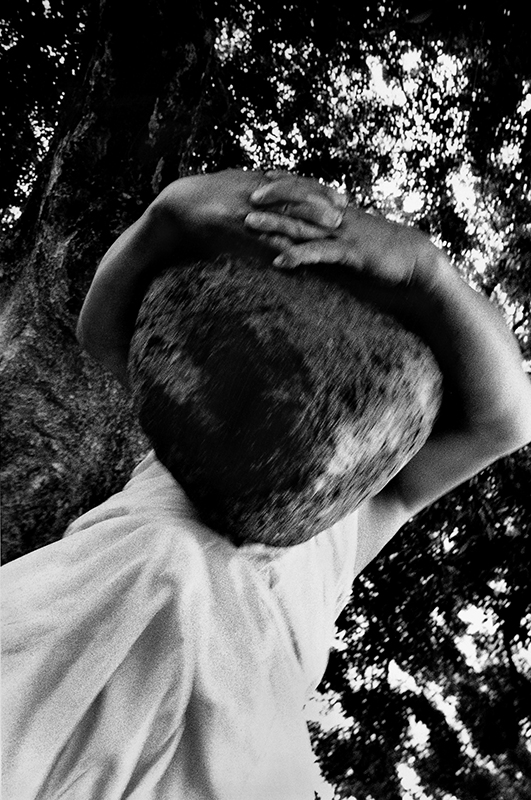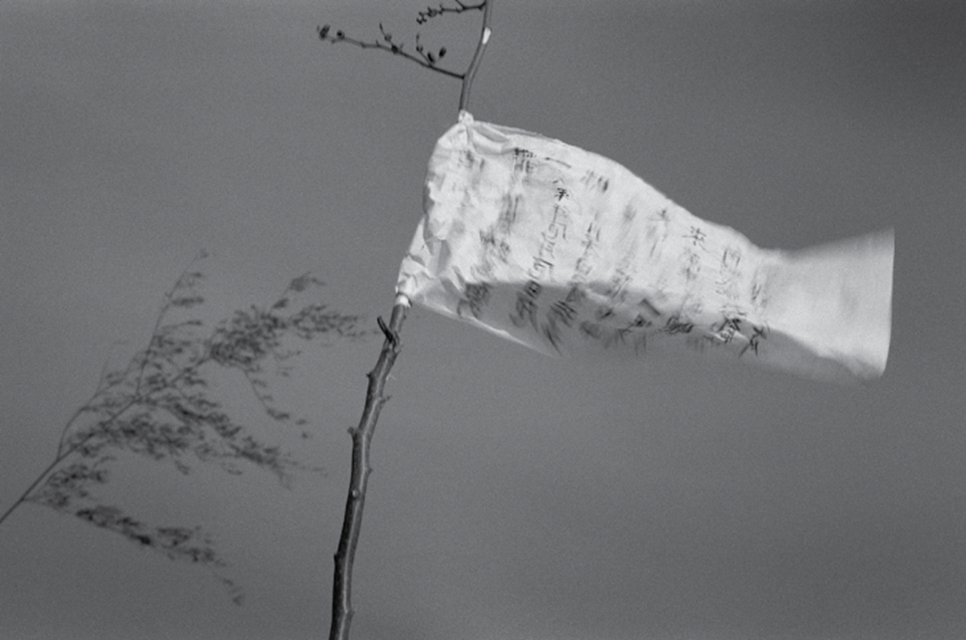
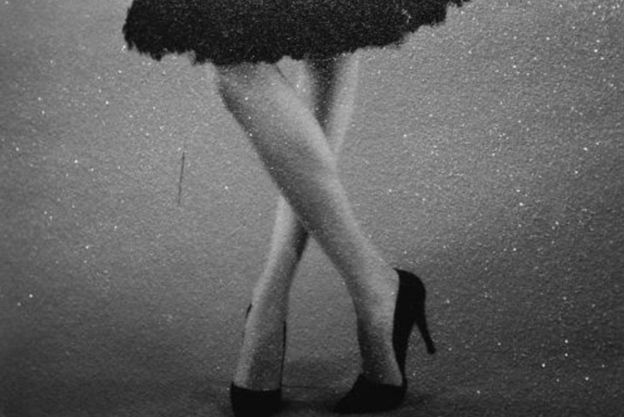
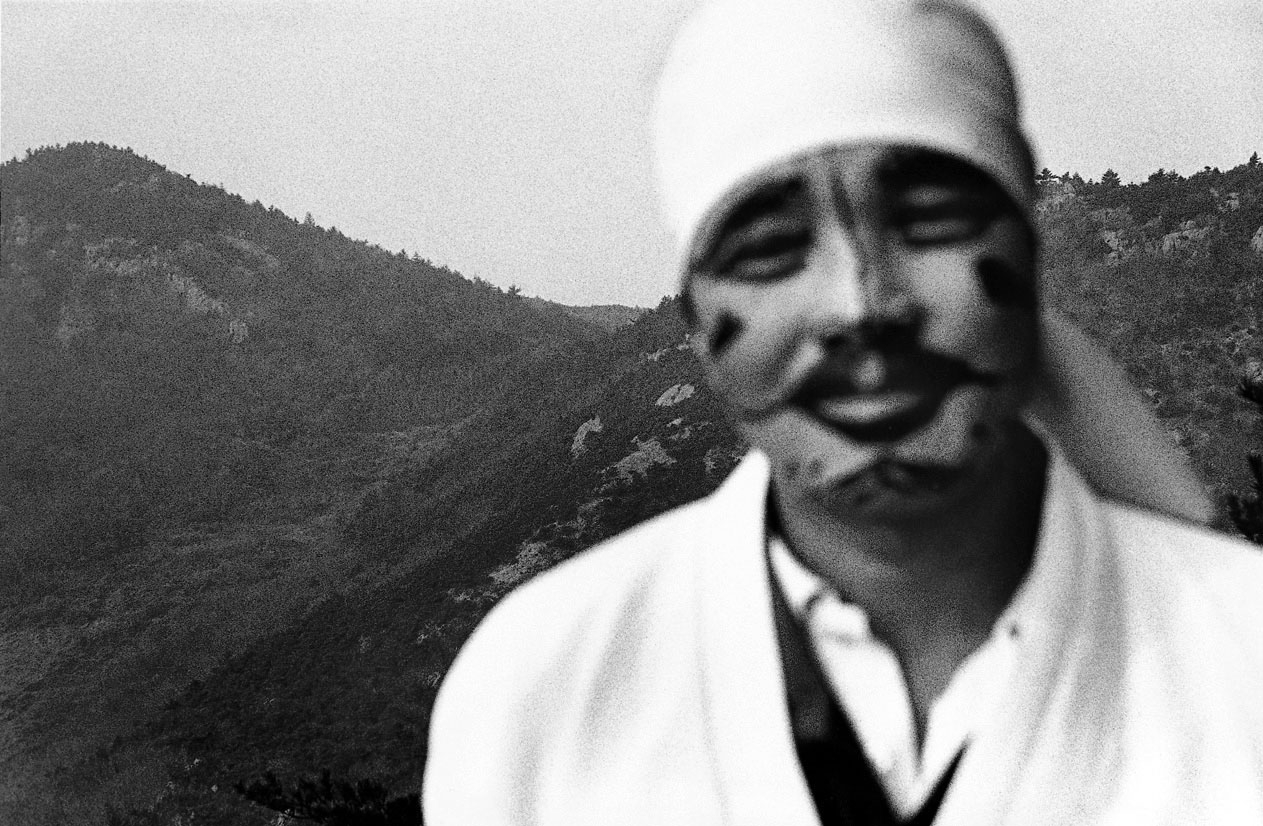
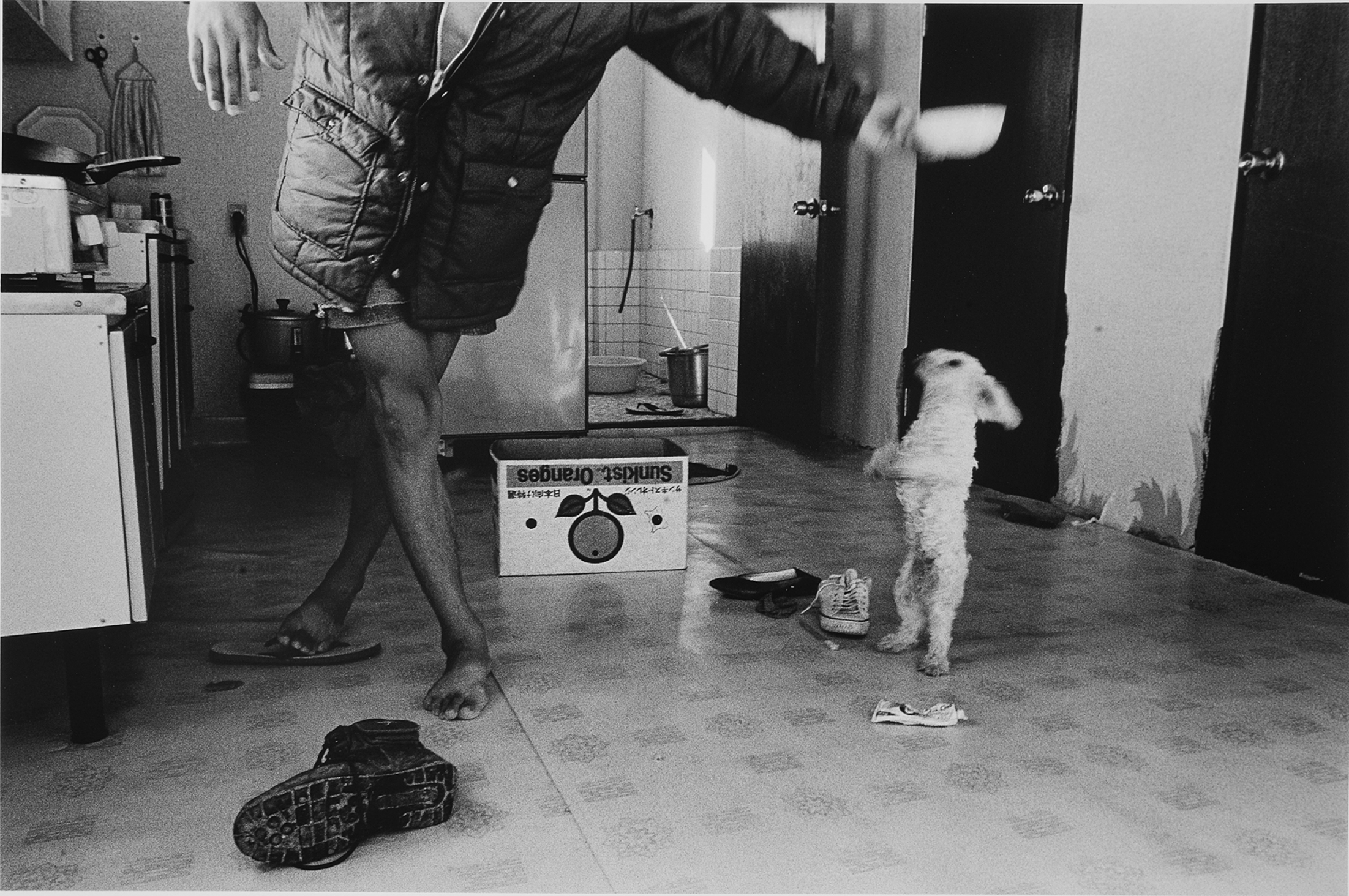
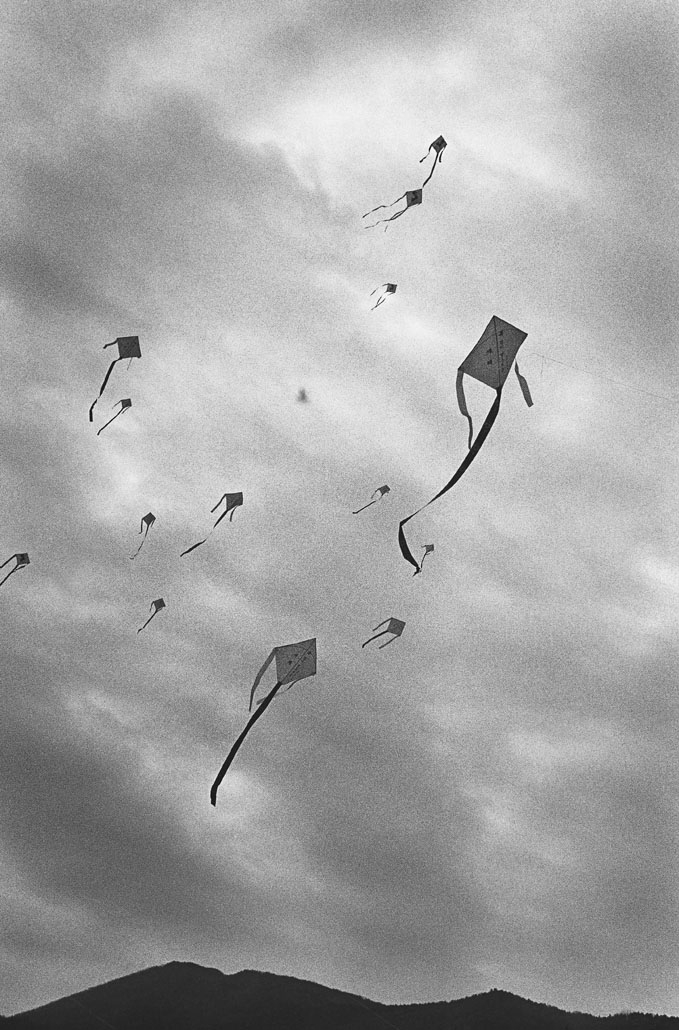
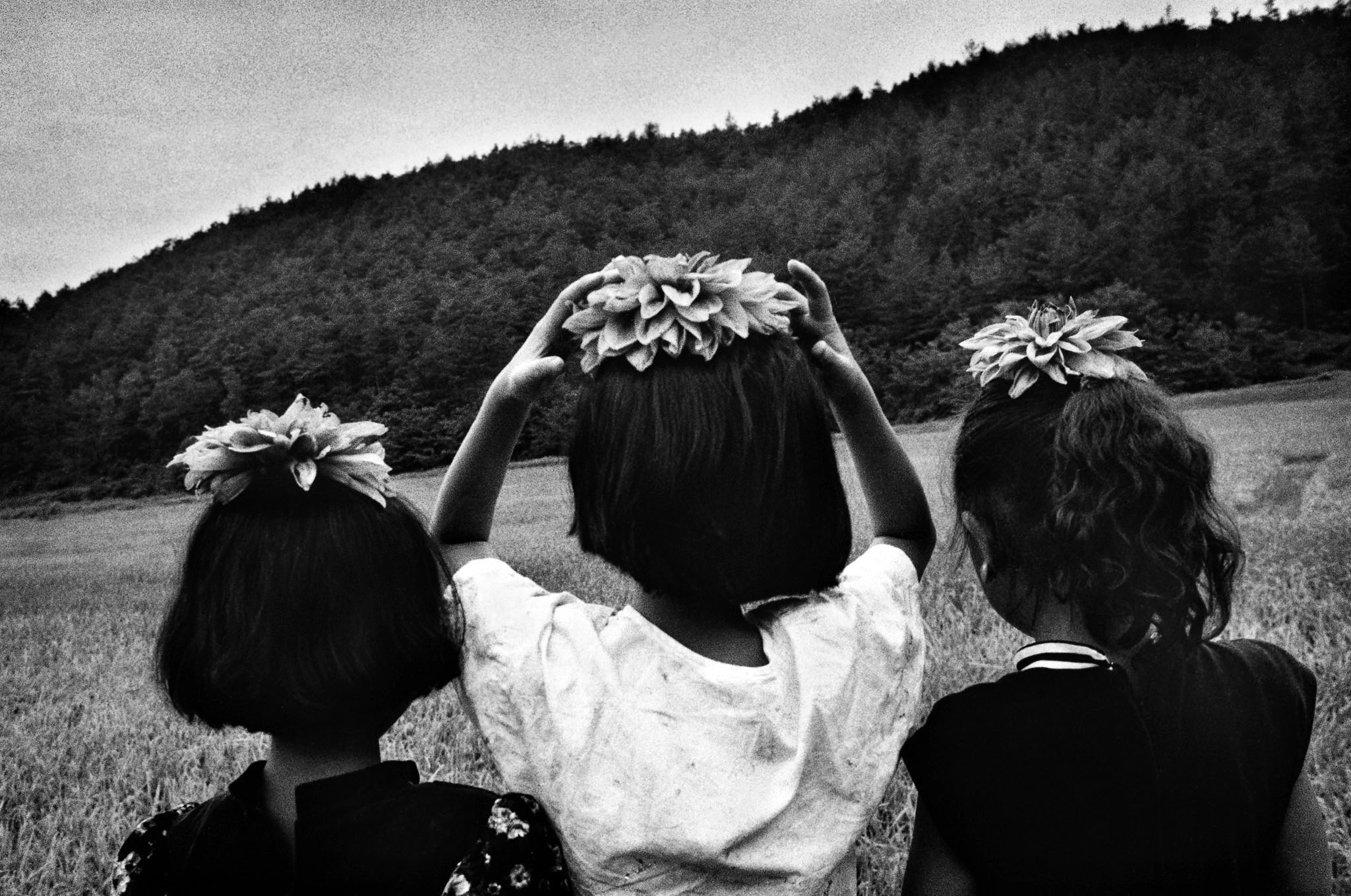
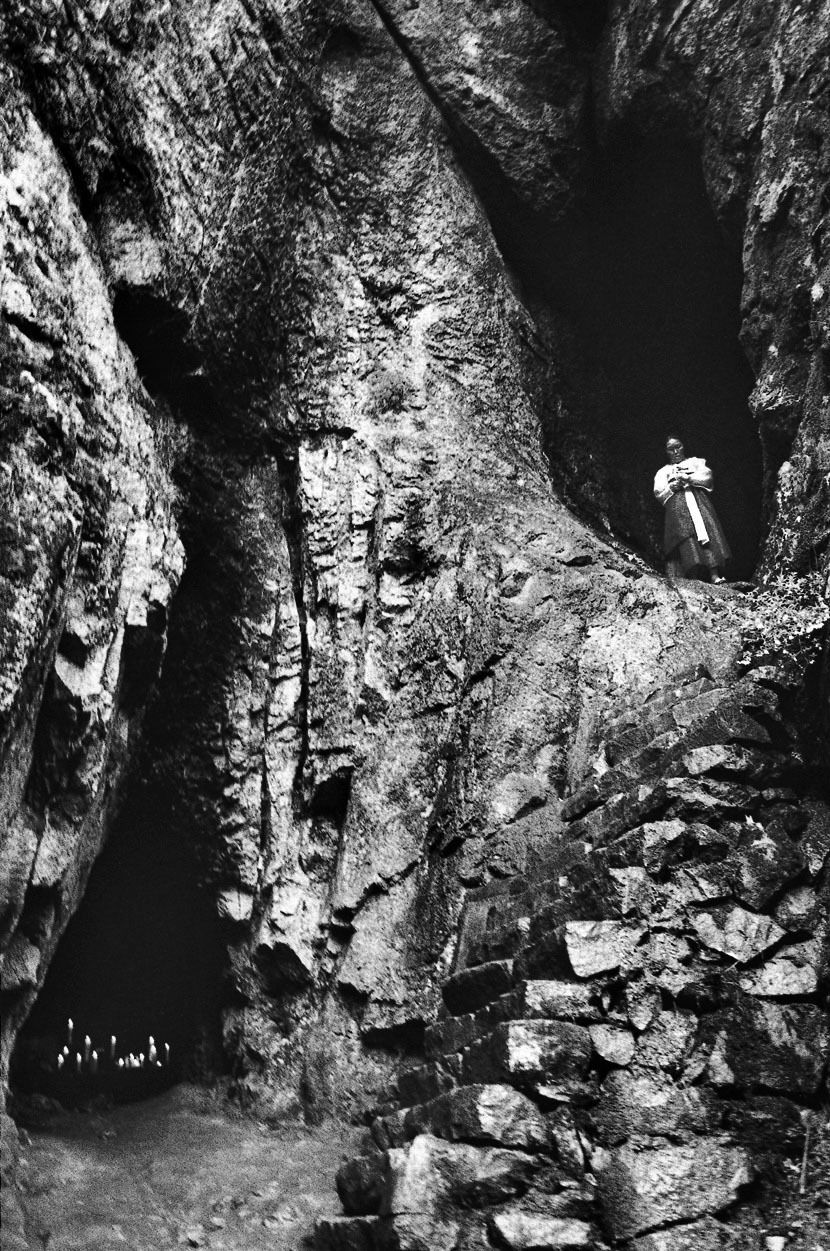
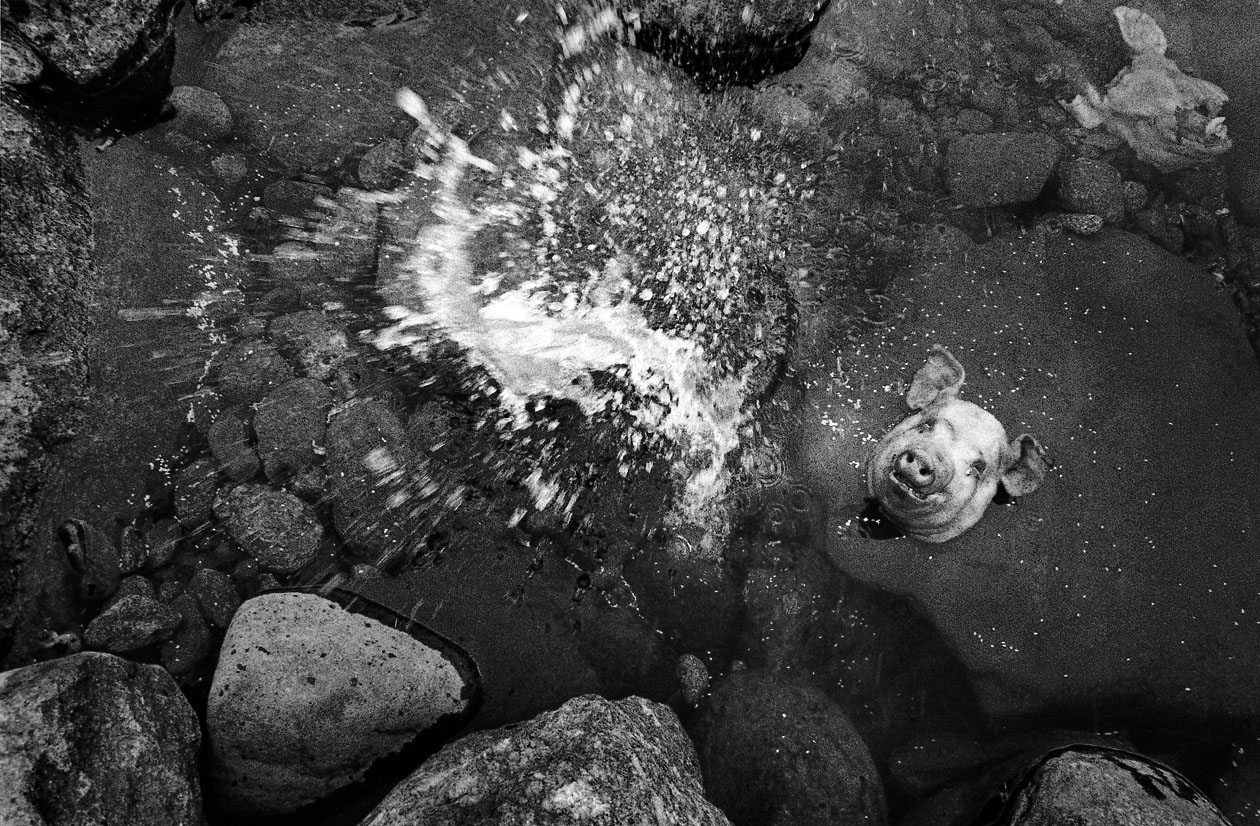
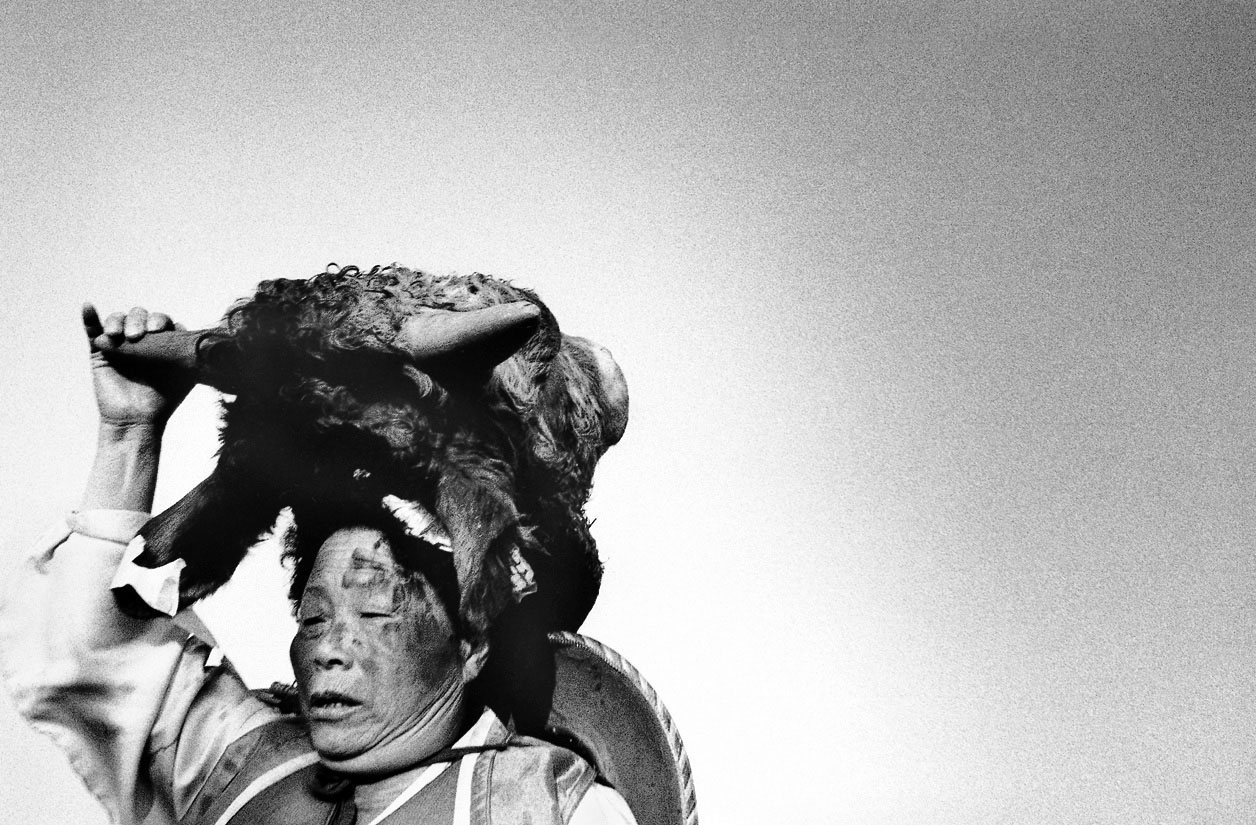
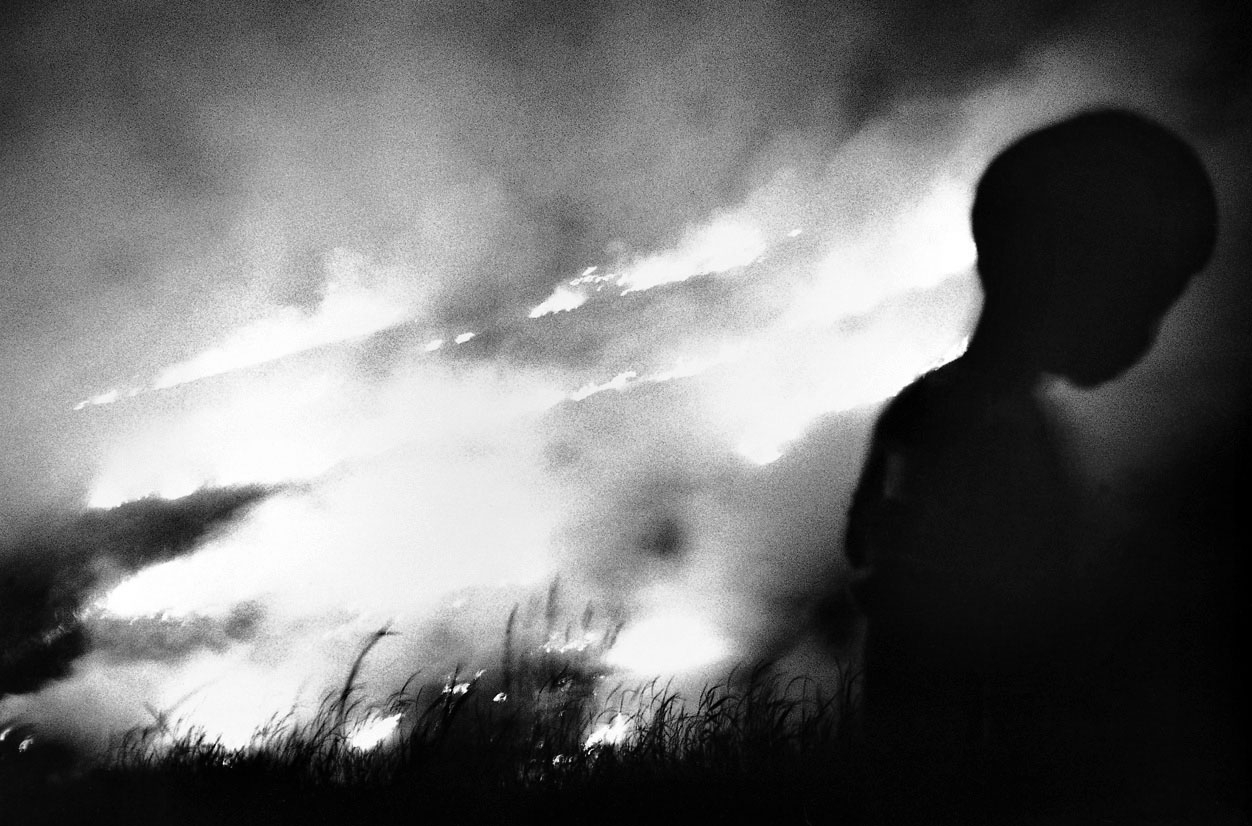
Lee Gapchul, Energy, 2002-2007 © Lee Gapchul

The Urban Underclass

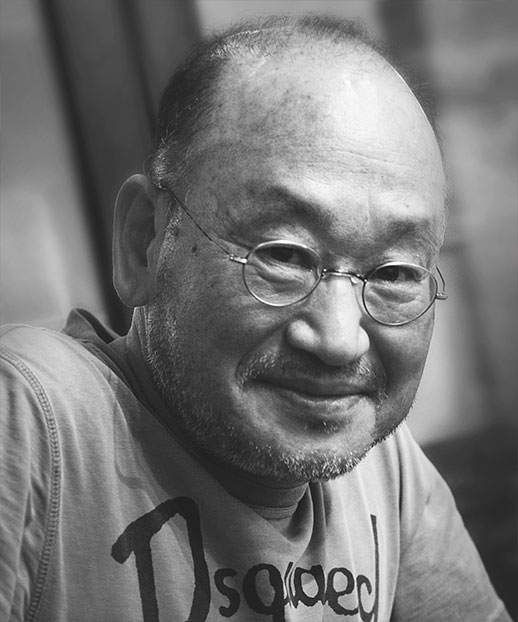
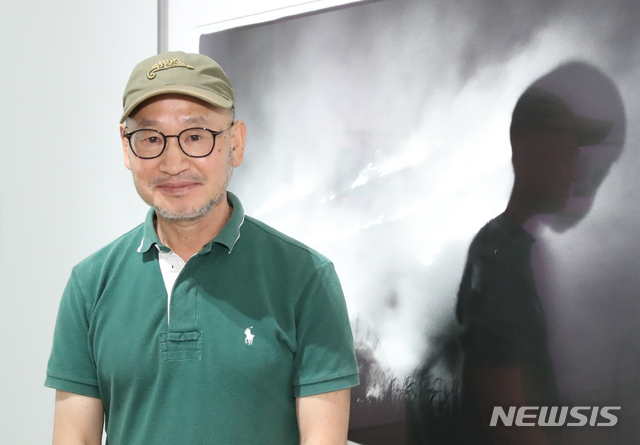
An ordinary photography student in his twenties found himself reduced to an “urban underclass” upon entering Seoul in the early 1980s. This marked the prologue to Lee Gapchul’s photographic world. Seoul in the 1980s—having passed through the 1970s marked by “economic development fervor and the darkness of dictatorship”—was truly a period of upheaval.

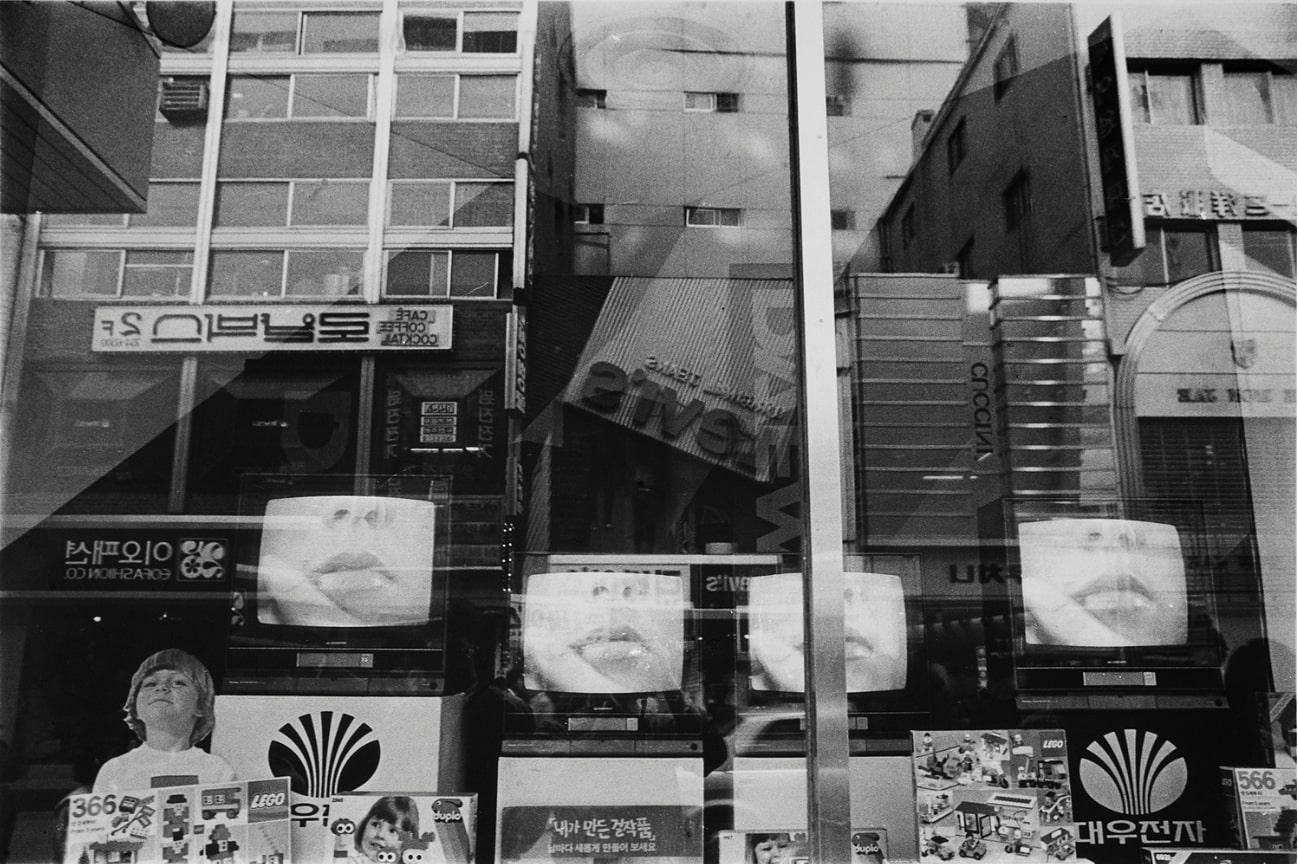
Under the pretext of the Asian Games and the Olympics, the state instilled fantasies of becoming an “advanced nation,” reorganized urban landscapes for foreign eyes, and implemented policies of pacification through the so-called 3S (Screen, Sex, Sports). While many flocked to Seoul with dreams of middle-class prosperity, others were pushed to the city’s margins by high barriers of entry.

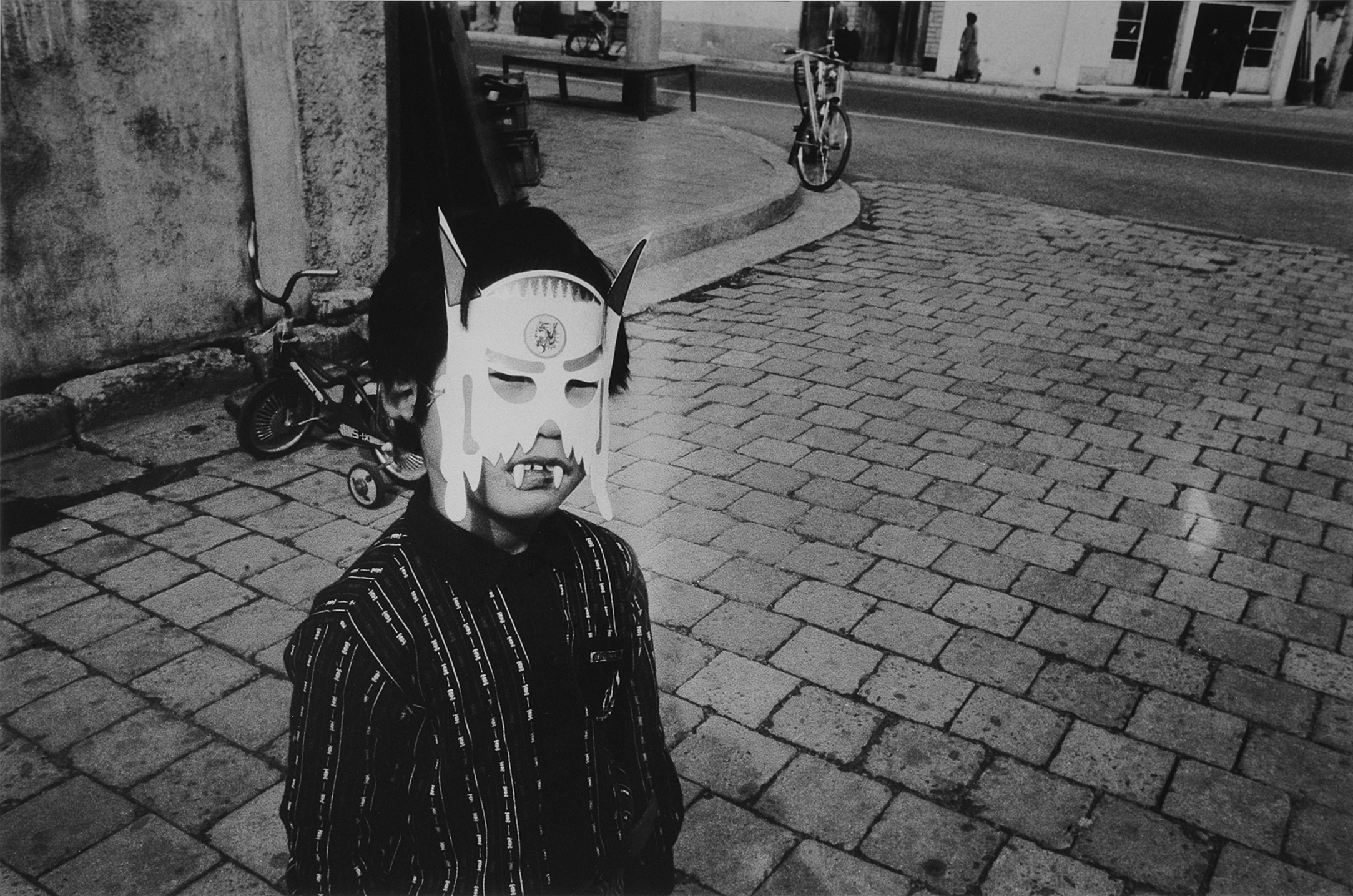
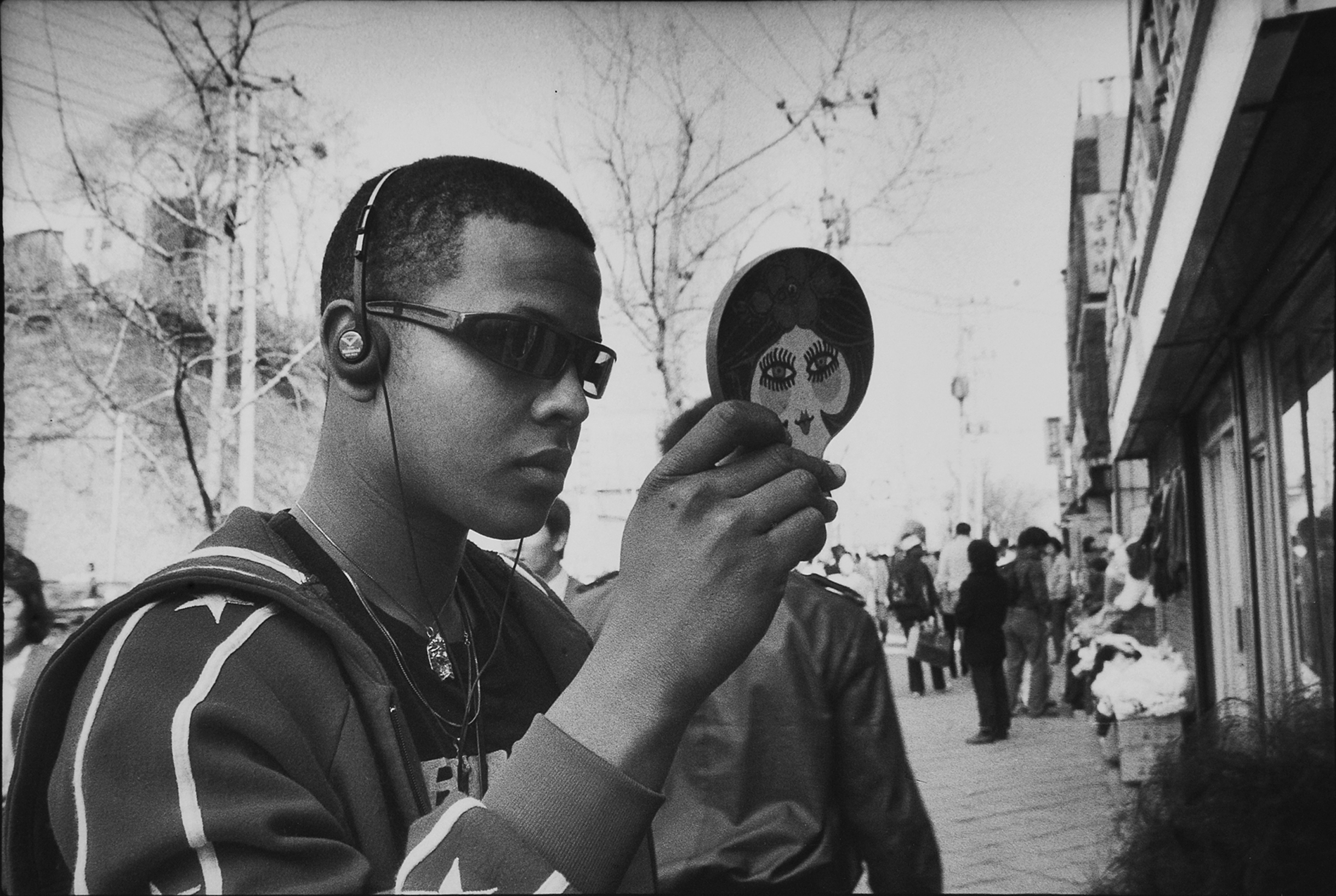
As overseas travel was liberalized, many prominent Korean photographers departed to study abroad. Lee, however, chose to remain in Seoul. Life was not easy. Familiar things became strange amid rapid change, and he often felt abandoned by the world. From this point, he began recording the 1980s—a time both familiar and filled with turbulence and chaos.

As Song Sujeong has noted, Lee questioned the illusion of objective documentation within a society caught between political despair and economic aspiration. Stepping back from realism, he wandered the country with an outsider’s gaze, photographing anonymous figures. This resulted in Land of Others (1988), a work that does not coalesce around a single theme but unfolds the panorama of the 1980s vividly before the viewer’s eyes.


Emptiness Filled

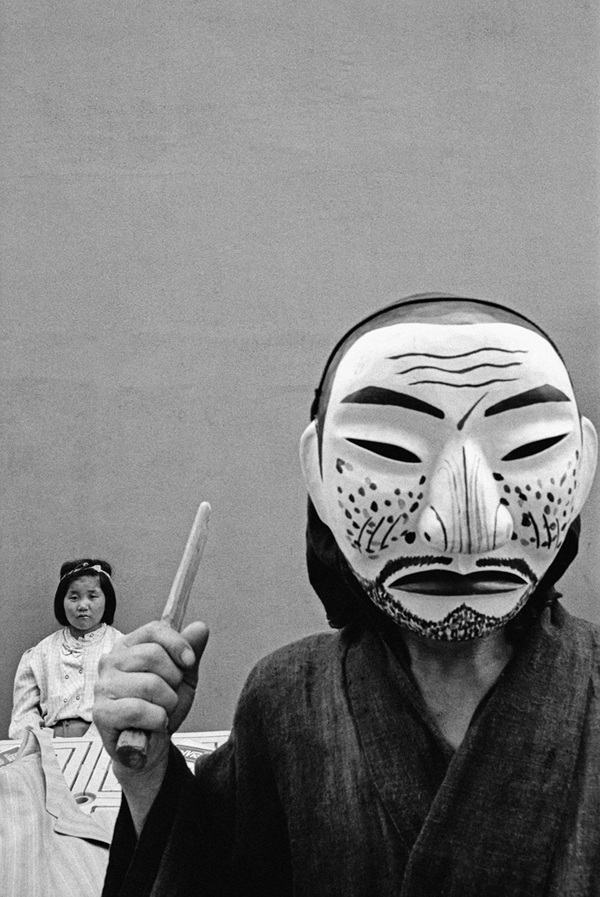
Lee continued to travel across the country until he came to believe that metaphysical themes such as life and death must also be expressible through photography to truly convey Korea. A single, fate-driven photograph showed him the way—an iconic image of an elderly face and a hand within the same frame. Though it conveys no concrete narrative, its mysterious aura invites interpretation at a higher dimension.

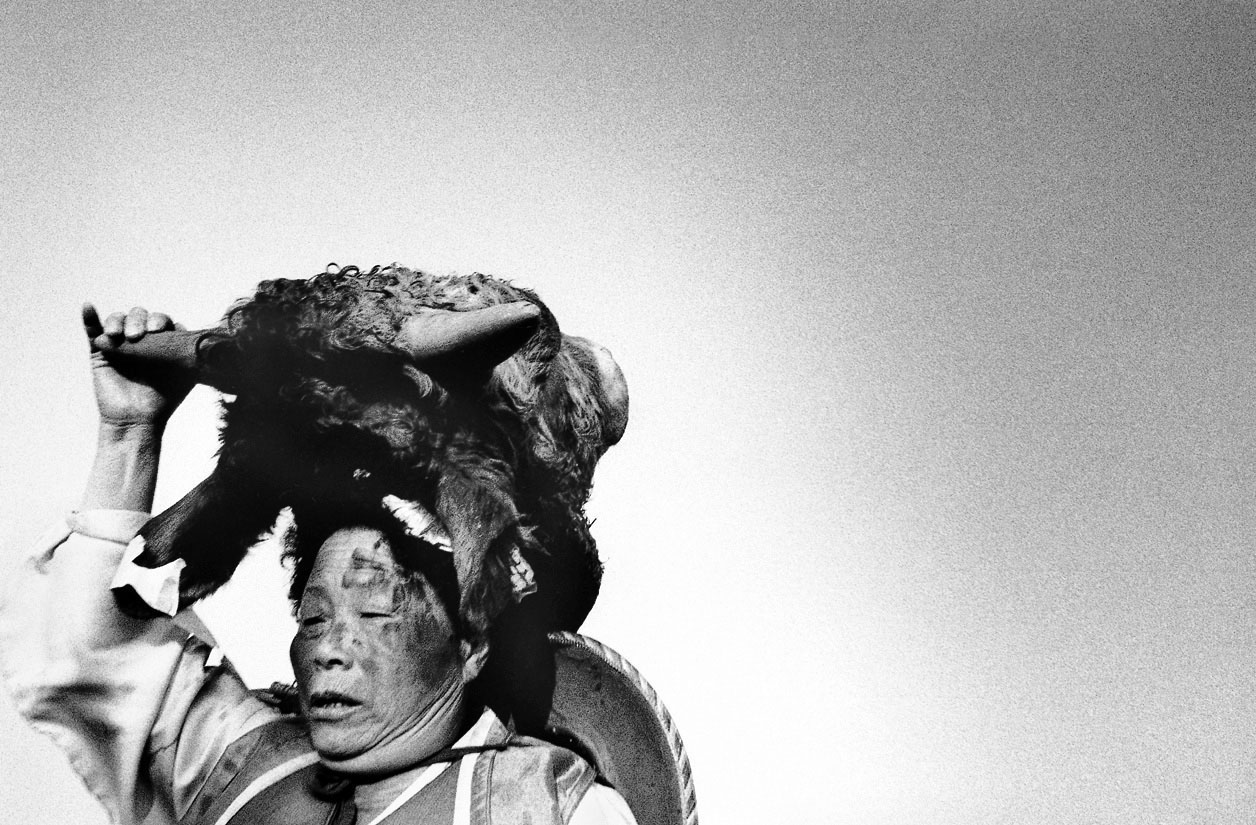
Realizing that capturing dramatic moments was not the sole path of photography, Lee shifted toward preserving numinous presence within still time. The key was not intention, but surrender to intuition and the unconscious. This marked the sublimation of his social gaze into a spiritual realm. The resulting body of work, Conflict and Reaction (1990–2002), became a watershed in Korean photographic history.

The series, infused with rituals and ancestral rites, indeed carries an aura of the uncanny, yet transcends shamanism into a surreal realm. It later evolved again with Gi (2002–2007), which presents a sense of stillness within motion. Compared to the dense intensity of Conflict and Reaction, these works appear spatially open, as if granting breathing room to the image. The agitation of subjects subsides, suggesting a calmer internal state.

This transformation continues in Silent Mountains (2008–2019) and Urban Signs (2008–). Though one focuses on winter mountains and the other on lightless urban spaces, both resonate with solitude and silence. Within this solitude, the viewer paradoxically finds fullness. Lee’s journey seems to echo this trajectory—from the loneliness of an outsider in youth to a state approaching eosun (耳順), where sound enters the ear and resonates without resistance.

(Lee Gapchul’s life journey references Song Sujeong’s From Shaman to Seeker.)

References