Beautiful
things overflow everywhere. Whether in painting or photography, everything is
uniformly polished and decorative. Added to this are countless works that
recycle long-dead Western specters from half a century ago, lazily attaching
the unfounded modifier “Korean.” This is the result of aligning art with
consumer taste and monetary pleasure—a distorted byproduct of a contemporary
art scene in which marketability itself becomes the aesthetic standard.
Lee
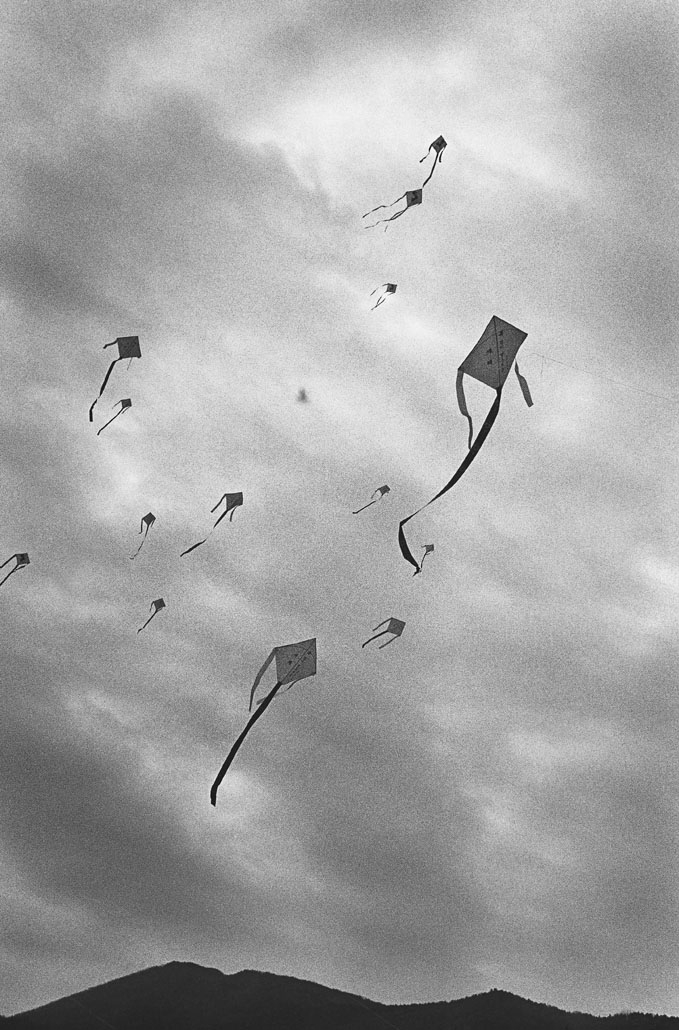
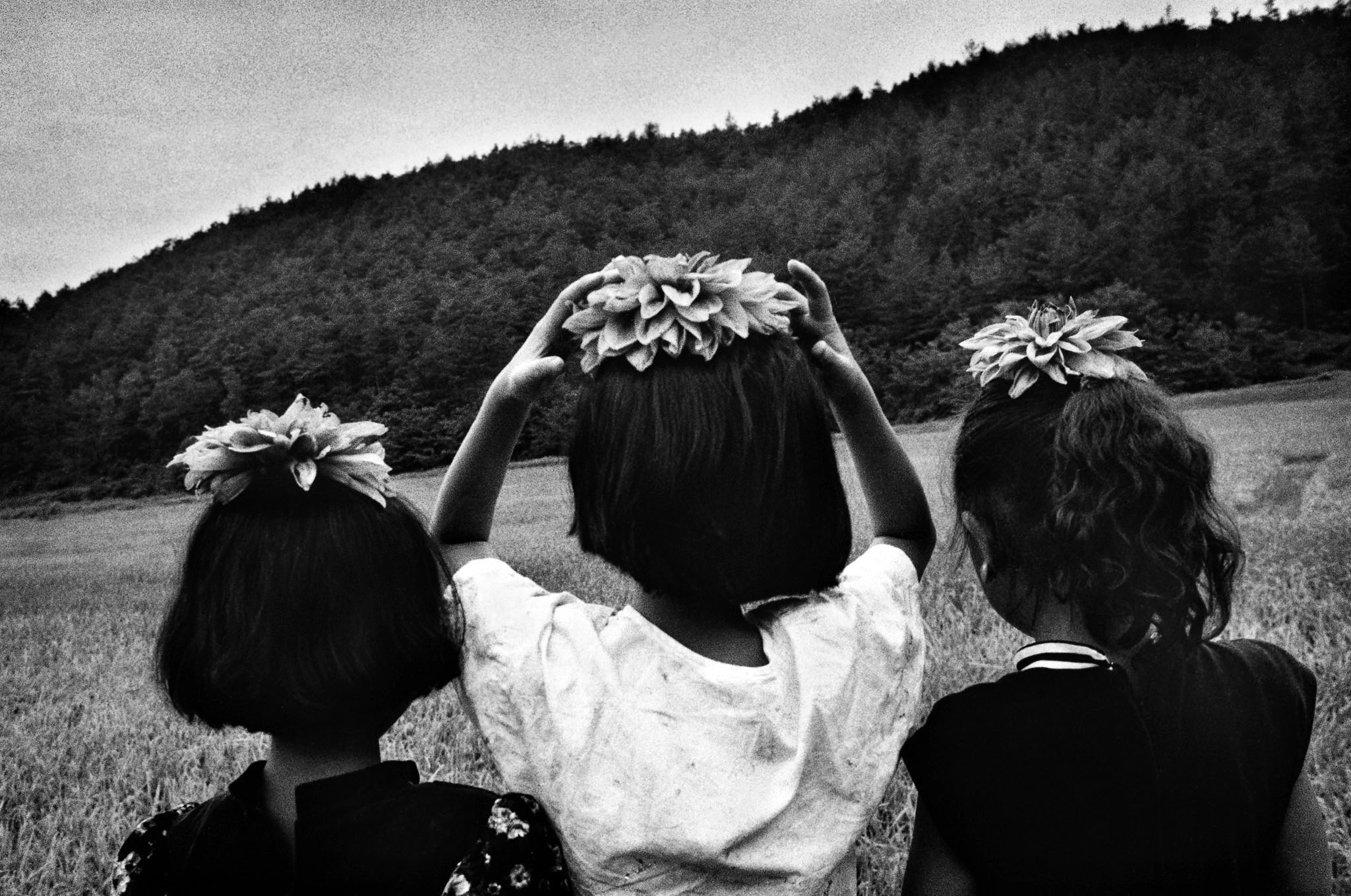
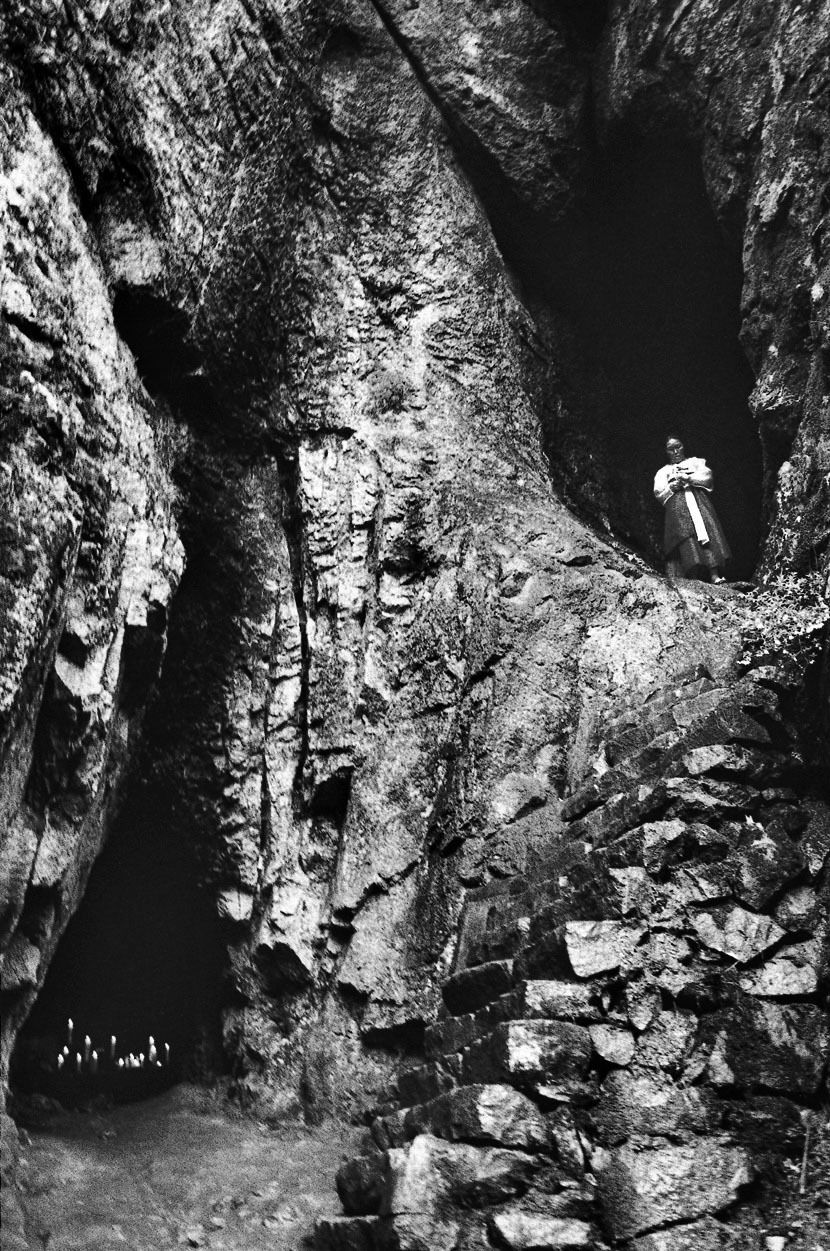
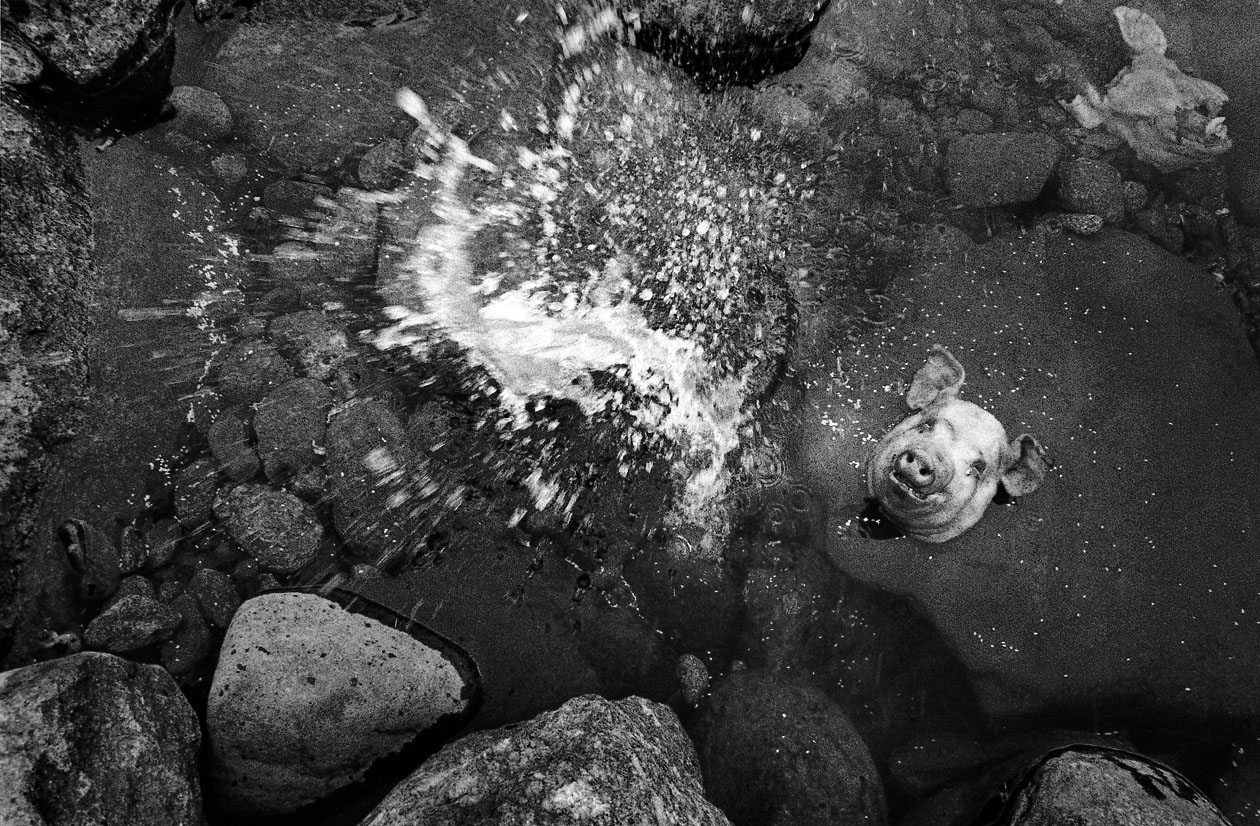
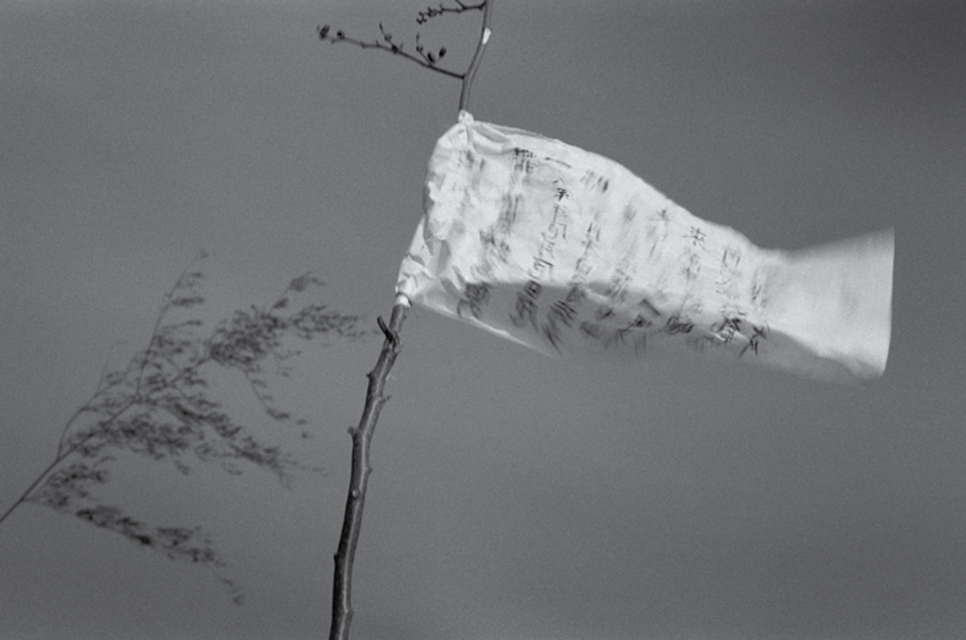
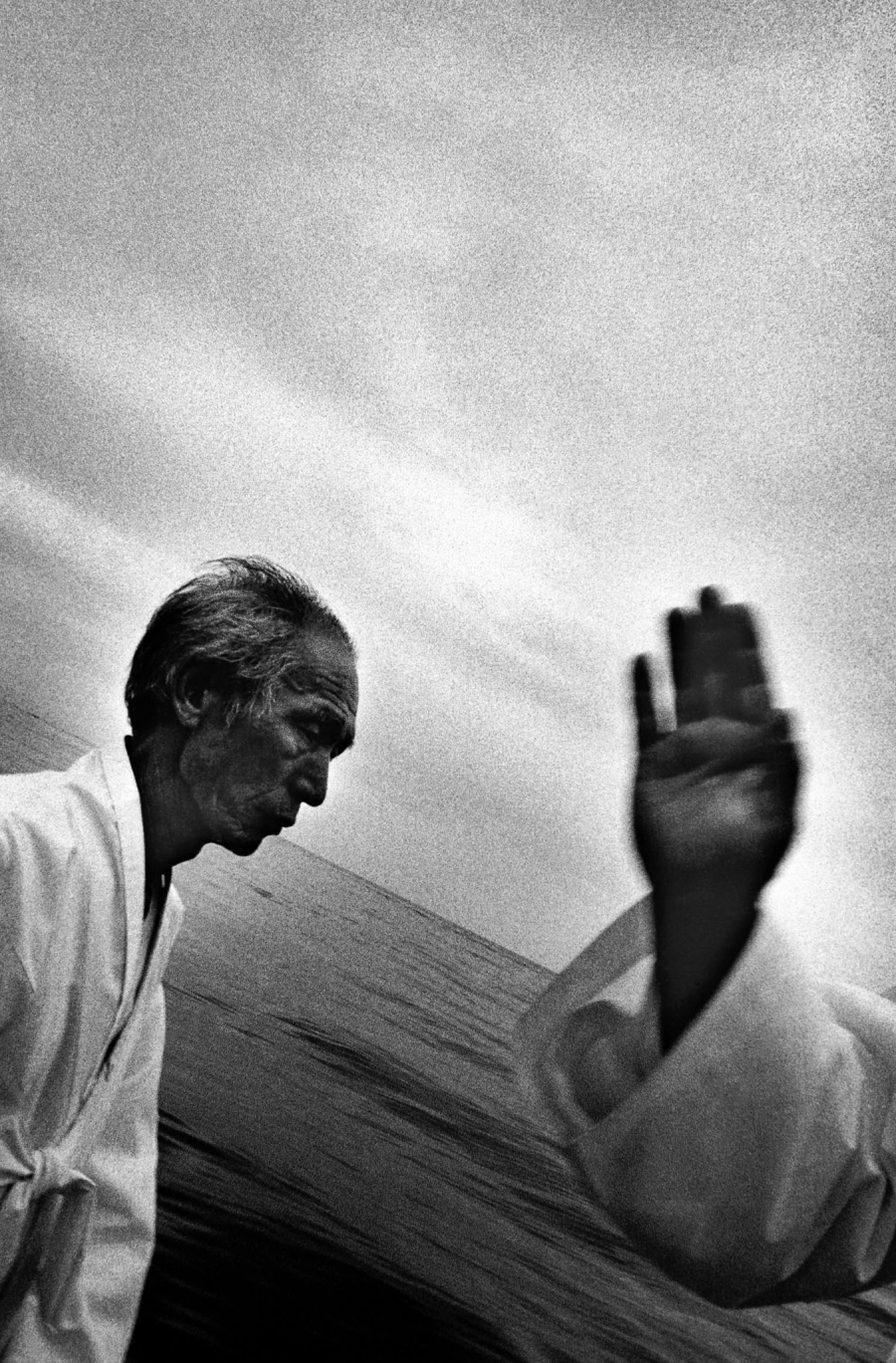
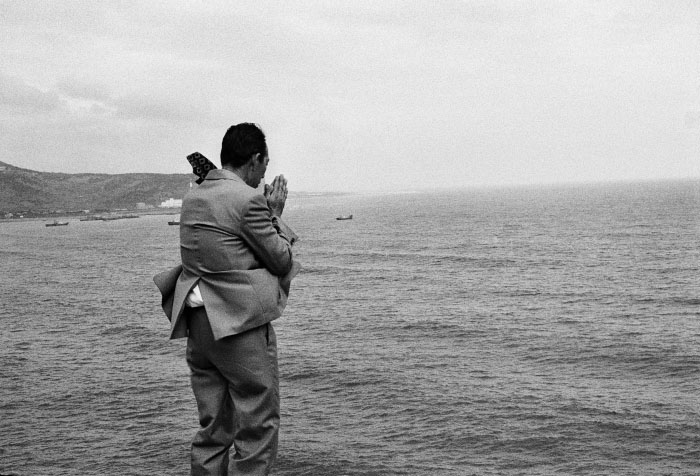
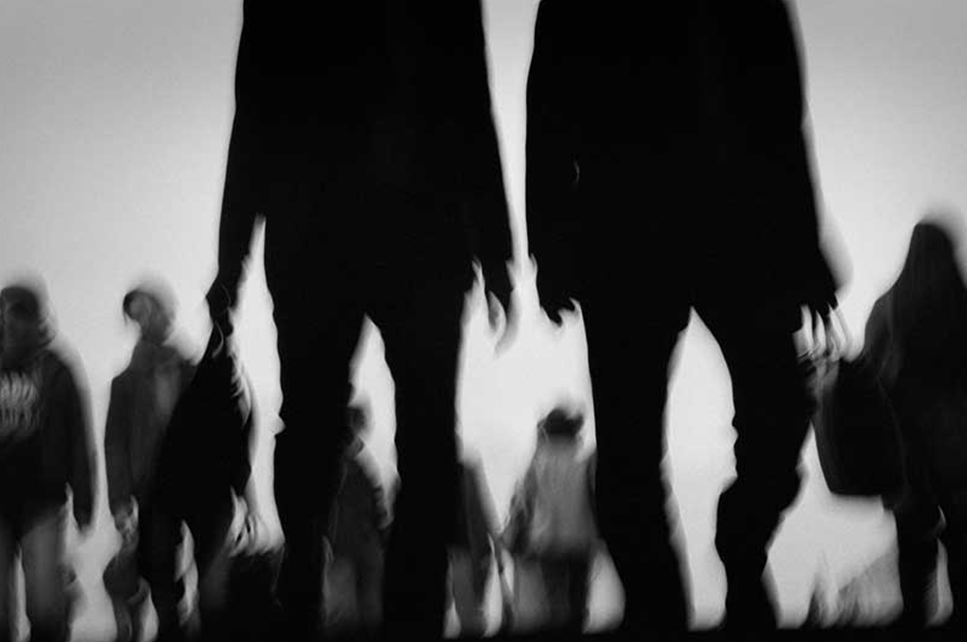
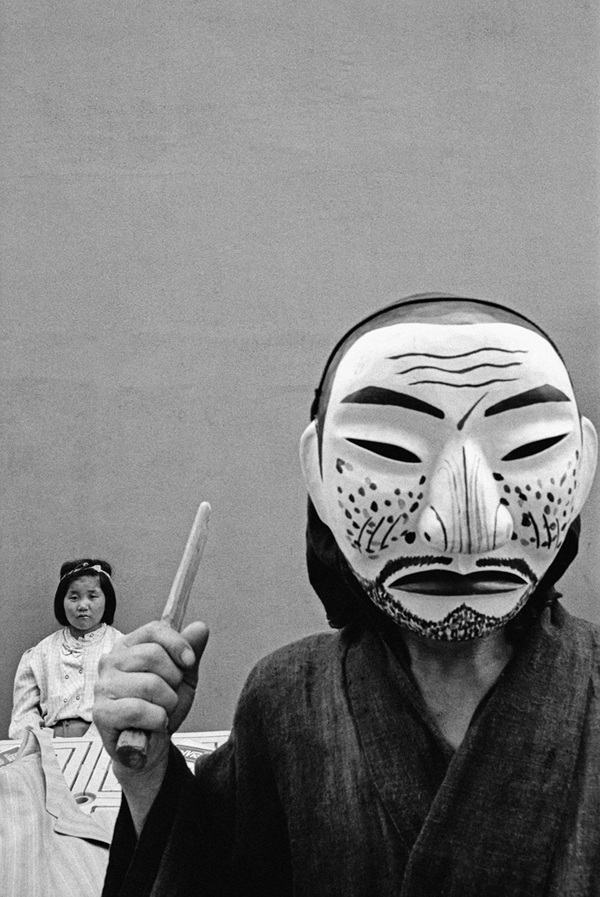
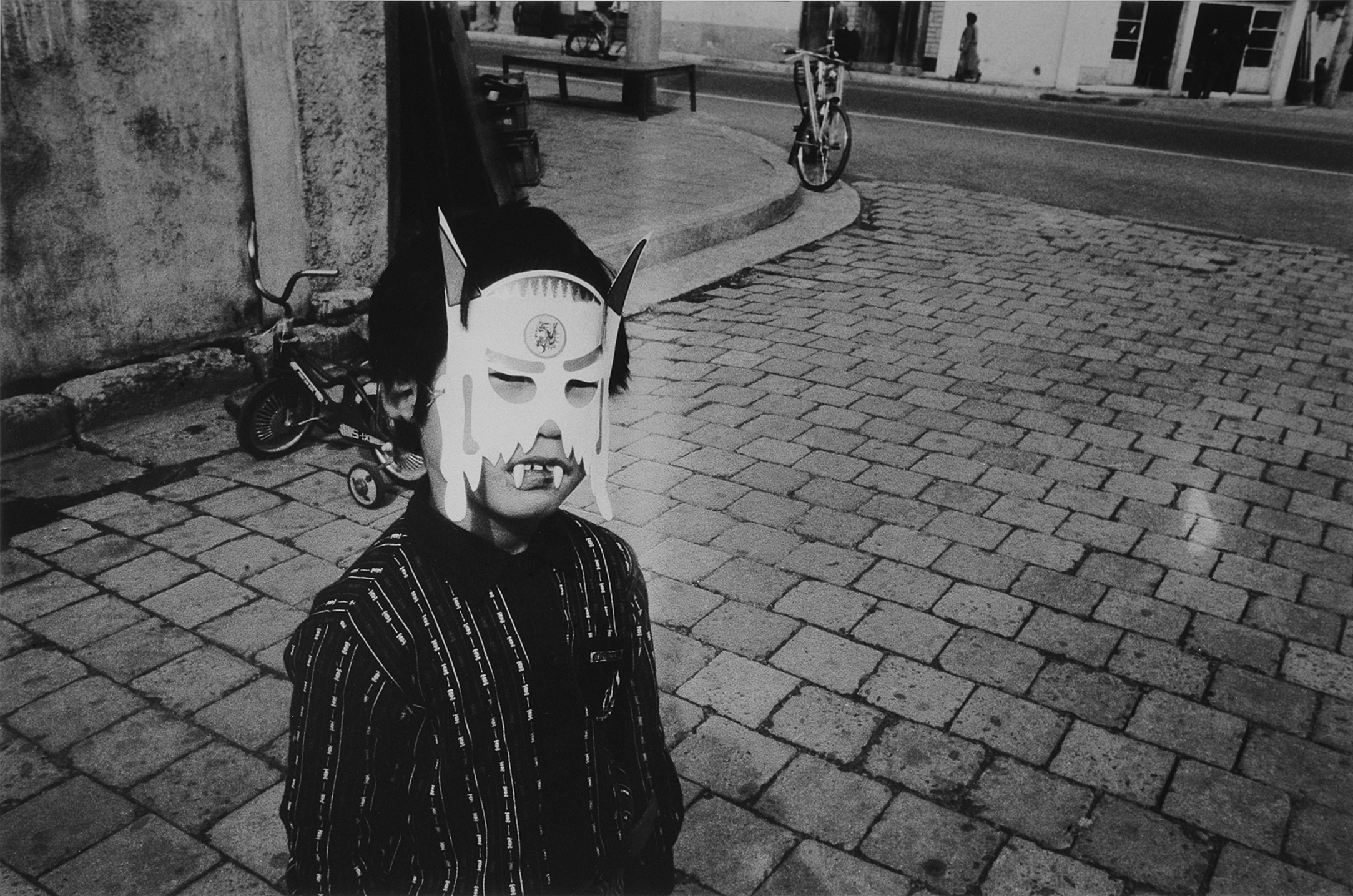
Gapchul’s black-and-white photographs are anything but pretty. They are somber
and rough, even forceful and unstable. Yet they are imbued with an inexplicable
energy and provoke a strange shudder. This is likely because they articulate,
in a factual visual language, the spirit and soul of Koreans layered deep
within the foundations of the nation, along with their spiritual atmosphere.
Lee
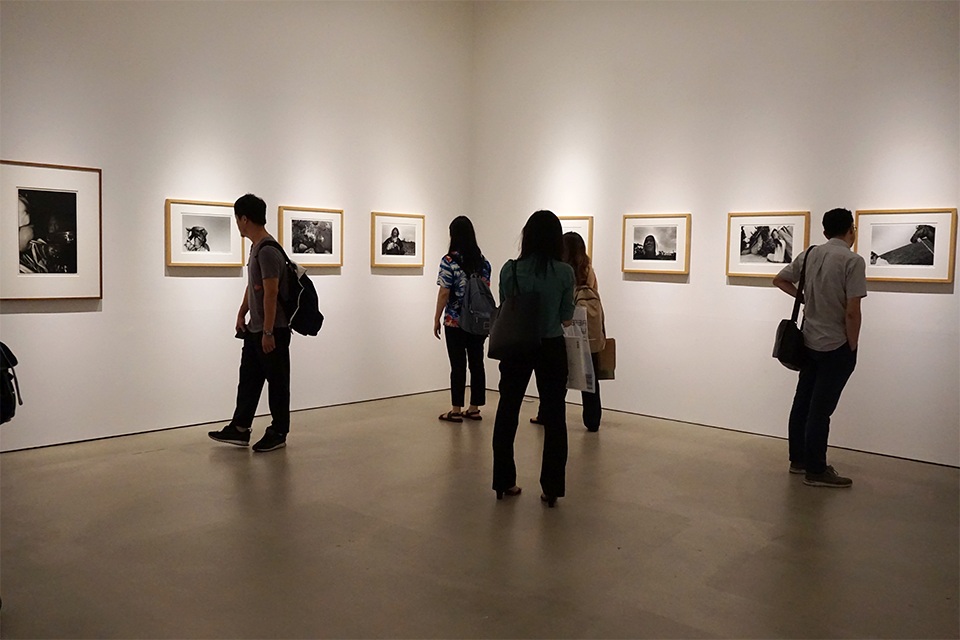
Gapchul sent shockwaves through the Korean photography world with his solo
exhibition 《Conflict and Reaction》 held at the Kumho Museum of Art in 2002, excavating Korean
sensibility and the unconscious. Through “decisive moments” that capture the
invisible yet undeniable human subconscious, he established a distinctive world
of his own. By persistently probing Korean identity, he was ultimately
recognized as having firmly stood on his own. In this sense, ‘Conflict and
Reaction’ marked a crucial turning point not only in the field of
photography but also in Lee’s personal artistic trajectory.
The
works presented in ‘Conflict and Reaction’ were, at first glance,
unmistakably photographs of Koreans taken by a Korean—images that captured
something closest to an original essence of “ours.” They went beyond mere
representation or documentation that confines visible subjects within a frame.
Rather, they resembled a kind of requiem that exhaled generations of inherited
sorrow and spirit, chanting the yin and yang of Korean life.
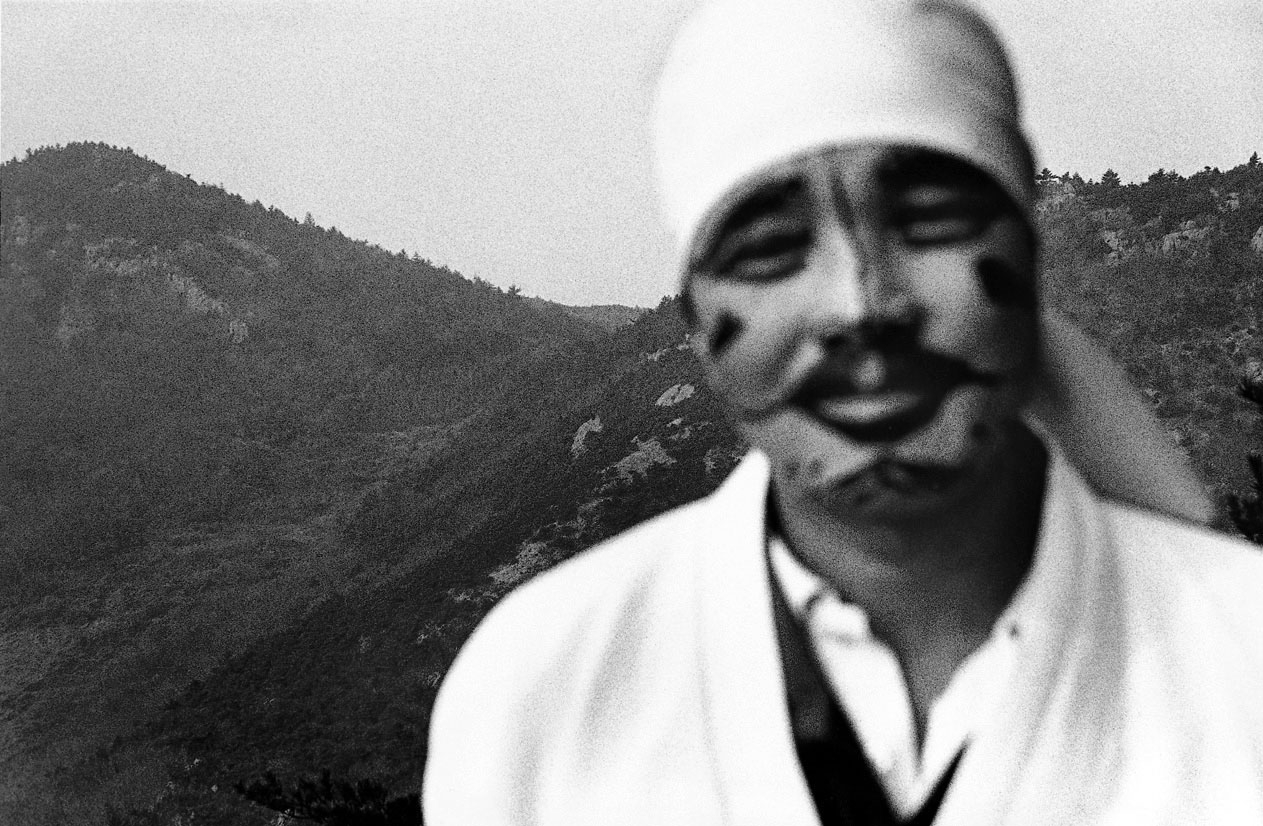
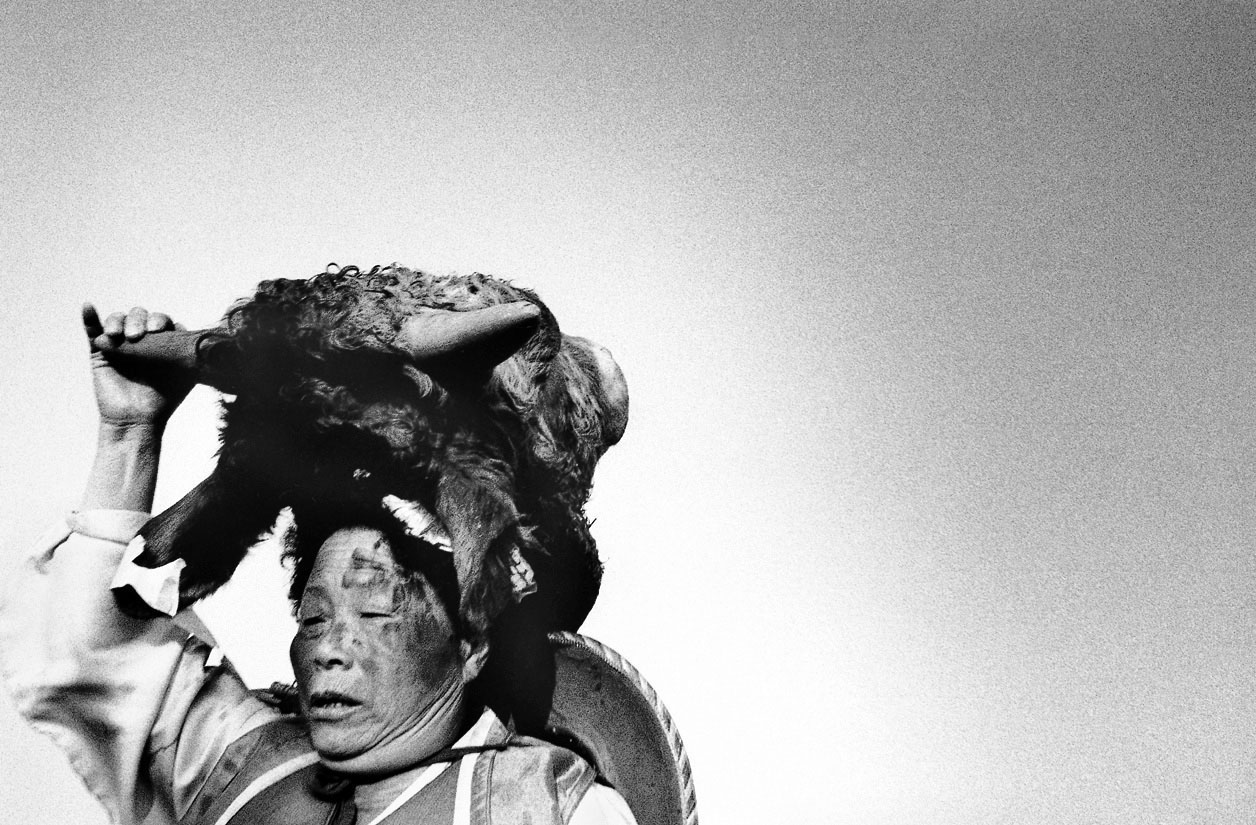
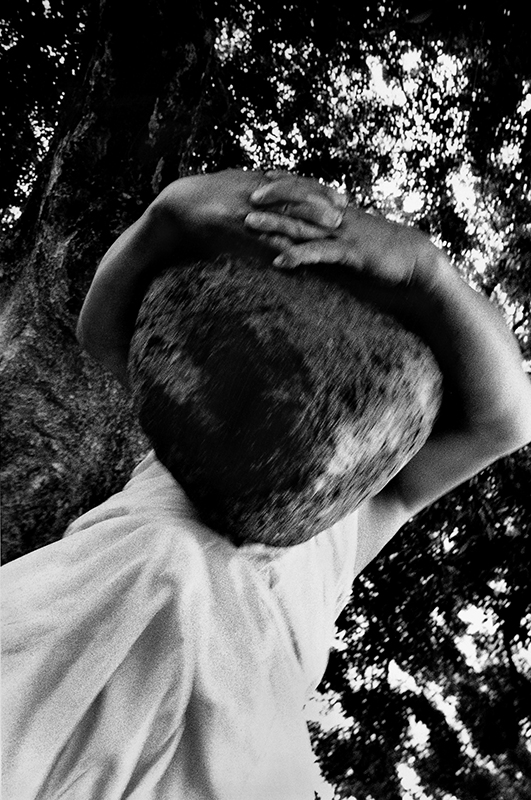
Representative
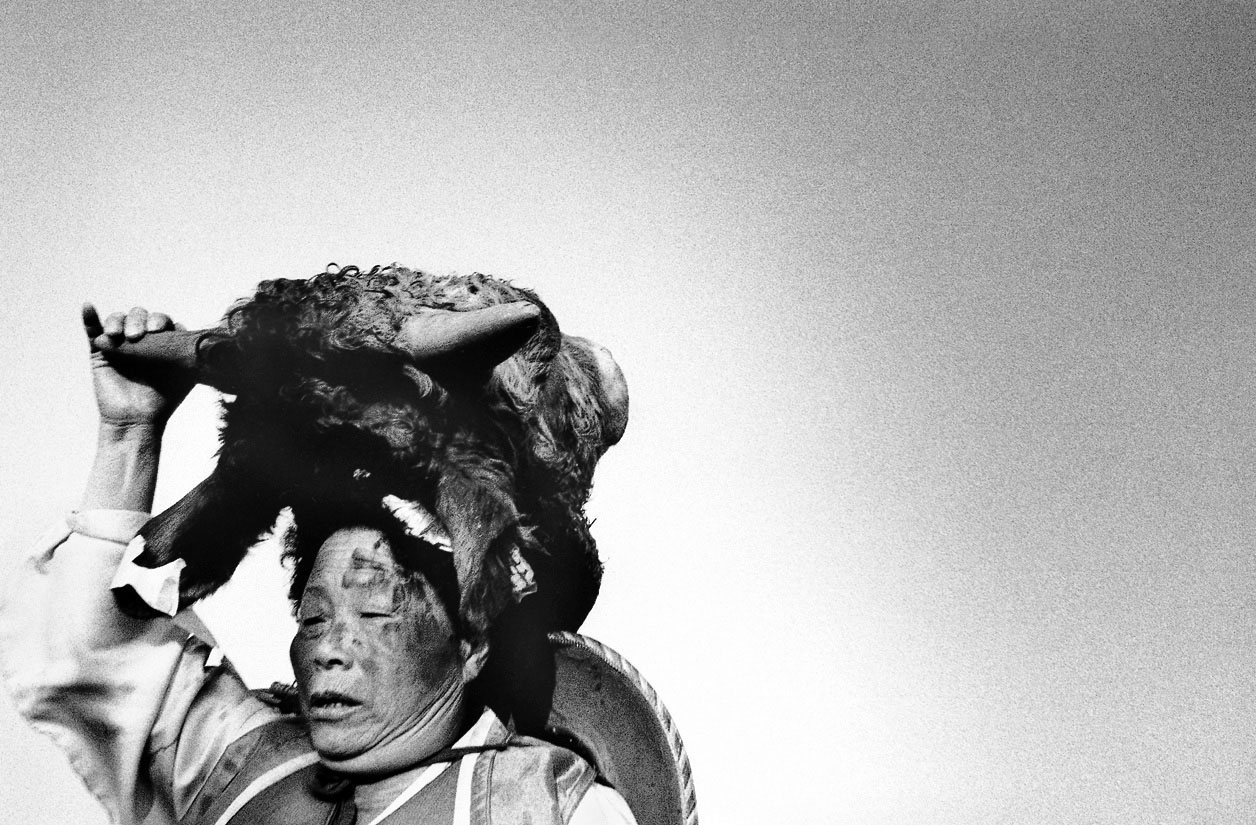
works include A Shaman with an Ox Head on Her Head (1992),
marked by strong primitivist and shamanistic tendencies, and Shaman (1992),
in which a blood-smeared shaman appears to slash through the world’s knots.
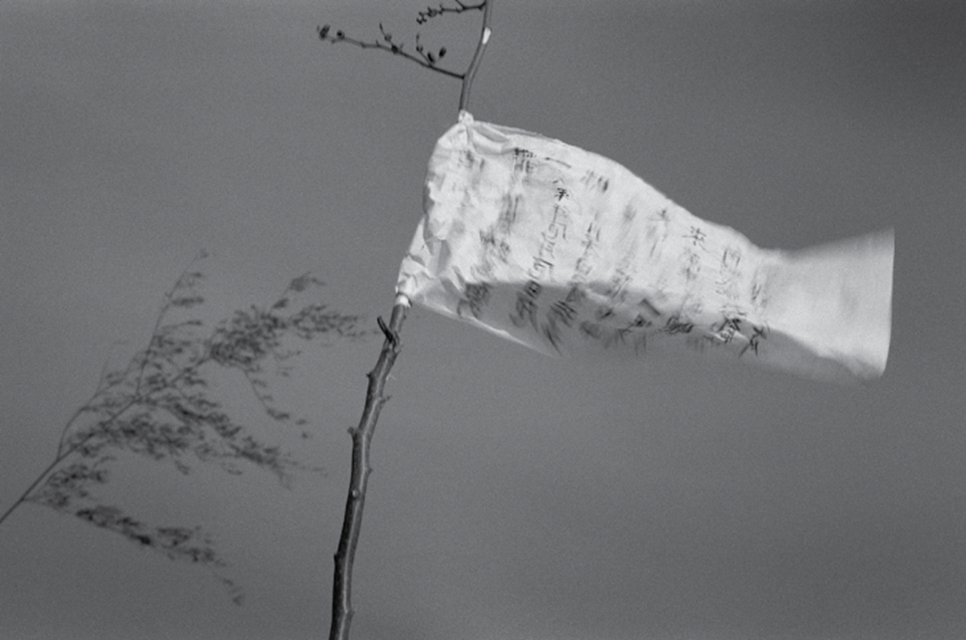
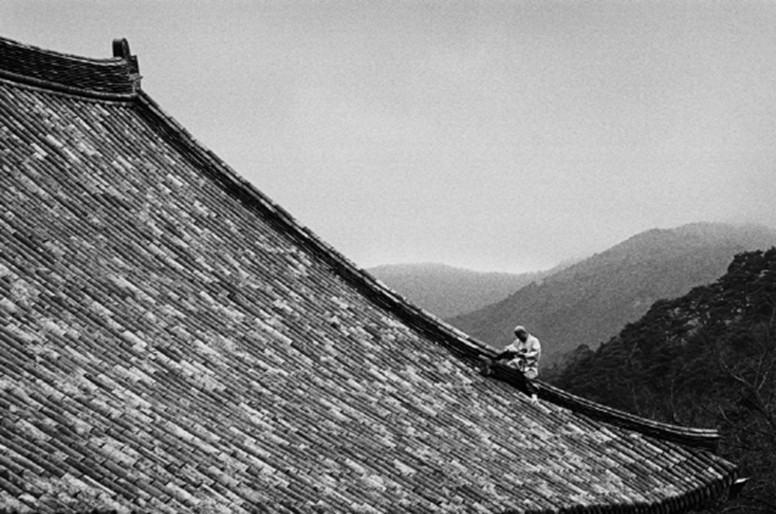
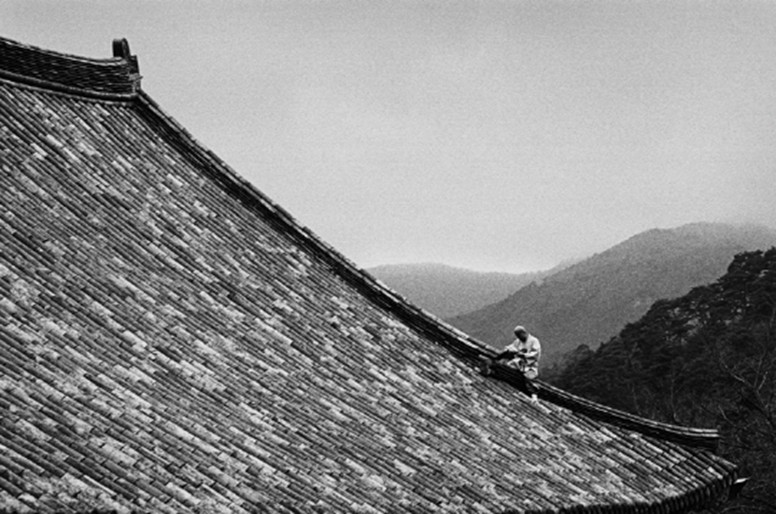
Dreaming
of Liberation–2 belongs to a foreshadowing of Lee’s later works,
which layer quiet resonance through refined visual language. The photograph was
taken during the cremation ceremony of Venerable Seongcheol, held in November
1993 at Haeinsa Temple in Hapcheon.
On
that day, Gayasan Mountain and Haeinsa were filled with crowds, and the
ceremony proceeded solemnly. Many photographers focused on capturing every
detail of the event. Lee, however, perceived the lingering presence of the
great monk in the sky, the wind, and the trees. He read an indescribable energy
enveloping the temple in the quiet meditation of a single monk on a rooftop.
It
was silence, yet an extension of liberation—an escorting of the monk’s clear
and profound fragrance as it dispersed along the valleys of Gayasan, carried by
fire and smoke. Lee intuitively transferred this moment to his camera.
Contemplating the ultimate boundary of life and death as part of nature, he
rendered the lingering tenderness and ache behind Korean cultural tradition and
emotion through stillness and quietude.
After ‘Conflict
and Reaction’, which generated considerable resonance, Lee’s photographic
aesthetics deepened further. Themes such as life and death, existence and
anguish, soul and mind, reality and prayer gradually retreated beneath
nature—sky and earth, trees and grass, water and wind—where energy (gi)
permeating mountains and rivers across the country emerged as a new horizon for
documentary photography. This was clearly far removed from the polished
packaging typical of conventional photography. Though the subjects were Korean,
the content within was decisively different from works that merely appeared
Korean on the surface.