We have to cease to think,
if we refuse to do it in the prison house of language;
for we cannot reach further than the doubt
which asks whether the limit we see is really a limit.
— Friedrich Nietzsche
0. The Artwork as Sign
Put bluntly, art is a reconstruction of reality. By emphasizing certain
aspects of reality while concealing others, art reveals what is otherwise
invisible. Through the persistent tension between what is ‘seen’ and what is
‘unseen’, art invites us to reflect on everyday life. This is possible because
art enables dialogue between the artist and the reader (viewer).
Traditionally, art presupposed the artist as a singular origin. The
artist, believed to generate a single, authoritative meaning, regarded the
artwork as an extension of the self—an embodiment of the artist’s voice alone.
Within the communicative structure of artist–artwork–viewer, the viewer was
reduced to a passive listener, while the artist occupied the position of
authority. In the linear structure of artist → artwork → viewer, the artist’s
creative idea was transmitted to the viewer through the medium of the artwork.
The viewer’s role was limited to perception. To encounter an artwork was, for
the viewer, simply to perceive it; doubts such as “Is this really an artwork?”
were unnecessary.
However, with the advent of the twentieth century, artists began
inviting viewers into the communicative structure of artist–artwork–viewer. The
recognition of Marcel Duchamp’s ready-mades as artworks does not occur through
mere perception of the object. What one person recognizes as an artwork may
appear to another as nothing more than an ordinary object. The structure artist
→ artwork ← viewer demonstrates that the artwork proposed by the artist is not
a unidirectional transmission but a product of communication. In other words,
the artist’s declarative statement “This is an artwork” is a deferred
proposition that must be validated by the viewer. Until the active viewer
semiotizes the artwork, this declaration remains incomplete.
As such, the post–twentieth-century viewer is no longer a passive
subject awaiting transmission from the artist, but an active participant. The
viewer seeks to communicate with the artist by semiotizing the artwork. Insofar
as artist and viewer communicate through the artwork, the artwork itself
functions as a sign.
I. Ghosts Drifting between Representation and
Presence
Generally, signs are used to transmit information—to tell or teach
others what one knows. For dialogue to occur, the sender and receiver must
share an understanding of the sign as a medium. Without such shared
recognition, dialogue collapses. Thus, a one-to-one correspondence between what
the sign represents and what actually exists—representation without
distortion—is considered a prerequisite for dialogue. But is distortion-free
representation possible?
Representation presents an absent object through a substitute—another
object or sign. Representation presupposes absence. If the object were not
absent, there would be no need to present it through another form. Hence
representation is inherently unstable. It renders the absent object ‘present to
a certain degree,’ but never fully. This paradox is intrinsic to both sign and
representation. Even when an absent object is given form through a sign, it
remains absent. If the sign were to fully saturate the absence, it would cease
to be representation and become the object itself. Representation finds its
resting place precisely at the point where it endlessly refers back to the
object yet can never reach it.
Thus representation is not full presence but
‘partial presence.’ According to Lacan’s mirror stage, a subject who mistakes
this ‘partial presence’ for complete representation is caught in an illusion
produced by misrecognition (méconnaissance), which inevitably intervenes in ego
formation. Between the represented image and the object lies an unbridgeable
gap or fissure. Because representation offers only partial presence, countless
subjects—like ghosts—hover within this gap, striving toward complete
representation. Though invisible, these ghosts exist, and it is through their
languages that we live in society, sustain life, and conduct dialogue—while
forgetting that ‘presence is always only partial’.
II. Semiotic Representation and the Fictional World
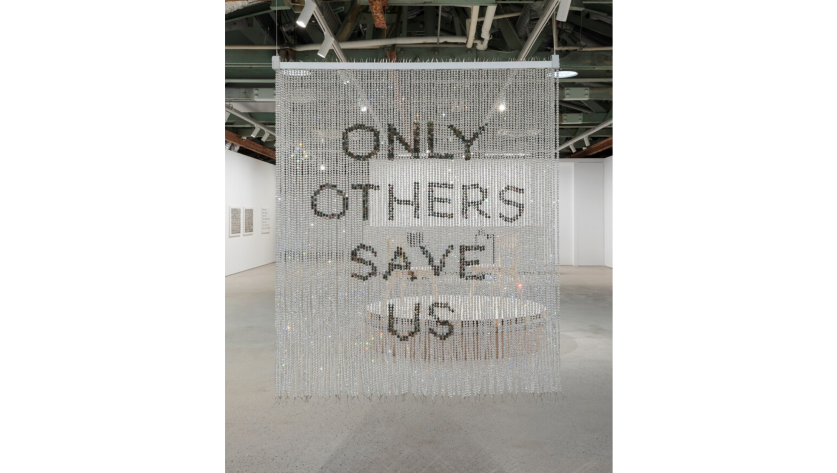
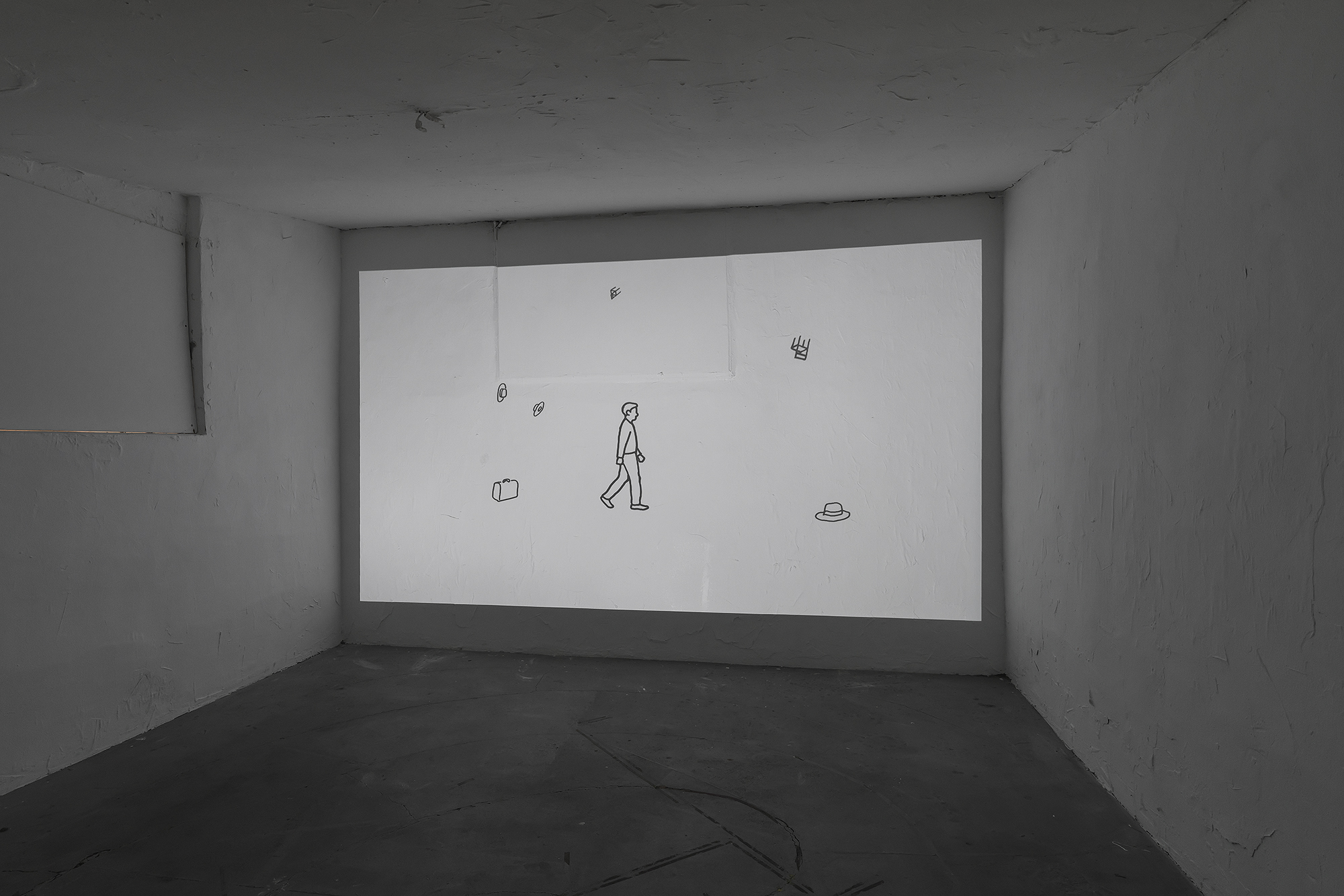
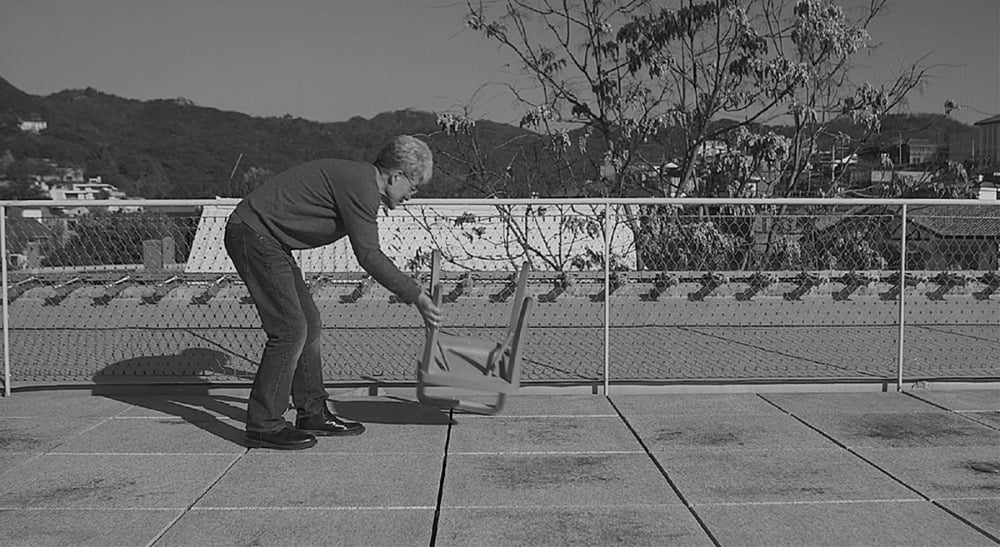
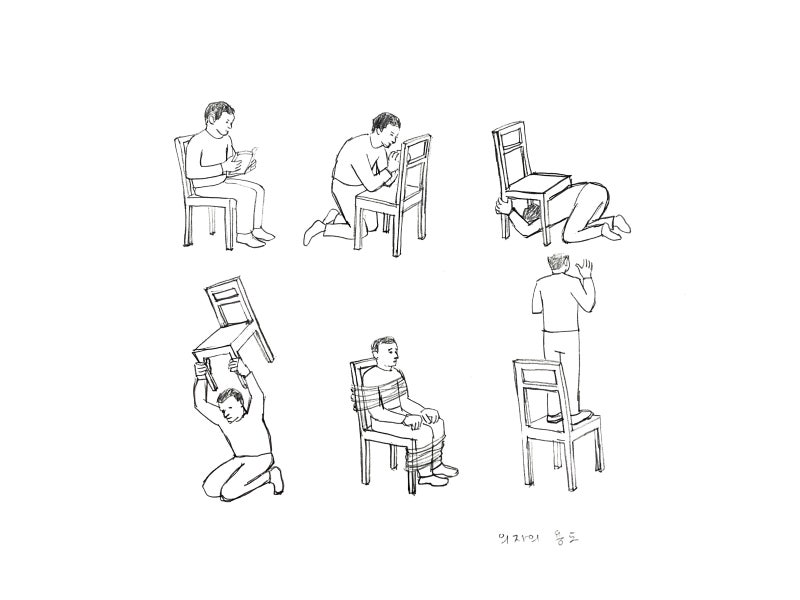
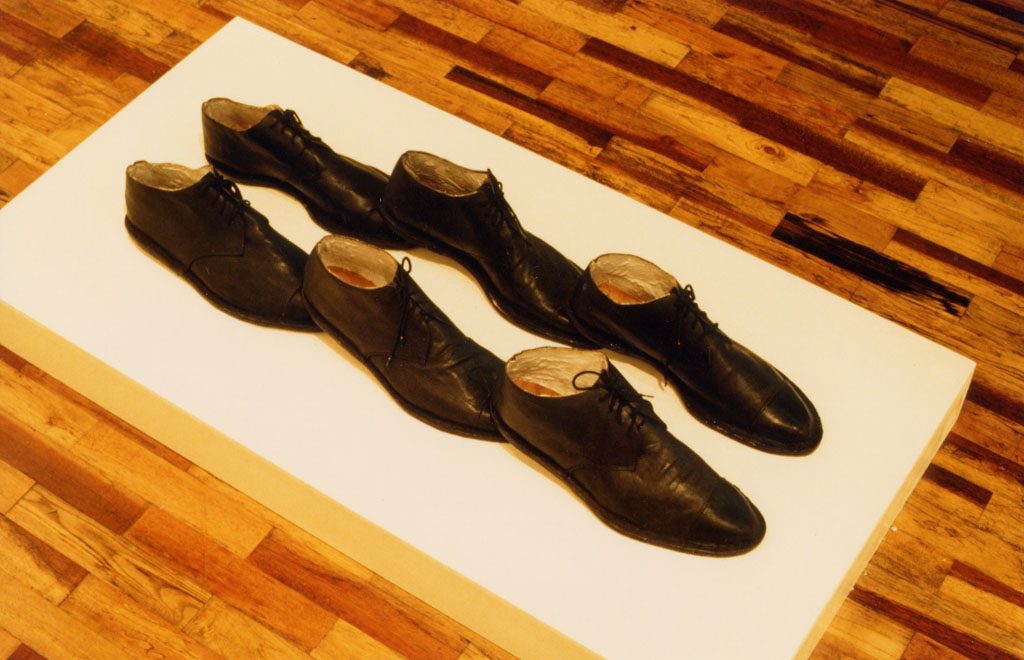
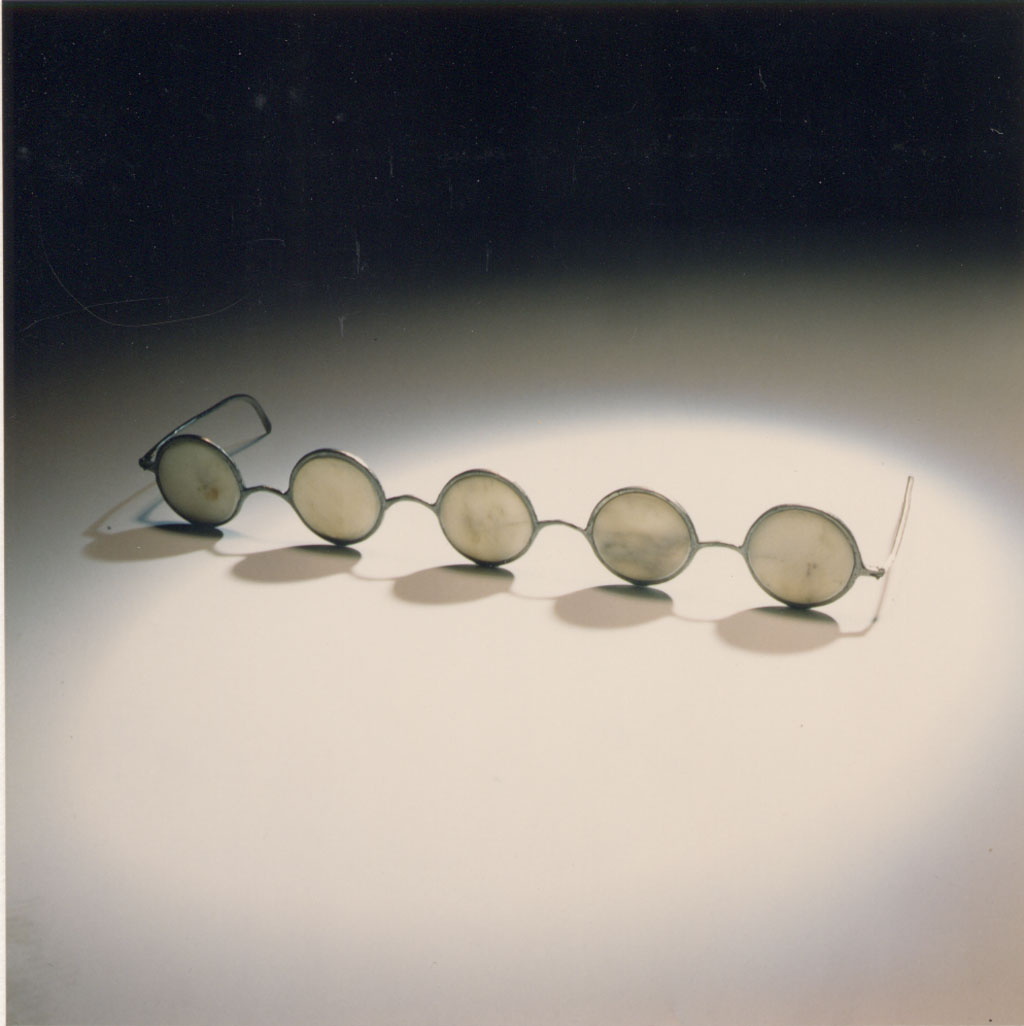
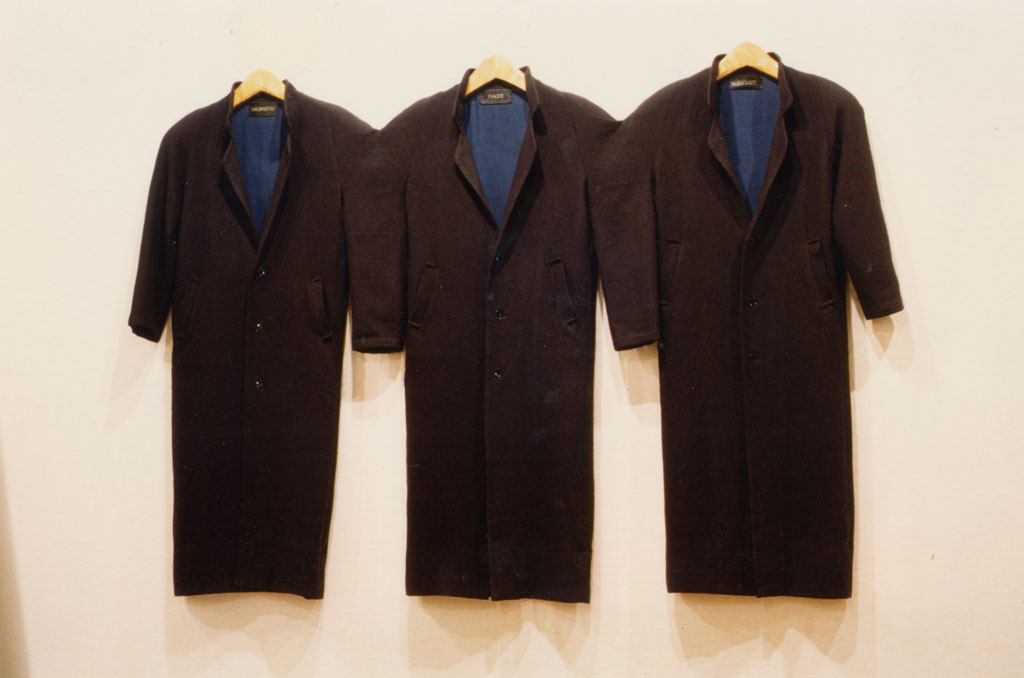
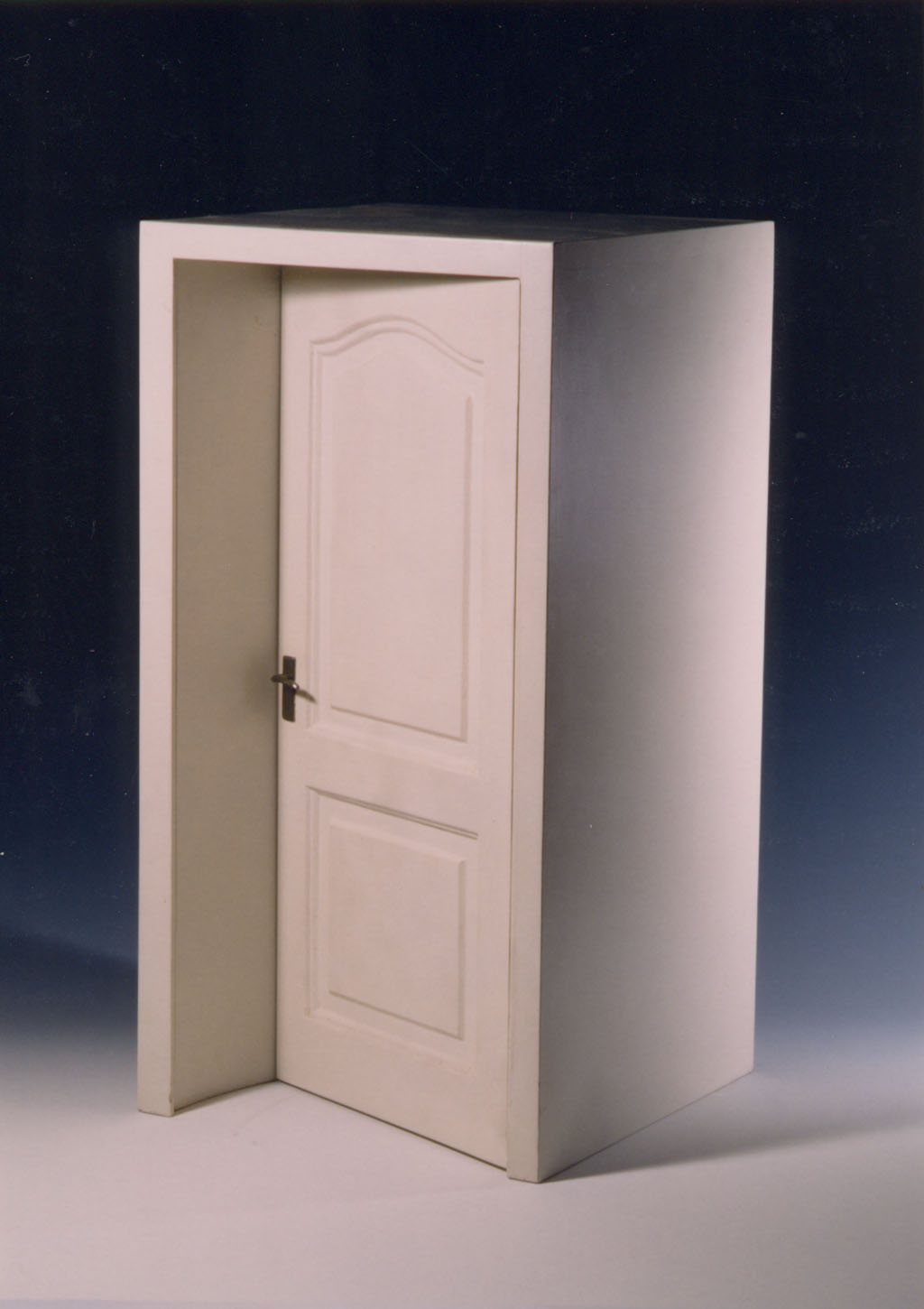
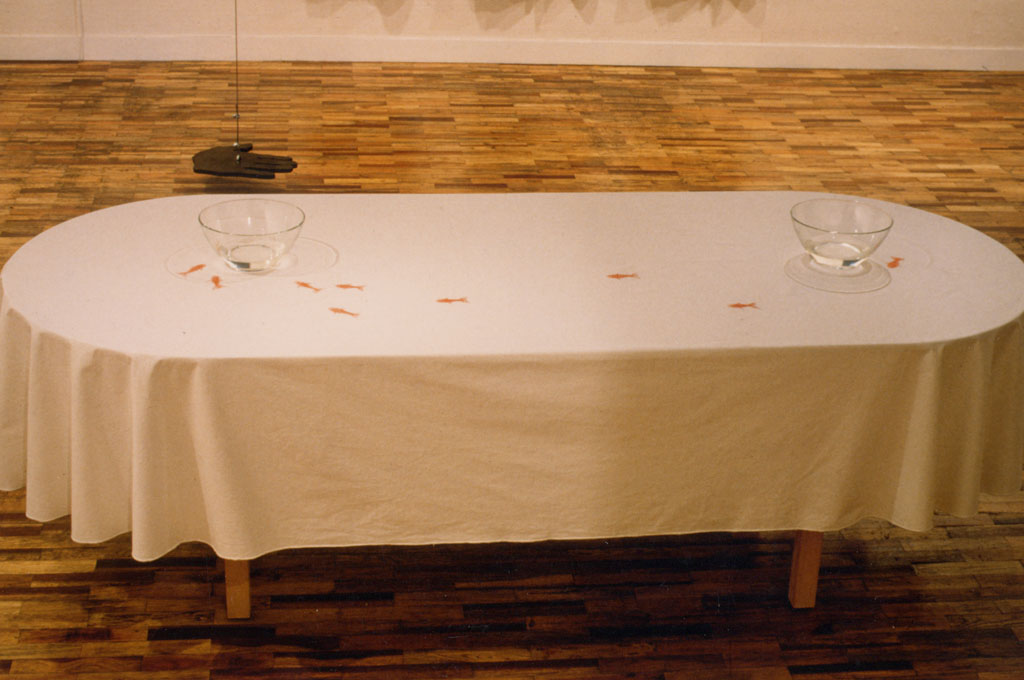
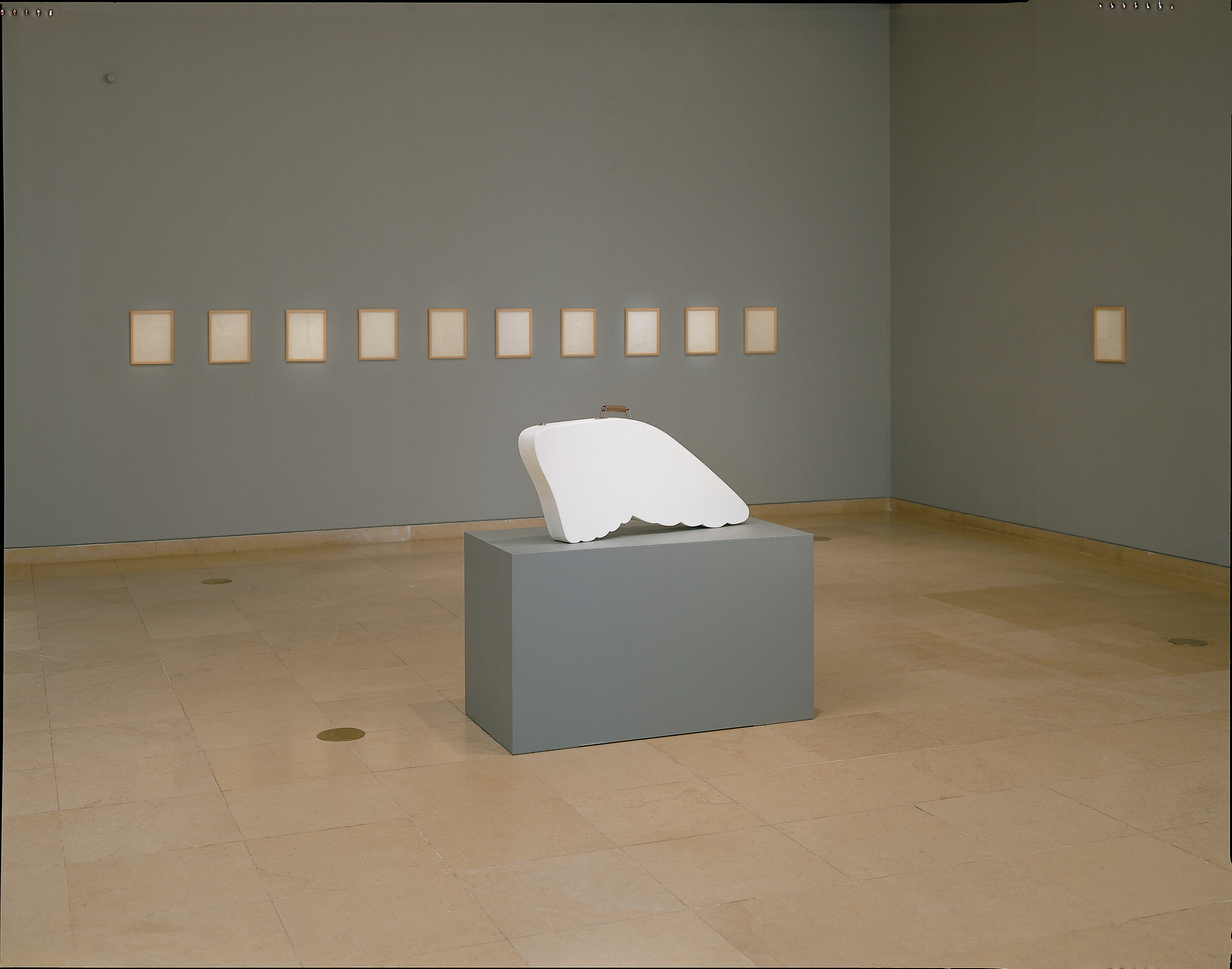
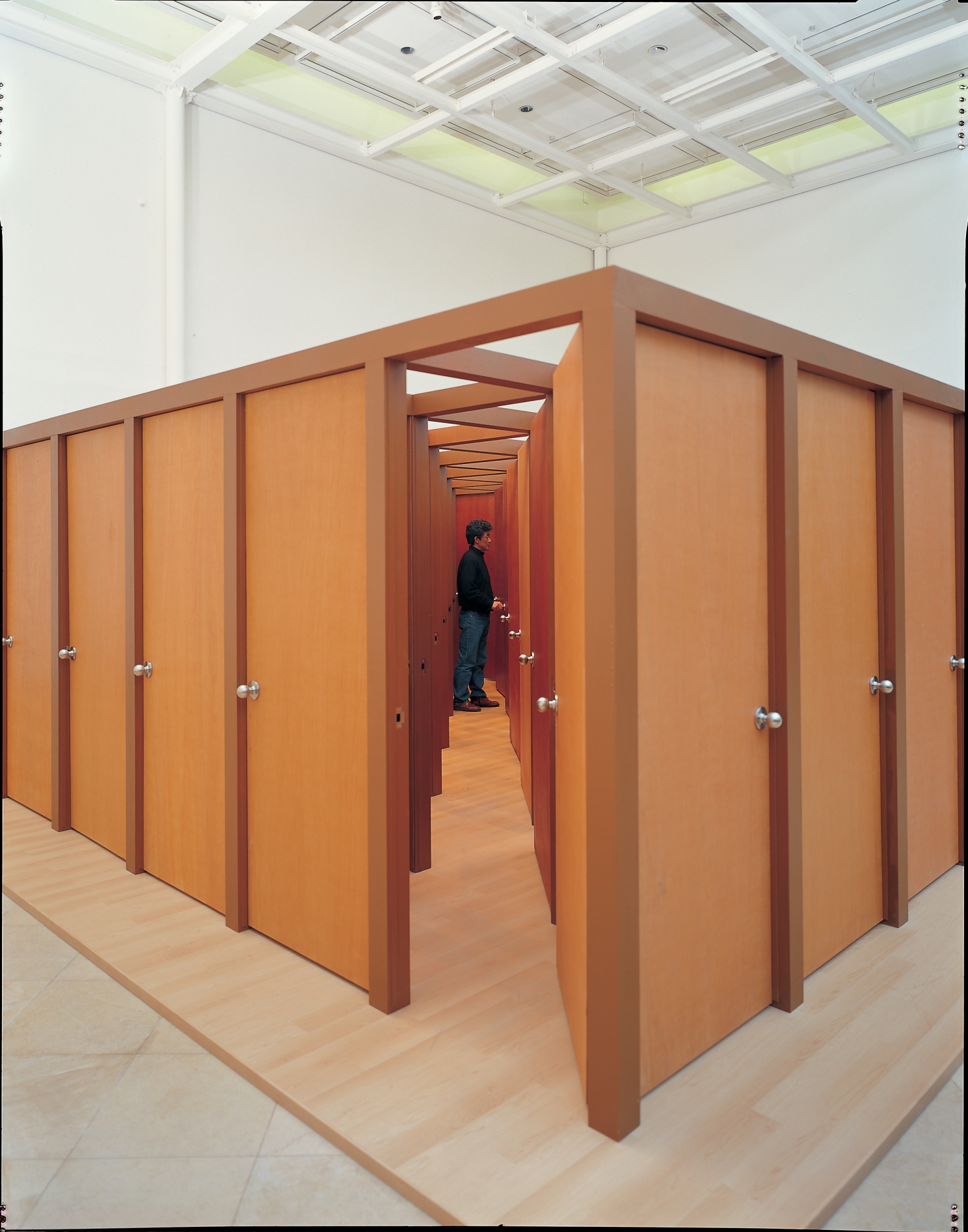
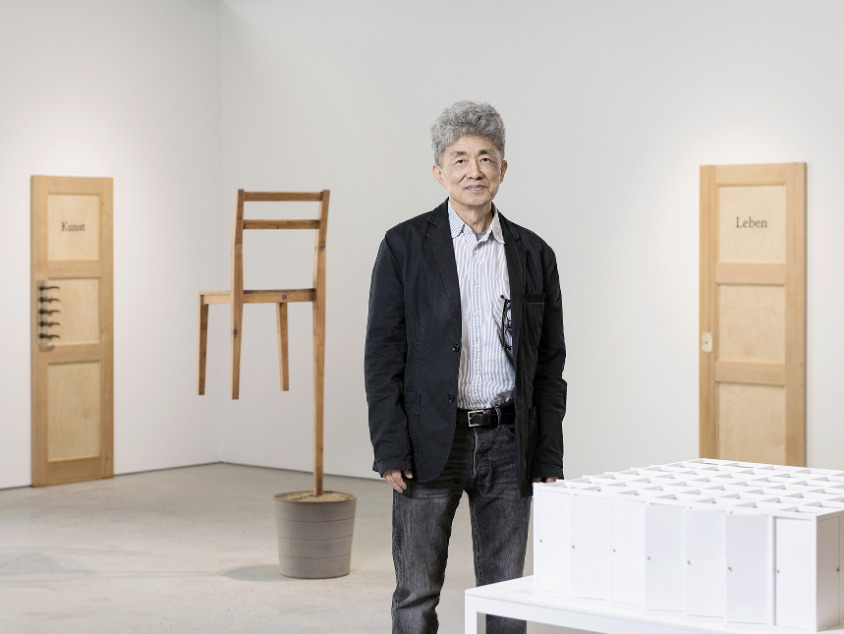
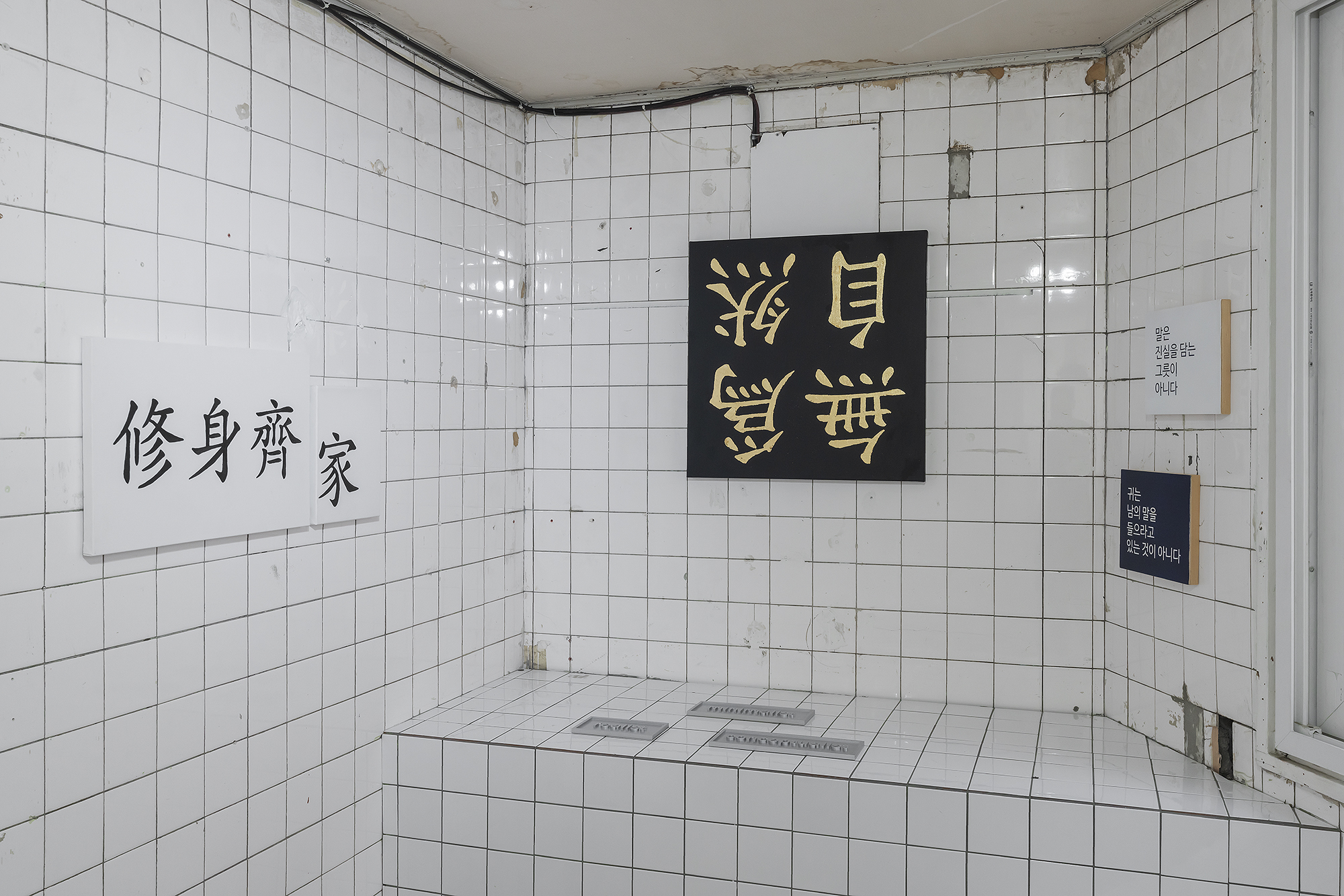
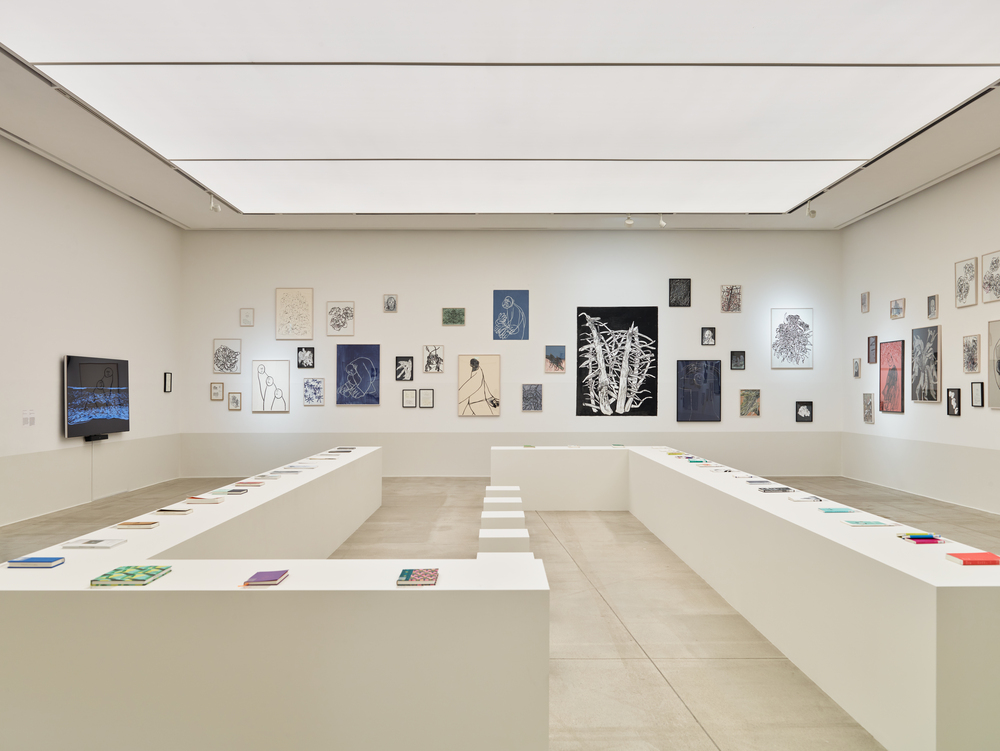
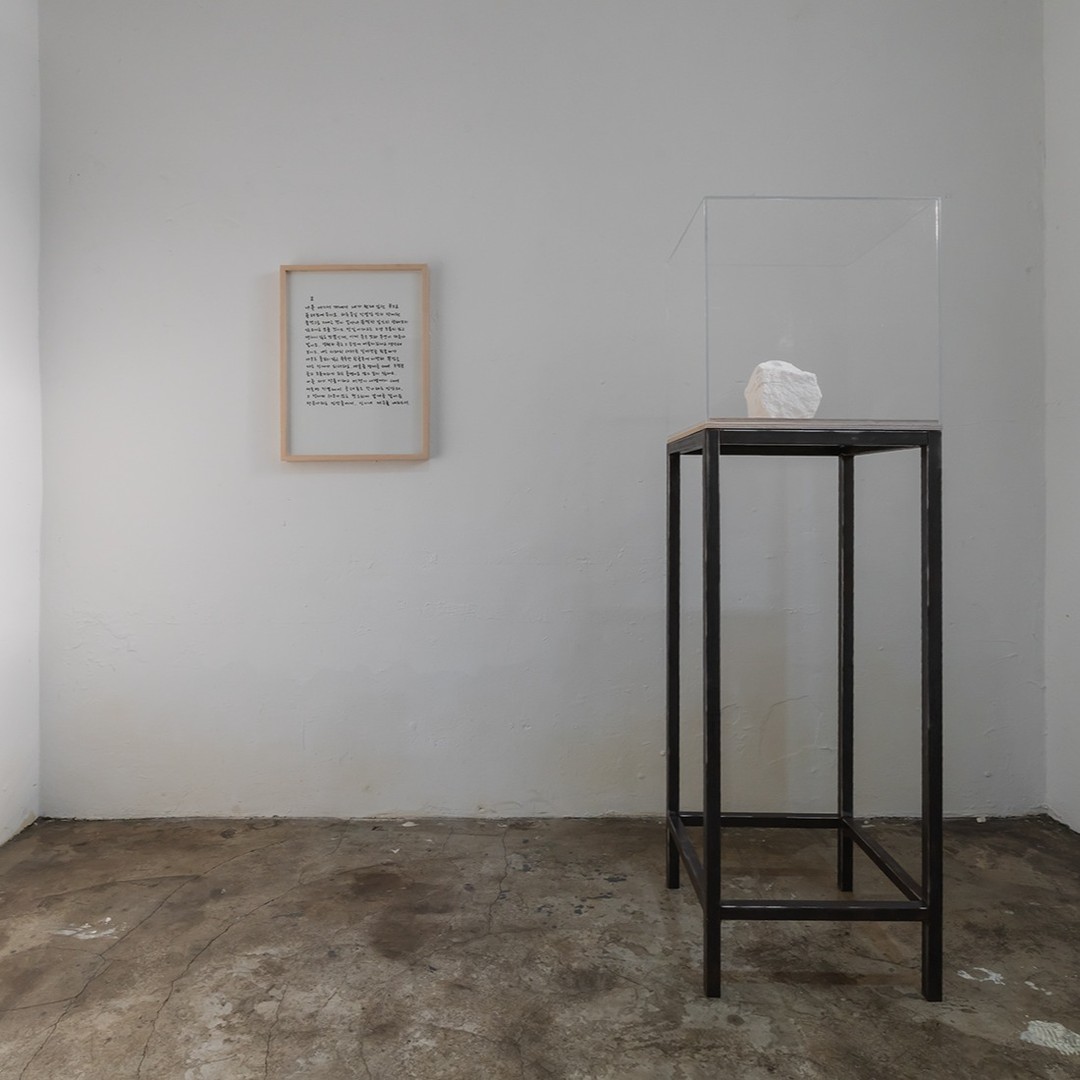
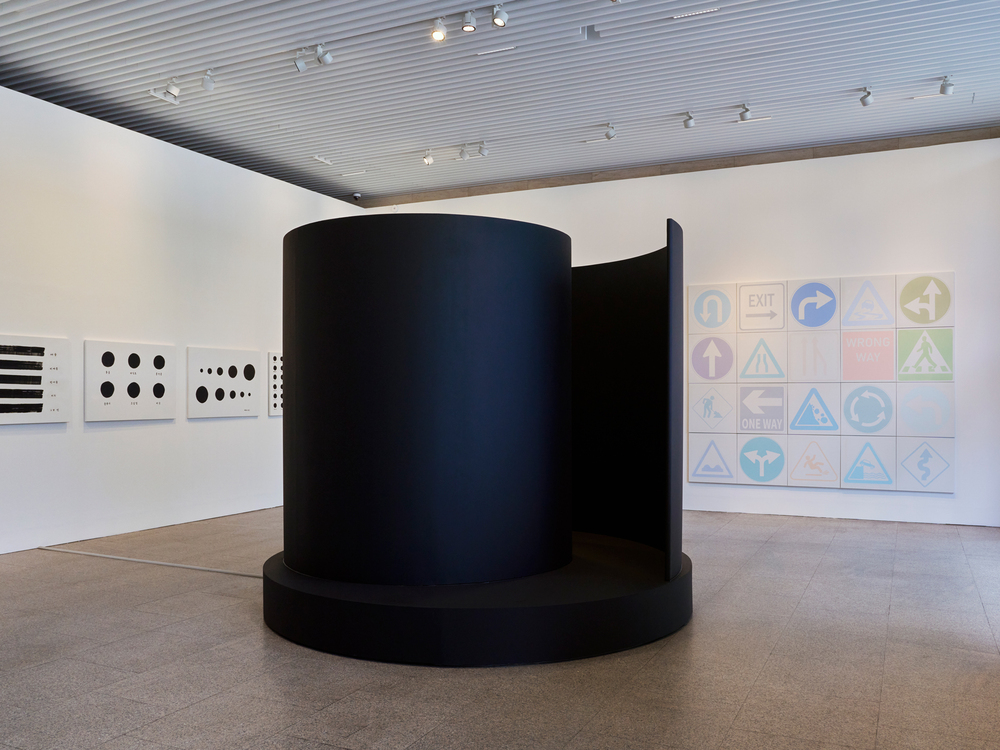
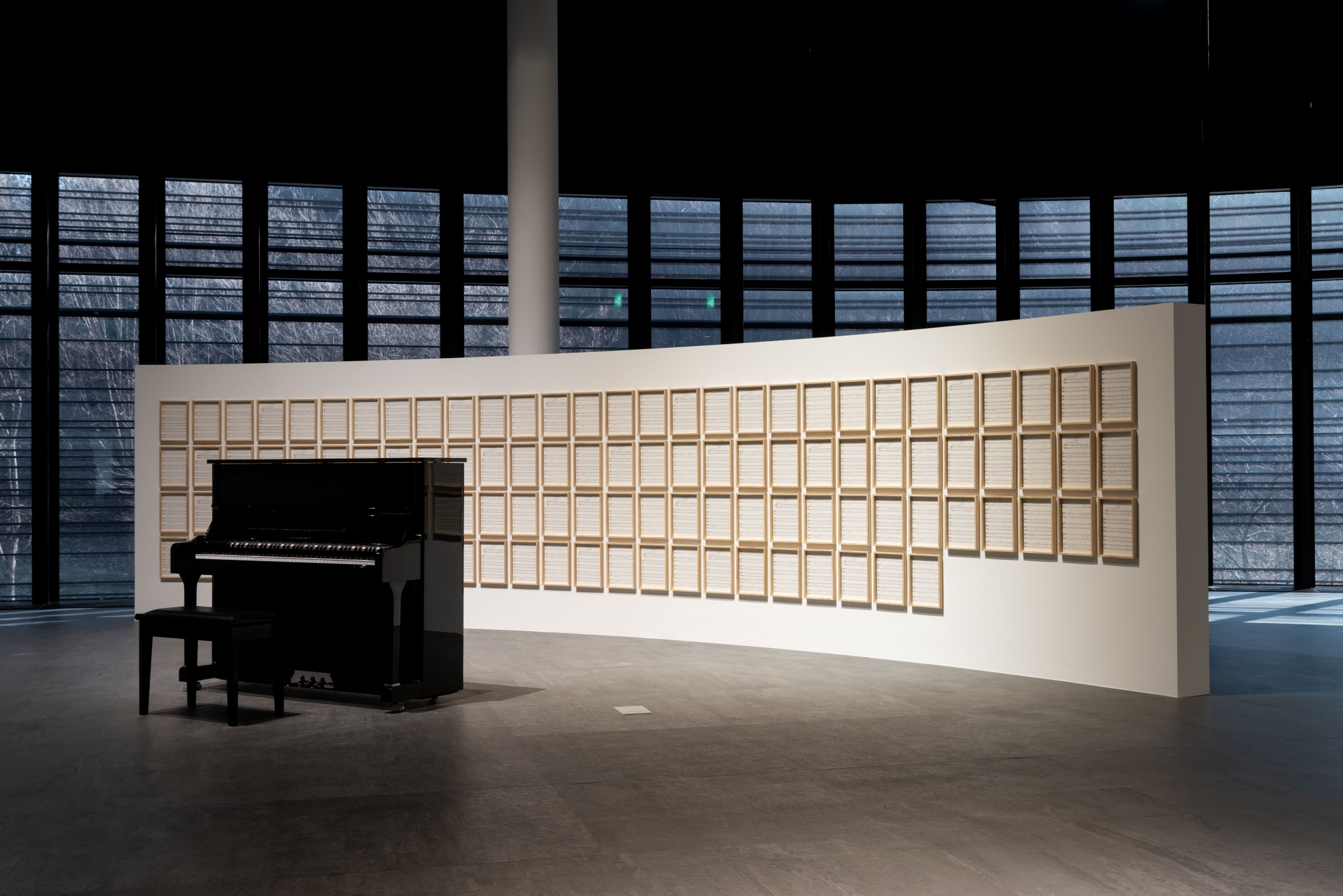
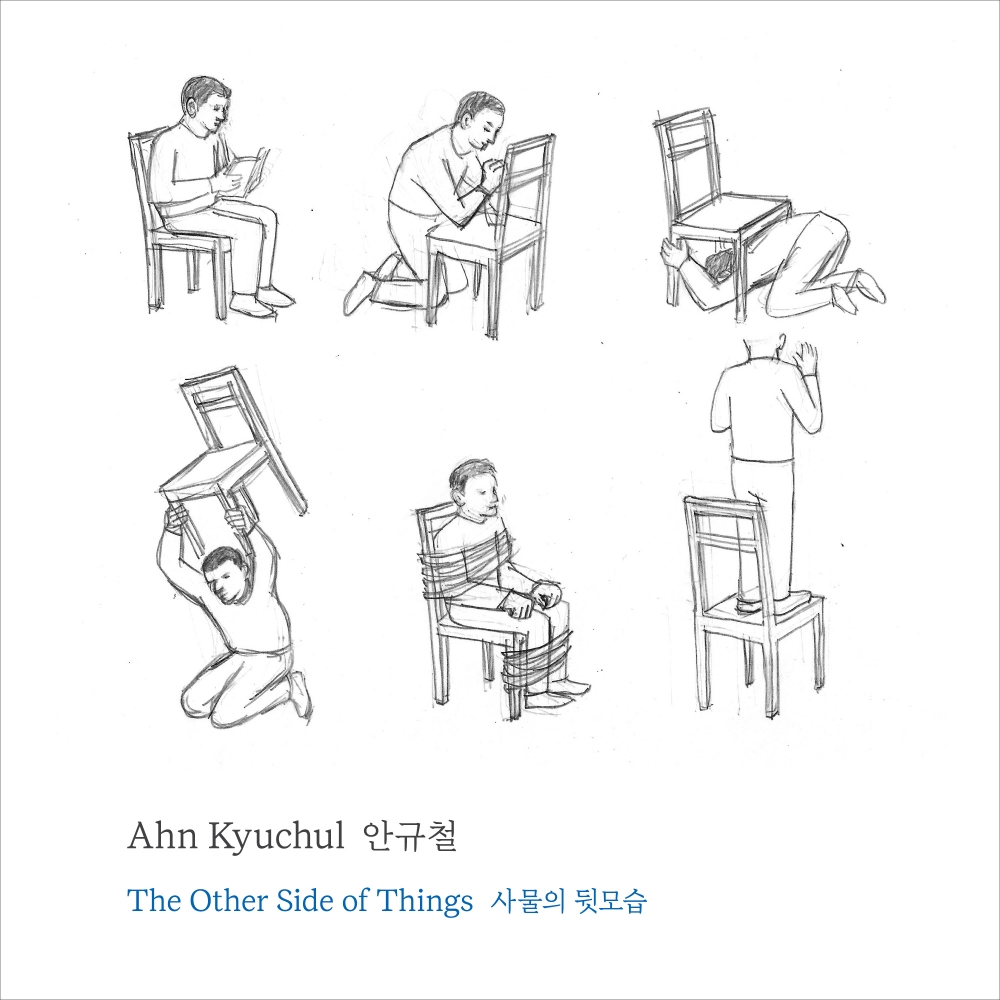
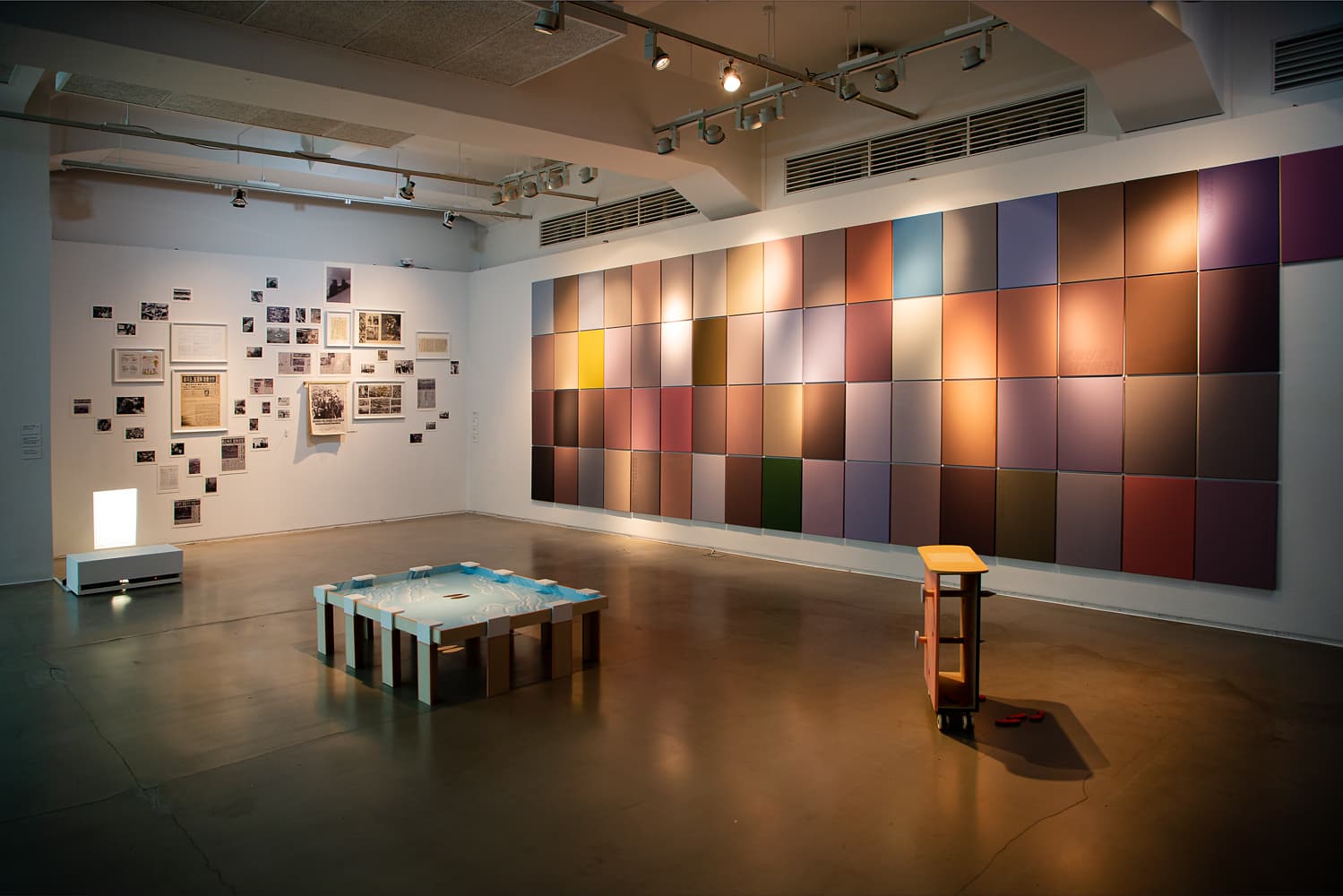
Ahn Kyuchul appears to focus on trivial aspects of everyday life,
seemingly representing ordinary objects. Yet according to Ahn, our gaze upon
the everyday is already constrained by a rectangular frame—a “rectangular eye.”
As Adso states in The Name of the Rose, “I have never
doubted the truth of signs; signs are all humans have to find their way in this
world.” We live without questioning the truth of signs, even if what we
perceive as ordinary objects is already filtered through this “rectangular eye.”
Jean Baudrillard argues that “we inhabit a world in which the essential
function of signs is simultaneously to make reality disappear and to conceal
that disappearance. Behind every image, something has vanished.” Signs are not
truth; they are merely signs. They are not pathways to truth but perhaps
instruments that distort or even destroy it. What, then, is visible, and what
has been filtered out?
Society emphasizes a rectangular frame for its members while eliminating
the world that lies outside it. We come to see the world through such distorted
vision. Signs are formed through agreements among members of society. By their
very nature, signs bind the anonymous sender, ‘I,’ and the anonymous receiver,
‘you,’ into the collective framework of ‘we.’
For a subject to exist, it must present
itself through a sign. Yet a sign is not the subject’s true substance but
merely an artificial construct defined by society. Even so, no matter how
artificial a sign may be, the subject cannot exist without identifying itself
with that sign. In other words, the subject mistakes a sign that is not itself
for the self. This suggests that a subject within society must accept the
socially conventional definitions embedded in signs—even if they are
artificial—in order to be granted an identity.
Consequently, ‘he,’ who fails to be
bound within the framework of ‘we,’ becomes a third person who cannot be
incorporated into the ‘we’ established by the social conventions agreed upon by
‘I–you.’ The everyday signs we use so casually already contain mechanisms that
divide and classify the world within themselves. Should we then refuse the use
of signs altogether? If so, we cannot move beyond the point of asking whether
the limits visible to us are truly limits (Nietzsche).
What becomes crucial here is ‘signification.’ This reveals that signs do
not operate solely within binary oppositions. A sign is a space in which the
unconscious and the conscious act together, and within that space are countless
tensions of force lines. Ahn Kyuchul directs his attention precisely to this
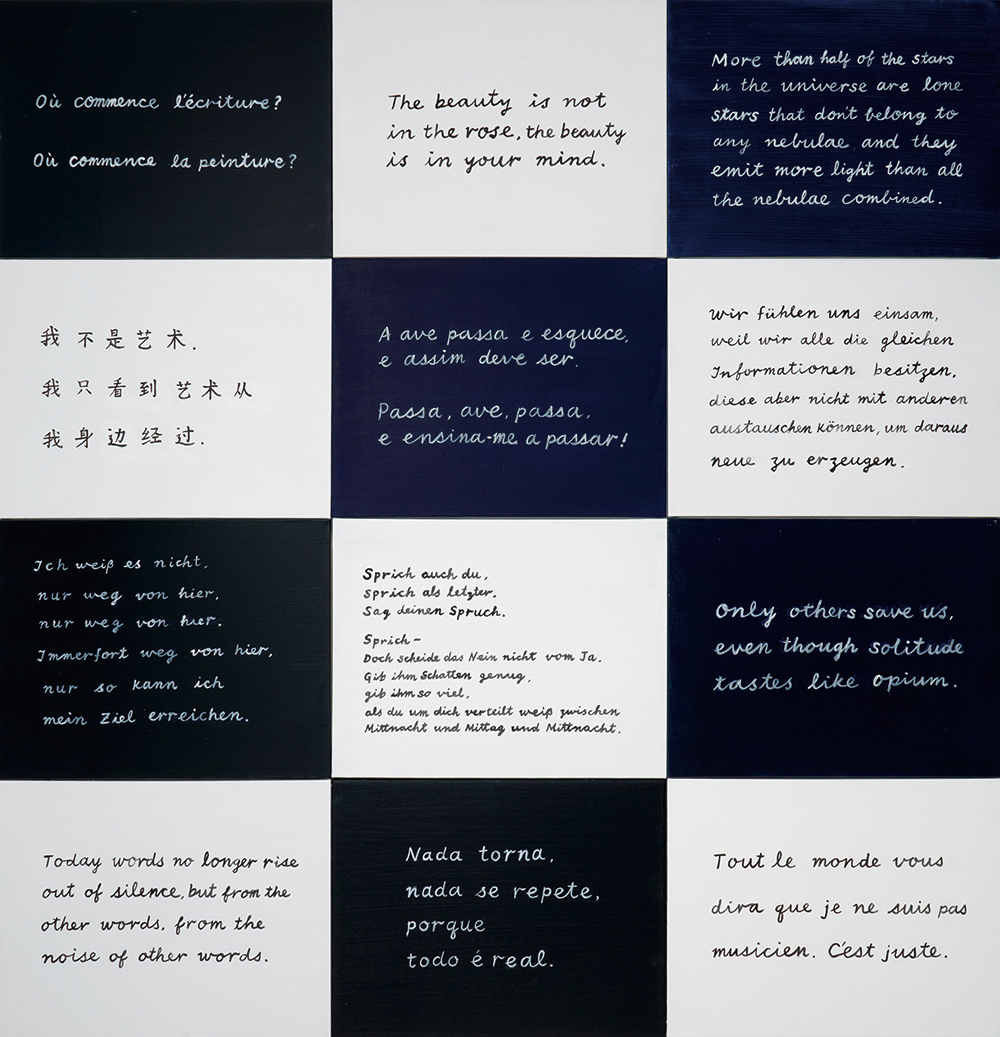
point. In this sense, what he seeks to represent through ‘art’ may be the
halting language of innumerable subjects existing in plurality.
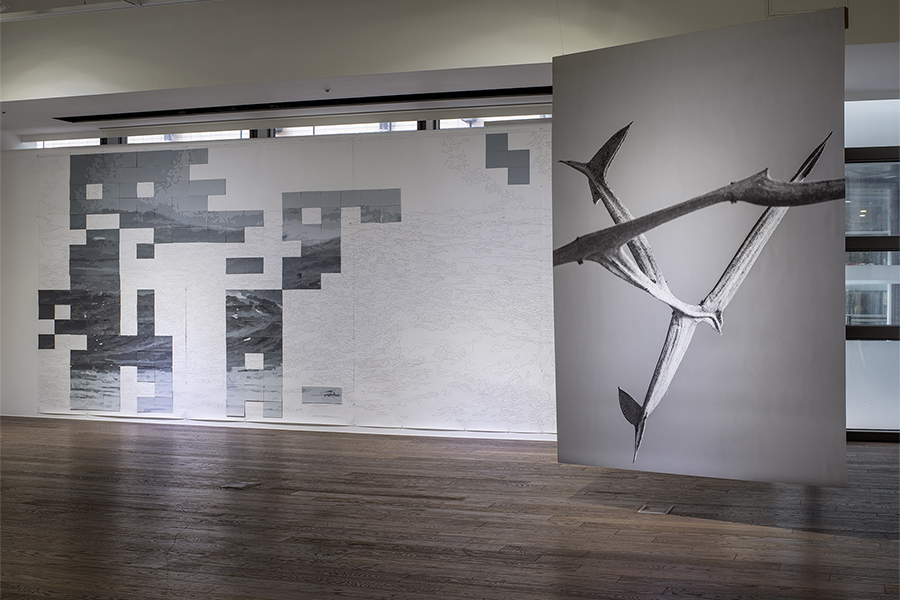
Thus, even when Ahn Kyuchul’s works
appear to reproduce everyday objects, they do not merely replicate things as
seen through a “rectangular vision.” His representation stages the constant
tension between the visible world inside the frame and the invisible world
outside it, and stands as the product of his effort to communicate with the
viewer through this tension—however halting that communication may be.Why,
then, does this language stutter?
Because the relationship between sign
and object cannot be reduced to a single unity, ghosts sometimes repel one
another and sometimes acknowledge one another as they utter their own
languages. When language is released into society through the tension among
these ghosts, it emerges as a hesitant, stammering language of plurality.
Unable to meet or fully approach one another, Ahn Kyuchul’s language of form
floats and falters between subjects.
Ghosts that exist yet are forgotten in
everyday life—and the halting languages they generate intersect within a field.
Ahn Kyuchul attends to these stammering languages of those who have become
ghosts through processes of signification. Within changing space and time, he
seeks to represent the tensions among ghosts that momentarily converge yet are
fated never to meet because of irreducible gaps.
At this point, Lacan speaks of
the birth of the Other through the subject’s misrecognition—that is, of the
subject’s alienation. Ahn Kyuchul, however, pluralizes the subject and searches
for dialogue among these pluralities. Though their language stutters, these
pluralized subjects continuously attempt communication. Even if the language
that gives form to Ahn Kyuchul’s works is a halting one, his effort to approach
truth through that language never disappears.
III. Cognitive Mapping through Dialogue
Dialogue fundamentally takes place between ‘I’ and ‘you.’ If ‘I’ fails
to recognize ‘you,’ dialogue is severed. Even within the same sign system, when
the other is not recognized, communication remains at the level of command or
transmission rather than dialogue. ‘I’ and ‘you’ recognize one another,
alternately becoming sender and receiver. They are not assigned fixed positions
in which ‘I’ is always the sender and ‘you’ the receiver, but are instead
placed within provisional and mutable layers. The very possibility of dialogue
implies that both ‘I’ and ‘you’ accept the conventional norms of the society to
which they belong.
In doing so, they exist within a shared framework of ‘we.’
Yet through ‘you,’ ‘I’ comes to reflect upon itself, and through ‘I,’ ‘you’
does the same—together reconsidering ‘we.’ This self-reflection mediated by the
other marks the first step toward recognizing that the social conventions
governing a given society are not absolute, but artificial. Although one seeks
to escape, there persists a force that continually confines ‘I’ and ‘you’
within the framework of ‘we’ through artificial regulations. The only way to
move beyond this force lies in an ongoing dialogue through which ‘I’ and ‘you’
advance toward truthfulness. In this respect, dialogue is essential.
Yet in contemporary society, escaping the ‘framework of we’ has become
increasingly difficult. The proliferation of signs within an ever more complex
social structure thoroughly conceals their artificiality. Contemporary society
closes off its own fiction—its constructed nature—by presenting it as reality
through signs. Under such conditions, can art remain free? Might art itself be
disseminating the fictions hidden within reality? Precisely for this reason,
however, the significance of artistic representation as dialogue becomes all
the more critical.
To confront this dilemma, Ahn Kyuchul adopts a distinct strategy:
incessantly doubting art itself. This doubt serves to expose art as fiction.
Although art seeks to represent reality, Ahn Kyuchul reveals through his works
that it ultimately remains fictional—and moreover, that it is a fiction
imagined by the artist himself. What comes to mind here is Fredric Jameson’s
concept of ‘cognitive mapping.’ ‘Cognitive mapping’ refers to the capacity to
infer and navigate the context of a larger, abstract space, extending beyond
the emotional maps formed through immediate cognitive situations—in other
words, an effort to represent that which cannot be directly represented.
This
belongs not so much to mimesis of reality as to an aesthetic practice grounded
in interpretation. It is precisely through art as dialogue that Ahn Kyuchul
renews the classical artistic endeavor of ‘representation.’ He rejects the act
of simply materializing his own thoughts as artworks. Instead, he gives form to
ghosts that betray themselves repeatedly within spaces of signification as they
search for their own identities. This approach further situates both the artist
and the viewer within diverse contexts, inviting them to recognize their
respective limits and, only then, to imagine the possibility of genuine
dialogue through art. Might this be possible because, as dialogue between
artist and viewer unfolds through art, an act of ‘cognitive mapping’ comes into
being?
IV. The Conditions of Dialogue: The Disappearance of
Representation