


Solo Exhibitions (Brief)
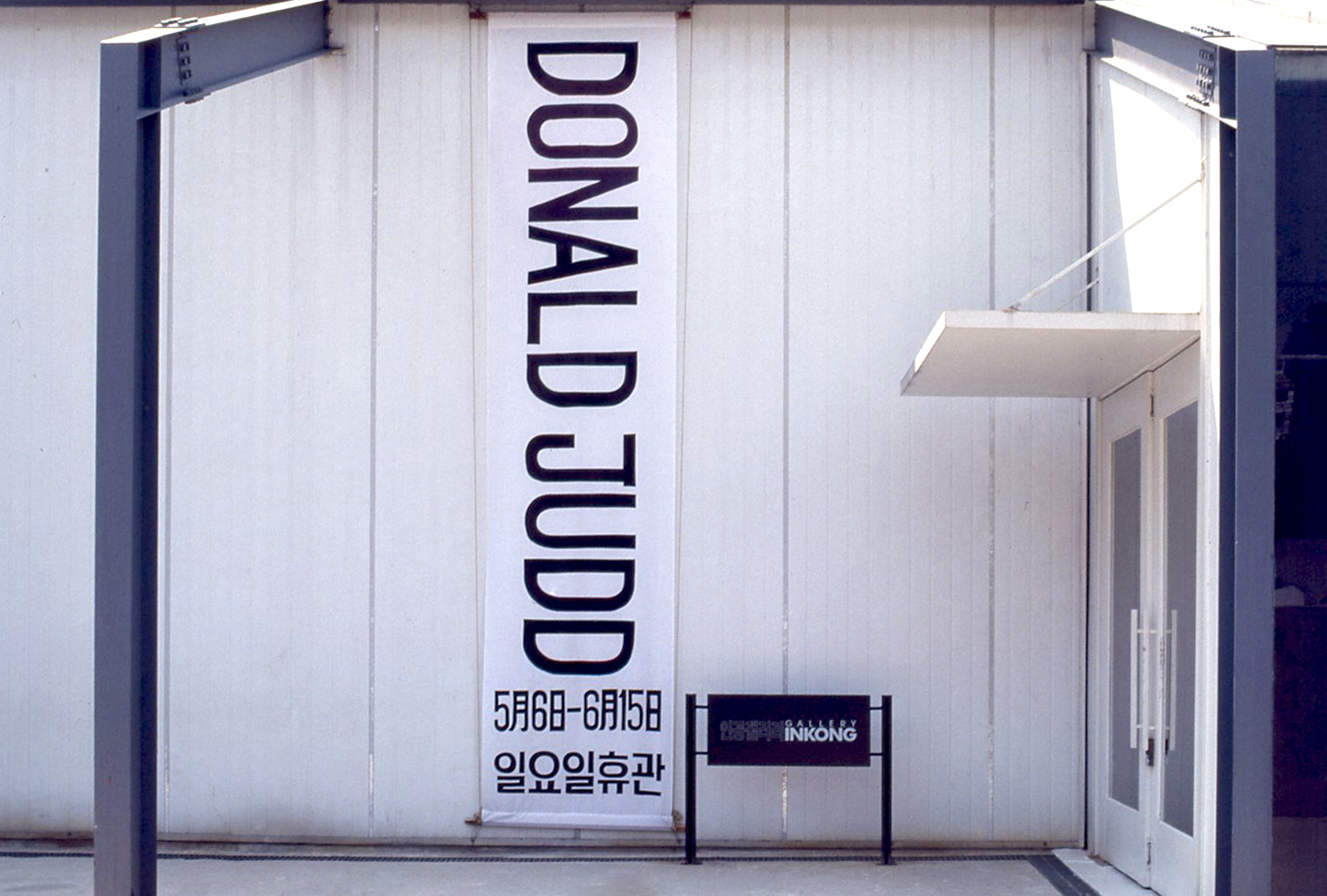
Since his first solo exhibition at In Kong
Gallery, Seoul (1988), Rhee has presented solo exhibitions at Kukje Gallery
(1997–2022, Seoul and Busan), Sindorico Art Center (2005, Asan), Arko Art
Center (2012, Seoul), and Tina Kim Gallery (2011, 2024, New York).
Group Exhibitions (Brief)
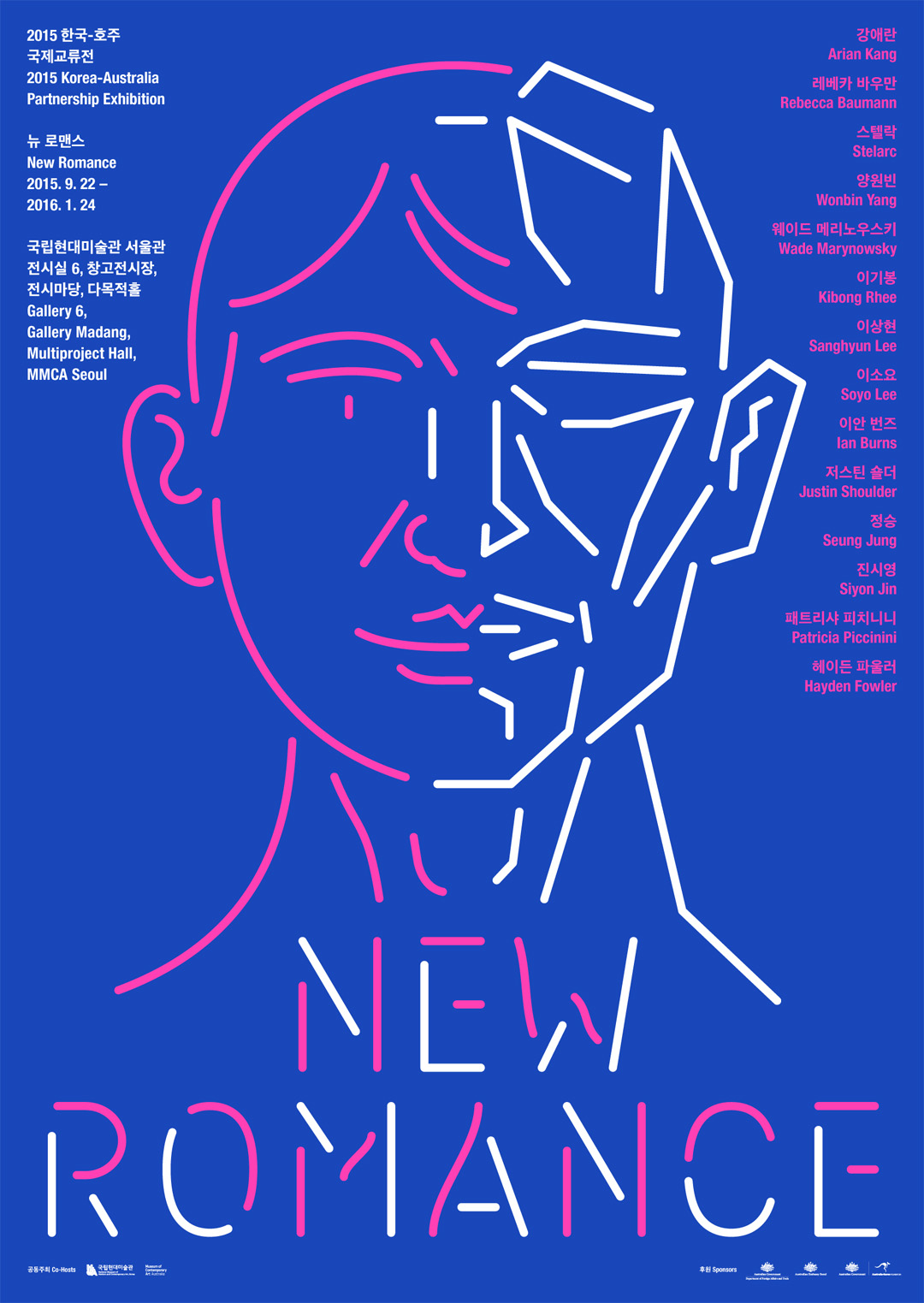
He has participated in group exhibitions
at major institutions including the National Museum of Modern and Contemporary
Art, Seoul Museum of Art, Gyeonggi Museum of Modern Art, Kumho Museum of Art,
Daegu Art Museum, LACMA, and ZKM, as well as at Tina Kim Gallery, Kukje
Gallery, and Gallery Simon, and has been invited to major international
biennales such as the Gwangju Biennale (1997), Busan Biennale (2010), Moscow
Biennale (2011), Sevilla and Singapore Biennales (2008), and the Changwon
Sculpture Biennale (2016).
Awards (Selected)
He received the Grand Prize at the Grand
Art Exhibition of Korea in 1986 and the Total Art Prize in 1994.
Collections (Selected)
Rhee’s works are held in major public and
private collections including Leeum, Samsung Museum of Art; the National Museum
of Modern and Contemporary Art, Korea; the Seoul Museum of Art; the Sehwa
Museum of Art; the Gyeonggi Museum of Modern Art; Art Sonje Center; ZKM Museum
(Germany); the Neuberger Berman Collection (New York); and the Louis Vuitton
Collection (France).