In Kibong Rhee’s 《the Cloudium》, damp substances such as water, foam, and vapor emerge and vanish through solid, cold, monumental structures, functioning as fluid media that permeate the viewer’s senses. Within them is an ambiguous movement that dissolves structures assuming the form of text, whether in two or three dimensions. Because they cannot be grasped, they are all the more subtle and powerful. The instability of sensation originating from the body collides with the stable forms represented by text.
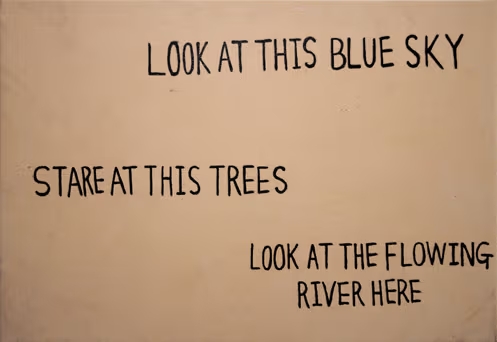
In this drama of collision, text seems to take on the role of the antagonist. Language, represented by text, always arrives after sensation yet behaves as if it were the master. Through firmer modes of appropriation, language fixes sensation, organizes it into knowledge, and reduces it to concepts, appearing as a form of power. In a systematized society, sensation is encoded within increasingly dense networks; the artist fills the gaps between structures with sensation and, further, relativizes the structures that attempt to fix it.
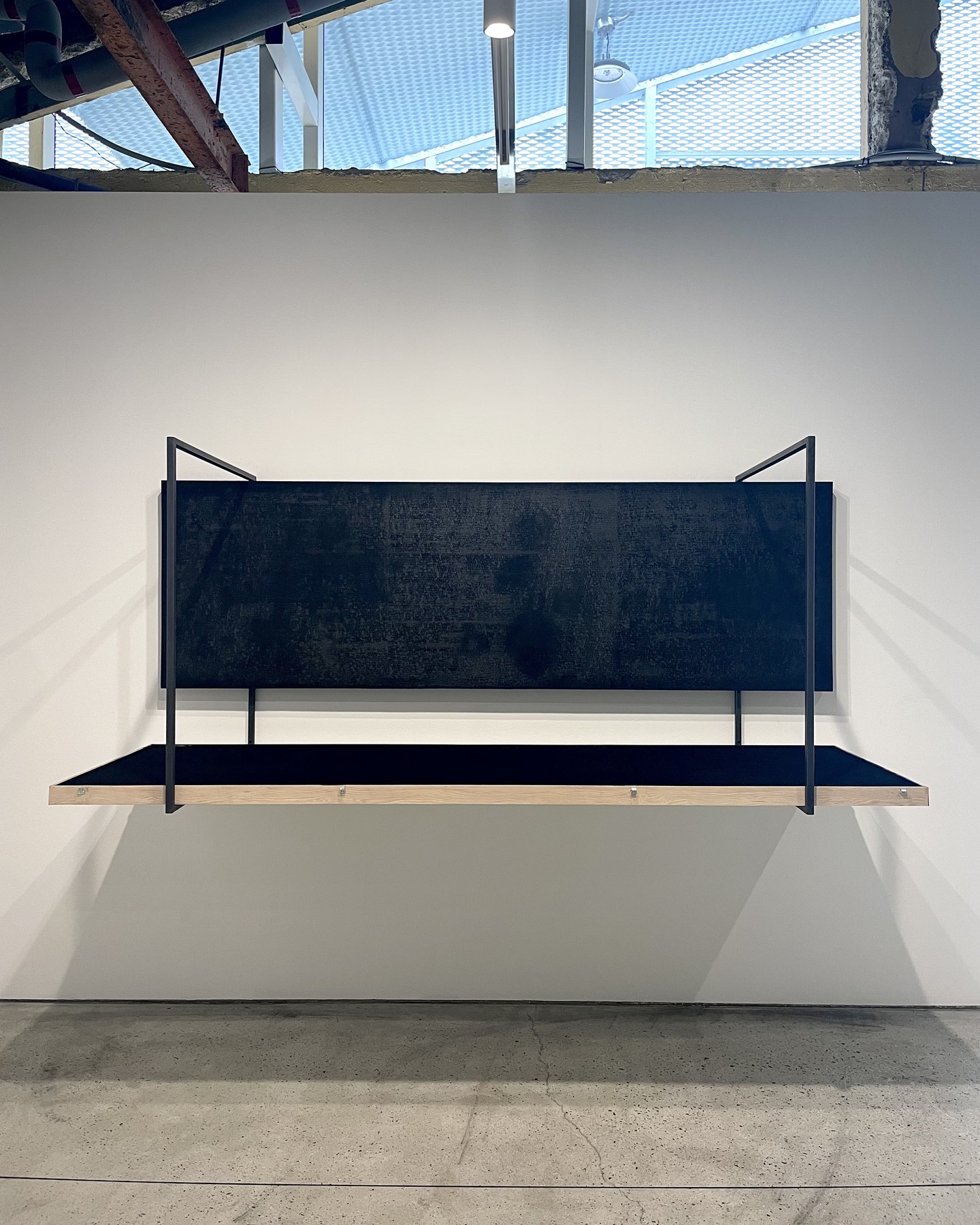
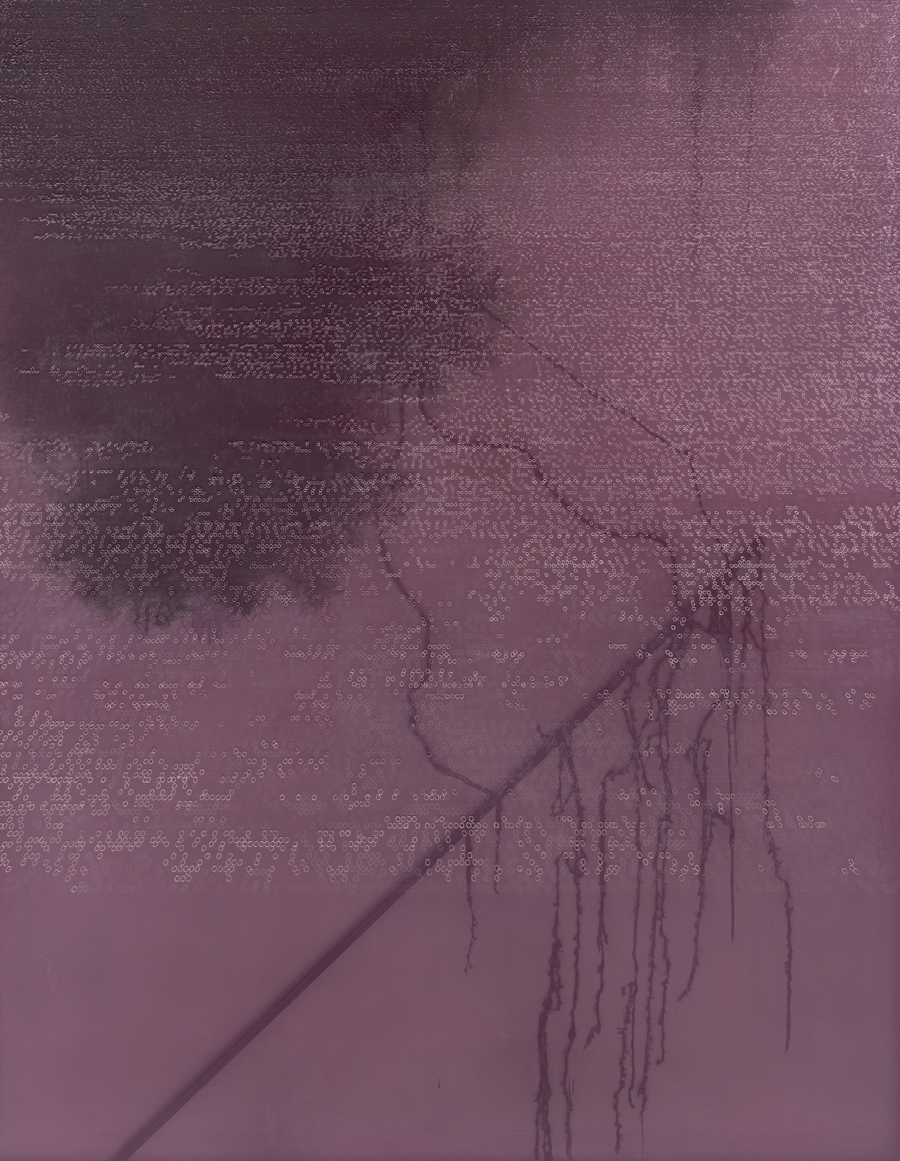
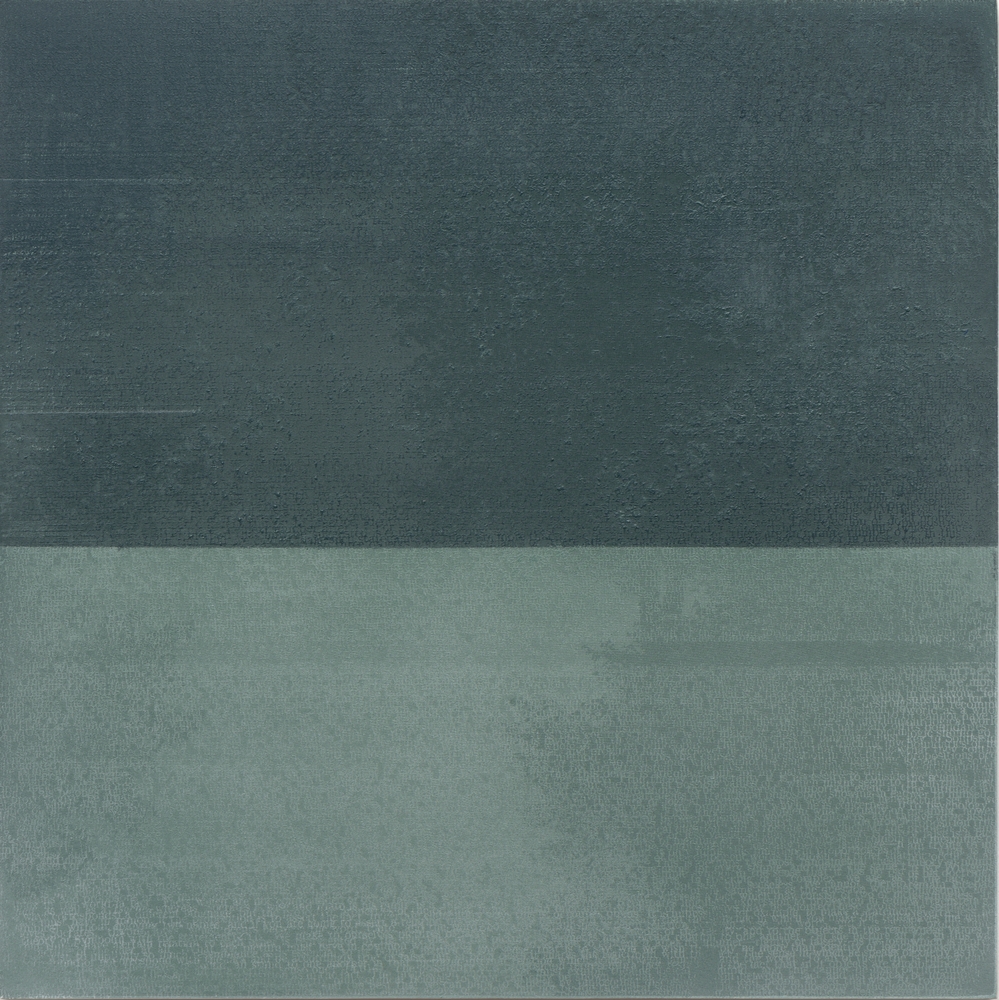
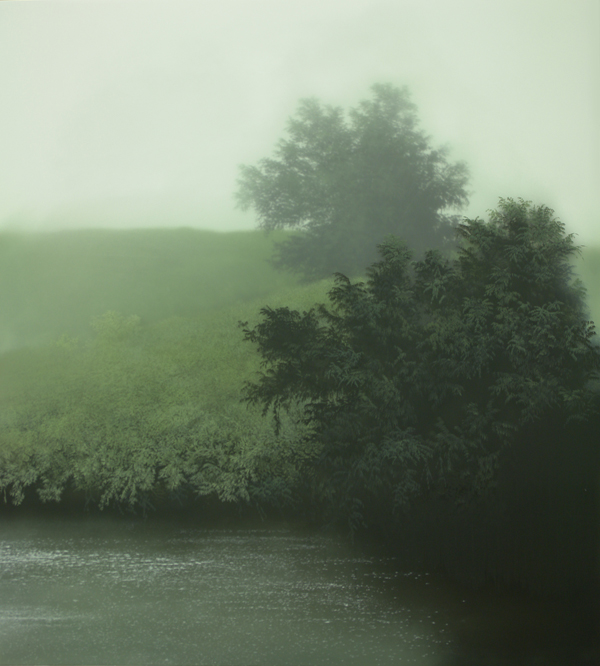
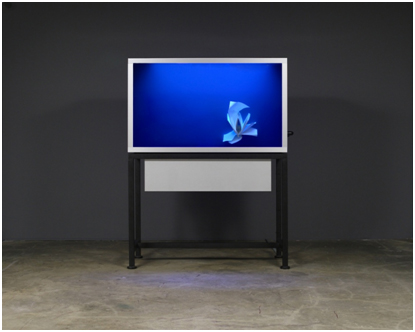
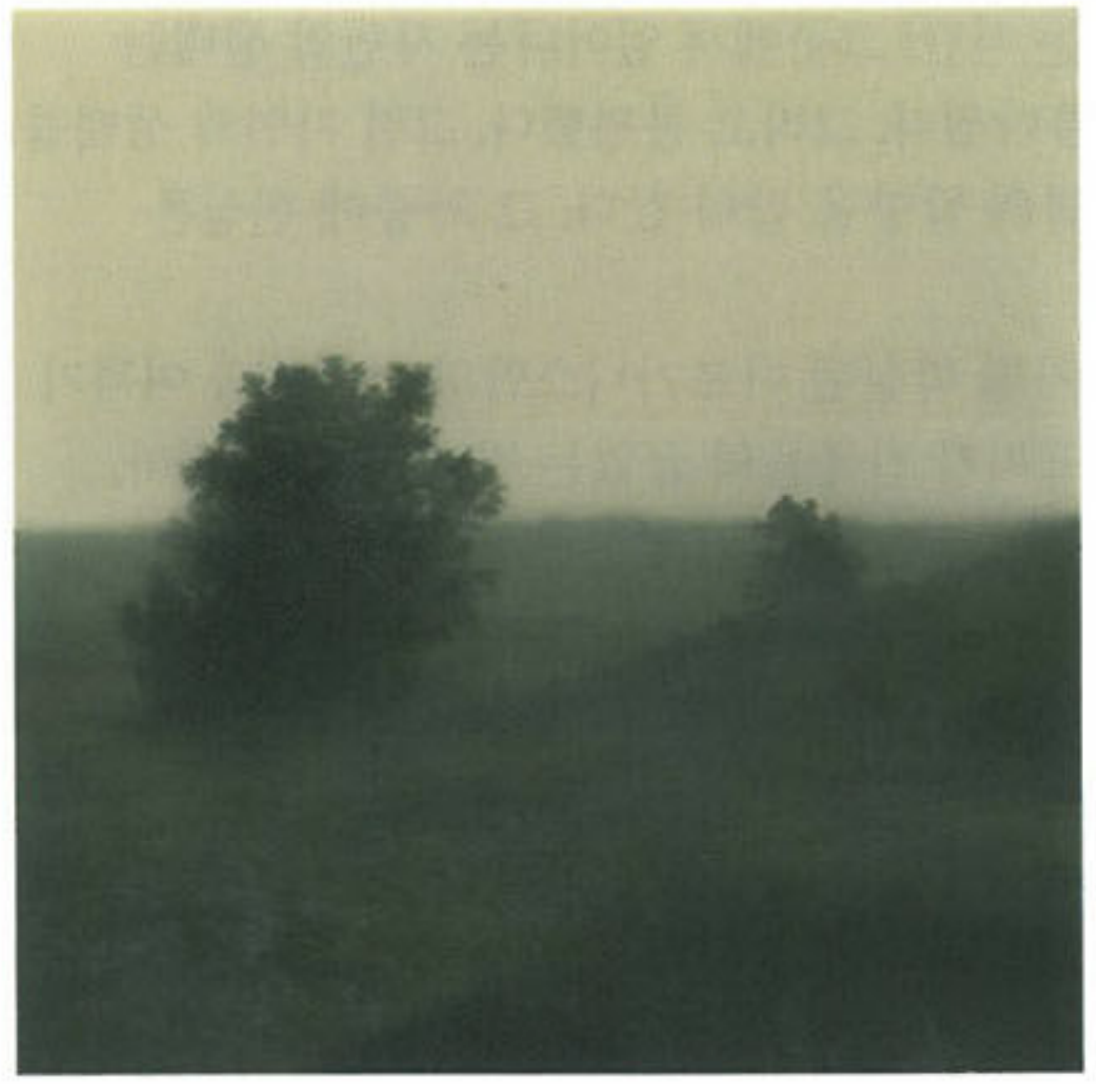
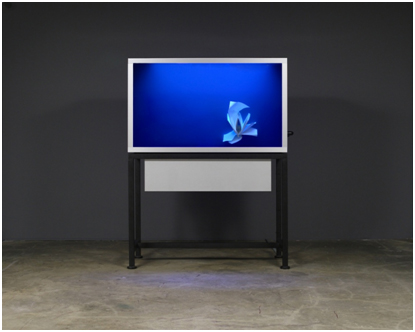
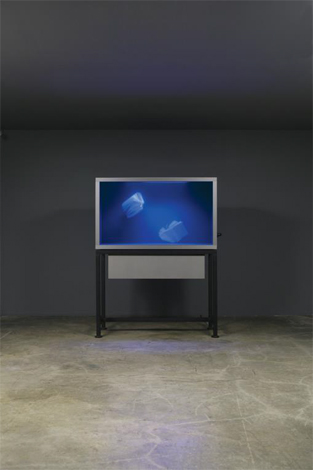
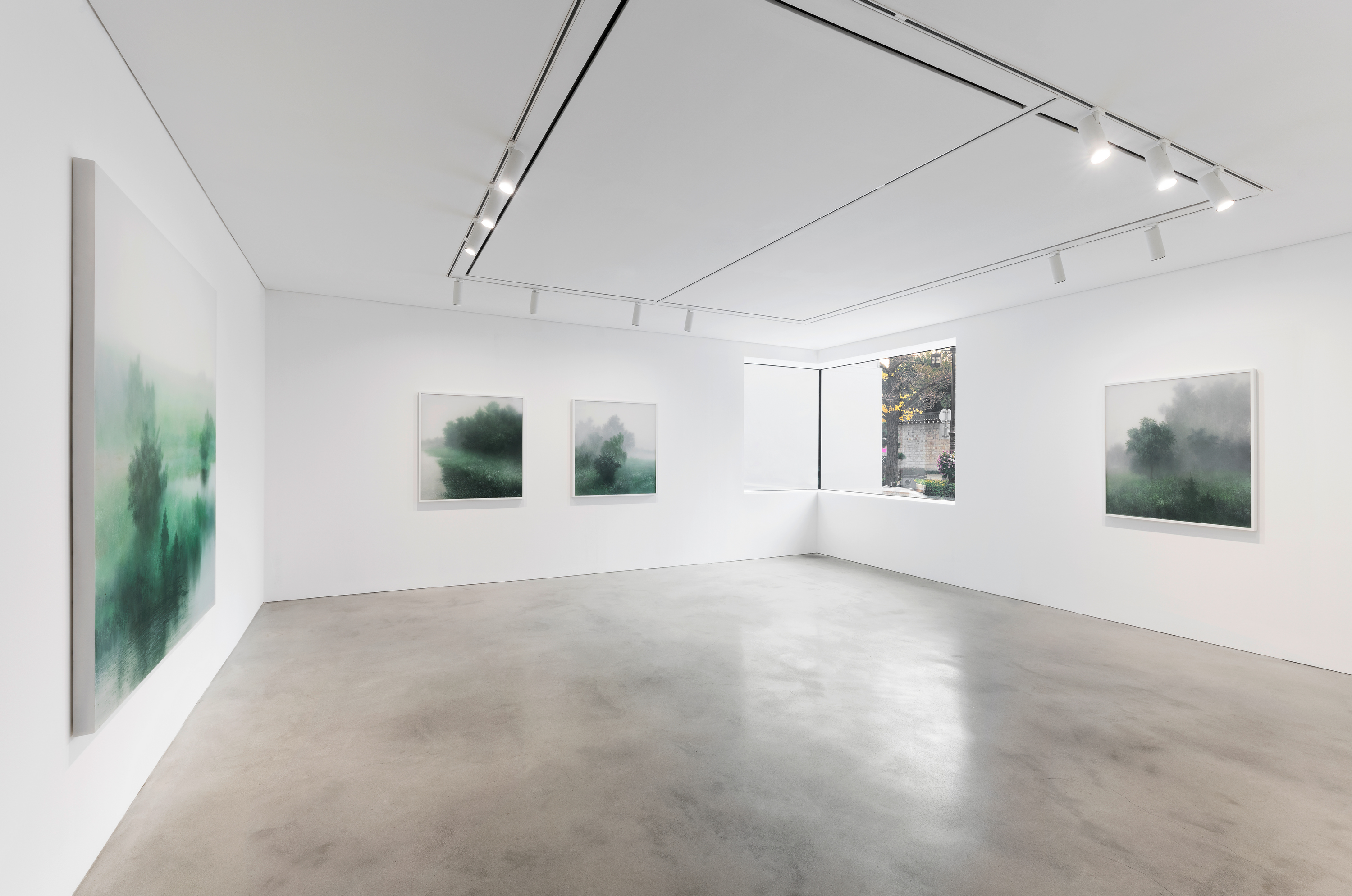
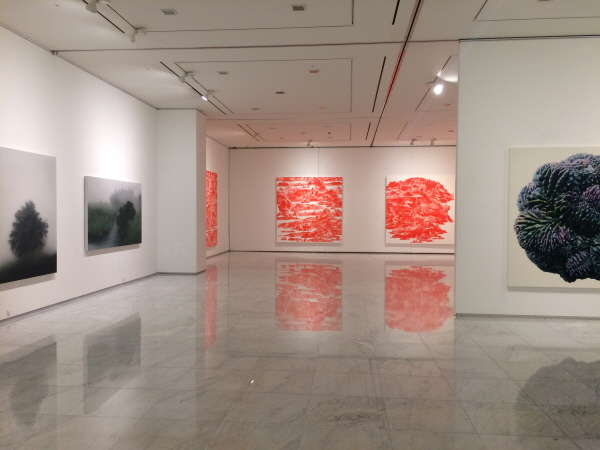
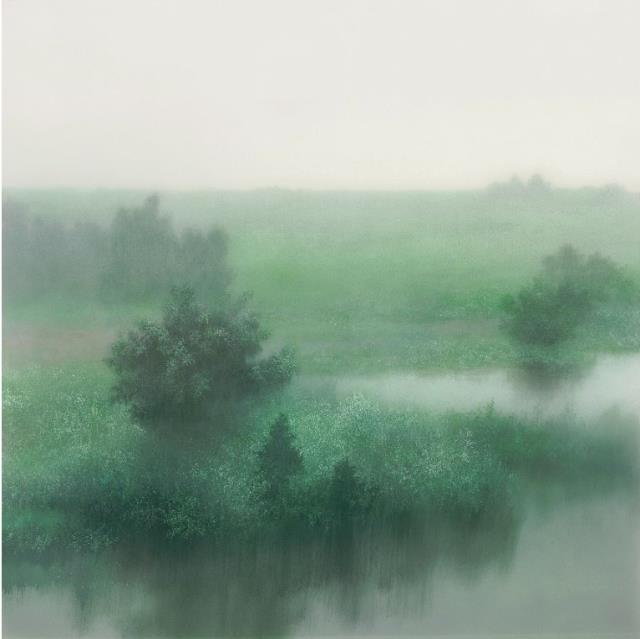
For instance, in Bachelor - The Dual Body (2003), a book — the embodiment of profound and weighty knowledge — drifts aimlessly in a blue aquarium. In Sense Machine (2012), moving vertical and horizontal laser beams seem to slice through a text-inscribed plane. In the paired work To Last (2012), contrasting forgetting and memory, the scene evoking a faint green landscape contains no text.
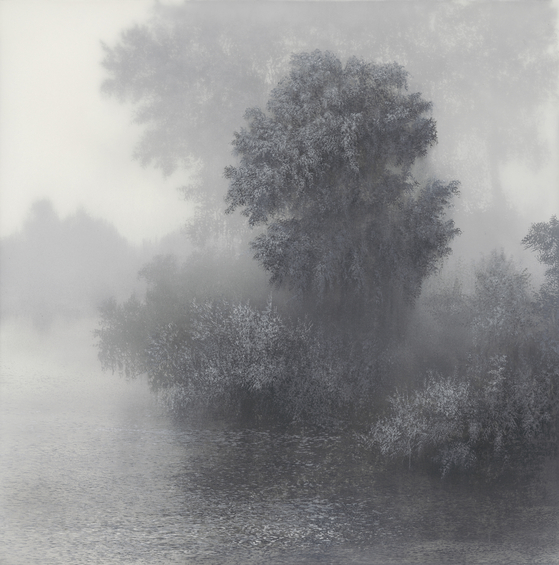
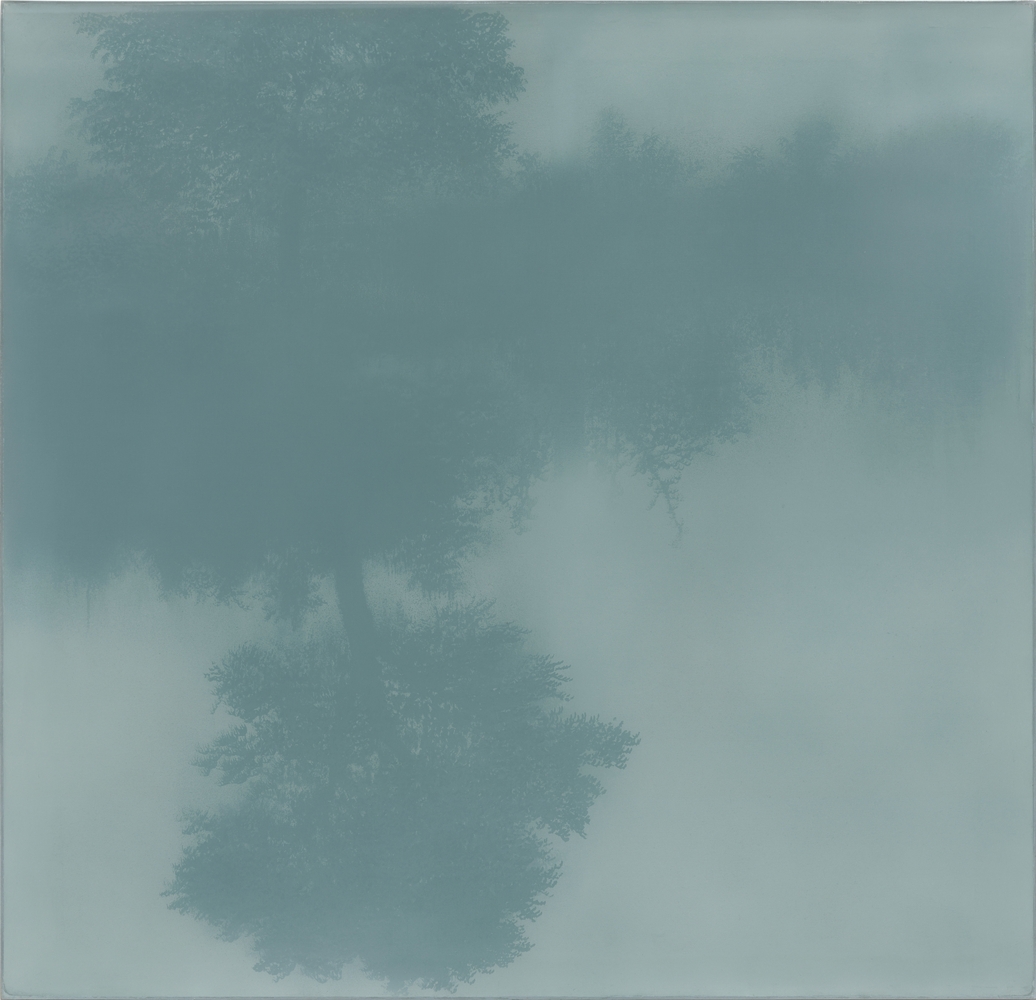
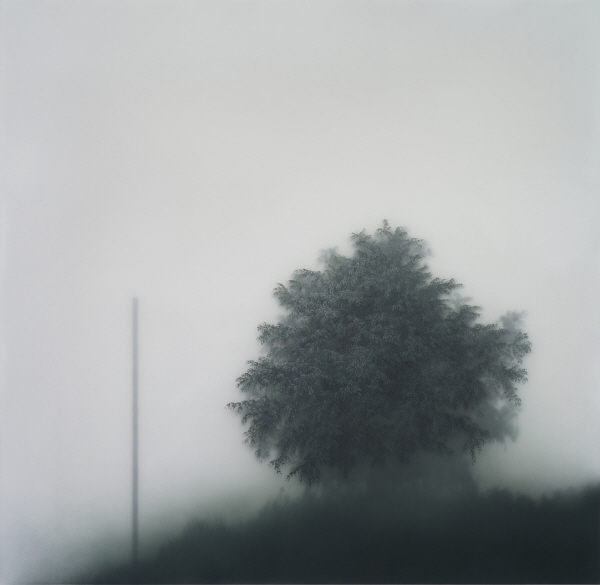
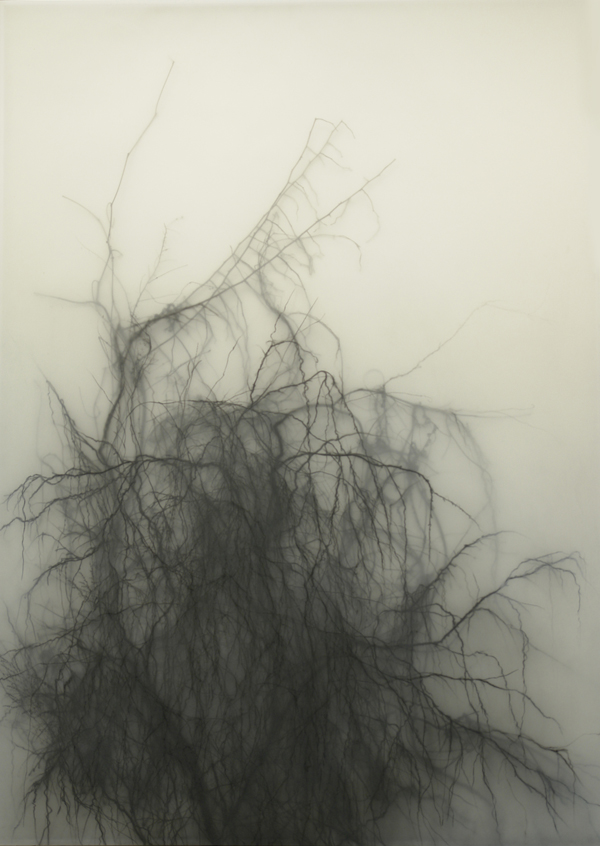
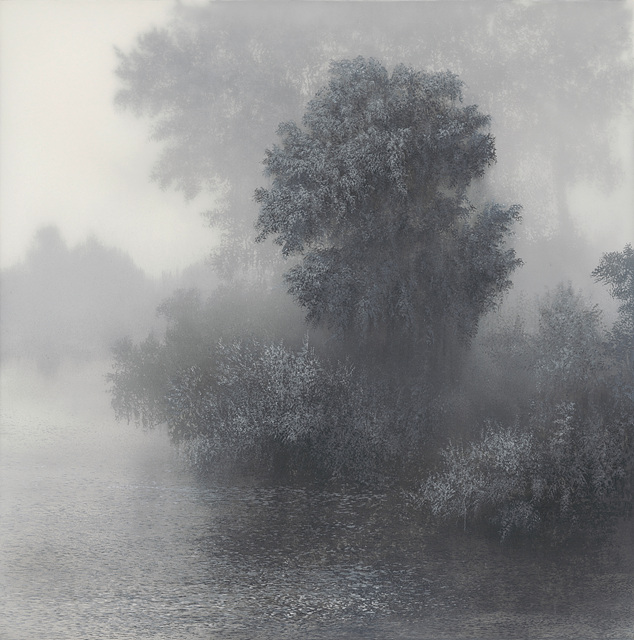
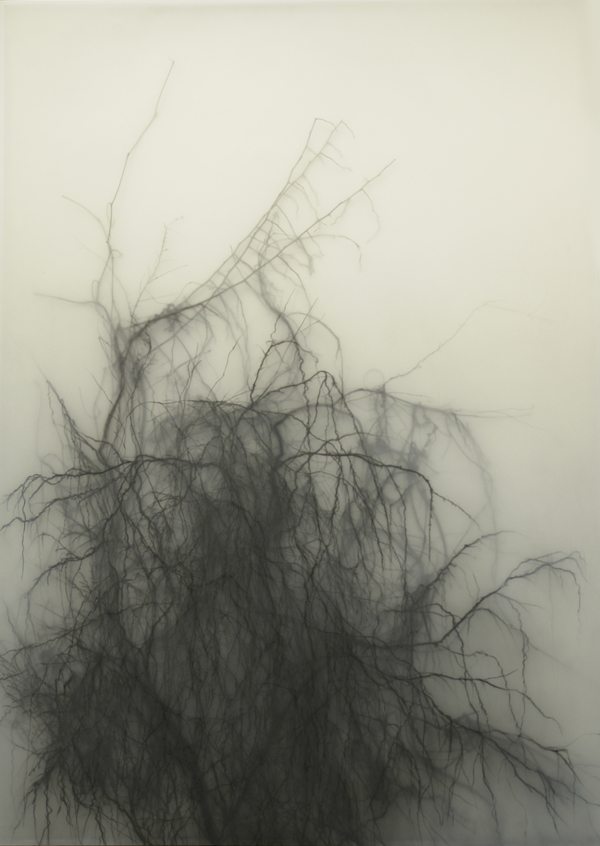
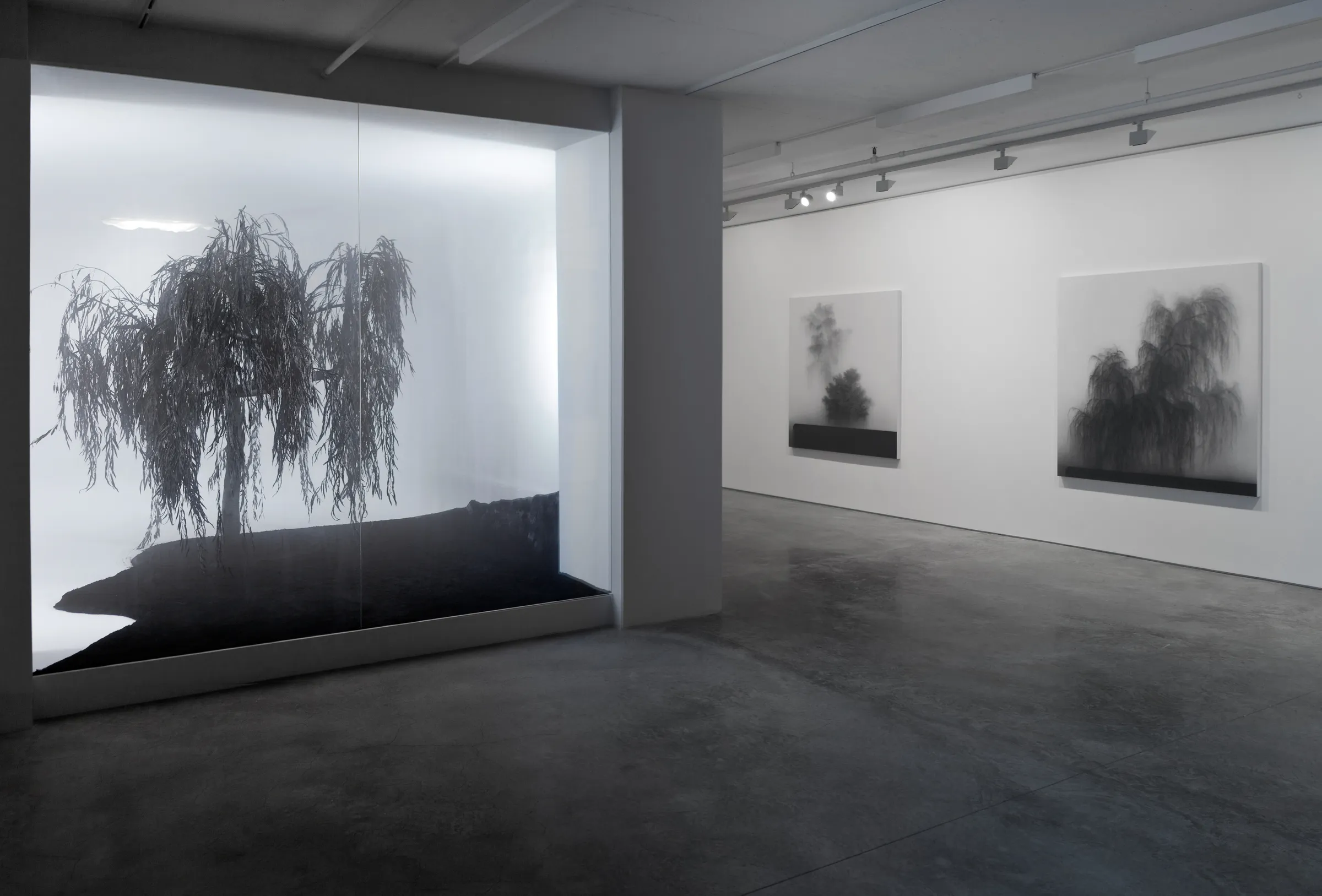
Here, what sustains duration is not knowledge but sensation. In There is No Place (2012), a tree placed within a glass enclosure repeatedly appears and disappears as vapor fills and settles. Corresponding to layered paintings of trees, this installation introduces time to reveal the thick strata of things that cannot be fixed into a clear image.
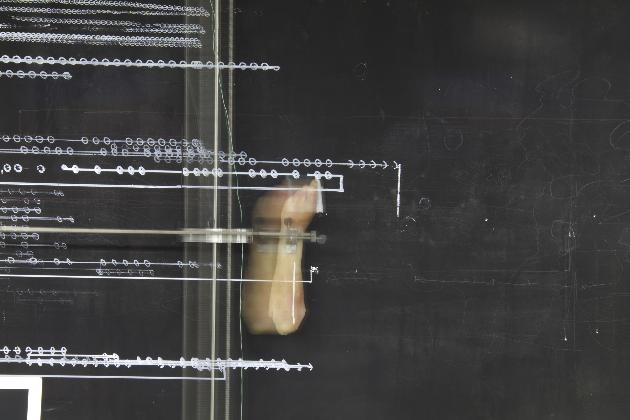
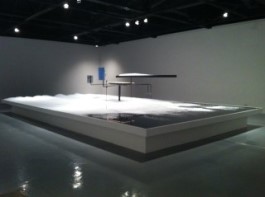
The largest work, Cloudium (2012), sharing its title with the exhibition subtitle, arranges white bead-like forms in a textual configuration within a shallow black water tank and periodically covers them with generated foam. A nearby screen shows a performer washing their body while producing bubbles, suggesting the origin of the amorphous foam that swells and disperses.
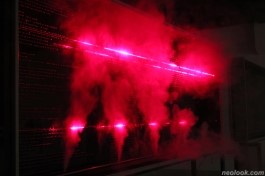
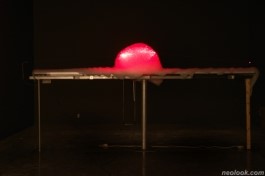
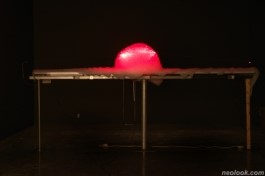
The soap bubbles veiling the text originate at the boundary of the body. It is the presence of the body that obscures the presence of text. Romantic Soma (2012) foregrounds only the foam itself in the process of formation and disappearance. Mechanical devices and red laser beams dramatically illuminate the foam’s generation, transformation, and extinction, yet the viewer’s gaze gathers on a form that collapses at the very moment it appears.
In Rhee’s work, water, vapor, and foam intervene between structures and text, turning clear recognition and representation into uncertain processes, and — as revealed in performer Jung Yeondoo’s actions — stand in for the body and sensory phenomena. Though not readable as concrete letters, the arrangement of unit structures assuming textual form symbolizes literacy, the basis of writing and print culture.
Walter J. Ong’s Orality and Literacy and Marshall McLuhan’s The Gutenberg Galaxy reveal how a primitive, bodily sensory culture became fixed into abstract writing. Renaissance perspective and printing, like Plato’s world of ideas, reactivate wherever dominant structures and order arise. In the long history of human communication, the establishment of literacy strengthened linear logic and representation, extracting vision from among the senses and specializing and formalizing it.