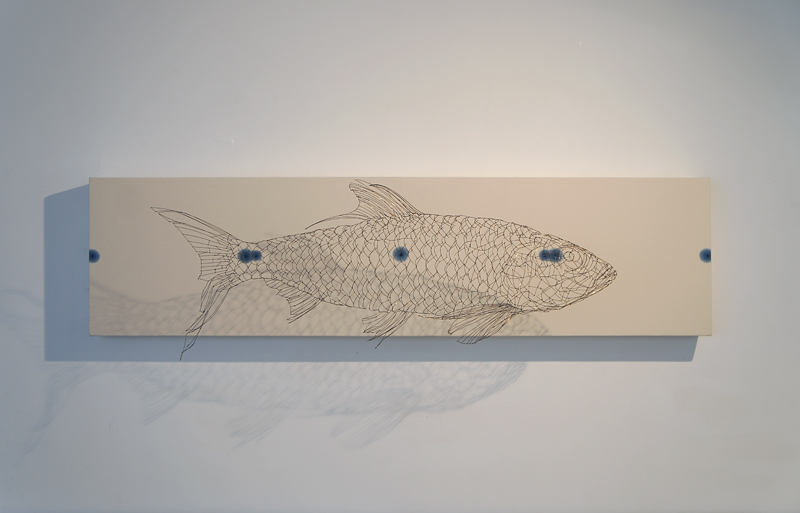
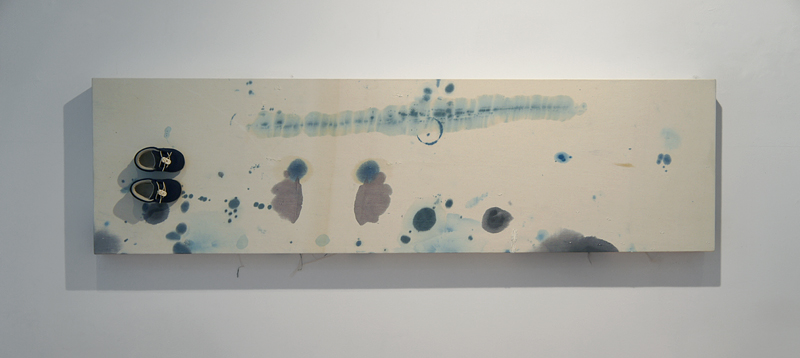
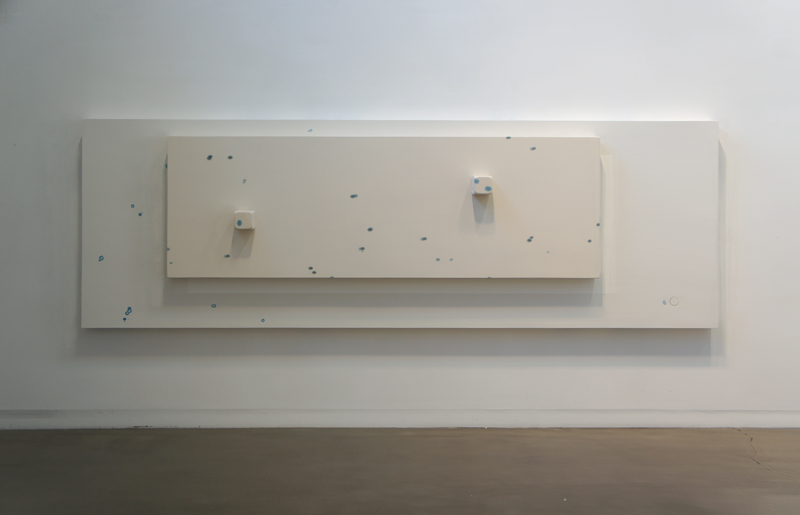
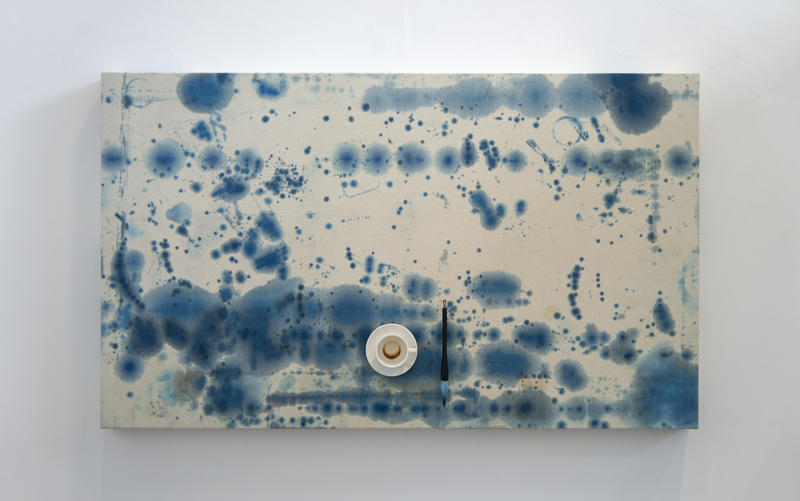
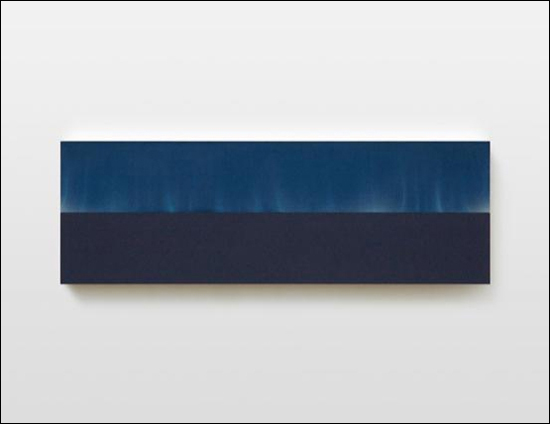
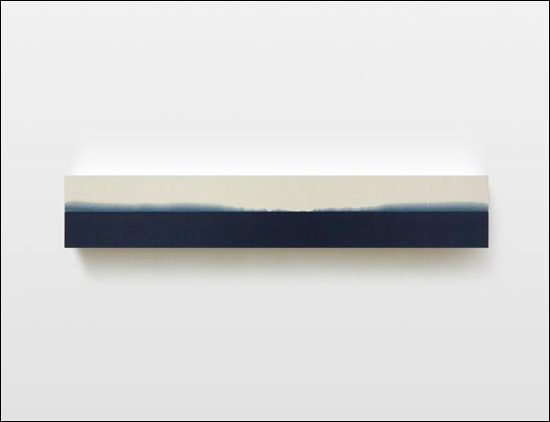
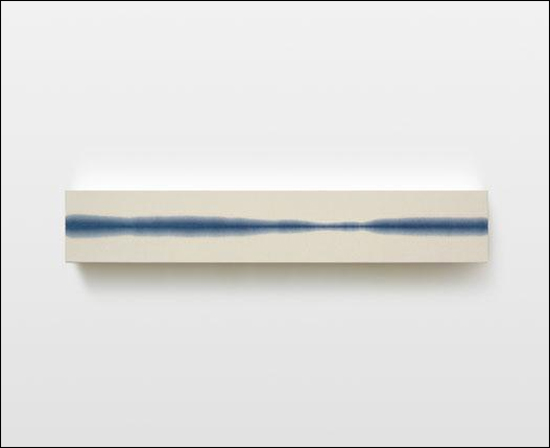
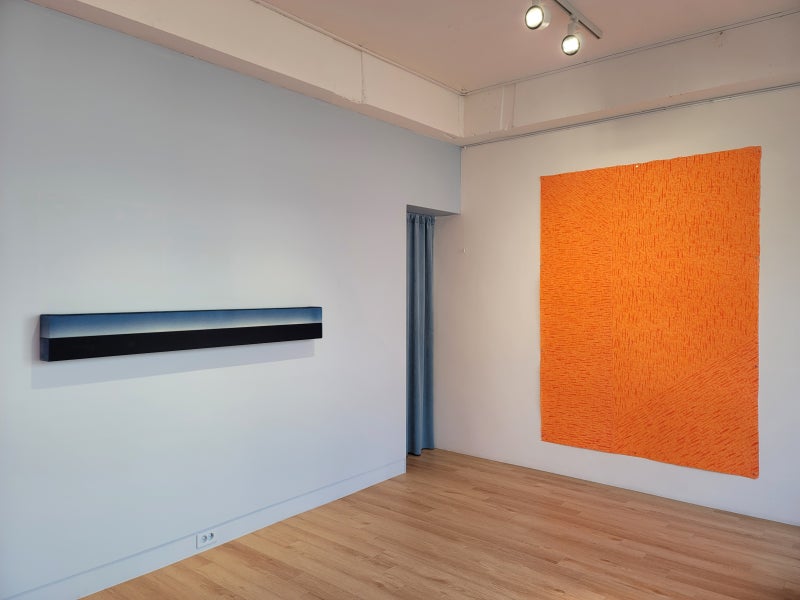
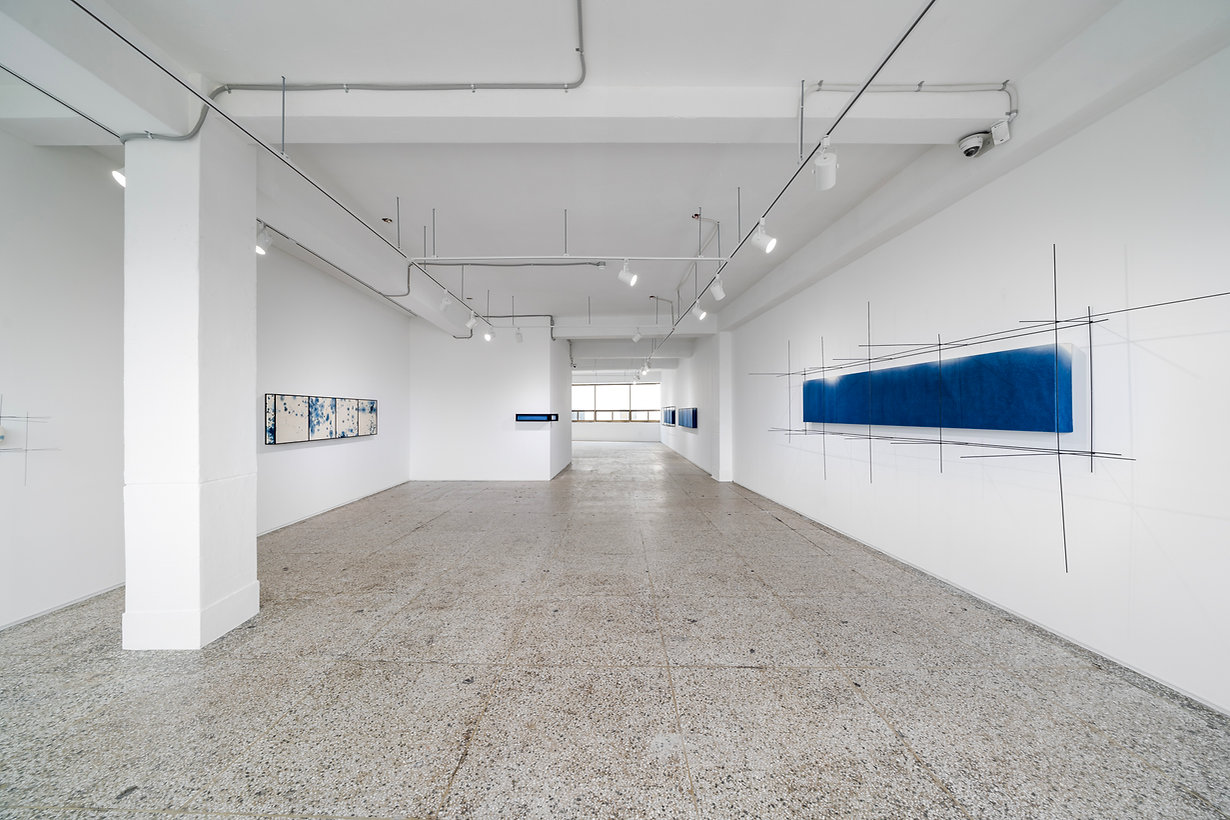
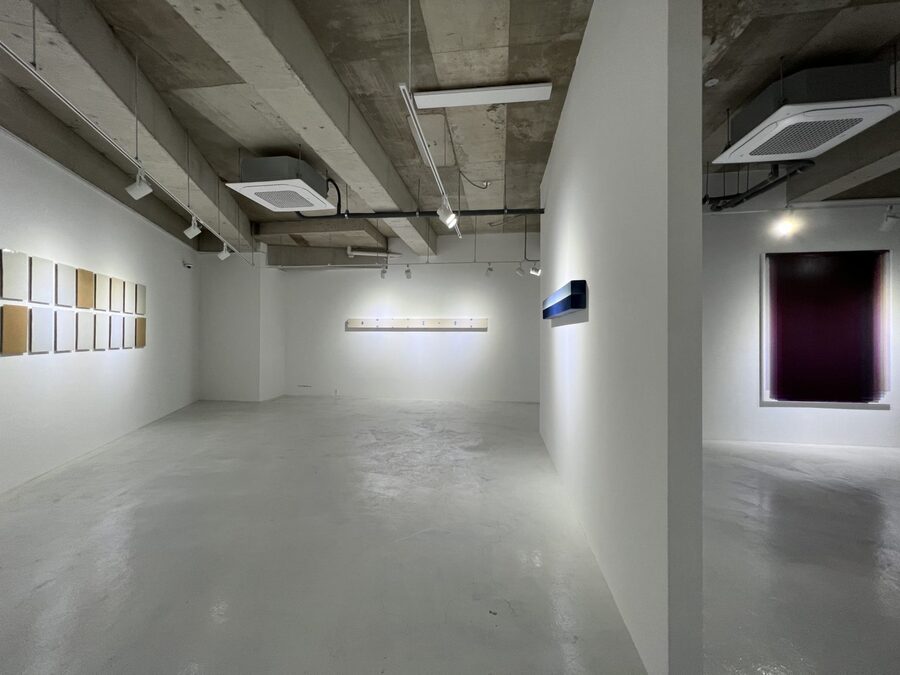
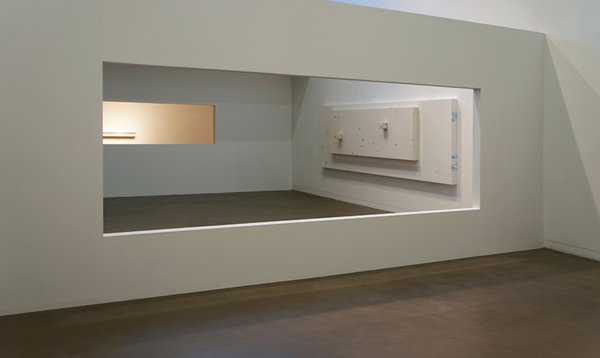
Young imagination. Reborn at the heart of Seoul, the Department of Painting in the College of Arts at Hansung University has earned a reputation for producing outstanding graduates despite its relatively short history. This reputation is attributed both to its central location in Seoul and to the sustained efforts of its accomplished faculty. Through the development of progressive and distinctive curricula unique to Hansung University, and with a young and dynamic faculty actively engaged in the art world, the department is committed to cultivating the artists of the future.
The Department of Painting is divided into two tracks: Eastern Painting and Western Painting. The Eastern Painting track explores the formative spirit and visual language of traditional painting, as well as methods of representation, techniques, material properties, and diverse applications. Building upon this foundation, students are encouraged to creatively pursue contemporary themes and sensibilities, as well as experimental forms and methodologies, in order to develop their own distinctive artistic identities.
The Western Painting track reexamines the social significance of contemporary visual art, which demands the cultivation of new sensibilities and creative consciousness. Rather than adhering narrowly to the ideology of fine art, it seeks pathways toward creative cultural production and discourse, assessing the current state of visual art within a broader cultural framework and envisioning its future trajectory.
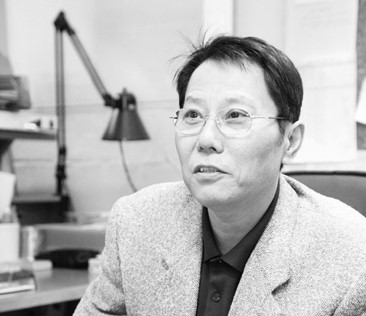
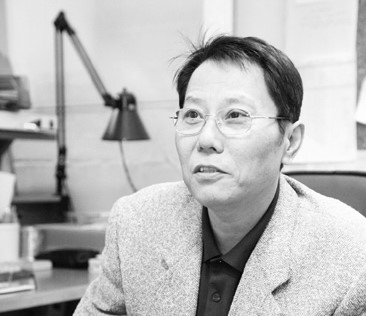
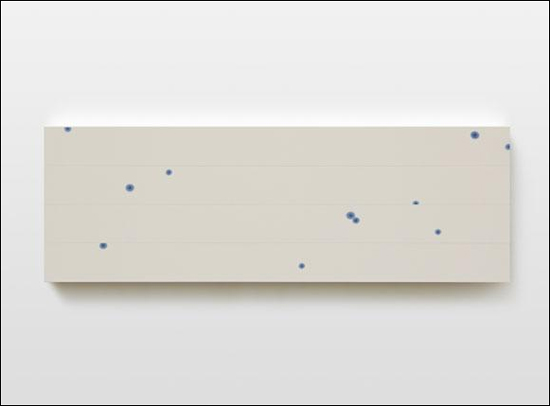
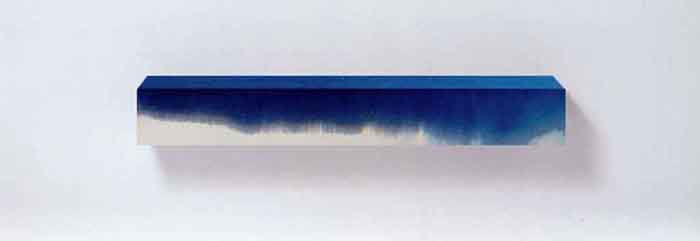
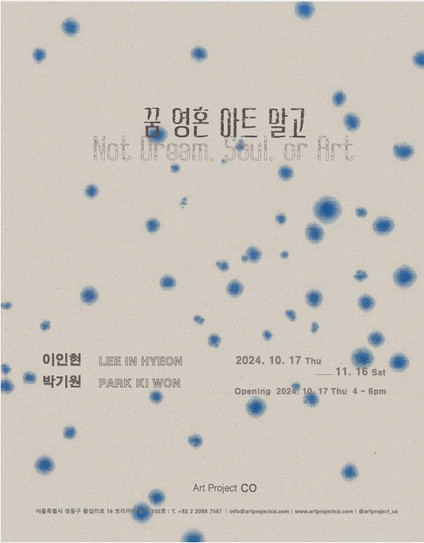
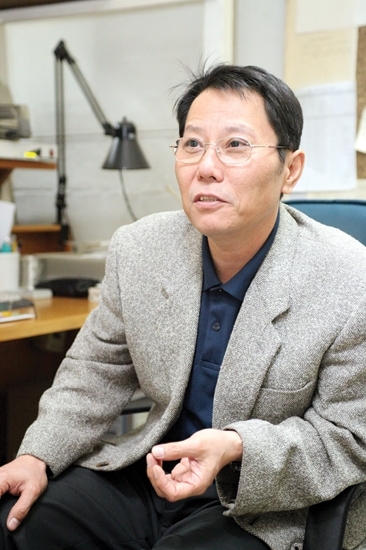
“Our strength lies in supporting students’ autonomous creative activities so that they may pursue the path of becoming painters,” says Professor Lee Inhyeon of the Department of Painting at Hansung University. He advises prospective students to first examine the activities and artistic styles of the professors in the genre they wish to pursue before applying to a particular institution.
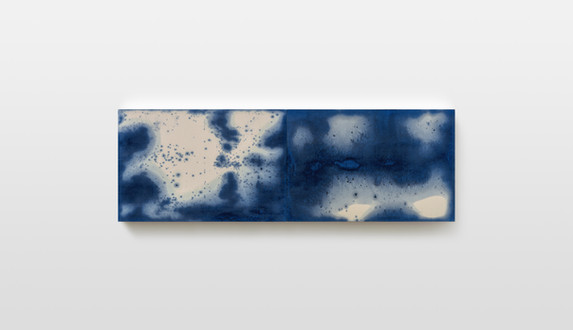
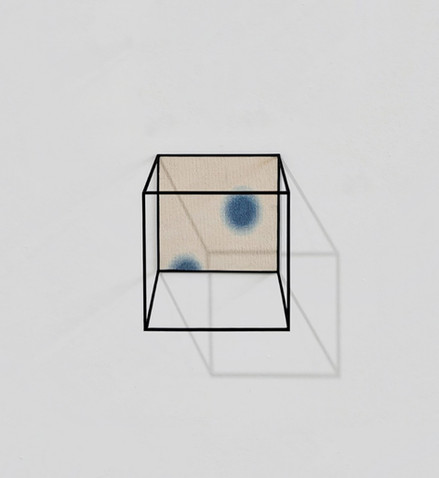
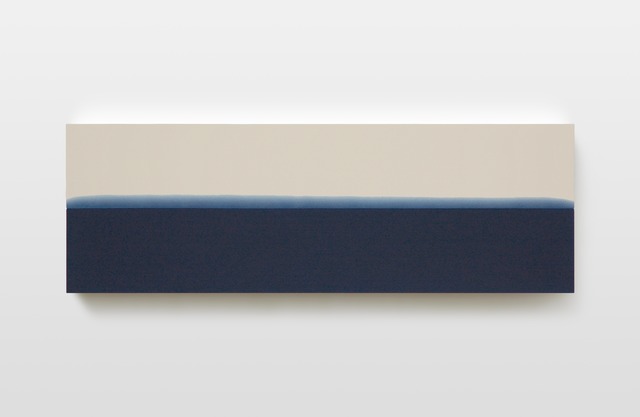
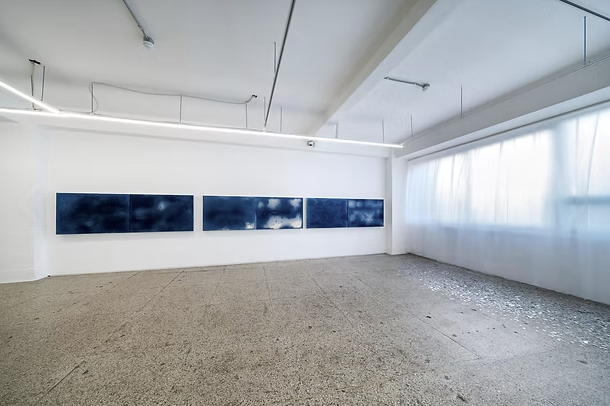
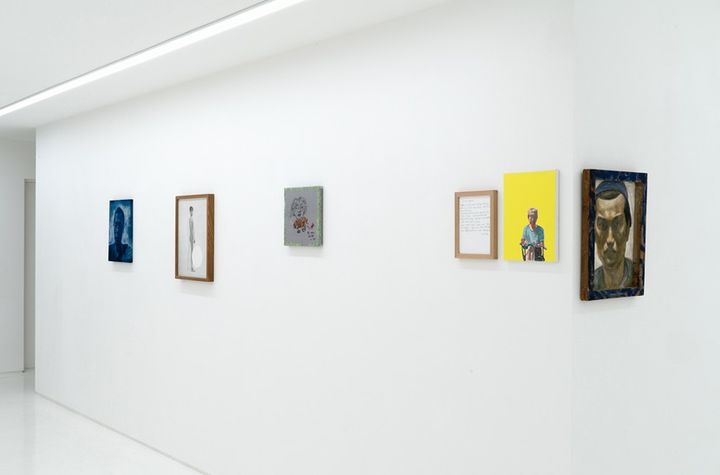
From this perspective, he notes that the creative activities of the faculty at Hansung University are as active and engaged as those of the students. It is not uncommon for faculty exhibitions to coincide with student exhibitions during the same period. Owing to a flexible teaching approach that prioritizes studio practice over theoretical coursework, both students and faculty members maintain exhibition records that surpass those of many other institutions.
- What are the strengths of the Department of Painting at Hansung University?
“Our department offers instruction in both Western and Eastern painting. However, rather than concentrating narrowly on one area, we actively support students in exploring photography, video, printmaking, and other disciplines before identifying the field that best suits their individual strengths. We also place greater emphasis on artistic production than on theoretical classes. Through sustained engagement in making works, students are able to seriously assess whether they wish to pursue the path of a painter or consider alternative directions.”
- What distinguishes Hansung University’s Department of Painting from those of other art schools?
“Perhaps our greatest distinction lies in the open and flexible thinking of our faculty. We do not impose rigid constraints but instead encourage change, much like allowing students to develop freely. We do not assign excessive additional tasks, so that students can devote their energy to their own artistic production. By experiencing life as a working artist from their student years, graduates are better prepared to immediately embark on proactive and ambitious creative practices.”
- What would you like to say to prospective art students considering applying to Hansung University?
“In Korea’s entrance system, many students attend art academies to prepare for admission to art colleges. Rather than focusing solely on entering a particular university, students should choose an institution that provides the space and conditions necessary for free and dynamic creative work grounded in their own thinking. At Hansung University, our faculty do not adhere rigidly to conventional modes of thought. Through dialogue with students and tailored instruction, we offer only what is truly necessary for those pursuing the path of a painter. There are no fixed rules or limitations in the path of art. We invite aspiring artists who wish to experience art as art to take interest in our department, where we aim to give wings to the free imagination.”