Avant-garde artists once proclaimed the identification of art and everyday life as their motto. They believed that this ideal could be realized through the dimension in which everyone becomes an artist. (In fact, this motto itself can be traced back to Marx, who discerned an aesthetic moment in the ordinary person’s potential to improve the quality of life, and further still to Schiller’s notion of the play drive.) Yet paradoxically, their art grew increasingly obscure and ever more distant from the public.
Reflection theory holds that art reflects its time, and that the artist speaks in the language of the age. Artists of that period indeed reflected their time and spoke in its language. Unfortunately, however, that time was one in which reason had been lost and faith in reason had collapsed. Thus artists, too, spoke in languages unintelligible to reason, and the public complained that their work was impossible to grasp. The artists responded that the era itself was irrational, and that they had merely reflected this irrational age. Against such a backdrop, Adorno’s proposition — that art which communicates too easily with the masses is suspect — could emerge.
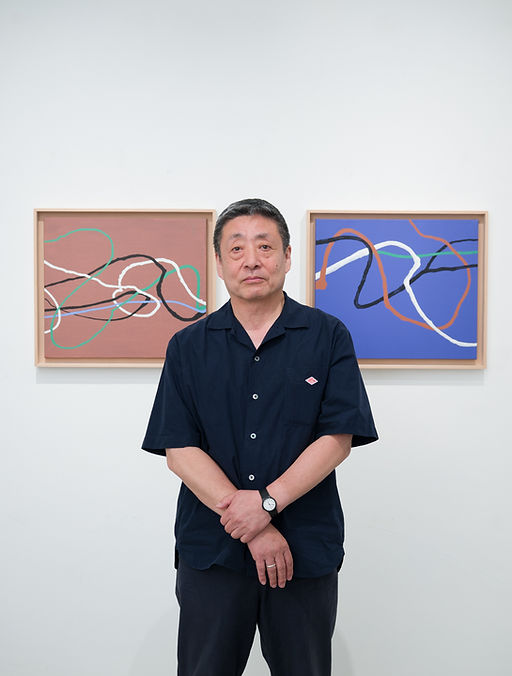
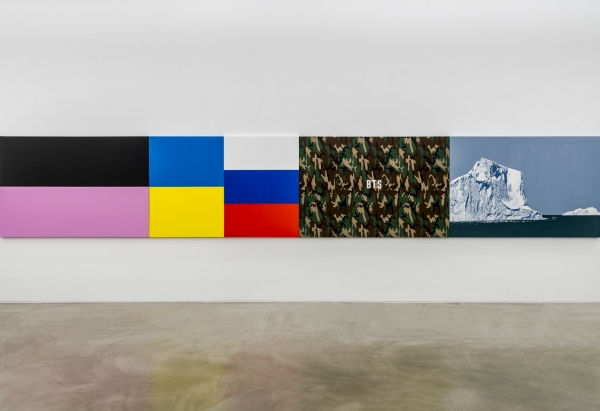
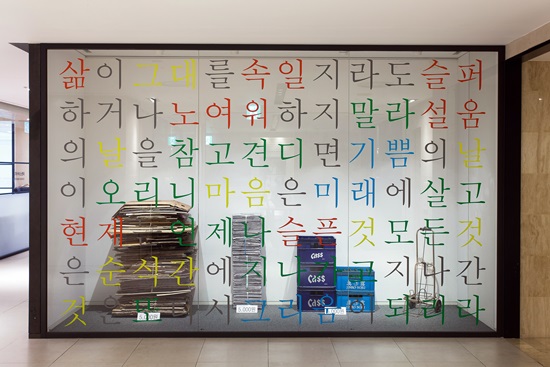
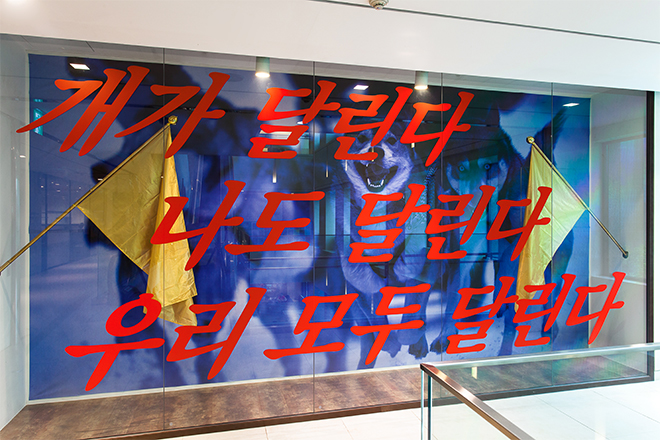
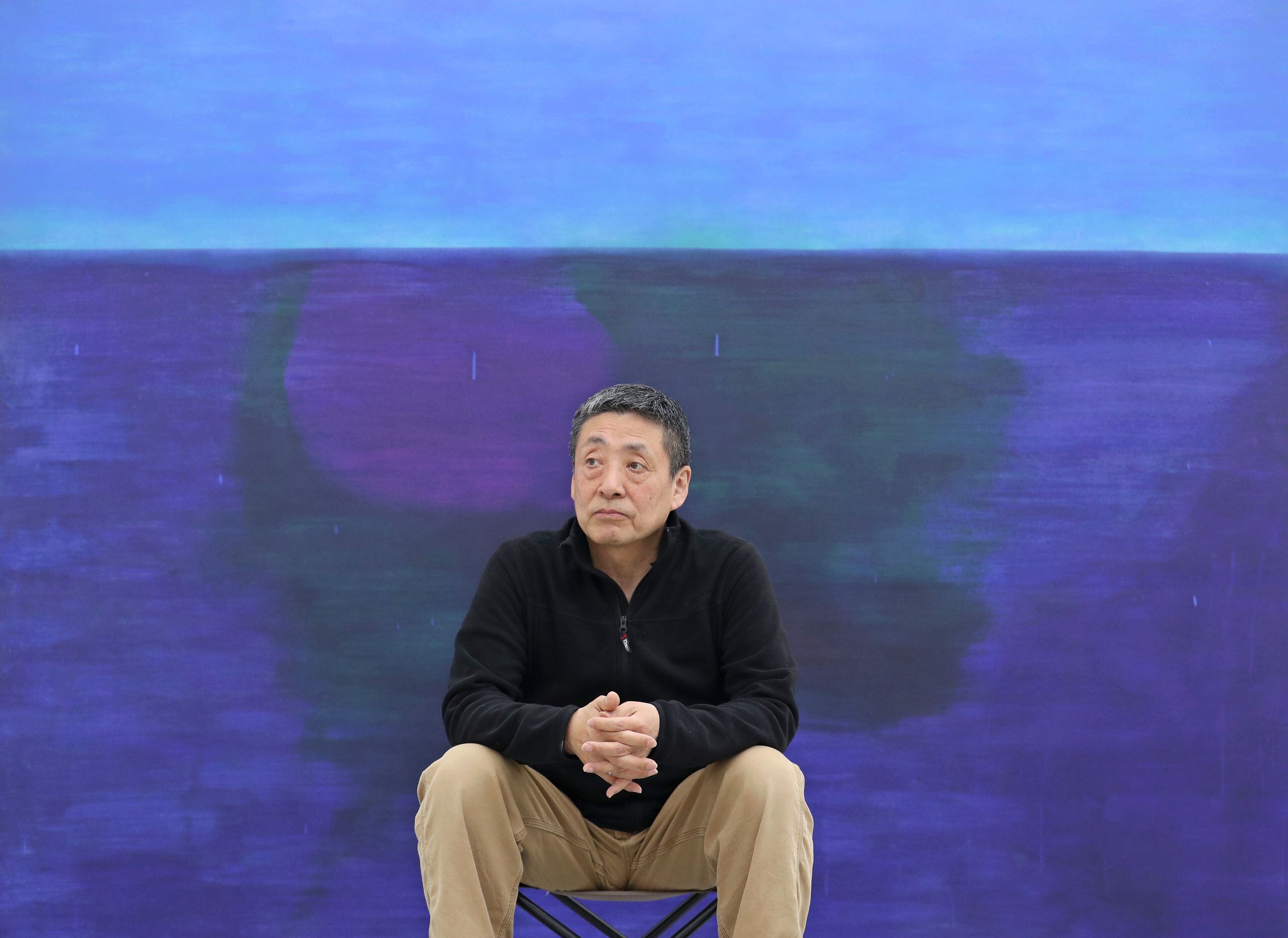
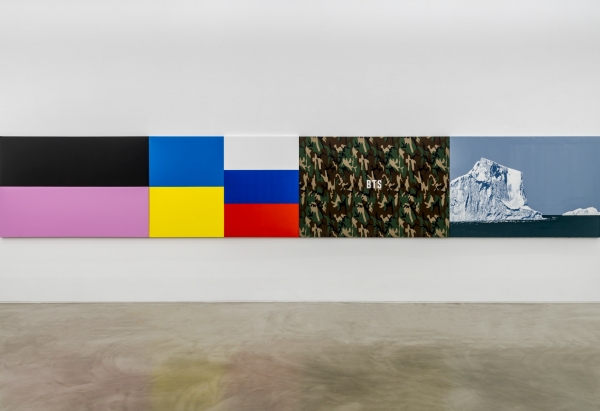
Yoon Dongchun diagnoses the present age as superficial and skin-deep — an era in which appearance is everything, and thus an era without depth. The attitude that grants meaning to what is outwardly visible constitutes the politics of images, and politicians, in his view, are masters of this politics of images (indeed, as the artist’s own work suggests, the media are hardly less adept in this regard).
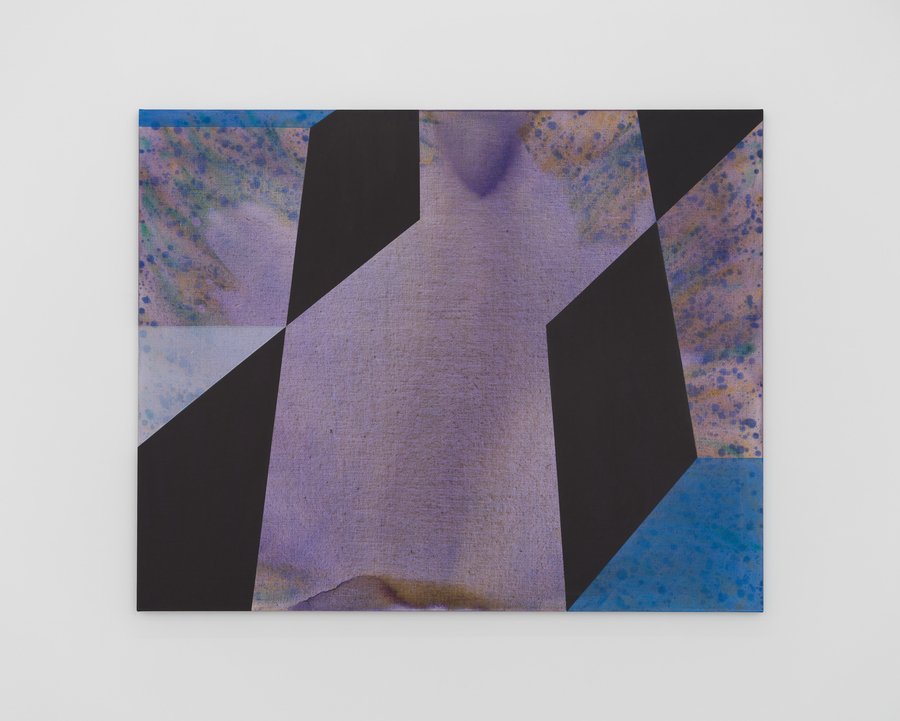
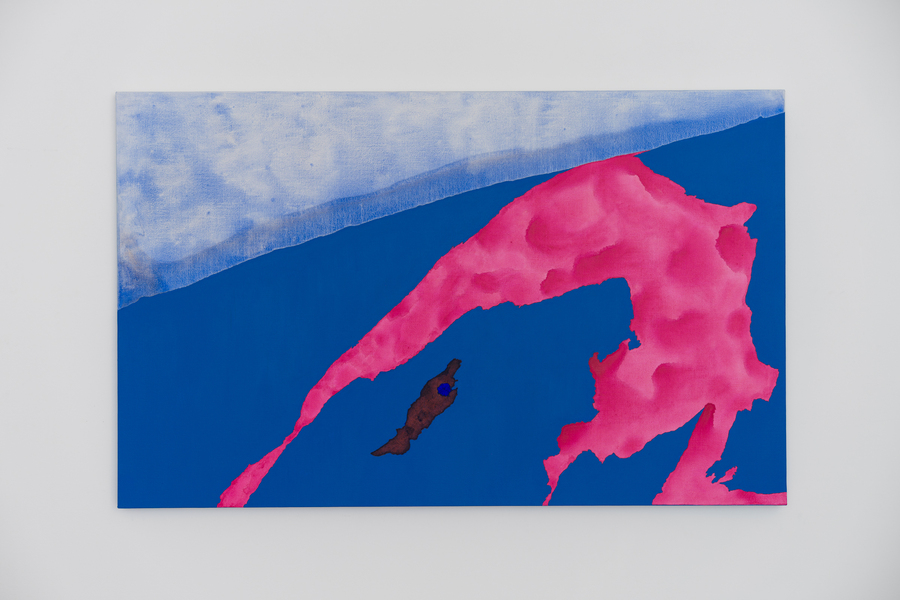
Accordingly, he confronts these masters of image politics with a language that is itself superficial and skin-deep — a language of surfaces and appearances. (In doing so, he appropriates both reflection theory and the avant-garde notion of speaking in the language of one’s time.) He then introduces, as a premise, turbid water — excremental sludge.
Yet this sludge stands in contrast to the slick, surface language he employs. It is turbid; though it may indeed be filth, one cannot clearly see what kind of filth flows, nor how it flows. By binding the superficial language of surfaces with the obscured premise of sludge — whose meaning may paradoxically become clearer precisely in its murkiness — the artist draws in irony. (Though the meaning of the sludge, obscured visually, may be uncovered again through the sense of smell, nonetheless.)
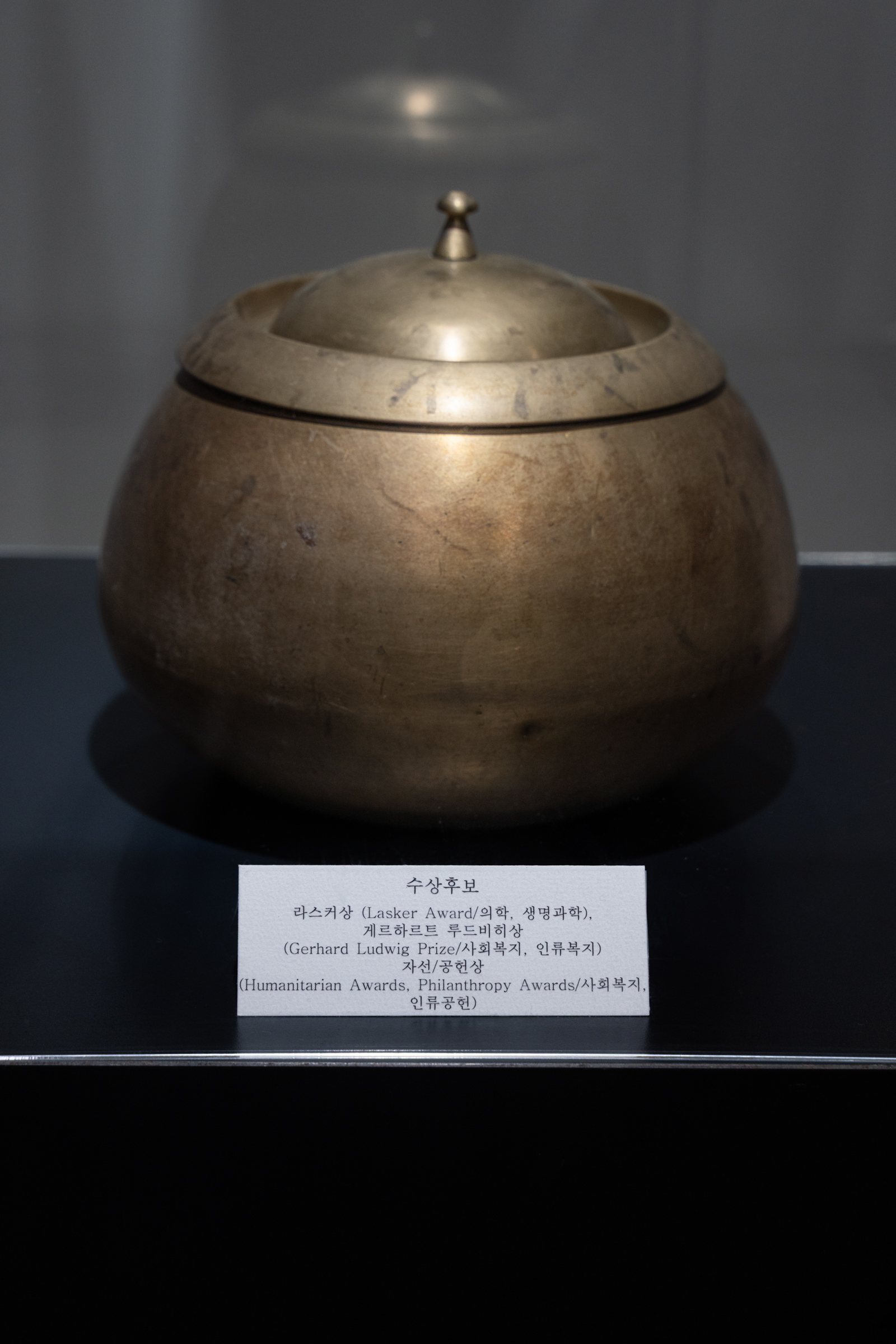
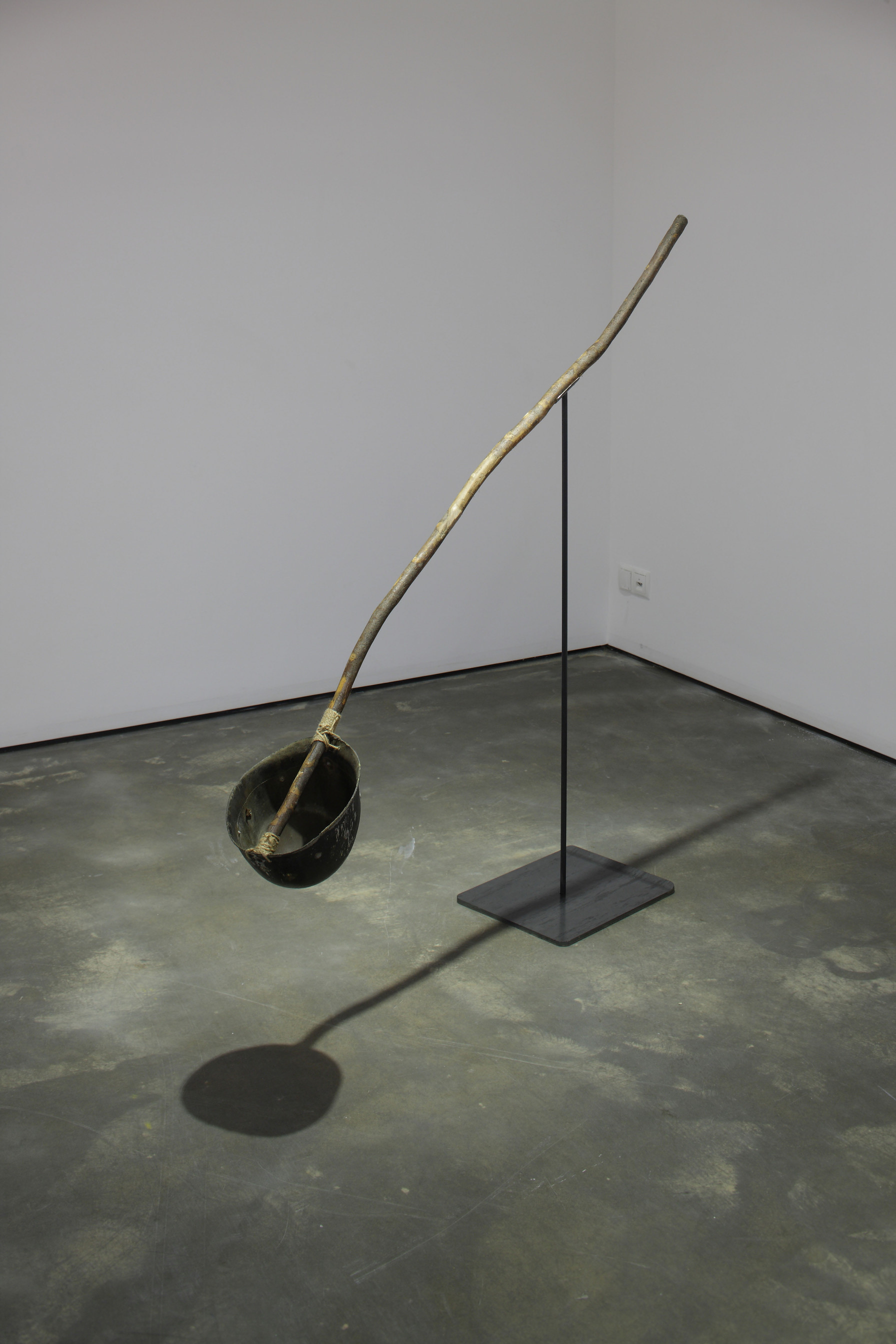
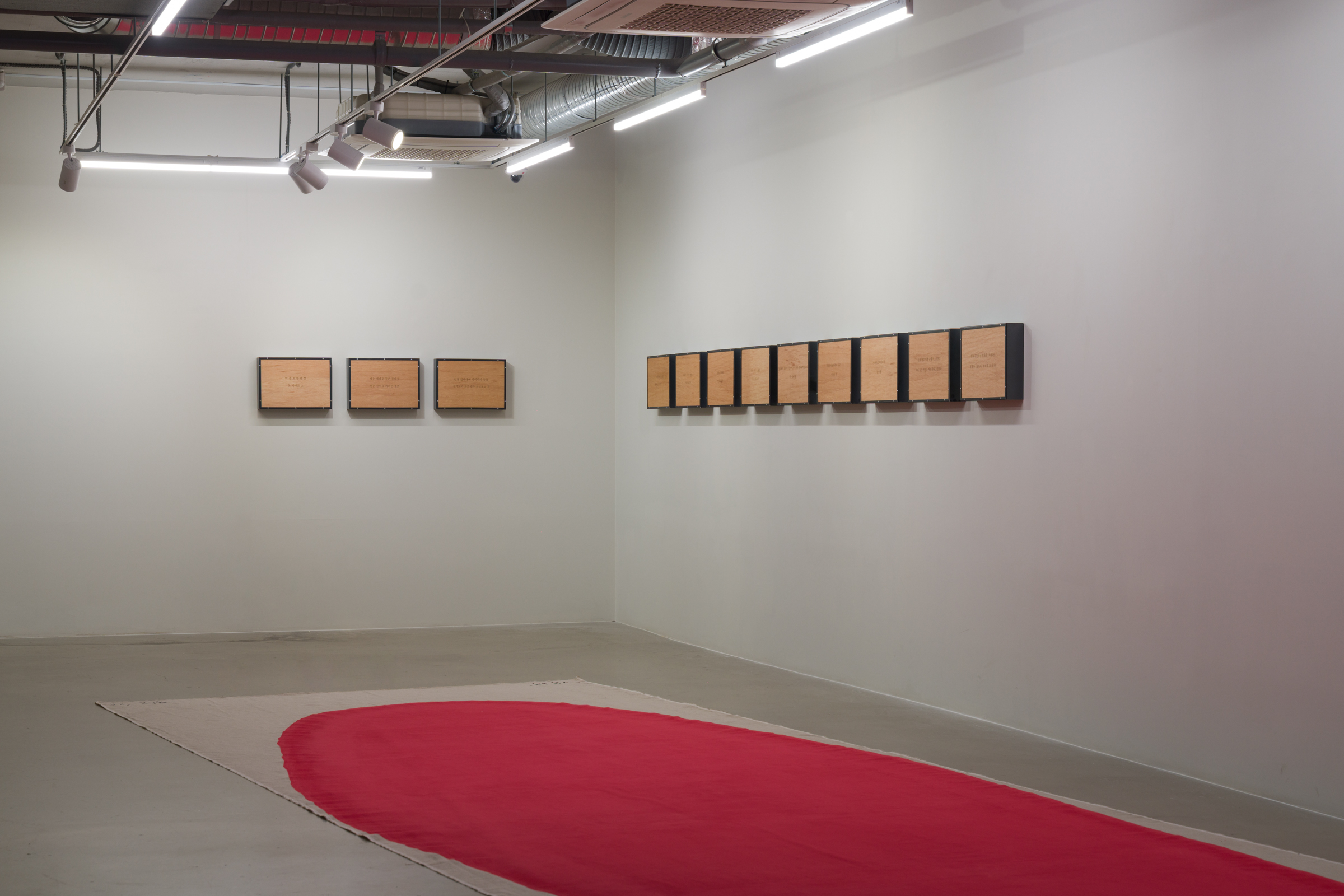
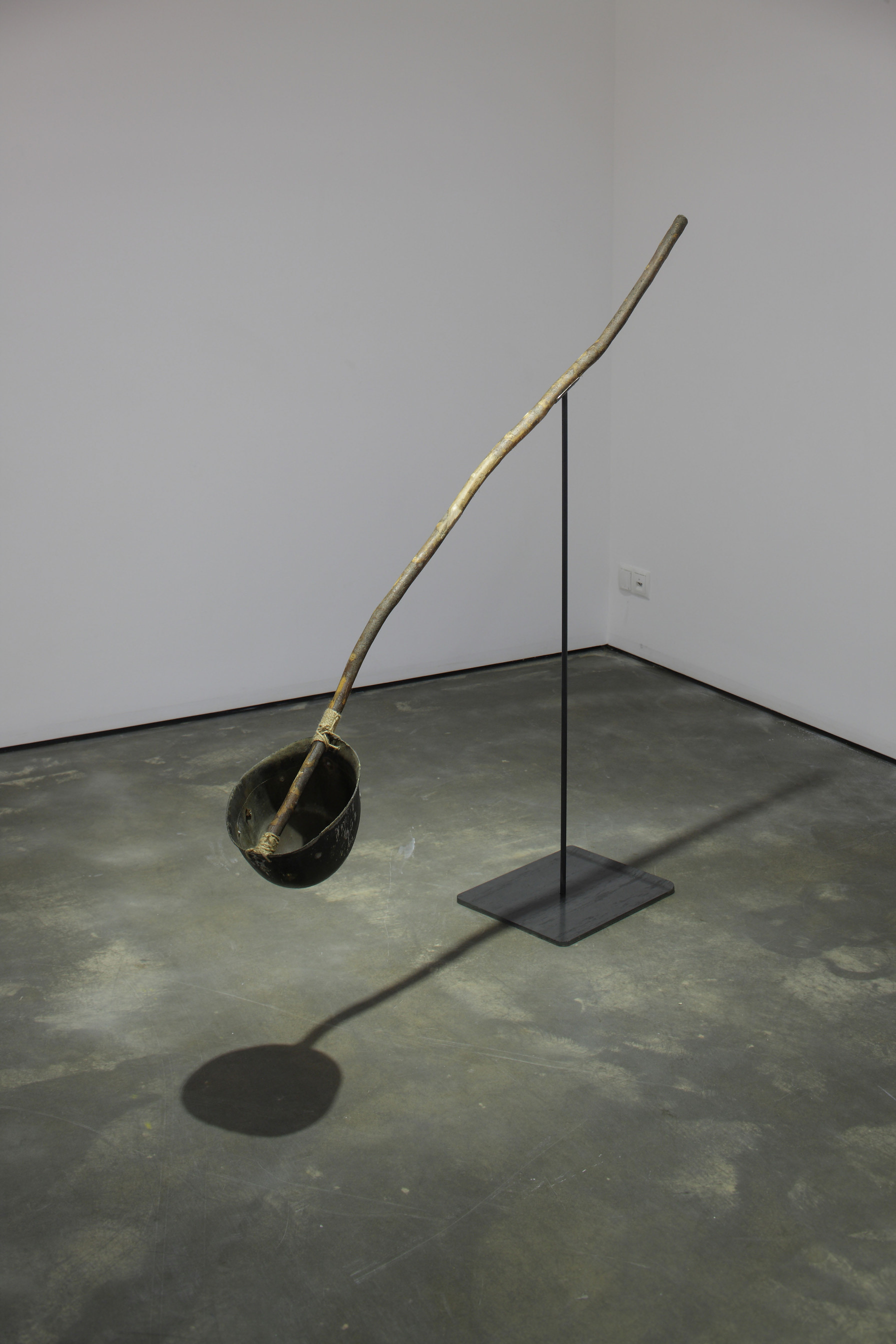
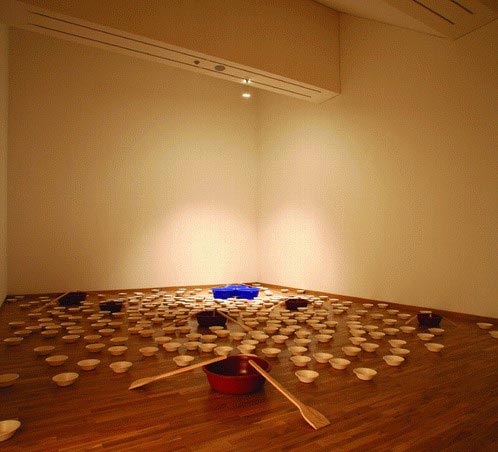
The political reality the artist diagnoses is thus one of filth and excrement. Politicians lavish promises they cannot keep (campaign pledges), lie as casually as eating a meal (the growing nose), and when cornered, brazenly feign ignorance. Like migratory birds, they shift party affiliation according to interest; their exterior and interior do not match; and they block their ears to the very voices they ought to hear. To such politicians, the artist offers clubs and rice paddles, mousetraps, fly swatters and sticky traps, insecticides and detergents, “brain tonics,” and even buckets of excrement. It is an homage, though an uneasy one.
This twisted homage is straightened through the invocation of Kim Su-young and Shin Chae-ho. Borrowing Kim Su-young’s line — that before you spit in my face, I will spit in yours — the artist spits at political reality. By invoking Shin Chae-ho, he contrasts the “drumbeats of heaven” with the harsh livelihood of those who survive day to day. (Shin Chae-ho regarded the people as heaven; thus, the drumbeats of heaven signify the voice of the people.)
Slavoj Žižek argues that authentic speech presupposes reflection upon one’s own background. Only when one speaks about — and includes — the background that secures one’s own comfort does speech attain authenticity and acquire subversive force. To speak of prospects without acknowledging one’s background may inadvertently reinforce the very system one addresses, becoming yet another ideology akin to it. Michel Foucault, meanwhile, speaks of the ubiquity of power — that is, the pervasiveness of politics. Yoon Dongchun’s recent works compel us to reconsider both Žižek and Foucault.