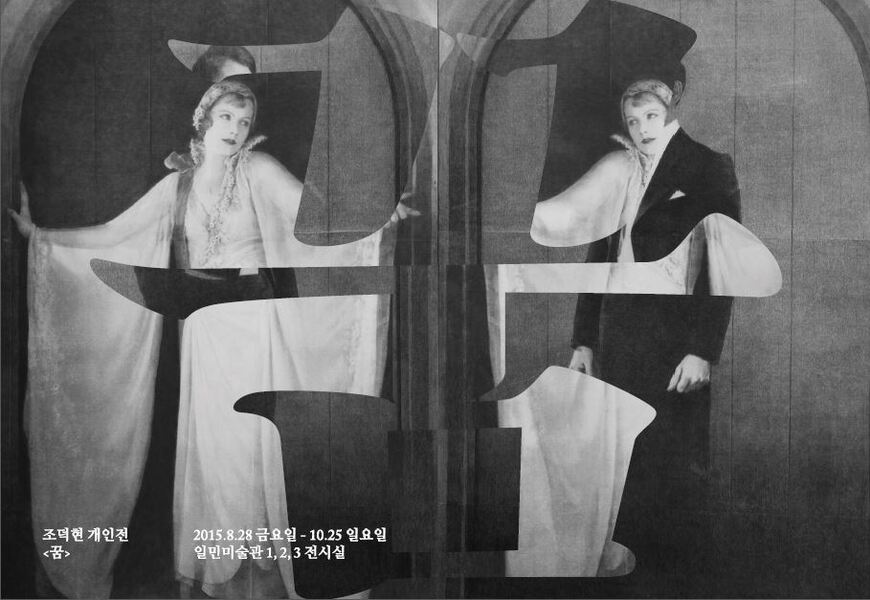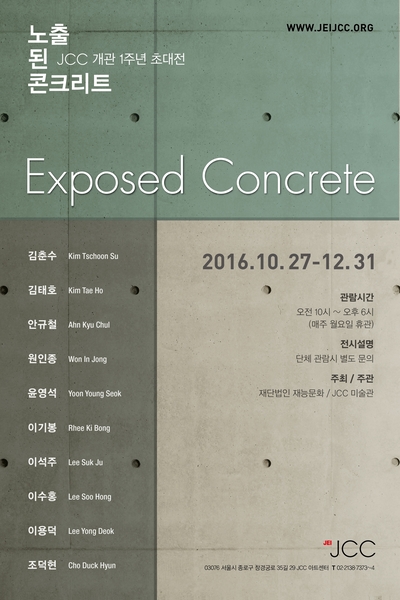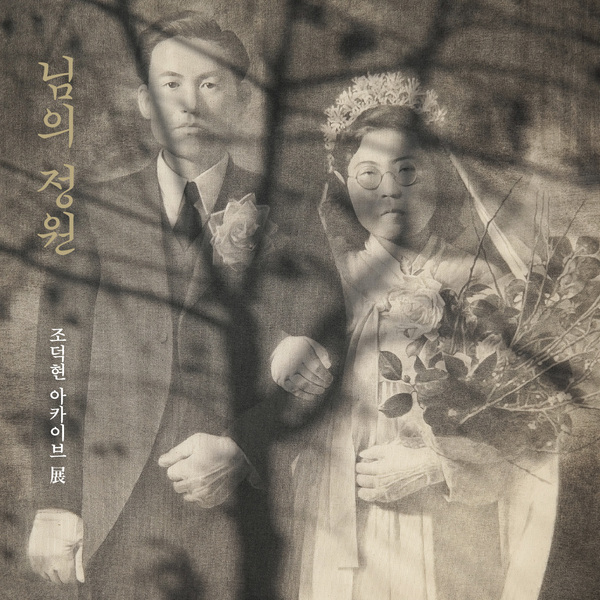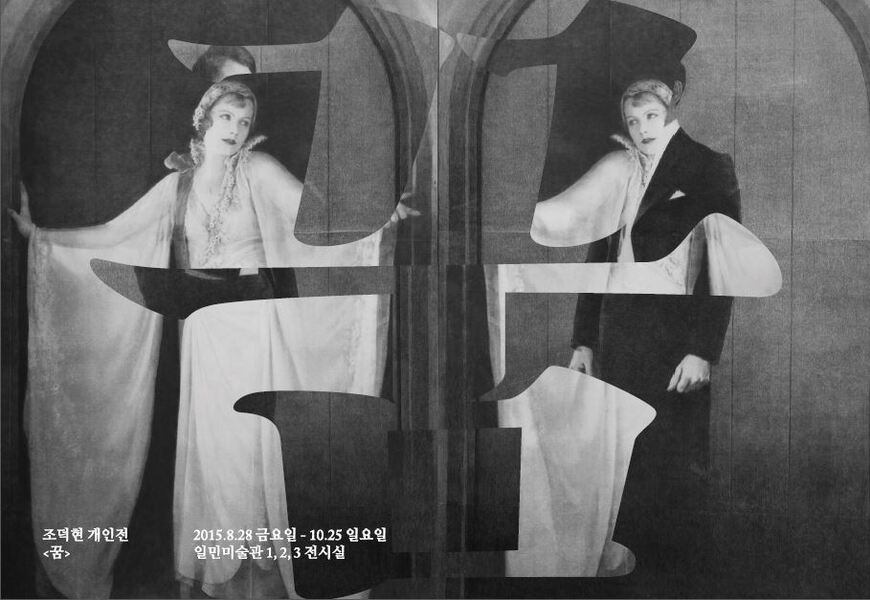
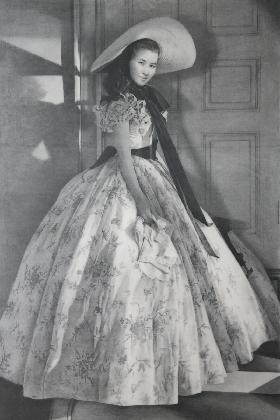
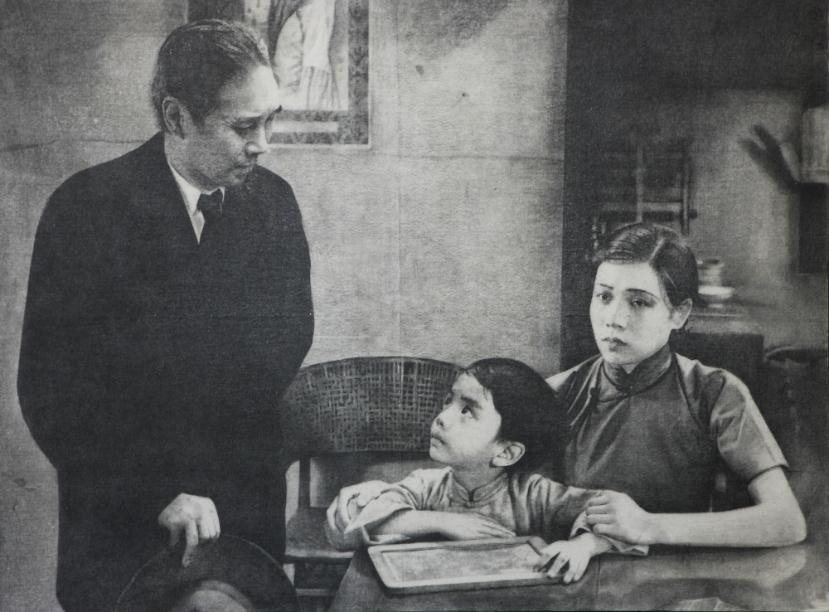
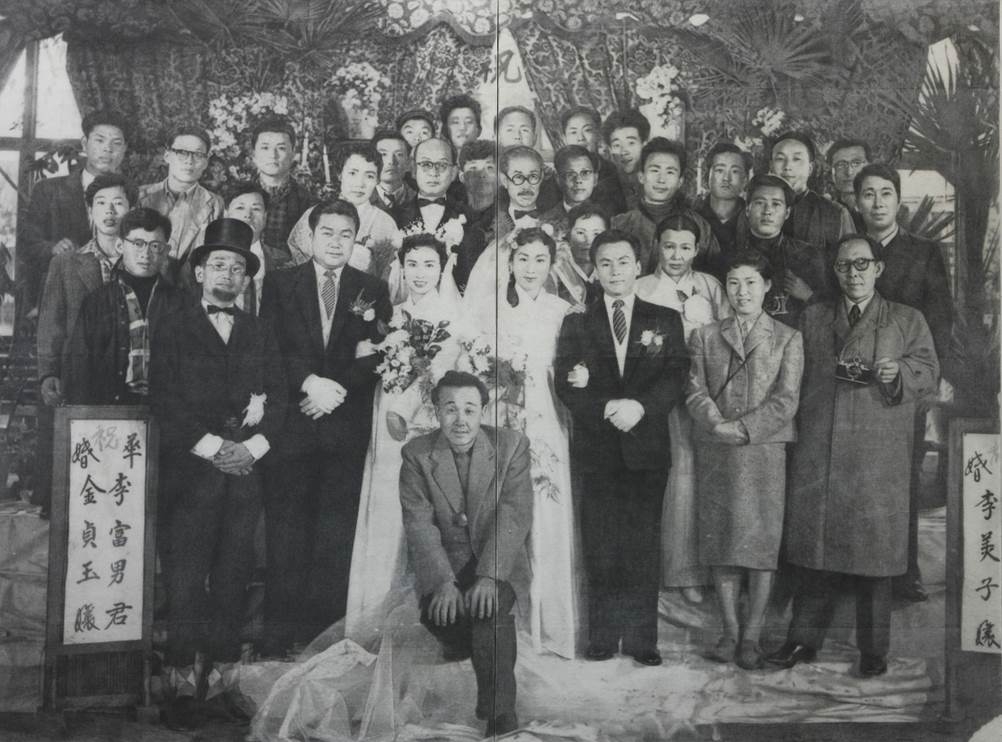
Poster image of 《Dream》 © Ilmin Museum of Art

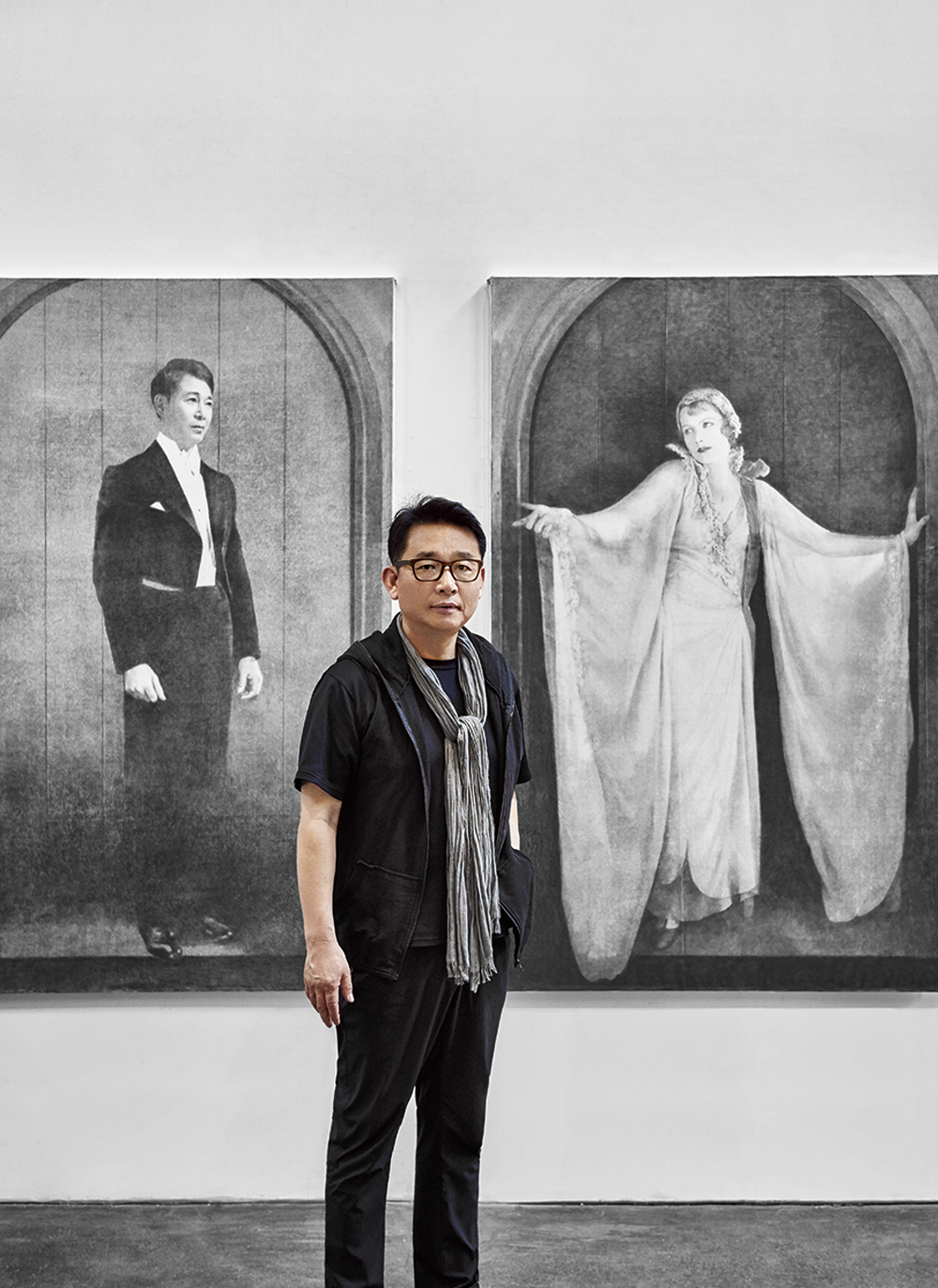
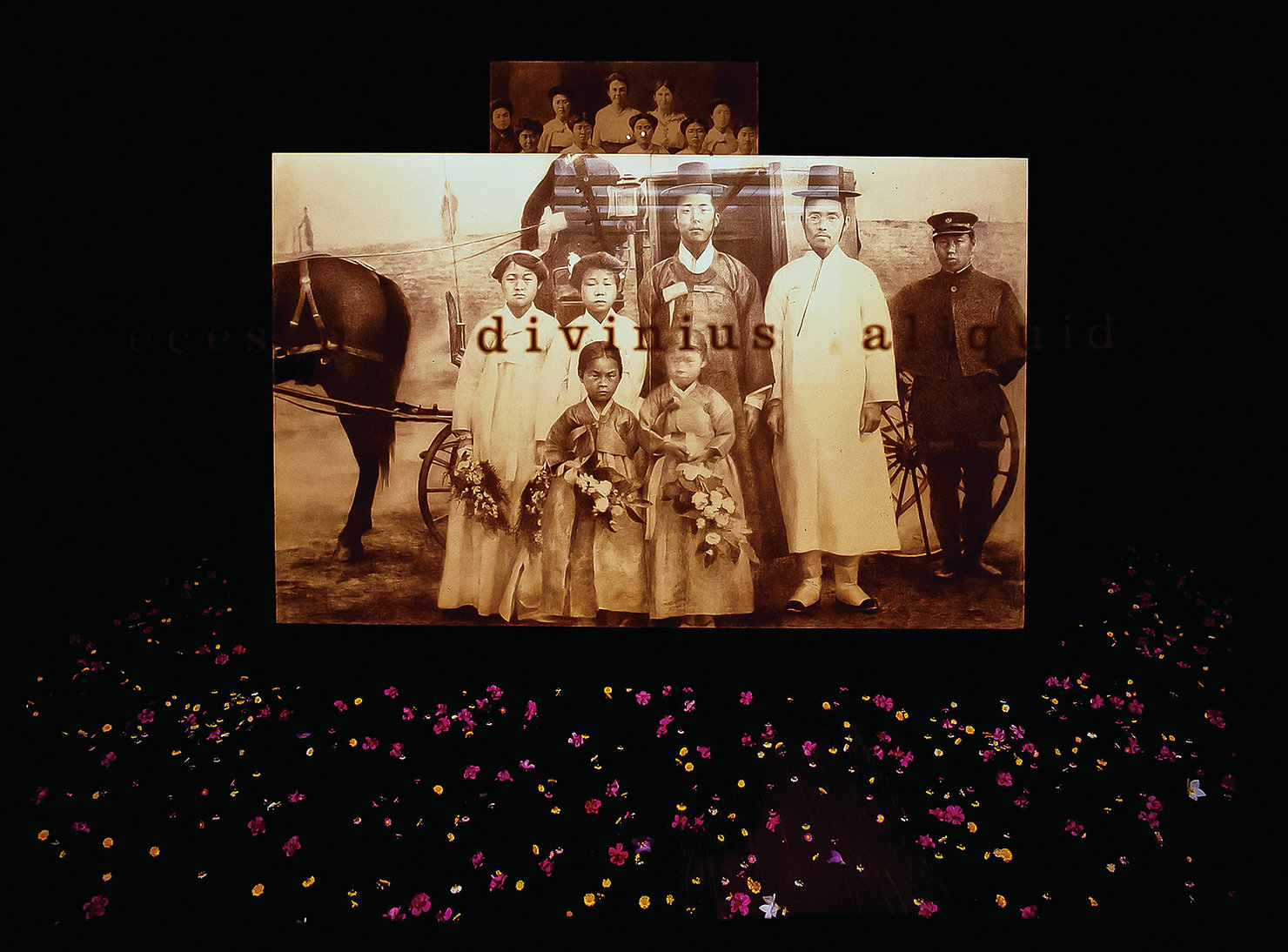
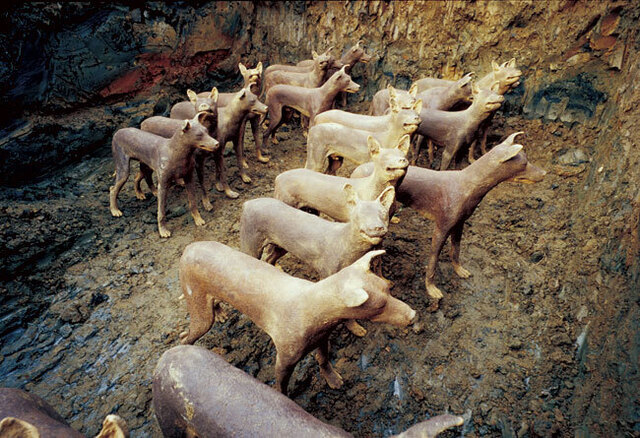
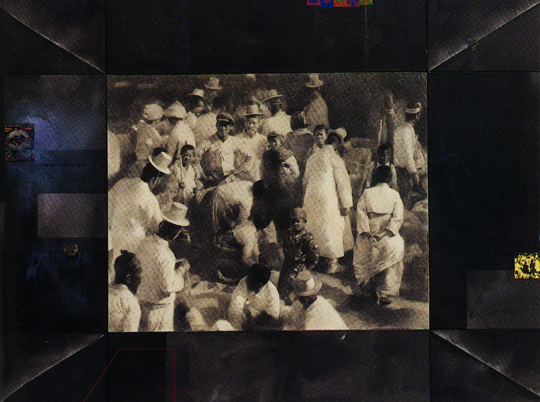
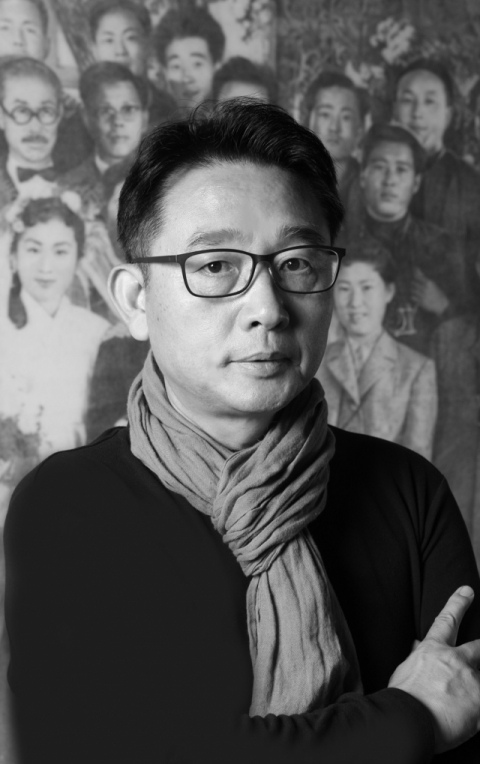
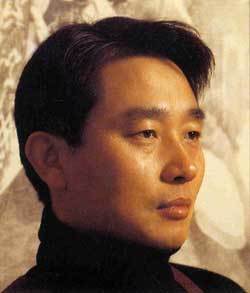
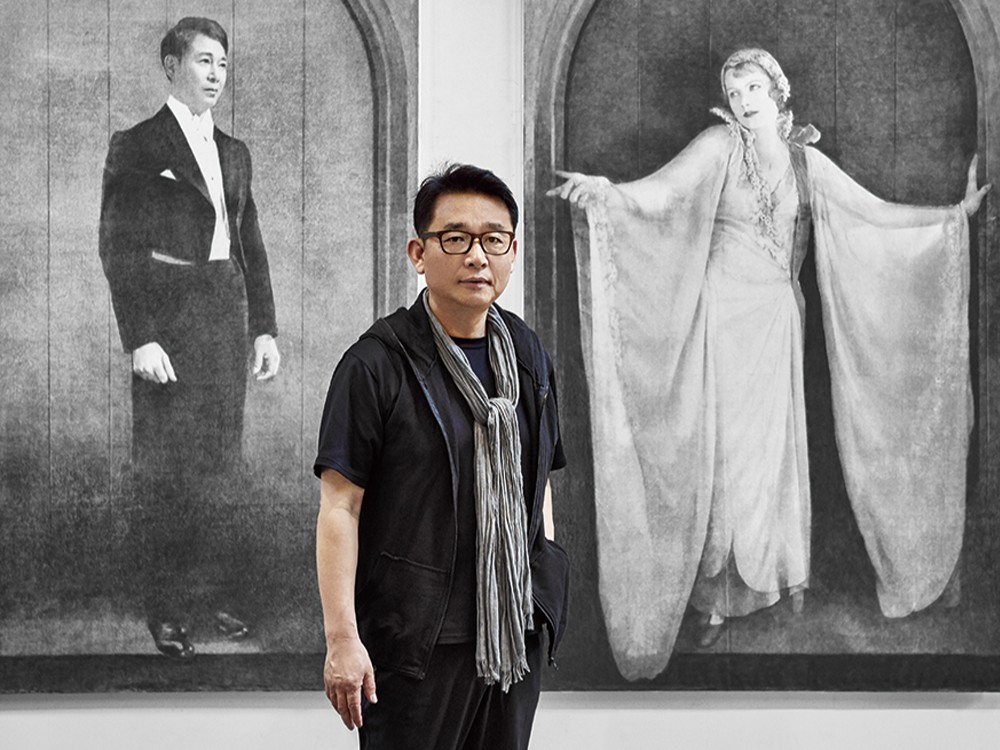
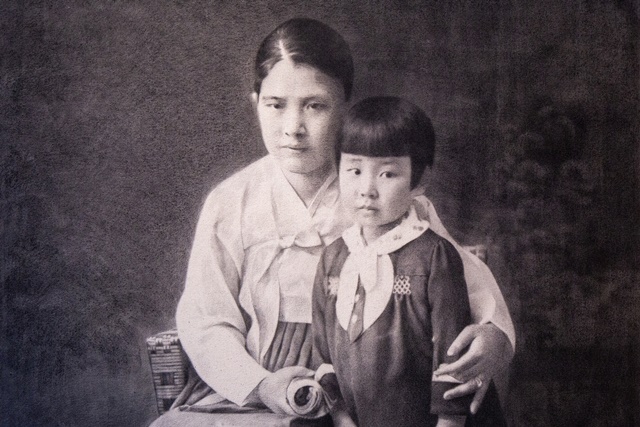
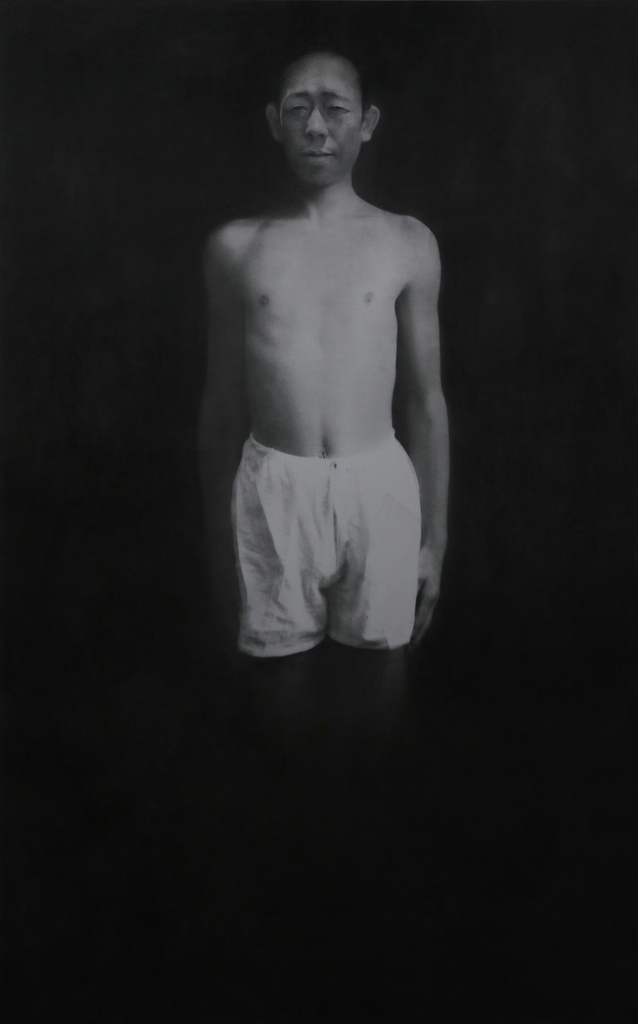
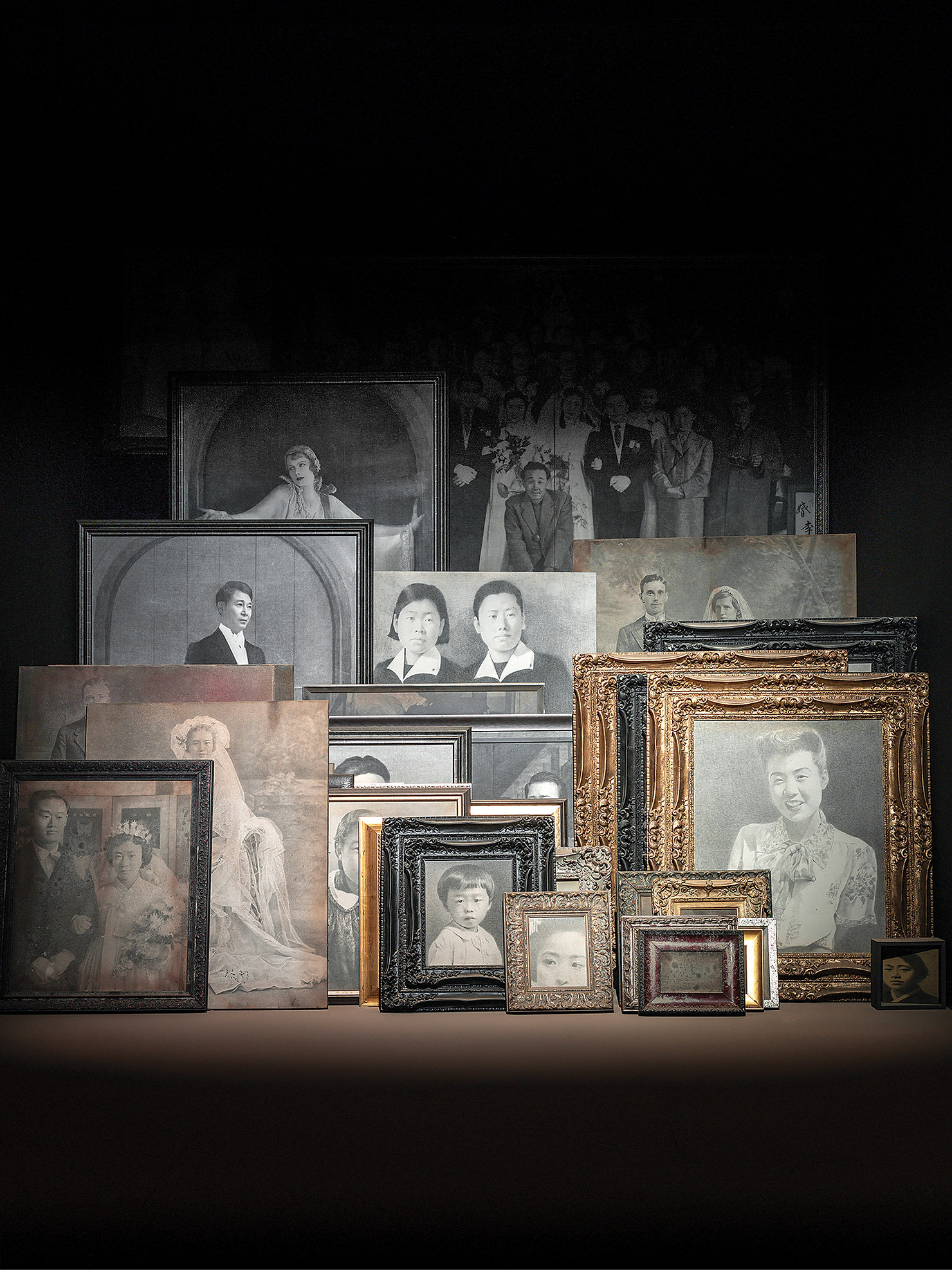
Cho Duck Hyun has recreated old black-and-white photographs on canvas to revive the history of a family, while also undertaking experimental projects such as fictional archaeological excavations that generate new narratives based on imagined histories. Over a long period, the artist has actively collaborated with other disciplines—including literature, history, and music—while focusing on restoring and remembering the past, often addressing marginalized individuals or overlooked women in modern history who have been forgotten within the broader currents of historical narratives.

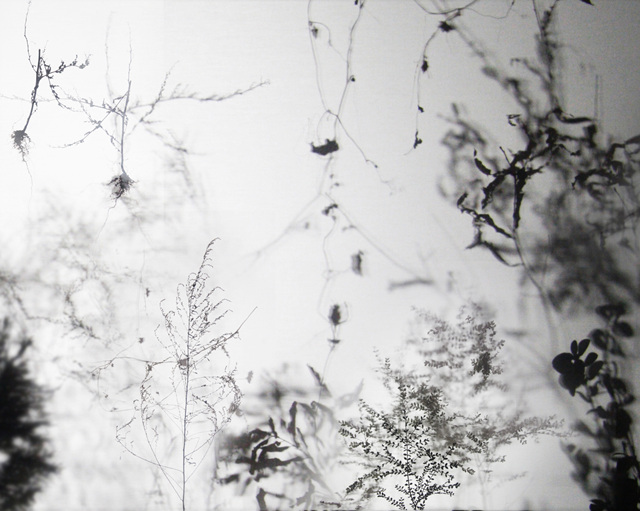
This exhibition is composed of three sections: The Garden of Dreams, where the artist’s new project is presented; The Garden of ‘NIM’, which offers an overview of the artist’s works since 2000 and reveals the development and transformation of his artistic practice; and The Garden of Sounds, a synesthetic space resonating with the music of Yun Isang.


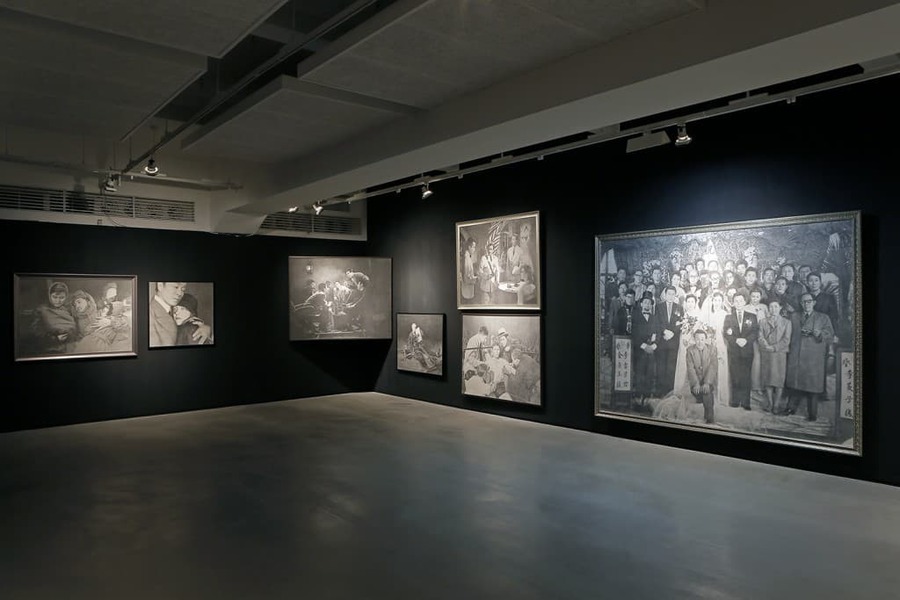
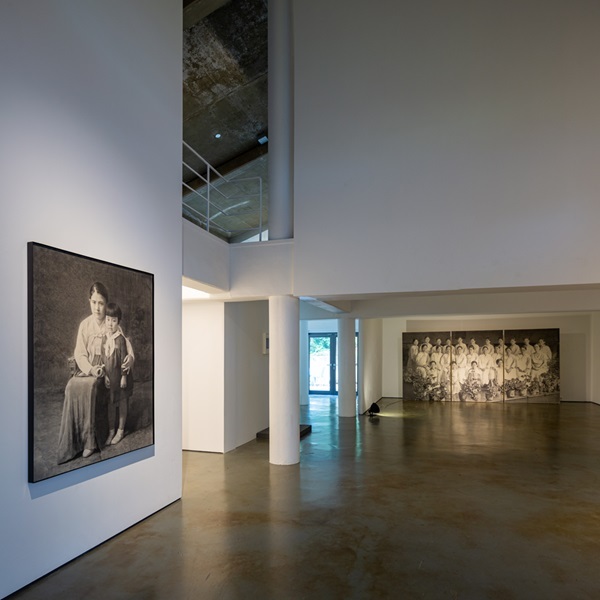
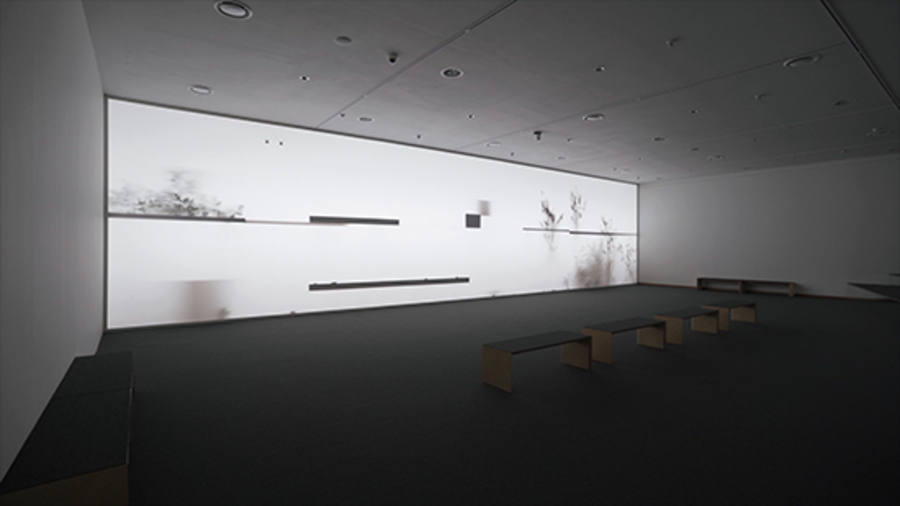
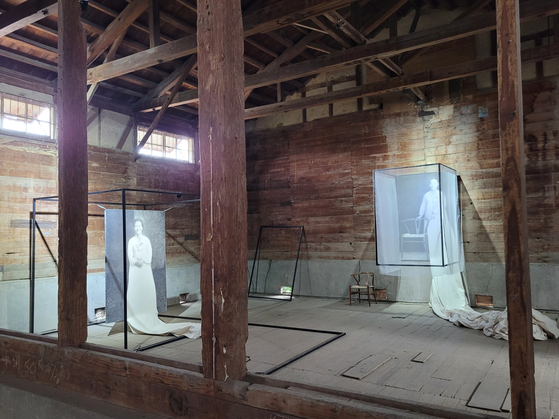
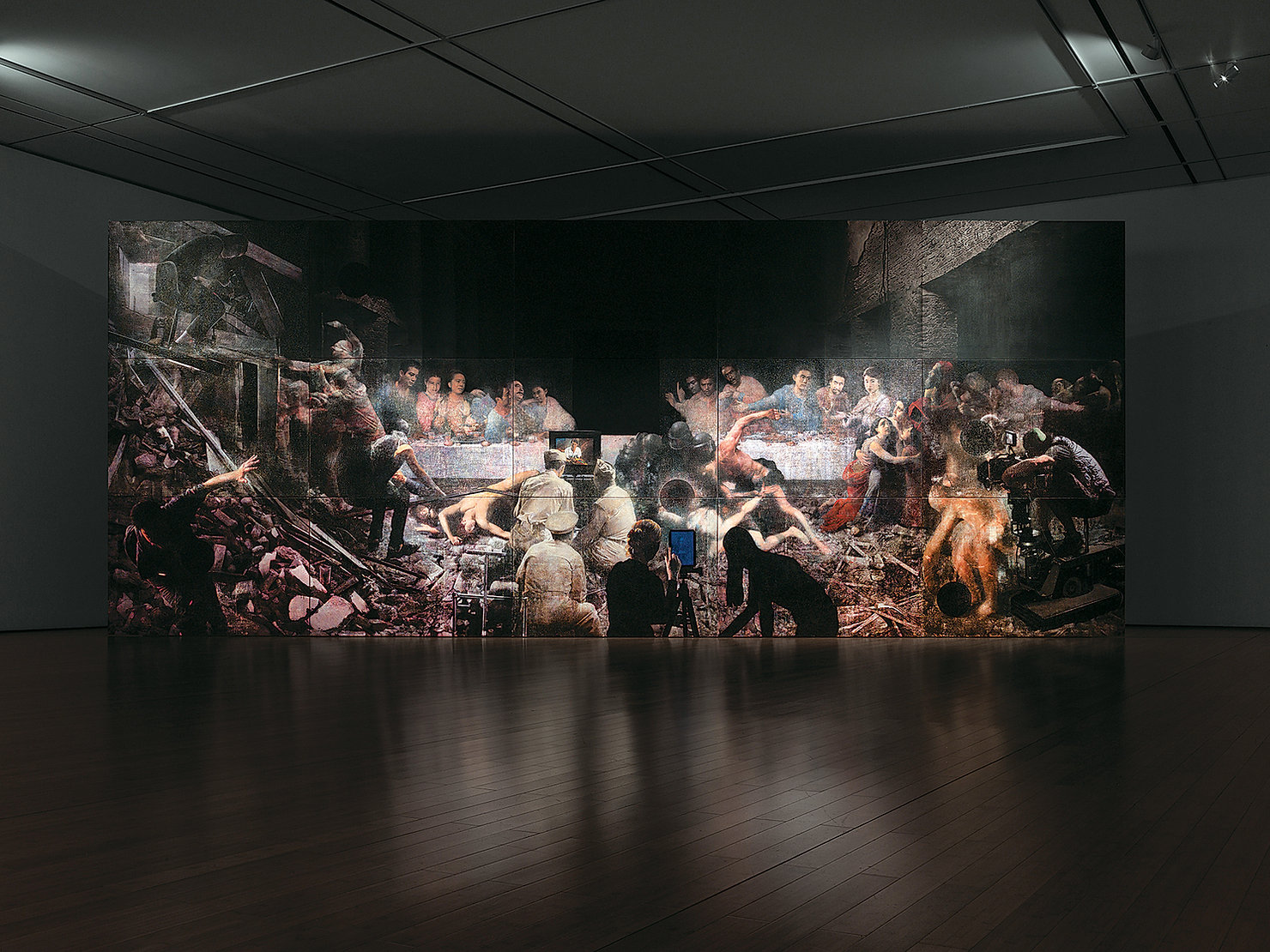
Installation view of 《Dream》 © Ilmin Museum of Art

The Garden of Dreams
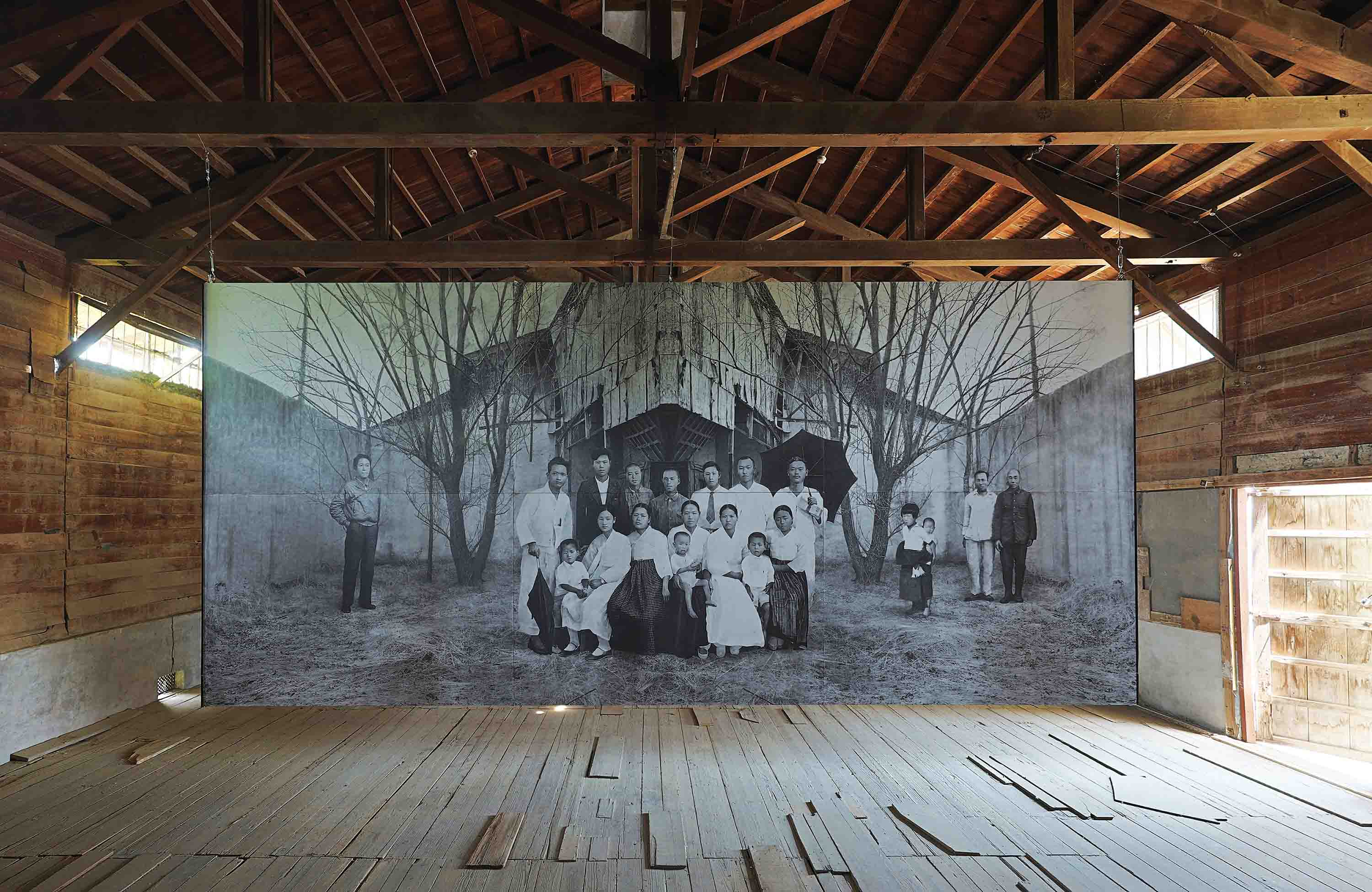
The Garden of Dreams is an ambitious attempt to examine how an individual narrative can symbolize macro-history by tracing the enigmatic life of a fictional figure who shares the artist’s name—Cho Duck Hyun (1914–1995). In order to approach the life and dreams of a man who traversed modern and contemporary Korean history, the project constructs an elaborate fictional history while engaging with diverse artistic fields including painting, film, and literature.

Artist Cho Duck Hyun introduces two additional figures bearing the same name into the exhibition, summoning personal histories upon the ambiguous boundary between reality and fiction through his characteristically meticulous style. The installation House, presented in Gallery 1, is a space created for a fictional figure symbolizing Korea’s modern history. Through photographs, paintings, personal objects of the protagonist, and video works placed within the space, visitors are invited to imagine the turbulent life of an individual shaped by a history filled with hardship and upheaval.

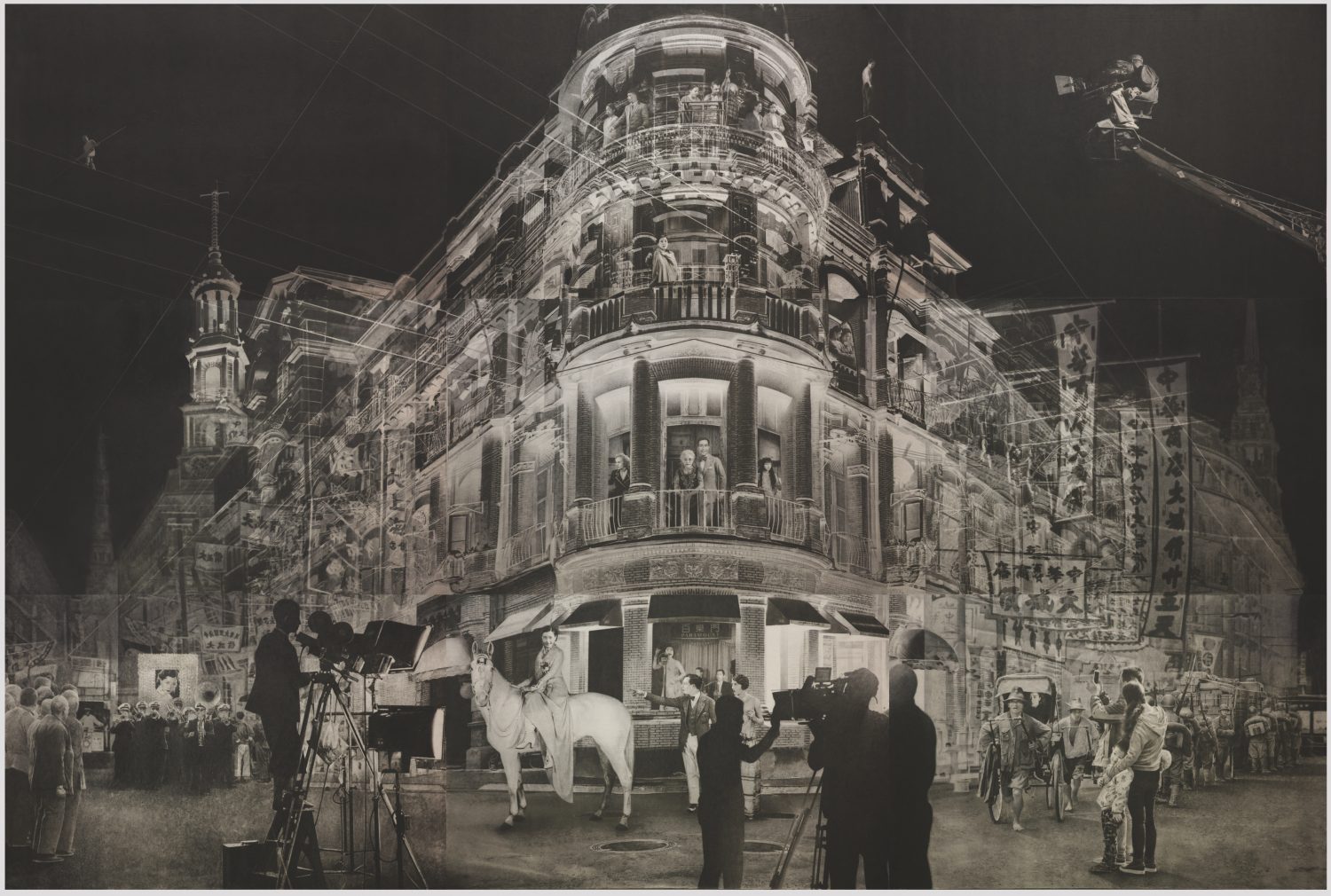
The short story “One River,” written specifically for the exhibition, is a collaborative work by novelist Kim Ki-chang, who received the Today’s Writer Award (Minumsa) for his novel Monaco, which quietly portrayed the death and solitude of an elderly man. In this story, the fictional figure Cho Duck Hyun is depicted not only in “Old Shanghai” of the 1930s during his youth, but also as an actor who worked on the margins of the film industry during the golden age of Korean cinema in the 1950s, a period that has faded indistinctly into history.

The life of this fictional Cho Duck Hyun—who compromises with reality, follows the currents of the times, and lives a profoundly personal life—paradoxically becomes a mirror that starkly reveals the convoluted and often shameful trajectory of modern and contemporary Korean history.

The new project The Garden of Dreams, presented in conjunction with the 70th anniversary of Korea’s liberation, offers an opportunity not only to reflect on the values of life and death through the story of one individual, but also to reconsider our collective past.

The Garden of ‘NIM’
Gallery 2 of Ilmin Museum of Art presents The Garden of ‘NIM’, a section that allows visitors to trace the artist’s trajectory while gaining an overview of the evolution and transformation of his practice.

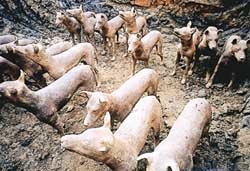
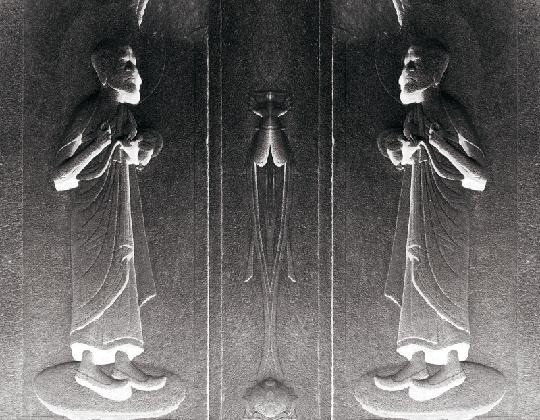
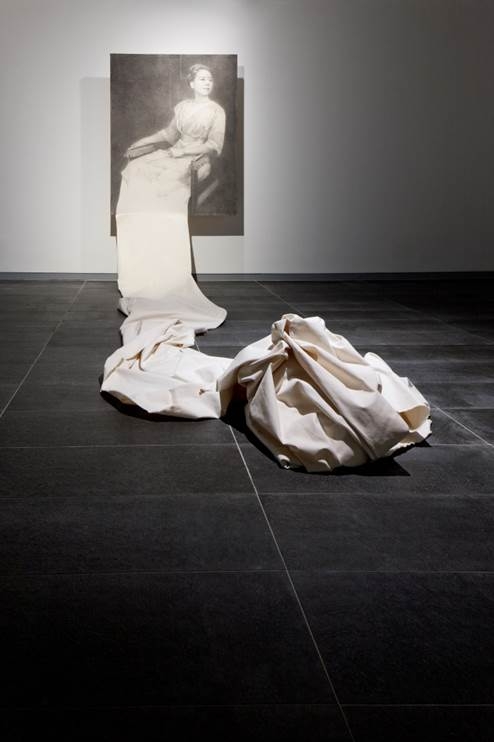
The section offers an opportunity to view major works by the artist in one place, including projects that summon to the present the micro-historical moments of individuals overlooked by mainstream historical narratives through meticulous depiction (2008); projects that reconstruct figures from the past by combining realistic two-dimensional representation with three-dimensional objects (2011); and Gurim Village Project (2002), which questions the concepts of history and truth through the fictional excavation of an imagined nation or legend.

The Garden of Sounds

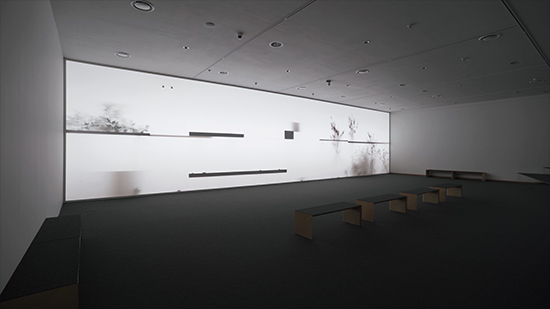
In The Garden of Sounds, presented in Gallery 3, one of the late and most lyrical works by composer Yun Isang resonates throughout the exhibition space. Through a large-scale installation exceeding 15 meters in width, the work invites visitors to contemplate Yun’s artistic world—one of the symbolic figures not only of modern music history but also of Korea’s turbulent modern and contemporary history—without ideological or historical judgment, allowing it to be experienced on its own terms. The exhibition concludes with a synesthetic landscape in which music and visual art, sight and sound, resonate together.

References