I completely forgot about writing this essay.
Although had I not only to ponder on art but also reflect on the order of humanity – which is about how humans exist, how they are arranged, and how human politics and ethical principles shall be described and dealt with – in order to write this essay, I happened to take a trip.
I left behind everything and went to Europe. By leaving the country at the very moment I was to write this essay, I left everything about this essay behind. In fact, that I acted so irresponsibly might be a kind of manifestation of my unconscious. In other words, I think all these were either a result of the pressure to write, that I was just bothered by my obligation to write, or the fact that I was becoming a very irresponsible person nowadays.
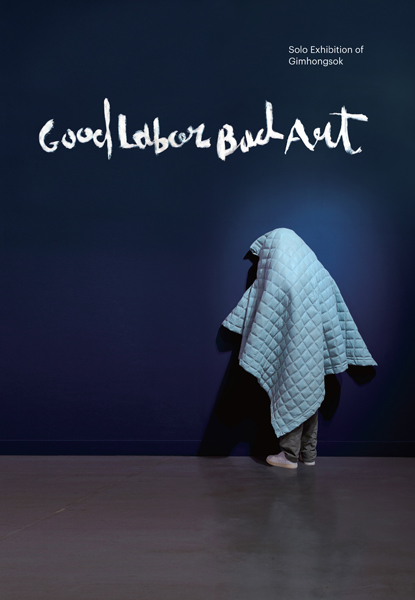
Nevertheless, I came to think that I had already arrived at an ideal state – which is pointed by questions and answers by artist Gimhongsok – without realizing I was already there. To put it in other words, I was completely away from such things – the non-coherent sense of responsibility that we impose on ourselves, the non-subjective obeyance toward orders to maintain the existing customs and institutions against what one wants, and situations where one cannot even resist the contradiction of not knowing what one wants in his or her life.
Towards the end of my trip, I received an email from the curator of the exhibition. She wrote to me that I was past the deadline and she was facing a massive crisis. I then realized what kind of text I had to write.
Although I was standing at a point that I estimated as the destination of Gimhongsok’s work, I had to leave the point and return to reality by myself. And I think this is what the order of humanity is. That is, it is like the abyss – which one can never cross – between what is represented as being ‘directed toward,’ ‘wanted,’ or ‘desired’ and ‘the thing’ that is happening in reality.
Of course, there are ways to indicate this abyss. One can ‘laugh at,’ really ‘immersed in,’ or be silent about it. At the moment when one speaks about it, it immediately becomes a certain ‘critical’ subject and loses its ‘illuminating brilliance’ that it inherently has to possess.
Humans are mere temporary travelers that pass by this world. What they discover are neither perpetual principles nor unchangeable conditions. They discover scenes that are incomprehensible until the end. Gimhongsok’s work is made of complaints, monologues, and speeches towards the viewers about these scenes. What makes his questions interesting although they are rather talkative is the fact that he becomes part of the scenes while he repeats his questions and answers by himself.
Gimhongsok’s works might seem to be on the same context with Lee Ufan’s attitude towards ‘mono (物, things)’ with regards to the fact that Gimhongsok puts everything in this world on the same horizon and talks to them. However, they are different. While Lee Ufan maintains a significant distance from ‘mono’ and tries to reveal them as things independent from every context, Gimhongsok examines and reveals situations within which things are located – returning them to the context of certain ‘functions’ or ‘roles.’
I reflected on the meaning of ‘incompleteness.’ Generally, it would indicate that a certain artwork is suspended during the creation and arrived at a somewhat imperfect and dissatisfactory state. However, I think that incompleteness in Gimhongsok’s work might be a certain ‘belief’ or suspicion toward such ‘beliefs.’ The myth that artists create their works as manifestations of their beliefs often connects to certain conditions of different meanings – the direction of humanity and society, attitudes to secure fundamental meanings of artworks, or great figures who ought to become models of life for children.
Indeed, however, the opposite might be the case. Artists live lives that are not really welcomed by others. Even when they become successful, they often become subjects of jealousy or criticism. Or sometimes artists have to direct themselves towards certain directions that are totally different from what is recommended by the society, for the sake of their ‘success.’ Incompleteness is a form that involves ‘errors’ or ‘self-criticism. It is also a form that precedes ‘repentance.’ To push oneself to a difficult situation, to become a minority, and not to be understood by anyone – these are narratives that are derived from incompleteness.
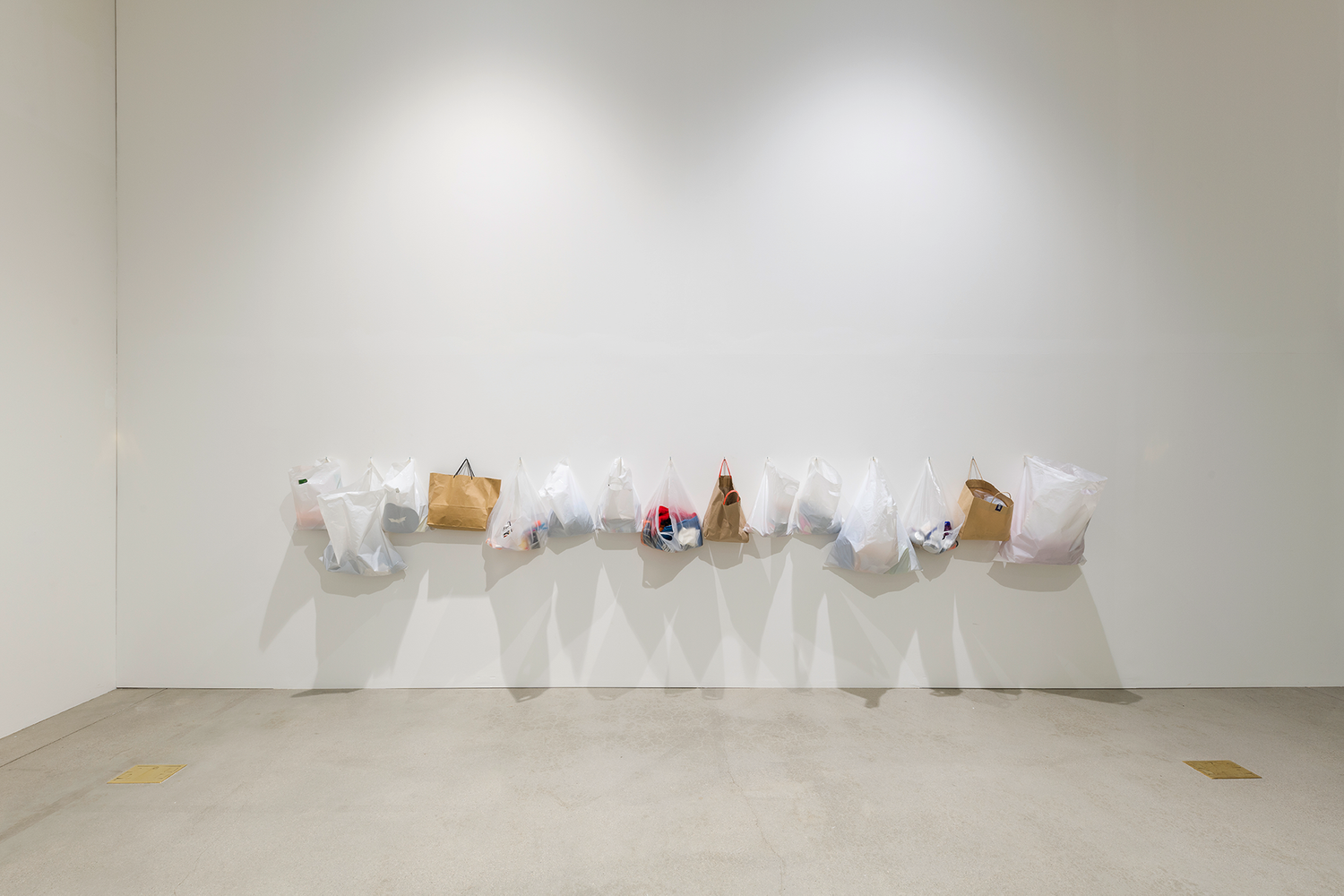
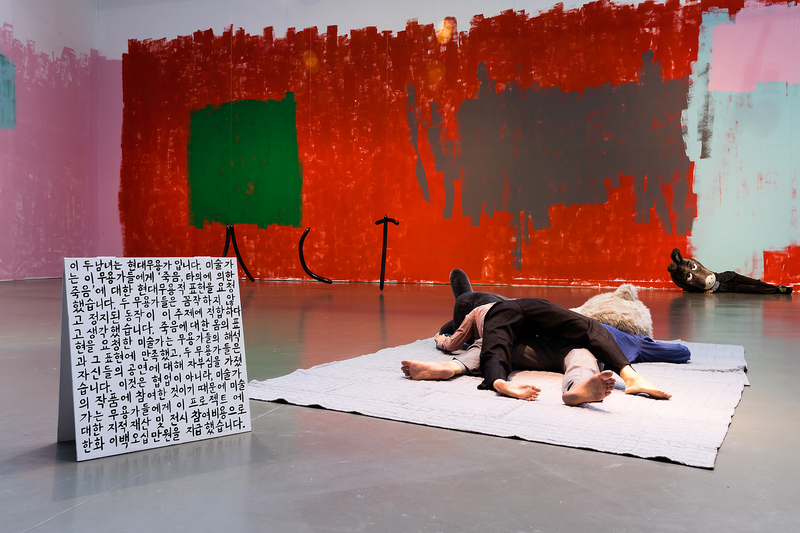
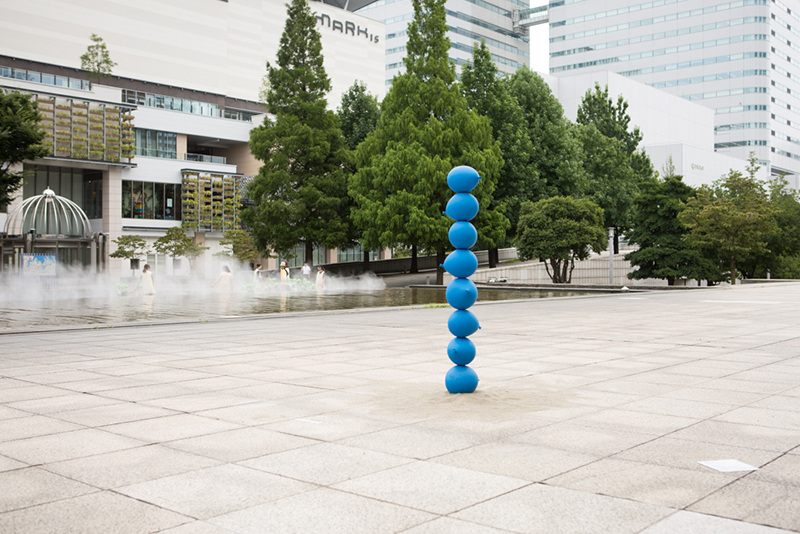
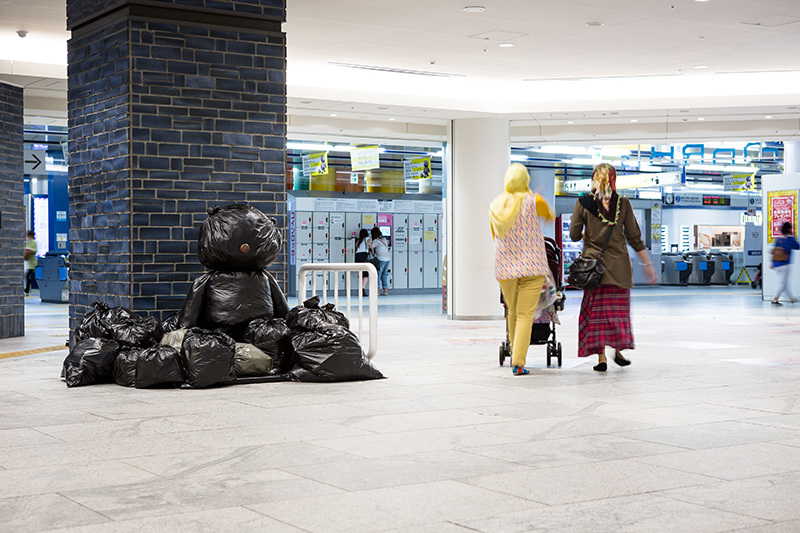
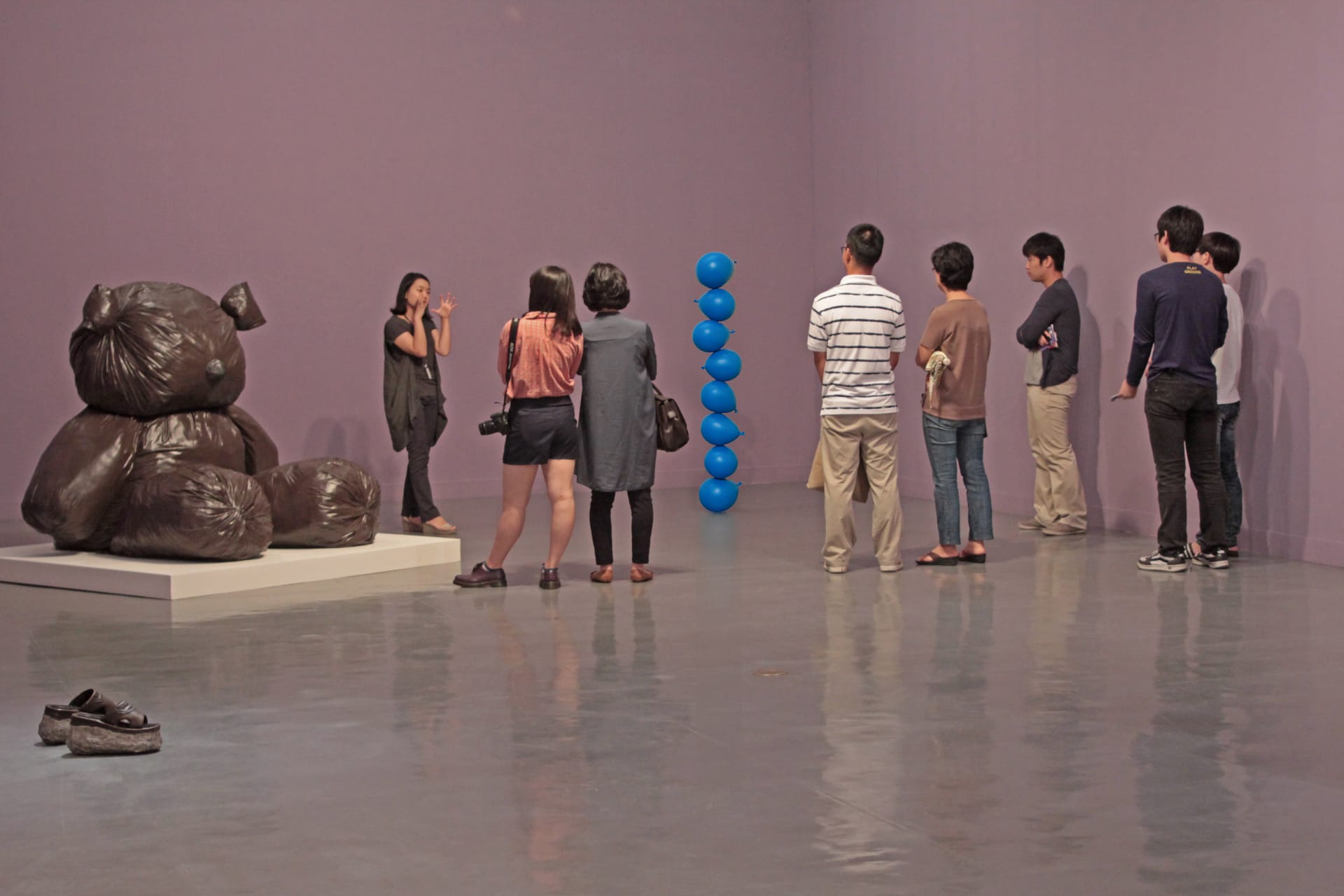
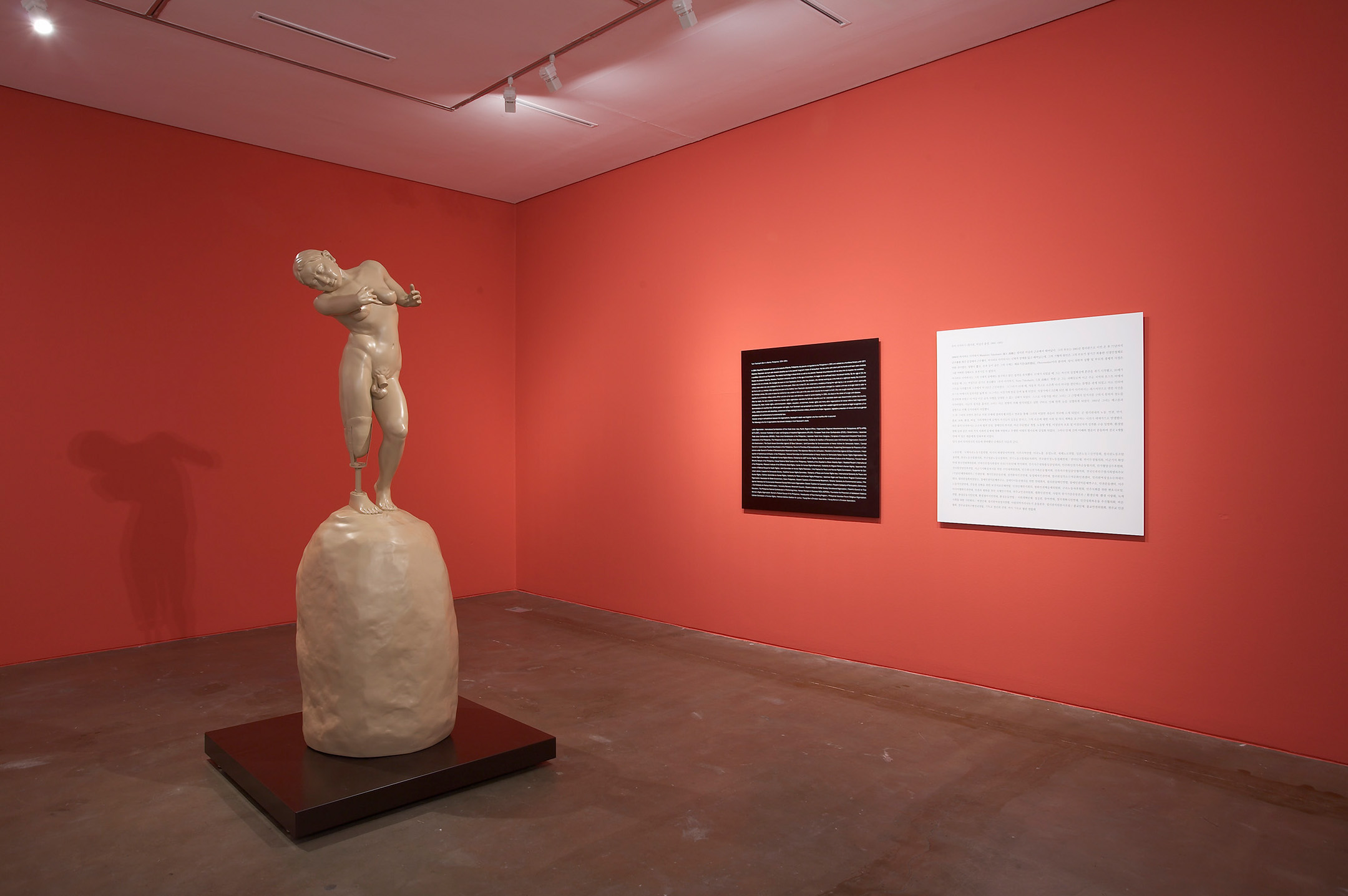
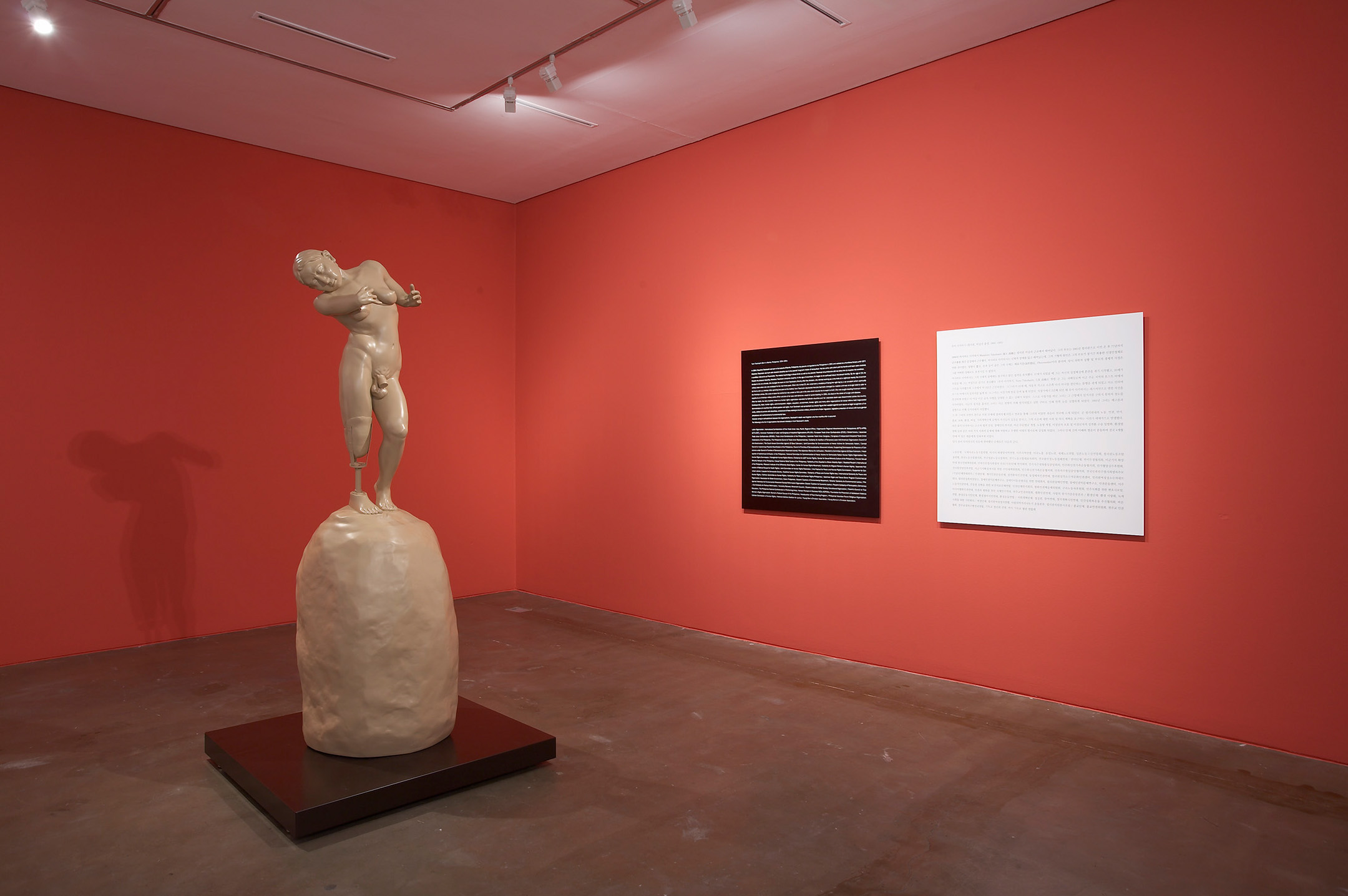
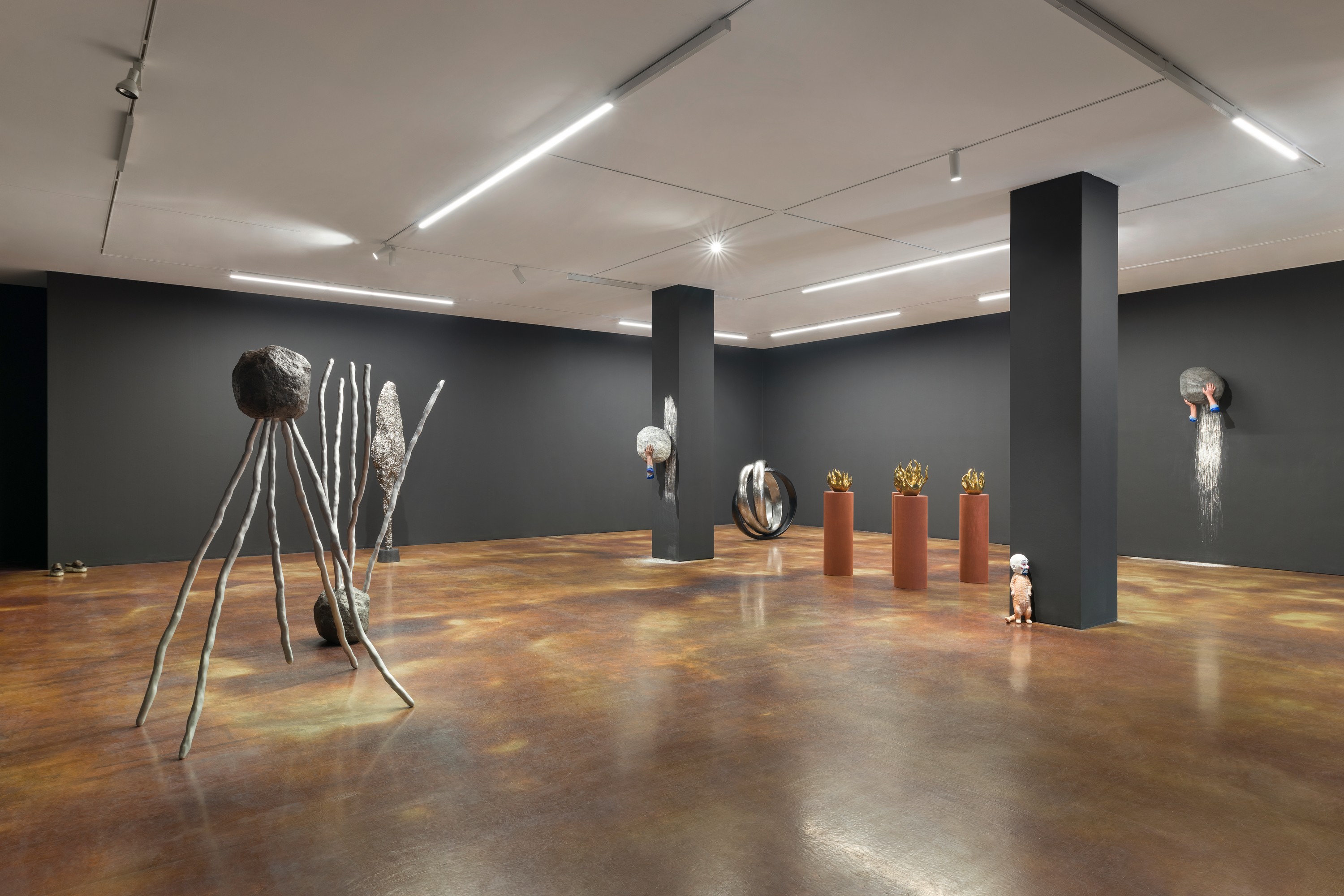
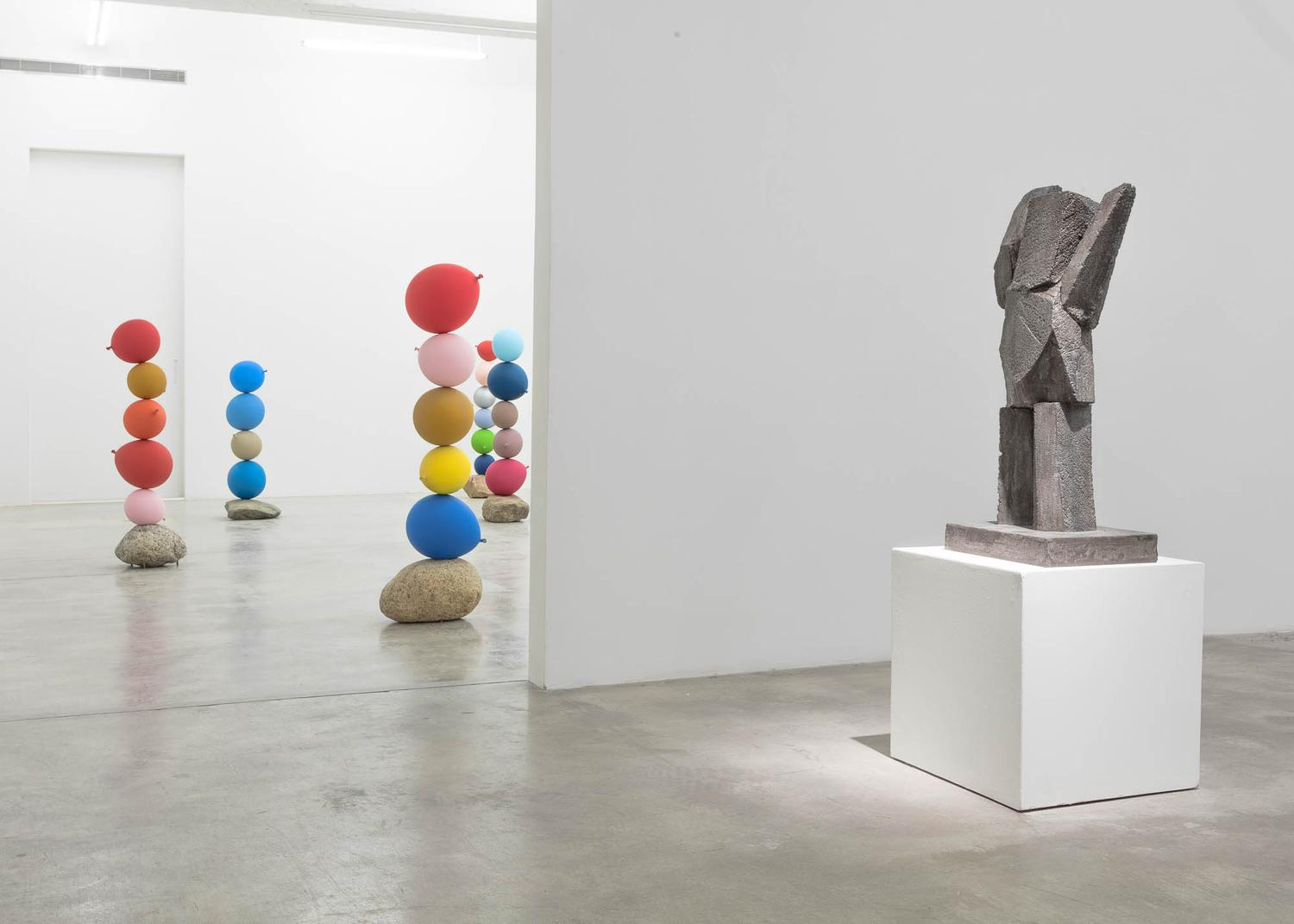
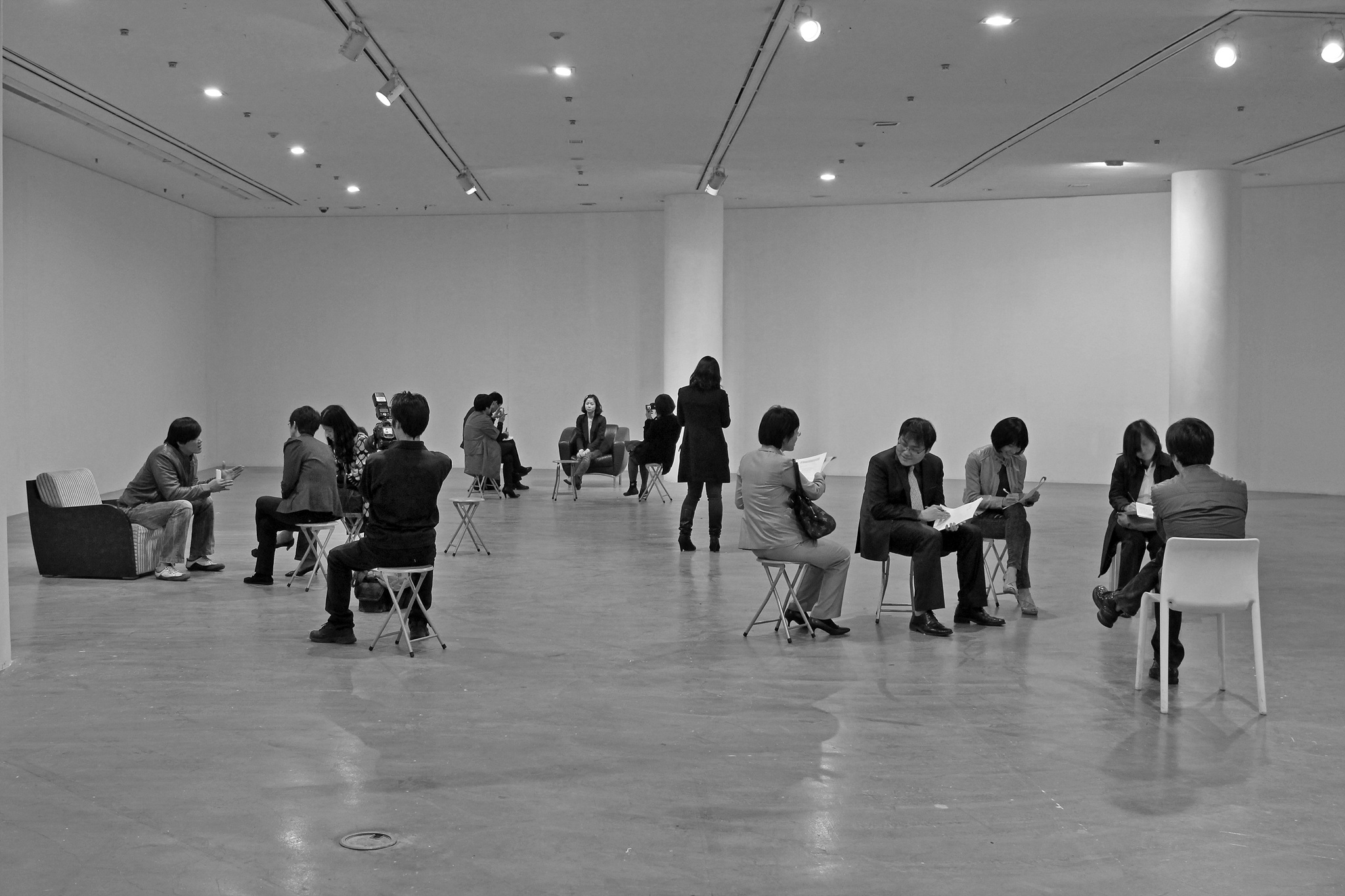
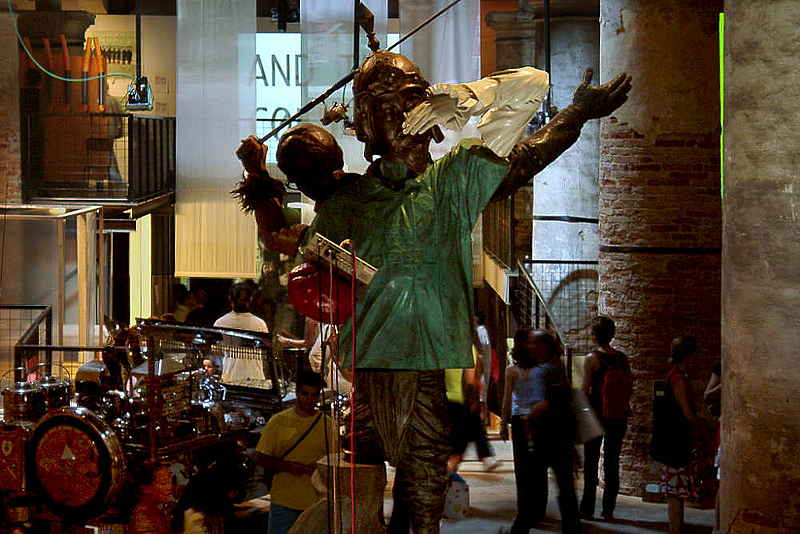
Gimhongsok comments on his work Human Order as “an effortful gesture to highlight that the manmade perception of ‘perfection’ and ‘completion’ is merely a temporary and social consensus, lacking speculative and practical values to be respected.” Regarding the status of his works, Gimhongsok describes that it is ‘strange and unacceptable on the basis of universal order.’ His works are results of performances in which plastic bags containing objects that lost their use are collected, sculpture is created out of discarded Styrofoam, or walls are painted intermittently.
These works, in fact, require highly organized methods and procedures. For example, to ask people to collect objects they stopped using and put them in plastic bags, the artist cannot help but talking with them to explain why they have to do it. He at least has to be in a position from which he can ask people to do such things. And to create many sculptural works out of Styrofoam, he has to secure a physical space to work and time, doing the same labor as other artists.
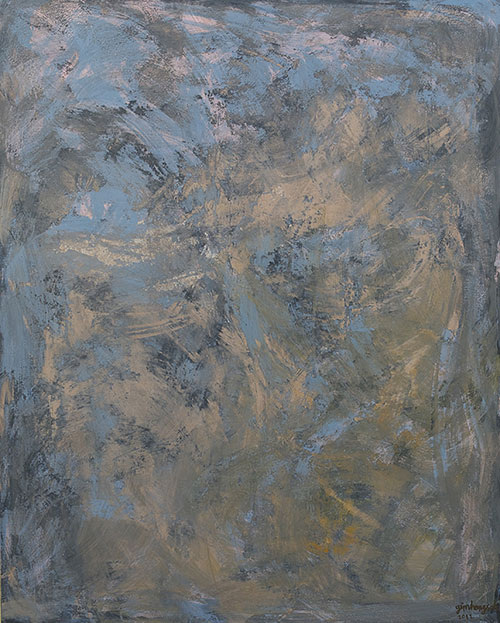
Painting the wall also involves asking for understanding if it is done on another person’s wall. Or it has to be performed within an established frame of an exhibition. In any case, all these are not only realized within the general ‘social’ or ‘artistic’ institution but also remind of outlines of certain well-known rhetoric and shapes. In fact, such a level of errors and incompleteness belongs to a realm of performance art, which can be sufficiently understood within the context of contemporary art in the last few decades. Then, why does Gimhongsok repeatedly present such works?
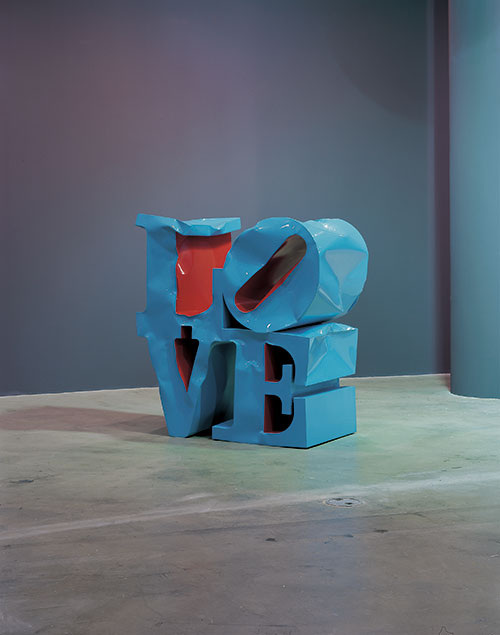
From the early period of his career, Gimhongsok has been dealing with kinds of ‘copying’ or ‘plagiarism.’ The representative case of such practice is a series he presented in the exhibition Neighbor’s Wife in which he photographed and magnified exhibition catalogues of other artists. Such work is indeed very shocking. It showed the most provocative and radical methodology since Sherrie Levin. Then followed works that clearly referenced well-known artists like Francis Alÿs and Santiago Sierra.
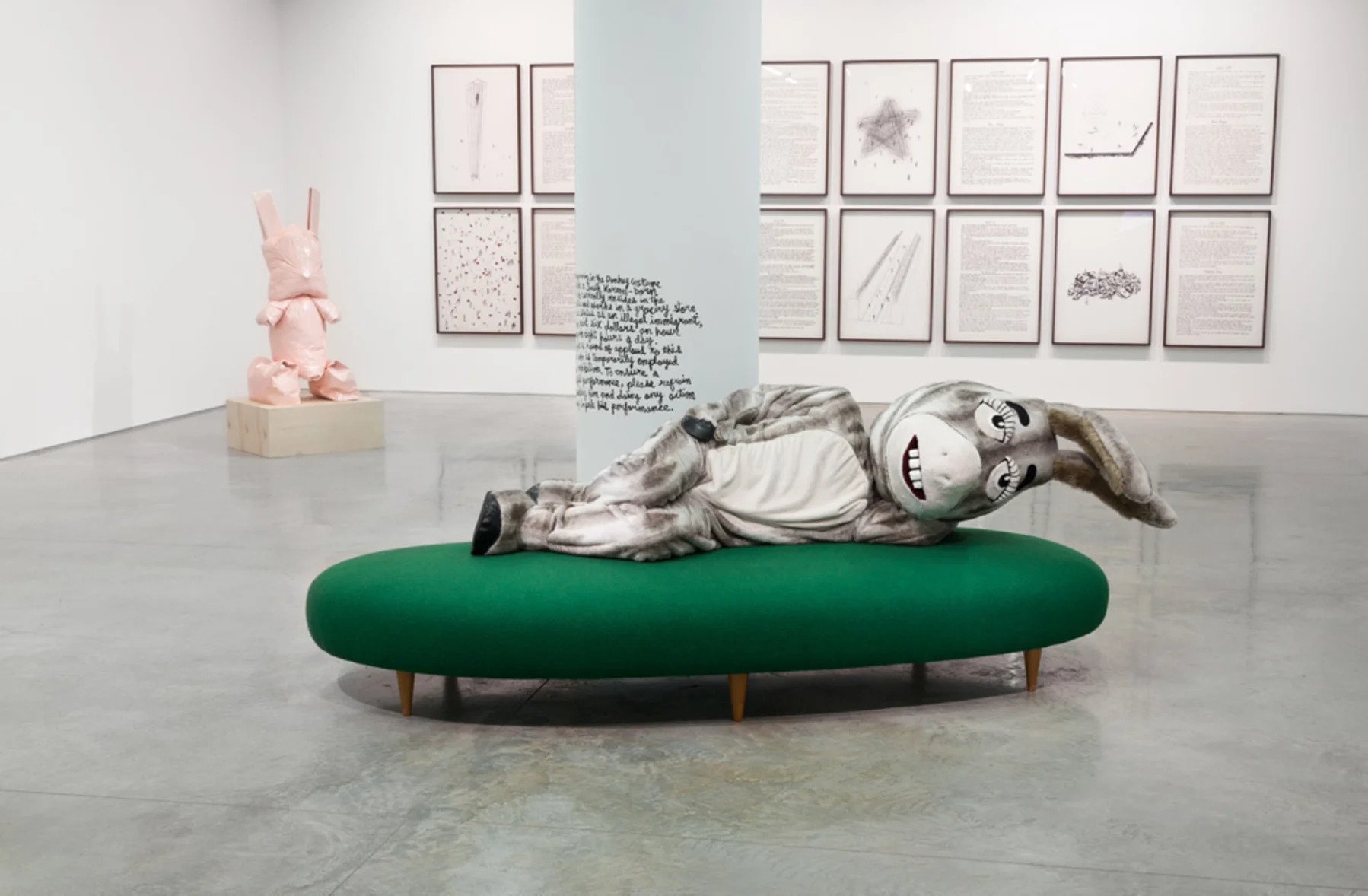
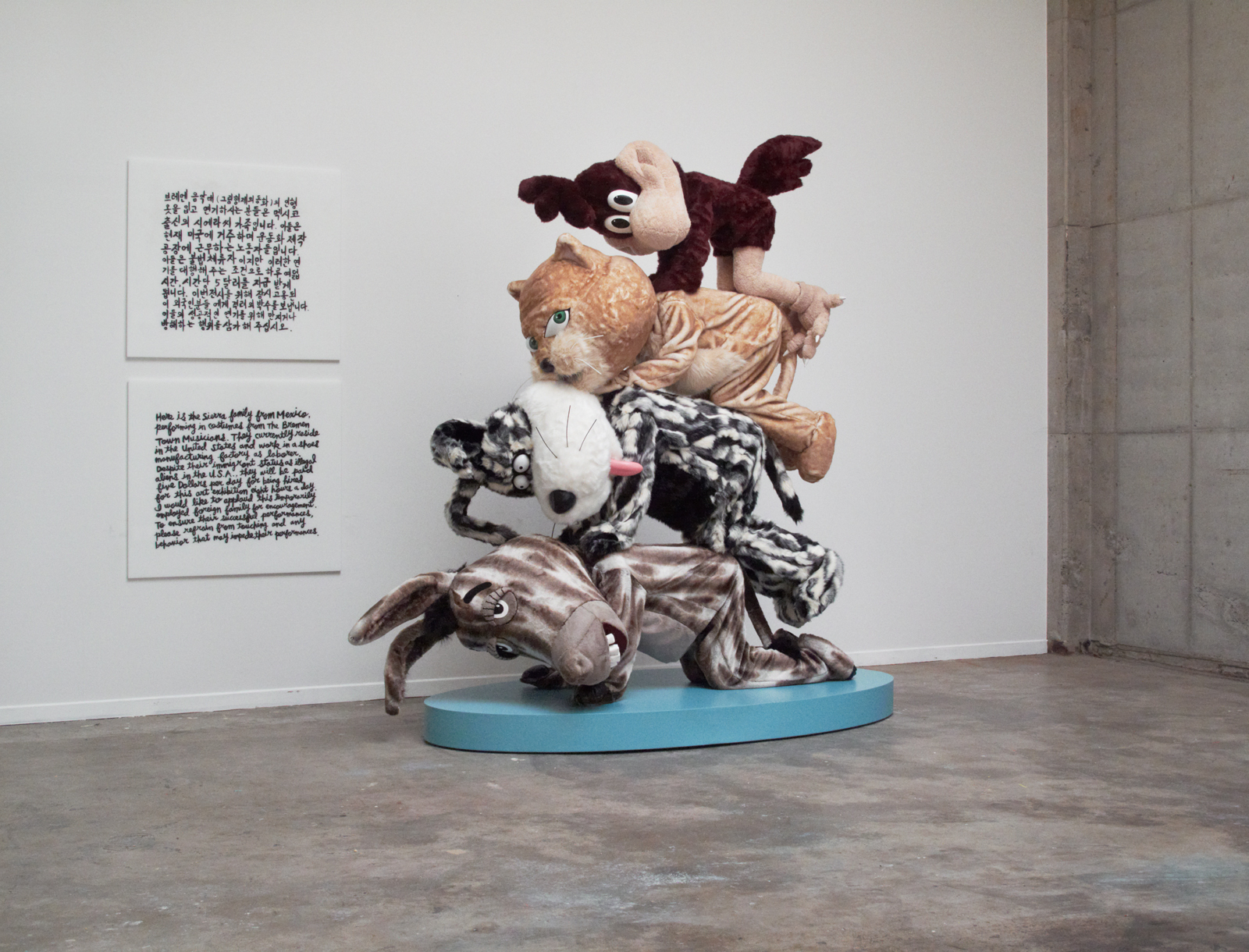
Gimhongsok has been presenting works that cited various references in contemporary art, which were precariously standing on the border of ethics. In his current project Human Order, he also shows works that strongly remind of Martin Creed, Gary Webb, or Ugo Rondinone. Above all, the critical element in Gimhongsok’s work is a very detailed ‘explanation of circumstances’ or ‘additional explanation.’ This shares a very particular feature – a ‘tone of speech’ of certain ethical and moral discourses that is at the same time an art-critical ‘monologue’ that circulates within the art community.
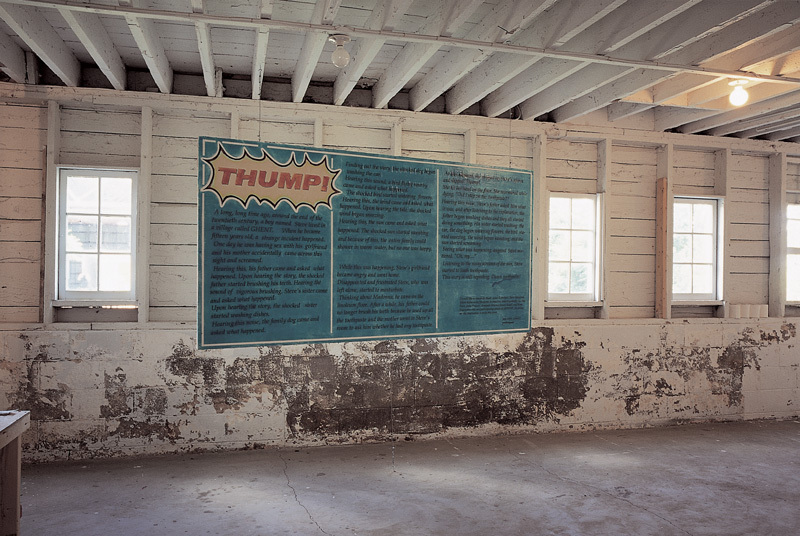
One cannot overlook that he always writes this kind of text on the wall adjacent to his works or at least presents it as part of his works using printouts and leaflets. In other words, Gimhongsok’s works always present incompleteness, plagiarism, and critical discourses as one package.
What is interesting here is the peculiar irony generated by his artistic method in which he pursues a rather ‘intentionally evil’ and meta-critical artistic arrangement. Gimhongsok produces most of his works by readymade or ‘third-party’ method. Sometimes, different materials, such as Styrofoam, bronze, paper, and synthetic resin, are representatively appropriated with each other in a delicate manner that makes it even difficult to distinguish them from one another.
More than anything, it is also important to note that many of his words might be his artistic apparatus that is difficult to tell whether it is true or not. This is a ‘suspicion’ that is learned from the artist’s works, which adds more ambiguity to them. We have to remind ourselves that the opening performance – the so-called ‘finding a prostitute’ – of his solo exhibition 《In Through The Outdoor》 at Kukje Gallery in 2008 led one of the major newspapers in Korea to keep publishing wrong articles about it thanks to the ambiguity of its authenticity. Questioning the authenticity of the artist’s seemingly probable statements on the themes of his works might be no more than a ‘naïve’ approach.
I feel that Gimhongsok’s works are a very consistent answer to the fundamentally mischievous ‘uncertainty’ between the world and art. The world places us in absolute uncertainty before any experience. There is no way to directly address it. There is a fundamental irony that lies within the relationship between the world and a subject. The best thing that an artist can do anything about it is to deal with ‘poetry,’ which is to attempt a non-typical arrangement of objective materials.
Critical discourses, artistic referencing, exhibition formats, the existing experience of art, terms that are in circulation, artistic attitudes, and all the possible ways of interpretation – all these merely serve as materials for a new arrangement. In this sense, one can assume that Gimhongsok is a very strategic and meticulous artist. Of course, every part of this presupposition can be no more than an assumption. Nevertheless, one cannot deny that this way of thinking is way more interesting.
I have left an essay to be written about Gimhongsok’s works and now I am back. Who can say anything about this even if I say that this is the most proper way to deal with Gimhongsok’s works? It is not to fall into a trap of his works but to maintain a sense of calmness and take a rather indifferent attitude toward his works. And it is to say that such is the most accurate critical response to Gimhongsok’s works. To decide whether I am making an excuse or presenting a sharp analysis is the job of you, the reader of this essay.