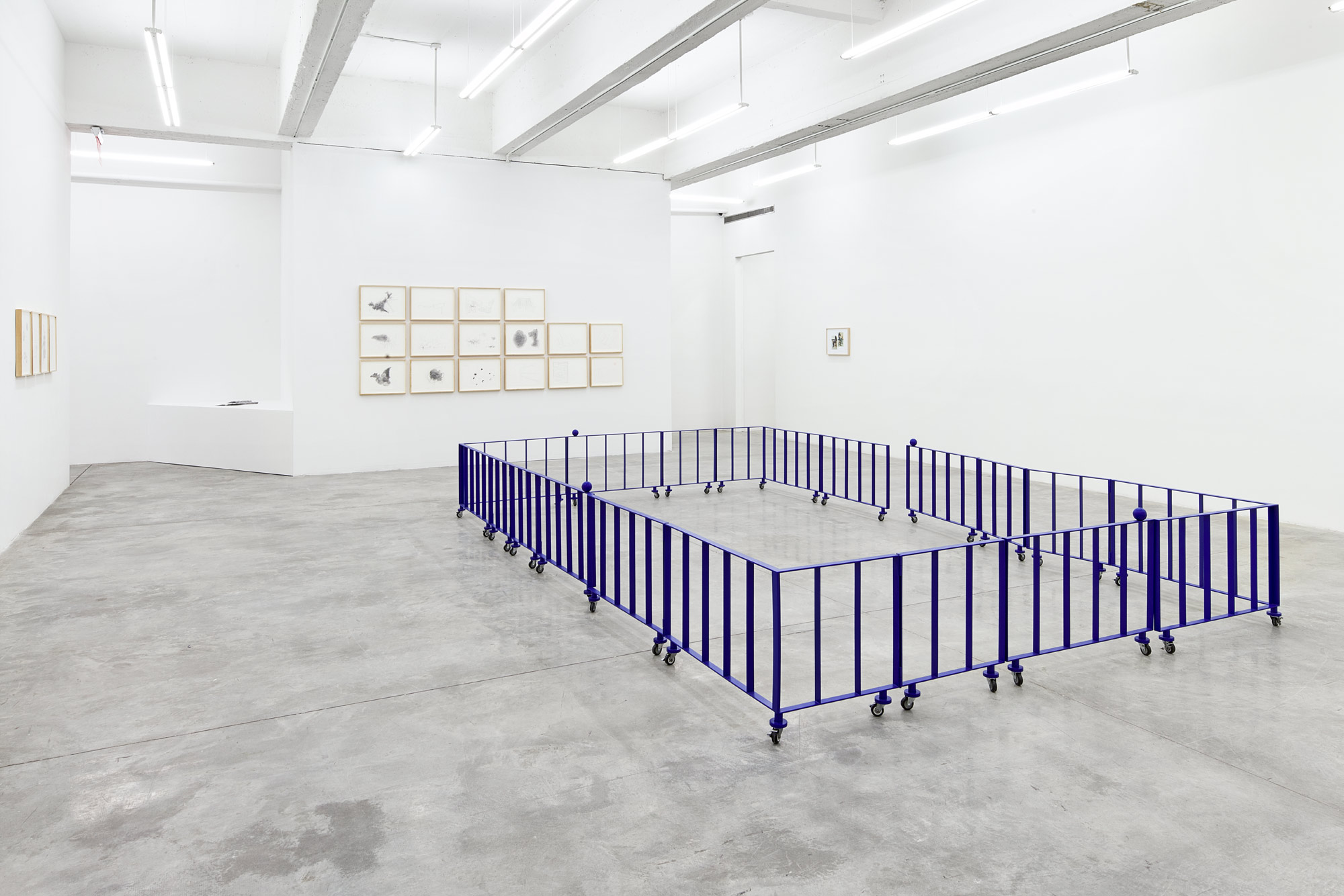
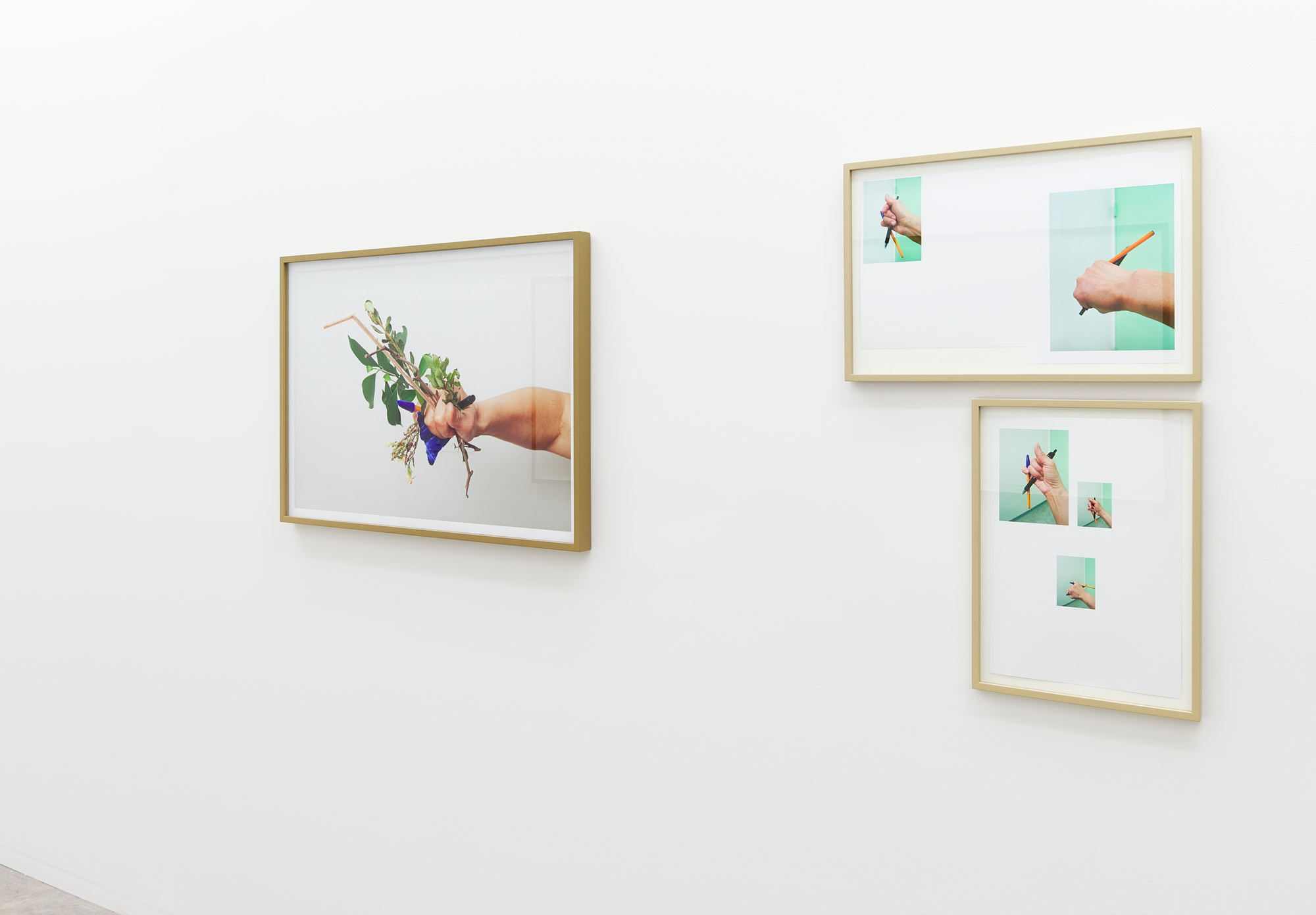
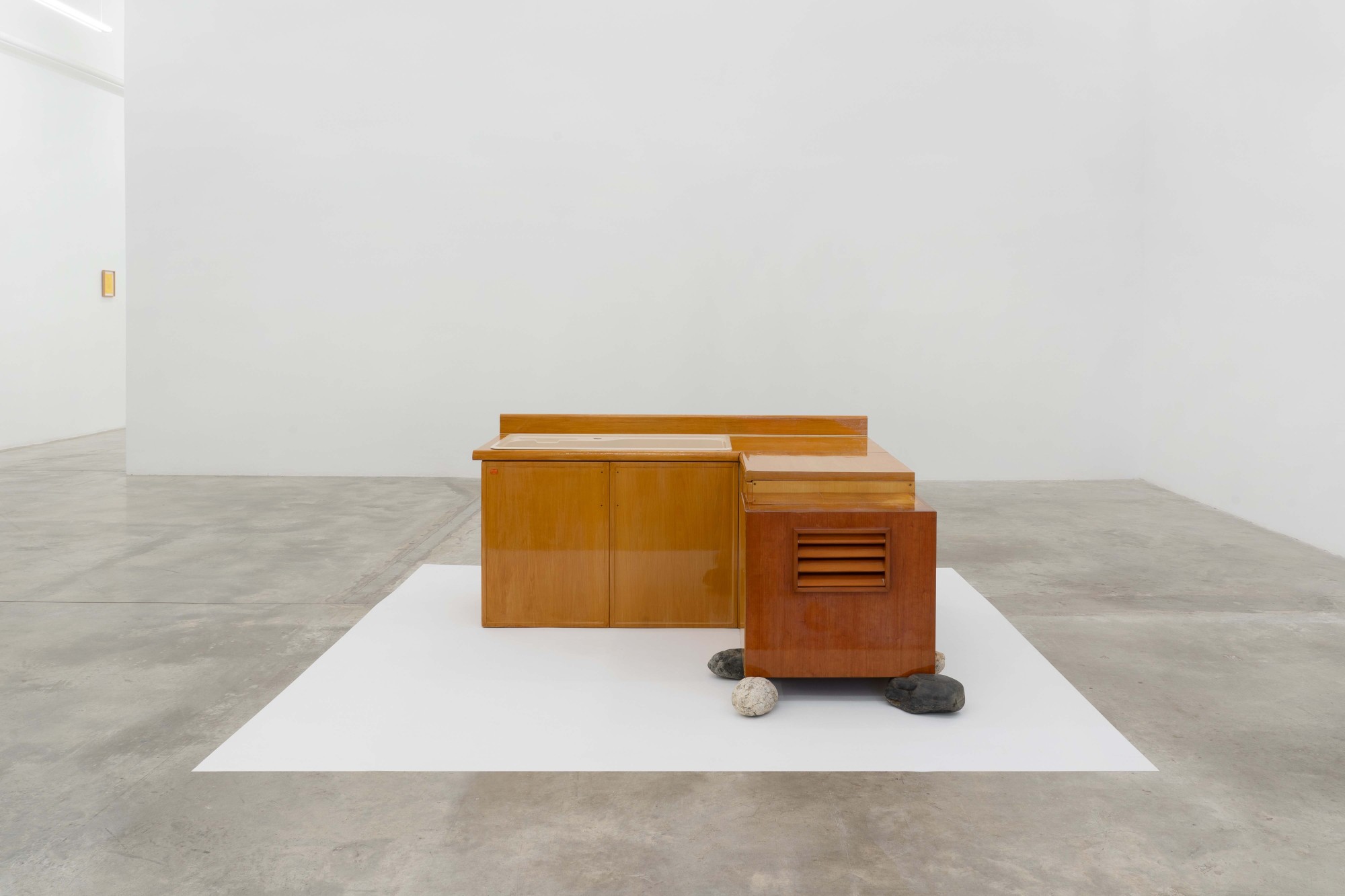
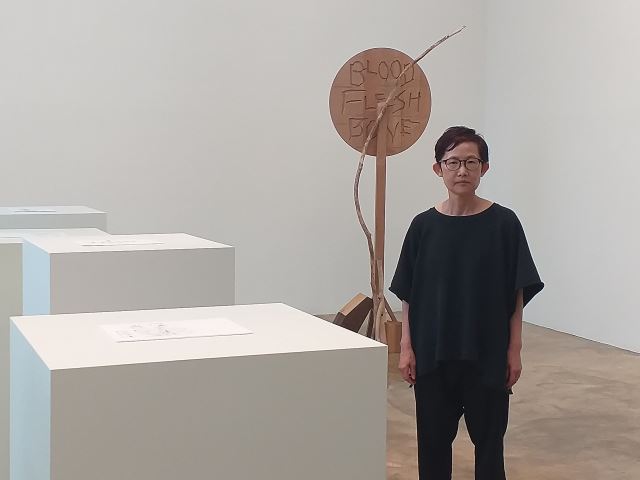
Chung received her M.F.A. in Sculpture from Seoul National
University in 1989, when the Korean art scene was still largely dominated by
the opposition between modern abstract painting (a legacy of the country’s
Dansaekhwa movement of the 1970s) and the populist Minjung art movement. Soon
afterwards, she began studying at the Staatliche Akademie der Bildenden Künste
in Stuttgart, Germany, where she lived for several years while seeking out a
mode of sculpture that would move beyond this opposition. By the time Chung
returned to Seoul in 1996, international art biennales had begun to proliferate
widely, serving as platforms for more experimental practices.
However, given the lack of domestic institutional support at the
time, South Korean artists and their artworks were often cast as simple
manifestations of Korean-ness on these global platforms. Chung’s work, however,
did not indulge the desire for easily legible cultural symbols or narratives.
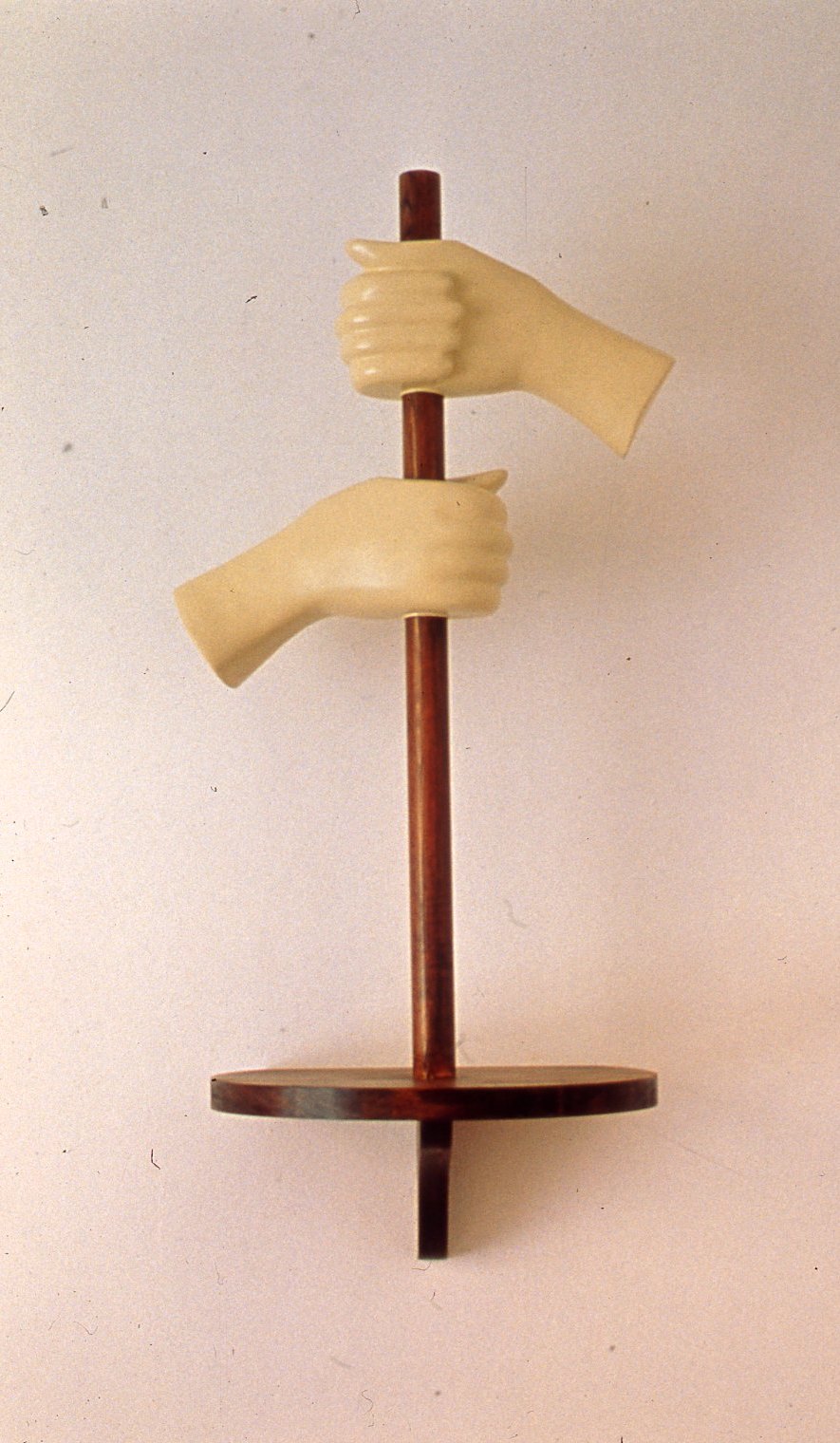
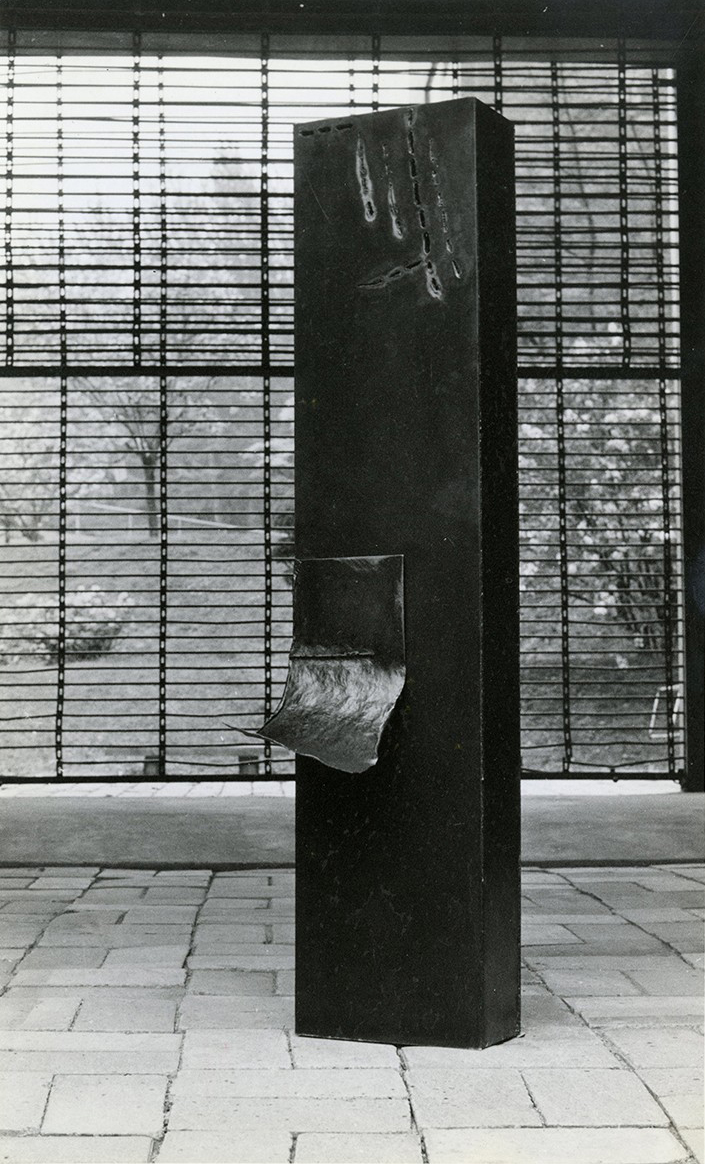
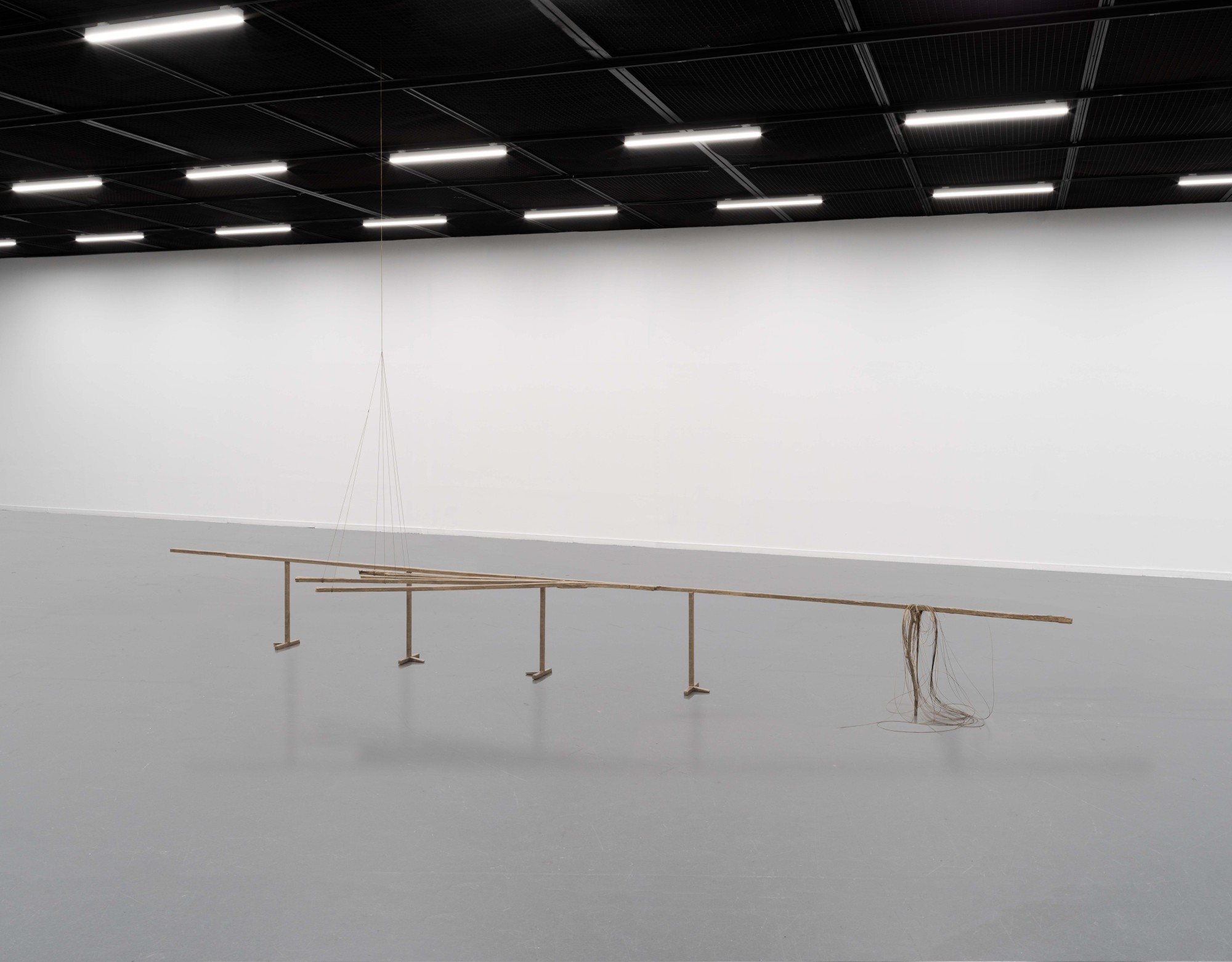
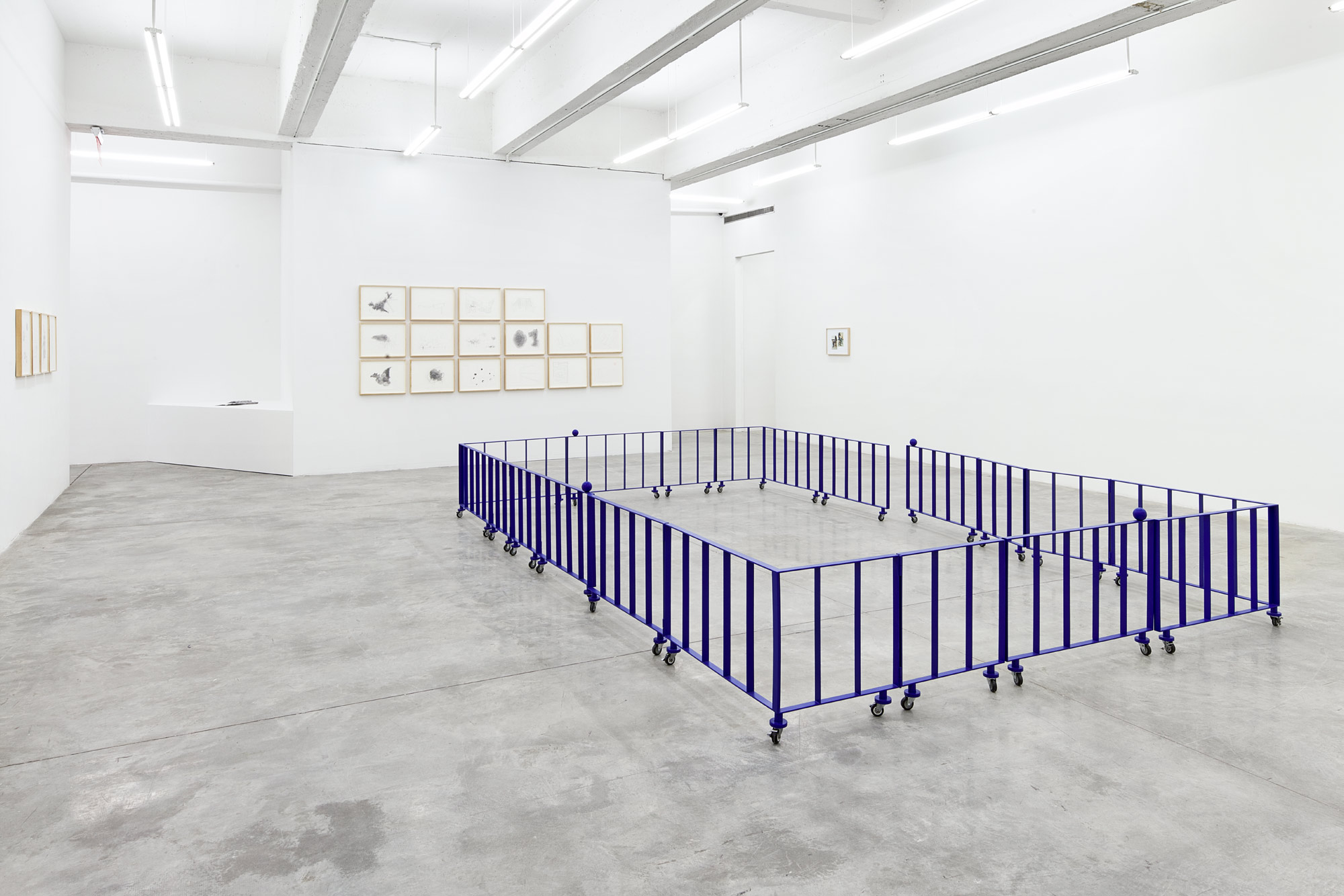
She instead focused on transposing her perception of industrialism and
domestic, urban environments into the vernacular of her sculpture, which often
operated through a logic of denial and reduction. Drawings reduced objects to
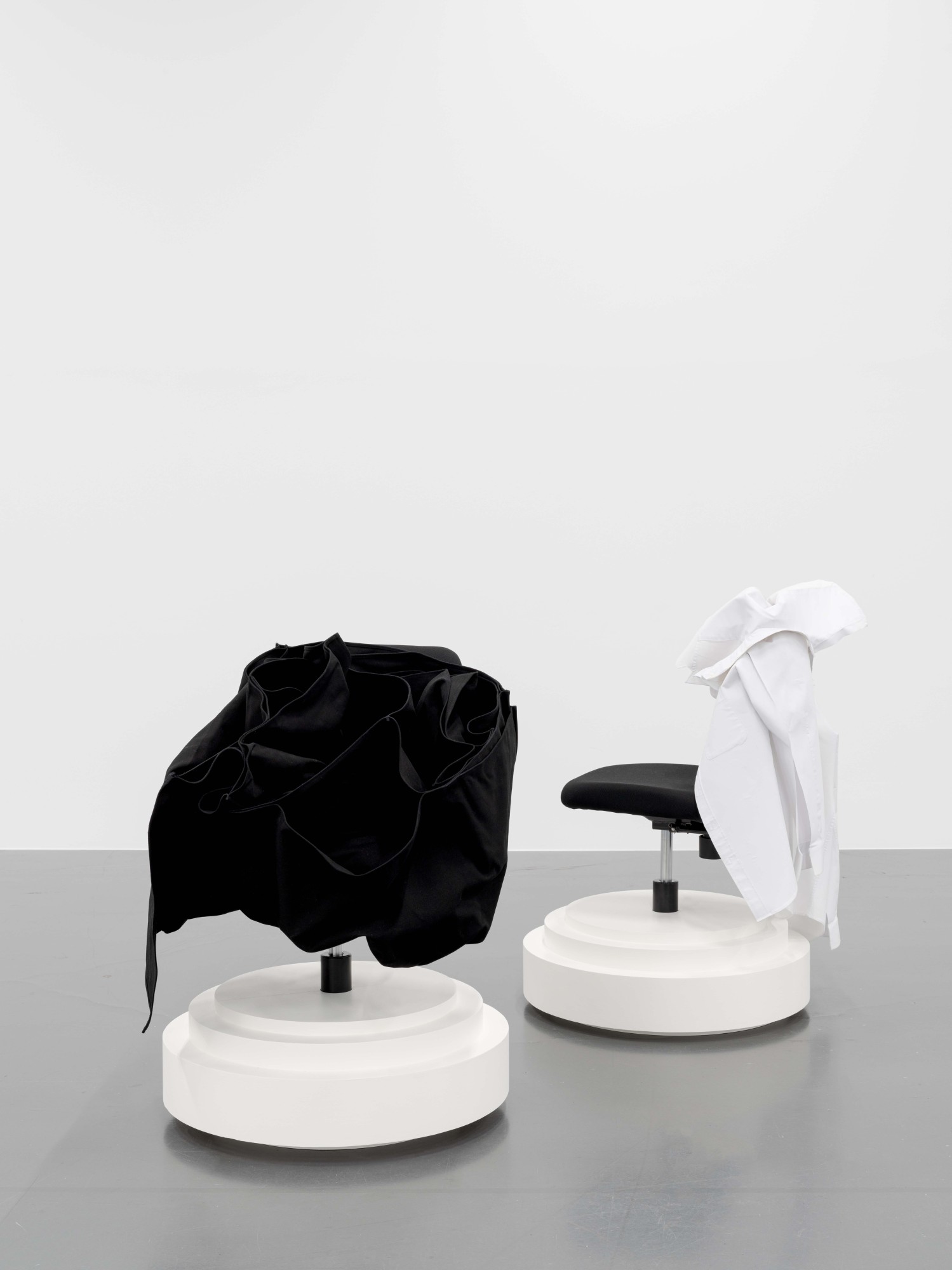
their most basic representations, performers sat impassively in front of the
audience, and language became uncanny, at odds with objects and sometimes
behaving as an object itself.
Nobody Notices It (2012-2016)—part of Tina
Kim Galley’s upcoming exhibition—continues this strategy of refusal and denial
on a visual level in order to emphasize its non-visual components. The work
consists of three pieces: a set of headphones whose wires disappear into a
folded fabric bag that resembles brown paper, a circular pad on which the
listener/viewer can sit, and a vaguely anthropomorphic sculpture made of rough
concrete. The sculptural elements of the piece are static and concealed: the source
of the audio is deliberately obscured, and the concrete sculpture looks like a
form that either has been plastered over or is still being carved out. On the
other hand, the audio playing through the headphones—the sounds of people
walking through a public space—suggests gradual, continuous motion.
Chung developed these tracks from a version of Swiss composer
Manfred Werder's conceptual score 2005/1, which
consists of only three words: "ort, zeit, (klänge)" ("place,
time, (sounds)"). This version adopted in Nobody Notices It uses
recordings taken from the same location in Zurich Central Station every day
over the course of a month. Some sounds are quiet and subdued, while in others
we hear echoing footsteps, laughter, and the sounds of what may be traffic.
Implying movement through space and time, these sounds heighten our awareness
of the concrete sculpture as an immobile object.
A similar opposition of static and dynamic elements is at work
in The Adventure of Mr. Kim and Mr. Lee (2010-2012),
a three-channel video made from the footage of a performance at LIG Art Hall,
Seoul in 2010. For this performance, nine performers and one dog were situated
throughout the stage, the dressing room, and the hallways of LIG Art Hall. All
performers, except for a man smoking and walking the dog, sit impassively.
Many are dressed in ways that destabilize their identity: a young
girl is dressed as an old woman, one woman has a grey mustache, and one man has
the ear of a monster. In their silence, though, the performers contribute
nothing to our assessment of their state. The identities of Mr. Kim and Mr. Lee
are never made clear, and the story of their adventure is never revealed.
Instead, the viewer, who moves through the different spaces to construct the
narrative, becomes the most dynamic element of the piece.