Impure sacred
When I first encountered the works of Park Wunggyu, I prematurely
dismissed them, thinking, “This just isn’t for me—it’s not within my realm of
interest.” They felt overly religious, yet blasphemous; too explicit, yet
obscure. My habitual tendency to categorize things—me versus you, sameness
versus difference—was fully at play. Simply put, I was caught in a web of bias
and preconception. So I reminded myself to wait. Artists and their works must
be experienced directly; it’s in that encounter that unexpected stories emerge
from the collision of spatial and temporal coordinates.
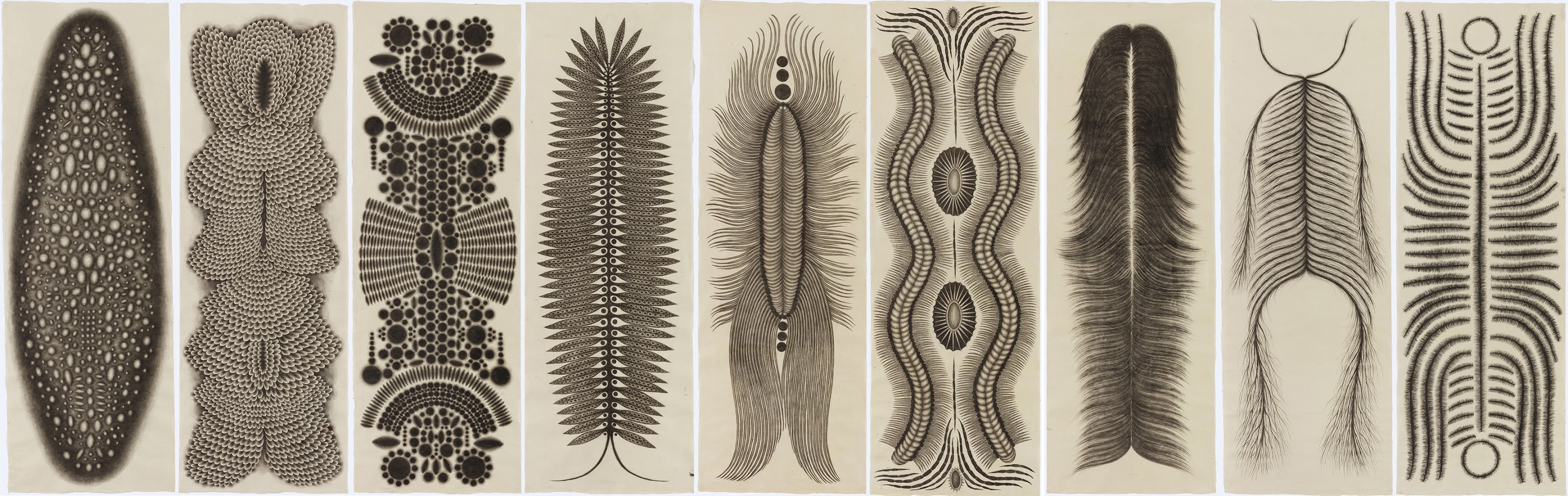
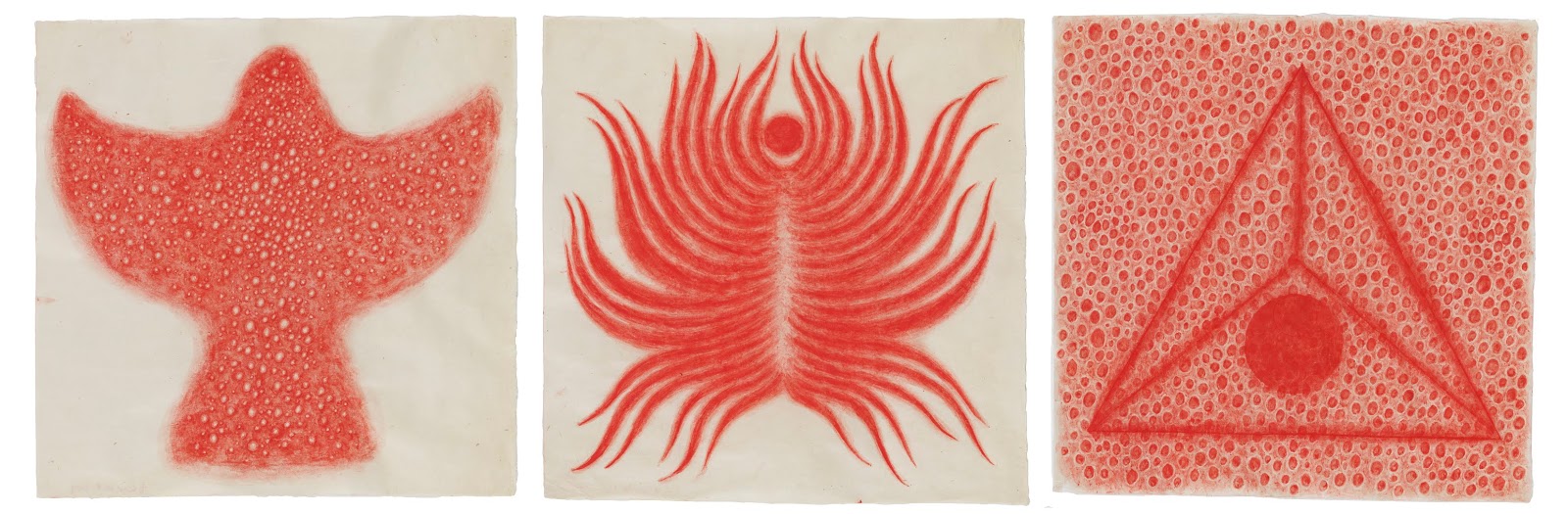
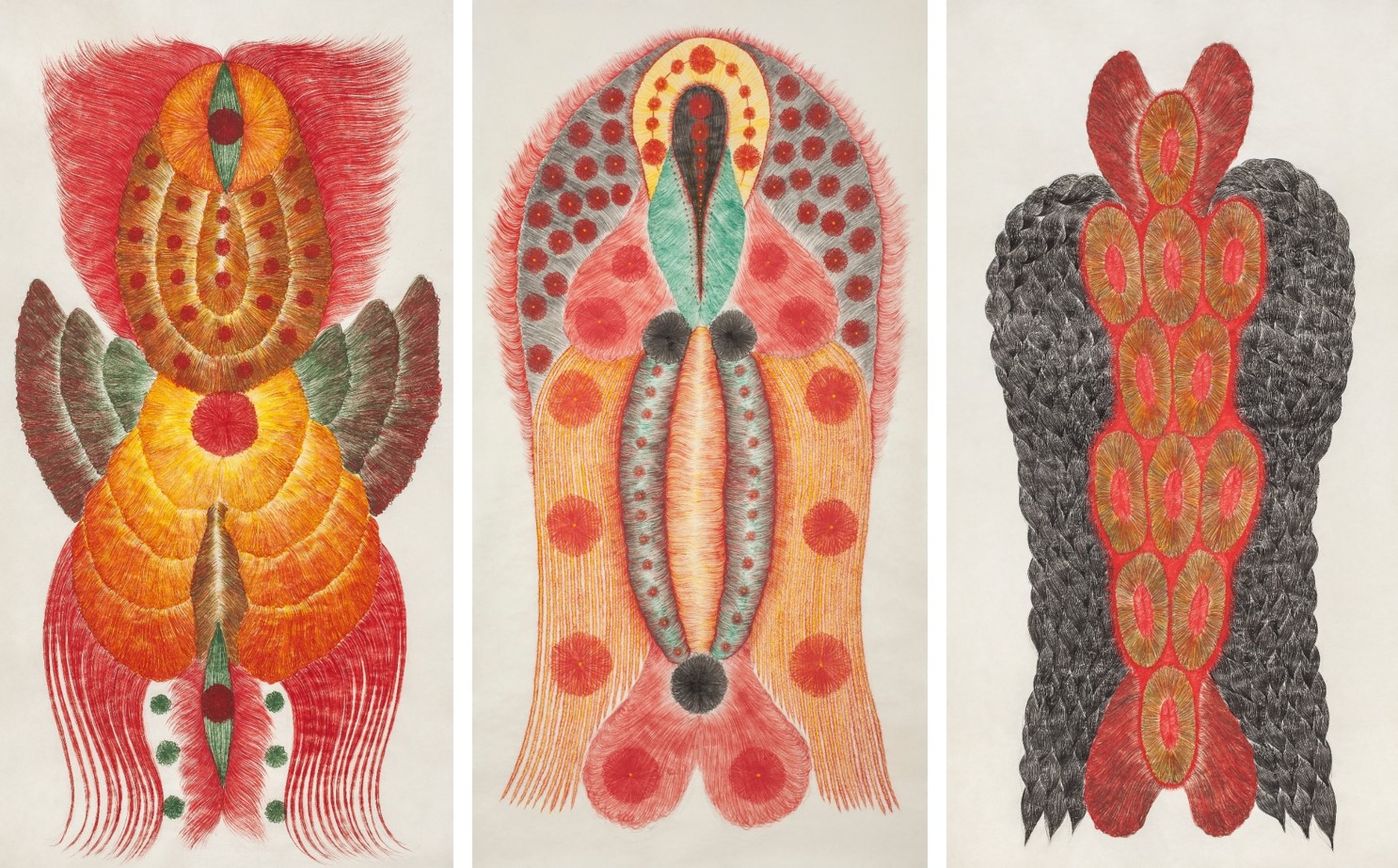
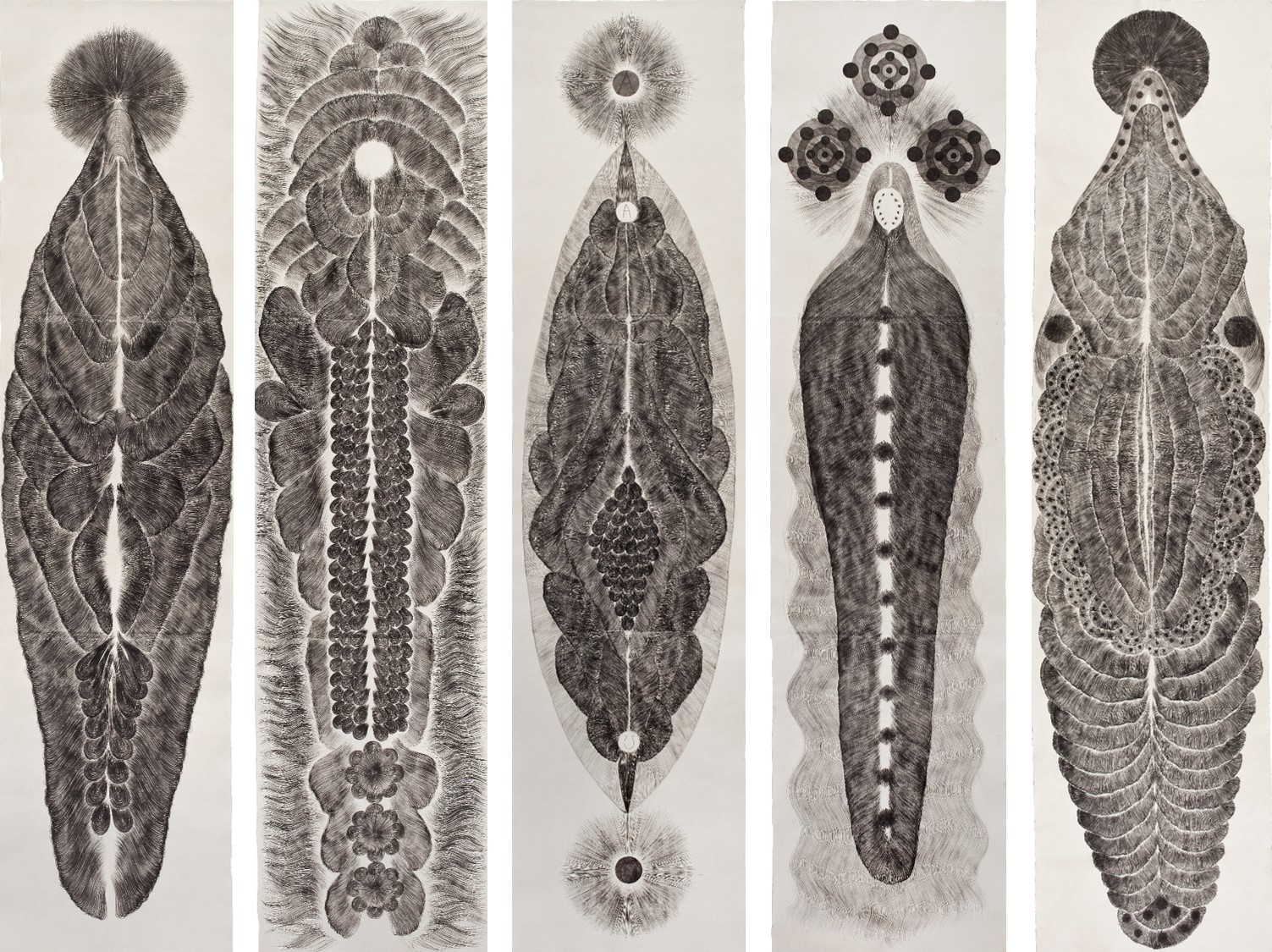
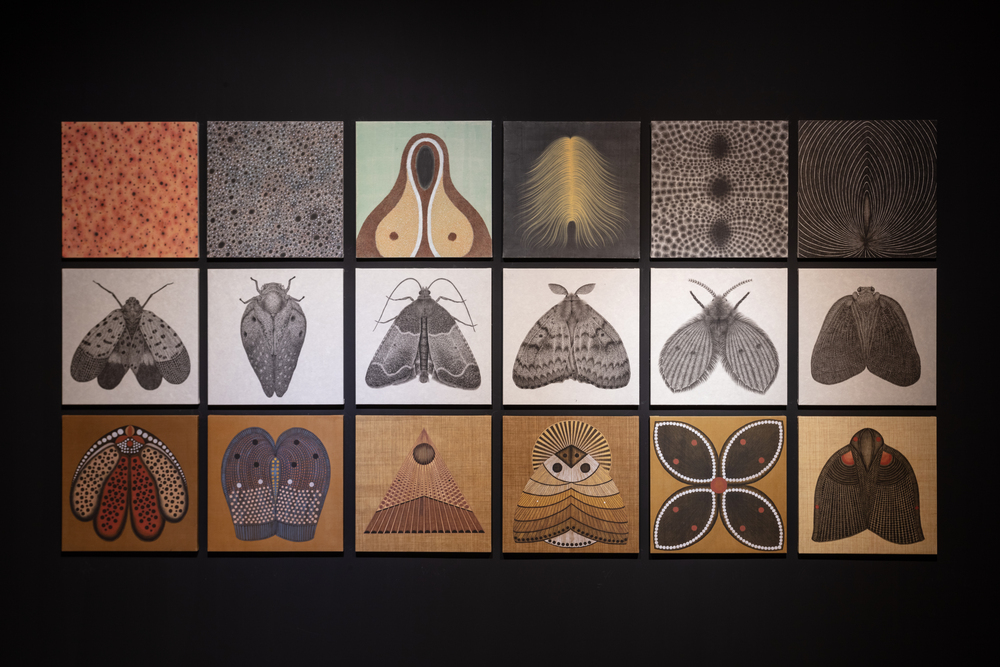
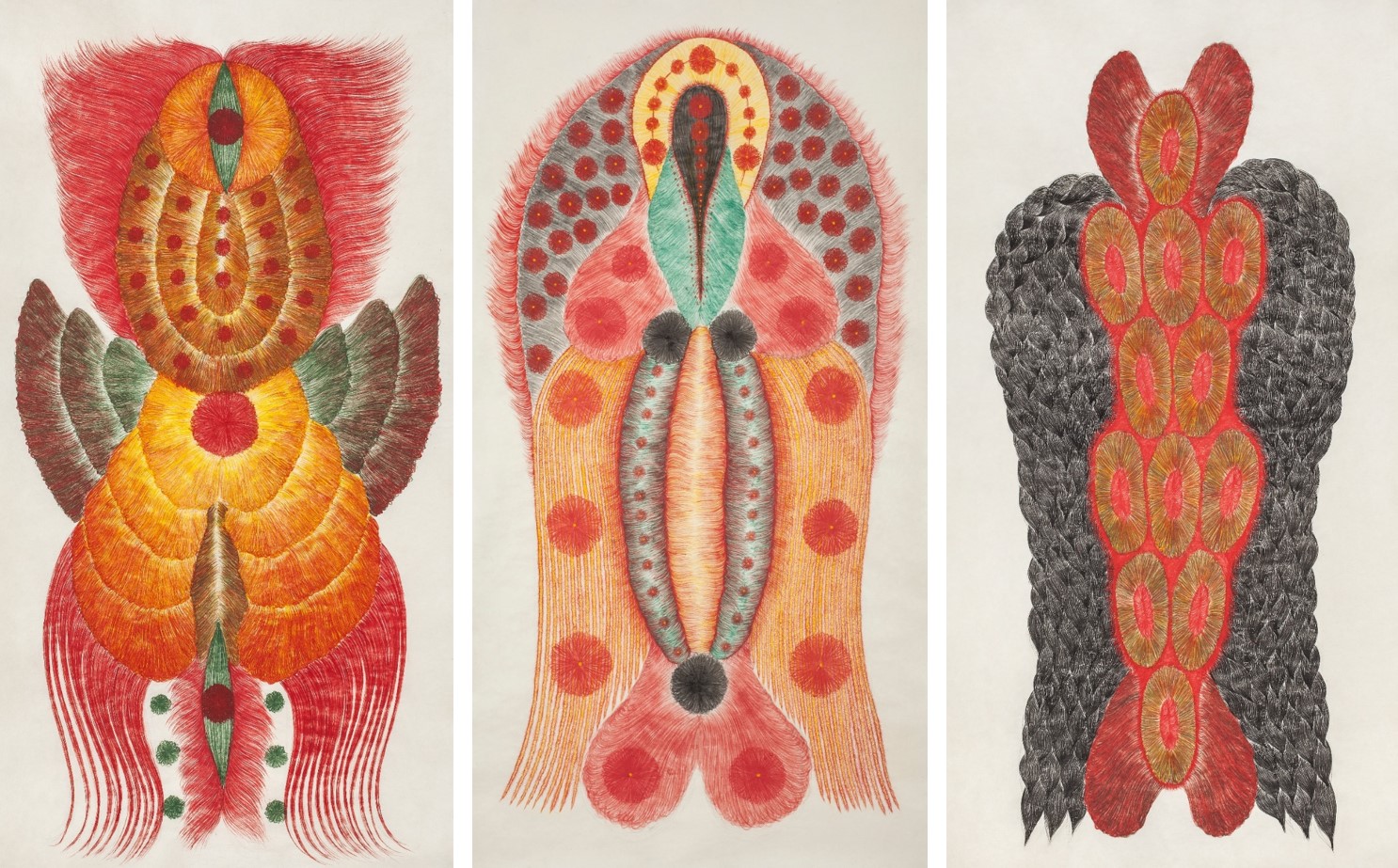
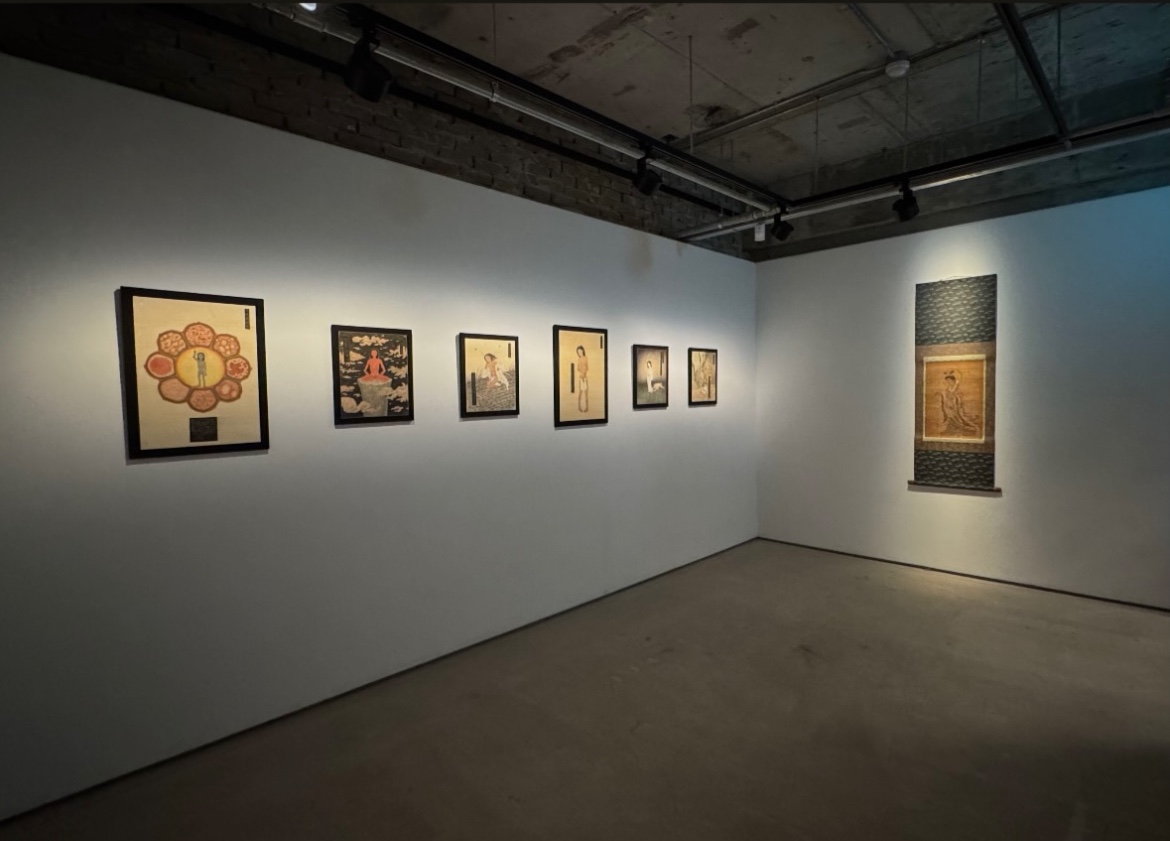
To roughly summarize Park’s ongoing interests: religious relics
and iconography, sexual organs and phlegm, and animated faces. Seemingly
disjointed, yet somehow connected. A sacred relic appears like a sexual organ;
a Catholic icon resembles a shamanic talisman. Phlegm, a bodily secretion, is
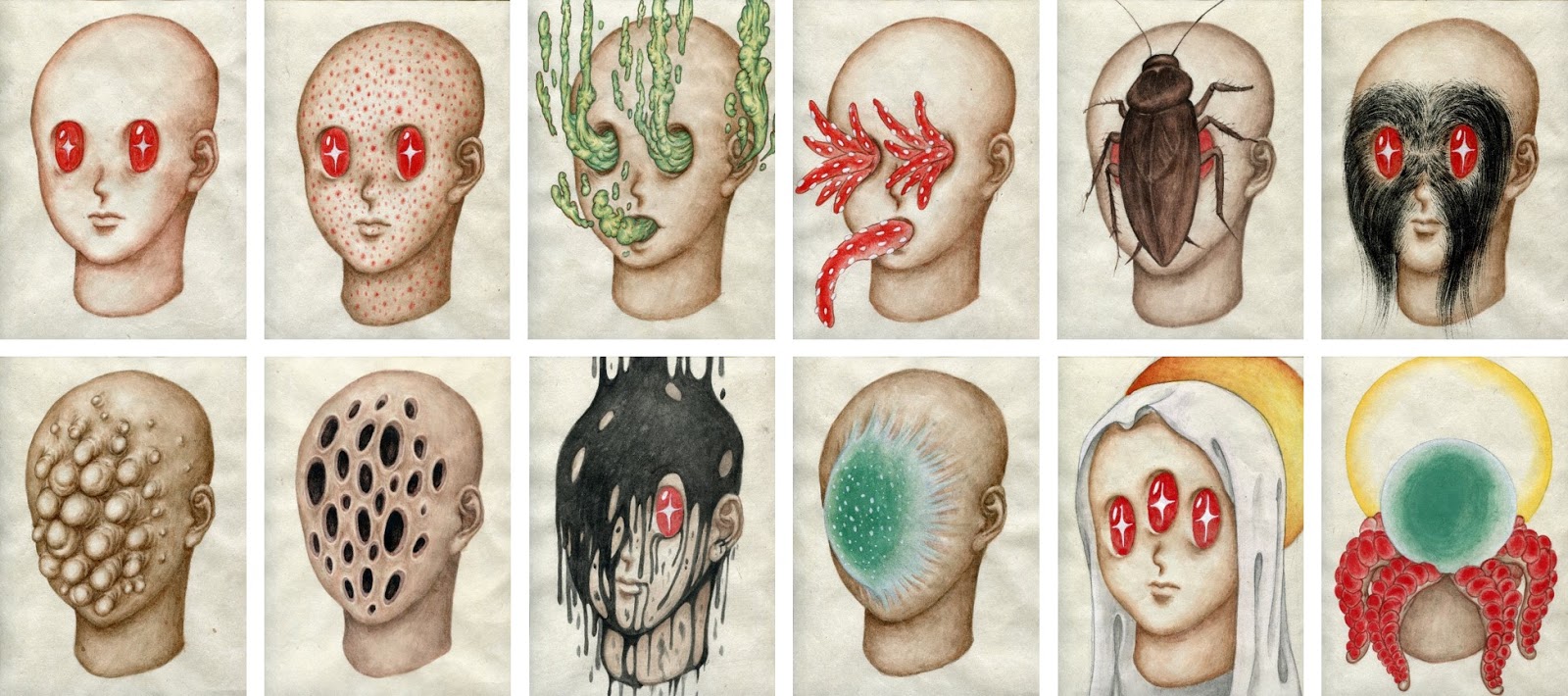
expelled like a sacred Buddhist sarira. The cartoonish faces—genderless,
monstrous, alien—morph into unknown beings, sometimes biological, sometimes
not. His work is simple yet complex, filthy yet sacred. Figurative yet
abstract, Western in form yet deeply rooted in East Asian traditions—both ink
painting and colored illustration. Who would paint something as vile as phlegm
with such care? Why are holy relics and sexual imagery brought into such
intimate proximity? These are the kinds of questions his work elicits. It
unsettles the mind.
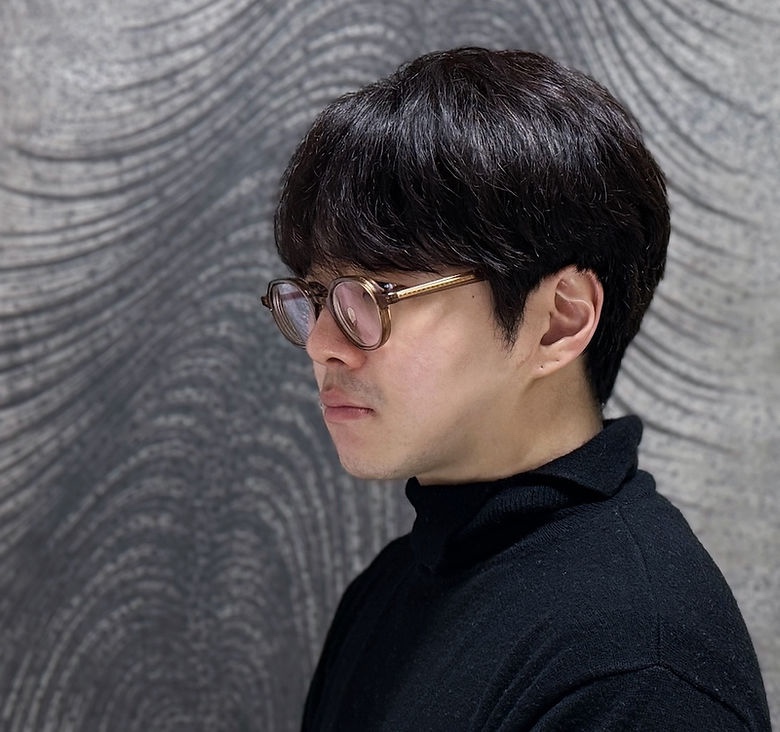
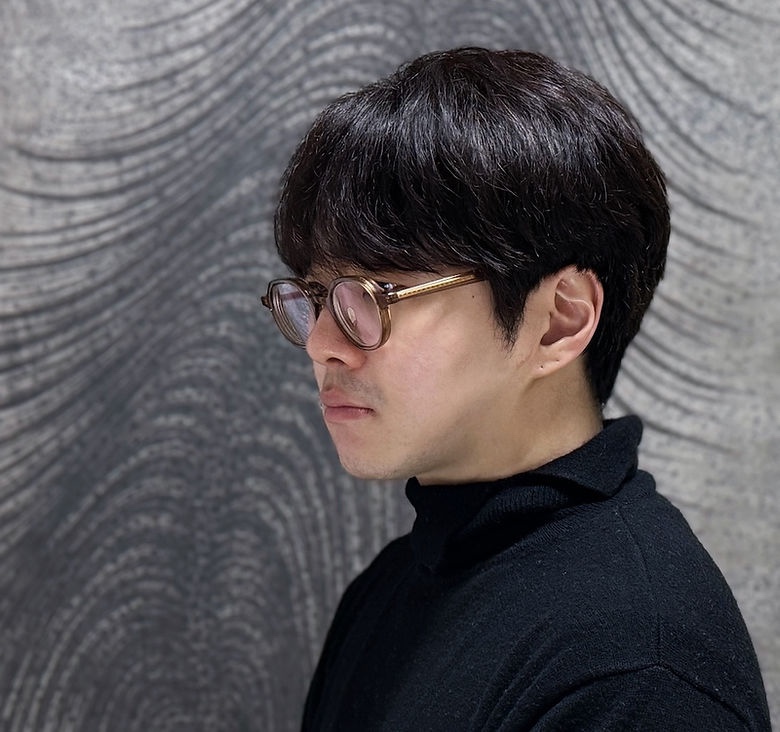
But meeting the artist in person turned out to be a complete
reversal. With a pale face, short-cropped hair, and a long, cape-like coat, he
spoke softly—almost like an ascetic monk. It was hard to imagine that such
sacrilegious, grotesque, and provocative work came from someone so gentle.
Listening to him and reading his artist notes, I realized there was something
that possessed him: religion. Since childhood, he had been surrounded by
Catholic relics and iconography at home. For him, the images of Jesus and Mary
were not only steeped in sorrow and tragedy but were also mass-produced,
grotesque, kitschy objects. He wanted to escape the rituals and customs that
oppressed him. He wanted to resist. And yet, this religious atmosphere lingered
and was reborn in his work.
Another major fixation was the body—particularly the sexual
organs, long deemed taboo and unspeakable. Shockingly, those sacred relics
often resembled genitals, appearing hermaphroditic or even depicting
intercourse. Strangely, it didn’t feel real. It felt like something surreal,
ancient, alien yet familiar. Both biological and artificial, both natural and
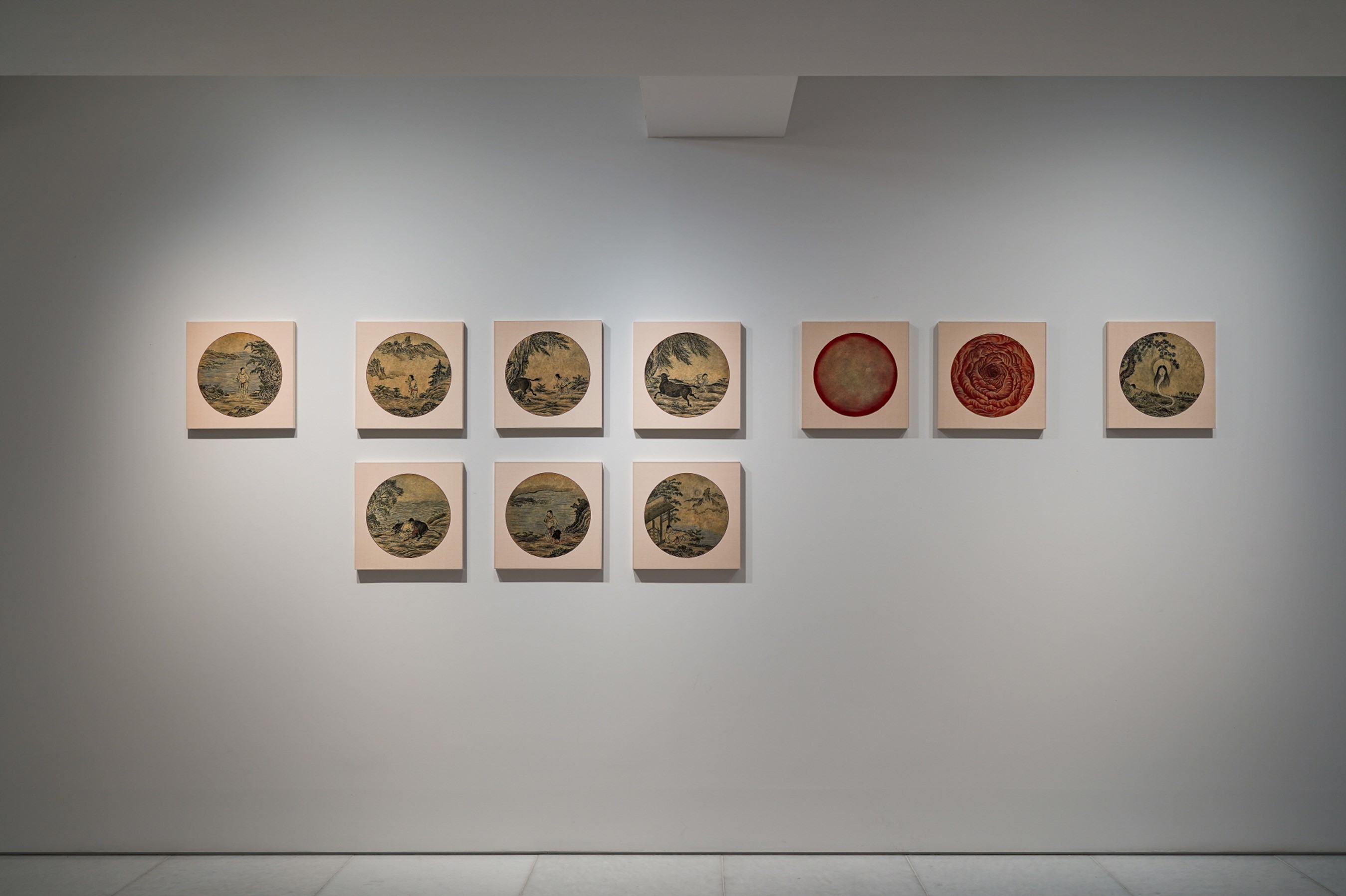
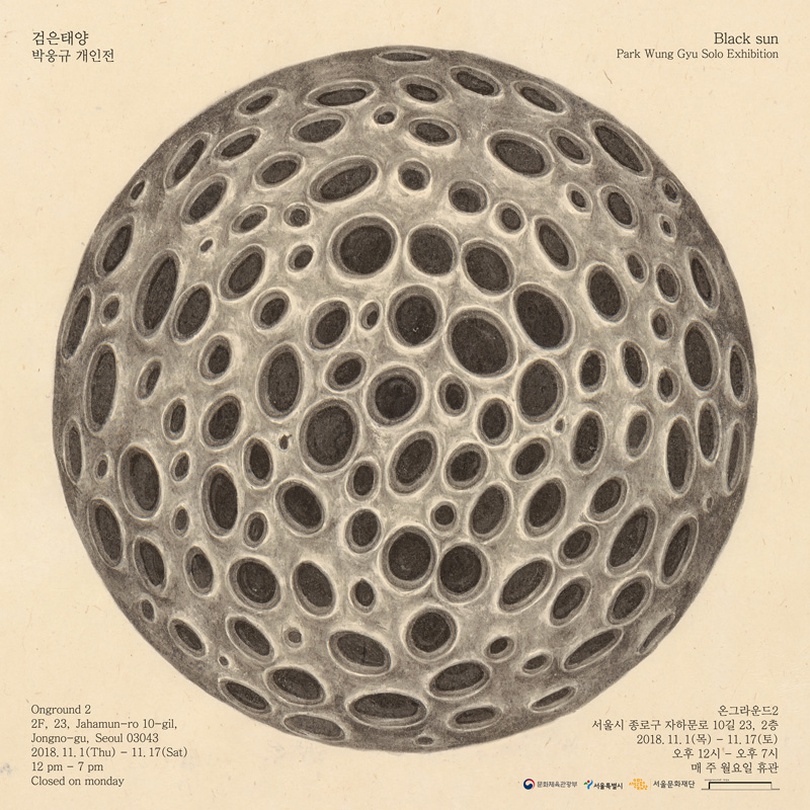
man-made. The spherical forms he uses to represent expelled phlegm resemble
intricately carved Chinese ivory balls perched on pedestals—but they’re actually
inspired by plastic Dragon Ball figurines. Dirty, yet dignified; traditional,
yet contemporary.
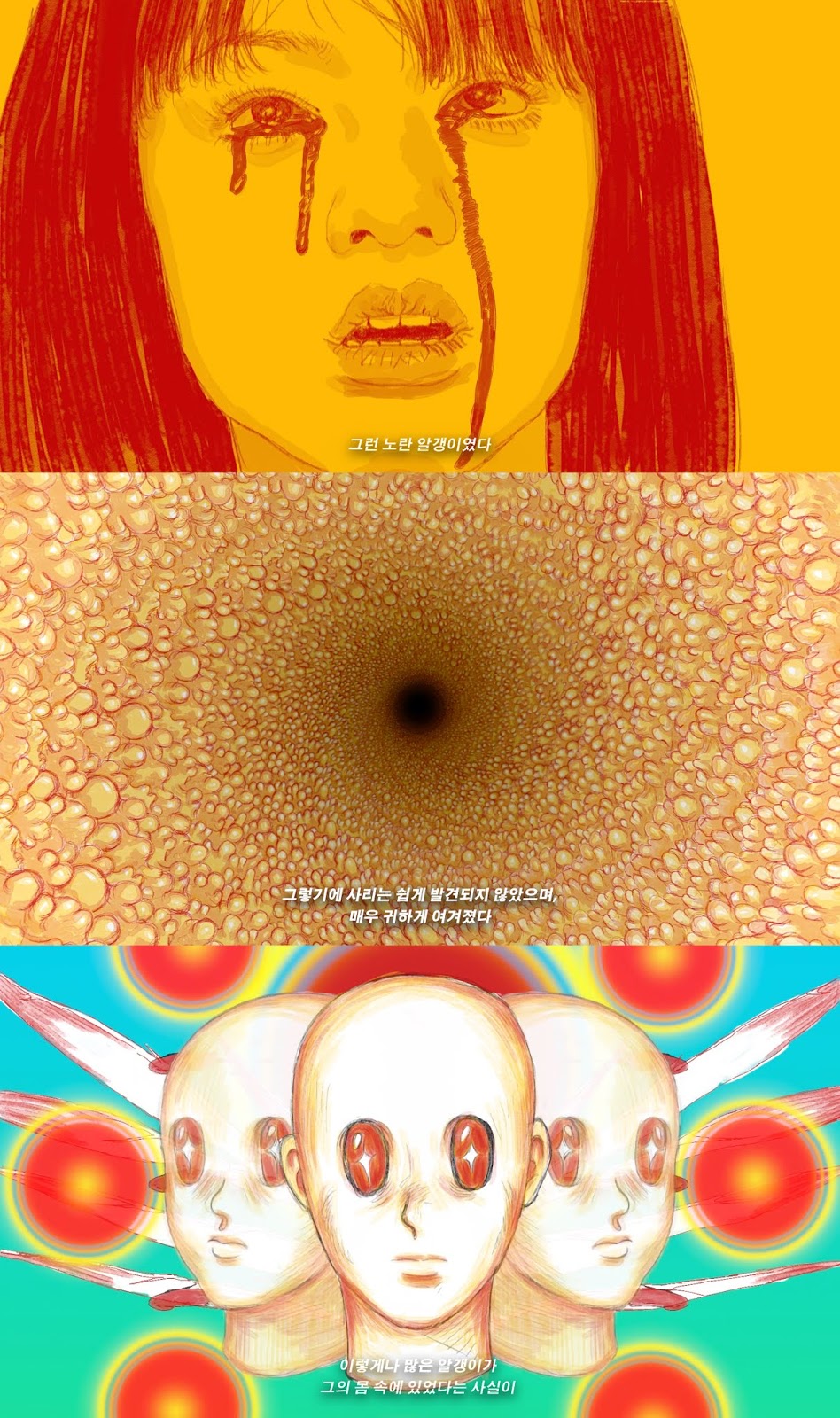
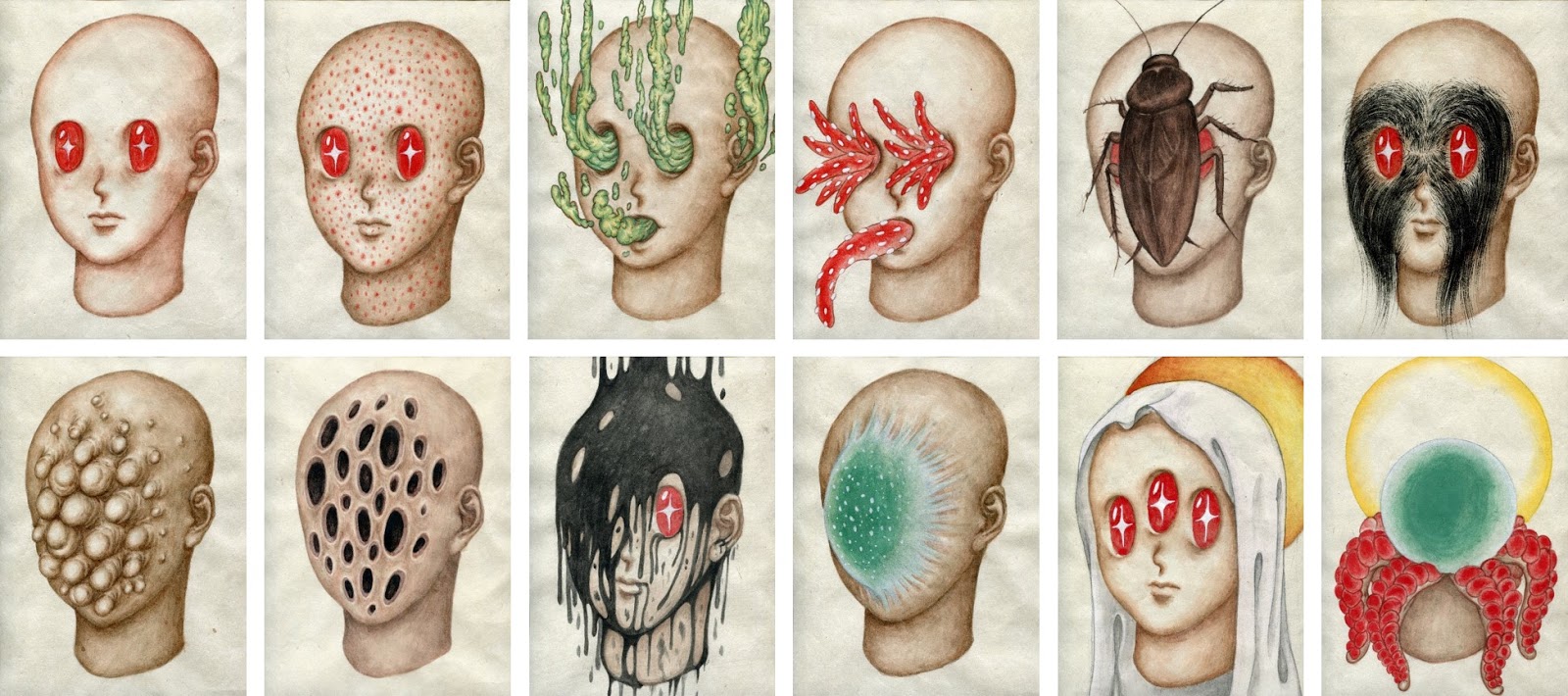
This fascination with the body eventually extends to the face. His
face series is animation-inspired. Big round eyes—two, three, sometimes
more—leak fluids or erupt in pustules. Insects, octopus tentacles, and hair
engulf the face. They should be repulsive, yet they’re somehow… cute. These
contradictions coexist in his work and generate another reversal when
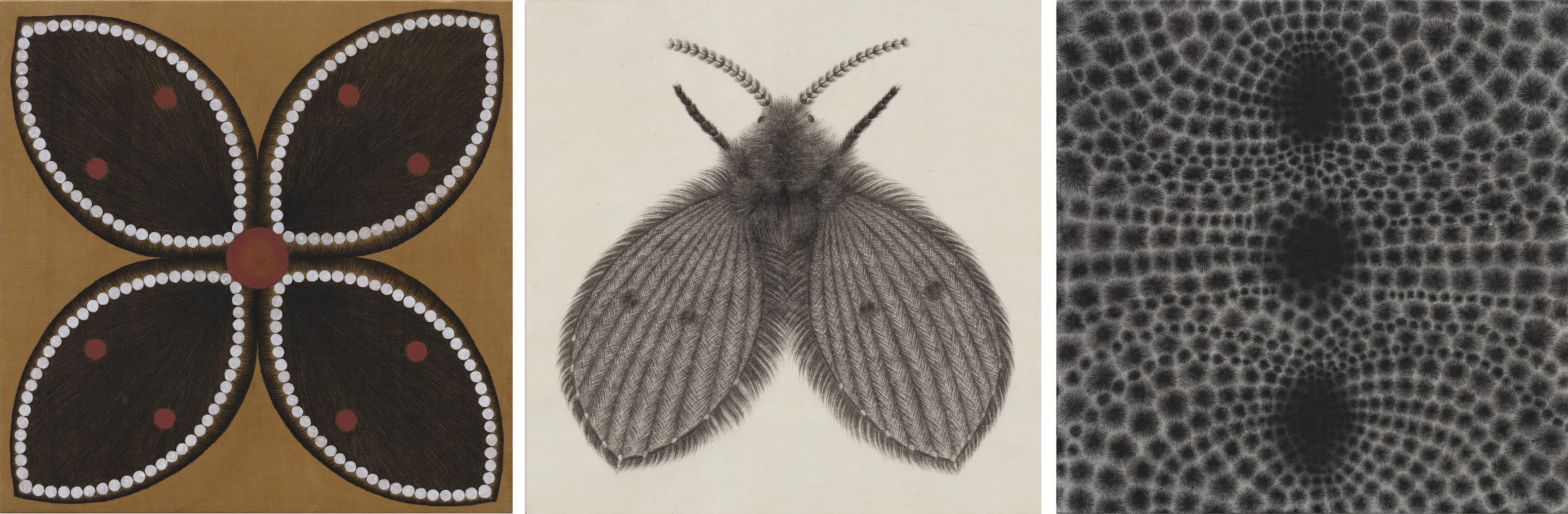
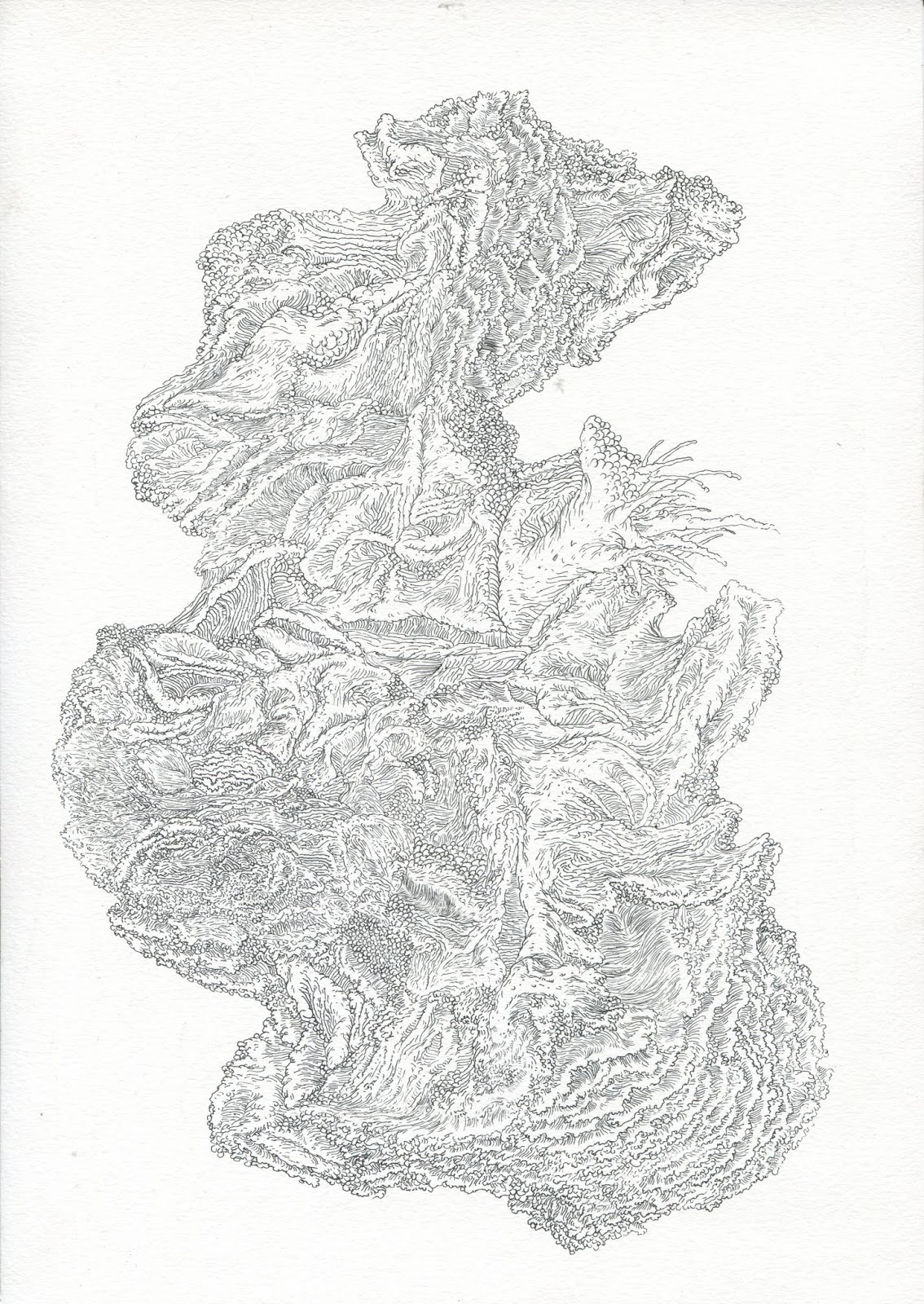
experienced in person. What looked raw or grotesque in photographs was
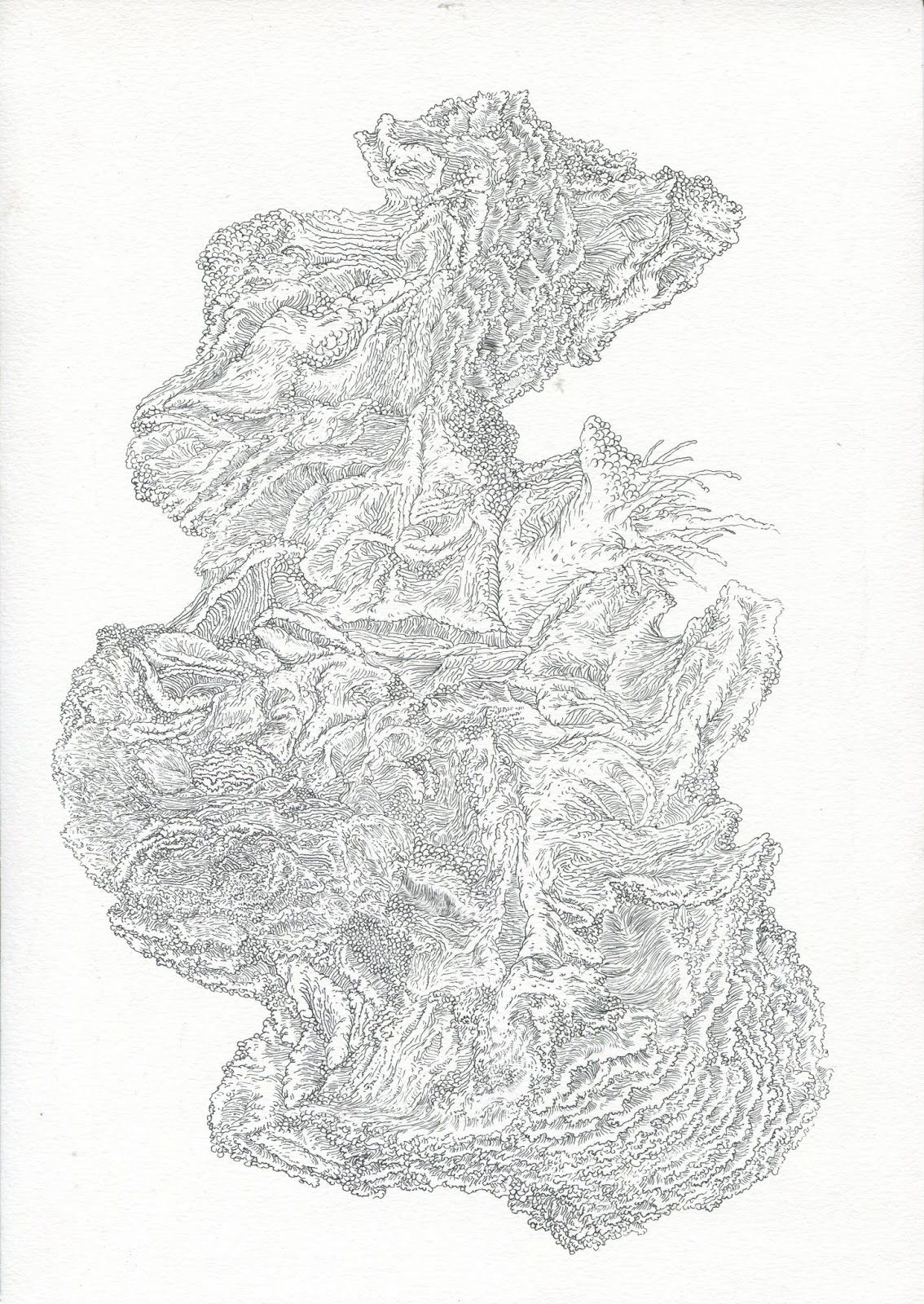
astonishingly delicate and serene in real life. Regardless of whether he’s depicting
a phallus, phlegm, or a monster, each dot and line was alive—crafted with
precision and devotion. What looked like Western painting was, in fact, an
intricate ink and pigment work on traditional Korean jangji paper. At that
moment, a fissure opened between form and content. His materials and methods
were completely detached from the shocking themes he dealt with. There was a
gap between what the artist wanted to say and what he showed. He wanted to
resist, but he was continuing tradition. The forms were obscene, but the
expression was sacred. And yet, this contradiction was not negative. In fact,
it was the surprise of this dissonance that moved me.