I.
“Film”, wrote Edgar Morin, “shows us the process whereby man penetrates the
world and the world inseparably penetrates man” at a specific point in a
dialectical transitional foreground that acts to bring about a transformation.
However, this foreground is nothing but the image itself, the image as it “is
not simply the threshold between the real and the imaginary, [but yet] the
radical and simultaneous constitutive act of the real and the imaginary1”.
If the man of film really is the imaginary man that Edgar Morin suggests, it is
certainly not the case that we go and only assess men who flee and men of
illusion, men of the unreal and men of ignorance, apolitical men and men
indifferent to the world.
The world penetrates woman and men, a world that underwent a
radical transformation that came to and end and is now searching for a new
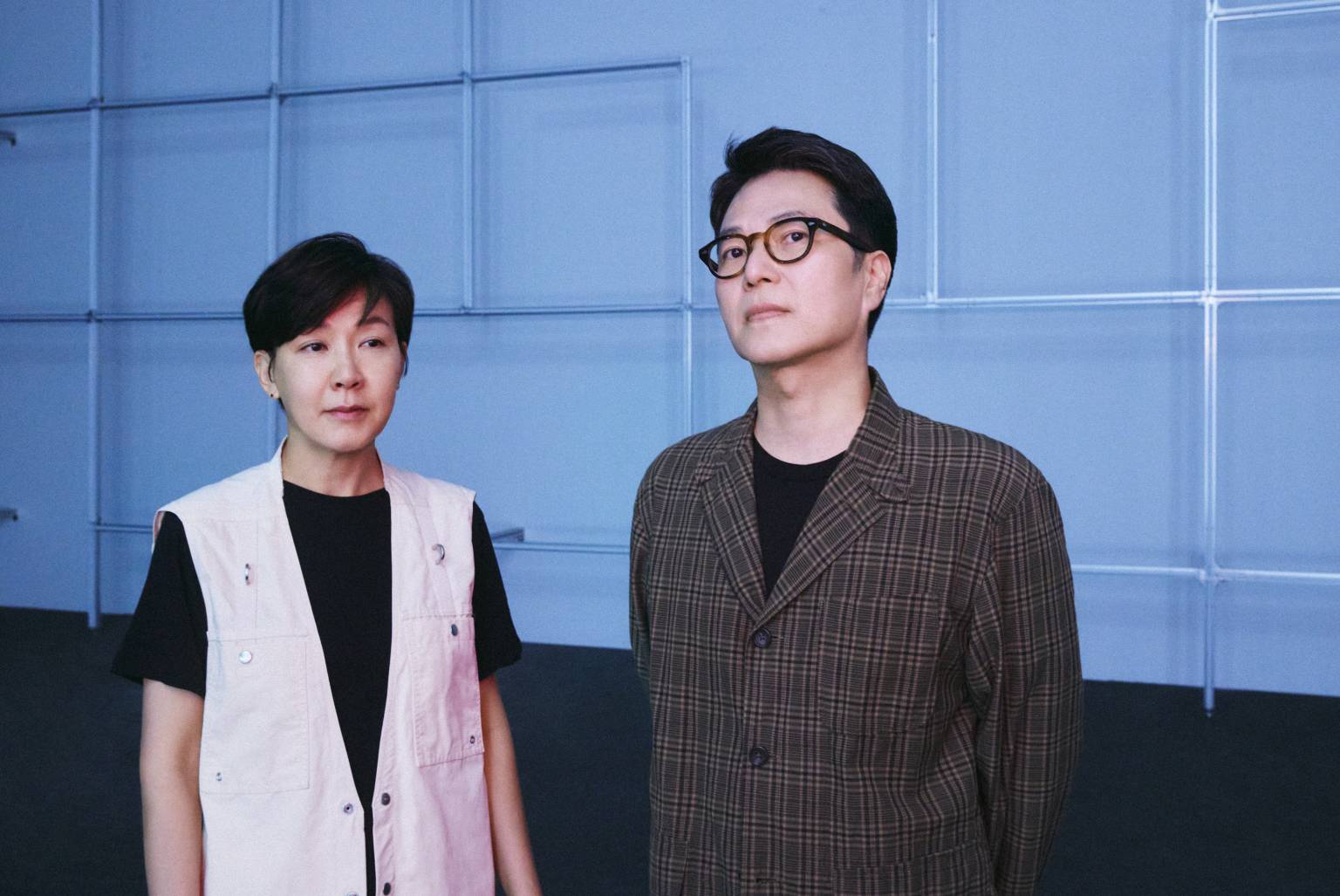
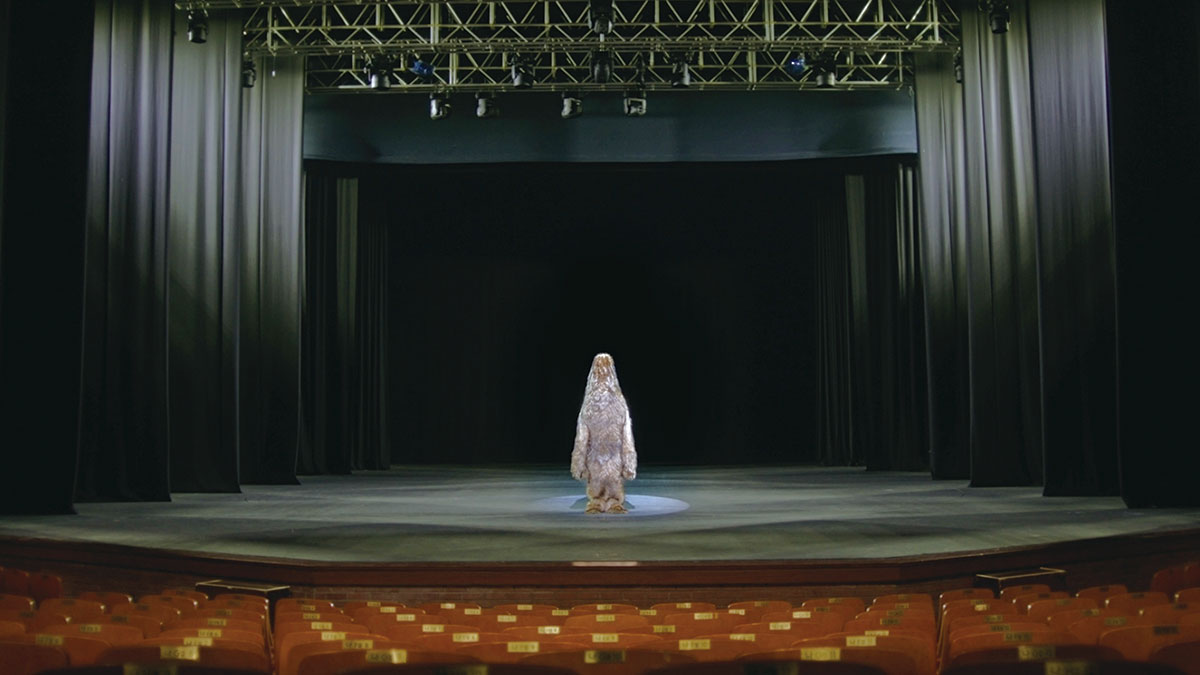
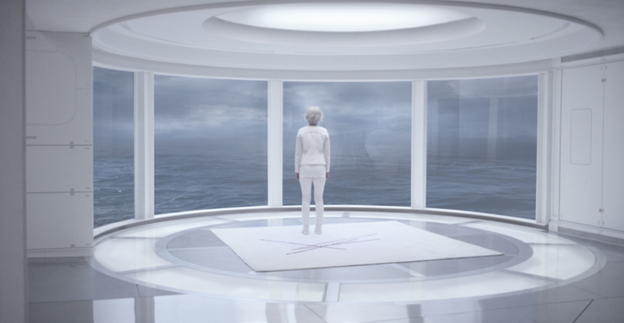
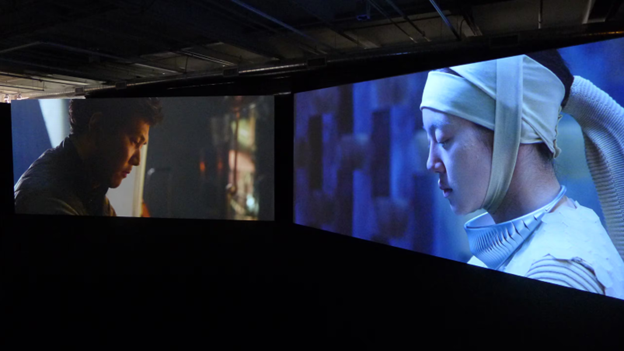
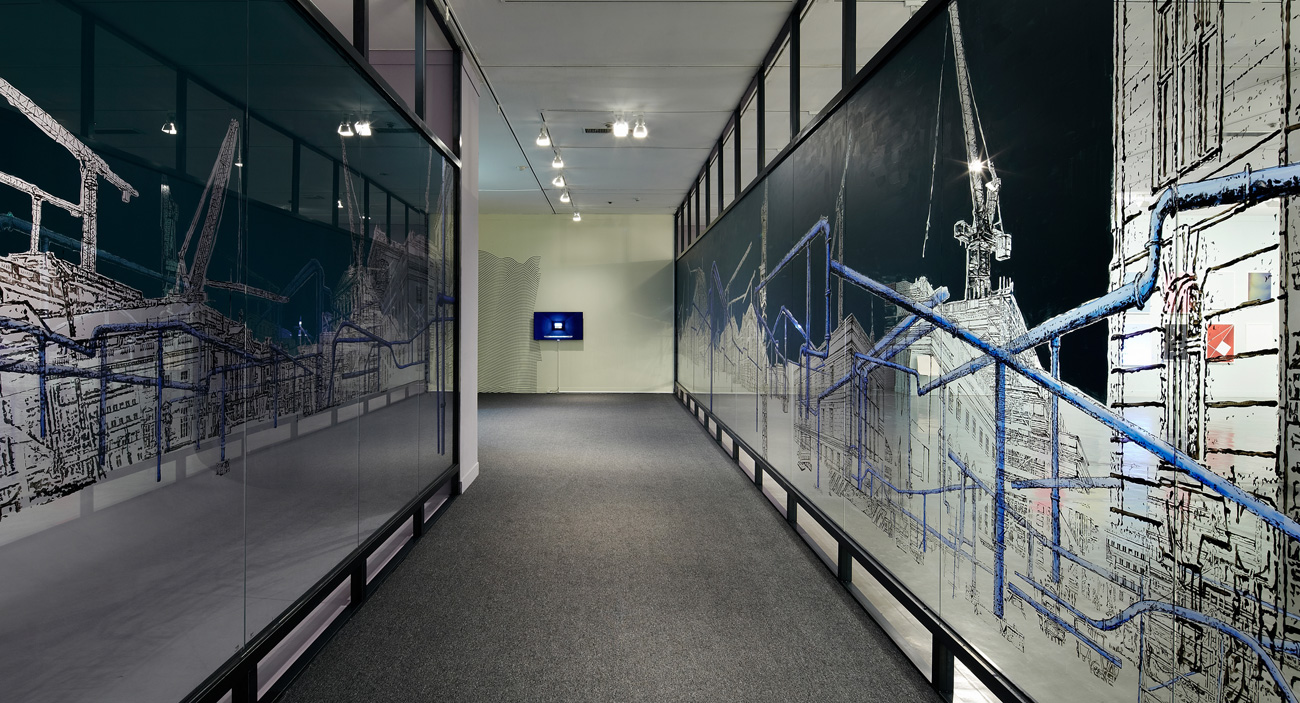
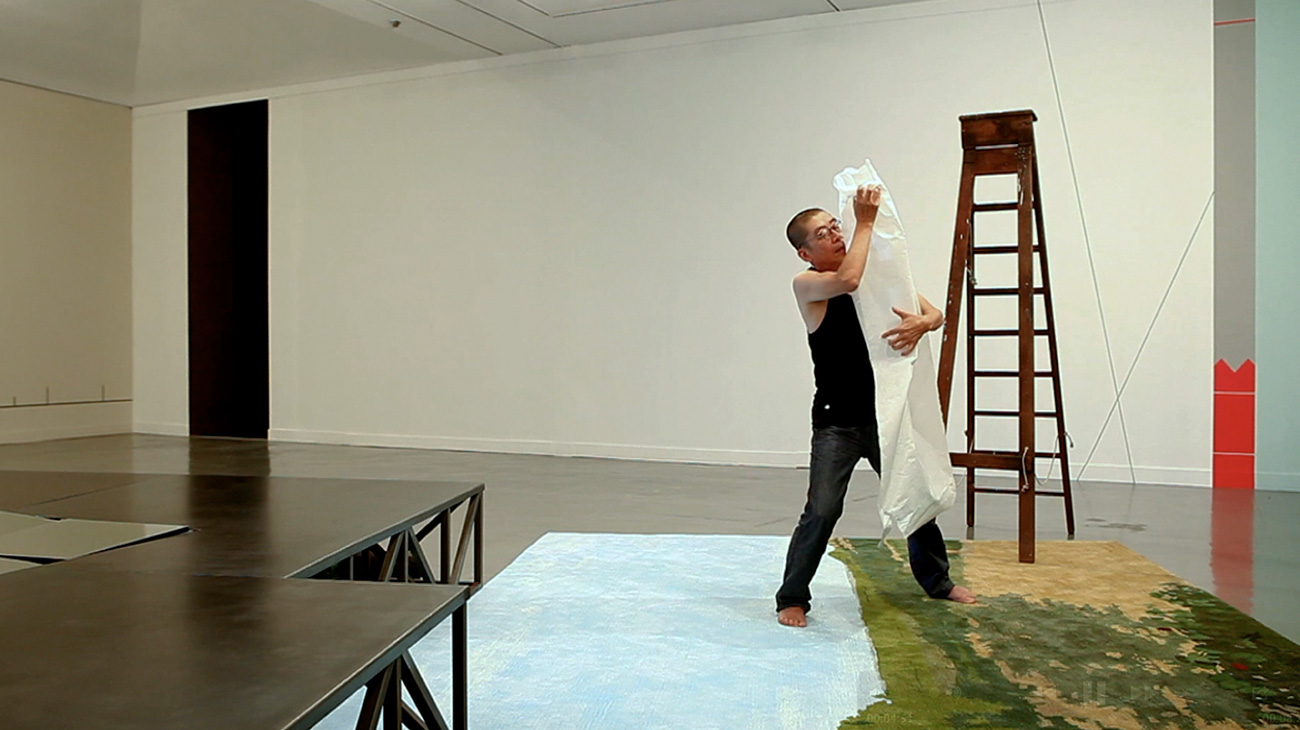
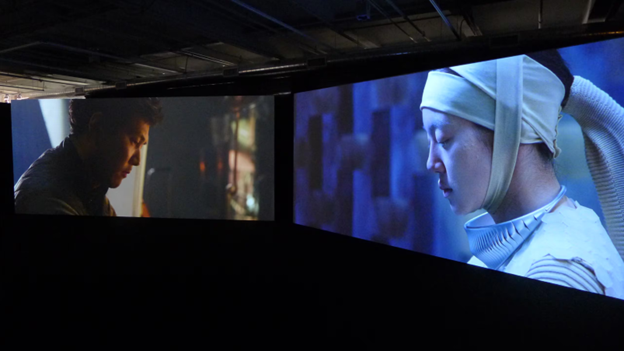
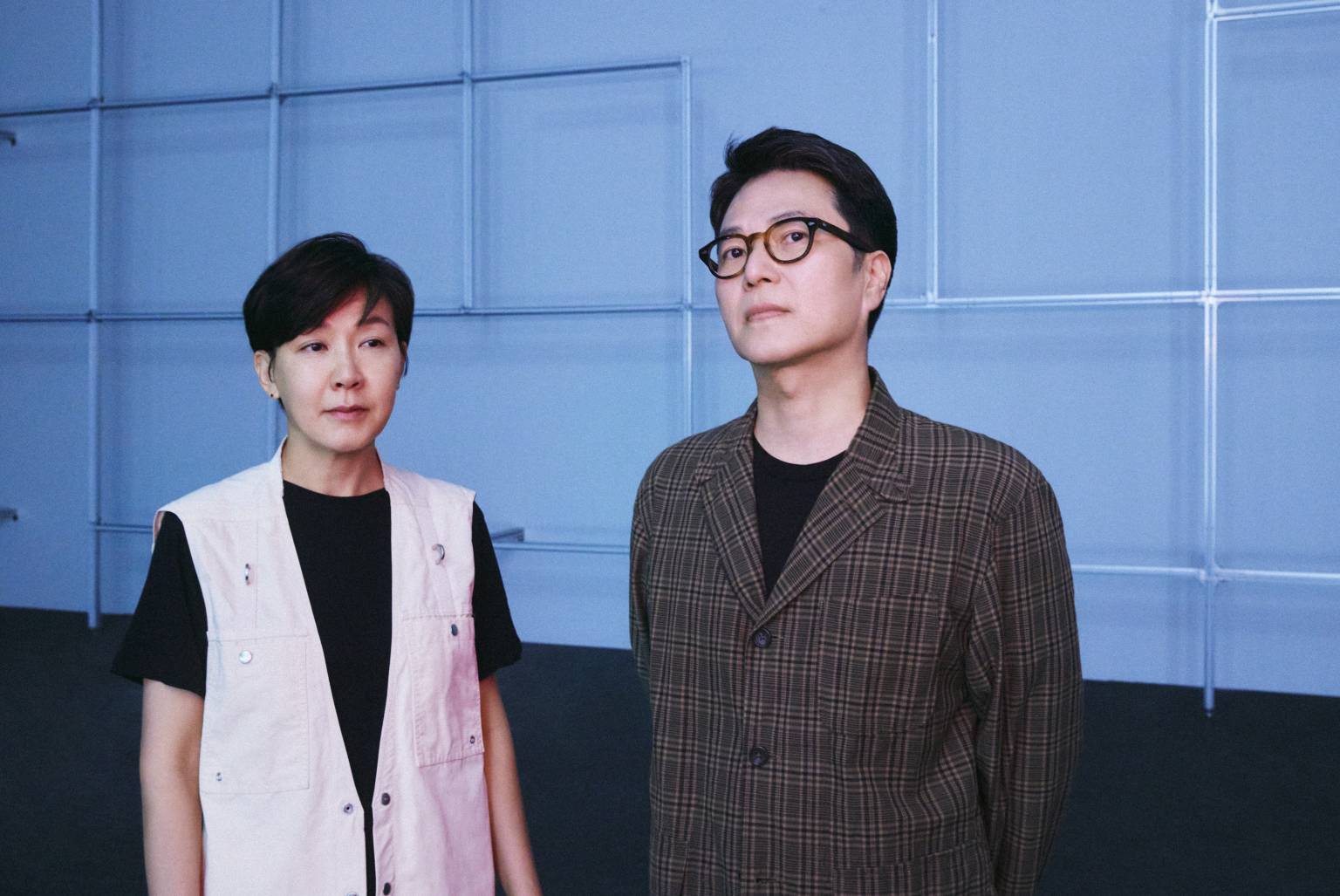
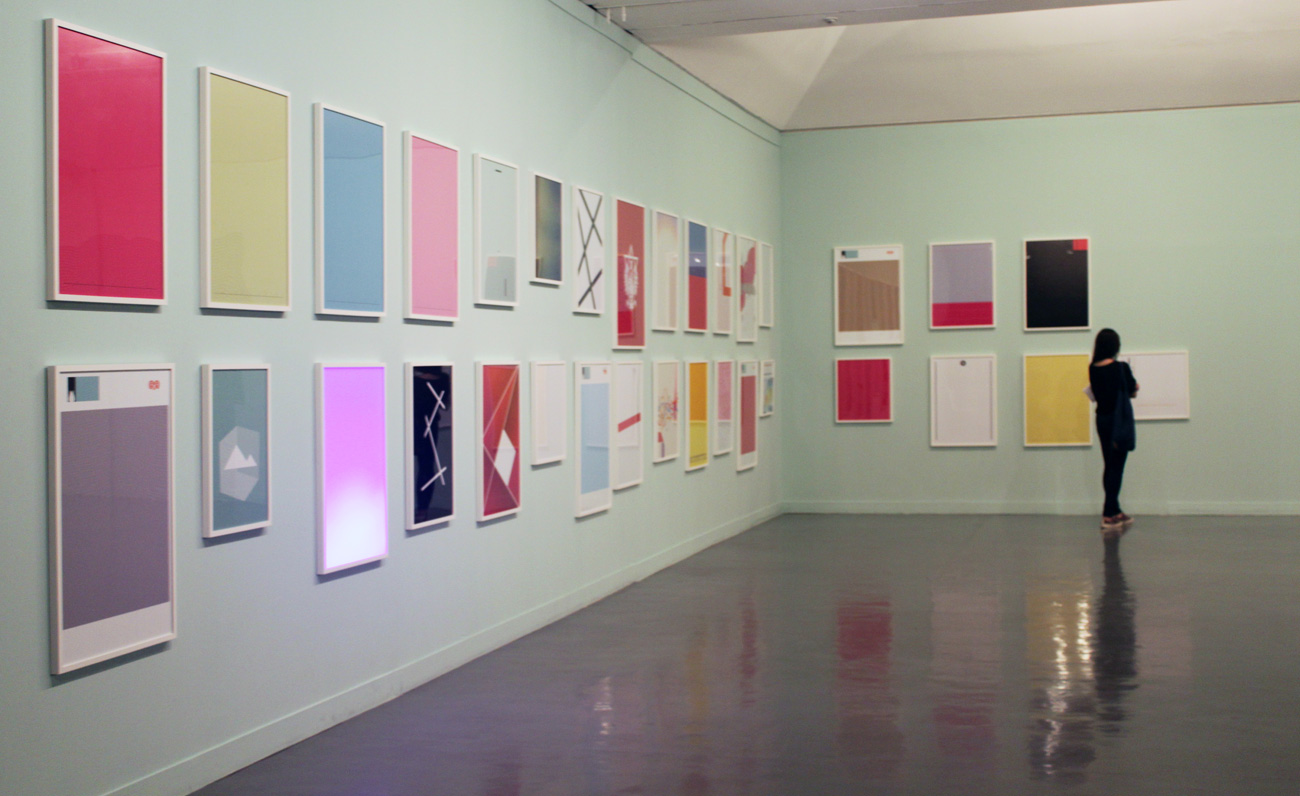
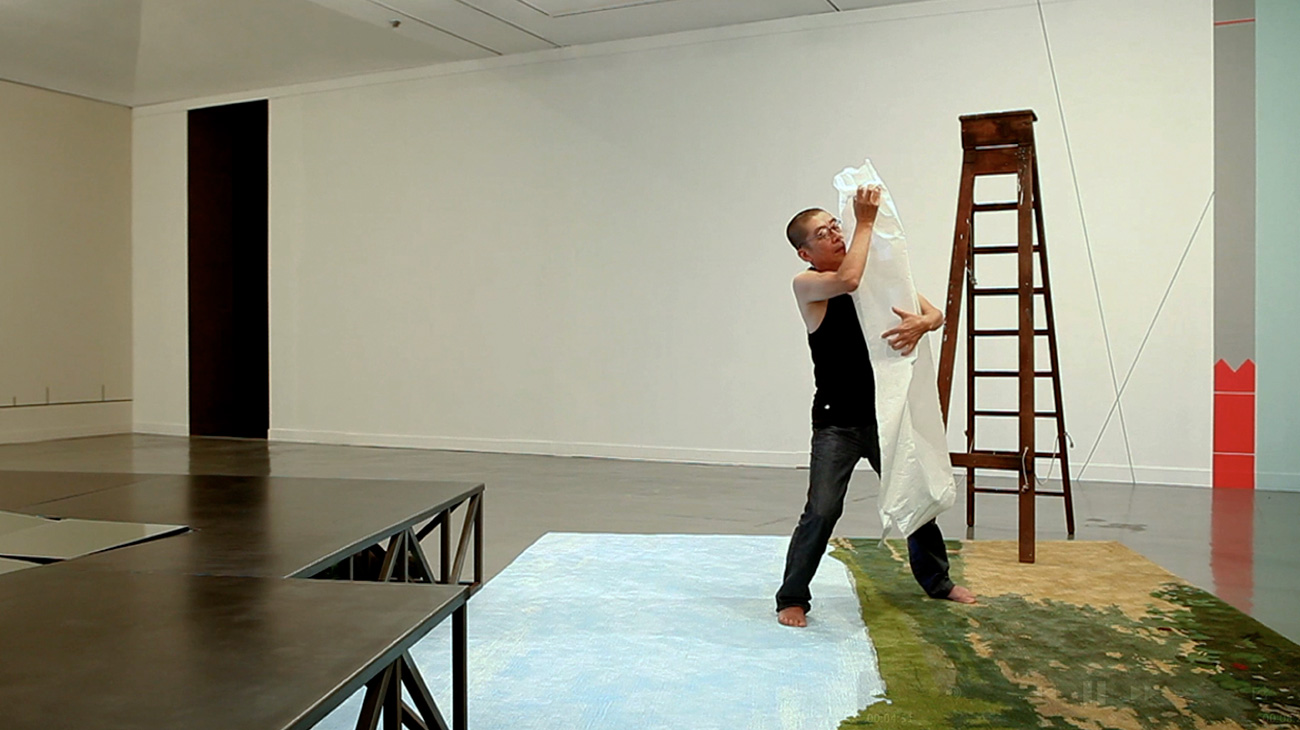
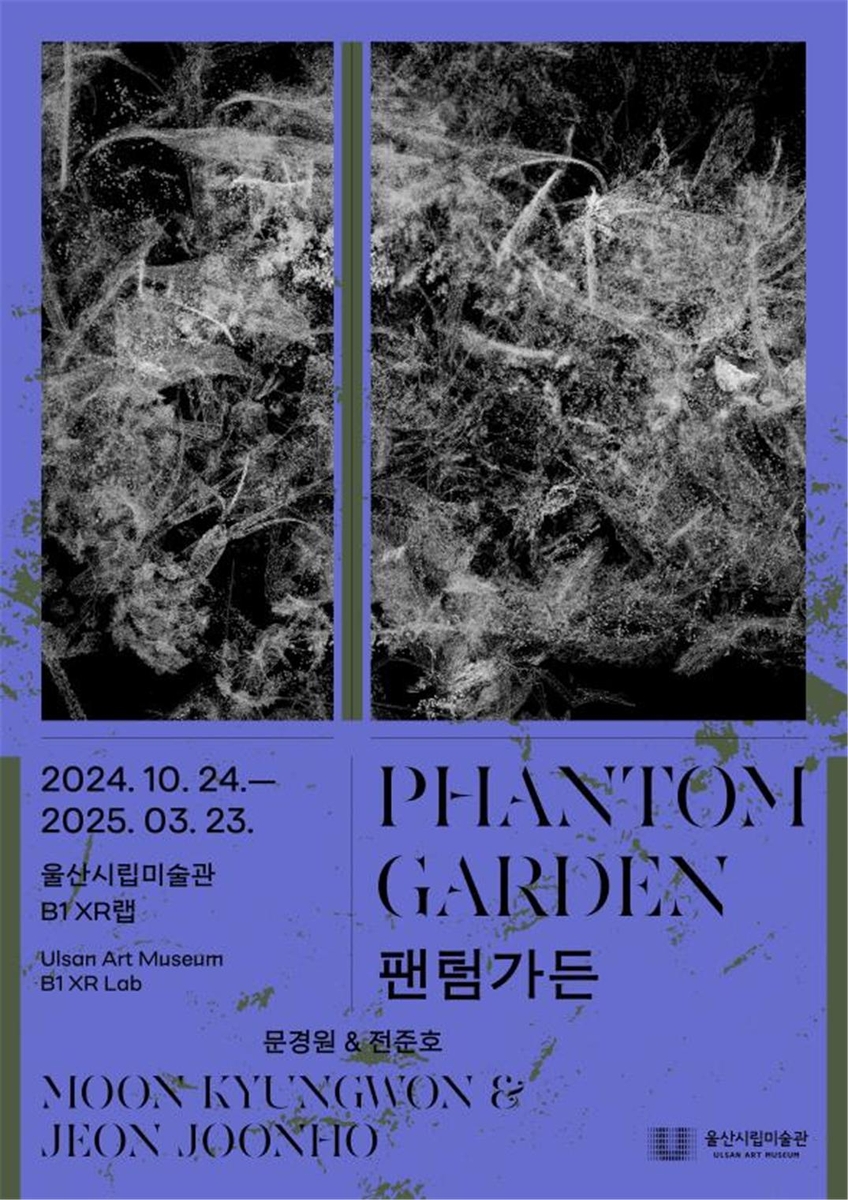
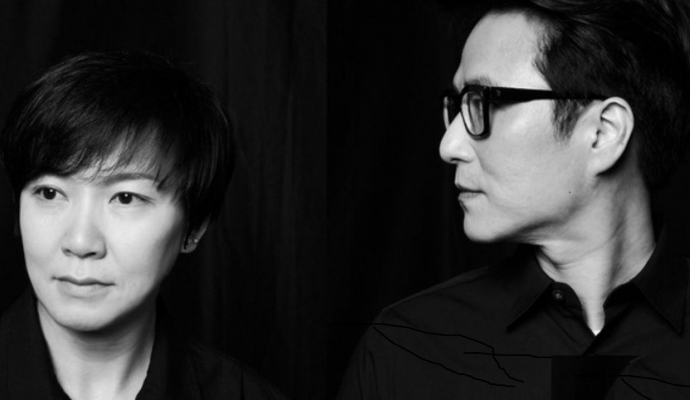
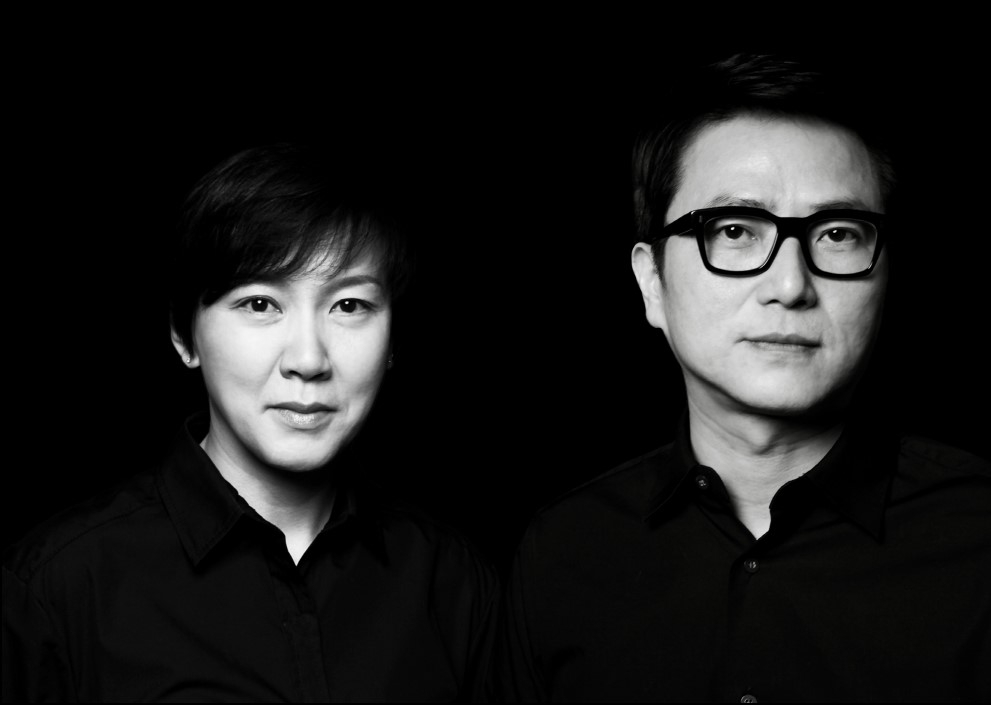
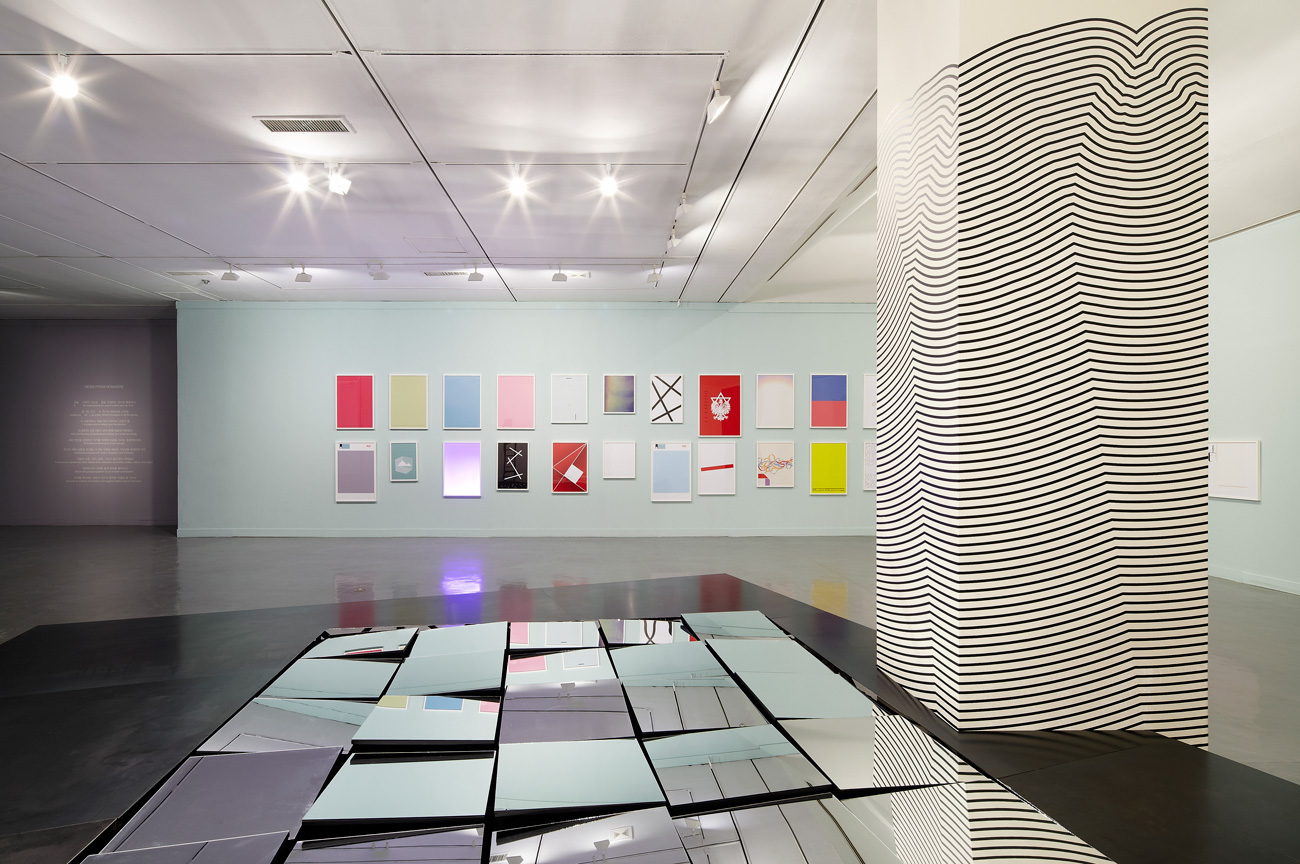
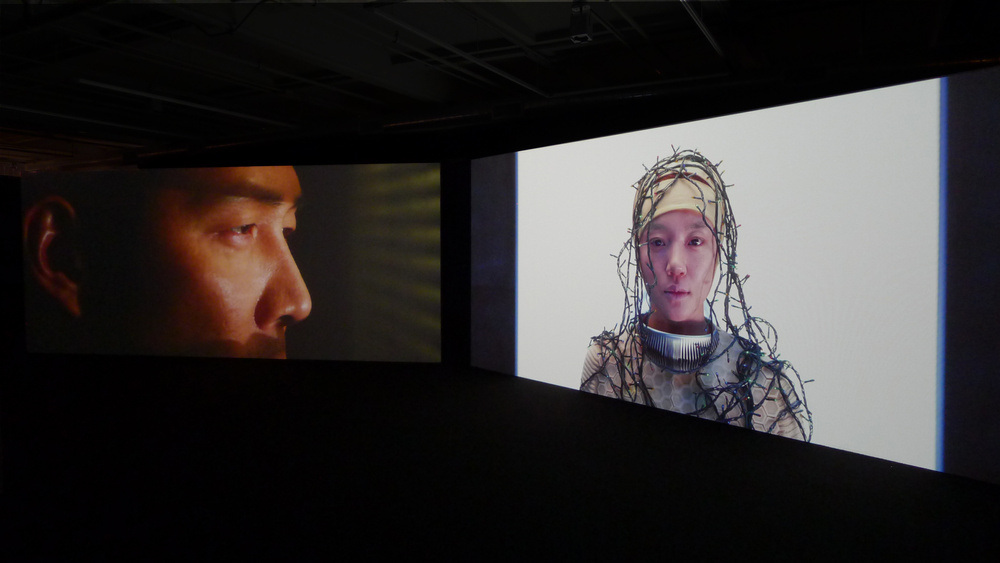
beginning. Such is the departing hypothesis of the work of Moon Kyungwon and
Jeon Joonho. The world conclude and reestarts again in a complex film that is
actually a passage, the locus where the many elements that conform the
construction of a new world, interact. Their work needs to be understood as an
speculative exercise. A proposal to understand time and space differently, to
establish new forms of connectivity between language, dreams, reality, the
subjects, the group.
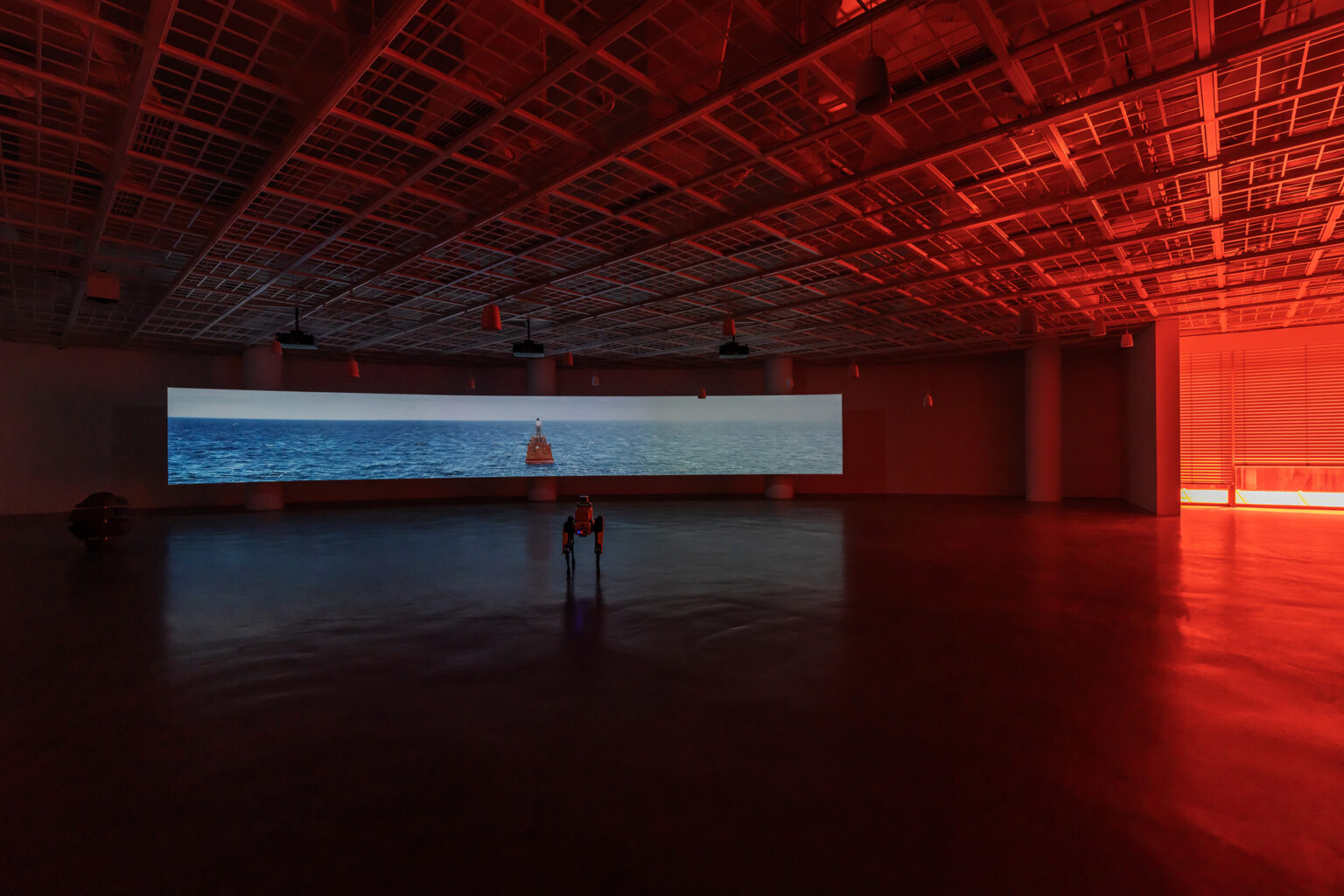
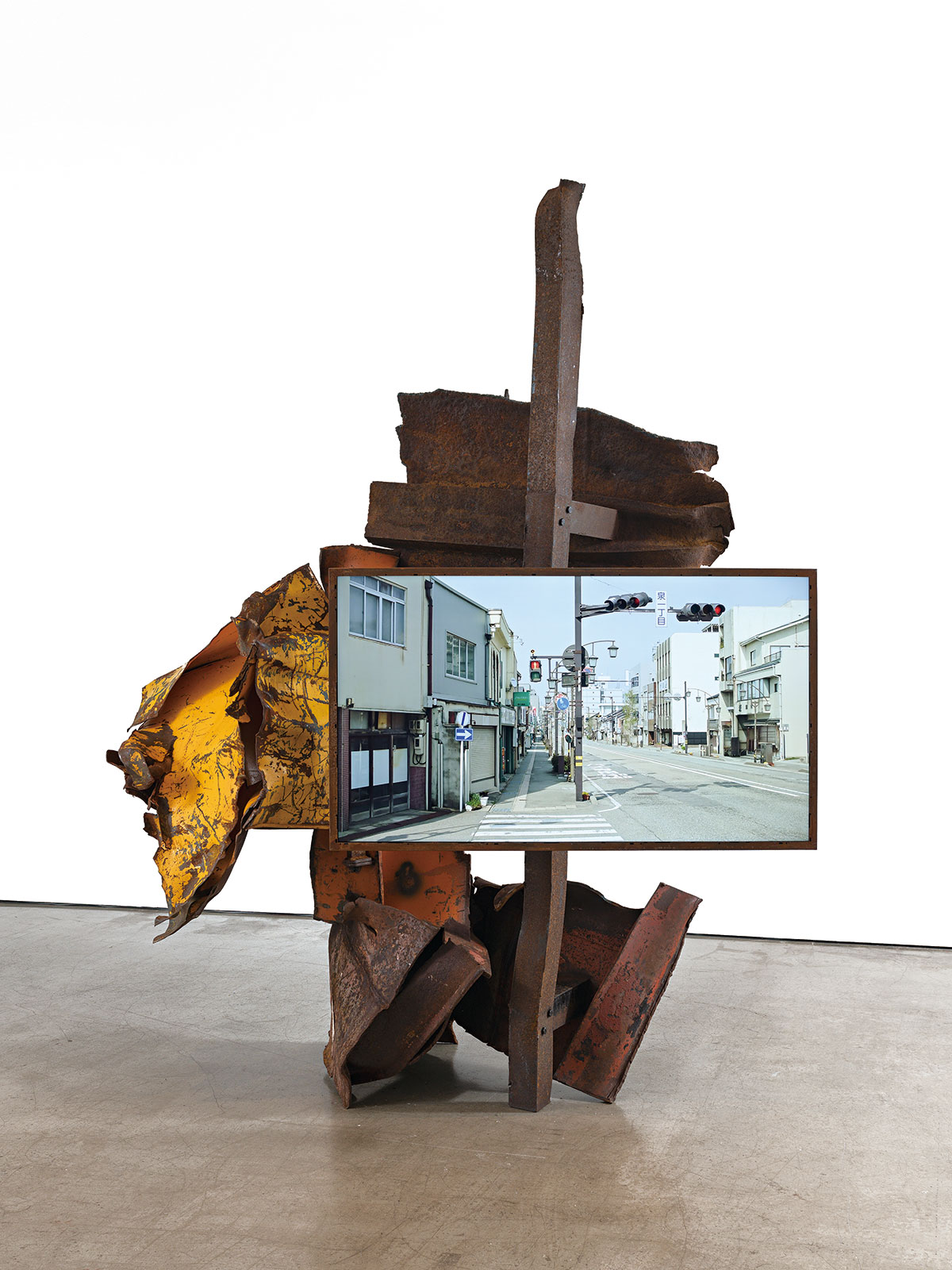
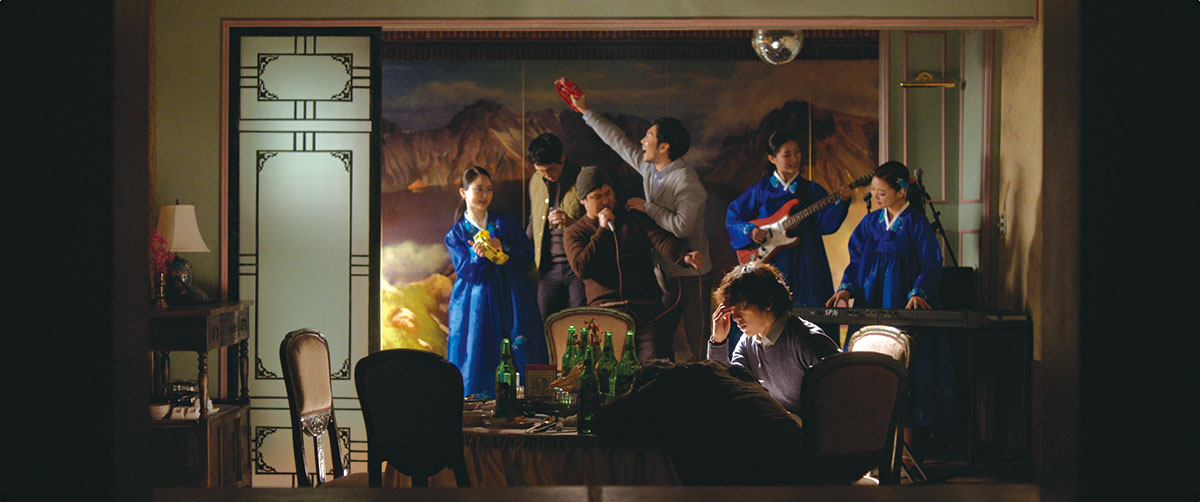
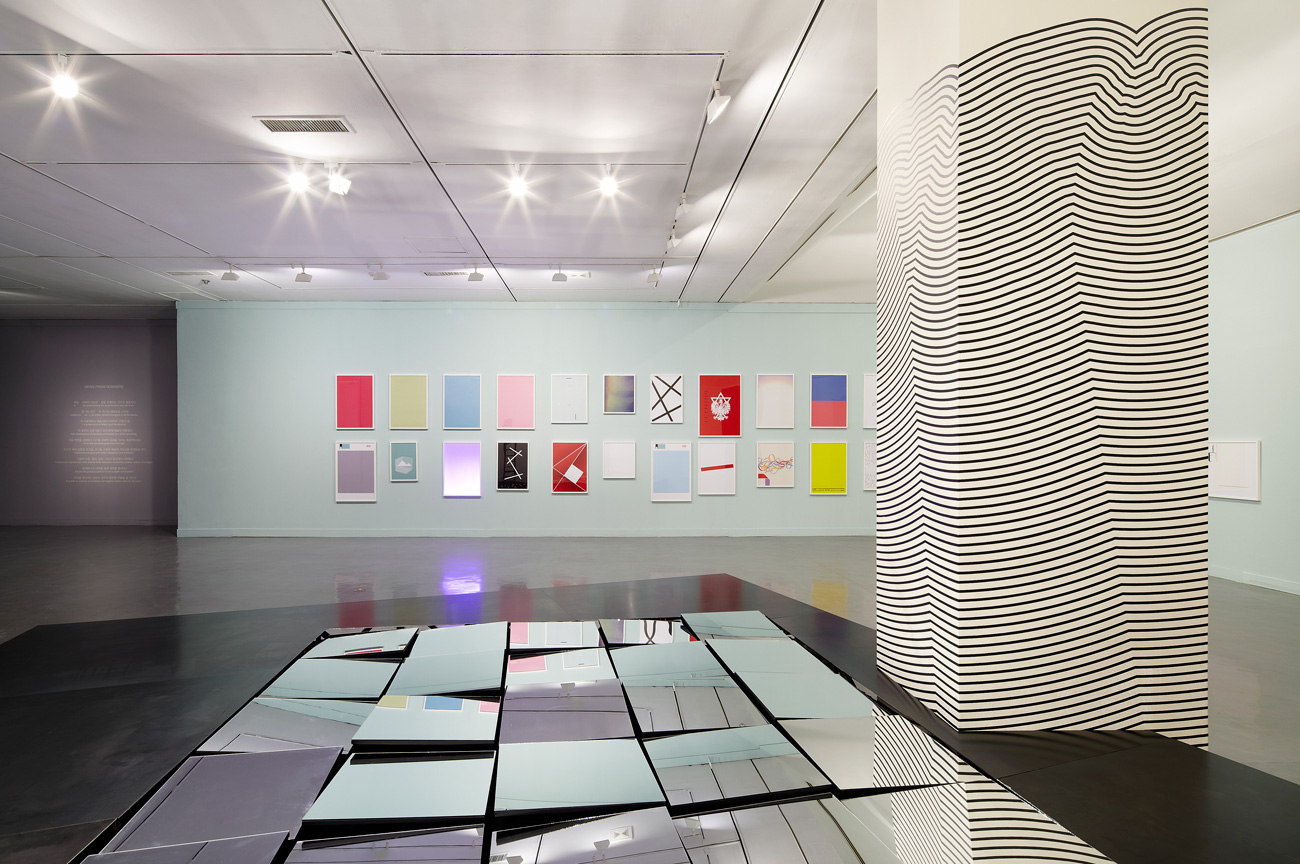
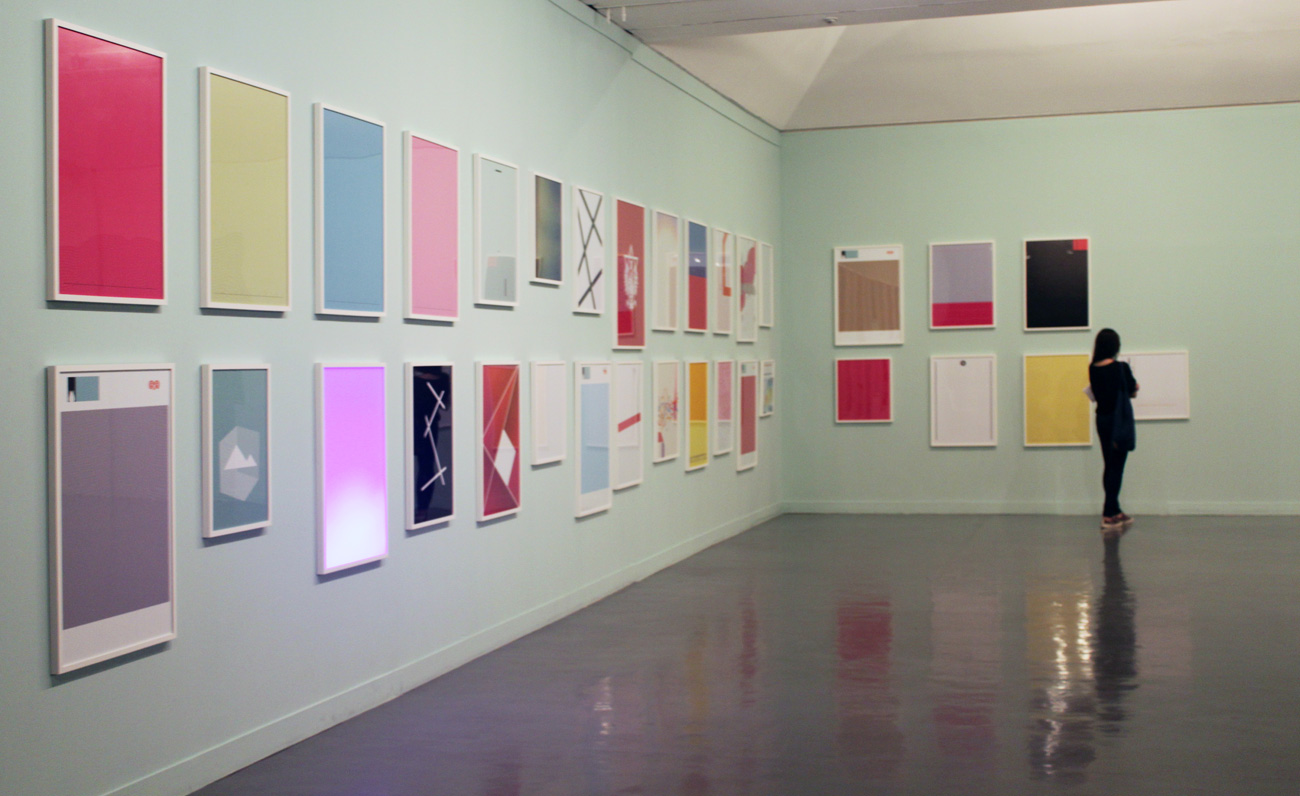
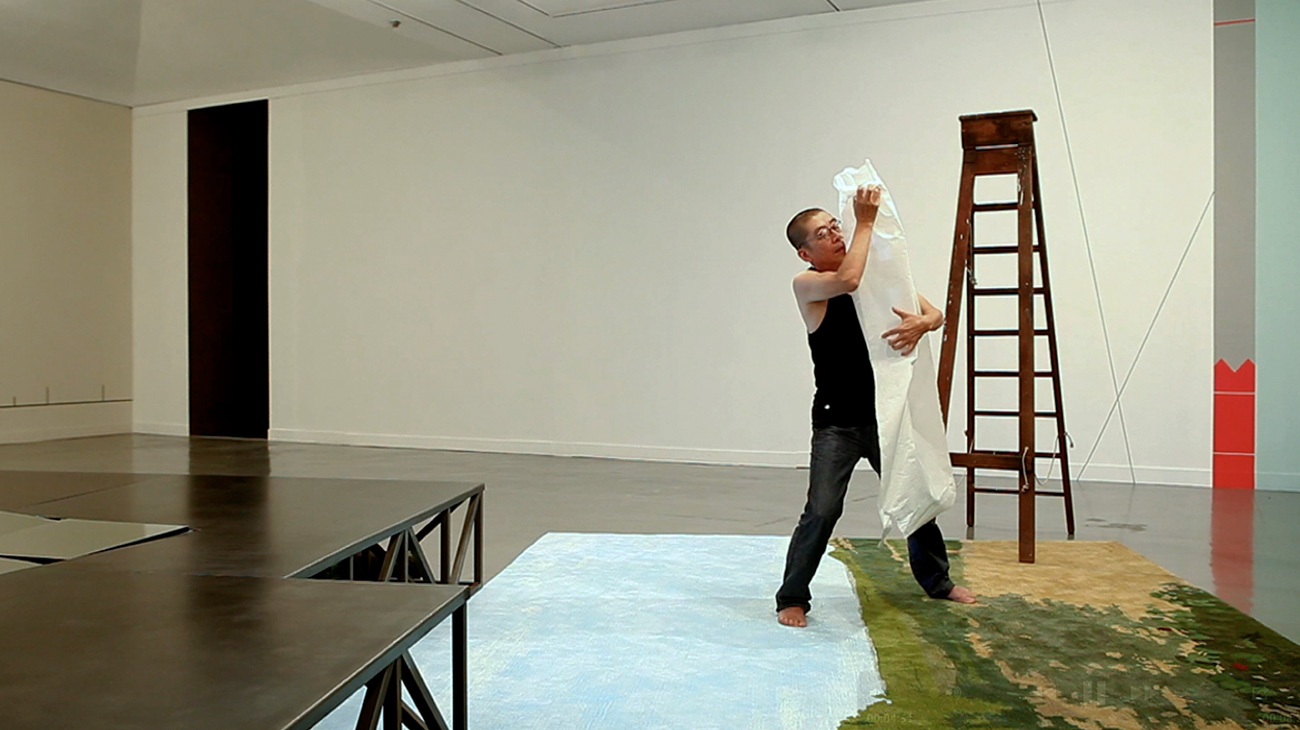
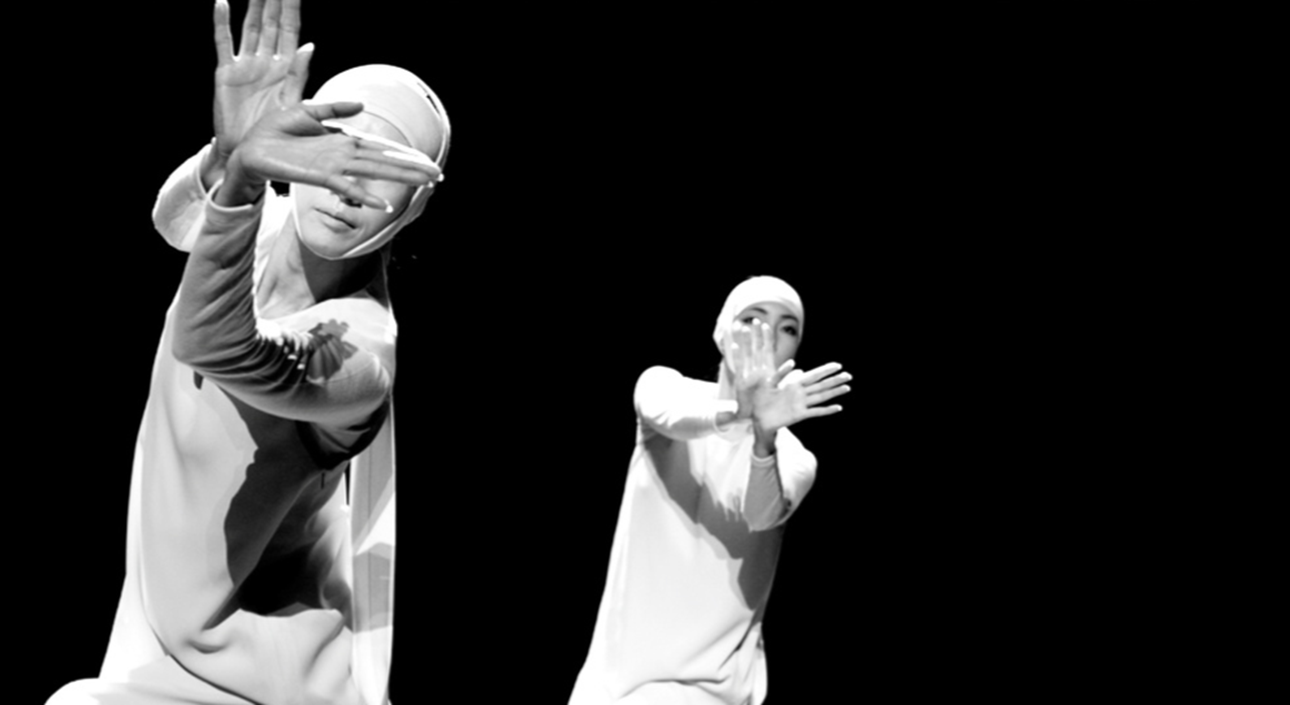
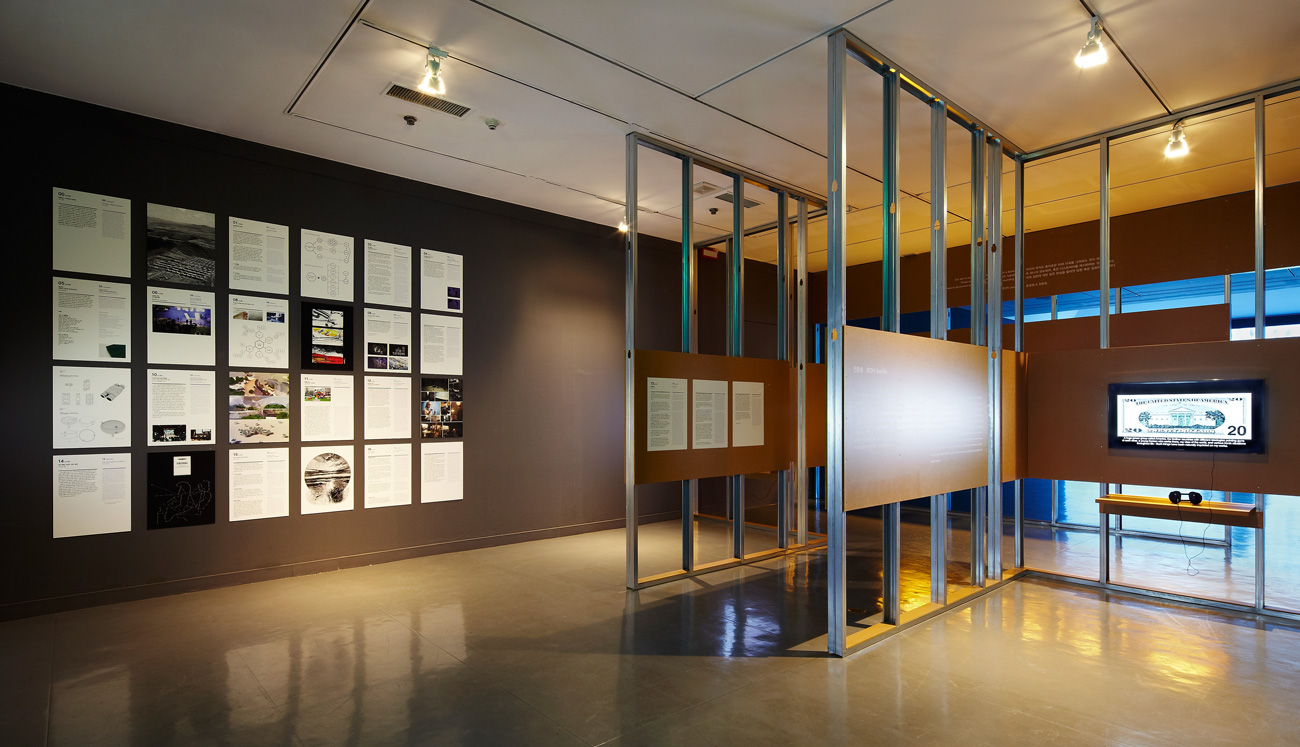
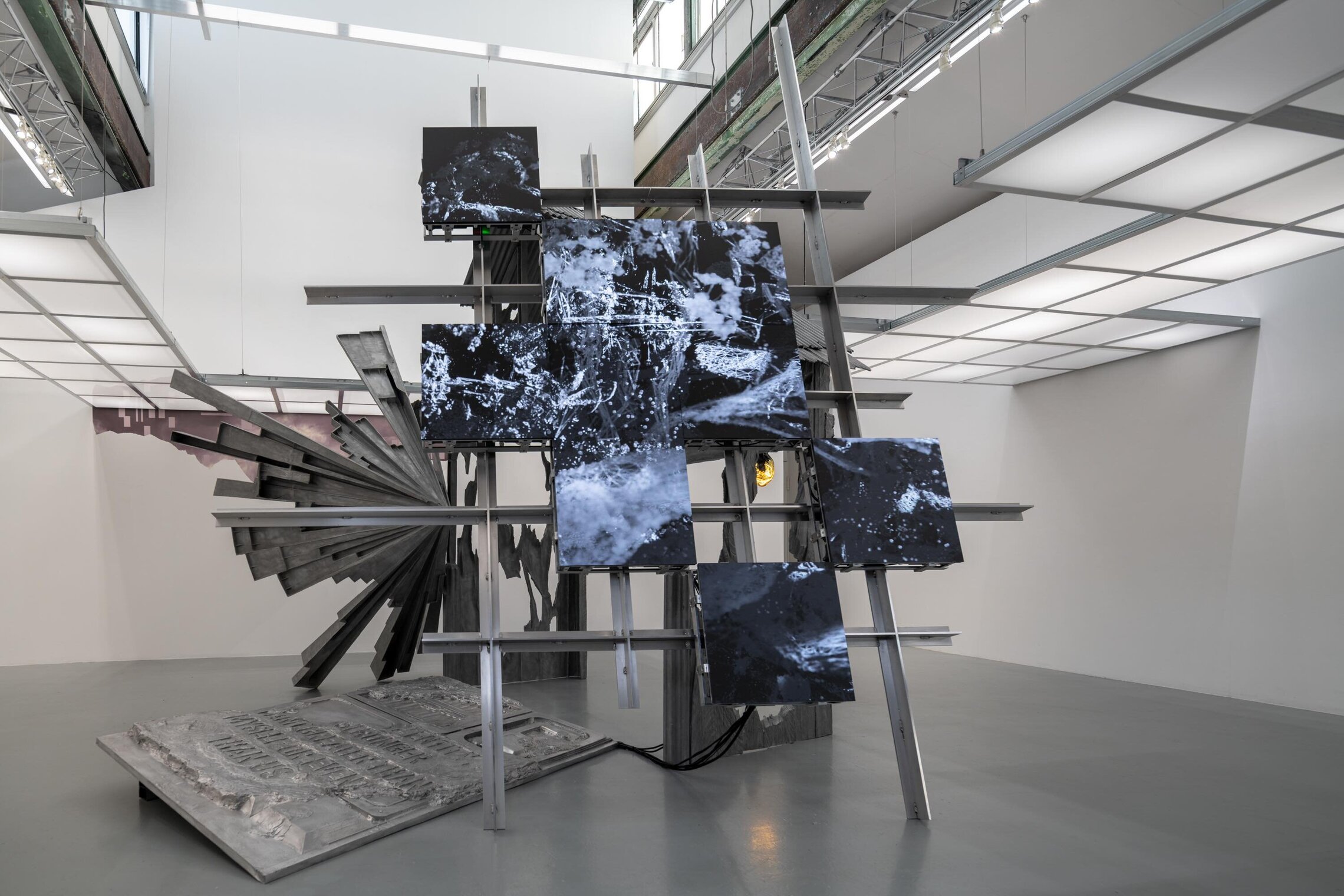
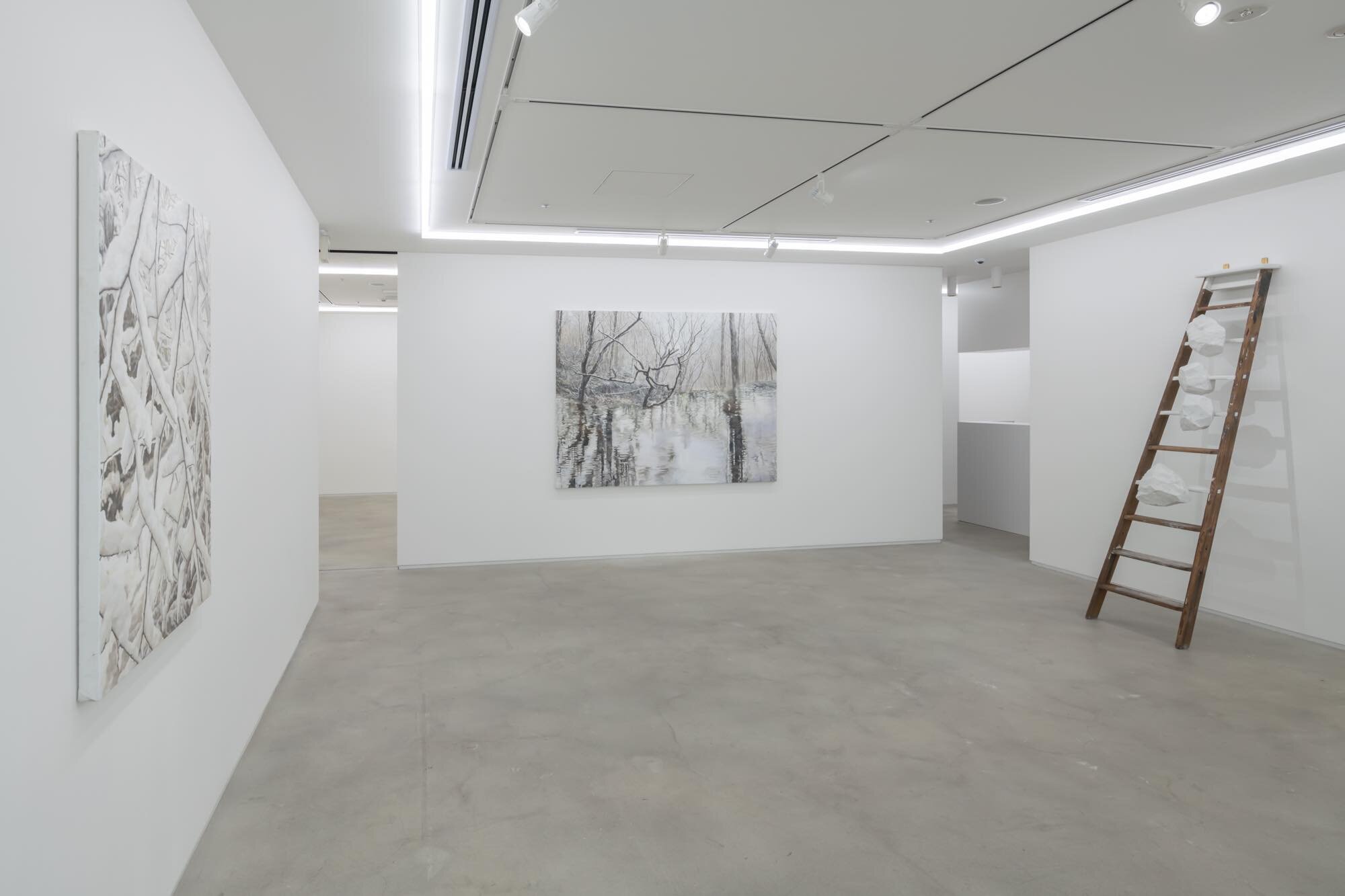
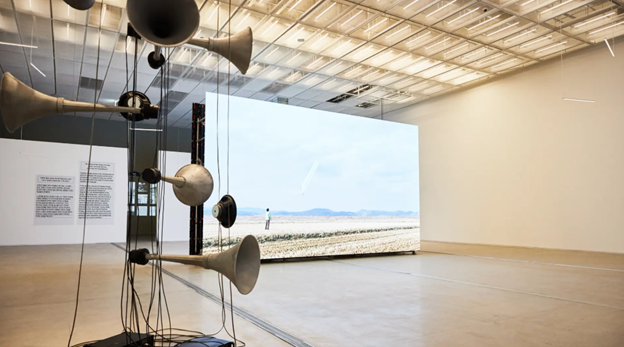
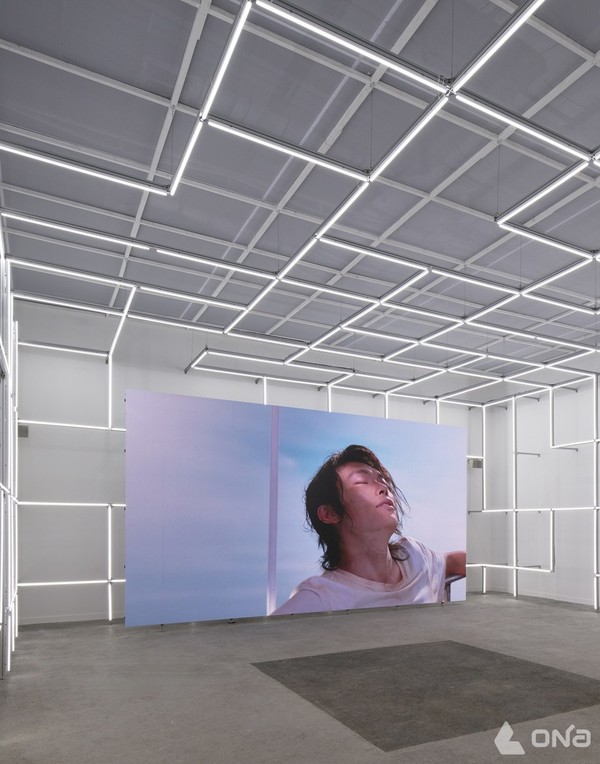
Their film and their complex installation proposes a series of
homologies for the three time-substances, or states of matter: the solid, the
liquid and the volatile worlds. The project proposes a sequences of
transformations running from solid through liquid to volatile realities. A
chain of mutations that correlates with a sequence which runs through the terms
form, transformation and information. A first phase, the project involves the
definition and manipulation of solids and substantives: the objects that
inhabit the world, the individuals, the animals, nature….
A second phase
concerns itself with verbs and actions: the language that is used to address
this new coming world, the images that are produced for it, in it or throught
it, even. Their work, and their is suppose to bring an expansion of categories
and dimensions in film form, installation and even text to take account of the
emerging topological conditions and sensibilities of the modern world,
everything comes down to, or perhaps, rather moves through, prepositions, those
intermediary or angelic parts of speech. Here a quote of Michael Serres on the
matter:
Has not philosophy restricted itself to exploring – inadequately –
the ‘on’ with respect to transcendence, the ‘under’, with respect to substance
and the subject and the ‘in’ with respect to the immanence of the world and the
self? Does this not leave room for expansion, in following out the ‘with’ of
communication and contract, the ‘across’ of translation, the ‘among’ and
‘between’ of interferences, the ‘through’ of the channels through which Hermes
and the Angels pass, the ‘alongside’ of the parasite, the ‘beyond’ of
detachment… all the spatio-temporal variations preposed by all the
prepositions, declensions and inflections?2
First there was the age of mechanics and geometry, the
determination and manipulation of distinct forms. Then, in the age of
thermodynamics inaugurated by Carnot and others, there is the generalisation of
transformation, or the conversion of forms of energy: heat, light, movement,
electricity, magnetism. Finally, there is the era of information, in which
forms and forces give way to and even start to be understood as quanta of
information. This sequence of typical states of matter parallels a sequence of
different attitudes to or conditions of time, running from the reversible time
of Newtonian equations, through the one-way, entropic time of the second law of
thermodynamics, to the negentropic, or sporadically reversible time of chaos
theory.
II.
“Aren’t we living in a world were headless man only desire
decapitated woman?”
“Aren’t we living in a world” –the poet says full of empathy for himself-
“where headless man only desire decapitated woman? Isn’t a realistic vision of
the world the emptiest of illusions? Aren’t your son’s childish drawings much
more truthful?” The sentence is said by Jaromil, the protagonist of Life is
Elsewhere by Milan Kundera, a passionate supporter of the 1948 Communist
revolution in Czechoslovakia and, not incidentally, a lyric poet. There is a
natural affinity, it seems, between revolution and lyric poetry: “Lyricism is
intoxication, and man drinks in order to merge more easily with the world.
Revolution has no desire to be examined or analyzed, it only desires that the
people merge with it; in this sense it is lyrical and in need of lyricism”
He is one of those individuals that prefer wet to dry eyes, that
talk to the hand close to his heart and despised those who keep them in their
pockets. He, the young poet living on the edge of times transforming, embodies
the syntactical mode of addressing the world coined by André Breton: “beauty
will be convulsive or will not be at all”. Radical or nothing, transparent,
readable like the tears indicating that the man is feeling, like the open
expressing a desire of embracing the world and making it a home, real like the
people, not marvelous, immediate not erotic. Hannah Arendt’s claim that, “what
makes a man political is his faculty of action” seems undeniable. Who would be
in favor of the ugly idea of non agency in times or urgency, who would not see
a danger in those who in the name of privacy, or withdrawal, would privileged a
sense of autonomy and then, perhaps, keep their hands in their pockets, or just
move the eyes from the crowd, elsewhere.
But how to understand what it seems a
disparate for the commonsense, that is, that action could be somehow understood
as a faculty separated from the realm of the “empirical society”, a term used
by Adorno, the real where all seems to have a direct consequence, where
revolution coincides with a growing awareness of its inability to change the
social, where powerlessness just becomes the privileged object of a guilty
self-reflection, that in its turn has marked the re-foundation of a new twist
of critical thinking. Art’s and culture’s reflexive preoccupation with its own
powerlessness and superfluity is precisely what makes it capable of theorizing
powerlessness in a manner unrivaled by other forms of cultural praxis. However,
to become one with the exercise of describing one’s own position, with the
rehearsal of the despair provoked by restricted action, seems a sad near
future.
Where to look then? Do we need a prophet of unfeelingness, as Carl
Gustav Jung called James Joyce? About this, he wrote: “we have a good deal of
evidence to show that we actually are involved in a sentimentality hoax of
gigantic proportions. Think of the lamentable role of popular sentiment in
wartime!… Sentimentality is the superstructure erected upon brutality… I am
deeply convinced we are caught in our own sentimentality… it is therefore quite
comprehensible that a prophet should arise to teach our culture a compensatory
lack of feeling”. Prophets aside, his words open a different space between
passivity and action, making the un-feeling as a different way of acting,
moving away from the paranoia that interprets the lack of movement, of the
immediate release of a sentiment ignoble.
And therefore, this need for a new men, a new woman, a new real, a
new future in the work of Moon Kyungwon and Jeon Joonho needs to be seen in
conjuction to this lyrical crisis, in conjunction with the limit of the
relationship between emotions and our future political life.
III.
But the inexpressive, the inert, the unnervingly passive poses many problems to
our Modern understanding of the political. The hand in the pockets in terms of
revolt, the lack of “movement” –action- is perceived as ambiguous, as equivocal
because it is in the antipodes of our will of synchronizing with “our times.”
The dysphoric provokes antagonism, it is not there, with the rest of us, it is
not opening the private into the public, is keeping away a space that belongs
to us, is not circulating the same information than the rest, is stopping the
circuit, is not transparent.
It is the negative pole of empathy. For the lyric
soul, for those who “burn with indignation” while witnessing the over-all
proliferation of injustice, the hands in the pocket, or just elsewhere,
painting monochrom surfaces on canvas, for example, are often seeing as a form
of ressentiment, why, otherwise, would not they engage with what needs to be
done? Why would they pretend they are living in different times?
Even Foucault, who vehemently rejects the idea of a sovereign,
founding subject, a subject capable to have experiences, t reason, to adopt
beliefs, and to act, outside all social contexts, he preserve a form of
sovereign autonomy under what he called the “agents.” In contract to the Modern
misunderstanding of the autonomous subject, he defends that agents, in
contrast, exist only in specific social contexts, but these contexts never
determine how they try to construct themselves.
Although agents necessarily
exist within regimes of power/knowledge, these regimes do not determine the
experiences they can have, the ways they can exercise their reason, the beliefs
they can adopt, or the actions they can attempt to perform. Agents are creative
beings –like Jaromil, lyric- and their creativity occurs in a given social
context that influences it.
So, not even Foucault dared to go for those not “attempting to perform”.
Foucault went even further, he argued that we are free in so far as we adopt
the ethos of enlightenment as permanent critique. This is why we assert our
capacity for freedom by producing ourselves as works of art. So we are again in
front of a more complex, more eloquent form of lyricism, where the goal is,
afterall, not only to be capable of producing sensuality of expression, but to
become a sensual subject yourself.
So the problem is not only that we identify action with the vivid,
with life and that we want to be part of it, seeing withdrawal as a form of
enfeeblement, a defect in affection that makes individuals step away from the
stream of life. However, the question of the lyric points towards something
much more important, methodologically speaking. Towards something that
surpasses the aesthetic dimensions of our well rehearsed ideological training:
which is the possibility of conceiving time, historical time, as non-durational,
and therefore breaking with our need not only to properly answer to what seems
to be required by the force of the present, but also, with the nervous tic of
wanting to represent it.
Insofar as the understanding of history means delineating a
chronological axis upon which events are ordered, the sole task of the
historian is to ceaselessly insert the stories that have not yet been included
in that great continuous narrative. Meanwhile, the institution (where an
exhibition is understood a way of institutionalising a material) is reduced to
the place where the legitimacy of a right acquires a public form. The fact that
the exercise of revision and the recovery of things forgotten provokes
unanimous respect proves that a fitting vocabulary has been found, one that
serves solely to avoid the unpredictable function of the experience of art.
Moon Kyungwon and Jeon Joonho’s work directly addresses the
political importance of recovery as a tactic, as being directly proportional to
the impossibility of formulating a more complex statement of the relationship
between contemporary art and a discontinuous conception of time that is
expressed in rhythms and cannot be represented as duration. In other words, a
way of understanding time that is indifferent to the idea of progress and is
therefore relieved of the imperative of innovation. This understanding of time
has no qualms about repetition, about imitating what has already taken place.
Generating doubt about these constant reincarnations and about the spontaneity
of the contemporary would provide a way around the supposed sincerity with
which it is believed that art and culture –but not, for instance, science– must
speak.
Their film, as well as the complex installation is the result of a
dialectical interplay between great narratives and academic appendixes, the
past and history are manifested as a new facet of culture and of its present
power: this is not the power to delve into adventures of logic that might lead
to a new episteme, but rather the de facto ability to include or exclude.
Nonetheless, this explosion of voices and points of view has contributed to
maintaining a degree of confidence in public opinion thanks to the constant
effort at ceaseless expansion implied by historiographic revision and its
relationship to contemporary art.
The worst enemy of the enthusiasm inspired by
the possibility of intervening on, interrogating, interfering with, modifying,
amending, taking back and affecting hegemonic narration is the tendency to
endlessness. Each footnote serves to both clarify and to obscure in a new way,
one that rather than providing a new consciousness of the issue at hand or of
contributing to an understanding of the relationship between contemporary art
and time, between production and the inextricable complexity of the contexts in
which it appears, places us before endless windows through which we peer
–always under the promise of completing history.
We can assume the risk that
disconcertion brings. What is harder, though, is to face the fact that there
are those who attempt to replace this strain of research not by adopting
another logic but by emulating this effort and reducing it to a mere gesture
that credibly illustrates the choreography of this explosion of histories
within history.
IV.
How to find a way out of this melodic way of understanding history
without losing sight of rigor or responsibility? The “null,” that which seems
to have strayed from meaning –idiocy, nonsense– merits our attention as never
before. In these forms of absentmindedness lies a new imagination of the
private, a way of resisting the power of empathy in all its strains, whether
real or virtual. Mistrust of a thoroughly defined present allows a part of
artistic intelligence to elude the desire for art and institutions to be able
to respond eloquently to their times. In other words, it allows an escape from
responsibility understood as the imposed need to answer for, to clarify and not
to expose ourselves to the exuberance and lightness of thought.3
And so is their work constructed, as a dream-like evasion that has
as a goal to -in return- penetrate real life, to unmask it, to surprise our
present with the dream of its own future.
1. E. Morin, Le Cinéma ou l’homme imaginaire. Essai
d’anthropologie sociologique, Paris, Minuit, 1956 (ed. 1977), pp. ix and 208.
2. Serres, Michael, Atlas. Paris: Editions Julliard, 1994,
pag. 83
3. Nietzsche said that those who defended the notion that thinking
was an arduous task should be attacked.