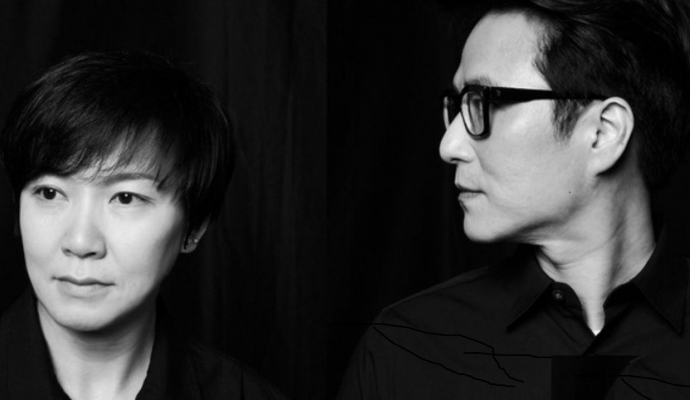

MOON Kyungwon & JEON Joonho
Solo Exhibitions (Brief)
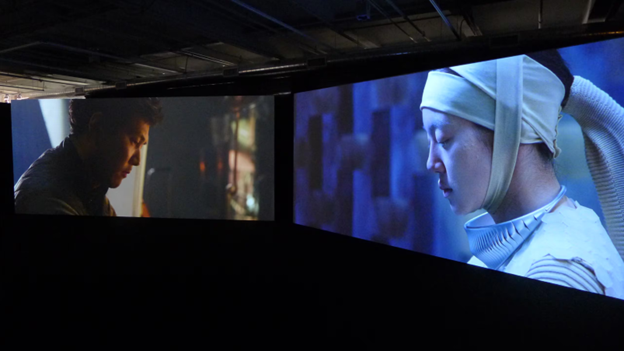
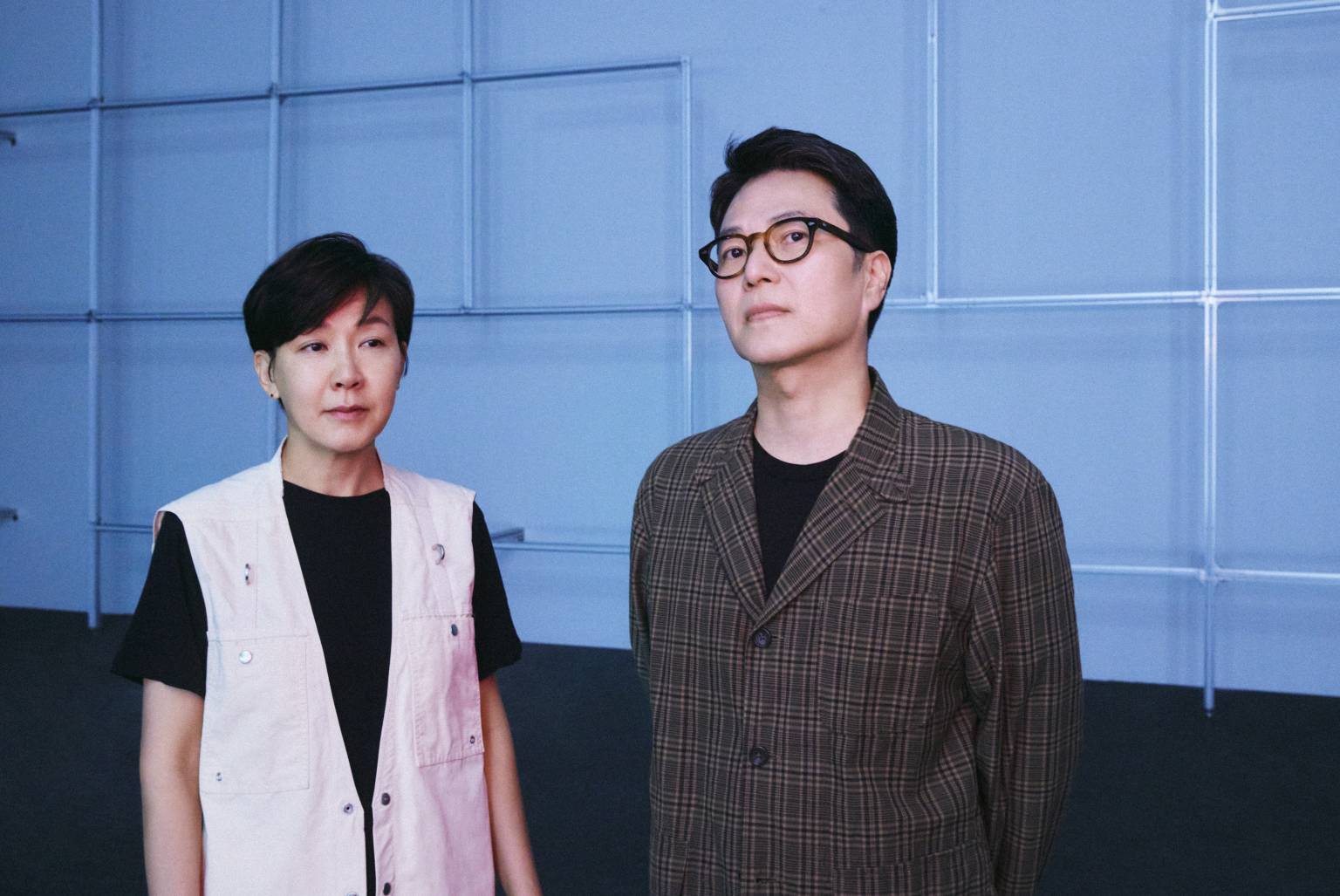
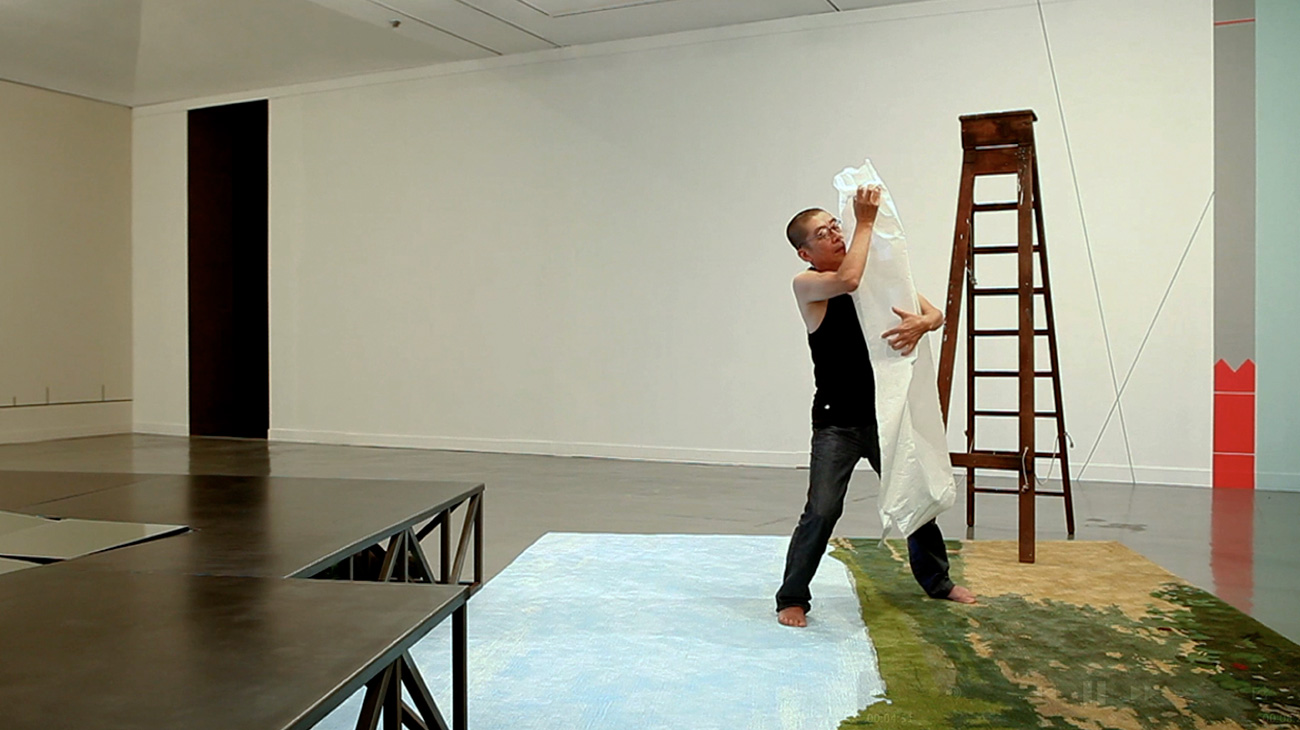
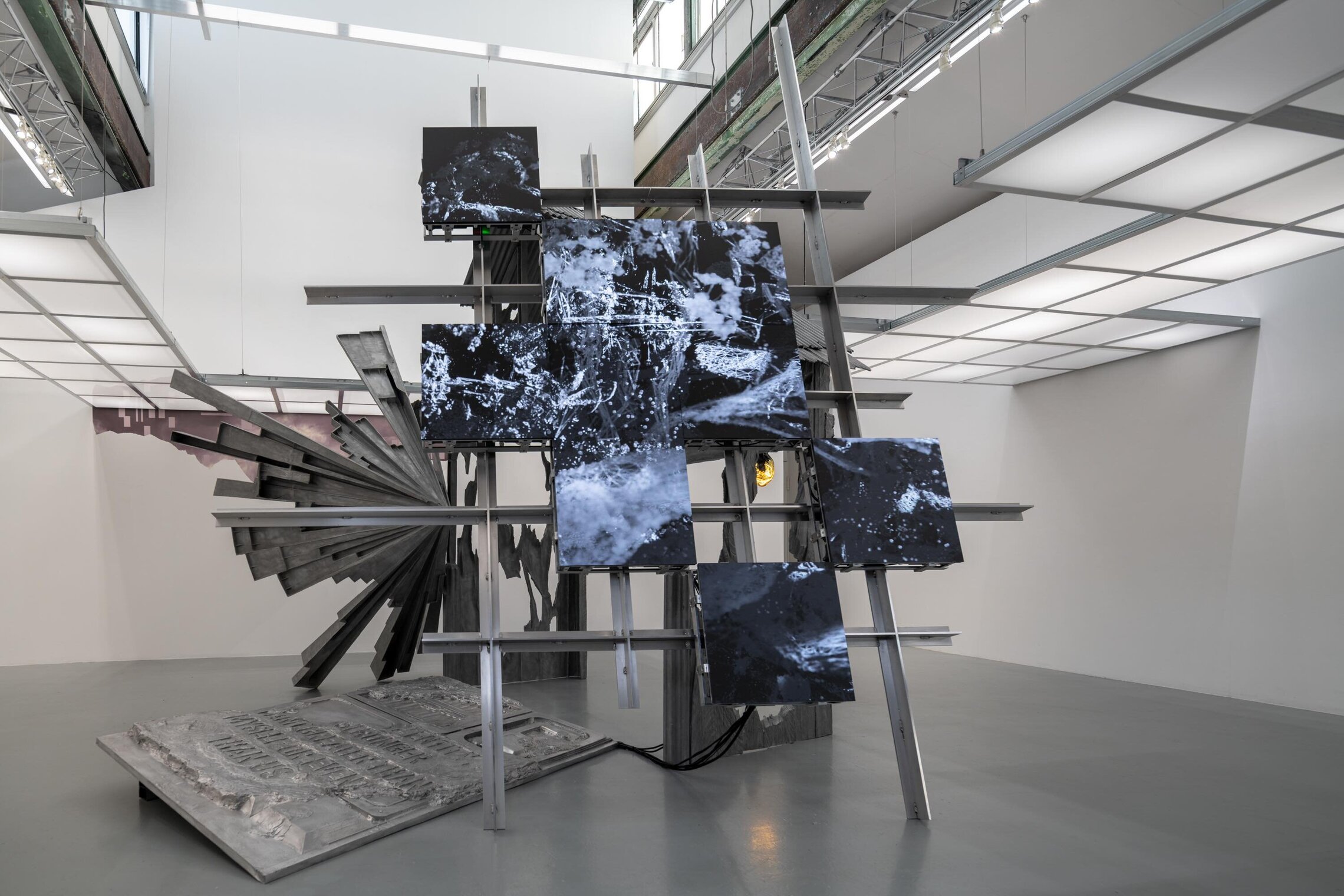
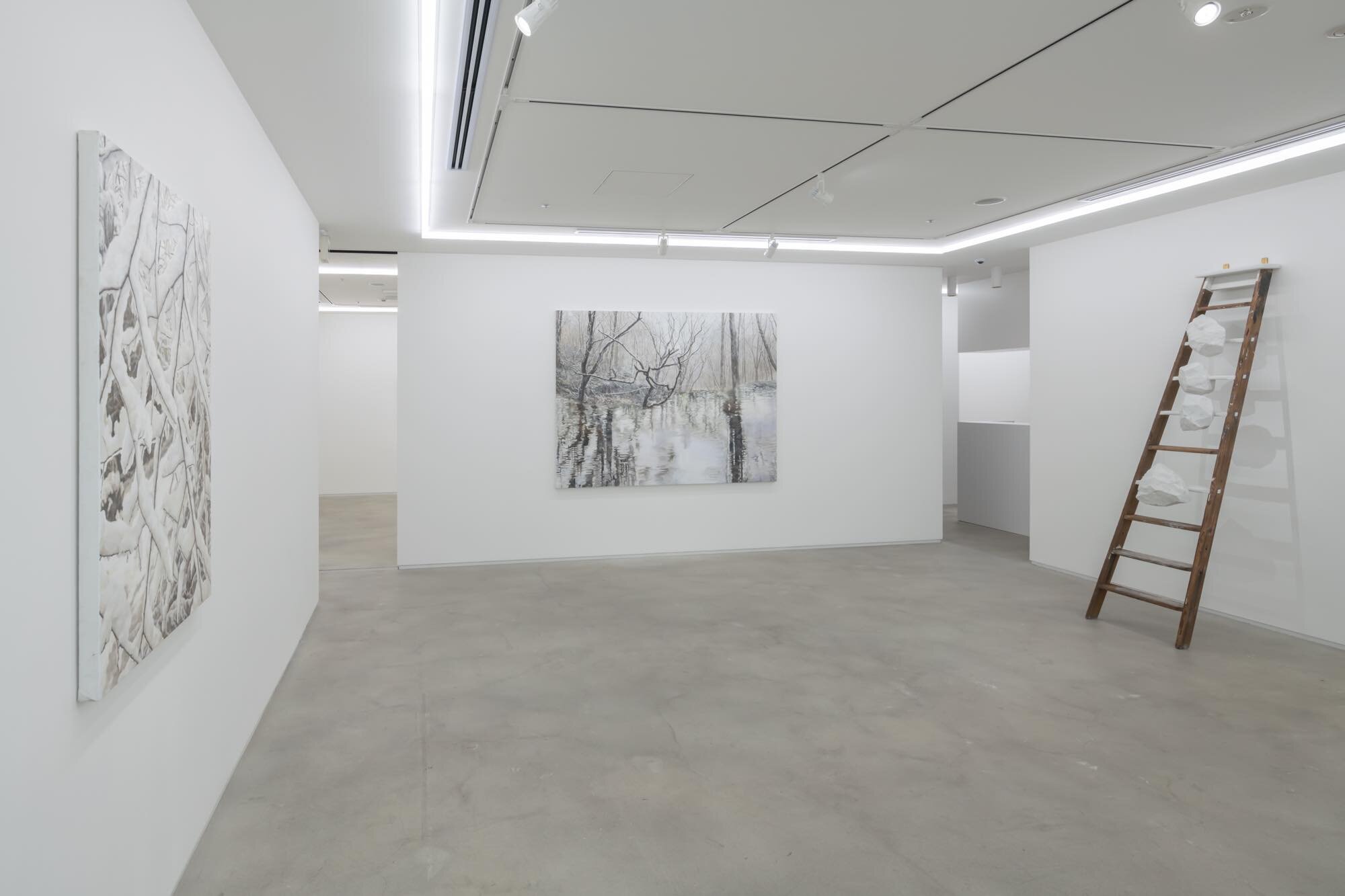
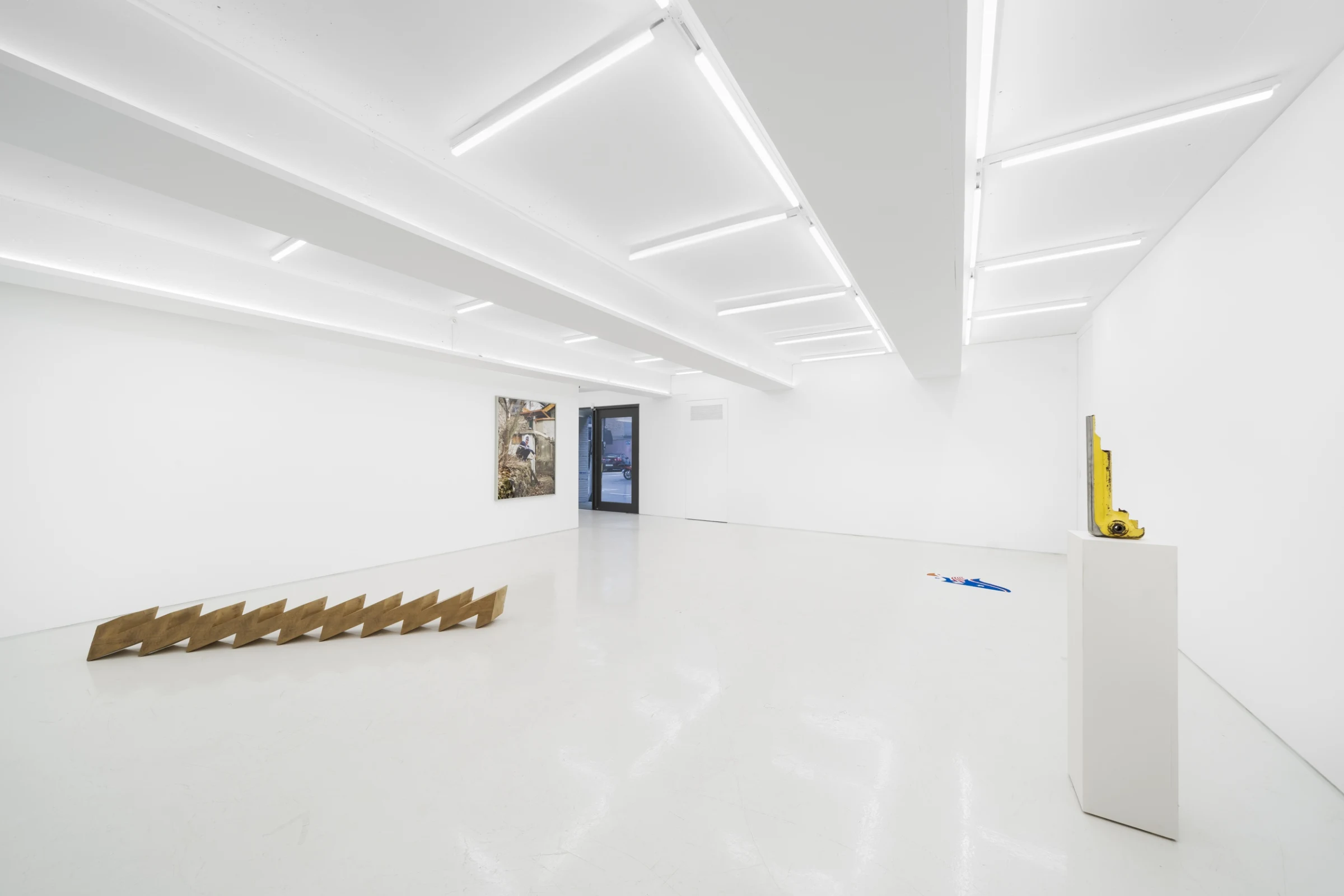
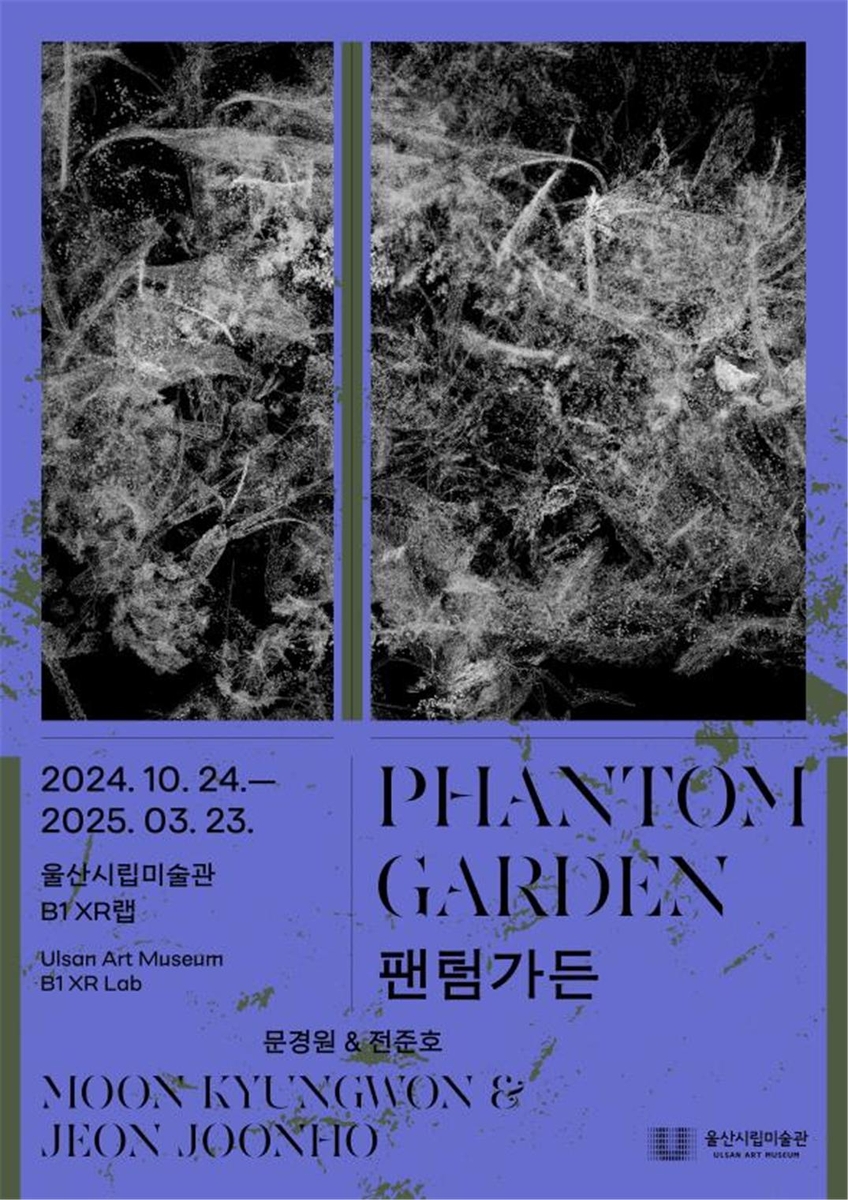
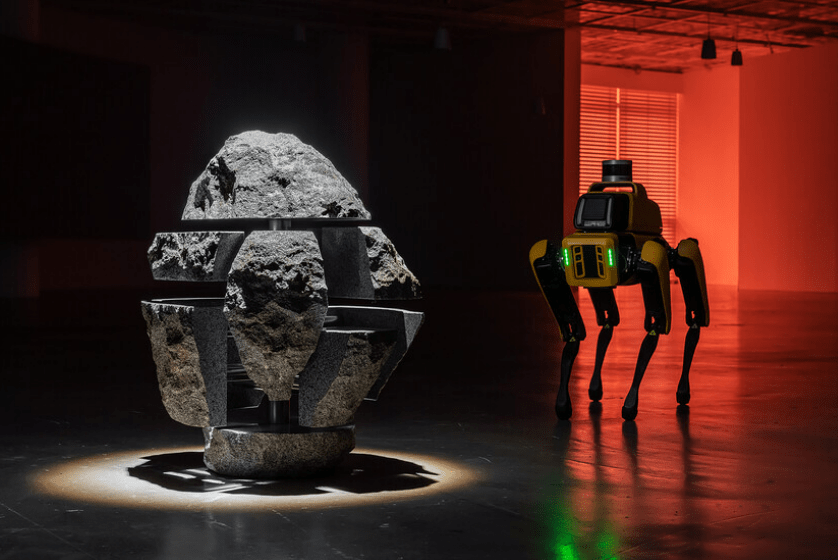
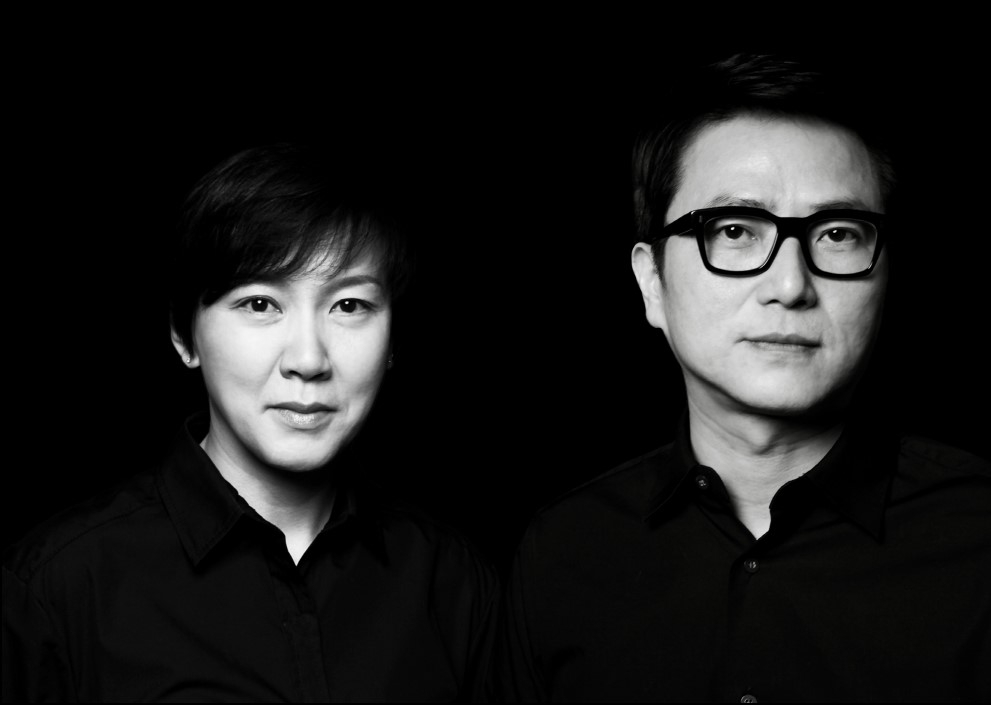
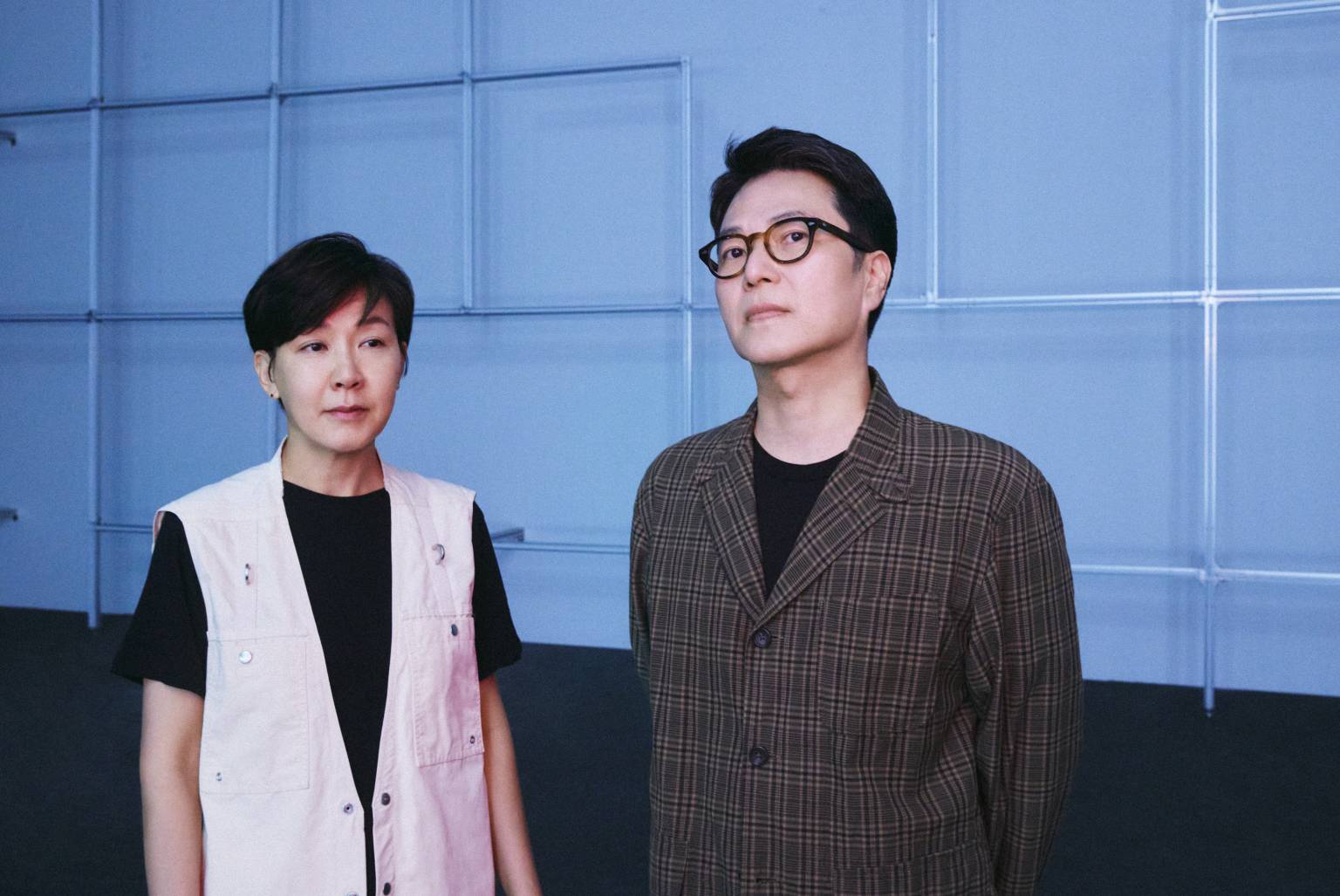
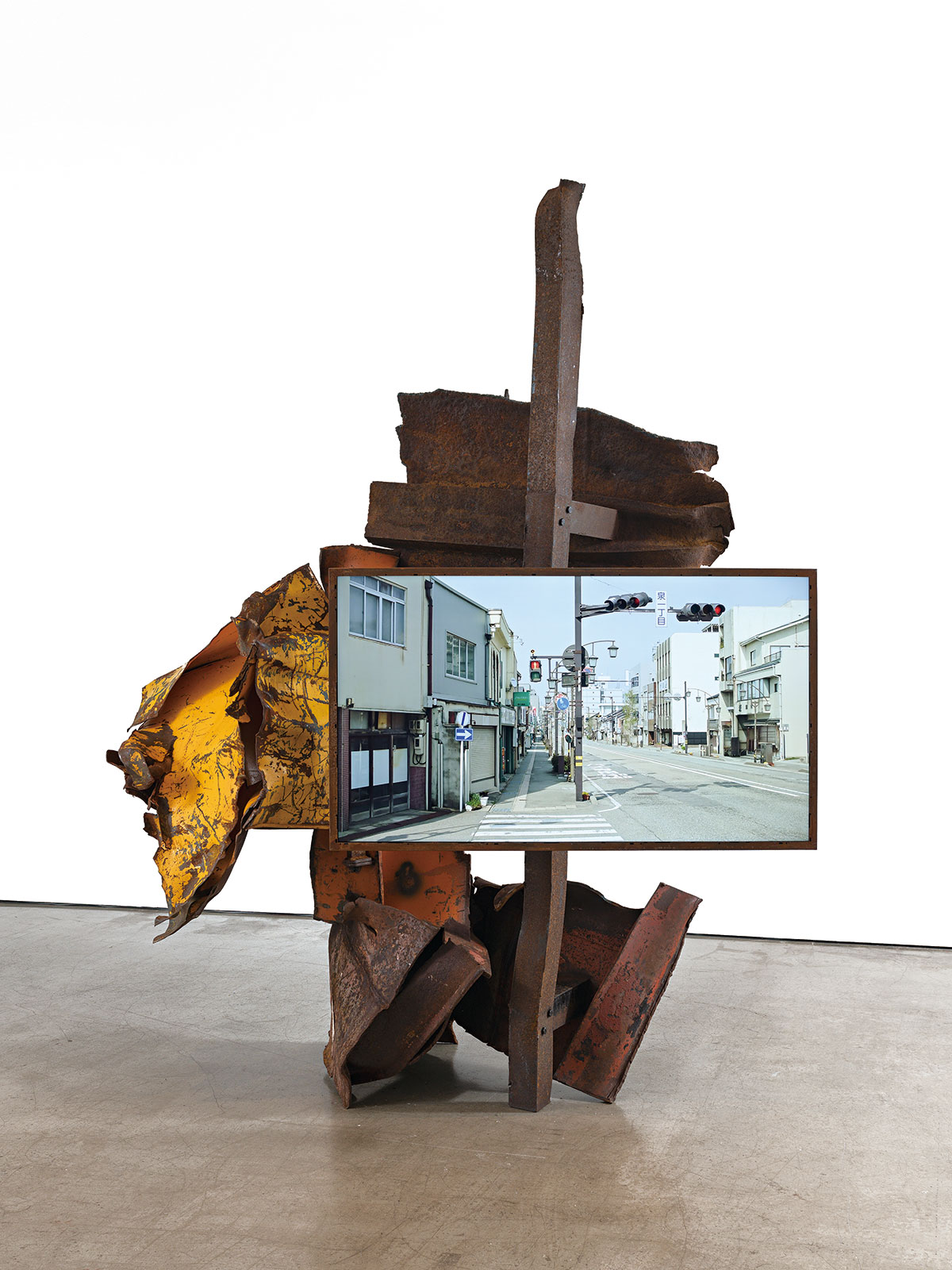
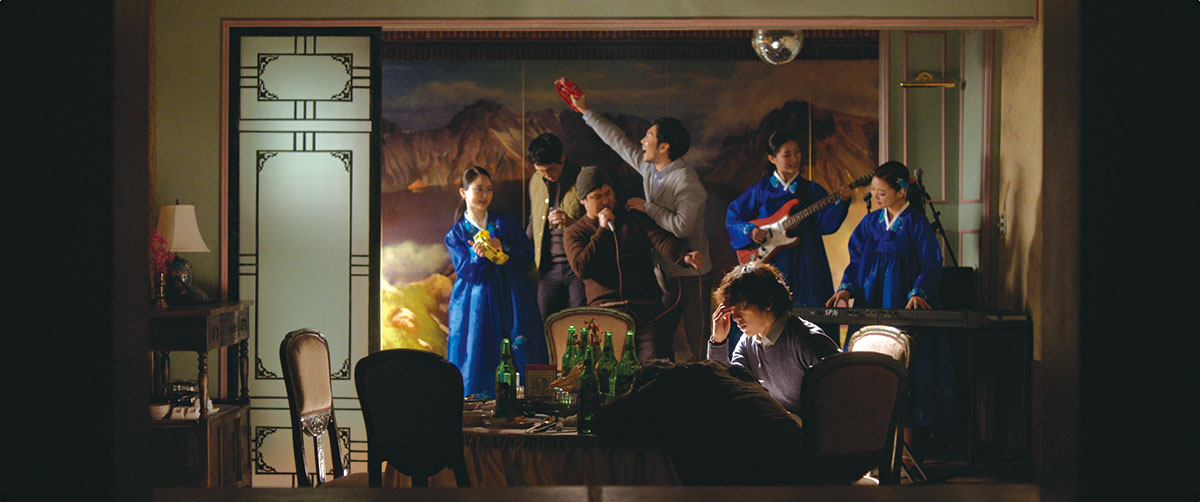
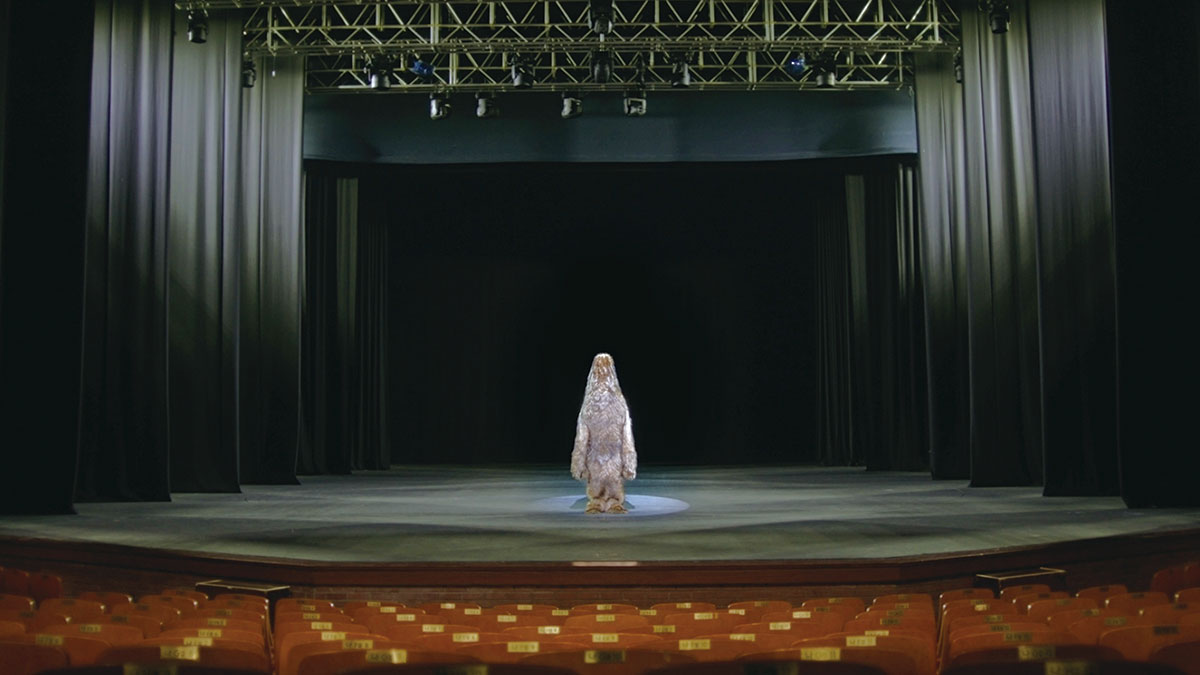
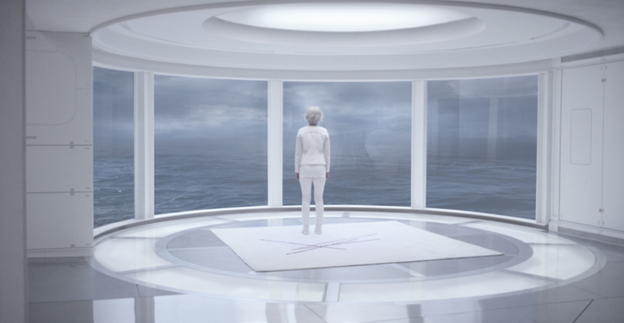
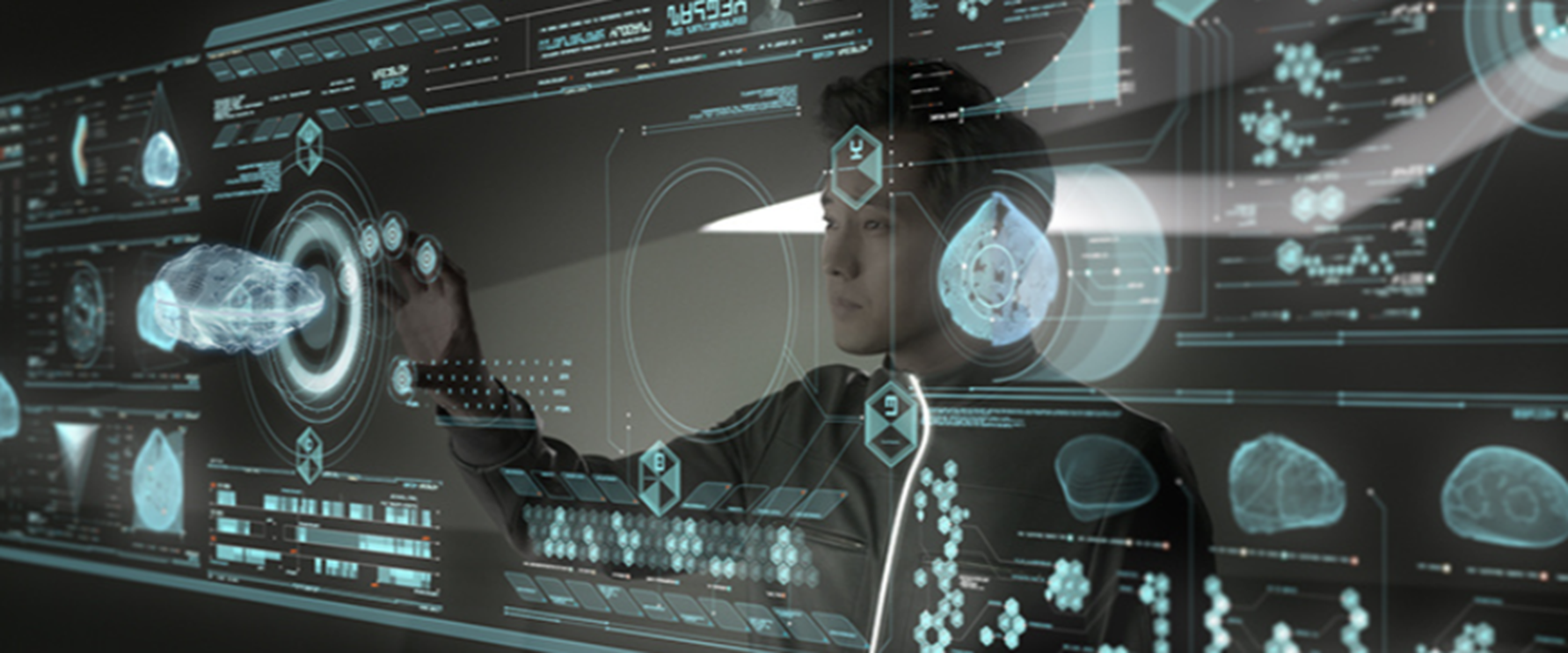
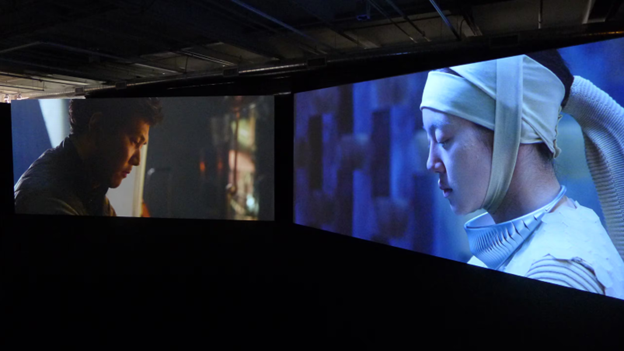
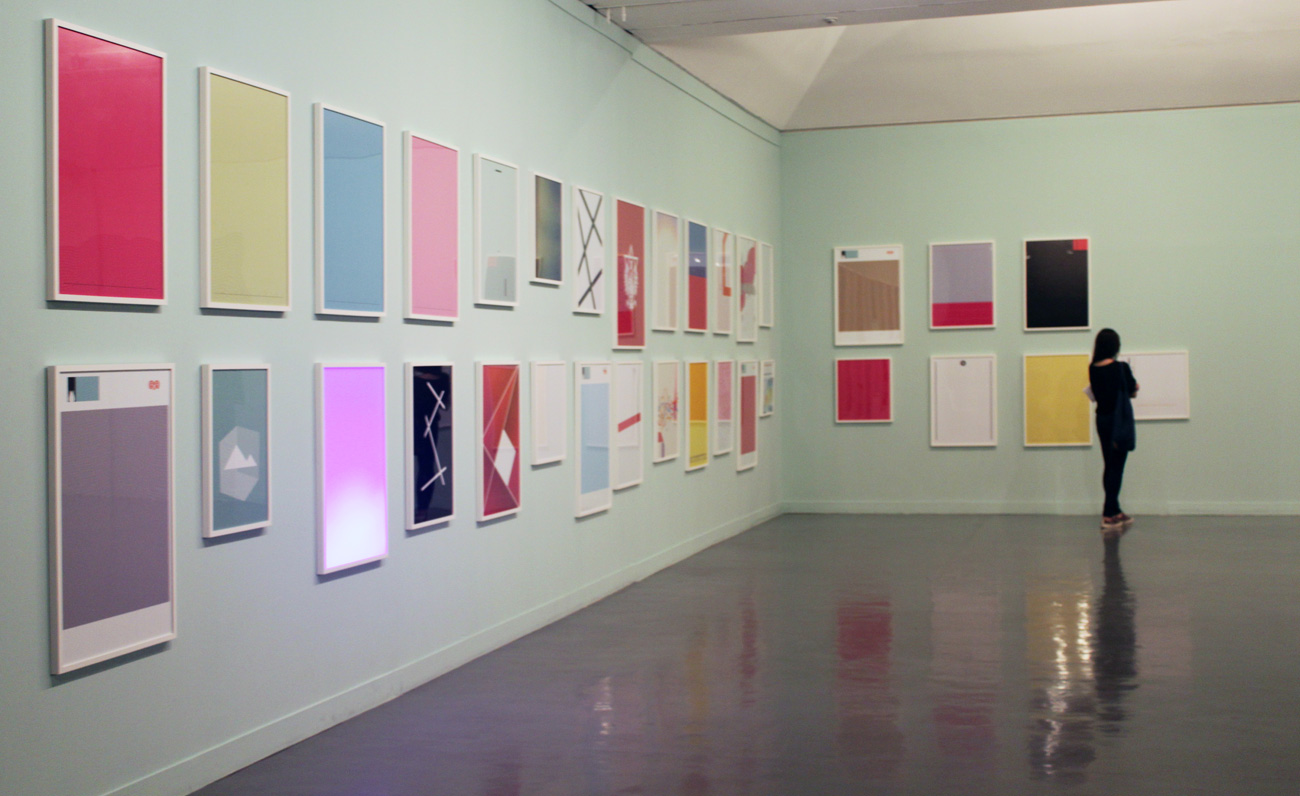
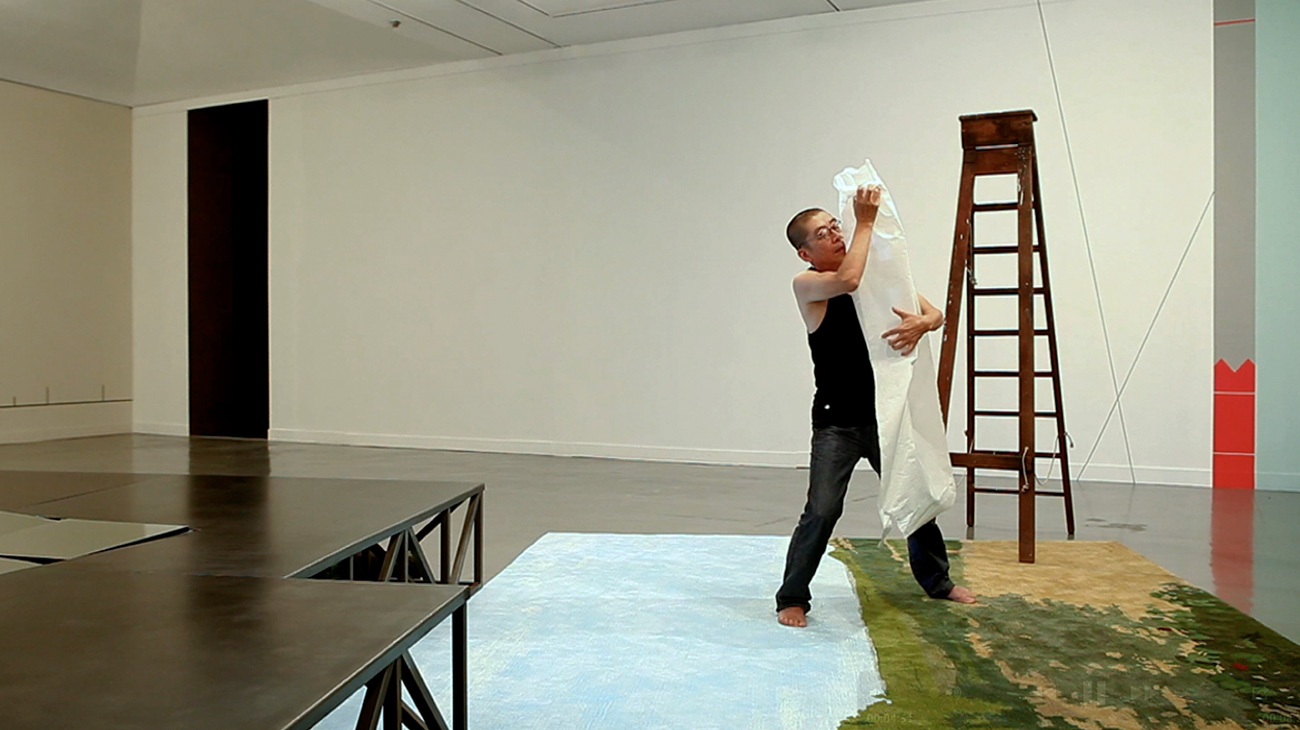
Since forming their duo in 2009, Moon & Jeon
have developed a rigorous body of collaborative work focused on the role of art
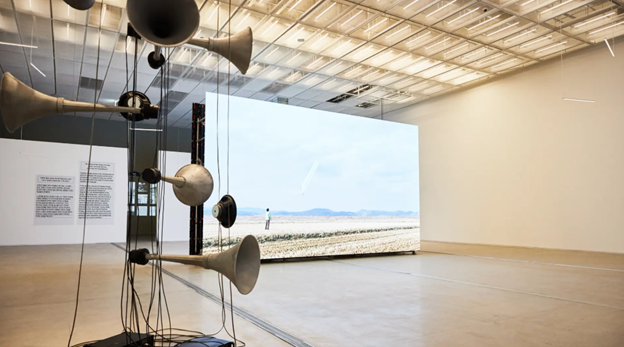
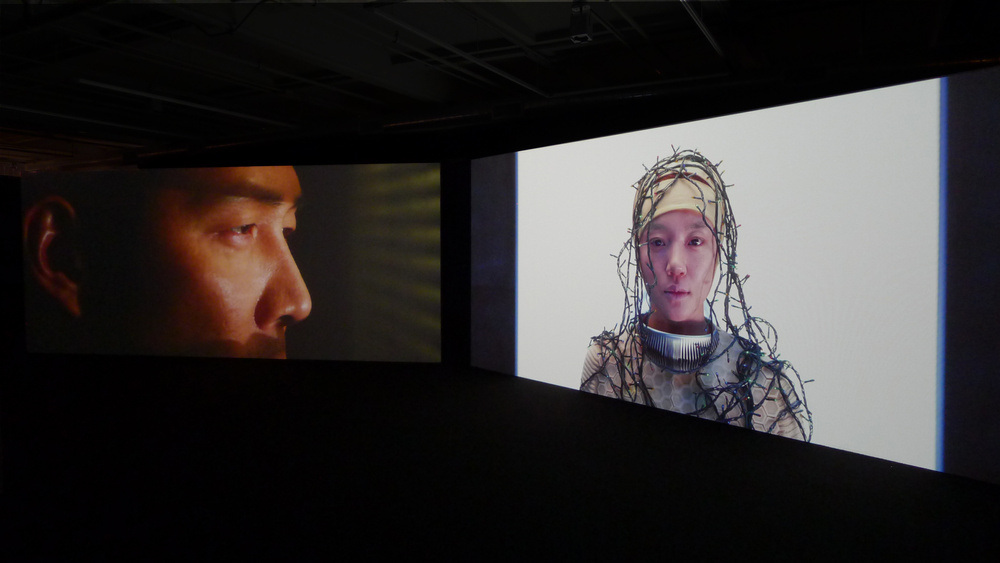
in times of systemic crisis. Their groundbreaking project News from
Nowhere was first presented at 《Documenta
13》 (2012), marking the first Korean artist
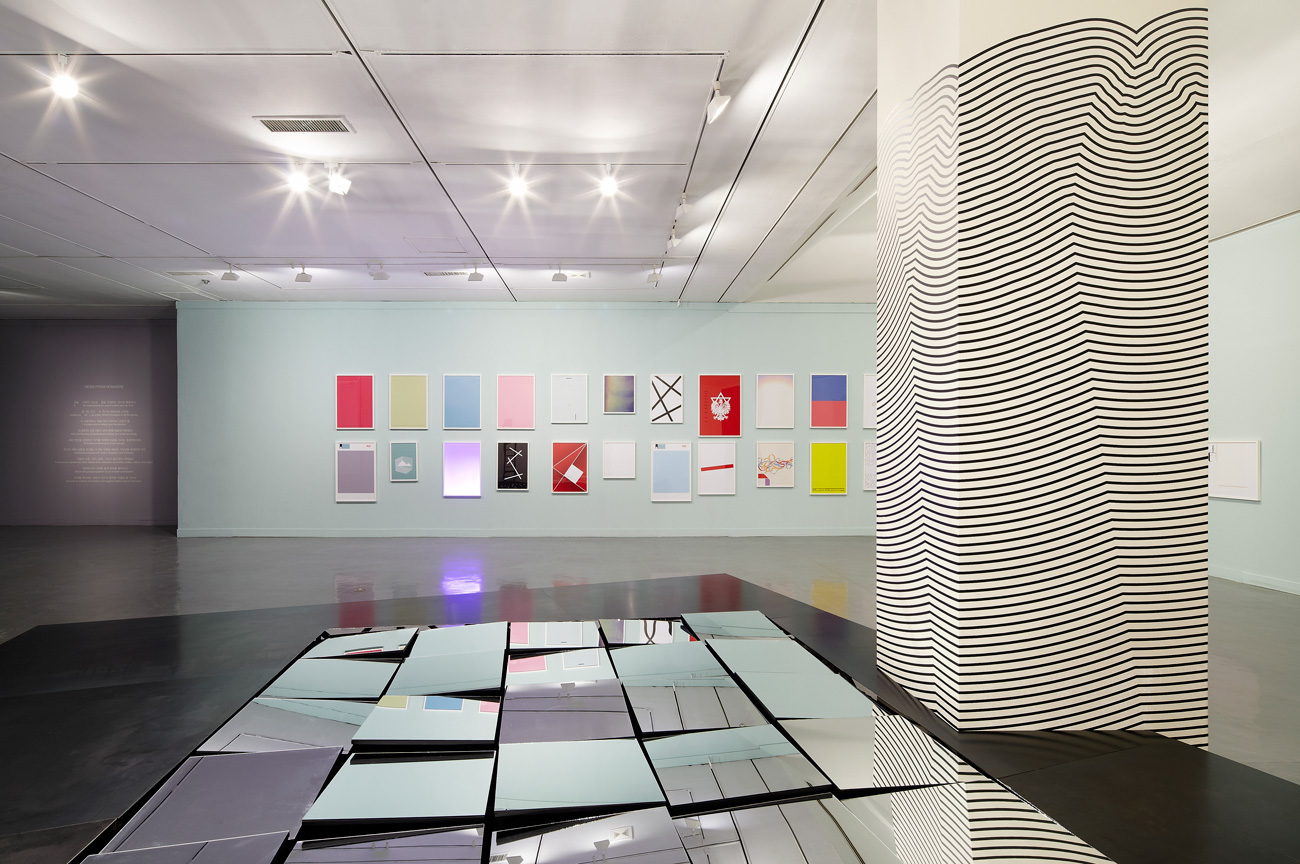
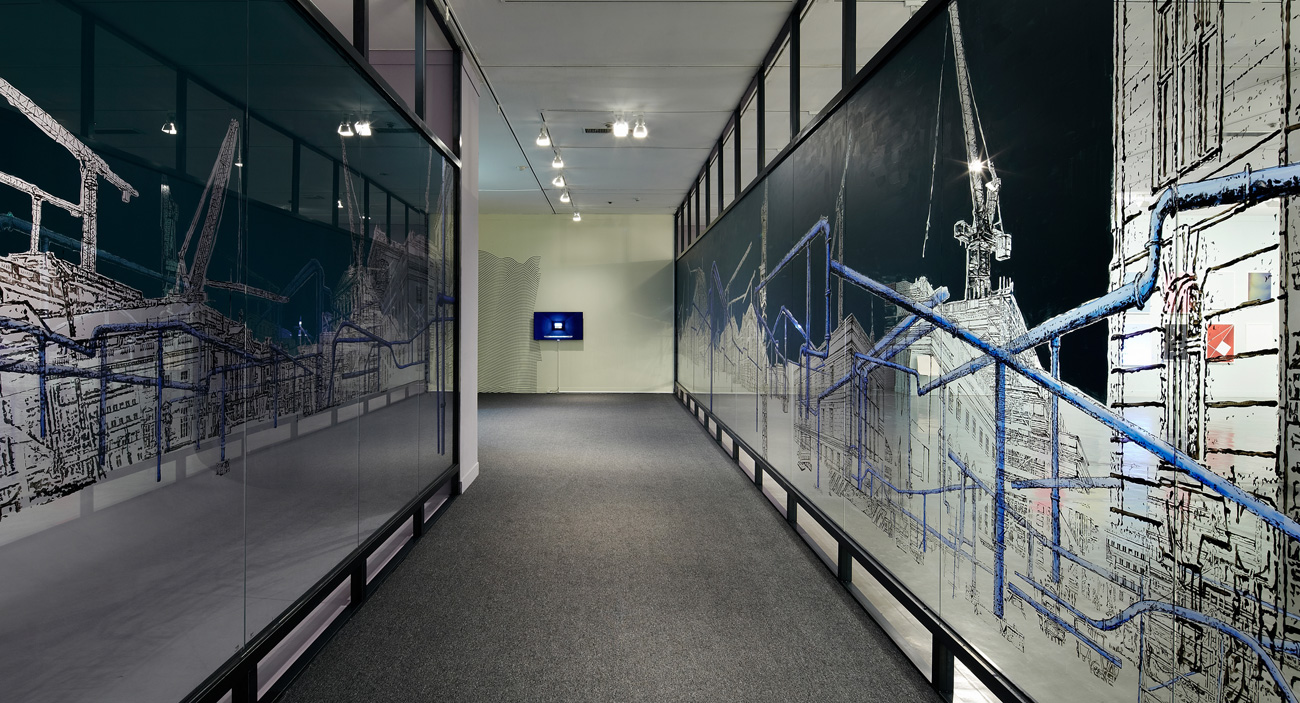
invitation to the event in 20 years. This was followed by 《The Ways of Folding Space & Flying》
(2015, Korean Pavilion, Venice Biennale), 《Seoul
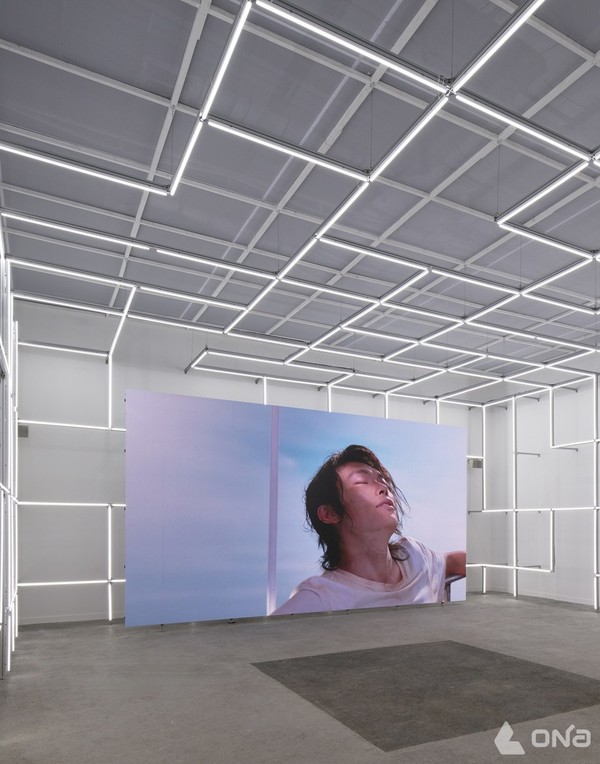
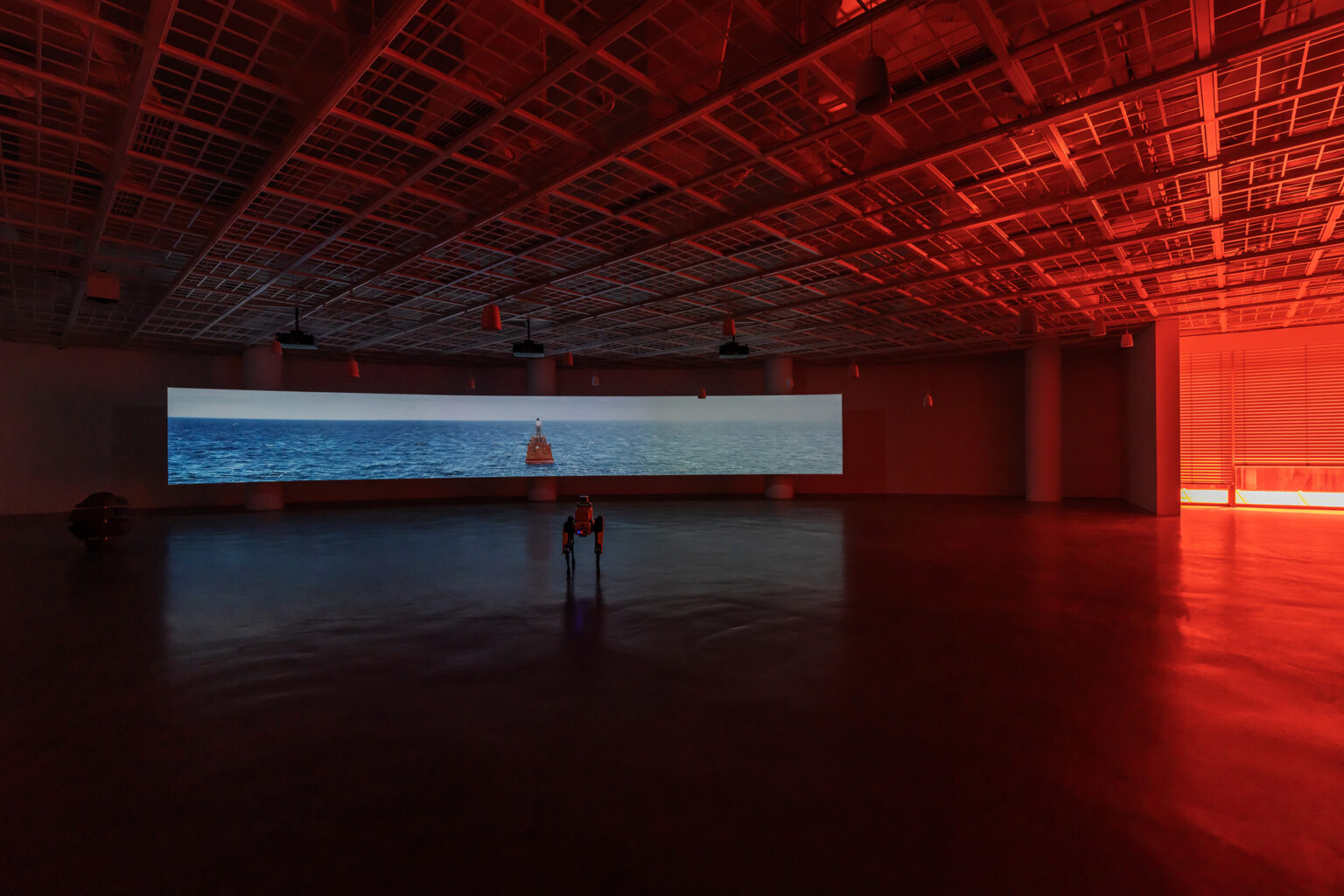
Weather Station》 (2022, Art Sonje Center), and 《Weather Station》 (2024–2025, Hyundai
Motorstudio Beijing), each expanding their discourse through cinematic
installation and public platforms.
Group Exhibitions (Brief)
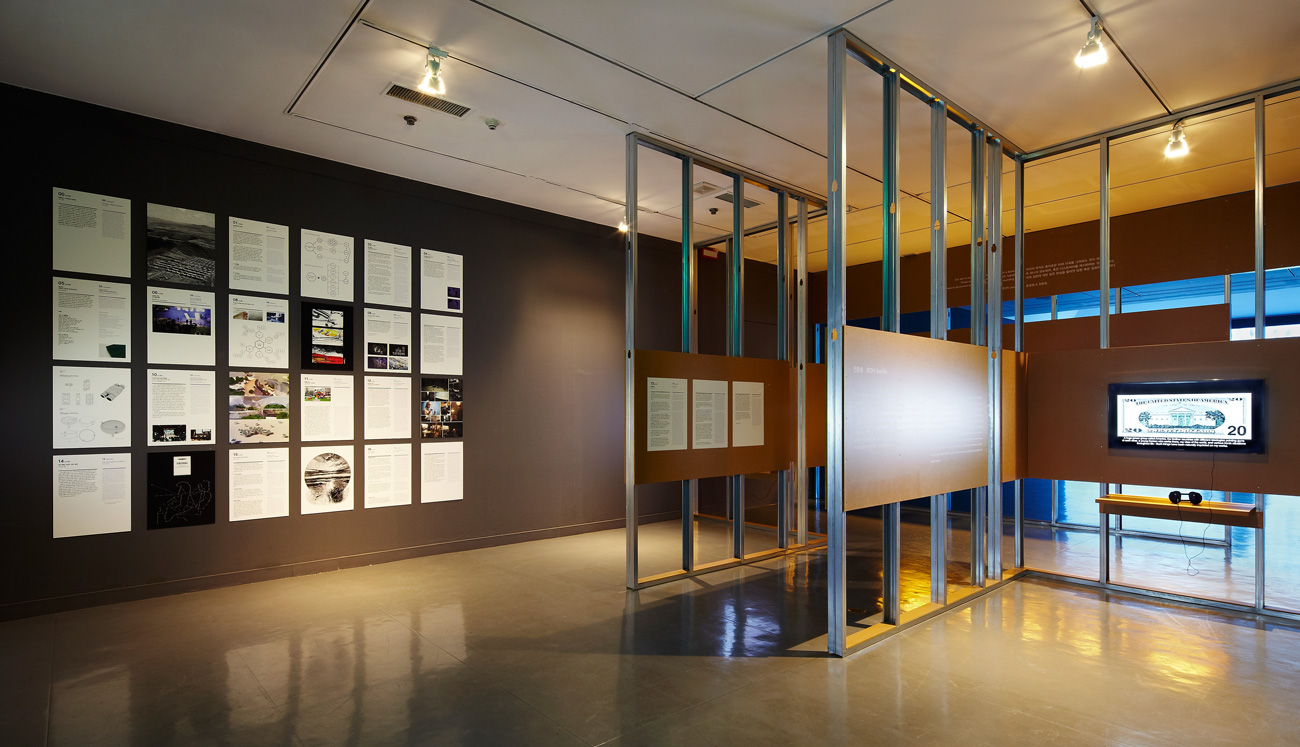
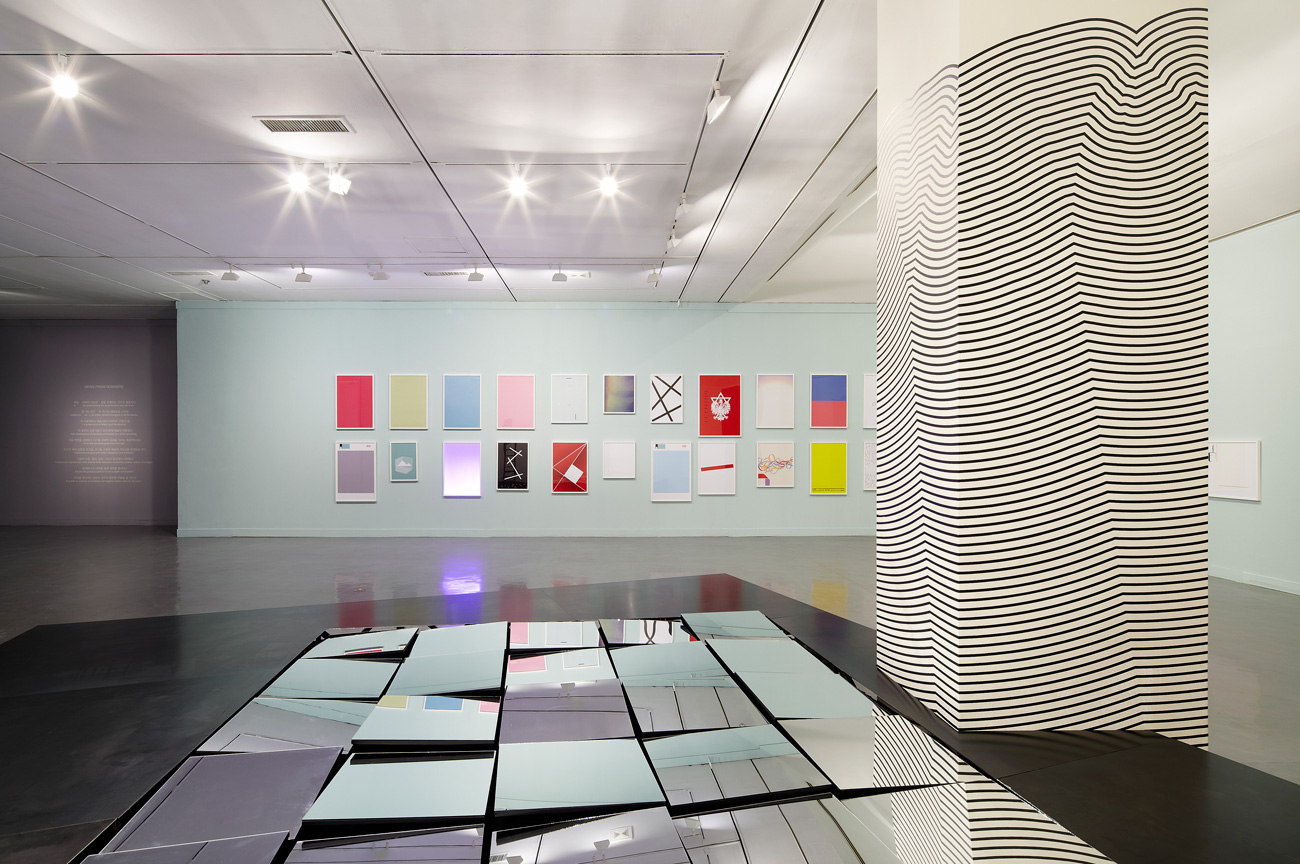
Together, they have exhibited in key global
institutions including Migros Museum für Gegenwartskunst (2015), Tate Liverpool
(2018–2019), 21st Century Museum of Contemporary Art, Kanazawa (2022), and MMCA
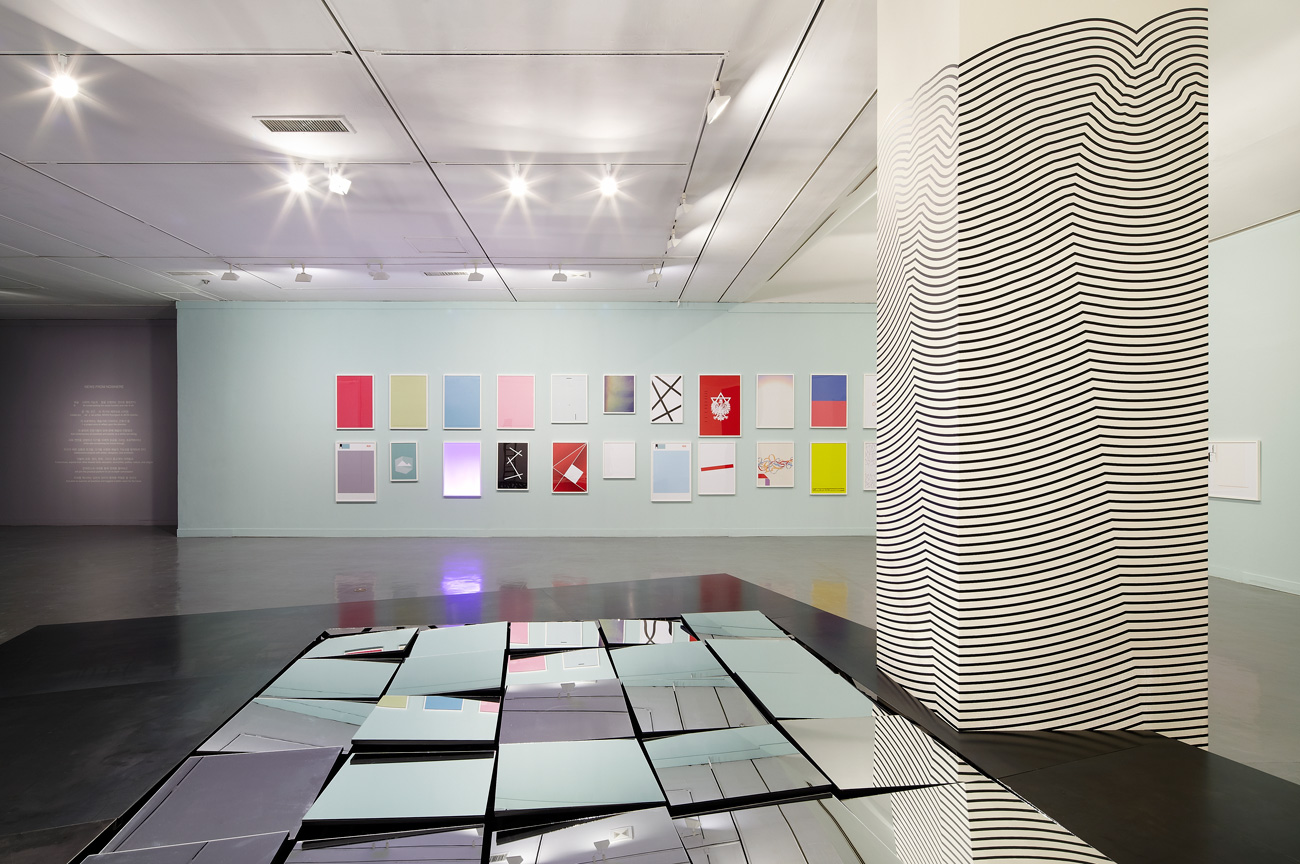
Korea (2012–2022). Their projects adapt to each venue with site-specific
research and design, combining video installation, participatory workshops, and
interdisciplinary collaboration.
Awards (Selected)
The duo has received numerous accolades for their
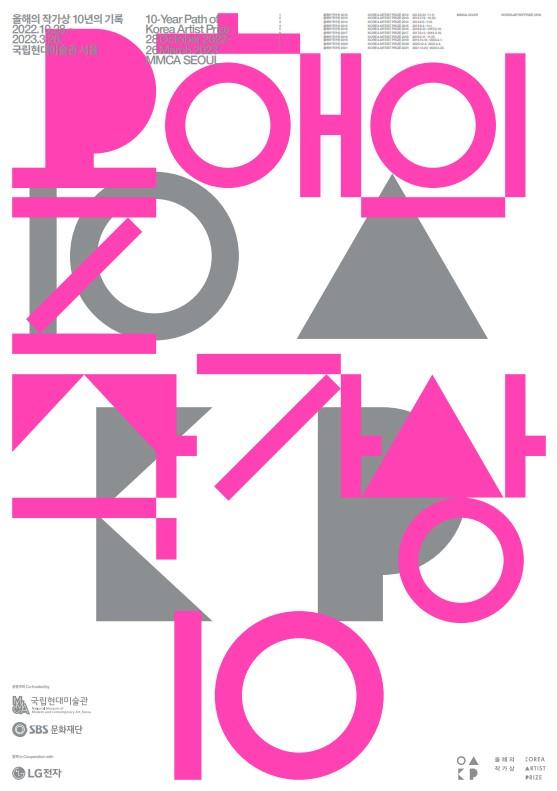
work, including the Grand Prize (Noon Award) at the 2012 Gwangju Biennale, the
1st Korea Artist Prize co-organized by MMCA and SBS Foundation (2012), and the
Multitude Art Prize (2013). These awards reflect their commitment to socially
engaged, critically reflective practice.
Residencies (Selected)
Their collaborative process prioritizes
research-based and discursive formats rather than traditional residencies,
often involving long-term engagement with specific locales and institutions
through fieldwork and dialogue.
Collections (Selected)
Their collaborative works are collected by Tate Modern, Migros Museum für Gegenwartskunst Zurich, MMCA Korea, Amorepacific Museum of Art, SBS Foundation, and Kolon Collection, among others. These holdings attest to the duo’s significant international standing.
MOON Kyungwon
Solo Exhibitions (Brief)
MOON Kyungwon began her solo career with the
exhibition 《Temple & Tempo》 at Kumho Museum of
Art in 2002. She continued to build her international presence through the
residency outcome exhibition 《Wins of Artist in
Residence》 at the Fukuoka Asian Art Museum (2004),
followed by 《Objectified Landscape》 presented both at Sungkok Art Museum in Seoul and Art Side Gallery
in Beijing (2007). Her notable solo projects also include the cross-venue show 《Bubble Talk》 (2008) across several
alternative spaces in Seoul, and 《GREENHOUSE》 (2010) at Do Art_Gallery Hyundai, where she explored existential
and socio-political contradictions through immersive, narrative-based
installations.
Group Exhibitions (Brief)
Her group exhibition history spans major
institutional and biennial contexts, starting with 《Art Spectrum 2003》 at Samsung Museum of
Art, Leeum. She participated in the 《Seoul
International Media Art Biennale》 (2004), 《Animate, Anime》 at Fukuoka Asian Art
Museum (2005), 《Fiction@Love》 at the Singapore Art Museum (2006), and 《Have you eaten yet? 》 at the National Taiwan Museum of Fine Arts (2007). Other
significant exhibitions include 《NOW JUMP at Nam June Paik Art Center (2008), the 3rd Moscow Biennale (2009),
《A Different Similarity》
at Museum Bochum (2010), 《Haein Art Project》 at Haeinsa Temple (2011), and 《Documenta》 13 in Kassel (2012).
Residencies (Selected)
In 2004, MOON was selected for the
artist-in-residence program at the Fukuoka Asian Art Museum in Japan, which
became a significant turning point in expanding her international engagement
with East Asian contemporary networks.
Collections (Selected)
Her works are held in the collections of the National Museum of Modern and Contemporary Art, Seoul Museum of Art, Busan Museum of Art, Gyeonggi Museum of Modern Art, Kumho Museum of Art, Fukuoka Asian Art Museum (Japan), National Taiwan Museum of Fine Arts, Montevideo (Netherlands), and the Jeju 4·3 Peace Memorial Hall.
JEON Joonho
Solo Exhibitions (Brief)
JEON Joonho gained early recognition as part of
Sungkok Art Museum’s 《Tomorrow’s Artist program in 2001. He
held solo exhibitions such as 《Instant Replay》 at POSCO Art Museum (2004), 《Hyper-Realism》 at Arario Gallery (2008), and international presentations at
Galerie Thaddaeus Ropac in Paris and Scai the Bathhouse in Tokyo (2008–2009).
Through these exhibitions, Jeon critically examined the spectacle of
capitalism, state ideology, and personal identity in the post-industrial age,
using video, installation, and satire as his primary tools.
Group Exhibitions (Brief)
His work has been presented at major exhibitions
including the 《5th Gwangju Biennale》 (2004), the 《Singapore Biennale》 (2006), 《All About Laughter》 at Mori Art Museum
(2007), 《Peppermint Candy》 at MMCA and MAC Santiago (2008), 《Your
Bright Future》 at LACMA and the Museum of Fine Arts
Houston (2009), 《Plastic Garden》 at Minsheng Art Museum, Shanghai (2010), the Yokohama Triennale
(2011), 《Life Like》 at
the Walker Art Center (2012), and 《Documenta 13》 (2012).
Collections (Selected)
JEON's works are in the collections of the National Museum of Modern and Contemporary Art, Seoul Museum of Art, Gyeonggi Museum of Modern Art, Museum of Fine Arts Houston, National Taiwan Museum of Fine Arts, the Contemporary Art Society (UK), and private collections including those of Uli Sigg and Heinz Ackman in Switzerland.