Exhibitions
《Invisible Sensations》, 2022.05.13 – 2022.06.11, Carl Kostyál (London)
May 11, 2022
Carl Kostyál (London)
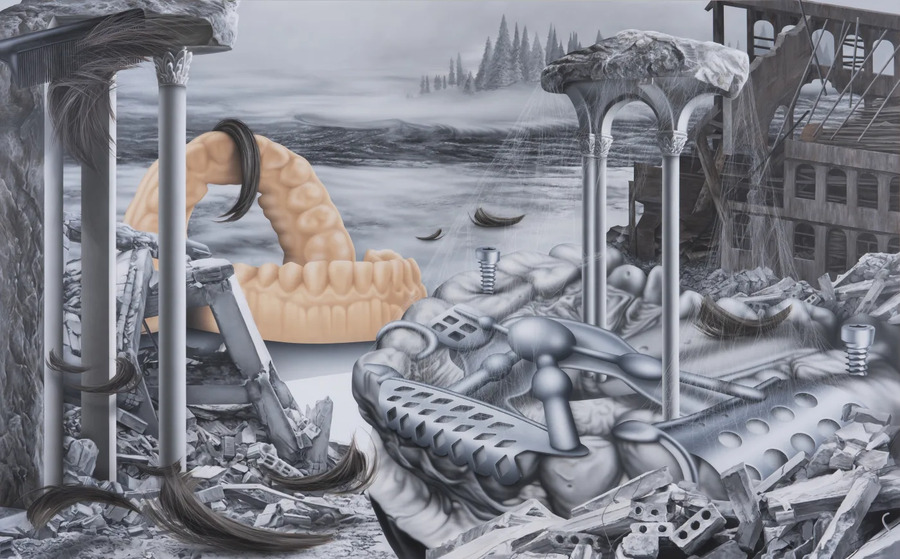
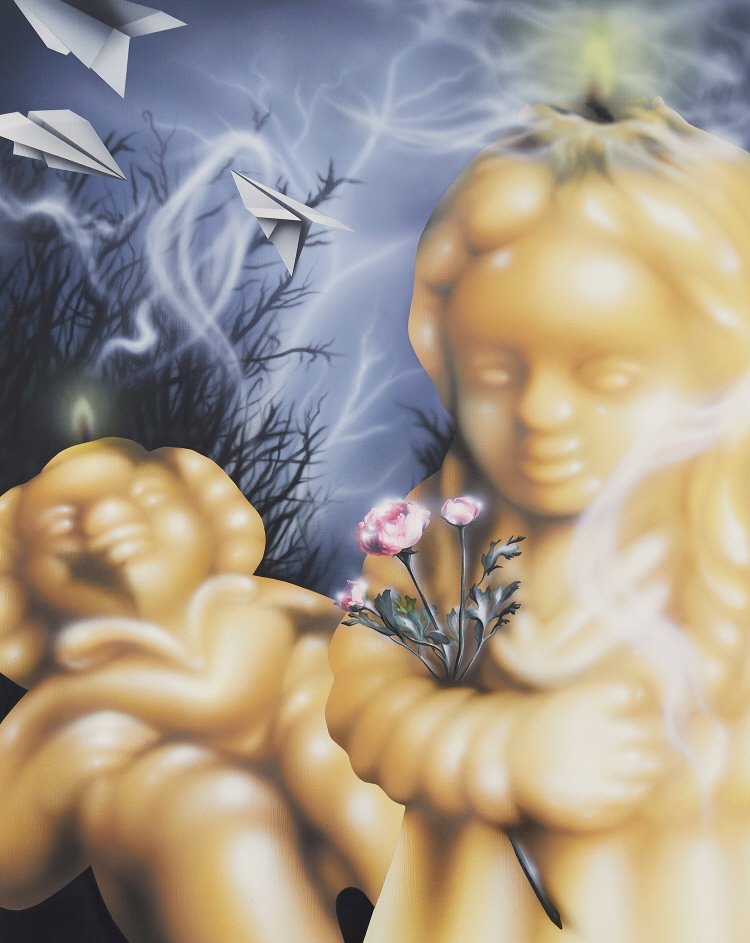
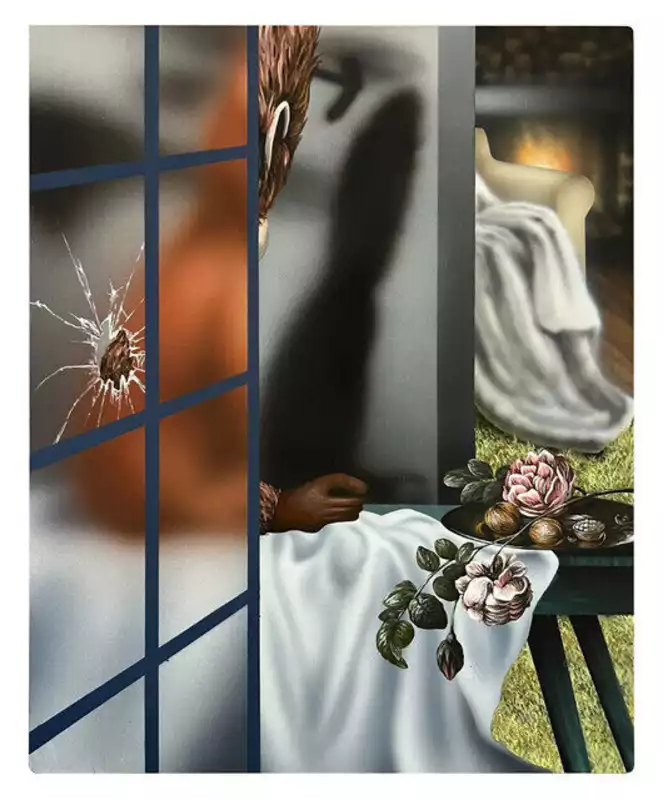
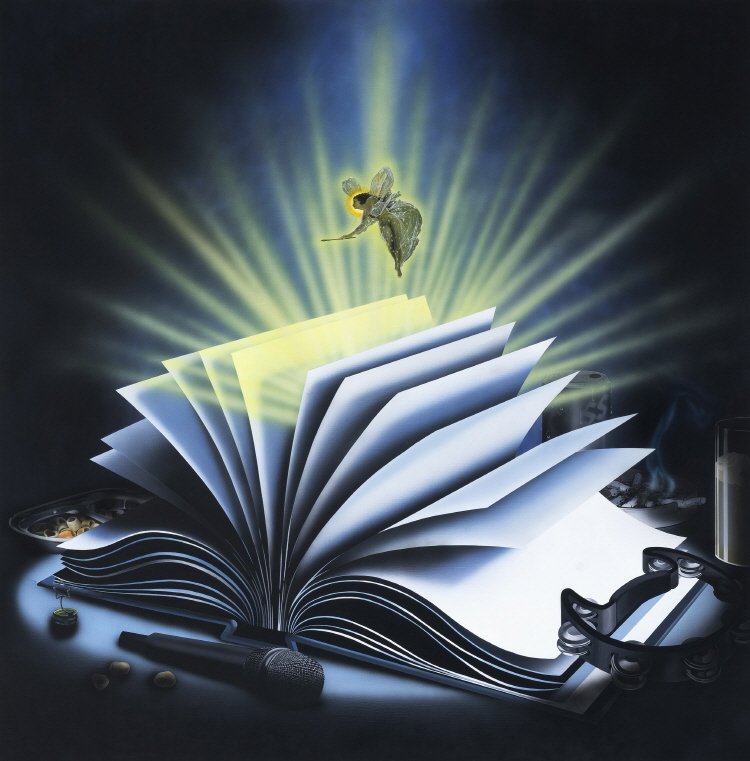
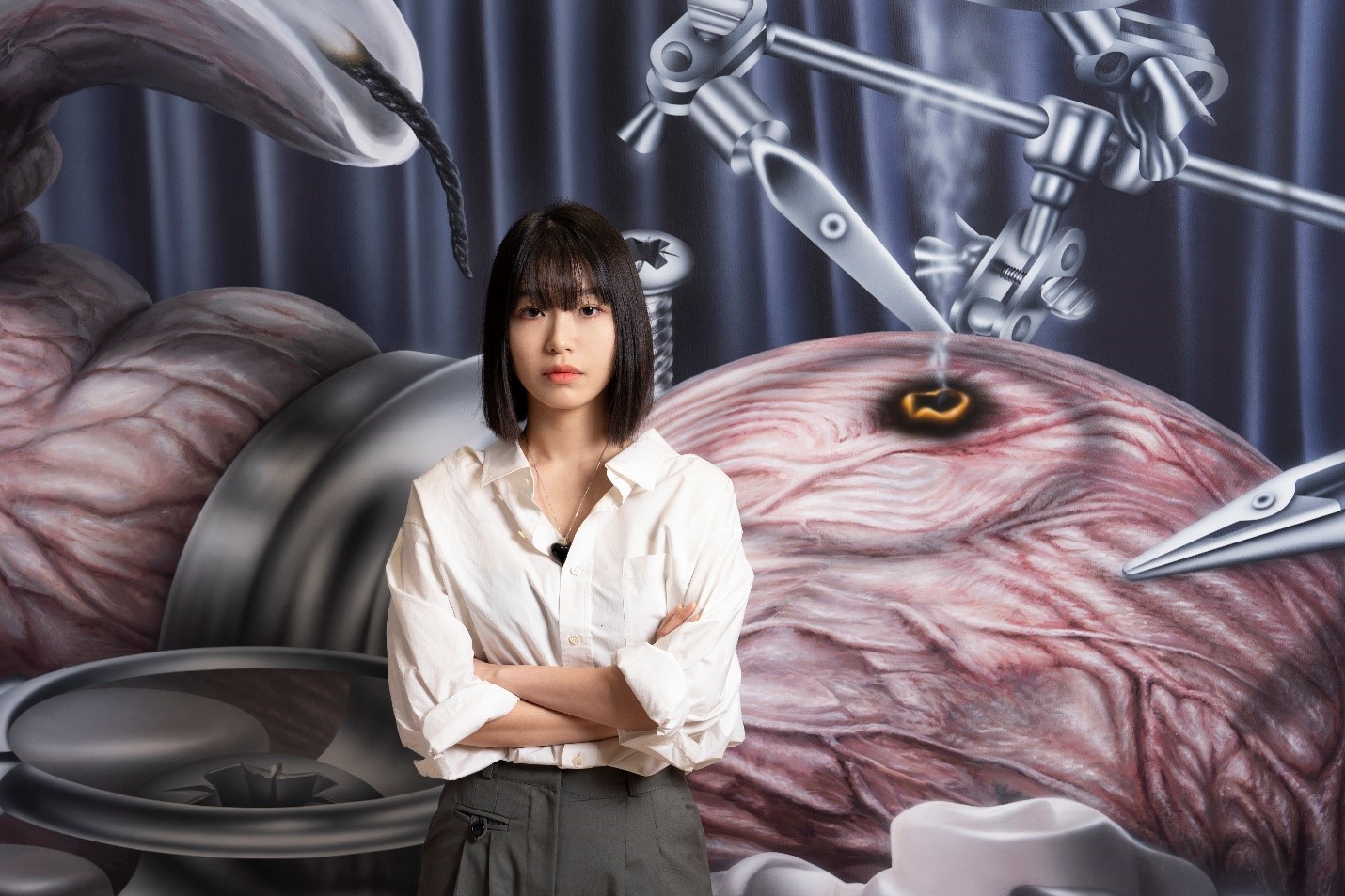
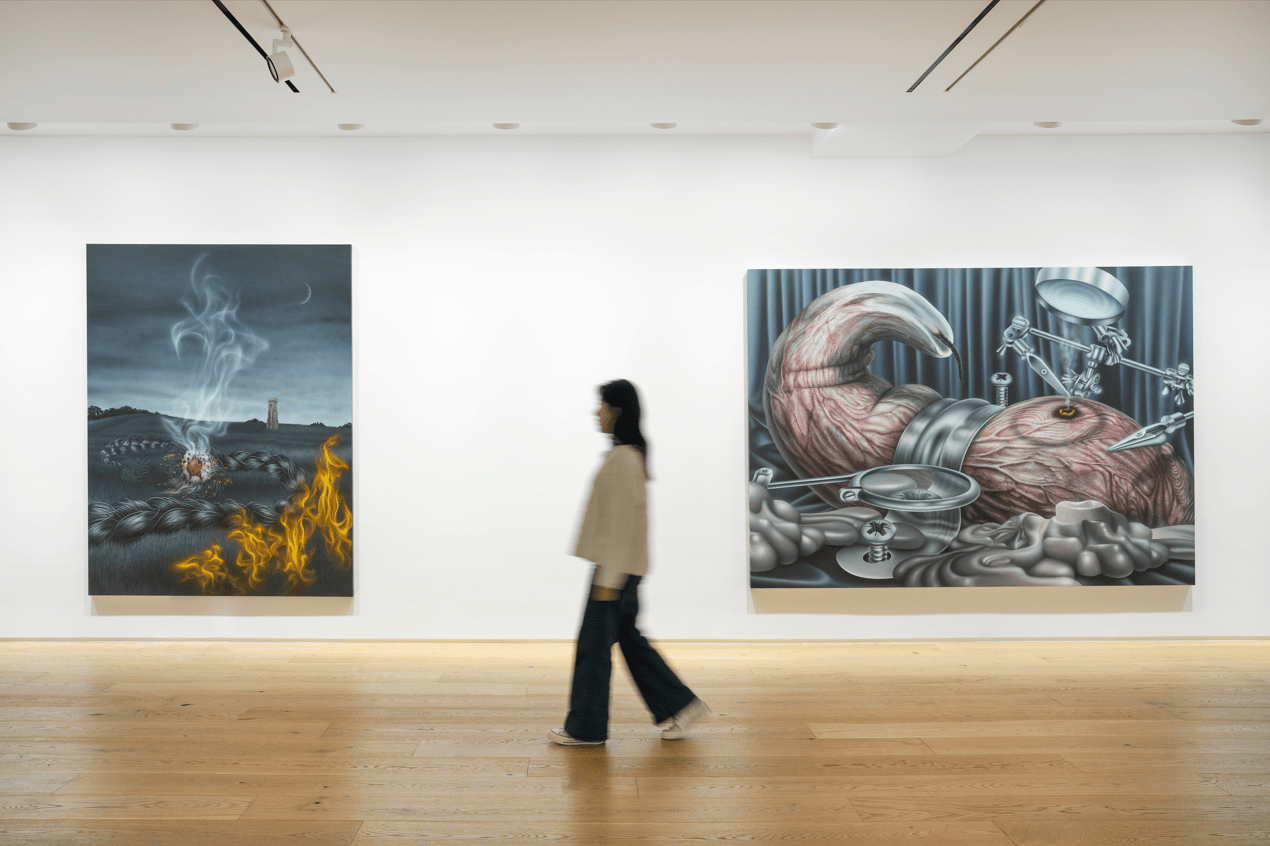
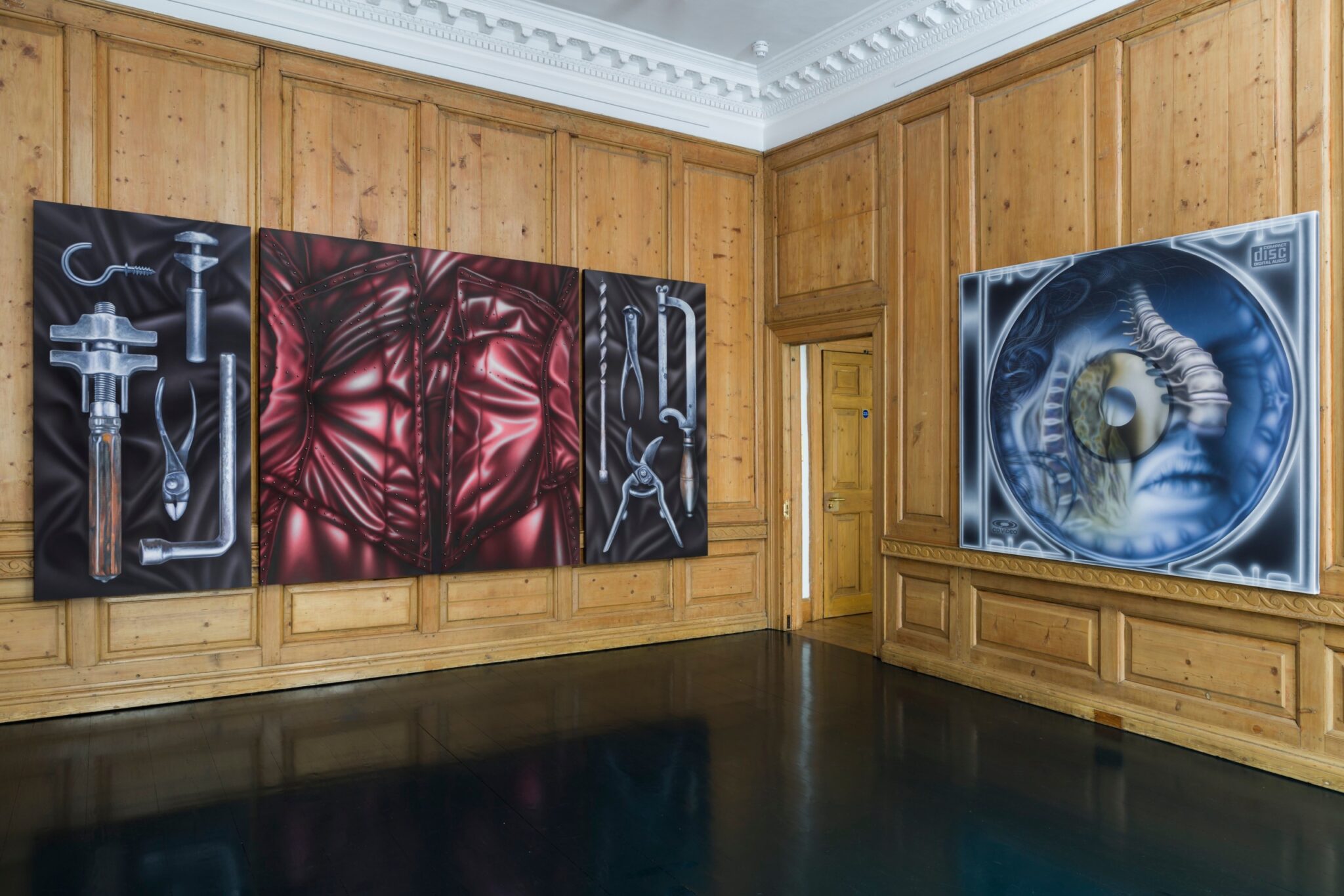
 (left) Sun Woo, THE
CRIMSON LETTER (TRIPTYCH), 2022, Acrylic and surgical steel on
canvas, 190h × 380w cm
(left) Sun Woo, THE
CRIMSON LETTER (TRIPTYCH), 2022, Acrylic and surgical steel on
canvas, 190h × 380w cm
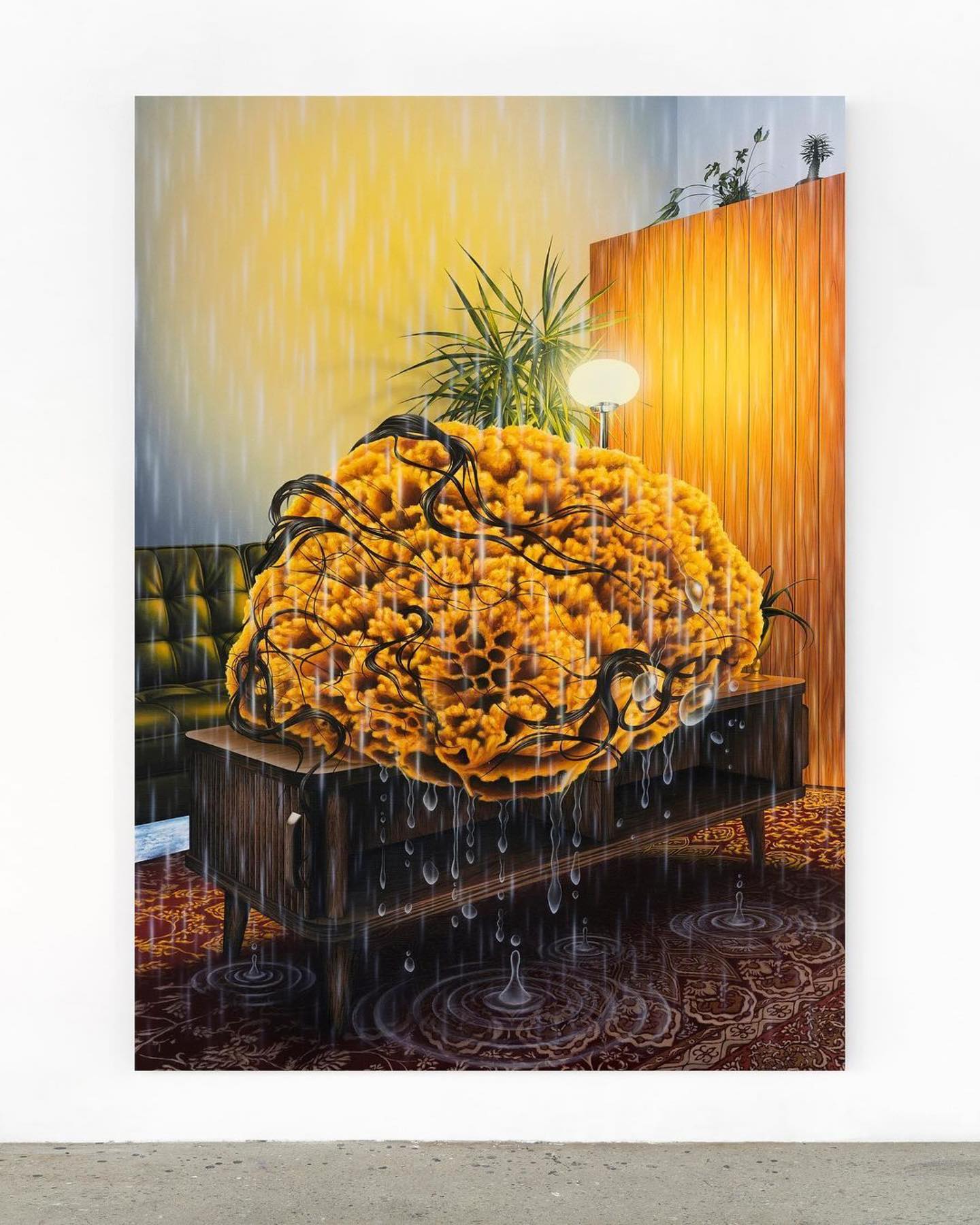
(right) Sun Woo, CIRCUIT
OF REQUIEM, 2022, Acrylic on canvas, 182h × 155w cm ©Carl Kostyál
In Luc Besson’s 90s sci-fi cult film The Fifth
Element, a blue-skinned alien opera singer named
Diva Plavalaguna dazzles the audience with her profound vocal range
and dance moves while performing an aria composed by Eric Serra. According
to movie trivia, Serra designed this futuristic opera to be impossible for
a human to master, as it requires the singer to shift from one high note
to another within seconds. As a result, Diva Dance was performed off-stage
by a singer named Inva Mula-Tchako, who sang the notes individually
for them to be rearranged on the computer. In this iconic scene, Diva
transcends the bounds of the human, achieving the unachievable through the
help of technology.
Today, technology has grown so fused in our bodies and minds that
it has become nearly invisible—most uninformed audiences would fail to
detect the mechanical presence in Diva’s performance. Behind the veil of
our consciousness, these devices not only allow physical enhancement of
our bodily form and function but also provide a vivid sensation of
an ‘extended’ self, liberated from the constraints of reality as our
bodies and their real-world interactions within society are constantly
translated into data. In a period marked by such invisibility of our
cybernetic extensions, it becomes increasingly difficult to distinguish
what deficiencies or limitations are being obscured and which
vulnerabilities remain hidden in devices that exhibit the hybridized
presentation of the self.
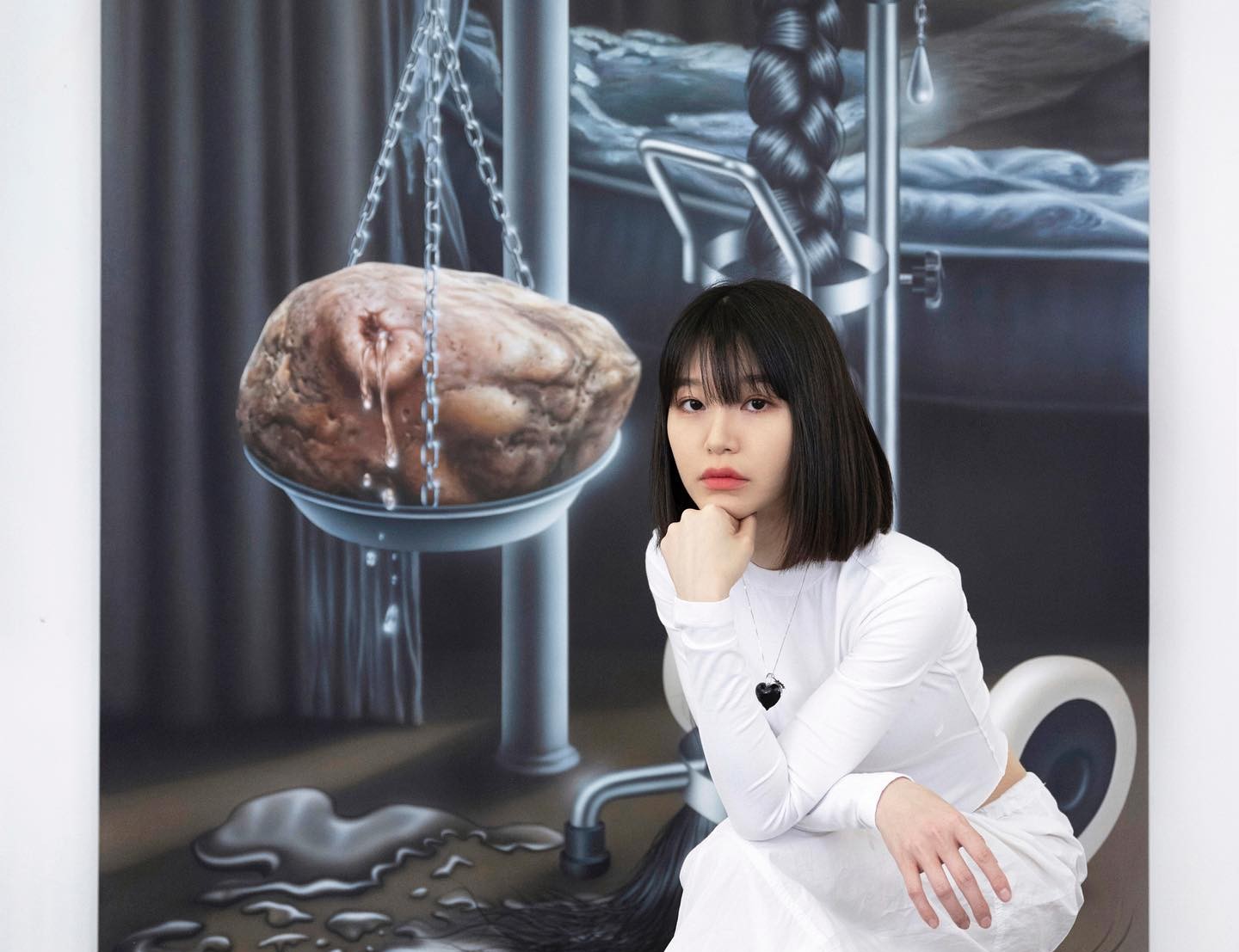
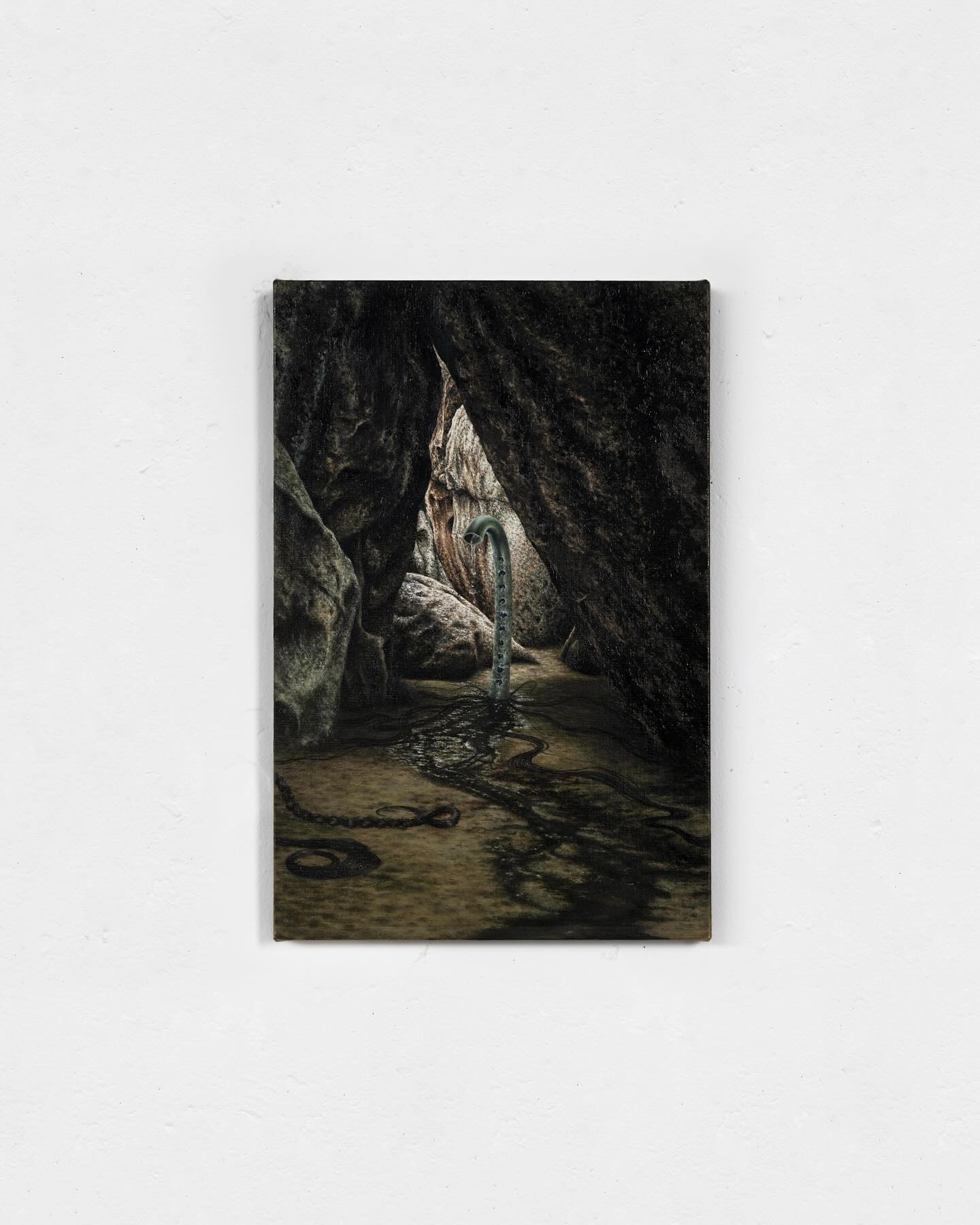
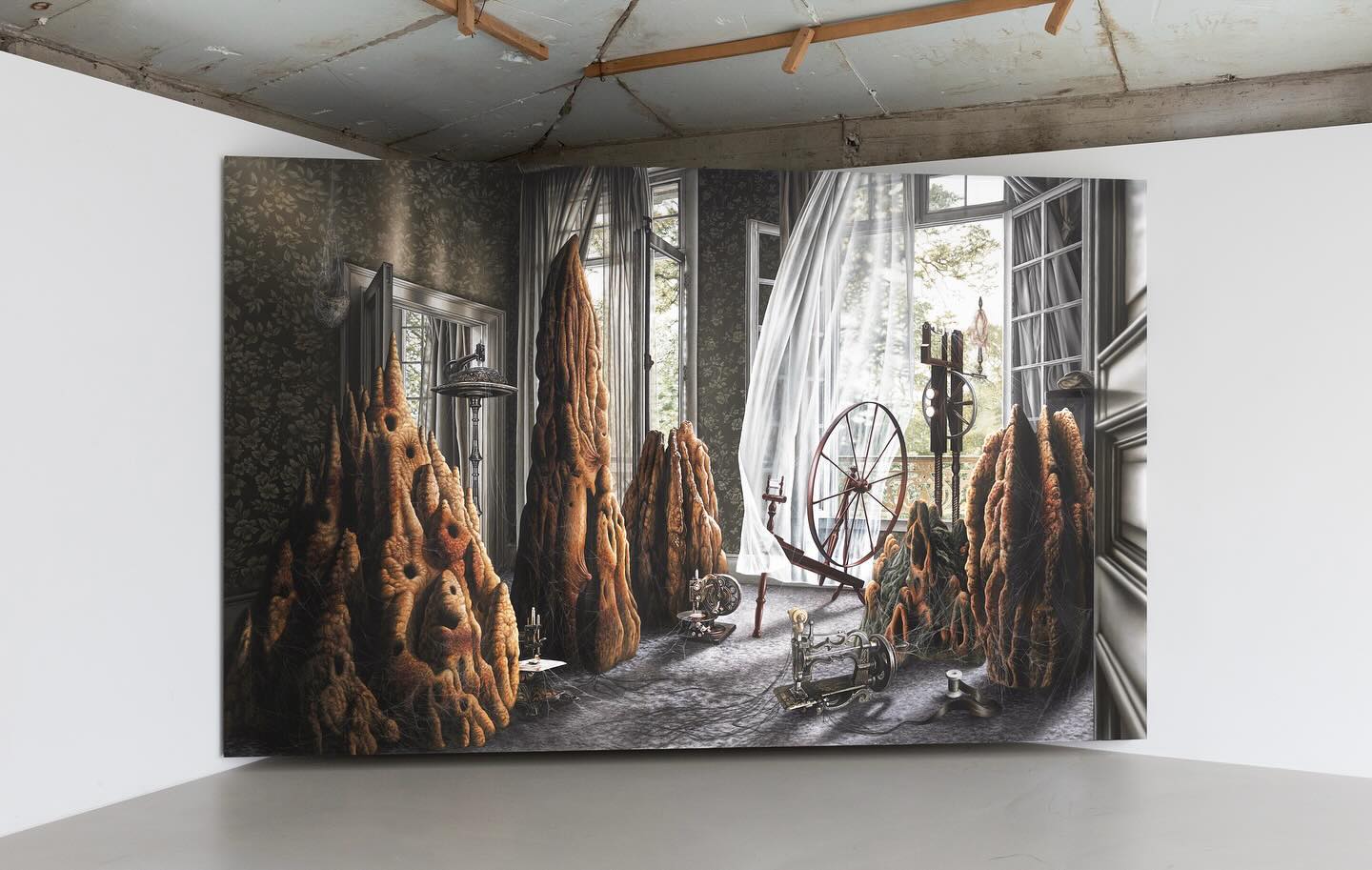
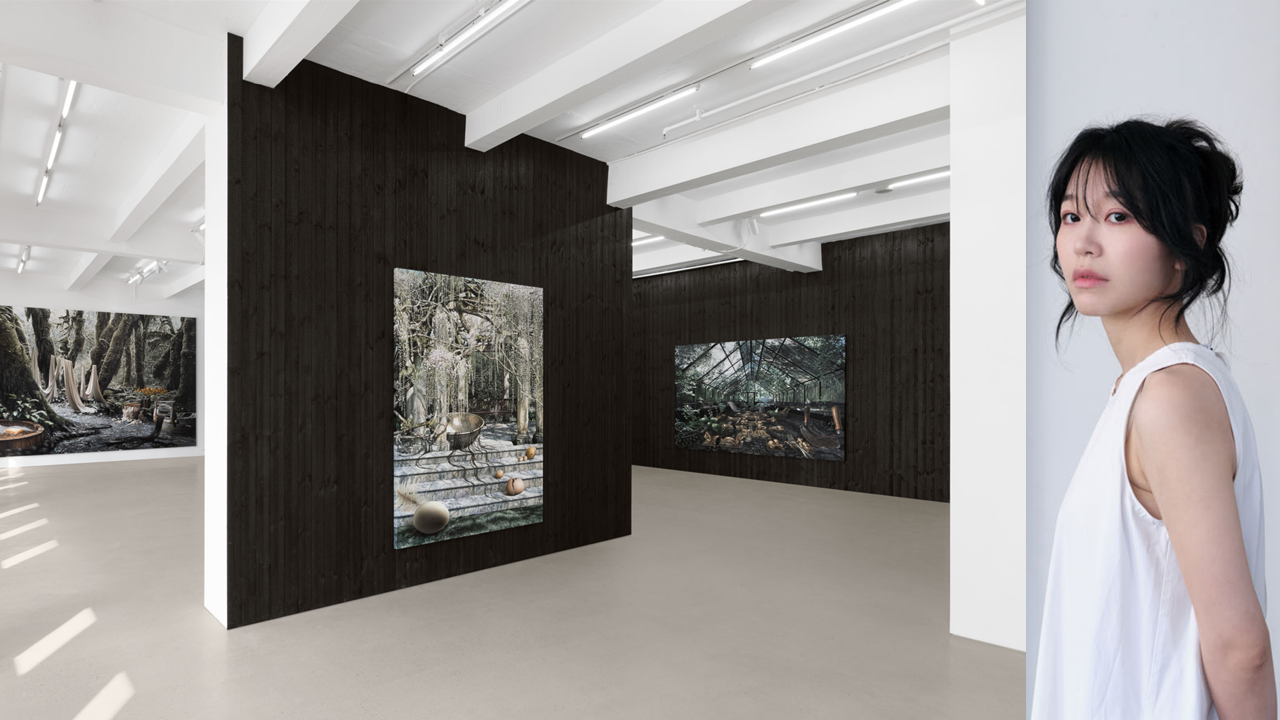
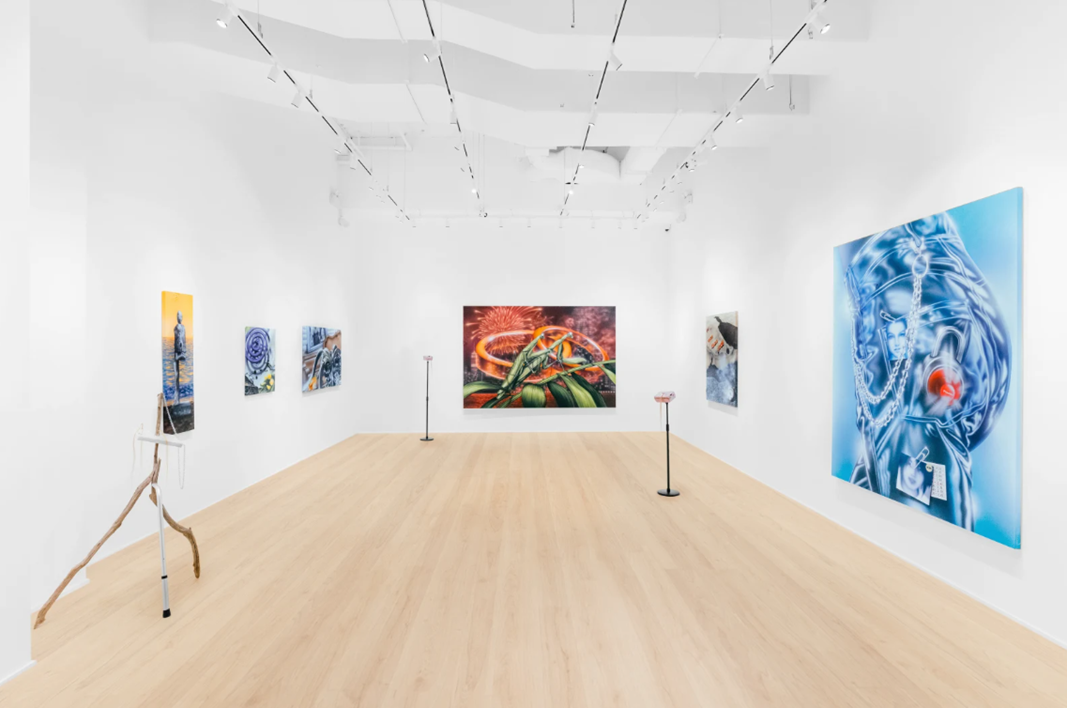
In 《Invisible
Sensations》, Sun Woo
directs her attention to these unseen constraints and frailties
encountered by both our bodies and social bodies, clouded by the reflective
surface of technology. Informed by her early and recent medical conditions
and the forms of limitations encountered within society, the works in this
show present disembodied figures that are obscured, altered, or confined,
attesting to their history of struggle or striving to break free. These
fragmented parts fill the canvases and corners of the room, responding to
their surrounding world and addressing their intimate desires. Cropped-out
images of her own bones, hair, and flesh from photographs and scanning
devices become visual resources that are digitally reconfigured and merged
with images and 3D models found online. Removed from their original
context to be reassembled into augmented narratives, these
fractured bodies strive to look into their own fragility and endurance,
raising questions about the extent to which their unification with
technology can liberate or protect them, or transform the atmosphere and
territory they inhabit.