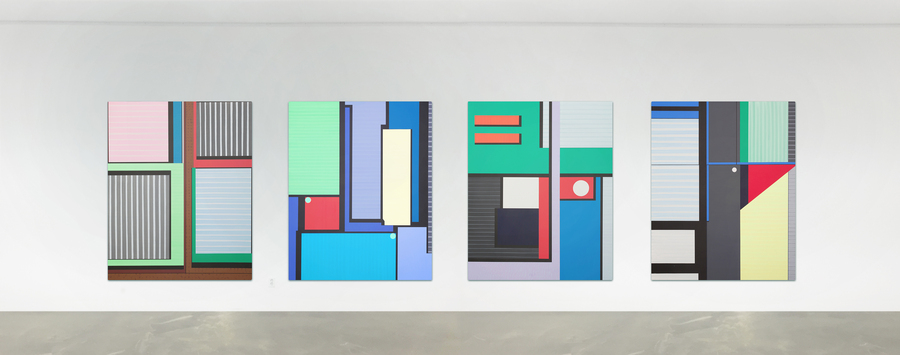
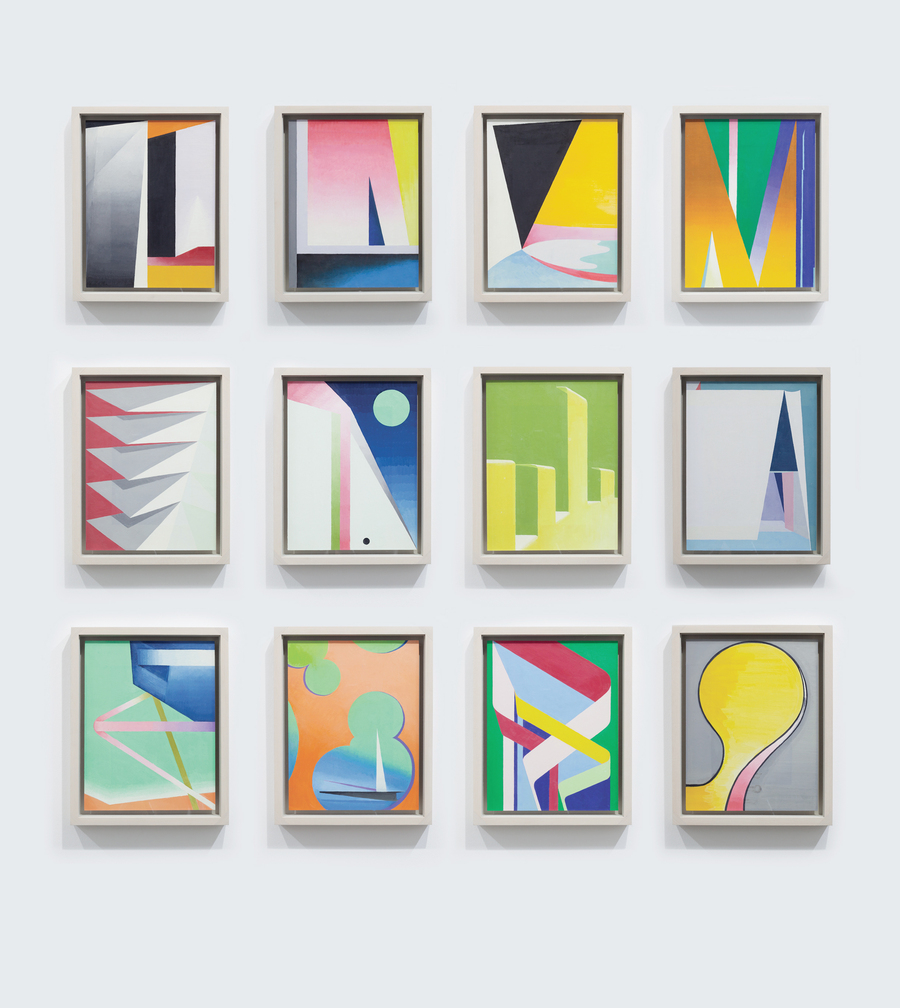
Scaffolding is a “temporary structure installed to aid
construction works in higher altitudes.” It is typically erected temporarily
during construction processes and gets dismantled upon the construction’s
completion. Scaffoldings serve as an essential structure during the process of
construction as it bridges between spaces and enable workers to work on higher
grounds safely.
But despite its importance, not a single trace of the
scaffoldings can be found in the completed structures. Sometimes scaffoldings are
seen with fabric covers over them to block off the construction site from the
views of others. The imagery created by the colors and textures of the covers
running through the gridded pipes within the cityscape symbolizes a sense of
endless variability and possibility.
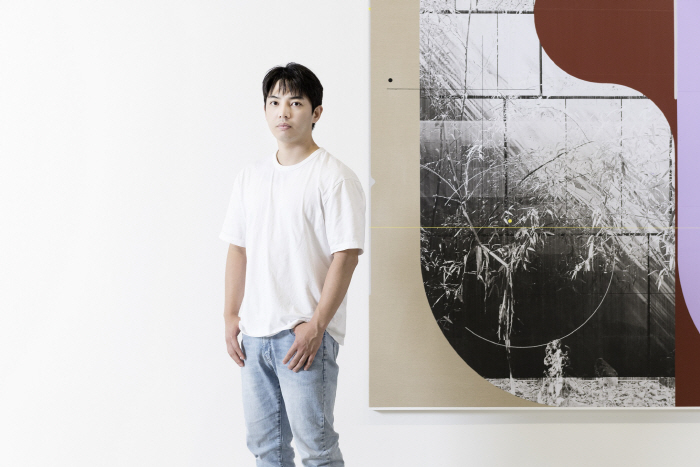
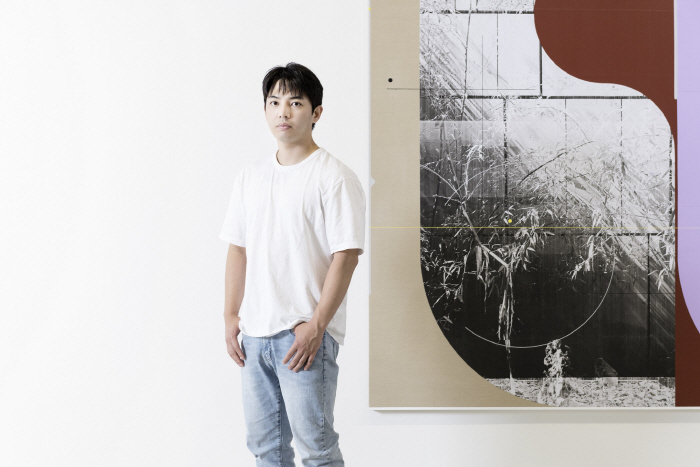
Heejoon Lee has recently recognized that his methods of composing visual
elements show a close resemblance to the attributes of scaffoldings. Since
then, he has applied said resemblance to be an active part of his process and
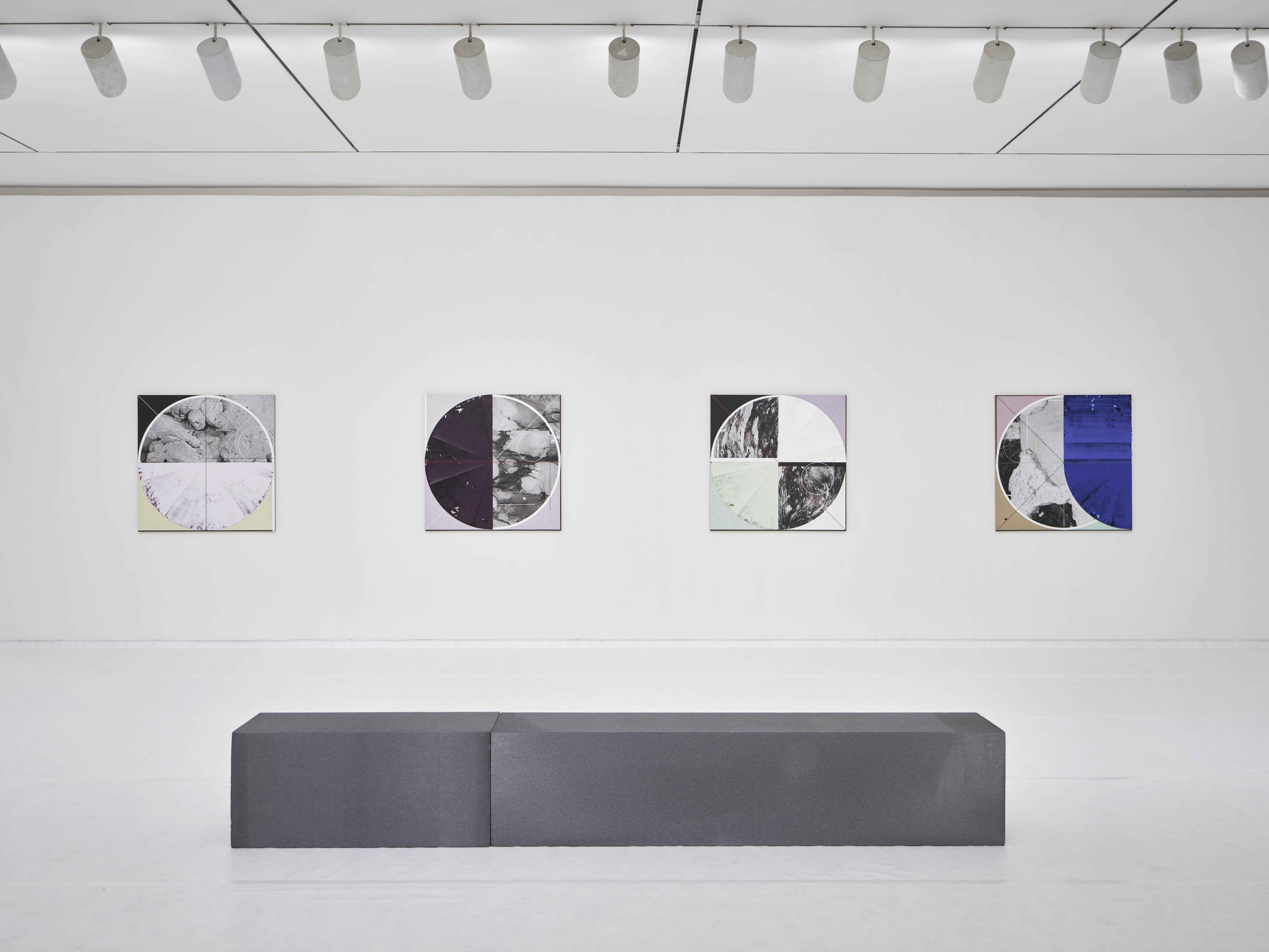
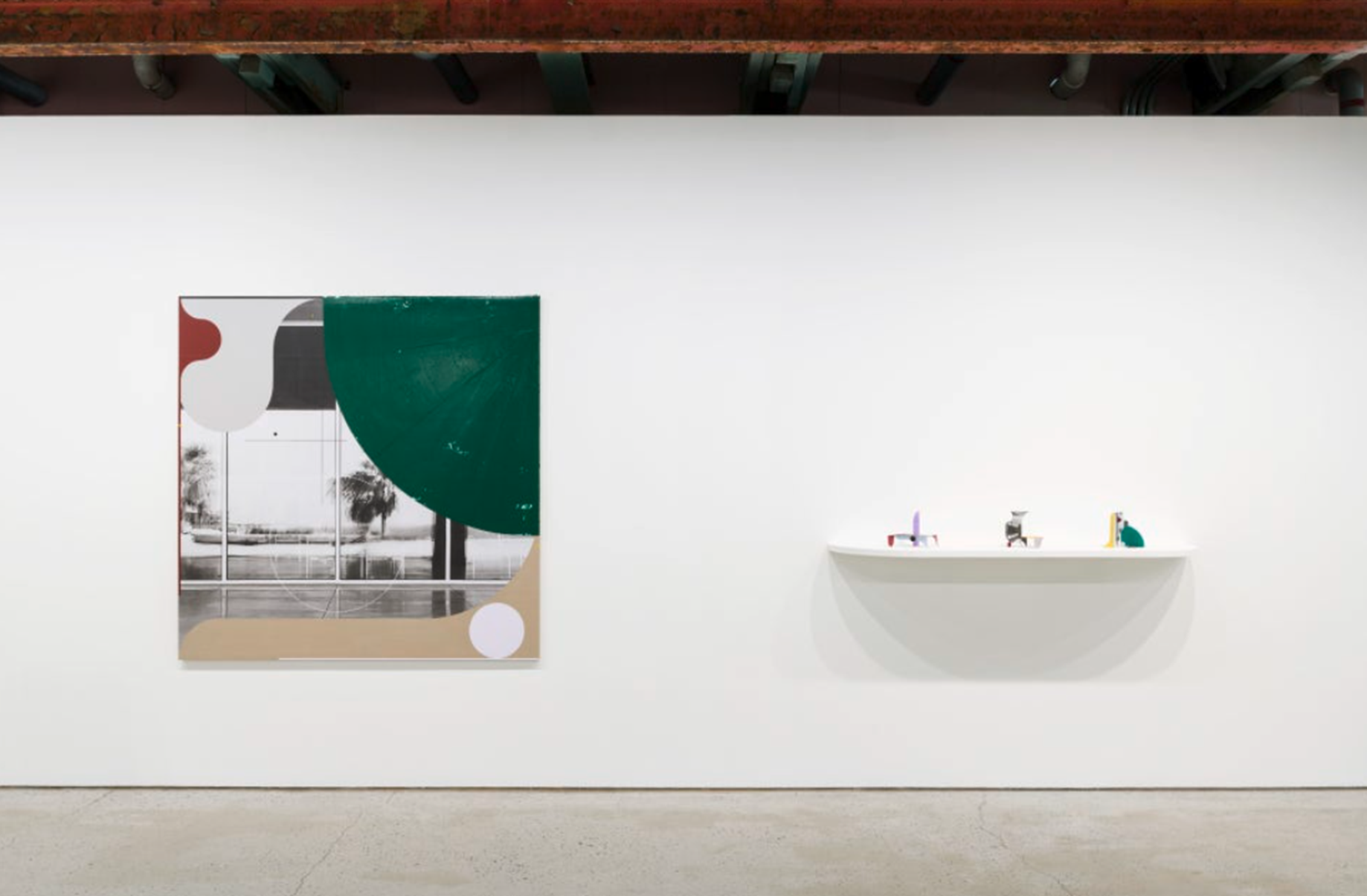
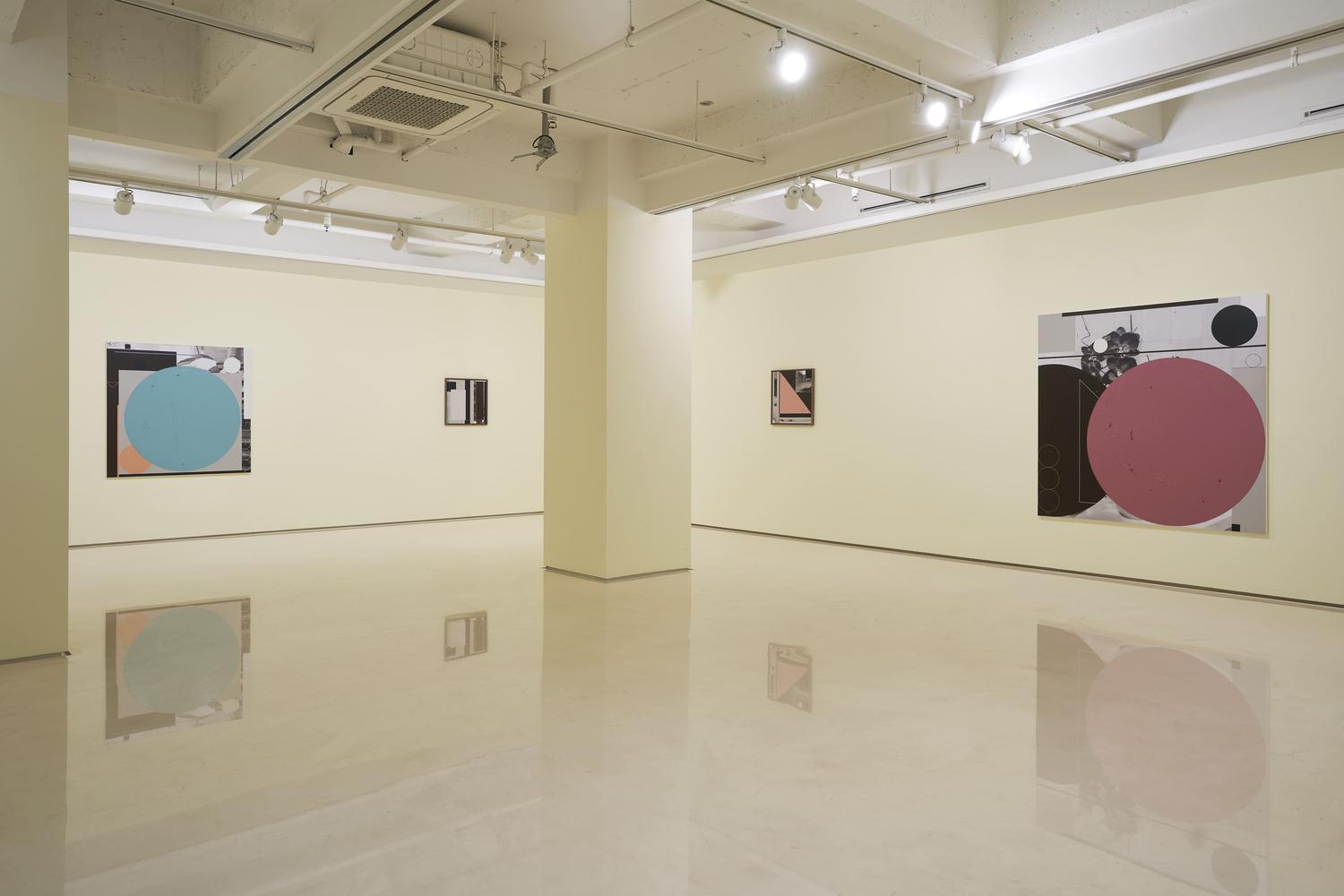
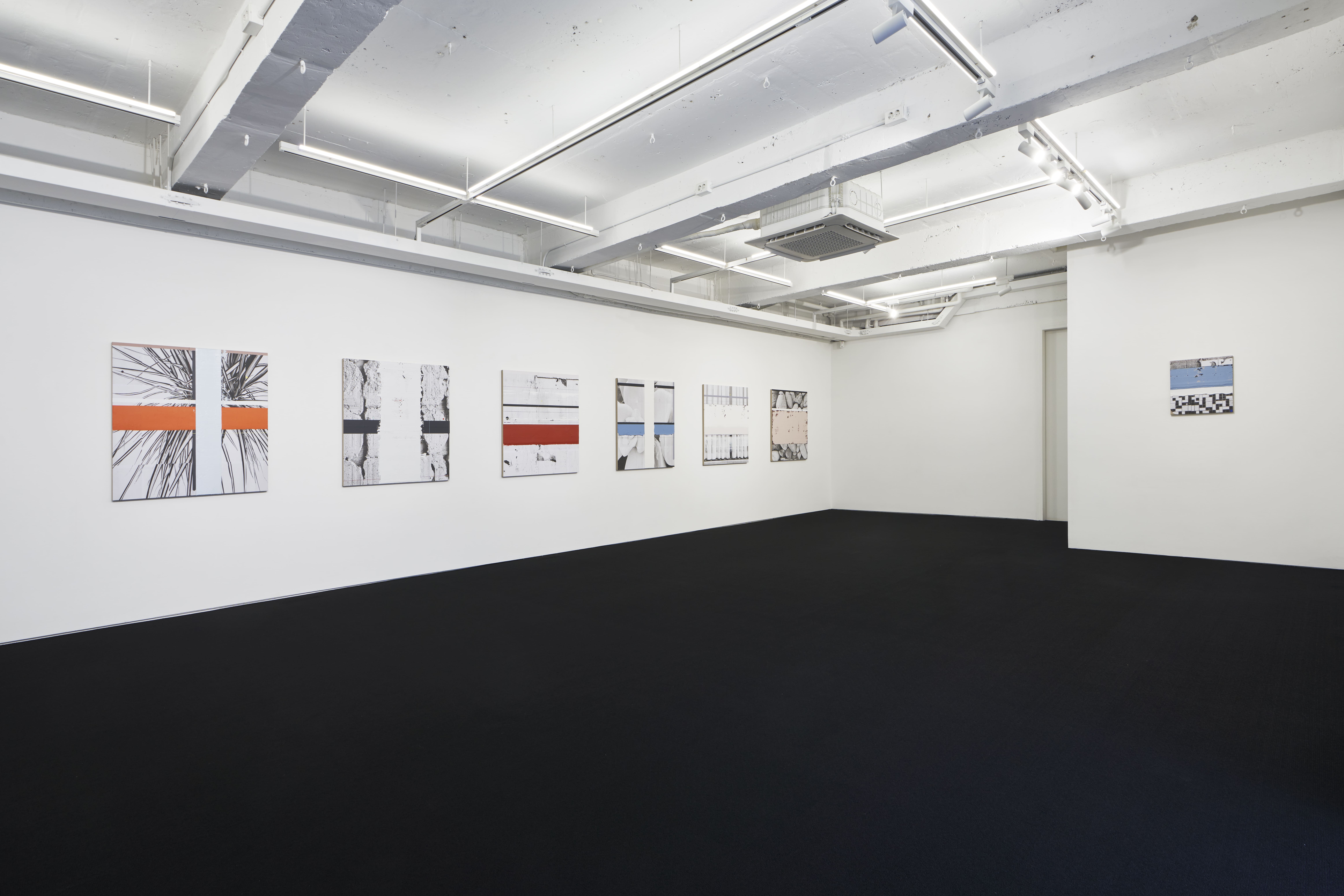
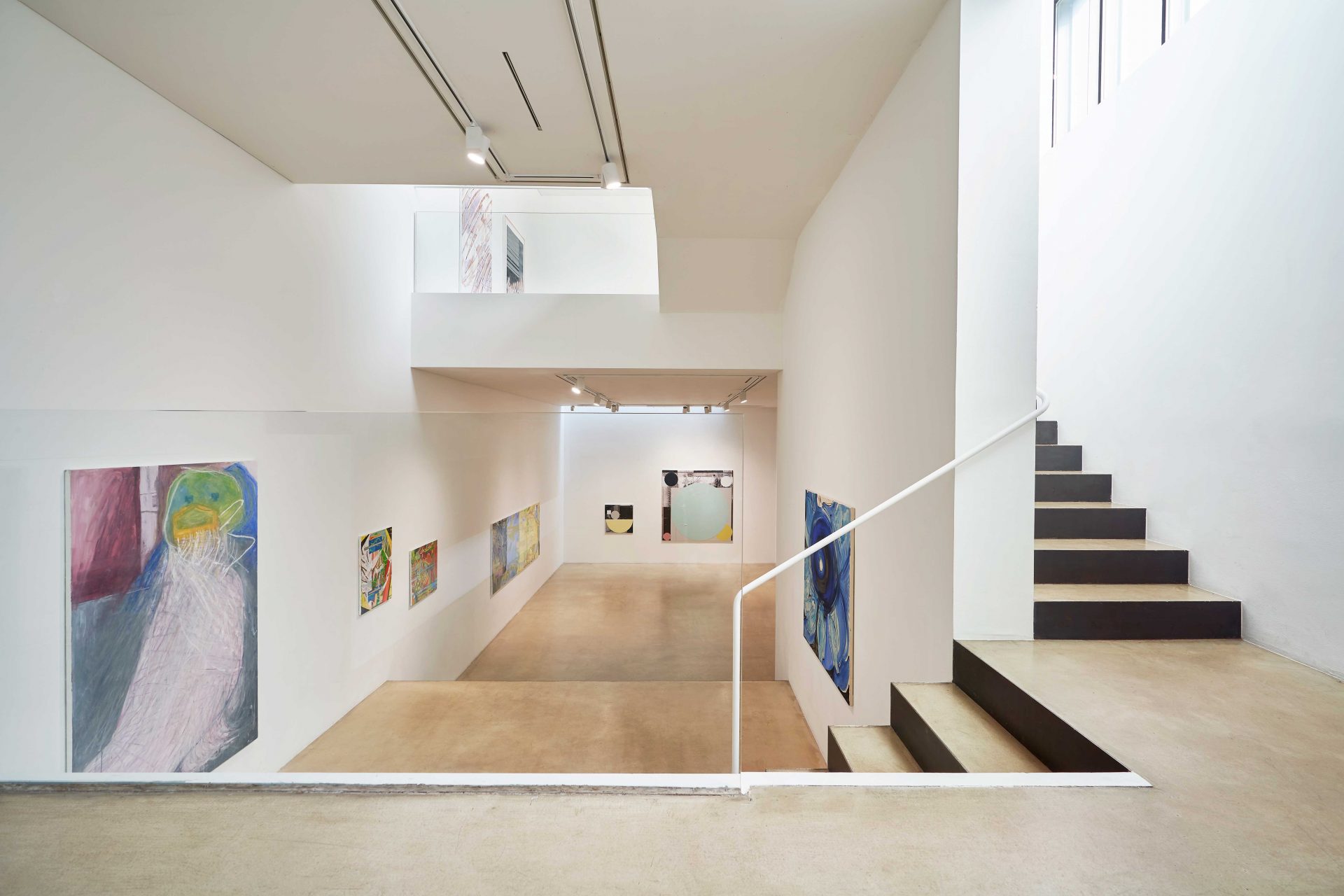
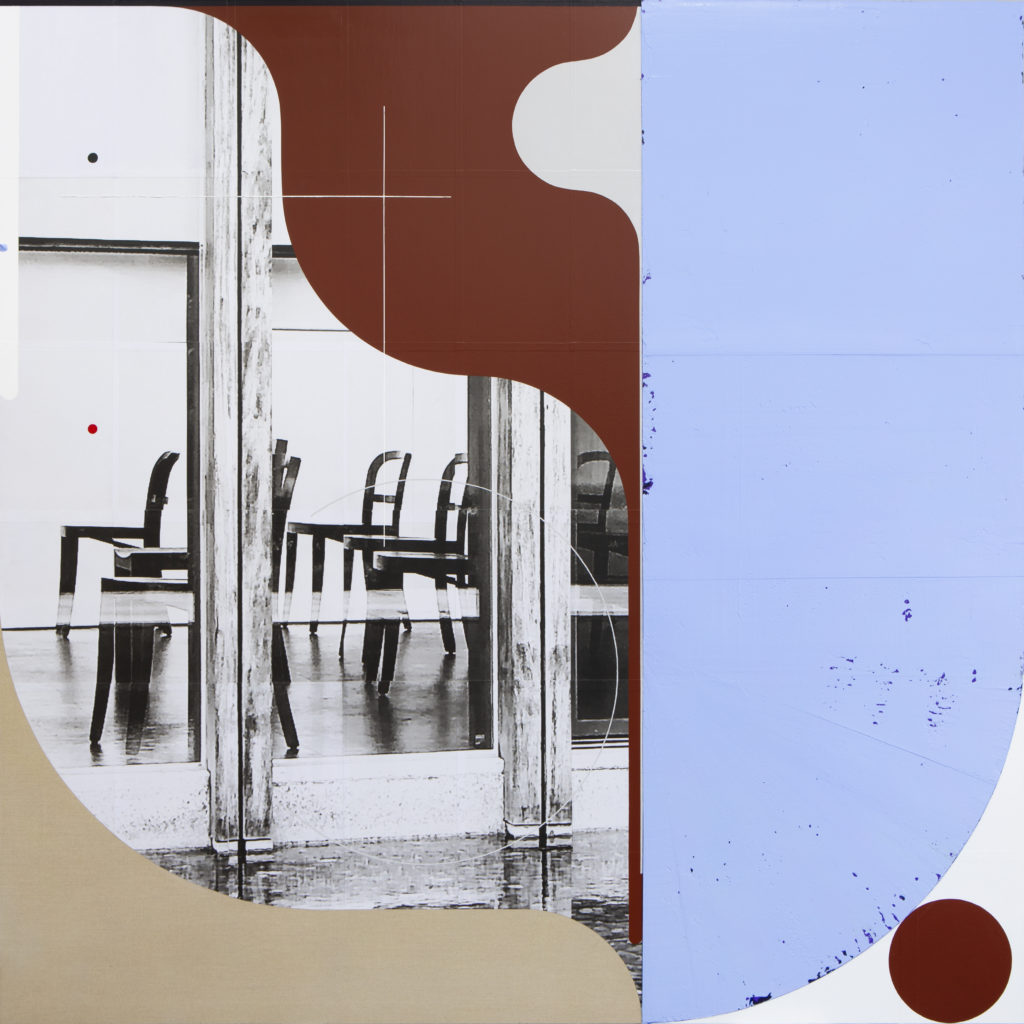
explored its sculptural potential. His latest solo show, 《Scaffoldings》 (2023), highlights the
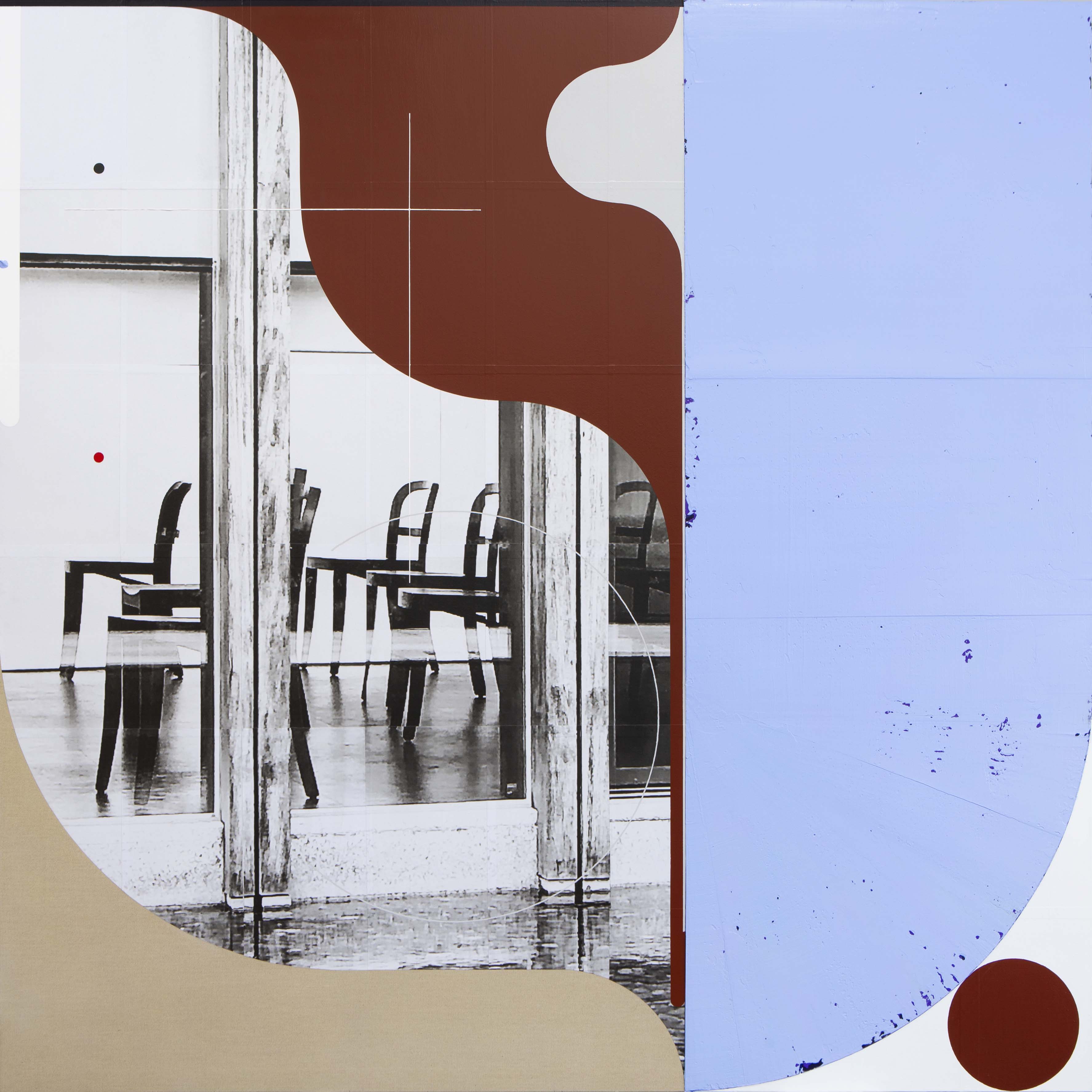
artist’s new revelation and development of his practice. Lee photographs
sections of mundane sceneries, such as architectural structures and surrounding
environments, then crop them tightly to be utilized in his paintings.
Although
a large portion of the contemporary population spends most of their days inside
buildings, not many of them pay attention to the details of the architecture
surrounding them. Aged and cracked concrete walls, shattered tiles with missing
bits, curved steel railings, plant motif exterior building facades, and the
surfaces of landscaping rocks, are some of the fragments of the everyday
landscapes that are common enough to be recognized but are often neglected due
to their quotidian status. By employing various geometric visual devices in his
paintings, Heejoon Lee suggests that we draw our attention to the various
architecture and landscapes that construct our everyday lives to propose the
possibility of brand-new aesthetic experiences.
Lee’s photo collage technique has been in use since his ‘Tourist’ series
back in 2020. To begin his photo collage technique: the artist first attaches
black and white photographs printed on A4 paper onto a canvas. Then using
acrylic paint, he adds lines, geometric colored panels and shapes to veil and
unveil different sections of the image to create his paintings.
The works
exhibited in Scaffoldings are in line with his past exhibitions, 《Image Architect》 (2021) and 《Raw, Polished, Coated》 (2021), as they
all deal with the architecture. But at the same time, his latest series
differentiate themselves from his older works due to his newfound ways of
constructing his paintings. Lee’s older series focuses on creating images that
hold and express the emotions and experiences felt within the spaces.
And they
tend to show organic compositions with different elements of the painting on
equal grounding. But his latest works are more focused on the artist
experimenting and investigating to form his unique figurative visual language.
So he began constructing three-dimensional spaces on the photographs by holding
the traits of scaffoldings as their foundations.
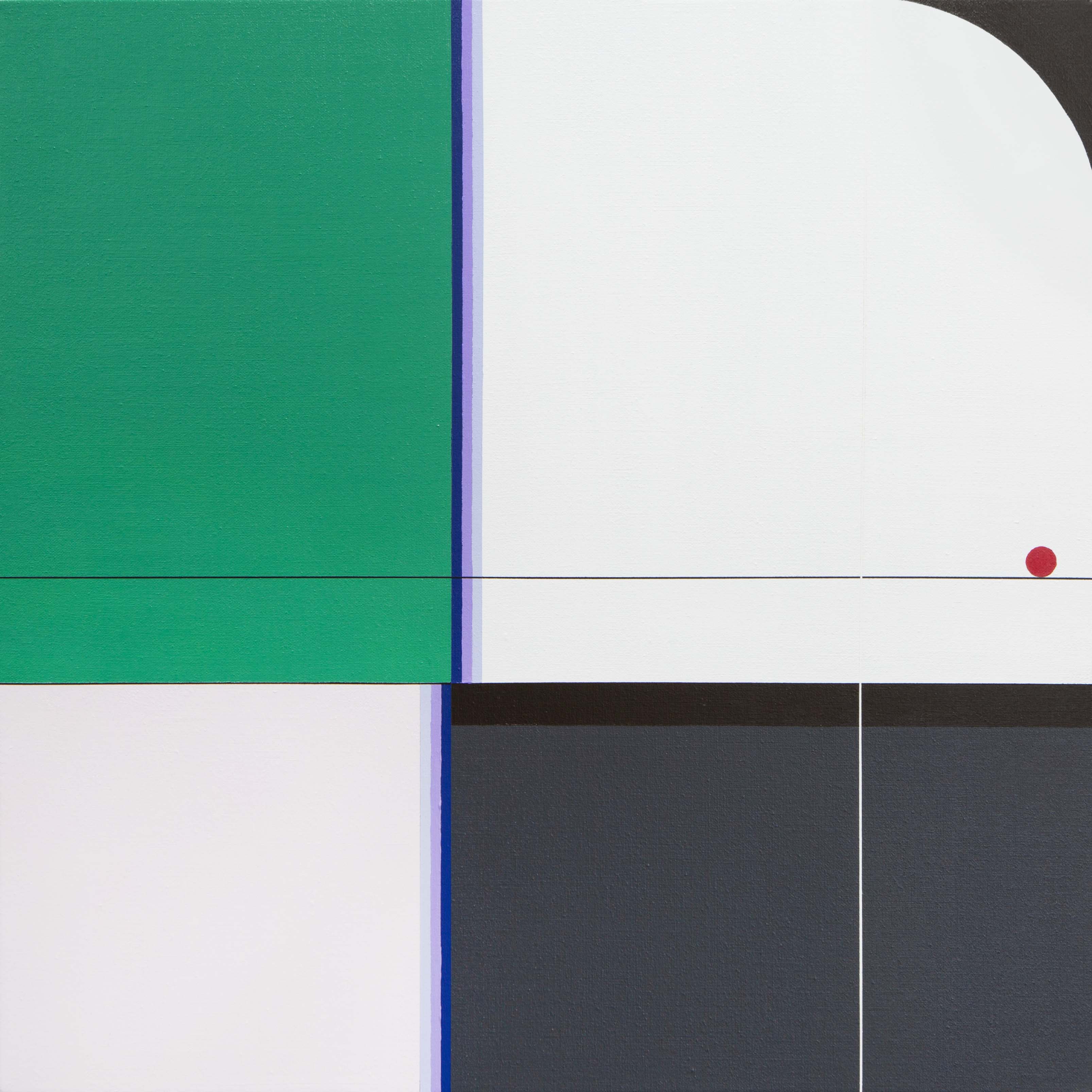
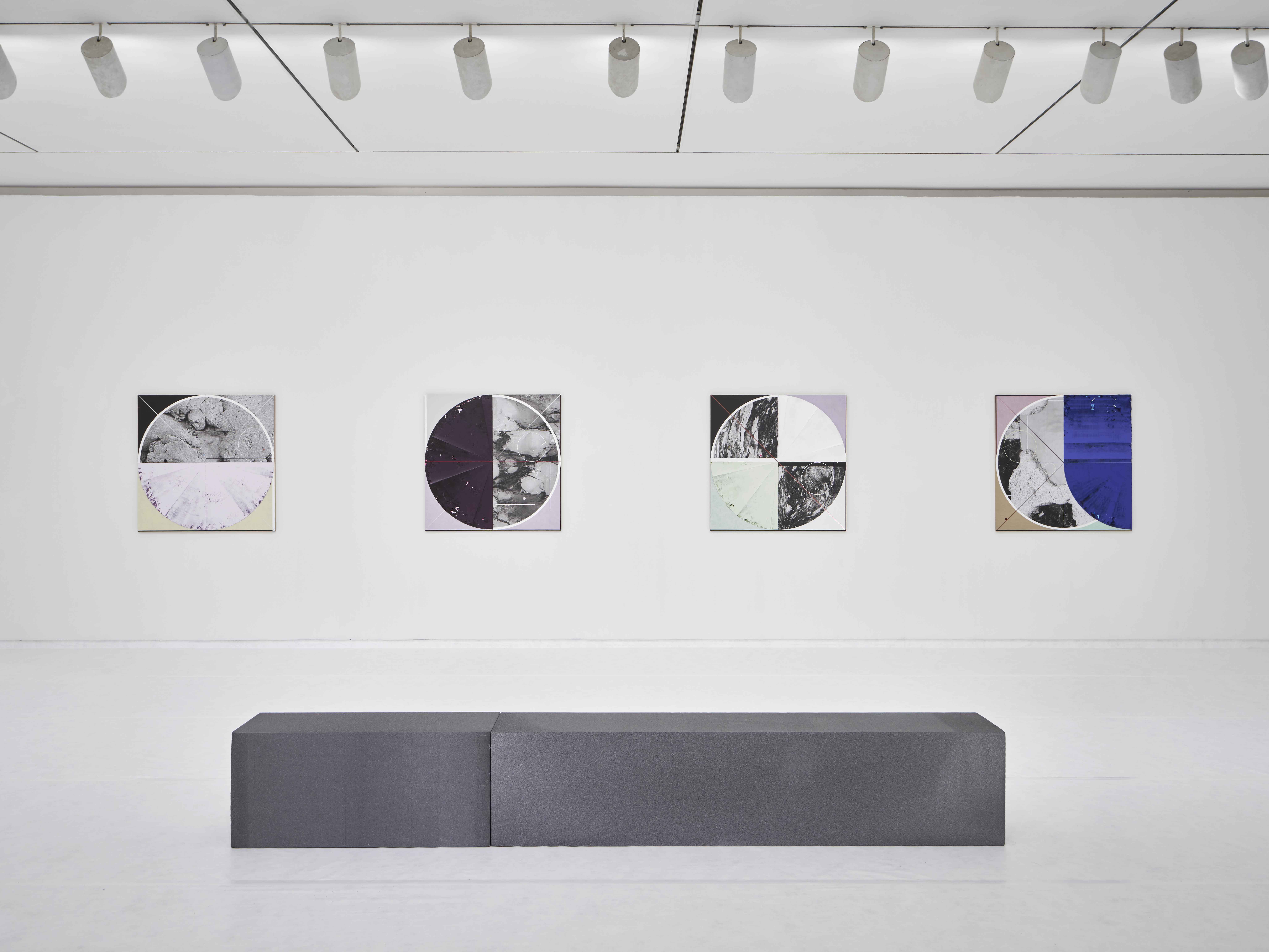
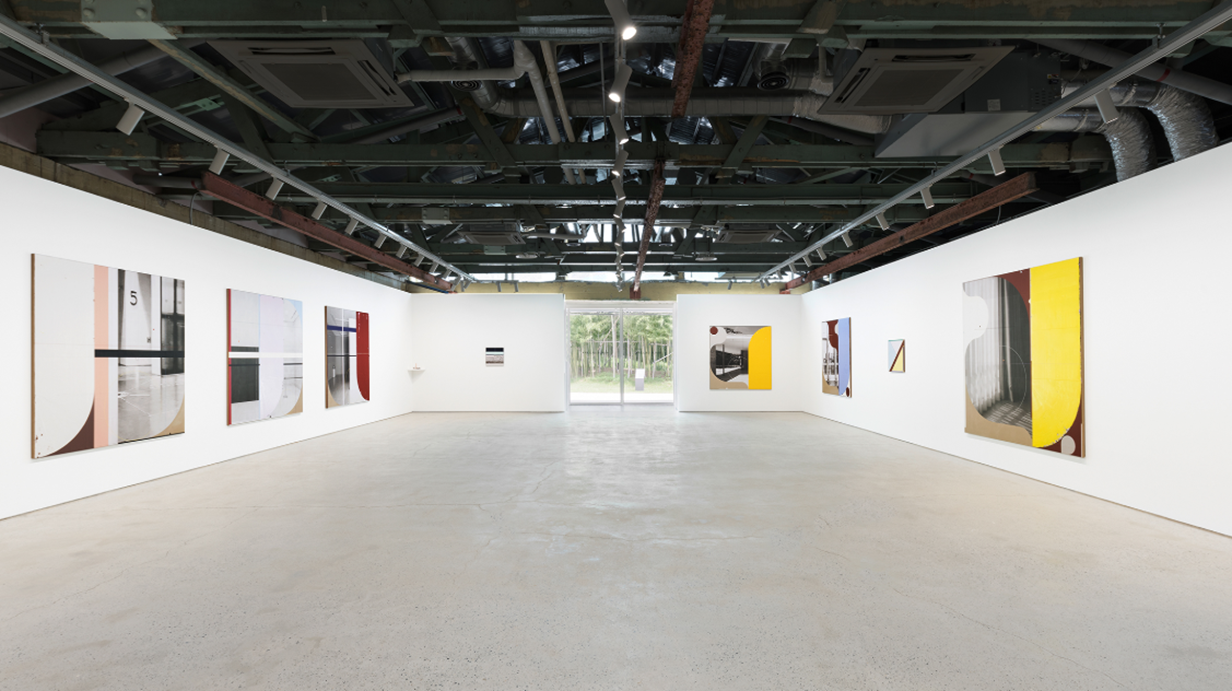
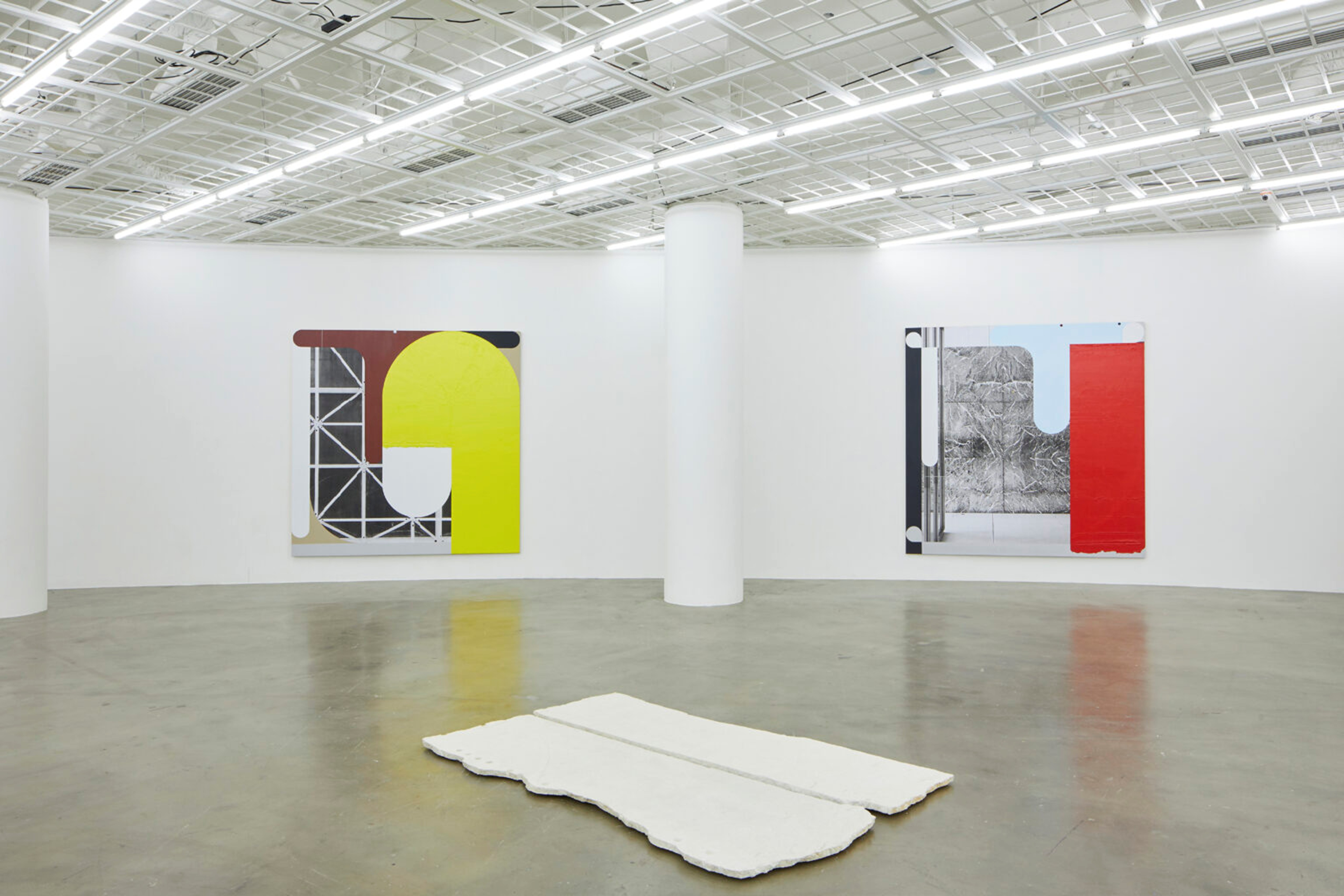
Just like a worker constructing a building on scaffoldings, Heejoon Lee layers
individual elements onto the photographs step by step. This amplifies the depth
and dimensionality of his paintings. The thin horizontal, vertical, and
diagonal lines that run across the canvas resemble chalk lines used in
construction sites to mark the reference points when copying down the
measurements to the physical structures.
The color panels and the shapes placed
between the lines support and prop each other up - ultimately, building a
three-dimensional space on top of the two-dimensional surface. The artist uses
squeegees, which he directly compares to plastering work, to layer paint onto
the photographs. This allows the artist to selectively veil and unveil
different sections of the images, creating new visual layers to the work.
The
small dots that are placed freely within the newly created three-dimensional
space on the canvas shakes up the strictness formed by the horizontal and
vertical elements, which induces liveliness and tension that leads the viewers
to experience aesthetical pleasures.
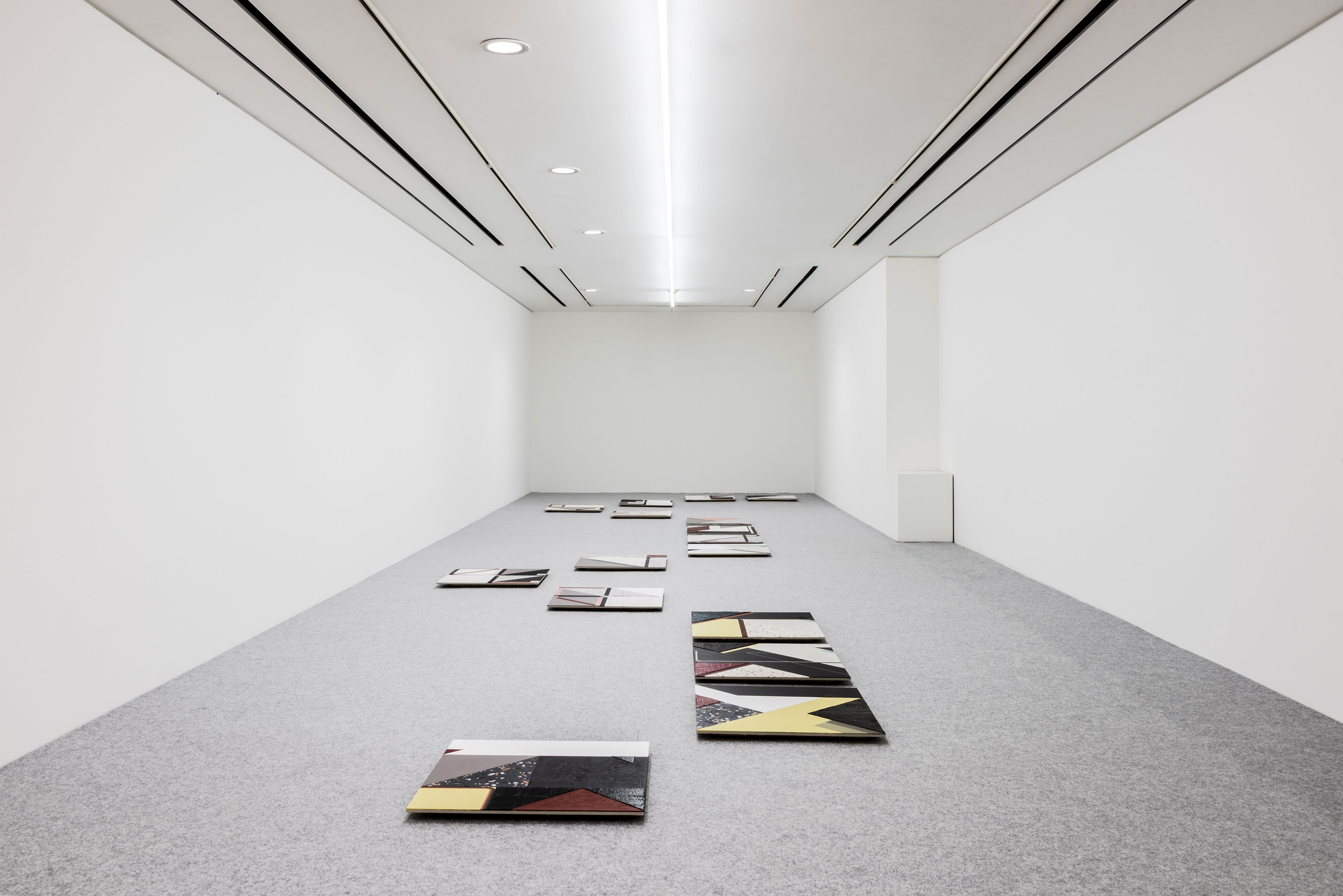
The concept of ‘scaffoldings’ isn’t just limited to the process of Lee’s
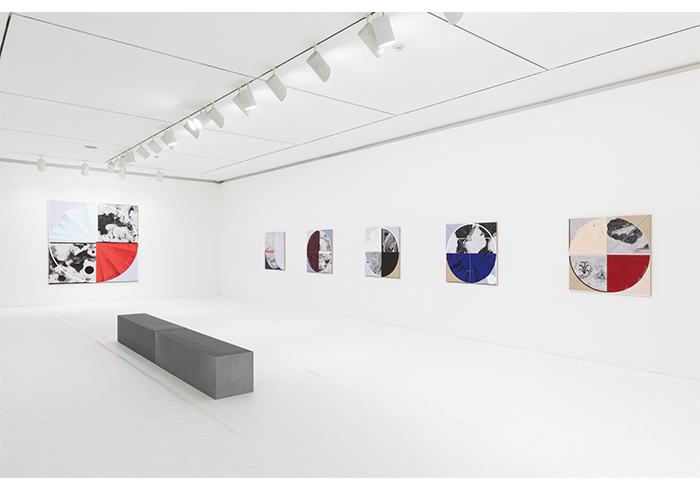
artistic creations. It also bLeeds into how the works are exhibited. The floor
of the exhibition is layered with Tyvek fabric to reference the comparable
temporality between scaffoldings and exhibitions, in the sense that they both
occupy a space temporarily and get dismantled. Grey styrofoam benches, also
made by the artist, are placed in the middle of the exhibition space.
The
benches, made of light and fragile materials, are another element that is
placed to emphasize the temporal nature of exhibitions. These curatorial
choices give the viewers a strong sense that they are placed inside this
provisional and ever-changing space rather than a solid and rigid white cube at
the moment of their entrance. Scaffoldings create a space of discourse that
allows the viewers to be open to all possibilities of perspectives to
experience and appreciate the artworks in front of them.
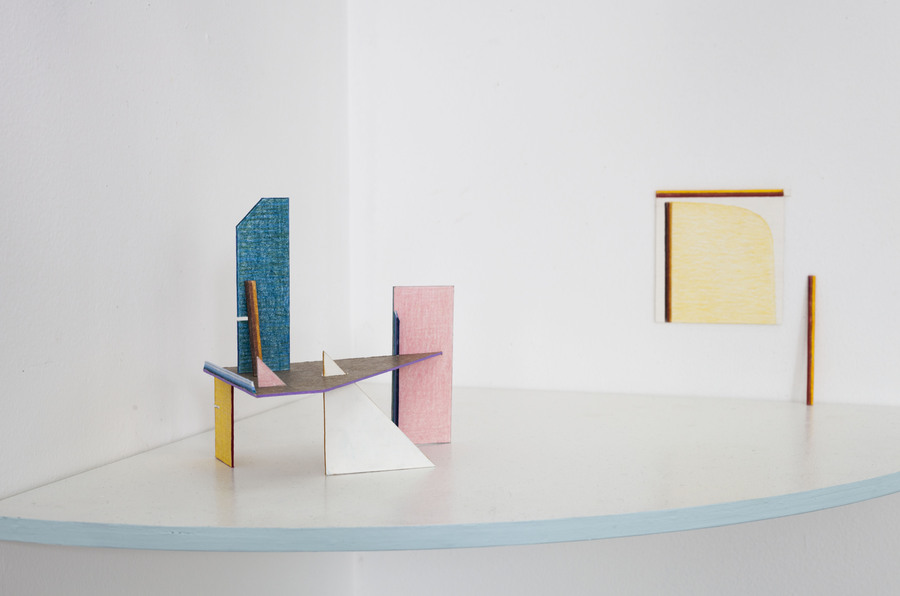
Since the beginning of his career as a painter, Heejoon Lee has continuously
explored the concept of ‘space’ as a subject. He has also been slowly
experimenting with occupying physical space by creating miniature sculptures by
dissecting and reassembling his paintings. The space curation of 《Scaffoldings》 (2023) illustrates that Lee
doesn’t limit his exploration of space just to his sculptures and paintings. It
is a trans-medium process for the artist.
The beginning of this movement can be
marked by his installation work Blue Scaffoldings (2022),
exhibited in Seoul Art Space Geumcheon, South Korea. Blue
Scaffoldings is an installation work with photographs and felt
fabric - commonly used in construction sites as protective materials- hung up
on the wall and with more felt fabric covering the floor space.
The artist
aimed to construct an experimental space that can be utilized as a stage for
performances and artist talks. Heejoon Lee's latest solo show Scaffoldings
presents promises of opening up new possibilities for perceiving space by
fusing two spaces: a pictorial three-dimensional space that’s created within
the painting and a pictorial space that’s extended to the physical space.
Jin Sol Shim
A curator interested in the gaps existing within history while researching
contemporary art. Shim uses curation and art as a medium to communicate. Shim was the curator for the Amorepacific Museum of Art and Van CLeef &
Arpels in the past. She now works for the Seoul Museum of Art.