His
work begins with figurative representation. Yet even while painting a
landscape, the artist's gaze was not directed at what lay on the other side of
the landscape. Landscapes might be the most "honest" kind of
painting. Just as photography captures the light and the subject through the
lens, a landscape painting is the image of a natural or artificial scenery
captured through the eyes of the artist and transferred onto the canvas
"well." The question is what is to be meant by the modifier
"well," or what is meant by a "good" landscape. The meaning
in context is ambiguous. In the end, all that remains apart from the
representation of the landscape’s extension is the act of "seeing,"
whether it’s figurative or abstract. This act of "seeing" necessarily
reflects the subjective thoughts of the one who sees, and the
"object" that is seen is fully exposed to the influence of the
consciousness of the one who "sees." This process between the object
and subject of sensory possession links the object to the various subjects that
surround it in a special relationship. As such, even when two paintings portray
the same landscape, the important question might not be "what" was
portrayed but "who" did the portraying. The proposition that
"something is painted and shown by somebody," clear and evident
within the scope of the work, serves as an example which supports the notion
that the artist and viewer’s act of "seeing" what is painted and the
mutual dynamics that result from this can serve as a valid aesthetic standard.
Heejoon Lee's early work from 2010 to 2012, titled ‘Yellow Scene’ series seems
to reflect this logic. These works move the sensations that follow the visual
frames which LEE had at some point paused within the domain of conception. Most
of the places to which the artist turns his gaze are particular buildings or
the various traces of life that surround them. What is interesting is that the
images contained or cut-off by the artist's view-frame do not stop at merely
being descriptive reproductions of scenery. Rather, LEE’s landscapes go
somewhere beyond the landscapes themselves and the mere sentimental
appreciation of them. They are more like attempts to capture the gaze upon the
landscape as their object and image. The structured composition, in which the
objects of his gaze are placed within the angle of view, certainly evokes a
different kind of sensation from the other landscapes, which simply try to
contain the landscapes as they are. In other words, LEE bestows the status of
the selected image to his works in a break from the more typical works that aim
to capture the full landscape. Nor does he try to hide the fact that such
creation was a part of his search process for the proof of a certain formula of
image composition that he wanted. That may be why each of his landscapes around
this time was characteristically complete with a single, abstract tone, or
emphasize the symbolic basic geometric form consisting of dots, lines and
planes in portraying the concrete objects. LEE's works may be filled with symbols
of concrete images, but what he truly wanted to accomplish may have been to
secure the possibility for various discussions in the domain of abstraction.
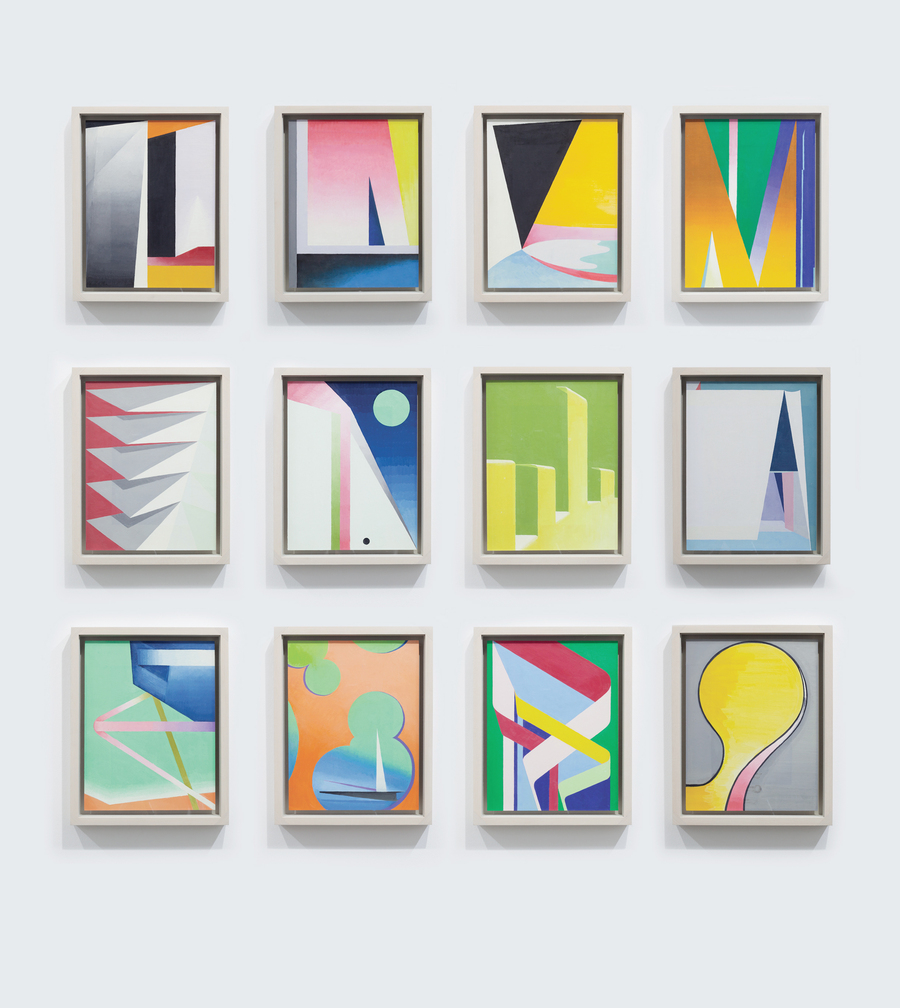
One could say the ‘Playground’ series from 2012 to 2014 was a more formal take
on LEE's experimentation with the important tool of framing. By inserting
cut-off images into a triangular canvas as if its edges were the frames of a
window, he created a more radical version of his compositional works. The link
between the content and the form are severed, and LEE creates a distinct
sensory experience by making the audience see the composition of the image for
itself and the fragments created by it. LEE attempts to develop a new kind of
image composition, through the full application of the basic techniques of
description of art, such as masking, cutting, pasting, and revealing both in
terms of content and form. Starting with the works around this time, LEE may
already have envisioned the coexistence of his representation with a kind of
abstraction that could not be juxtaposed in the scope of painting.
Hints
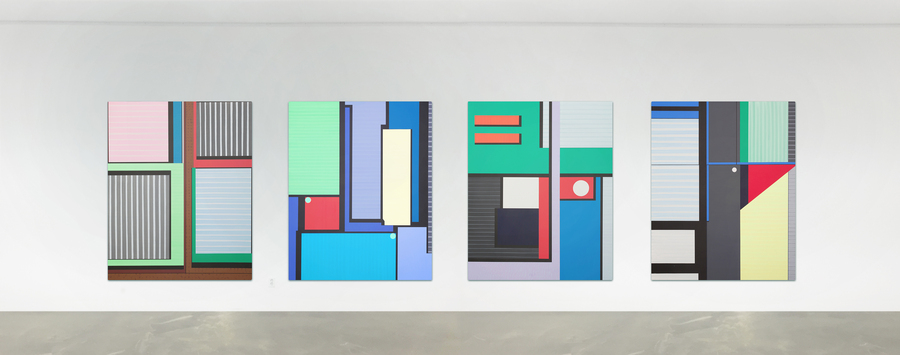
of this change in approach emerged as early as 2015. One could say that the ‘Interior
nor Exterior: Prototype’ series (2015-2017), ‘The Speakers’ (2016-2017), and ‘Emerald
Skin’ (2017) were all part of his preparation leading up to the phase of
complete abstraction later. Speaking in terms of their appearance, these works
in order have already lost much of their figurative imagery to the extent one
could already categorize them as abstract art. However, the artist gave them
titles that allowed the viewers to guess the original image the works were
making the abstraction on, thus indicating that LEE had not yet made the full
transition in defining the relationship between abstract and figurative. These
works had not yet reached the level of abstraction where shapes were treated as
their own ends, still remaining means of metaphysical expression that relied on
something else. LEE only began closing the loop of abstraction and gave such
modes of expression their appropriate objective around the time he painted A
Shape of Taste and Floating Floor between 2018 and
2019. Abstract finally replaced figurative in LEE’s work completely. Placing
abstract shapes on the forefront of the canvas, LEE seemed to make a greater
effort to allow the works to present themselves through their composition
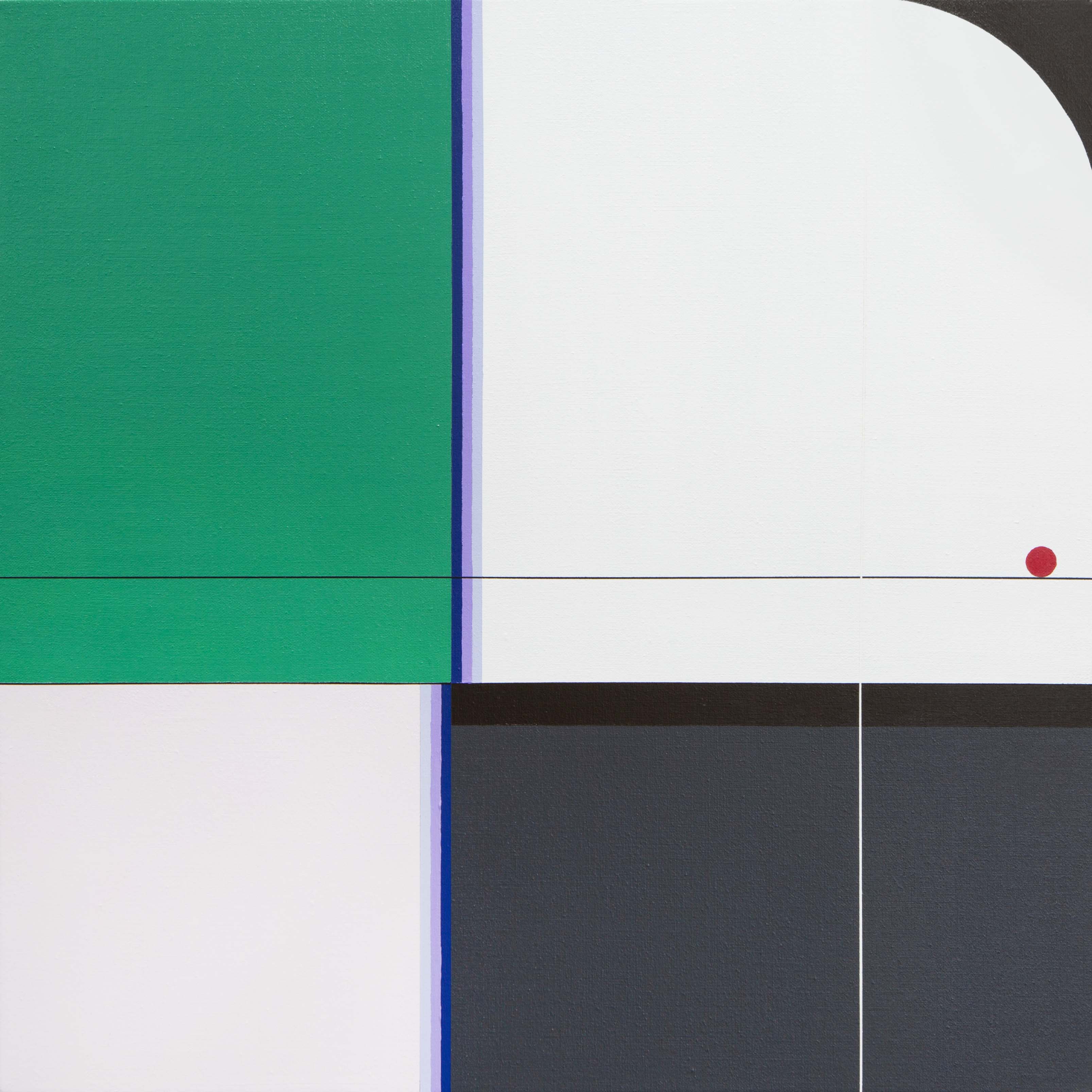
consisting of different metaphysical shapes. The color planes, which could have
been dismissed as traditional abstractions one could already find in art history,
set aside the conceptual aspects and instead focused on the exploration of
ornamental composition. Thus, they elevate the use of color planes as an
important compositional foundation for all of LEE 's works. Around the same
time, LEE also attempted once again to combine real experience with abstraction
in Biei, reaching some level of closure in his journey to
define the balance between figurative with abstraction with their associated
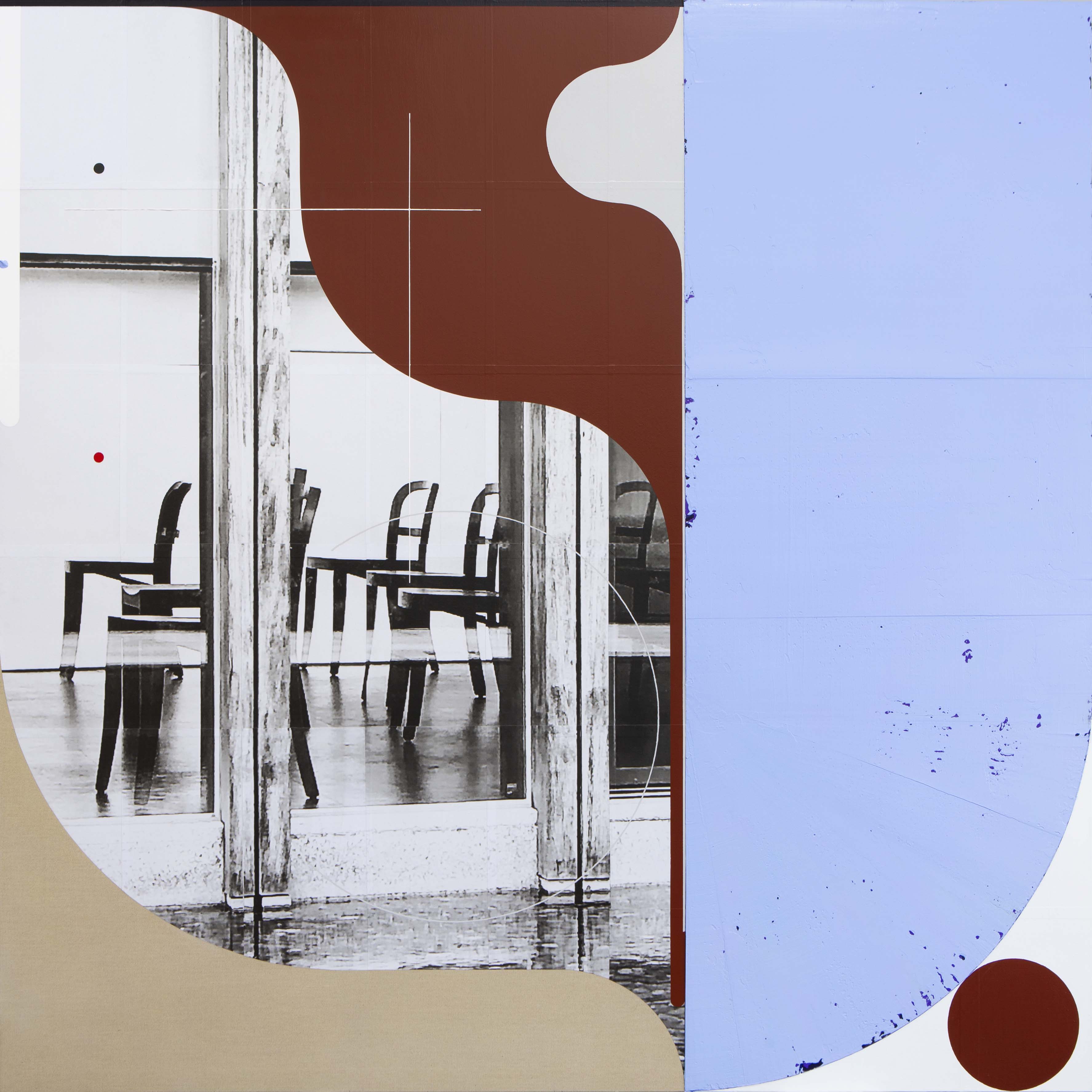
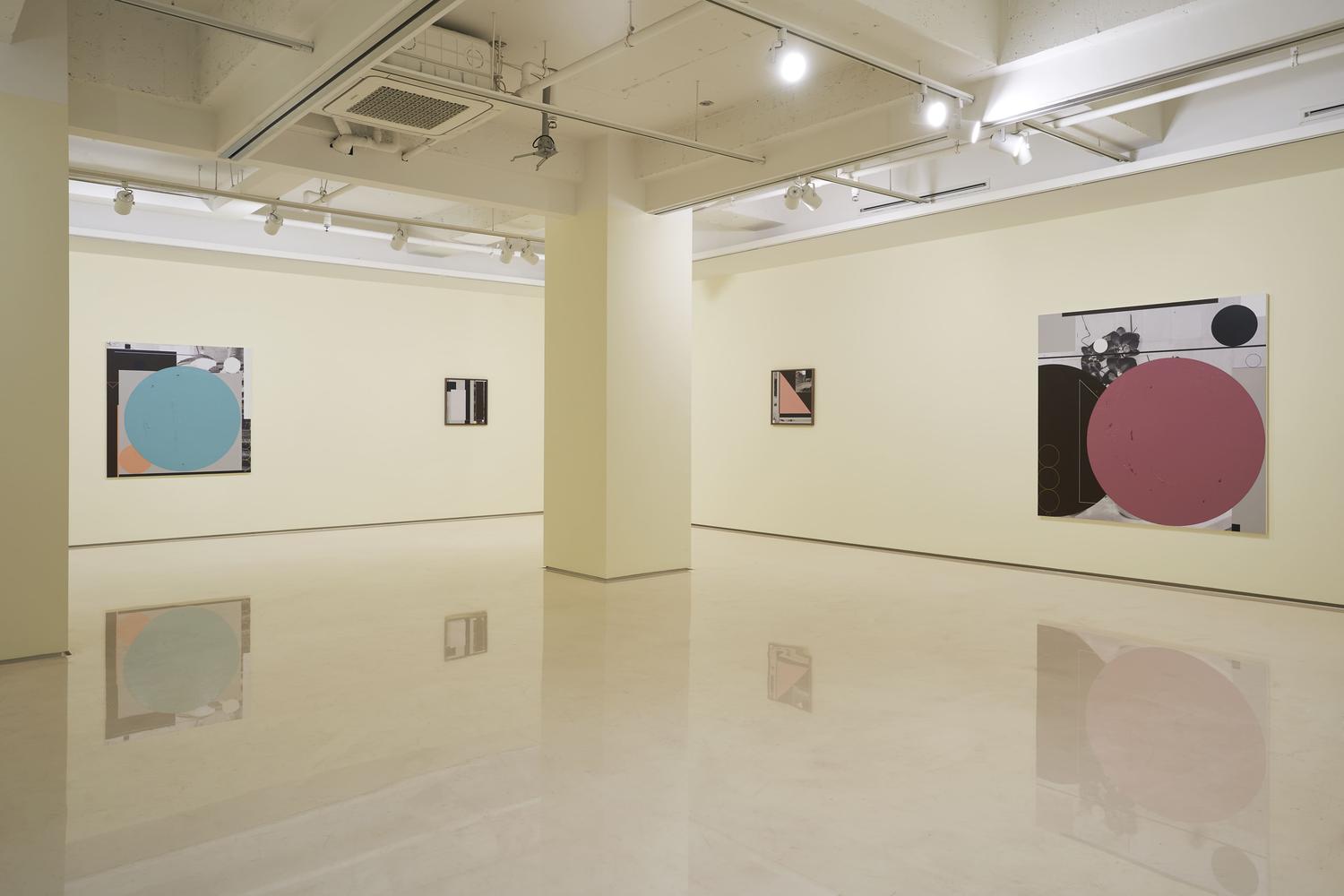
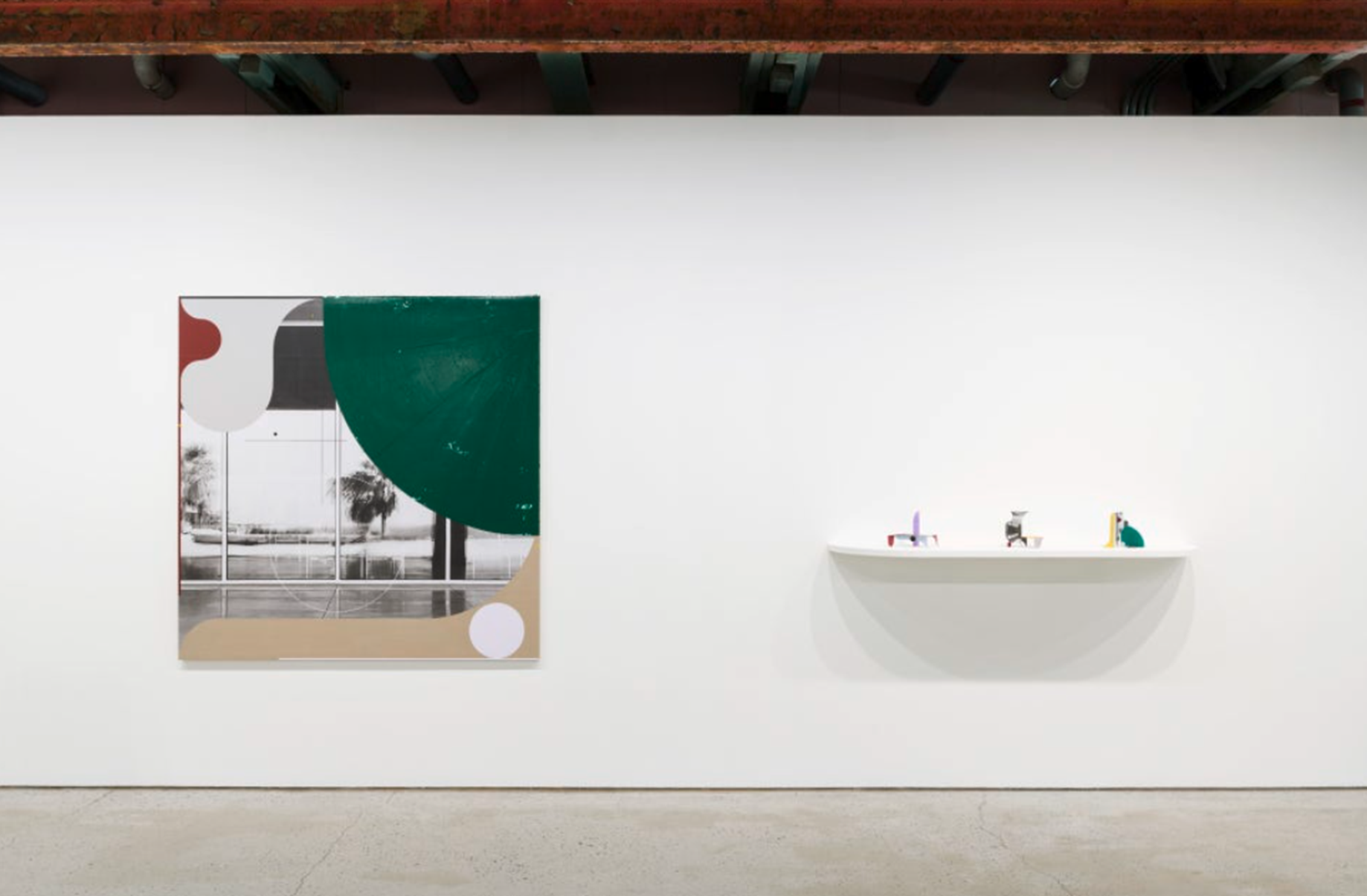
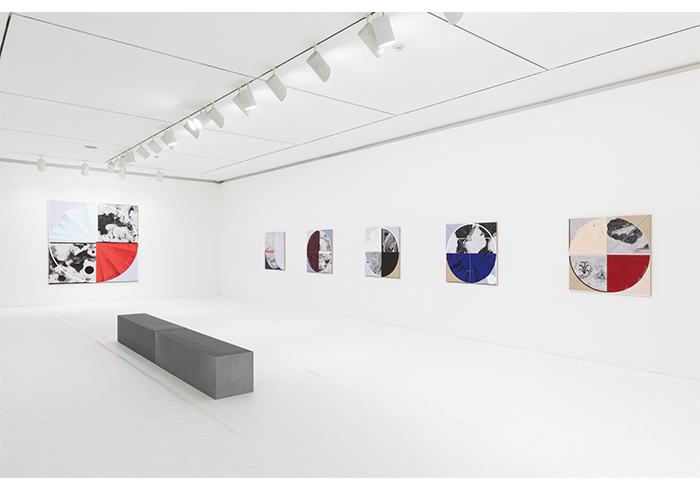
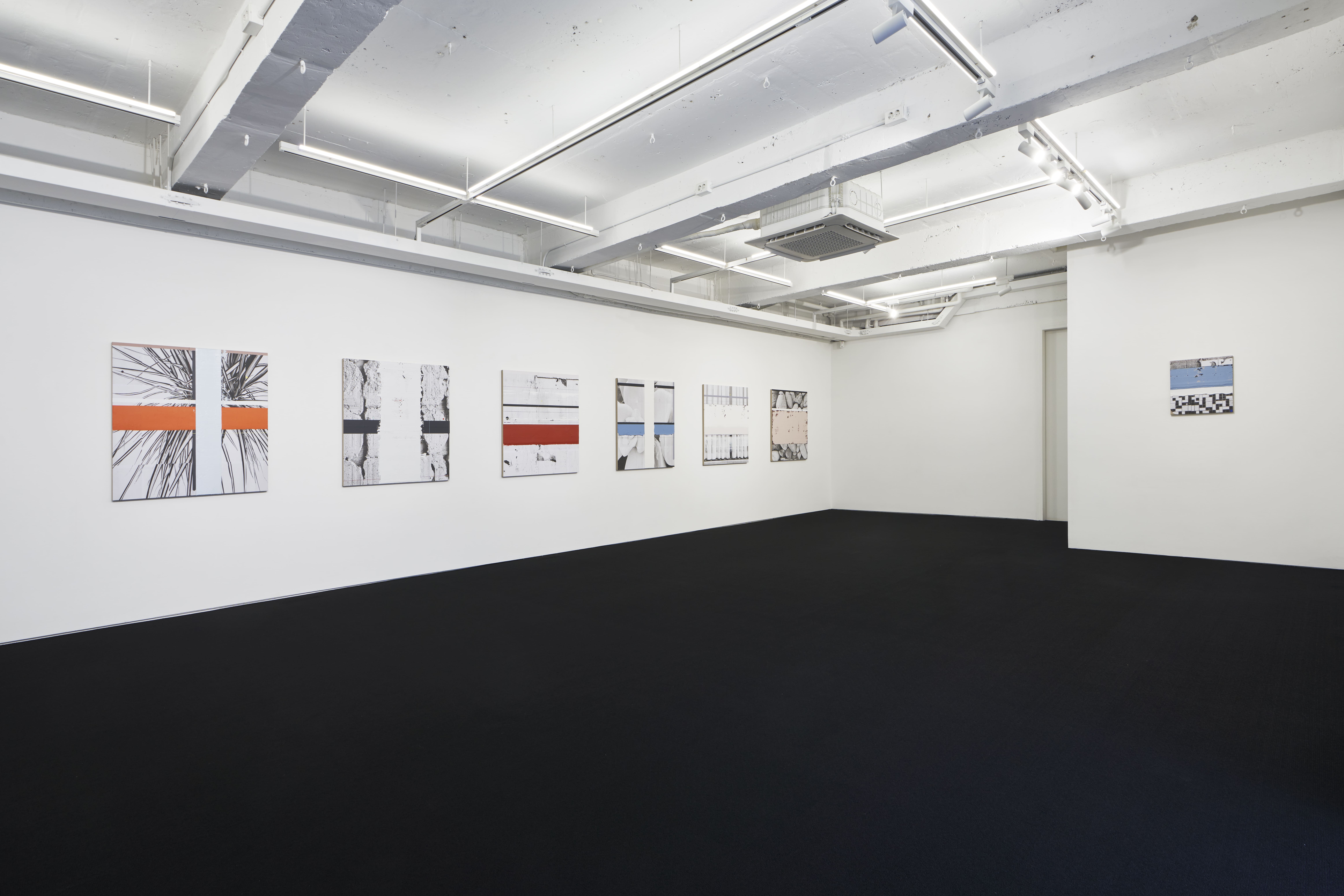
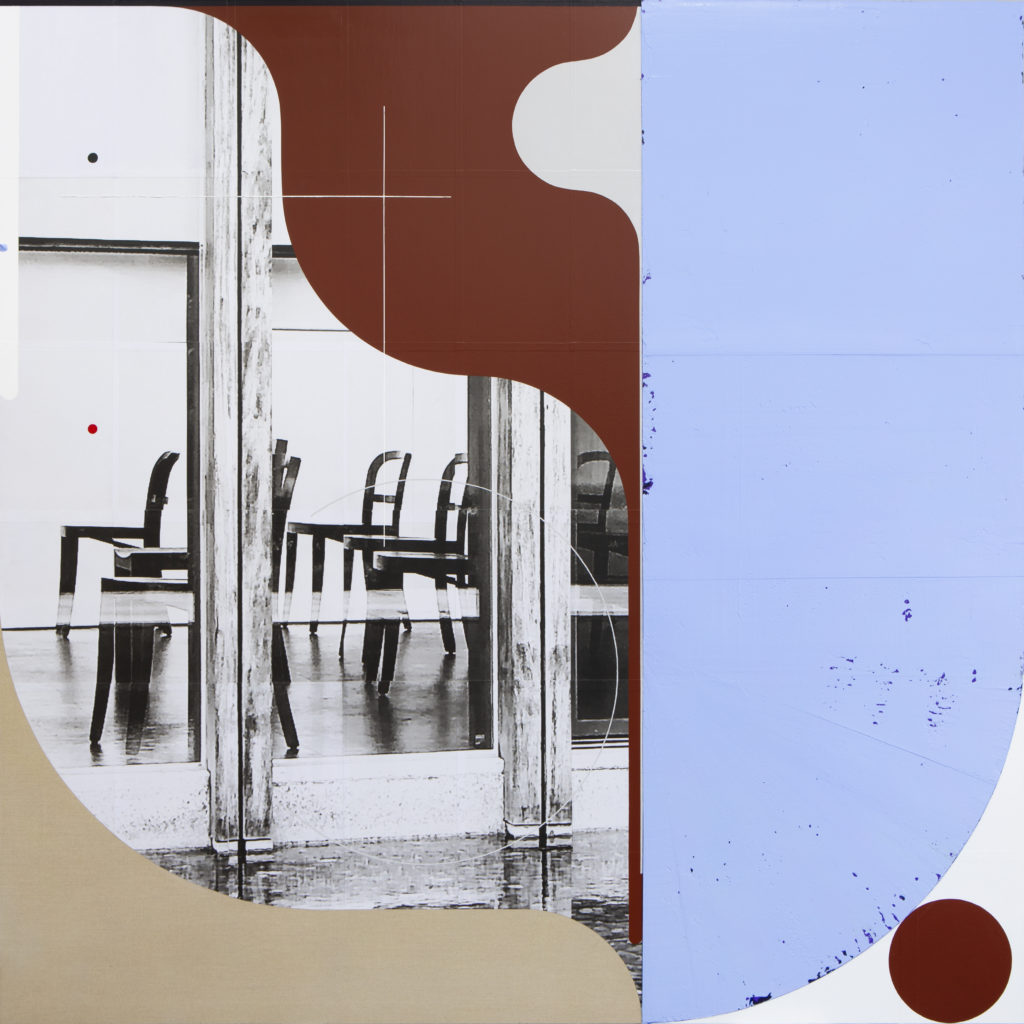
means of expression. In 《The Tourist》, his solo exhibition in L'espace in 2020, LEE explicitly placed the
printed photographs of the places he experienced within his paintings,
overlaying them with abstract color planes from his previous works. This was
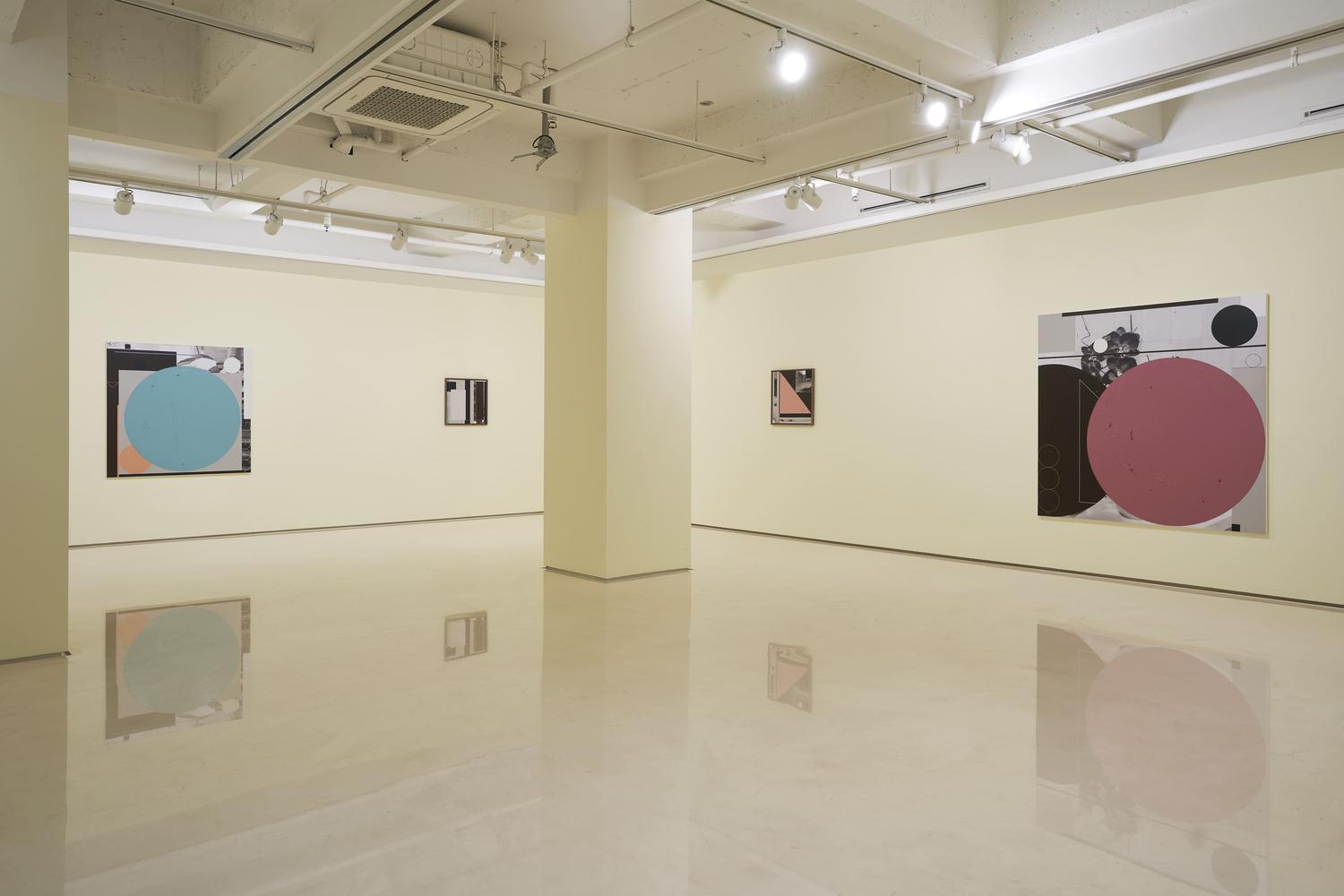
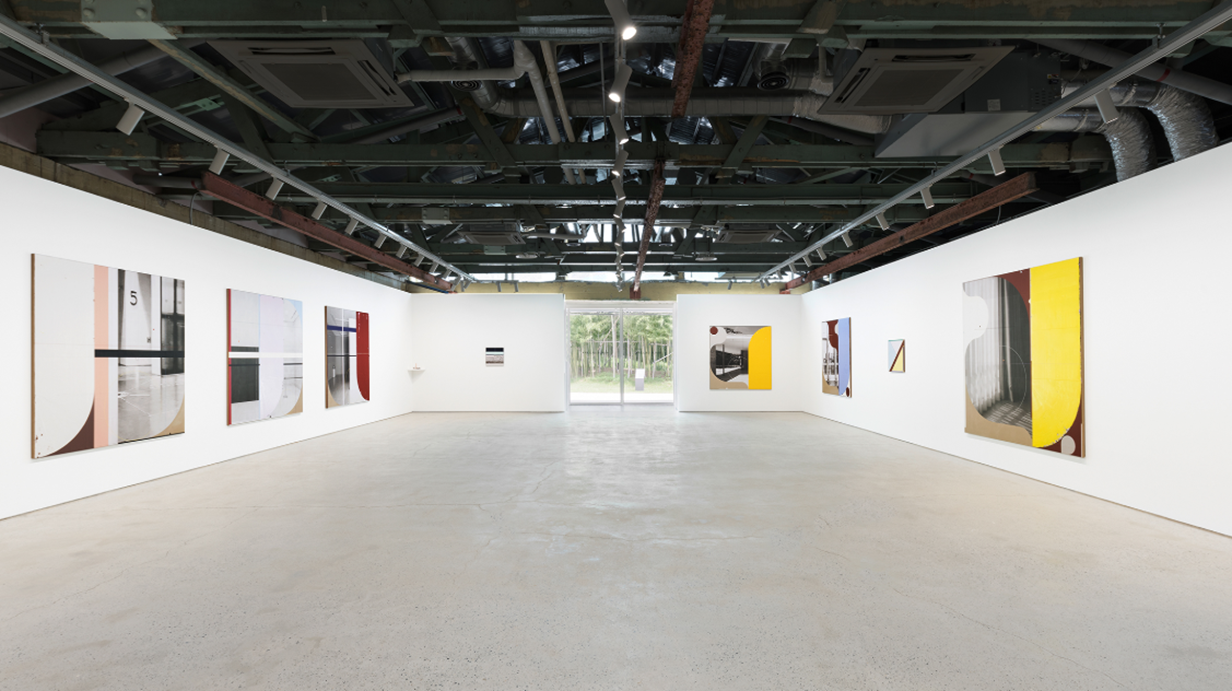
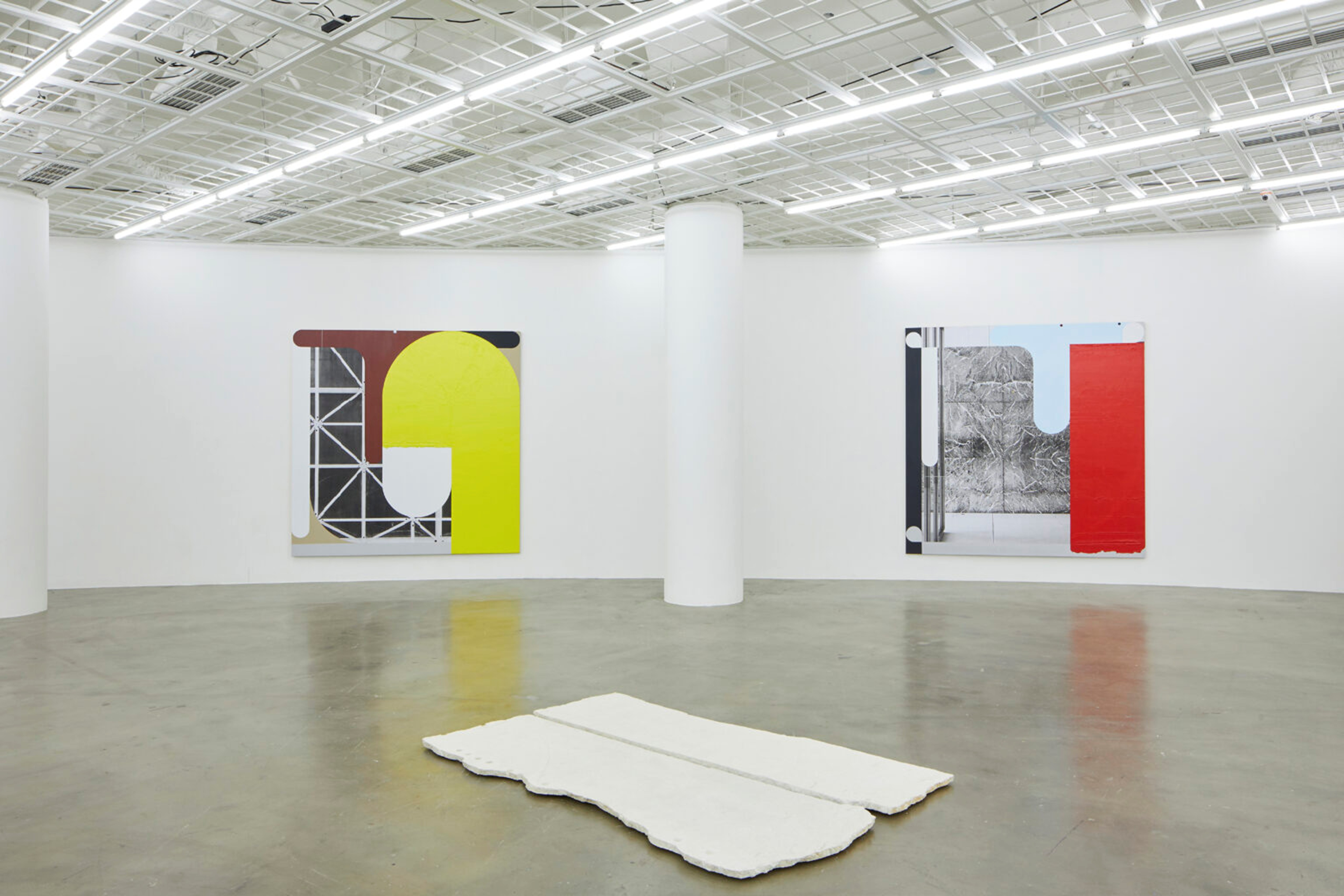
followed by the series ‘Image Architect’ in 2021, in which LEE began to
systematize the balance he sought to reach between masking and revealing and
the method of image processing that could achieve such balance. This had been a
central theme running across all of his works. While LEE focused on masking the
images with color planes in 《The Tourist》, he focused on giving himself a greater degree of freedom to
position color planes and set up for the viewer’s eye movement in Image
Architect by expanding the size of his canvas to acquire more physical and
psychological room. LEE achieved a greater degree of abstraction in the
figurative images by adjusting the color, resolution, and composition of the
background photographs. He also readjusted the customary boundaries assigned
between the different types of cognition by making a prominent display of the
abstract color planes, whose thick textures overlapped with the high contrast
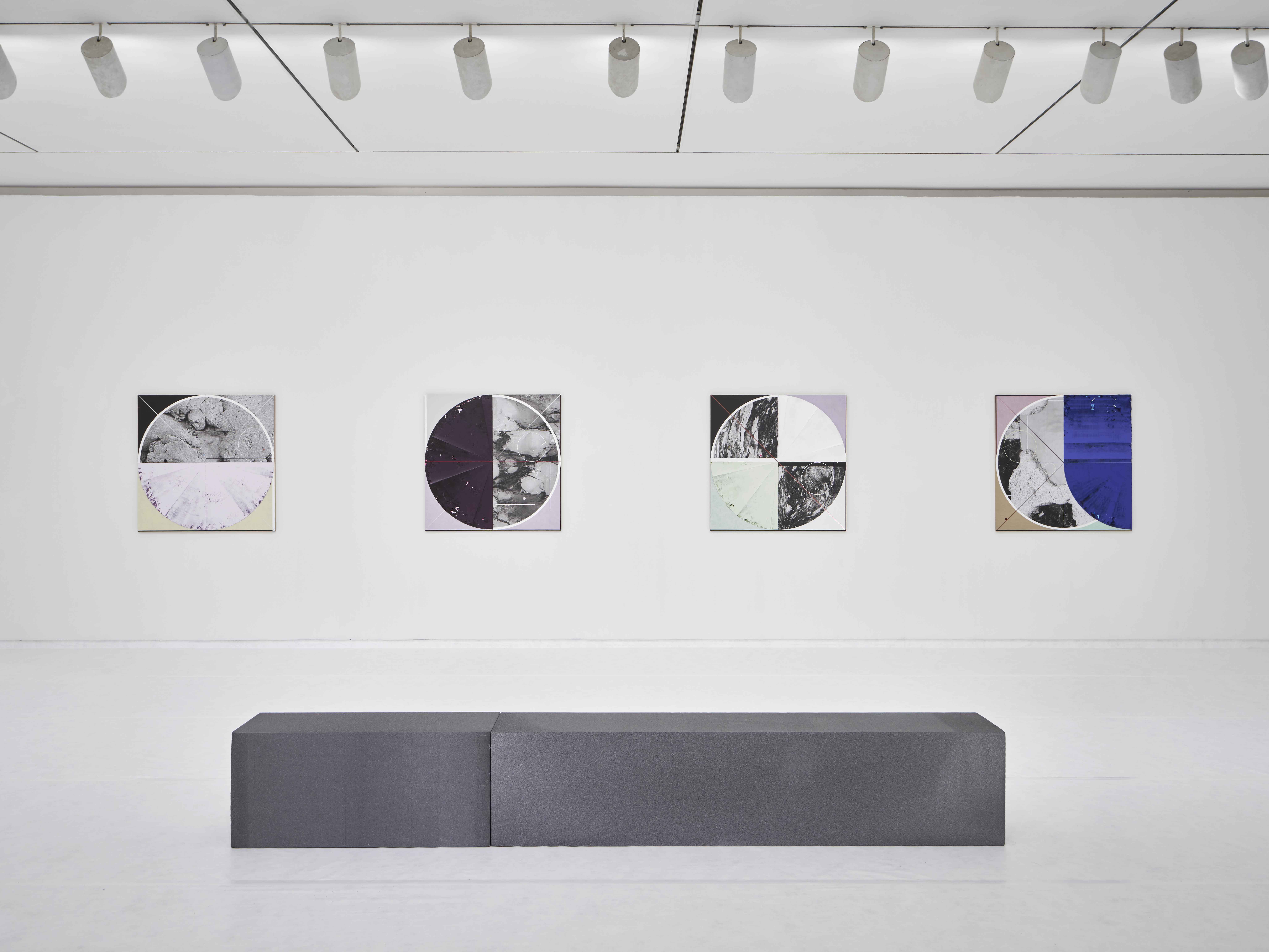
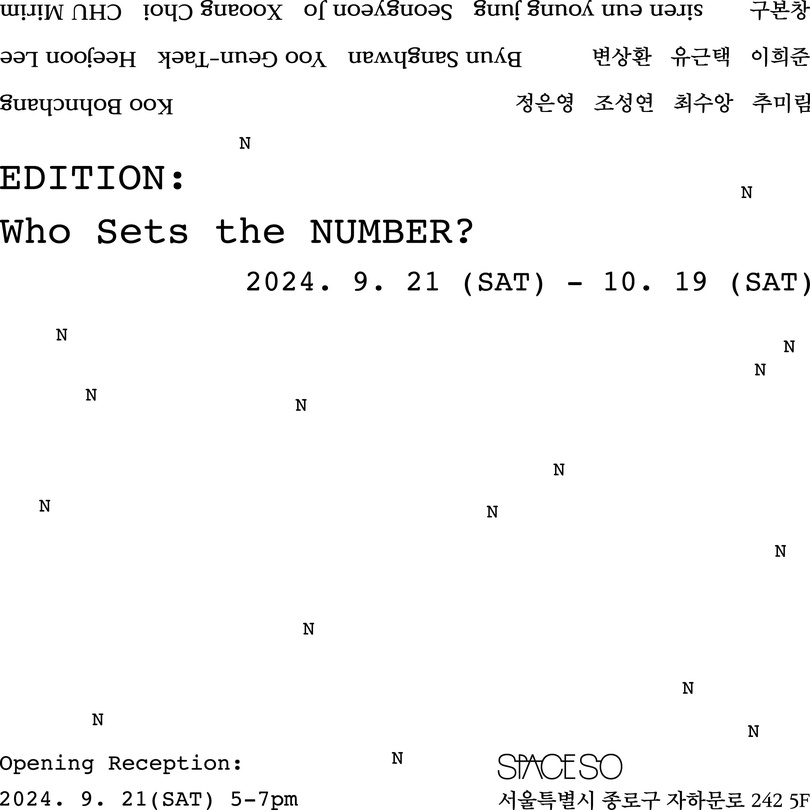
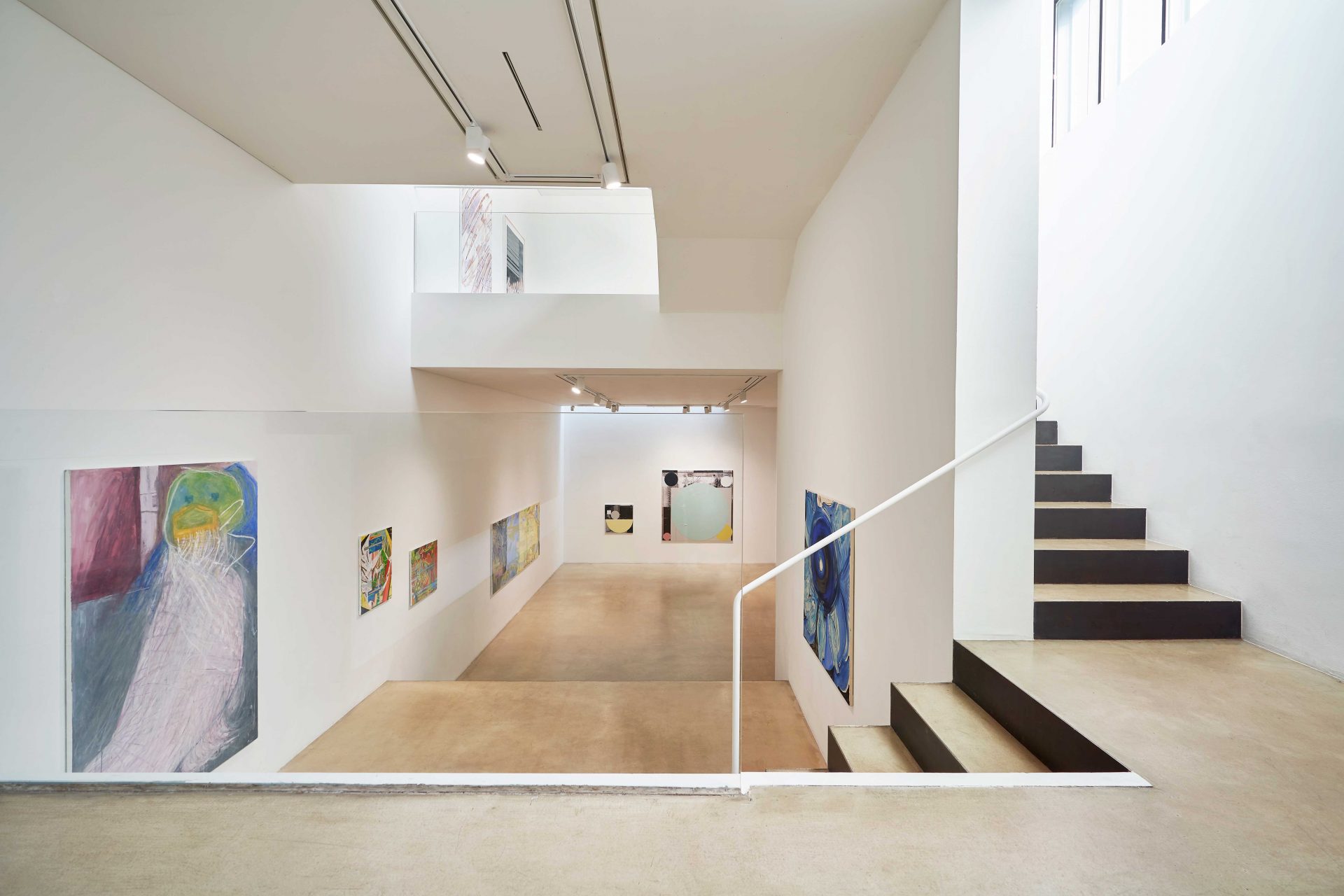
of the underlying photographs. Then in the SPACE SO exhibition 《Raw, Polished, Coated》 in 2021, LEE's
experiments with images in search of an aesthetic balance between the
figurative and abstract, masking and unveiling finally reached its full form as
LEE’s original and distinct expressive style that one may call
"image-search-image."
Thus, LEE steadily established the natural stream of association between the
ideas around imagery that are of the painting, by the painting, and for the
painting, as both part and the whole of the structure of his works along with
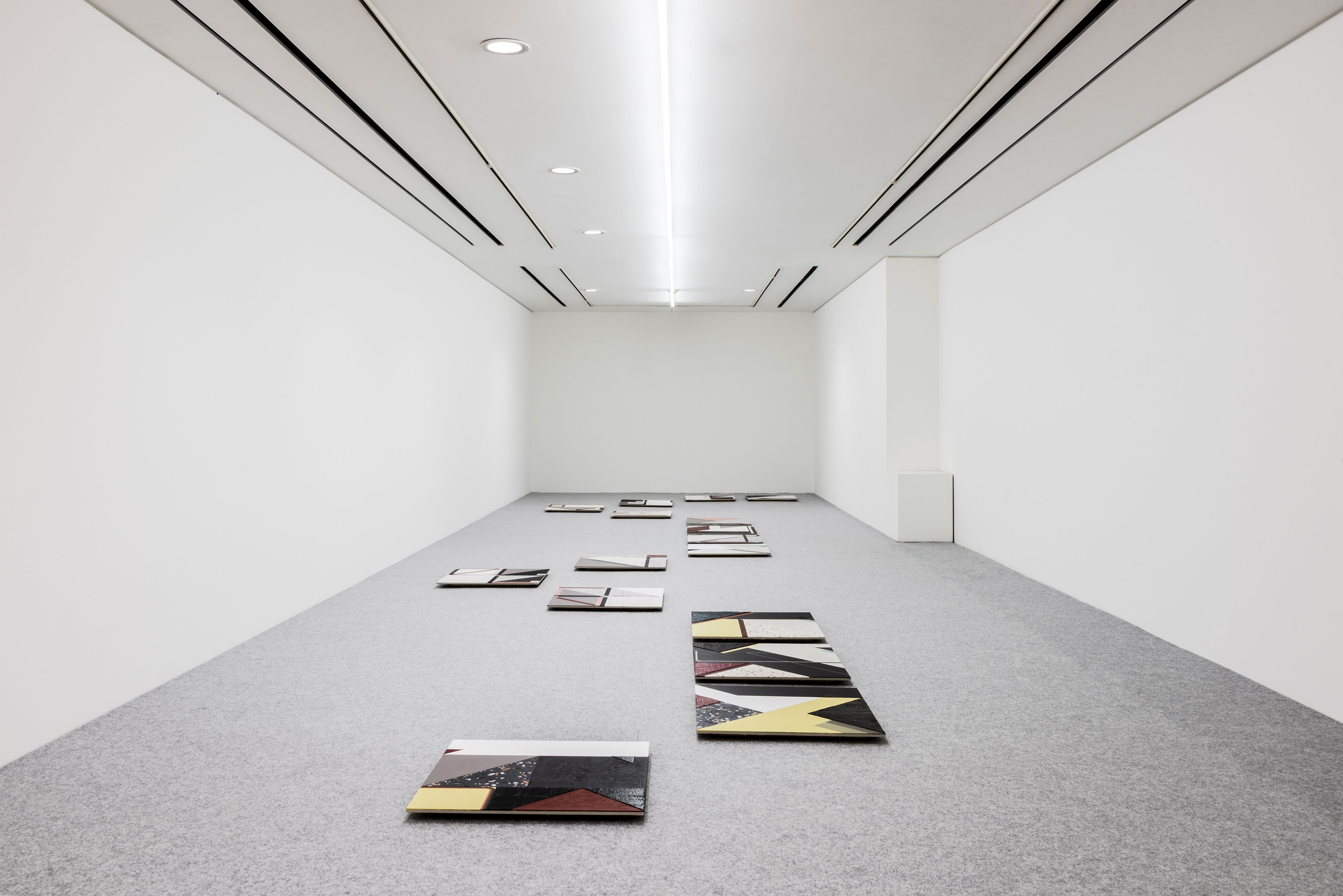
the act of balancing such streams. Furthermore, he explains the unique images
that contain this established structure and what "seeing" means as
the essence of the dynamics created by such imagery, through the "painting
series as a series of structure" which he created using a certain kind of
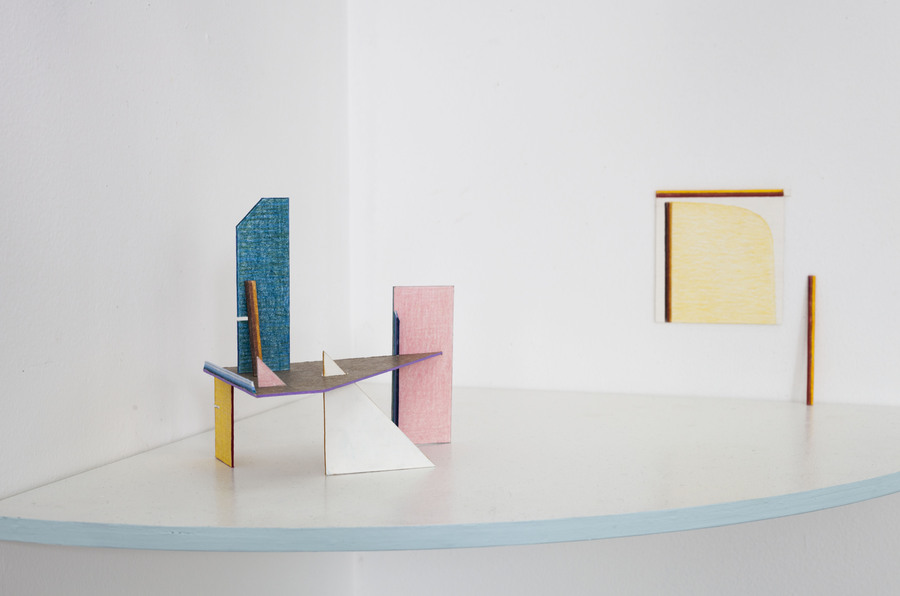
self-destructive technique. His painting experimentations or, rather,
experimental paintings purposefully created confusion in the boundary between
the two-dimensional and three-dimensional worlds that were previously
considered incompatible. And by doing so, he transports painting from being a
medium to being a genre, and discovers the possibility for a new framework of
aesthetic cognition that can provide a contemporary examination of the complex
conditions of artistic activities.
***
Jintaeg JANG is a curator and a researcher based in Seoul, Korea. Jang received
his M.A. in Curating Contemporary Art from the Royal College of Art and
completed a doctoral program in Art Studies from Hongik University. Jang
curated numbers of shows working at Ilmin Museum of Art, PLATFORM-L
Contemporary Art Center and Insa Art Space, and ran an independent platform for
curatorial practice called INTERACTION SEOUL. His position was also a team lead
at ZER01NE Creator Studio, a creative division at an open innovation platform
operated by Hyundai Motor Company. Currently working as an independent curator,
Jang is curating and writing with a research interest in the formation and practices
of contemporary curating in South Korea.