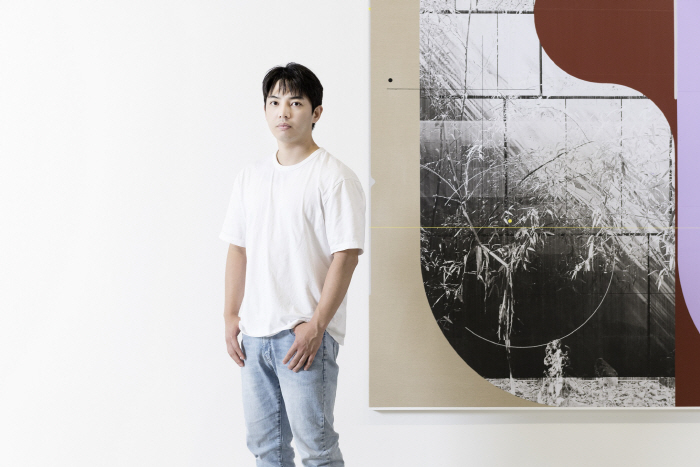
For Heejoon Lee, the conditions
and limitations of painting are explored on the same level. In his paintings
that have dealt with urban and architectural interests in the abstract language
since 2016, the relationship between screen composition and quality has been
maintained in an understated sense. The changes in such work style began with 《The Tourist》 in 2020 and were fully rendered
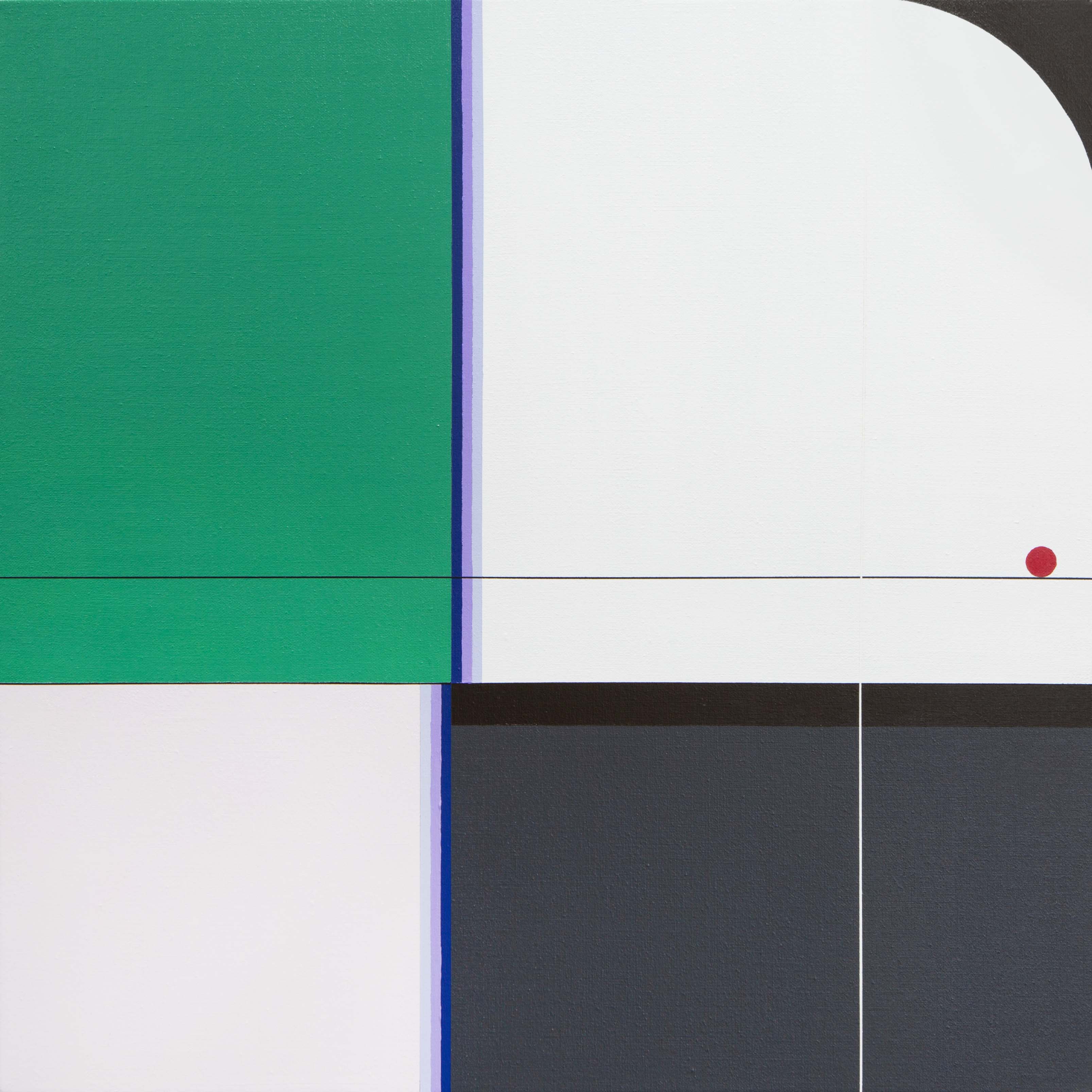
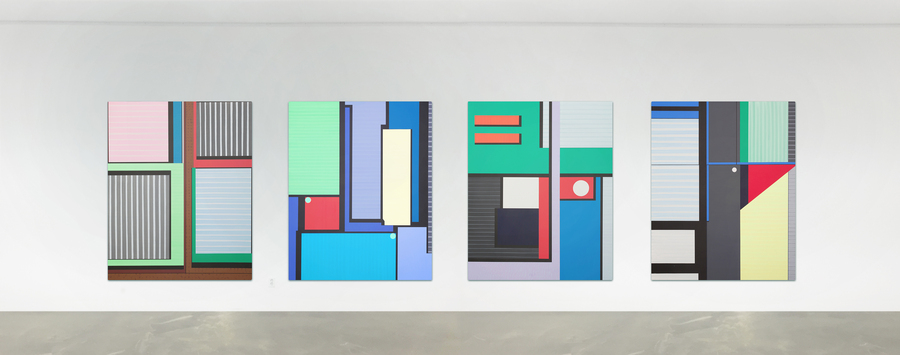
in his solo exhibition 《Image Architect》 in 2021. On one hand, his former color plane abstract paintings
have explored abstract languages with geometric compositions based on points,
lines, and planes. Since then, his work has been pursued as a formal challenge
within a frame by composing a pictorial plane in which images and paintings are
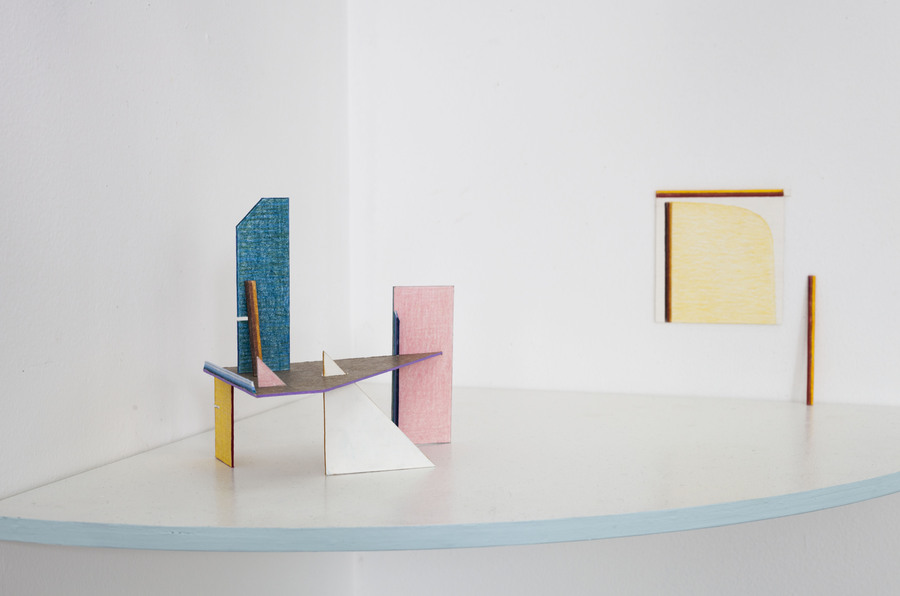
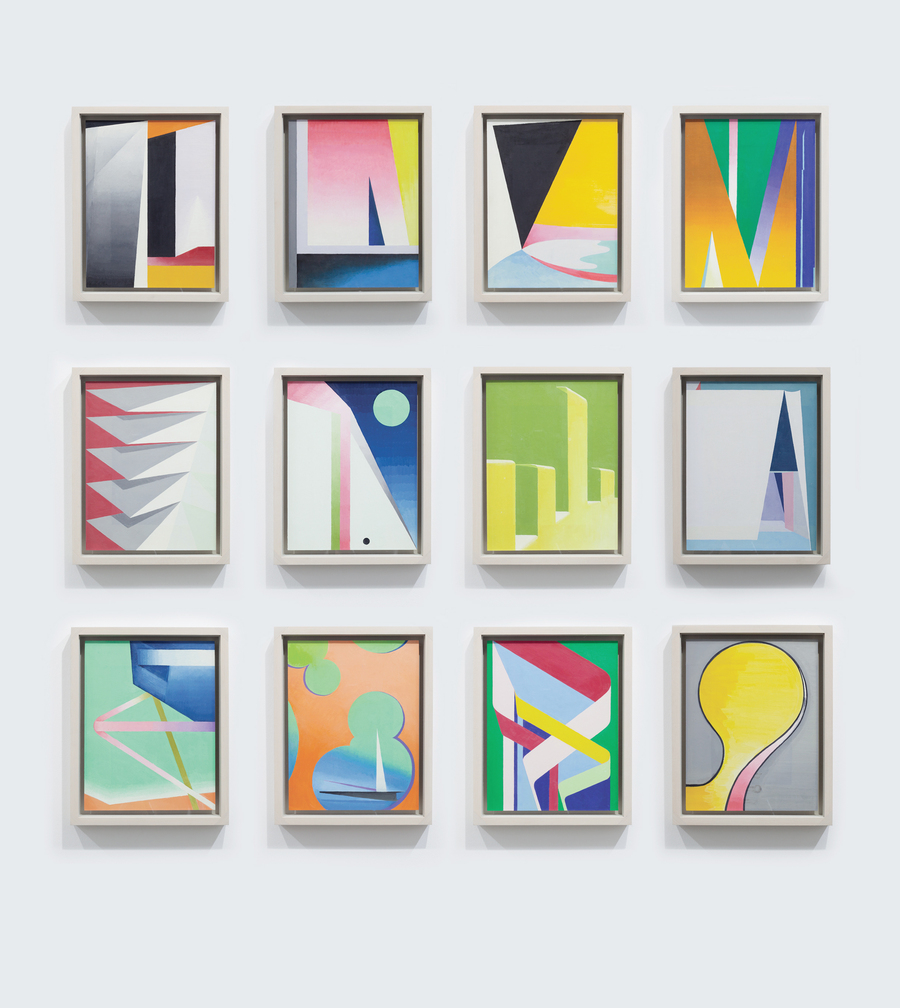
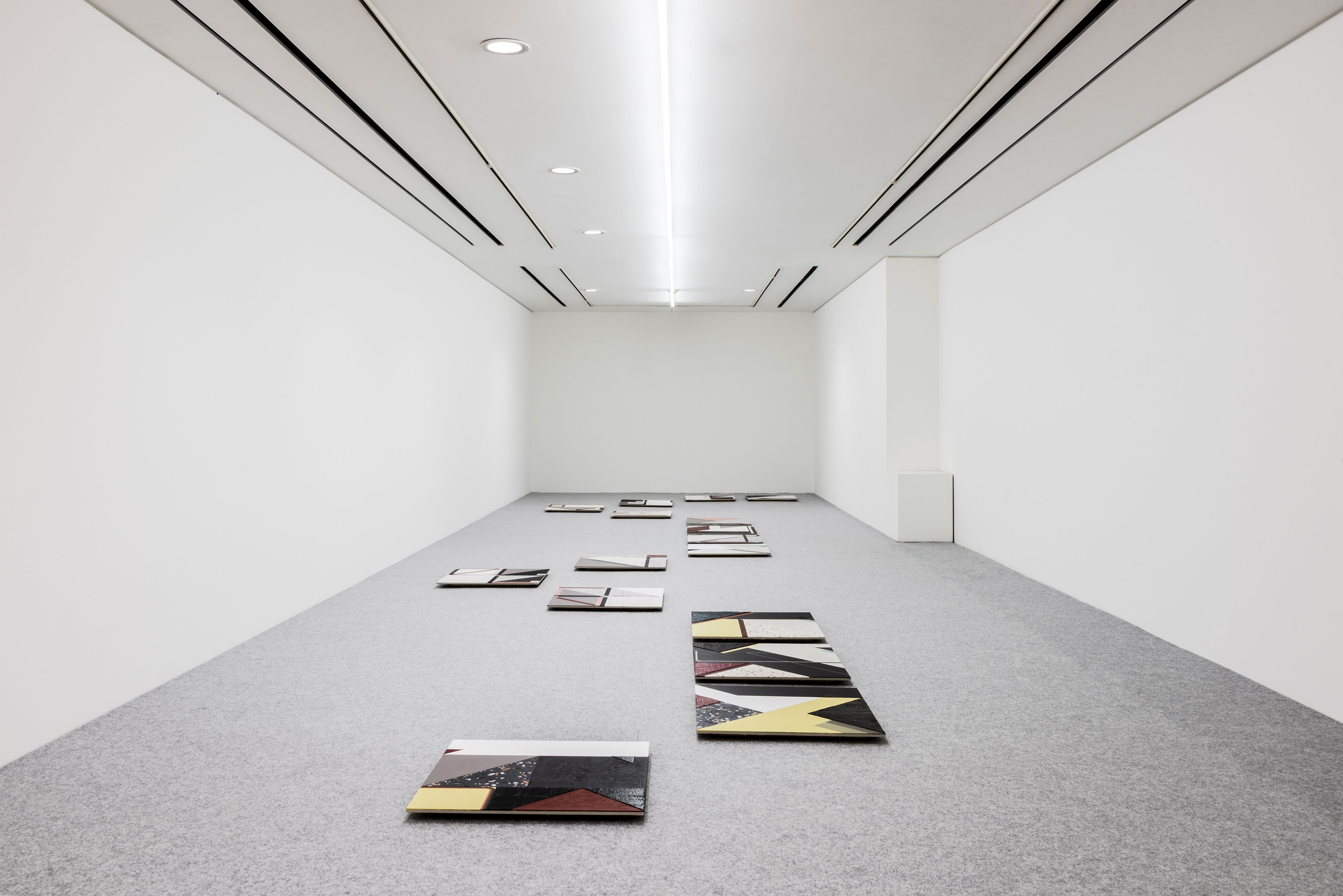
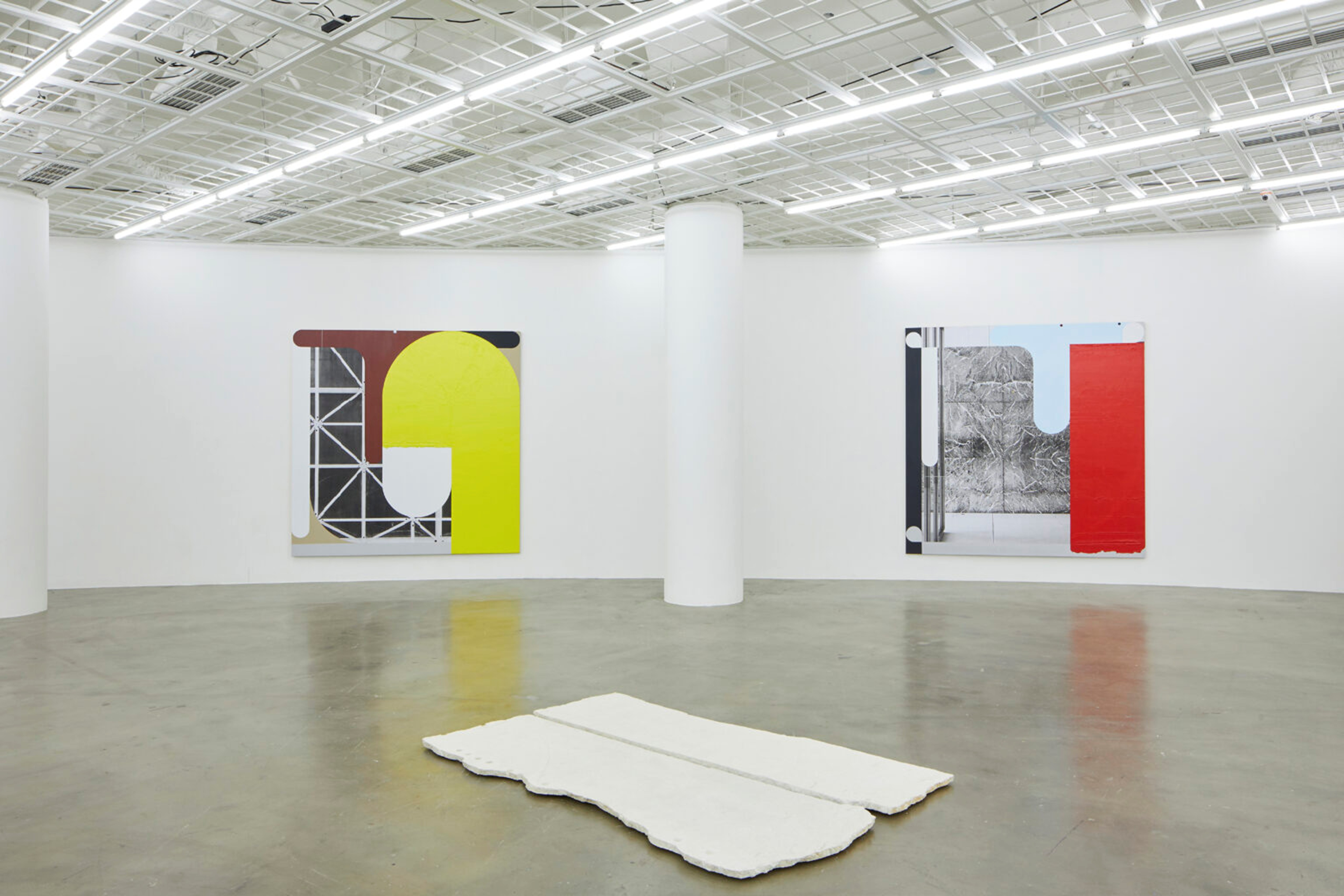
juxtaposed through the photo collage method. The 2022 solo exhibition 《Heejoon Lee》 held in the following year
expanded the formal experiments of painting to photography, sculpture, and
spatial dimensions, including color plane abstractions, photo collages, and
small three-dimensional pieces. Furthermore, the spatial installation work he
introduced as the O.P.E.N. Project during the open studio of the Seoul Art
Space Geumcheon (SASG) in 2022 has discovered the possibility of abstract
language latent in material and space, reinterpreting the relationship between
architectural elements and pictorial frames as a temporary variable space using
felt cloth. His works, which span over various dimensions like the plane,
three-dimension, and space, are basically based on the formal conditions of abstraction
and aim to return the path to today's abstract thinking and practices to the
frame of paintings. This writing attempts to approach the contemporary
possibility of rediscovered abstraction by especially analyzing the recent
full-fledged photo collage paintings, ‘Image Architect’ series (2021-), from
his plastic art experiments.
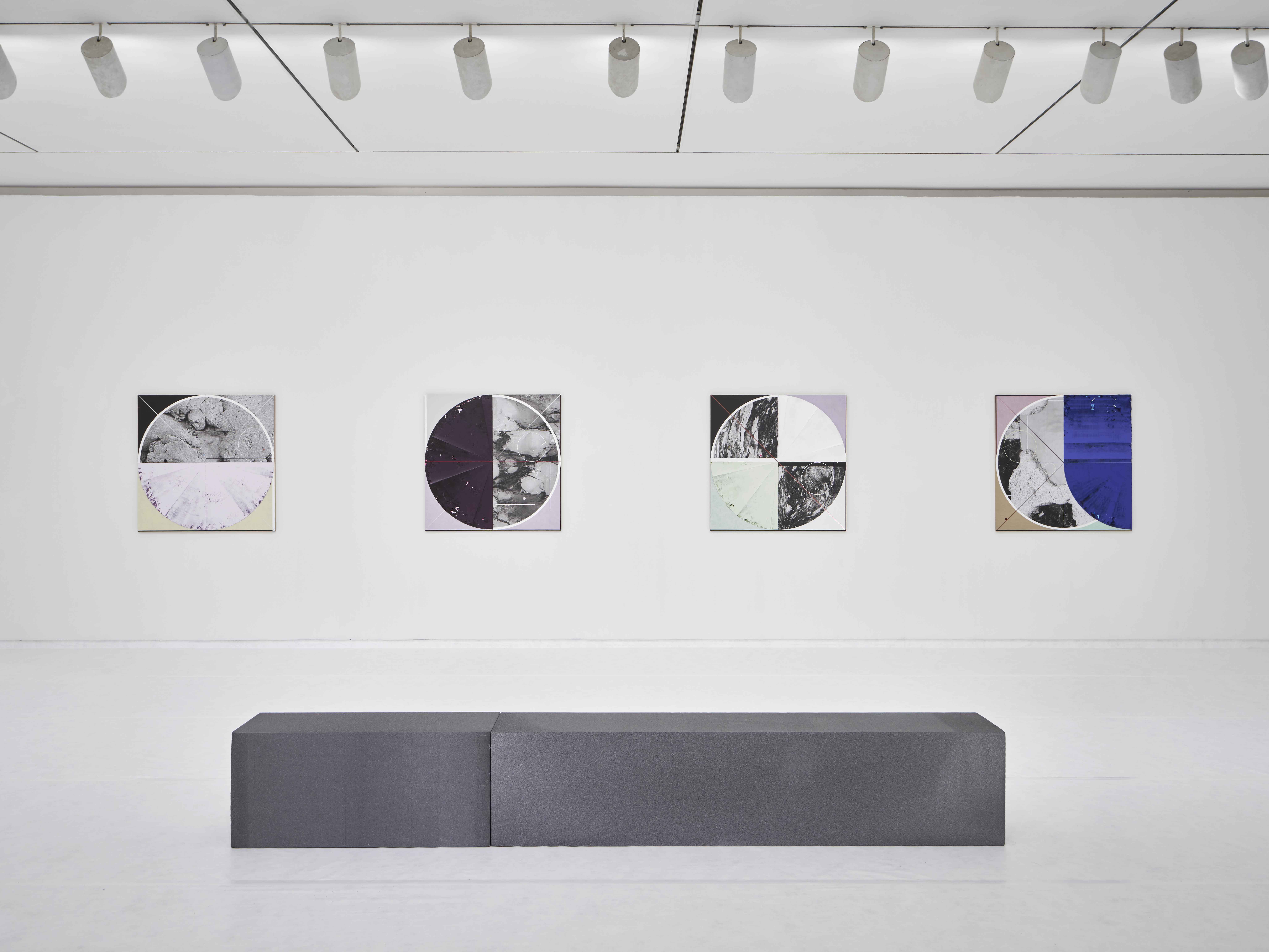
Unlike how contemporary paintings
are seeking to break away from the canvas frame and make various formal
variations, Lee has preferred to trap himself in the canvas's standardized
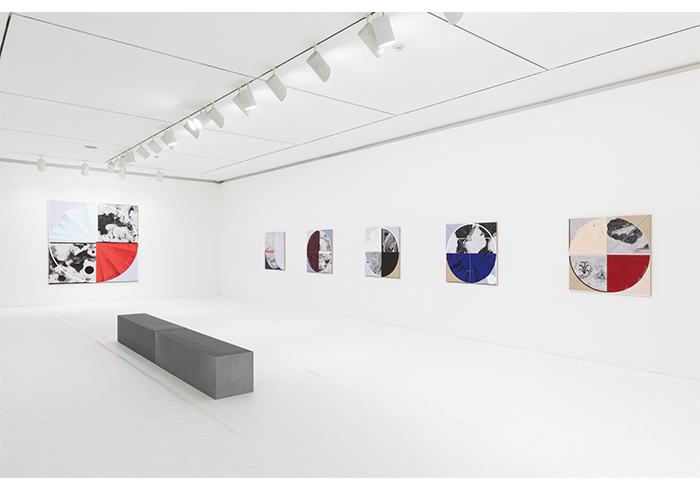
frame. Moreover, the canvases that he usually uses are distinctively square and
equally proportioned. These qualities delve into the conditions of flatness
that deny the inflow of depth, perspective, and the illusion of the pictorial
plane given by the vertically or horizontally long canvases. The square
pictorial planes, which are usually 260x260cm, 160x160cm, or 45.5x45.5cm, are a
basic framework reminiscent of the narrative and sense of absolute and
intuitive abstraction contained in a square. The way he introduces images in
the reductive frame of painting follows a formal experiment that gives fluidity
and variability to the canvas by arranging thin two-dimensional planes called
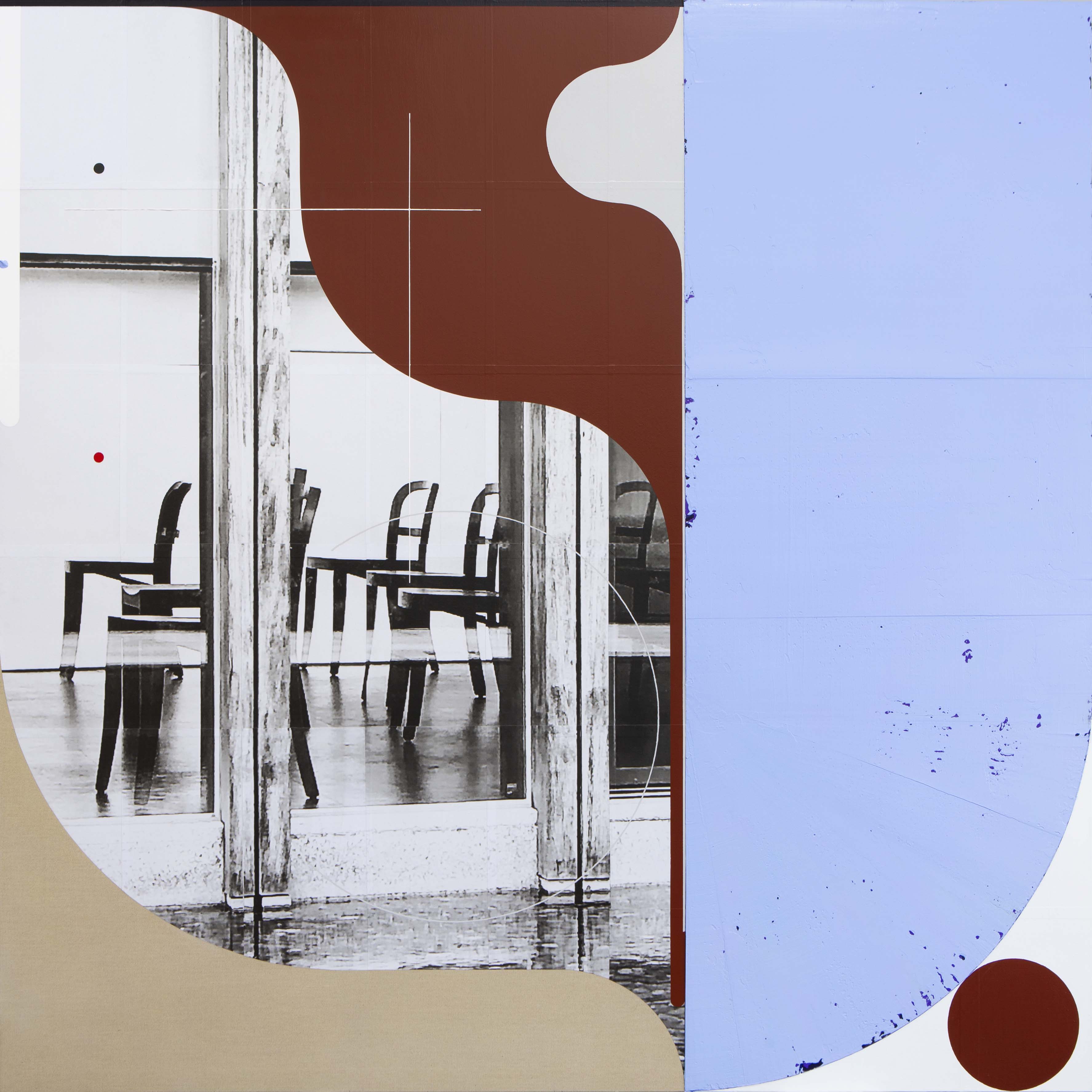
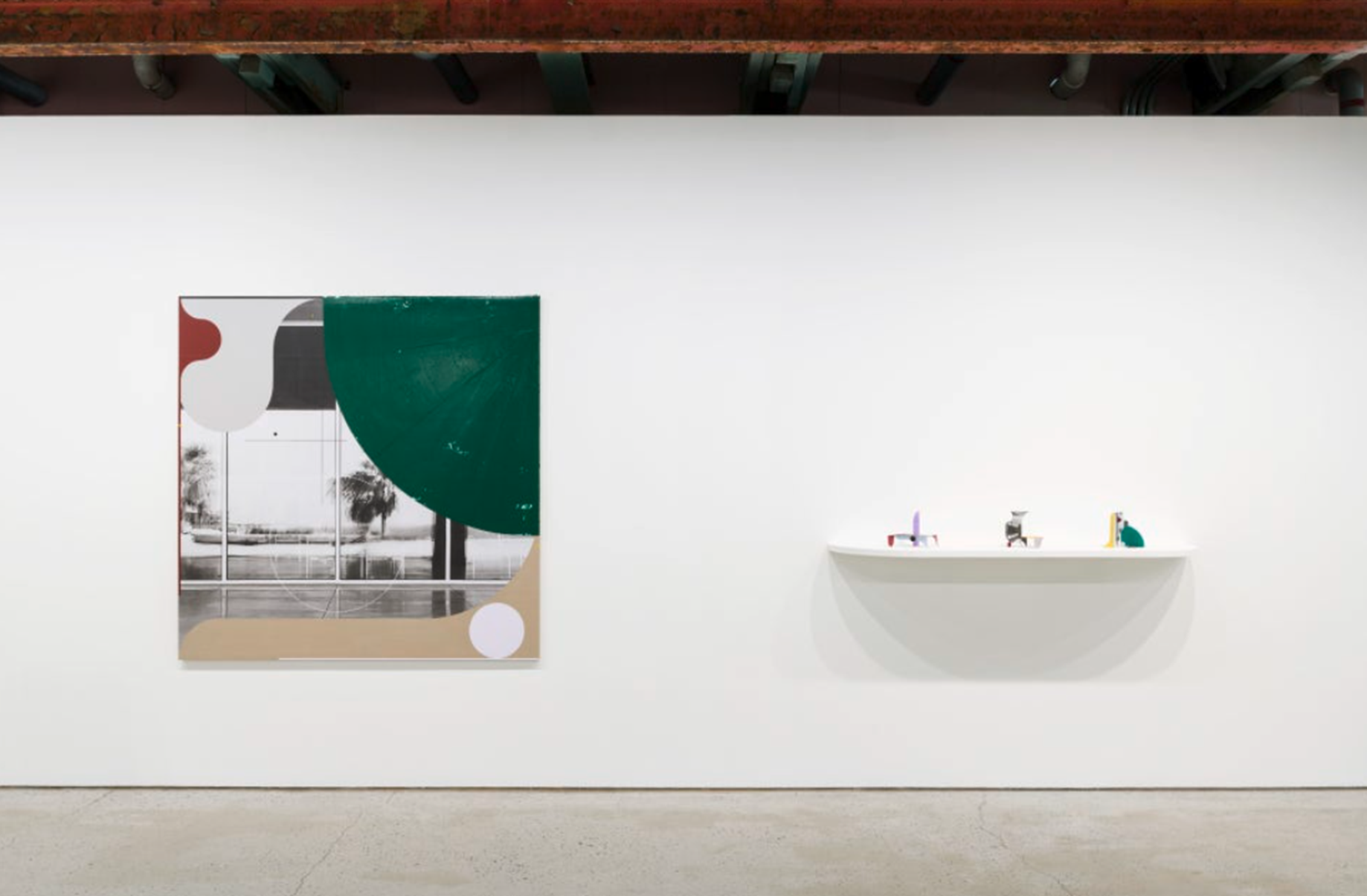
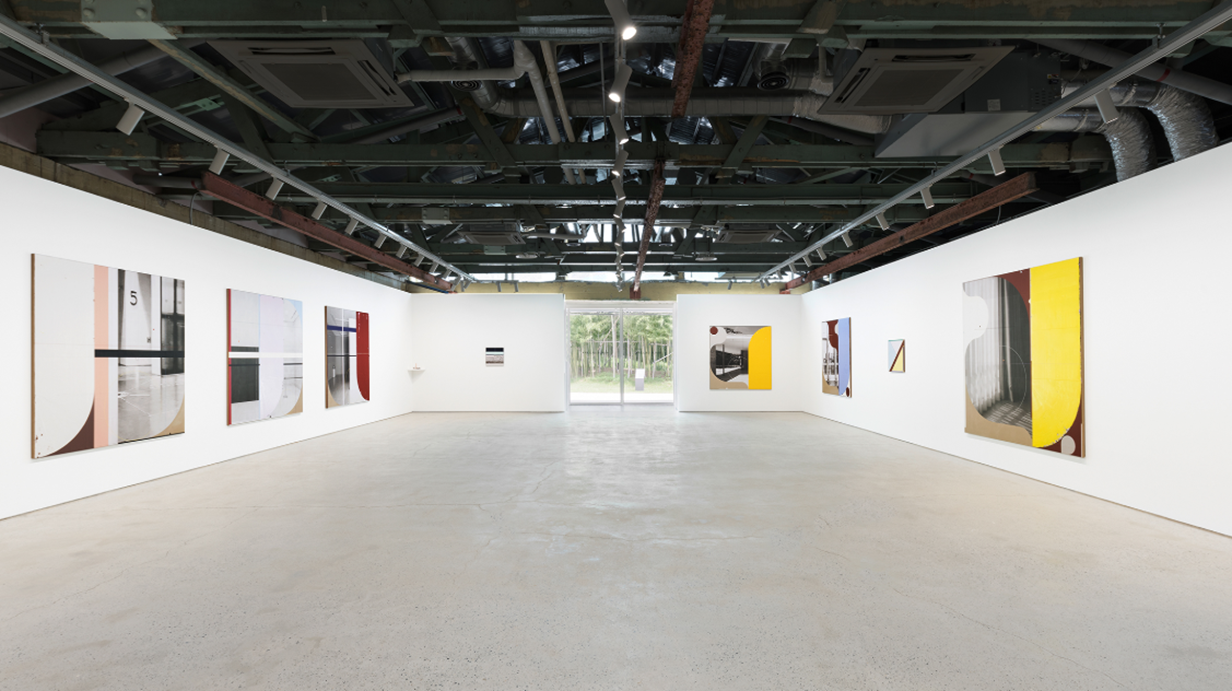
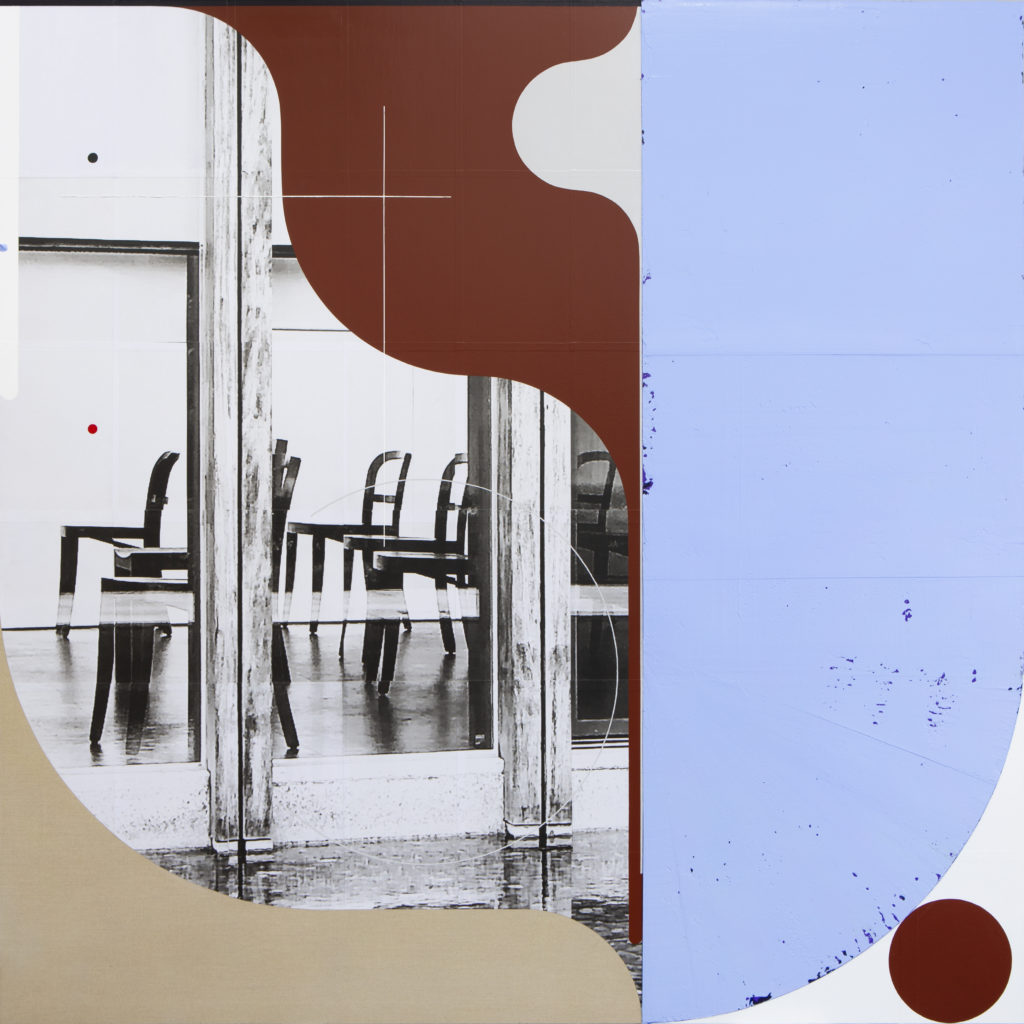
paper. If you take a closer look at his work, where acrylic paints and
black-and-white photographs form one pictorial plane, you can see that the photographs
are not attached as a single image and that they are actually filled with
separate A4 paper. Depending on the size of the canvas, more than 100 sheets of
A4 paper are attached, and this repeatedly aligned arrangement of
black-and-white images is related to the process of reconstructing the frame of
the images into the frame of the painting. This process of integrating canvas,
paper, and ink leads to another support for painting that interacts with
materials through the artist's physical intervention and repeated labor.
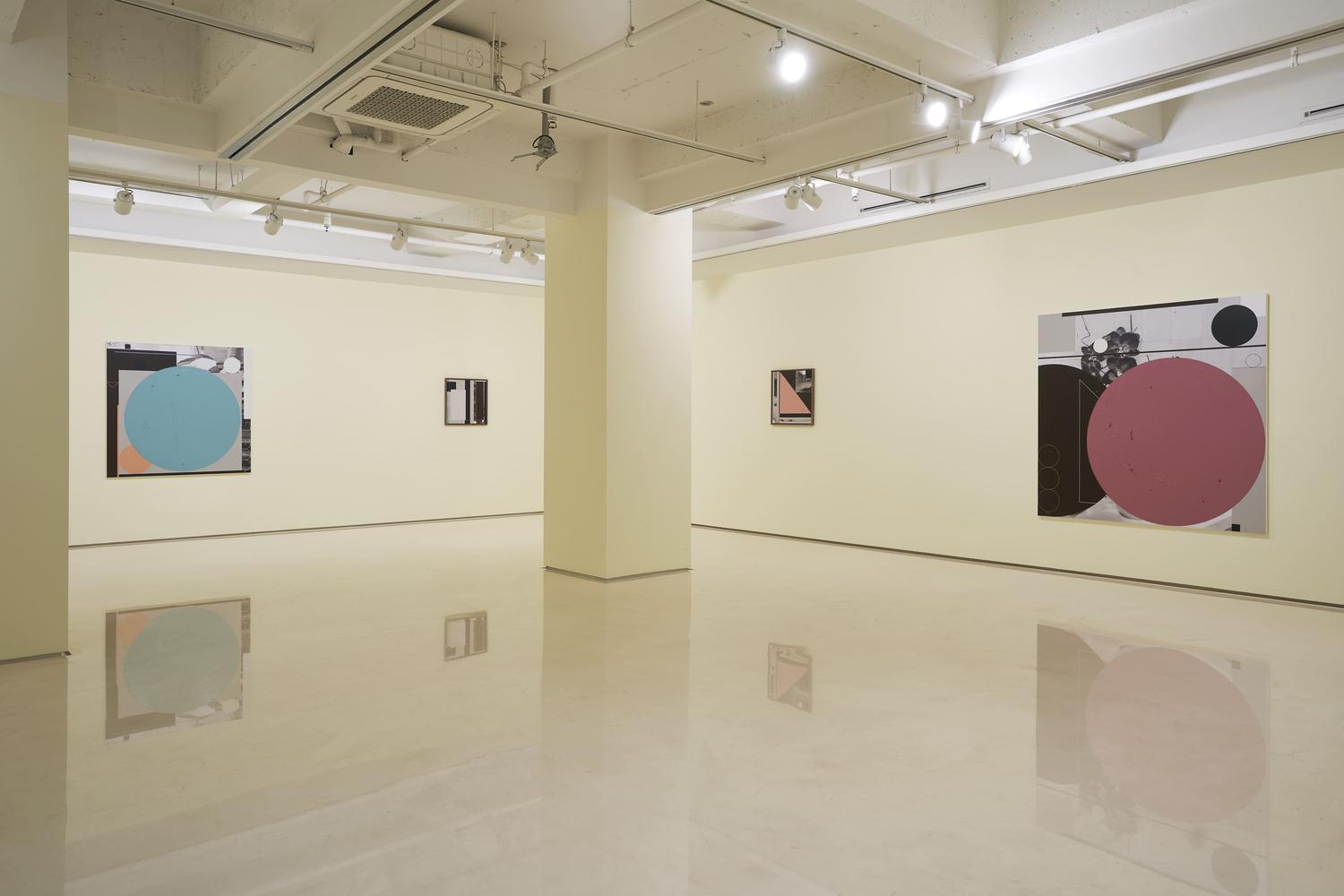
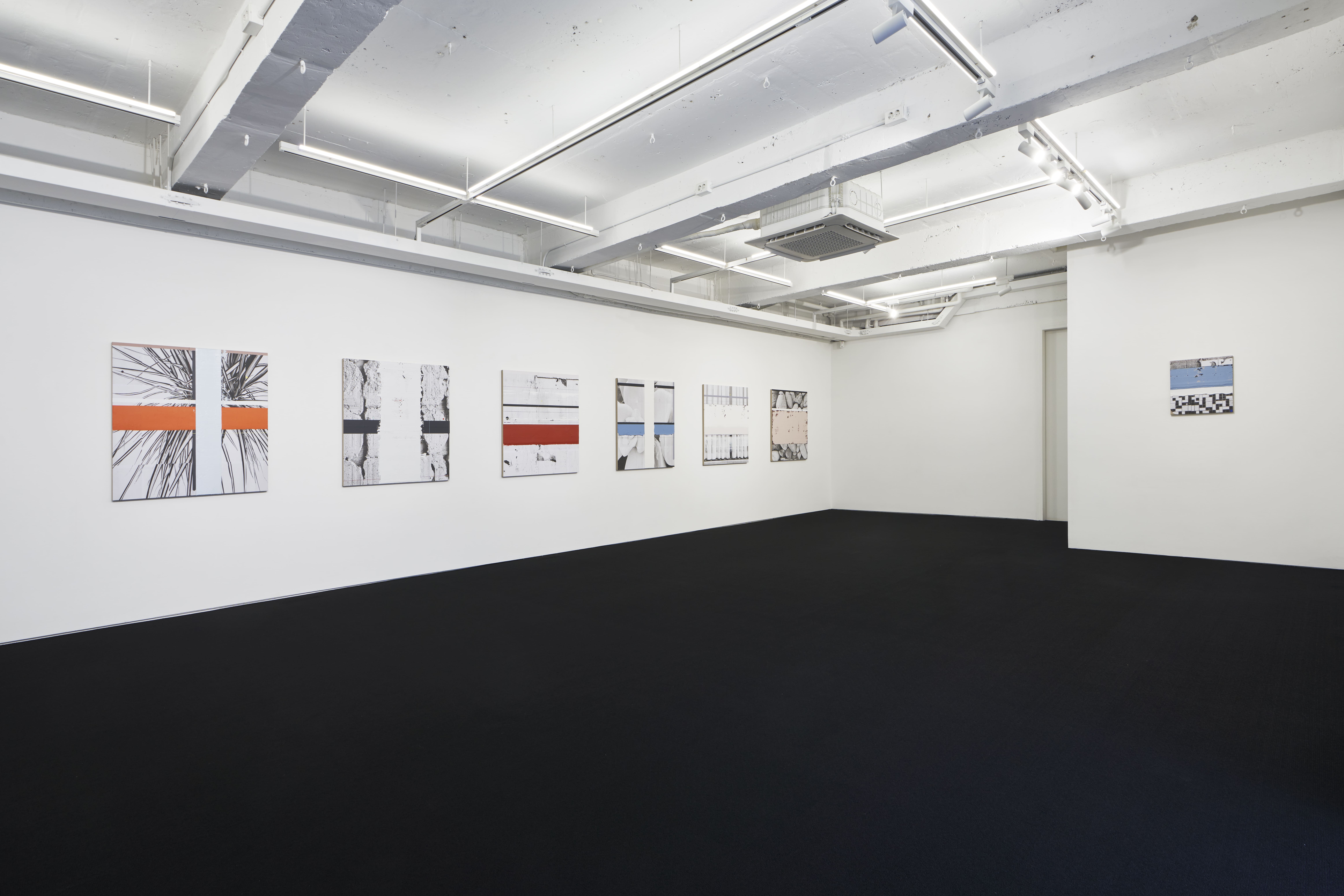
Furthermore, when you take a close look at the relationship between the image
formed on the pictorial plane and the painting, the printed photo images
usually contain traces of the architecture photographed by the artist in his
daily life. It focuses on the characteristics of the space left behind around
the exhibition space that forms the art system or contains his delicate views
on the form, shape, color, texture, and structure of buildings, such as the
geometricality and the sensation of materials of common and ordinary
architecture from his daily life as well as impressive architectures he came
across during his travels. At this time, the totality of the black-and-white
images printed section by section and attached is severely ruptured on the
canvas, and the subtle error inside the image he intended in the arrangement is
an element that breaks down the uniformity of form and perception. The
pictorial traces on top of the piece created by the artist using a squeegee
once again disrupt the illusion of a pixel-dominated space, evoking tension
between imperfections and perfection on the pictorial plane while eliciting
sensational order. In addition, the abstract language contained in points,
lines, and planes causes the visual sense and memory dislocated from the image
to form new information values. The composition and texture of architectural
spaces and the cold nature of the digital image are converted into the
experience of painting through the process of abstraction. At this time, the
transition of experience is the process of experiencing the material dimension
as the dimension of non-material (digital) images, then as the property of
painting. The painting completed through this process inversely presents a path
towards the experience of sensing three-dimensional space again from the strict
frame conditions. The traces of the paintings formed in this manner not only
intuitively adhere to the distant dimension's landscape of space on the
pictorial plane, but also present the path of abstract language as a motivation
to ask questions to the image perception system familiar to contemporaries.
The changes in Lee's recent paintings have been challenging the frame that
previously defined painting through flexible channels such as the
reinterpretation of image experiences through photo collages and a pictorial
approach to decomposing digital images. Each time when he does, he questions
the ruling order that established his paintings, and as a pictorial experiment
that violates and contradicts them, he has actively introduced images, physical
properties, and spatial elements as new materials. In his artist note he said,
"I think in today's faster and clearer development, abstractions convey
little information and unclear messages on the contrary." The conditions
of abstraction noted by the artist are attempted against the presence of
excessive images, the specificity of flooding images, and the feed of
unrecognizable image consumption in the digital society. His pictorial
challenges, which exclusively possess the conditions of contemporary images,
reconstruct the empirical dimensions of abstract language through the paradox
inside the frame, while inheriting some of the solid formal conditions formed
by the history of abstraction. Through such a series of processes of
contrasting, dividing, and layering the dimensions of contemporary space and
images, his paintings overcome the conditions and limits of the frame and open
the door to the possibility and experience of abstraction promoted on the other
side of the real-time image world.